
Why did Salem believe in witches in 1692? The real reason
 General
Places with legends
Why did Salem believe in witches in 1692? The real reason
While there are some skeptics, legends are part of our common knowledge, and we continue to pass them down to our families, generation to generation. What keeps them alive is simple: there is always something about them that cannot be fully explained, no matter how advanced technology becomes. That sense of mystery is what makes them so compelling. Here are 10 legends that have stood the test of time.
Salem, Massachusetts
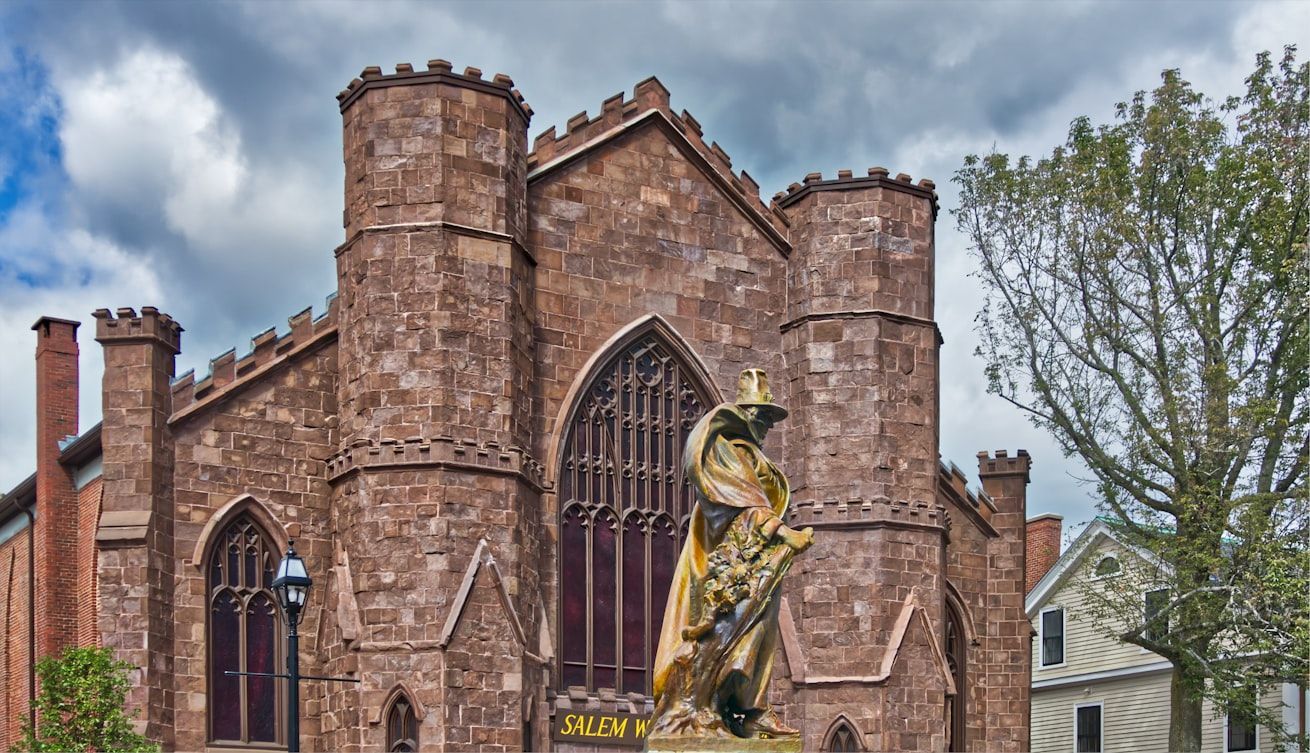
In 1692, Salem was overtaken by panic after young girls from respected families showed strange and violent symptoms, which the local doctor blamed on witchcraft. Authorities began making accusations based on "spectral evidence" and arrested around 200 people. Fear spread quickly, neighbors testified against each other, and around 20 people lost their lives.
Truth is, at that time, the line between medicine and magic was unclear, and women with healing knowledge were often suspected. The trials ended as the governor shut down the court after accusations reached his own family. Years later, the colony admitted the trials were a huge mistake, but the damage was already done.
Area 51, Nevada
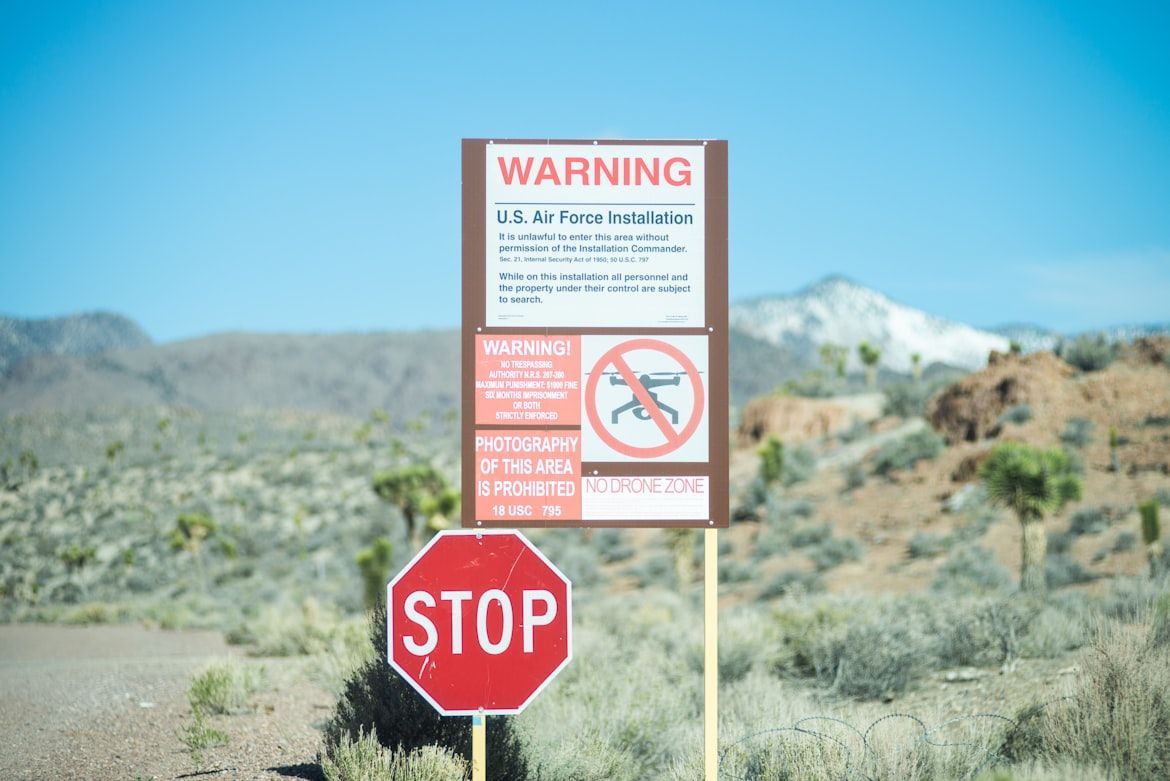
Area 51 is a modern myth rather than a folklore legend, largely shaped by mass media and public speculation. Located in the Nevada desert, this highly restricted U.S. military base was established in the 1950s to test experimental aircraft. Its secrecy, limited access, and controlled airspace drew Americans' attention when reports of unusual flying objects began to appear. Over time, these ideas spread in the news, books, and films such as Independence Day, directed by Roland Emmerich in 1996. But how much of the real version will we ever know?
Bermuda Triangle
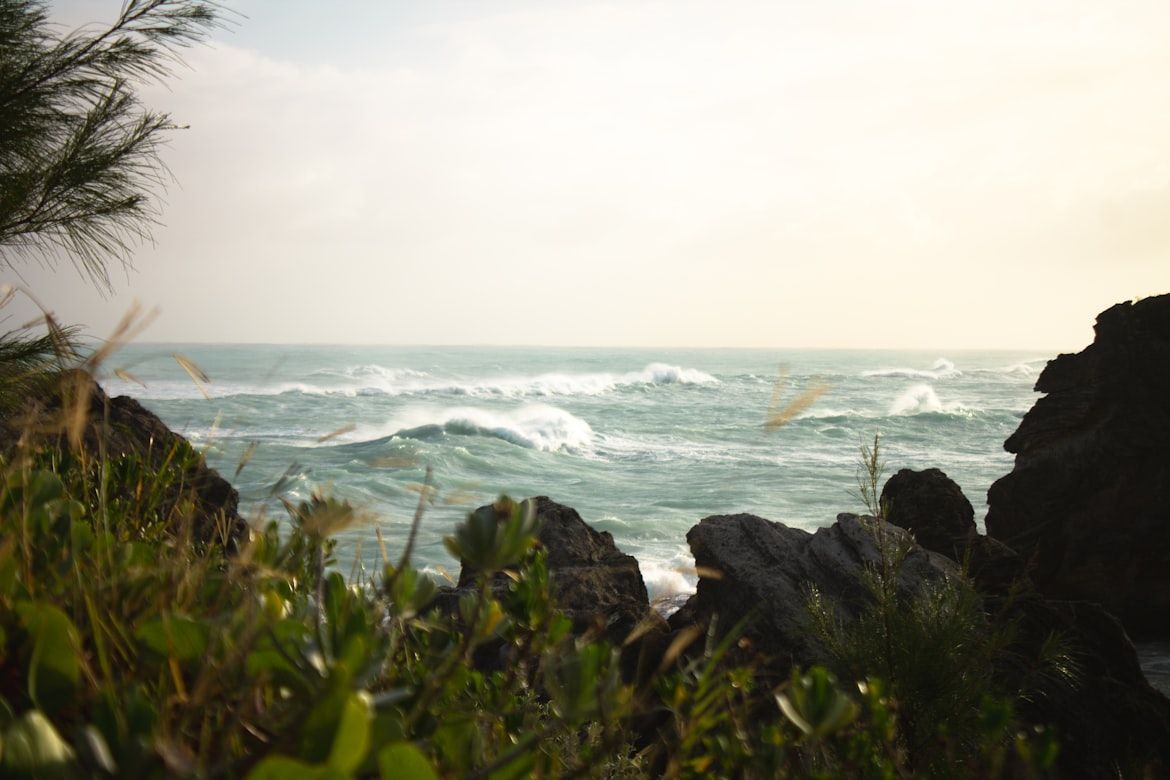
The Bermuda Triangle is a region in the Atlantic Ocean between Bermuda, Miami, and Puerto Rico. The mystery surrounding this area began after two particular events: the disappearance of USS Cyclops in 1918 and Flight 19 in 1945, with no clear explanation.
Moreover, the 50s and 60s were periods when science fiction was at its peak of interest: after World War II, the Cold War, and the space race, these stories fit perfectly with the mood of the time. The name "Bermuda Triangle" came in 1964 after Vincent Gaddis titled his article like that in the popular pulp magazine Argosy. Is this area really dangerous?
Sleepy Hollow, New York
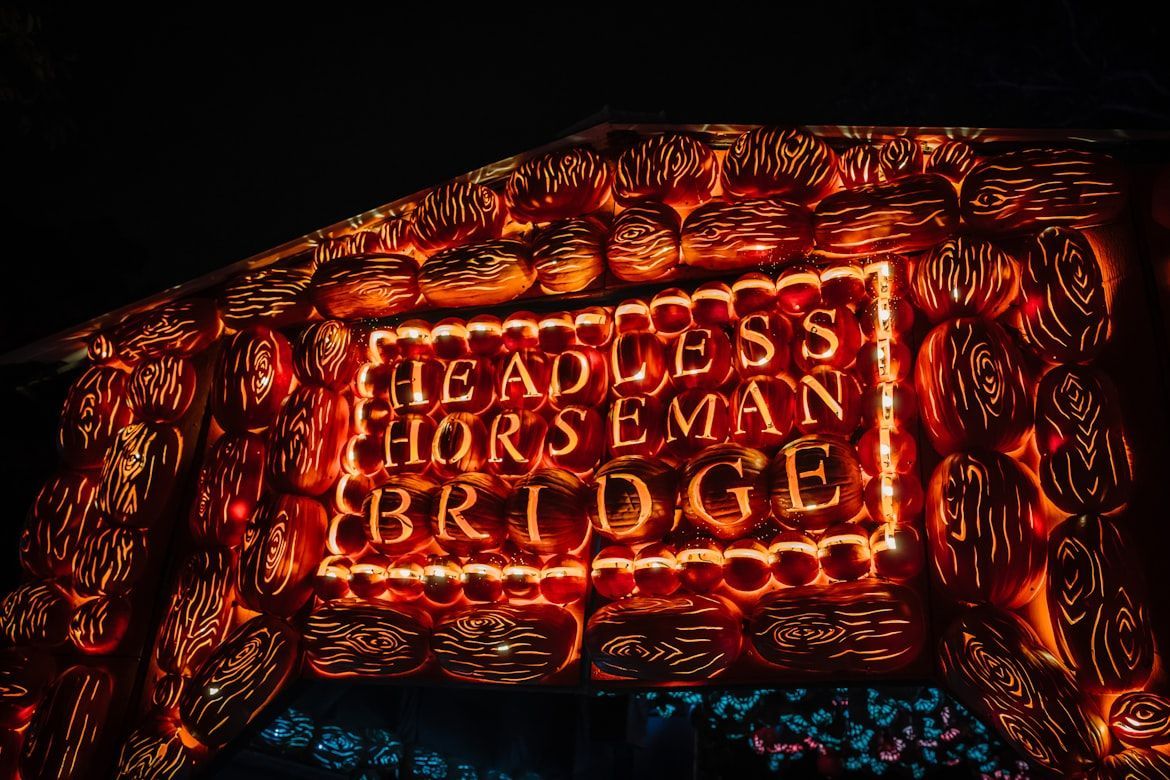
This is one of America's most famous ghost stories. A short story written by Washington Irving in 1820 turned this legend into a written tale. It follows Ichabod Crane, a schoolteacher in a quiet village in New York. The story builds to a nightmare encounter between Ichabod and the Headless Horseman, a rider who had lost his head in a past battle, who chases Ichabod into the woods. The schoolteacher was never seen again.
The legend comes from local stories, but similar figures also appear in other cultures, such as the Irish dullahan, a headless horseman believed to be a harbinger of death and a messenger from the otherworld.
Loch Ness, Scotland
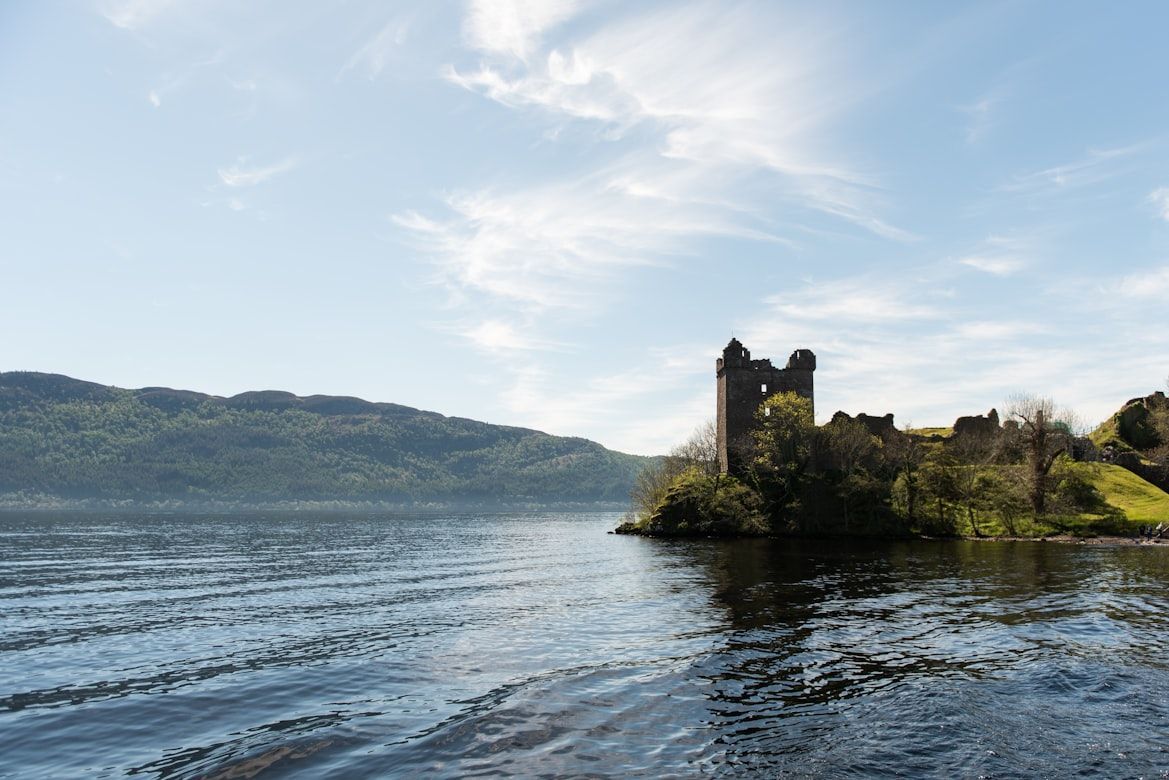
A mysterious long-necked creature moving across the surface of Loch Ness, Scotland, is how many people described what they saw in 1933 and even in earlier stories. But what exactly did they see in the water?
As more reports came in, people started calling it the "Loch Ness Monster." The legend grew even more in 1934, when the famous "surgeon’s photograph" seemed to show a small head and long neck rising from the lake. But decades later, that image was revealed to be a hoax made with a toy submarine and a fake head. The mystery didn’t disappear, and researchers still search for the monster. Although there isn’t clear proof of a monster, for most people, Loch Ness is the official home of "Nessie."
Transylvania, Romania
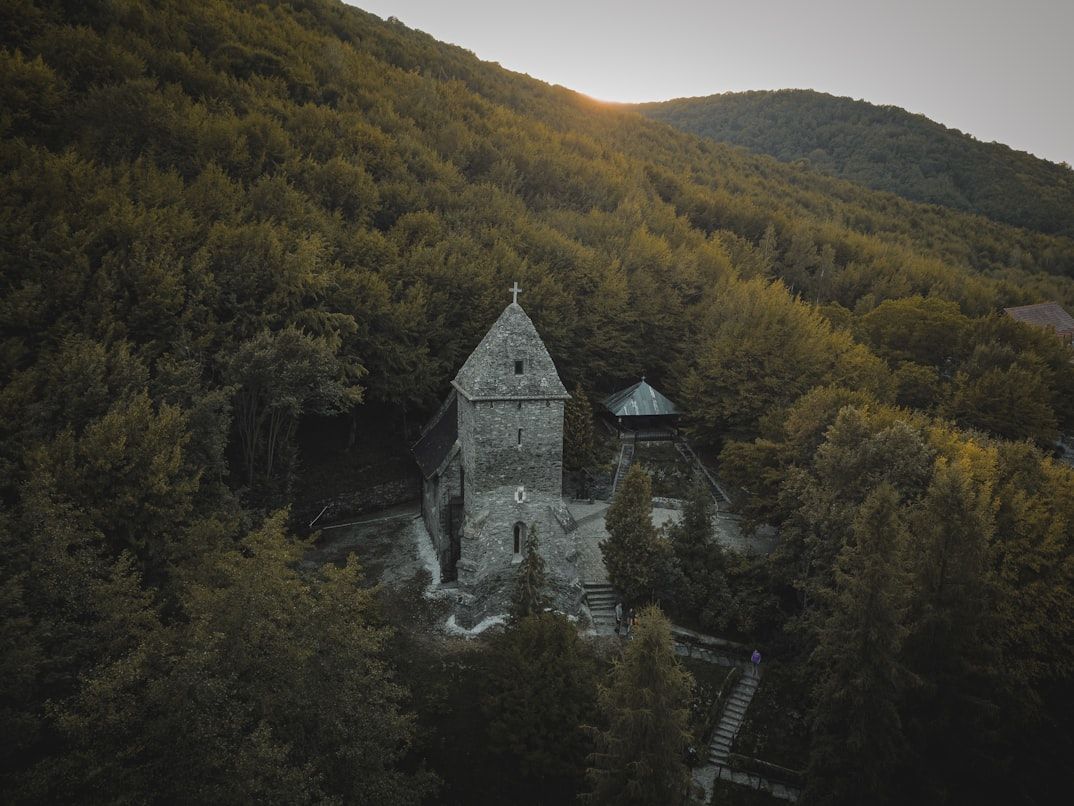
Transylvania is a region in central Romania, in southeastern Europe. This medieval region with castles and fortresses is the perfect scenery for mysterious tales; It became popular after Bram Stoker’s novel Dracula, published in 1897.
The character was partly inspired by Vlad the Impaler, a real 15th-century ruler known for his violent punishments. Stoker borrowed the name "Dracula," which meant "son of the dragon," from Vlad’s family name. Stories about his actions spread across Europe and shaped later vampire tales. Because of this mix of history and fiction, Transylvania became strongly linked to Dracula and vampire folklore. Would you visit this medieval region?
Stonehenge, England
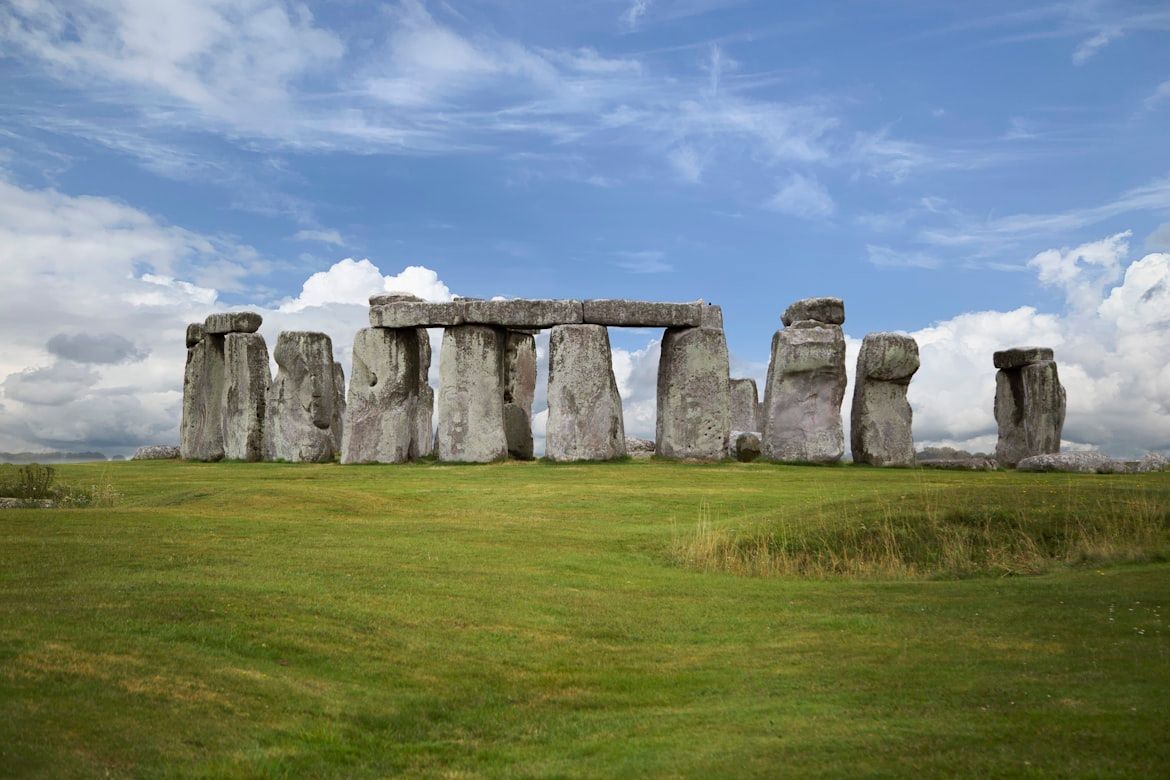
How did the stones of Stonehenge get there? Was it built only by people, or was there something else involved? These are some of the main questions surrounding the site.
Stonehenge is a prehistoric stone circle in southern England, built between 3000 and 2000 BC, and it is believed to have been used for ceremonies, ancestral worship, or tracking the sun. Today, we know the stones were not moved by glaciers and were brought from long distances. The question remains: How was Stonehenge really built?
Easter Island, Chile
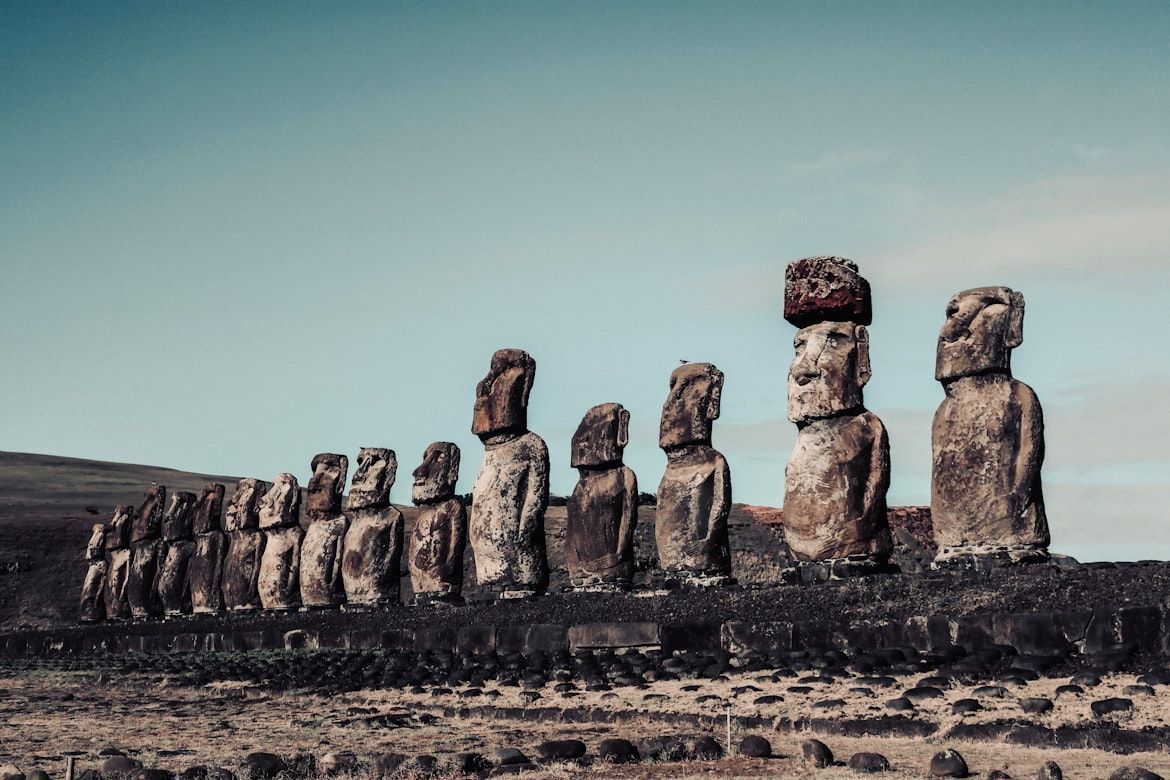
Easter Island, in Chile, is known for its giant stone statues called moai. The territory was settled around 1200 AD by Polynesian people who developed the Rapa Nui society. Most of the statues were built between the 13th and the 16th centuries. For years, people have tried to understand why these statues were built, how they were moved, and why they are placed where they are.
Today, researchers believe the statues represent ancestors and were part of important rituals. It is also believed that statues were "walked" upright using ropes and controlled movement. Moreover, the location was an indicator of nearby sources of fresh water. How this society built nearly 1,000 statues with limited resources is still a mystery.
Mount Olympus, Greece
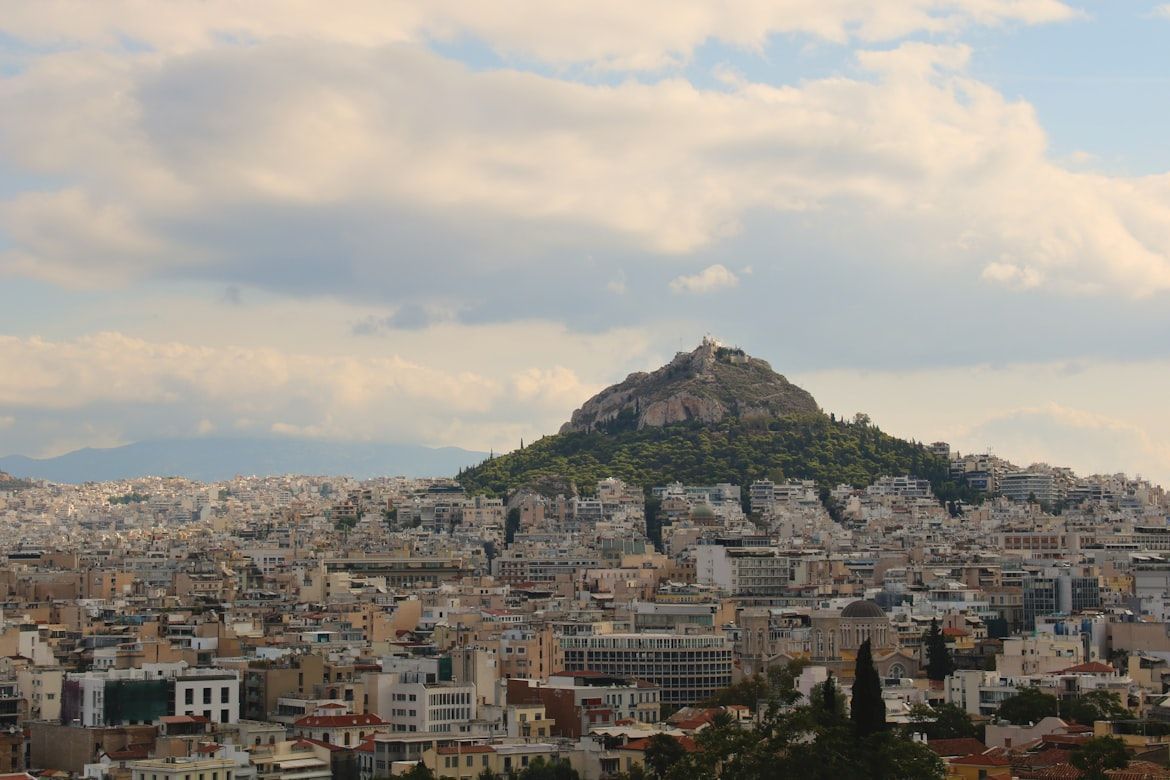
Mount Olympus and its highest peak, Mytikas, in northern Greece, are known as the home of the Greek gods in ancient mythology.
According to these stories, twelve Olympian gods and goddesses lived at the top of the mountain and ruled the world from there. Hera, the goddess of marriage and childbirth, Aphrodite, the goddess of love and beauty, and Apollo, the god of music, were led by Zeus on Mount Olympus, and controlled humans watching everything from there. Today, many elements of Greek mythology remain part of our shared imagination and everyday language, like the word "narcissistic," which comes from the myth of the self-obsessed Narcissus.
Sherwood Forest, England
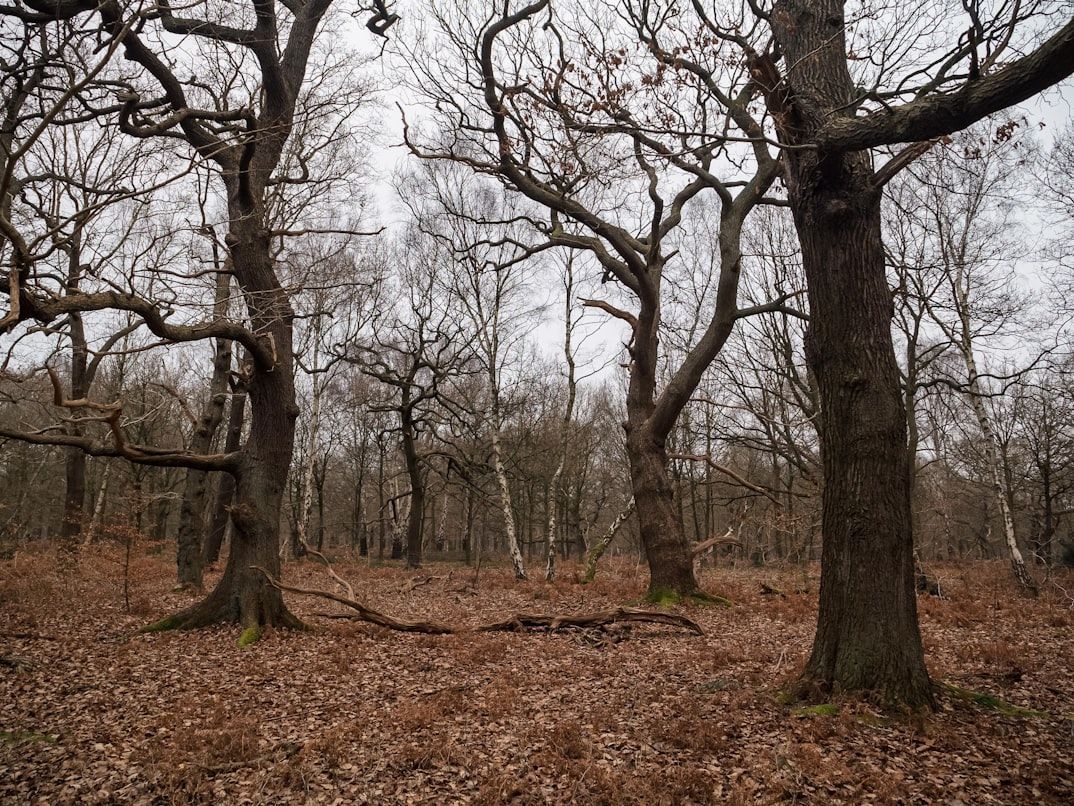
Stories shared since the Middle Ages tell of an outlaw who moved through the forest and challenged local authority. In some versions, Robin Hood is a nobleman who returned from the Crusades to find his land taken, while in earlier stories, he is a common man from the yeoman class.
He was a skilled archer, slipping between the trees of Sherwood Forest. This is how many imagined Robin Hood. A criminal for some and a hero for others, his story grew as people told and retold it, shaping him into a figure who took from the rich and gave to the poor; a man who took the law into his own hands.
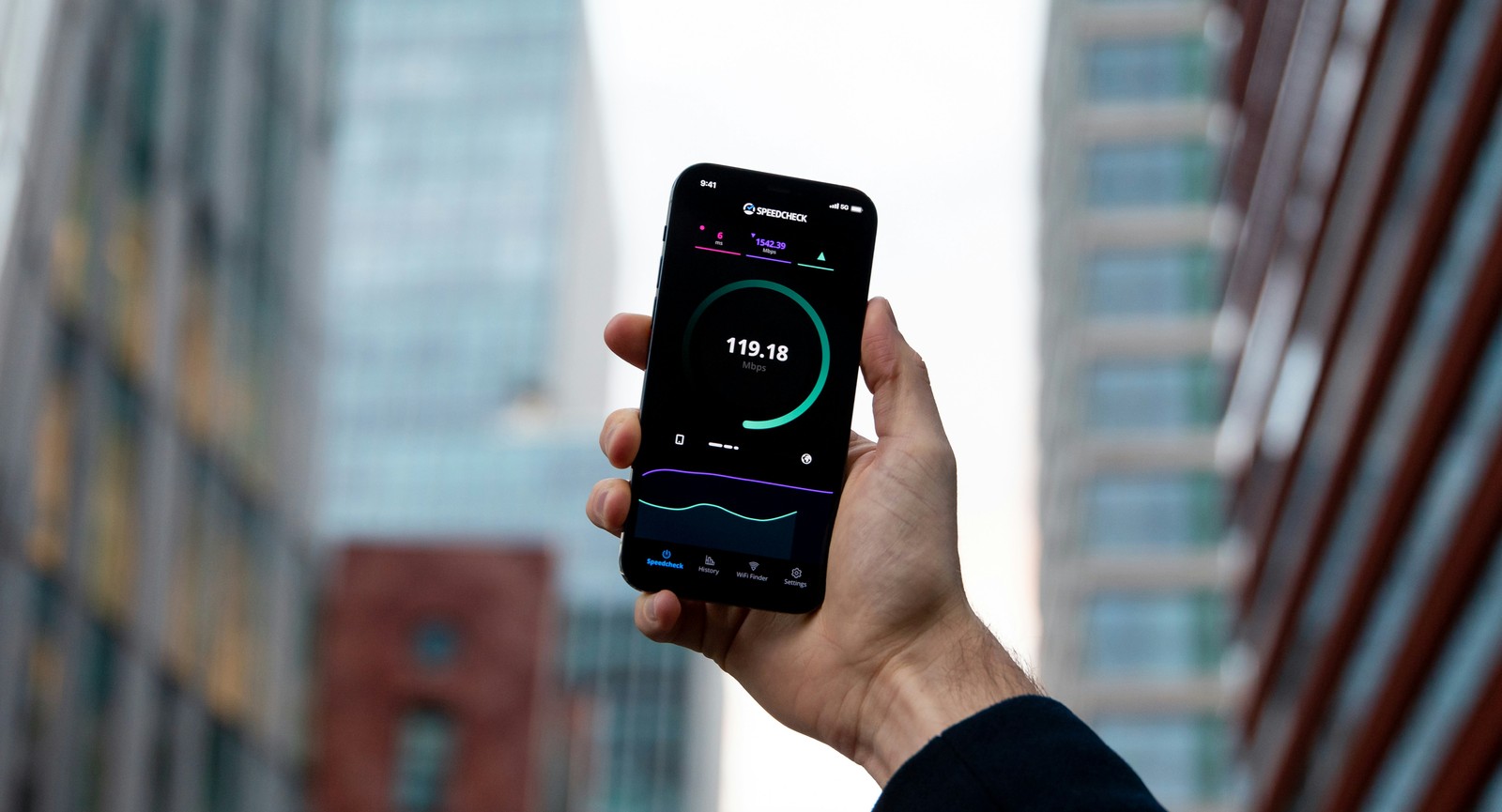
These phone tricks can make you save money and so much more
Your travel buddy
Get the most out of your phone and travel smarter with these tricks
When you're traveling, your phone is the ultimate Swiss Army knife in your pocket, and knowing the right tricks can turn a stressful trip into a breeze.
Did you know that a quick call to your carrier before you board could save you from coming home to an expensive bill? Or that you can download entire city maps before you leave so you’ll never be lost, even without a cell signal? These and other tricks will help you use that device in your hand to travel smarter, safer, and with much more confidence.
Download your maps before you leave home
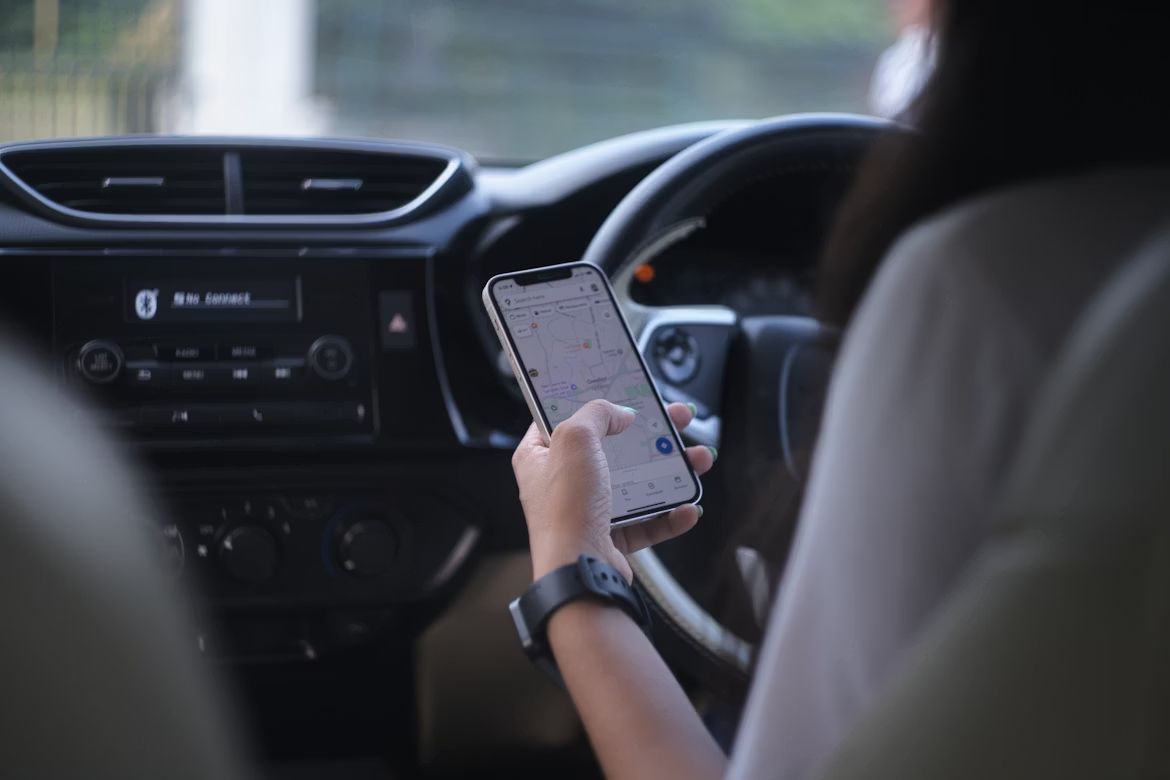
You can save Google Maps for offline use before your trip, meaning you can navigate even when you have zero cell service. Just open Google Maps, search for the city or region you're visiting, tap the three dots in the corner, and hit "Download offline map."
Data roaming abroad can cost you a small fortune, and even domestically, rural areas have spotty coverage at best. With your map saved offline, you can still find that charming diner on Route 66 without burning through your data plan.
Set up your phone for international traveling
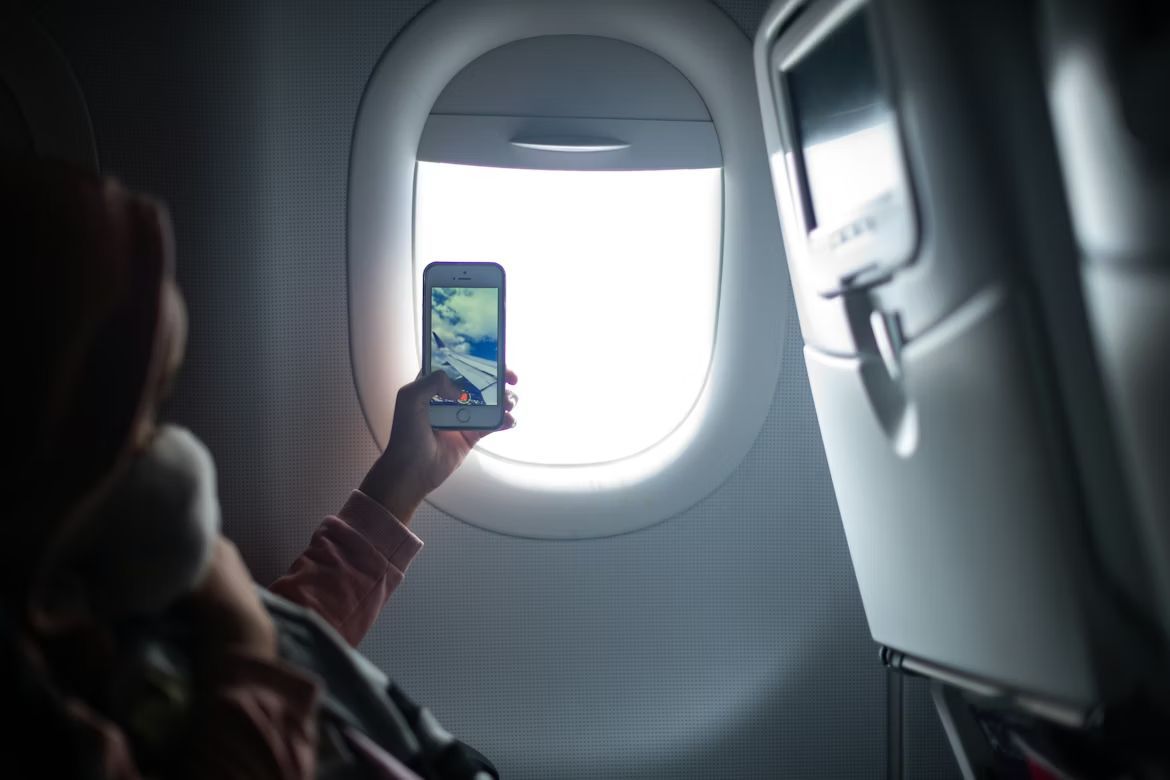
Before you board that flight, call your carrier and ask about an international plan. Most carriers offer temporary add-ons that let you use your phone abroad for $10–$15 a day without coming home to a bill that looks like a ransom note.
If you’re feeling more adventurous, you can also pick up a local SIM card when you land. It’s cheaper for longer trips, and locals at the airport kiosks are usually happy to help you swap it in.
Use your phone as a safety net
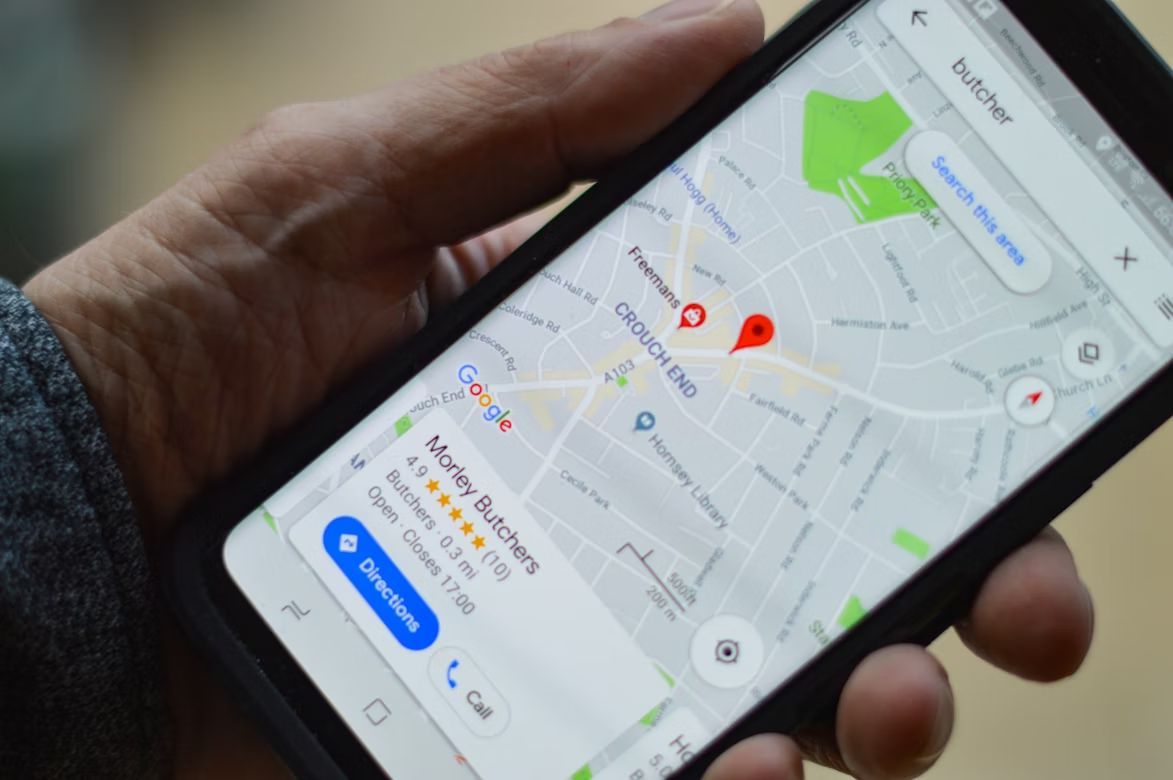
Share your itinerary with a family member back home using a simple app like "Find My" (iPhone) or "Google Maps location sharing" (Android). It lets someone you trust see where you are in real time, which is genuinely reassuring for everyone involved.
Also, take a photo of your passport, travel insurance info, and hotel address, and store it in your phone's photos or email it to yourself. If your wallet gets stolen or you just can't find things in a panic, having those details one tap away is pure gold.
Keep your boarding passes and tickets in your phone’s wallet
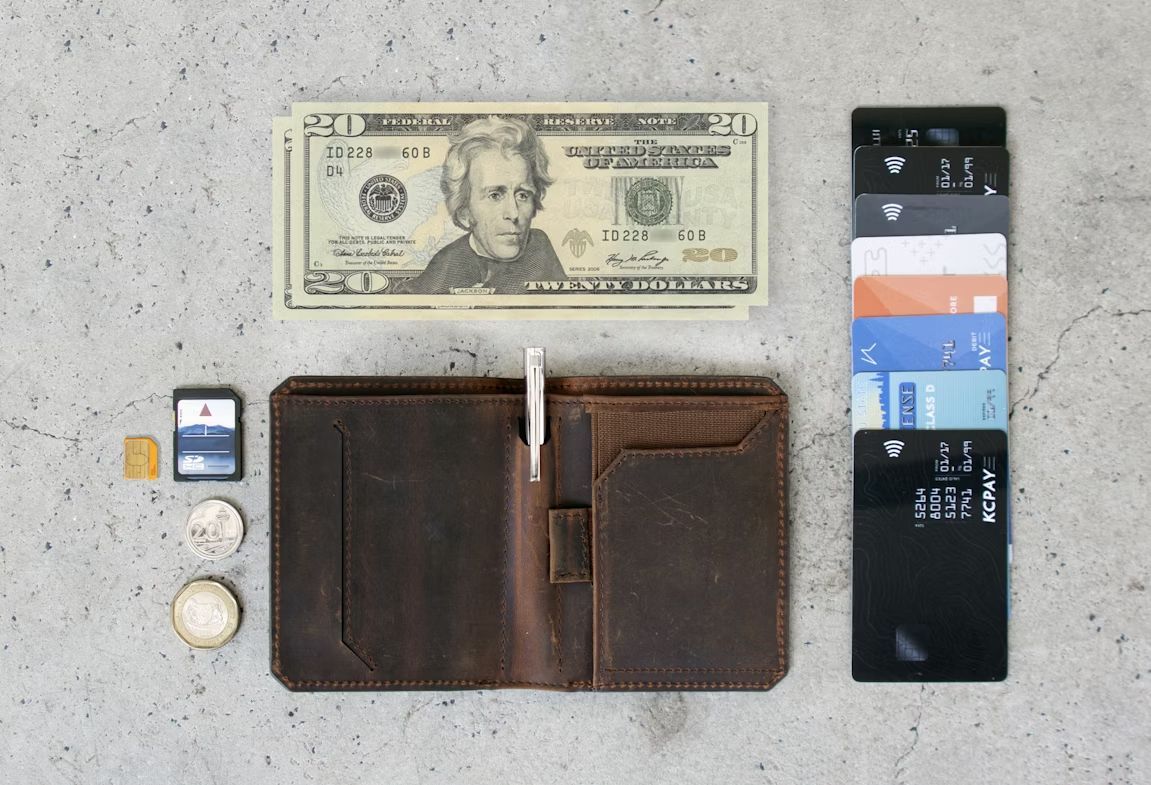
Both iPhone and Android phones have a built-in "Wallet" or "Google Pay" app where you can store digital boarding passes, hotel confirmations, museum tickets, and more. Airlines and most booking apps will offer you an "Add to Wallet" button. Tap it. Done.
It sounds like a small thing, but having everything in one place makes airports and train stations so much less stressful. Still, it’s worth keeping a physical backup, since your phone can run out of battery, lose signal, or glitch at the worst possible moment.
Take better photos
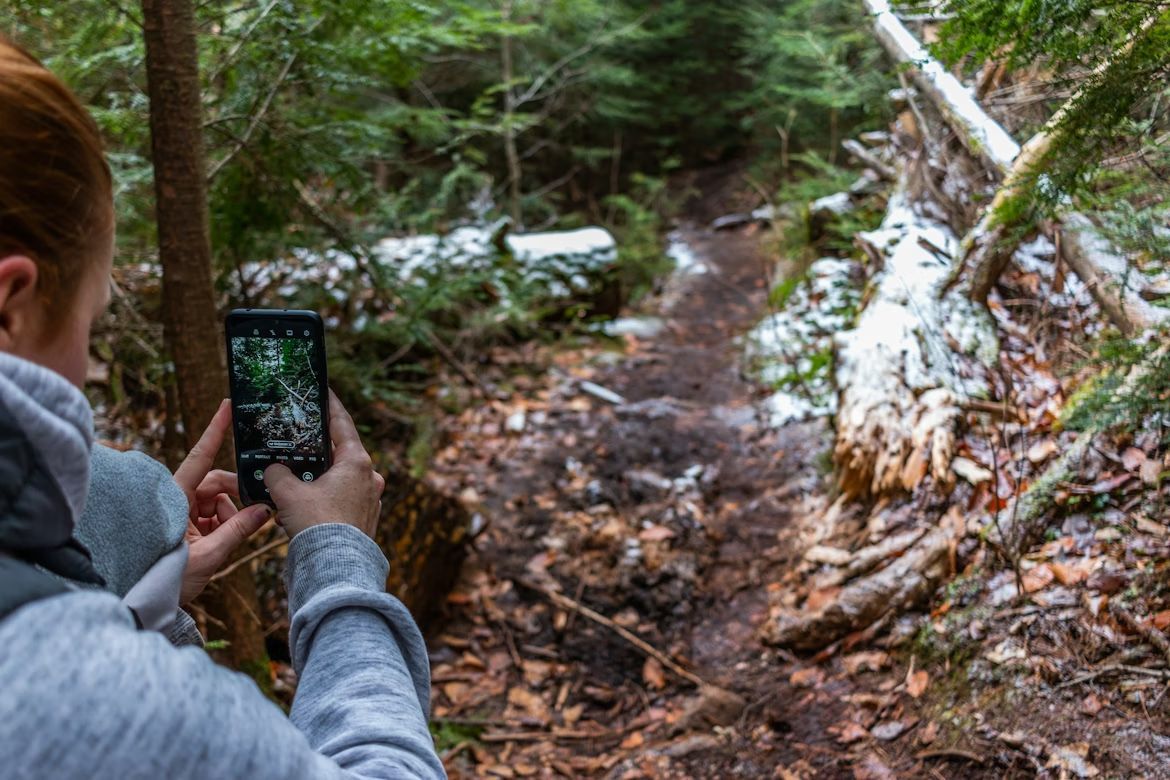
Your smartphone camera is probably better than you think. A few simple habits make a huge difference: tap the screen to focus on what matters, hold the phone steady with both hands, and when possible, shoot with the light in front of you, not behind your subject. Cloudy days actually make for beautiful, soft photos.
Also, remember to clean your lens. A quick wipe with your shirt before a big shot removes the fingerprint smudges that quietly ruin your vacation photos.
Use your phone to find restaurants like a local

TripAdvisor and Yelp have "Locals’ Picks" filters, which can steer you away from tourist traps and toward places where actual residents eat. Just search the area you're in, filter by rating and distance, and read a few recent reviews.
Bonus tip: Google Maps offers photos taken by real customers, not just the restaurant's glossy marketing shots.
Back up your photos automatically
Nothing ruins a trip memory quite like losing all your photos because your phone fell in the hotel pool. Turn on automatic cloud backup before you leave. iPhone users should check that iCloud Photos is turned on. Android users should enable Google Photos backup.
With this turned on, every photo you take uploads to the cloud whenever you're on WiFi.
Use a translation app
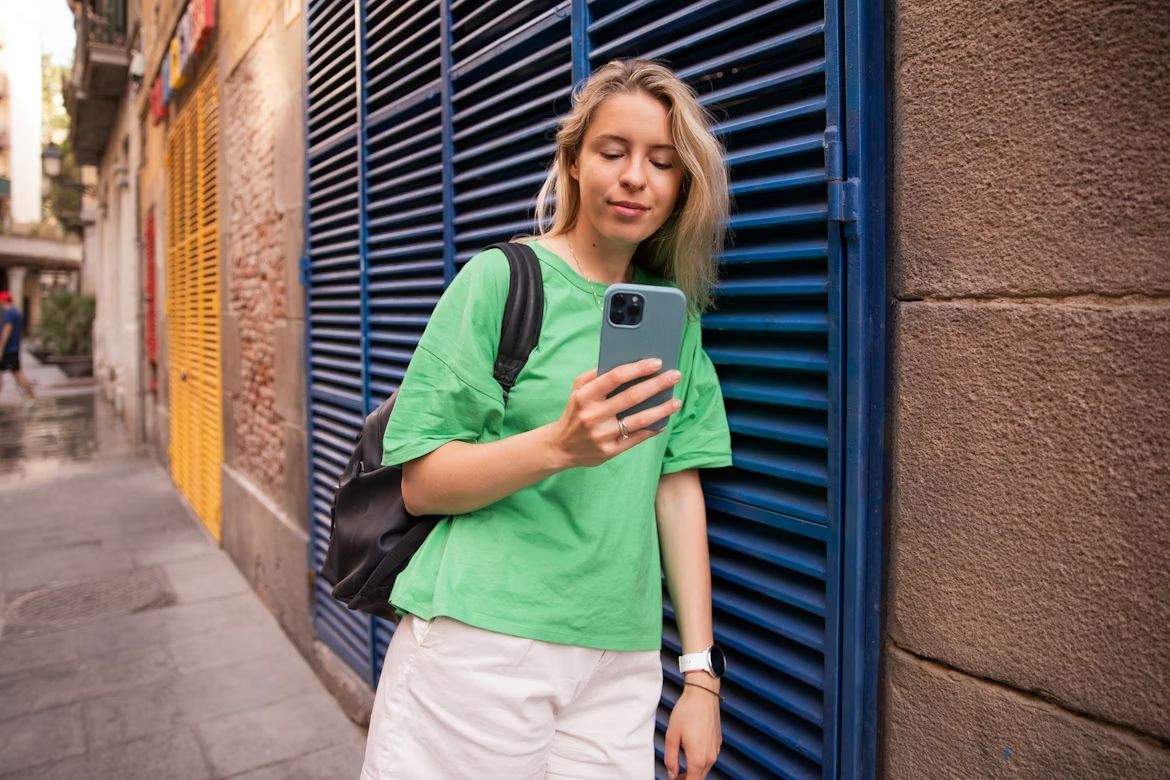
Google Translate is free, surprisingly good, and genuinely fun to use. You can type words, speak into it, or point your camera at a sign or menu and watch it translate the text in real time right on your screen.
Download the language you need for offline use before your trip (same idea as the maps). That way, even if you’re in a cute restaurant in Tuscany with no WiFi, you can still read the menu.
Use "Do Not Disturb" so notifications don’t ruin your vacation
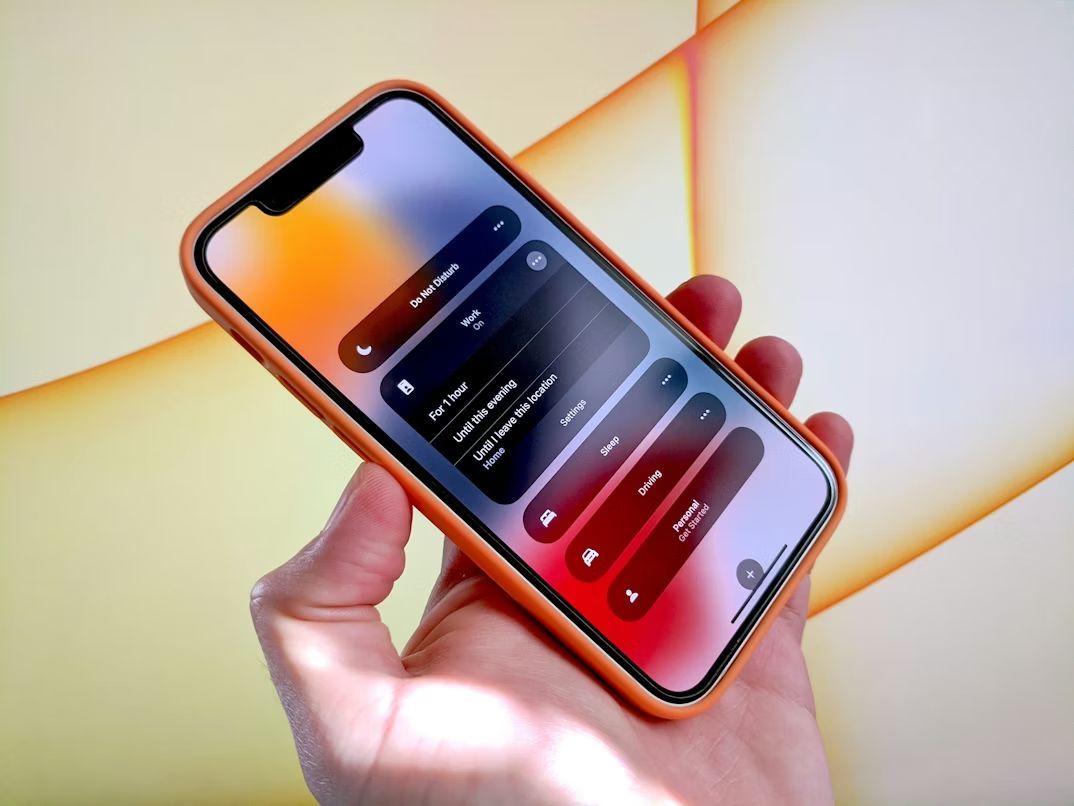
Your nephew's group text about fantasy football and those promotional emails from every store you've ever visited need not interrupt your gondola ride in Venice. Turn on "Do Not Disturb" mode, which silences all notifications except calls from people you designate as favorites.
On an iPhone, swipe down from the top right and tap the crescent moon icon. On Android, it's usually in the quick settings panel (swipe down twice).
Charge smart: Your battery is more fragile than you think
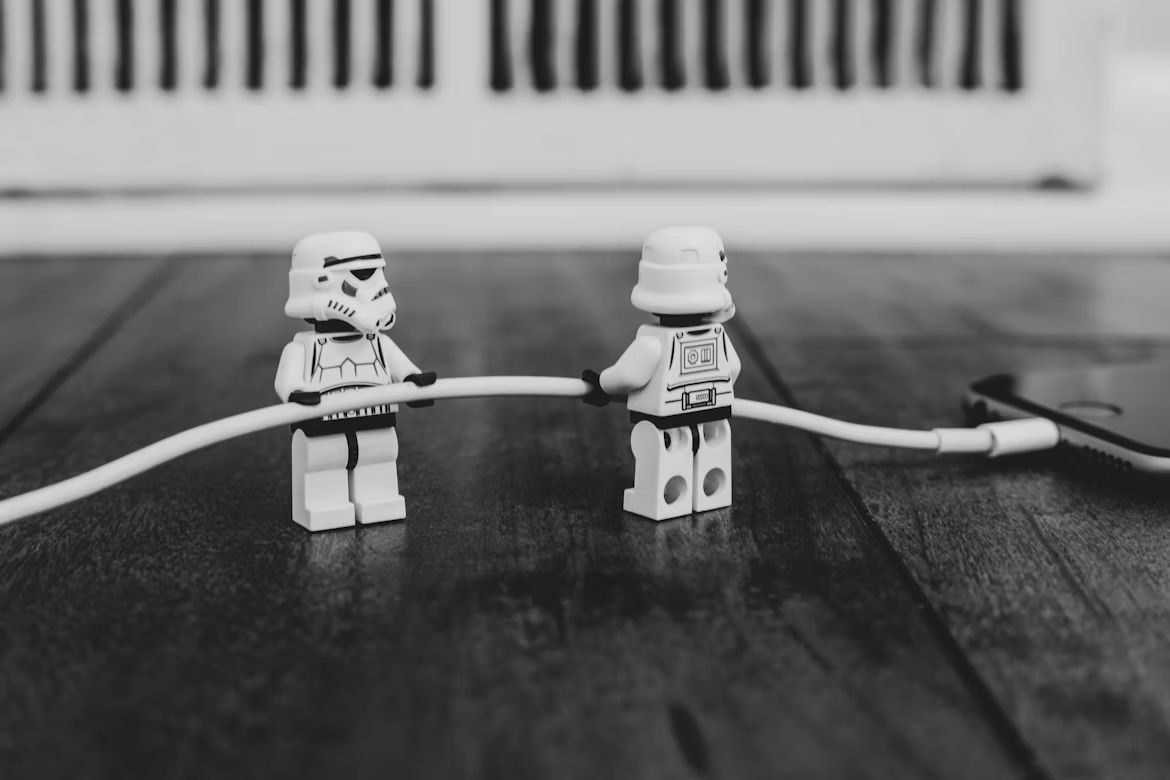
Cold weather, heat, and heavy use all drain your battery faster than normal. Travel with a portable charger: they're inexpensive, small enough to fit in a purse or jacket pocket, and they've saved many a traveler stranded in an airport with a dead phone and no gate information.
Also, put your phone in "Low Power Mode" (iPhone) or "Battery Saver" (Android) when you’re out exploring and know you won’t be near an outlet for hours.
Keep wandering
There’s always
more to explore
 Landmarks
What's the Secret Service guarding on the 2nd floor of the White House?
6 min.
Read Now
Mount Rushmore almost had torsos, not just faces
4 min.
Read Now

Hotel staff can tell these 10 things about you almost immediately
6 min.
Read Now
Did the three men who escaped Alcatraz in 1962 actually survive?
7 min.
Read Now