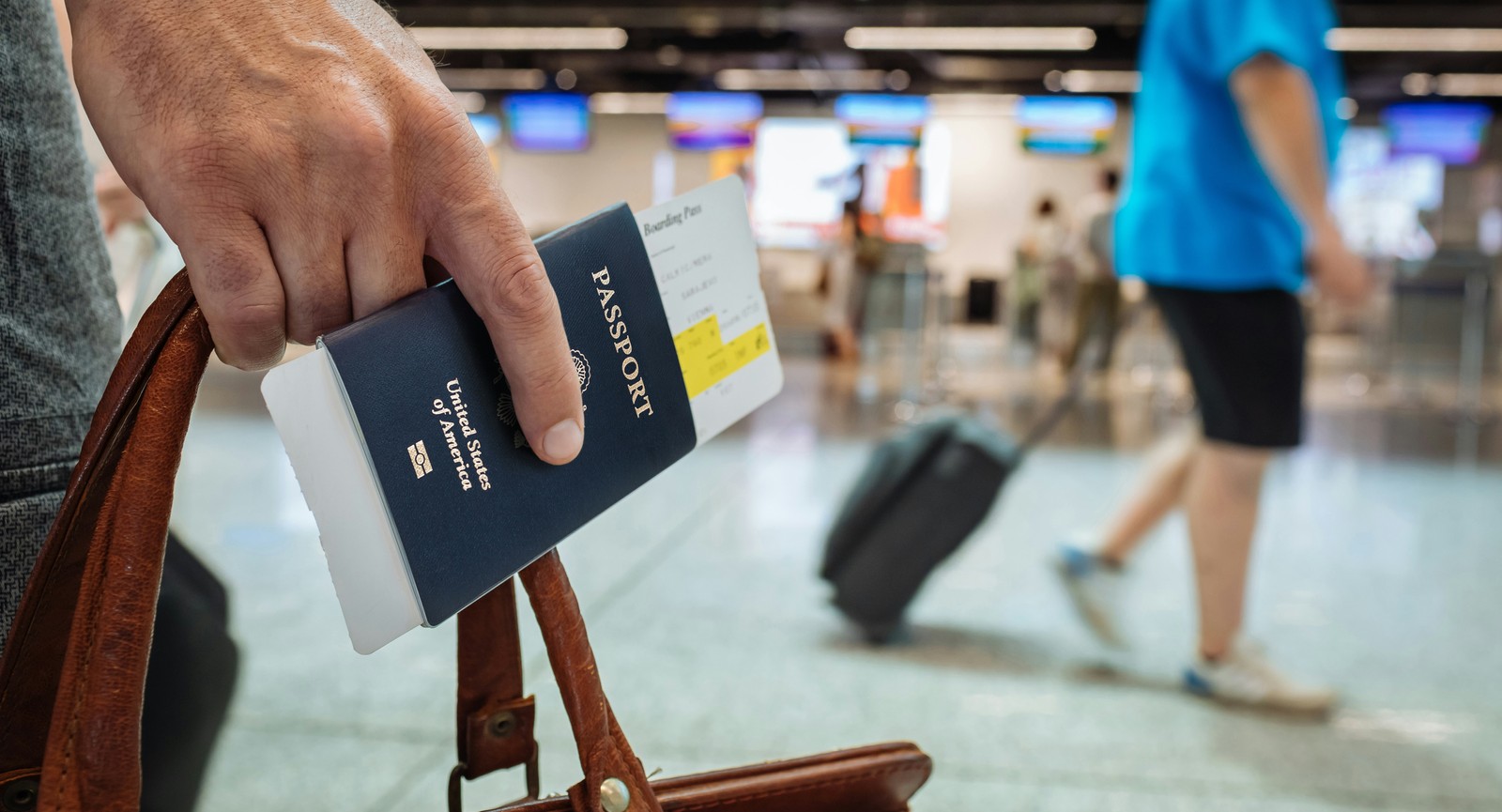
10 TSA questions and answers for an easier airport experience
 General
10 TSA questions and answers for an easier airport experience
If you want to make flying less stressful, being familiar with the Transportation Security Administration (TSA) rules and recommendations goes a long way. Many delays at checkpoints happen simply because travelers are unsure about how early to arrive at the airport, what documentation to have close at hand, and what items are actually allowed in carry-on bags. We’ve compiled a list of frequently asked questions and answers to make your next airport experience faster and easier.
How early should I get to the airport?
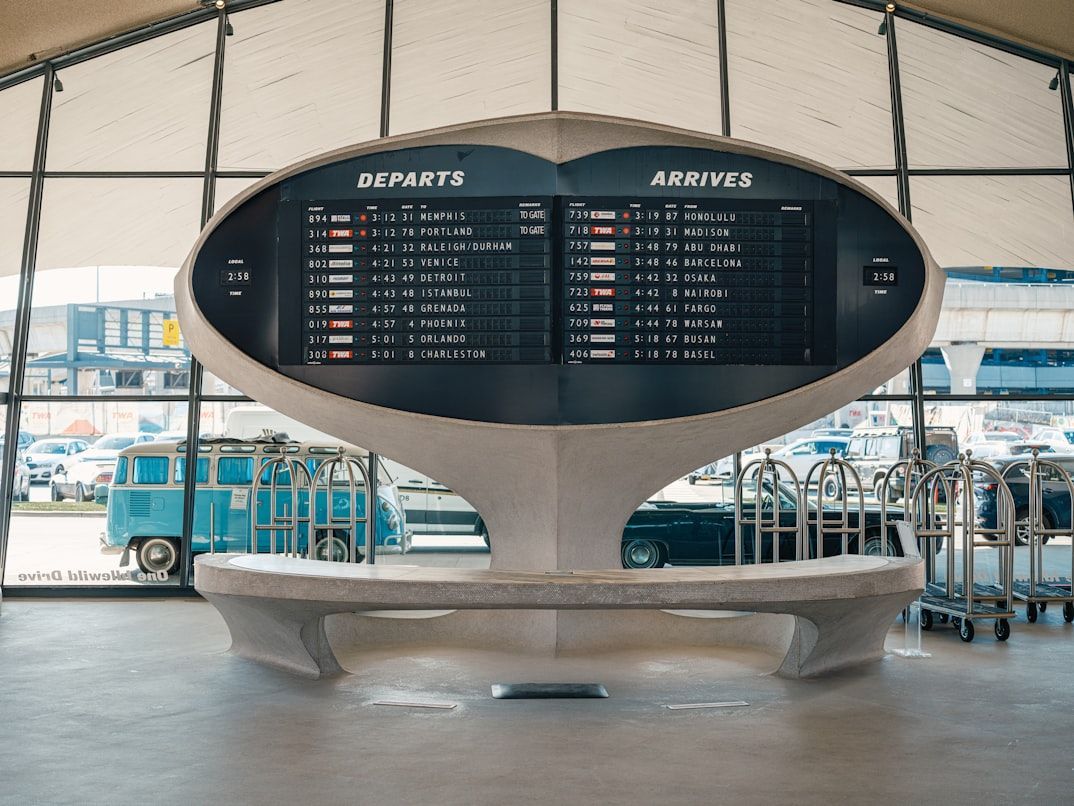
The TSA recommends arriving at the airport at least 2 hours before domestic flights, and 3 hours before international flights. Following their advice will give you ample time to check in, pass through security, and handle unexpected delays without feeling rushed.
Trusted flyers enrolled in TSA PreCheck often have access to faster lanes due to reduced checkpoint procedures. Still, it's recommended that they arrive at least 1.5 hours before domestic flights, and 2.5 hours before international flights.
What documentation should I bring?
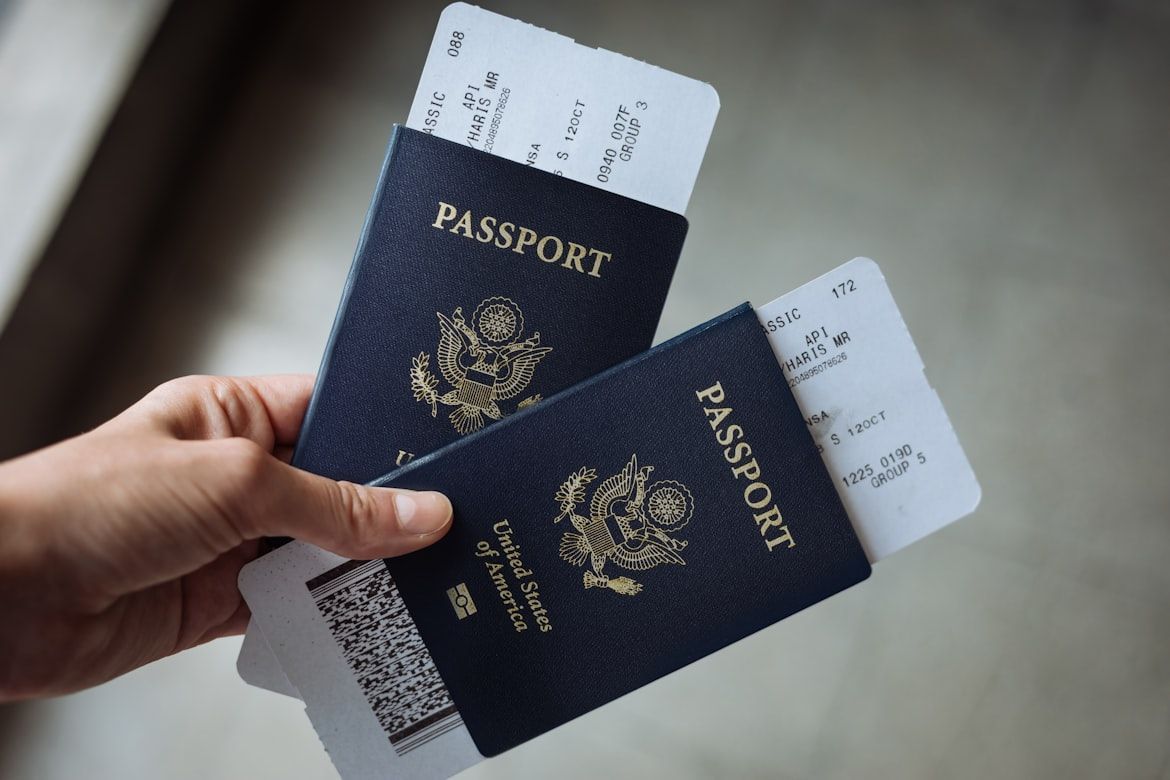
For domestic flights within the US, you'll need a government-issued ID, such as a driver's license or passport. Make sure that the name on your ID matches exactly the name on your boarding pass, as even small discrepancies will be investigated and can cause delays.
For international travel, you'll need a valid passport and, depending on your destination, a visa or additional entry documentation. It's a good idea to check entry requirements well in advance of your trip. Keeping your ID, passport, boarding pass, and any additional paperwork close at hand before reaching security will make the process faster and smoother.
What is the 3-1-1 rule?
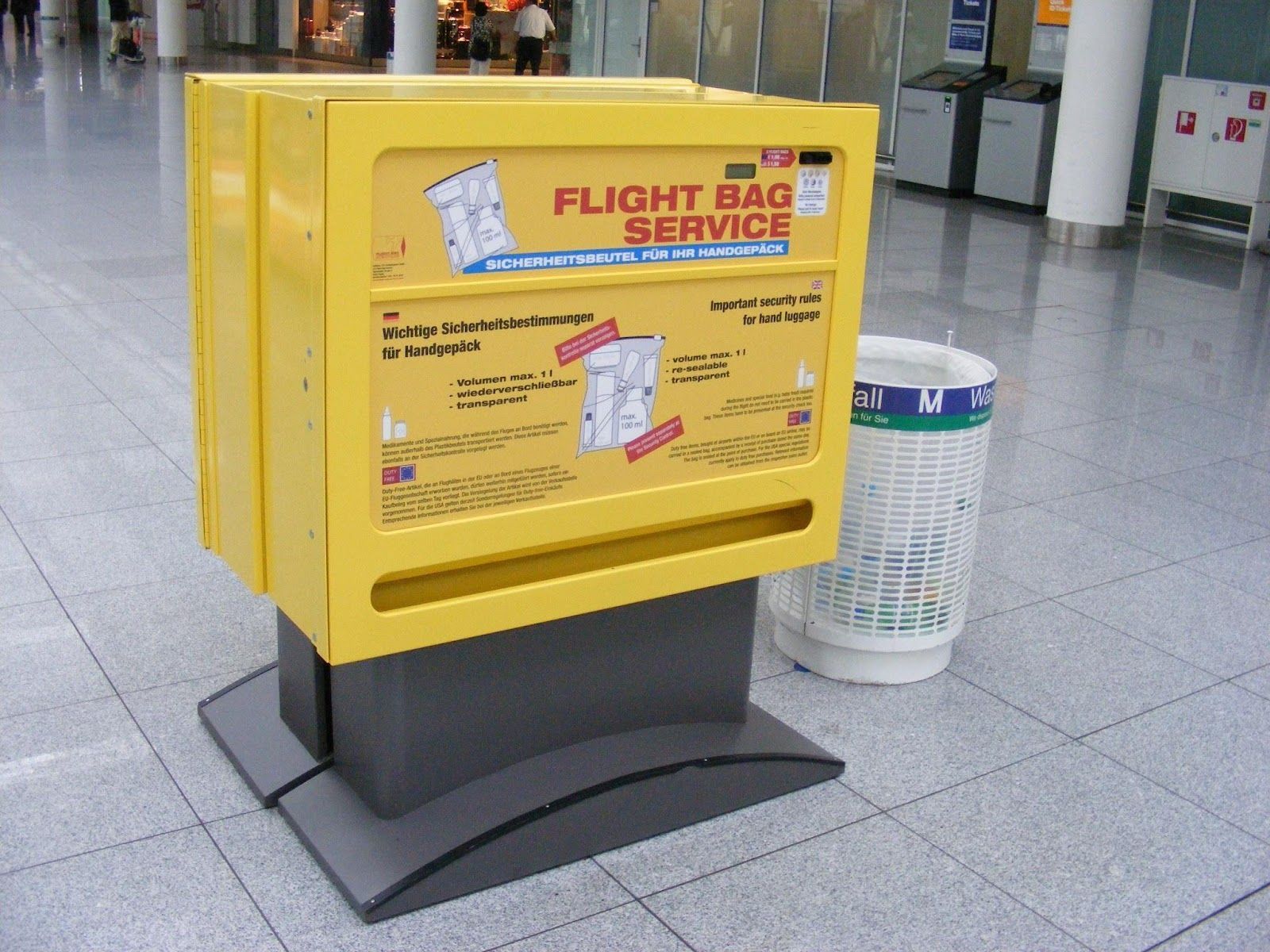
The TSA enforces limits on fluids in carry-on bags. The 3-1-1 rule states that all liquids, gels, and aerosols must be in containers 3.4 ounces or smaller, all containers must fit inside one resealable, clear, quart-sized plastic bag, and each traveler is only allowed one bag.
This requirement allows officers to quickly identify and inspect the contents. According to the TSA, common travel items that people often forget are also affected by this rule are: toothpaste, shampoo, mouthwash, and lotions.
Can I bring medications on the plane?
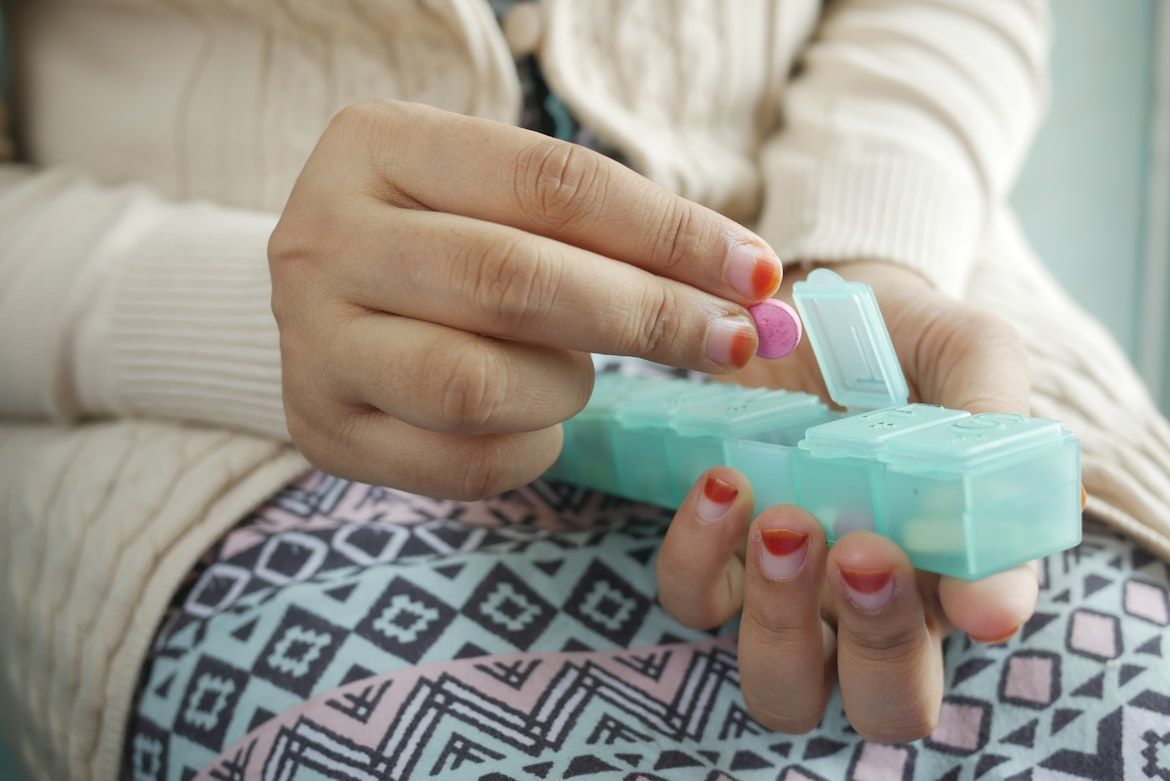
Medications in pill or tablet form aren't subject to strict quantity limits, as long as they are screened. The TSA recommends keeping your medications in their original packaging to facilitate screening, and packing them in your carry-on in case you need them in transit.
Liquid medications are exempt from the 3-1-1 rule as long as the quantities are reasonable for the flight. However, you must declare these medications to a TSA officer at the start of the security screening process. Additional inspection may be required, which can include being asked to open the container.
Can I bring food on the plane?
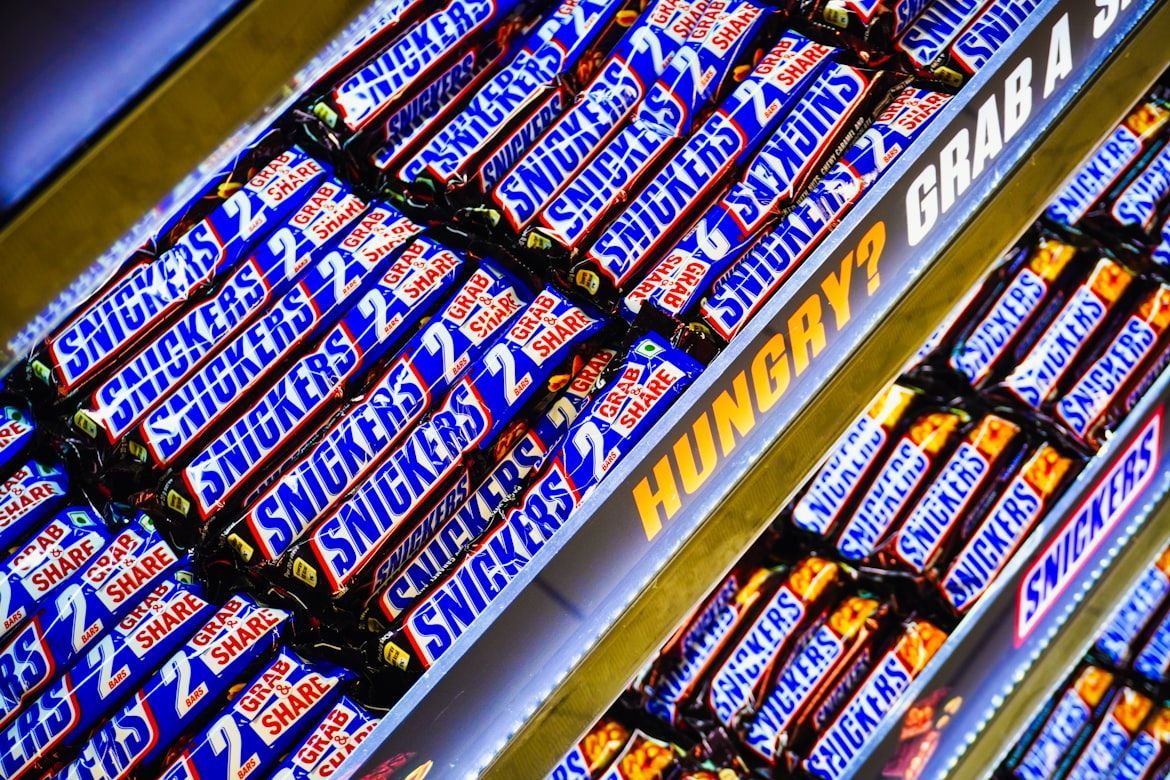
Most solid foods are allowed through TSA checkpoints, including sandwiches, snacks, and baked goods. These items typically pass through screening without issue.
However, spreadable or pourable foods, such as peanut butter, yogurt, or jam, are considered liquids and are subject to the 3-1-1 rule. When in doubt, pack these foods in 3.4-ounce containers or place them in your checked baggage to comply with TSA regulations.
Can I bring a portable charger on the plane?
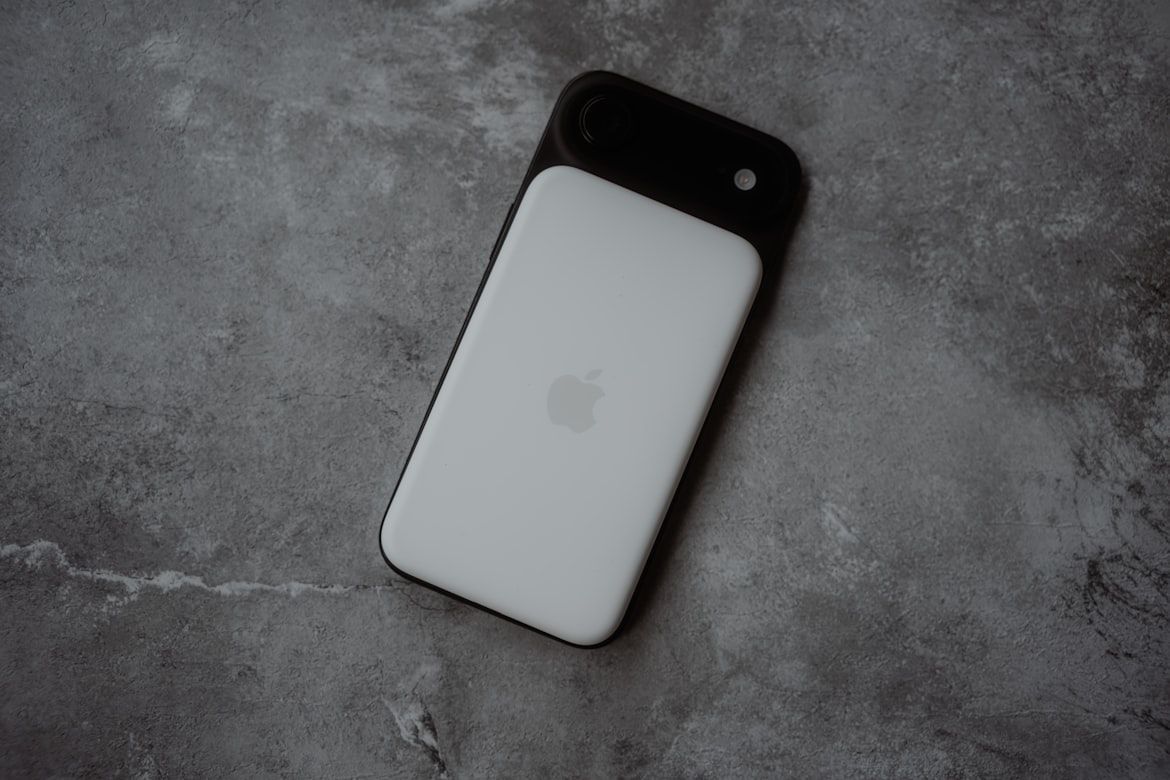
Spare lithium batteries of up to 100 watt-hours (Wh), including power banks and cellphone charging cases for personal use, are only allowed in carry-on baggage. Larger batteries require airline approval, and damaged or unlabeled batteries will be confiscated.
Batteries and power banks are not allowed in checked baggage, as they can be damaged or accidentally activate in the cargo hold, and they are considered a fire hazard. Keeping chargers in your carry-on baggage ensures they remain accessible and easy to screen.
Why do I need to unpack my electronics during screening?
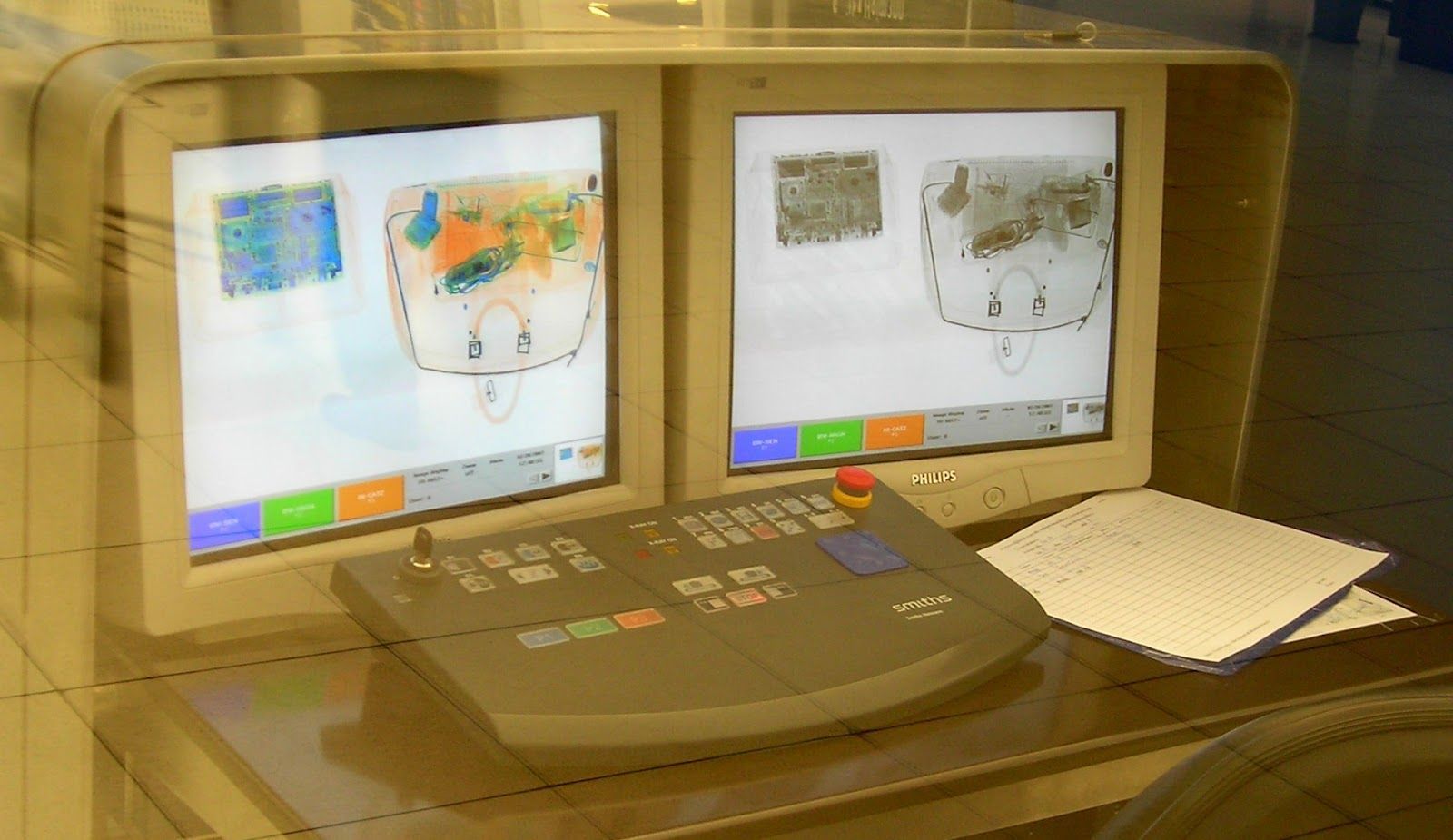
At most airports, laptops and large electronic devices must be removed from carry-on baggage and placed in a separate bin for screening. This can also apply to tablets, e-readers, and digital cameras. Packing your electronics near the top of your bag allows for quick removal and helps prevent unnecessary delays at the security checkpoint.
Electronic devices and their batteries contain dense components that can block X-ray machines from seeing other items in your bag. Removing them ensures a clear, unobstructed view of your bag's contents, reducing the likelihood of a physical search and speeding up the overall security process.
What should I do with full-sized bottles?
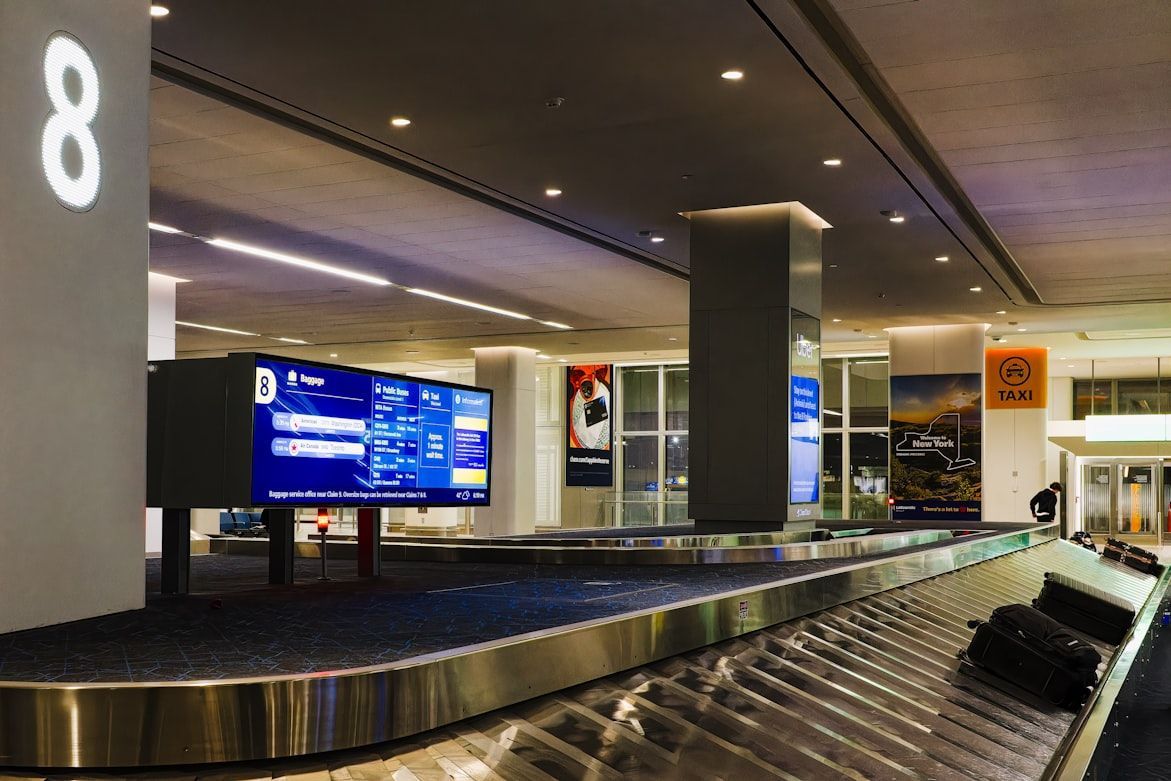
Under the 3-1-1 rule, liquids, gels, and aerosols larger than 3.4 ounces are not permitted in carry-on bags. Full-sized toiletries, such as shampoos and deodorants, must be packed in checked baggage to comply with TSA regulations.
Unless you absolutely need to bring large bottles, we recommend transferring products into travel-sized containers before packing. Otherwise, comply with the rules by placing full-sized containers in sealed plastic bags inside your checked baggage to prevent leaks during transit.
Can I bring a reusable water bottle?
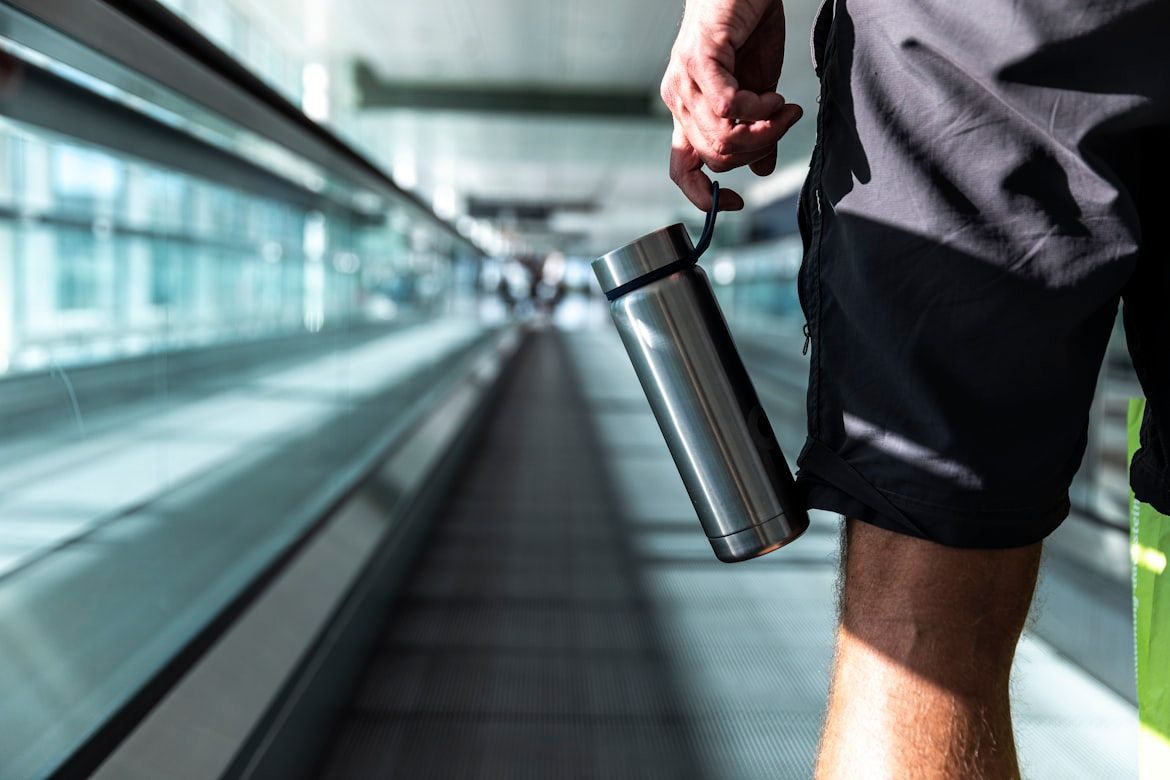
Reusable water bottles, thermoses, and travel mugs are allowed through TSA checkpoints as long as they are completely empty during screening.
Bringing a reusable water bottle is a great way to stay hydrated while avoiding unnecessary expenses. Just be sure to drink or pour out any contents before going through security, and your bottle can pass through security without issue. At most airports, you will be able to refill it after the checkpoint.
What is TSA PreCheck?
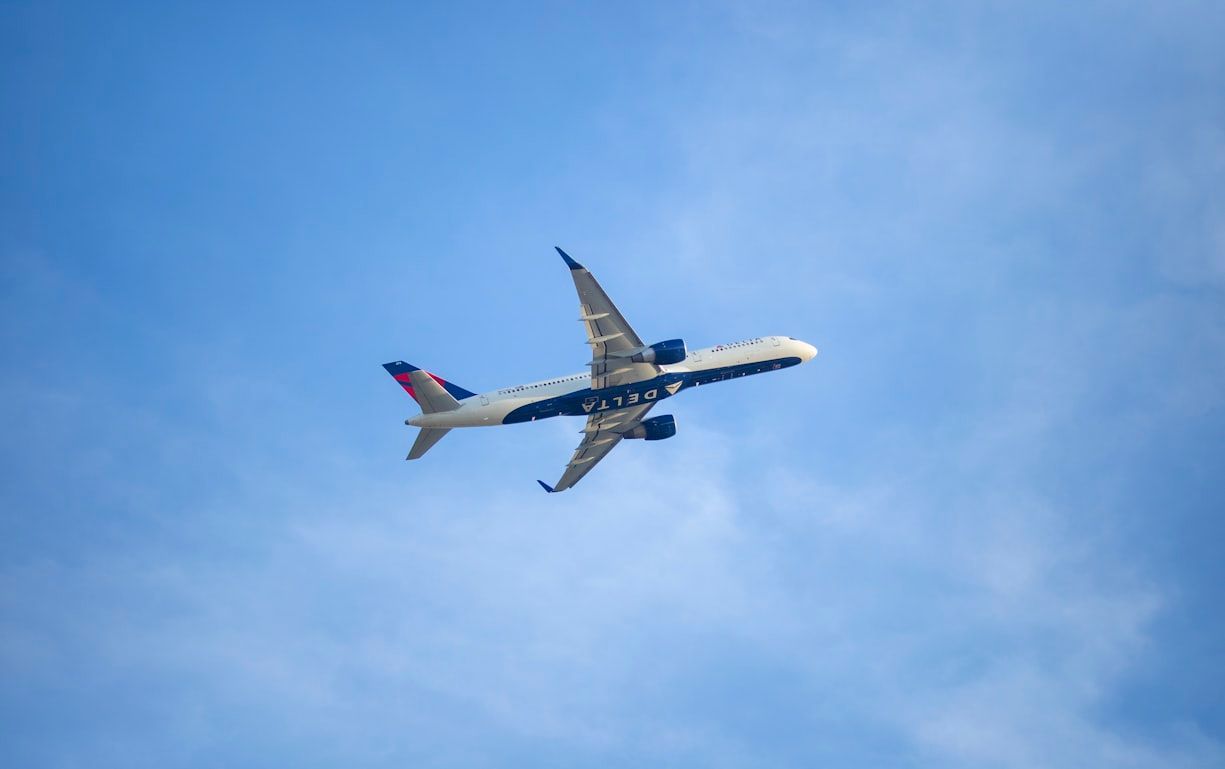
TSA PreCheck is a paid program that allows trusted, low-risk travelers departing from American airports access to dedicated security lanes and a simplified screening experience. Members are often allowed to keep their shoes and jackets on and leave laptops and liquids in their carry-on bags.
Enrollment requires an application, background check, and in-person identity verification. Travelers interested in applying can find details, including pricing and eligibility requirements, on the official TSA website.
Which tiny nation controls the global false teeth market?
 Geography
Small borders, big personalities: 10 fun facts about the tiniest nations
In the world of geopolitics, bigger is often synonymous with more powerful, but the planet’s smallest nations prove that influence and character aren't measured in acreage. These microstates—some smaller than a city park—hold some of the most bizarre records and fascinating histories in the human story. From the "Spice Isle" of the Caribbean to a sovereign city-state tucked inside Rome, here are 10 fun facts about the world's 10 smallest countries.
Grenada: The spice isle
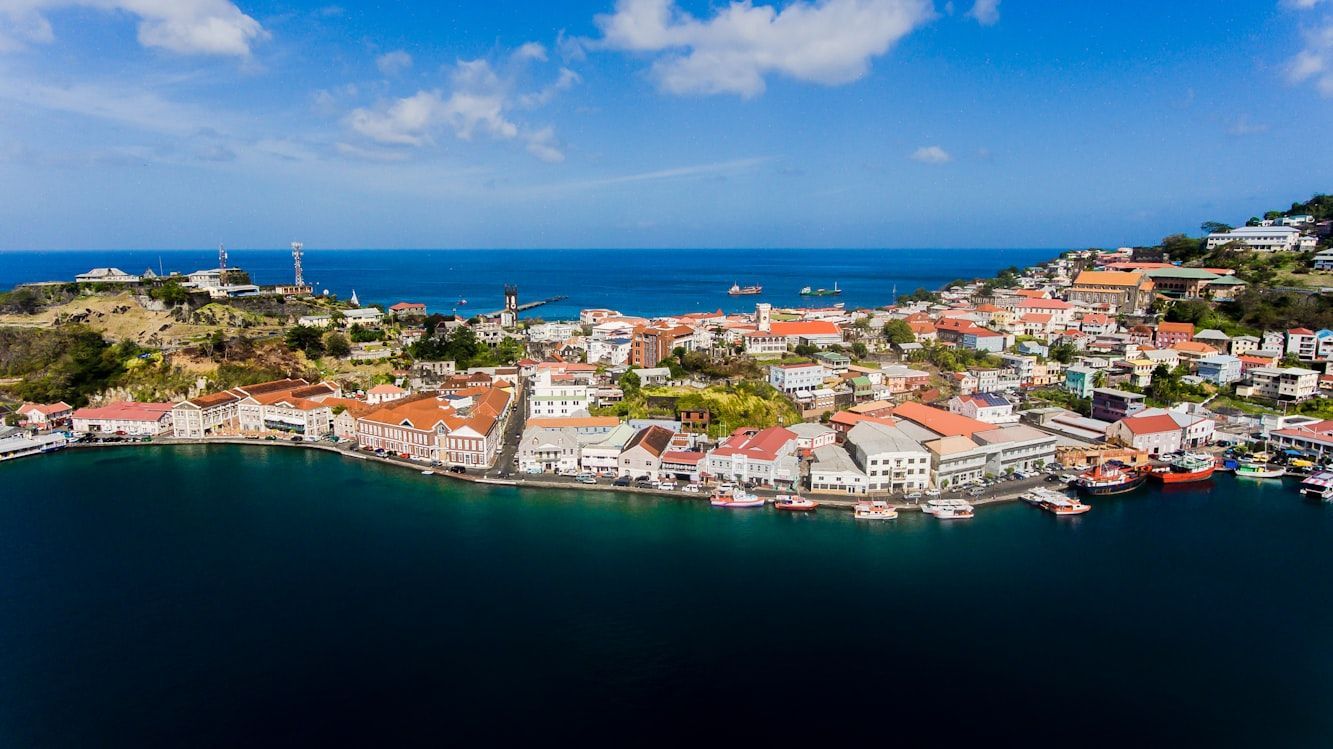
Grenada is effectively the world’s spice cabinet. Despite its modest 133 square miles, it is one of the world's largest exporters of nutmeg and mace. In fact, the nutmeg is so central to the national identity that it is featured prominently on the national flag.
Also, did you know Grenada is home to the world's first underwater sculpture park? Created by British sculptor Jason deCaires Taylor, these life-sized statues are not just art; they serve as artificial reefs, providing a home for coral and marine life to combat the effects of storm damage and bleaching.
Malta: Older than the Pyramids
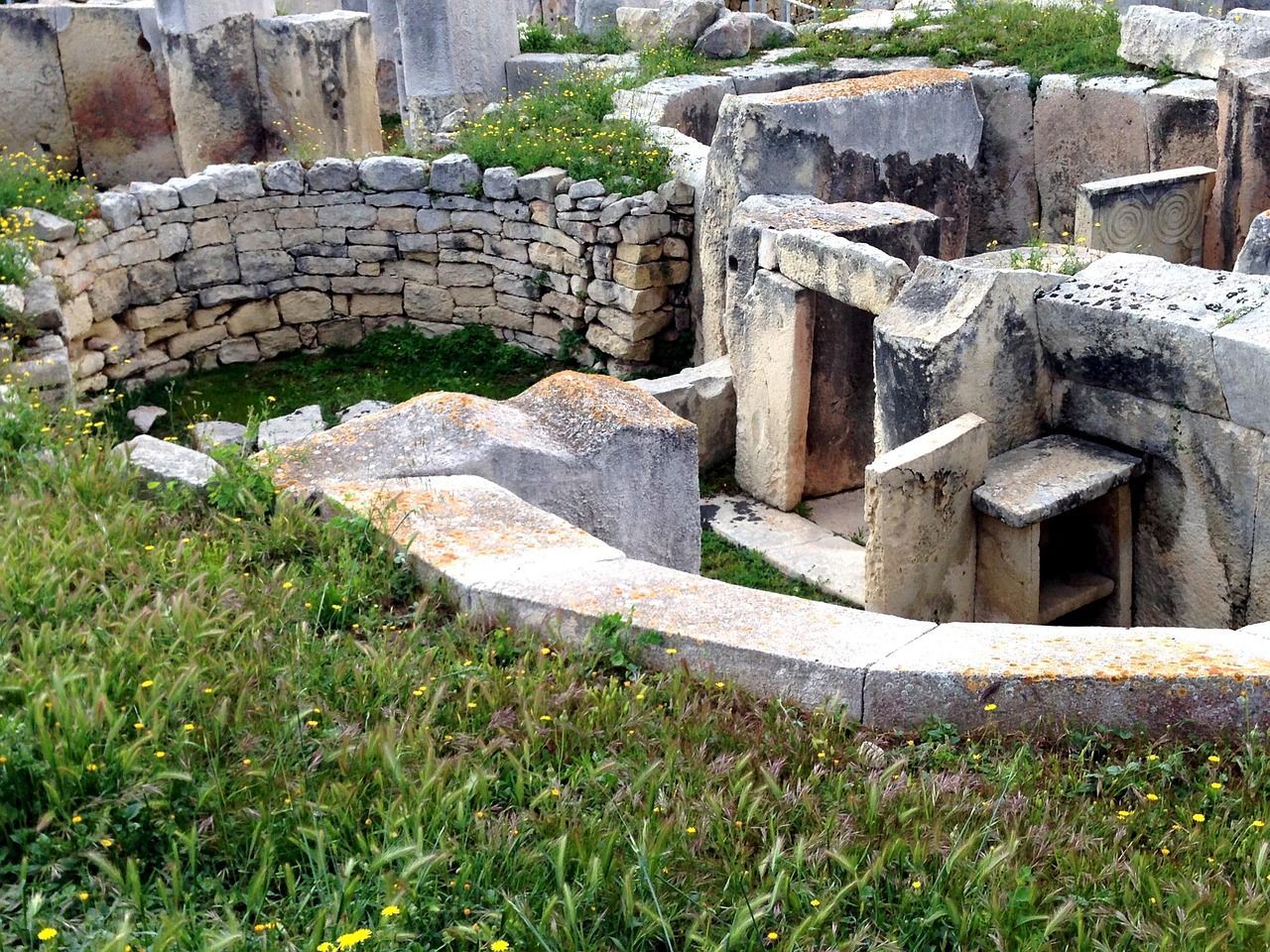
Malta, located in the heart of the Mediterranean, covers only 122 square miles but contains a density of history that is almost unmatched. For example, Malta is home to the Megalithic Temples, which are among the oldest free-standing structures in the world.
Some of these temples, like Ggantija, were built between 3600 and 3200 BC, predating the Great Pyramid of Giza and Stonehenge by centuries. It is also a favorite for Hollywood; the narrow streets of the capital, Valletta, have stood in for everything from Ancient Rome in Gladiator to King’s Landing in Game of Thrones.
Maldives: The lowest country on Earth
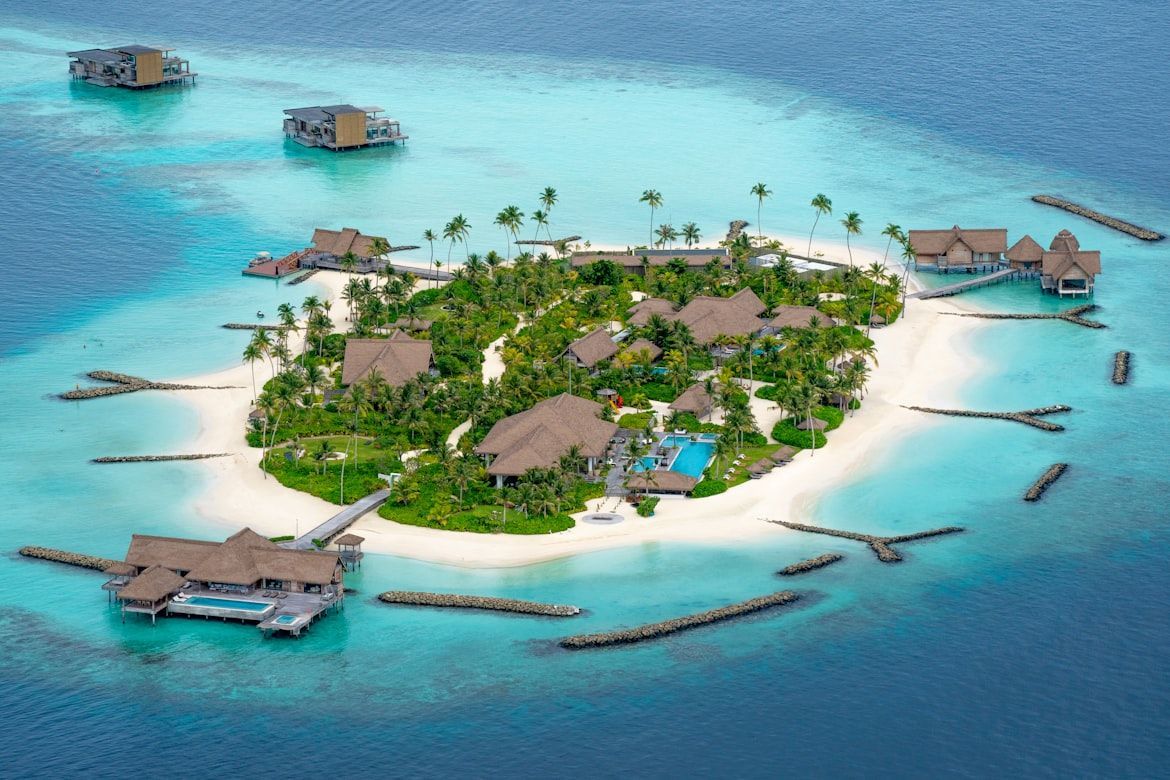
The Maldives is a breathtaking chain of 1,192 coral islands in the Indian Ocean. At 116 square miles, it is the smallest country in Asia.
The Maldives also holds the record for being the flattest country in the world, with an average ground level of just 4 feet 11 inches above sea level. This makes it incredibly vulnerable to climate change. In 2009, to draw global attention to rising sea levels, the President and his cabinet held the world's first underwater cabinet meeting, signing a document while wearing full scuba gear.
Saint Kitts and Nevis: A tale of two islands
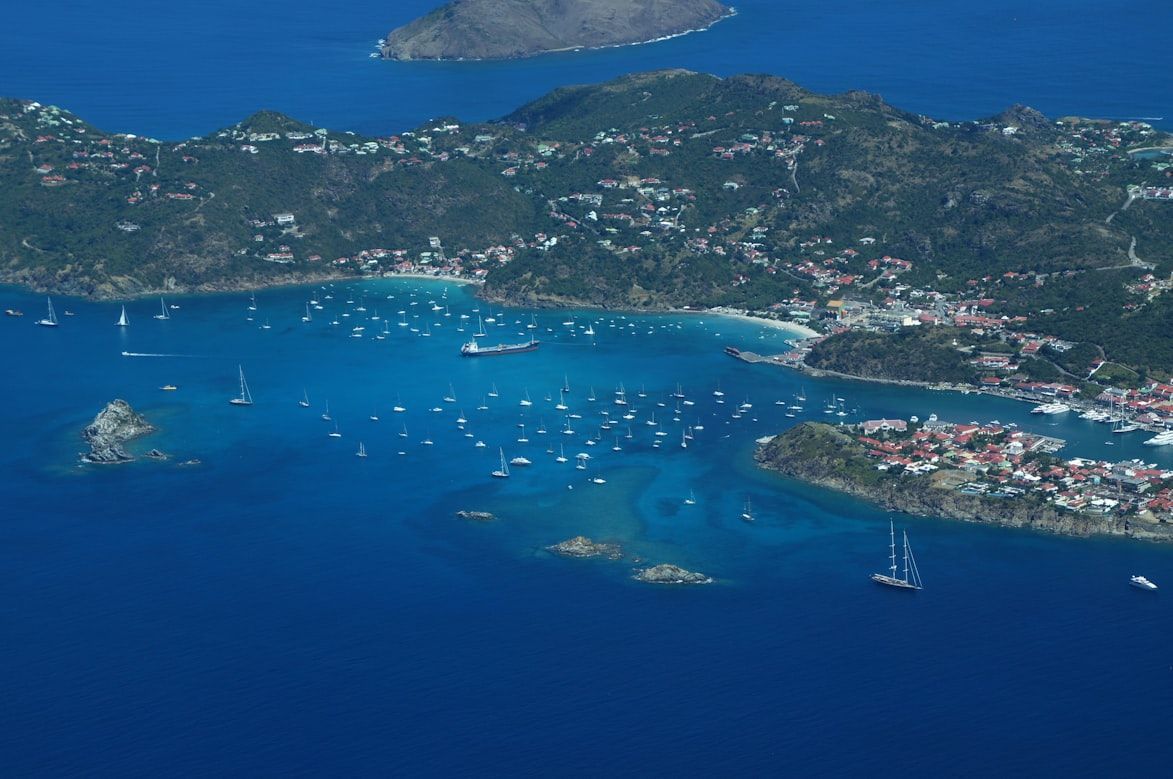
Saint Kitts and Nevis is the smallest sovereign state in the Western Hemisphere, spanning 101 square miles. These two islands were the first in the Caribbean to be colonized by Europeans, earning them the nickname "The Mother Colony of the West Indies."
Another fun fact? On the island of Saint Kitts, the population of green vervet monkeys is estimated to be roughly equal to, if not greater than, the human population. Brought over as pets by 17th-century settlers, the monkeys escaped and thrived, becoming a quirky (and sometimes mischievous) staple of the island's landscape.
Liechtenstein: The dental powerhouse
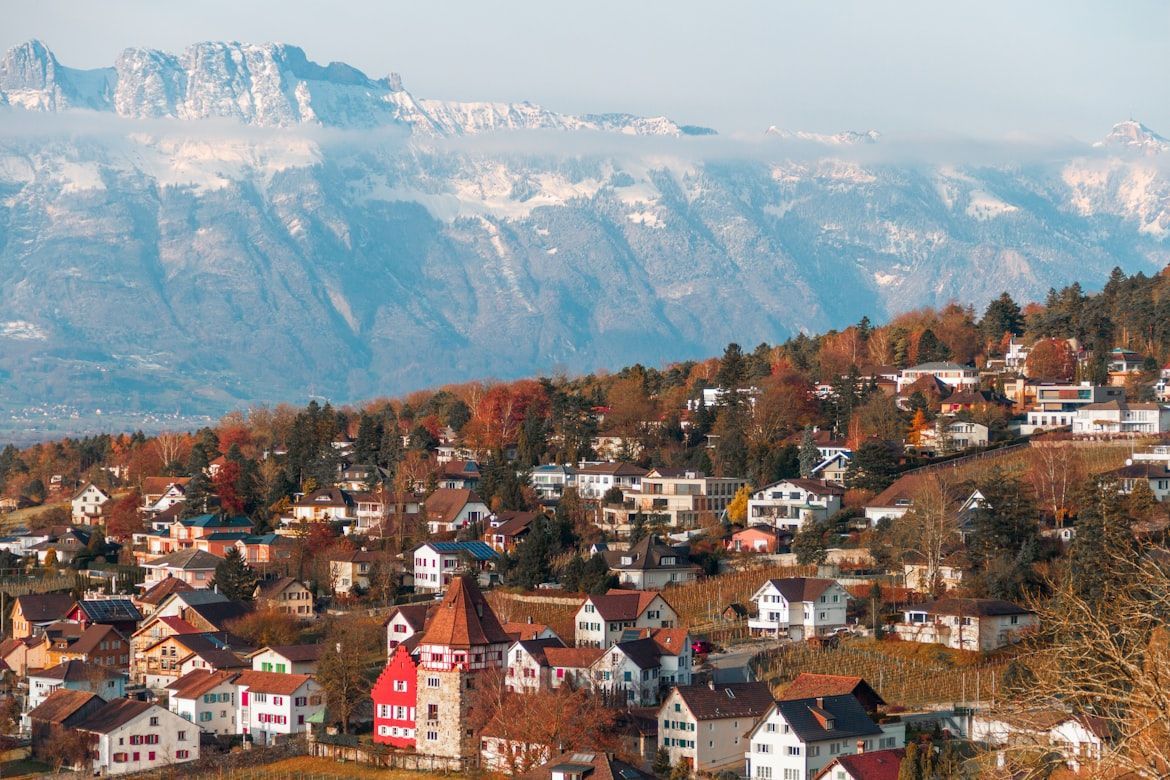
Tucked between Switzerland and Austria, Liechtenstein is a 62-square-mile alpine principality. While it is known as a tax haven, its biggest claim to fame is actually in your mouth. Why? Because Liechtenstein is the world's leading producer of false teeth. A company called Ivoclar Vivadent produces roughly 60 million sets of dentures annually, accounting for a staggering 20% of the global market.
San Marino: The world’s oldest republic
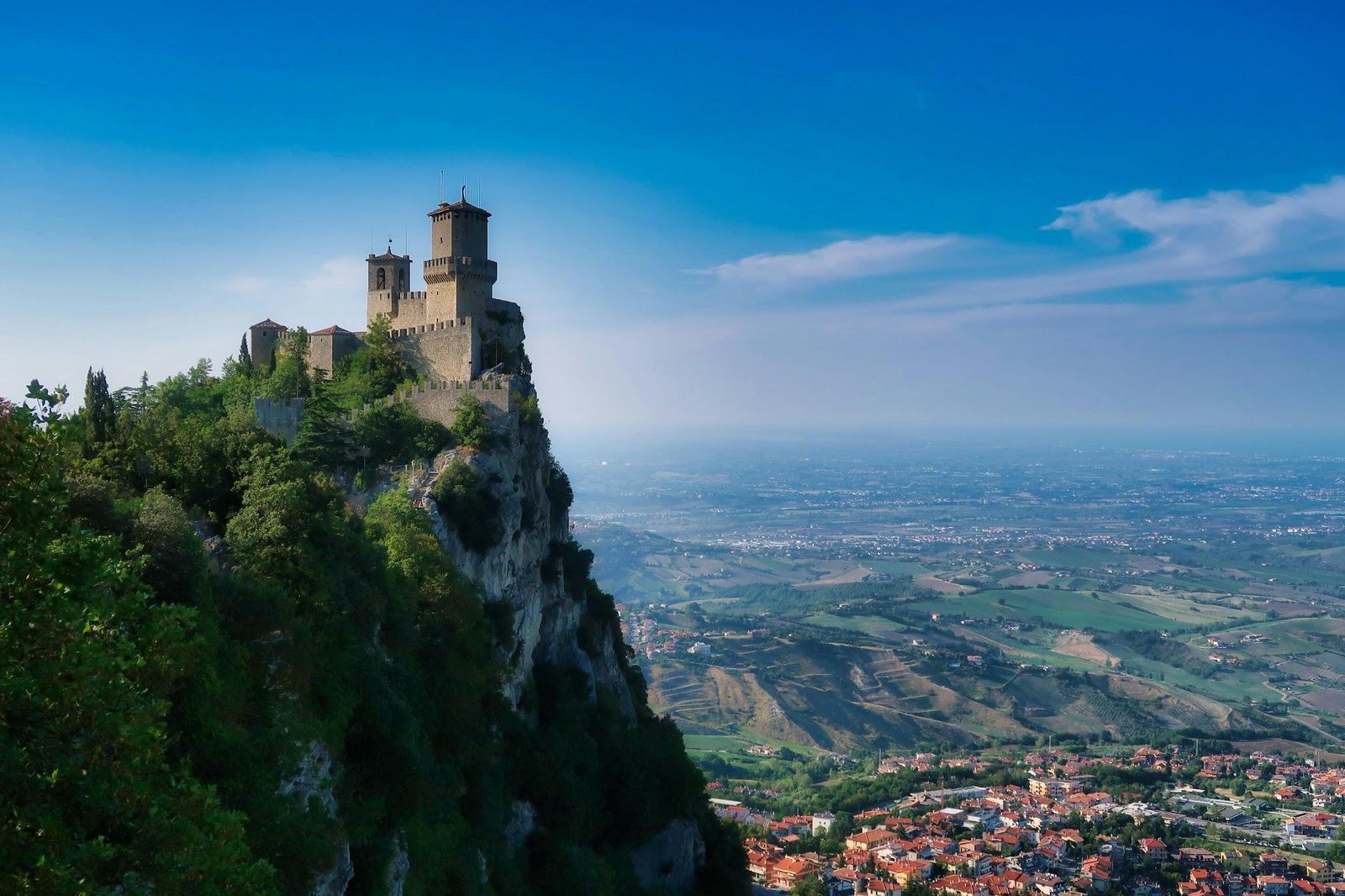
Surrounded entirely by Italy, San Marino covers 23.5 square miles. It claims to be the oldest sovereign state and constitutional republic in the world, founded in 301 AD by a stonemason named Marinus.
In the 19th. century, during the American Civil War, San Marino wrote to Abraham Lincoln expressing their admiration for his leadership. Lincoln responded with a letter praising the republic’s resilience. In return, San Marino granted Lincoln honorary citizenship, a gesture he reportedly found deeply moving during one of his darkest political hours.
Tuvalu: Profiting from the internet
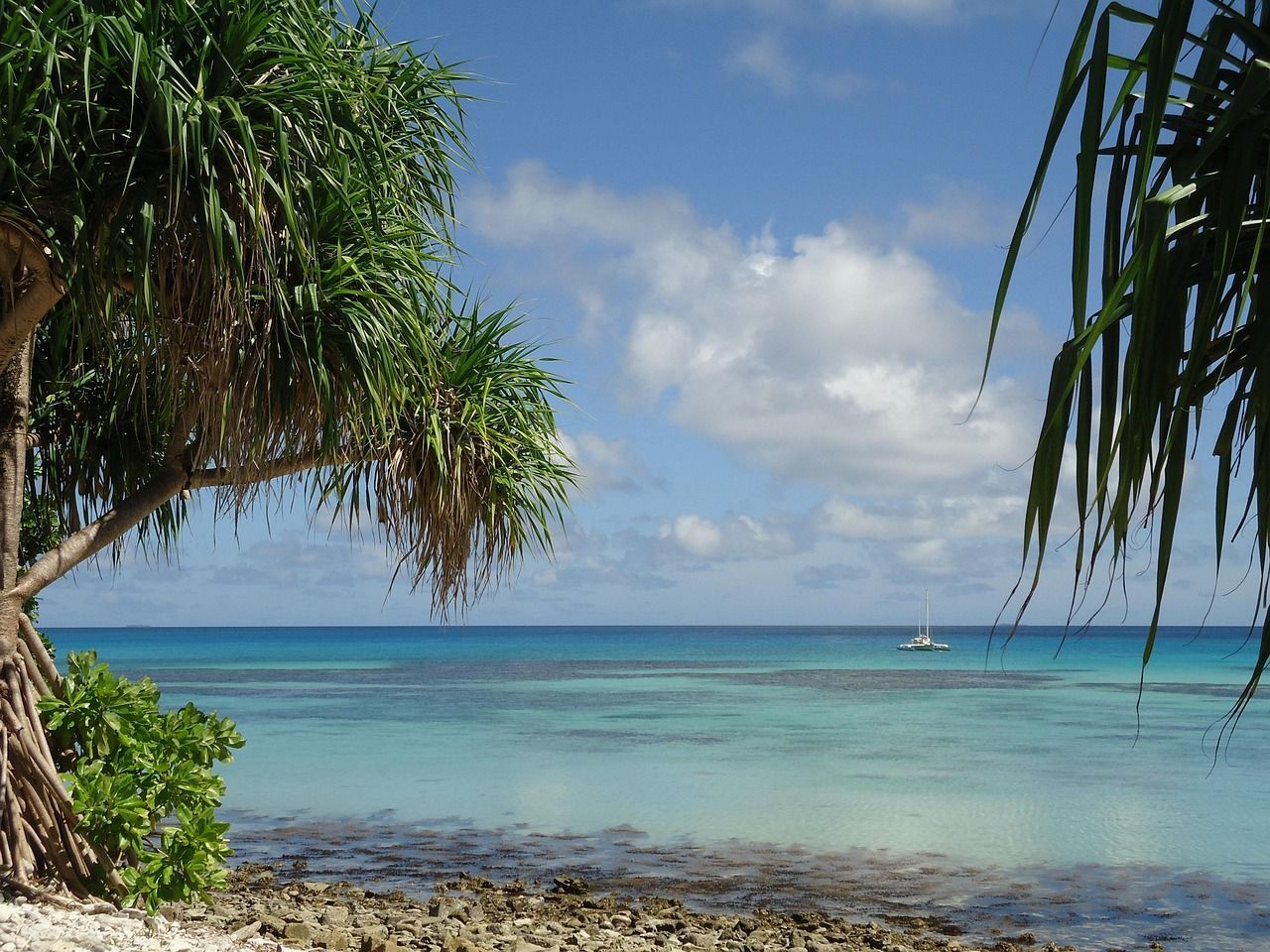
Tuvalu is a tiny nation of nine islands in the South Pacific, totaling just 10 square miles. Its physical existence is precarious due to rising sea levels, but its digital presence is lucrative.
Because Tuvalu was assigned the country code top-level domain ".tv," it hit a digital jackpot. The nation leases the rights to the domain to tech companies and streaming services, bringing in millions of dollars annually. This revenue accounts for about 10% of the country's total GDP, funding everything from scholarships to infrastructure.
Nauru: The country without a capital
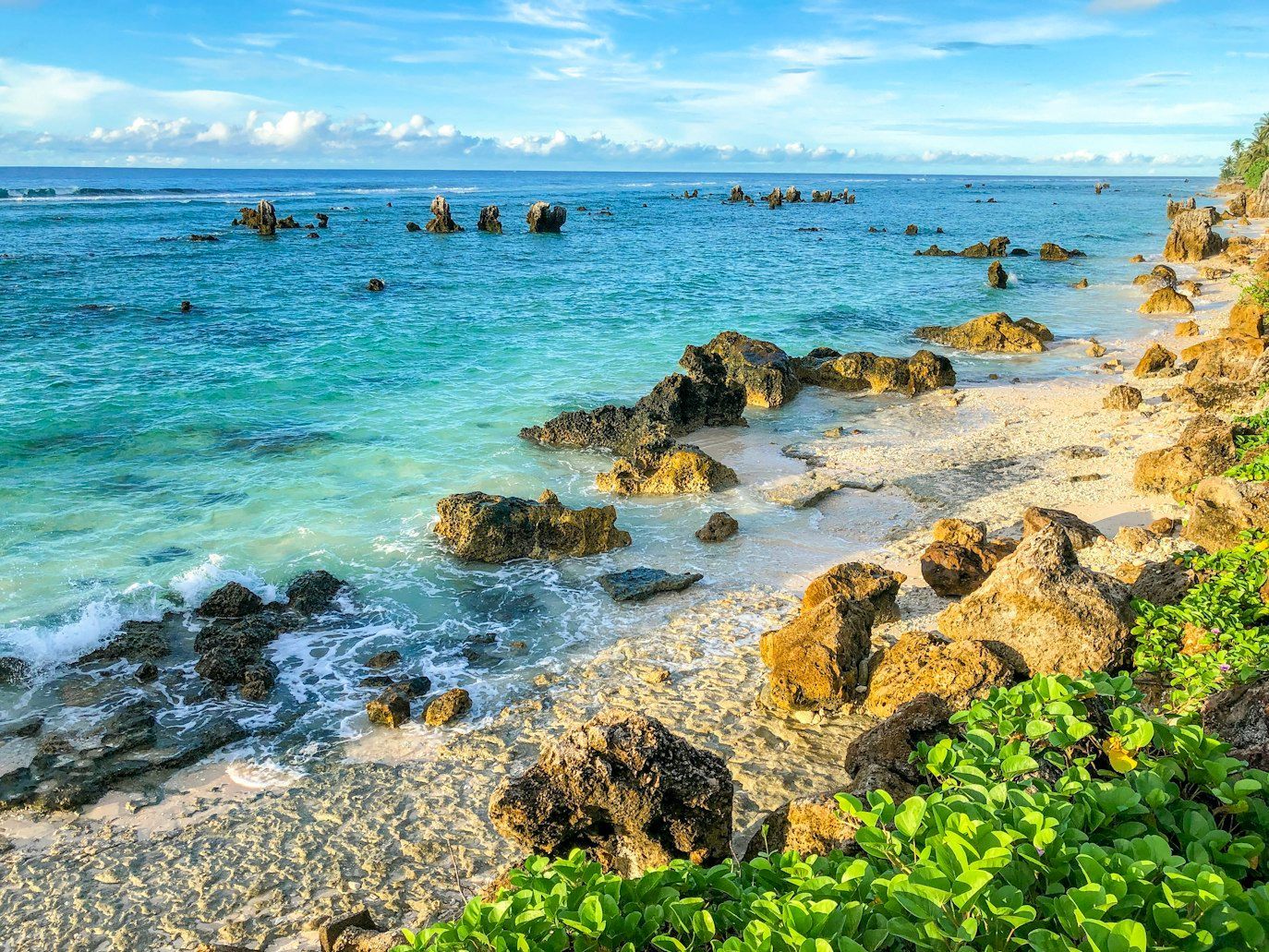
Nauru is an island nation in Micronesia with a land area of only 8 square miles. It is the smallest island nation and the smallest republic in the world.
Nauru is the only country in the world without an official capital city. While Yaren is the largest settlement and the site of most government buildings, the nation technically lacks an official urban center. It also famously went from being the wealthiest nation per capita in the 1970s (thanks to phosphate mining) to one of the poorest after the resources were depleted.
Monaco: The millionaire’s square mile
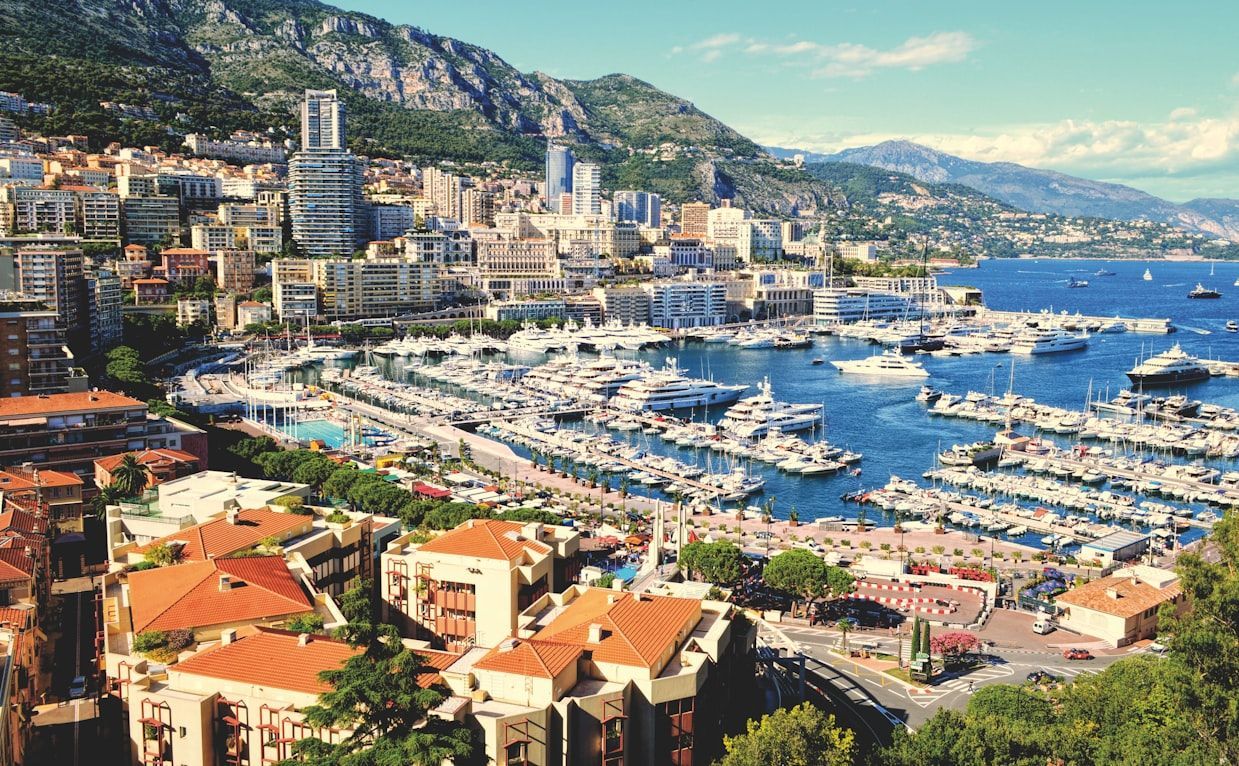
Monaco is the world’s most densely populated country, covering only 0.75 square miles. Despite its size, it is a global icon of luxury and speed. Roughly one in every three people living in Monaco is a millionaire. The country has zero income tax, making it a magnet for the world's ultra-wealthy.
Also, Monaco’s military is actually smaller than its police force. The Compagnie des Carabiniers du Prince consists of roughly 120 soldiers, whereas the police force is over 500 strong. It is one of the few places where you could walk across the entire country in about 60 minutes.
State of the Vatican City: The heart of the church
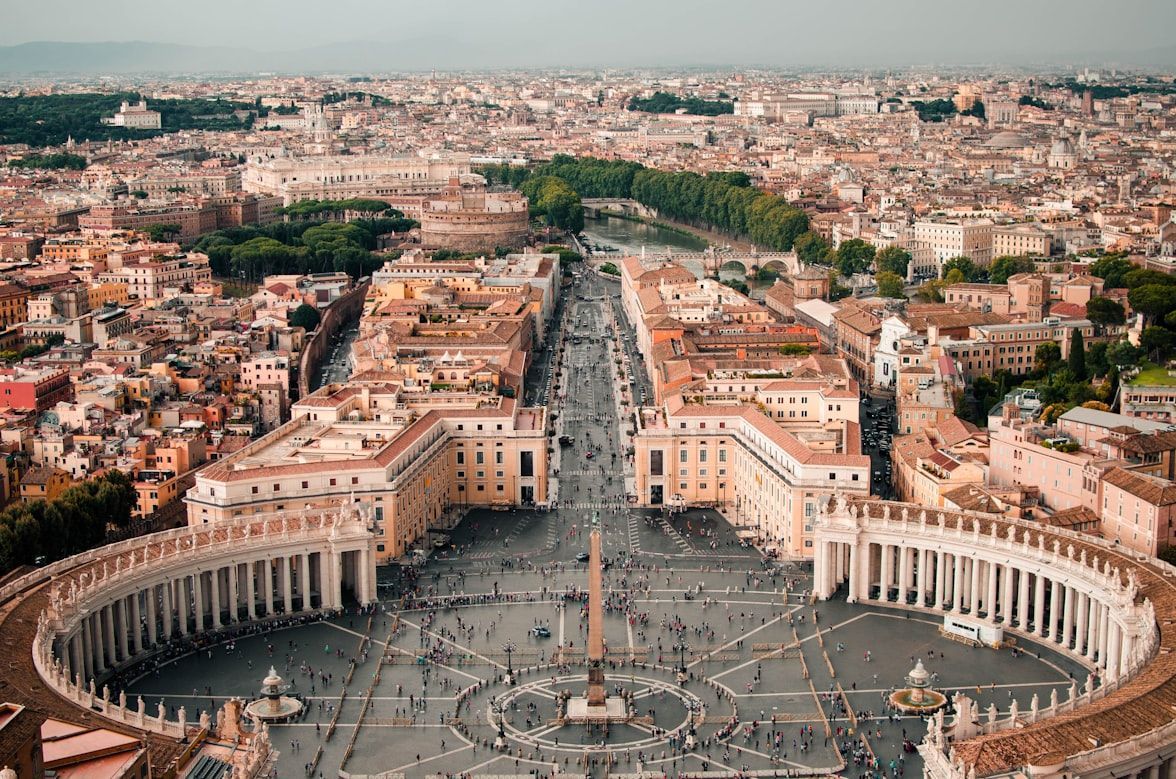
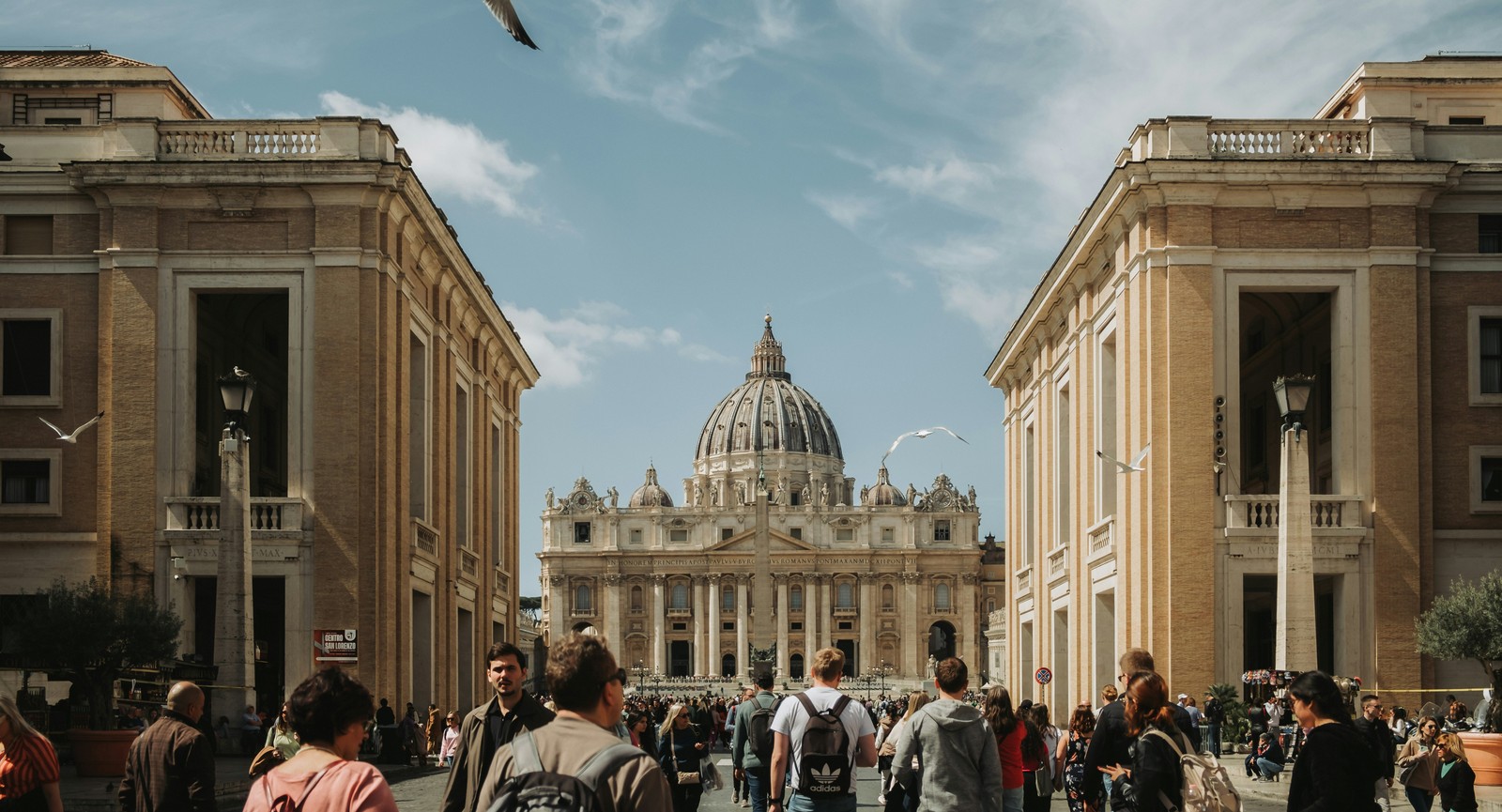
The Vatican City is the smallest country in the world, spanning a mere 0.17 square miles (about 110 acres). It is an absolute monarchy ruled by the Pope. Despite having a population of around 800, nobody is actually born in the Vatican. The country has no hospital or maternity ward. Citizenship is not granted by birth, but rather by jus _officii_—it is given to those who work for the Holy See and is usually revoked once their service ends.
More importantly, the Vatican is the only country in the world that is, in its entirety, a UNESCO World Heritage Site. Every building, from St. Peter's Basilica to the Vatican Museums, is protected under this designation.
Keep wandering
There’s always
more to explore
 Culture
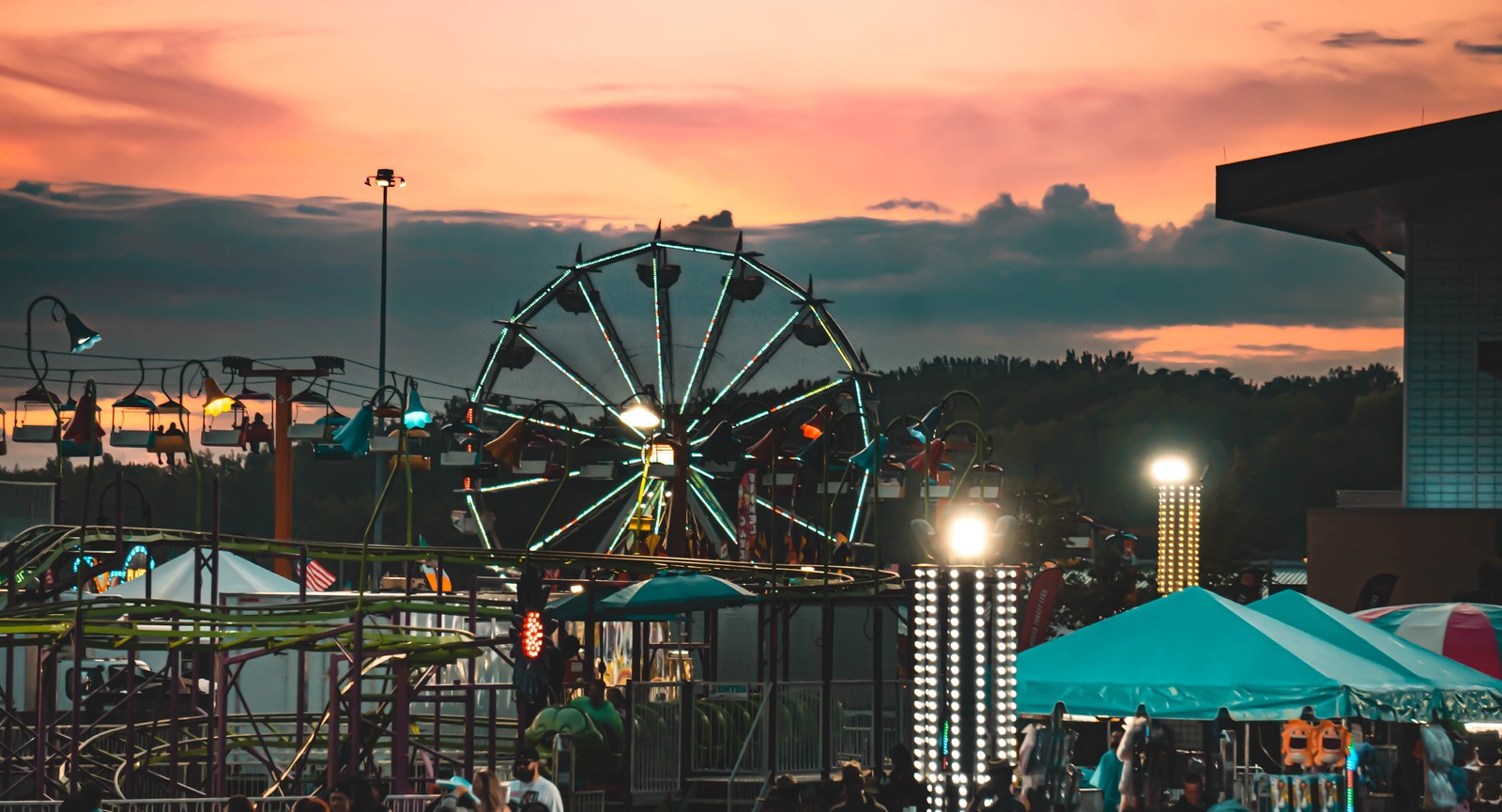
Some of these state fairs have seriously weird attractions
5 min.
Read Now
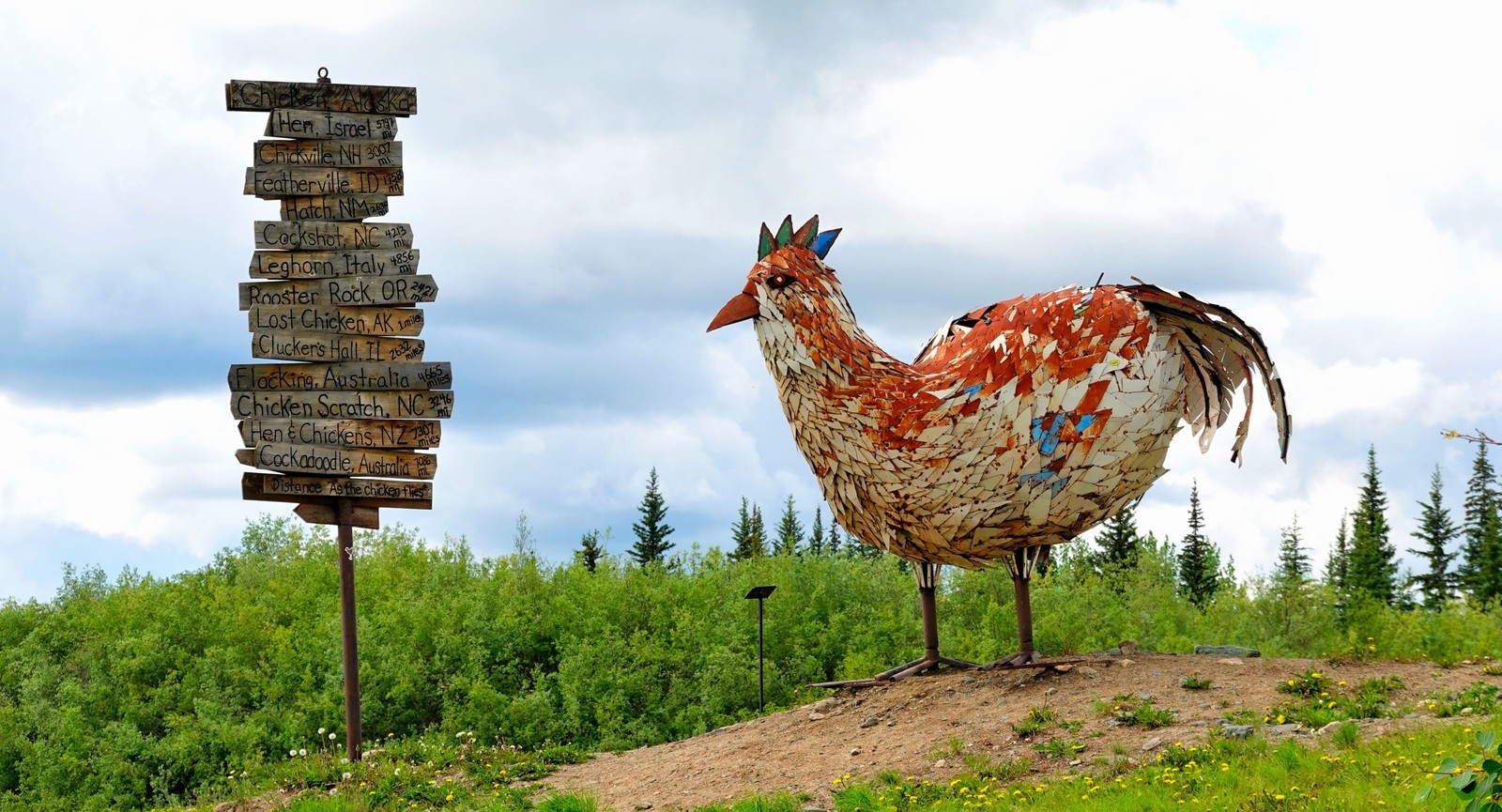
A town called Chicken? Why are these 10 U.S. places named after food?
4 min.
Read Now
Nearly everyone in this town lives in one 14-story building
6 min.
Read Now
10 things to pack that could save your vacation
5 min.
Read Now