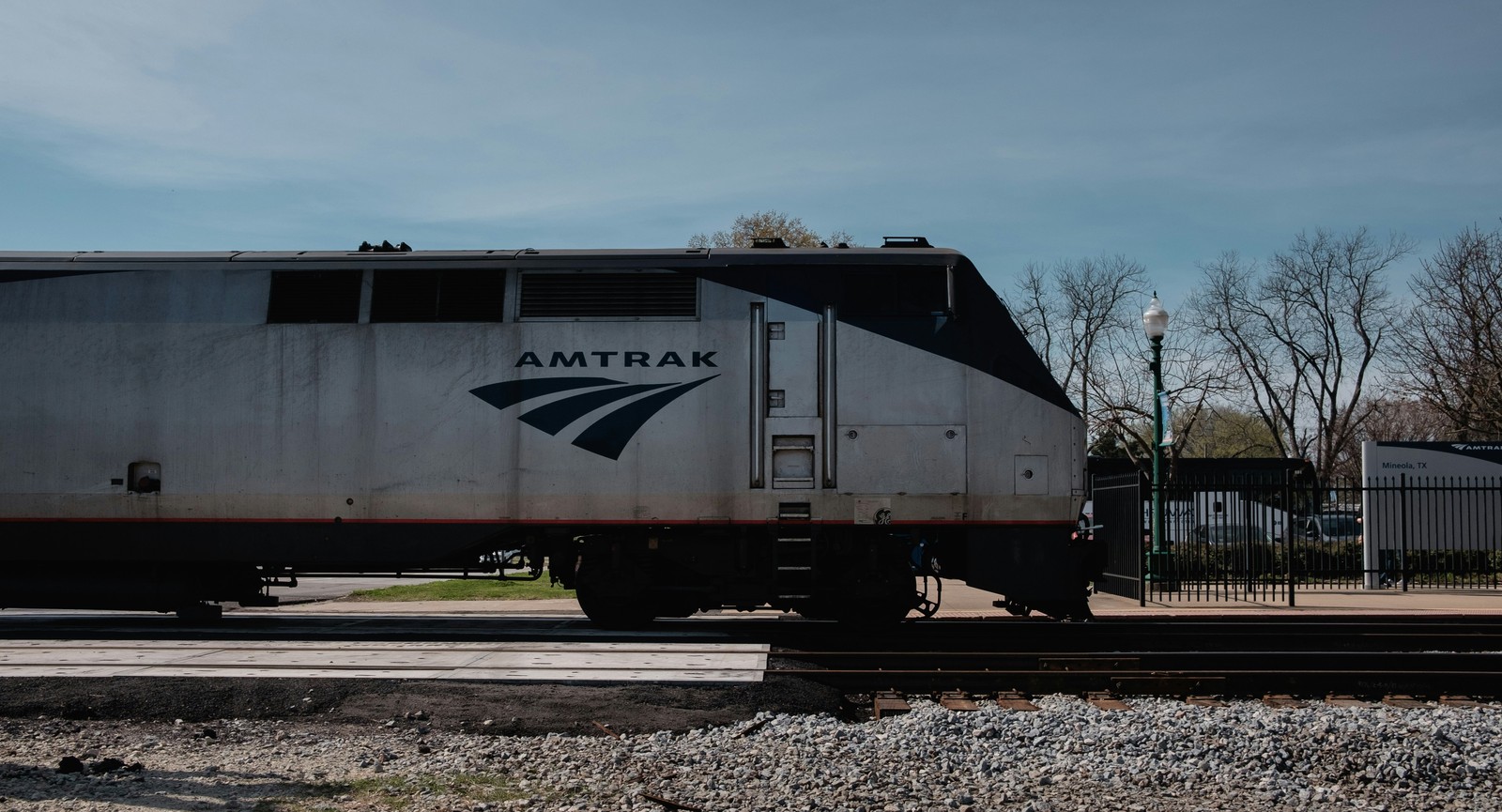
12 things everyone should know before riding on an Amtrak train
 General
Are you a train enthusiast?
12 things everyone should know before riding on an Amtrak train
Train travel in the U.S. follows a different rhythm than flying, and a slower pace is part of its appeal. With wide seats, scenic routes, and fewer rigid rules, Amtrak rewards travelers who know what to expect. These tips help first-timers and occasional riders feel prepared, relaxed, and ready to enjoy the journey.
Arrive earlier than you think
Amtrak stations are generally calmer than airports, but timing still matters. Most routes recommend arriving at least 30 minutes before departure, especially if you need assistance or have checked luggage. Platforms and boarding areas are often announced shortly before departure rather than posted far in advance.
Arriving early gives you time to listen for announcements, find the correct boarding area, and settle in without rushing. It’s also helpful if the station layout is unfamiliar or larger than expected.
Boarding is announced, not assigned
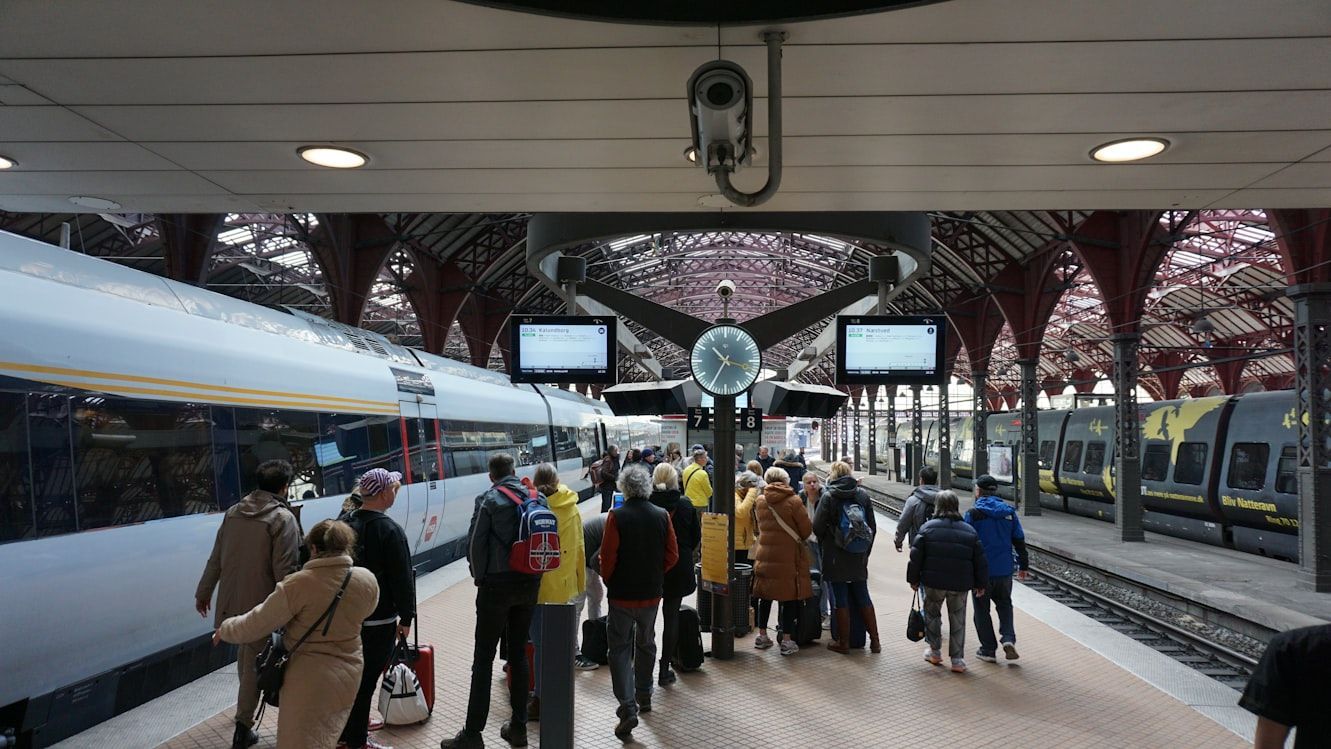
Unlike airlines, Amtrak often boards by announcement rather than fixed gate numbers. Conductors or station staff call passengers forward when the train is ready, sometimes only 10–15 minutes before departure. Paying attention is key.
Staying near the waiting area and listening carefully ensures you won’t miss your call. At smaller stations, boarding may happen directly from the platform with minimal signage or warning.
Seating rules vary by route
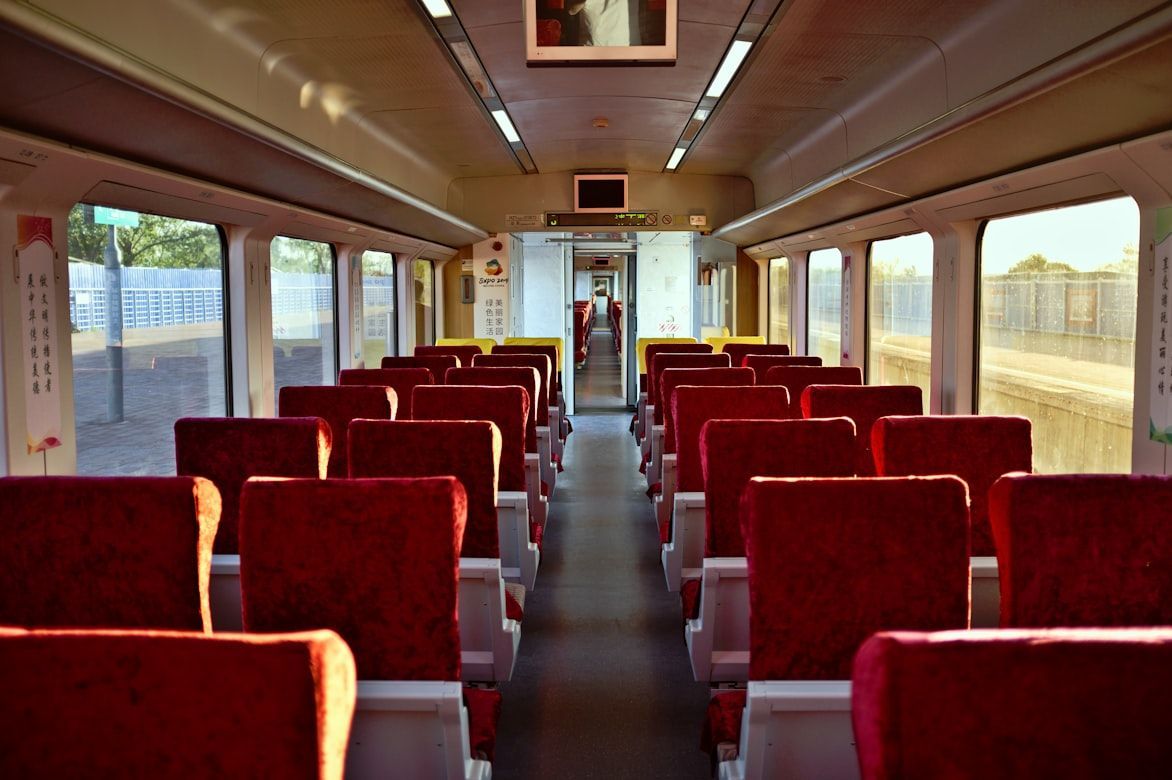
Some Amtrak routes use assigned seating, while others allow open seating within your ticketed class. Conductors may direct you to a specific car based on your destination or how full the train is.
If you’re traveling with a companion, boarding early improves your chances of sitting together. Once the train fills up, switching seats later may not be permitted or encouraged.
Pack your carry-on carefully
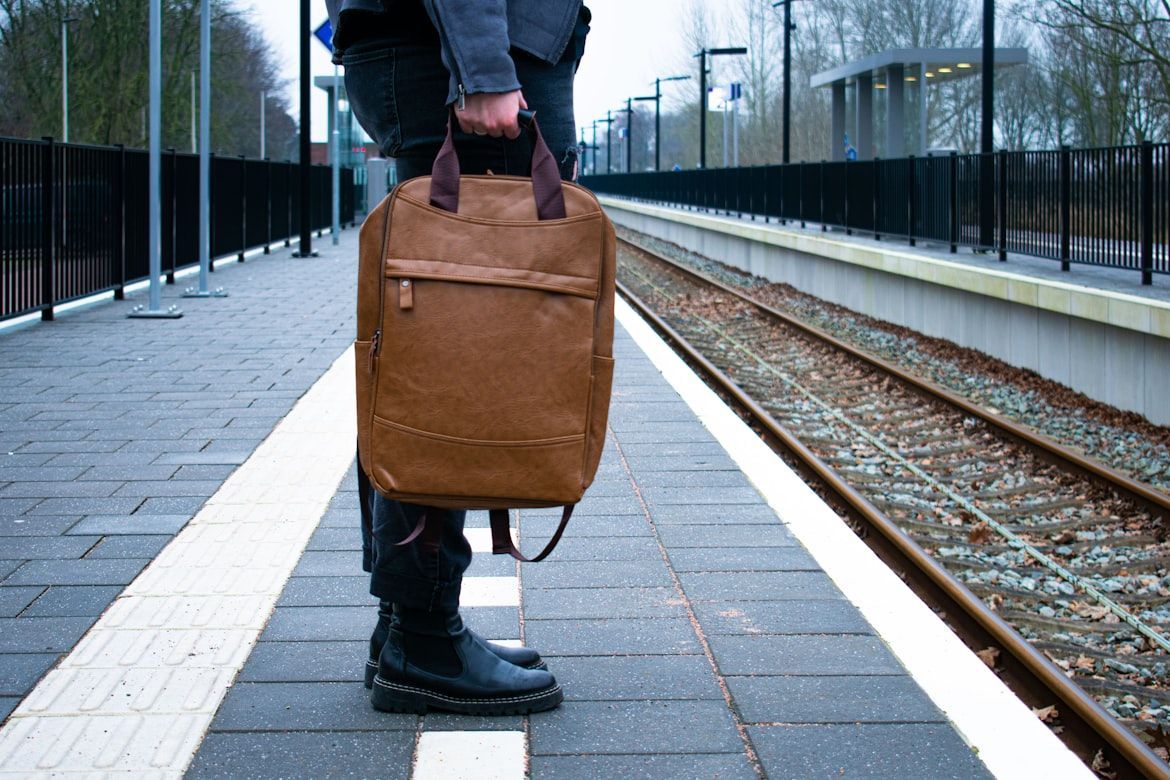
Amtrak allows generous baggage limits, but you won’t have access to checked bags once onboard. Important items like medications, snacks, chargers, documents, and a light jacket should stay with you at your seat.
Overhead racks are roomy, but aisles must remain clear. Soft bags are often easier to manage than hard suitcases, especially when lifting items overhead.
Delays are common
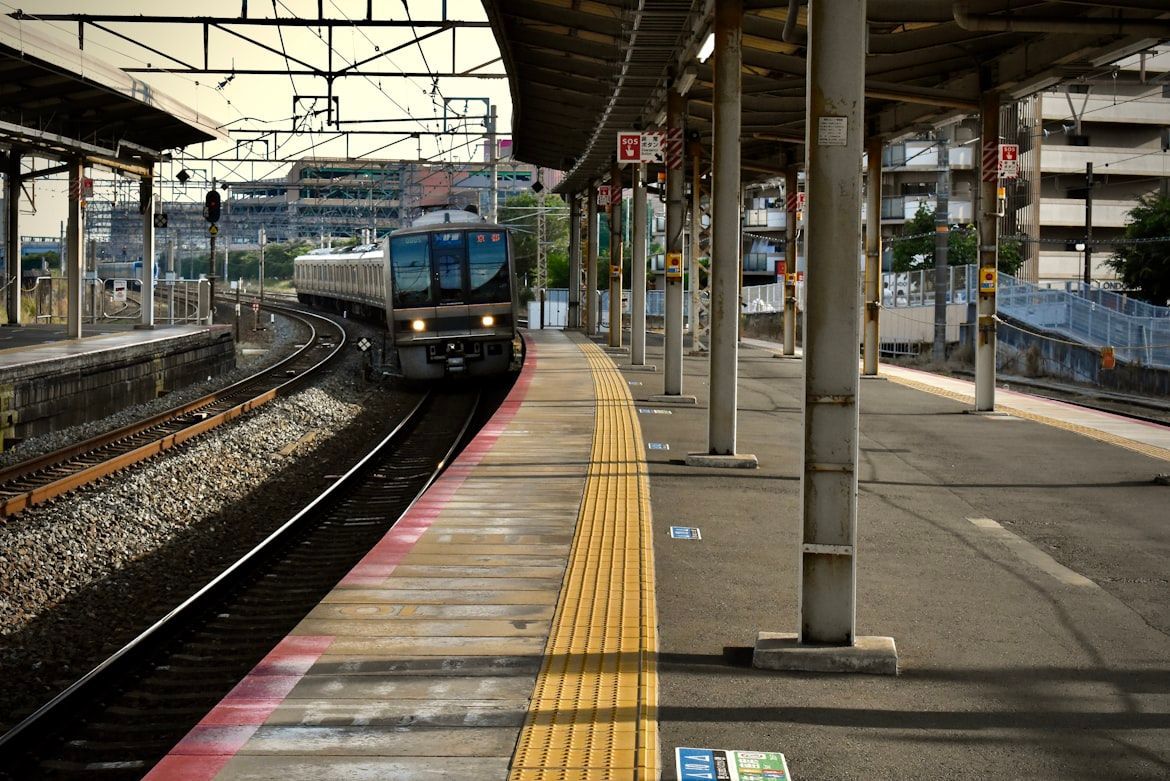
Amtrak trains frequently share tracks with freight trains, which can cause delays beyond the railroad’s control. Even well-planned trips may arrive later than scheduled, especially on long-distance routes.
Building flexibility into your plans helps reduce frustration. The upside is that delays usually occur while you’re already seated comfortably, rather than standing in line or waiting at a gate.
Bring comfort items
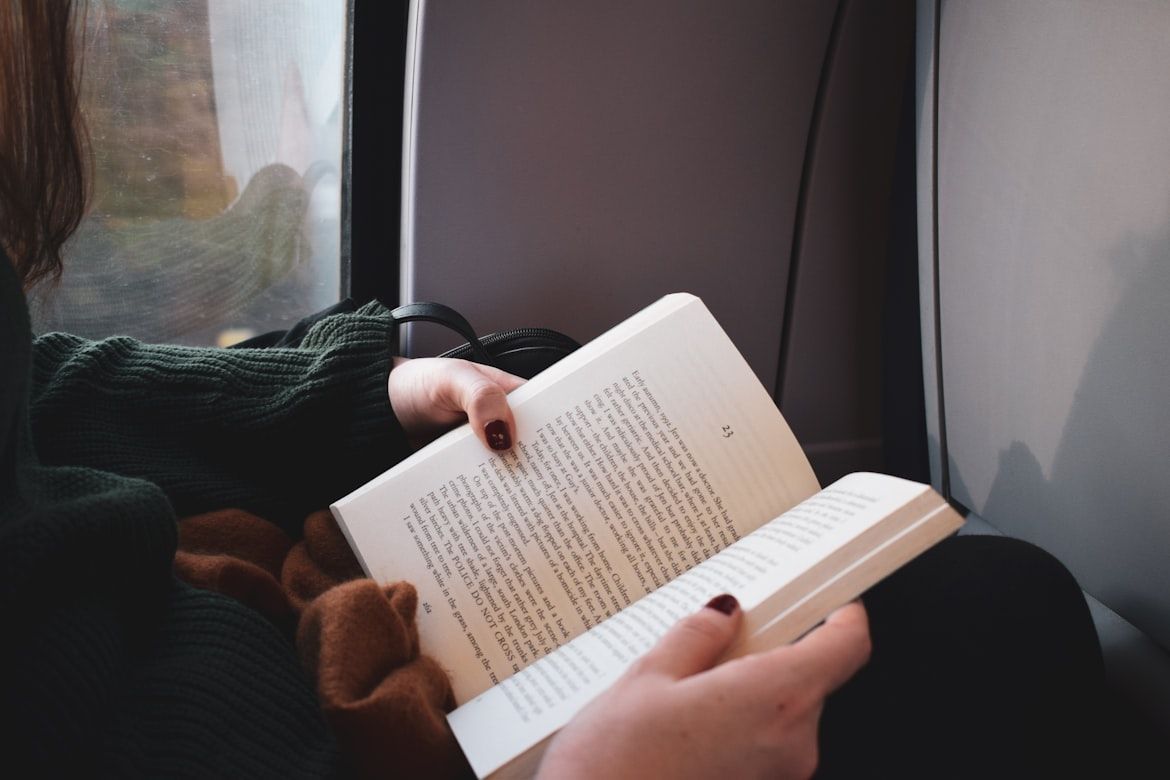
Seats are wider than plane seats, but long journeys feel more comfortable with a few personal touches. A book, a small pillow, a light blanket, a refillable water bottle, or an eye mask can make a noticeable difference.
Power outlets are common but not guaranteed at every seat. Having a charged phone or a small backup battery ensures your entertainment remains available throughout the trip.
Listen to announcements
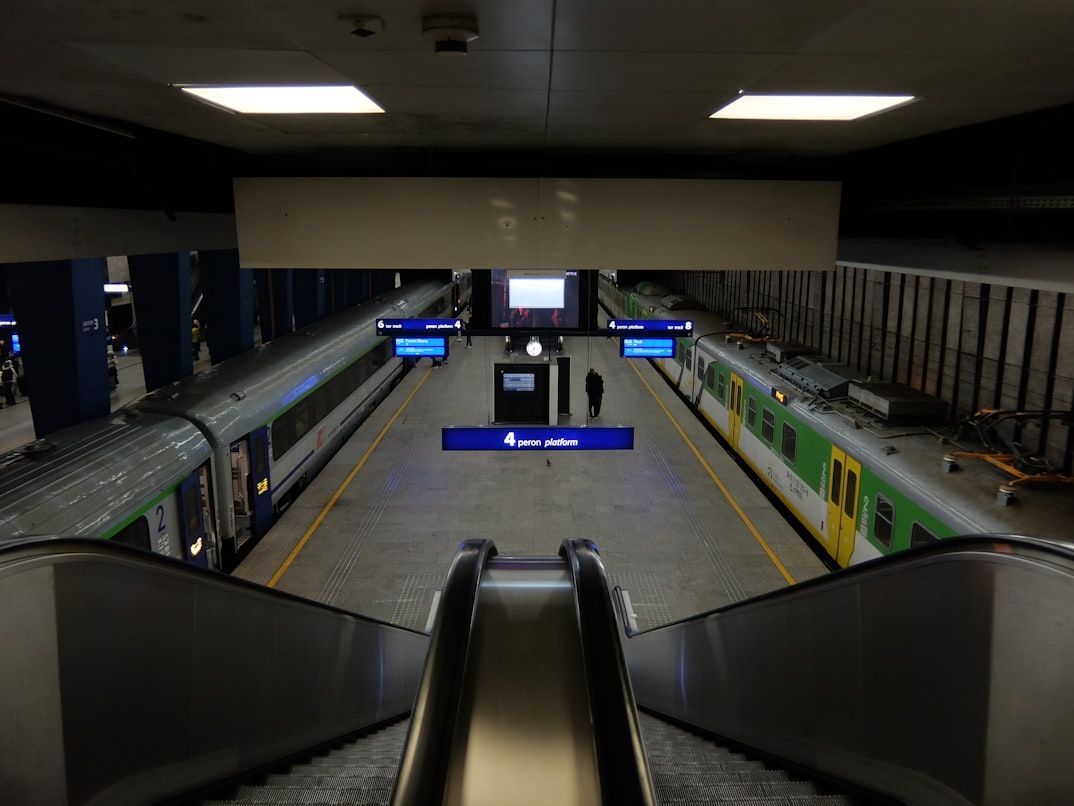
Conductors announce upcoming stops, longer breaks, and dining information over the public-address system. These announcements matter and may be your only warning before a stop arrives.
Volume and clarity vary by car, so staying alert helps avoid missing stations or meal-service windows. This is especially important during nighttime or quieter portions of the trip.
Walking is allowed
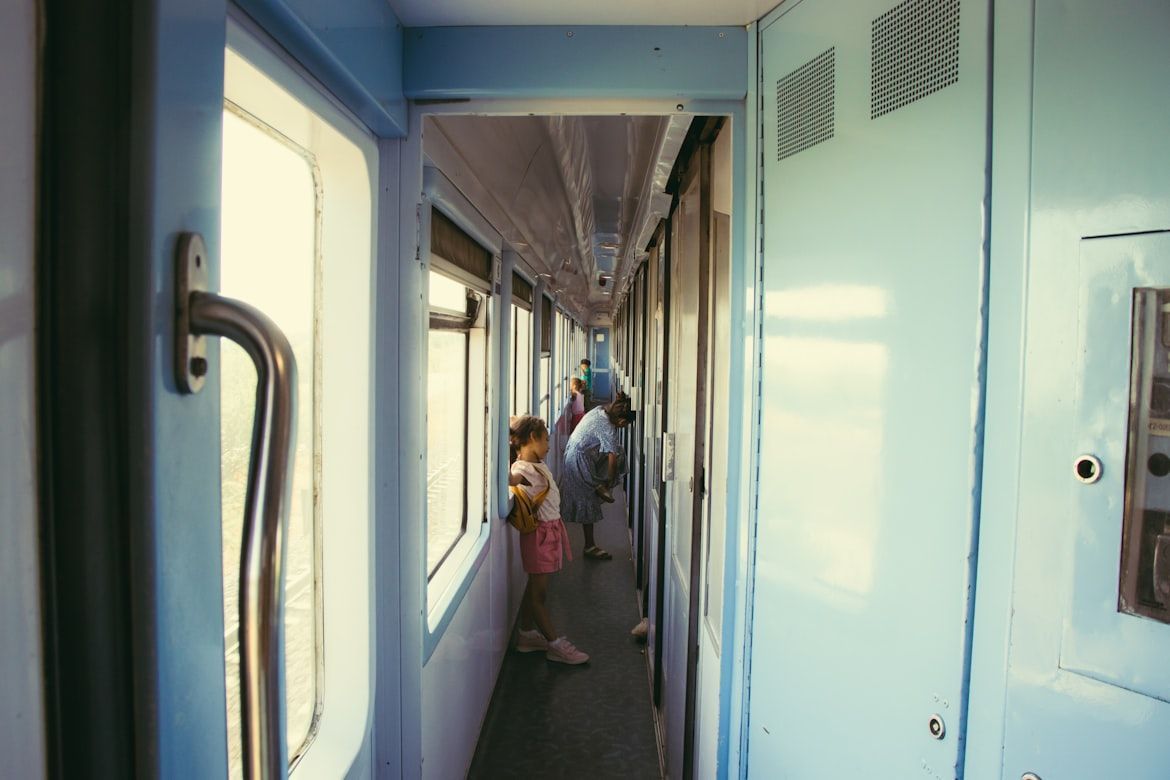
One advantage of train travel is the freedom to stand up and move around. You can visit the café or observation car and stretch your legs during the journey.
Always use handrails when walking between cars, especially while the train is moving. Trains can sway unexpectedly, particularly on curves or when switching tracks.
Expect compact restrooms
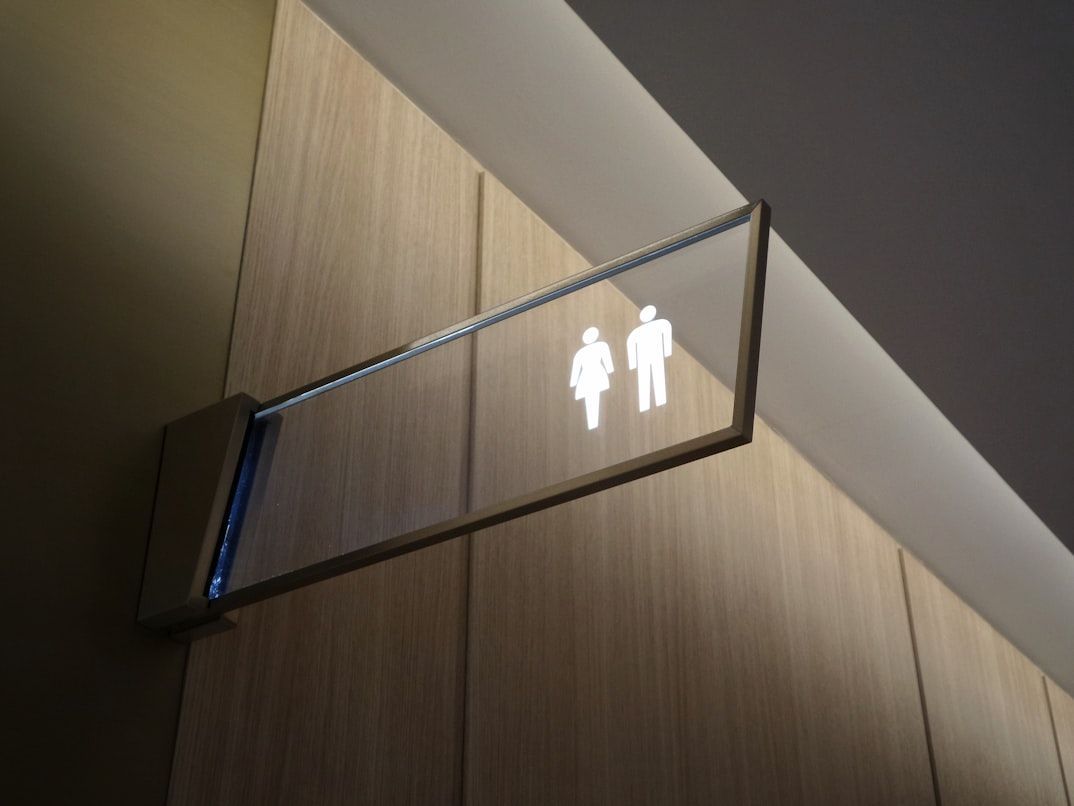
Every Amtrak car has restrooms, but they are functional rather than spacious. Bringing small personal items, such as hand sanitizer or tissues, can make visits more comfortable.
On overnight routes, restrooms tend to be busiest in the morning. Visiting earlier or later than peak times can help you avoid lines and crowded conditions.
Scenery is part of the journey
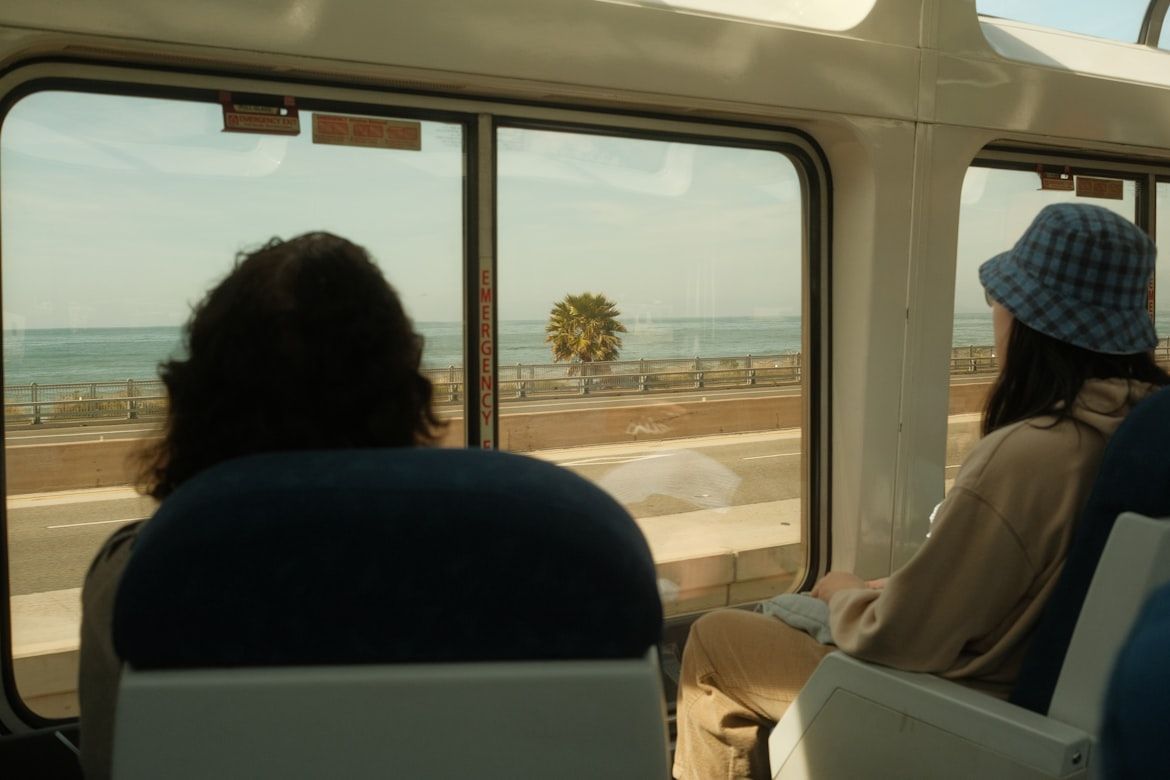
Many Amtrak routes pass rivers, mountains, farmland, and historic towns rarely seen from highways. Some trains include observation cars with large panoramic windows.
Seats aren’t assigned based on the view, so feel free to move when permitted. Daylight stretches often become the most memorable part of the entire journey.
Download the Amtrak App

The official Amtrak app stores digital tickets, shows real-time train status, and provides updates about boarding or delays. It’s especially useful at larger stations.
Even travelers who prefer paper tickets benefit from having the app as a backup. It offers peace of mind when schedules change unexpectedly.
Know the quiet and dining car rules
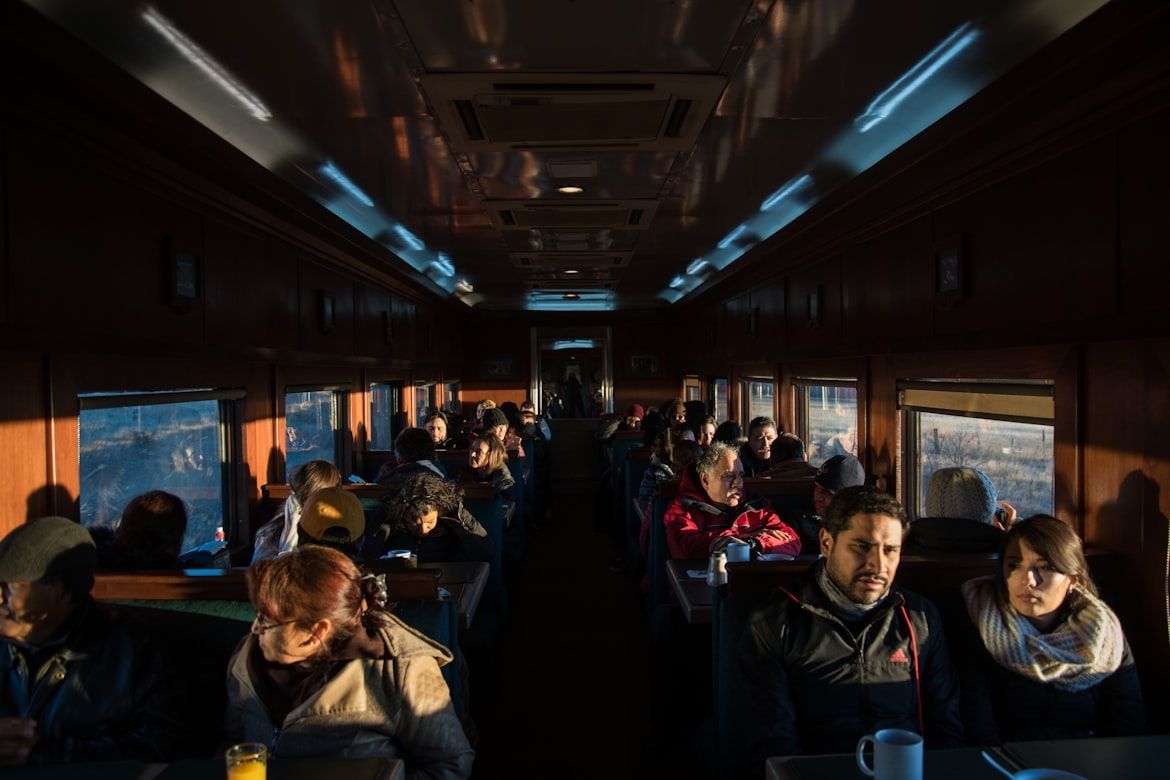
Quiet cars are designed for low voices, muted devices, and peaceful travel. They’re ideal for reading or resting but not for phone calls or conversations.
Dining and café cars follow their own schedules and customs. Knowing where talking is welcome helps everyone enjoy the ride more comfortably.
Ten tips for a trip to Washington, D.C., you'll wish you'd known sooner
D.C. unlocked
Ten tips for a trip to Washington, D.C., you'll wish you'd known sooner
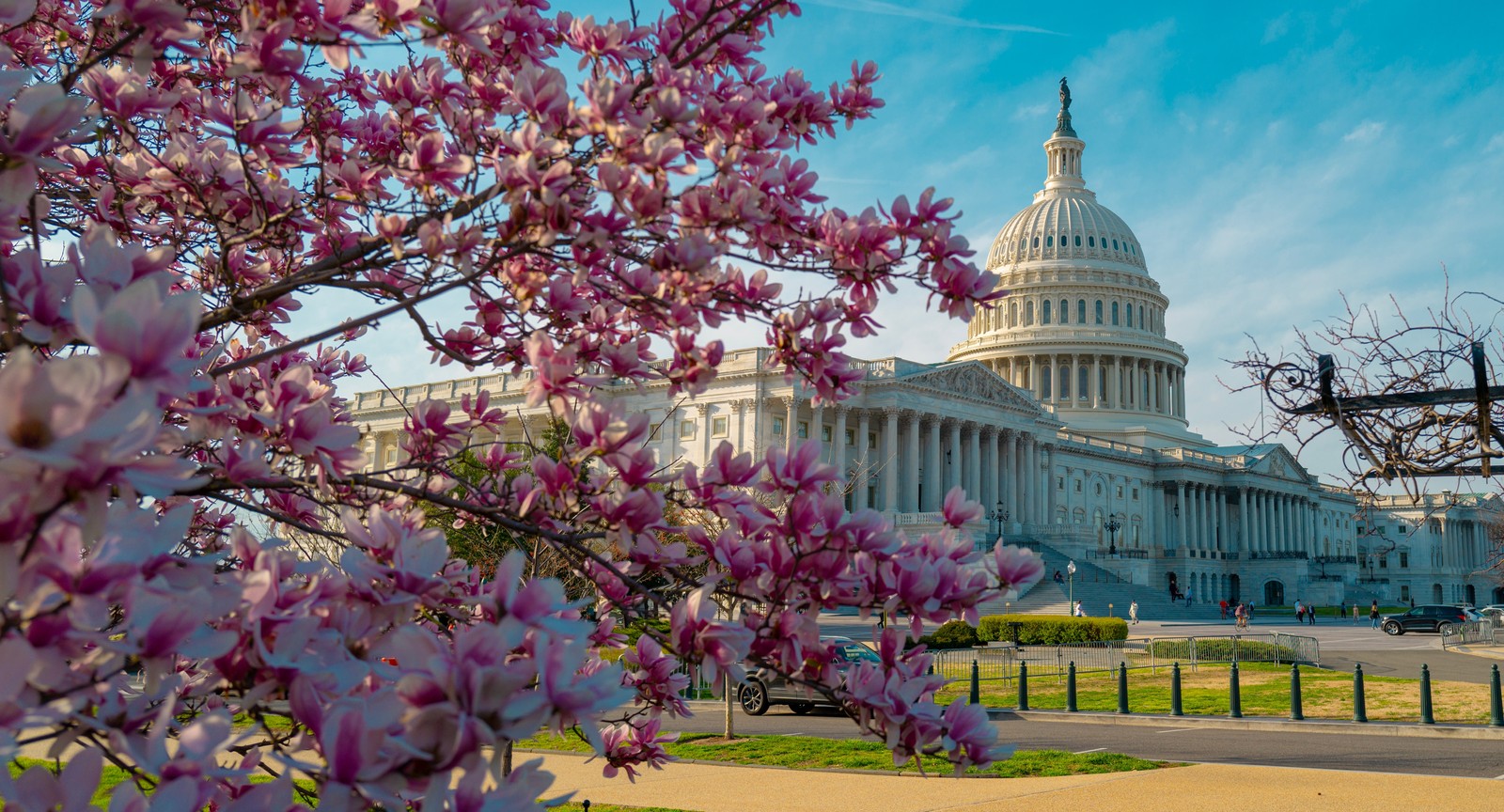
Washington, D.C., is one of those American cities that genuinely deserves the hype. But going in without a plan is a rookie mistake, no matter how seasoned a traveler you are. For example, time your visit around the Cherry Blossom Festival in late March or early April, and contact your congressional representative to score a free tour of the Capitol or even the White House. The first will save you countless headaches getting around; the second will give you a story worth telling for years. Here are 10 tips to make the most of your trip to Washington, D.C.
Take a free Capitol or White House tour

You can actually get inside the U.S. Capitol or even the White House for free just by contacting your congressional representative: the folks you elected can hook you up with a guided tour that regular tourists simply can't get off the street. You just need to reach out to their office a few weeks in advance.
Picture this: you're walking through the very halls where the country's laws get made, with a guide explaining the history around every corner. Your neighbor paid for a bus tour and saw it from the outside, but you’re actually there, on the inside.
Time your visit around the Cherry Blossom Festival
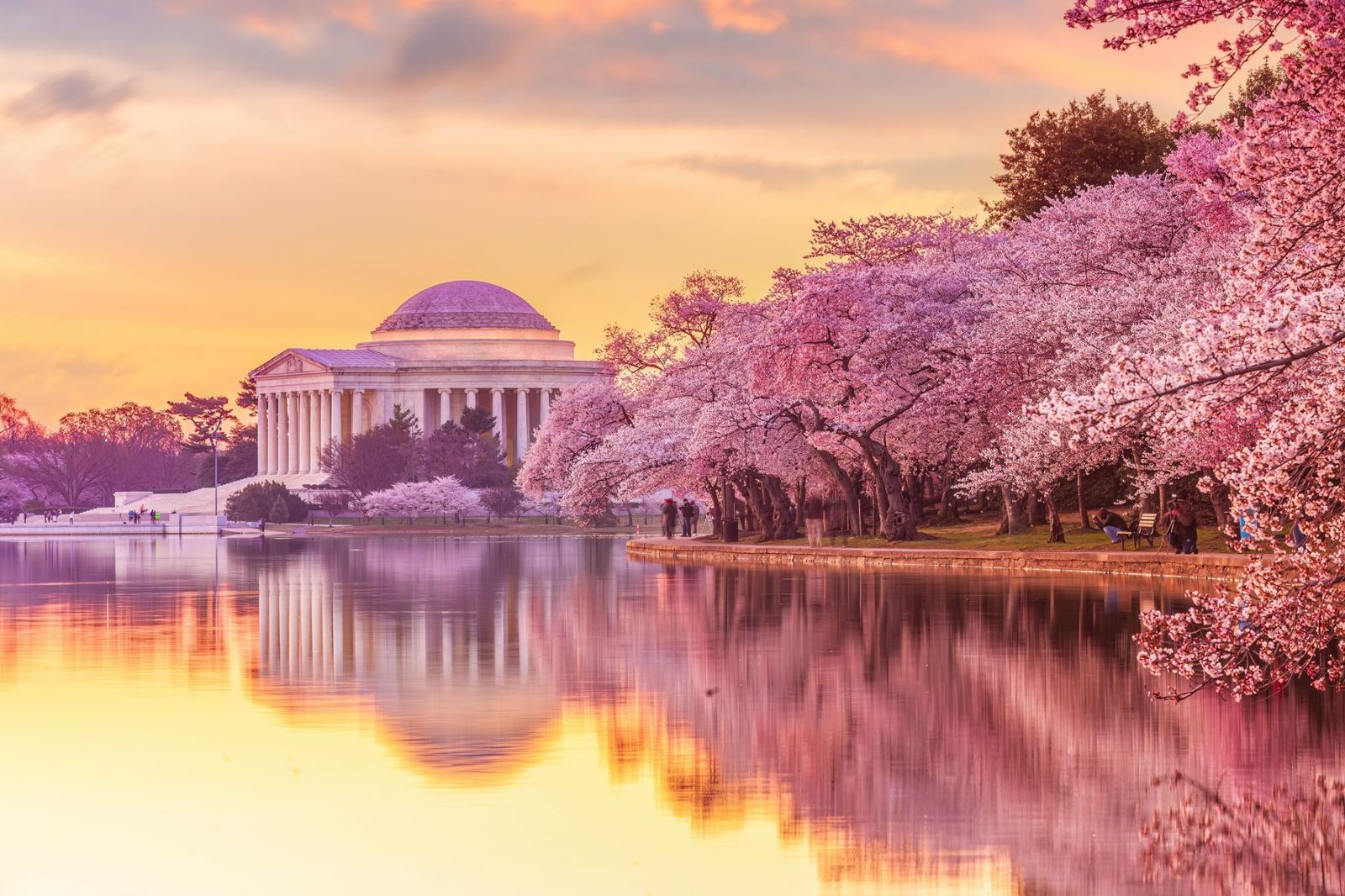
If there's one sight in D.C. that stops people in their tracks, it's the cherry blossoms around the Tidal Basin in spring. Nearly four thousand trees burst into bloom, turning the whole area into something out of a painting. The National Cherry Blossom Festival runs for about three weeks, and peak bloom usually hits in late March or early April.
It's busier during festival time, but the crowds are worth it. Get there early in the morning, before 8 a.m. if you can, and you'll have those pink-framed views of the Jefferson Memorial practically to yourself.
Visit the memorials at night
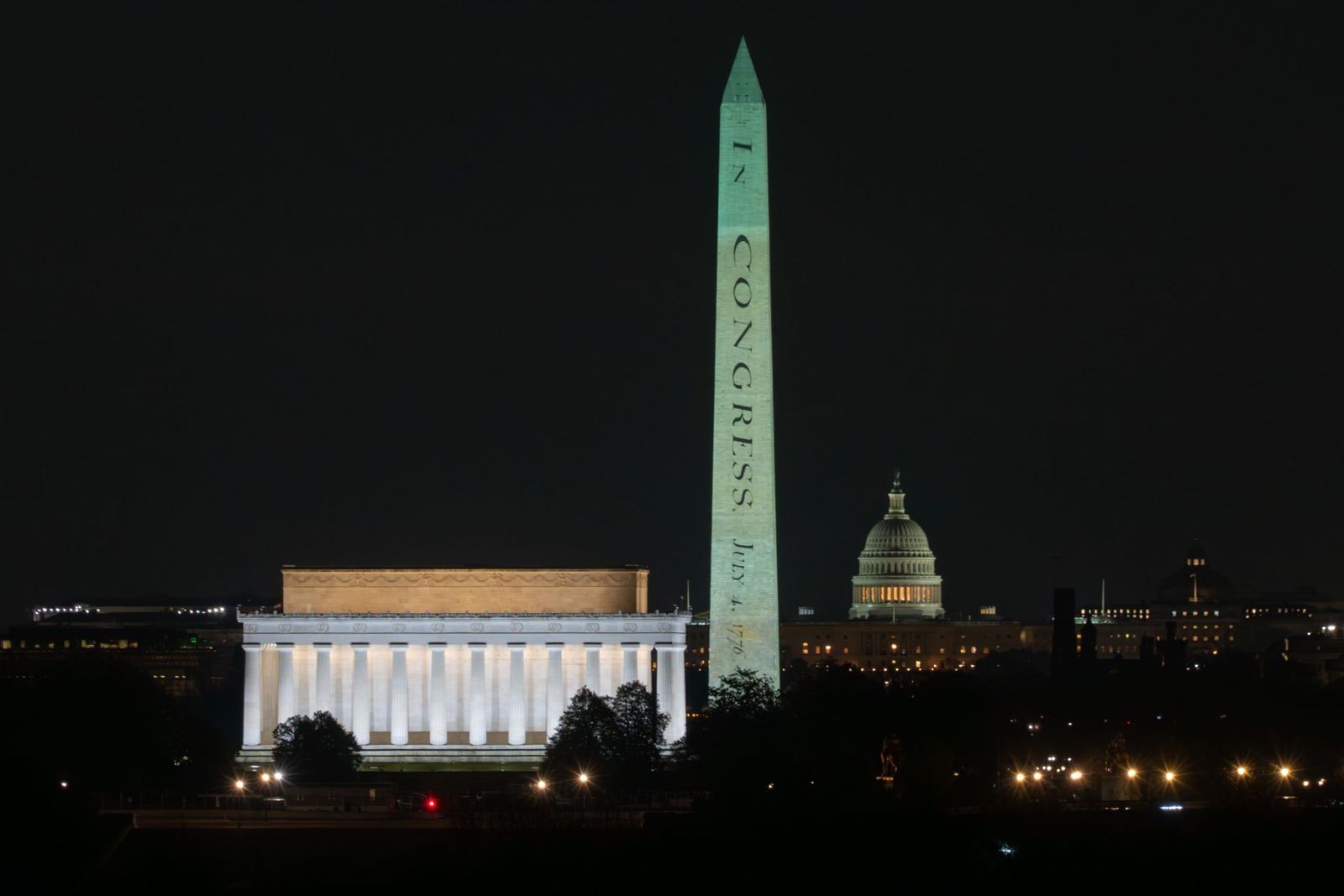
The Lincoln Memorial at 2 in the afternoon, surrounded by tour buses and a hundred people in matching T-shirts, is fine. The Lincoln Memorial at 10 at night, lit up against a dark sky with the Reflecting Pool glowing in front of it, that's something else entirely. You'll probably have a less crowded, more personal experience too.
The memorials are open 24 hours a day, staffed by rangers, and completely safe. Going at night costs you nothing and gives you one of the most memorable moments of the whole trip.
Ditch the car: The Metro takes you everywhere
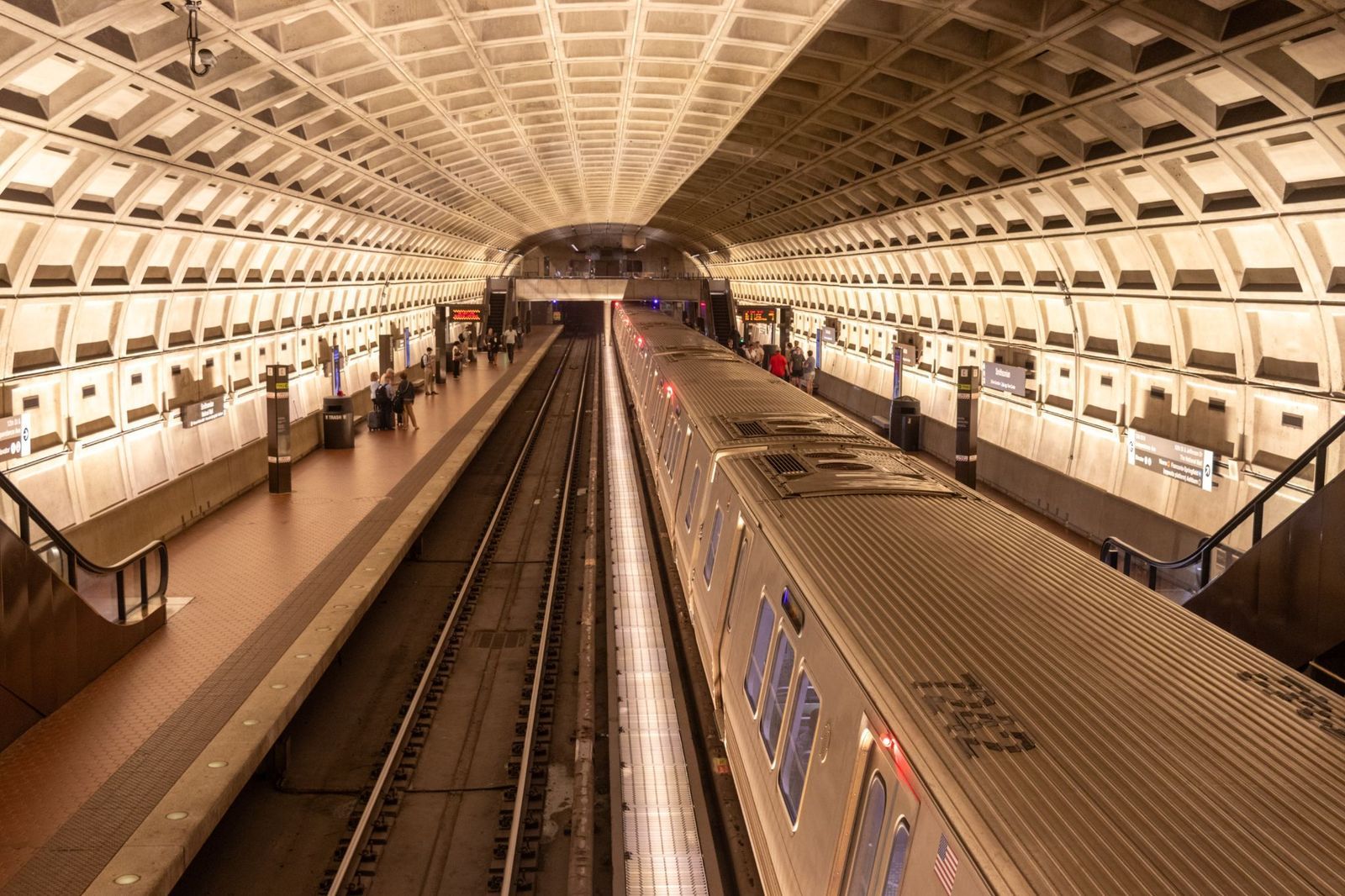
Driving in D.C. is a special kind of misery. One-way streets, confusing traffic circles, parking that costs a small fortune, and a layout that was designed in the 1790s, not exactly with SUVs in mind. The Metro, on the other hand, is clean, reliable, and drops you off right where you want to be.
You don't even need to figure out a special transit card anymore. Just tap your regular contactless credit or debit card (or your phone) at the turnstile and you're in. You'll glide right past the traffic jams while your car-renting counterparts sit fuming on Constitution Avenue.
Book timed-entry passes in advance
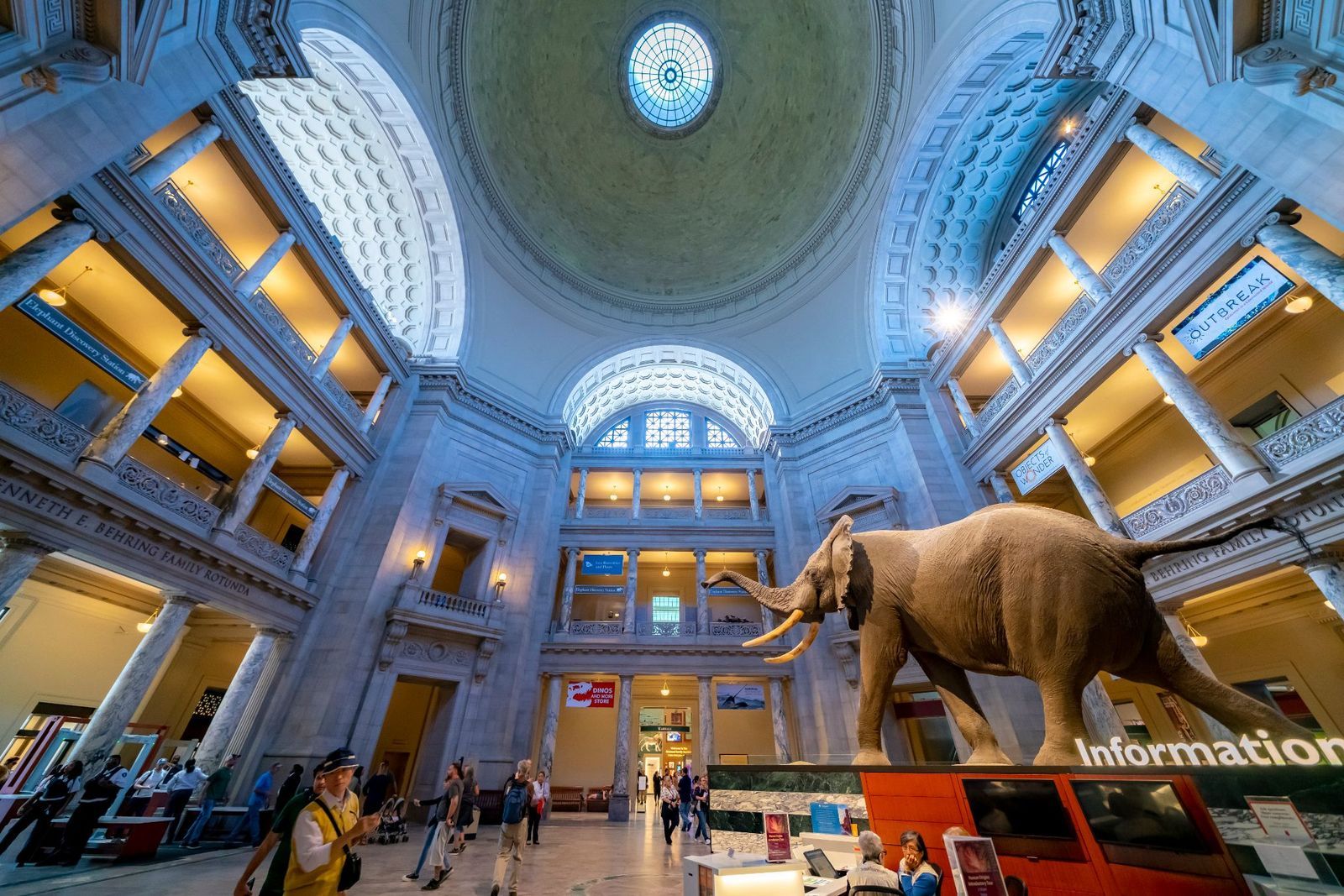
The Smithsonian museums are free, which is fantastic news until you show up at the Natural History Museum on a Saturday morning and find a line stretching halfway to Maryland. Many of the most popular museums now require timed-entry passes, and those passes go fast.
Go to si.edu before you leave home, pick the museums you most want to see, and reserve your spots. It takes about ten minutes and saves you the crushing disappointment of being turned away at the door.
Wander the Library of Congress's Great Hall
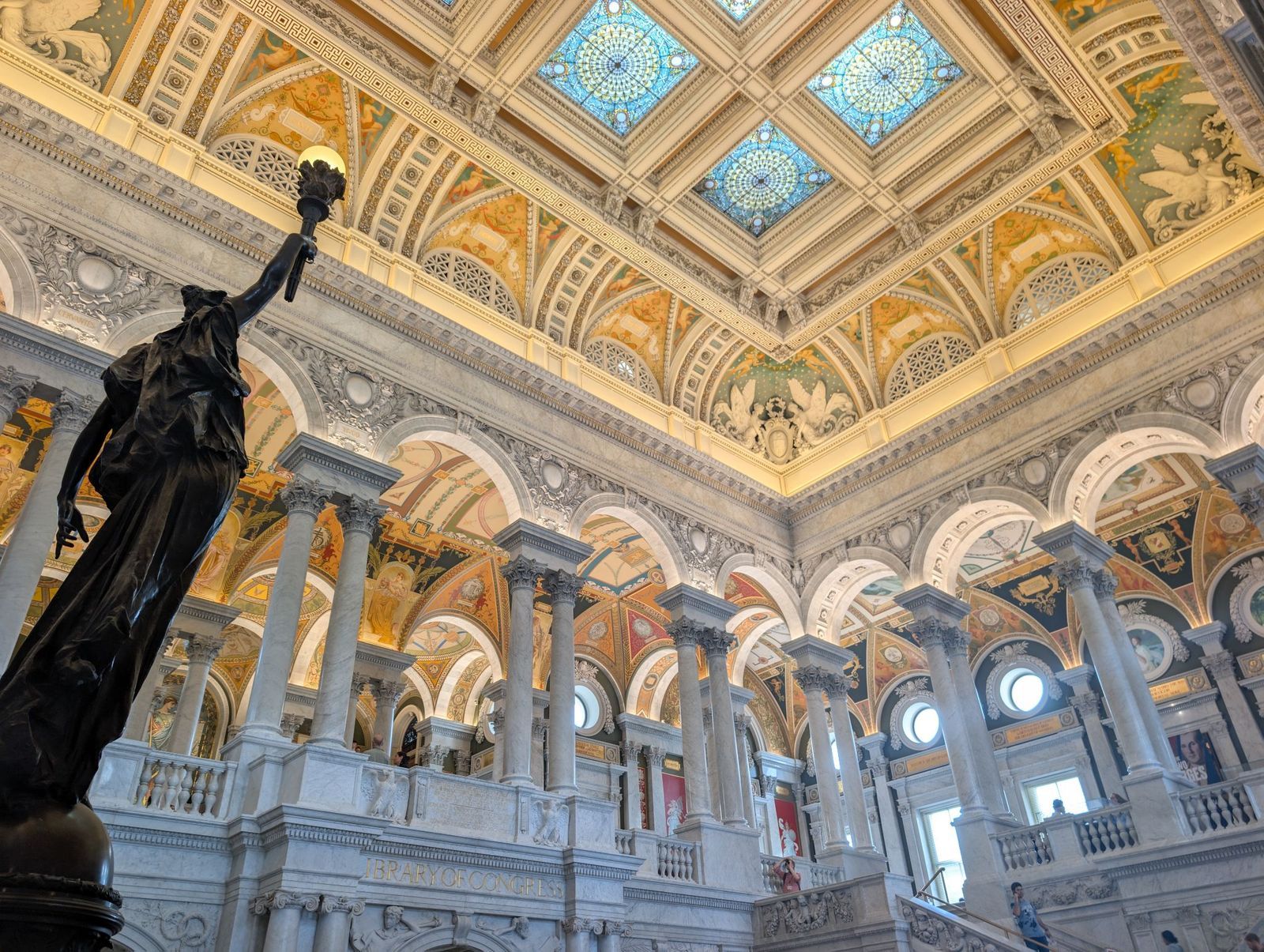
Thomas Jefferson Building's Great Hall, the ornate original of the Library of Congress's three Capitol Hill buildings, might be the single most jaw-dropping interior in the entire city. Marble staircases, mosaic ceilings, and stained glass everywhere you look; it feels more like a European cathedral than a government building.
It's completely free, but you must reserve a timed-entry pass in advance to manage capacity. Head up to the observation gallery on the top floor for a view down into the Main Reading Room, where researchers still work among the stacks.
Explore neighborhoods: Georgetown, U Street, Capitol Hill
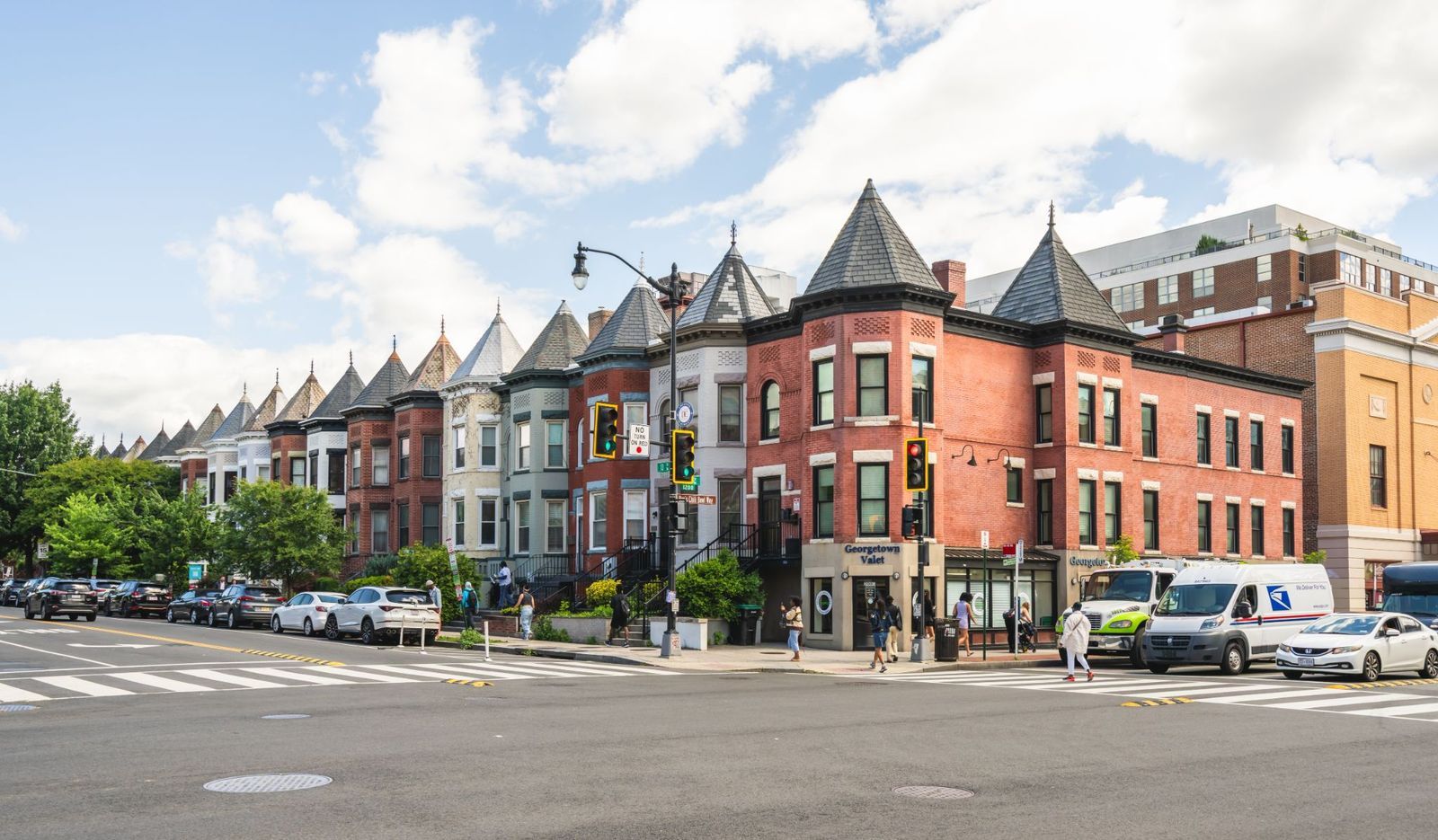
The real character of the city lives in its neighborhoods. Georgetown has Federal-style row houses, independent boutiques, and waterfront restaurants that have nothing to do with politics. U Street is rich with jazz history and some of the best food in the city. Capitol Hill has a farmers' market and a residential charm that surprises most first-timers.
Give yourself at least one afternoon to just wander. Pick a neighborhood, leave the museum map in your pocket, and explore on foot. You might stumble into a bookstore, a hidden garden, or a conversation with a local who's lived there for forty years.
Eat outside the tourist corridor for better and cheaper food
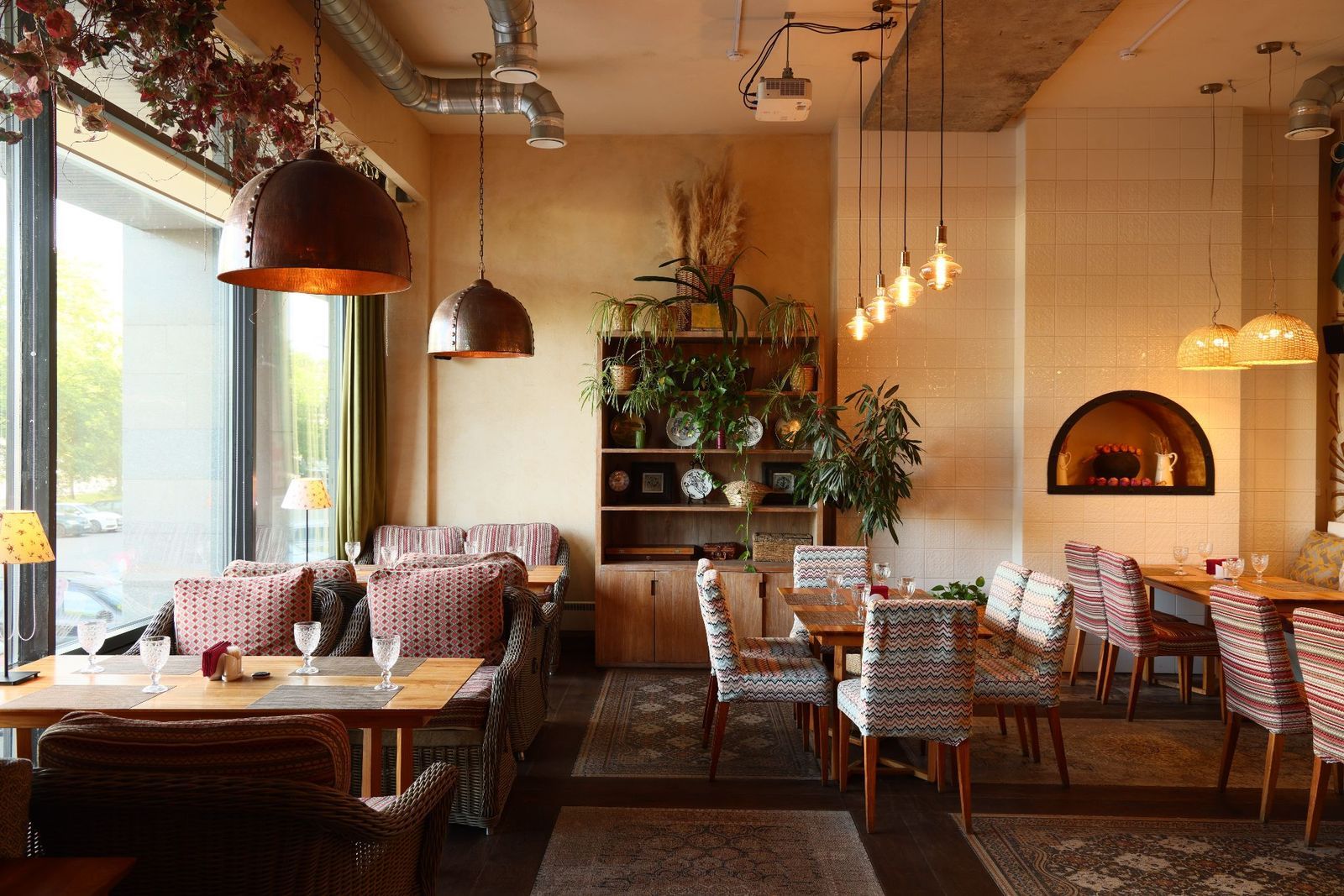
The restaurants right next to the big attractions are almost never the best option. A few blocks in any direction, and the quality goes up while the prices come down. D.C. has a genuinely outstanding food scene, with restaurants reflecting the city's diverse population.
Next time you're hungry after the Air and Space Museum, resist the first place you see and walk a few blocks toward a residential street. Ask a local where they eat, or check Yelp with the filter set to "not touristy." You'll eat better and spend less.
Cross the River to Alexandria, Virginia, for a half-day trip

Just a short Metro ride or scenic walk across the Potomac sits Old Town Alexandria, and most D.C. visitors never make it there. It's a colonial-era city with cobblestone streets, independent restaurants, antique shops, and a working waterfront that feels like a completely different world from the marble monuments across the river.
Spend a half-day wandering King Street, poking into shops, and sitting down for a long lunch. It's relaxed, it's beautiful, and it gives your feet a break from pavement-heavy Mall walking. The Blue and Yellow Metro lines take you there in about fifteen minutes from downtown D.C.
Follow local news, you might stumble into a historic moment

Washington, D.C., is the place where history happens. On any given day, there might be a Senate vote that makes the front page, a foreign dignitary motorcade rolling down Pennsylvania Avenue, or a protest that turns into a moment people will talk about for decades. If you're just following the tourist script, you might walk right past it.
Pick up the Washington Post one morning, or just check their app. It takes five minutes, and it tells you what's happening in the city that day. You might decide to walk by the Capitol at a certain hour, or find yourself in the right place at the right time.
Keep wandering
There’s always
more to explore
 Culture
Some of these state fairs have seriously weird attractions
5 min.
Read Now

A town called Chicken? Why are these 10 U.S. places named after food?
4 min.
Read Now
Nearly everyone in this town lives in one 14-story building
6 min.
Read Now

10 things to pack that could save your vacation
5 min.
Read Now