
Why do airlines always give you bottled water? The real reason
 General
Flying facts
Why do airlines always give you bottled water? The real reason
Some people board a plane and fall asleep before takeoff, while others feel every turbulence and get nauseous. Which one are you? At 35,000 feet, your body goes through a series of changes, and different bodies react differently. Why do your ears pop? Why do some people feel airsick? Today, we’re breaking down what really happens to your body when you fly and the surprising reasons behind those sensations.
Those all-too-common ear pops
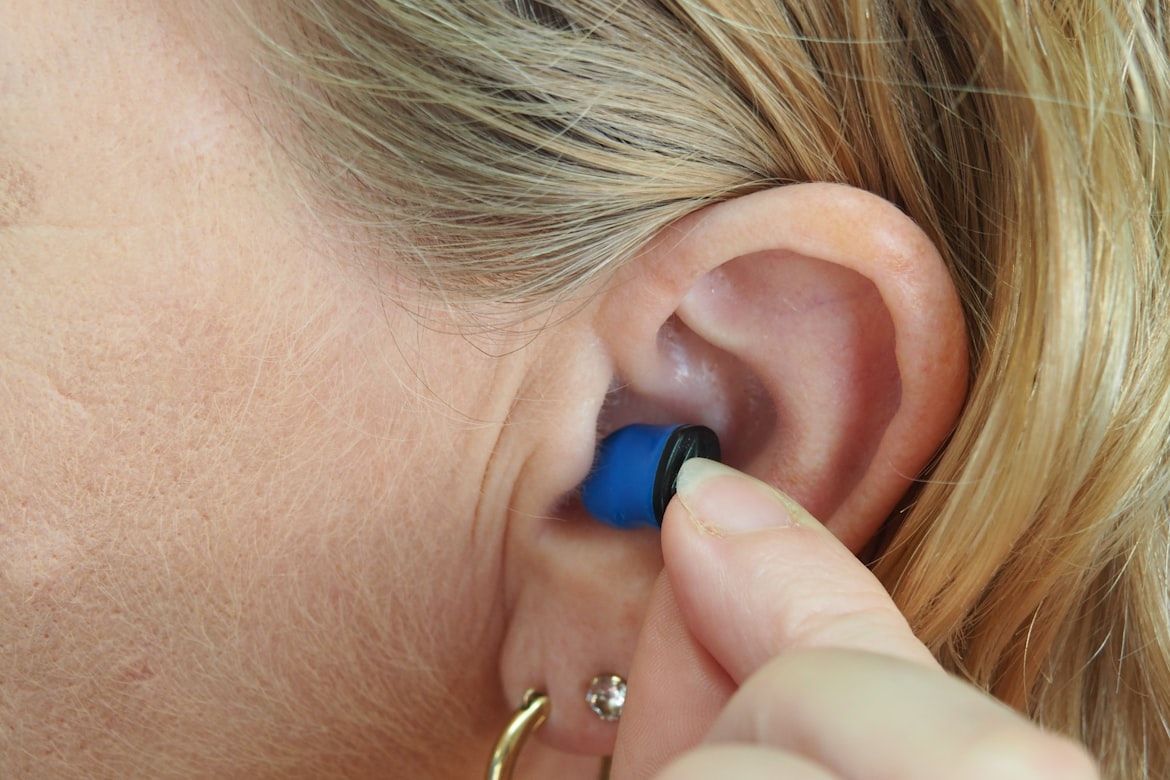
Most people feel their ears "clog" or pop during a flight, and there’s a reason why. This is known as ear barotrauma, or "airplane ear," and it happens when air pressure changes quickly during takeoff and landing. As the plane quickly climbs or descends, the pressure outside your body shifts faster than the pressure in your middle ear can equalize. That imbalance is what causes the discomfort or popping sensation.
How to avoid it? Chewing gum, swallowing, or yawning can help open the Eustachian tubes (a small passage connecting the middle ear to the back of the nose and throat) and relieve the pressure.
The reason behind swollen feet
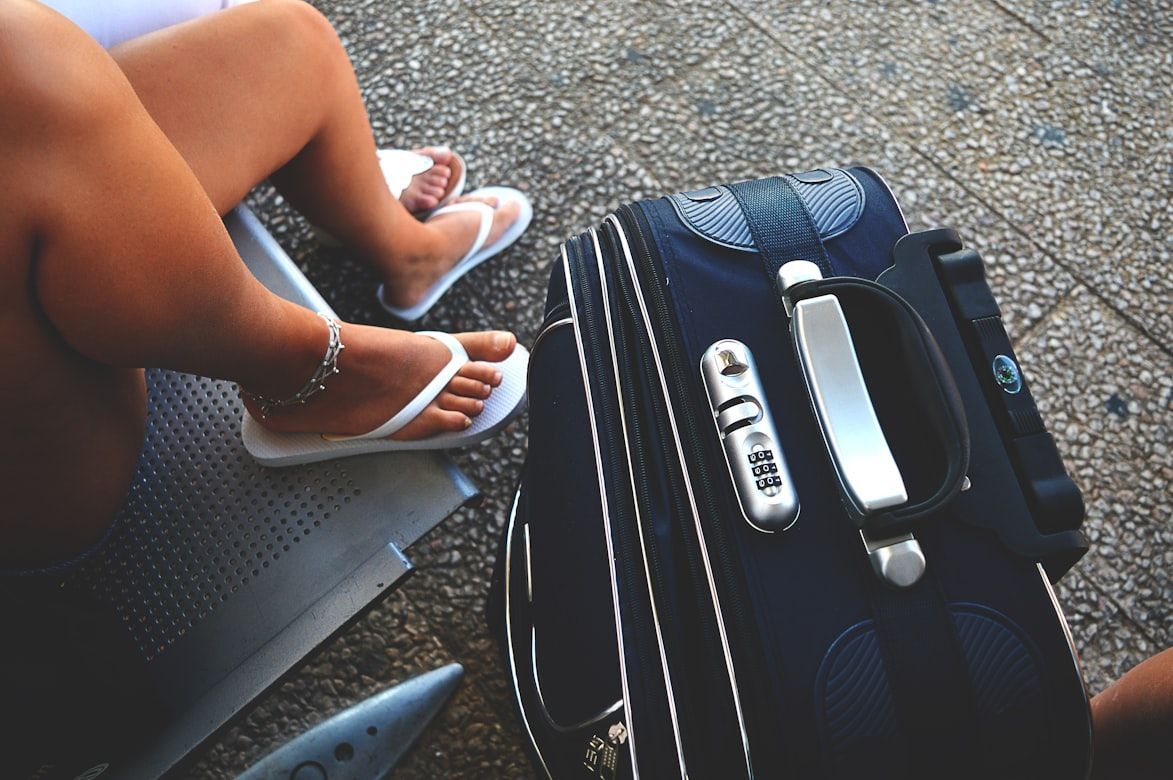
Swollen feet and ankles (edema) are one of the most common temporary issues during air travel. But why does it happen? On most flights, especially in economy class, you’re sitting for long periods with your feet down and little room to move. That position slows blood flow, allowing fluid to pool in your lower legs and feet. To reduce the swelling, try to move your legs regularly during flight, flex and rotate your ankles in your seat, and, when it’s safe to do so, stand up or walk the aisle. For longer flights or if you’re prone to swelling, compression socks can also help.
The cause of jet lag
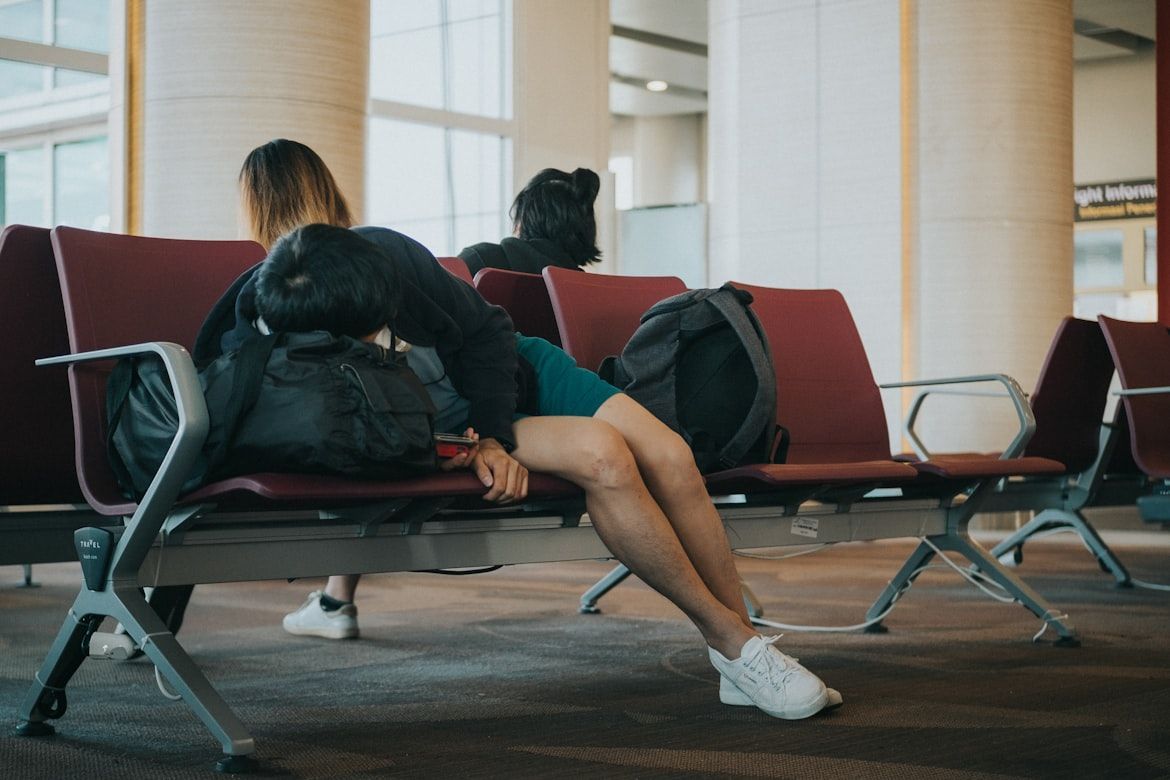
Your circadian rhythm is your body’s 24-hour internal clock, the system that regulates sleep, hormone release, and body temperature. But when you fly across time zones, that clock gets "out of sync". This mismatch between your internal time and the local time at your destination is what causes jet lag. Your body might be ready to sleep when it’s daytime, or feel hungry in the middle of the night, leading to fatigue, insomnia, and even digestive issues.
Why do you get thirsty?
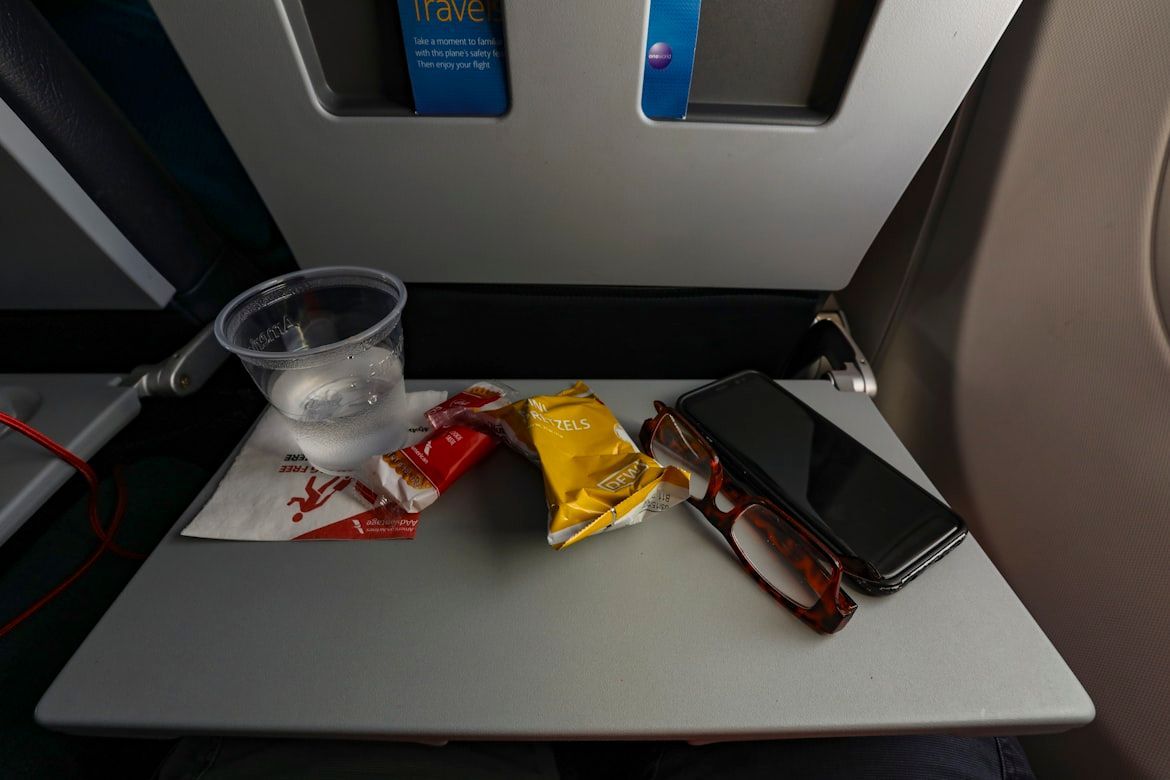
Bottles of water and other drinks are very common on flights, even short ones. But it’s not just a nice touch; there’s a real reason for it. At that altitude, cabin air is extremely dry, often with humidity below 20%, which can quickly dehydrate your body. That’s why you start to feel thirsty. It’s a good idea to drink plenty of water on the day you fly, but don’t overdo it. Around 2 to 3 liters a day is generally enough, and let’s be honest, no one wants to be stuck making constant trips to the bathroom at 35,000 feet.
What does acne have to do with flying?

Many people notice changes in their skin during a flight: some feel unusually dry, others get itchy, and some even break out. So what’s going on? The dry cabin air is the main culprit. With humidity often below 20%, your skin loses moisture, just like your eyes and airways. That dryness can weaken your skin’s barrier, sometimes leading to irritation, or, for some people, excess oil production that can trigger acne. To help prevent this, use a good moisturizer before and during the flight; it helps your skin stay balanced, even in that dry environment.
This is why you feel bloated

"Jet belly" is the playful name experts give to the bloating many people feel during a flight. To explain this, they use Boyle’s Law: as air pressure drops, gas expands. Inside a plane cabin, the gas in your digestive system can expand by 20 to 30%. That’s what causes the tight, bloated, and uncomfortable feeling. To minimize it, try to avoid carbonated drinks and heavy, salty, or fatty foods before and during the flight. Staying hydrated also helps, and if it’s allowed, getting up for a short walk can keep things moving inside, too, easing the discomfort.
Bad breath isn’t just your imagination

Have you ever gotten off a plane with surprisingly bad breath, even if you barely slept? You’re not imagining it: there’s a real reason. Inside the cabin, the air is extremely dry, and that low humidity can dehydrate your body, reducing saliva production. Since saliva helps control bacteria, less of it means odor-causing bacteria can appear more easily. If you want to land feeling fresh, keep a toothbrush or mints in your carry-on for a quick fix before you get off the plane.
Your food doesn't taste the same

Ever feel like food tastes different on a plane? Well, it turns out your sense of taste and smell actually change because of lower air pressure and low humidity in the cabin. These conditions dry out your nasal passages and mouth, and since smell plays a big role in flavor, that dryness dulls your ability to taste, especially sweet and salty notes. According to some studies, your sensitivity can drop by around 20–30%, but airlines know this, which is why many in-flight meals are more heavily seasoned than you’d expect on the ground.
Tired after a flight? That’s normal

Conditions inside the aircraft cabin also affect oxygen levels. While cabins are pressurized and carefully monitored, the air at that altitude still contains less oxygen than at sea level. Combined with long periods of sitting still, this can make your body work a bit harder to deliver oxygen to your cells, leaving you feeling slightly tired or sluggish. To help counter this, stay well hydrated and try to get a good night’s sleep before your flight.
Your mood changes, too
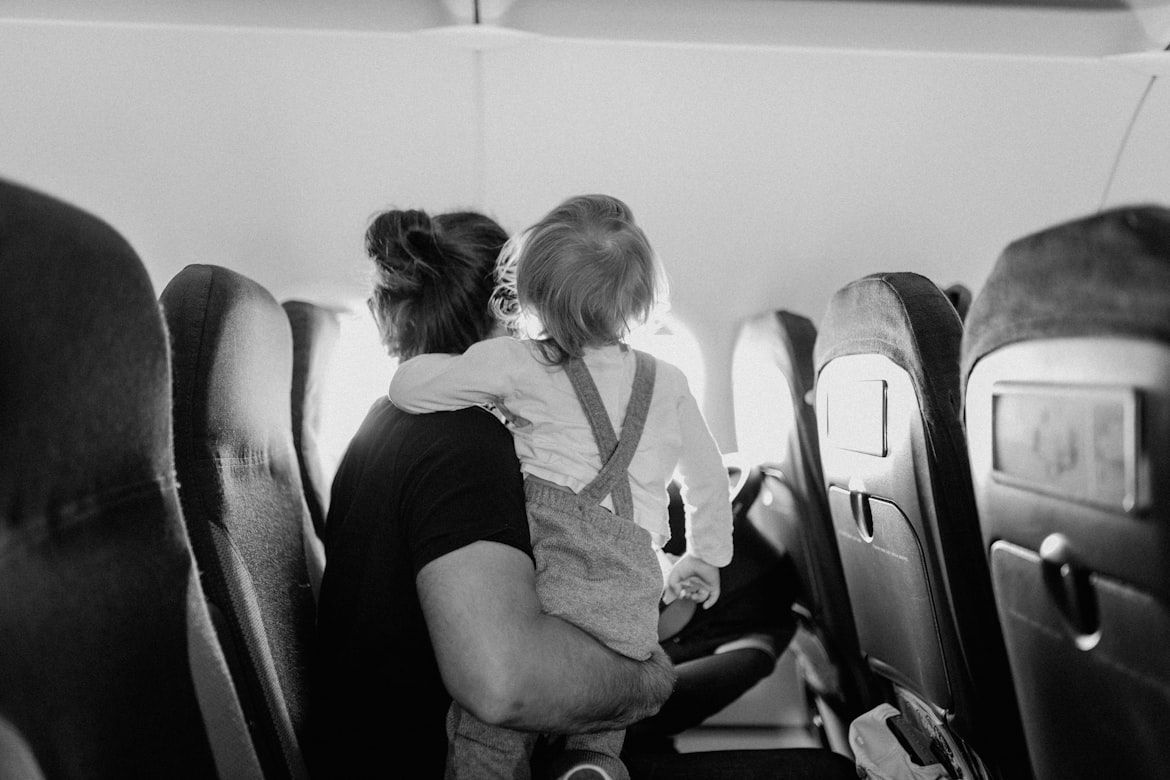
If you thought flying only affects your body, think again: your mood can shift, too. The lower oxygen levels in the cabin can slightly affect cognitive function, making it a bit harder to manage your emotions. That might explain why a movie hits harder at 35,000 feet or why your seatmate is suddenly tearing up. Add in the stress of travel, disrupted routines, and long hours in a small space, and it’s no surprise your emotions can feel a bit intense during a flight.
We bet you haven't seen all of these monuments up close
 Landmarks
10 American monuments you need to see at least once
The Old World has castles, quaint villages, and ancient ruins, but when you're on the lookout for looming, towering monuments… We have plenty of those on American soil. From sculptures carved into sweeping natural landscapes to icons that shape city skylines, these landmarks have become shorthand for the places they call home. They are not only impressive to look at, but they also tell stories about history, ambition, and identity. Here are 10 of the most stunning and iconic American monuments that you must visit at least once in your lifetime.
Mount Rushmore, South Dakota
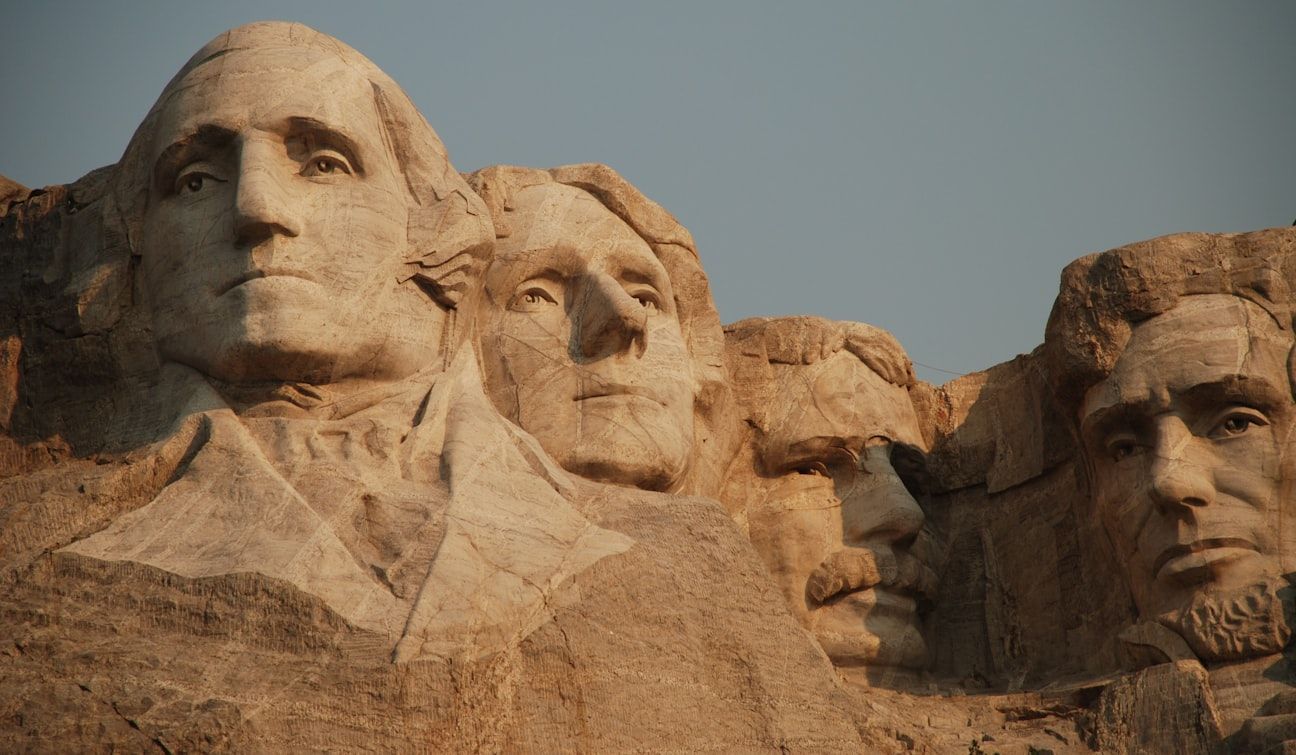 Image: Ronda Darby
Carved into the granite face of Mt. Rushmore in the Black Hills of South Dakota, you'll find the 60-foot-tall faces of George Washington, Thomas Jefferson, Abraham Lincoln, and Theodore Roosevelt. Designed by Gutzon Borglum and sculpted between 1927 and 1941, the Shrine of Democracy symbolizes the nation's birth, growth, development, and preservation.
Its remote setting, surrounded by forested hills and open sky, only adds to the impact. Mt. Rushmore blends human ambition and raw, natural scale in an unmatched display.
The Statue of Liberty, New York City
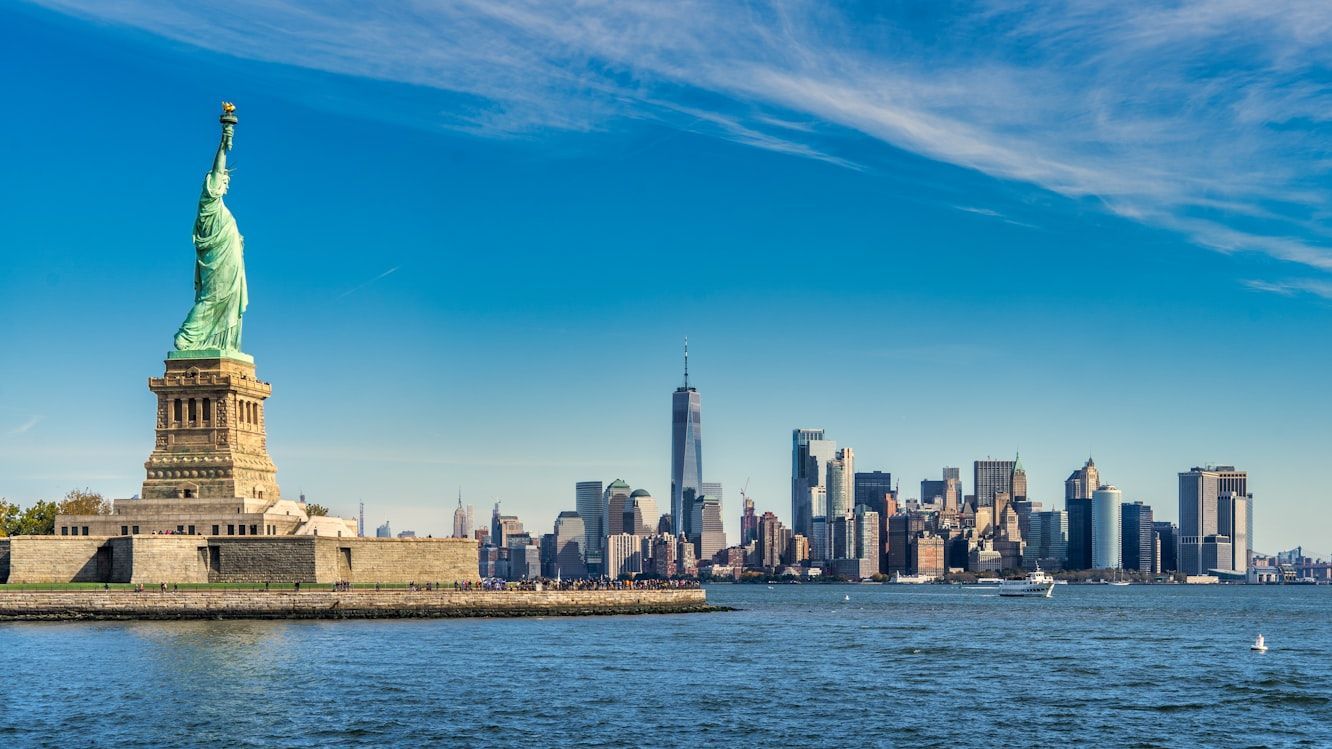 Image: Pierre Blaché
A gift from France in 1886, Lady Liberty has greeted millions of immigrants and visitors arriving by sea into New York Harbor. She became a global symbol of freedom, opportunity, and refuge, epitomizing the American Dream.
The Statue of Liberty isn't just an icon of New York; it's an American emblem recognized around the globe. Seeing her up close, whether from Liberty Island or a passing ferry, is a breathtaking affair.
The Gateway Arch, St. Louis, Missouri
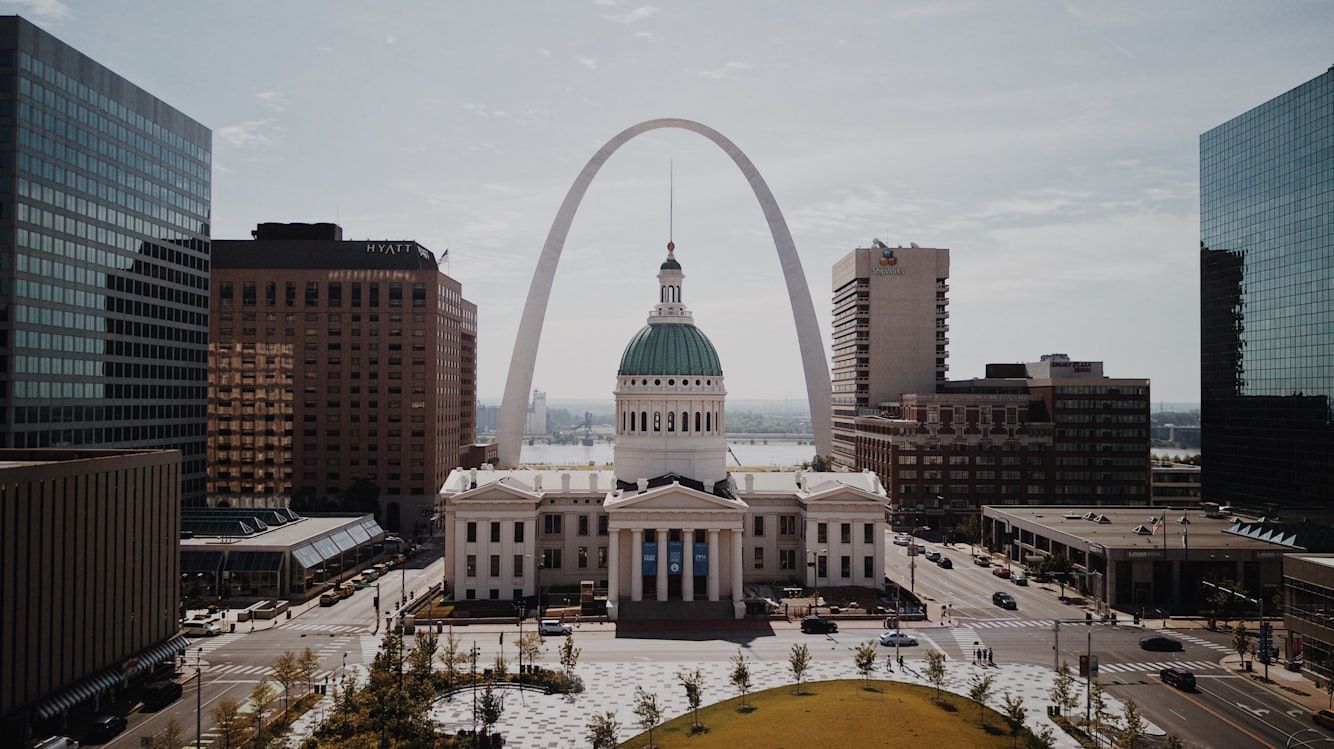 Image: Brittney Butler
Standing at 630 feet tall, the Gateway to the West is the tallest man-made monument in the United States, and the tallest arch in the world. Completed in 1965, it commemorates the city's key role in the nation's westward expansion and exploration.
You can ride a tram up to the observation area near the top of the Arch, where you'll get sweeping views of the Mississippi River and the city stretching out to the horizon.
The Lincoln Memorial, Washington, D.C.
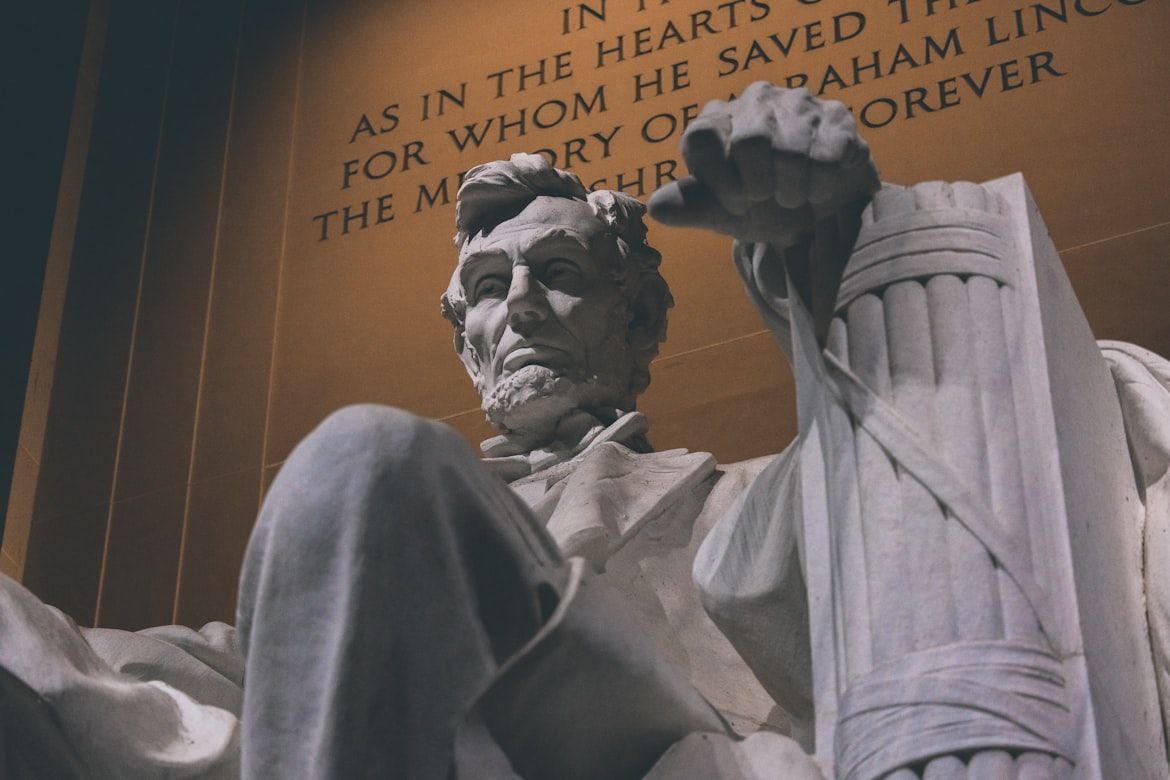 Image: Caleb Fisher
At the western end of the National Mall in Washington, D.C., seated solemnly within a neoclassical-style temple, a massive marble sculpture of Abraham Lincoln honors the 16th president of the United States and the ideals he represented.
The memorial has been (and still is) a living stage for history. It continues to serve as a gathering place for reflection and change, as exemplified by Martin Luther King Jr.'s unforgettable "I Have a Dream" speech.
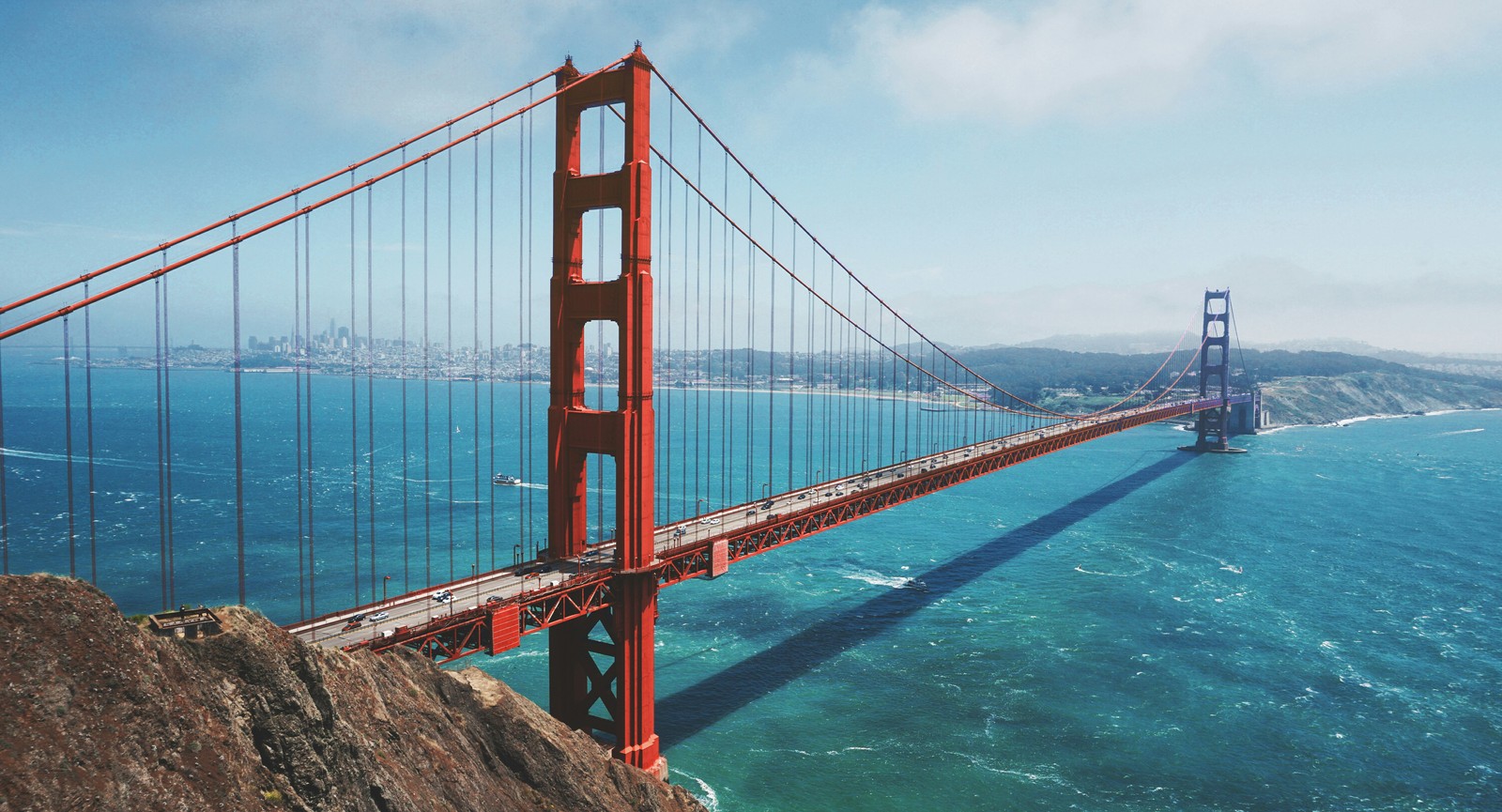
Golden Gate Bridge, San Francisco, California
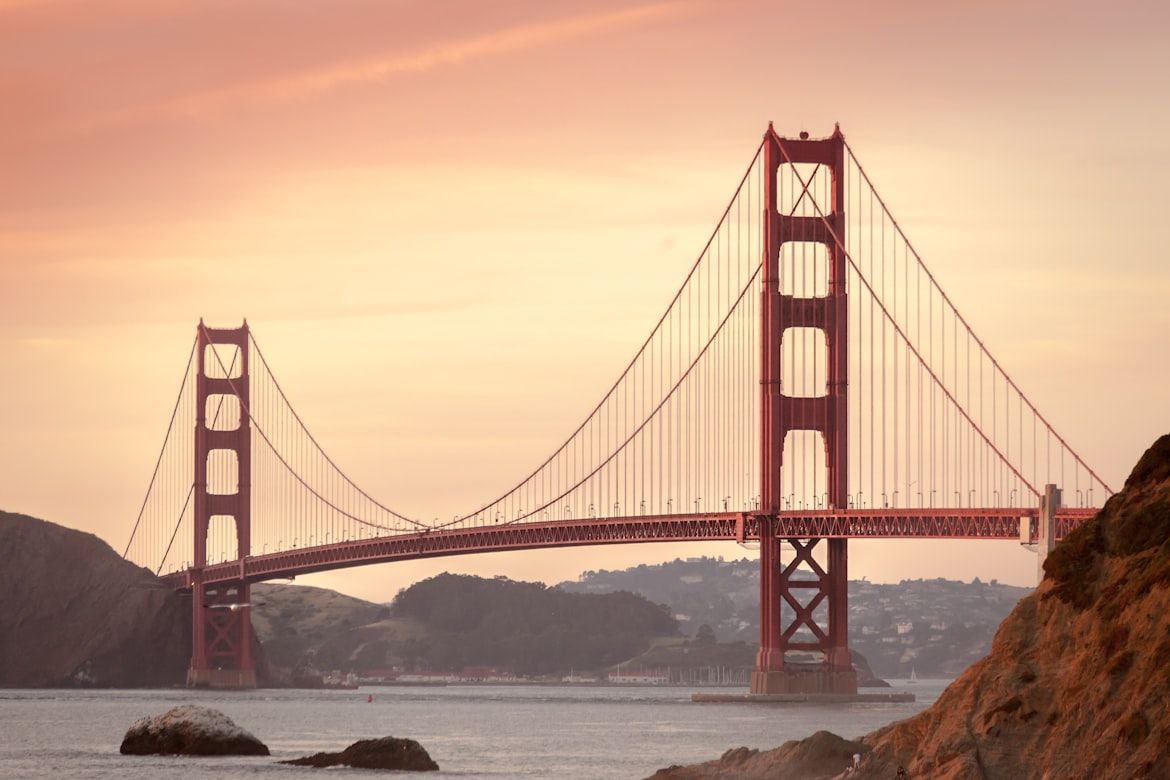 Image: Chris Brignola
Few structures are as representative of their home city as San Francisco's Golden Gate Bridge. It's one of the most photographed landmarks in the world and stars in countless establishing shots.
Whether shrouded in fog or bathed in sunset light, the bridge is inseparable from San Francisco's identity. Crossing it, or just looking at it from the bayside, offers one of the most memorable urban sights in the country.
Crazy Horse Memorial, South Dakota
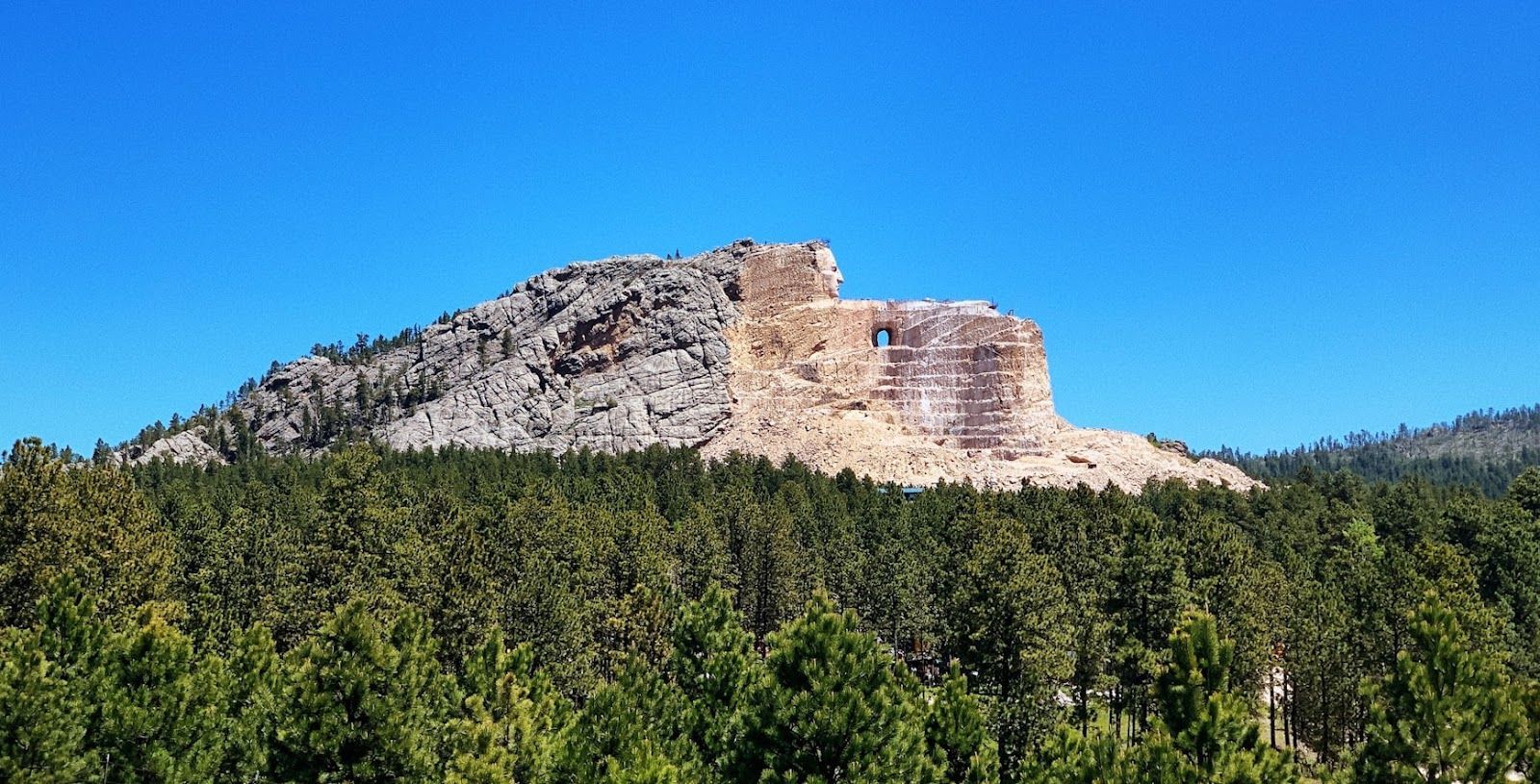 Image: Tommy Bond
Still under construction since 1948, the unfinished Crazy Horse Memorial shows ambition on an almost unrivaled scale. When completed, the monument will depict a 563-foot-tall image of the Lakota leader Crazy Horse mounted on horseback and pointing to his tribal land, dwarfing the presidential faces carved into the nearby Mount Rushmore.
The sheer size of the undertaking is breathtaking on its own, and it stands as a testament to the hardships that the Native American tribes have faced throughout the nation’s history.
The Jefferson Memorial, Washington, D.C.
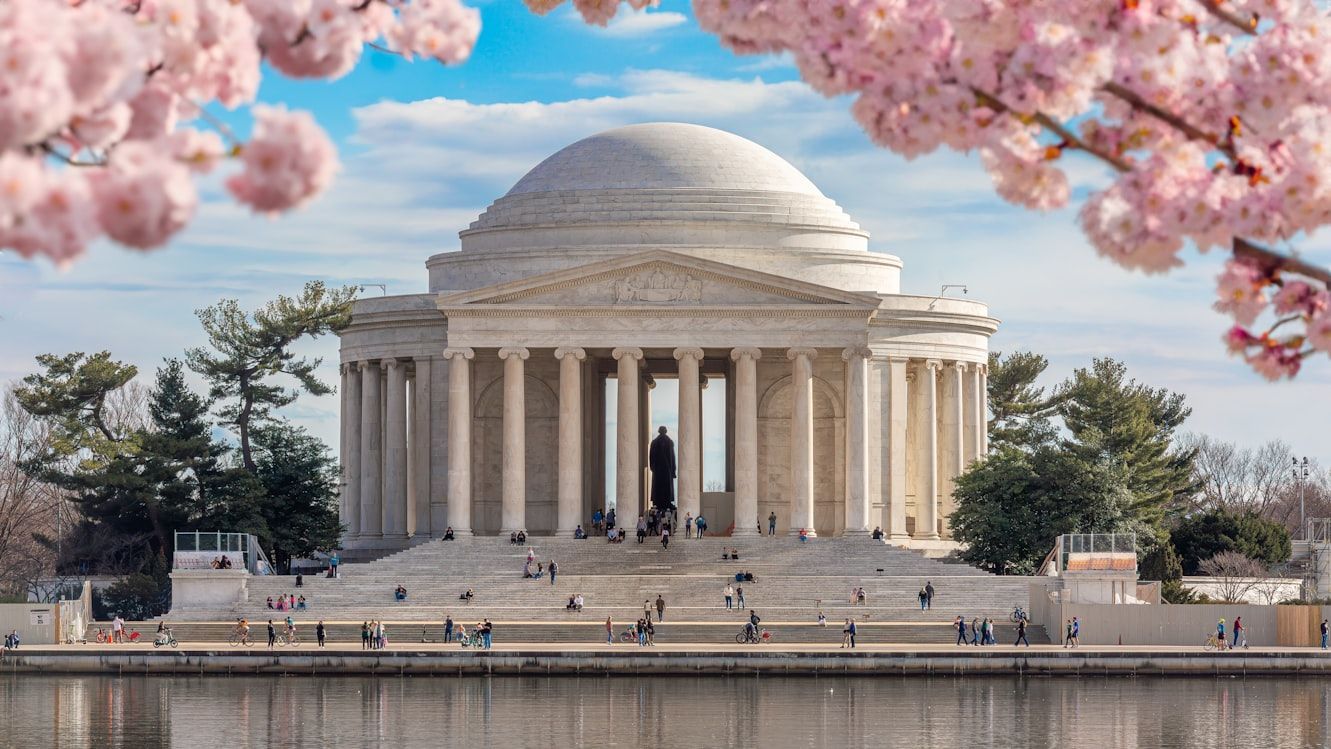 Image: Rafik Wahba
Surrounded by the captivating natural beauty of the flowering cherry trees around Washington, D.C.'s Tidal Basin, the Jefferson Memorial perfectly blends classical architecture with one of the city's most picturesque locations. Inspired by Roman temples, it honors the 3rd president of the United States and the principal author of the Declaration of Independence.
Make sure to visit during springtime, when the cherry blossoms are blooming, creating one of the most iconic and photo-worthy scenes in the United States.
Vietnam Veterans Memorial, Washington, D.C.
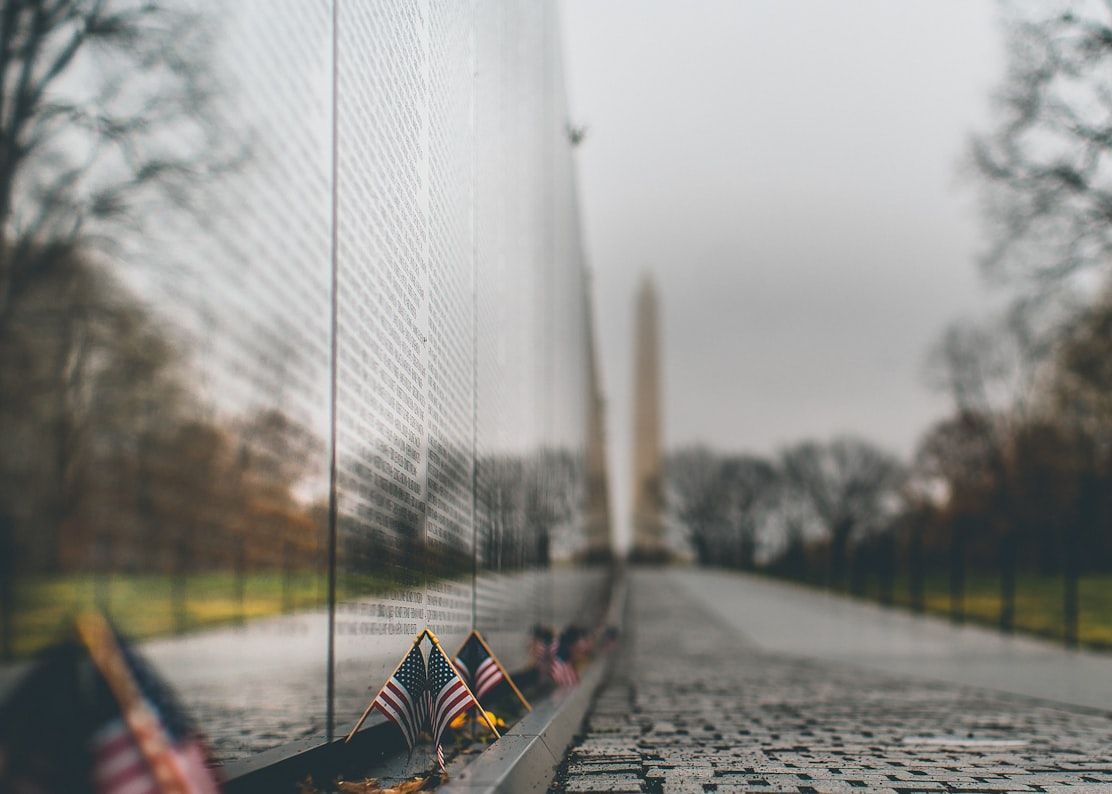 Image: Caleb Fisher
The Vietnam Memorial, honoring the U.S. veterans who served in the Vietnam War, is a two-acre site just northeast of the Lincoln Memorial. The site is dominated by two long black granite walls etched with the names of service members who died or were declared missing during the war.
The memorial’s minimalist and subdued architecture invites silent reflection, making the experience of visiting the site intimate and deeply personal.
The Space Needle, Seattle, Washington
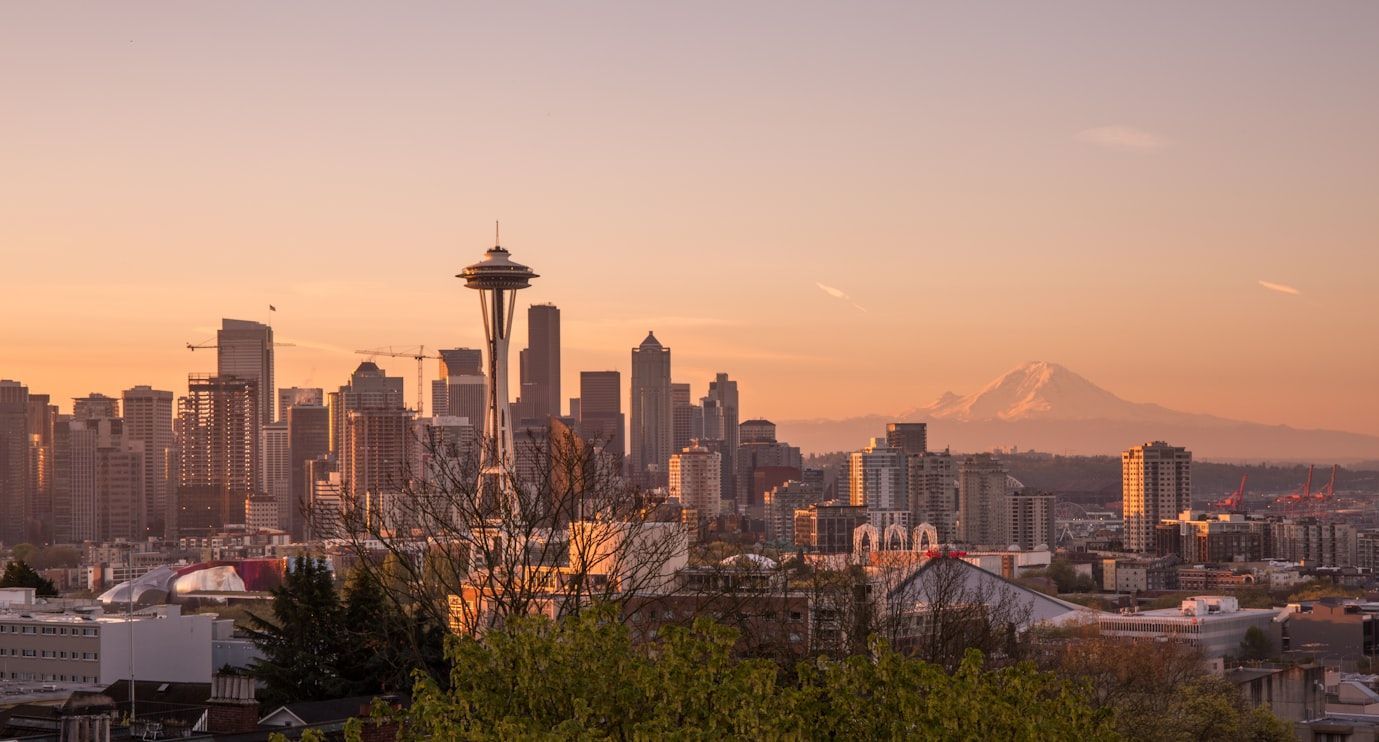 Image: Zhifei Zhou
Built for the 1962 World's Fair, the Space Needle is one of those American Landmarks so widely recognized that it barely needs an introduction. No film or TV show set in Seattle is complete without an establishing shot of the Needle rising above the city.
Standing 605 feet tall, the Space Needle defines the city's skyline, representing a distinctly mid-century optimistic vision of the future. From the observation deck, visitors get a sprawling view of the city, Puget Sound, Mount Rainier, and the surrounding mountains.
Keep wandering
There’s always
more to explore
Why are hard landings sometimes the perfect landings?
6 min.
Read Now
 History

Was Moby-Dick a real whale? These marine stories have real backgrounds
6 min.
Read Now
What passengers never see after midnight on a cruise ship
4 min.
Read Now

These 10 mysteries were solved. So why do we still believe them?
6 min.
Read Now