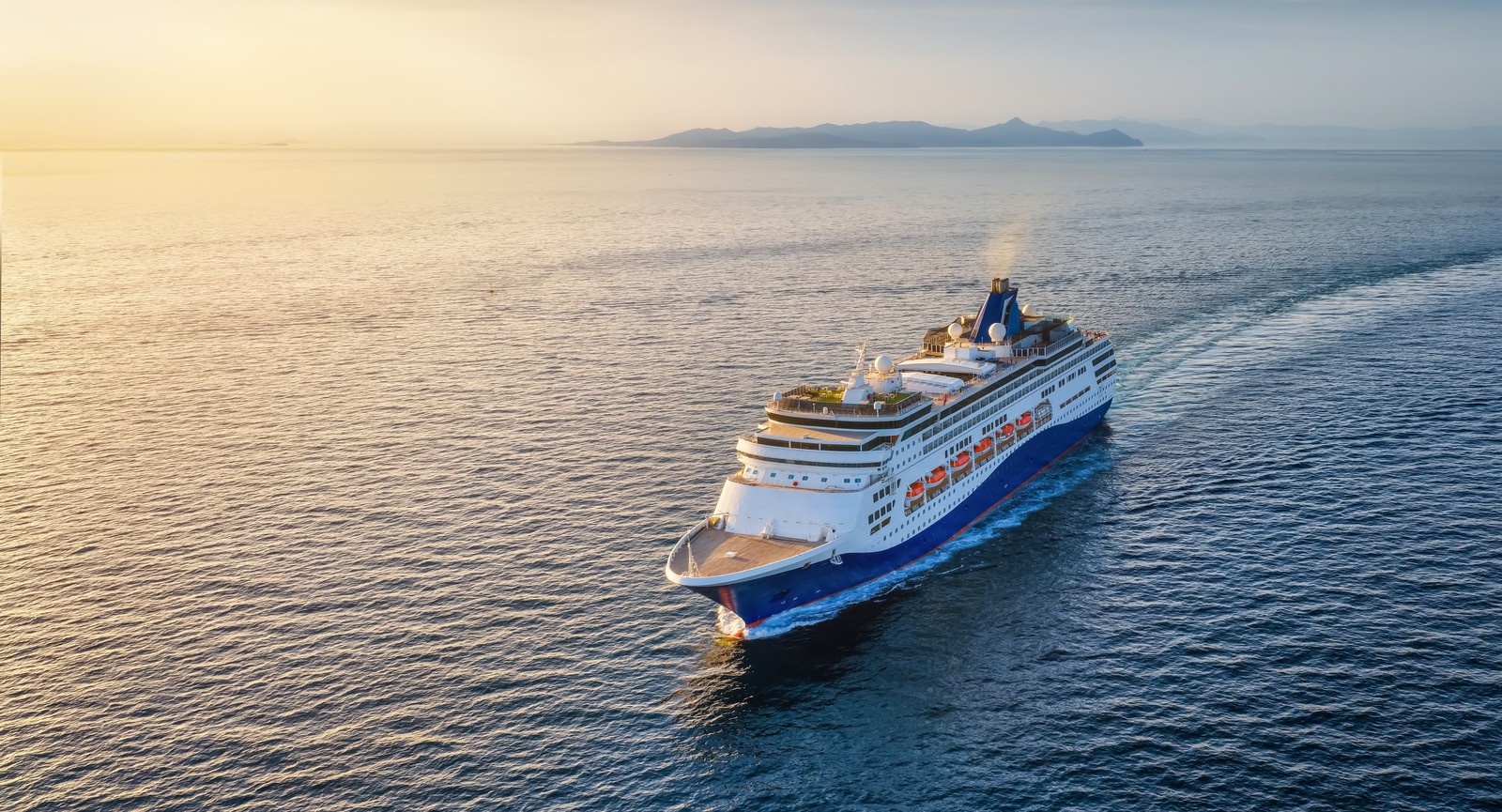
The surprising reason most cruise ships don’t fly the American flag
 General
Bizarre maritime secrets revealed
The surprising reason most cruise ships don’t fly the American flag
When you step aboard a cruise ship, you’re thinking about buffets, excursions, and maybe a shuffleboard tournament. We never stop to think about how many things are going on behind the scenes, or how many things could go wrong out at sea. And why would we? That’s the crew’s job. Still, the maritime world has game plans to cover just about every eventuality, from a secret code that sends doctors running to a jail below deck. A ship at sea really is another world.
The onboard jail

Ships have had "brigs" for centuries, and they still exist today. Cruise ships keep small, locked cabins below deck, usually just a few, with a bunk and not much else. Say a passenger gets drunk and starts throwing punches at the midnight buffet. The crew can lock him up until the ship reaches port and the authorities take over. Without a jail, one troublemaker could ruin the trip for thousands, and nobody would be safe.
"Alpha, Alpha, Alpha"
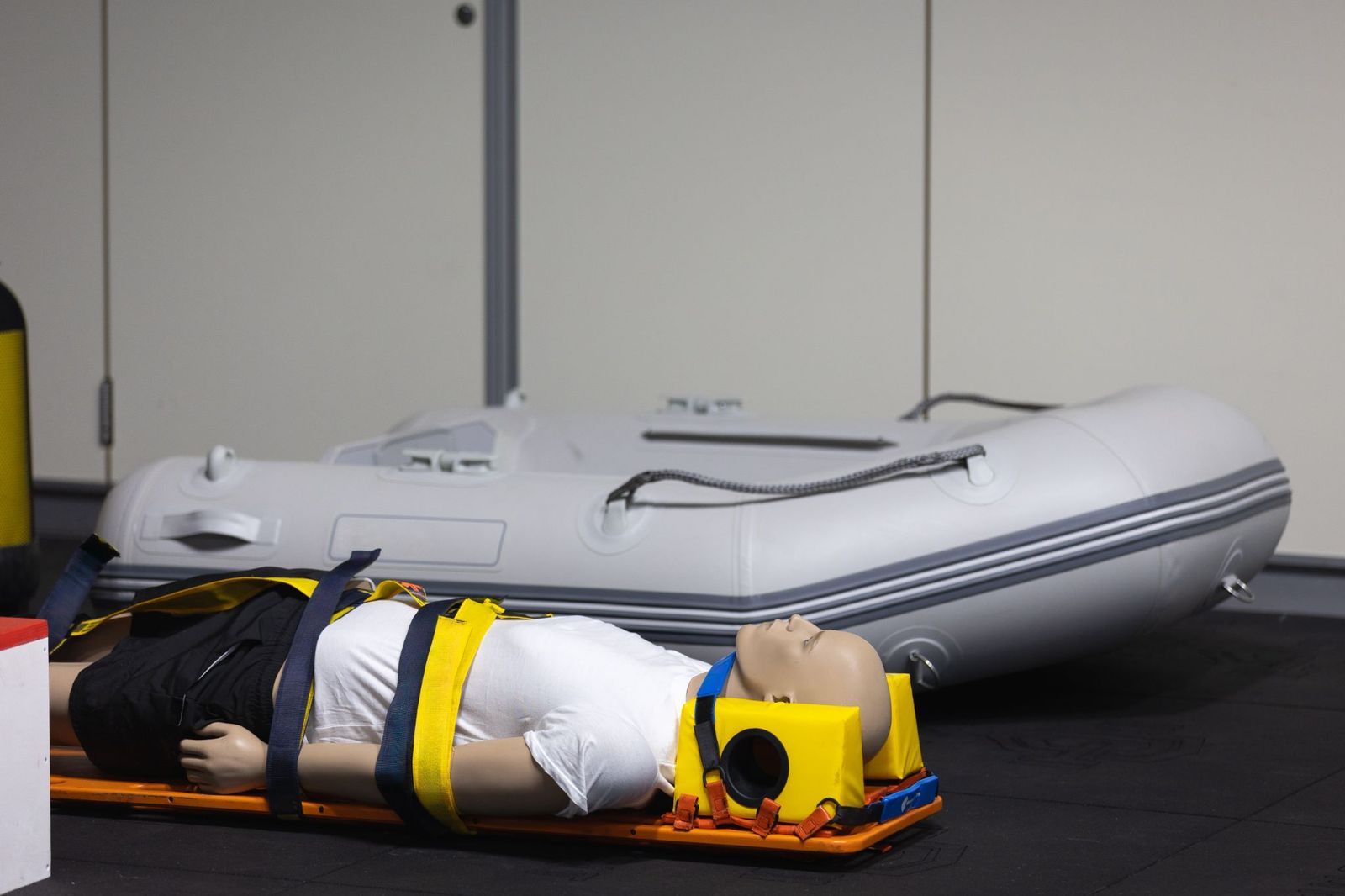
Ships have used coded announcements for generations, so crews can act fast without frightening guests. On many lines, "Alpha, Alpha, Alpha" over the speakers means a medical emergency. Doctors, nurses, and security hurry to the scene.
Imagine someone collapsing in the middle of a crowded show. Rather than shouting "heart attack!" and causing a panic, the crew simply calls the code. Without it, passengers would panic, and precious minutes would slip away. Note that exact codes vary by cruise line.
Flags of convenience
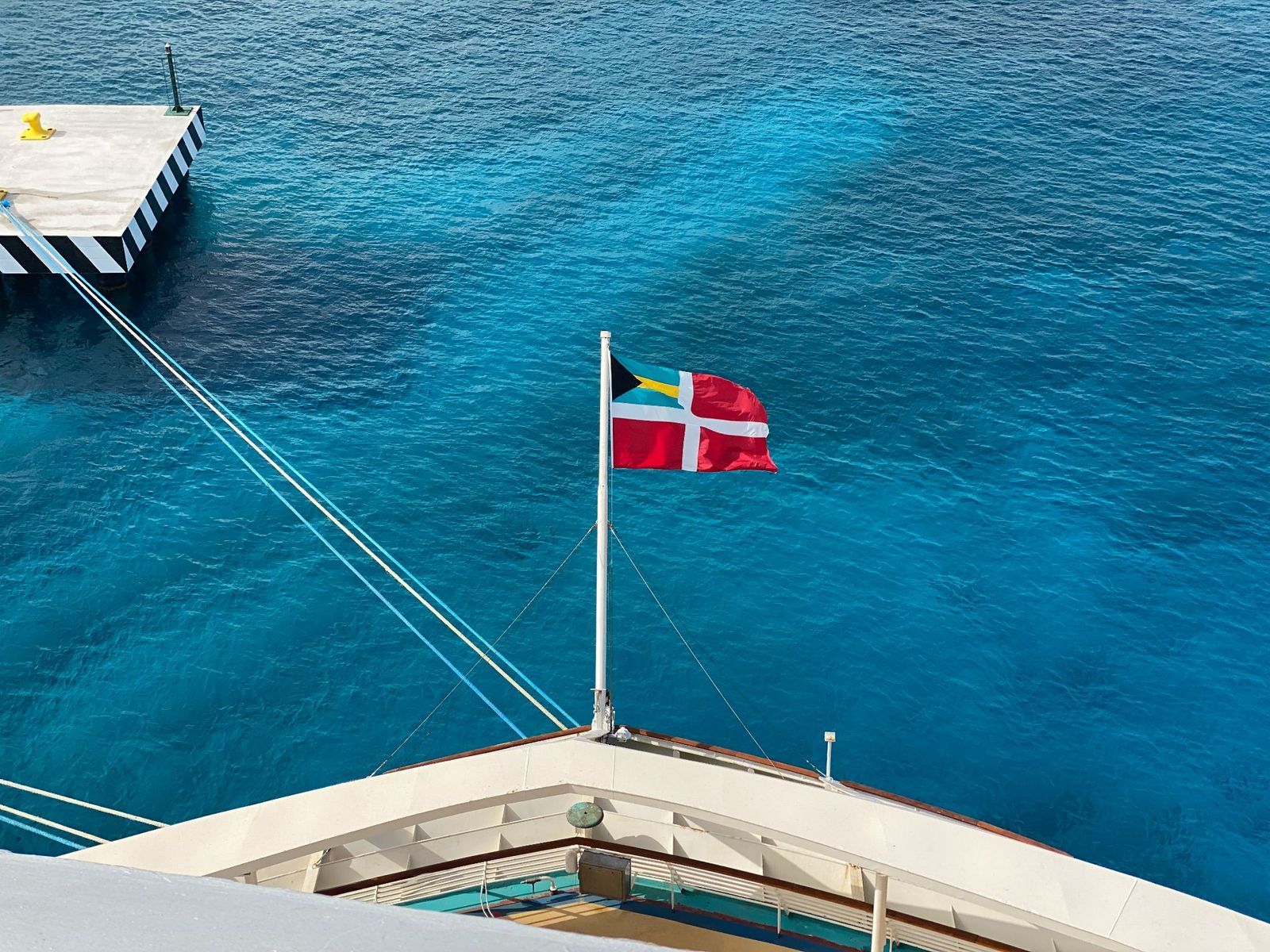
Since the 1920s, shipping companies have registered vessels in countries like Panama, Liberia, and the Bahamas, instead of their home nations. Under maritime law, a ship follows the rules of the country whose flag it flies. That often means lower taxes and looser labor rules than in the United States. It’s perfectly legal, and it’s why most big cruise ships don’t fly the Stars and Stripes. Without this system, cruises would likely cost far more.
Underwater stabilizer fins
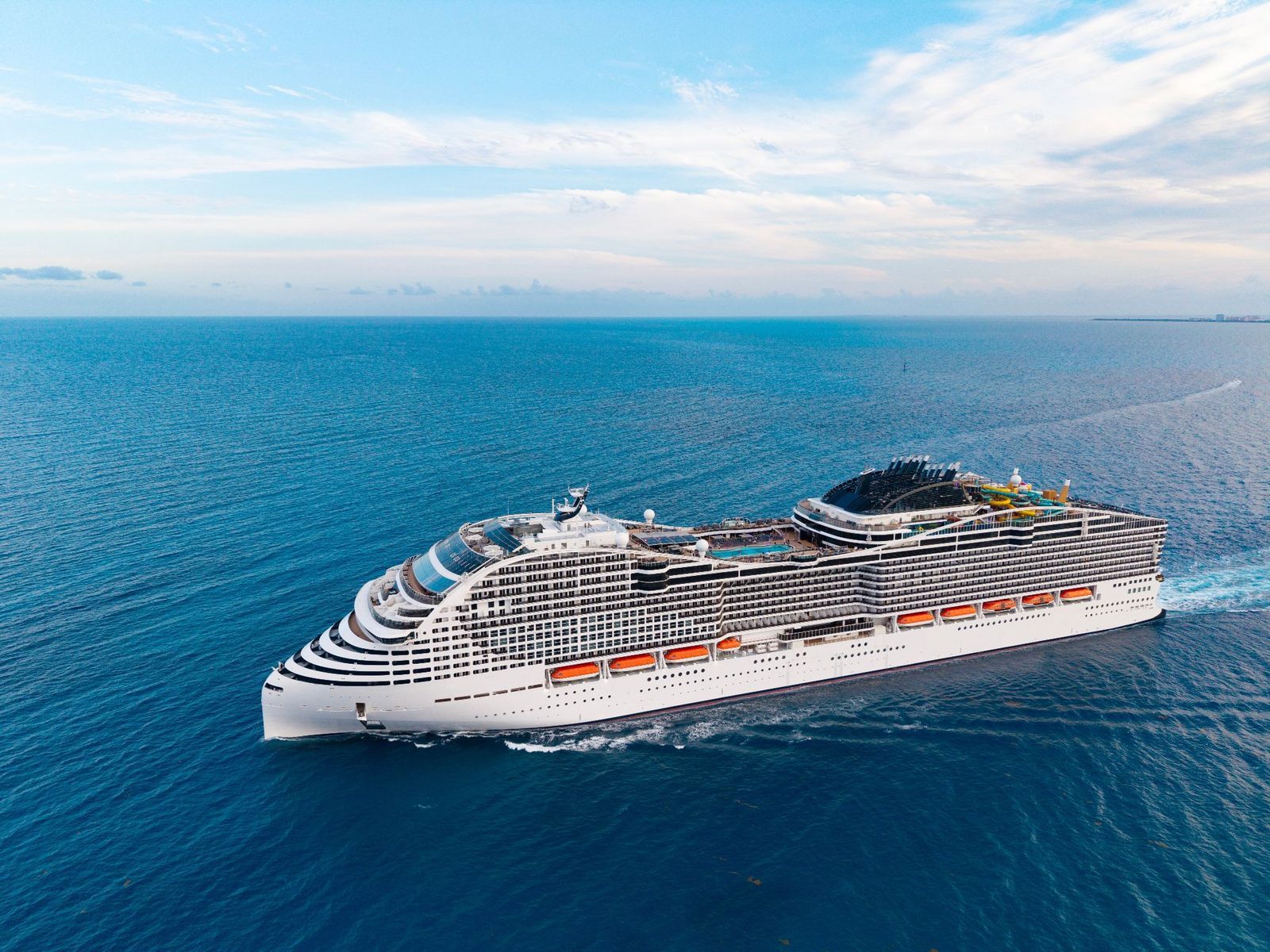
Back in 1932, the Italian liner Conte di Savoia debuted gyroscope-controlled stabilizers. Modern ships use retractable fins that stick out from the hull like an airplane’s wings, tilting constantly to push against the waves. Imagine a stormy night with a thousand guests trying to enjoy dinner. Without the fins, plates would slide, drinks would spill, and the ship’s infirmary would run out of seasickness pills by dessert; so the fins keep the ride smooth.
Making fresh water from the sea

Sailors have been boiling seawater for centuries, and in the 1770s, Captain Cook’s era, ships carried primitive stills—small boiling pots that turned steam back into drinkable water. Today’s large-scale boats (cruises as well as shipping and military vessels) use evaporators and reverse osmosis, which squeezes seawater through ultra-fine filters that leave the salt behind.
A big ship can make hundreds of thousands of gallons a day. Picture 5,000 people showering, flushing, and filling pools in the middle of the Atlantic. Without this technology, ships would need to haul enormous water tanks, leaving little room for passengers.
The captain’s legal powers

For centuries, a ship’s captain has been the law at sea, with the authority to detain people who threaten safety. Think of a passenger caught stealing from cabins. The captain can order him confined until police arrive at the next port. As for weddings, it’s a bit murkier: many captains can’t legally perform them, because that depends on the ship’s flag country. Without clear authority, a ship in the open ocean would face chaos, with no one in charge.
Keeping planes away
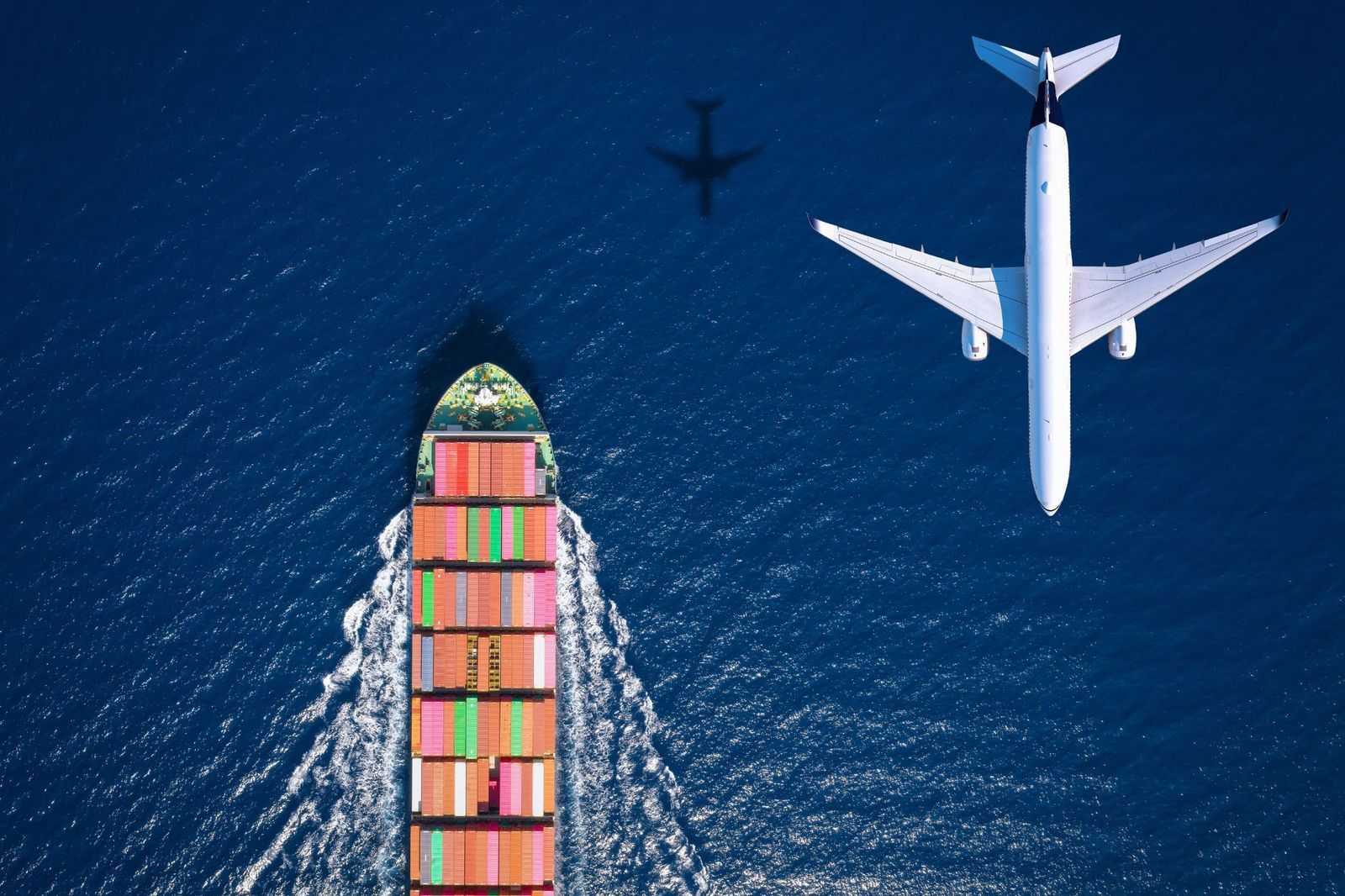
There’s no blanket ban, but aviation rules are strict. In the U.S., aircraft over open water must stay at least 500 feet from any vessel, and cruise ships often sit in crowded, regulated airspace near ports. Imagine a low-flying plane buzzing a deck full of sunbathers. Or worse, a pilot misjudging the distance. Without these rules, accidents could easily happen, since the ship’s tall masts, antennas, and smokestacks stick up higher than most people realize.
The red hull bottom

In 1761, the British Navy began covering ship bottoms with copper sheets to stop barnacles and shipworms, which are clams that chew through wood. Modern ships use special red paint containing copper compounds that slowly release, discouraging sea life from sticking to the hull. Imagine sailing for months with a bottom covered in barnacles, like a shaggy beard. The ship would drag through the water, burn much more fuel, and cost a fortune to run. The red coat keeps things sleek and efficient.
The hidden morgue

Ocean liners have carried coffins and cold storage since the early 1900s. Today’s ships have a small refrigerated morgue near the medical center, with stainless steel drawers kept just above freezing, like a hospital cooler. Picture an elderly passenger who passes away peacefully on day two of a two-week voyage. Without a morgue, the ship would have nowhere dignified to keep him, and might have to cut the trip short. On-ship morgues are grim, but respectful.
Enormous anchors
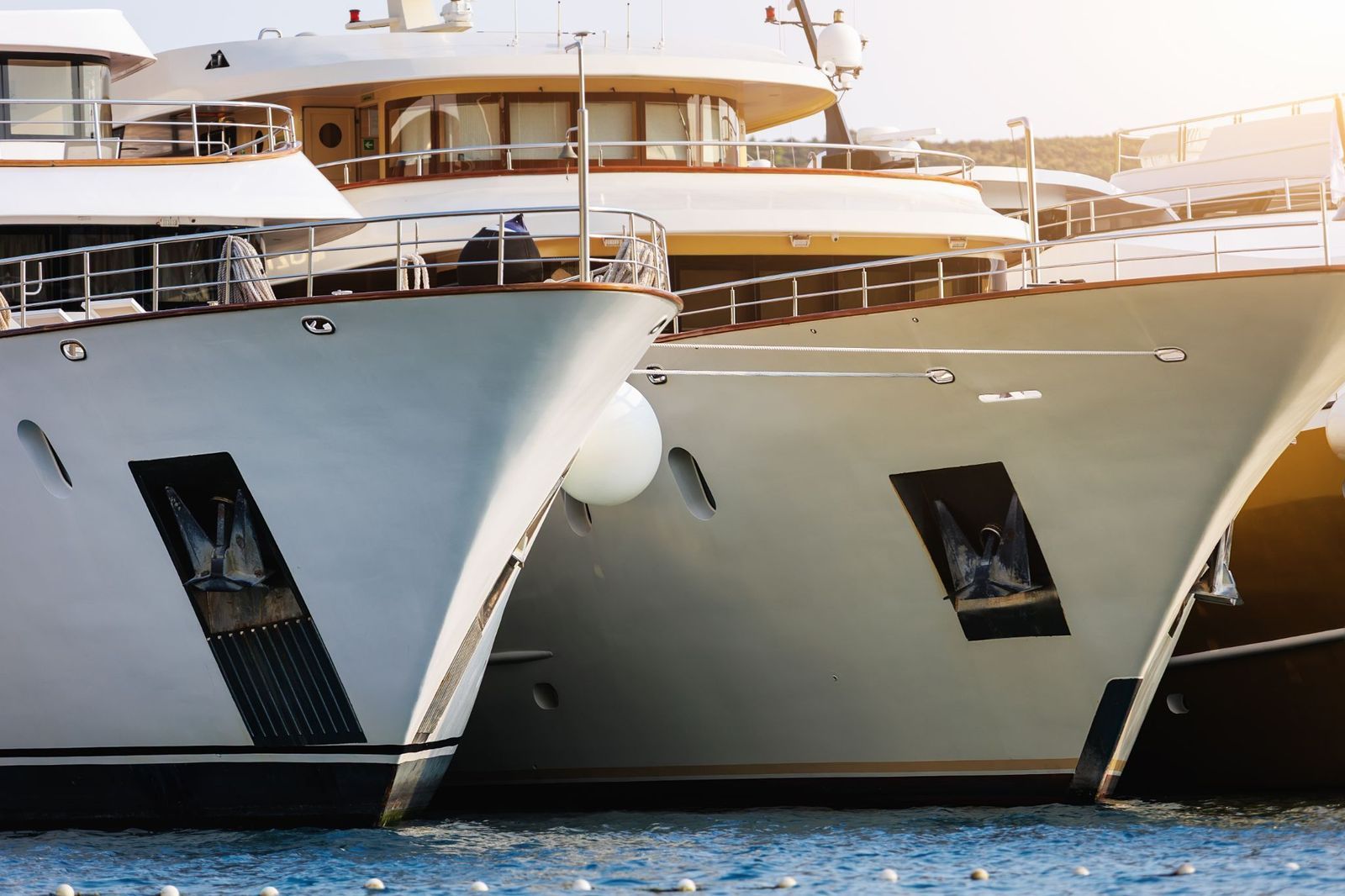
Anchors have been around since ancient Greece, but modern ones are massive steel monsters weighing many tons, with the largest reaching tens of thousands of pounds. They work through sheer weight and shape: the flukes dig into the seabed and hold the ship in place.
Picture a storm rolling in while the ship sits near a tropical island. Without a heavy anchor, the vessel could drift into rocks or other boats: that’s a vacation nobody wants.
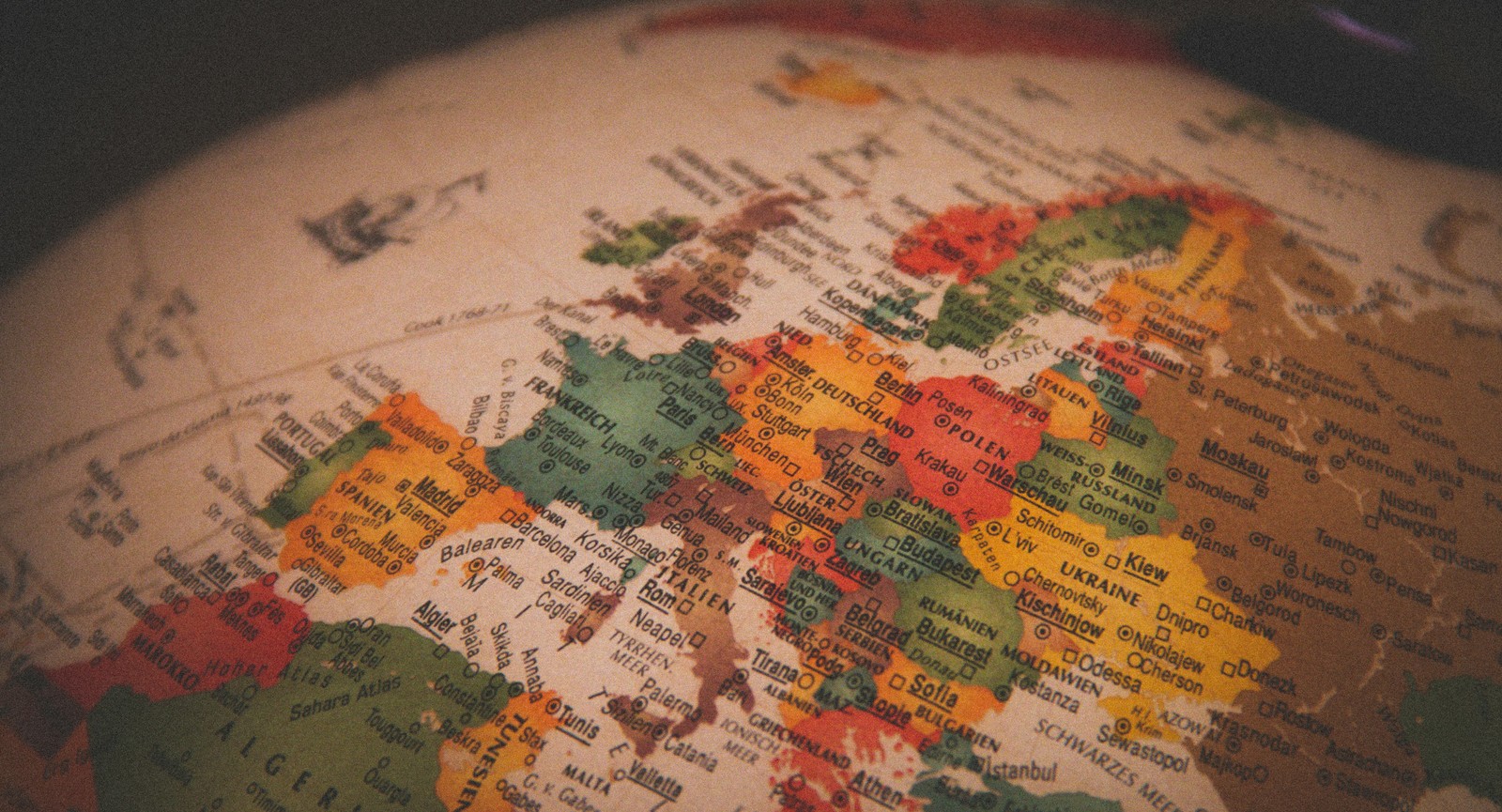
Eat ashore first: the golden rule of European cruising
Top cruise tips!
What nobody tells you before your first European cruise
Are you planning your first European cruise? The days on shore will be busier than you expect, so a little preparation can make a huge difference. Think about when to enjoy local dishes, what to pack for changing weather, and how to get ahead of the crowds once the ship docks. Before you go, here are a few simple things to keep in mind.
Leave space for regional food

One of the easiest mistakes on a European cruise is filling up on the ship and missing the food waiting just outside. Each country has its own specialties — think of tapas in Spain, pasta and gelato in Italy, pastries in France, or pretzels in Germany. The buffet will still be there when you reboard but you’ll remember that local meal a lot more.
Plan your outfits before you pack
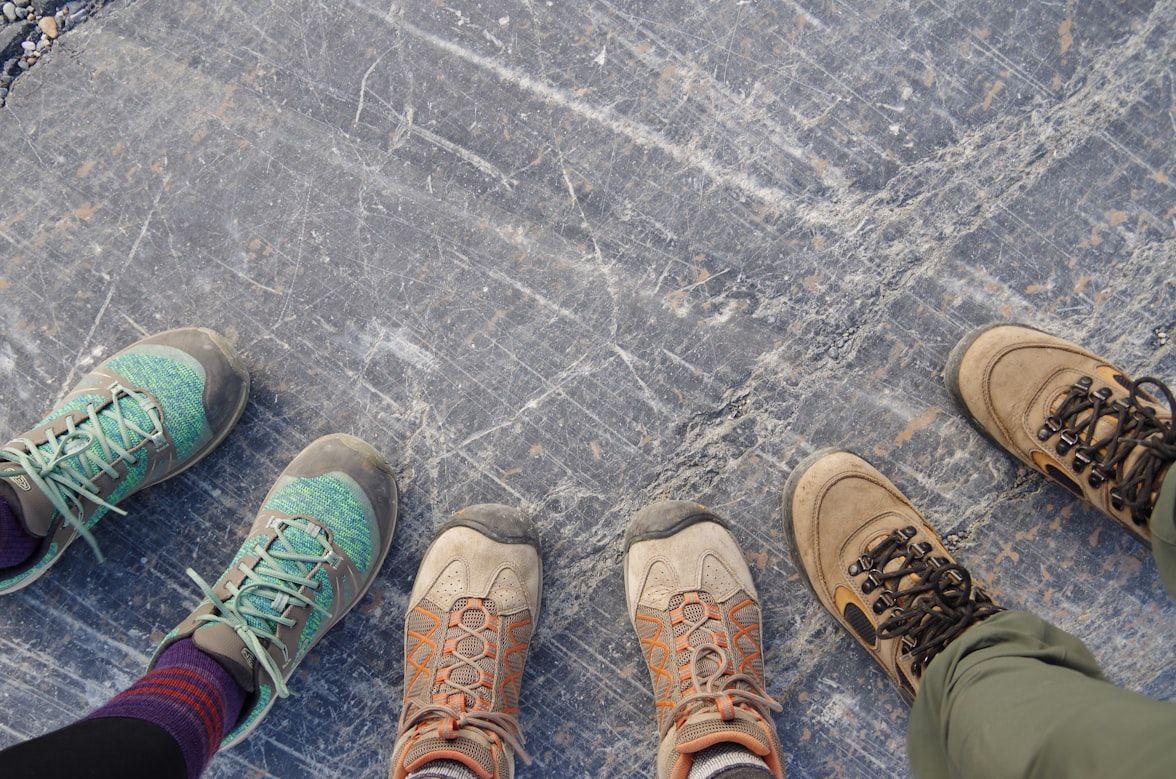
Picture your first few days on the cruise: one morning may be warm and sunny, and that same night may feel cool and windy on deck. Most travelers think about the views, but not about how quickly the weather can change.
That’s why it helps to pack for different moments: comfortable sneakers for walking, a jacket for rainy days, warm layers for nights at sea, and something elegant for evening events.
How to avoid crowds
European cruises often stop in some of the continent’s most visited cities, and the biggest landmarks can get crowded quickly. As tempting as the ship’s buffet, pool, or comfortable cabin may be, it’s worth heading out as early as you can once the ship docks.
That extra time gives you a better chance to see the main sights before the busiest hours and leaves room for delays, long lines, or last-minute changes.
Keep your binoculars nearby
It may sound a little old-fashioned, but bringing your own binoculars is definitely worth it on a European cruise. They can make arrivals, departures, and quiet hours at sea much more interesting and special: spotting coastlines, islands, old ports, or landmarks from the ship. Always keep them somewhere easy to grab.
Have your own personalized guide
Before the cruise starts, it helps to have a simple guide of what you actually want to see at each stop. Try to organize it by priority: the places you would hate to miss, the ones that would be nice to see, and the ones you could skip if the day gets too tiring.
Excursion days can be long, with early mornings, walking, and tight schedules, so it's useful to know when resting may be the best choice. It doesn't mean you can’t follow local tips, or improvise, but it helps save time and enjoy stops as much as possible.
Bring a comfortable backpack
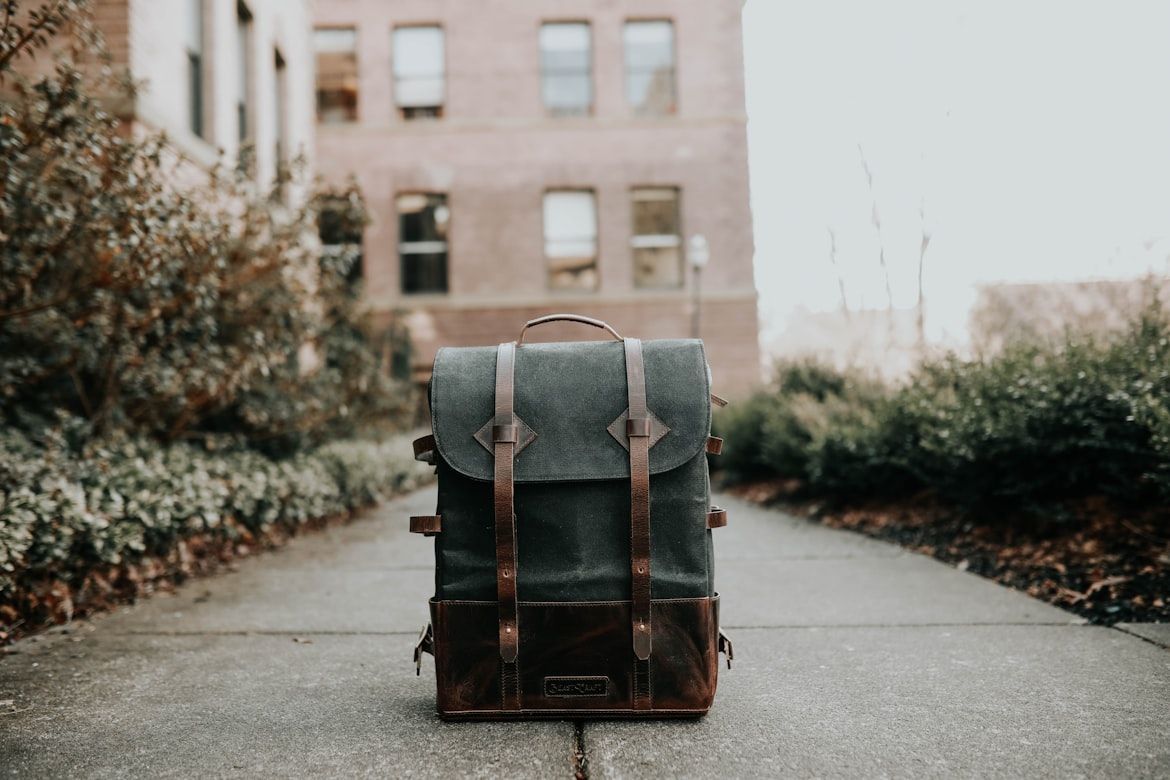
Your backpack will surely be your best friend on this journey. Choose one that feels comfortable on your shoulders and has separate pockets for the things you need most: passport, keys, phone, wallet, sunscreen, water bottle, medicine, and tickets. It’s a way to organize your day before everything gets messy — and when every item has its own place, you spend less time searching and more time enjoying.
Bring sunscreen and a reusable water bottle

Sunscreen and water bottles can save your day. You may spend hours walking through ports, sitting on deck, or waiting in open squares, and your skin is exposed, even when the sky looks cloudy.
Keep sunscreen with you — and a backup tube in case it runs out. A reusable water bottle is just as useful: fill it on the ship before you leave, and if you need more water later, try asking at a cafe or restaurant, so unfamiliar water sources are less likely to upset your stomach.
Your paperwork matters
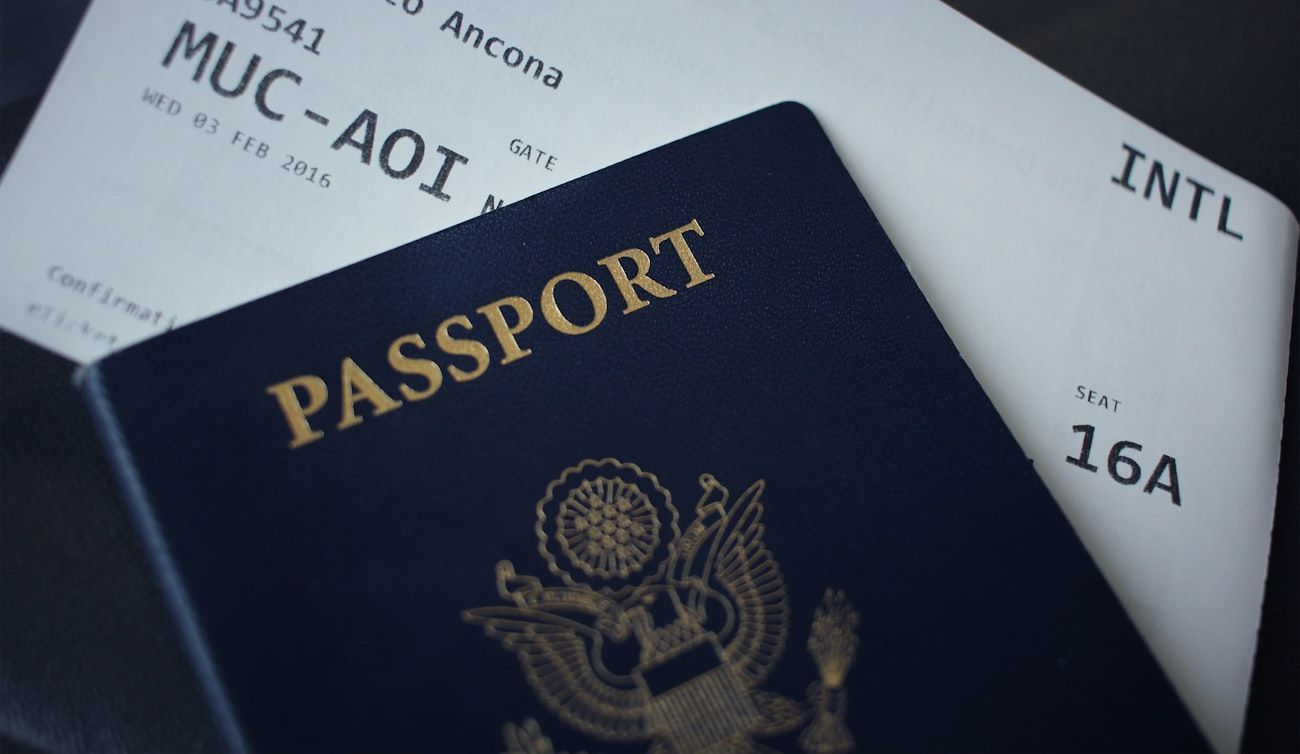
A European cruise may stop in several countries, and each one can have different entry requirements. Checking your passport, visas, and entry forms before you leave; making sure they stay valid until the end of your trip, can help you avoid surprises along the way.
Pack basic medical supplies

The ship will probably have medical help on board, but you should still bring a few basics with you. If you get a headache, a small cut, an upset stomach, or feel seasick, you won’t have to wait around to get help.
This can be especially useful when the ship is moving a lot, since more people may be feeling sick at the same time. A small kit with simple medicine and first-aid items can make the day much easier.
Pack more than one universal adapter
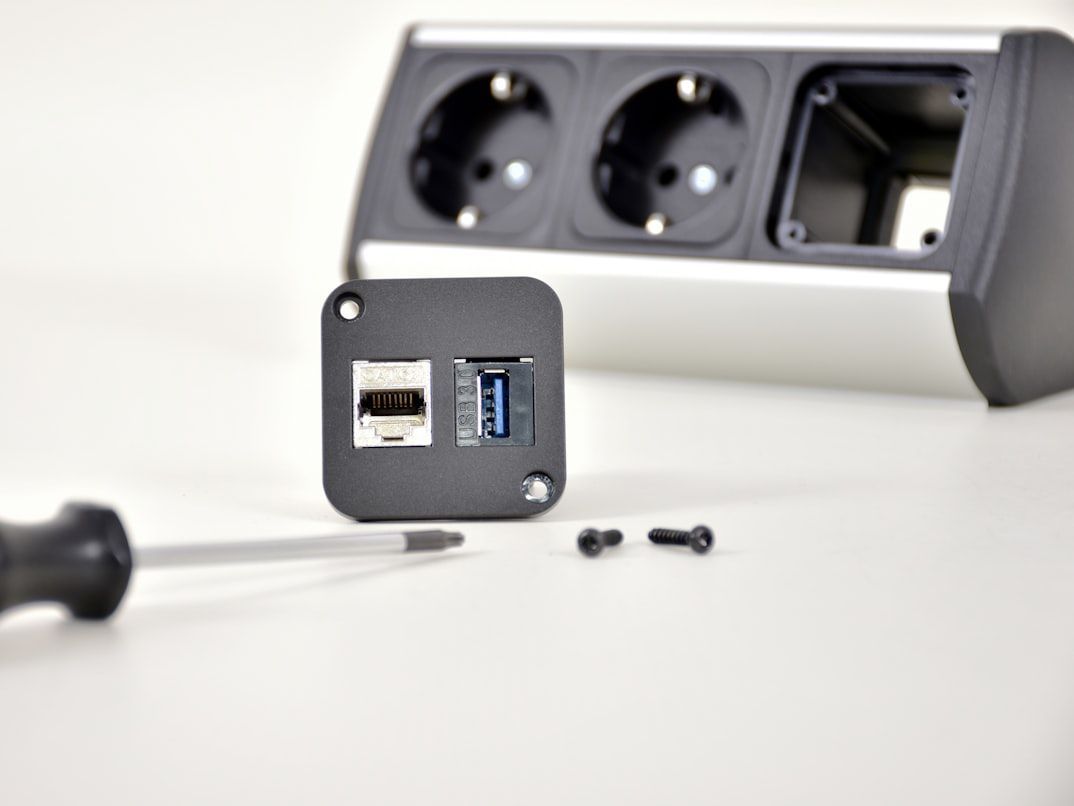
A European or universal adapter is one of those small things you may not think about until you need it. On a cruise, you’ll probably use it every day for your phone, camera, headphones, watch, or other devices.
One adapter may not be enough, especially if you’re sharing a cabin or charging several devices at night. The last thing you want before a day at port is a dead phone which means no map navigation, no photos, no way to text a traveling partner.
Do you still need a paper boarding pass? 10 must-know flying rules
Before you pack: 10 crucial answers to common airport questions
Air travel can feel like navigating a maze of quirky rules, security protocols, and international regulations. If you’re trying to figure out what happens when a connection goes sideways or whether your passport is in good enough condition to travel, knowing the answers to common travel questions will save you time, money, and stress. Here are practical answers to ten of the most frequently asked questions about flying, airports, and passenger rights.
When should I arrive at the airport?
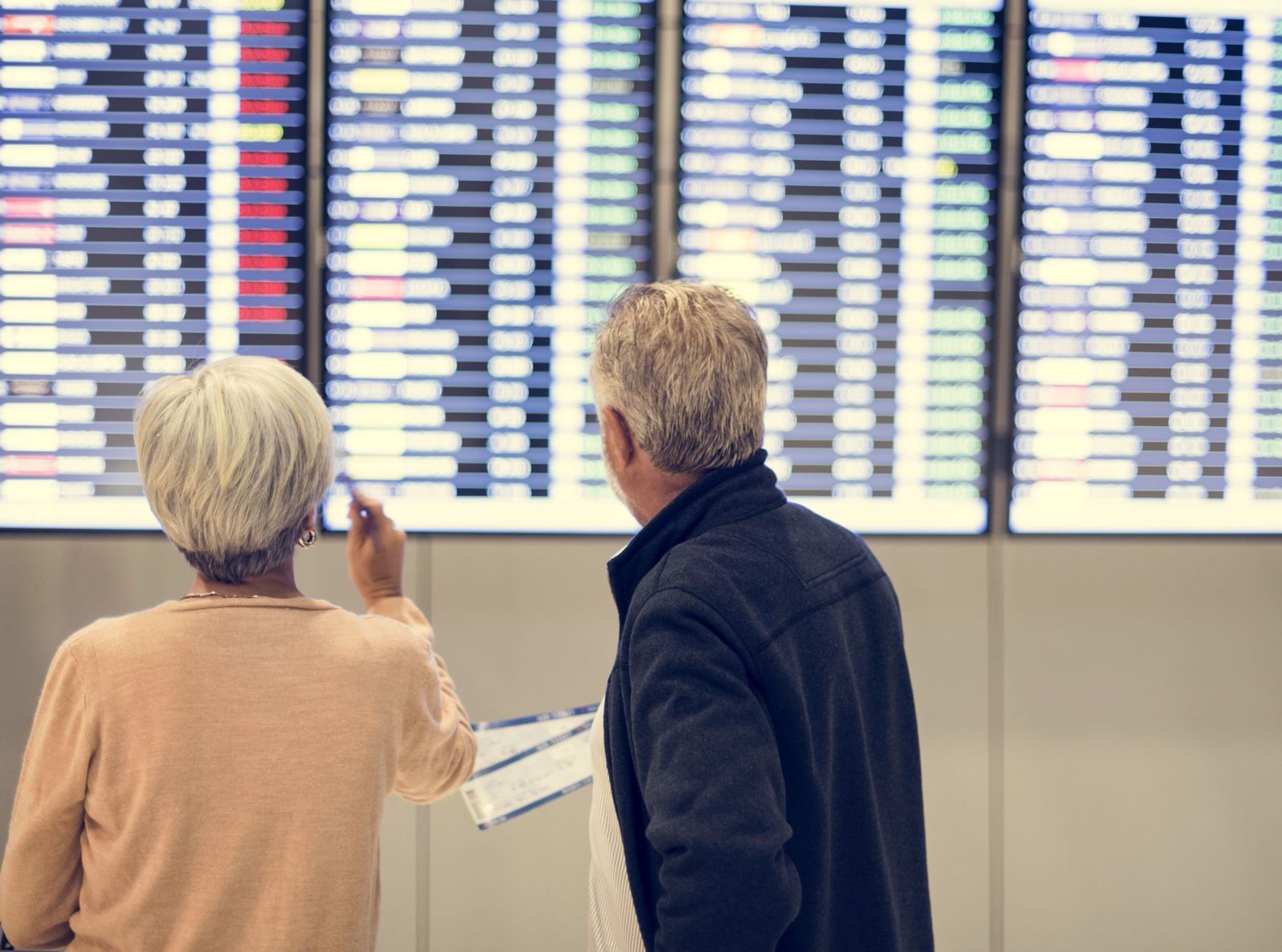
The general rule of thumb is two hours before domestic flights and three hours before international flights. However, you should adjust this window based on specific trip factors.
Add an extra 30 to 45 minutes if you’re checking luggage, traveling with young children, or flying during peak holiday rushes. Major international hubs also require additional time due to long security queues and terminal transit times. Remember that gate closure times are non-negotiable; most airlines close boarding doors 15 minutes prior to departure for domestic routes and 30 minutes for international ones.
Do I still need a printed boarding pass?
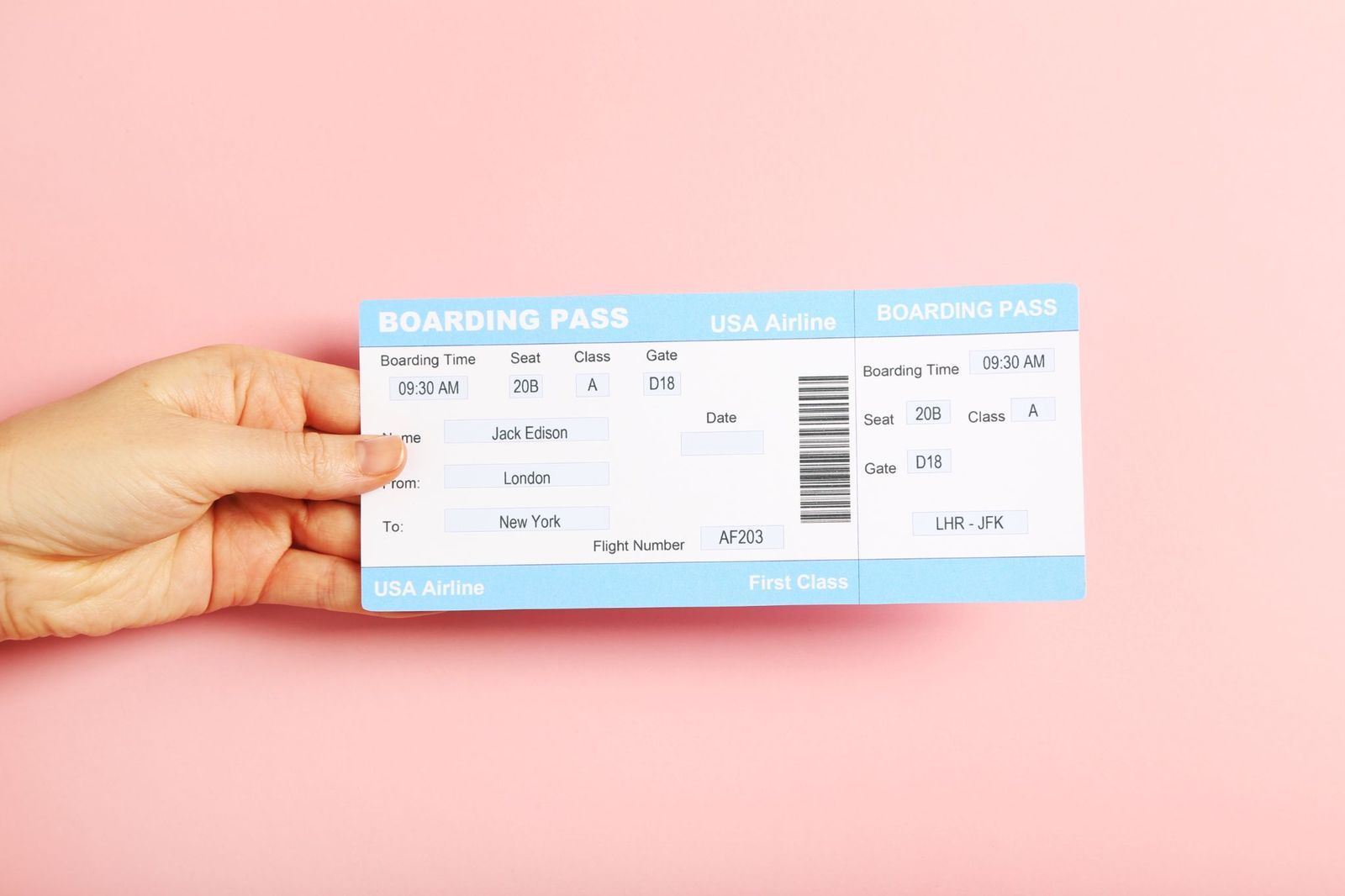
In most cases, no. Mobile boarding passes saved to Apple Wallet, Google Wallet, or an airline’s official app are accepted at security checkpoints and boarding gates worldwide.
However, keeping a printed paper pass remains a smart backup strategy. Paper passes are often required for international flights that demand manual visa and travel document checks before security, as well as at airports with outdated barcode scanners. Furthermore, if your phone battery dies or the airline app fails, a physical pass ensures you won’t lose your spot in line.
Can you fly with a damaged passport?
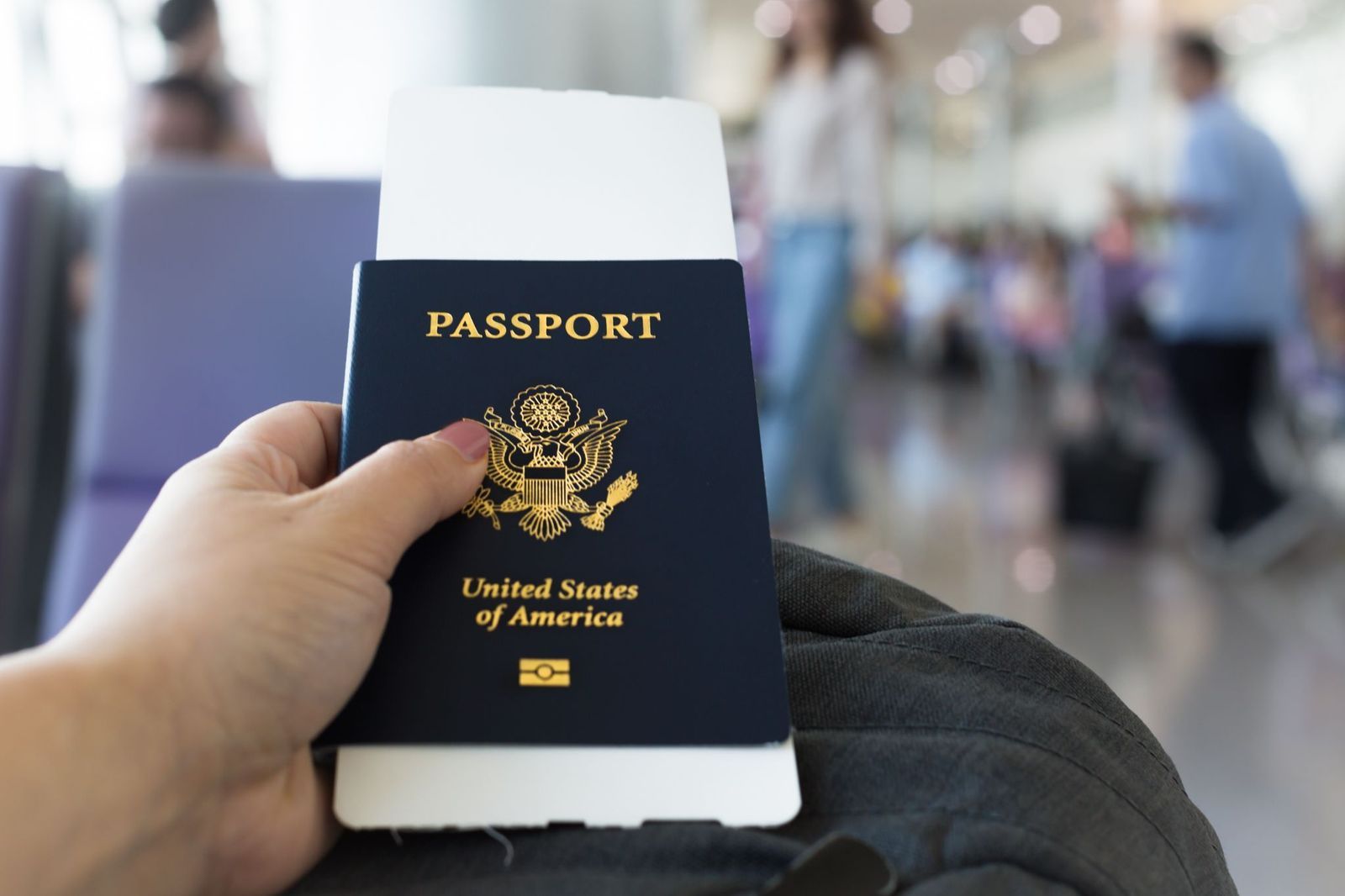
Normal wear, such as slightly curled cover edges or creasing, is generally accepted, but if your passport has significant damage, you will likely be denied boarding at check-in or border control.
Reasons for rejection include: deep tears, rips or missing pages; water damage that causes ink to bleed or pages to stick together; an unreadable or damaged RFID microchip in biometric passports; any separation of the cover from the internal binding. If your passport shows signs of structural or moisture damage, apply for an emergency replacement before your departure date.
Can dogs fly on planes to Europe?
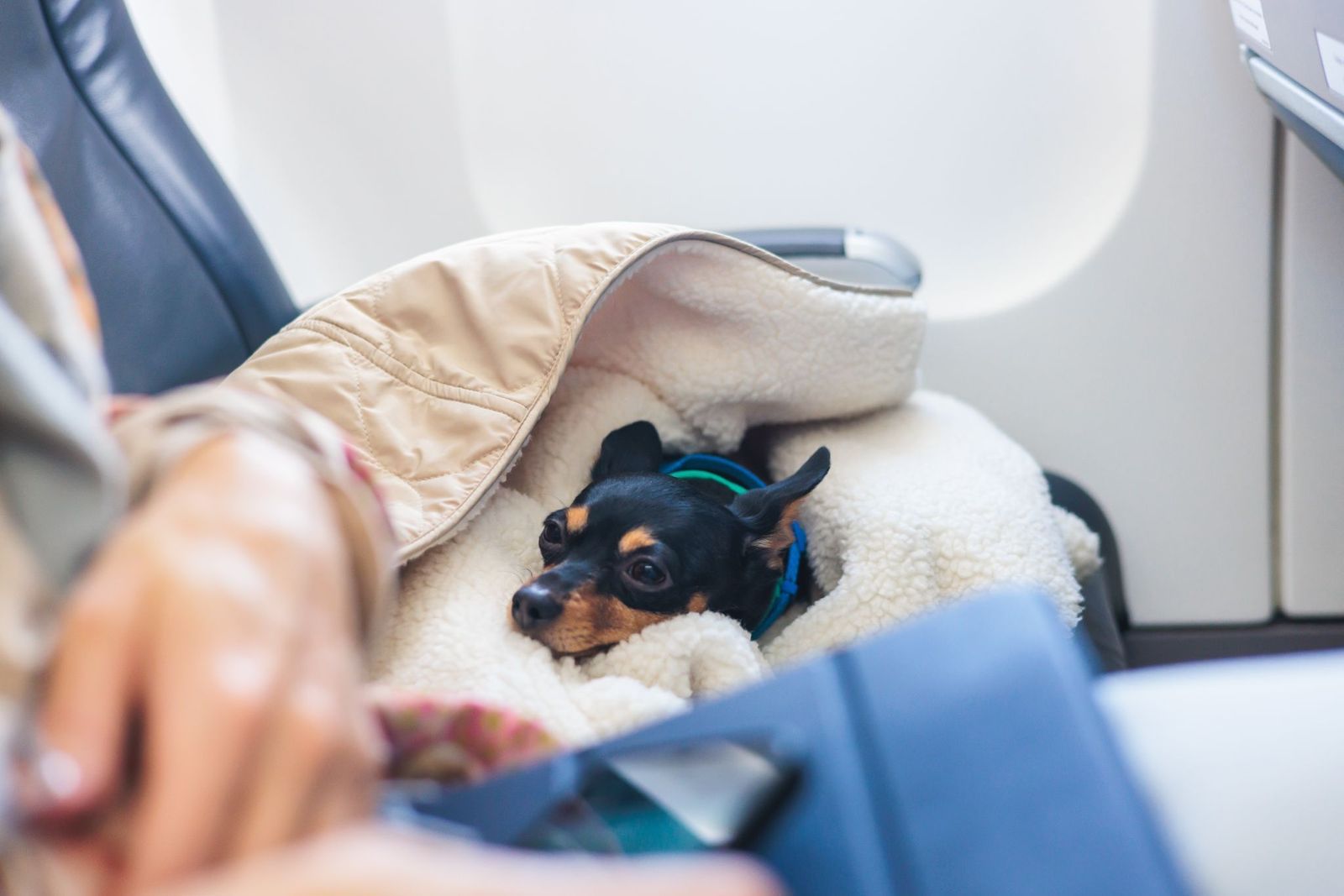
Dogs can fly to European destinations, but the entry requirements are strict and enforced by the European Union. To bring a dog into the EU from a non-EU country, your pet must have an ISO-compliant 15-digit microchip, followed by a valid rabies vaccination.
You must also secure an official EU Health Certificate signed by an accredited veterinarian within 10 days of your travel date. Depending on your dog’s size and the airline’s policies, small pets can travel under the seat in front of you in the cabin, while larger dogs must travel in the cargo hold.
Can you leave the airport during a layover?
Yes, you are allowed to leave the airport during a layover for both domestic and international flights (provided you meet the entry and visa requirements for the country you are visiting).
To make an airport exit worthwhile, aim for a layover of at least 6 hours. Leaving the terminal requires clearing passport control and immigration, storing your luggage, taking public transportation into the city, and returning early enough to clear airport security before your connecting flight.
Can you use Bluetooth on a plane?
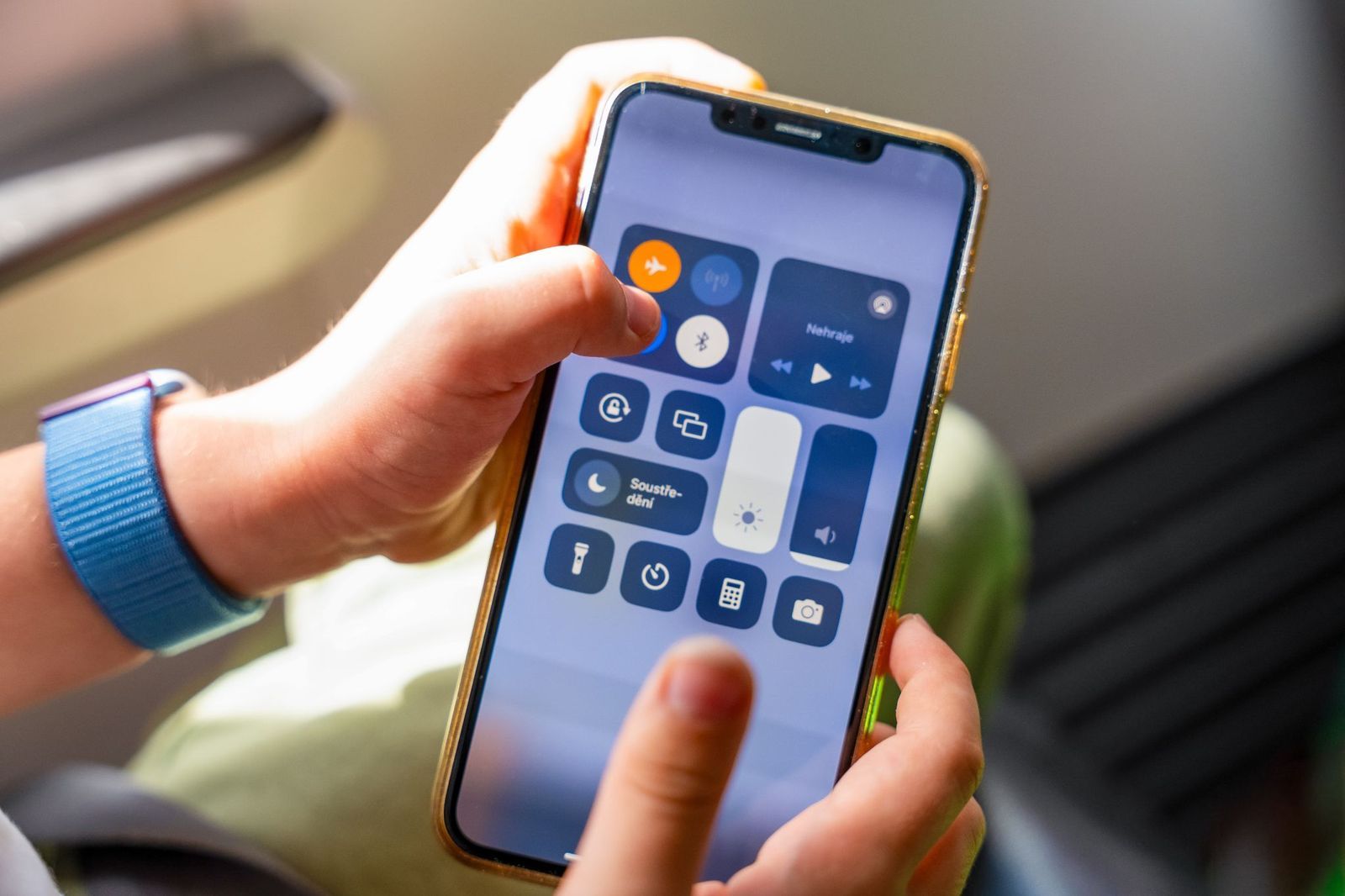
Aviation authorities, including the FAA and EASA, allow passengers to use Bluetooth devices such as wireless headphones, smartwatches, and wireless keyboards during all phases of flight.
That said, your devices must remain in Airplane Mode throughout the flight to disable cellular signals. Once Airplane Mode is activated, simply manually toggle Bluetooth back on in your device settings to pair your headphones to your phone or the aircraft’s entertainment system.
Can you bring food on a plane?
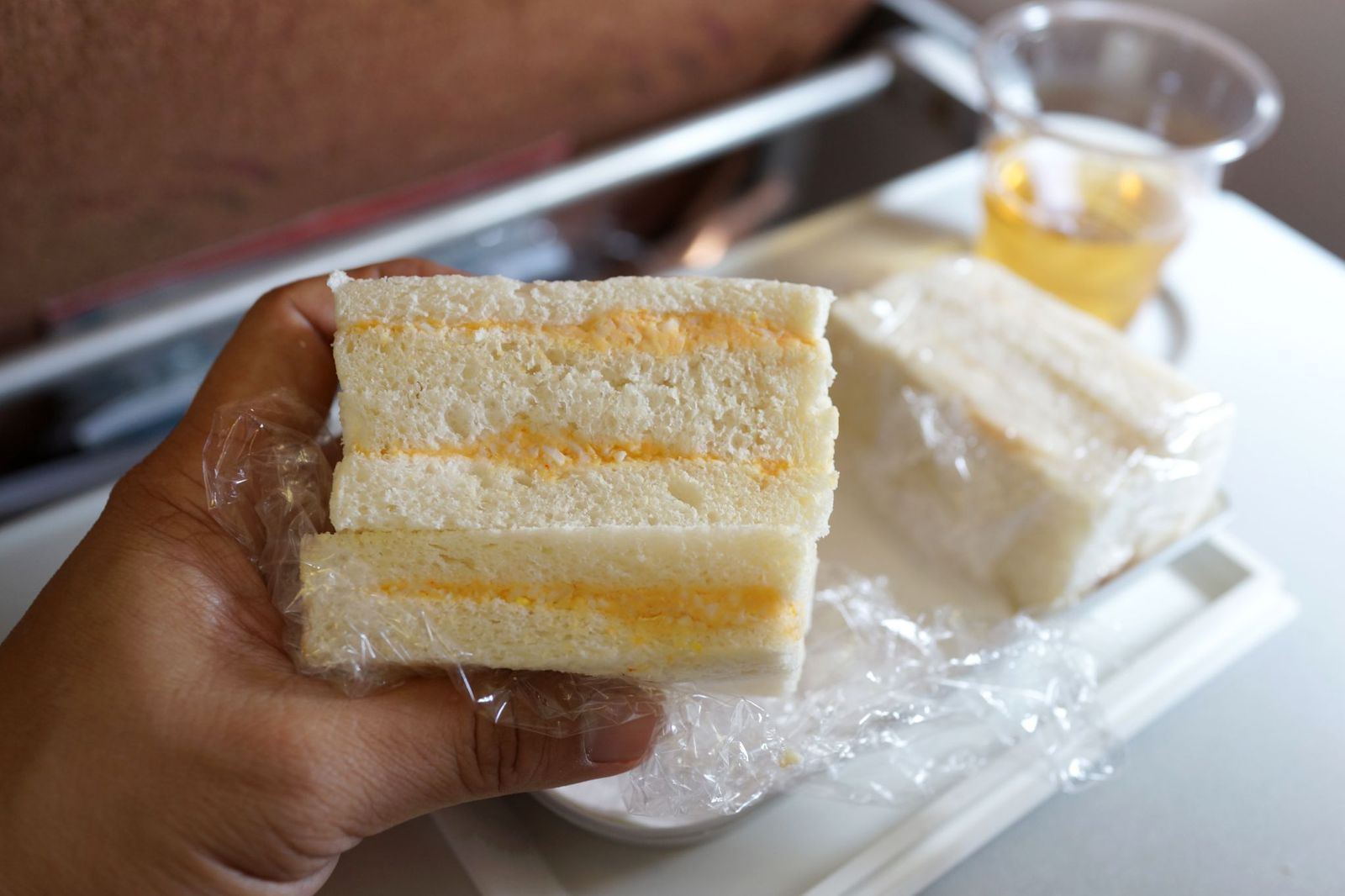
You can pack almost any solid food item in your carry-on bag through airport security. Sandwiches, fruit, nuts, energy bars, pastries, and cooked meals are allowed.
However, liquids, gels, and spreads are restricted. Items like yogurt, soup, hummus, peanut butter, jam, and creamy cheeses must abide by the 3.4 oz liquid rule. If a food item can be poured, smeared, or spilled, it must be kept in containers under 3.4 oz unless purchased after passing through the security checkpoint.
Should I join a frequent-flier program?
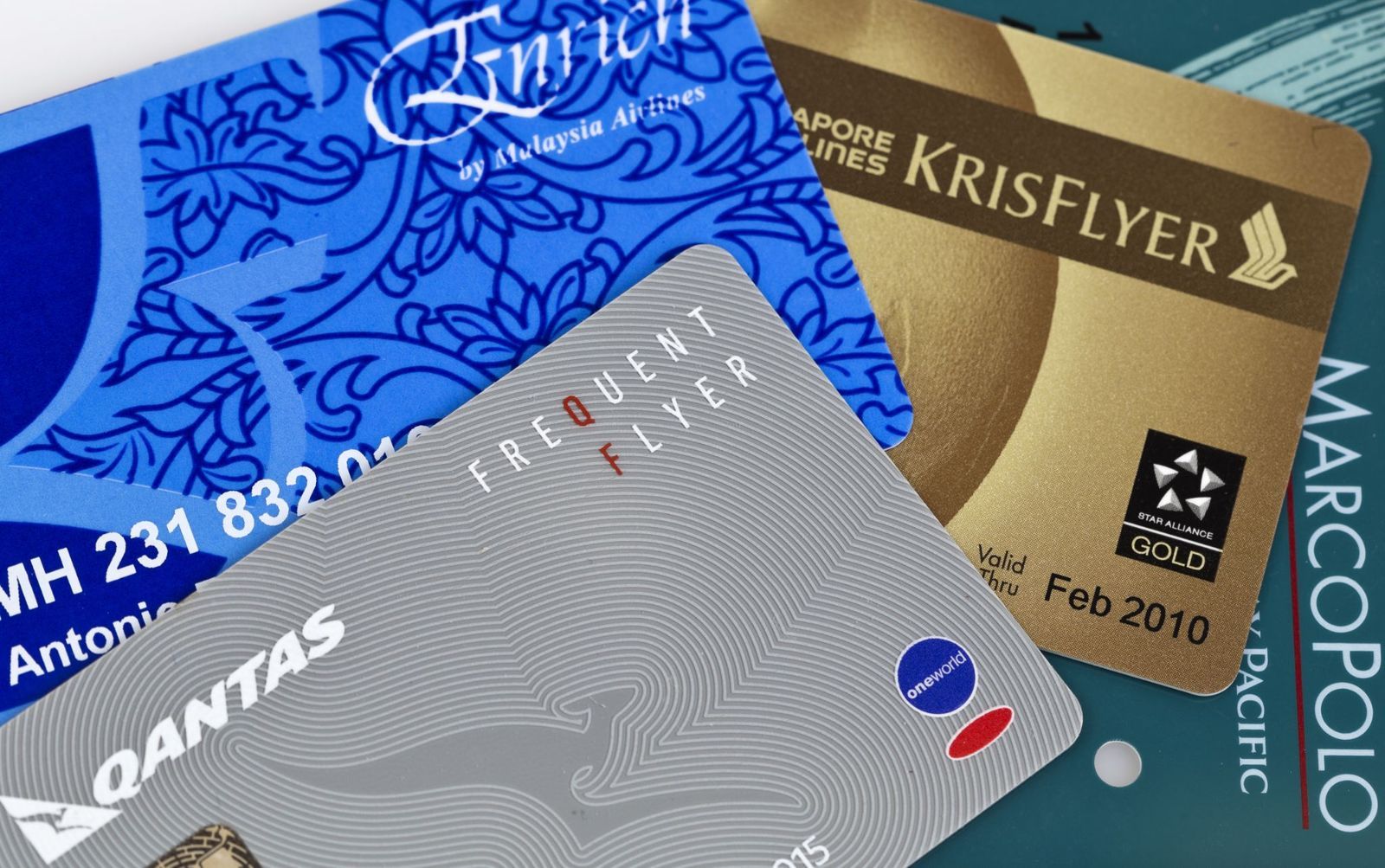
Frequent-flier programs are completely free to join, and there is no financial downside to enrolling with every airline you fly.
Even if you fly once or twice a year, accumulated miles can eventually be redeemed for award tickets, seat upgrades, or rental cars. Joining also elevates your standing on priority lists during unexpected flight cancellations, grants access to airline alliance networks, and unlocks better customer service support when issues arise.
What are my rights if my flight is delayed or canceled?
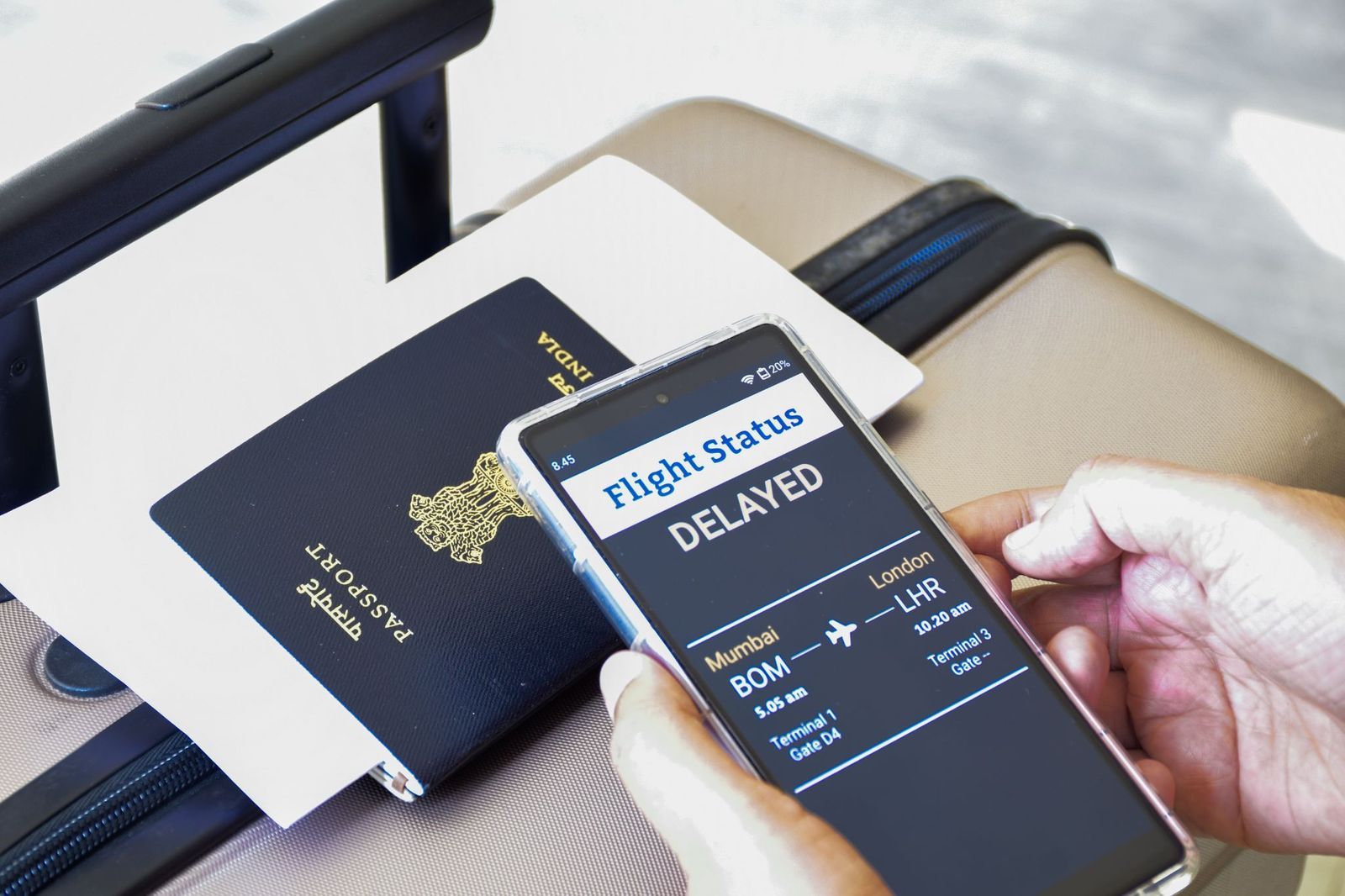
Your rights depend on where your flight originates and the airline operating. If an airline cancels your flight in the United States for any reason and you choose not to accept their rebooking offer, federal law entitles you to a full refund to your original payment method. For controllable delays, such as maintenance or staffing shortages, US airlines must provide meal vouchers and hotel accommodations.
If your flight departs from a European Union or UK airport or is operated by an EU/UK airline, delays over 3 hours or short-notice cancellations within the airline’s control entitle you to free meals, hotel accommodations, and cash compensation ranging from €250 to €600 depending on flight distance.
What happens if I miss my connecting flight?

If your entire journey was booked under a single ticket itinerary, the airline is legally responsible for rebooking you onto the next available flight to your destination at no additional cost. If the delay forces an overnight wait, the airline will generally provide hotel and meal vouchers.
If you booked two separate tickets independently across different airlines, the second carrier is under no obligation to rebook you for free if you arrive late. In that scenario, you’ll likely have to pay a change fee or purchase a new ticket out of pocket.
Keep wandering
There’s always
more to explore
 Culture

These 10 real places feel like stepping into famous paintings
5 min.
Read Now
Do you still need a paper boarding pass? 10 must-know flying rules
5 min.
Read Now

A town called Chicken? Why are these 10 U.S. places named after food?
4 min.
Read Now
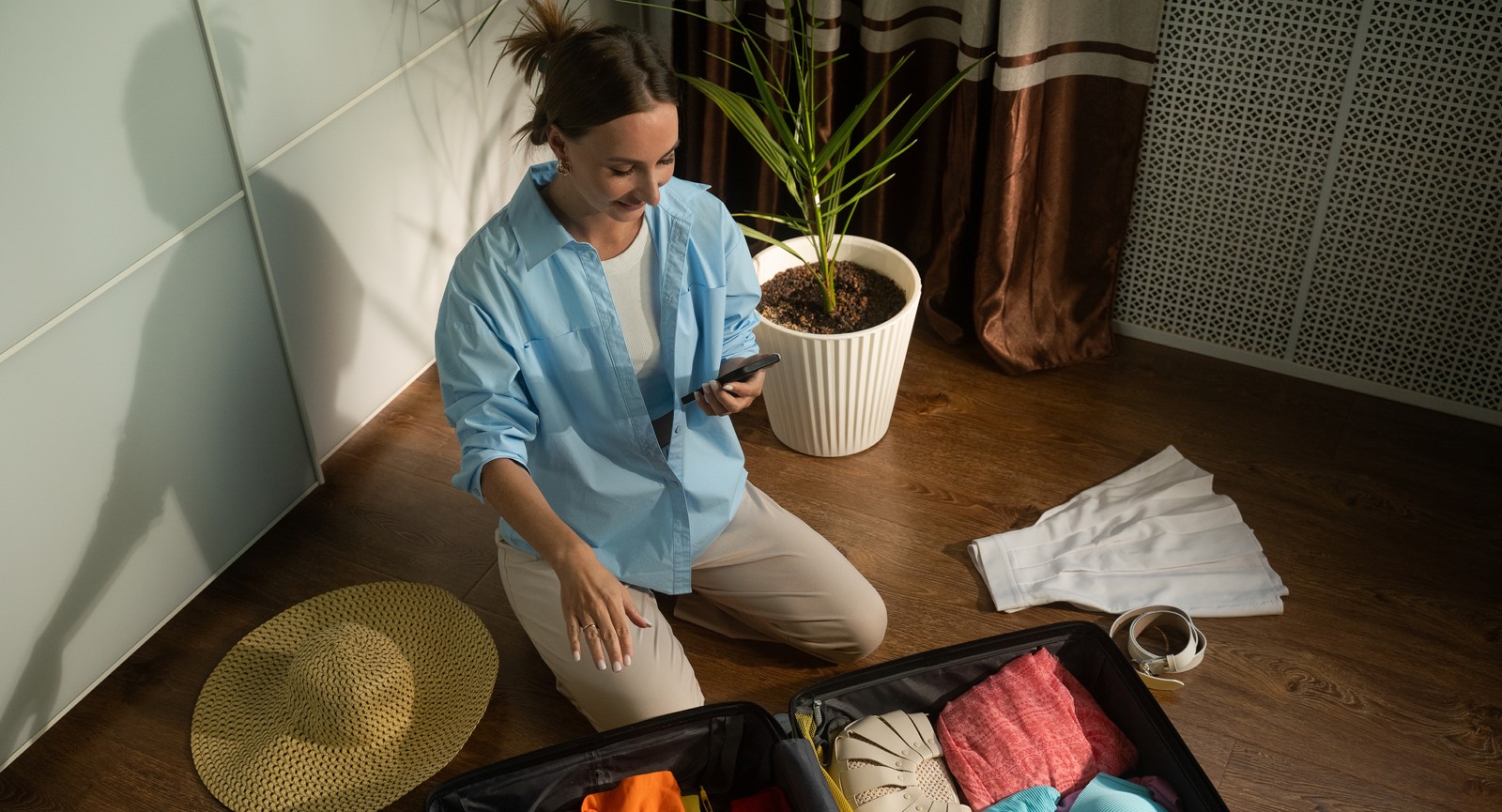
10 things to pack that could save your vacation
5 min.
Read Now