Why planes are painted white: The real reason
 General
What happens at 35,000 feet
Why planes are painted white: The real reason
Have you ever wondered what would happen if a passenger got stuck in the bathroom of an airplane? Do you know what that tiny hole in the airplane window is for? Or why airplane food always tastes different? These are the little details passengers see, hear, and experience on almost every flight without really understanding them. From why most commercial planes are white to where the toilet waste actually goes, here are 10 things every passenger should know about flying.
What happens when a plane faces engine problems?
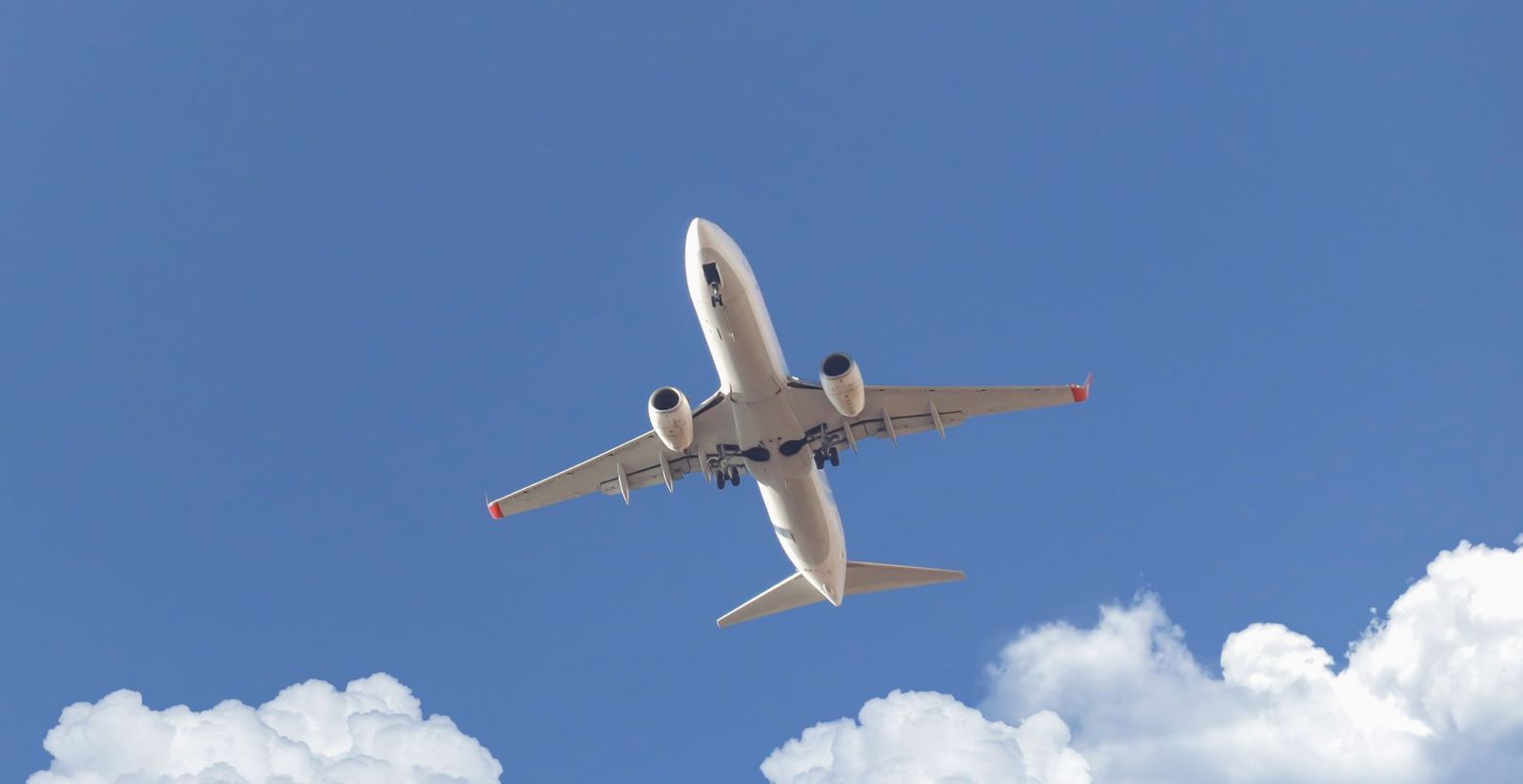
Fear of engine failure is common among air passengers. But there’s some good news.
Modern commercial aircraft are designed to handle emergencies, and even if all the engines lose power, the plane can still glide. That’s because the wings continue to generate lift as long as air is moving over them, even without engine thrust. A powerless aircraft can therefore remain controllable long enough for the pilots to find the best possible place to land. A dramatic real-life example came on January 15, 2009, when Captain Chesley "Sully" Sullenberger successfully ditched US Airways Flight 1549 in the Hudson River after both engines lost thrust following a bird strike. All 155 people aboard survived.
The pilot in command's powers
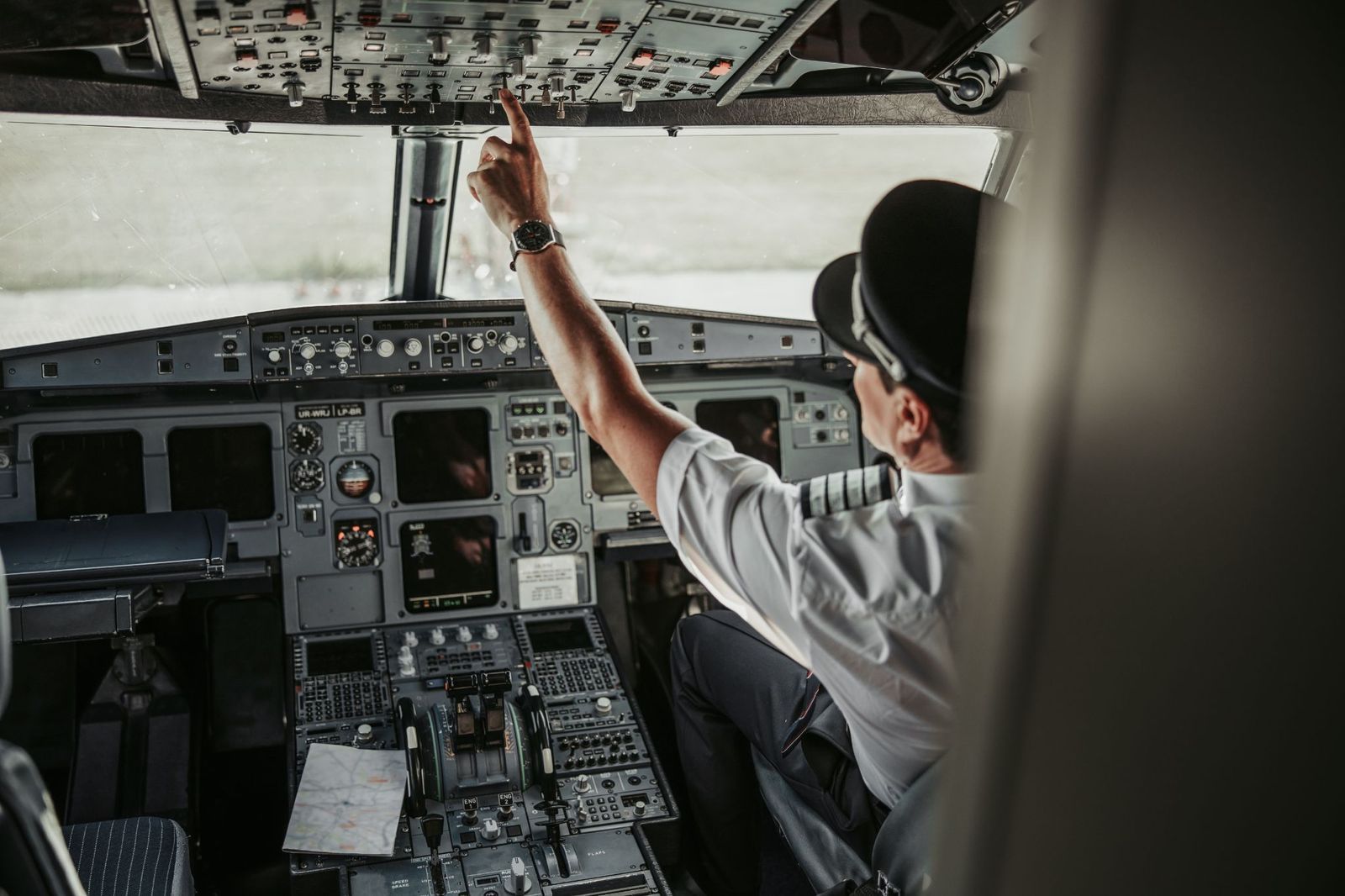
If you think a pilot’s job is simply to fly the plane, think again.
Under FAA (Federal Aviation Administration) rules, the pilot is responsible for the safety of the passengers, crew, cargo, and aircraft. And in an emergency, the pilot can even deviate from a regulation or an air traffic control instruction when necessary to deal with the situation and protect lives. But that’s not all; airlines are prohibited from allowing intoxicated passengers to board, and unruly passengers can face serious consequences. If someone becomes disruptive or threatens safety during a flight, the pilot can give the order to take action and restrain a passenger until law enforcement takes over after landing.
What is that little hole in the airplane window for?
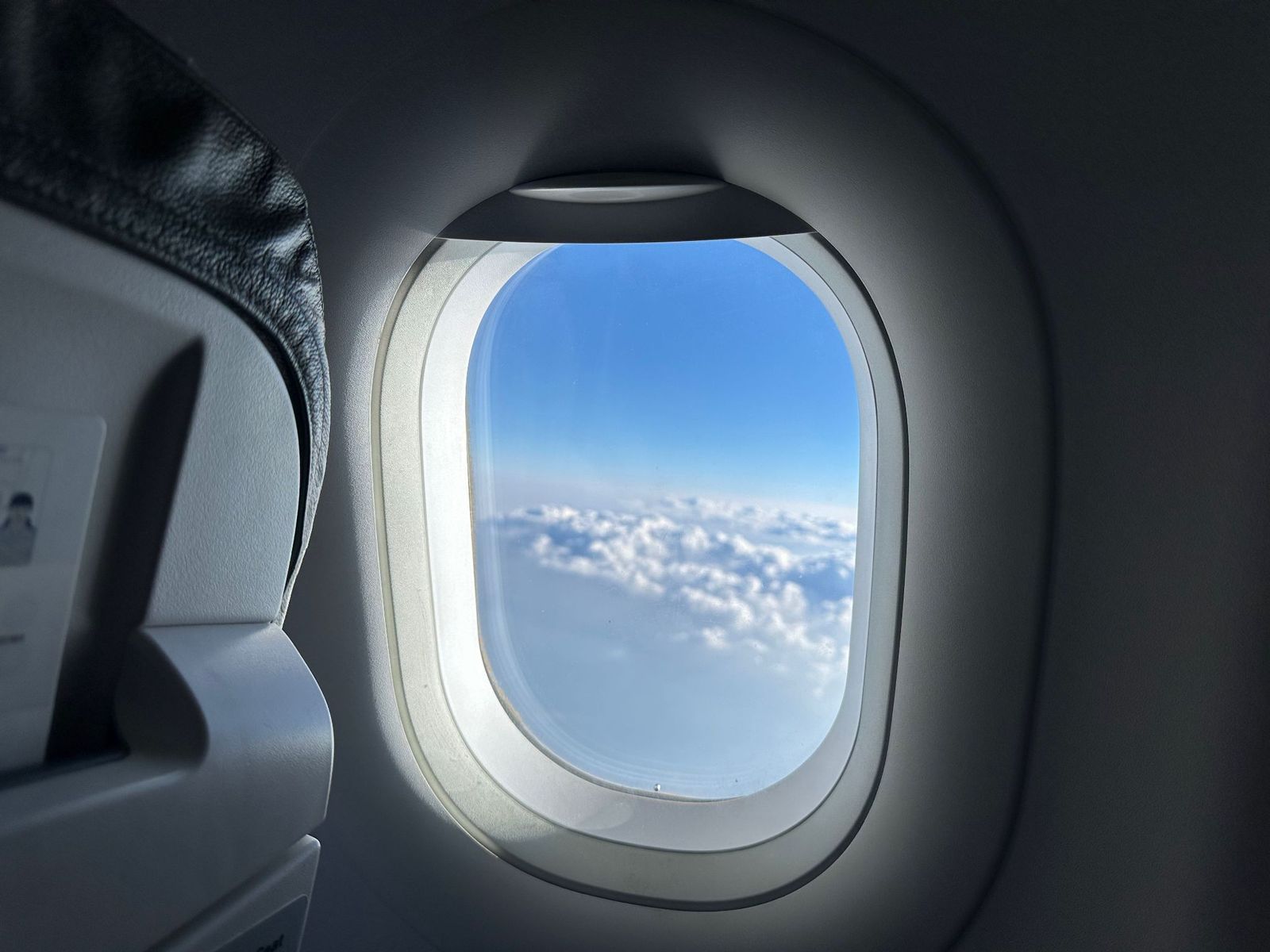
If you’re the kind of passenger who notices the little details, you may have spotted the tiny hole at the bottom of an airplane window. It might look like a flaw, but it’s actually there for a very good reason.
Called a bleed hole, it’s an intentional part of the window’s design. At a cruising altitude of around 35,000 feet, the air outside is far too thin to breathe, so the cabin is pressurized to keep passengers comfortable and safe. That creates a major difference between the pressure inside and outside the aircraft. The tiny hole helps manage that pressure difference by allowing air to move between the window panes.
Why do they dim the cabin lights before takeoff?
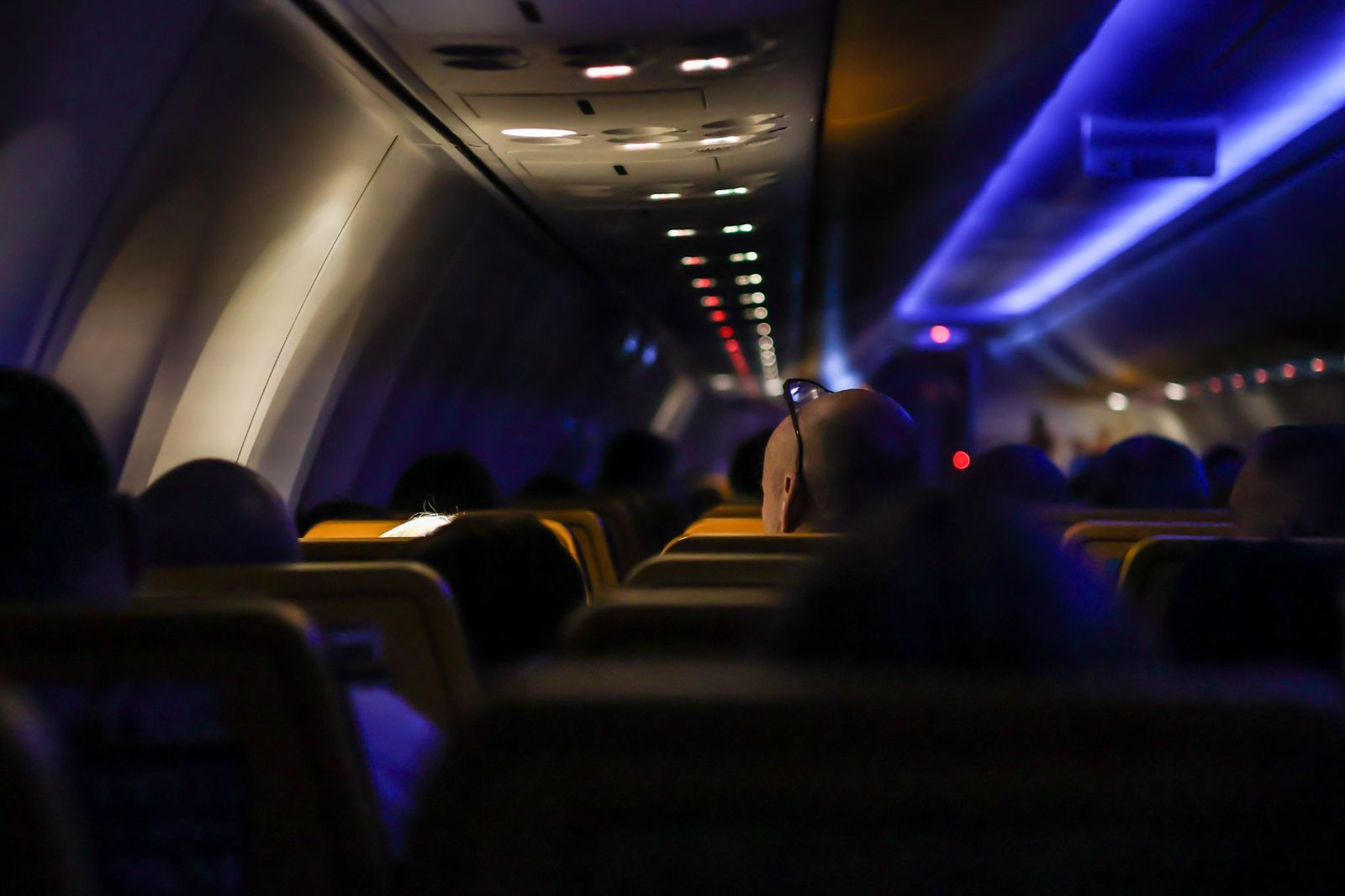
You’ve probably noticed that on night flights, the cabin lights are dimmed during takeoff and landing. There’s a good safety reason for it.
There’s no federal or international rule requiring airlines to dim the lights, but it’s a common practice. By keeping the cabin closer to the darkness outside, passengers and crew can adjust their eyes in case of an emergency. As human vision takes time to adapt when moving from bright light to darkness, dimming the cabin in advance can help people see more quickly if an evacuation becomes necessary, when every second counts.
What happens if you get stuck in the bathroom?
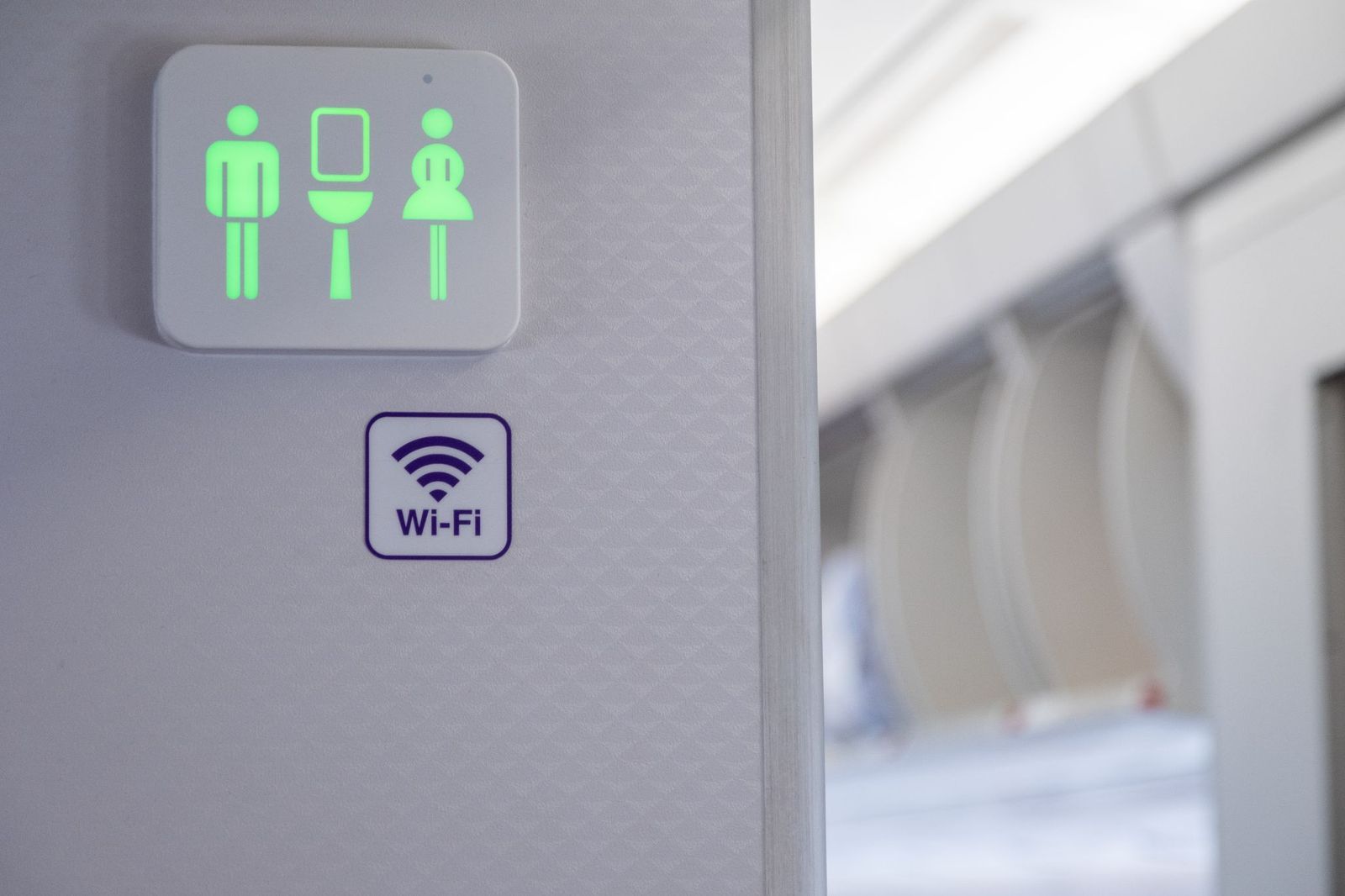
One of the more unsettling thoughts at 35,000 feet is getting stuck inside an airplane bathroom. After all, squeezing into a space that’s barely a few inches wide isn’t exactly anyone’s idea of fun, but there’s less to worry about than you might think.
Flight attendants are trained to unlock and lock the lavatory door from the outside if necessary. Most aircraft have a hidden emergency-access mechanism, typically located behind the "Lavatory" or "No Smoking" sign or panel. The exact design varies by aircraft, but that system allows crew members to open the door if a passenger is trapped, becomes ill, or needs assistance.
Your oxygen mask first
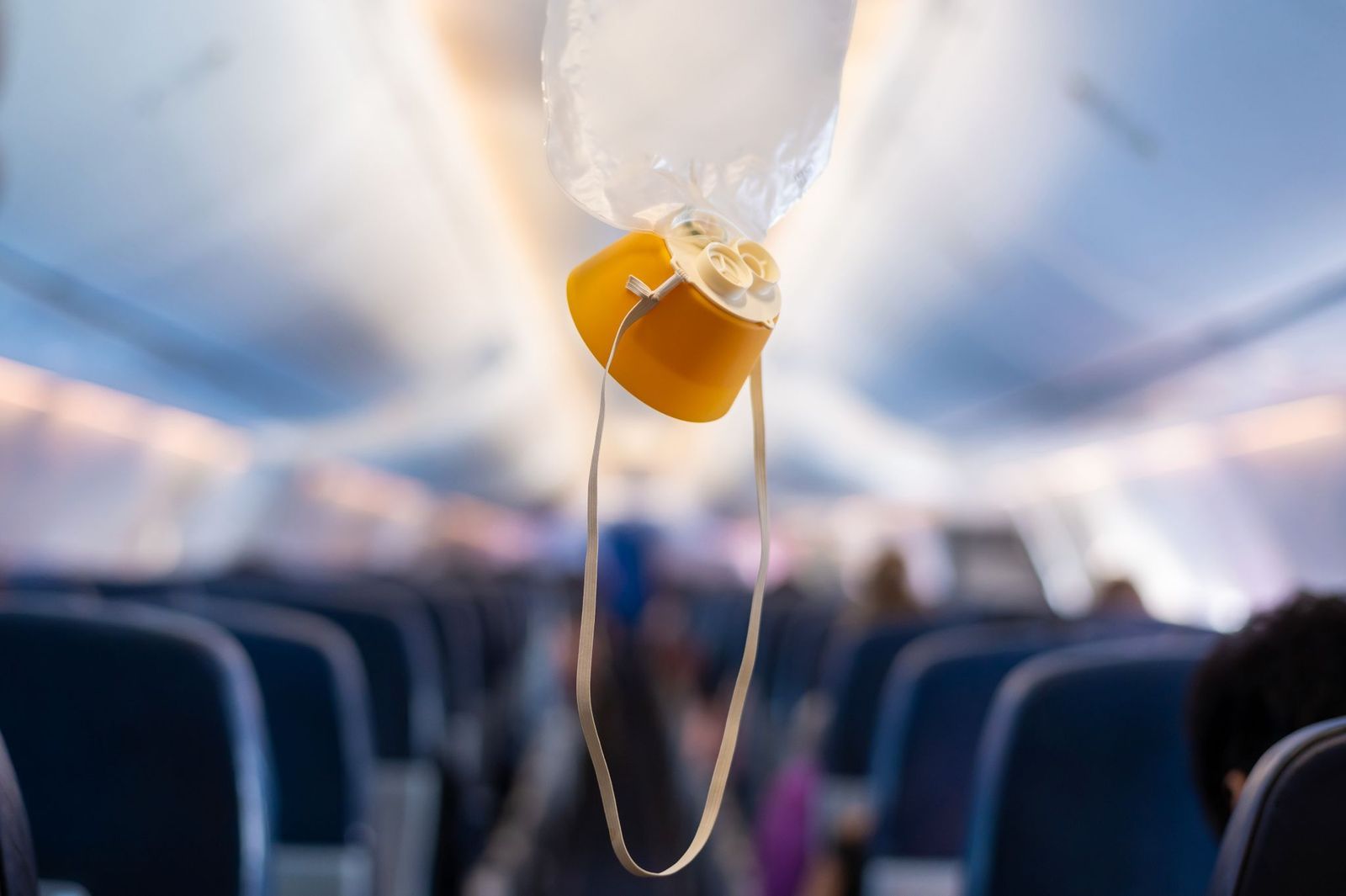
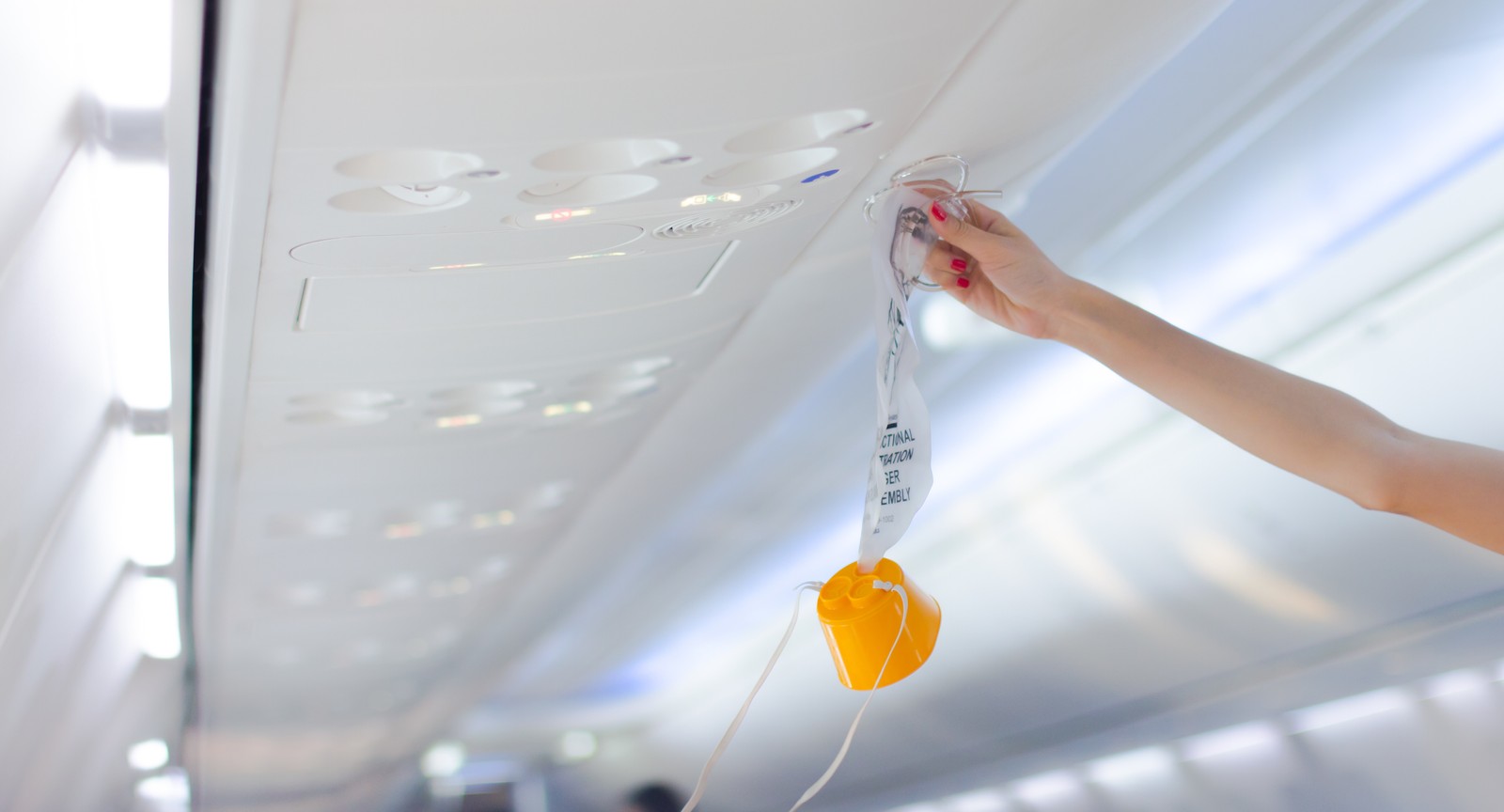
You’ve probably heard the rule (and the life-lesson metaphor): put on your own oxygen mask before helping someone else with theirs. But why is that so important?
At typical cruising altitudes, the air outside the aircraft is under extremely low pressure. If the cabin suddenly loses pressure for an emergency, the amount of oxygen available to your body drops quickly, and your ability to think clearly and act can disappear within seconds. At that altitude, the time of useful consciousness can be as little as 15 to 30 seconds after a rapid decompression. That’s why you’re told to secure your own mask first. Once you’re getting oxygen, you’re far more likely to remain conscious and capable of helping the person next to you.
Where the water goes when you flush
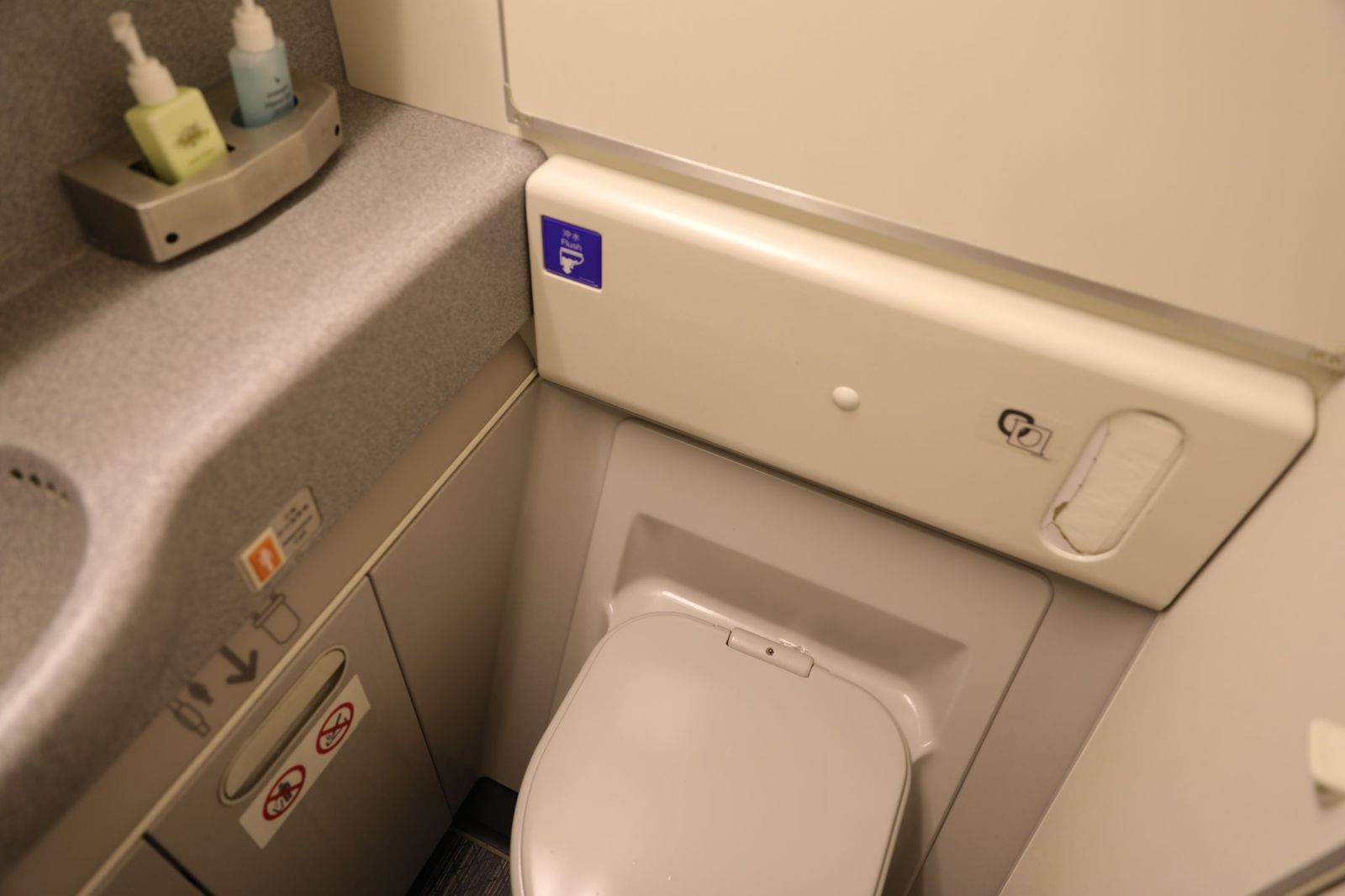
If you’ve ever used an airplane bathroom, you’ve probably wondered: where does the waste go when you flush?
Contrary to a long-standing myth, commercial planes don’t dump toilet waste into the sky. Instead, commercial aircraft have a sealed waste tank inside the plane. When you flush, a valve opens at the bottom of the toilet bowl, and a powerful vacuum pulls the waste through the pipes and into the tank. After the plane lands, airport workers connect a hose from a specialized service truck to the aircraft’s external waste port. The truck then pumps out the waste and transports it for proper disposal through the local wastewater system.
Why planes are painted white
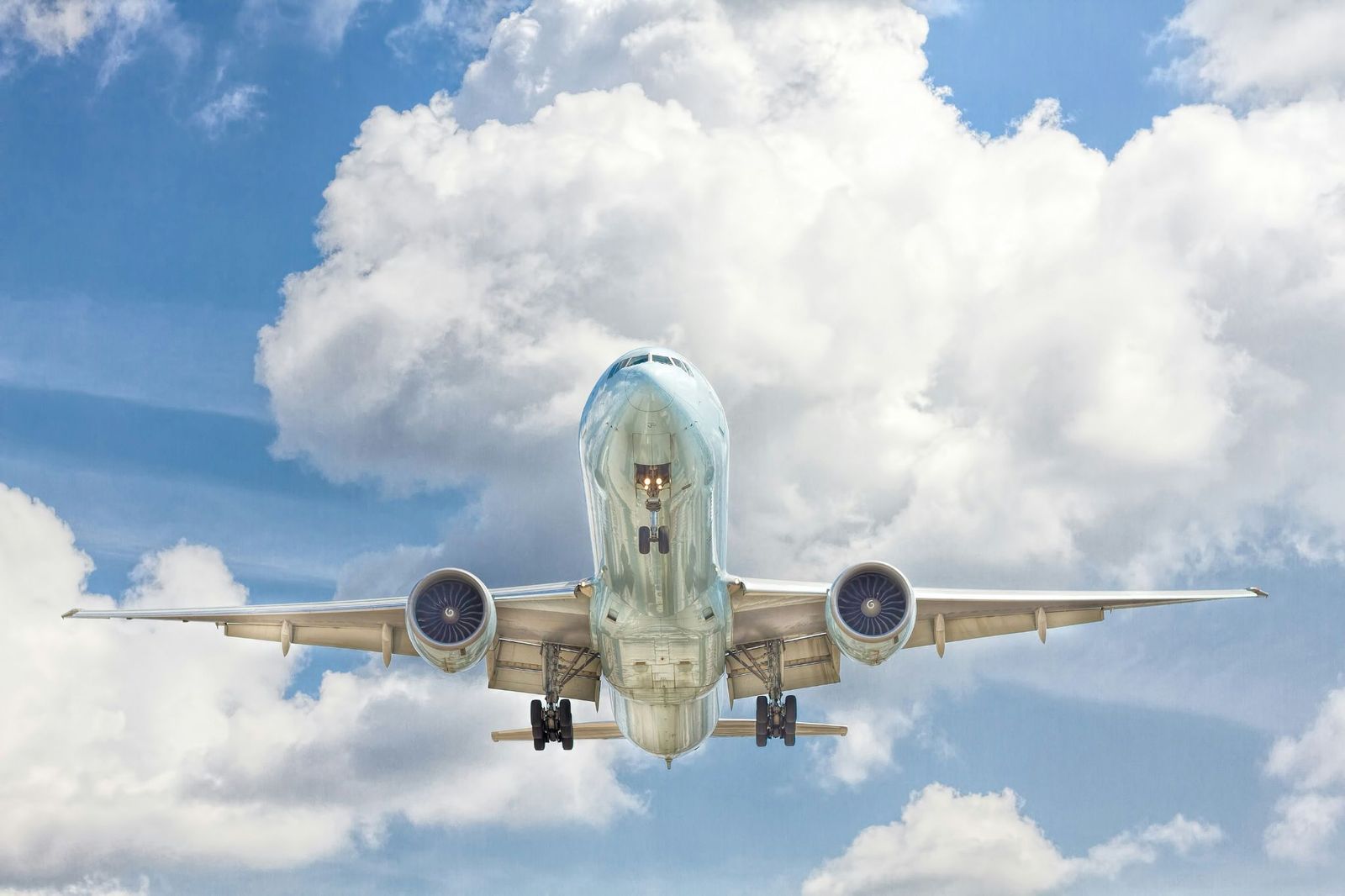
There’s something most commercial airplanes have in common: they’re usually white. But why?
The white paint on an aircraft is no accident, and it’s not simply because the hue is inexpensive. There are practical and safety reasons for the choice. First, white reflects much of the sun’s radiation, helping reduce solar heating of the fuselage and cabin, especially while the aircraft is on the ground. It can also make an airplane easier to see against a blue sky during the day. But there’s another important advantage: white makes cracks, dents, oil leaks, and signs of corrosion easier to see, helping maintenance crews identify potential problems during inspections. Finally, white tends to fade less than darker colors, which can help airlines reduce repainting and maintenance costs.
The truth about using your phone on a flight
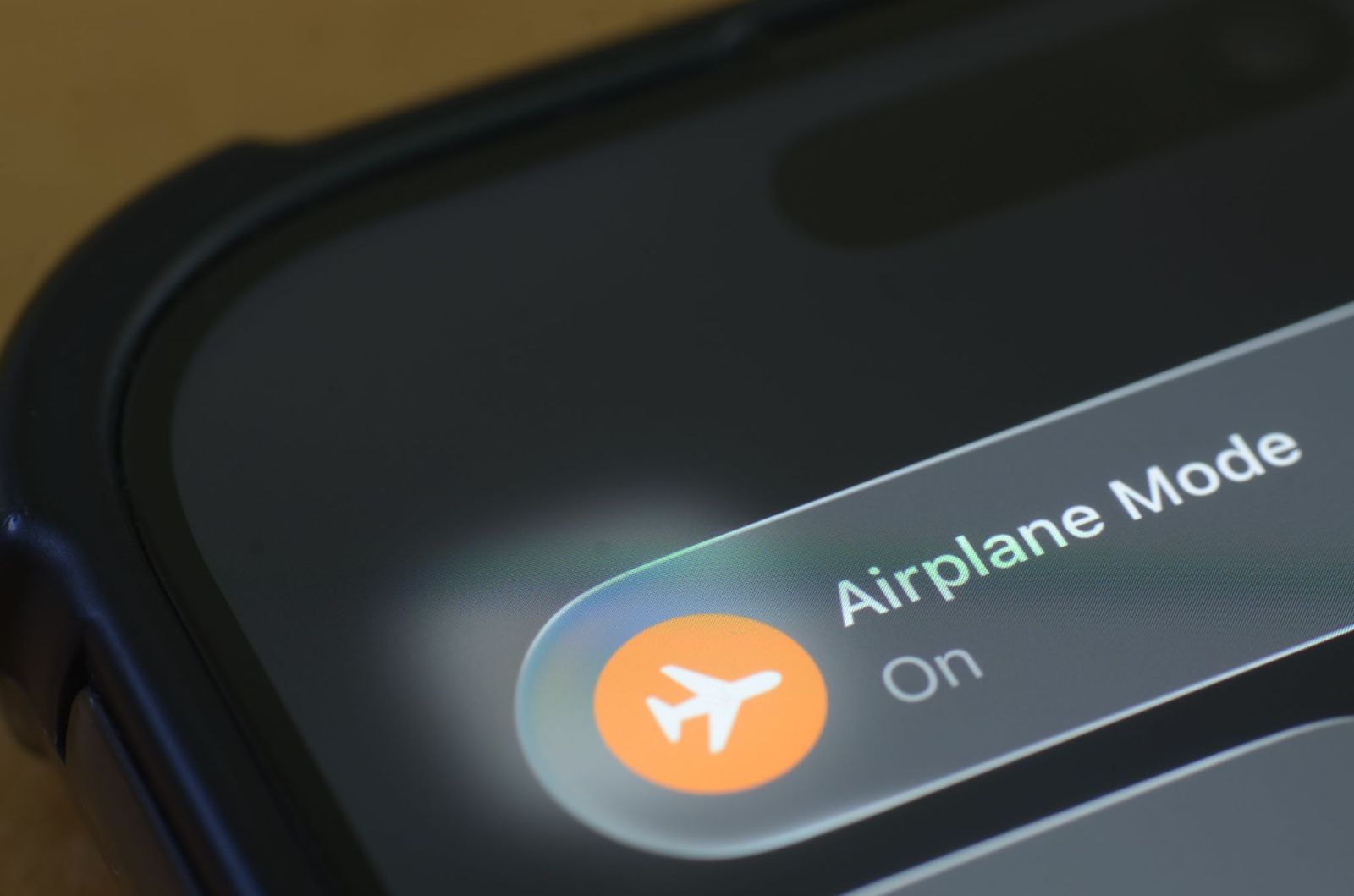
Many passengers still believe that leaving their phone connected during a flight could make the plane crash. Fortunately, that’s not how it works.
If you’ve ever spotted someone quietly using a cell phone after takeoff, don’t panic. The rules around phones in flight are mainly about potential radio interference and the effects of airborne cellular signals on ground networks. Active phones can sometimes cause a faint clicking or buzzing sound in a pilot’s headset, which can be really distracting. In addition, in 1991, the FCC prohibited airborne cellular calls because phones operating at altitude could interfere with terrestrial cellular networks.
The food isn't that bad
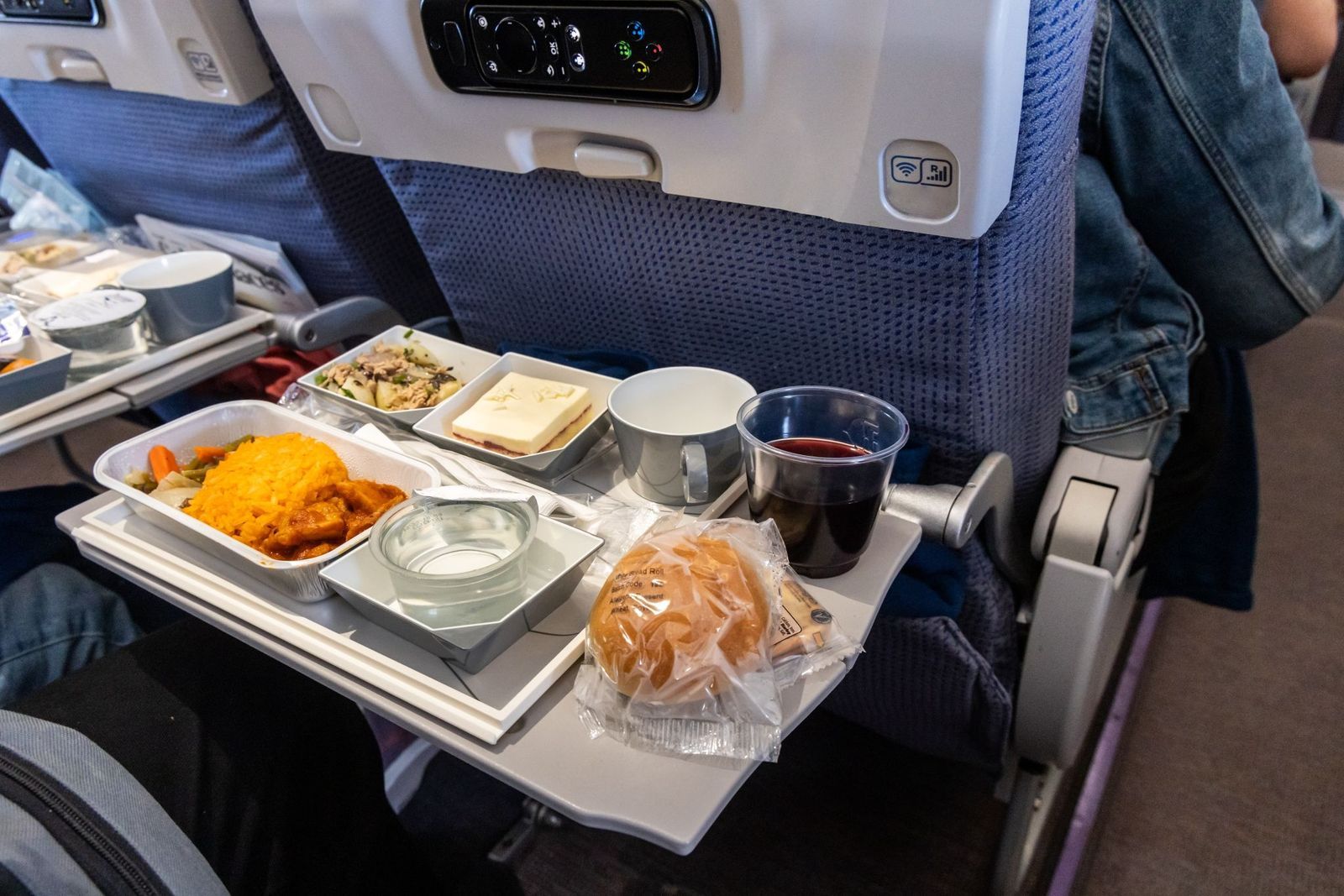
Does airplane food always taste a little… different to you? It’s not your imagination. There’s actually a scientific reason for that.
The blander taste has less to do with the food itself than with the conditions inside the aircraft. Cabin humidity is often below 20%, which dries out your nose and mouth and makes it harder to detect aromas. Since your sense of smell plays a major role in how you experience flavor, that can make food seem less flavorful. Then, the lower cabin pressure can also slightly reduce your sensitivity to sweet and salty flavors. And finally, there’s something you might never suspect: the noise. The constant roar of the engines can affect how your brain processes flavor. Studies have found that loud background noise can make sweet and savory flavors seem weaker while making some other flavors more noticeable.
Drive-in movies were invented for this surprisingly personal reason
Behind the wheel
Cruise control was invented by a blind man: 10 car stories you never knew
Did you know cruise control was invented by a man who couldn't see? Or that cars weren’t required to come with seatbelts until 1968? Cars are such a big part of everyday life that we rarely stop to ask how certain features came to be. Some answers are surprising, like the carmaker that handed its best safety design to its rivals for free. Here are the stories behind some of the things we now take for granted on the road.
The blind engineer behind cruise control
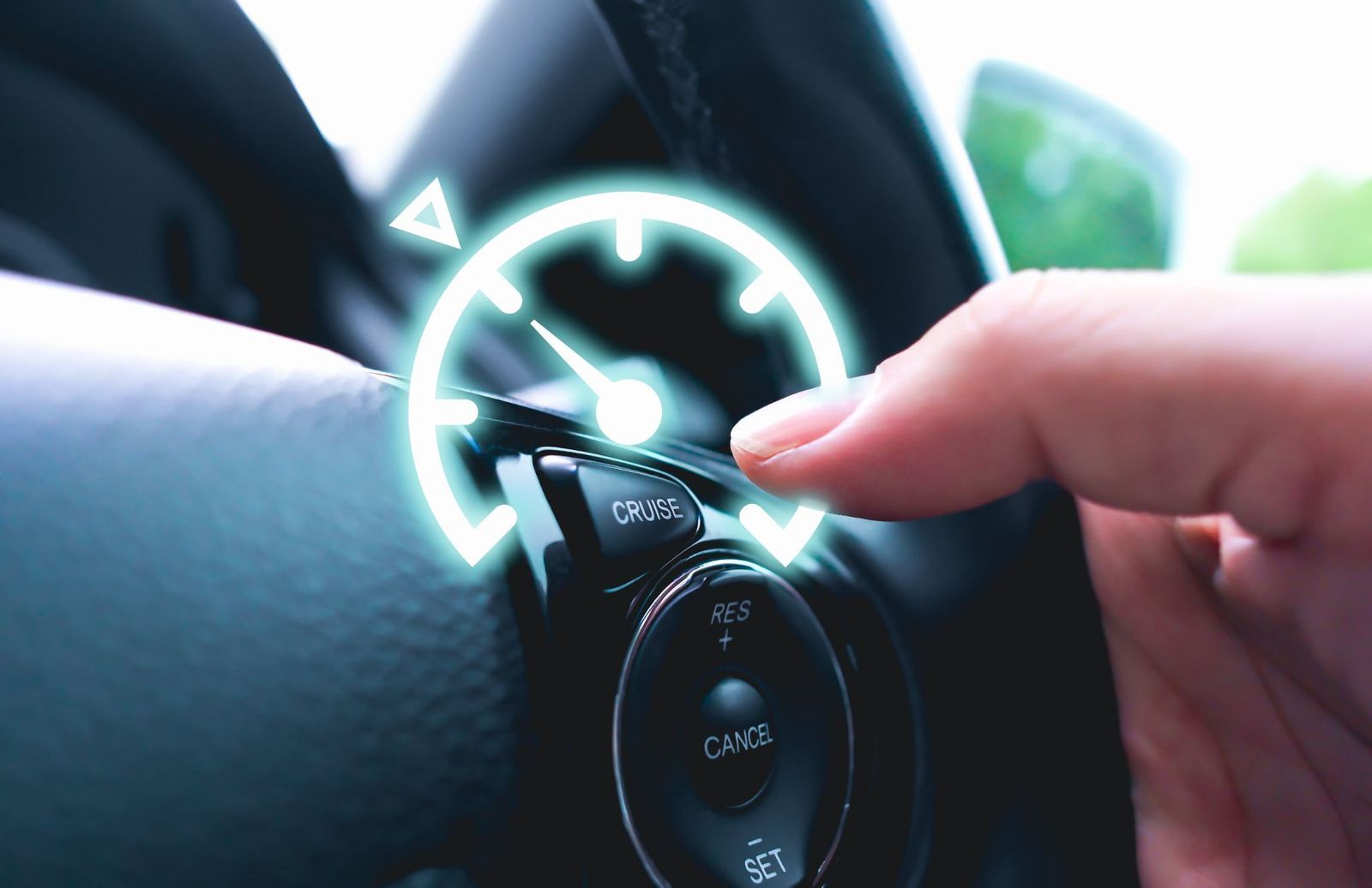
When Ralph Teetor was about six years old, he hurt his eyes in a knife accident and lost his sight. But this accident didn’t stop his ingenuity. At 12, he made a car using an engine from his father's machine shop. And in 1912, he graduated in mechanical engineering from the University of Pennsylvania.
Around 1936, he was a passenger riding with his patent lawyer, Harry Lindsey, who had the habit of slowing down when talking and speeding up when listening. Those rough movements annoyed Teetor enough that he decided to fix the problem. After 10 years, he created what’s now known as cruise control. He got the patent in 1950. In 1958, Chrysler put it in its Imperial, New Yorker, and Windsor models, with the name "Auto-Pilot." Cadillac later named it "Cruise Control," and that one stuck.
Why seatbelts weren't required until 1968
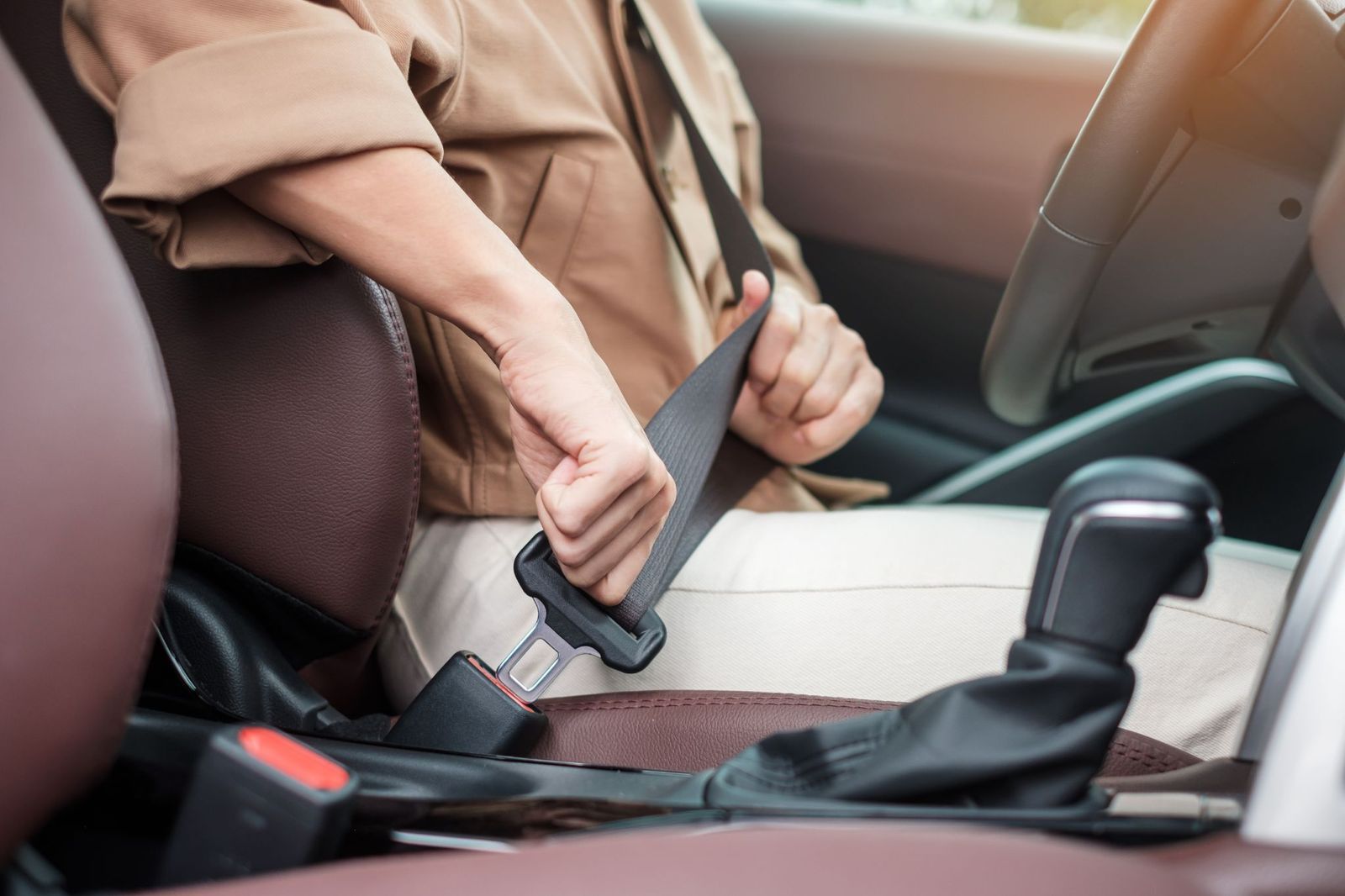
Seatbelts weren't very popular at first. Some car companies, such as Nash and Ford, offered them in their 1956 "Lifeguard" safety package, but only about one in five buyers ordered them.
Everything changed when President Lyndon B. Johnson signed the National Traffic and Motor Vehicle Safety Act in 1966. Under this law (starting on January 1, 1968), every new car had to have seatbelts, including lap-and-shoulder belts in the front seats next to the doors.
However, having seatbelts in the car didn't mean people wore them. That came later, in the 1980s. Because too many people were still dying in car accidents, New York stepped up and became the first state to make buckling up the law. It worked: more people started wearing their belts, and other states and countries soon followed.
Why Volvo gave away its seatbelt design for free
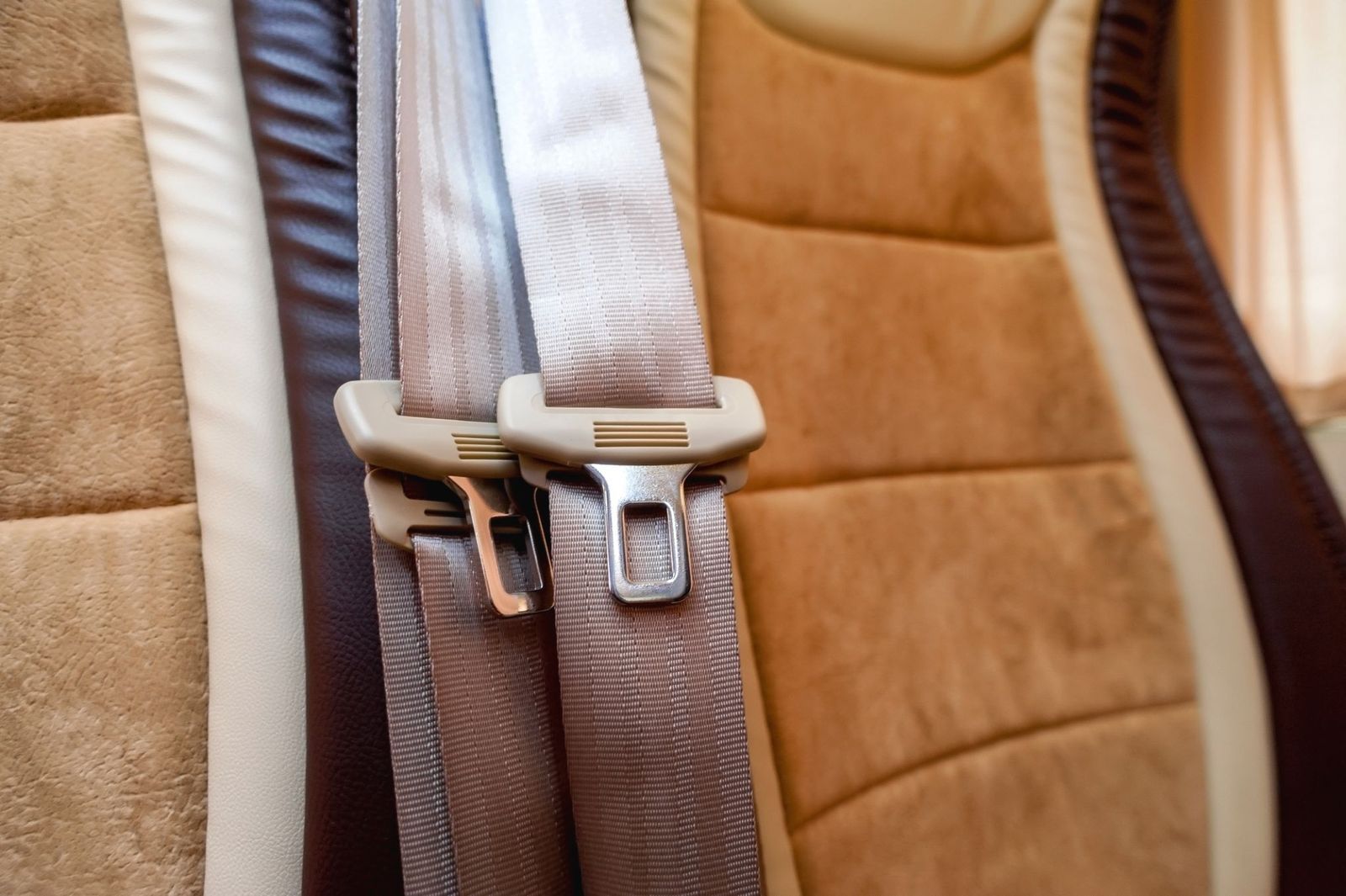
Did you know that the car seatbelts we use every day first appeared in 1959? They were designed by Swedish engineer Nils Bohlin, who, before cars, designed ejection seats for airplanes. In 1958, he joined the Swedish carmaker Volvo and created the three-point belt. It combined a lap belt and a shoulder belt, joined at one low point beside the seat, so it held both the upper and lower body in place during a crash. It was also simple enough to buckle with one hand.
The design was patented; still, Volvo made a surprising choice: it let other car companies use it for free, because it believed safety mattered more than profit. The company now estimates the three-point belt has saved at least one million lives worldwide.
How the first drive-in movie theater started in 1933
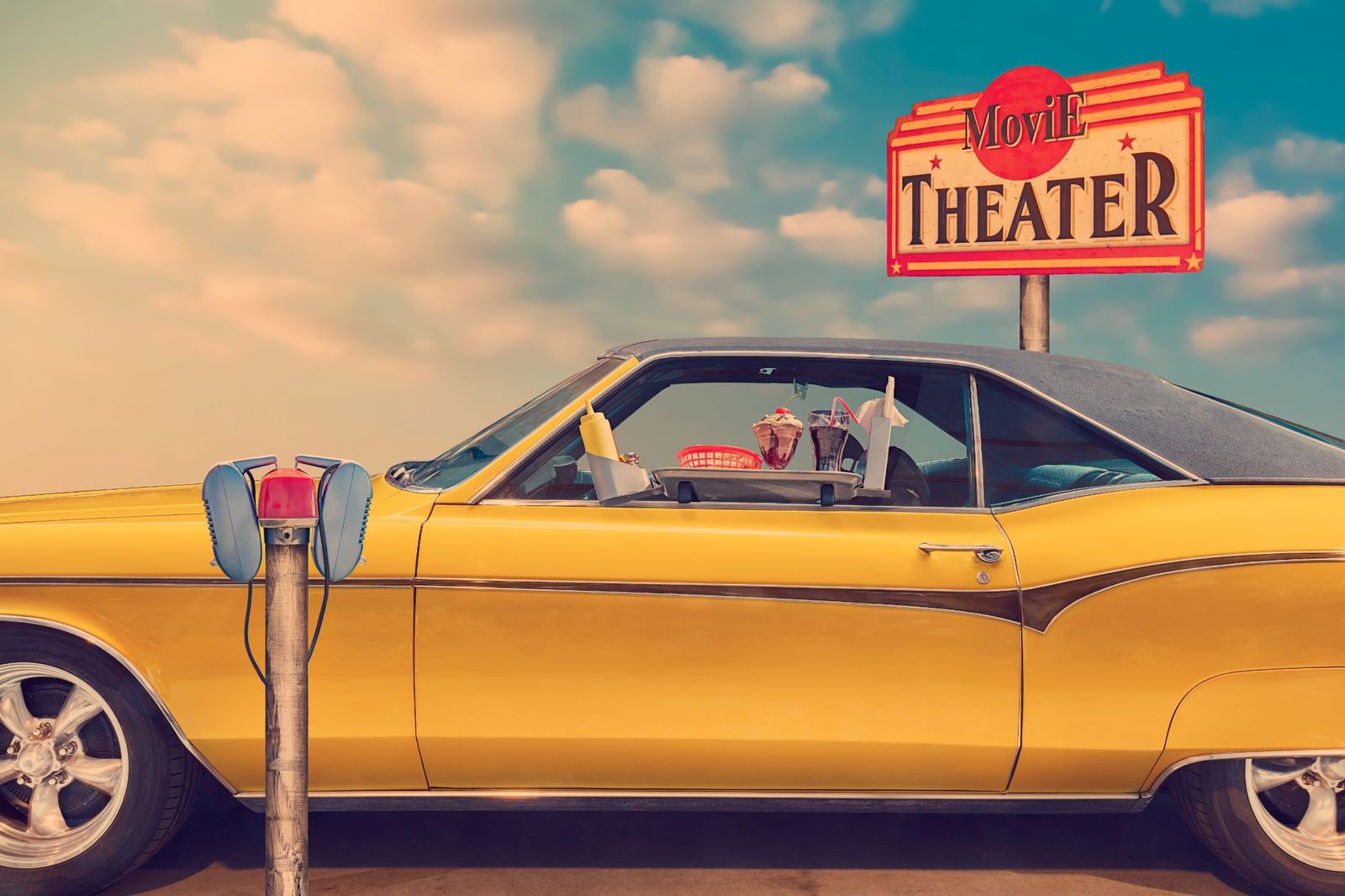
Richard Hollingshead came up with the idea for the first drive-in movie theater because his mother, who was overweight, had trouble fitting into regular theater seats. He was a sales manager at his family's auto parts company in Camden, New Jersey, and he started testing the idea in his driveway. He set a 1928 Kodak projector on the hood of his car, nailed a sheet to some trees for a screen, and put a radio behind it for sound. He even turned on his lawn sprinkler to see how a movie would look in the rain.
Once he had it all figured out, he patented his design in May 1933. A few weeks later, he opened the Park-In Theater in nearby Pennsauken. It cost about $30,000 to build it, and tickets cost 25 cents per car and 25 cents per person. The sound came from large speakers near the screen. Families loved it, and by the late 1950s there were about 4,000 drive-ins across the country.
Why 1950s cars had tailfins
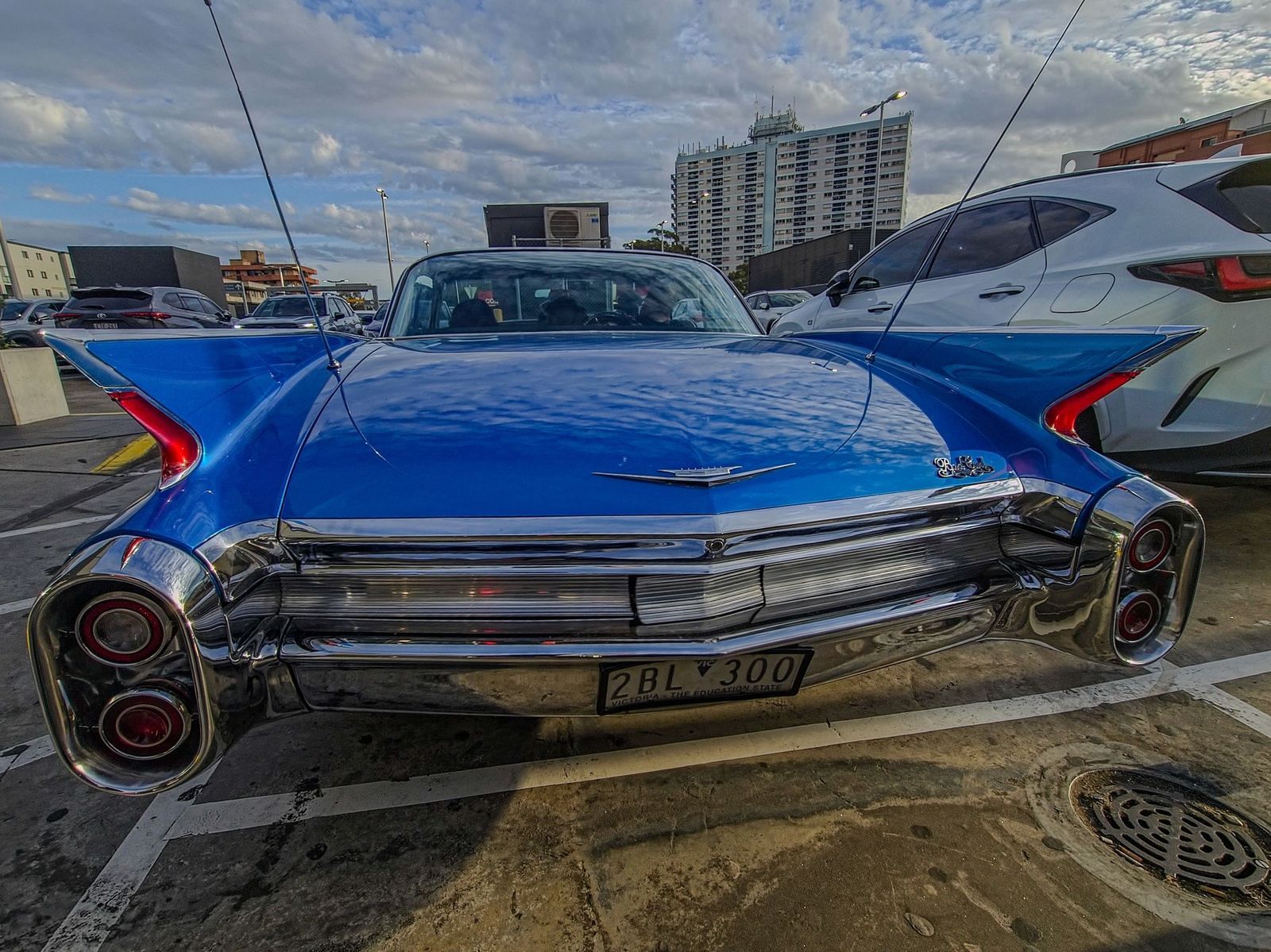
The 1950s were a decade when aviation and space travel were all the rage, so car manufacturers didn't miss the chance to jump on that trend. How? They added tailfins as a decorative feature at the back of their cars. Some companies claimed the fins were aerodynamic and helped keep cars steady on the road, but they were really just for looks.
Cadillac, operated by General Motors, became the most iconic car with this feature. Its sweeping fins stood for speed, futuristic rocket ships, and postwar American prosperity. Soon Chrysler and Ford joined in, and the three companies started a styling "arms race," adding bigger and bigger fins to stand out in the market. Critics later pointed out that the sharp fins could be dangerous for pedestrians and cyclists
Why the steering wheel is on the left in America
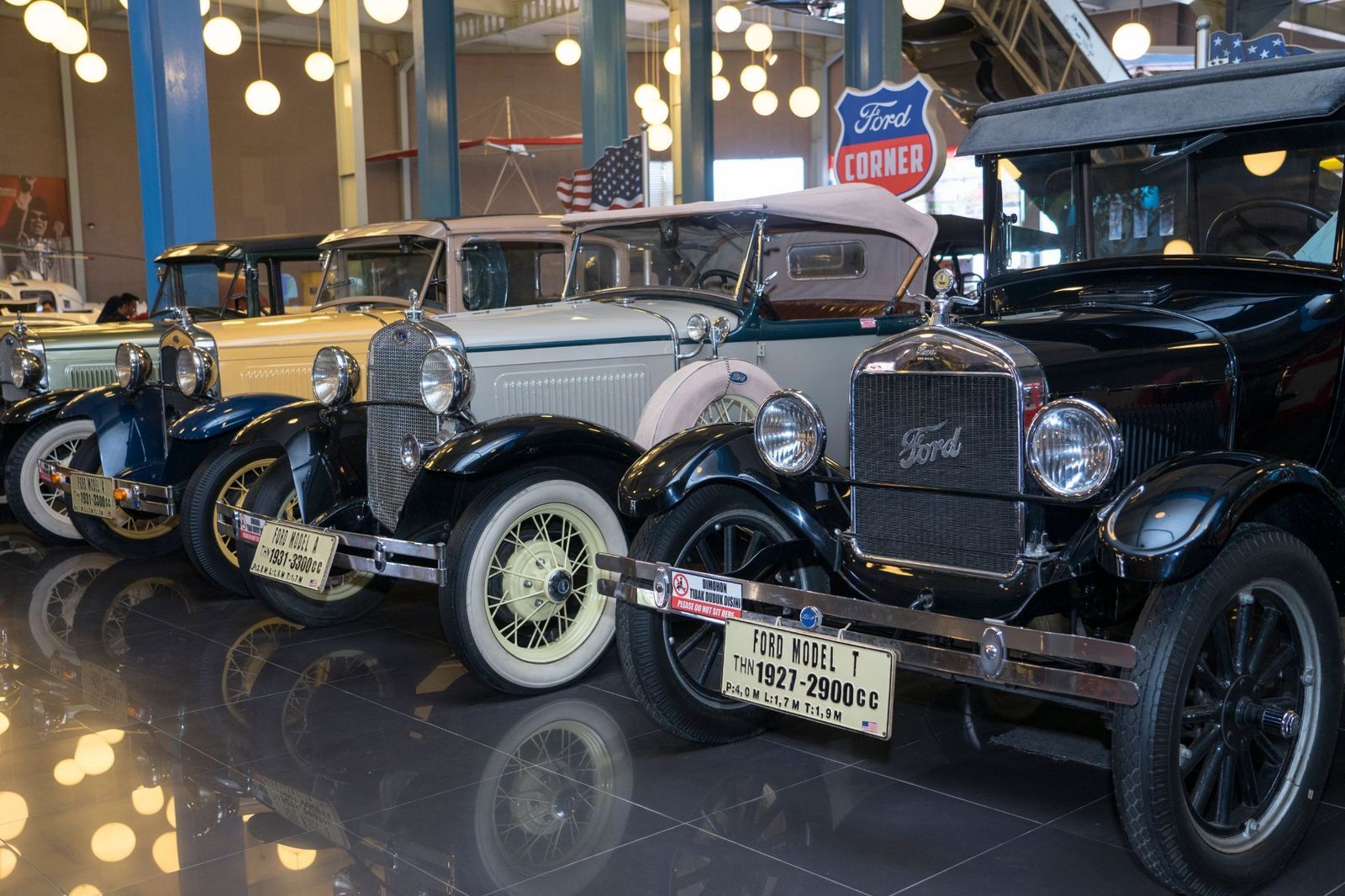
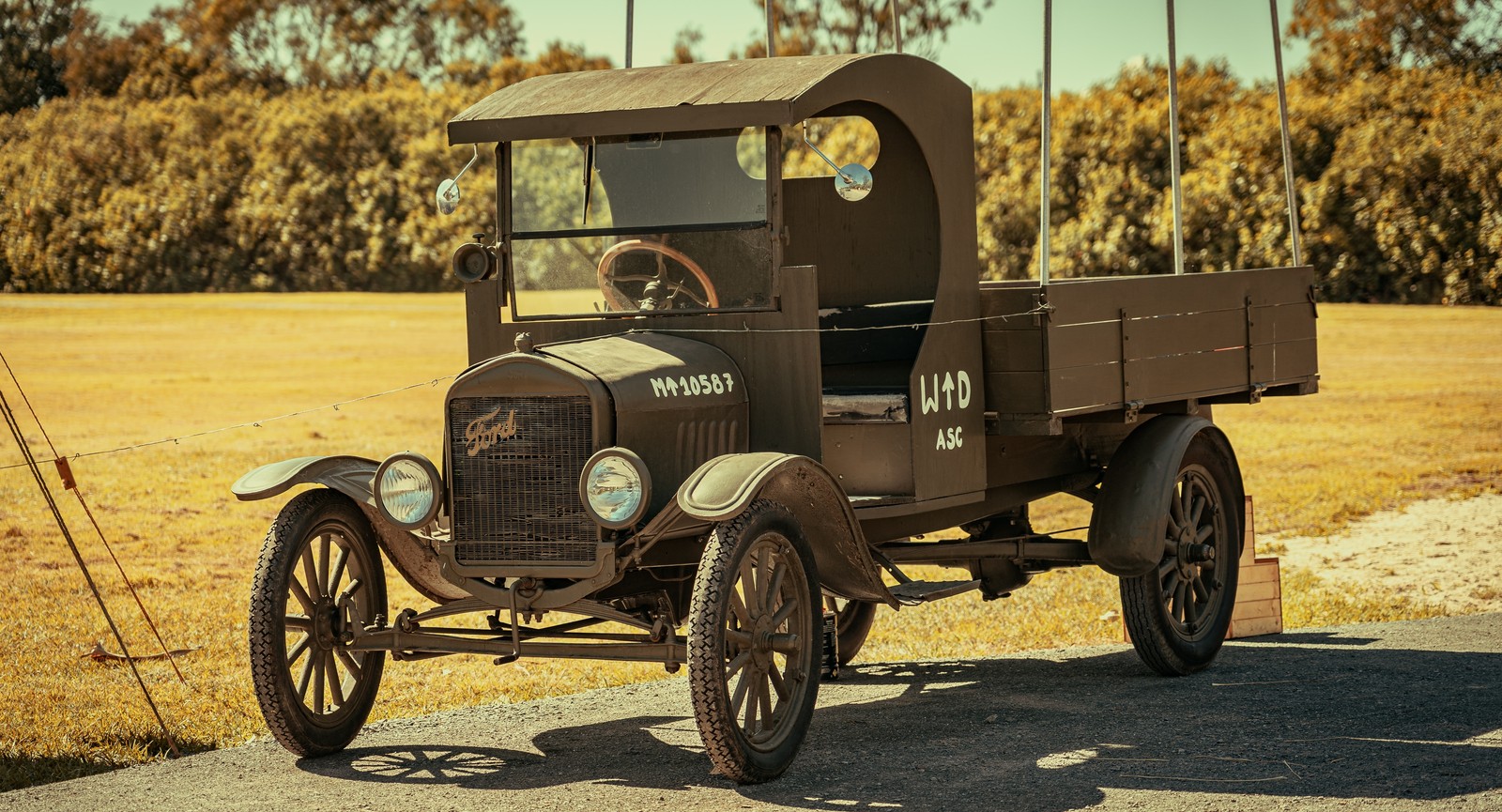
In the United Kingdom, the steering wheel is on the right. In American cars, it's on the left, and the reason is none other than Ford's Model T. Before Henry Ford launched it in 1908, many cars had the steering wheel on the right, even though Americans already drove on the right side of the road.
With the Model T's wheel on the left, the driver could see oncoming traffic better, and passengers could step out onto the sidewalk instead of into the street. It was the same idea drivers of the old Conestoga wagons had followed long before: they sat on the left to get a better view of the road.
How Motorola got its name from the car radio
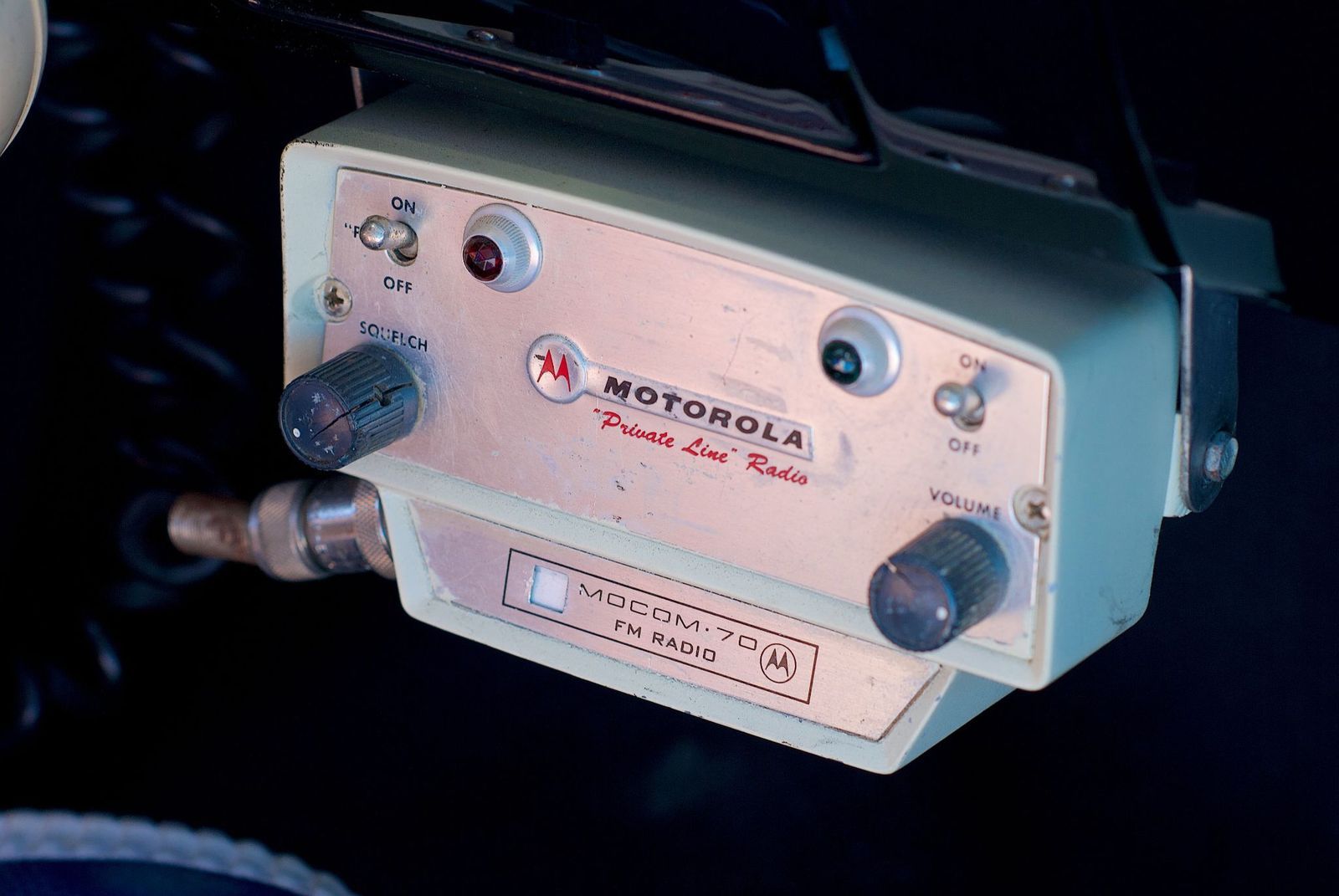
Many of us know Motorola as the company behind the first handheld cell phone, but it first made an impact decades earlier. In the 1930s, radios and cars were both booming, but it wasn’t until brothers Paul and Joseph Galvin stepped in that the two shared the same space. The Galvins ran the Galvin Manufacturing Corporation in Chicago; they made "battery eliminators" that let battery-powered radios run on household electricity. That was their job until their objective changed: to build affordable, sturdy radios for cars.
What would they call it? They took "motor" from motorcar and added "ola," borrowed from popular phonograph brands like Victrola. The result was Motorola, meaning "sound in motion." The radio was such a hit that in 1947 the company officially became Motorola, Inc.
The woman who invented the windshield wiper
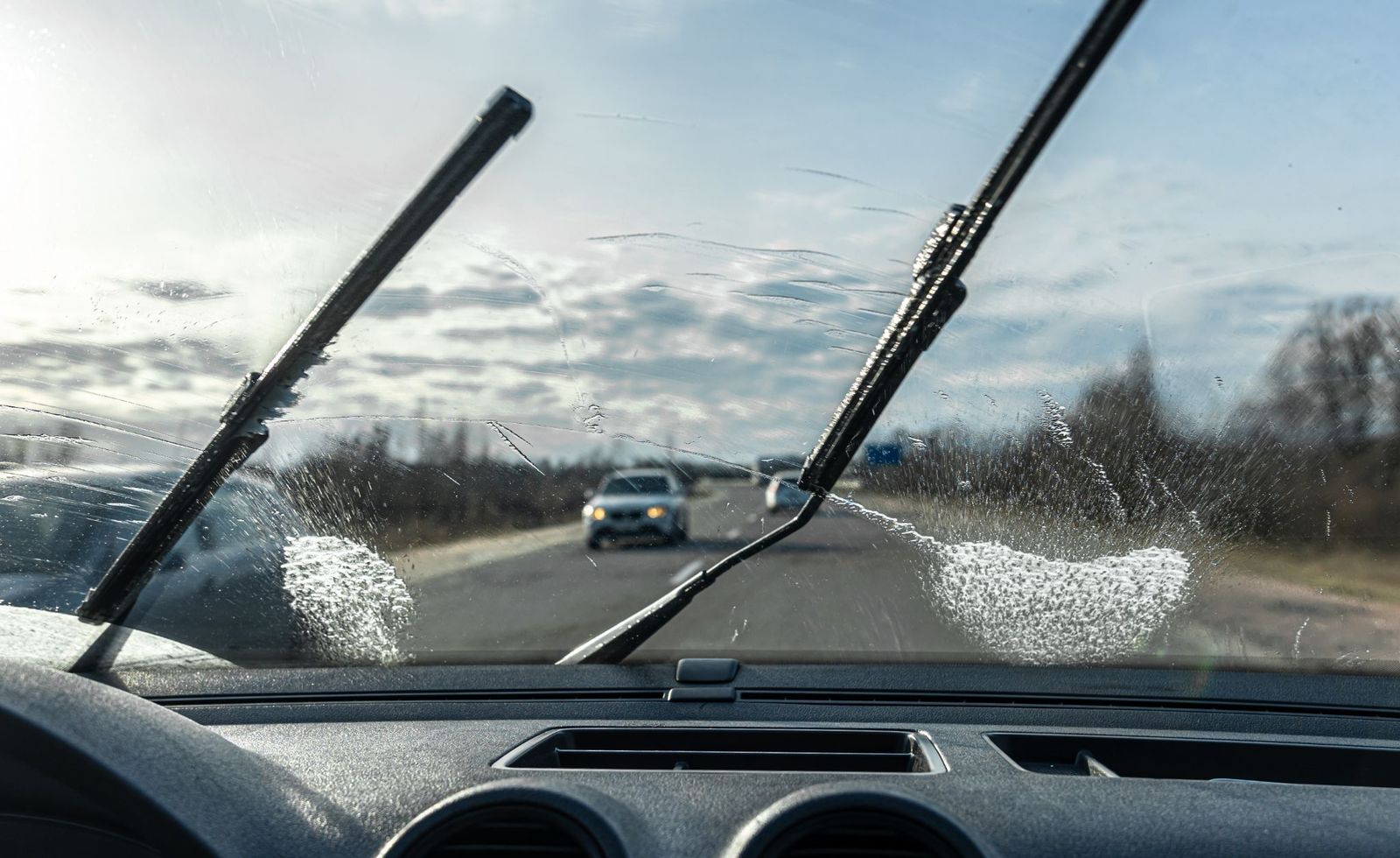
Mary Anderson was a real estate developer from Birmingham, Alabama. In the winter of 1902, she was riding a streetcar in New York City and noticed that the driver kept opening the window and stopping the car to clear snow and sleet off the glass. That gave her an idea, and she invented a simple device that worked with a lever inside the streetcar. When the driver moved the lever, a rubber blade swept across the windshield. A counterweight held the blade against the glass, and the whole thing could be taken off in better weather.
In 1903, she received a patent for her "window cleaning device for electric cars and other vehicles." But it expired in 1920, and she never made any money from it. Just two years later, Cadillac became the first carmaker to include windshield wipers as standard equipment, and soon they were part of every car. Anderson died in 1953 and was posthumously inducted into the National Inventors Hall of Fame in 2011.
The little arrow that tells you where your gas tank is
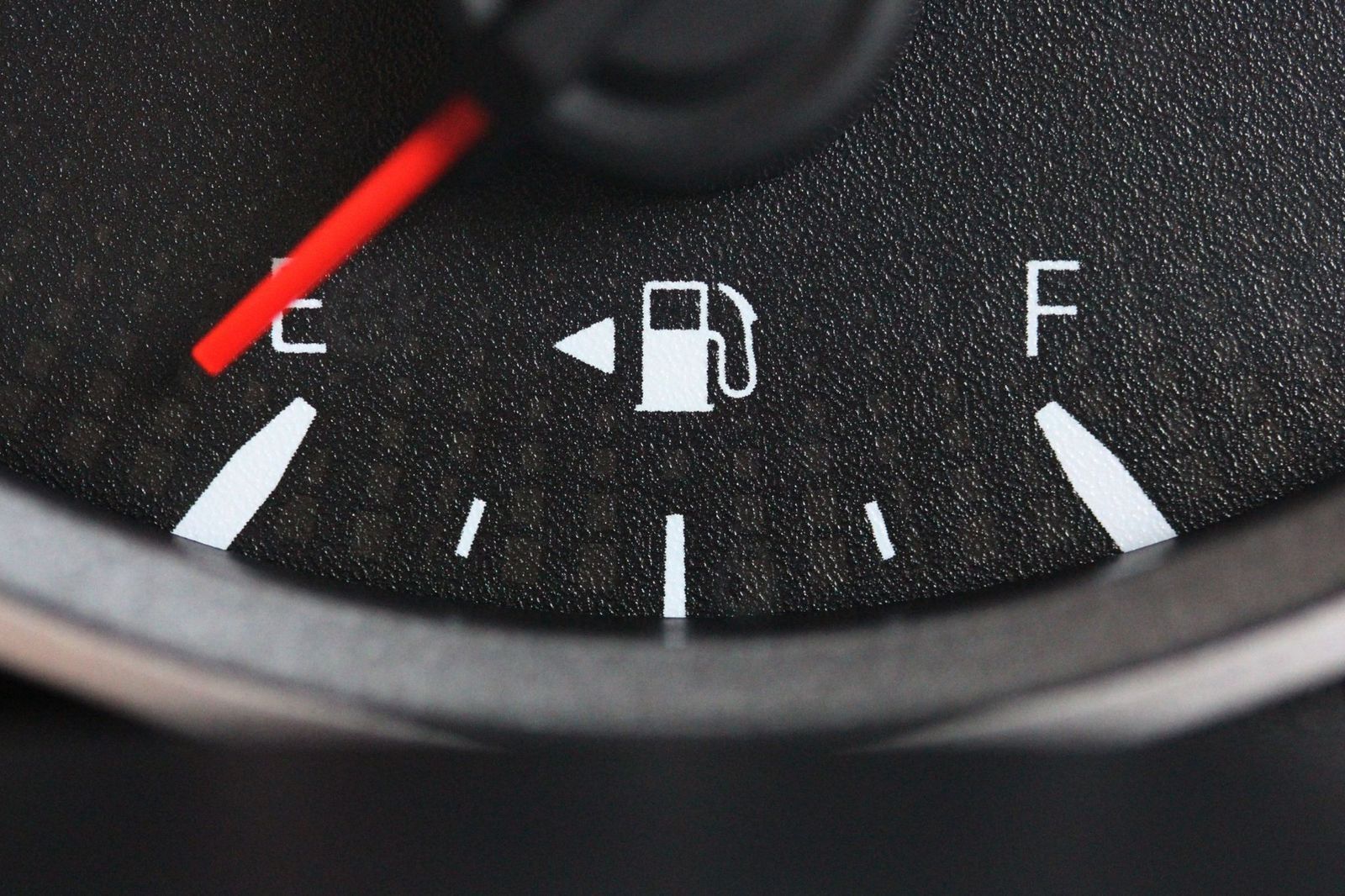
The Moylan Arrow is the small dashboard arrow that shows which side your gas tank is on. It's named after Jim Moylan, a Ford designer who, one rainy day in 1986, pulled into a gas station in a company car. He didn't know which side the tank was on, and he guessed wrong.
He had to get back in, move the car, and step out again into the rain. By the time the tank was full, he was dripping wet. Back at the office, he wrote down his idea: put a small arrow next to the fuel gauge, pointing to the gas door. Ford liked it, and in 1989 the arrow showed up on the Ford Escort and Mercury Tracer. Today, almost every carmaker uses it.
What really causes that "new car smell"
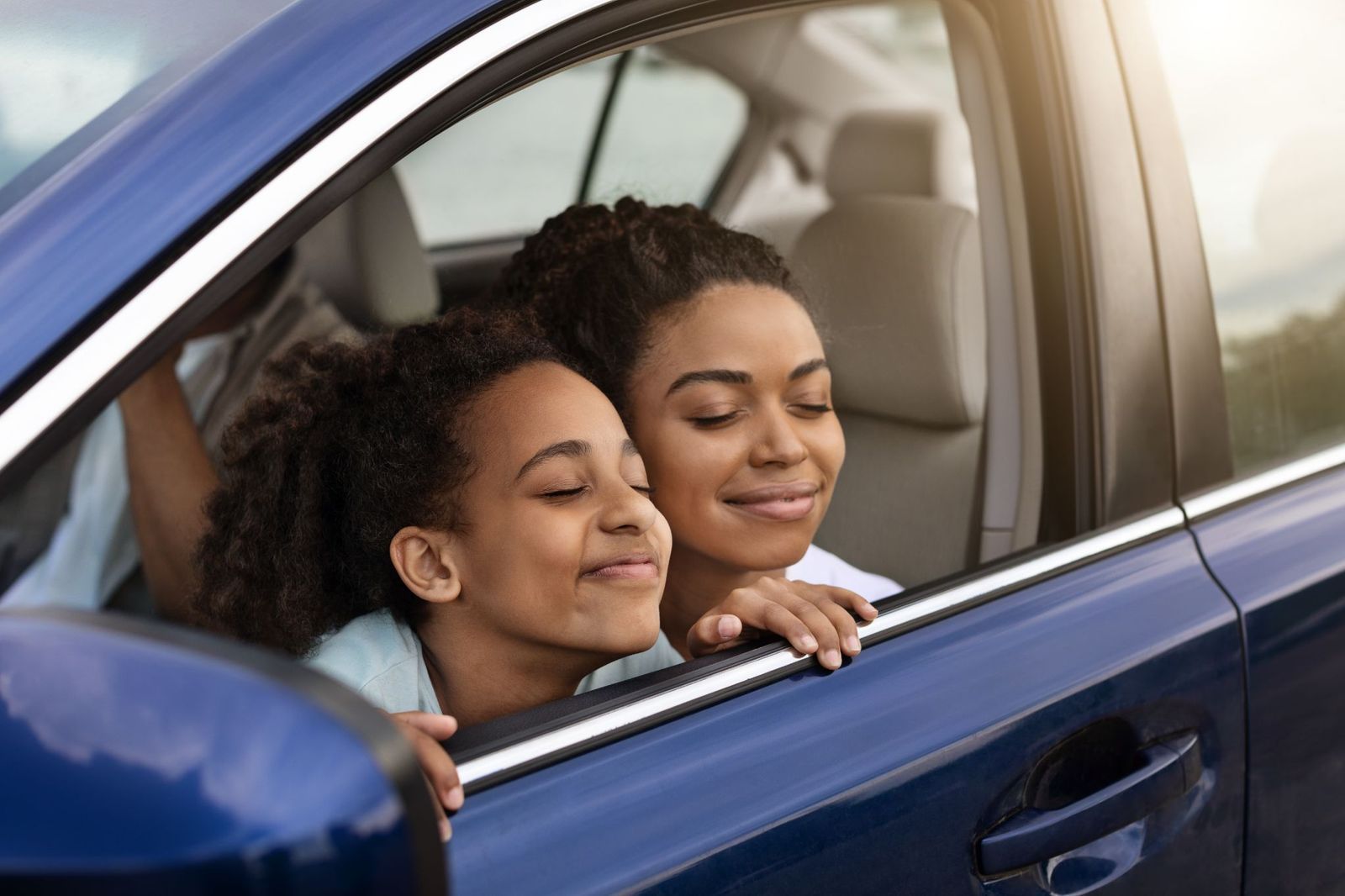
What’s behind that iconic "new car smell" beloved by many? The scent comes from chemicals, volatile organic compounds, released into the air as the new materials inside the car slowly dry out: the plastic and vinyl on the dashboard, the glue and sealants that hold everything together, the carpet, the foam in the seats, and the treatments used on leather. The smell fades in the first few weeks, but hot weather makes it stronger for a while.
Grocery shopping in disguise: Air Force One's oddest secret job
Presidential protocols
What happens to your plane when Air Force One is nearby?
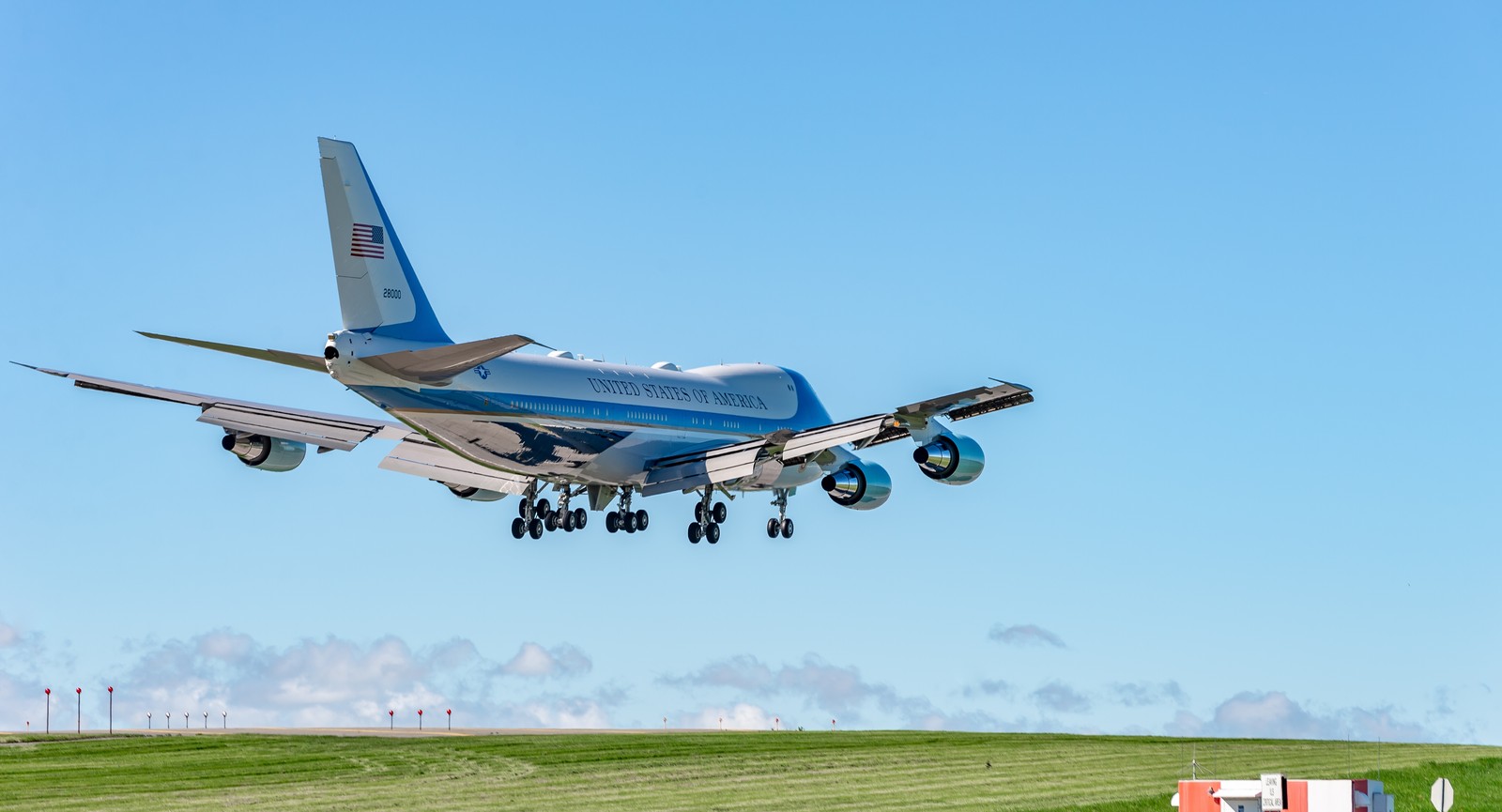
Air Force One has more secrets than its famous blue-and-white paint job suggests. The president's helicopter may arrive with identical decoys, while cargo planes can quietly reach the destination days early. Even the groceries and medical supplies aboard the presidential jet are handled differently. Then there are the rules most folks never notice, from which side the plane parks to how much airspace can suddenly be restricted. Here are 10 presidential aviation protocols worth knowing about.
Airspace sterilization
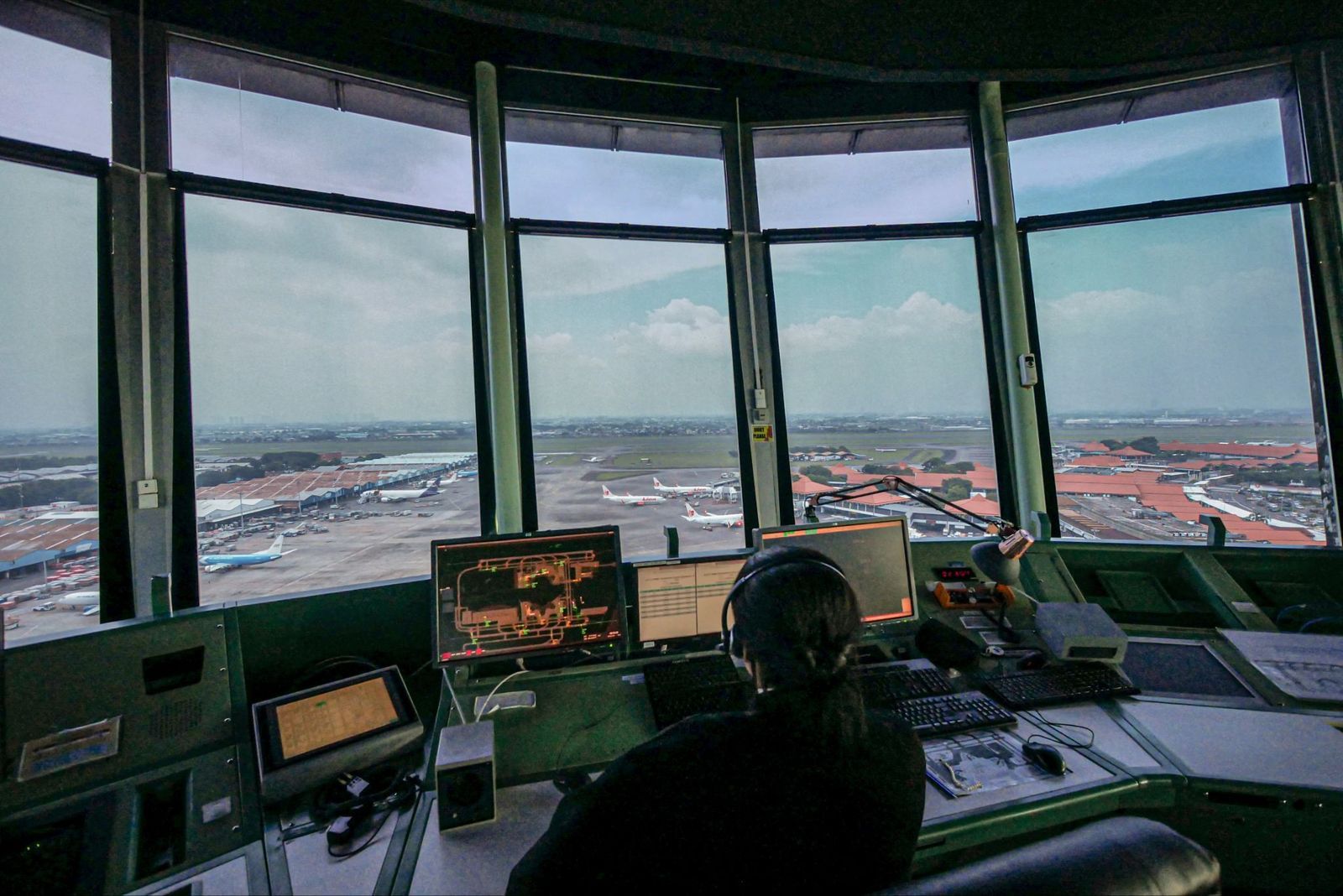
A presidential visit can affect travelers who never see the president and never come close to the motorcade.
The FAA can establish a Temporary Flight Restriction, or TFR, around areas the president will visit or travel through. The size and exact rules depend on the operation, but presidential restrictions can extend for many nautical miles and limit general aviation activity. Air traffic may also be rerouted, and airports inside or near the restricted area can face delays or ground stops. The purpose is straightforward: reduce the number of unpredictable aircraft near the president’s route. For pilots, the restriction appears through FAA notices. For passengers, the result can be familiar: a perfectly ordinary flight suddenly sitting on the ground while the president is somewhere nearby.
"Air Force One" is a call sign, not an aircraft
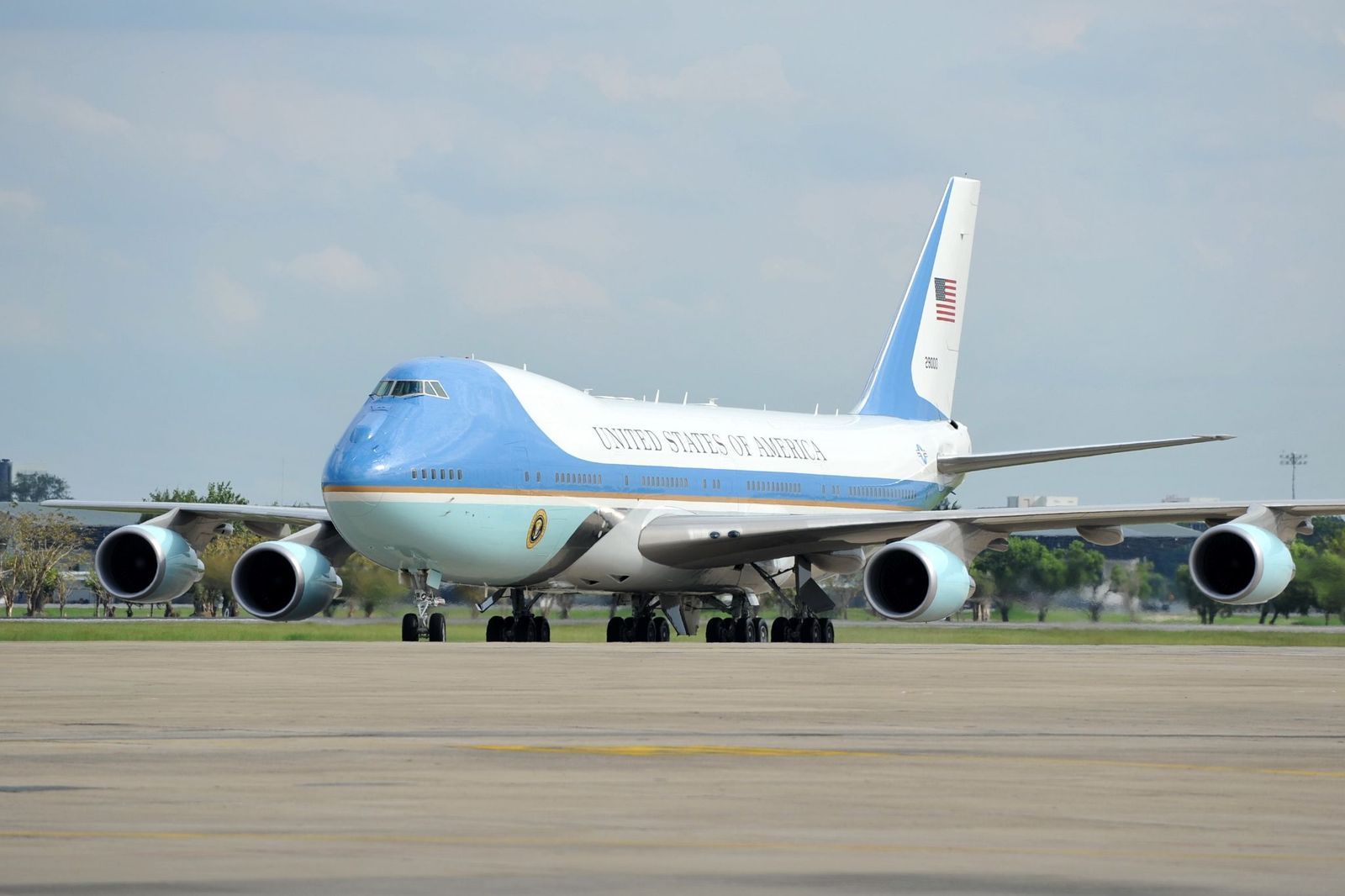
The name sounds as if it belongs to one enormous blue-and-white jet, but Air Force One is actually a radio call sign. Whenever the president is aboard any U.S. Air Force aircraft, air traffic controllers use "Air Force One," whether the aircraft is the familiar VC-25A or something smaller.
The distinction dates to 1953, when President Dwight D. Eisenhower’s presidential aircraft, then identified as Air Force 8610 in historical accounts, was confused with an Eastern Airlines flight using the same designation (Eastern 8610). The near-miss exposed the danger of similar call signs, leading to the distinctive presidential designation. So the famous jet is not technically Air Force One until the president boards.
The "Port-Side Only" parking protocol
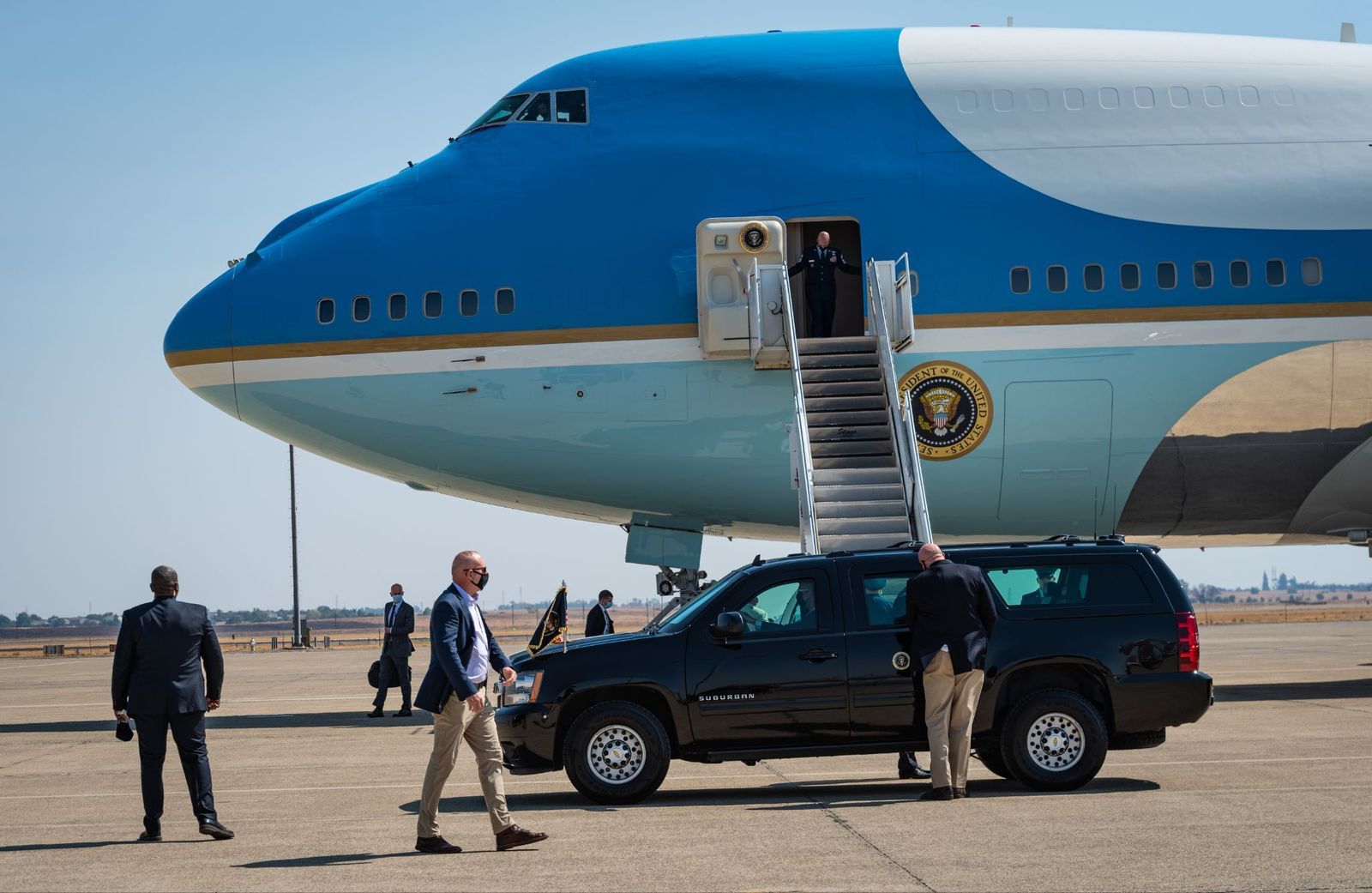
At a normal airport, parking an airliner is mostly a matter of convenience, but presidential arrivals are choreographed down to which side faces the audience.
The VC-25 is positioned so its left, or port, side faces the crowd, press area, or nearby building when practical. That side is where the presidential entrance is arranged, allowing the president to step out toward the controlled reception area rather than toward an open runway. More importantly, the president's private executive suite and quarters sit on the right (starboard) side near the nose; parking port-side to the crowd keeps those private quarters angled away from public sight. Anyone who has watched a president descend those stairs at a rally or state visit has seen the result without realizing there is a plan behind it. Even the familiar wave from the doorway begins with where the airplane is parked.
The Marine One shell game
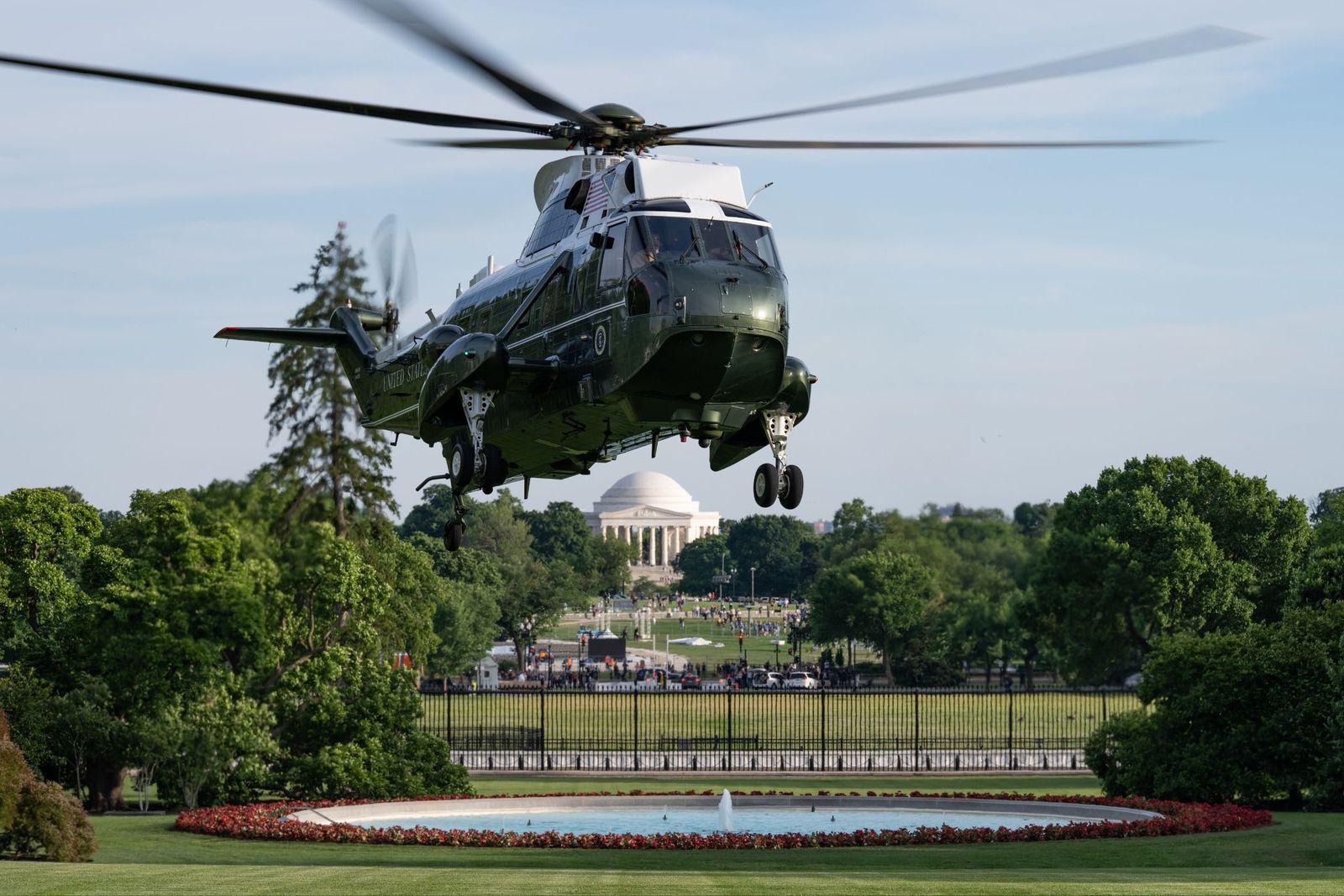
The next time several identical helicopters appear over a presidential event, there’s a good reason they look like copies.
Marine One is the call sign used by a Marine Corps aircraft carrying the president, and the aircraft normally operates within a formation of matching helicopters, typically between three and five. One carries the president while the others can serve as decoys, making it difficult for an observer on the ground to know which machine is the real one. The formation can shift during flight, adding another layer of uncertainty. The practice became a familiar part of presidential helicopter travel during the modern security era. It also explains why a televised arrival can look oddly theatrical: several helicopters may approach together, even though only one is carrying the president.
The "Pentagon" or "Doomsday" shadow plane
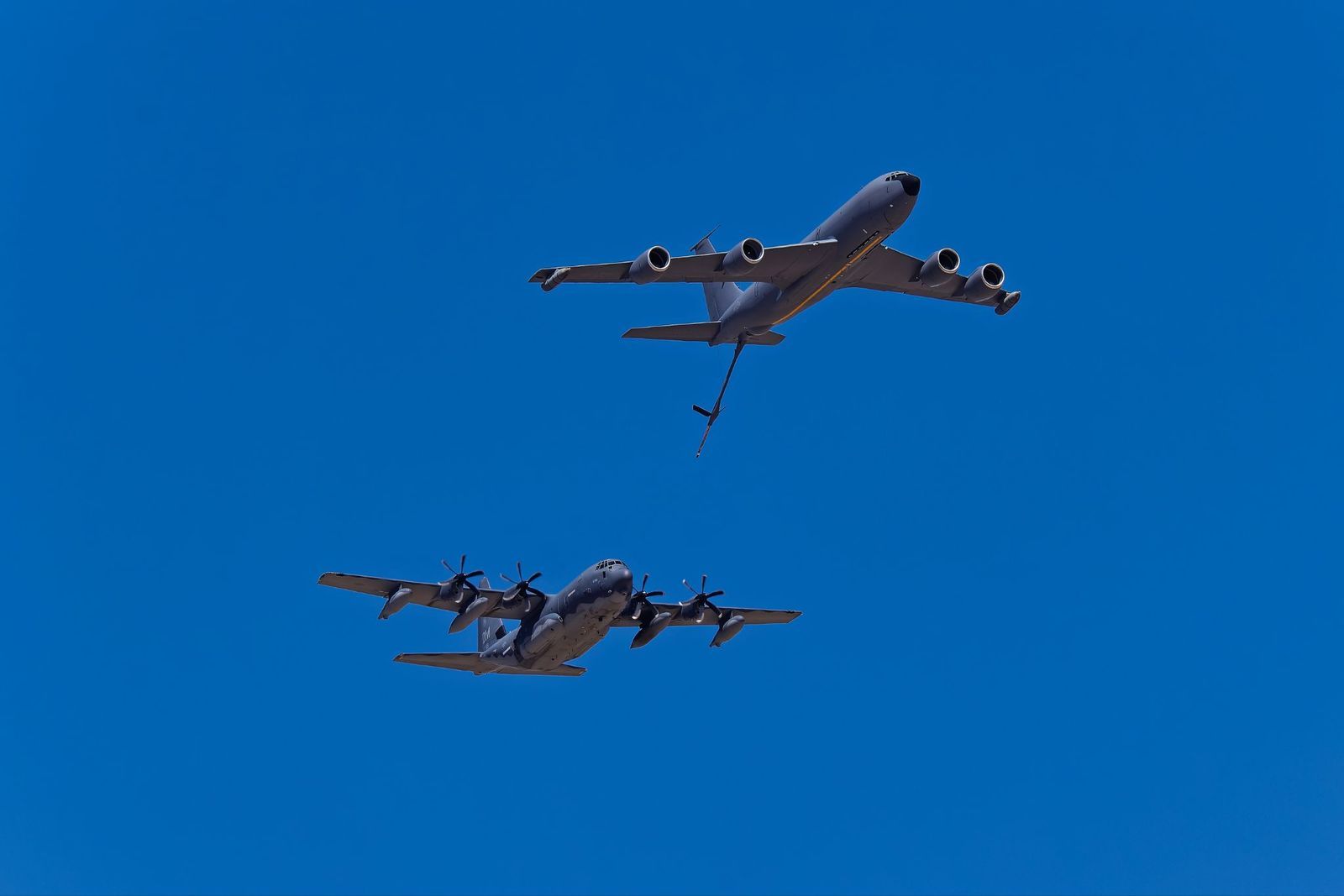
Air Force One may be built for security, but another Boeing 747 was designed for something far more grim.
During the Cold War in the 1970s, the U.S. military built four Boeing E-4 aircraft (National Airborne Operations Center) to serve as command posts if a nuclear attack ever knocked out communication and command centers on the ground. The plane soon picked up ominous nicknames, including the "Flying Pentagon" and "Doomsday Plane," and it frequently shadows the president on international travel. Many details remain classified, but the aircraft is believed to have radiation-resistant windows, thermal and nuclear shielding, and systems designed to withstand severe attacks. It also reportedly carries dozens of satellite communications antennas, allowing leaders to stay connected with military forces around the world if the worst happens.
Zero reliance on airport equipment
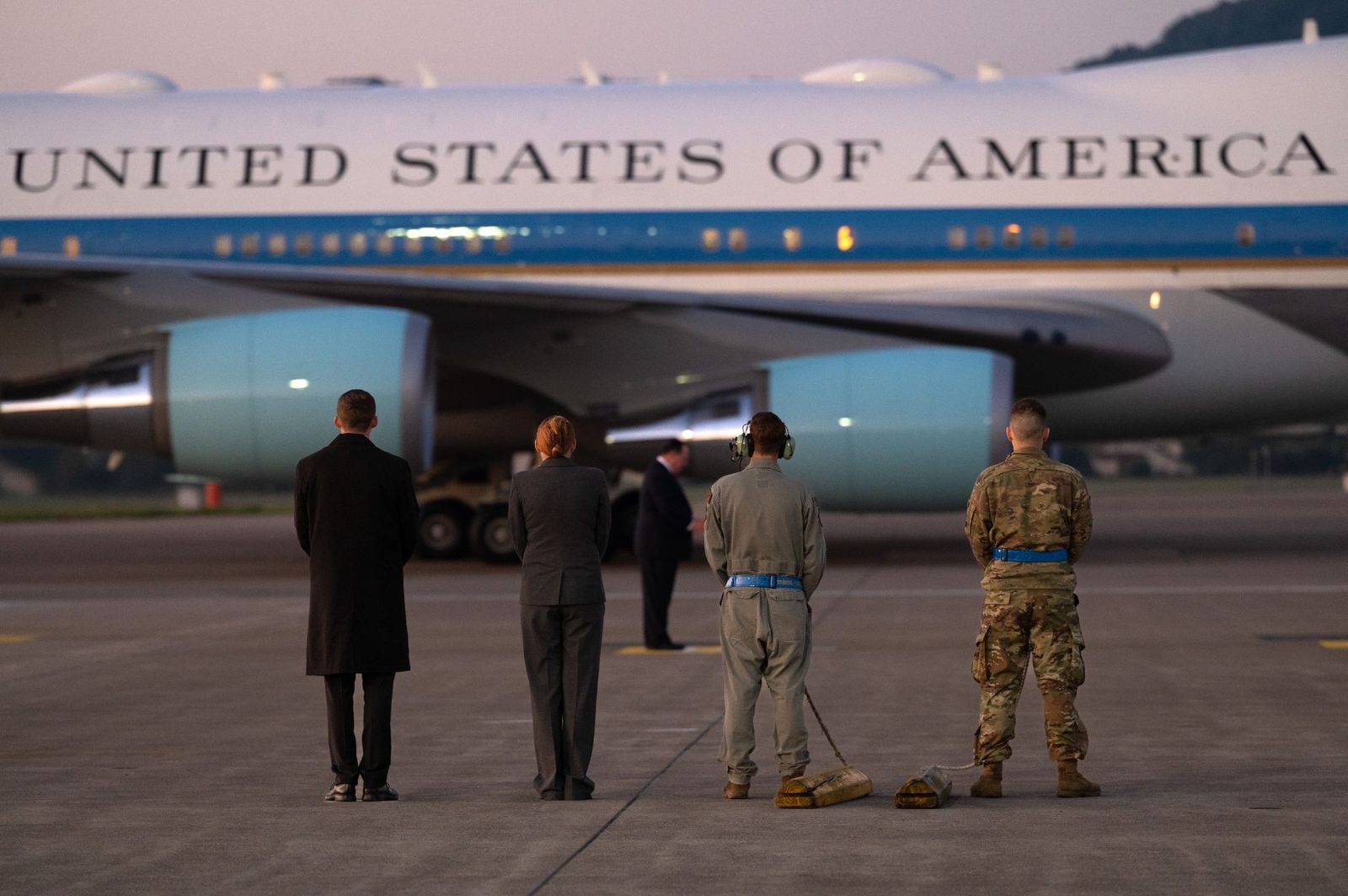
Commercial travelers know the routine: the jet pulls in, a staircase or passenger bridge appears, then baggage crews bring out the belt loader. The presidential VC-25A is designed to avoid depending on that chain of airport equipment.
It has its own built-in, retractable forward and aft airstairs and an internal, self-contained baggage loader. This allows crews to handle boarding and cargo without waiting for standard ground machinery, preventing tampering risks at unfamiliar airfields and ensuring the plane can depart immediately in an emergency. The result is an aircraft that arrives with much of what it needs already built in, useful when schedules and security leave little room for delays.
Undercover grocery shopping

A trip to the supermarket sounds worlds away from presidential security, yet food has long been handled with unusual care.
Former Air Force One chief steward Charles Palmer told the Los Angeles Times in 1987 that he sometimes provisioned the aircraft himself, wearing civilian clothes and pushing a cart through Giant or Safeway stores near Andrews Air Force Base, in order to keep the food supply under his personal watch. On foreign trips, he said the crew tried to remain self-sufficient but could restock perishables through U.S. facilities such as embassies or commissaries. The details have evolved, but the concern is easy to understand: food served to the president cannot be treated like any other food. Whatever measures are necessary to protect it from being tampered with have been, and still are, taken. The grocery cart may look mundane, but on presidential travel, even buying vegetables can become part of the security routine.
Onboard medical suite and blood storage
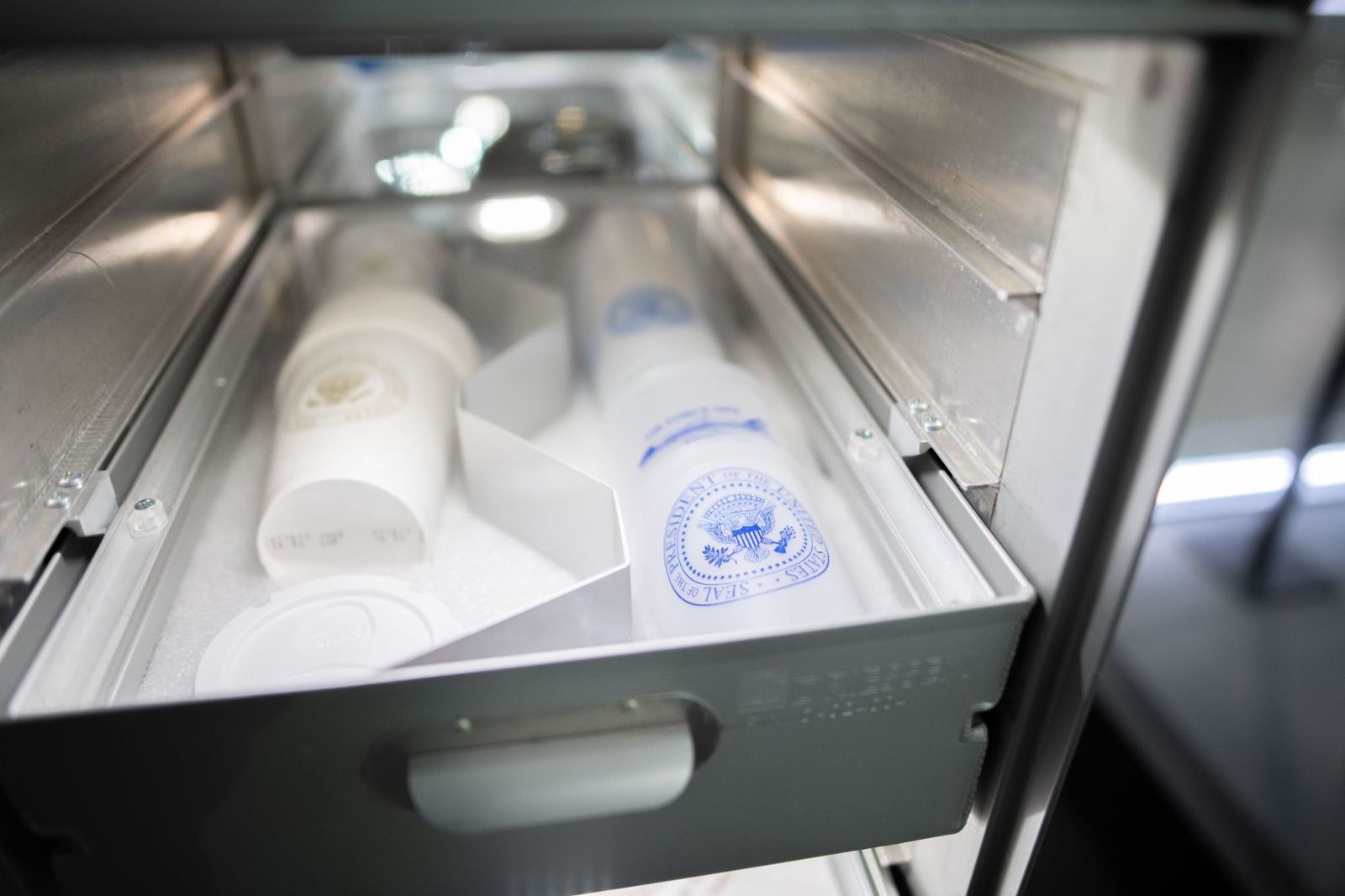
Even the healthiest traveler can have a medical emergency, and the president cannot simply wait for the next airport or hospital.
The VC-25A includes a compartment equipped with medical supplies, while a physician travels as part of the medical support team. Reports have also described a refrigerated reserve of the president’s blood type aboard the aircraft, particularly for longer overseas journeys. The arrangement reflects a practical problem of presidential travel: an ambulance cannot meet the aircraft in the middle of the Atlantic, and a hospital may be hours away after landing. Medical planning travels with the president, right down to supplies that could be needed in a crisis.
The invisible C-17 advance armada
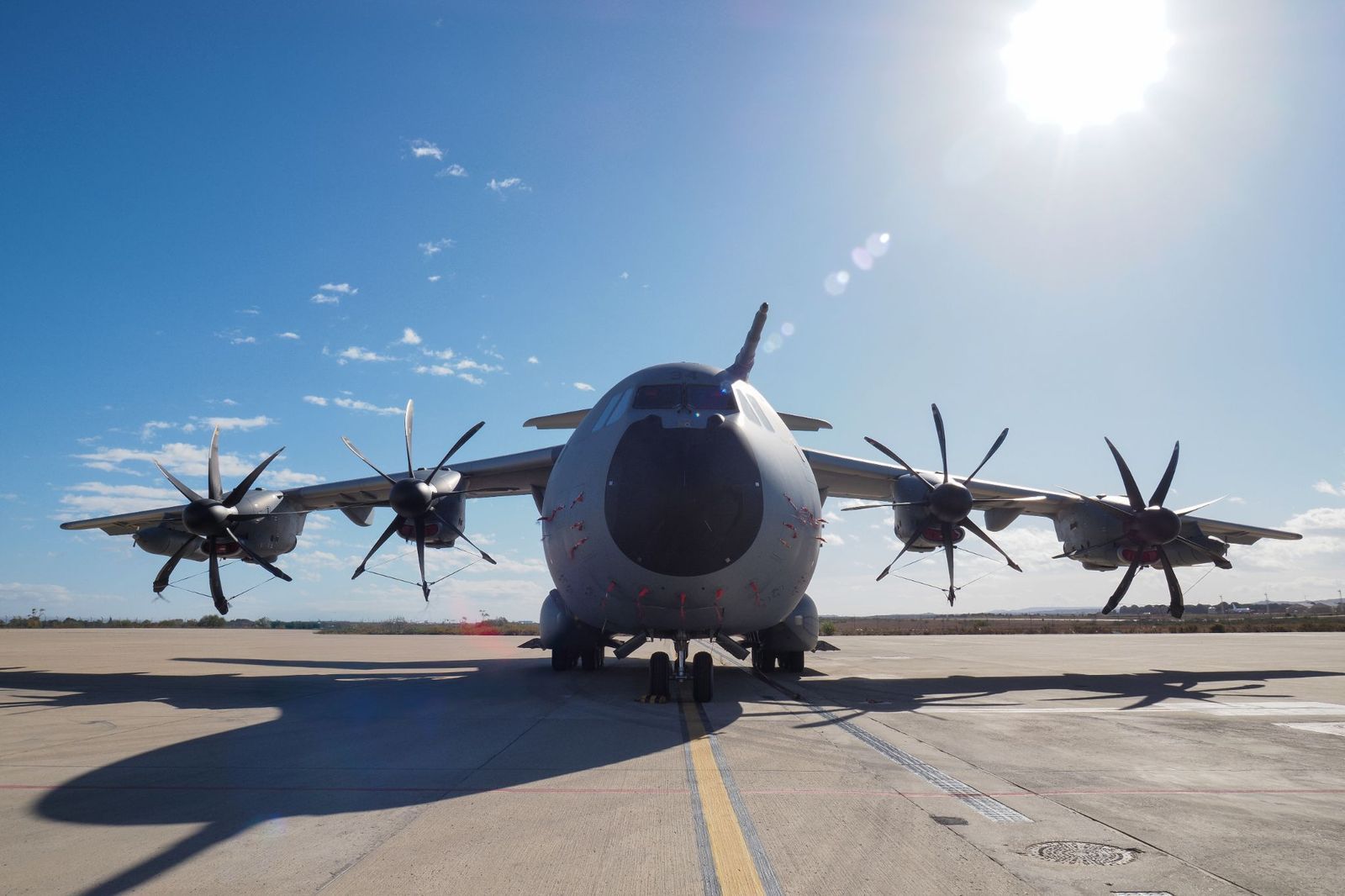
When a presidential trip begins, the blue-and-white aircraft is only the part most people notice.
The heavy lifting often happens beforehand, with military cargo aircraft such as the C-17 Globemaster III moving equipment to the destination.
Those loads can include the presidential limousine, helicopters, communications gear, vehicles, and other support equipment needed to recreate a secure operation far from Washington. A C-17 can carry cargo that would not fit into the presidential jet, and its global reach makes it ideal for this job. So while cameras wait for Air Force One, cargo crews may already have been preparing the runway.
Communication is protected aboard Air Force One
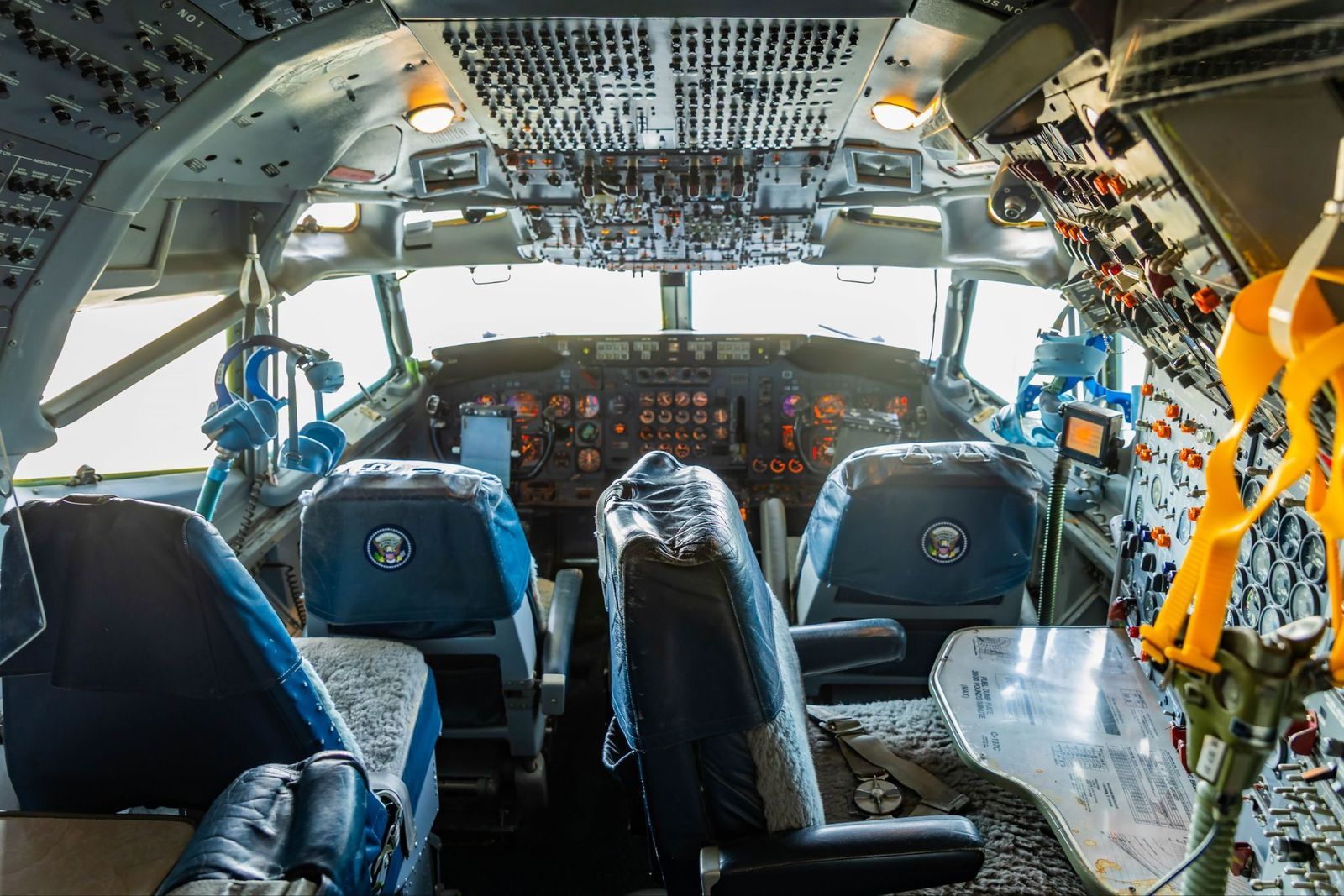
Air Force One is essentially a flying command center, with the communications equipment to keep the president connected during a crisis.
Alongside televisions, telephones, and other electronics, the aircraft carries highly secure systems designed to protect presidential communications. Much of the technology remains classified, but the aircraft is built to withstand serious disruptions, including electromagnetic pulses, and its communications systems are hardened against electronic threats. The White House has said the president can communicate with senior officials and respond to a major attack while airborne. So while the cabin may look like an unusually comfortable 747, behind the scenes it is equipped for one of the most demanding jobs in government.
Keep wandering
There’s always
more to explore
Why you should never travel on an empty stomach
3 min.
Read Now
Do you still need a paper boarding pass? 10 must-know flying rules
5 min.
Read Now
 Culture
Some of these state fairs have seriously weird attractions
5 min.
Read Now
10 things to pack that could save your vacation
5 min.
Read Now