Why planes are painted white: The real reason
 General
What happens at 35,000 feet
Why planes are painted white: The real reason
Have you ever wondered what would happen if a passenger got stuck in the bathroom of an airplane? Do you know what that tiny hole in the airplane window is for? Or why airplane food always tastes different? These are the little details passengers see, hear, and experience on almost every flight without really understanding them. From why most commercial planes are white to where the toilet waste actually goes, here are 10 things every passenger should know about flying.
What happens when a plane faces engine problems?
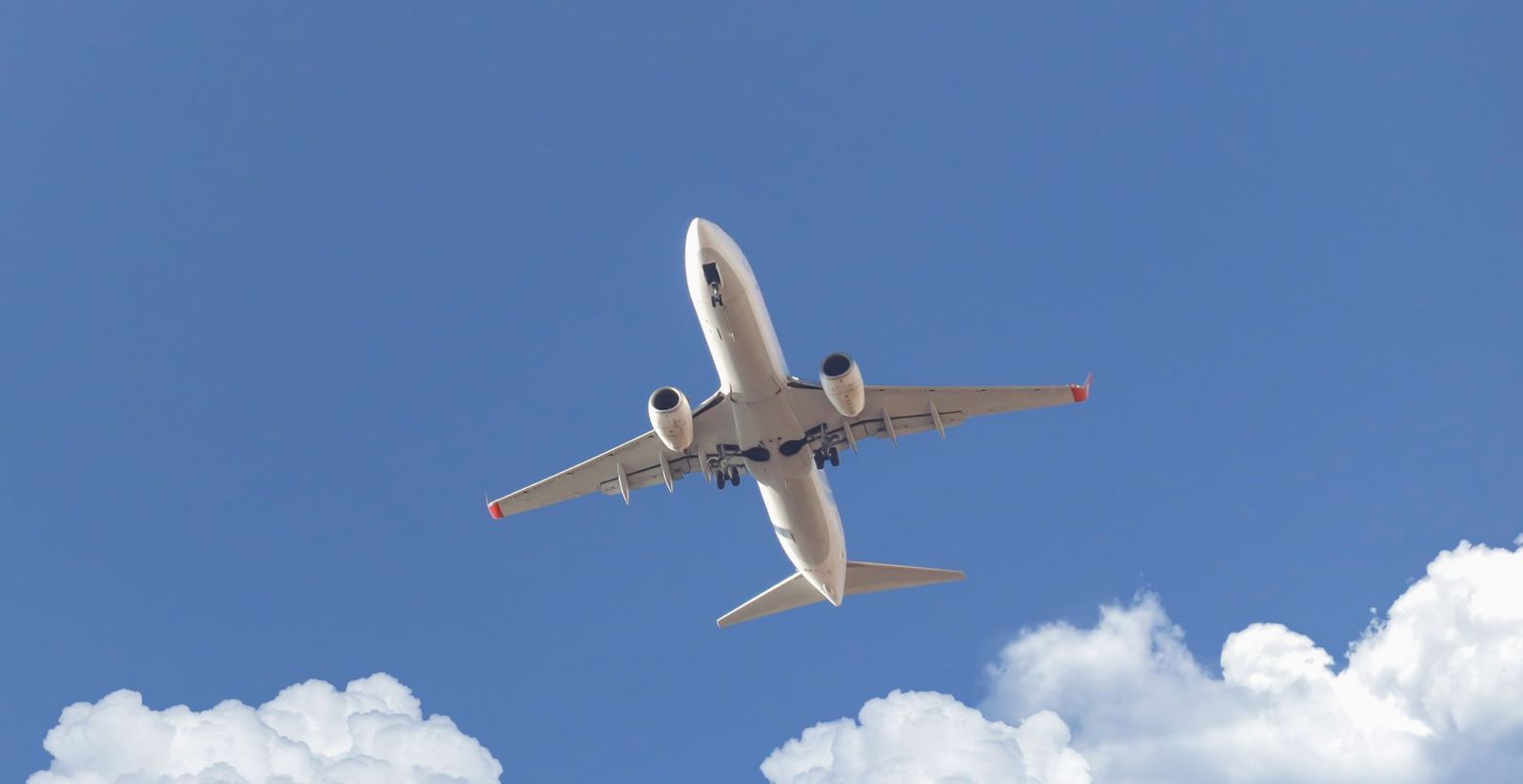
Fear of engine failure is common among air passengers. But there’s some good news.
Modern commercial aircraft are designed to handle emergencies, and even if all the engines lose power, the plane can still glide. That’s because the wings continue to generate lift as long as air is moving over them, even without engine thrust. A powerless aircraft can therefore remain controllable long enough for the pilots to find the best possible place to land. A dramatic real-life example came on January 15, 2009, when Captain Chesley "Sully" Sullenberger successfully ditched US Airways Flight 1549 in the Hudson River after both engines lost thrust following a bird strike. All 155 people aboard survived.
The pilot in command's powers
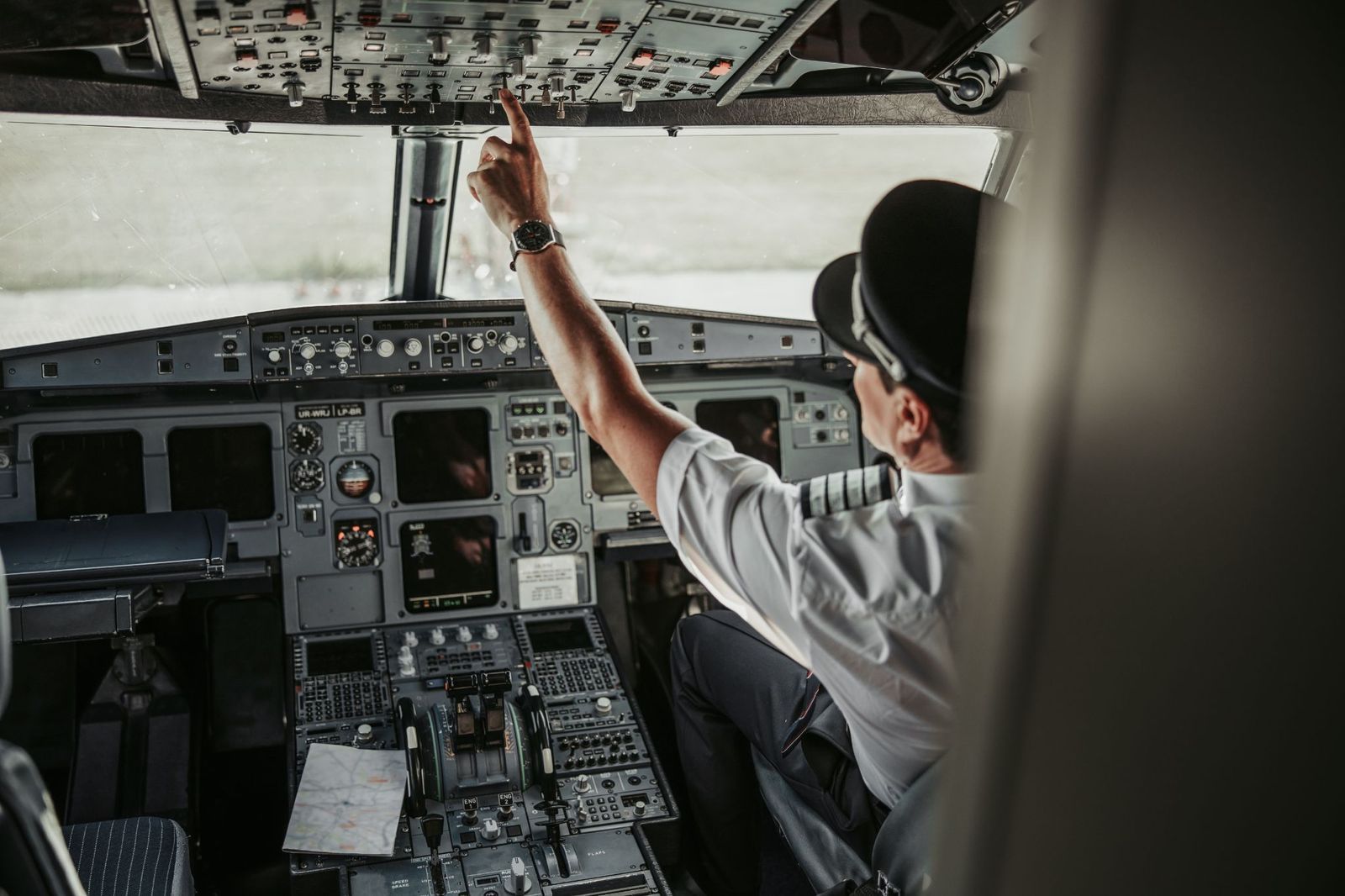
If you think a pilot’s job is simply to fly the plane, think again.
Under FAA (Federal Aviation Administration) rules, the pilot is responsible for the safety of the passengers, crew, cargo, and aircraft. And in an emergency, the pilot can even deviate from a regulation or an air traffic control instruction when necessary to deal with the situation and protect lives. But that’s not all; airlines are prohibited from allowing intoxicated passengers to board, and unruly passengers can face serious consequences. If someone becomes disruptive or threatens safety during a flight, the pilot can give the order to take action and restrain a passenger until law enforcement takes over after landing.
What is that little hole in the airplane window for?
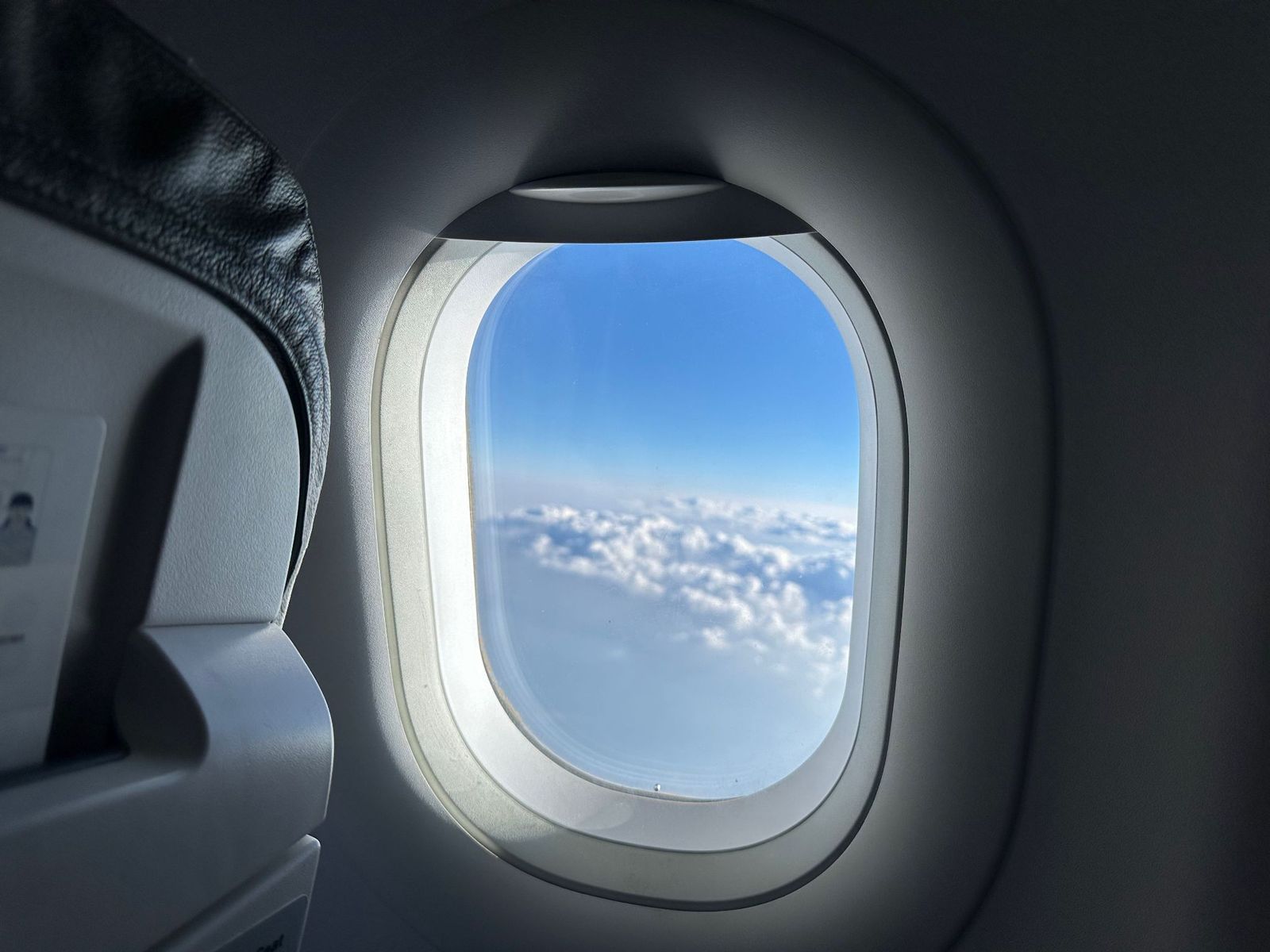
If you’re the kind of passenger who notices the little details, you may have spotted the tiny hole at the bottom of an airplane window. It might look like a flaw, but it’s actually there for a very good reason.
Called a bleed hole, it’s an intentional part of the window’s design. At a cruising altitude of around 35,000 feet, the air outside is far too thin to breathe, so the cabin is pressurized to keep passengers comfortable and safe. That creates a major difference between the pressure inside and outside the aircraft. The tiny hole helps manage that pressure difference by allowing air to move between the window panes.
Why do they dim the cabin lights before takeoff?
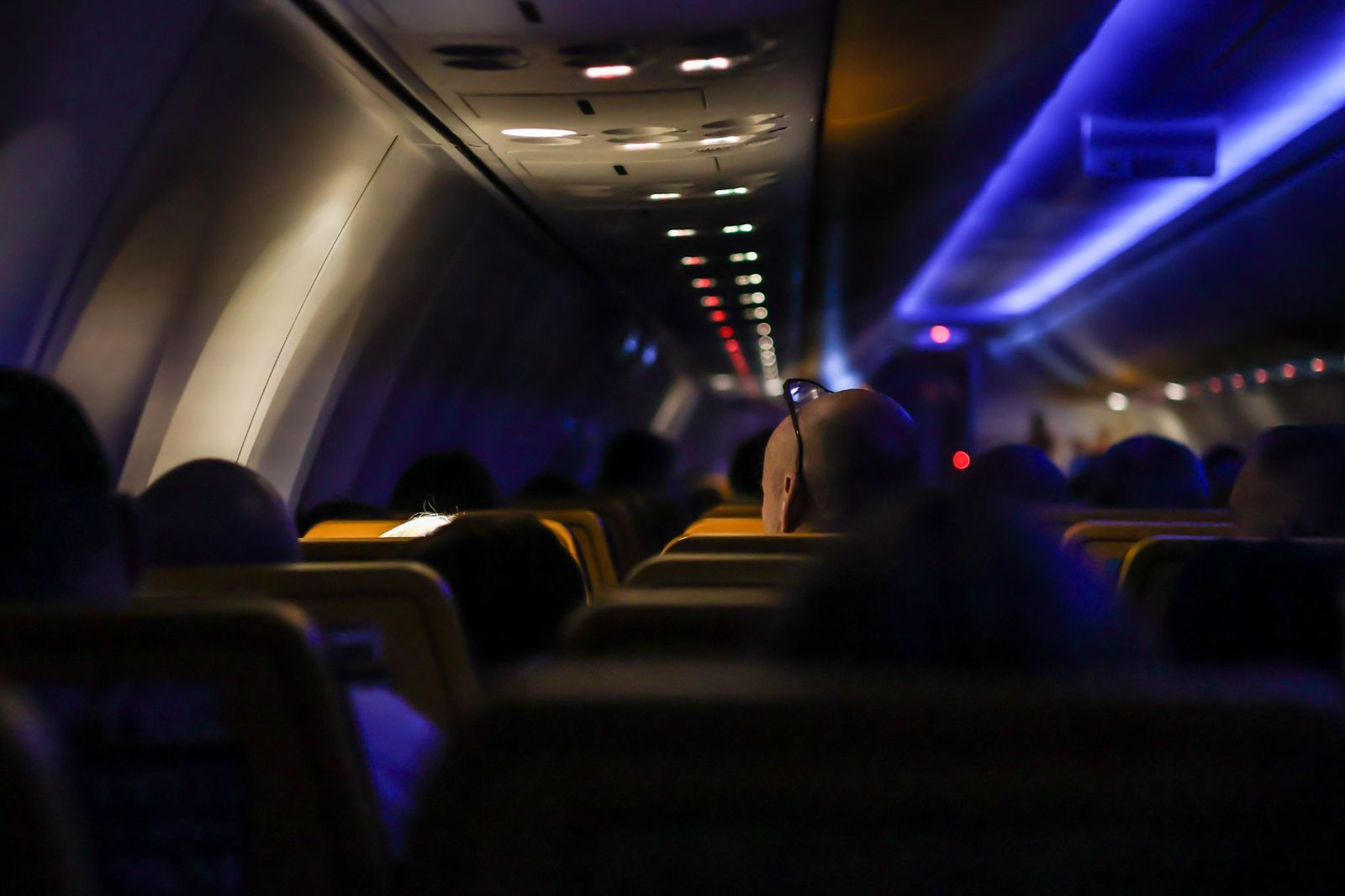
You’ve probably noticed that on night flights, the cabin lights are dimmed during takeoff and landing. There’s a good safety reason for it.
There’s no federal or international rule requiring airlines to dim the lights, but it’s a common practice. By keeping the cabin closer to the darkness outside, passengers and crew can adjust their eyes in case of an emergency. As human vision takes time to adapt when moving from bright light to darkness, dimming the cabin in advance can help people see more quickly if an evacuation becomes necessary, when every second counts.
What happens if you get stuck in the bathroom?
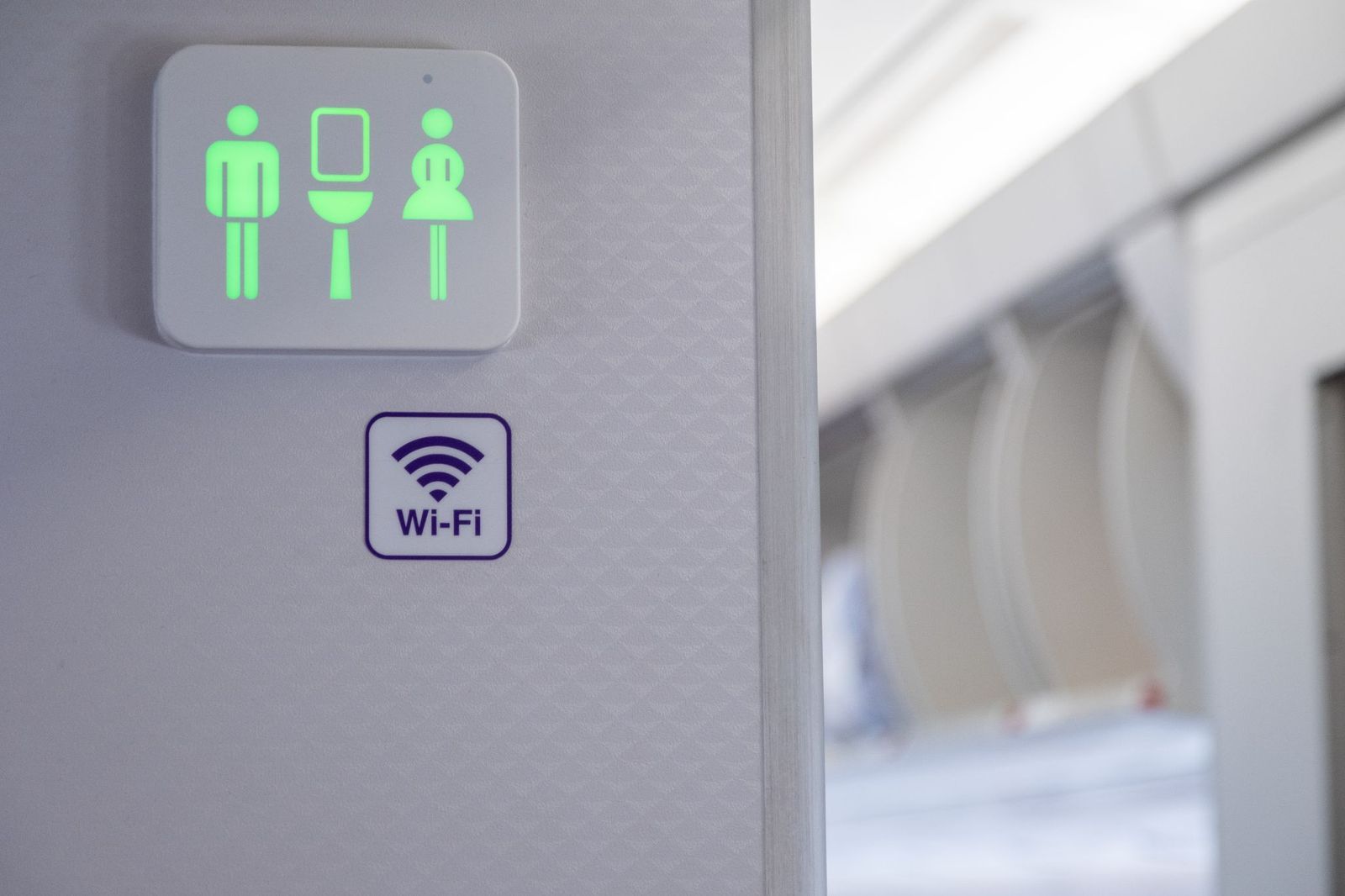
One of the more unsettling thoughts at 35,000 feet is getting stuck inside an airplane bathroom. After all, squeezing into a space that’s barely a few inches wide isn’t exactly anyone’s idea of fun, but there’s less to worry about than you might think.
Flight attendants are trained to unlock and lock the lavatory door from the outside if necessary. Most aircraft have a hidden emergency-access mechanism, typically located behind the "Lavatory" or "No Smoking" sign or panel. The exact design varies by aircraft, but that system allows crew members to open the door if a passenger is trapped, becomes ill, or needs assistance.
Your oxygen mask first
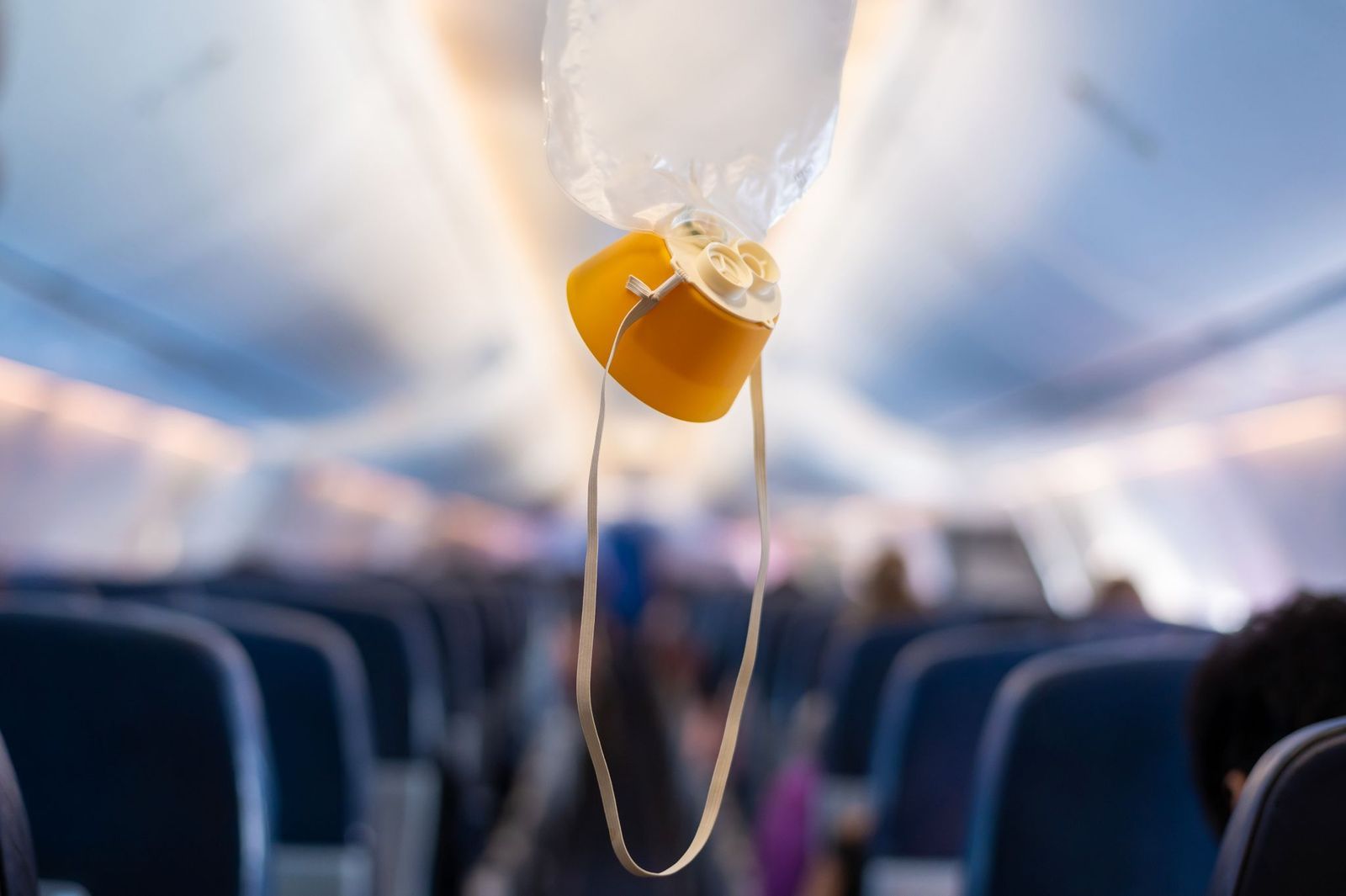
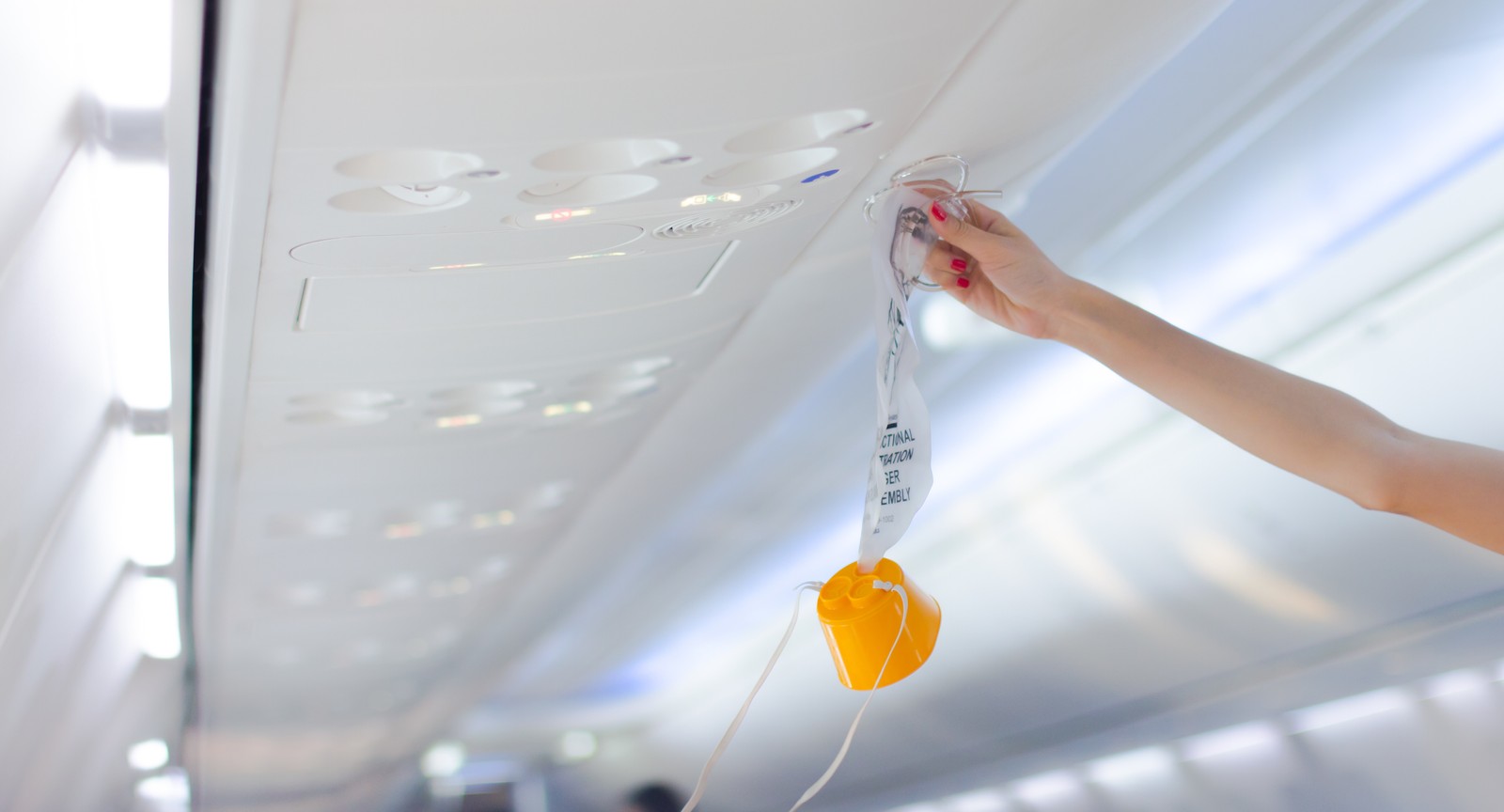
You’ve probably heard the rule (and the life-lesson metaphor): put on your own oxygen mask before helping someone else with theirs. But why is that so important?
At typical cruising altitudes, the air outside the aircraft is under extremely low pressure. If the cabin suddenly loses pressure for an emergency, the amount of oxygen available to your body drops quickly, and your ability to think clearly and act can disappear within seconds. At that altitude, the time of useful consciousness can be as little as 15 to 30 seconds after a rapid decompression. That’s why you’re told to secure your own mask first. Once you’re getting oxygen, you’re far more likely to remain conscious and capable of helping the person next to you.
Where the water goes when you flush
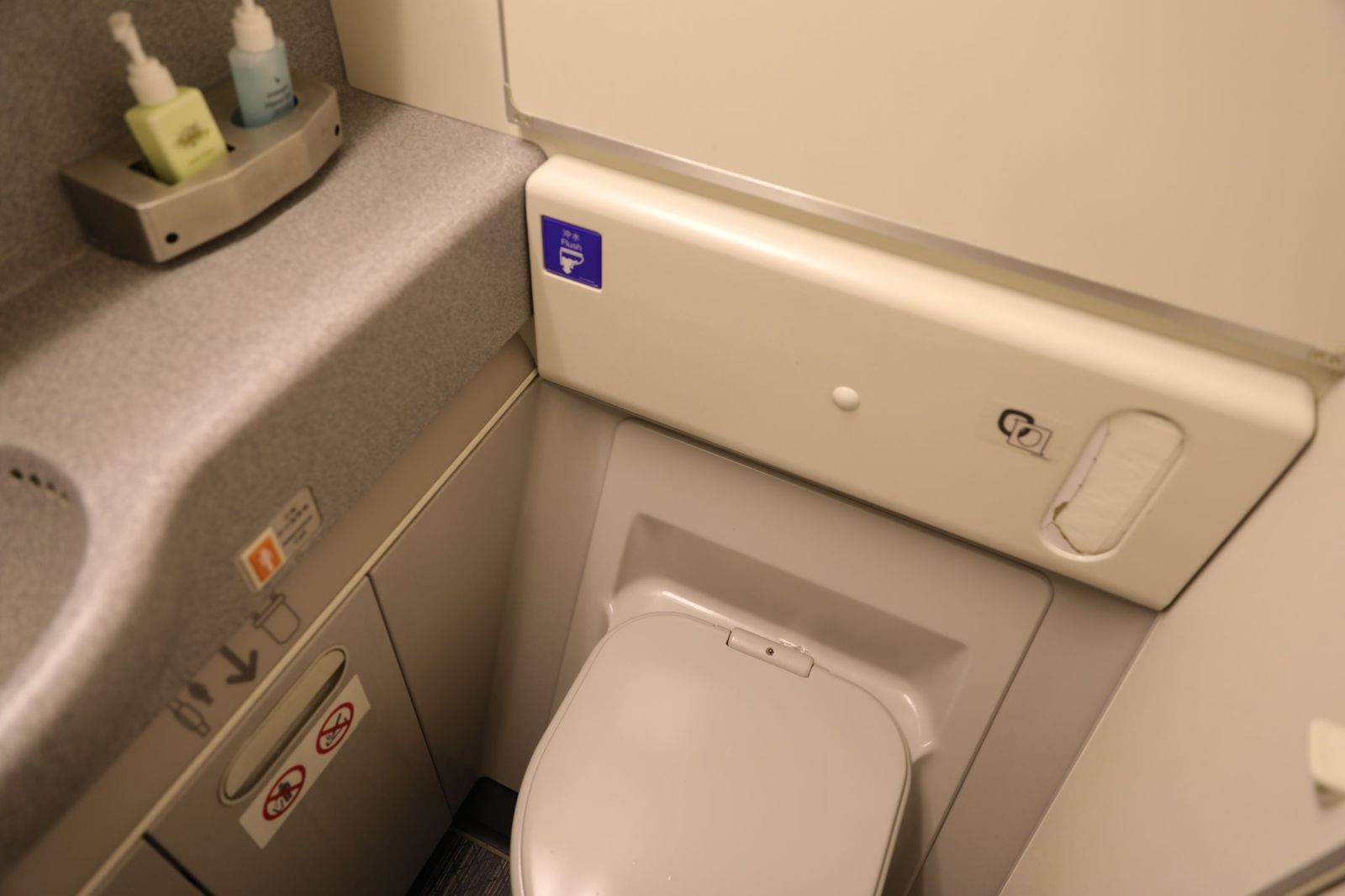
If you’ve ever used an airplane bathroom, you’ve probably wondered: where does the waste go when you flush?
Contrary to a long-standing myth, commercial planes don’t dump toilet waste into the sky. Instead, commercial aircraft have a sealed waste tank inside the plane. When you flush, a valve opens at the bottom of the toilet bowl, and a powerful vacuum pulls the waste through the pipes and into the tank. After the plane lands, airport workers connect a hose from a specialized service truck to the aircraft’s external waste port. The truck then pumps out the waste and transports it for proper disposal through the local wastewater system.
Why planes are painted white
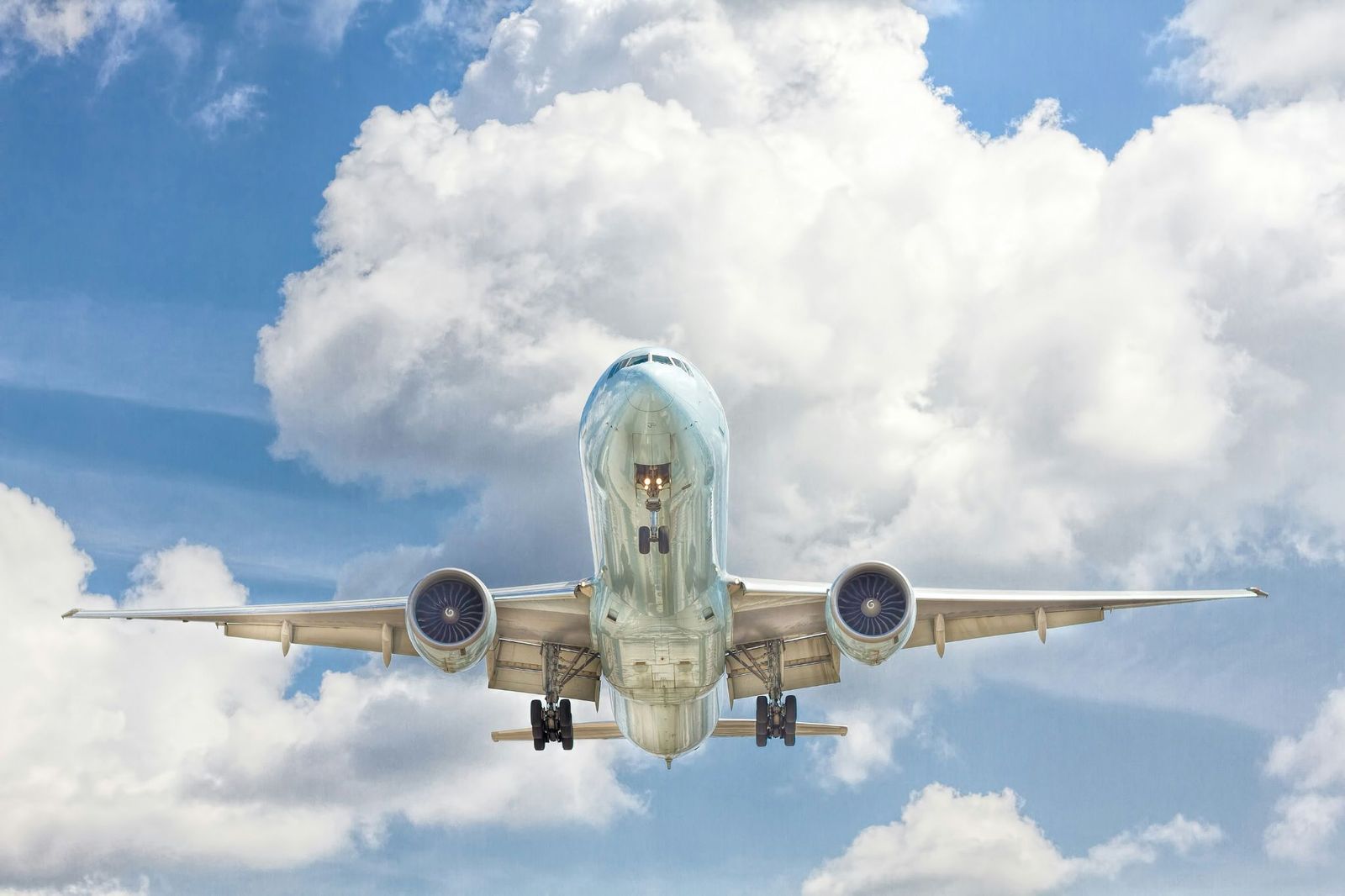
There’s something most commercial airplanes have in common: they’re usually white. But why?
The white paint on an aircraft is no accident, and it’s not simply because the hue is inexpensive. There are practical and safety reasons for the choice. First, white reflects much of the sun’s radiation, helping reduce solar heating of the fuselage and cabin, especially while the aircraft is on the ground. It can also make an airplane easier to see against a blue sky during the day. But there’s another important advantage: white makes cracks, dents, oil leaks, and signs of corrosion easier to see, helping maintenance crews identify potential problems during inspections. Finally, white tends to fade less than darker colors, which can help airlines reduce repainting and maintenance costs.
The truth about using your phone on a flight
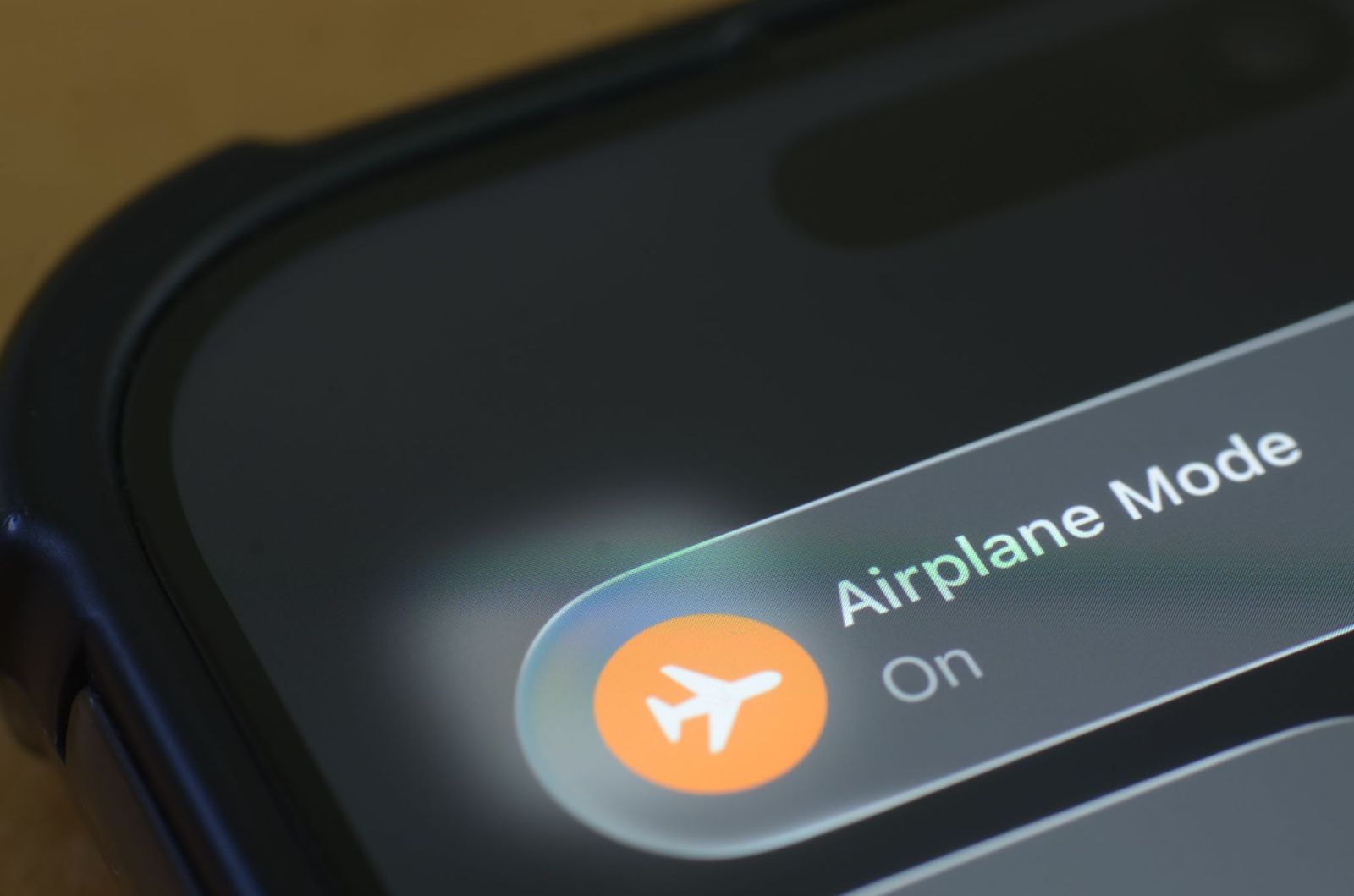
Many passengers still believe that leaving their phone connected during a flight could make the plane crash. Fortunately, that’s not how it works.
If you’ve ever spotted someone quietly using a cell phone after takeoff, don’t panic. The rules around phones in flight are mainly about potential radio interference and the effects of airborne cellular signals on ground networks. Active phones can sometimes cause a faint clicking or buzzing sound in a pilot’s headset, which can be really distracting. In addition, in 1991, the FCC prohibited airborne cellular calls because phones operating at altitude could interfere with terrestrial cellular networks.
The food isn't that bad
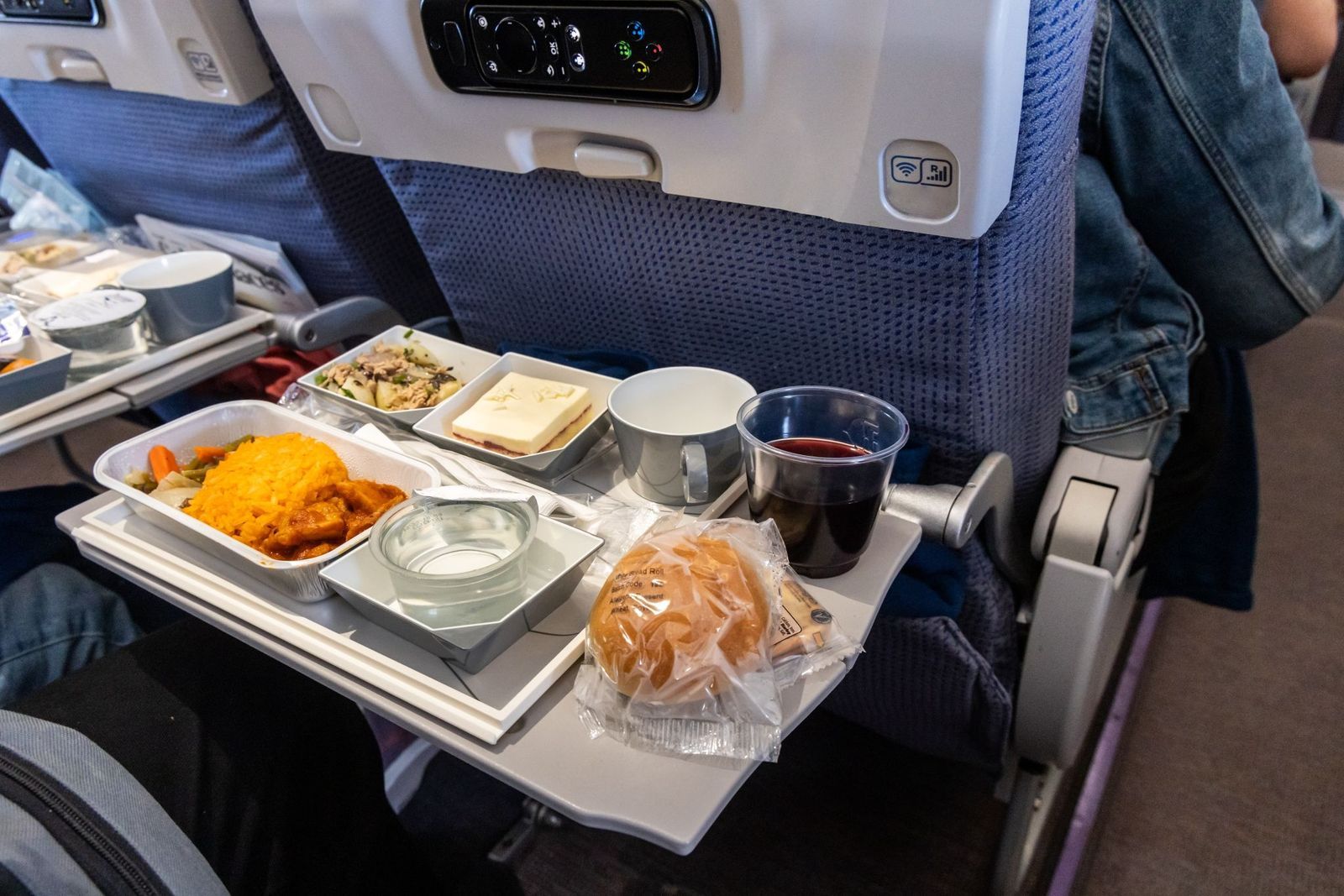
Does airplane food always taste a little… different to you? It’s not your imagination. There’s actually a scientific reason for that.
The blander taste has less to do with the food itself than with the conditions inside the aircraft. Cabin humidity is often below 20%, which dries out your nose and mouth and makes it harder to detect aromas. Since your sense of smell plays a major role in how you experience flavor, that can make food seem less flavorful. Then, the lower cabin pressure can also slightly reduce your sensitivity to sweet and salty flavors. And finally, there’s something you might never suspect: the noise. The constant roar of the engines can affect how your brain processes flavor. Studies have found that loud background noise can make sweet and savory flavors seem weaker while making some other flavors more noticeable.
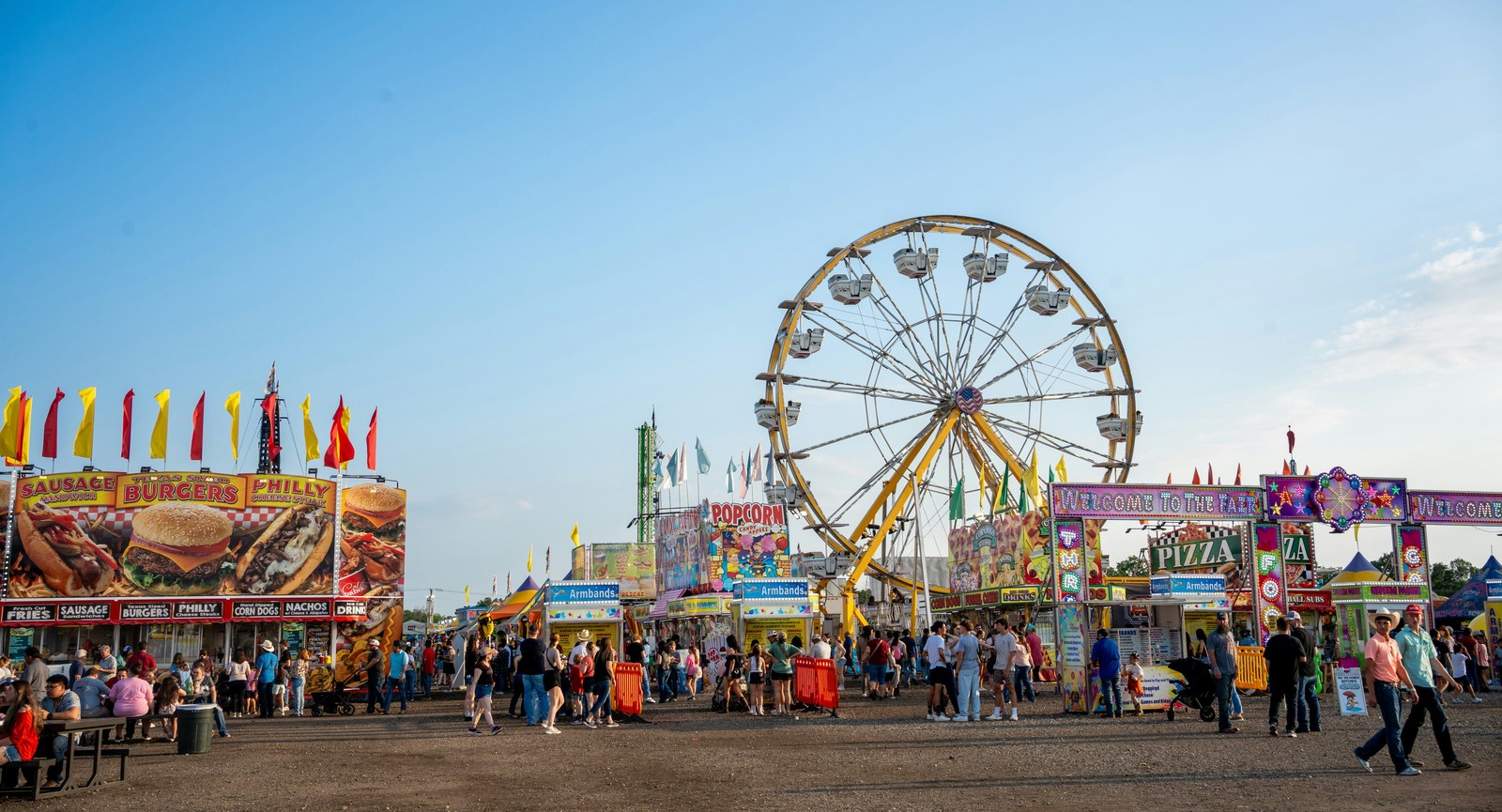
Which of America's 10 massive state fairs should you visit first?
 Landmarks
Deep-fried dreams: 10 state fairs that define the American spirit
Delicious treats, prize-winning livestock, neon-lit midways, and the roar of a big crowd: few things are as quintessentially American as the state fair. Originally conceived in the 19th century as a way to promote agriculture and bring rural communities together, these events have evolved into massive, multi-week spectacles that draw millions of visitors each year. While almost every state has its own celebration, a select few have grown into entertainment beasts. Here is a deep dive into the 10 biggest and most iconic state fairs in the United States.
State Fair of Texas
 Image: albertoadan
Everything is bigger in Texas, and its state fair is no exception. Held at the historic Fair Park in Dallas, this event typically runs for a staggering 24 days, making it the longest-running state fair in the country.
The fair is famous for its "Texas-sized" food competition, where vendors showcase outrageous deep-fried creations like fried butter or fried bubblegum. It also hosts the Red River Showdown, the iconic college football game between the University of Texas and the University of Oklahoma. The undisputed face of the fair? Big Tex, a 55-foot-tall talking cowboy statue that greets visitors with a booming "Howdy, folks!"
Minnesota State Fair
 Image: Brooke Balentine
Known affectionately as "The Great Minnesota Get-Together," this fair consistently rivals Texas for the highest total attendance, often surpassing 2 million visitors. Unlike Texas, which lasts nearly a month, Minnesota welcomes its crowds for 12 days, ending on Labor Day.
The Minnesota State Fair is a foodie’s paradise, legendary for its "food on a stick" culture, where you can find everything from alligator to salad on a stick. Cultural highlights include the Princess Kay of the Milky Way butter sculptures, in which a royal figure is carved from 90-pound blocks of butter in a refrigerated rotating booth.
The Big E
 Image: Boston Public Library, Public domain, via Wikimedia Commons
Formally known as the Eastern States Exposition, this fair is unique because it represents all six New England states: Connecticut, Maine, Massachusetts, New Hampshire, Rhode Island, and Vermont.
"The Big E" is held in West Springfield, Massachusetts. The highlight of the fair is the Avenue of States, which features life-sized replicas of the six original statehouses. Inside each building, visitors can sample the signature foods and crafts of that state, such as Maine lobster rolls or Vermont maple syrup. It is a massive regional celebration that brings the distinct flavors of the Northeast together in one sprawling fairground.
Arizona State Fair
 Image: Denisse Leon
While many fairs take place in the heat of summer, the Arizona State Fair waits for the desert to cool down, typically running from late September through October. Since its inception in 1905, it has grown into one of the most attended events in the Southwest.
The fair is known for its high-energy concert series and massive midway. Because of Phoenix’s central location and large population, the fair serves as a major cultural hub, blending traditional agricultural competitions with modern, high-tech exhibits and extreme carnival rides.
Tulsa State Fair
 Image: Josh Turner
The Tulsa State Fair is a massive 11-day event that draws more than a million people annually. Its slogan, "11 Days of Awesome," reflects its focus on family entertainment and high-end carnival attractions.
One of the fair’s most recognizable features is the Golden Driller, a 76-foot-tall statue of an oil worker that stands outside Expo Square. The fair is particularly well regarded for its livestock shows and its massive indoor exhibit space, which provides a welcome reprieve from the Oklahoma sun.
Wisconsin State Fair
 Image: U.S. Department of Agriculture, Public domain, via Wikimedia Commons
Located just outside Milwaukee, the Wisconsin State Fair is a celebration of all things dairy. It is perhaps best known for its world-famous Cream Puffs, which have been a staple of the fair since 1924. The fair sells hundreds of thousands of these pastries every year.
The Wisconsin State Fair also prides itself on its "Agricultural Oasis," where visitors can get up close with farm animals and learn about the state's massive dairy industry. It’s a perfect blend of a traditional agricultural show and a modern urban festival.
Washington State Fair
 Image: Xavier McLaren
Formerly known as the Puyallup Fair, this event is the largest in the Pacific Northwest. Its catchy jingle, "Do the Puyallup," is a staple of regional culture. The fair is split into two events: a smaller spring fair and the massive 20-day celebration held each September.
A visit to the Washington State Fair isn't complete without a Fisher Scone, a warm, fluffy biscuit served with raspberry jam and whipped butter. The fair also features a major professional rodeo, drawing some of the best riders in the country to compete under the shadow of Mount Rainier.
North Carolina State Fair
 Image: Circe Denyer
The North Carolina State Fair is the largest annual event in the state and a major draw for the Southeast. It features impressive displays of North Carolina-grown produce, including giant pumpkins and watermelons that often weigh hundreds of pounds.
The fair is also a hub for unique Southern food. In recent years, it has gained internet fame for its deep-fried innovations, ranging from deep-fried Jell-O to Krispy Kreme burger sliders. It’s a place where Southern hospitality meets carnival charm.
Oklahoma State Fair
 Image: Matt Benson
While Tulsa has its own massive event, the Oklahoma State Fair in Oklahoma City is the official state-sanctioned celebration. It is known for having one of the best midways in the country, featuring a staggering array of rides and games.
The OKC fairgrounds are unique for their extensive equestrian facilities, often hosting world-class horse shows alongside standard fair festivities. It also features indoor shopping and Made in Oklahoma products, making it a major economic driver for the region.
Iowa State Fair
 Image: jackmac34
If you want to see the "soul" of the American heartland, the Iowa State Fair is the place to go. It is perhaps the most famous fair in the country for political reasons; every four years, presidential candidates flock to the "Political Soapbox" to court voters over pork chops on a stick.
Beyond politics, the fair is also the setting for the classic novel and film State Fair. Its most famous attraction is the Butter Cow, a tradition that dates back to 1911. Sculptors use roughly 600 pounds of salted butter to create a life-sized bovine masterpiece that remains a symbol of Iowa’s rich agricultural heritage.
Every cruise passenger should read this article before boarding the ship
All aboard!
Ever been on a cruise ship? 12 things you should know before boarding
Cruises are designed to feel effortless, but a little preparation can make a big difference. From avoiding unnecessary expenses to making embarkation day smoother, experienced cruisers know that small details matter. These practical tips can help both first-timers and repeat travelers enjoy calmer days, better value, and fewer surprises once they step aboard.
Understand exactly what you booked
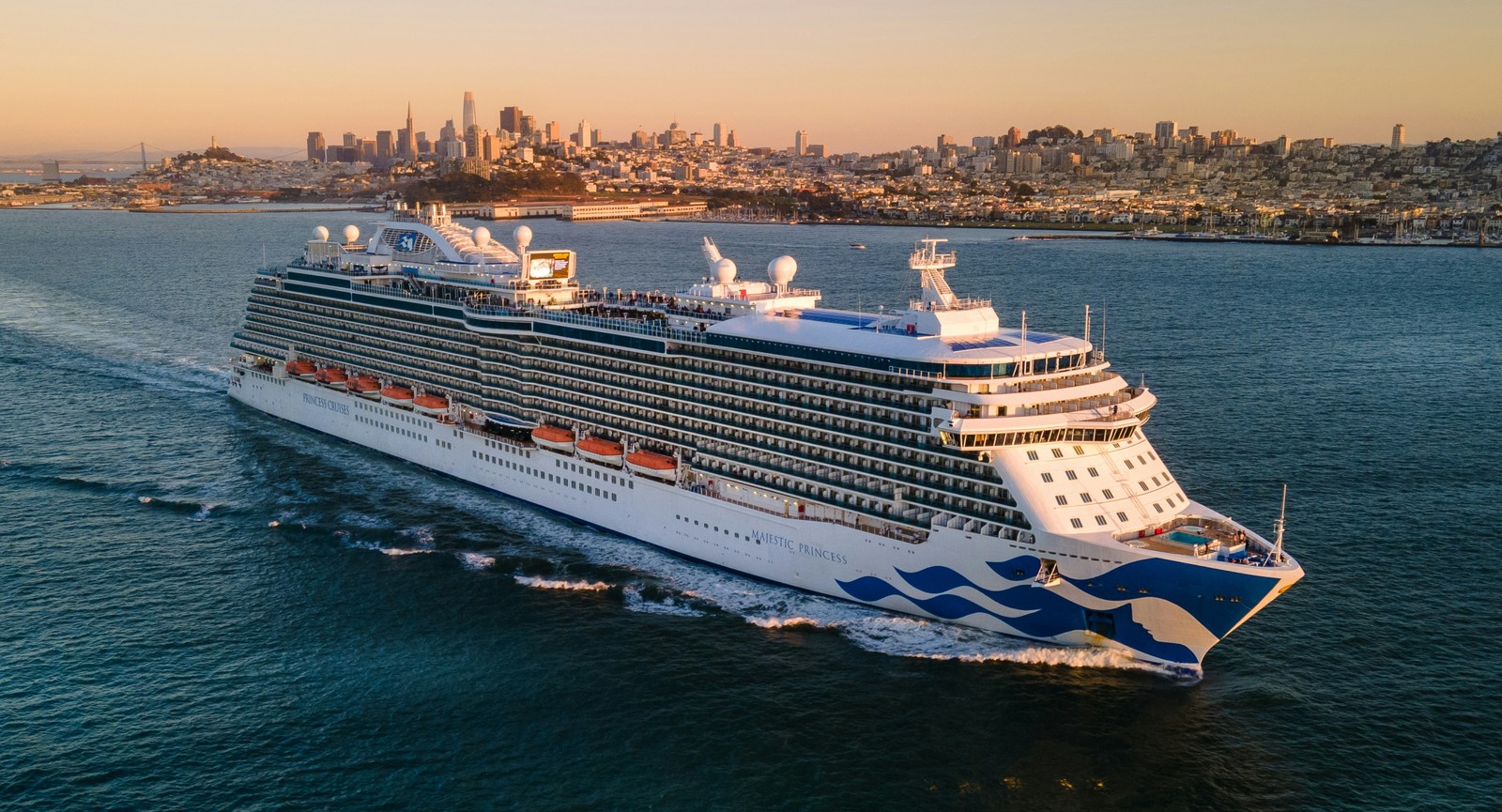
Cruise fares can look similar while offering very different experiences. Cabin type, location, and booking conditions all affect comfort, noise levels, and even motion at sea. "Guaranteed" cabins may cost less, but they remove your ability to choose where you’ll sleep.
Before boarding, review your booking confirmation carefully. Knowing what is included and what is not prevents disappointment and helps you decide whether upgrades or add-ons are actually worth it for your travel experience.
Bring the right travel documents
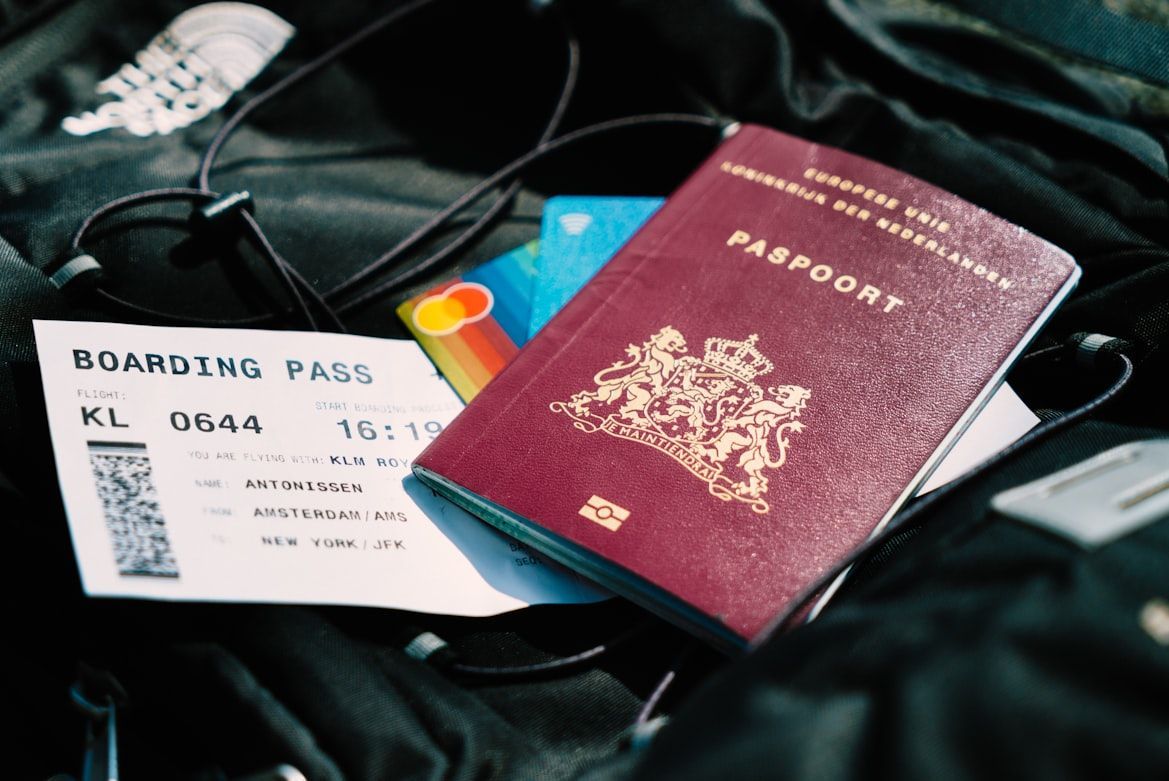
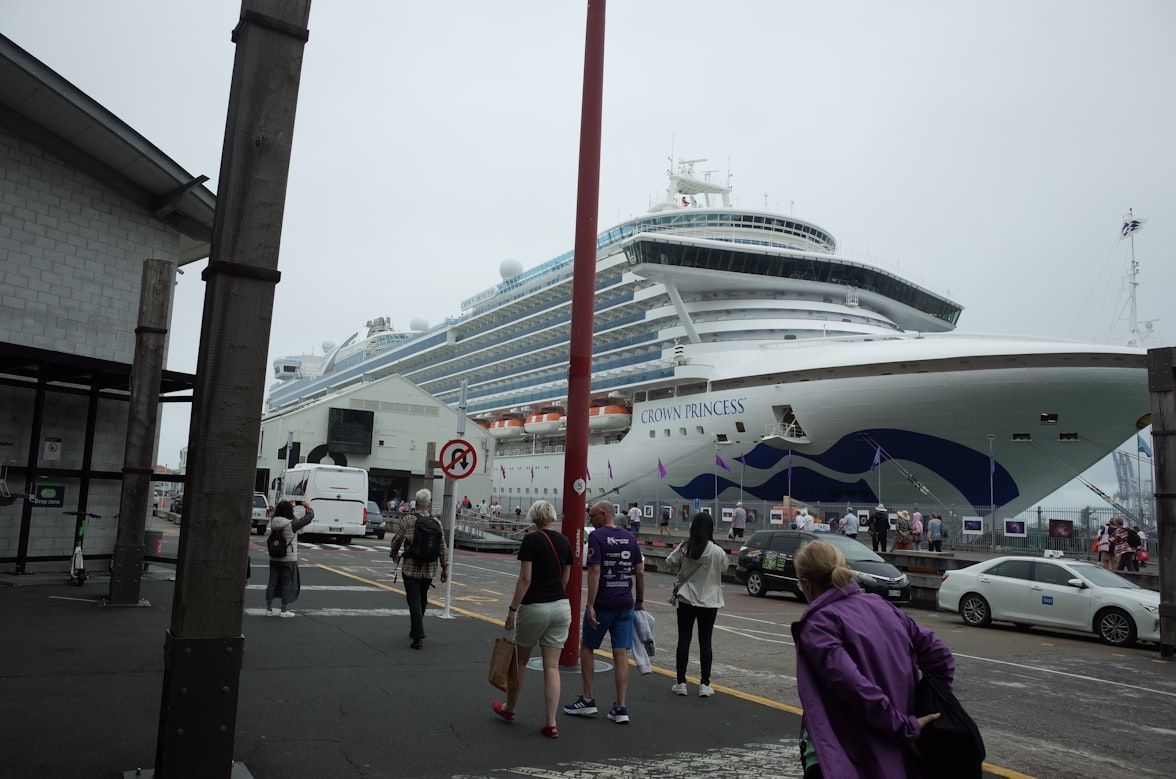
This one might seem obvious, but it's not. Cruises often visit multiple countries, and document requirements can vary by itinerary. Passports, visas, and IDs must meet specific validity rules, even if you never plan to leave the ship at certain ports.
Keep both printed and digital copies of all documents, and store them separately. This simple step can save hours of stress if paperwork is lost or questioned during embarkation or re-entry.
Pack for comfort, not just style
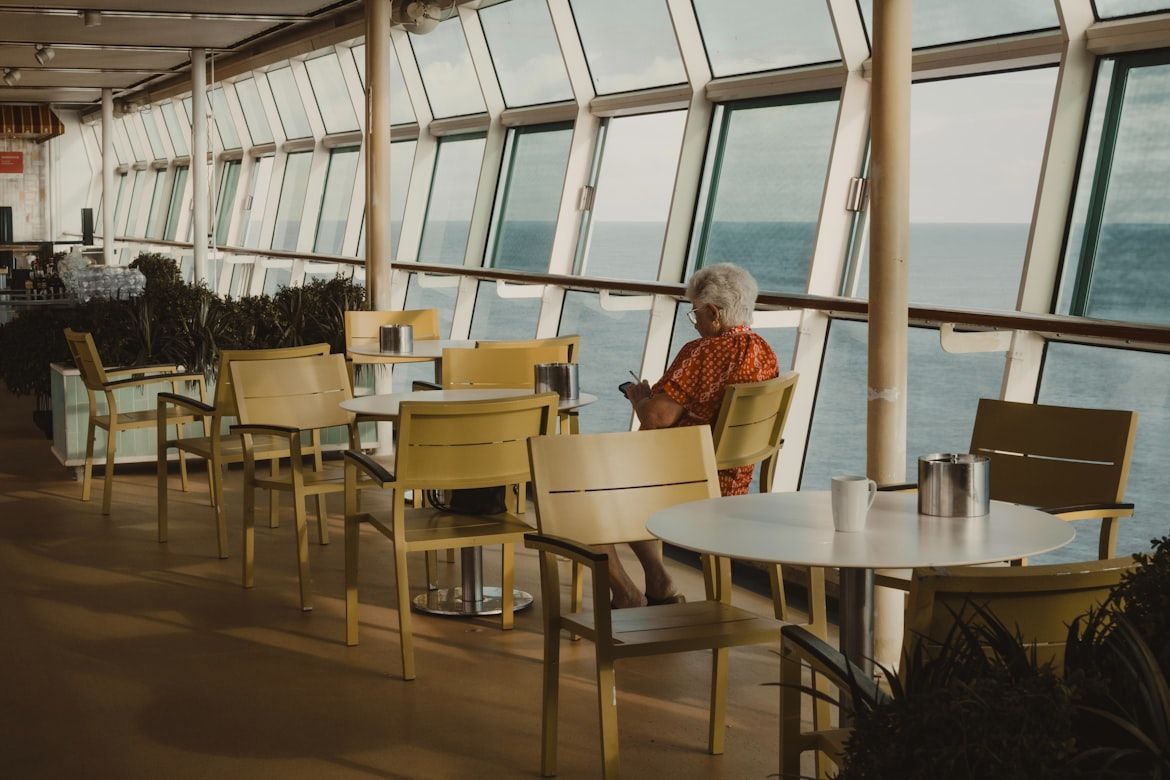
Cruise wardrobes tend to be more relaxed than many travelers expect. While some evenings are dressier, most days involve casual walking, stairs, and time outdoors. Overpacking formal clothing often leads to unused items.
Choose versatile layers, comfortable shoes, and outfits that work in multiple settings. A lighter suitcase is easier to manage and leaves room for souvenirs without extra baggage fees.
Bring essentials from home
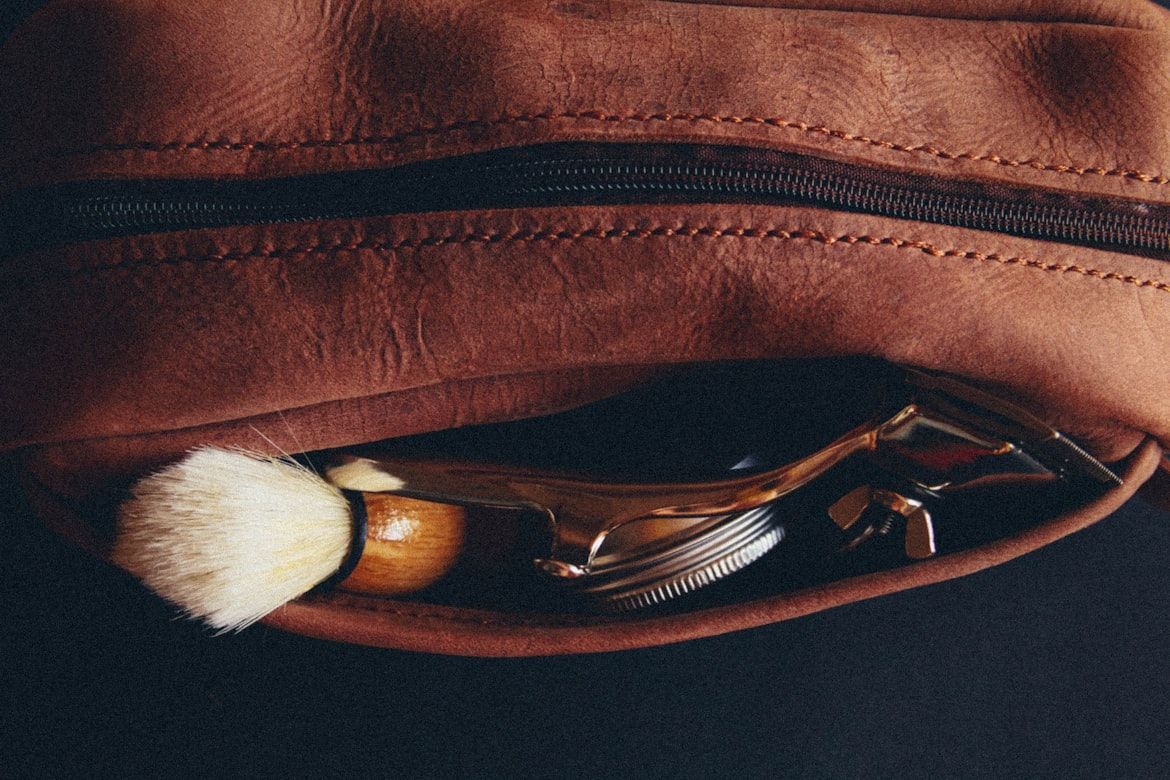
Items like sunscreen, pain relievers, seasickness remedies, and toiletries are available on board, but at premium prices. Even small necessities can cost significantly more once the ship sails.
Packing these basics ahead of time saves money and prevents last-minute searches. It also ensures you have trusted brands and medications you’re already comfortable using.
Know what’s included in your fare
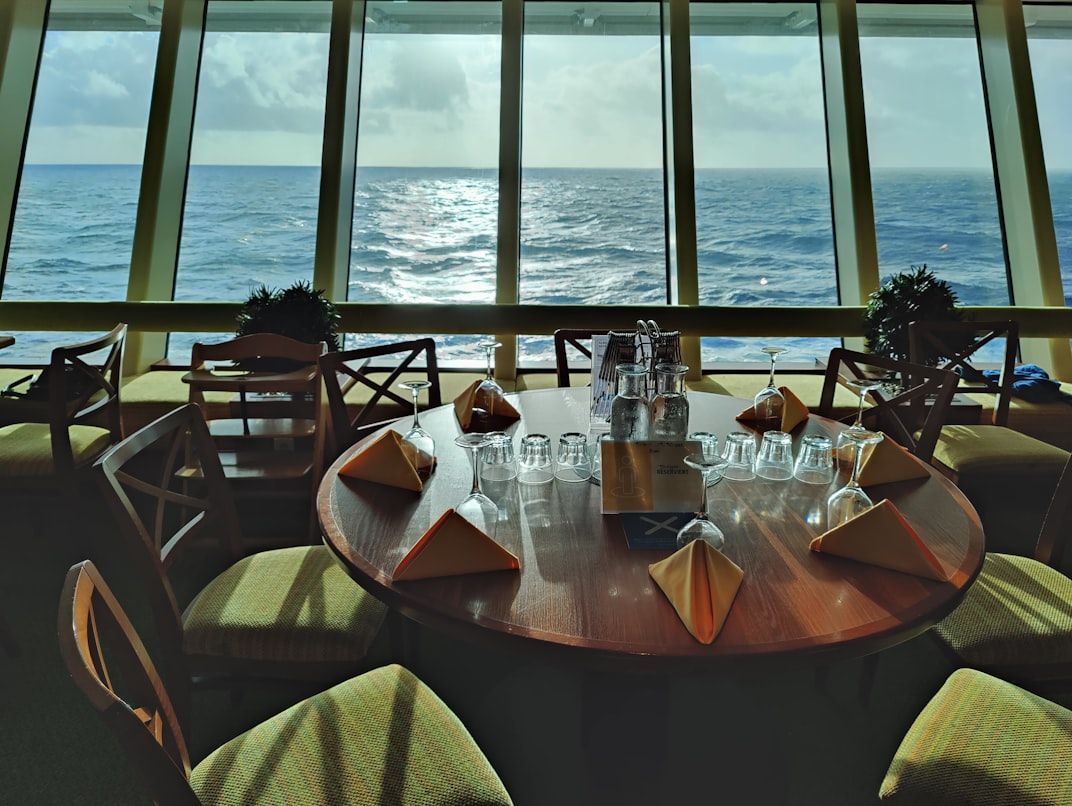
Cruises advertise "all-inclusive" experiences, but not everything falls under that label. Specialty dining, alcohol, internet access, and some activities frequently cost extra.
Understanding these distinctions helps you budget realistically and avoid surprise charges at the end of the trip. It also lets you decide which extras enhance your experience, and which you can skip.
You don’t have to book ship excursions
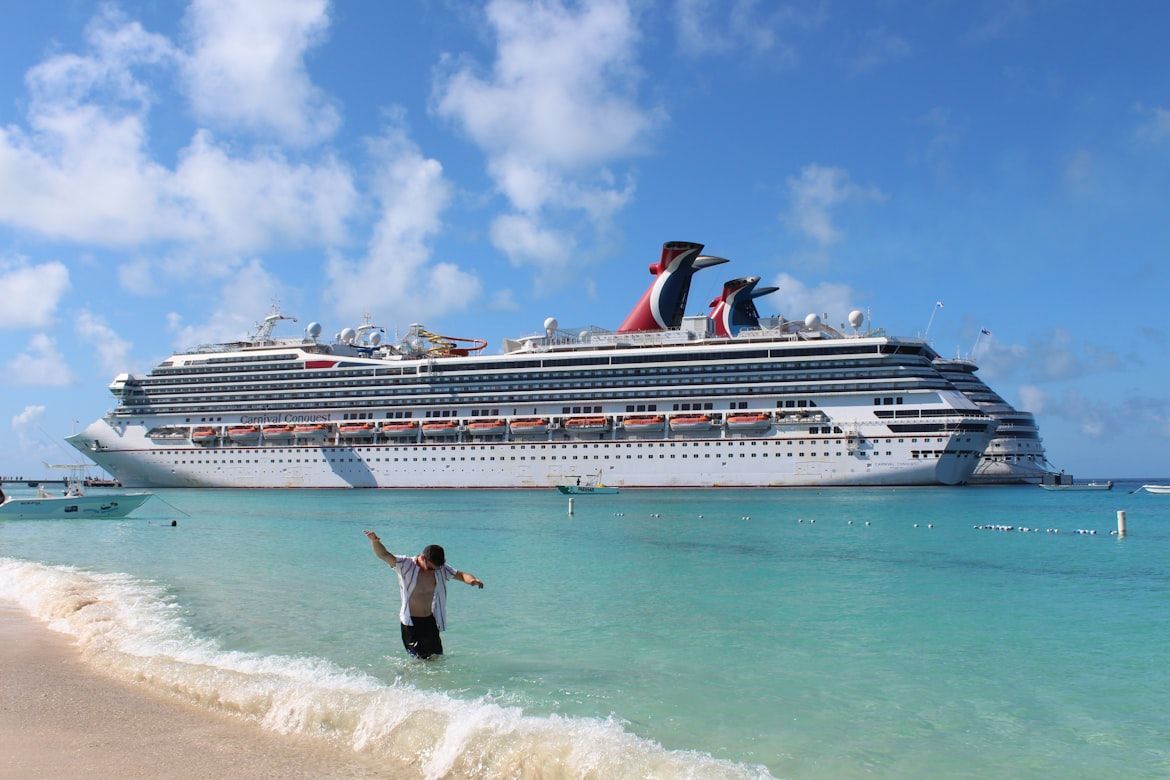
Cruise-line excursions are convenient, but they’re rarely the cheapest option. Local tour operators and independent guides offer similar experiences for less money and in smaller groups.
Research port cities in advance and compare options carefully. Just be mindful of timing, because returning to the ship before departure is always your responsibility.
Plan your port days in advance
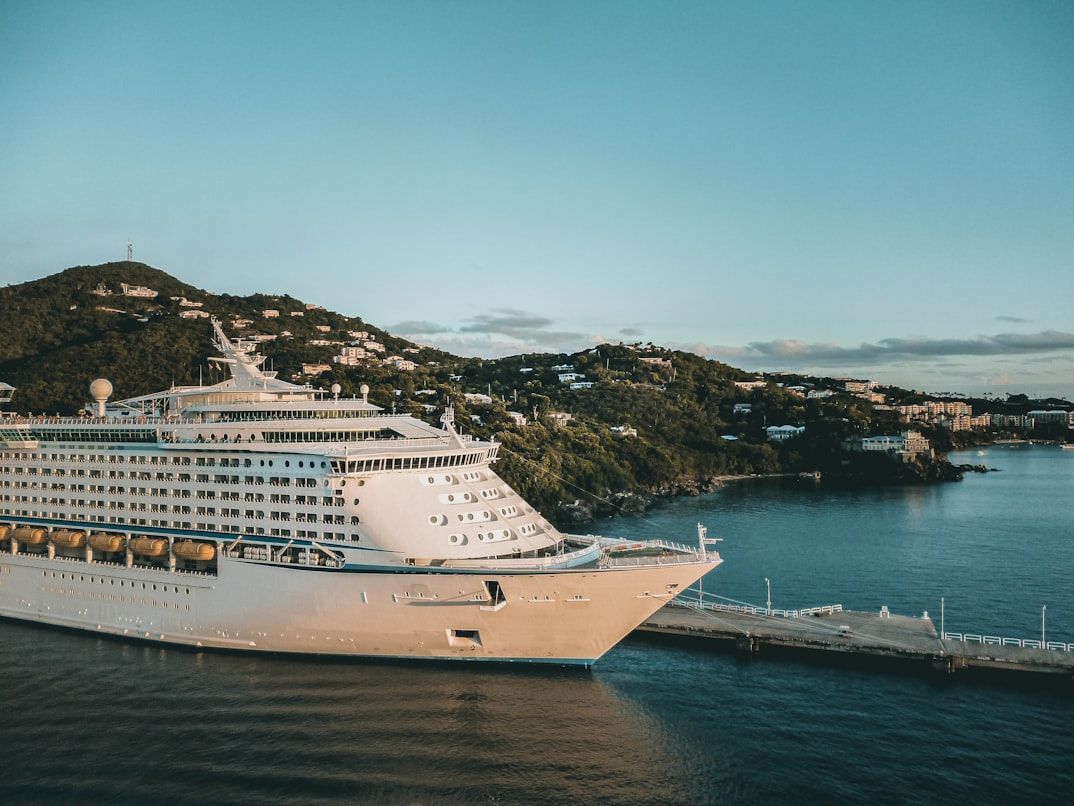
Not all ports are close to city centers or major attractions. Some require long transfers or careful scheduling to see key sights comfortably.
Knowing distances, transportation options, and local customs ahead of time helps you maximize each stop without feeling rushed. A simple plan makes port days more relaxing and rewarding.
Check the Prohibited Items list
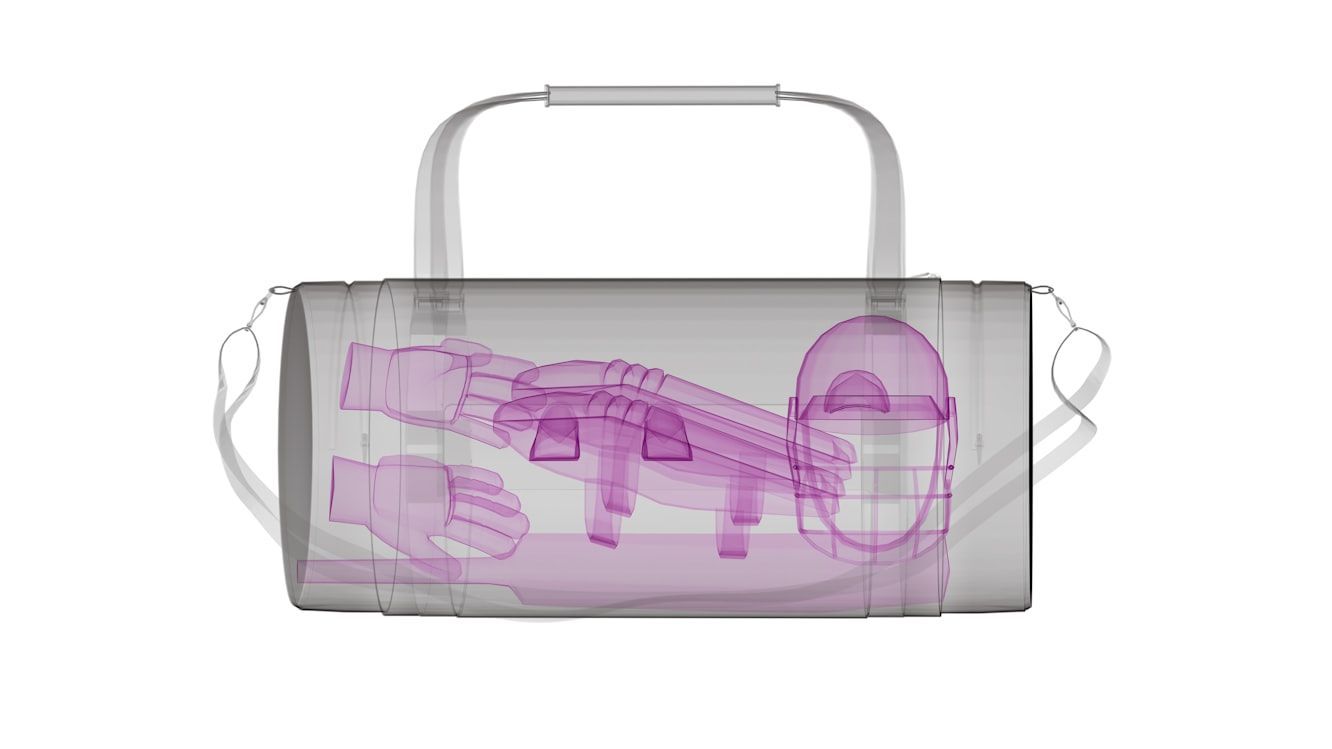
Cruise ships restrict certain everyday items for safety reasons. Appliances like irons, candles, and even some electronics may be confiscated at boarding.
Review the prohibited items list before packing to avoid delays or lost belongings. Knowing the rules ahead of time keeps embarkation smooth and prevents unpleasant surprises at security checkpoints.
Prepare your phone for sea travel
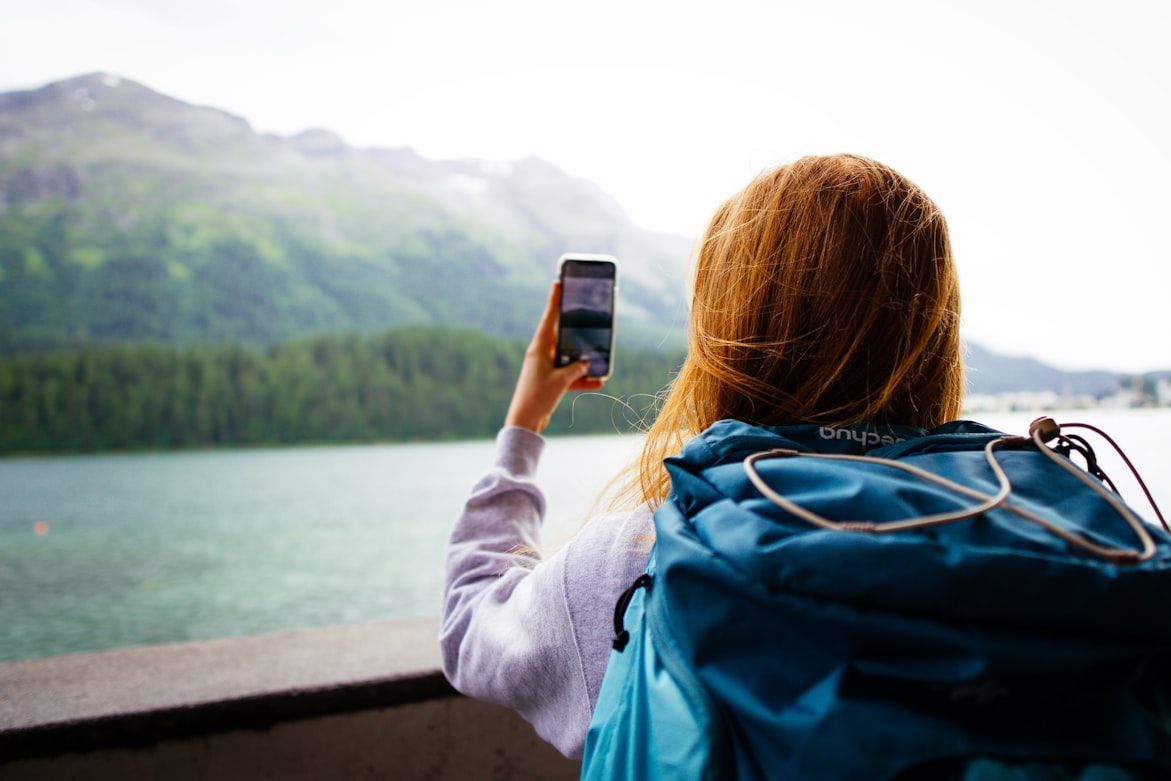
Mobile phone service at sea works differently than on land and can result in extremely high roaming charges. Many travelers learn this the hard way after receiving their bill.
Set your phone to airplane mode and rely on onboard Wi-Fi if needed. Download maps, schedules, and entertainment before departure to stay connected without extra costs.
Keep your essentials in your carry-on
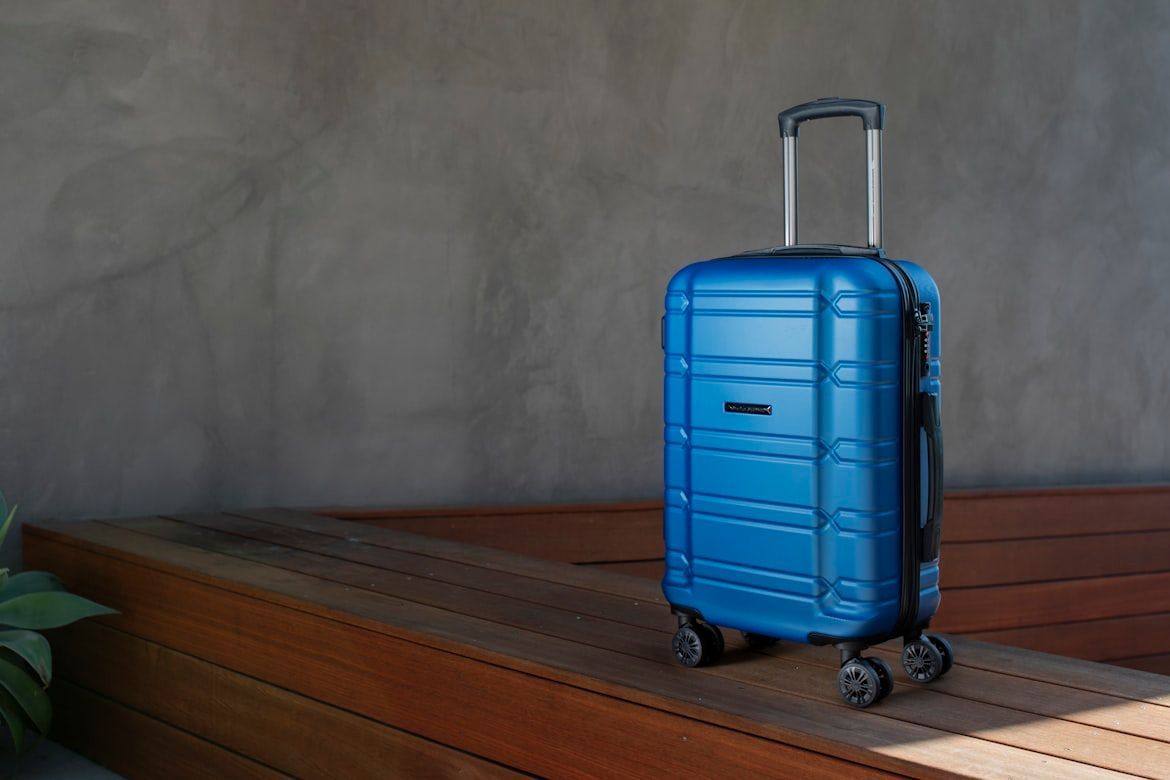
Checked luggage may take several hours to reach your cabin after boarding. During that time, access to your belongings is limited.
Pack medications, chargers, swimwear, and a change of clothes in your carry-on bag. This ensures comfort on embarkation day and avoids stress if luggage delivery is delayed.
Read the daily schedule carefully
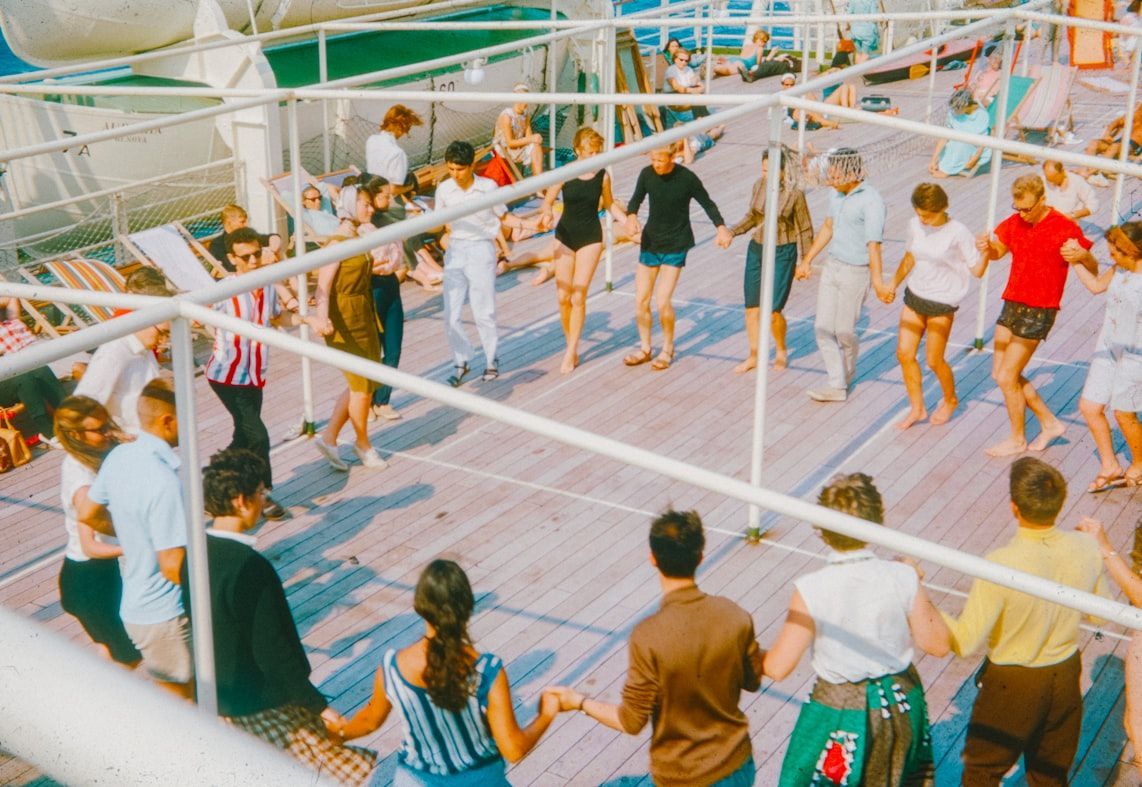
Cruise ships publish a daily program listing activities, meal times, shows, and dress codes. It also includes important information like port arrival times and final boarding hours.
Reviewing it each day helps you plan efficiently and avoid missing events you would enjoy. It’s the best way to stay organized without feeling overwhelmed by options.
Take health and hygiene seriously
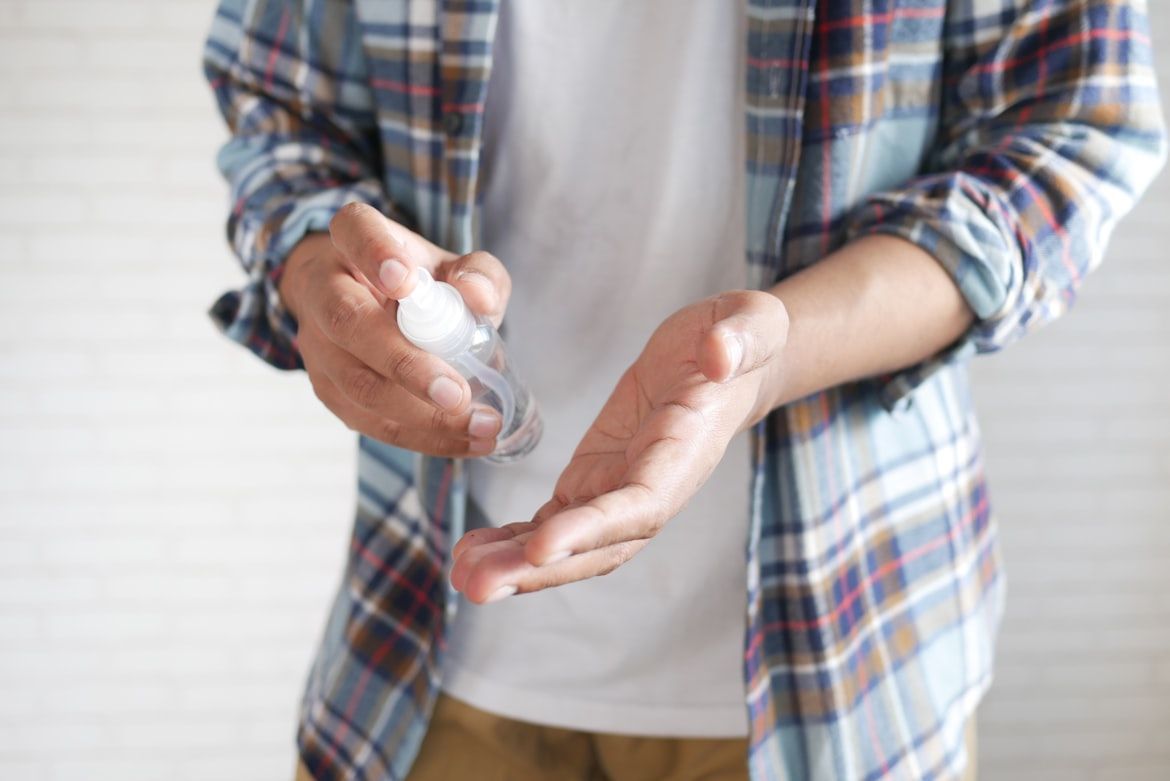
Cruises involve shared spaces, buffets, and close contact with other travelers. Staying healthy requires simple but consistent habits.
Wash hands often, stay hydrated, use sunscreen, and bring seasickness remedies if needed. Small precautions go a long way toward ensuring your vacation remains enjoyable from start to finish.
Keep wandering
There’s always
more to explore
Why you should never travel on an empty stomach
3 min.
Read Now
Do you still need a paper boarding pass? 10 must-know flying rules
5 min.
Read Now
 Culture
Some of these state fairs have seriously weird attractions
5 min.
Read Now
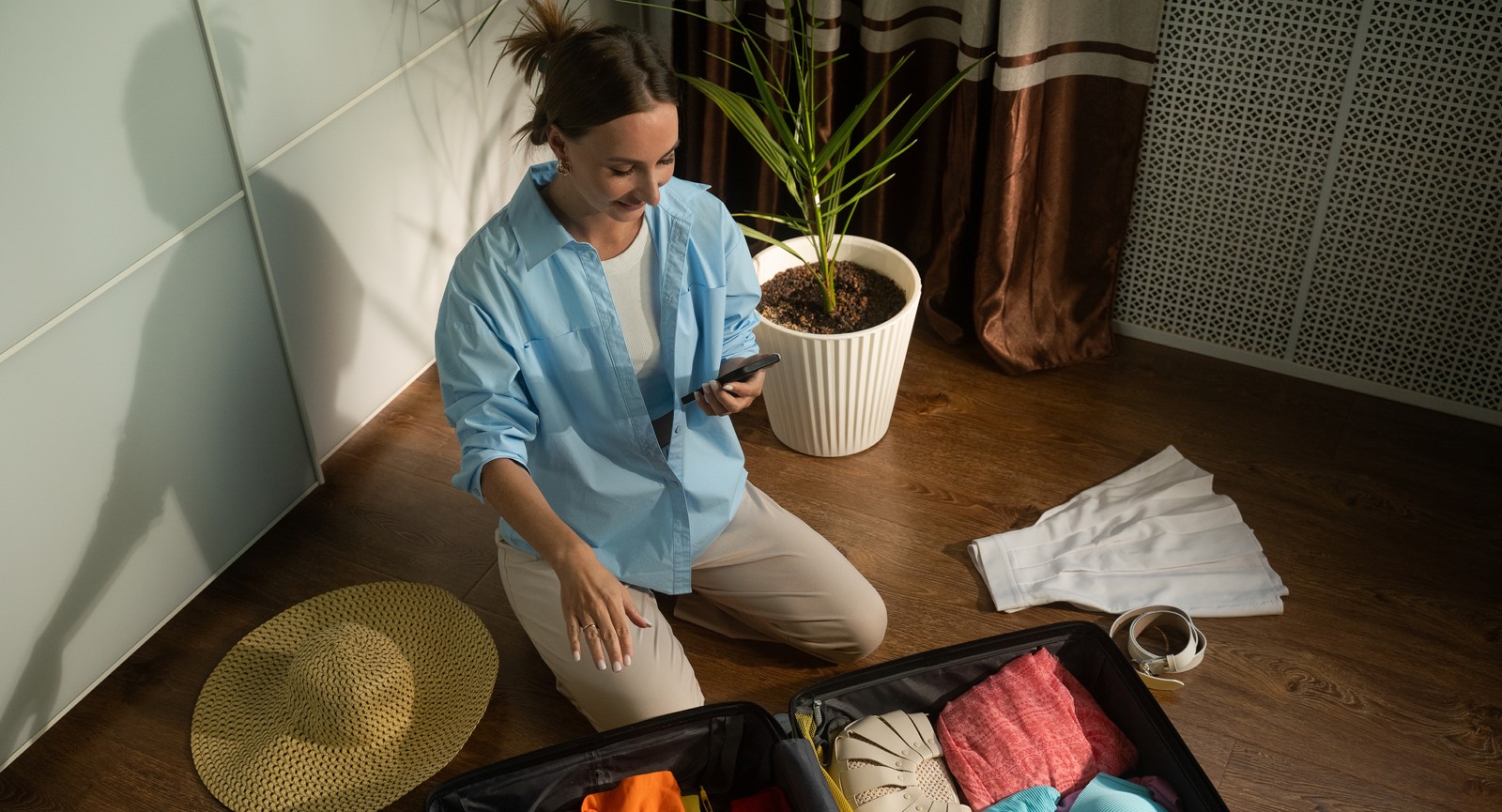
10 things to pack that could save your vacation
5 min.
Read Now