
These are the 11 most shocking things for a foreigner visiting the U.S.
 General
It’s not that obvious to outsiders
These are the 11 most shocking things for a foreigner visiting the U.S.
Traveling to the U.S. can feel familiar, until it suddenly doesn't. Even seasoned travelers can be caught off guard by small cultural differences that affect everyday situations and transactions. From paying at restaurants to how far apart cities really are, many situations that Americans take for granted take first-time visitors by surprise.
Tipping in restaurants
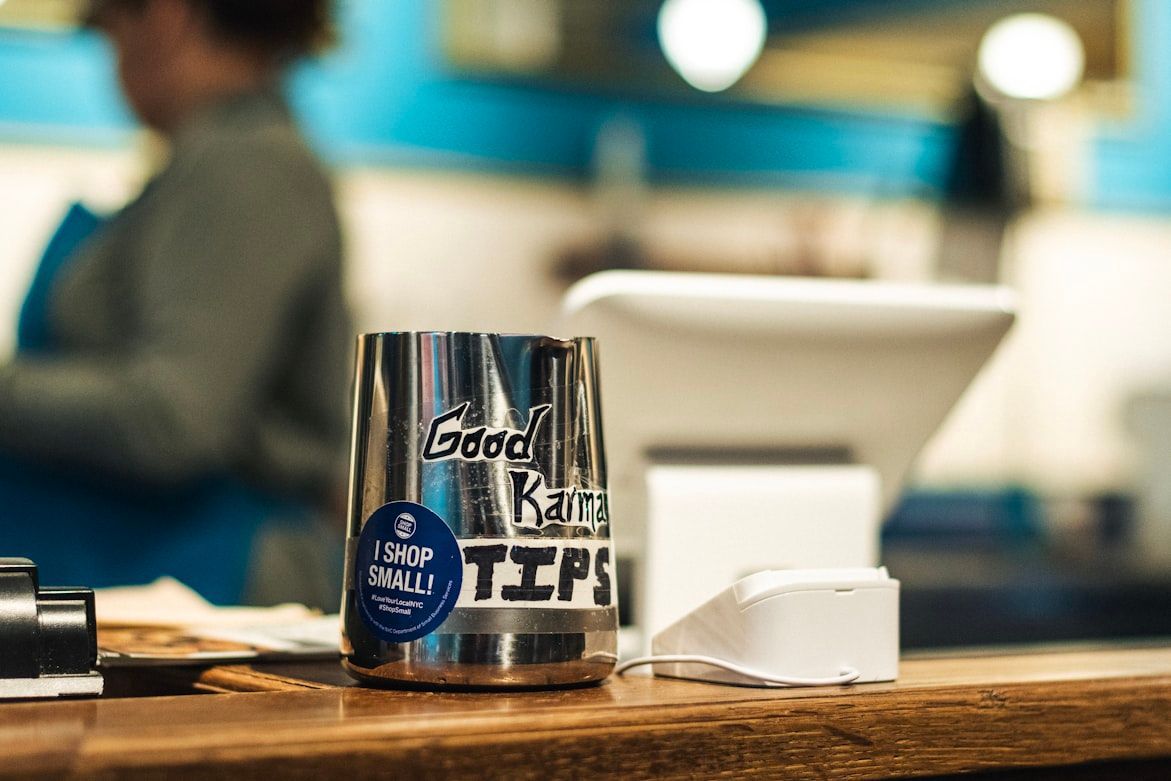
In the U.S., tipping isn’t just polite, it’s expected in many situations. Restaurant servers, taxi drivers, and hotel staff rely heavily on tips as part of their income, unlike many countries where service is included.
At restaurants, leaving around 18-20% of the bill is considered standard. Skipping a tip can be seen as dissatisfaction with the service, even if that wasn’t your intention.
Sales tax is not included in the displayed prices

One of the most confusing moments for non-American visitors happens at checkout. The price seen on the shelf is not the final price, and shoppers. pay more at the register due to sales tax.
This tax varies by state and even by city, so totals can differ depending on location. It’s a small detail, but it often catches travelers off guard when budgeting purchases.
Large portion sizes in restaurants
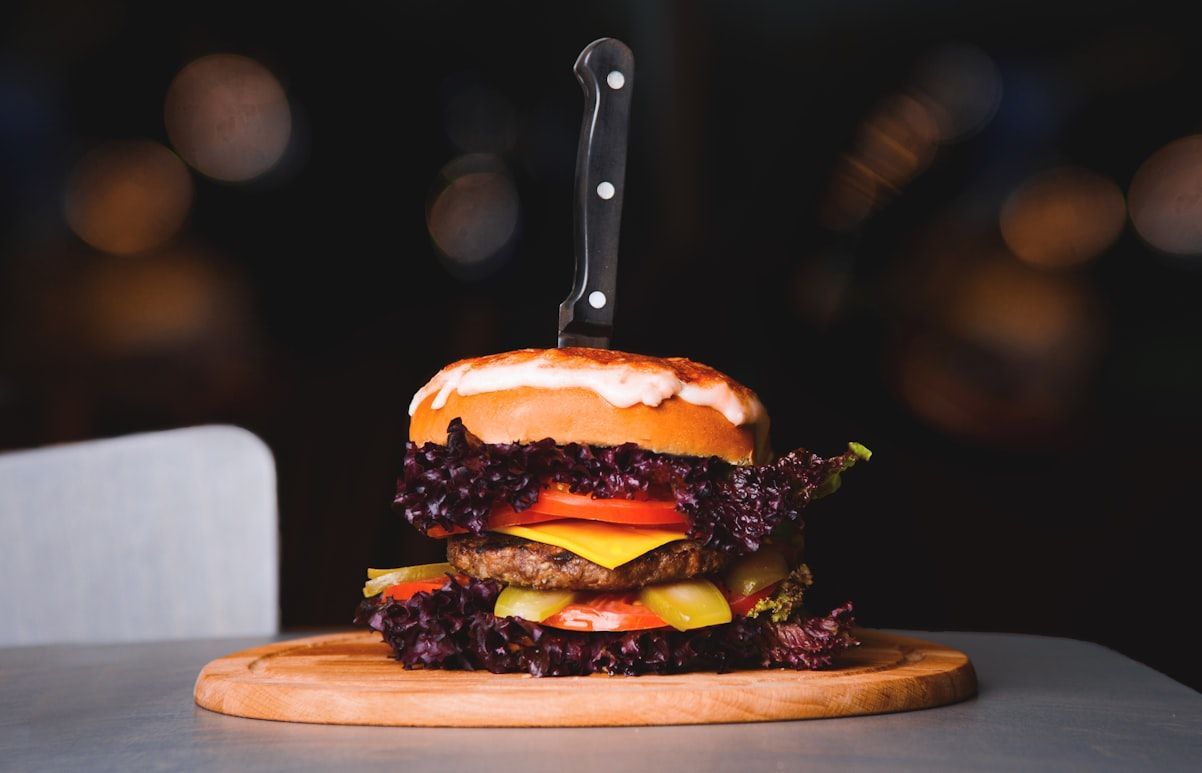
Food portions in the U.S. are famously generous. Meals are often large enough to share, and to-go boxes are common for leftovers.
For many first-time visitors, this can be overwhelming. Ordering multiple courses or sides without realizing portion sizes can quickly lead to oversized meals, wasted food, and higher bills.
Ice in drinks and free refills

In most American restaurants, drinks come filled with ice, sometimes more than liquid. For visitors from countries where this is uncommon, it can feel excessive.
Another surprise: free refills. Many places will refill soft drinks, coffee, or tea at no extra charge, which is not a standard practice in much of the world.
Differences between states
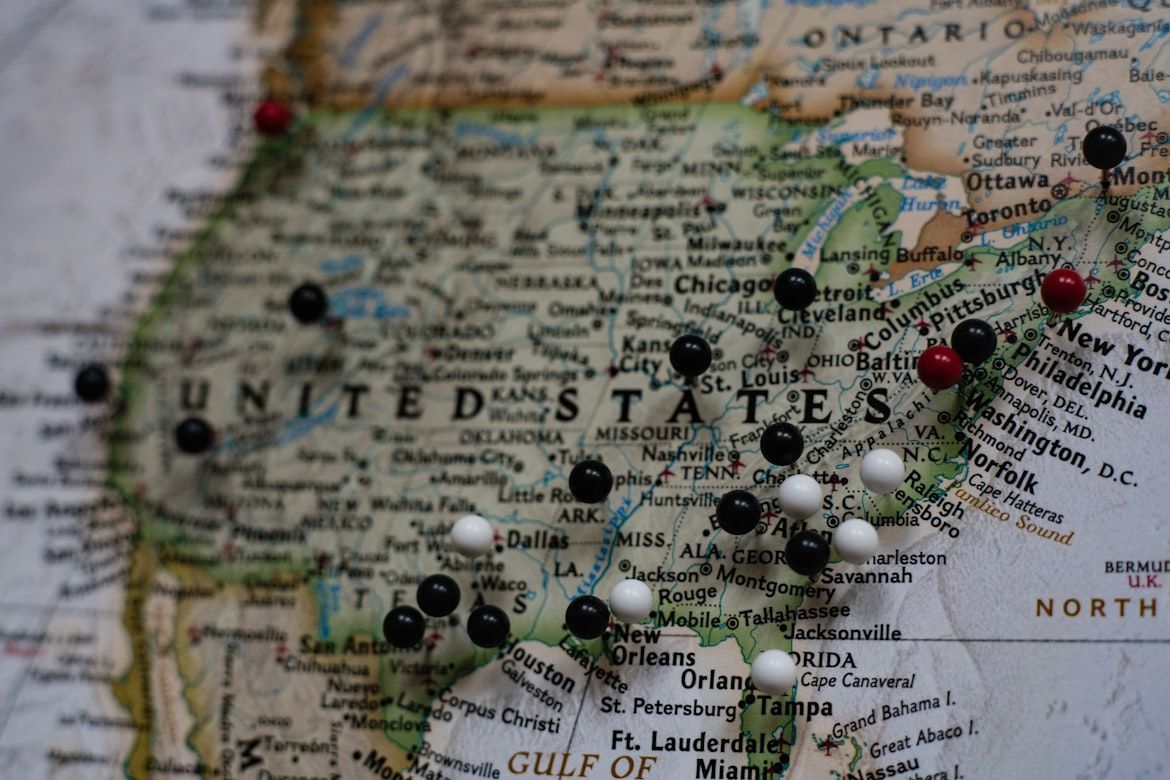
The U.S. is one country, but it often feels like many. (It does stretch across 3.8 million square miles, after all.) Laws, taxes, driving rules, and cultural norms can change significantly from one state to another.
For example, alcohol laws, smoking rules, and tipping expectations may vary. Travelers who assume uniformity across the country can easily run into confusion.
The distance between cities
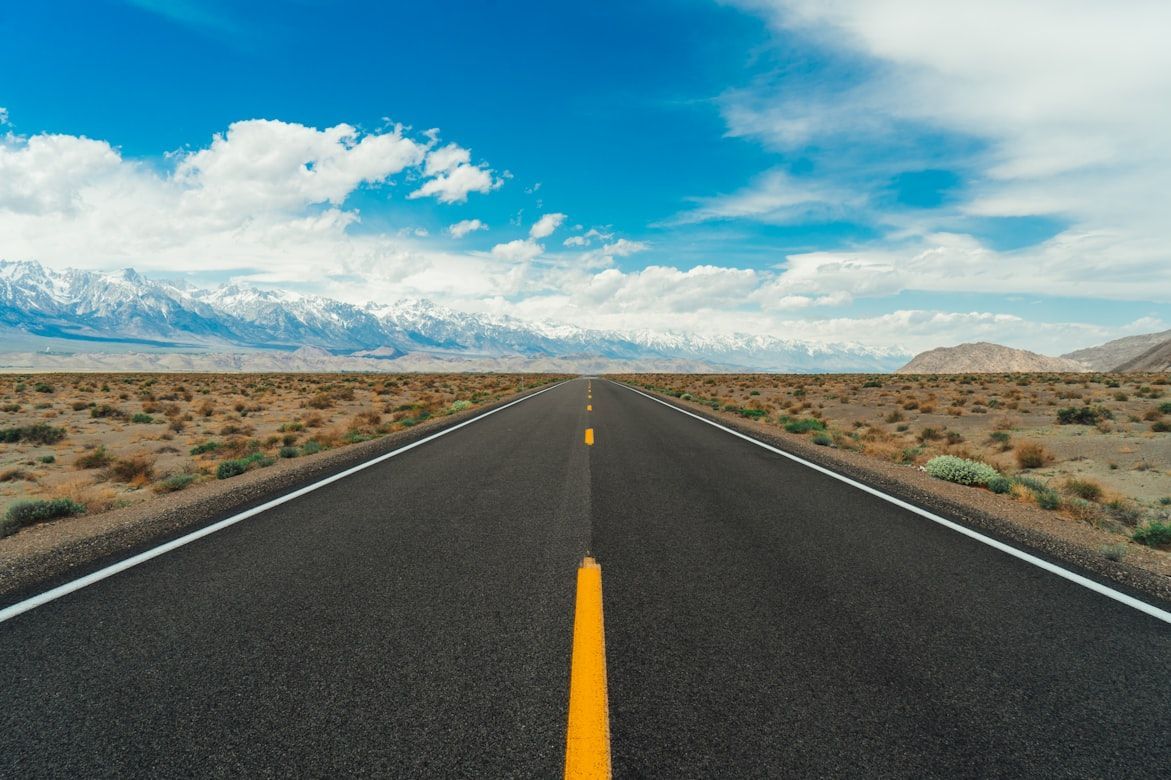
Looking at a map can be misleading. What seems like a short trip between cities can actually take several hours, or even require a flight.
The U.S. is vast, and distances between major destinations are often much greater than in Europe or other regions. Planning travel time carefully is essential.
Car dependency
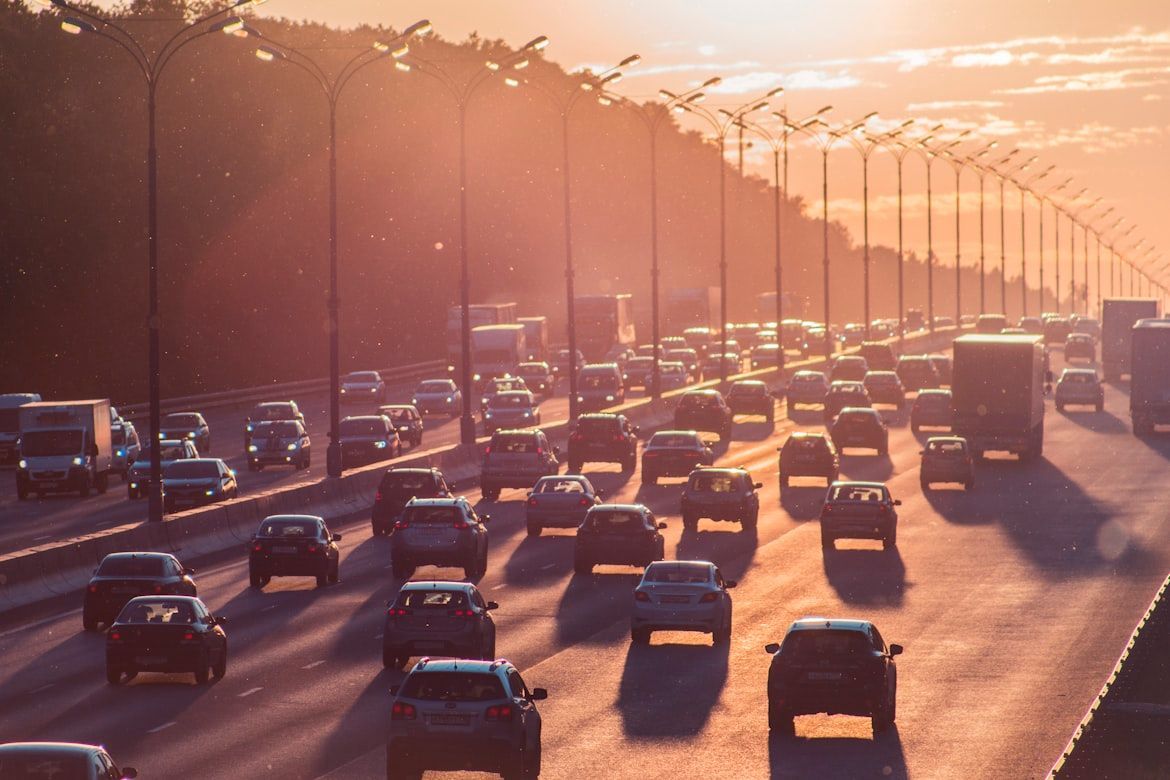
Outside of major cities like New York or Chicago, public transportation can be limited. In many parts of the country, having a car is almost essential.
This surprises travelers used to extensive train or bus systems. Renting a car often becomes necessary to explore beyond urban areas.
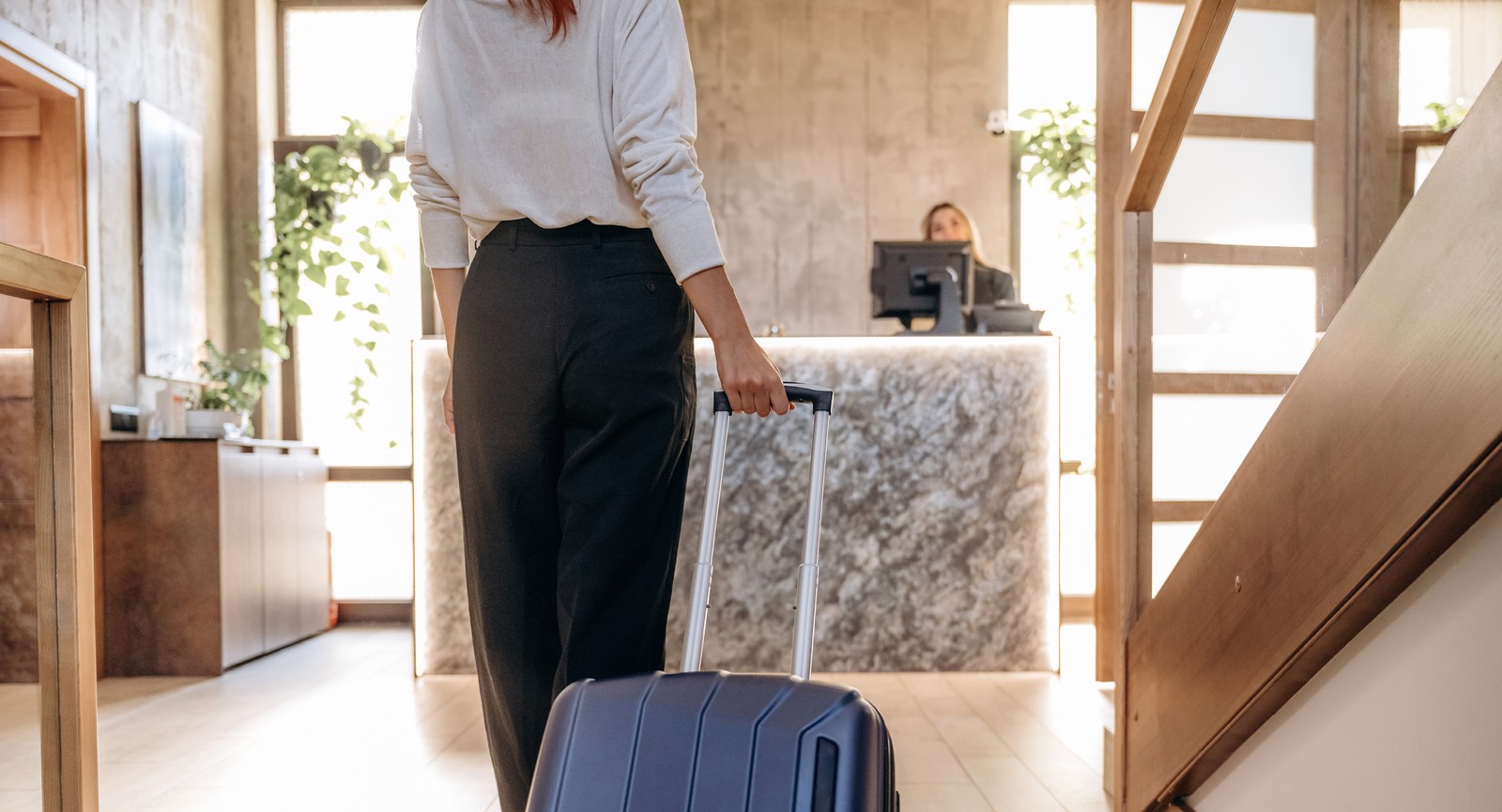
Hotel taxes and additional fees
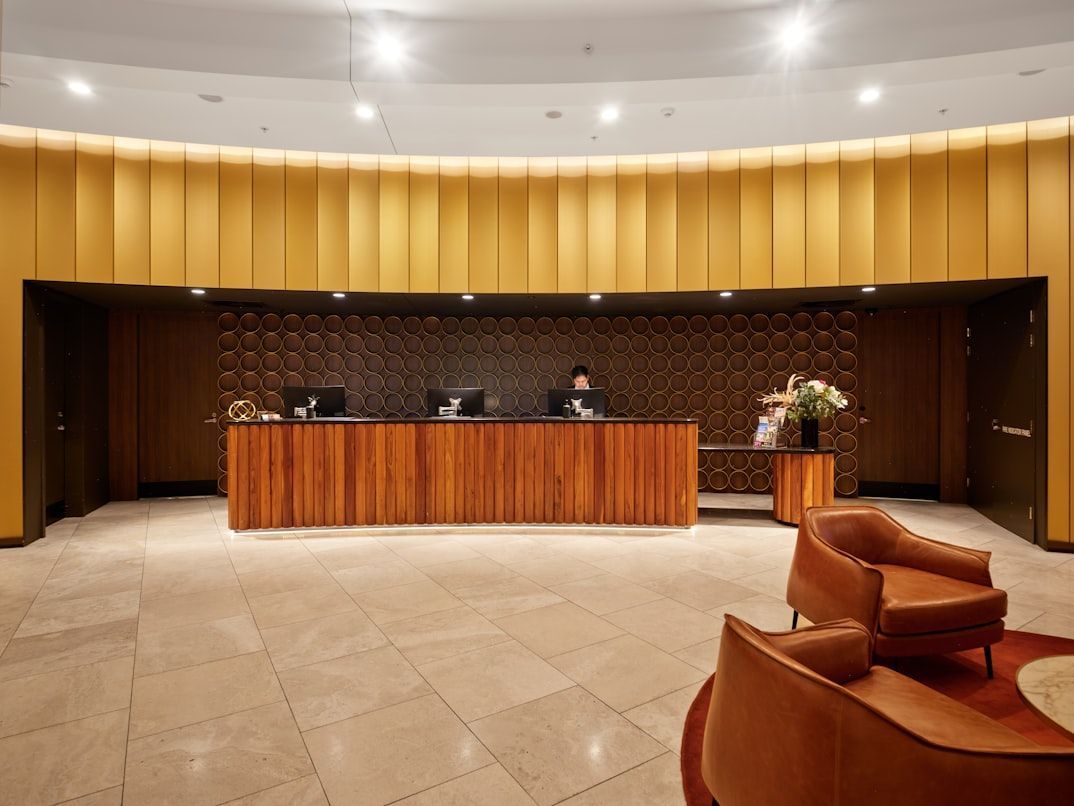
Hotel prices in the U.S. don’t always tell the full story. Extra charges such as local taxes, resort fees, or service fees may be added at checkout.
These additional costs can significantly increase the final price, especially in tourist-heavy destinations. Visitors should always check the full breakdown before booking.
Credit cards are used more than cash
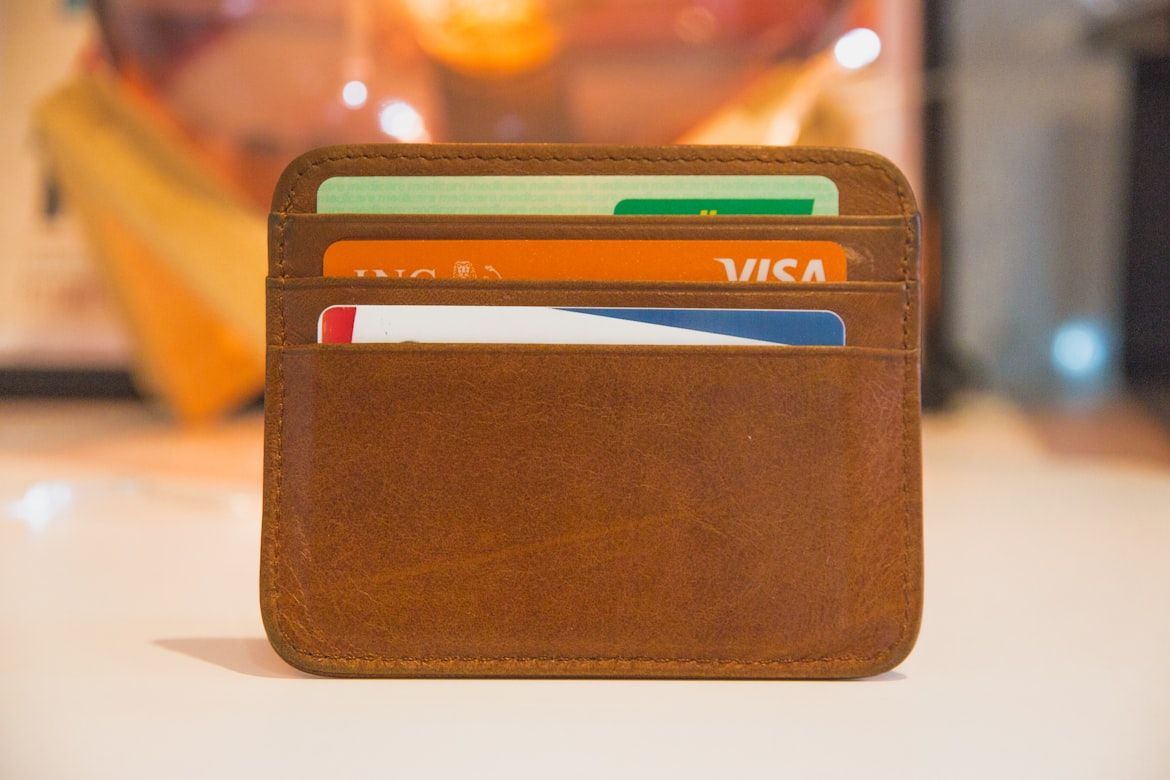
While cash is accepted, credit and debit cards are widely preferred. Many places, even small businesses, expect card payments.
Travelers relying on cash may find it inconvenient, especially in cities when using services like rideshare apps. Having a card is almost essential for smooth travel.
Informal customer service interactions

American customer service is often friendly and informal. Staff may introduce themselves, check in frequently, or engage in small talk.
For visitors from more reserved cultures, this can feel unusual or overly familiar. However, it’s simply part of the service style and not meant to be intrusive.
Drive-thru culture
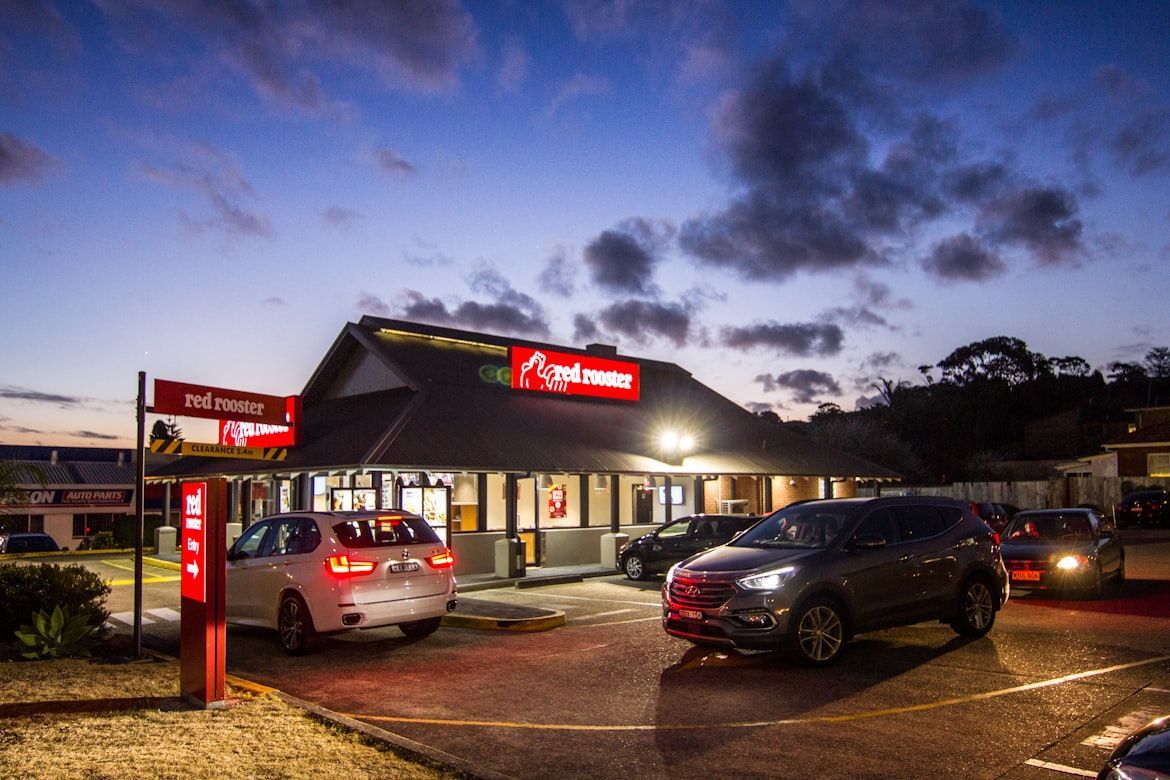
Drive-thrus in the U.S. go far beyond fast food. You’ll find them at pharmacies, coffee shops, banks, and even some dry cleaners.
This car-centered convenience can be surprising for first-time visitors, especially those from places where such services are rare or nonexistent.
What sets a 5-star hotel apart from a 1-star? Learn about hotel ratings
Not all stars are equal
How do hotel star ratings work? 10 things every traveler should know
Most of us assume hotel stars are universal, like grades in school. But the truth is not that simple. A four-star hotel in America may not have the same standards as a four-star hotel in Spain. Around the world, different systems, organizations, and even countries define what those stars mean. Let’s take a closer look at the world of hotel ratings and learn why these are not as simple as they seem.
No global standard
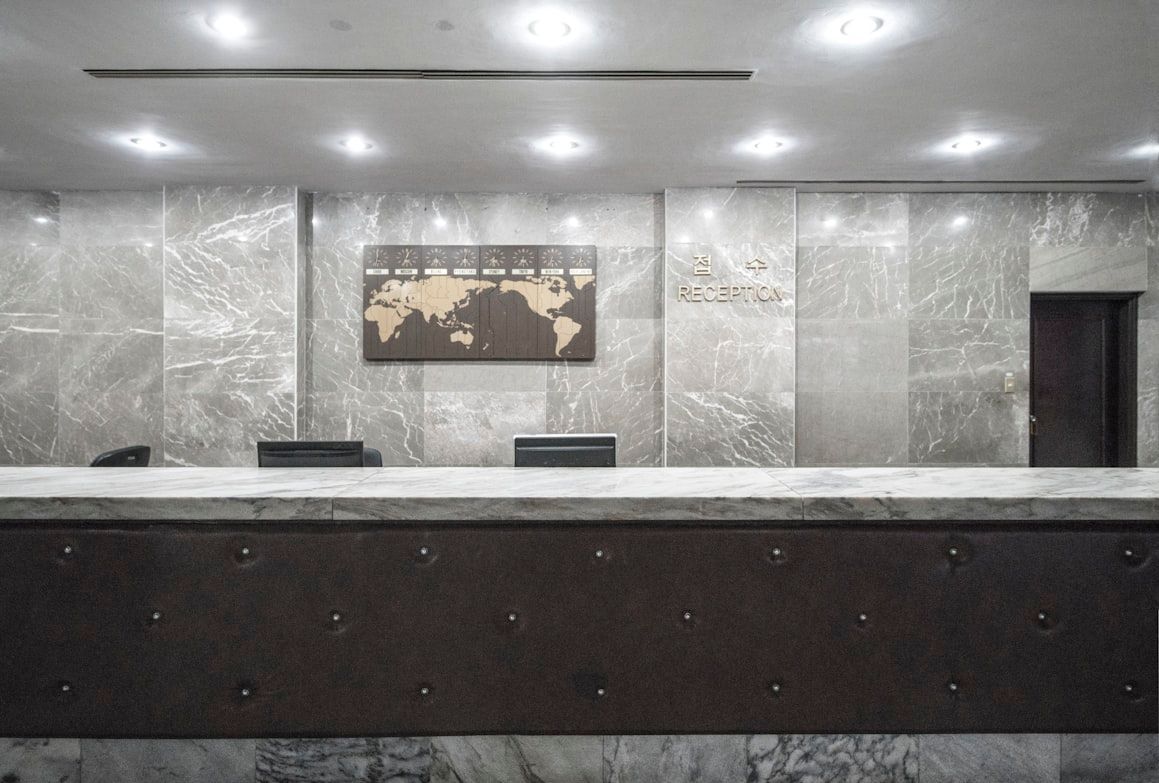
Unlike currencies or time zones, hotel stars aren’t regulated worldwide. Each country, or even region, can define its own criteria. And, of course, hotels don’t usually choose their own ratings. These are evaluated by tourism boards, independent inspectors, or private companies that apply established standards, assessing everything from facilities to service consistency. The goal is to provide travelers with a neutral, structured way to compare accommodations.
Stars are relative, not absolute. They give a general idea of comfort and services, but not a universal guarantee. Travelers assume consistency, but the system was not designed that way.
Europe is the closest to consistency

Some European countries follow shared rules through the Hotelstars Union, which standardizes ratings across several nations, like Germany, Austria, Greece, Poland, and many more across the continent. Hotels are scored using hundreds of criteria, from room size to reception services.
This creates more reliable comparisons across participating countries. Still, not all European nations are included, and small differences in enforcement can remain.
The U.S. uses private ratings
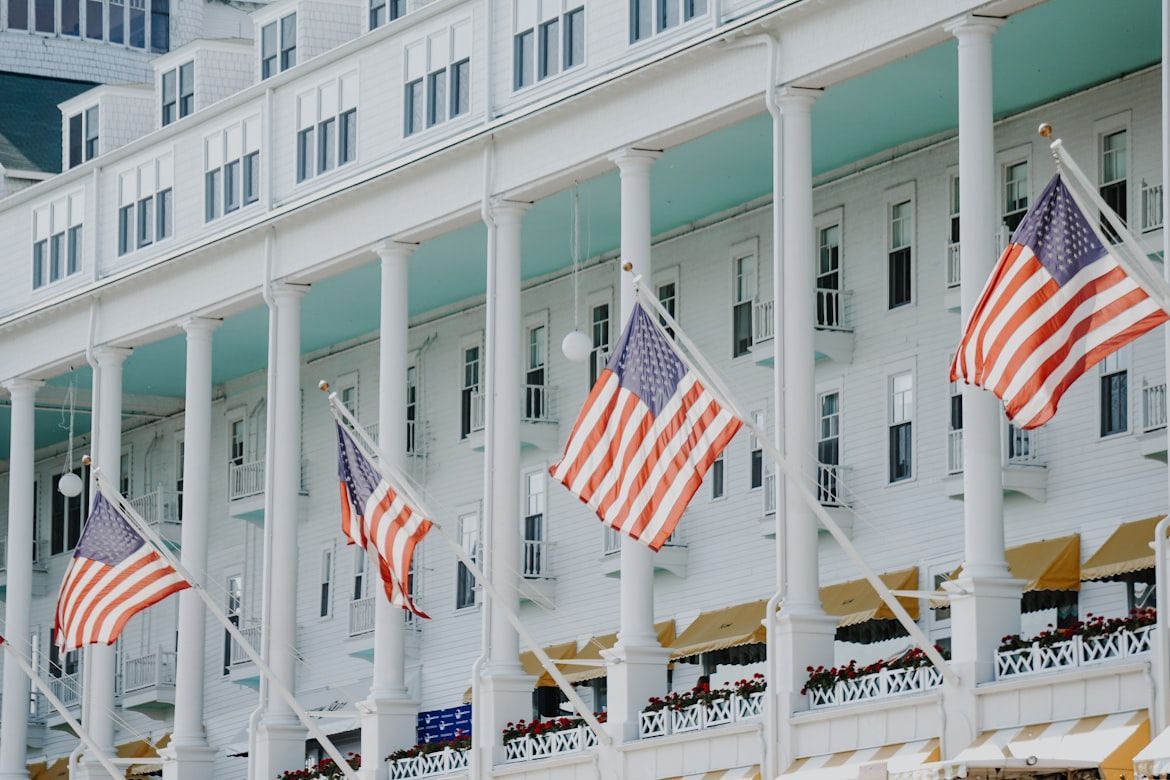
In the U.S., there’s no official government star program. Instead, private organizations like AAA and Forbes Travel Guide assign ratings using their own criteria.
These systems are often stricter and focus heavily on service quality. Approximately 75% of a hotel's score is based on service delivery (the "human element"), while the remaining 25% is based on physical facilities and amenities. However, their stars or diamonds aren’t the same as those used in other parts of the world.
Inspectors are often incognito
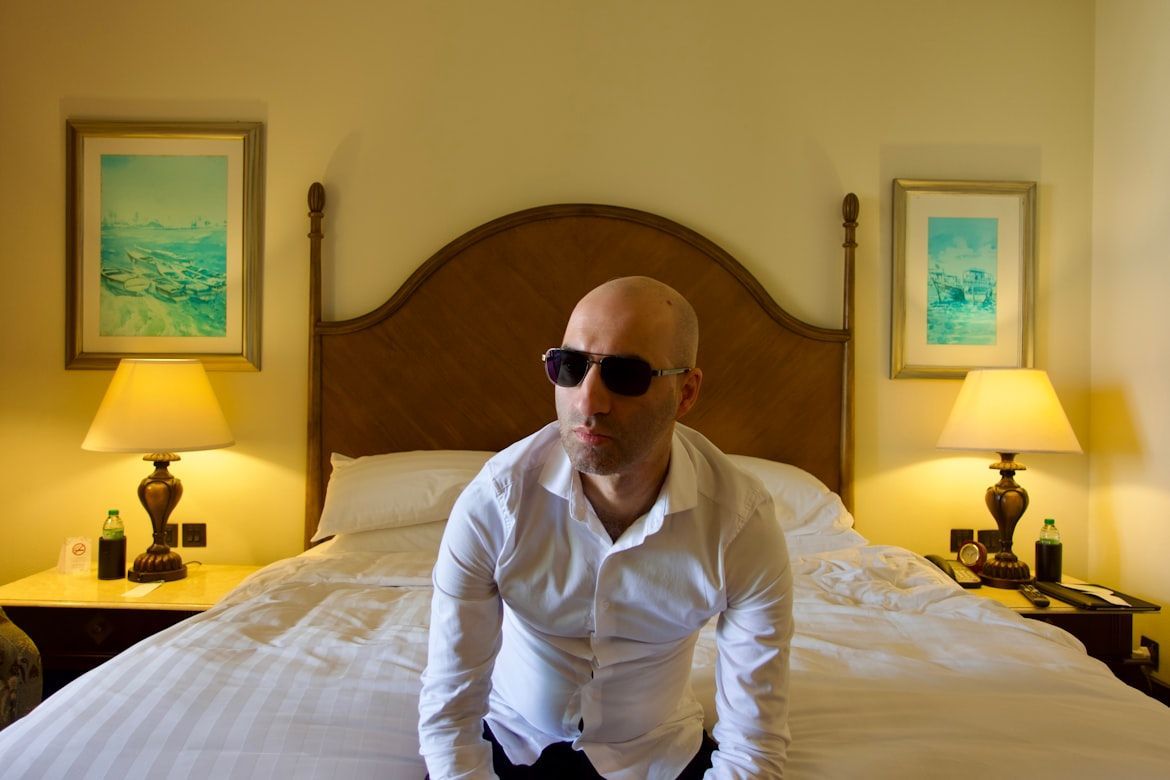
To ensure fairness, many systems rely on anonymous inspections. Evaluators check in like regular guests, without disclosing their status, and experience the hotel without special treatment, analyzing all the criteria needed for their evaluation.
This approach helps capture the real guest experience. It prevents hotels from "putting on a show" only when they know a review is underway and helps ensure these establishments treat each guest as a potential inspector.
Ratings are based on measurable criteria
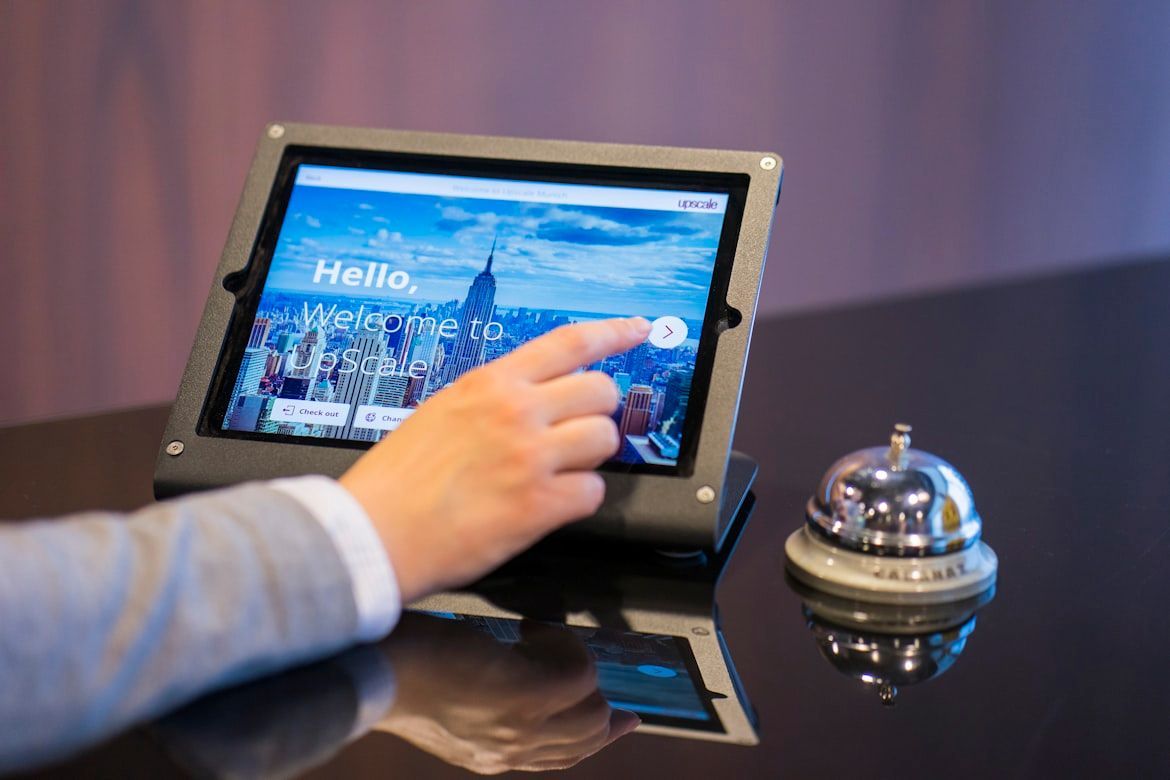
Star levels are determined by tangible features. Inspectors consider factors such as room size, bathroom facilities, cleanliness, service hours, and available amenities on the premises.
These are objective factors, not personal opinions. The system is designed to measure what a hotel offers, not how much a guest happens to enjoy their stay, since that is a mostly subjective experience.
Points systems are often used

Many rating systems assign points for each feature a hotel provides. These points are entered into a standardized checklist, and the total score determines whether it qualifies for a certain star level. For example, having a 24-hour front desk, an on-site restaurant, or valet parking adds points. Hotels must reach minimum thresholds to move up the scale.
Evaluations are usually divided into categories like rooms, bathrooms, food service, public areas, and staff professionalism. This structured approach ensures consistency.
More stars equal more services

A common misconception is that stars simply reflect quality. In reality, they mostly indicate the range of services and facilities available.
A smaller boutique hotel might feel more charming than a larger one, even with fewer stars. The rating reflects what’s offered, not necessarily the guest’s personal preference.
Luxury levels require strict benchmarks

Top-tier ratings, such as five stars, involve meeting a very high percentage of detailed criteria. These often include personalized services, concierge assistance, and premium amenities.
Luxury hotels must consistently deliver these features. It’s not just about appearance; it’s about maintaining a full-service experience at all times.
Hotel chains have their own standards
Major brands like Marriott, Hilton, and Hyatt rely heavily on internal guidelines to ensure consistency across locations. These internal protocols are periodically updated and inspected.
However, their official star rating still depends on the country’s system. That’s why the same brand can carry different star levels in different places, despite offering a similar experience.
Guest reviews have changed how travelers judge hotels
Before websites like Tripadvisor and Booking became popular, travelers relied much more heavily on official hotel stars. Today, many people trust guest reviews just as much, or even more. In 2022, Tripadvisor said its platform had surpassed 1 billion reviews and opinions from travelers worldwide.
That shift changed the industry. A cozy three-star hotel with excellent online ratings could now outperform a poorly reviewed, much larger establishment. Researchers have even studied how guest reviews influence bookings and hotel reputations, proving that online feedback has become a powerful second rating system alongside traditional stars.
Keep wandering
There’s always
more to explore
 Culture

Some of these state fairs have seriously weird attractions
5 min.
Read Now

A town called Chicken? Why are these 10 U.S. places named after food?
4 min.
Read Now
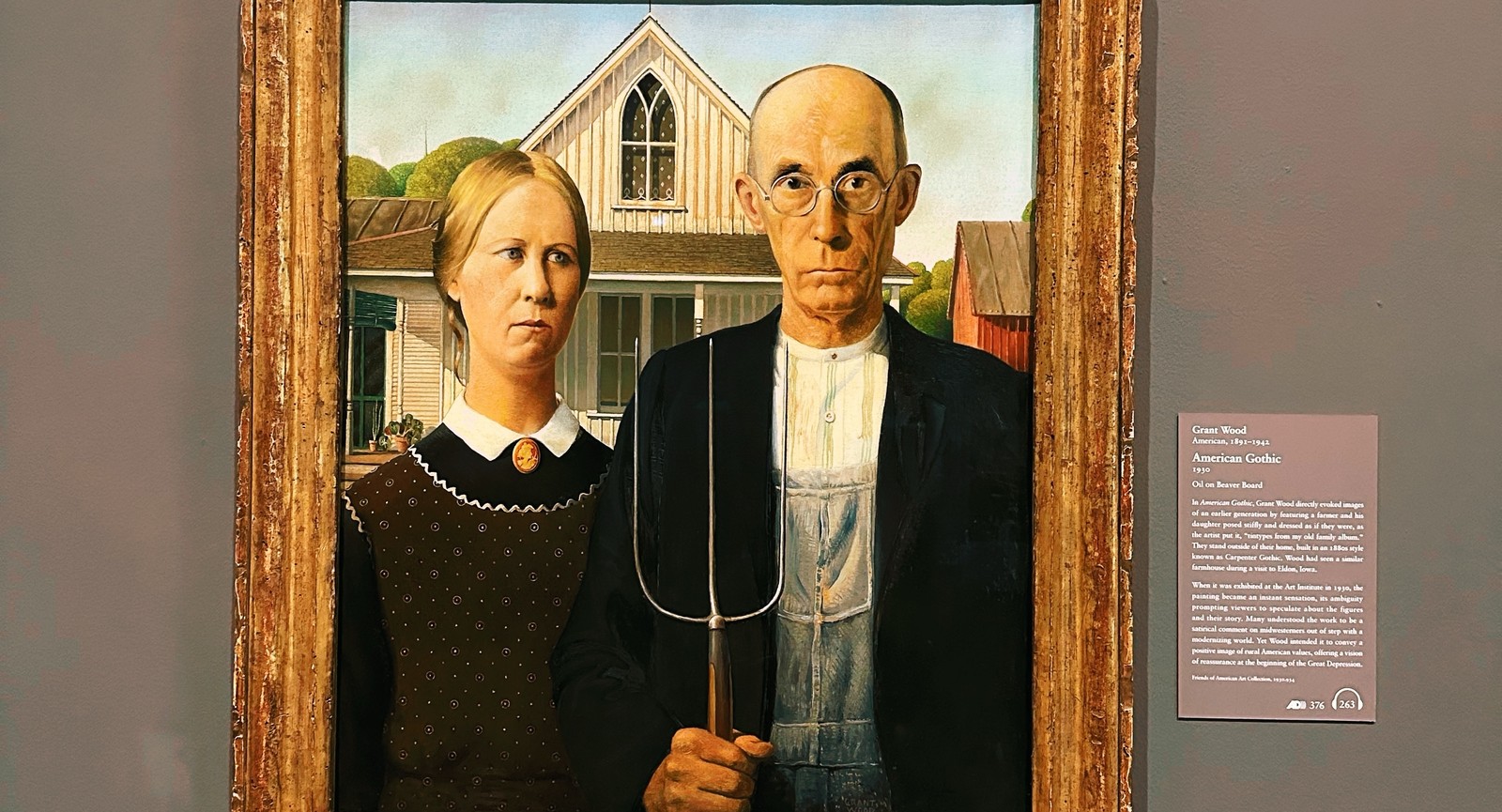
These 10 real places feel like stepping into famous paintings
5 min.
Read Now
Behind the front desk: Hotel secrets that will change how you check in
5 min.
Read Now