Ancient sites you can still walk through today
 History
No time machine required
Ancient sites you can still walk through today
There’s something magical about standing in a place where people lived, worshiped, traded, and dreamed thousands of years ago. Ancient ruins aren’t just museum pieces; many are open-air time machines you can explore on foot, letting you step into history rather than just read about it.
From stone cities carved into cliffs to well-preserved streets that once buzzed with daily life, these sites offer a rare opportunity to walk the same paths as ancient civilizations. Here are some of the most incredible ancient places around the world that you can still walk through today.
Machu Picchu, Peru
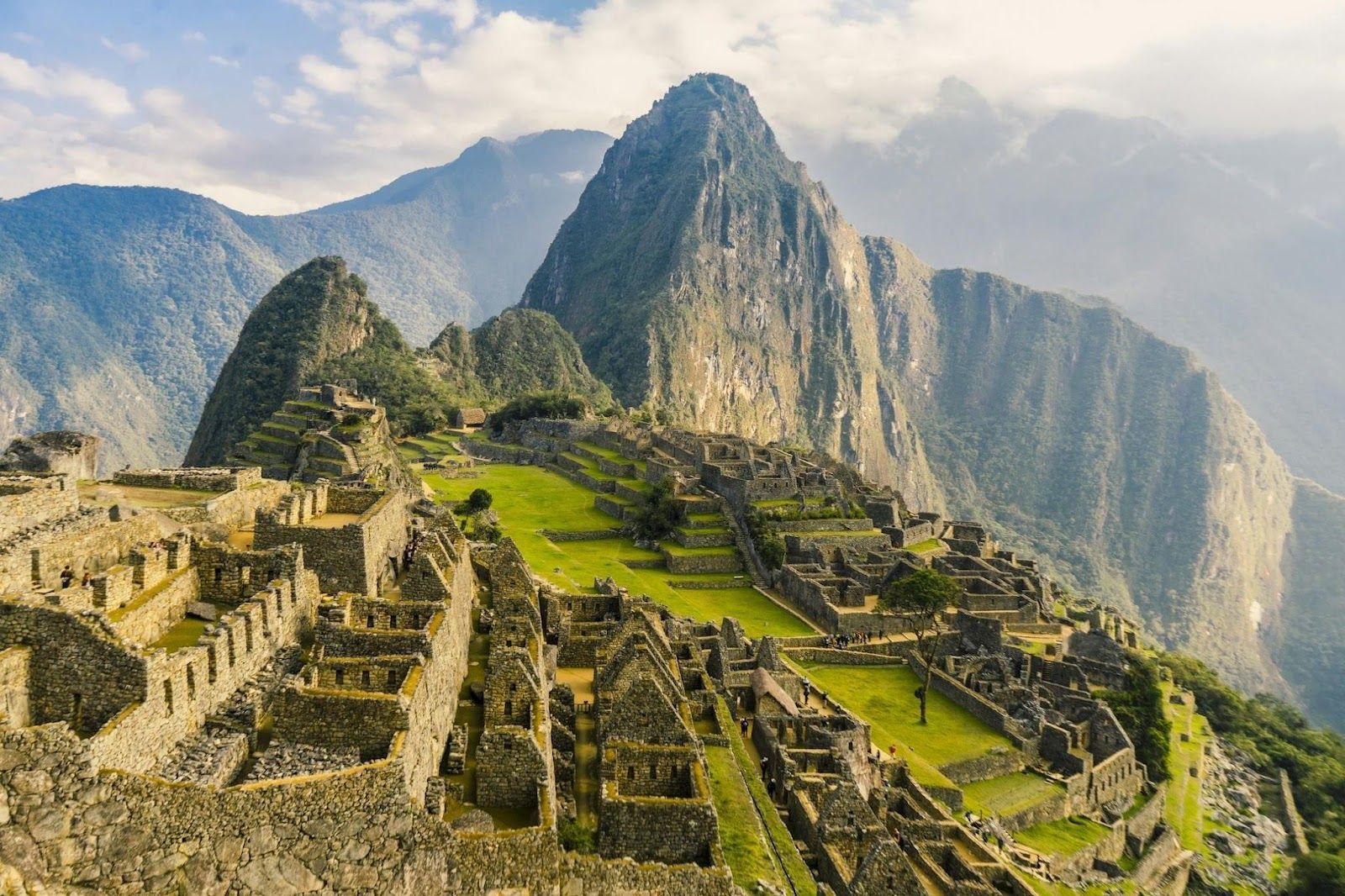
High in the Andes Mountains, Machu Picchu is one of the most iconic archaeological sites in the world. Built by the Inca in the 15th century, this mountaintop city features stone temples, terraces, and plazas that blend seamlessly into the surrounding landscape. The craftsmanship of the stonework is so precise that many structures have withstood centuries of earthquakes and harsh weather.
Walking through Machu Picchu feels like wandering through a living museum. Stone staircases guide visitors between sacred spaces and former living quarters, offering breathtaking views at every turn. The site’s remote setting adds to its mystery, making each step feel like a journey into a lost world.
Pompeii, Italy
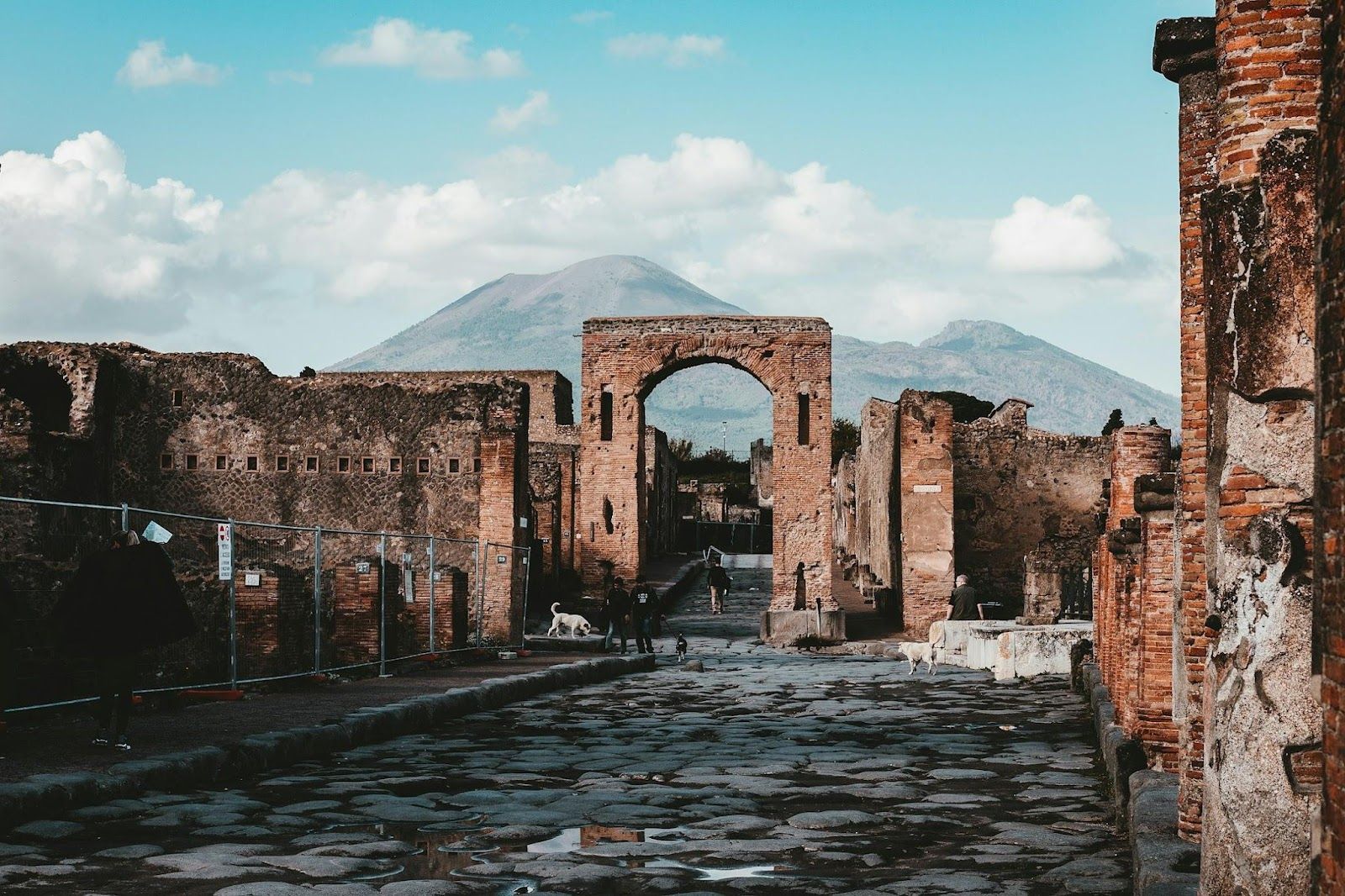
Frozen in time by the eruption of Mount Vesuvius in 79 CE, Pompeii offers an extraordinary glimpse into daily life in ancient Rome. The city’s streets, homes, baths, and shops were preserved under layers of ash, allowing modern visitors to walk along original stone roads, complete with worn stepping stones.
As you explore Pompeii, you can step inside ancient villas, peek into bakeries, and stand in public squares where citizens once gathered. Preserved murals, mosaics, and graffiti reveal surprisingly personal details about Roman life, making the experience feel intimate and immediate.
Petra, Jordan
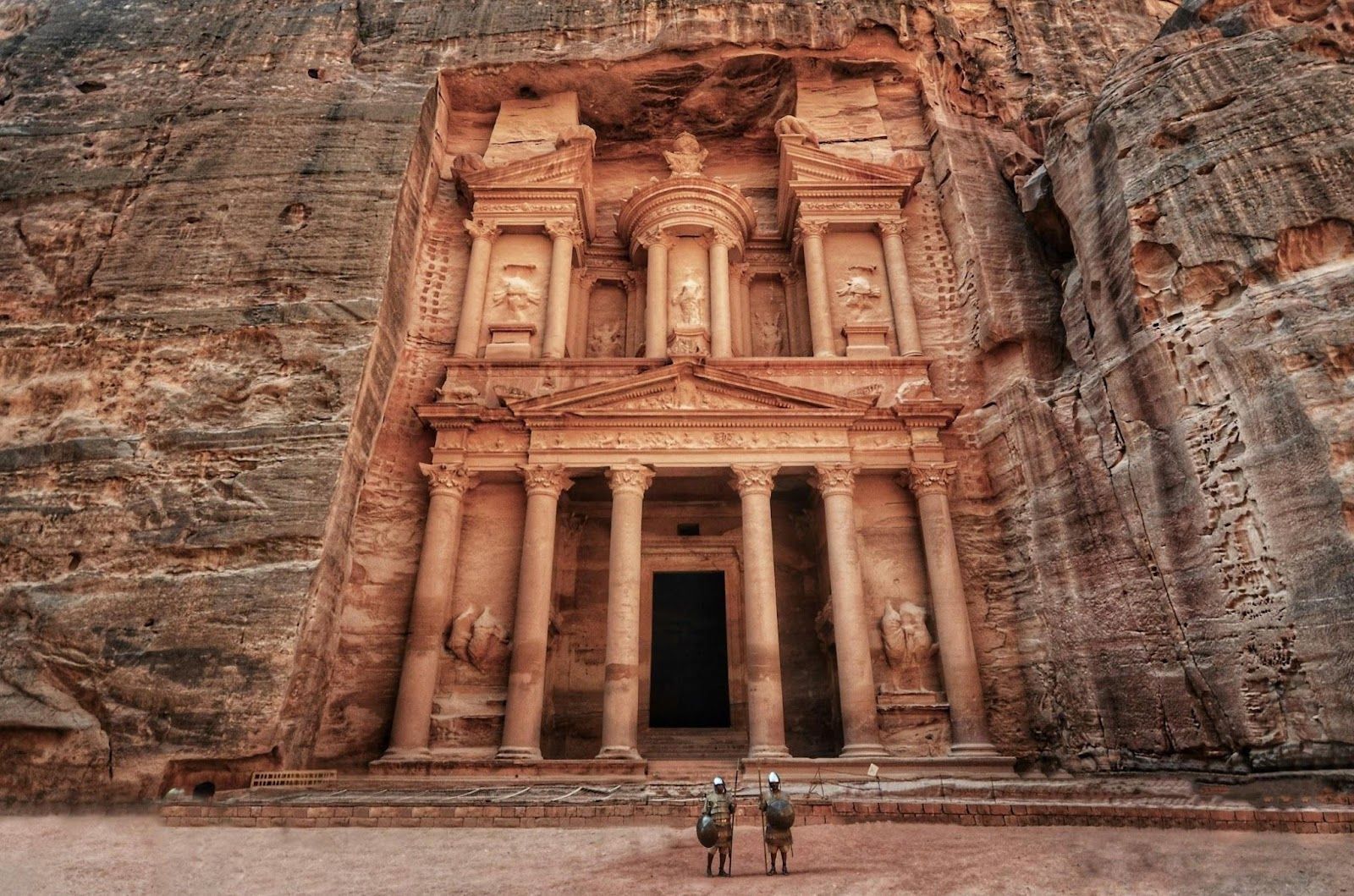
Carved directly into rose-colored cliffs, Petra was once a thriving hub of trade for the Nabataean civilization. The site is famous for its monumental rock-cut architecture, including temples, tombs, and grand facades that seem to emerge from the stone itself. Approaching Petra through the narrow canyon known as the Siq builds anticipation before revealing its most famous structure, Al-Khazneh, also known as the Treasury.
Walking through Petra is both awe-inspiring and immersive. Visitors can explore vast open courtyards, climb stone stairways to ancient viewpoints, and wander among ruins scattered across the desert valley. The blend of natural beauty and human ingenuity makes the experience unforgettable.
Angkor, Cambodia
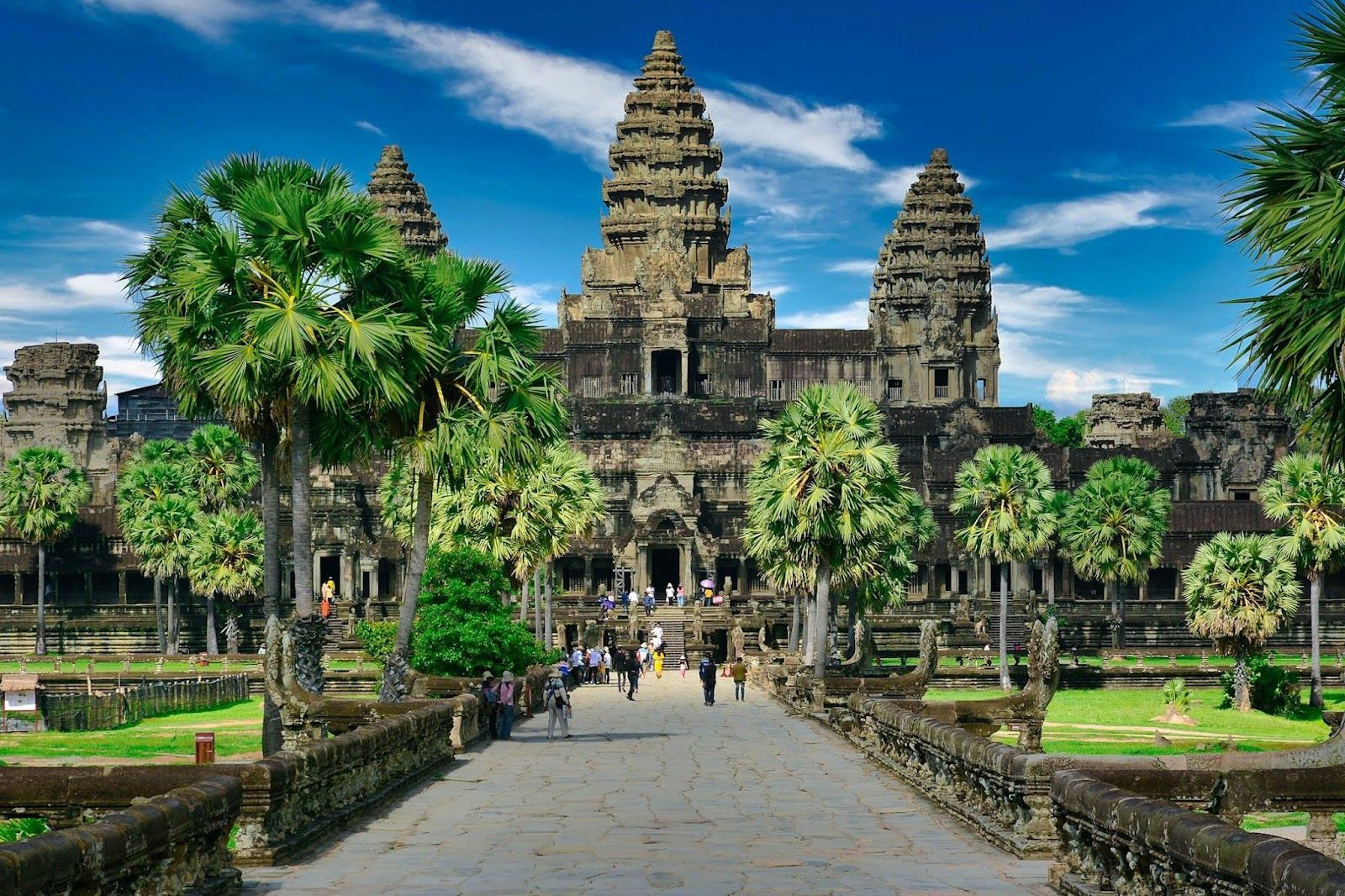
Angkor was the heart of the Khmer Empire and is now one of the largest religious monument complexes in the world. Its sprawling network of temples, reservoirs, and causeways stretches across the jungle, with Angkor Wat standing as the most famous and well-preserved structure. The site reflects a powerful civilization that flourished for centuries.
Exploring Angkor means wandering through towering stone corridors, crossing ancient bridges, and discovering temples partially reclaimed by nature. Massive tree roots twist around crumbling walls, creating a striking contrast between human creation and the forces of time. The sheer scale of the site encourages slow, thoughtful exploration.
Chichén Itzá, Mexico
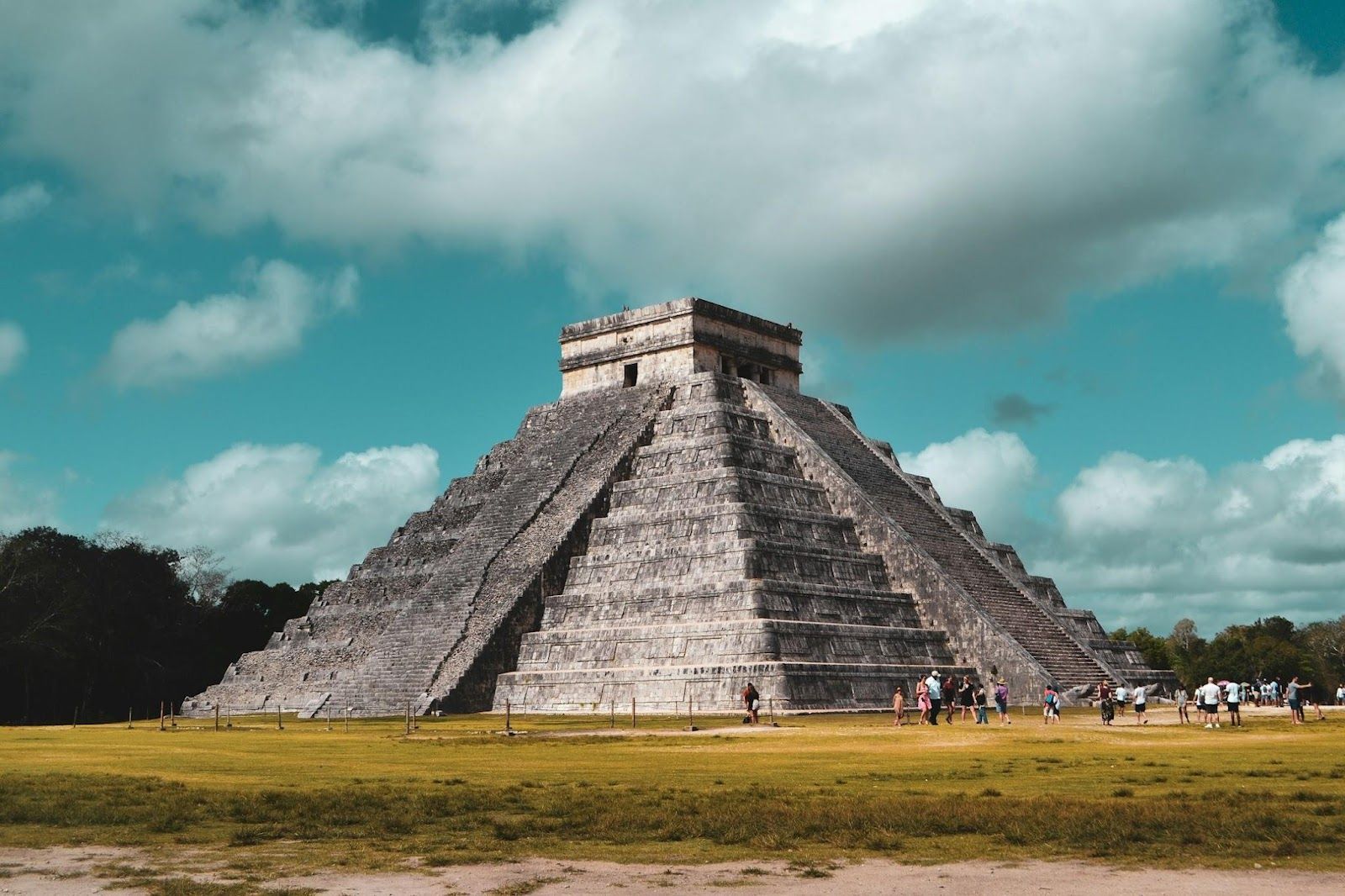
Once a major city of the Maya civilization, Chichén Itzá is best known for the stepped pyramid called El Castillo. The site also includes ball courts, temples, and ceremonial platforms that highlight the Maya’s advanced understanding of astronomy, mathematics, and architecture. The layout of the city reflects both political power and spiritual belief.
Walking through Chichén Itzá offers insight into how the ancient Maya organized their society. Wide plazas and monumental structures make it easy to imagine large gatherings and ceremonial events taking place here. The site’s open design invites visitors to explore at their own pace.
The Acropolis of Athens, Greece
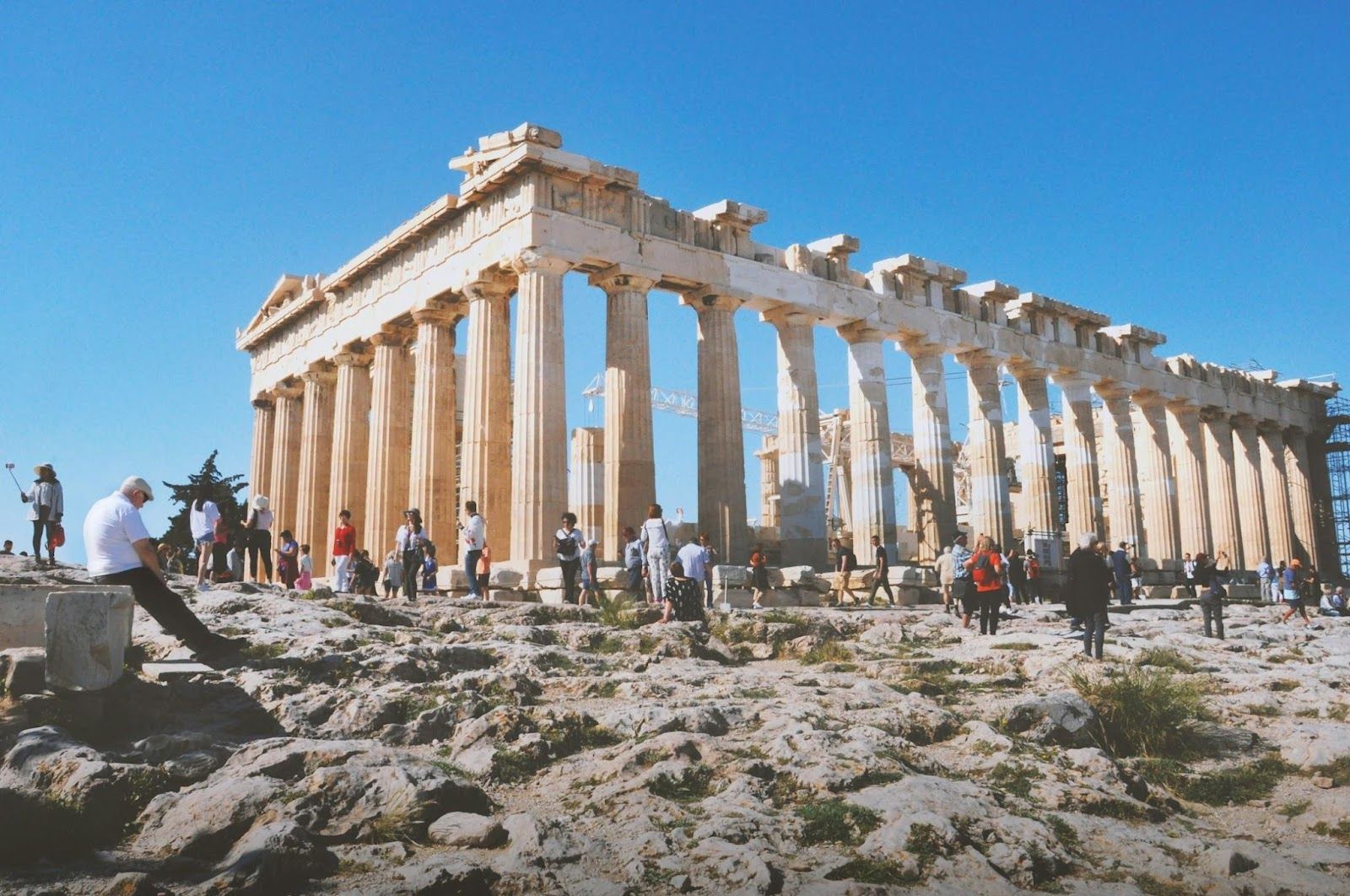
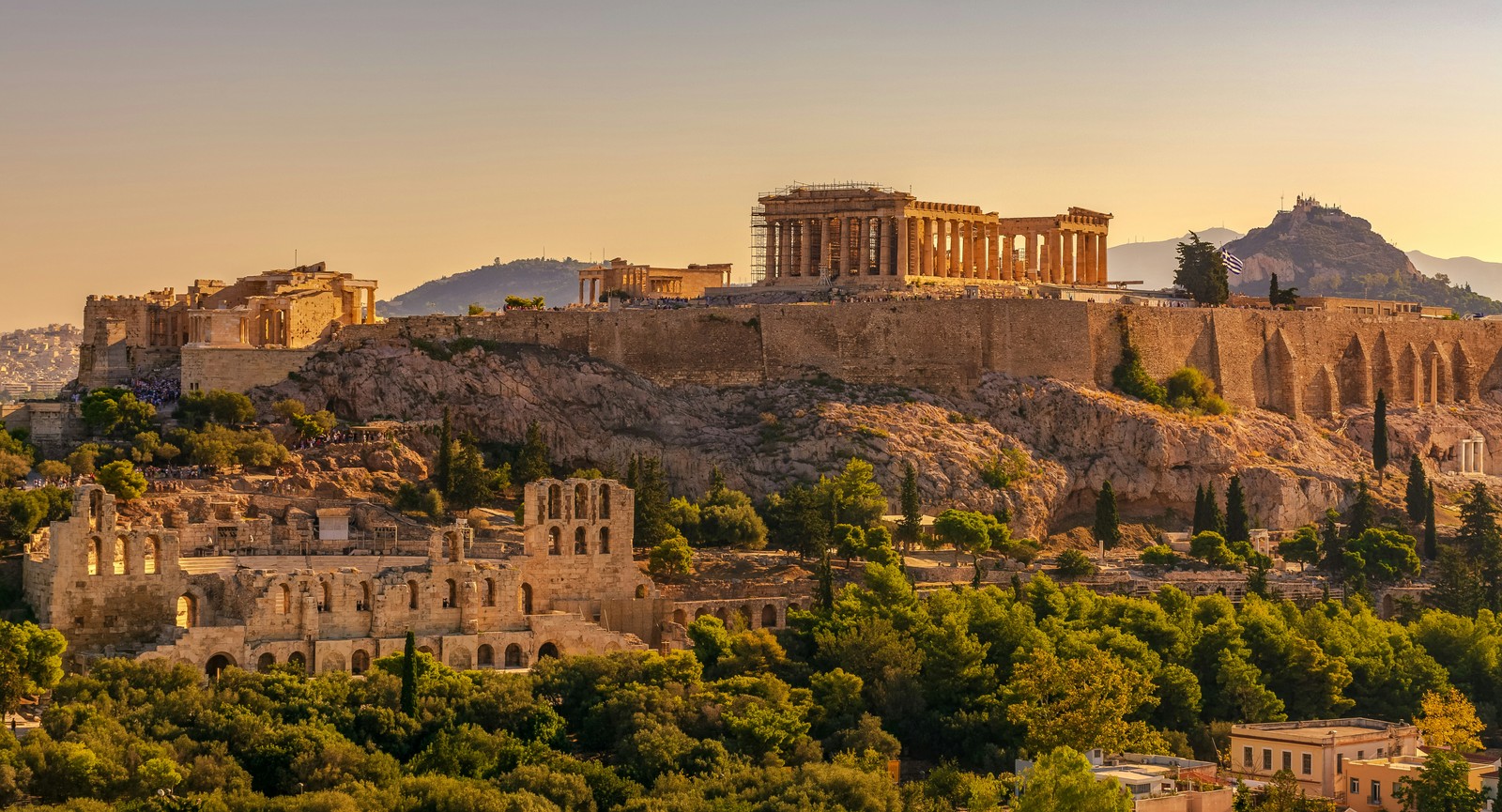
Rising above the modern city of Athens, the Acropolis has been a symbol of Greek civilization for thousands of years. Its most famous structure, the Parthenon, was built in the 5th century BCE and dedicated to the goddess Athena. The Acropolis served as both a religious center and a statement of Athenian power.
Visitors today can walk along stone pathways that wind past temples, theaters, and sanctuaries. Standing among the ruins offers sweeping views of Athens below, blending ancient and modern worlds in a single glance. The site feels both monumental and deeply human, shaped by centuries of use and change.
Tikal, Guatemala
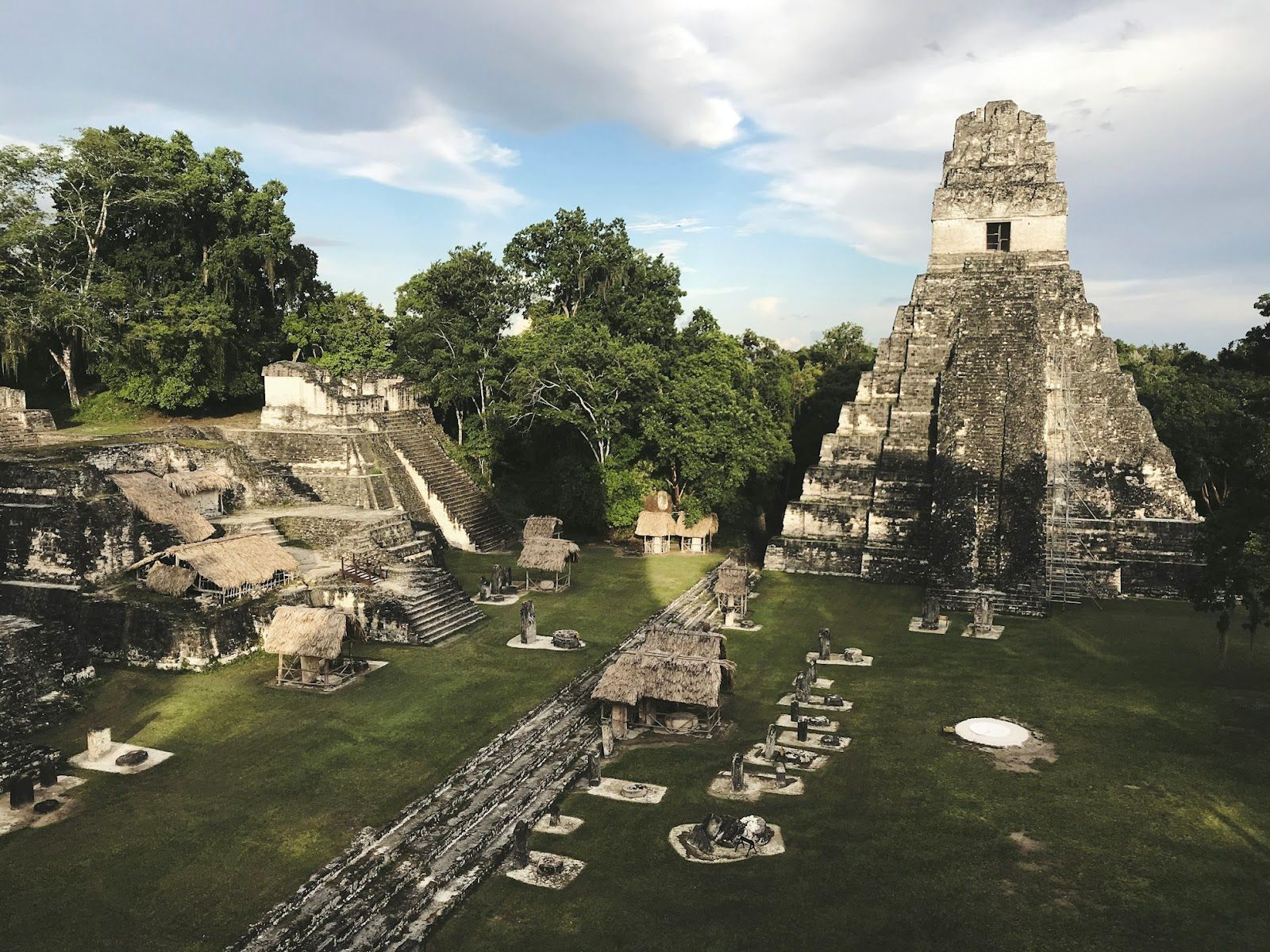
Hidden deep within the rainforest, Tikal was once a powerful city of the Maya civilization, filled with towering pyramids and ceremonial plazas. The site flourished between the 3rd and 9th centuries CE and was a center of political and religious life. Its massive temples still rise above the forest canopy, visible from afar.
Walking through Tikal is a sensory experience, with jungle sounds echoing through ancient stone corridors. Trails connect plazas and pyramids, allowing visitors to explore at ground level and take in the scale of the structures. The surrounding wilderness adds to the feeling of discovery.
Ephesus, Turkey
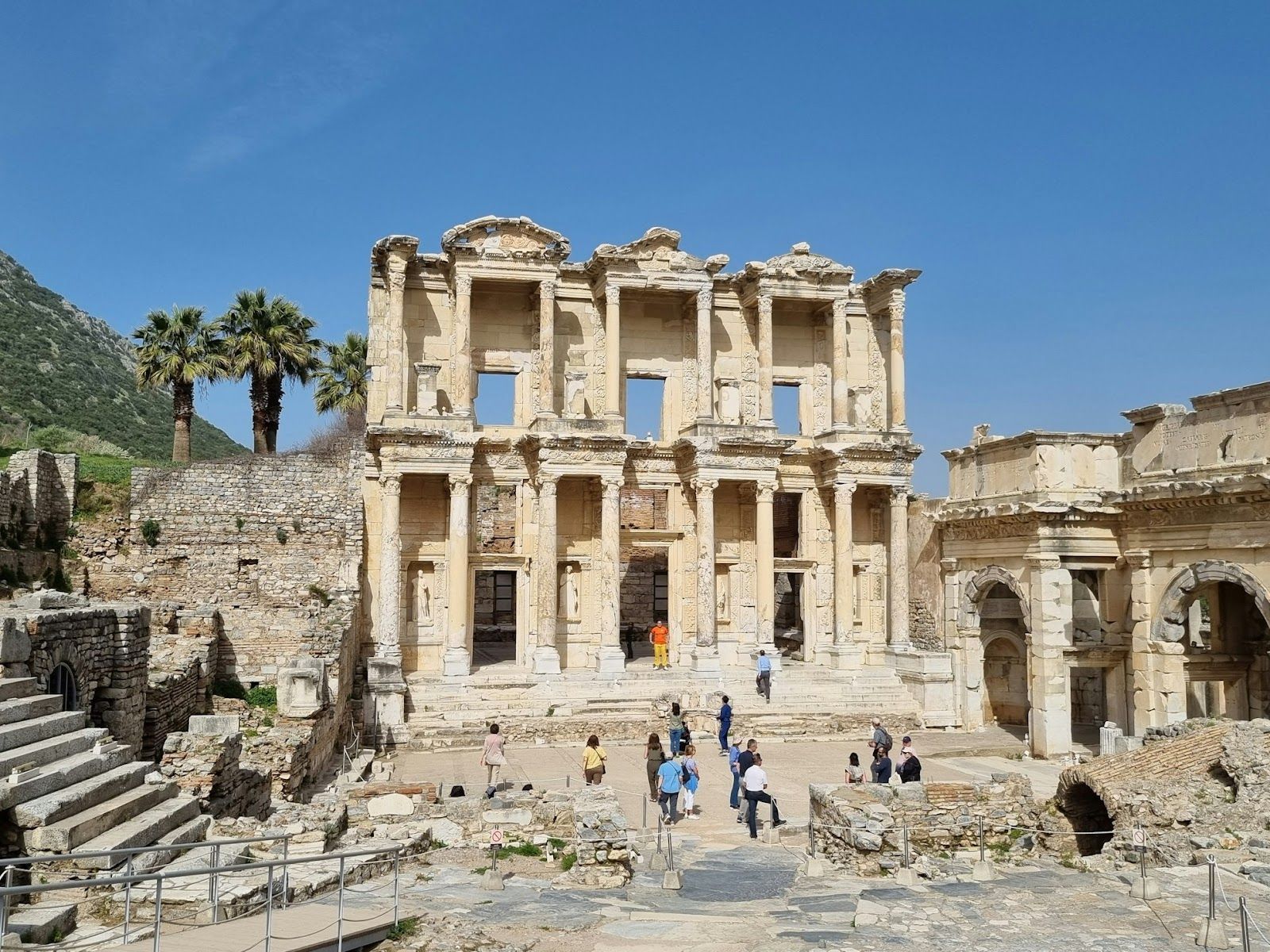
Ephesus was one of the most important cities of the ancient Greek and Roman world, known for its grand architecture and bustling streets. The city featured libraries, theaters, temples, and public baths, reflecting a high standard of urban life. Many of its marble roads and buildings remain remarkably well preserved.
As you walk through Ephesus, you can follow the same main street that ancient citizens once used to travel between the harbor and the city center. The ruins of the Library of Celsus and the Great Theater provide powerful reminders of how vibrant and sophisticated the city once was. The layout of the streets makes exploration feel natural and intuitive.
Hampi, India
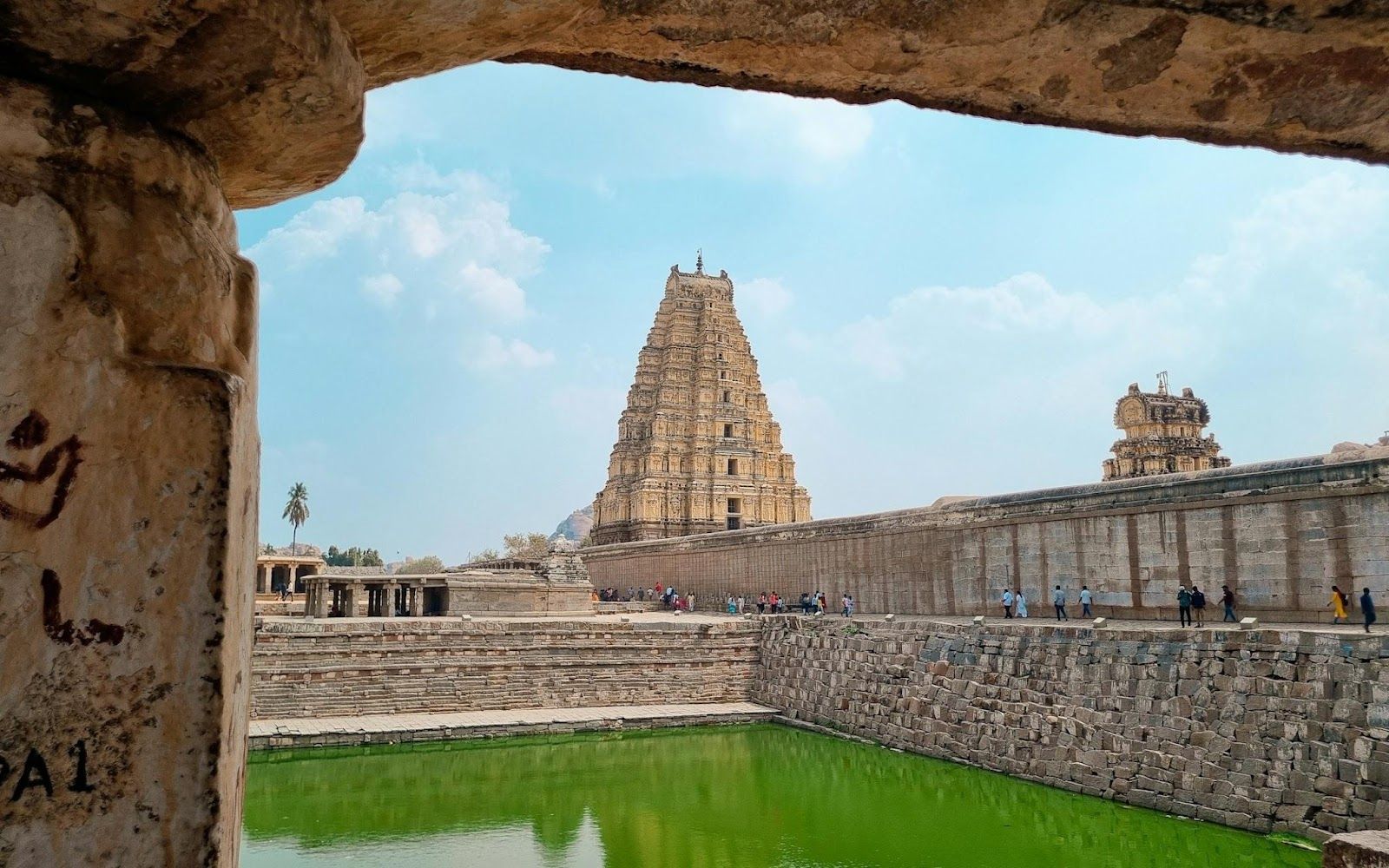
Hampi was the capital of the Vijayanagara Empire, one of the most prosperous kingdoms in medieval India. The site is spread across a dramatic landscape of boulders, rivers, and hills, dotted with temples, marketplaces, and royal enclosures. Its ruins hint at a once-thriving urban center rich in art, trade, and ceremonial life.
Walking through Hampi feels like wandering through a vast open-air gallery of history. Long stone roads connect temples and monuments, while scattered ruins invite quiet exploration. The peaceful setting contrasts with the site’s grand past, creating a reflective atmosphere for visitors.
Palmyra, Syria
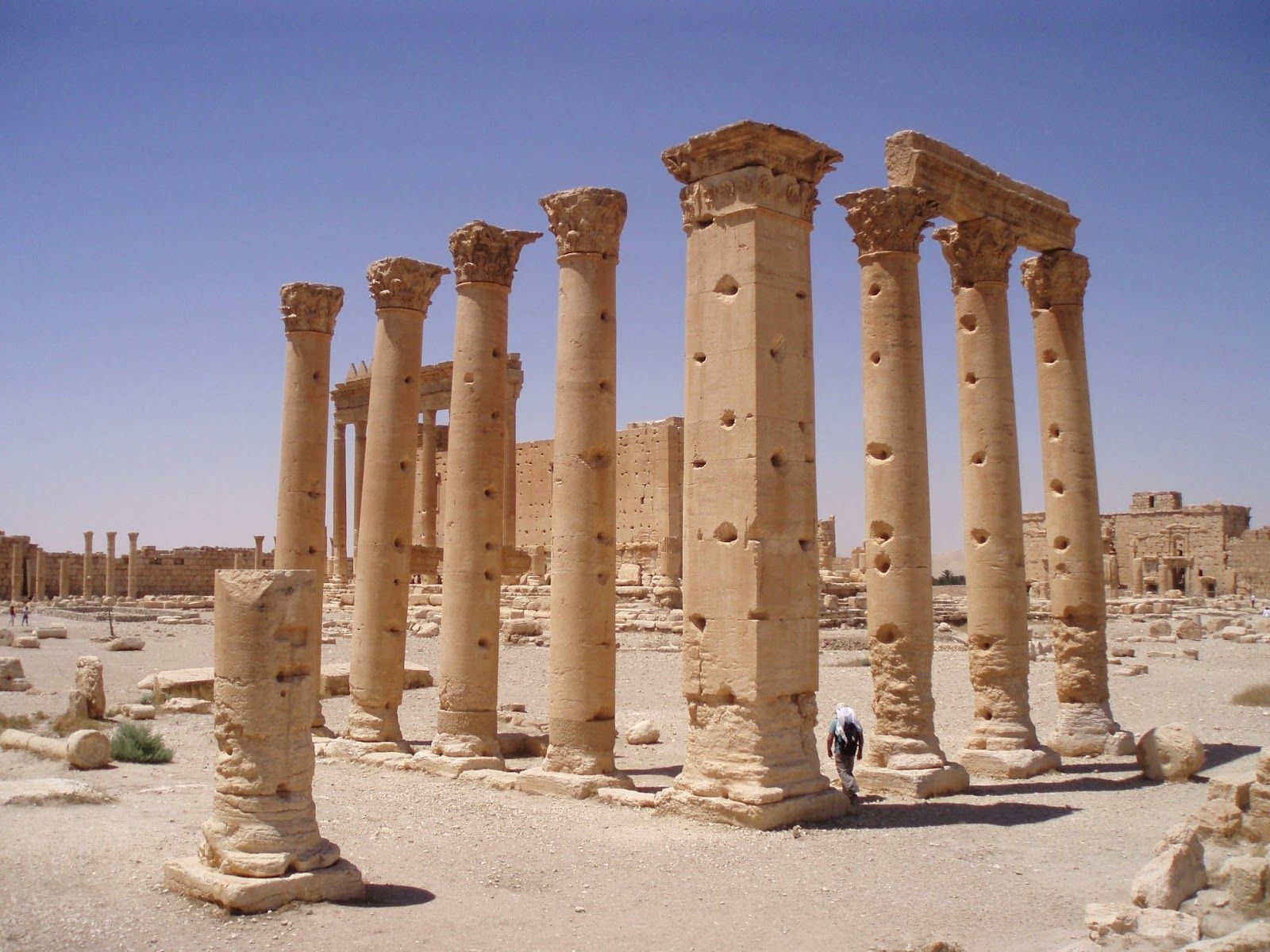
Once a wealthy oasis city on ancient trade routes, Palmyra connected the Roman world with the East. Its grand colonnaded streets, temples, and arches showcased a blend of Greco-Roman and Middle Eastern architectural styles. The city stood as a symbol of cultural exchange and economic power.
Although the site has suffered significant damage in recent years, parts of Palmyra remain accessible (subject to security conditions) and deeply moving. Walking among the surviving columns and ruins offers a powerful reminder of both human achievement and the fragility of cultural heritage. The site’s open desert setting adds to its solemn beauty.
Stonehenge, England
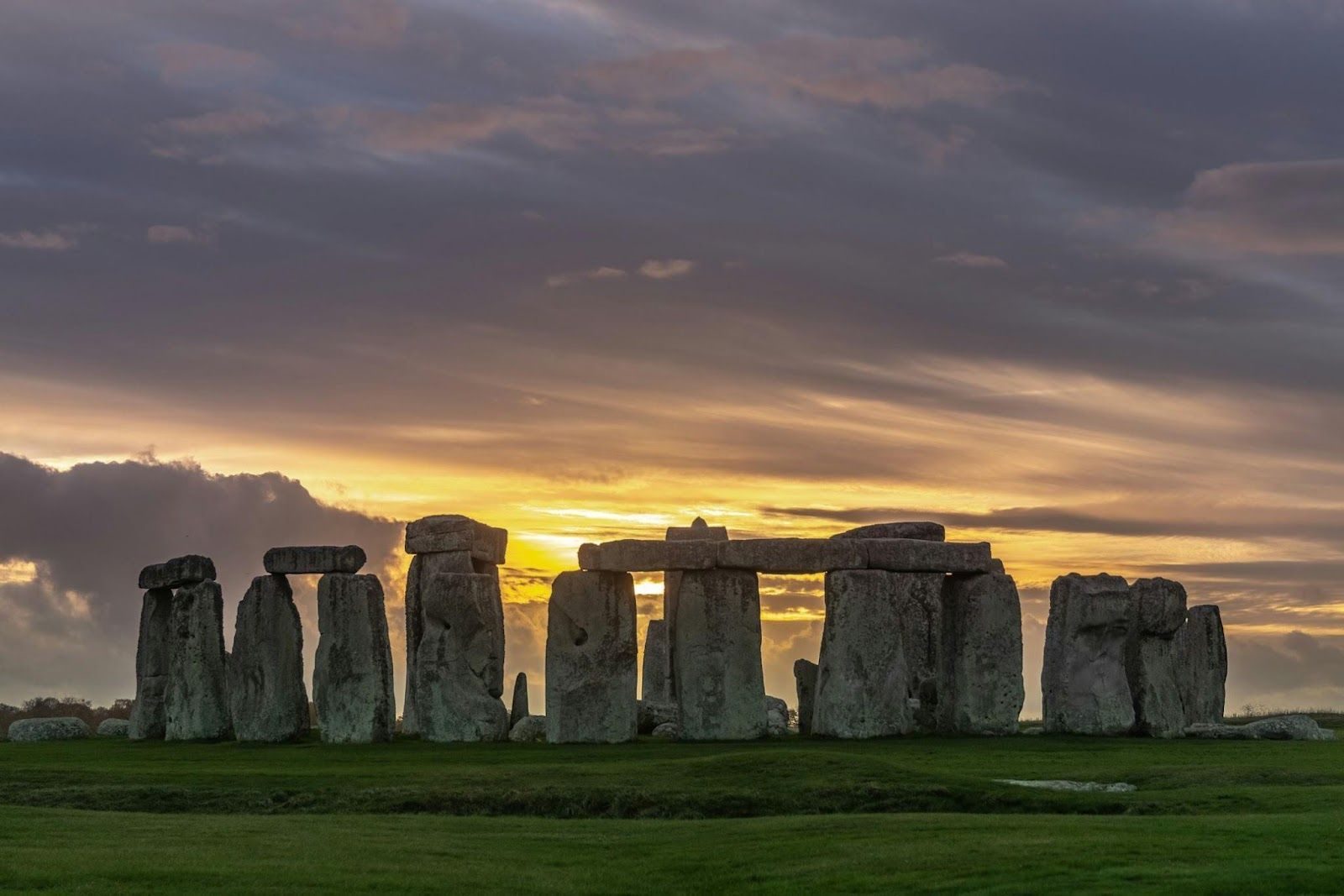
Stonehenge is one of the world’s most famous prehistoric monuments, built in several stages beginning more than 4,000 years ago. The massive standing stones were carefully arranged, likely for ceremonial or astronomical purposes. Despite ongoing debate about its exact function, Stonehenge continues to fascinate visitors.
While you can’t walk directly among the stones during standard visits, you can still walk around the monument and experience it up close. The open landscape allows you to take in the monument from multiple angles, giving a strong sense of its scale and mystery. Special access tours also provide closer encounters at certain times.
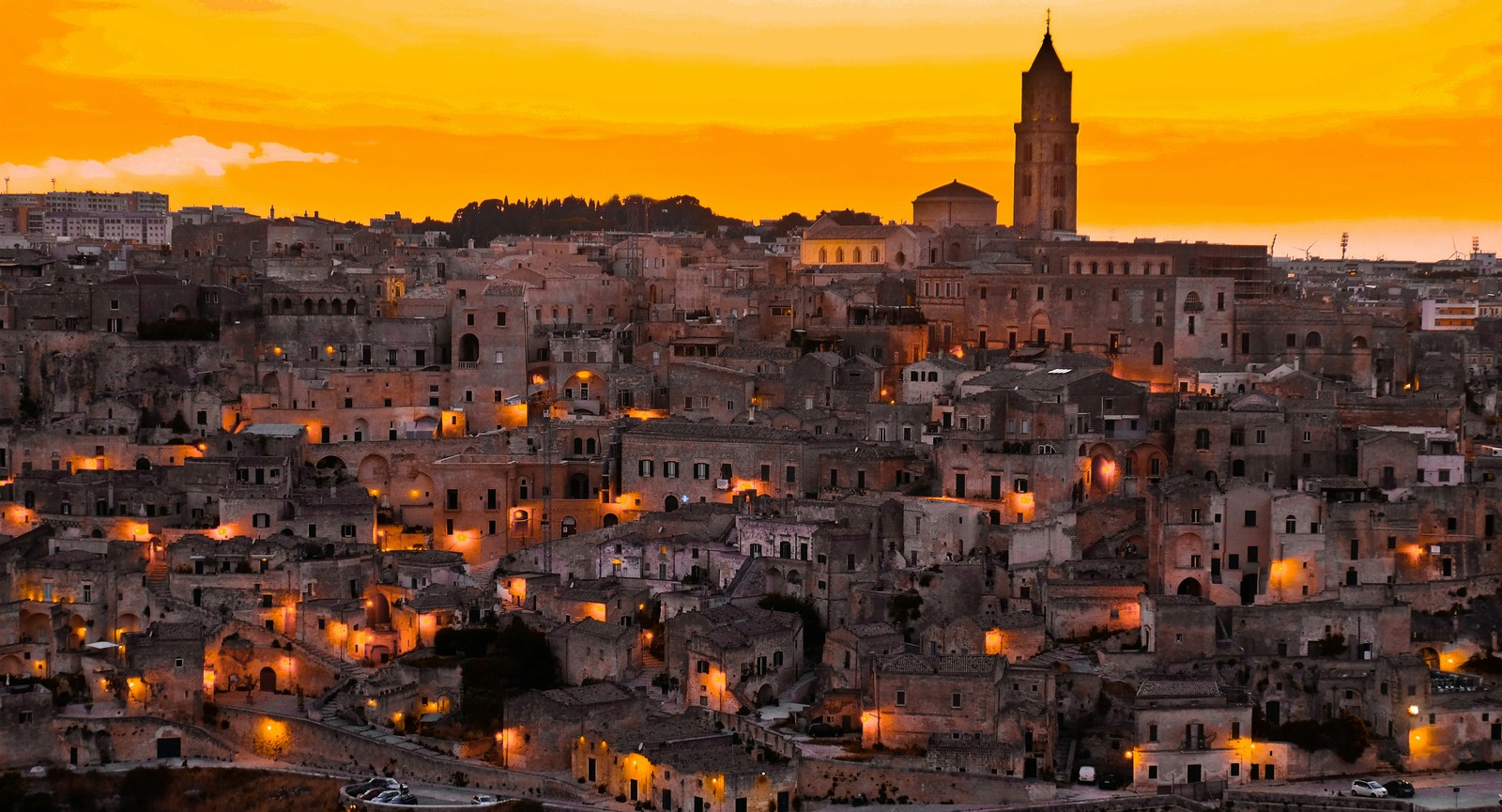
Small wonders: 12 of the world’s most dreamy villages for your next trip
 Landmarks
Small wonders: 12 of the world’s most dreamy villages for your next trip
These villages may be small, but they are perfect for a visit away from the usual tourist-packed spots. Their size and location help limit crowds, allowing visitors to enjoy calm surroundings and a steady pace of life. Rather than major tourist hubs, they offer simple experiences shaped by local culture. This guide explores 12 of the best villages according to the UN, focusing on places where quiet streets and modest scale are the norm. If that’s what you are expecting from your next vacation, then join in!
Bibury, England
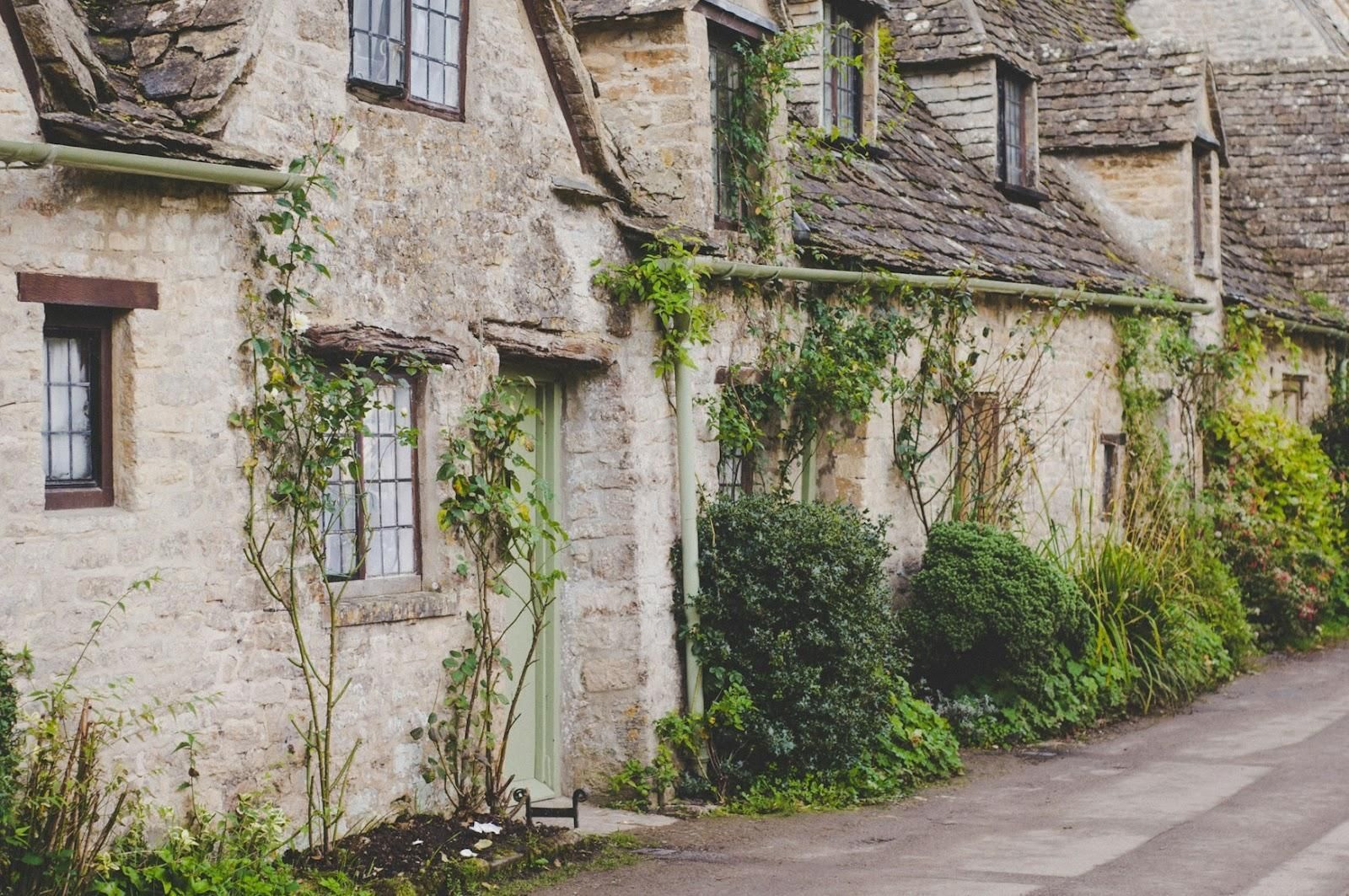 Image: Ivy Barn
Stone cottages line a short stretch of road beside the River Coln in Bibury, a village in Gloucestershire with fewer than 700 residents. Many of the buildings date to the 17th century and were built to house workers from the local wool industry.
The village has strict building protections and limited commercial development, so there are no large hotels or major attractions. This helps keep visitor numbers relatively low. Still, people visit Bibury to walk along Arlington Row—one of the most photographed spots in the UK—sit by the river, or stop briefly at a small pub or tearoom. It’s no wonder the village has been dubbed "the most beautiful village in England"!
Bohinj, Slovenia
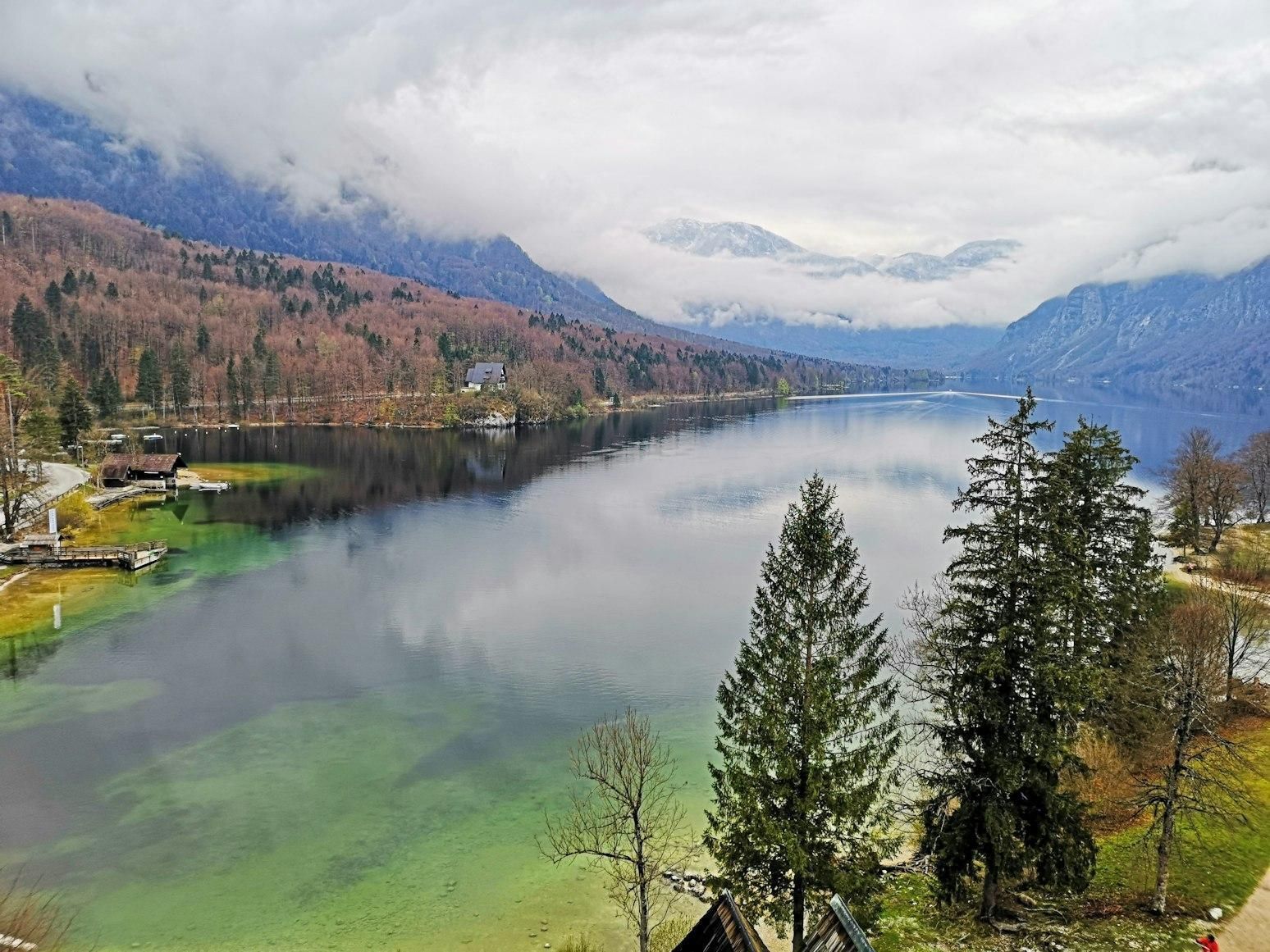 Image: Tienko Dima
Life in Bohinj revolves around daily routines shaped by nature rather than tourism. The village is located in northwestern Slovenia, near Lake Bohinj, within the boundaries of the Triglav National Park. Characterized by its peaceful atmosphere, this town remains much quieter than nearby destinations such as Lake Bled.
Large hotels and nightlife are limited, and most services are small and locally run. Visitors typically spend their time walking along the lake, hiking nearby trails, eating simple meals in local restaurants, or sitting outdoors while observing the calm pace of everyday life. The ideal place for a low-key vacation!
Lamu, Kenya
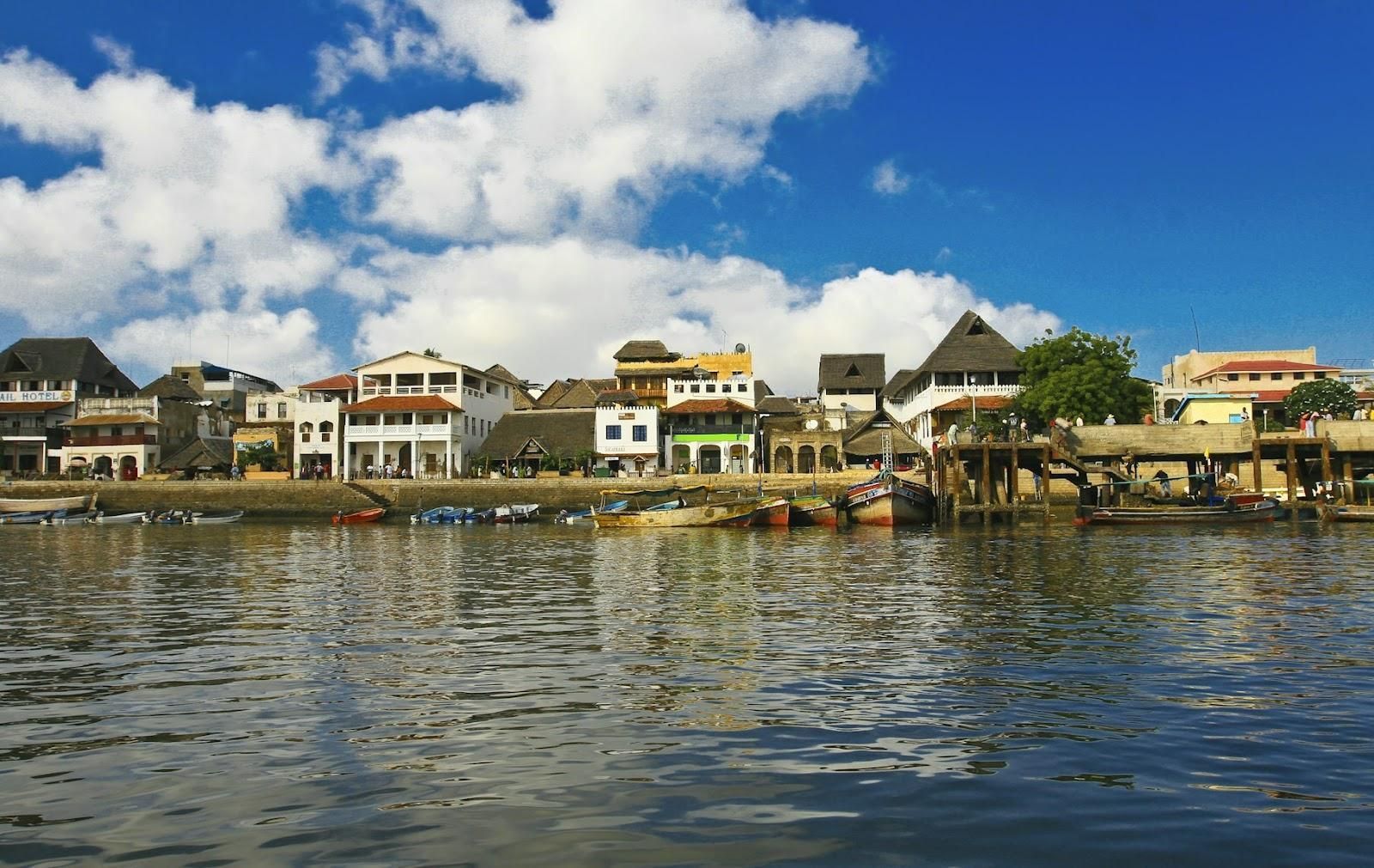 Image: Stanislav Lvovsky
Today, visitors to Lamu often notice the absence of cars first. This small coastal town on Lamu Island, off the coast of Kenya, has around 25,000 residents and relies on walking and donkeys as its main forms of transport. The narrow streets were not designed for motor vehicles, which helps keep noise and traffic low.
Daily life focuses on local routines such as shopping at small markets, visiting the waterfront, and preparing food at home. Visitors usually spend time walking through town, sitting by the sea, and eating fresh seafood. The overall pace remains slow and consistent throughout the day, making it a perfect destination to relax and unwind.
Murten and Andermatt, Switzerland
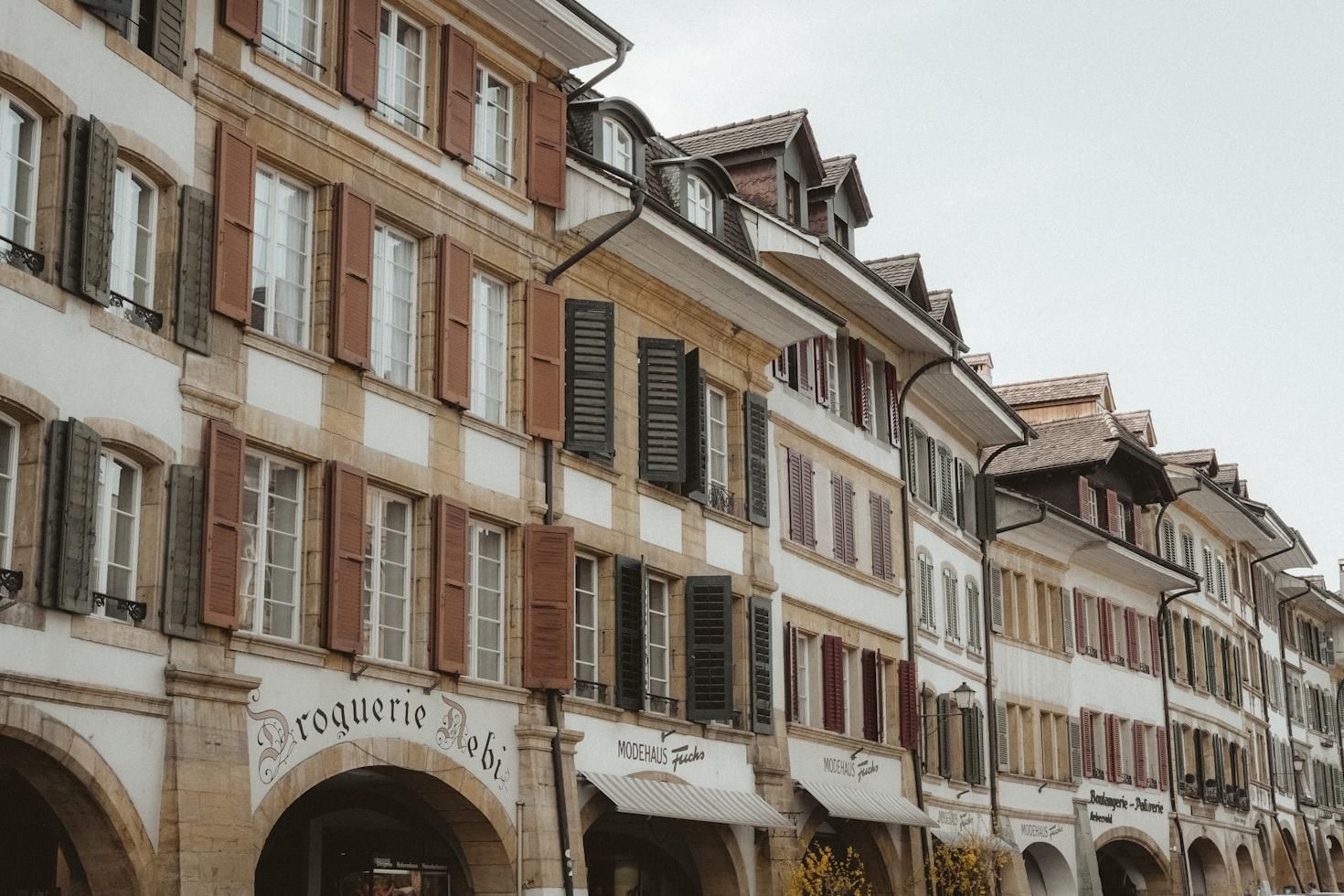 Image: Joel & Jasmin Førestbird
These two Swiss villages reflect a slower rhythm from a time before quick travel stops. Murten is located on the shore of Lake Murten and still has its medieval town walls and a compact historic center. Andermatt, a mountain village of roughly 1,500 people, developed as a stop along historic alpine passes used for trade and travel.
Neither place is large, and both are easy to explore on foot. Visitors typically spend time walking along the lake or through the old streets while enjoying local dishes such as fondue or raclette. Pro tip: Stay overnight rather than moving through on a tight schedule.
Iruya, Argentina
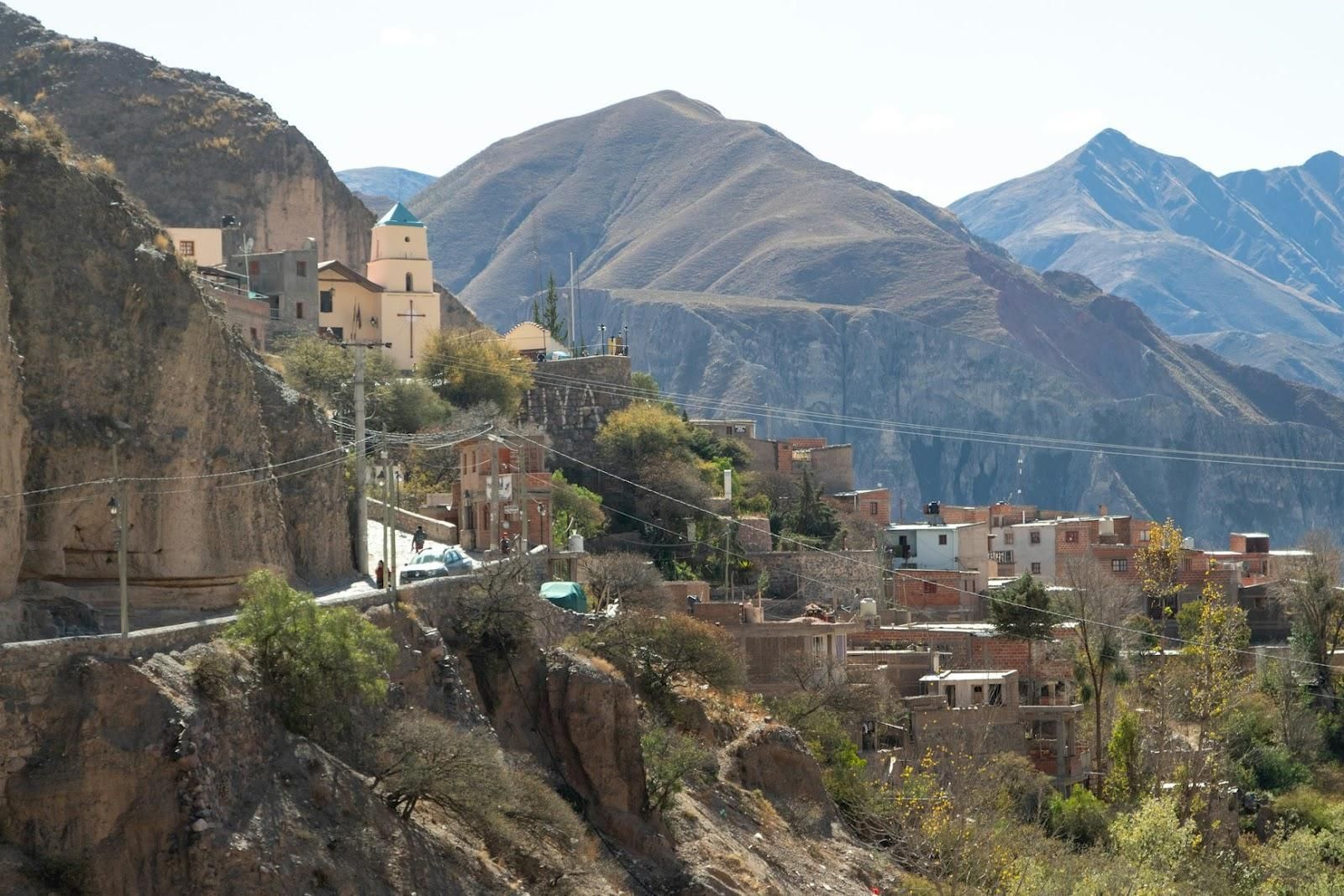 Image: Sonia Nadales
Iruya looks remote, and it is. People get to the village by a winding mountain road in northern Argentina’s Salta Province. Its distance from major cities and limited access prevent large-scale tourism, even during busier travel months. Yet, there are a few hotels and services, most of them small and locally owned.
Once there, visitors usually walk the narrow streets, eat delicious empanadas prepared by locals, visit the small central church, and spend time observing the surrounding Andean mountains in a quiet setting.
Rășinari, Romania
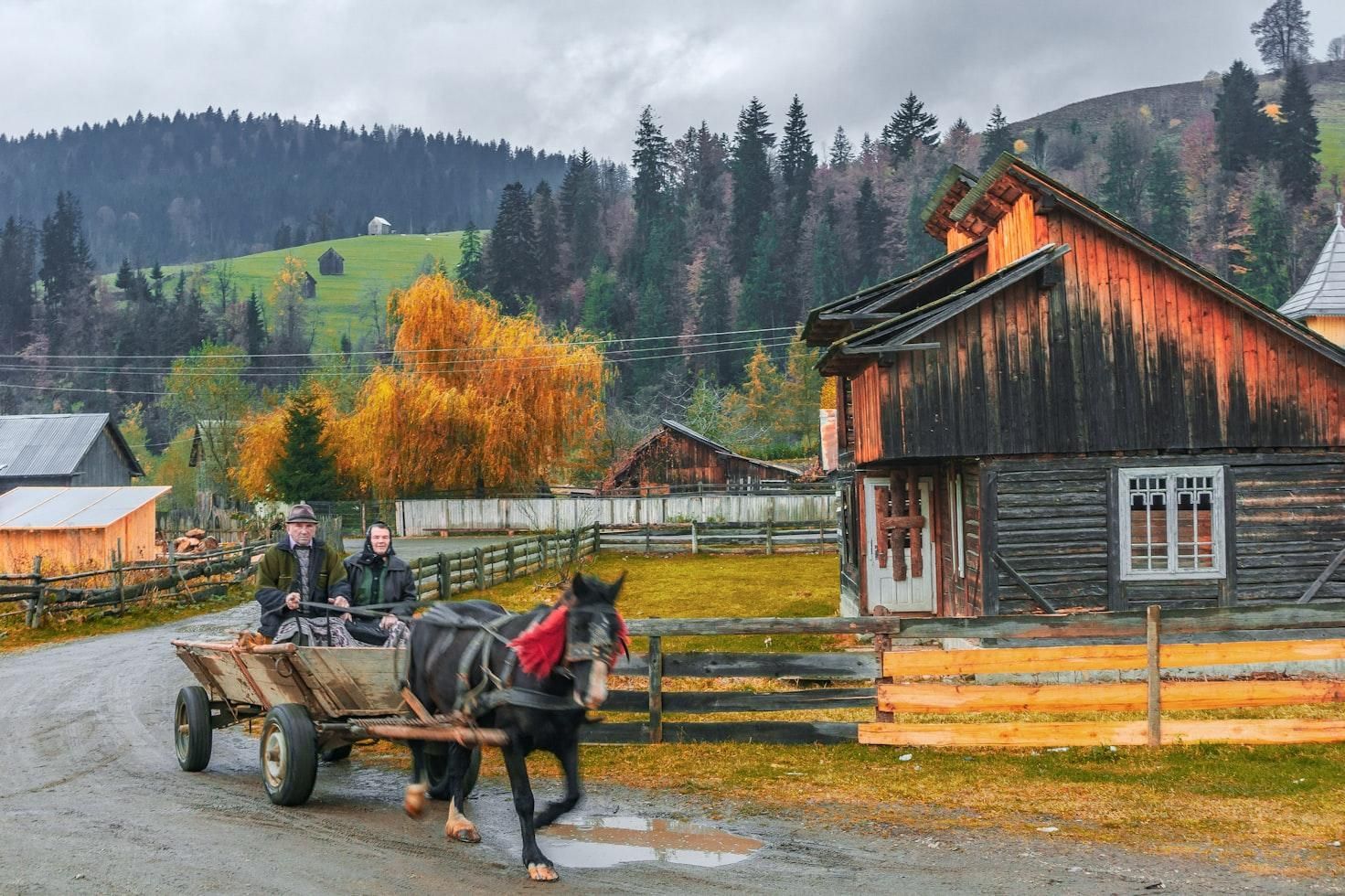 Image: Andrei Turca
Rășinari is a rural village near the city of Sibiu in central Romania, with a population of about 5,000 people. It has traditionally depended on farming, livestock, and local crafts rather than large-scale tourism. The village has no major attractions or resort facilities, which keeps daily life steady and peaceful.
Despite its small size, Rășinari offers historic churches, scenic nature, and traditional houses. Visit if you are looking for a quaint little town where you can blow off some steam.
Baños, Ecuador
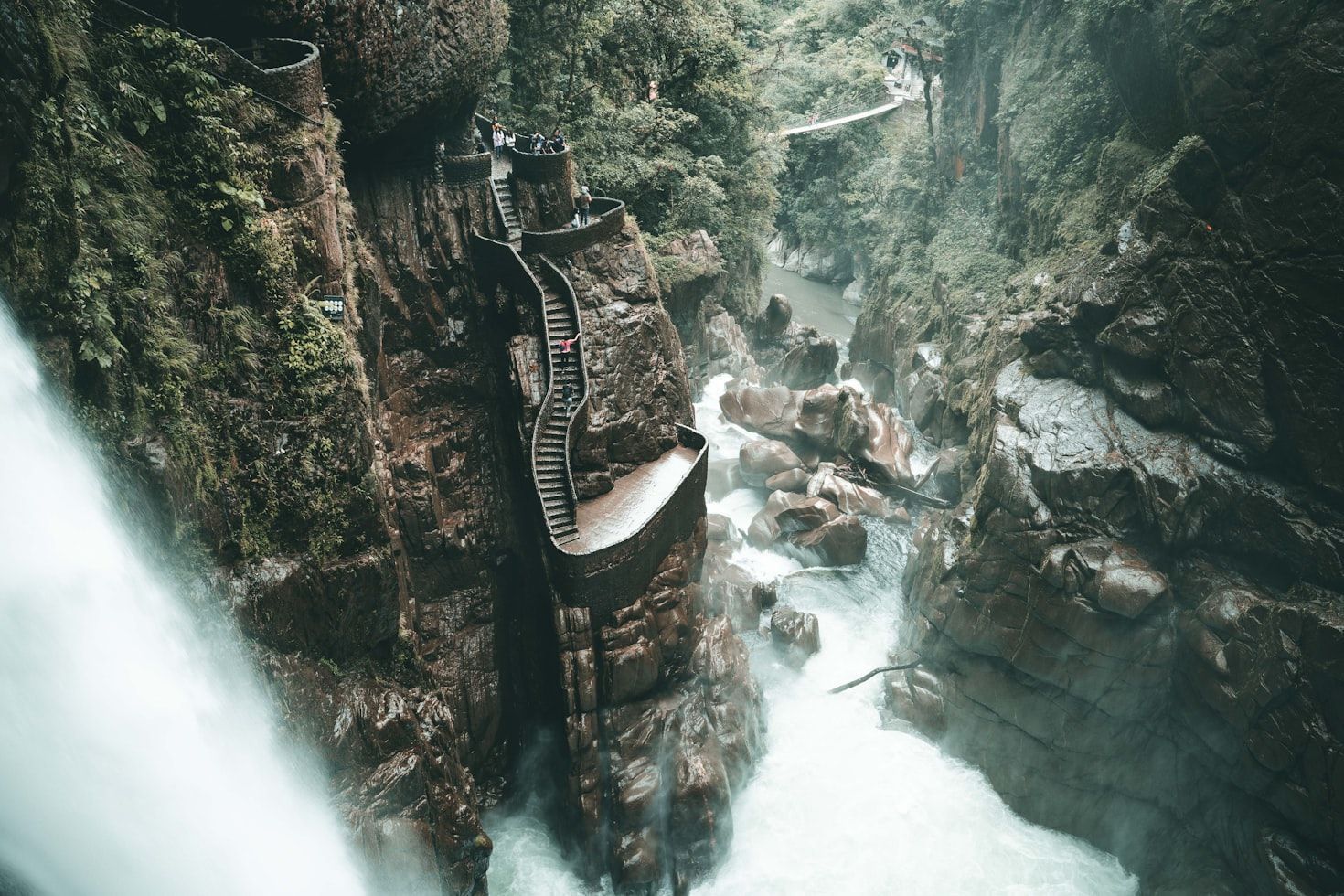 Image: Shad Meeg
Why does a small town near an active volcano feel so exciting? Baños manages to balance daily local life with tourism services in a compact area. Located in central Ecuador, it sits along main roads but remains easy to navigate on foot. Shops and parks are concentrated near the center, which limits long travel times.
Visitors often walk through town, spend time in cafés, or take short trips to nearby waterfalls and hot springs, usually without encountering heavy congestion.
Frigiliana, Spain
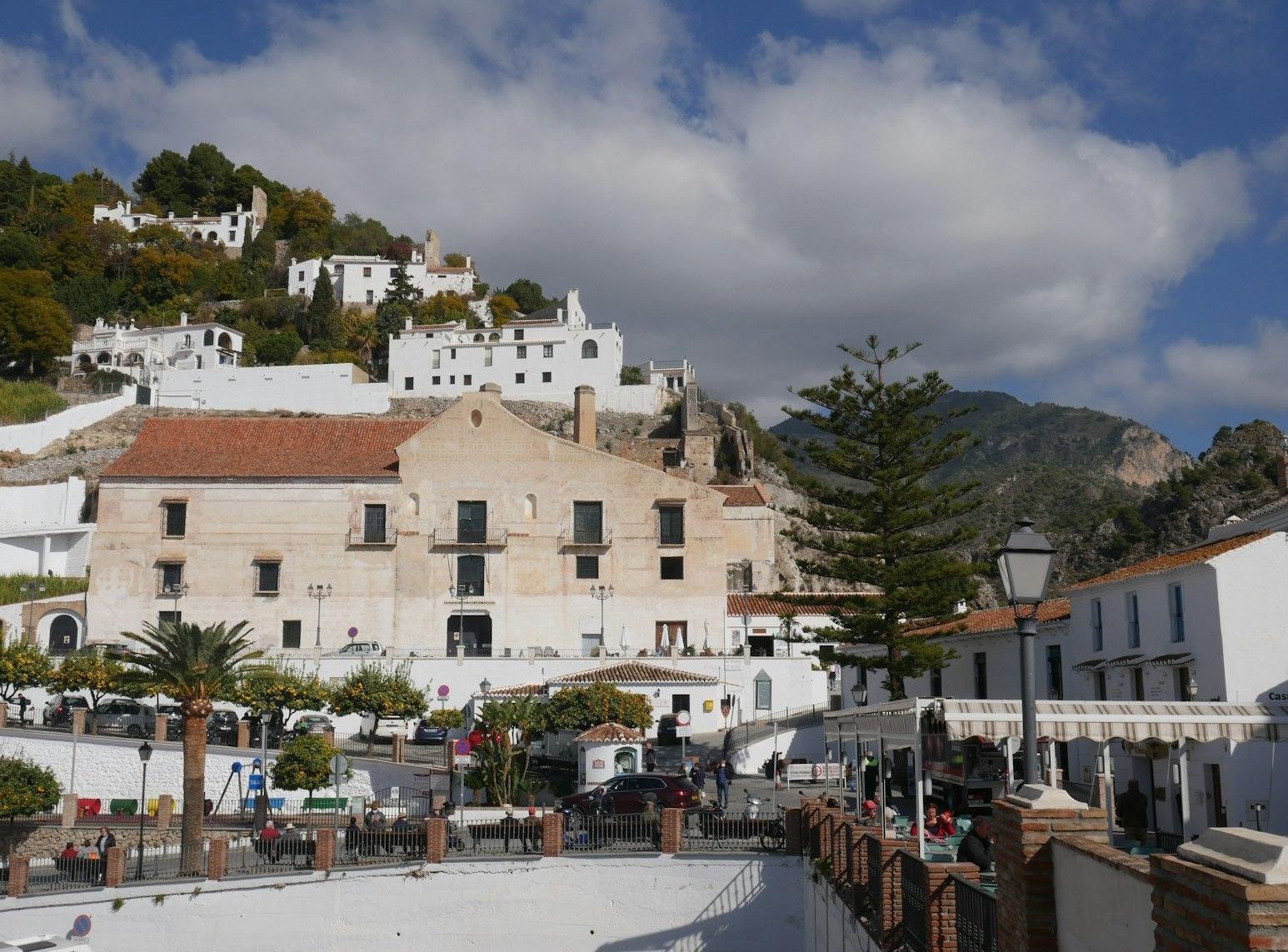 Image: roberto medina
Whitewashed houses climb a hillside in Frigiliana, a small village in southern Spain. The village is located in the hills above the Costa del Sol, in the province of Málaga. Its narrow streets and preserved historic center limit car traffic and large tour buses. Most visitors explore on foot, stopping at small cafés, local shops, or marked viewpoints.
Compared to nearby coastal towns, Frigiliana remains noticeably quieter, especially in the early morning and evening hours.
Ogimachi, Japan
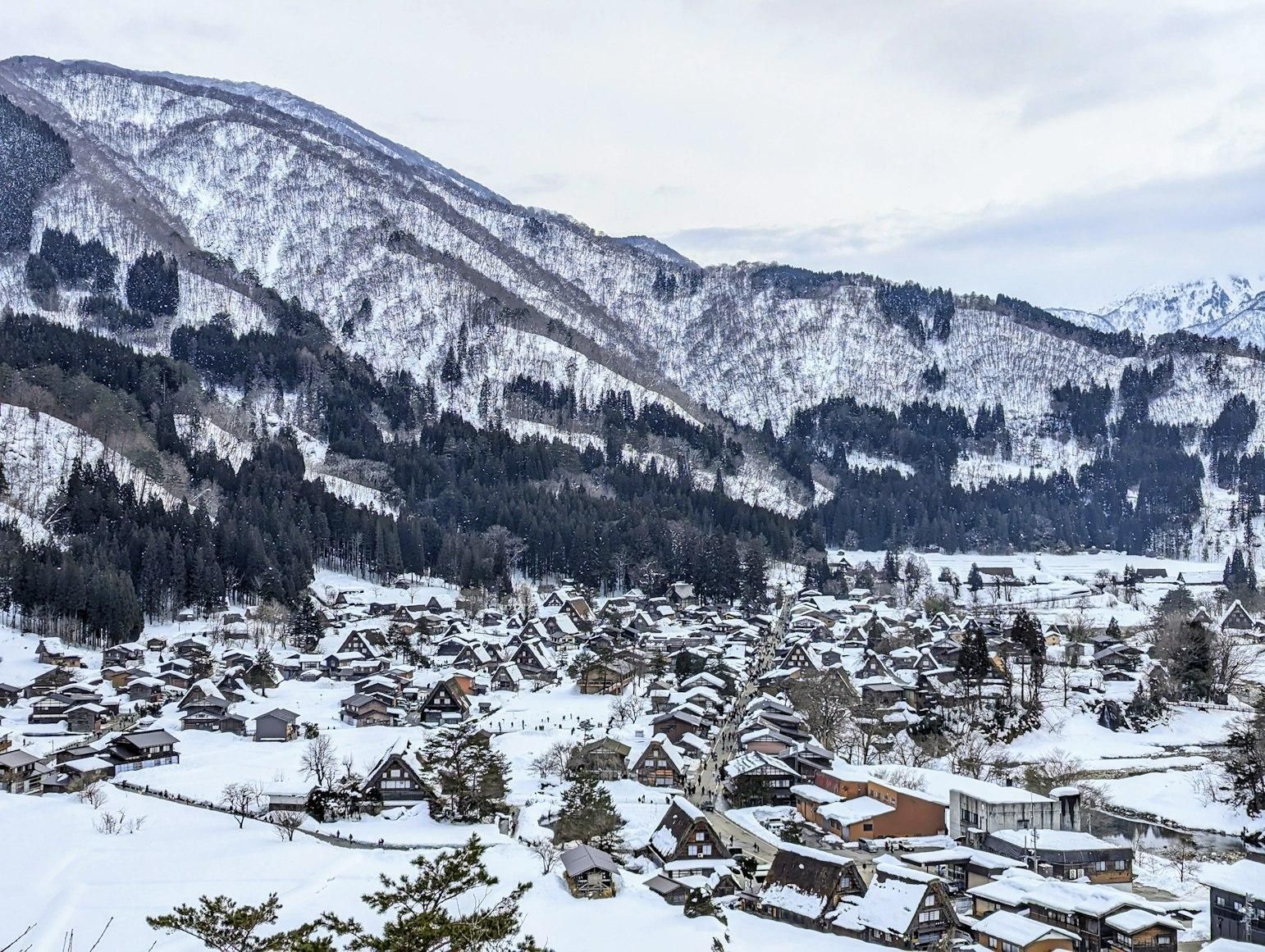 Image: Daniel Beauchamp
Ogimachi is known for its traditional gasshō-zukuri houses, some of which are more than 200 years old and built with steep thatched roofs. The village is located in central Japan, and it is part of the Shirakawa-go region.
Ogimachi is protected as a UNESCO World Heritage Site, which means strict regulations govern construction and changes to buildings. These limits help prevent large-scale development and keep things organized and calm. Most visitors explore the village on foot, admire the houses from the outside, and learn about how families lived and worked there in the past.
Penglipuran, Indonesia
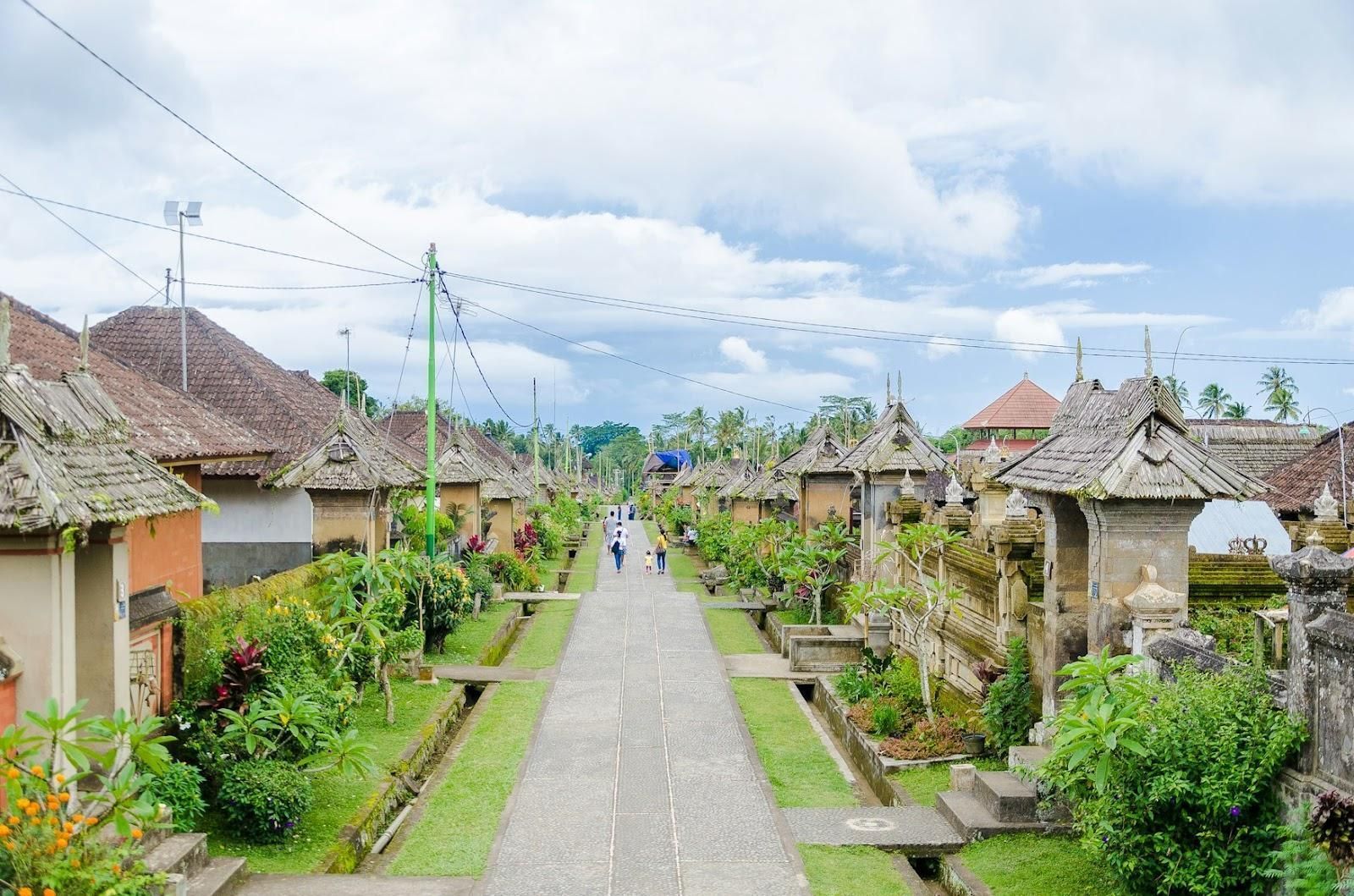 Image: satria setiawan
Penglipuran may appear tourist-oriented at first, but it remains a functioning village with about 1,000 residents. Located in Bali, Indonesia, it follows strict local rules that regulate building layout, cleanliness, and daily activities. Homes are arranged in an orderly pattern along a central walkway, and motor vehicles are not allowed within the village. Visitor numbers are managed through scheduled entry and local oversight, which helps prevent overcrowding.
Ilulissat, Greenland
 Image: 66 north
Ilulissat is a testament to how daily life can go on even in extreme environments. This small Greenlandic town has around 4,500 residents and is located on the western coast near the Ilulissat Icefjord, a UNESCO World Heritage Site. Fishing and local services support much of the economy. Despite the cold climate and remote location, schools, shops, and cafés operate year-round. If you are not afraid of rough conditions, this town is worth visiting!
Bocas del Toro, Panama
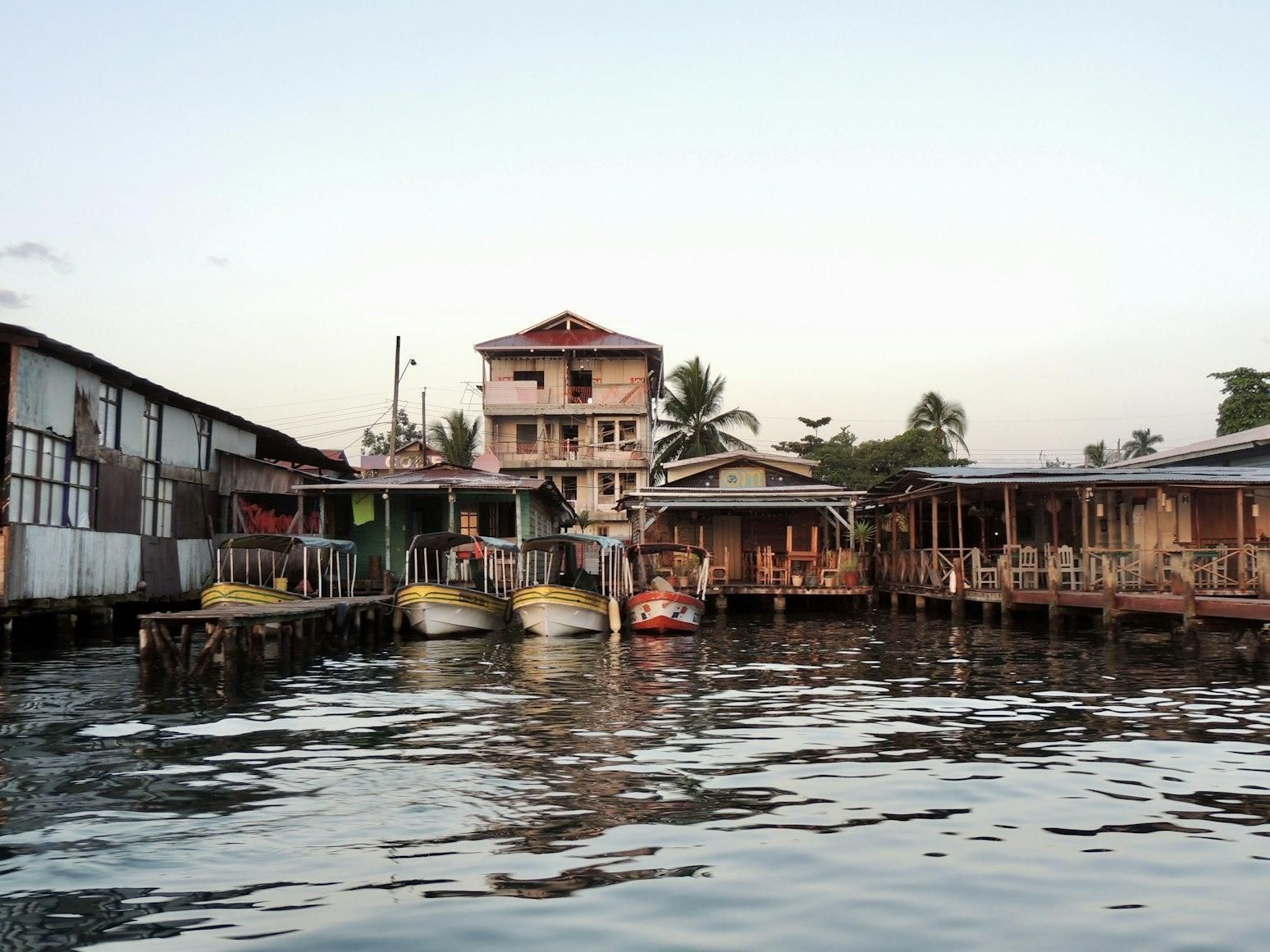 Image: Camilo Pinaud
In Bocas del Toro, the experience is simple and unhurried. This small Caribbean town has fewer than 8,000 residents and is located on a group of islands off Panama’s Caribbean coast. Buildings are low and spread out, and most places are reached on foot, by bicycle, or via small boats. With no large resorts dominating the area, daily life remains visible and authentic. Visitors usually walk through town, eat fresh seafood and ceviche, and spend time near the water, keeping the atmosphere relaxed and informal.
Keep wandering
There’s always
more to explore

The Spanish Quarter? 10 hidden secrets of New Orleans history
6 min.
Read Now
 General

Entry Denied: Travel documents most Americans forget until it's too late
4 min.
Read Now
 Culture

America's greatest festivals—and the secrets most visitors never discover
7 min.
Read Now

Where on Earth do people still speak the language of Jesus? 10 odd towns
6 min.
Read Now