Why are there two different rooms for one restroom in Europe?
 Culture
Cultural differences
Why are there two different rooms for one restroom in Europe?
If you are planning a long-awaited trip to Europe, get ready for incredible historic sites, stunning art, and maybe... a few surprises. You might be used to a certain way of doing things, and Europe has its own charming (and sometimes puzzling) quirks. Here are 10 things that might make you say "Wait, what?" – and some that are actually pretty great.
The disappearing dinner hour
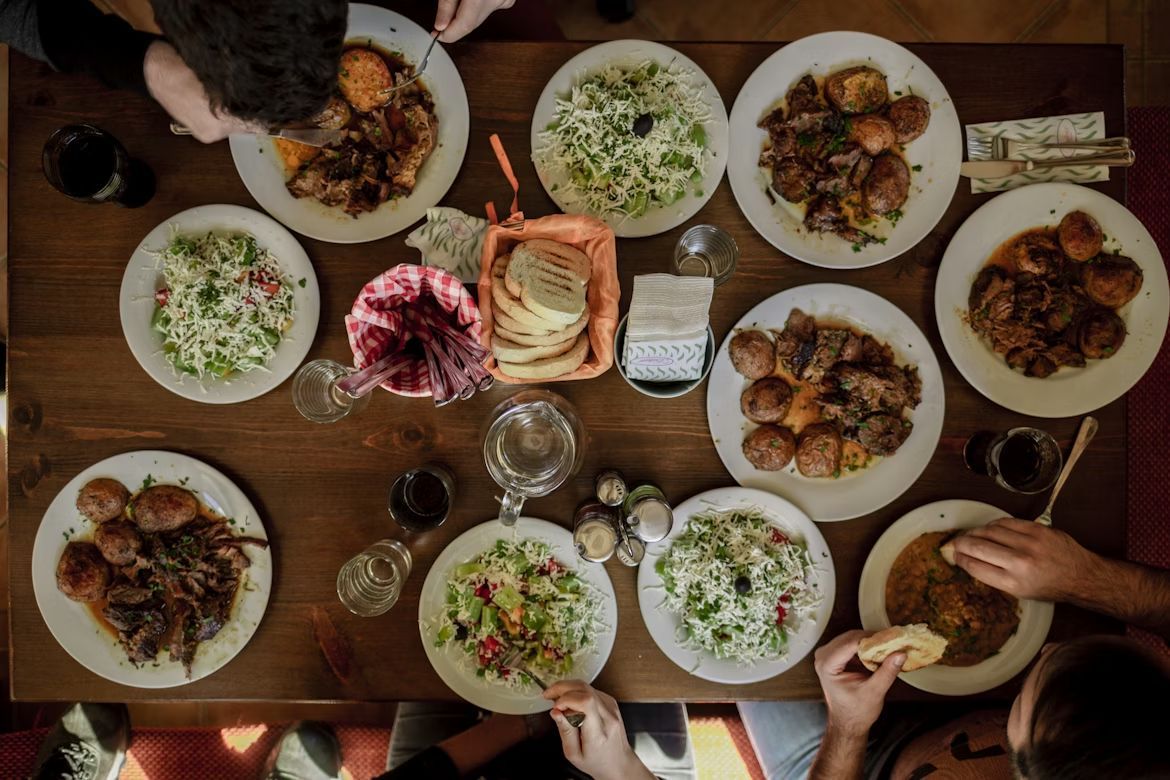
Dinner in Europe usually happens late. You might not see locals eating dinner until 9:00 or 10:00 PM, or even later. "How don't they starve?" you may ask. Well, in many European countries, particularly in Spain, they bridge the gap with a 'merienda' — a light afternoon snack — to tide them over until dinner. While some tourist-oriented restaurants cater to earlier diners, the true local experience involves a later meal.
The wonderful world of public transport
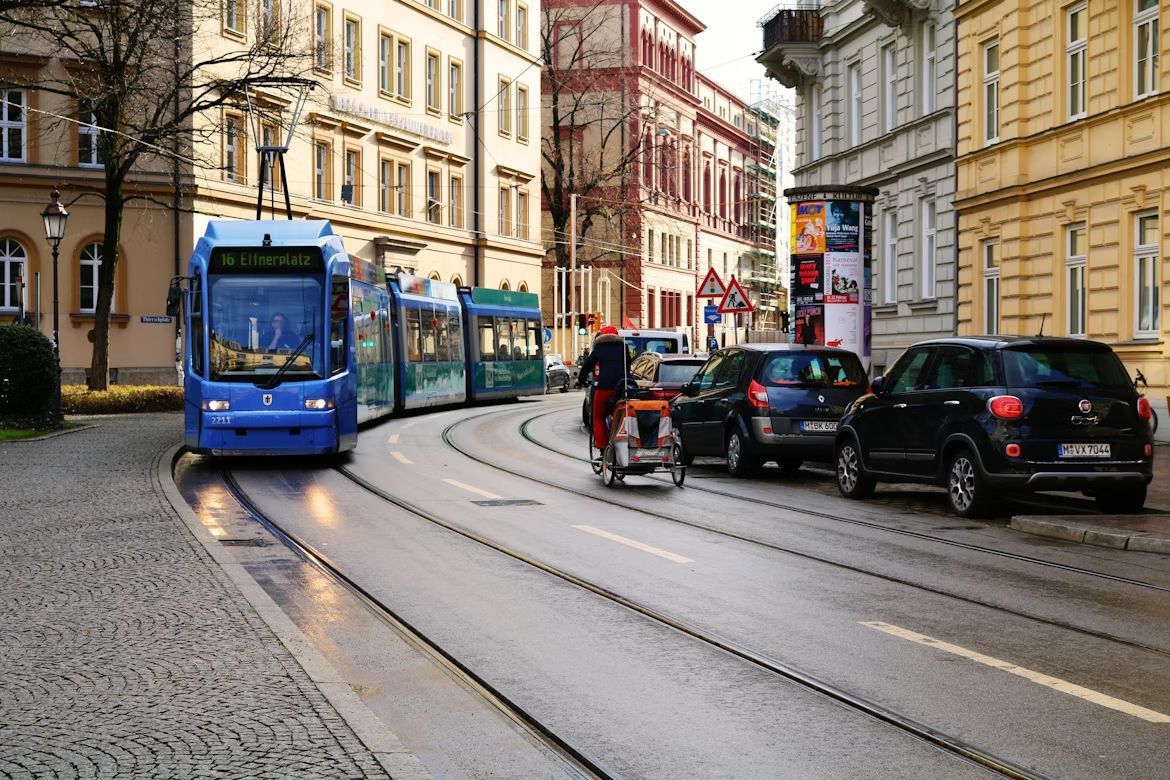
European cities often boast incredible public transportation systems – subways, trams, and buses that are clean, efficient, and affordable. Forget Uber and taxis! Getting around on the métro in Paris or the Tube in London is an adventure in itself. Purchase day passes or use contactless payment and enjoy the ease of navigating like a local.
The tipping tease: Service included?
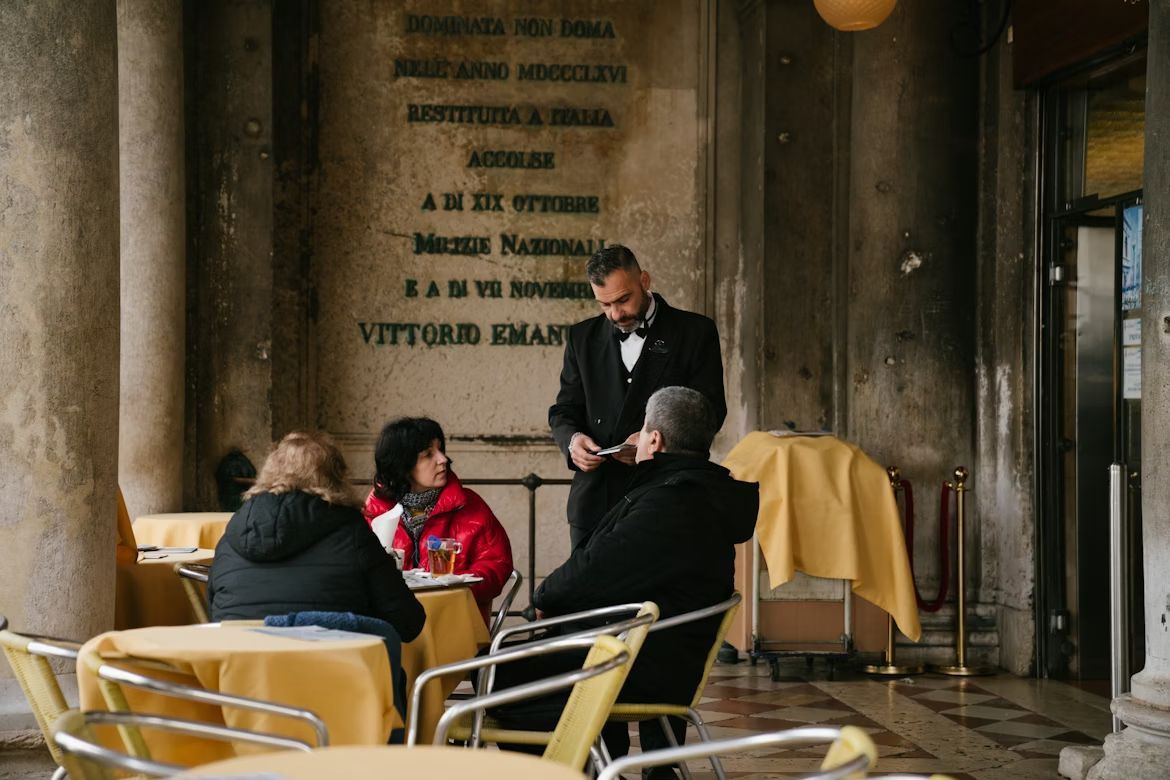
Tipping in Europe is far less common and generous than in the U.S. In many countries, a service charge is already included in your bill. If not, a small tip (maybe 5-10% for exceptional service) is appreciated but rarely expected. Don’t feel obligated to tip 20% like back home.
The "where's the water?" waiter mystery

Don't expect that ice-cold glass of water to magically appear on your table the moment you sit down. In most European restaurants, you’ll need to order and pay for bottled water. The waiter will probably ask you to choose between sparkling water (carbonated) or still water (non-carbonated). You can ask for tap water if you want to, and you will be served a courtesy glass, but it is not standard practice.
Small wonders: When bigger isn't better
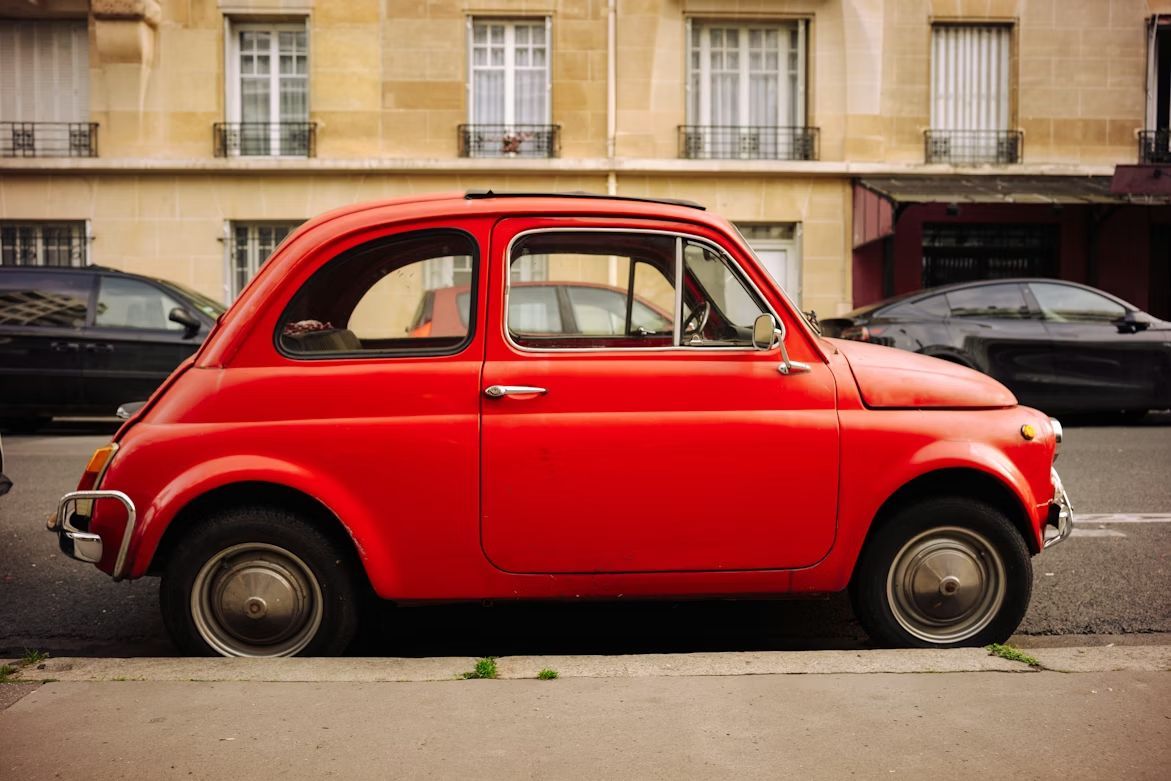
From coffee cups to car sizes, everything in Europe feels just a little bit smaller. Expect smaller portions at restaurants, smaller cars on narrower roads, and yes, smaller hotel rooms and even elevators. Think of it as part of the European charm. You might even find yourself preferring a café noisette (tiny espresso with a dash of milk) to your massive cup of Starbucks.
Those amazing, efficient little bathrooms

Prepare yourself for different bathroom configurations. You might find a pull chain for the toilet, a separate room for the toilet itself, or a combo shower/toilet space in older buildings. They get the job done, often with an ingenuity that might surprise you. Some public restrooms require a small fee for use, so make sure to keep some coins handy.
"Wait, it's 20:00?" Mastering military time

In Europe, the 24-hour clock (military time) is standard. Train schedules, museum hours, and even restaurant reservations will often use this format. Remember: for times after 1:00 PM, just add 12. So, 3:00 PM becomes 15:00. It takes a little getting used to, but it avoids any AM/PM confusion!
The sweet simplicity of "just coffee"

Ordering a "coffee" (or café in Spain) will likely get you an espresso: a small cup of strong, rich coffee. European coffee culture is about taking your time to savor your drink, often standing at a bar.
If you want something closer to what you get back home, look for a "café Americano" or a latte. On the other hand, if you are in the mood for something new, try a local specialty. Just remember not to expect free refills (another US-specific perk).
Sundays: The day the city (partially) sleeps
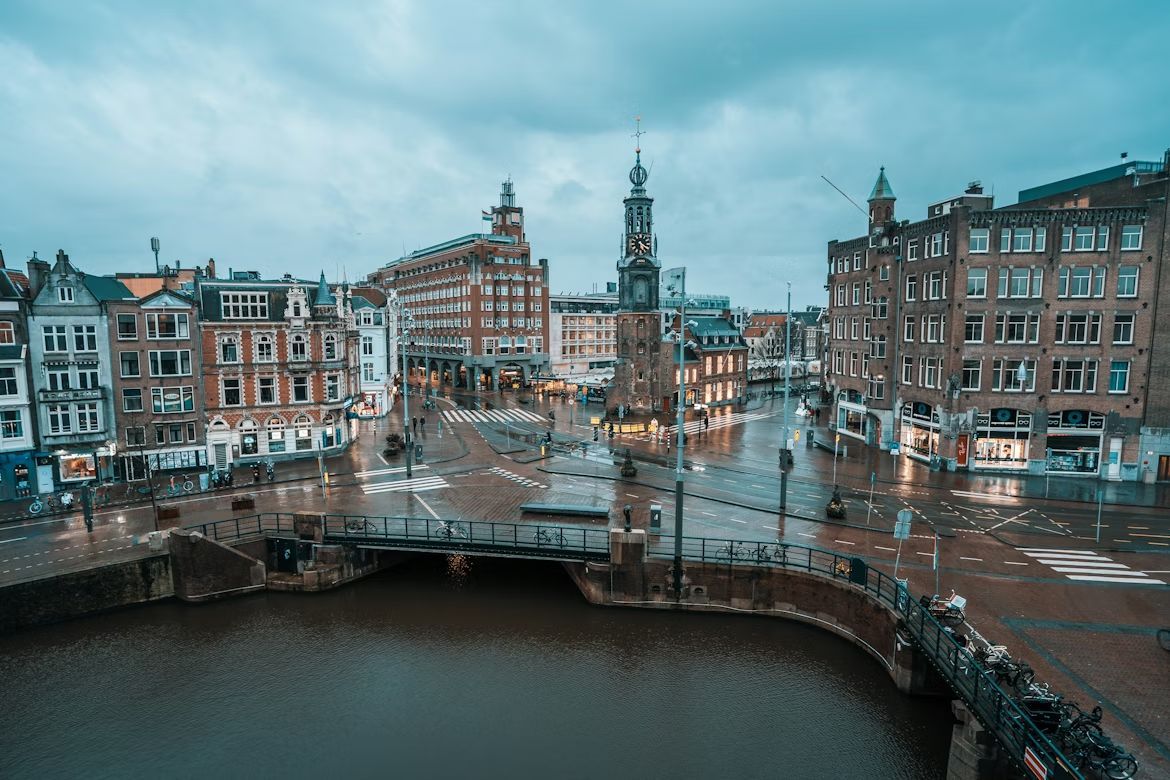
Don’t expect malls to be bustling on Sundays. In many European countries, Sunday is a day of rest, and many shops (especially smaller ones) are closed. Museums and major tourist attractions are usually open, but many smaller boutiques and grocery stores won't be. Plan your shopping accordingly and enjoy a slower-paced Sunday, perhaps with a long lunch or a park visit.
The "walkable city" wonder
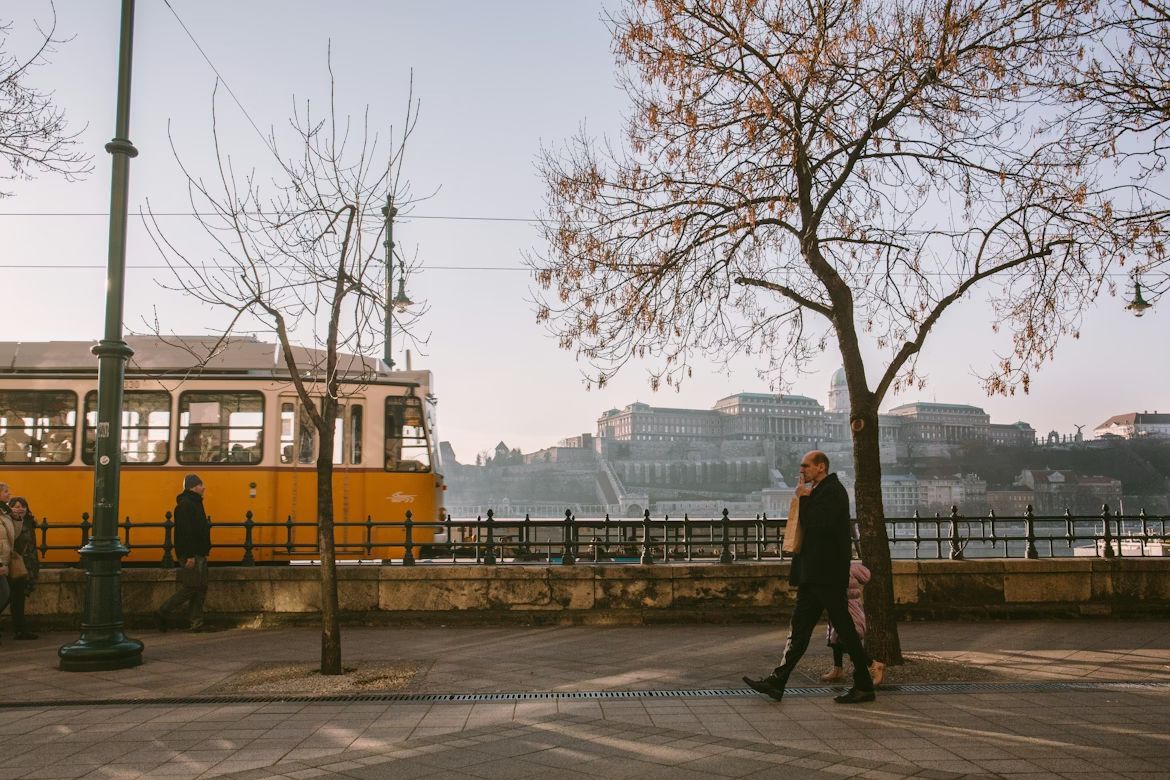
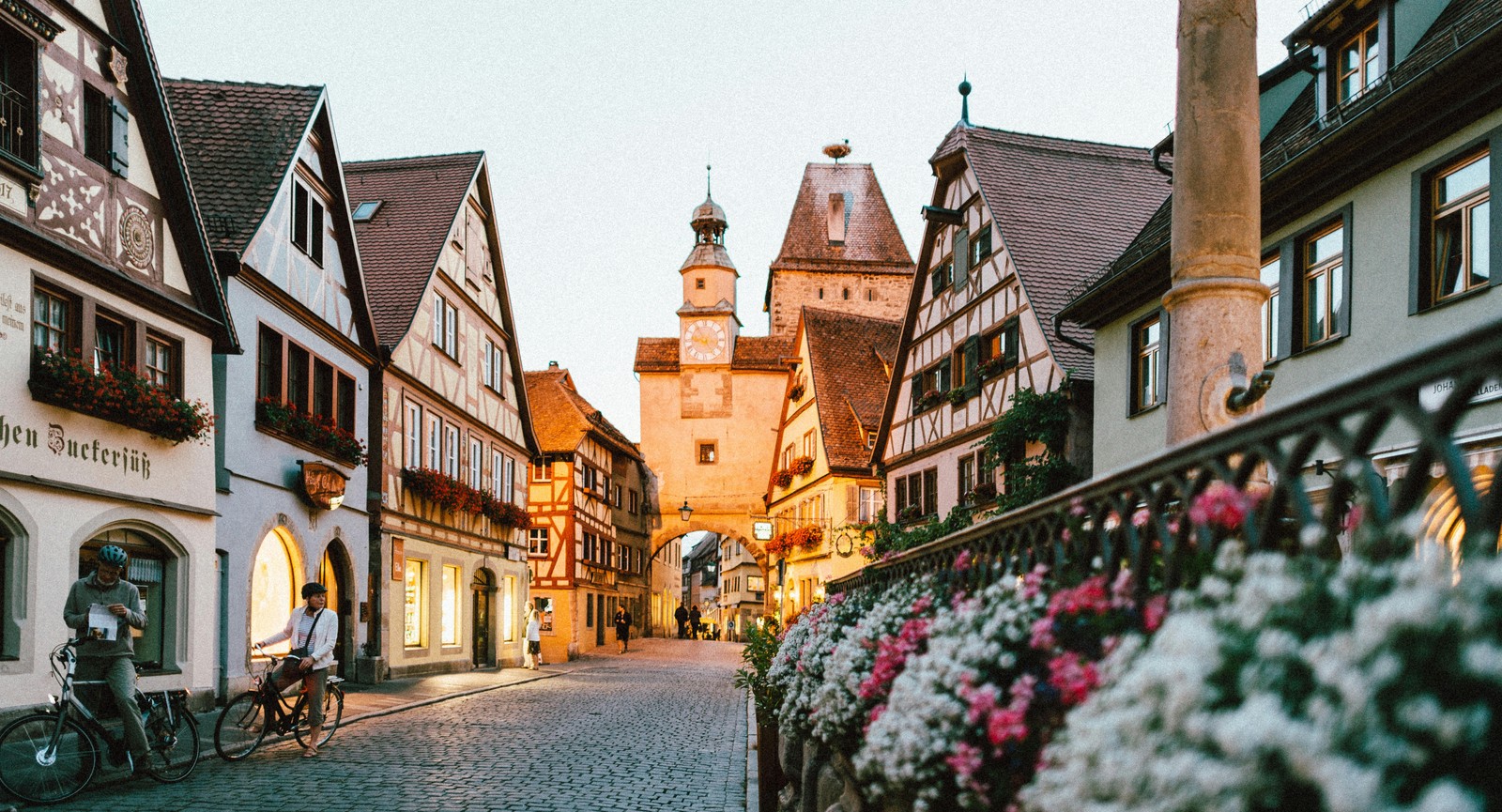
European cities are designed for walking! Ancient cobblestone streets, charming squares, and countless sights are best explored on foot. You’ll find yourselves walking a lot more than you do at home. Leave the high heels and uncomfortable shoes behind – sturdy, comfortable walking shoes are absolutely essential.

Yes, smiling is a legal requirement in one European city! Find out more!
Legal matters
No gum, no heels, and no frowning: Laws travelers don't expect!
As you might already know, most laws came into existence following cultural common sense. But as we also know, common sense is not so common, or at least it varies depending on the country you’re visiting. In this article, you’ll read about some of the craziest laws out there that can save you from getting fined, or worse, during your next trip!
High heels are banned at ancient sites - Athens, Greece
 Image: Amanda Vick
At famous archaeological sites like the Acropolis, high heels are not allowed. Thin heels can damage stone that has survived for thousands of years. The ban protects priceless history while saving visitors from a dangerous stumble. Flat shoes are a small price to pay for walking through ancient civilization, don’t you think?
Chewing gum sales are banned - Singapore
 Image: Aleks Dorohovich
Singapore banned the import and sale of chewing gum after costly cleanup efforts in the early 1990s. Gum stuck to sidewalks, trains, and elevators caused serious maintenance problems. The ban helped keep the city clean, a reputation for which it is still famous nowadays!
It’s illegal to own just one goldfish - Zurich, Switzerland
 Image: Thomas Park
In Switzerland, even goldfish have social expectations. The law considers them group animals, which means keeping a lone fish is frowned upon. This rule comes from Switzerland’s famously detailed animal welfare laws, designed to protect both emotional well-being and physical health. So if you are setting up a tank in Zurich, think of at least two friends to place there!
Kite flying is banned by law - Melbourne, Australia
 Image: Thomas Oxford
It’s not that Australians are against fun, but in parts of the country, including Melbourne, flying a kite can land you in trouble. This rule falls under a group of laws meant to keep streets safe and uncluttered. Back when power lines and crowded public spaces became common, kites were more hazardous than a hobby.
Forgetting your wife’s birthday is a crime - Apia, Samoa
 Image: Sergei Solo
In Samoa, forgetting your spouse’s birthday is technically against the law. While enforcement is more symbolic than strict, the rule reflects the country’s strong emphasis on family respect and responsibility. When it comes to family, they said, "Go big or go to jail!" Suddenly, calendars feel very important, don’t they?
Feeding pigeons is prohibited - Venice, Italy
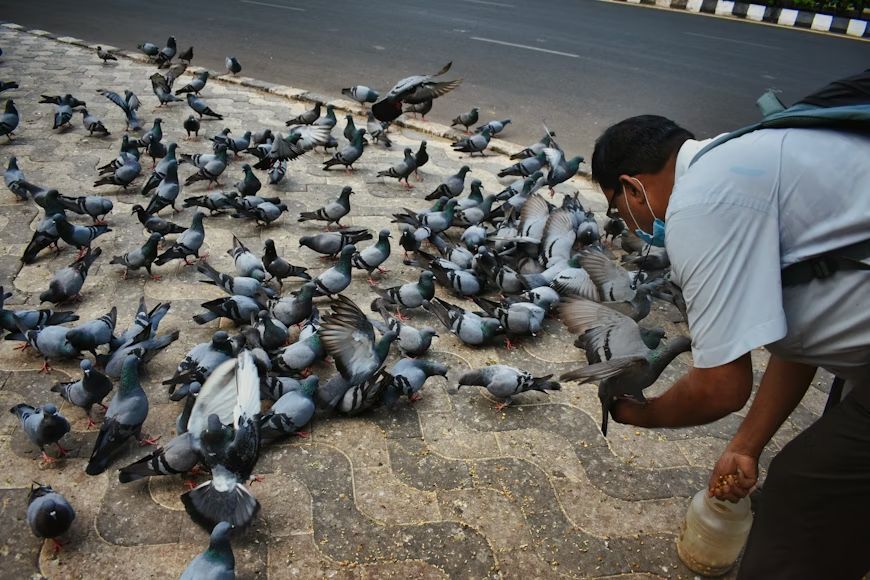 Image: Soubhagya Ranjan
Venice’s pigeons once ruled the city squares, but officials eventually had enough. Feeding them is illegal due to the damage they cause to historic buildings and public health concerns. The rule helps preserve centuries-old stonework and keeps crowds manageable. The pigeons sure disagree, but the city breathes easier.
Smiling is legally required - Milan, Italy
 Image: Lesly Juarez
In Milan, a historic regulation requires citizens to smile unless they are at a funeral or in a hospital. The rule dates back to Austro-Hungarian times and was never officially repealed. While it is rarely enforced, it remains on the books. Just in case, smile away!
Handling animals while drunk is illegal - Edinburgh, Scotland
 Image: Jakob Cotton
An old Scottish law from 1872 bans caring for cows, horses, carriages, and, naturally, steam engines while intoxicated. It also specifically mentions riding cows, which certainly paints a vivid picture. The rule aimed to reduce accidents during the industrial era. We guess it made sense at the time!
Wearing armor in Parliament is forbidden - London, England
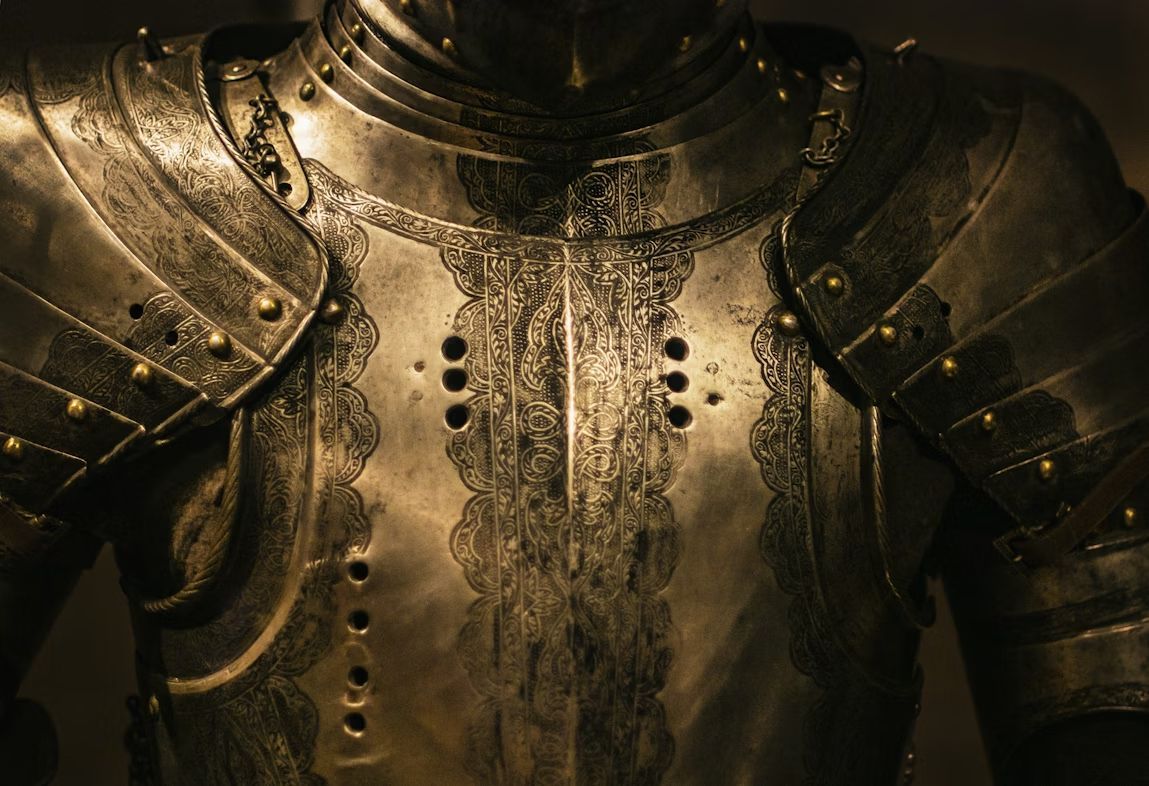 Image: Nik Shuliahin 💛💙
It is still illegal to wear a suit of armor inside the British Parliament. This law dates back to 1313, when armed nobles posed a real concern. Interestingly enough, there is also a long-standing rule stating you may not die in Parliament, though enforcement remains unclear. British tradition has a flair for drama, no surprise there!
You can marry someone who has passed away - Paris, France
 Image: Sandy Millar
France allows posthumous marriage under very specific circumstances. The practice was used during the World Wars, when soldiers died before wedding plans could be completed. The law helped legitimize children and formalize relationships. It still exists today, although approval requires strong proof and a presidential decree.
Keep wandering
There’s always
more to explore
 General
12 things to avoid doing in tourist areas (don’t fall into these traps)
3 min.
Read Now

Why did Salem believe in witches in 1692? The real reason
5 min.
Read Now

Most people have never heard of these overlooked destinations in the U.S.
4 min.
Read Now

Most passengers never notice these 10 crucial airport tasks. Do you?
4 min.
Read Now