Why did Salem believe in witches in 1692? The real reason
 General
Places with legends
Why did Salem believe in witches in 1692? The real reason
While there are some skeptics, legends are part of our common knowledge, and we continue to pass them down to our families, generation to generation. What keeps them alive is simple: there is always something about them that cannot be fully explained, no matter how advanced technology becomes. That sense of mystery is what makes them so compelling. Here are 10 legends that have stood the test of time.
Salem, Massachusetts
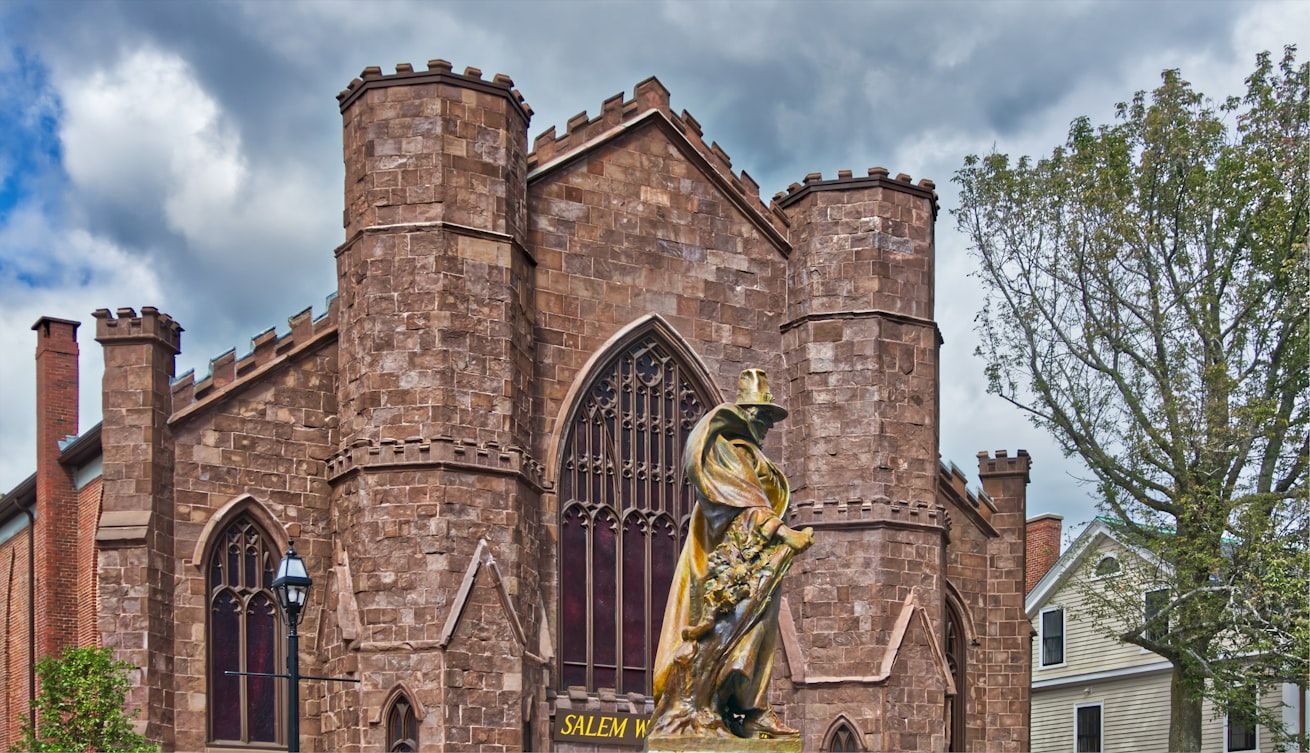
In 1692, Salem was overtaken by panic after young girls from respected families showed strange and violent symptoms, which the local doctor blamed on witchcraft. Authorities began making accusations based on "spectral evidence" and arrested around 200 people. Fear spread quickly, neighbors testified against each other, and around 20 people lost their lives.
Truth is, at that time, the line between medicine and magic was unclear, and women with healing knowledge were often suspected. The trials ended as the governor shut down the court after accusations reached his own family. Years later, the colony admitted the trials were a huge mistake, but the damage was already done.
Area 51, Nevada
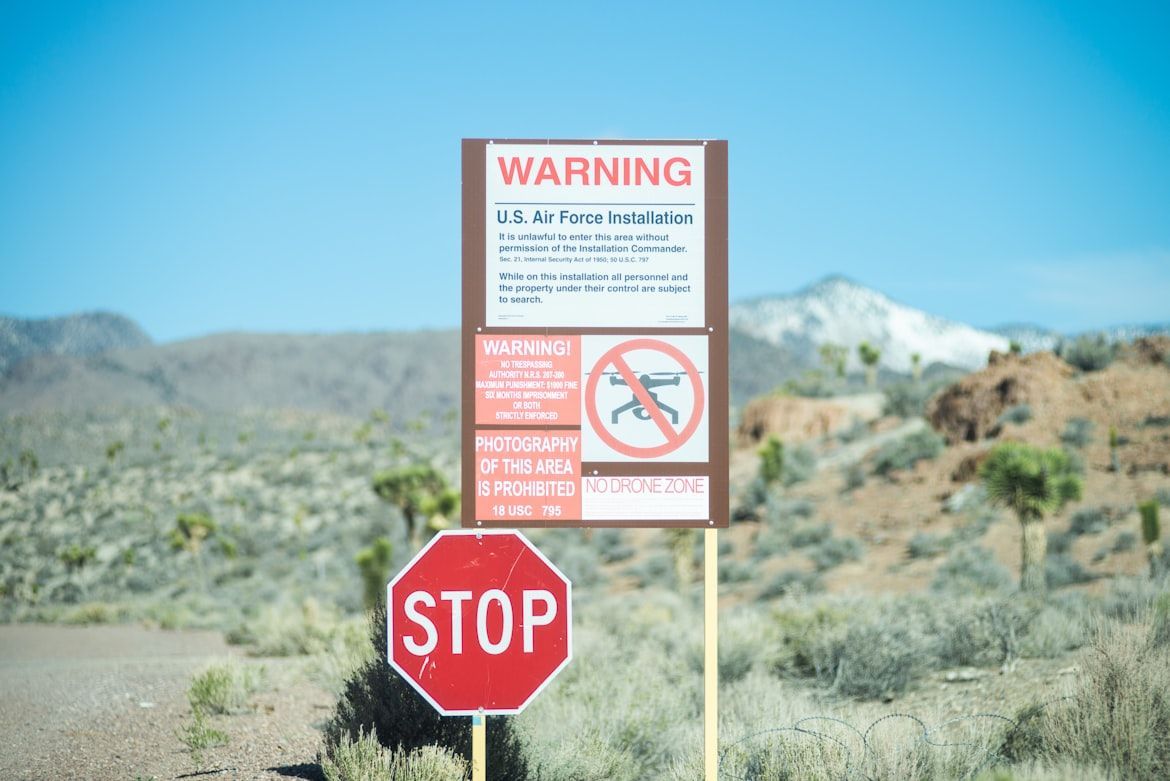
Area 51 is a modern myth rather than a folklore legend, largely shaped by mass media and public speculation. Located in the Nevada desert, this highly restricted U.S. military base was established in the 1950s to test experimental aircraft. Its secrecy, limited access, and controlled airspace drew Americans' attention when reports of unusual flying objects began to appear. Over time, these ideas spread in the news, books, and films such as Independence Day, directed by Roland Emmerich in 1996. But how much of the real version will we ever know?
Bermuda Triangle
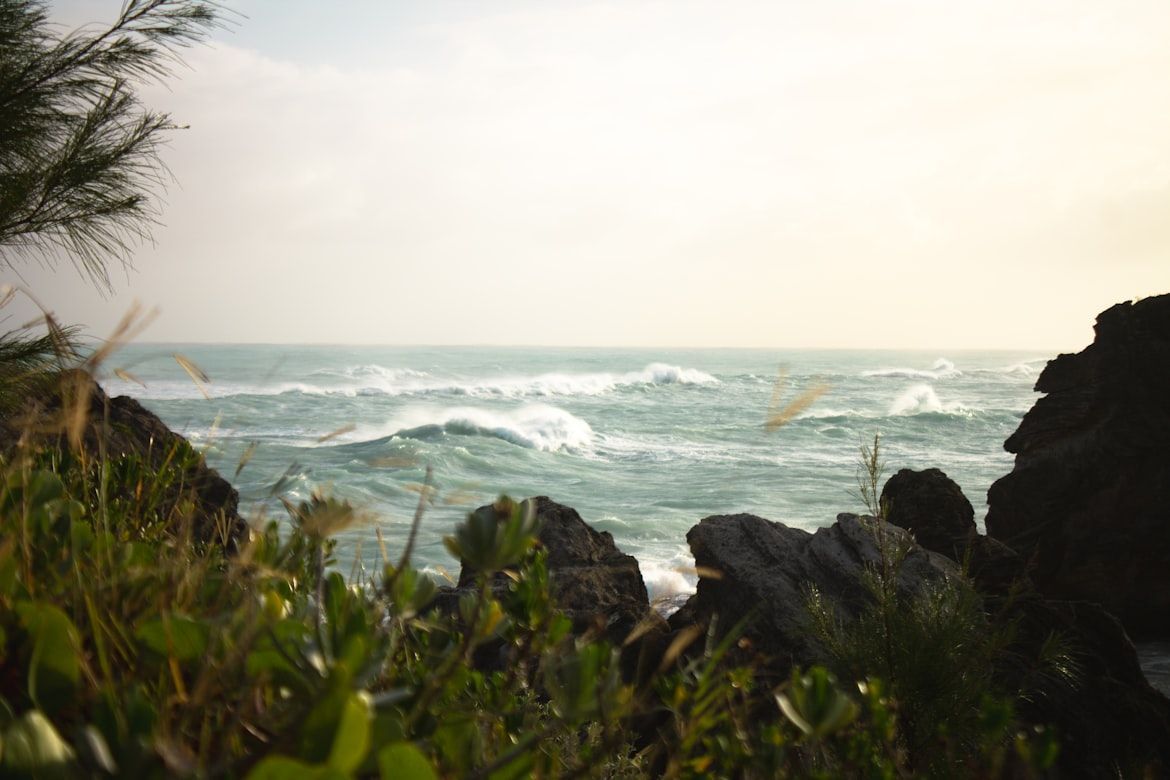
The Bermuda Triangle is a region in the Atlantic Ocean between Bermuda, Miami, and Puerto Rico. The mystery surrounding this area began after two particular events: the disappearance of USS Cyclops in 1918 and Flight 19 in 1945, with no clear explanation.
Moreover, the 50s and 60s were periods when science fiction was at its peak of interest: after World War II, the Cold War, and the space race, these stories fit perfectly with the mood of the time. The name "Bermuda Triangle" came in 1964 after Vincent Gaddis titled his article like that in the popular pulp magazine Argosy. Is this area really dangerous?
Sleepy Hollow, New York
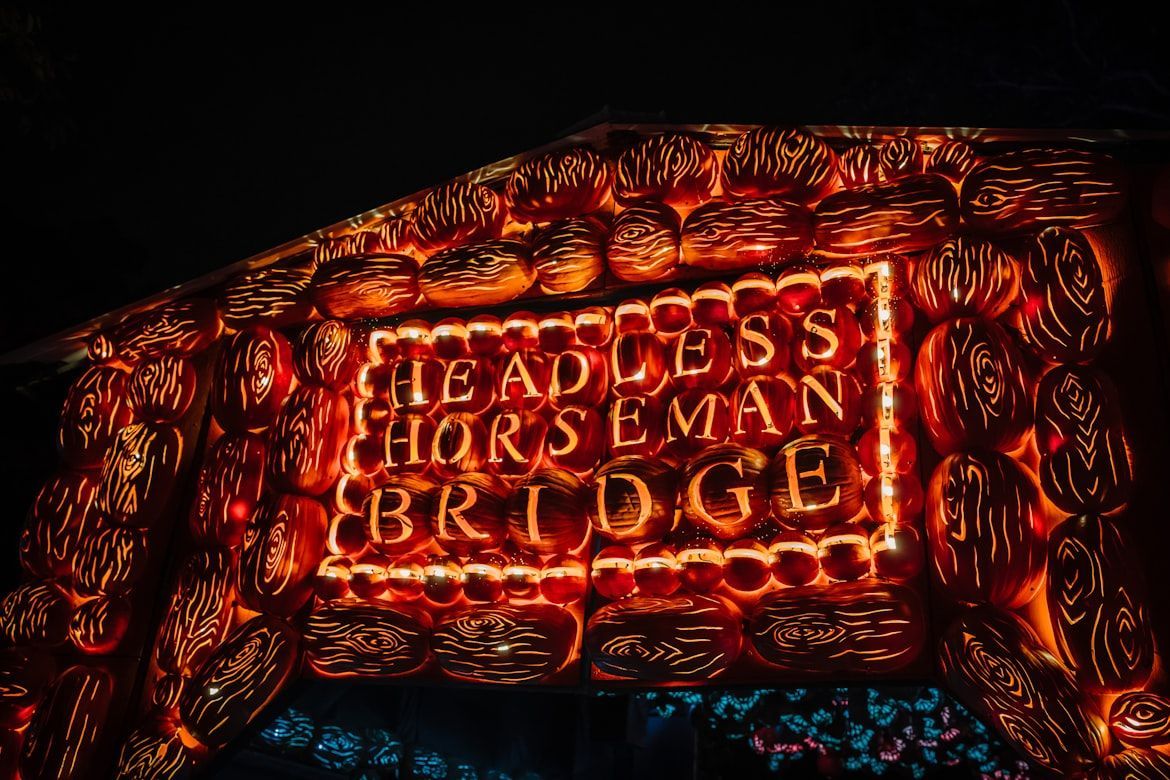
This is one of America's most famous ghost stories. A short story written by Washington Irving in 1820 turned this legend into a written tale. It follows Ichabod Crane, a schoolteacher in a quiet village in New York. The story builds to a nightmare encounter between Ichabod and the Headless Horseman, a rider who had lost his head in a past battle, who chases Ichabod into the woods. The schoolteacher was never seen again.
The legend comes from local stories, but similar figures also appear in other cultures, such as the Irish dullahan, a headless horseman believed to be a harbinger of death and a messenger from the otherworld.
Loch Ness, Scotland
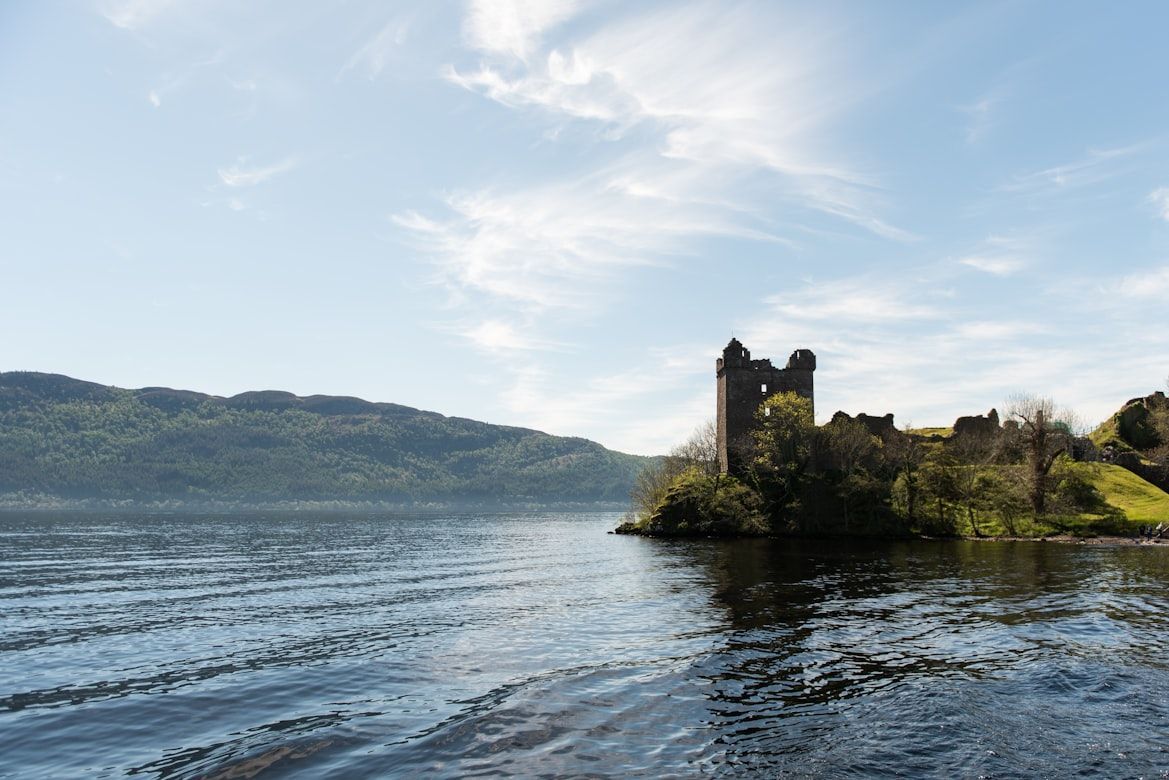
A mysterious long-necked creature moving across the surface of Loch Ness, Scotland, is how many people described what they saw in 1933 and even in earlier stories. But what exactly did they see in the water?
As more reports came in, people started calling it the "Loch Ness Monster." The legend grew even more in 1934, when the famous "surgeon’s photograph" seemed to show a small head and long neck rising from the lake. But decades later, that image was revealed to be a hoax made with a toy submarine and a fake head. The mystery didn’t disappear, and researchers still search for the monster. Although there isn’t clear proof of a monster, for most people, Loch Ness is the official home of "Nessie."
Transylvania, Romania
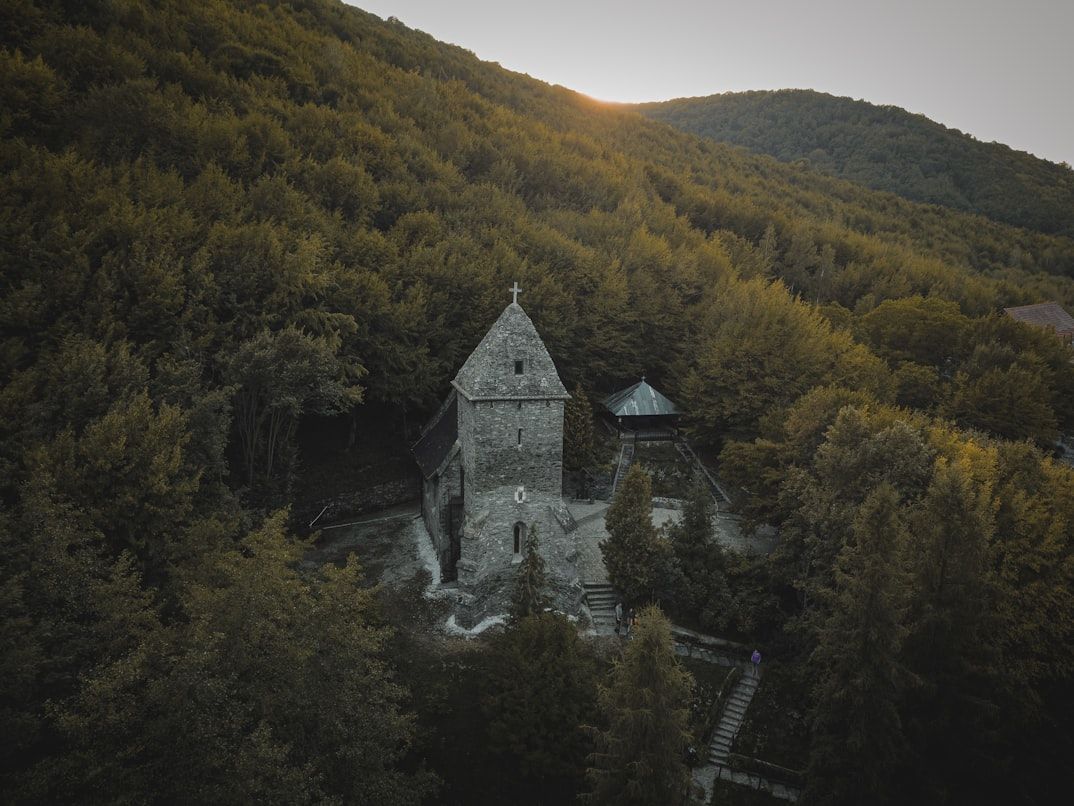
Transylvania is a region in central Romania, in southeastern Europe. This medieval region with castles and fortresses is the perfect scenery for mysterious tales; It became popular after Bram Stoker’s novel Dracula, published in 1897.
The character was partly inspired by Vlad the Impaler, a real 15th-century ruler known for his violent punishments. Stoker borrowed the name "Dracula," which meant "son of the dragon," from Vlad’s family name. Stories about his actions spread across Europe and shaped later vampire tales. Because of this mix of history and fiction, Transylvania became strongly linked to Dracula and vampire folklore. Would you visit this medieval region?
Stonehenge, England
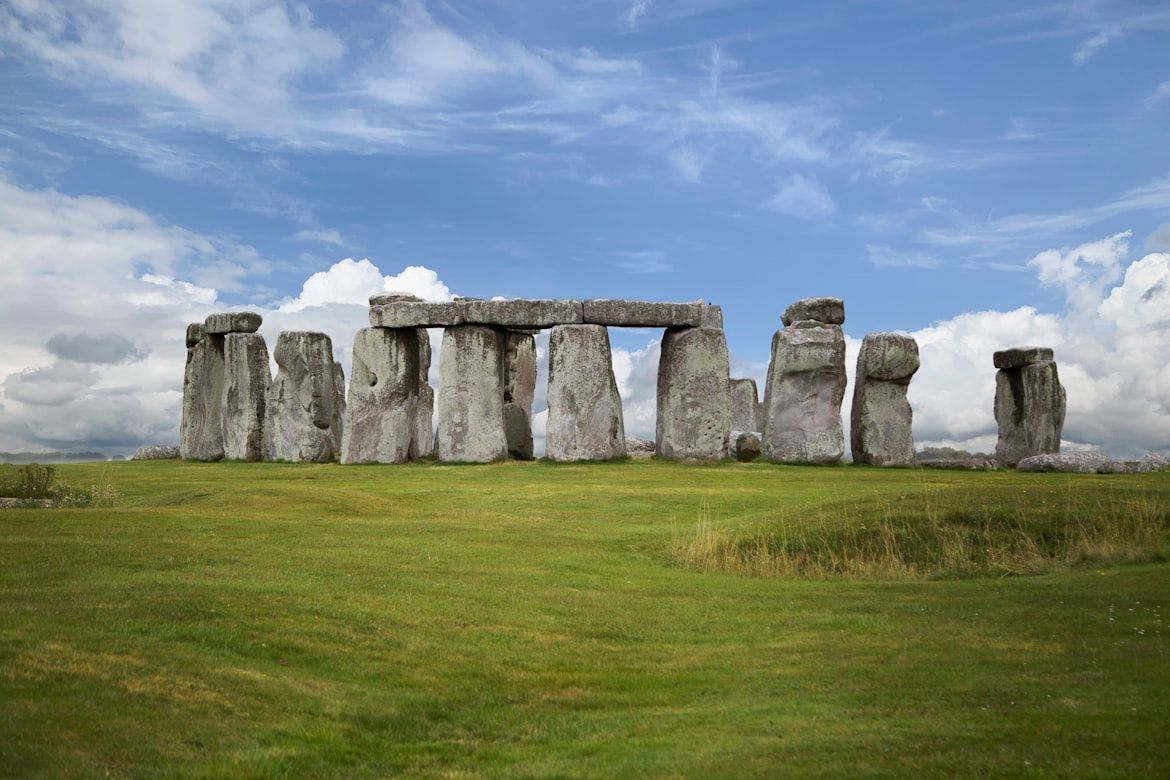
How did the stones of Stonehenge get there? Was it built only by people, or was there something else involved? These are some of the main questions surrounding the site.
Stonehenge is a prehistoric stone circle in southern England, built between 3000 and 2000 BC, and it is believed to have been used for ceremonies, ancestral worship, or tracking the sun. Today, we know the stones were not moved by glaciers and were brought from long distances. The question remains: How was Stonehenge really built?
Easter Island, Chile
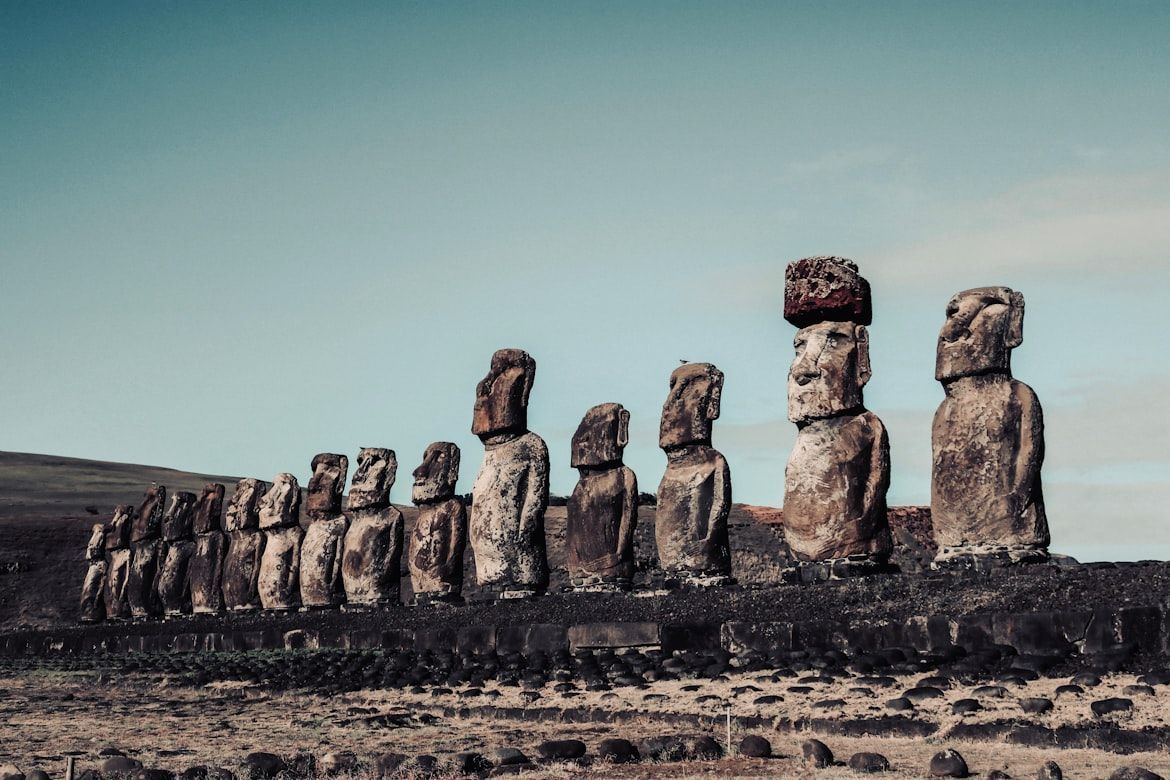
Easter Island, in Chile, is known for its giant stone statues called moai. The territory was settled around 1200 AD by Polynesian people who developed the Rapa Nui society. Most of the statues were built between the 13th and the 16th centuries. For years, people have tried to understand why these statues were built, how they were moved, and why they are placed where they are.
Today, researchers believe the statues represent ancestors and were part of important rituals. It is also believed that statues were "walked" upright using ropes and controlled movement. Moreover, the location was an indicator of nearby sources of fresh water. How this society built nearly 1,000 statues with limited resources is still a mystery.
Mount Olympus, Greece
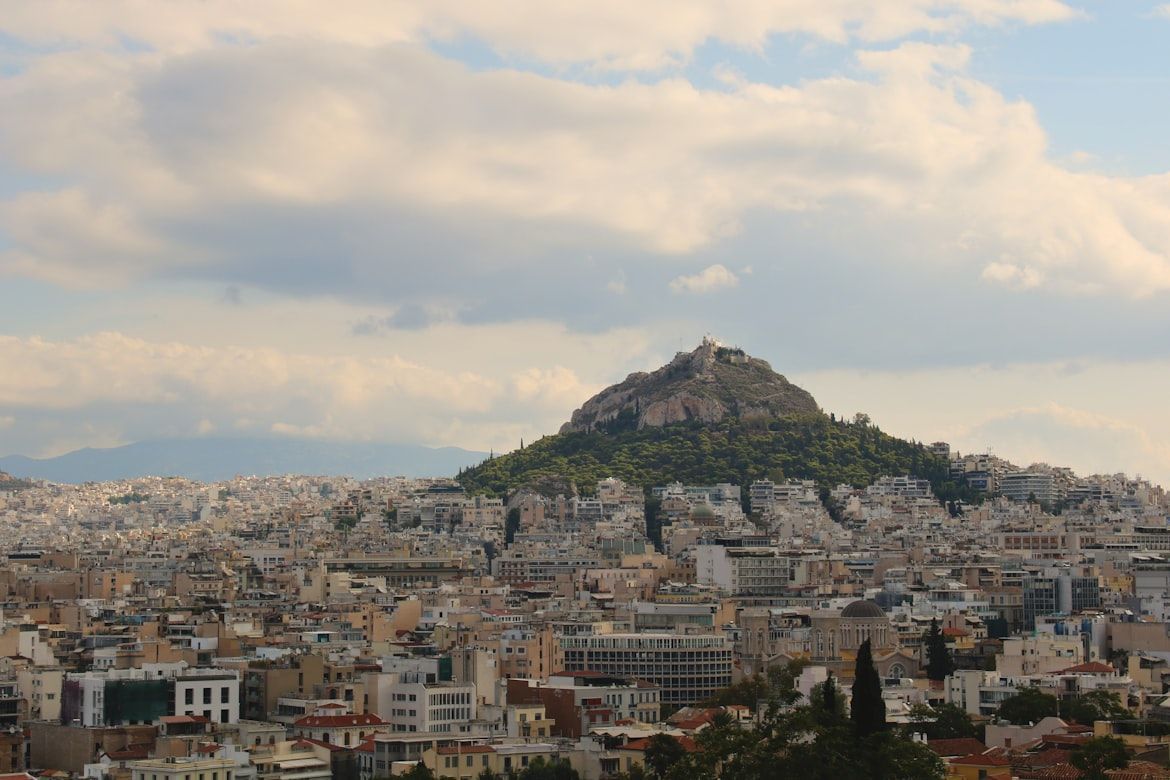
Mount Olympus and its highest peak, Mytikas, in northern Greece, are known as the home of the Greek gods in ancient mythology.
According to these stories, twelve Olympian gods and goddesses lived at the top of the mountain and ruled the world from there. Hera, the goddess of marriage and childbirth, Aphrodite, the goddess of love and beauty, and Apollo, the god of music, were led by Zeus on Mount Olympus, and controlled humans watching everything from there. Today, many elements of Greek mythology remain part of our shared imagination and everyday language, like the word "narcissistic," which comes from the myth of the self-obsessed Narcissus.
Sherwood Forest, England
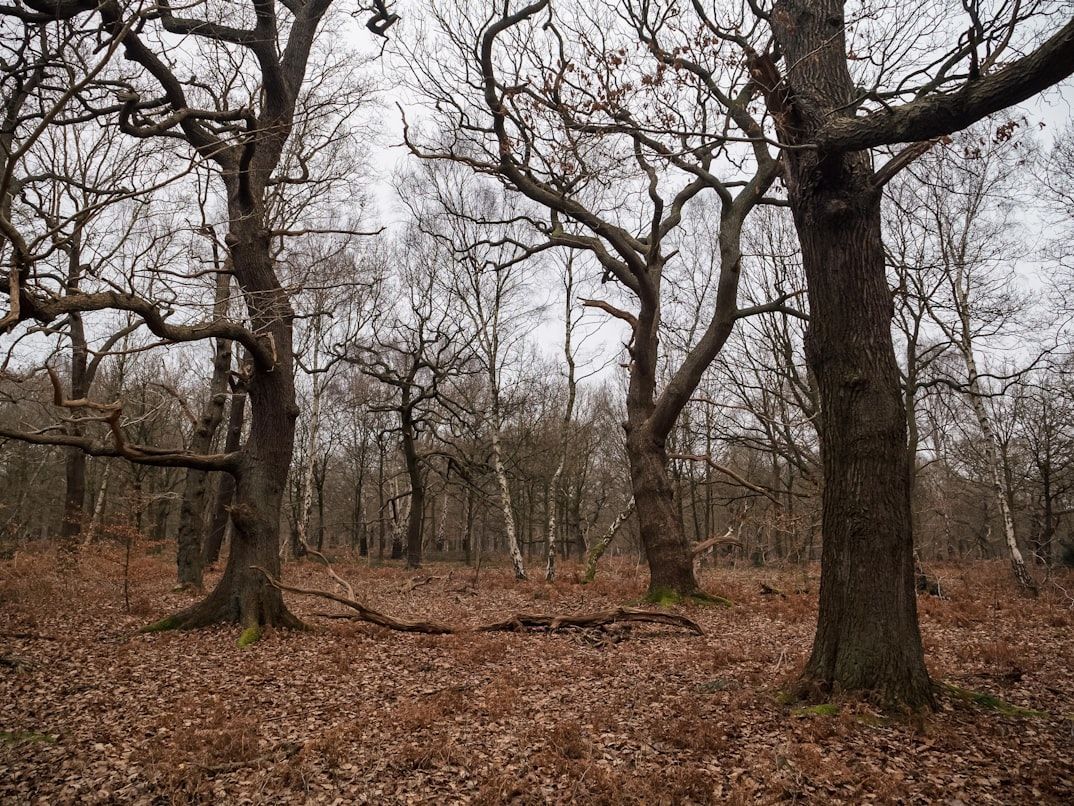
Stories shared since the Middle Ages tell of an outlaw who moved through the forest and challenged local authority. In some versions, Robin Hood is a nobleman who returned from the Crusades to find his land taken, while in earlier stories, he is a common man from the yeoman class.
He was a skilled archer, slipping between the trees of Sherwood Forest. This is how many imagined Robin Hood. A criminal for some and a hero for others, his story grew as people told and retold it, shaping him into a figure who took from the rich and gave to the poor; a man who took the law into his own hands.
11 more beautiful U.S. towns you’ll want to visit
Picture-perfect places
11 more beautiful U.S. towns you’ll want to visit
Following our first 10 states in alphabetical order, the journey continues with 11 more of the prettiest towns in America, according to Architectural Digest’s 2026 list. From historic streets to breathtaking coastlines, these charming places are worth a closer look, including one with a breathtaking red lighthouse and another where Jaws was filmed in the 1970s.
Ketchum, Idaho
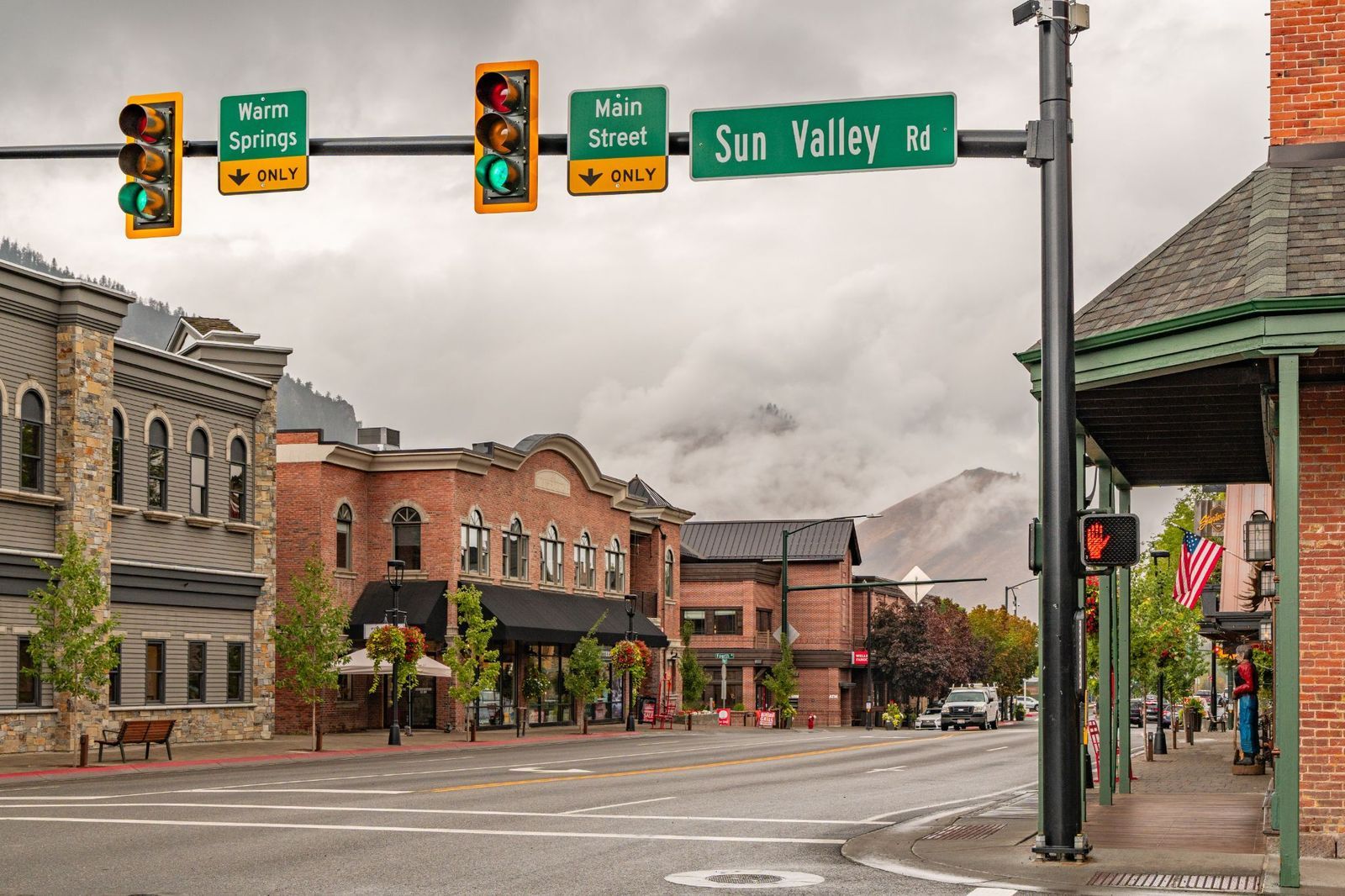
Ketchum, Idaho, at the base of Bald Mountain, is a dream destination for outdoor enthusiasts, with world-class alpine skiing in the winter and fly-fishing in the summer.
Locally known as "Baldy," the mountain was one of Ernest Hemingway’s favorite spots, where the legendary author spent considerable time late in his life. His grave is also located close by, in Ketchum Cemetery.
Galena, Illinois
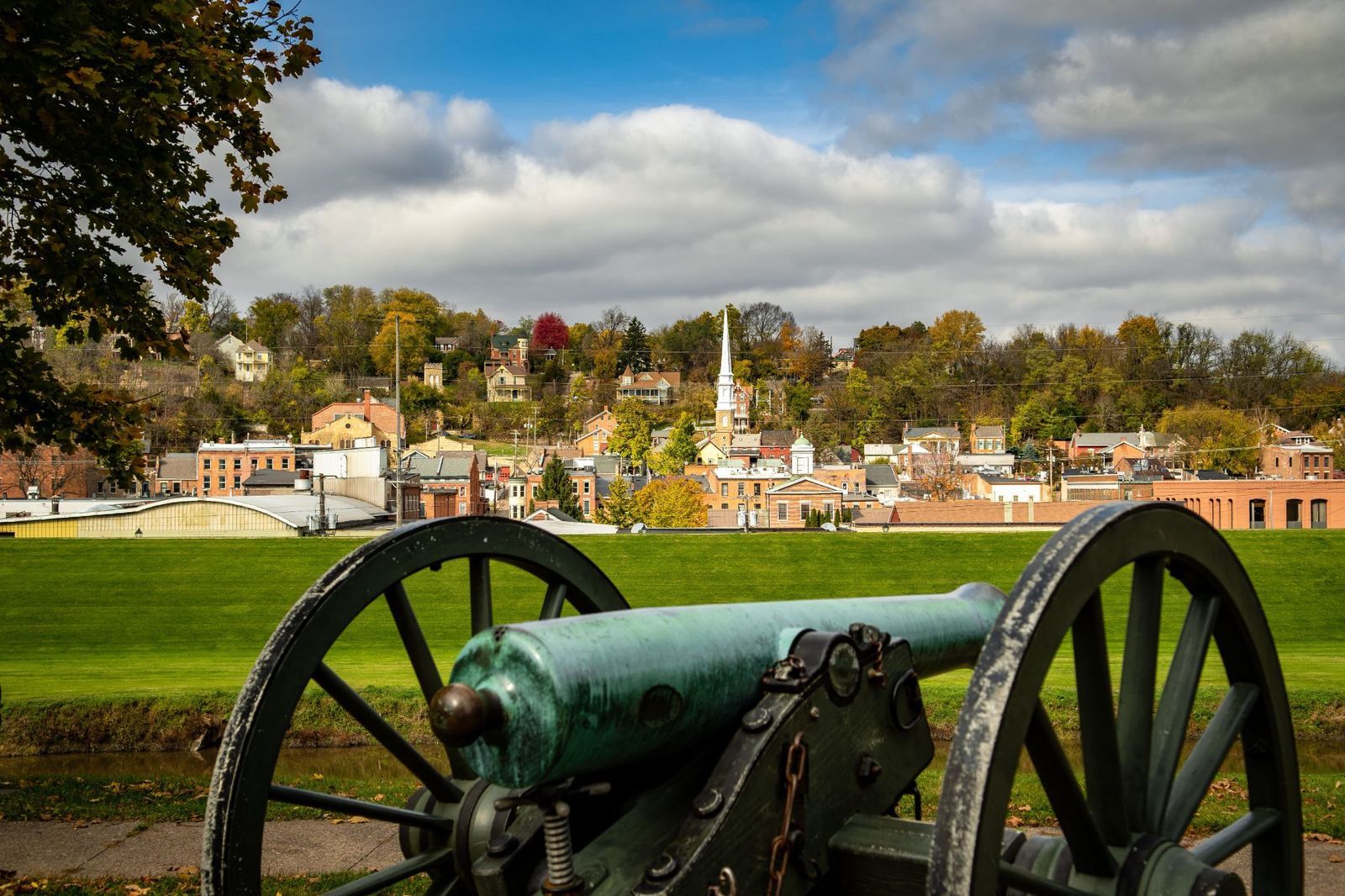
Galena, Illinois, is a favorite weekend getaway for many Chicagoans, partly because it's tucked among rolling hills near the Mississippi River, with well-preserved 19th-century mansions and a variety of outdoor activities on offer.
More than 85% of the city is listed on the National Register of Historic Places, and local ordinances help preserve its historic character, including its historic architecture and streetscapes.
Columbus, Indiana
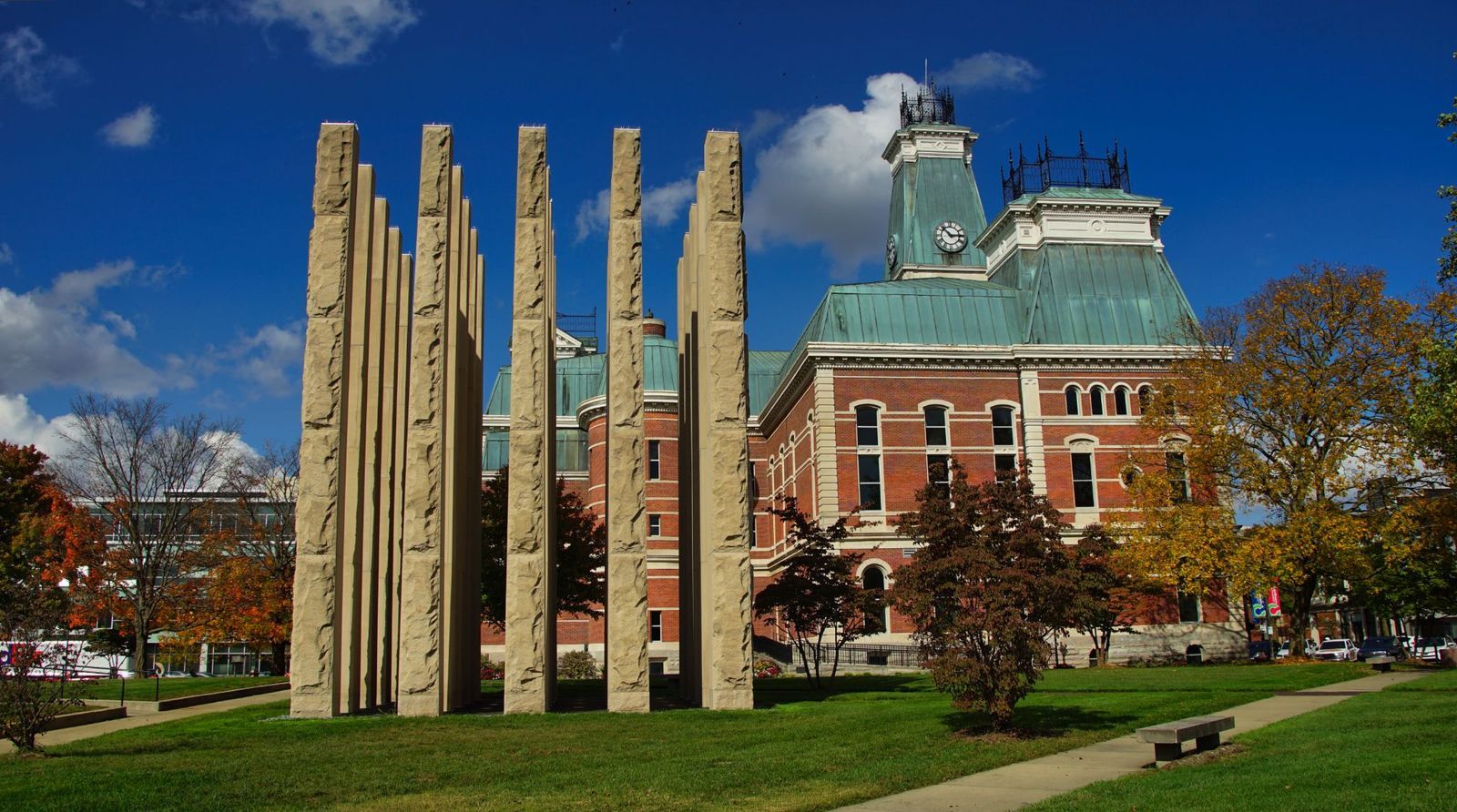
Columbus, Indiana, is a striking destination that functions almost like an open-air museum of Modernist architecture, showcasing works by big names such as Eliel and Eero Saarinen, I.M. Pei, and Harry Weese.
Several structures are designated National Historic Landmarks, including the Bartholomew County Courthouse and the Veterans Memorial.
Amana Colonies, Iowa
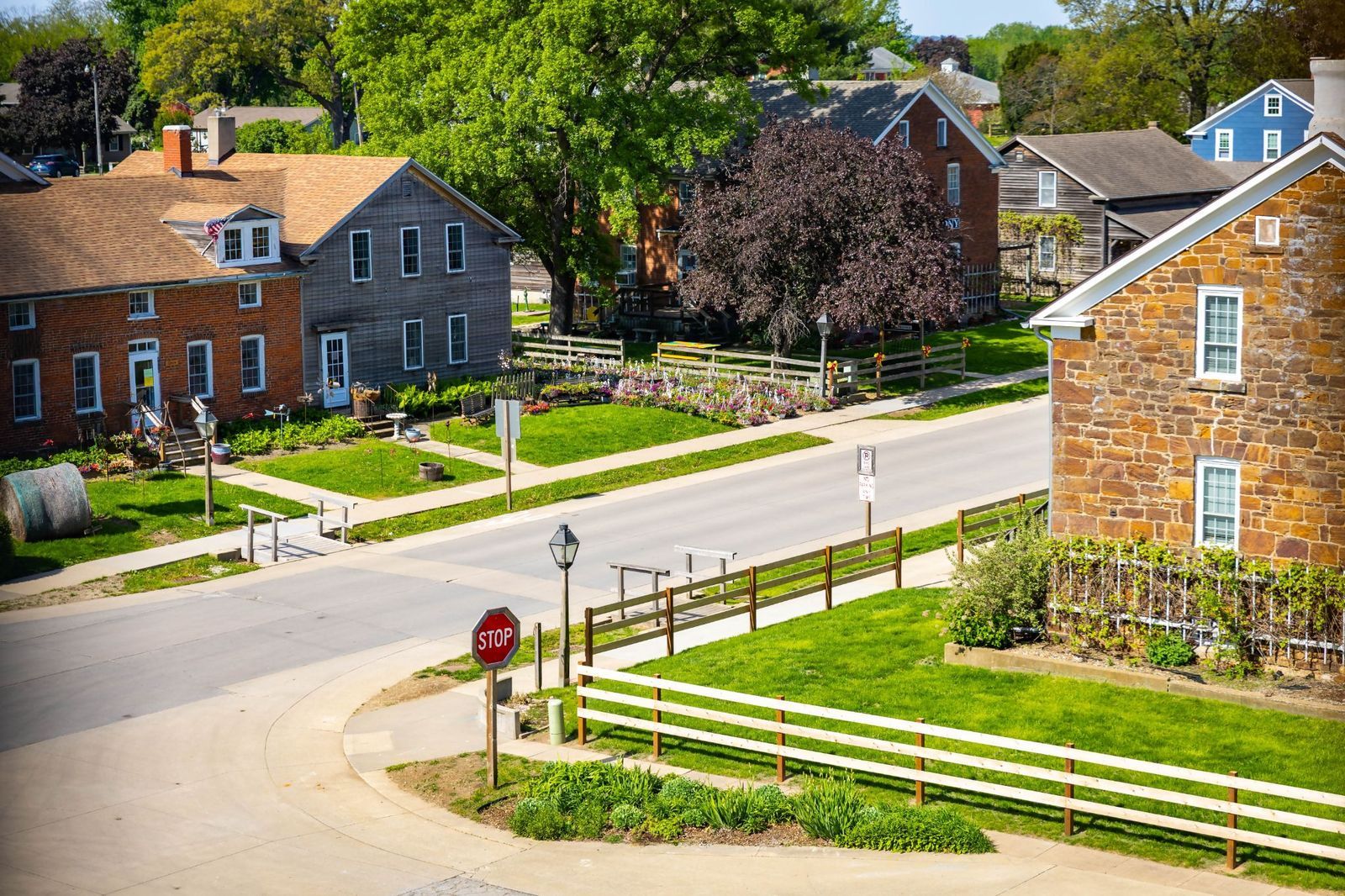
The Amana Colonies in Iowa are a charming collection of seven villages settled by German immigrants during the mid-19th century.
The area maintains many traditional crafts and offers plenty of opportunities to browse art, antiques, baked goods, and locally made goods, including blankets from the Amana Woolen Mill.
Lawrence, Kansas
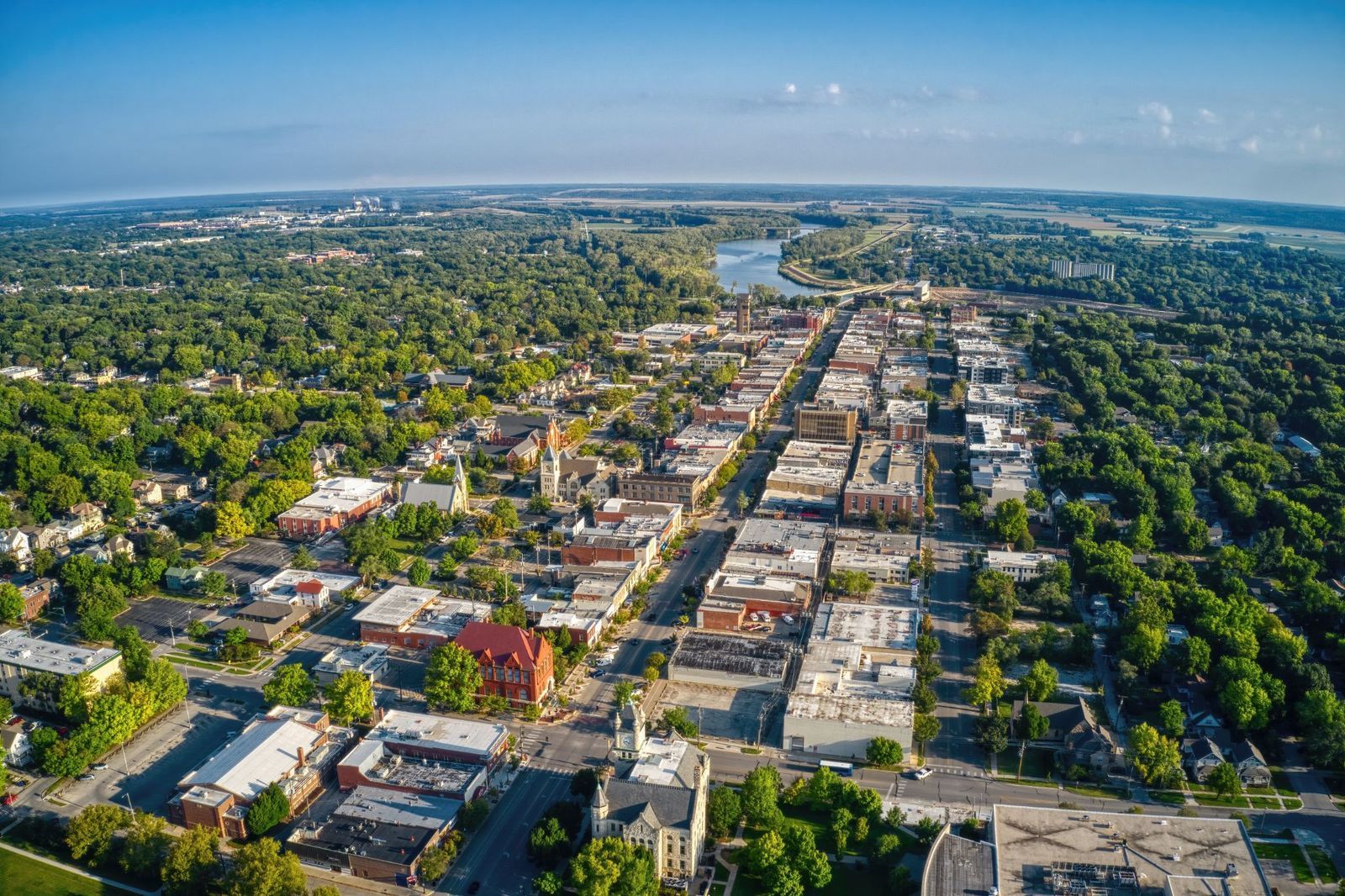
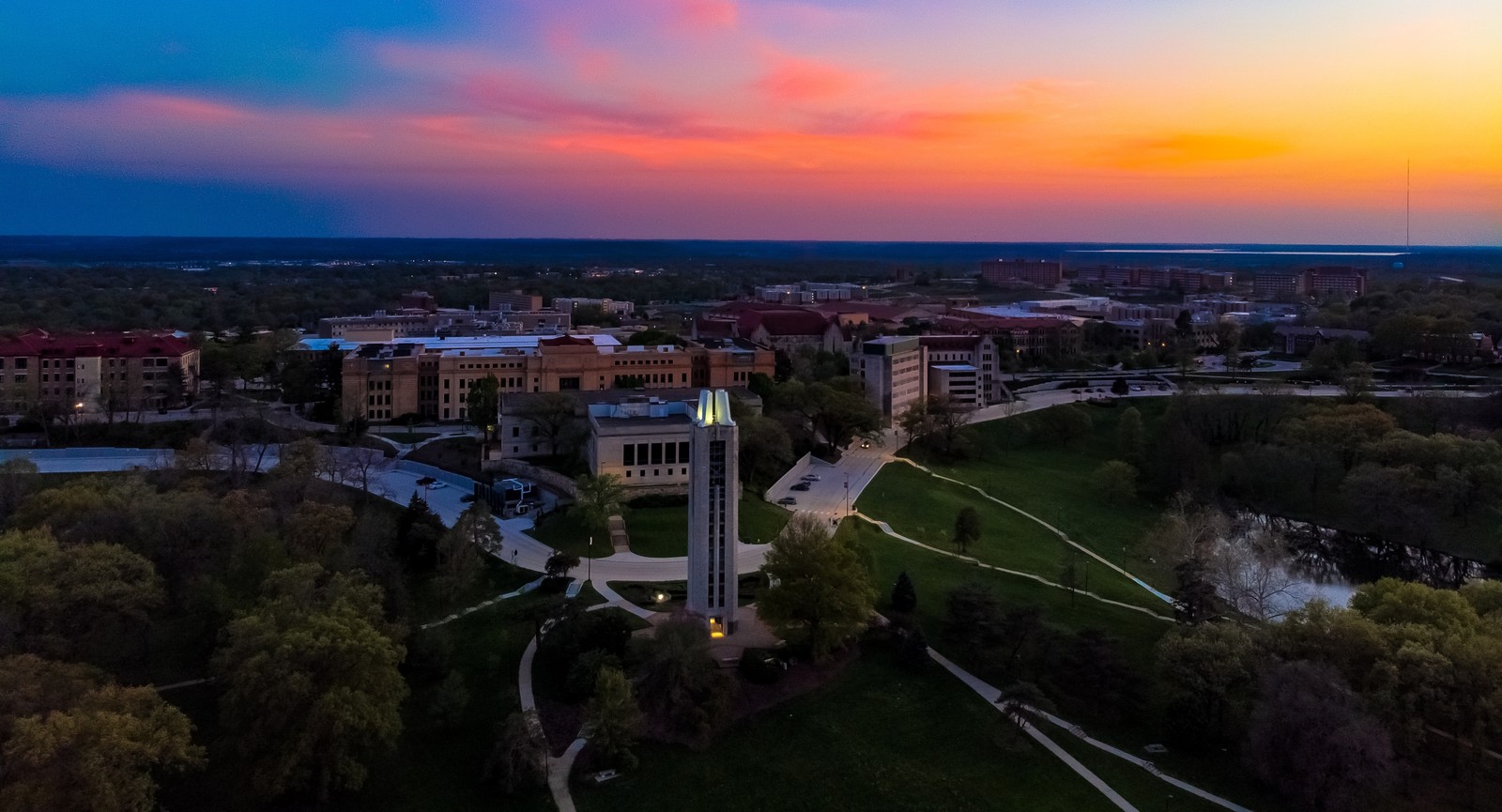
Lawrence, Kansas, combines historic 19th-century architecture with tree-lined commercial districts and a vibrant college-town atmosphere. And then the sunflowers appear.
August and September are beautiful times to visit, when fields of these predominantly yellow blooms brighten the Kansas landscape, including at Grinter Farms near Lawrence.
Berea, Kentucky
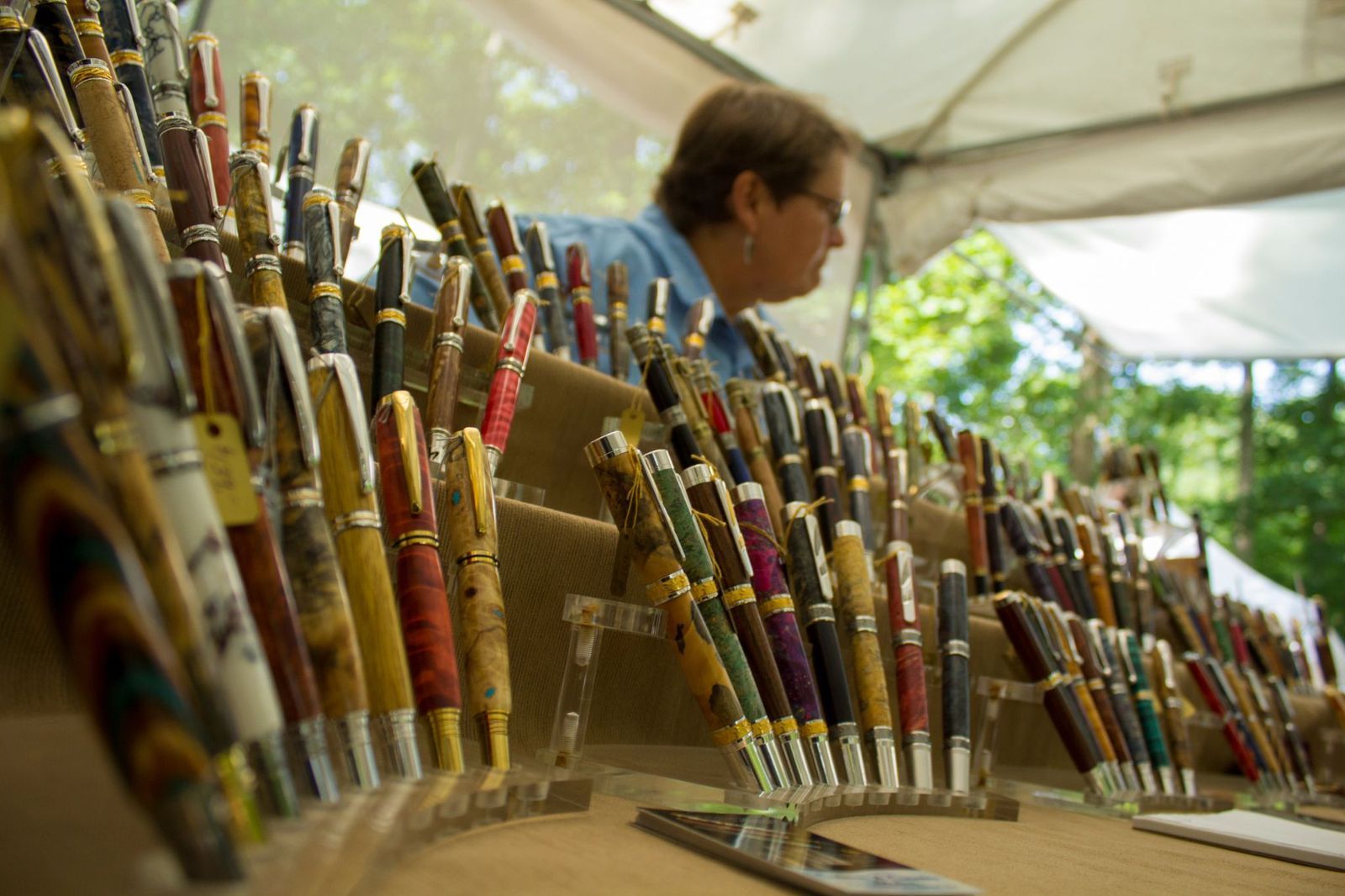
Berea, Kentucky, located south of Lexington, is a craft-oriented community with an established reputation as the "Folk Arts & Crafts Capital of Kentucky."
It’s nestled in the scenic foothills of the Appalachian Mountains and Cumberland Plateau, offering a stunning mix of rugged natural landscapes and a vibrant cultural scene.
Breaux Bridge, Louisiana
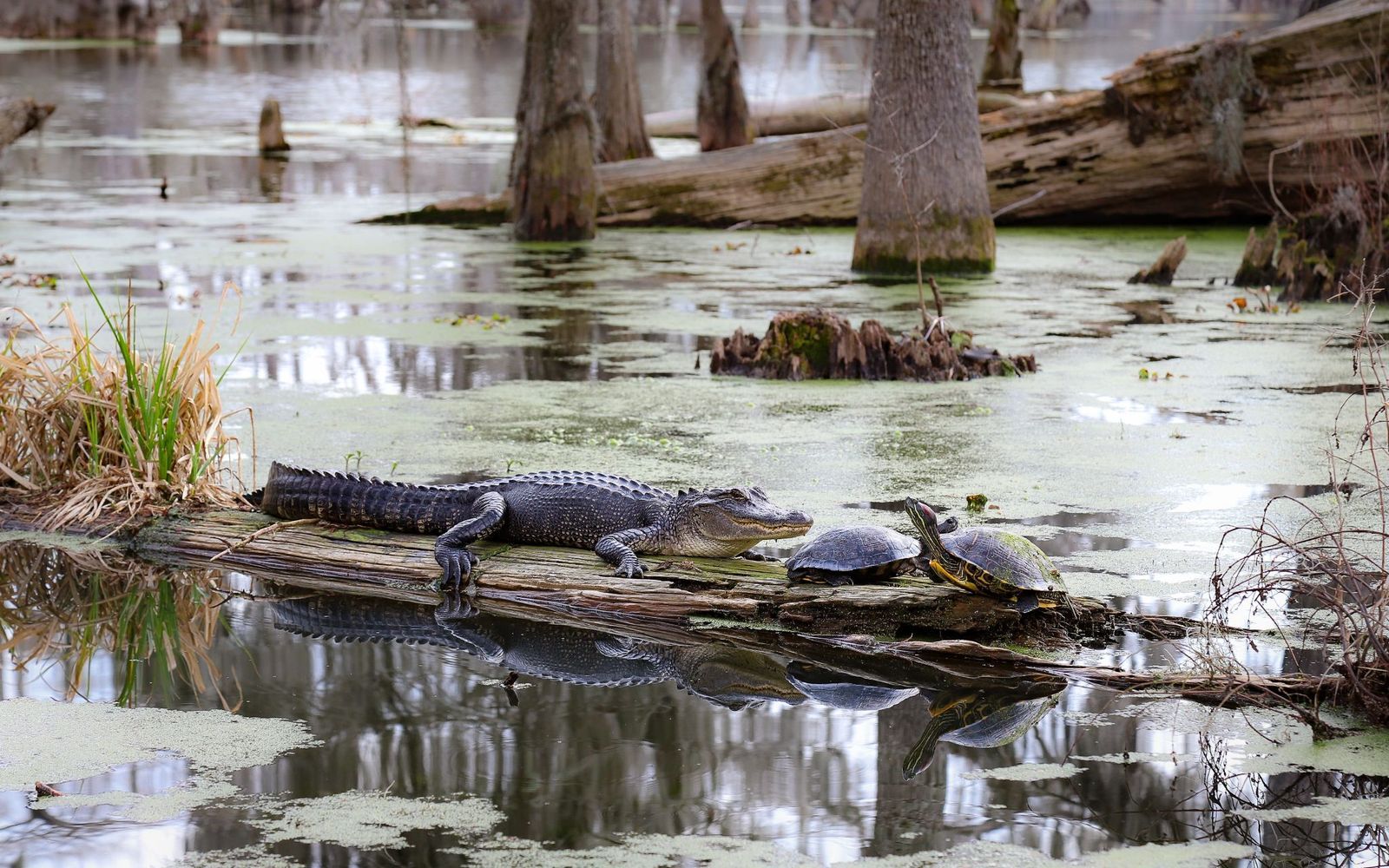
Breaux Bridge, Louisiana, is a small town that seems to have been frozen in time, surrounded by natural beauty and rich cultural traditions. Located in the heart of Cajun Country, it is known for its Acadian heritage, distinctive bayous, and crawfish, a Louisiana favorite.
Stonington, Maine
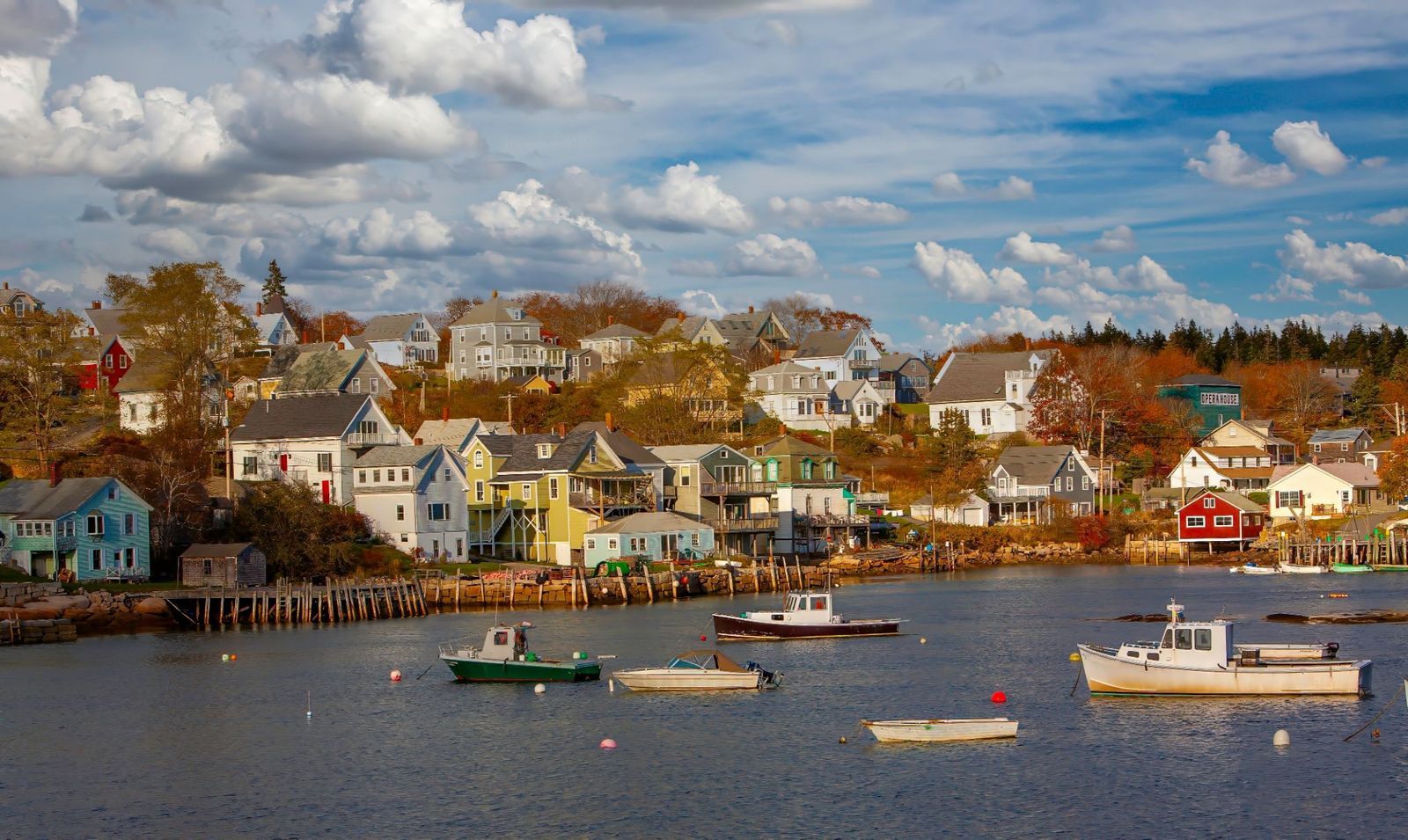
Stonington, Maine, is remarkably picturesque because it combines a genuine, active working waterfront with stunning Downeast coastal geography.
It’s also well known as a fishing village where wooden boats bob in the harbor, and homes climb the hillside above the water, creating an old-fashioned coastal scene. It feels like a postcard come to life.
Annapolis, Maryland
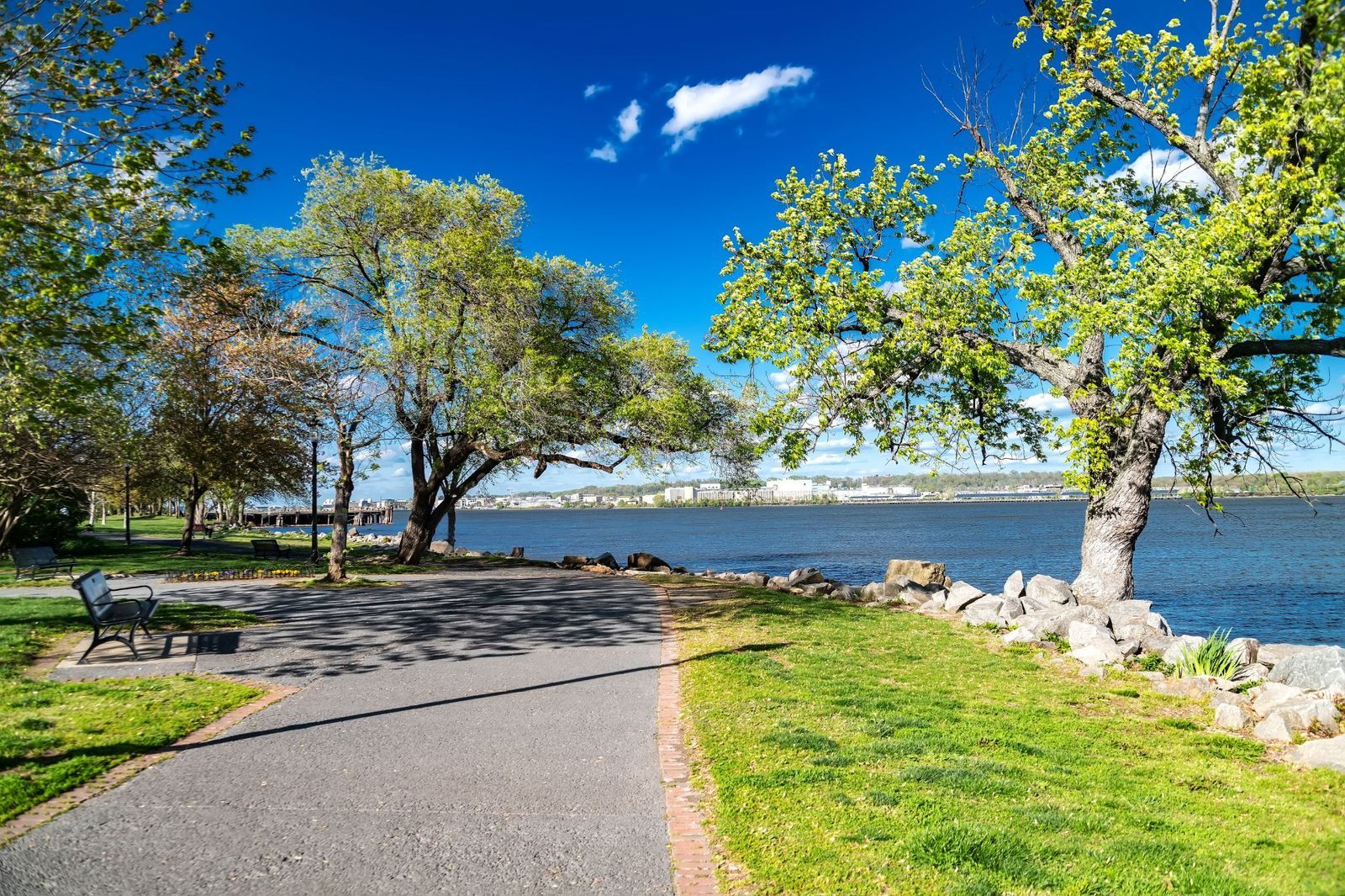
Annapolis, Maryland, is a relaxing contrast to nearby bustling Washington, DC. It also has a strong nautical history, with the U.S. Naval Academy based here, and a strong boating culture among locals.
Plus, the city has the highest concentration of original 18th-century brick homes in the United States. Narrow, walkable streets and historic circles give the downtown an authentic, timeless feel.
Edgartown, Massachusetts
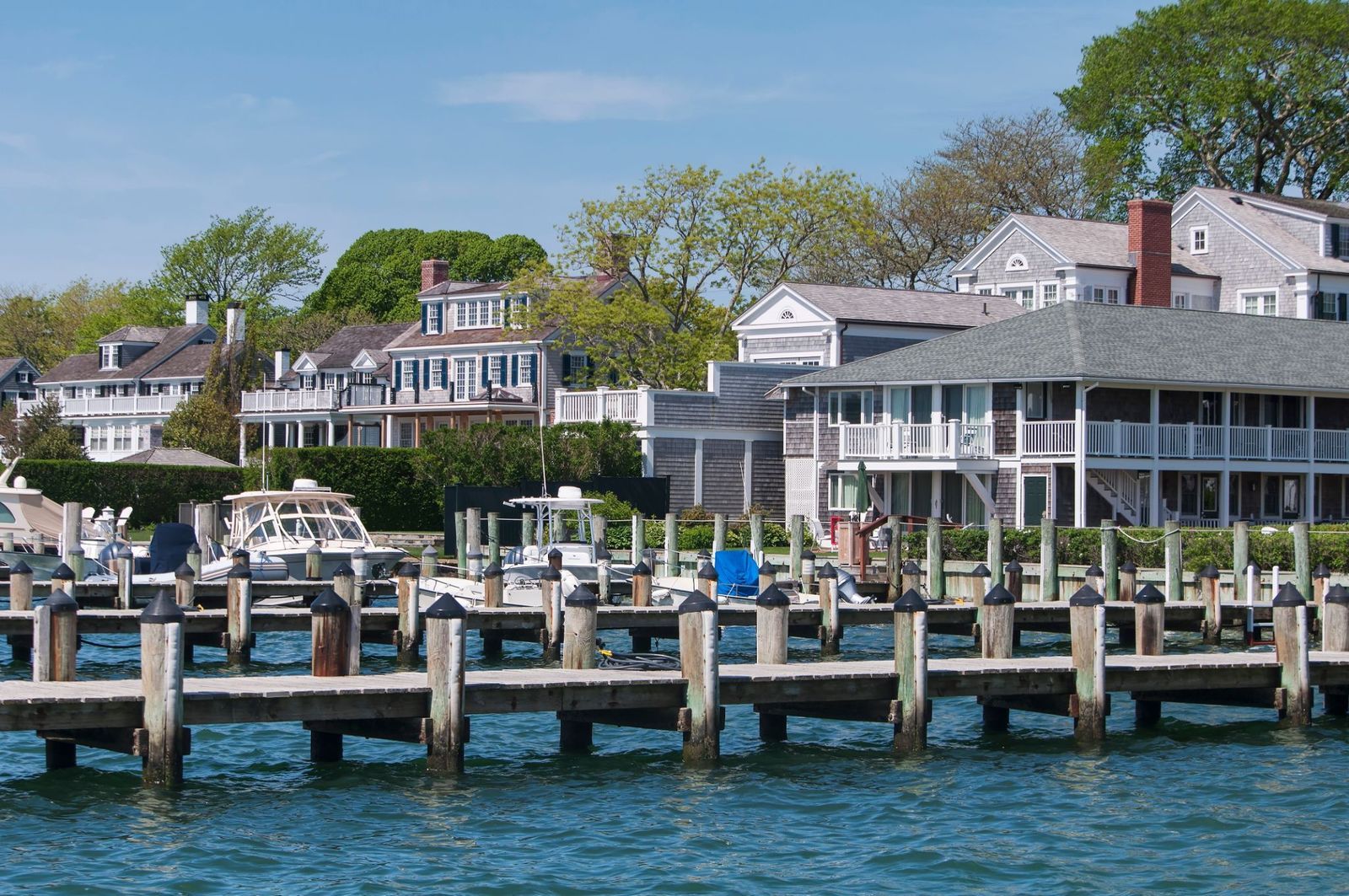
Edgartown, Massachusetts, is a former whaling port on Martha’s Vineyard, with about 5,000 residents. The busy yet scenic harbor features classic wooden docks and sailing boats, while historic homes and Edgartown Harbor Light add to its unmistakable New England character.
Also, for movie buffs, this is the exact location where the legendary movie Jaws was filmed in the 1970s.
Holland, Michigan
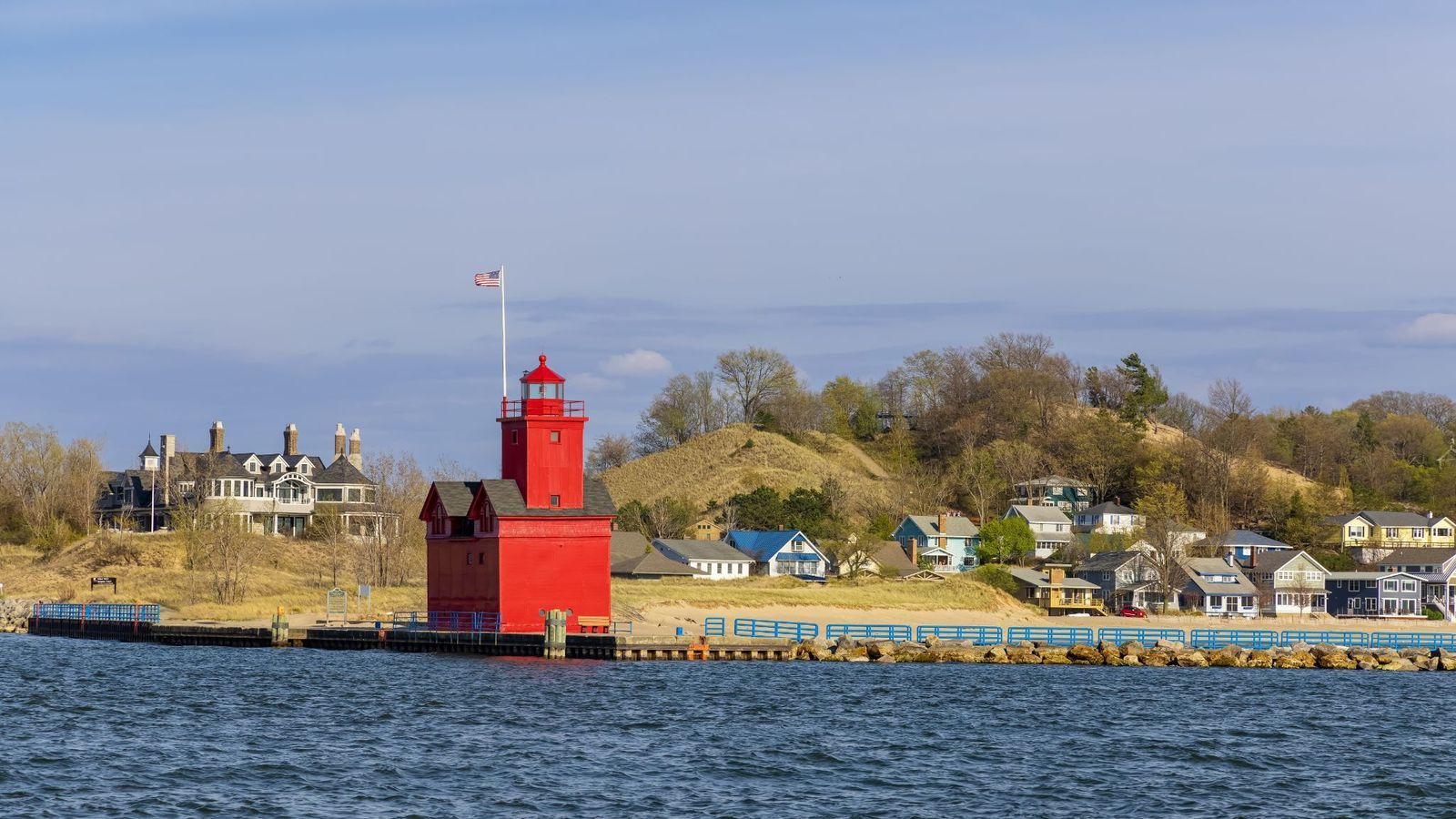
Just like in the Netherlands, Holland, Michigan, celebrates its Dutch heritage with colorful tulips that bloom throughout the city each spring.
These vibrant displays blend in beautifully with its bustling downtown area, and its iconic red lighthouse is an unforgettable symbol of this community.
Keep wandering
There’s always
more to explore

How one package of macadamia nuts made the pilot turn the plane around
5 min.
Read Now
Nearly everyone in this town lives in one 14-story building
6 min.
Read Now
 Culture

Can too many visitors change a town forever? The truth about tourism
6 min.
Read Now
Chernobyl: the residents were told they’d be back in three days
6 min.
Read Now