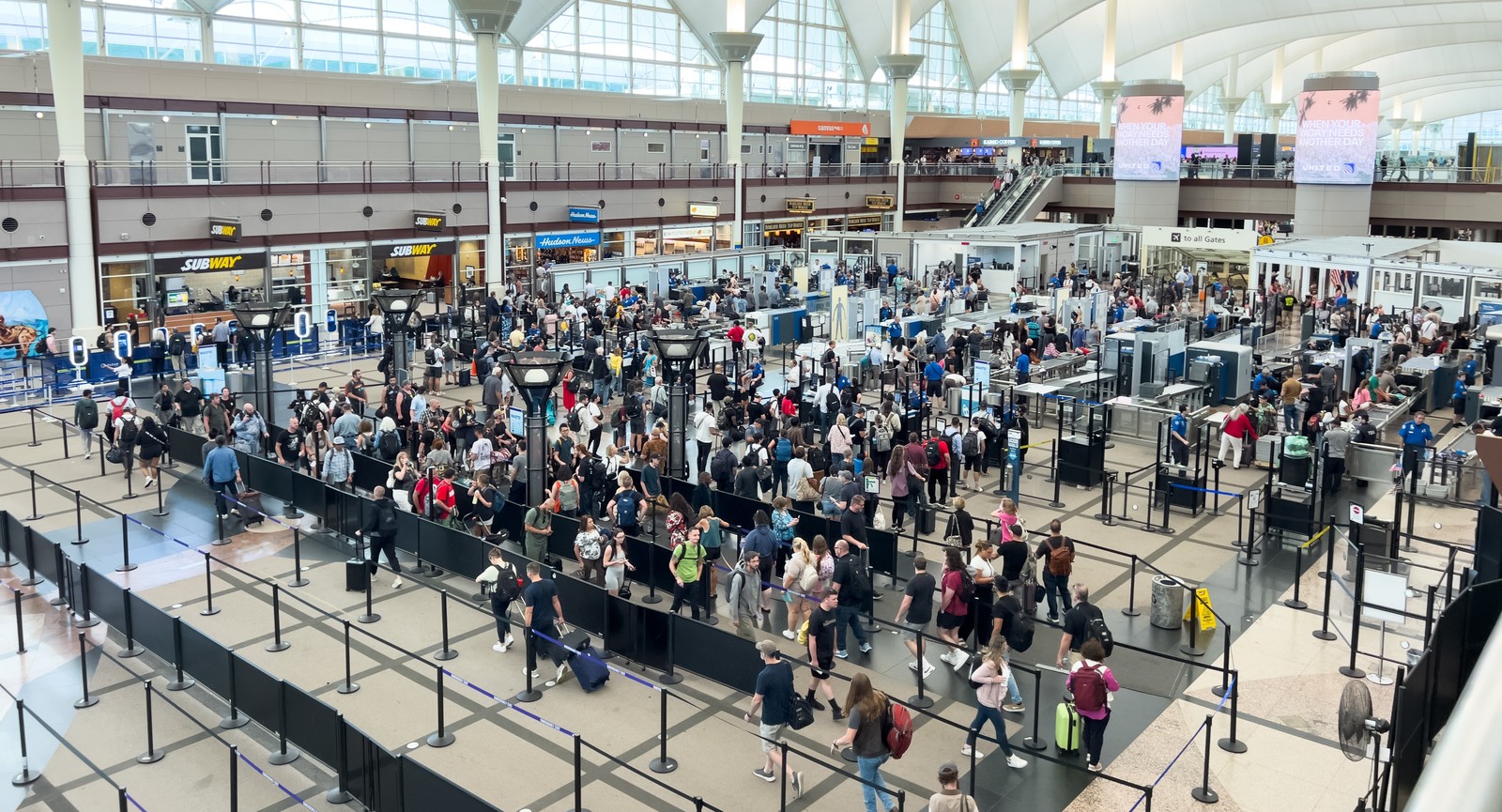
Your carry-on may get flagged according to this new rule
 General
New travel rules
Your carry-on may get flagged according to this new rule
Remember when you had to take off your shoes at every checkpoint, and Southwest let you sit wherever you wanted? Both are now things of the past, and so is the old rule about what happens if you forget your ID. Airports and airlines have quietly rewritten the rulebook, changing everything from checked bags to how you cross a border in Europe. If your last flight was a while ago, prepare for some real surprises. Here are 10 changes worth knowing before your next trip
TSA "ConfirmID" fee for non-compliant ID
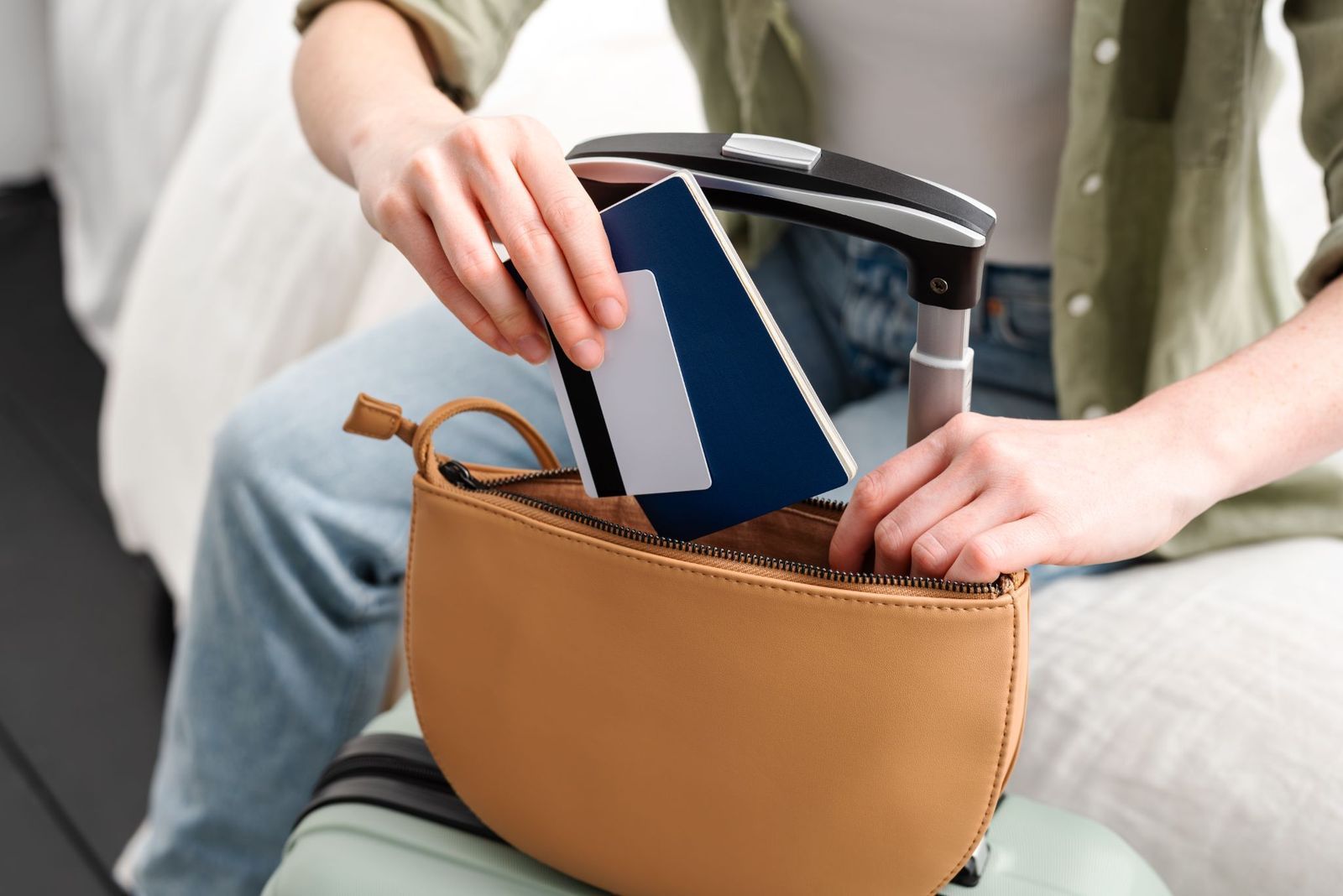
Before 2026, if you forgot your REAL ID-compliant card and presented your older driver's license instead, that meant a longer wait and some extra questions, but no charge. Not anymore.
Since February 1, 2026, the Transportation Security Administration has required travelers without a REAL ID or passport to pay a $45 fee through a system called TSA ConfirmID before they can be verified or screened. The fee is nonrefundable and only covers you for 10 days, so a longer trip without proper ID could mean paying twice. TSA says the change shifts the cost of extra verification onto individual non-compliant travelers instead of taxpayers. Your safest bet is packing that REAL ID or passport before you leave the house.
Stricter carry-on bag enforcement
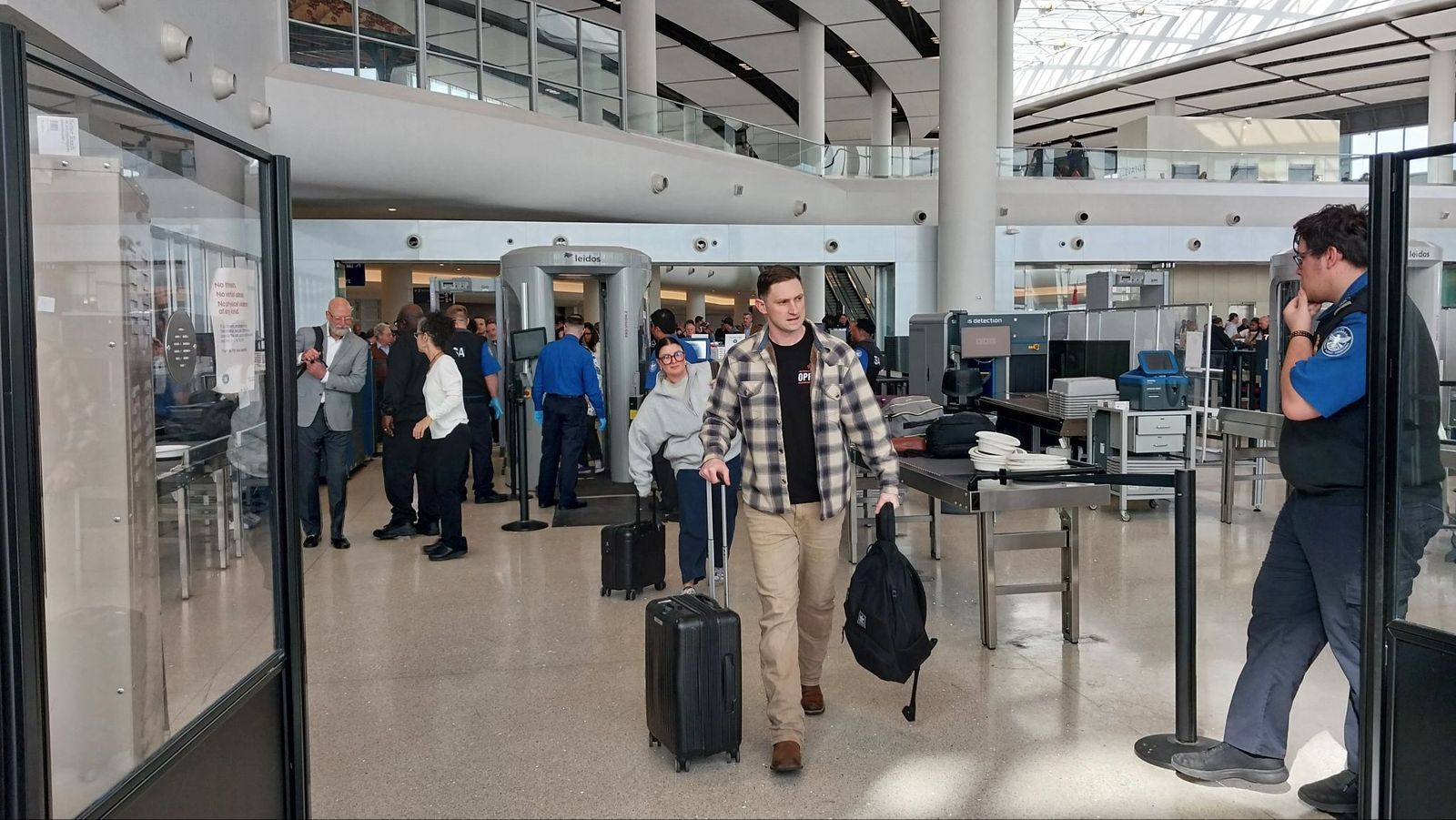
You’ve watched it happen at the gate. A bag that always fits suddenly gets flagged, and out comes the metal sizer nobody used to bother with. That casual approach faded through 2025 and 2026, as United Airlines rolled out automated bag scanners at dozens of airports and other major carriers followed with tighter checks at busy hubs.
Bags that fail now routinely face a gate-check fee running anywhere from $60 to $100. The dimensions themselves, roughly 22 by 14 by 9 inches including wheels and handles, have not changed. But the willingness to look the other way clearly has. Measuring your bag before you leave home can save you a frustrating and expensive surprise at boarding.
Shoes stay on at security

For two decades, taking off your shoes at the airport felt as automatic as buckling your seatbelt. That habit traces back to December 2001, when Richard Reid tried to ignite explosives hidden in his sneakers on a flight from Paris to Miami, prompting the TSA to require shoe removal at every checkpoint nationwide starting in 2006.
That finally changed on July 8, 2025, when Homeland Security announced that domestic travelers could keep their shoes on during screening, citing better scanning technology and years of inconsistent enforcement. TSA PreCheck members have already enjoyed this perk since 2013. Officers can still ask individual travelers to remove shoes if a scanner flags something unusual, so easy-on shoes remain a smart choice.
Digital ID accepted at TSA checkpoints

Not long ago, forgetting your physical driver’s license meant your trip was in serious jeopardy no matter how many other documents you carried. Today, in a growing number of states, your phone can save the day.
Travelers with a mobile driver’s license or state-issued digital ID loaded into Apple Wallet, Google Wallet, Samsung Wallet, or certain state apps can now use it at TSA checkpoints in more than 250 airports across 21 states. The system checks your digital credentials without handing your phone to an officer, and TSA says it shares only the information needed to confirm who you are. You should still carry a physical REAL ID or passport in your bag as backup, since the vast majority of airports haven’t caught up yet.
Automatic cash refunds for cancellations
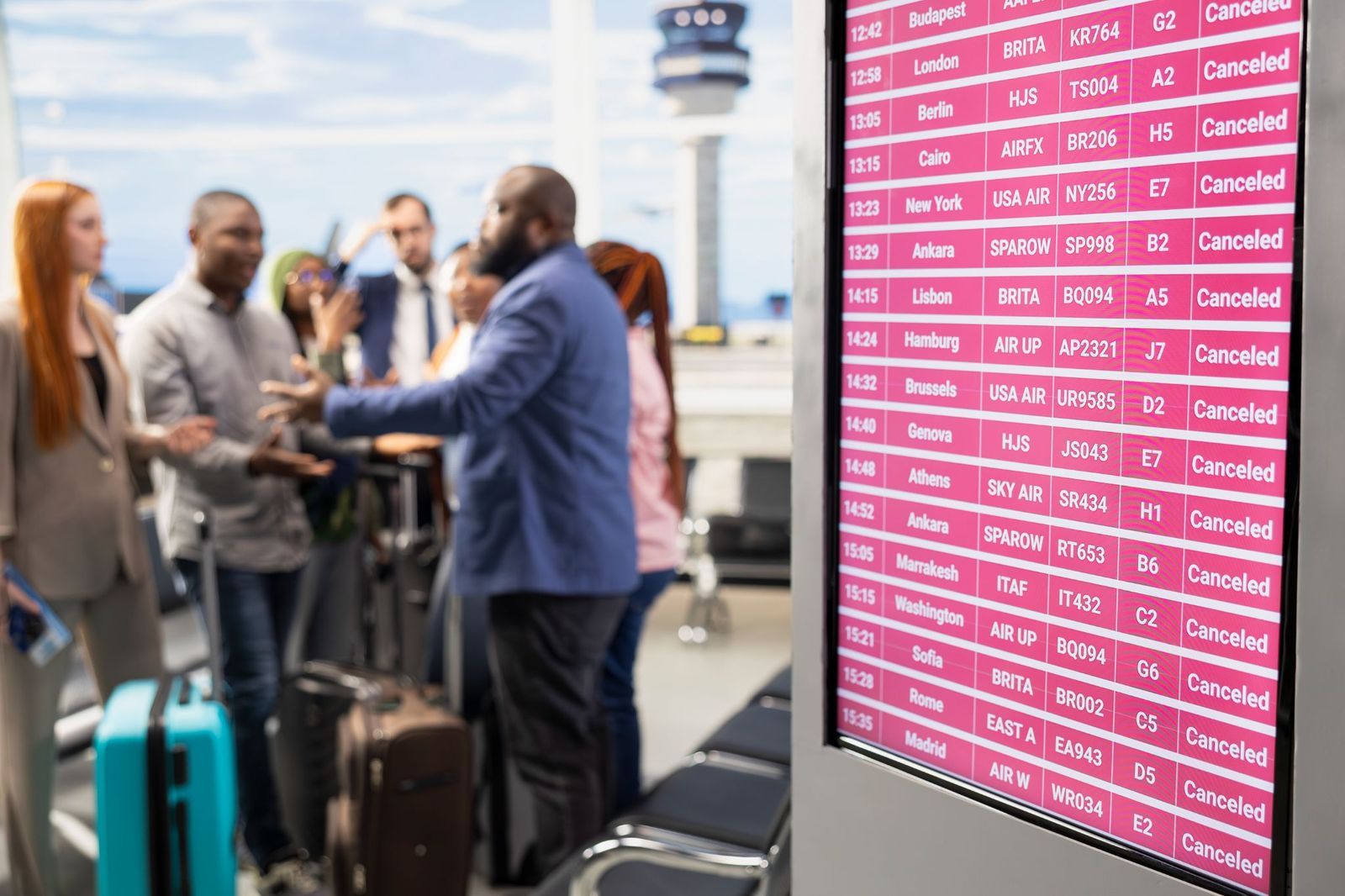
Anyone who’s fought an airline for a refund knows how draining the process can be. You call, you wait, and more often than not end up with a travel credit instead of your actual money back. Congress changed that with the FAA Reauthorization Act, signed into law in May 2024.
Airlines are now required to issue cash refunds automatically whenever a flight gets cancelled or significantly delayed — three hours or more domestically, and six or more internationally. Additionally, there’s a strict period in which airlines must issue refunds: They have just seven business days for credit card refunds, and 20 calendar days for cash refunds. You can still opt for a voucher if preferred, but the default finally tilts toward actual money back.
Southwest ends free checked bags
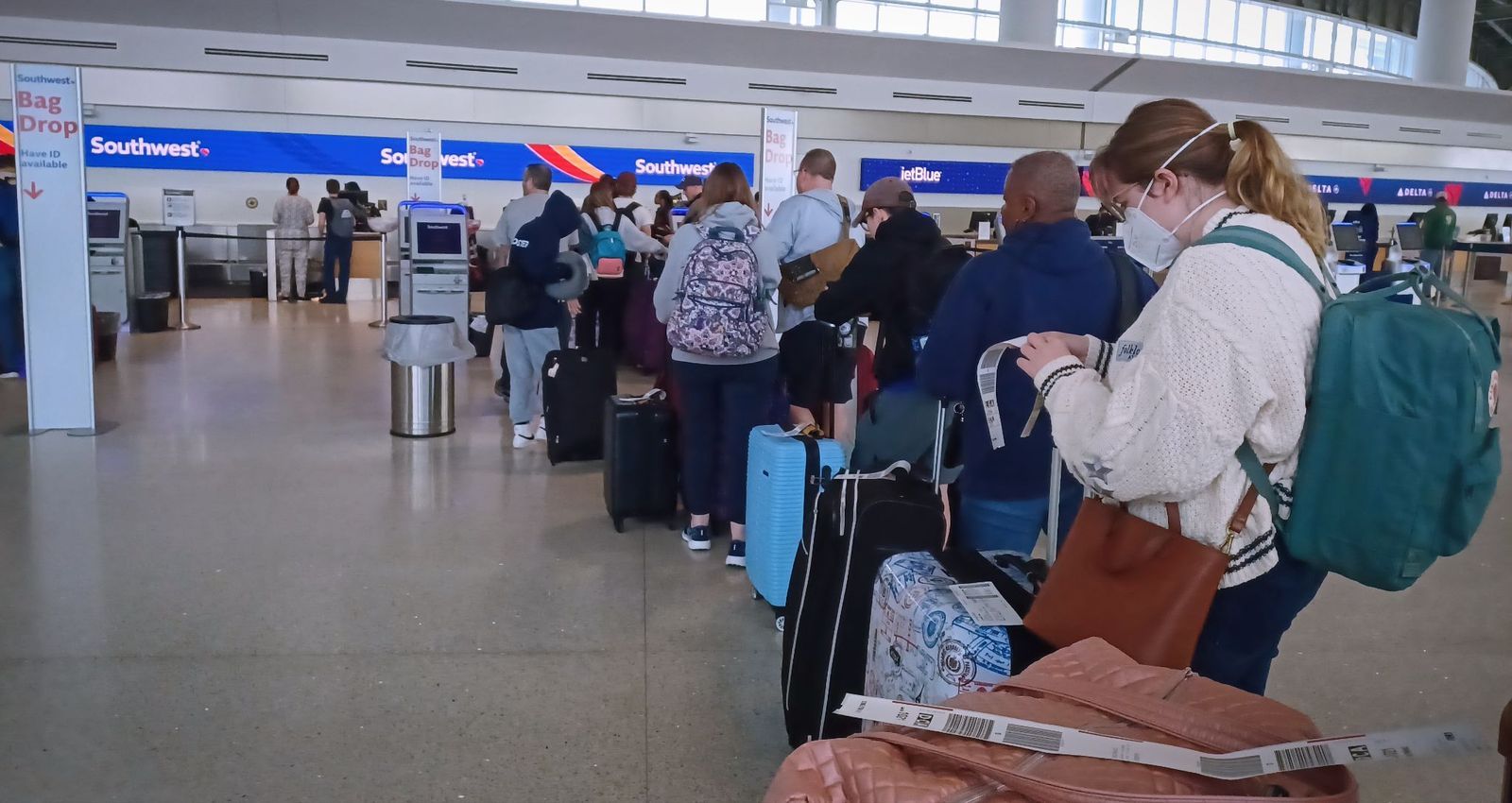
Southwest Airlines built its whole reputation on two free checked bags, no exceptions, going back to the airline’s earliest days in 1971, only two years after it was founded. But that ended on May 28, 2025.
Most passengers now pay $35 for a first bag and $45 for a second, putting Southwest right in line with American, Delta, and United. There are still some exceptions, though. Business Select fares, Rapid Rewards A-List preferred members, and Southwest credit card holders keep free bags, and cardholders can extend that perk to up to eight additional passengers on the same reservation. In any case, check your fare type carefully before booking.
Southwest ends open seating
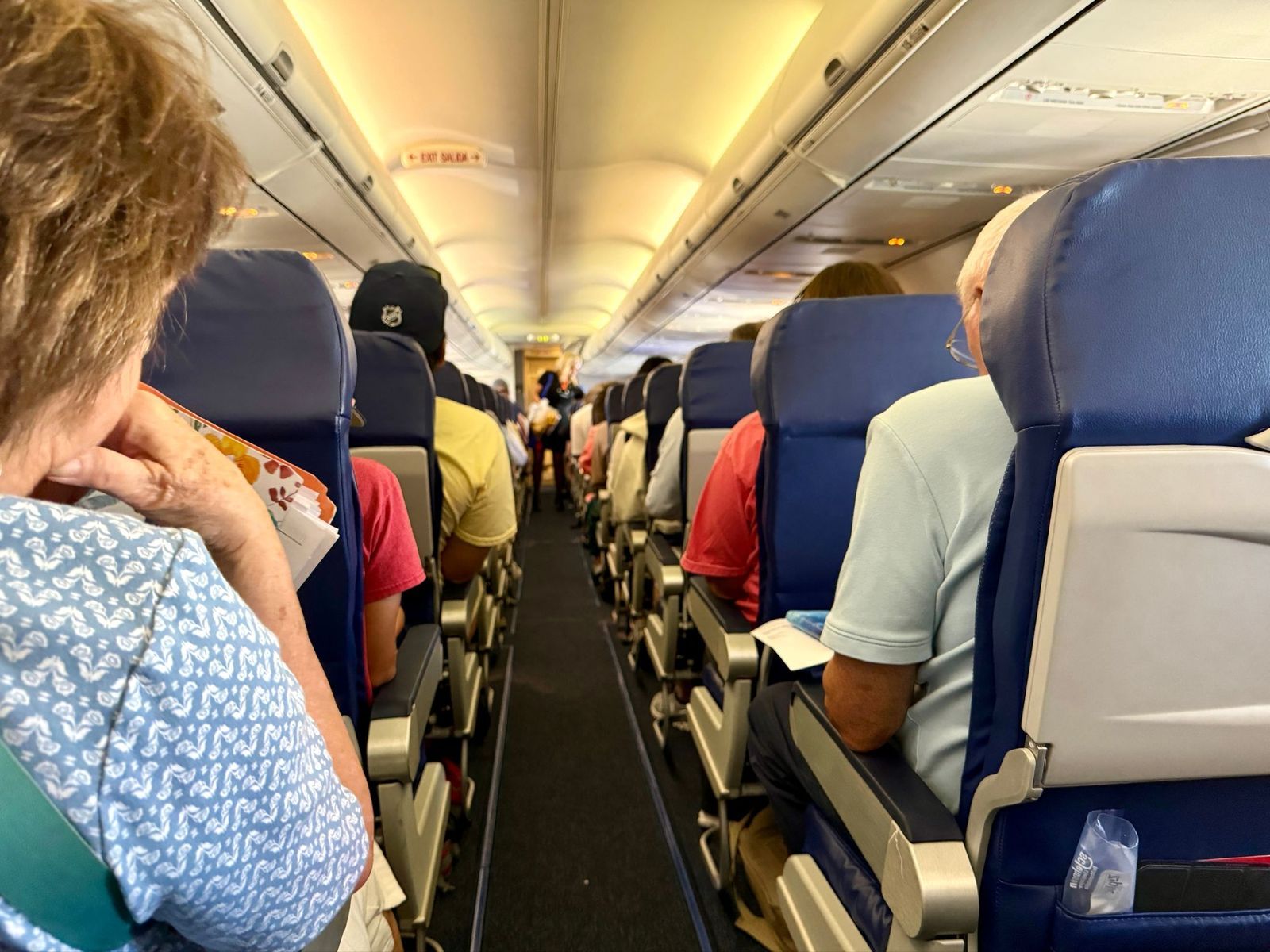
Open seating had been another iconic policy of Southwest, allowing passengers to choose any available seat upon boarding the aircraft rather than having a pre-assigned seat number. The company changed that in January 2026.
Now, passengers can pick from Extra Legroom, Preferred, or Standard seating when booking or checking in. The old A/B/C groups and numbered gates were replaced with a traditional numbered boarding structure spanning Groups 1 through 8. In this case, there are no exceptions, which means the open-seating policy has ended for every passenger, closing more than five decades of a boarding style that had been Southwest’s trademark.
New power bank and portable charger limits

Until a very short time ago, packing back-up batteries into your carry-on wasn’t an issue. Airlines are now re-thinking that policy after a string of overheating incidents involving lithium batteries stored out of sight in overhead bins.
Southwest led the way, limiting passengers to a single portable charger as of April 20, 2026, requiring it to stay visible in a seat pocket or under-seat bag, and banning passengers from recharging the power bank itself using the plane’s outlets. American Airlines and Delta introduced similar two-bank, 100 watt–hour limits shortly after. Following this simple change, if a battery overheats, passengers and crew members can easily access it. Keep your charger where you can grab it, and leave the overhead bin for everything else.
Wheelchair-assistance protections
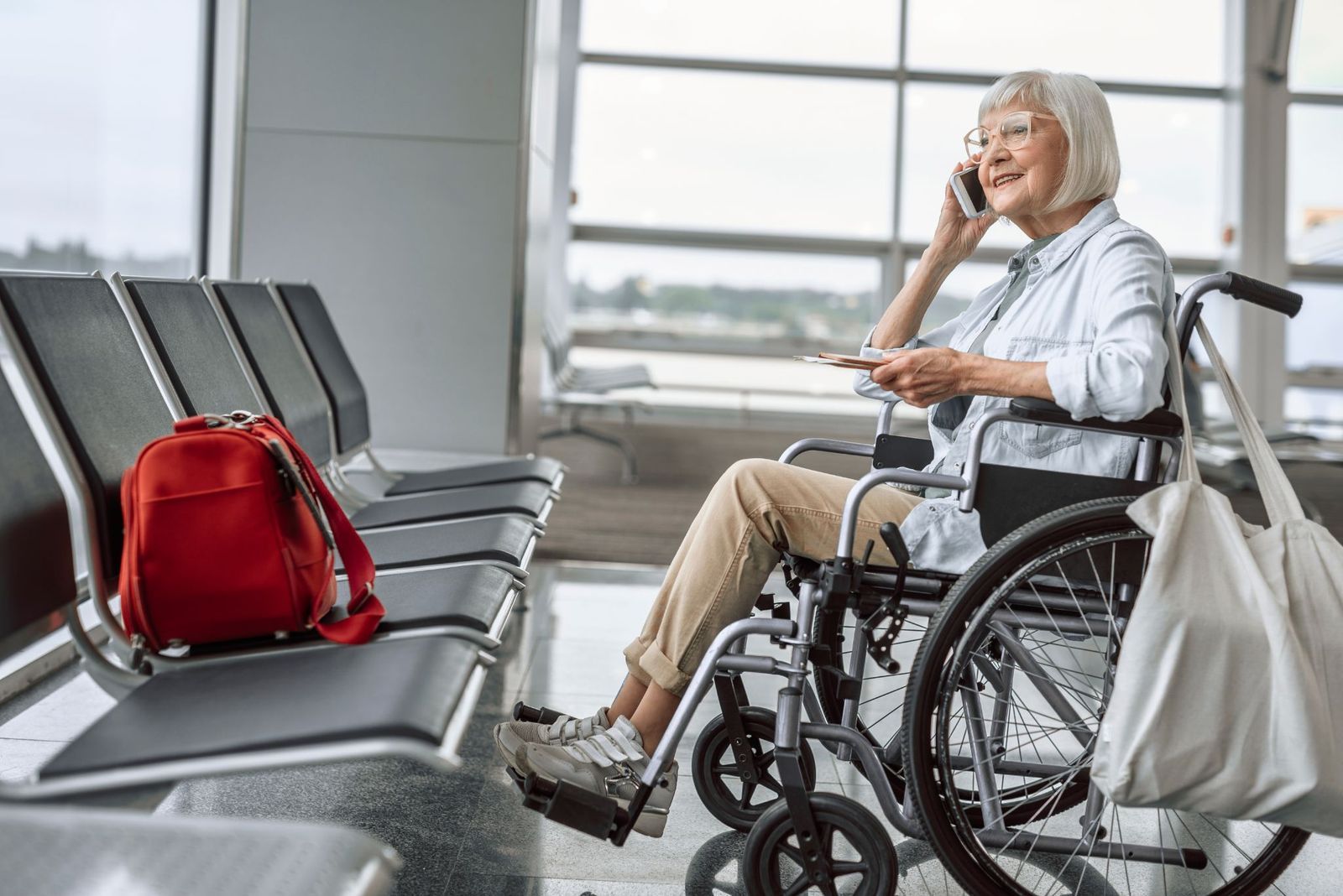
Airlines mishandle thousands of wheelchairs and scooters every year, sometimes leaving a traveler stranded with no way to get around. That reality pushed the Department of Transportation to finalize new rules in 2024, classifying wheelchair mishandling as a violation of federal disability law and requiring airlines staff who handle these devices to get proper training.
This is the biggest shift for travelers with disabilities since the Air Carrier Access Act became law in 1986. Currently, passengers have a right to file complaints if equipment gets damaged, so noting your device’s brand, model, and condition before you leave home gives you real leverage.
Biometric entry replaces passport stamps in Europe

There’s something satisfying about that passport stamp, tangible proof you were actually there. But Europe is moving past it.
The European Union began phasing in its Entry/Exit System in October 2025, and by April 2026 it was fully operational across major European airports. American travelers entering most European countries now go through a one-time registration at automated kiosks or border booths, where fingerprints and a facial photo replace the ink stamp entirely. The good news is that registration holds for three years, so later trips usually just need a quick face or fingerprint check. Plan for your first crossing after the changeover to run a little slower, and build extra time into your airport connections

How much do you know about the "Golden Hour" and the "Rule of Thirds"?
10 photography secrets every traveler needs to know
Many travelers often return home with albums full of flat, blurry, or uninspired pictures that fail to match what their eyes actually saw. Contrary to what you may think, elevating your travel photos from basic tourist snaps to compelling storytelling doesn’t require thousands of dollars in gear; it requires a shift in approach. Whether you are shooting with a mirrorless camera or the smartphone in your pocket, here are ten essential tips to completely transform your travel photography.
Know how to use your camera

The Rockies at sunset or a crowded French Quarter in the middle of Mardi Gras are not the places to figure out how to change your ISO or adjust your exposure. If you spend crucial seconds going through digital menus, the fleeting moment you wanted to capture will be gone.
A few days before your trip, spend some time at home getting comfortable with your equipment. If you are using a dedicated camera, learn how to switch focus points and understand how light affects your sensor. If you rely on a smartphone, learn the camera shortcuts, manual focus taps, and exposure lock features. Muscle memory will be your best friend in fast-moving environments.
Choose the best time of the day
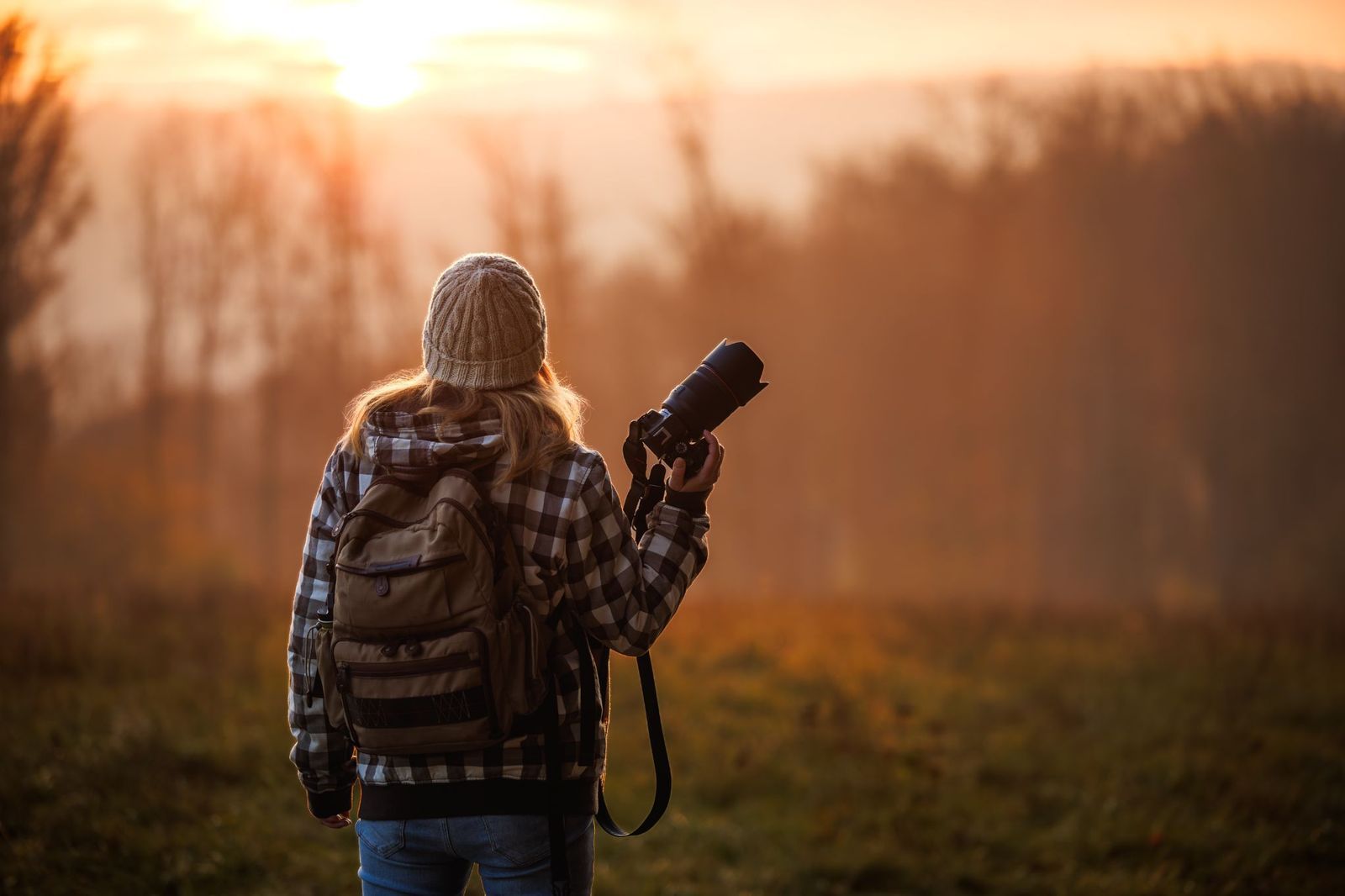
Lighting is the most important ingredient in photography, and midday sun is not the best time to take pictures. Direct, overhead sunlight creates harsh shadows, overexposed highlights, and squinting subjects.
Plan your photography sessions around the "Golden Hours", the period shortly after sunrise and right before sunset. During these windows, the sun sits low on the horizon, casting a soft glow that makes architecture pop and skin tones look radiant.
Do your research
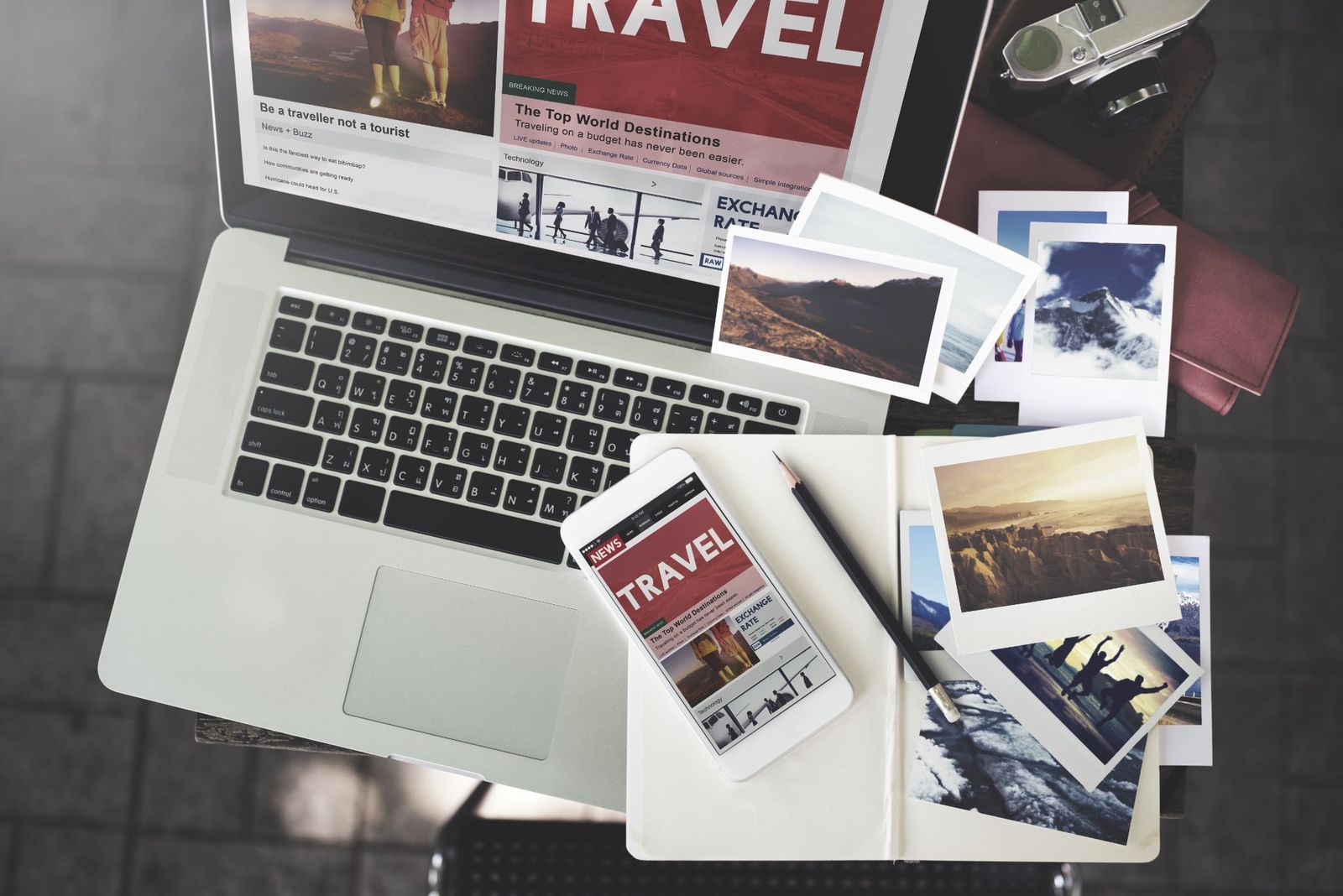
Before you get to your destination, dive into satellite maps, travel blogs, photography forums, and social media to scout potential locations and vantage points.
Look up where the sun sets at major landmarks, identify picturesque alleys away from main tourist areas, and check local guidelines. Researching also means understanding cultural norms: knowing whether photographing locals, government buildings, or religious ceremonies is welcomed, restricted, or forbidden.
Use a travel tripod
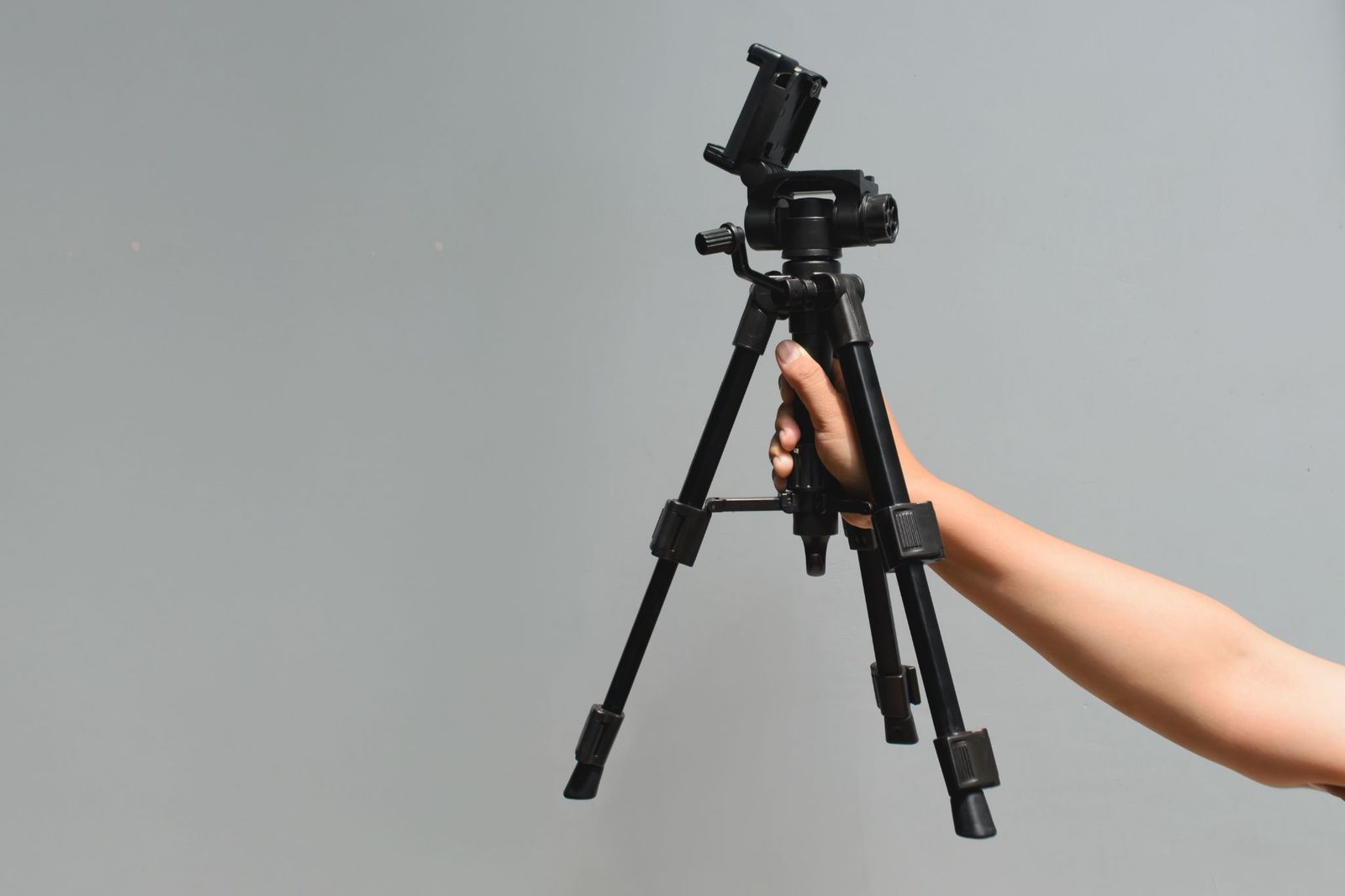
Many travelers leave tripods at home to save space, but a lightweight, compact travel tripod opens up an entire world of creative possibilities that handheld shooting never will.
A tripod is mandatory for low-light photography, long exposures (like rushing waterfalls), and starry skies. It also allows you to take well-composed self-portraits or group shots without having to hand your expensive gear to a stranger on the street. Modern carbon fiber travel tripods add minimal weight while elevating your image quality.
Follow the rule of thirds
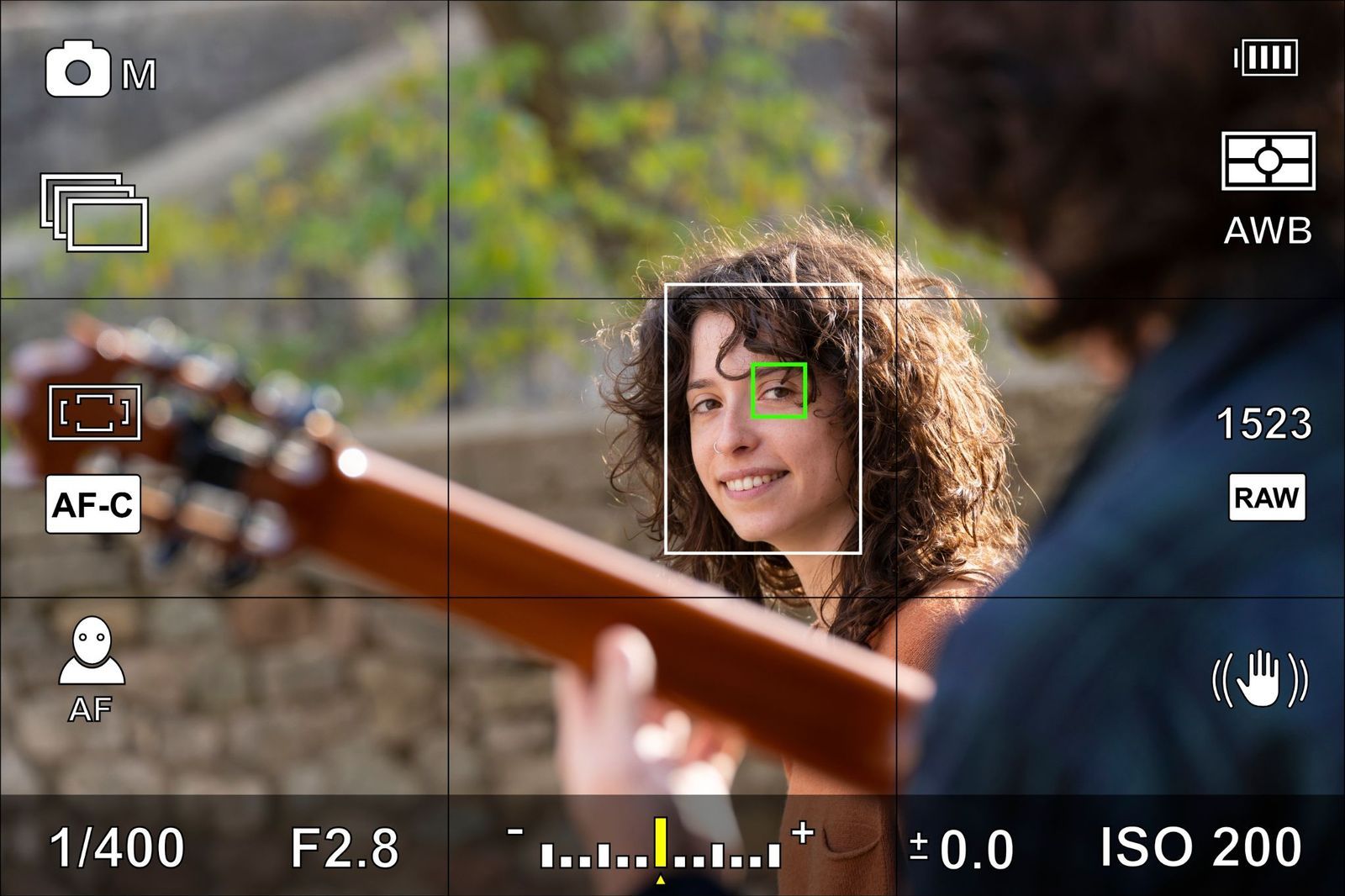
The Rule of Thirds is one of the most fundamental composition rules in visual art. If you follow it, your pictures will feel balanced, dynamic, and natural to the human eye.
Imagine breaking your image down into nine equal rectangles using two horizontal and two vertical lines. Instead of placing your main subject in the center of the frame, align key elements along the lines or at the four intersection points. For instance, place the horizon along the bottom third line when photographing the sky, or position a subject’s eyes on the top intersection point during a portrait.
Think outside the box

Every day, thousands of tourists stand in the exact same spot to take the exact same postcard shot of the Eiffel Tower, Grand Canyon, or Statue of Liberty. To create memorable travel photography, avoid the crowds and look for fresh perspectives.
Change your height: squat to the floor to capture dramatic angles, or find a high rooftop to shoot from above. Shoot through natural frames like archways, hanging foliage, or railings. Look for shadows, silhouettes, and mirror reflections. A slight shift in perspective can make an exhausted sight look completely new.
Don't rush, be patient

Travel itineraries are often packed, forcing people to rush from one attraction to the next, snapping pictures on the move. But speed is the enemy of unforgettable photos.
When you find a location with great light and a beautiful background, stop and relax. First, frame your composition, and then wait for the scene to unfold naturally. Wait for a local riding a bicycle to pass through your frame, for a flock of birds to take flight, or for a beam of sunlight to appear through the clouds. Patience allows you to capture living moments rather than rushed, static scenes.
Establish contact and get closer than you think

Famous war photographer Robert Capa once famously said, "If your pictures aren’t good enough, you aren’t close enough". This is particularly true for street and portrait photography while traveling. Long shots taken from across the street often feel disconnected.
When taking street portraits, don’t be afraid to interact. Smile, make eye contact, and learn a few basic phrases in the local language to ask for permission. Building a human connection brings genuine emotion to your subject’s eyes, and allows you to move in close enough to capture human stories.
Use grid lines
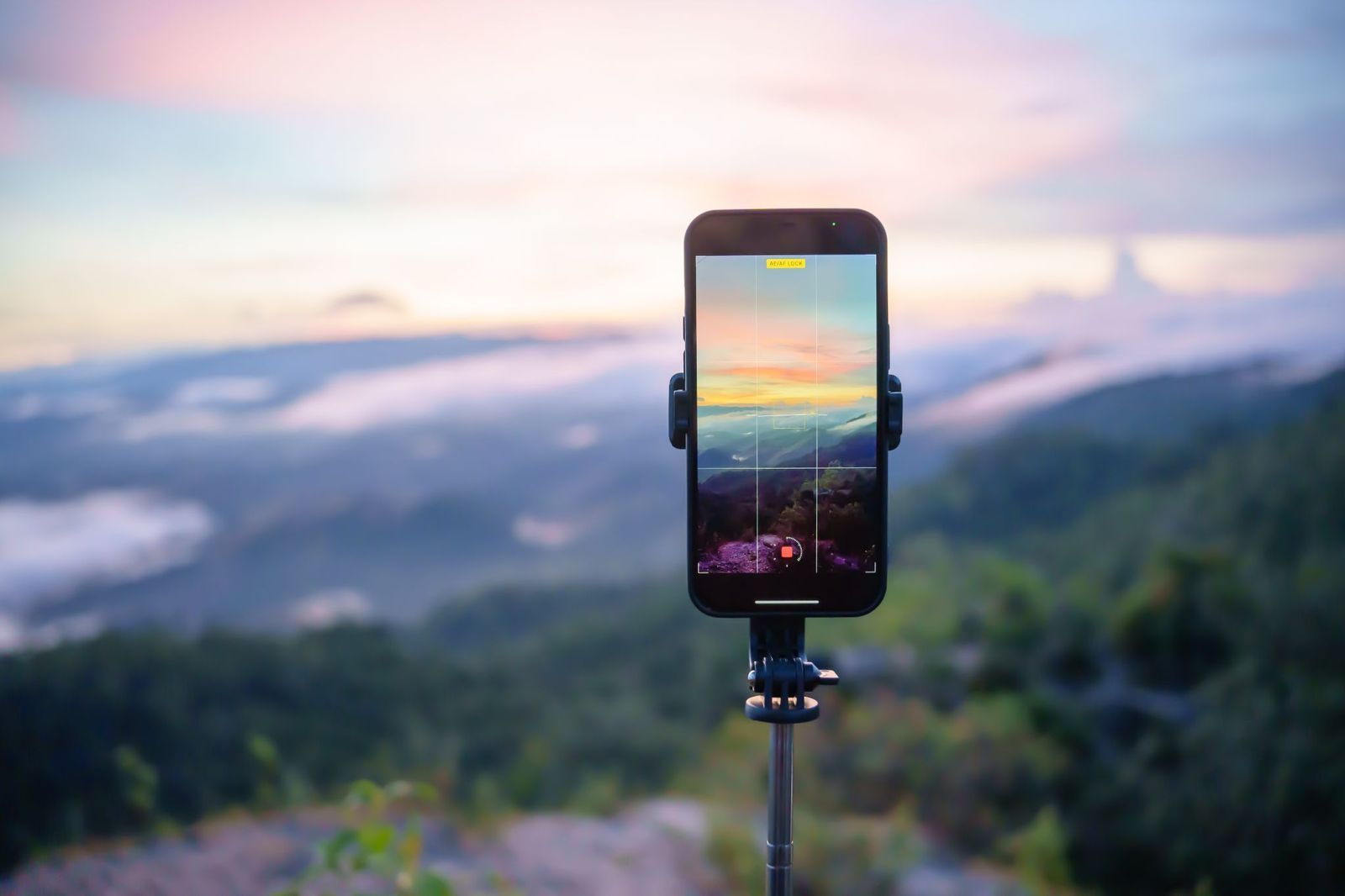
Almost every camera and smartphone includes an option to overlay a grid on your screen or viewfinder. Turn this feature on and leave it on permanently.
Grid lines are a simple tool that solves two travel photography issues. First, they make applying the Rule of Thirds easy. Second, they help you keep horizons straight and vertical building lines square. Cropping and straightening photos in post-production adds extra work; getting it right with your camera when you take the picture saves a lot of time and effort.
Focus on details

A great travel photo album is like a good book: it needs wide setting shots, medium interaction shots, and detailed close-ups to tell a complete story. While grand landscapes and iconic architecture are impressive, details often evoke the strongest memories of a place.
In a nutshell, point your lens toward the smaller elements that define your destination’s culture. These intimate details provide context, texture, and soul to your visual travelogue.
Keep wandering
There’s always
more to explore

Where the Hobbit really lives, and the Von Trapp family had their house
5 min.
Read Now
 Culture

10 capitals that are not their country's most famous cities
4 min.
Read Now
 Geography

You've heard about tourist traps: these destinations are the opposite
4 min.
Read Now

Entry denied: What's behind the places you will never get to visit
7 min.
Read Now