Air Force One isn't a plane at all: secrets uncovered
 General
Presidential protocols
Air Force One isn't a plane at all: secrets uncovered
Air Force One has more secrets than its famous blue-and-white paint job suggests. The president's helicopter may arrive with identical decoys, while cargo planes can quietly reach the destination days early. Even the groceries and medical supplies aboard the presidential jet are handled differently. Then there are the rules most folks never notice, from which side the plane parks to how much airspace can suddenly be restricted. Here are 10 presidential aviation protocols worth knowing about.
Airspace sterilization
A presidential visit can affect travelers who never see the president and never come close to the motorcade.
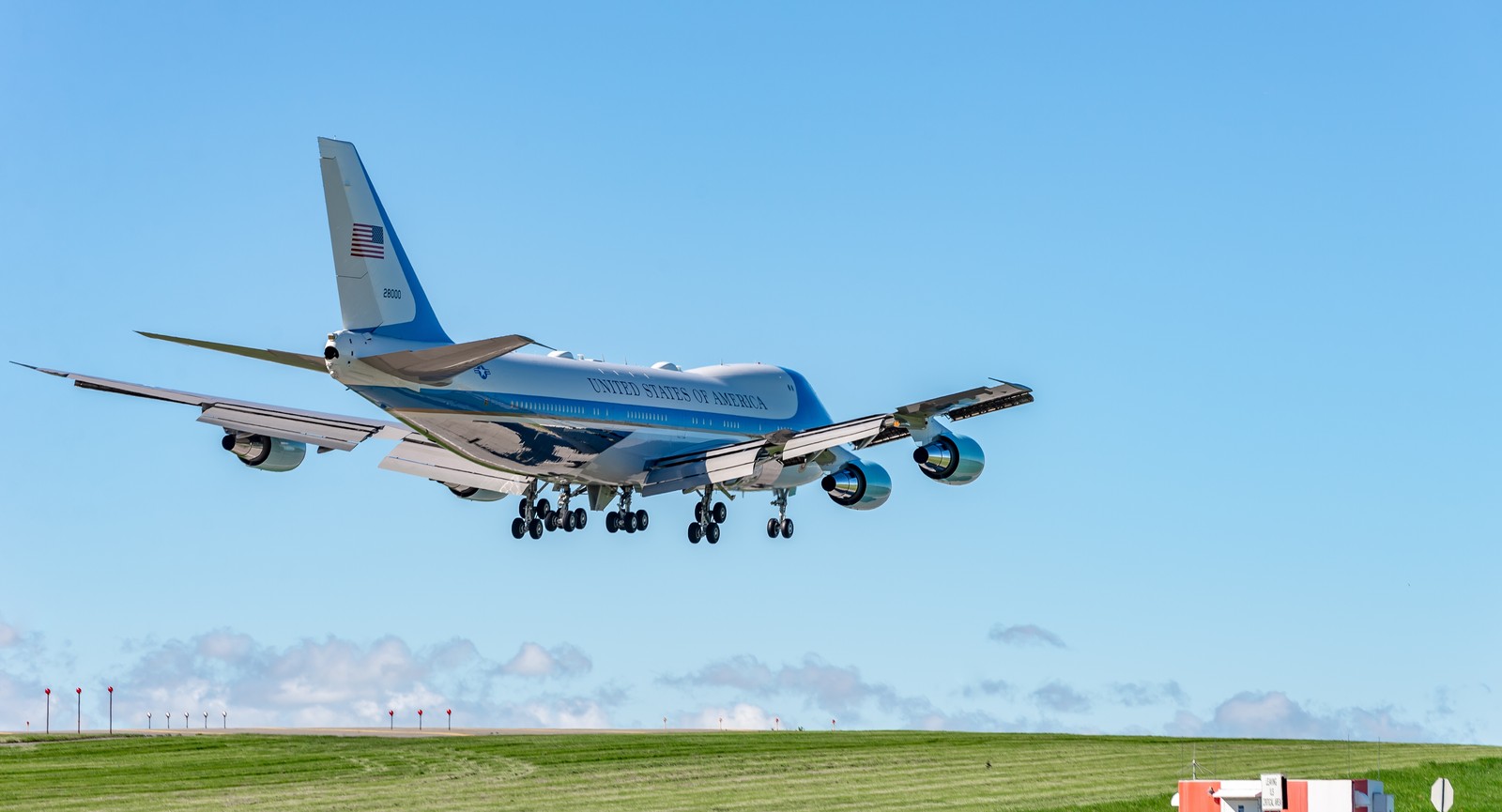
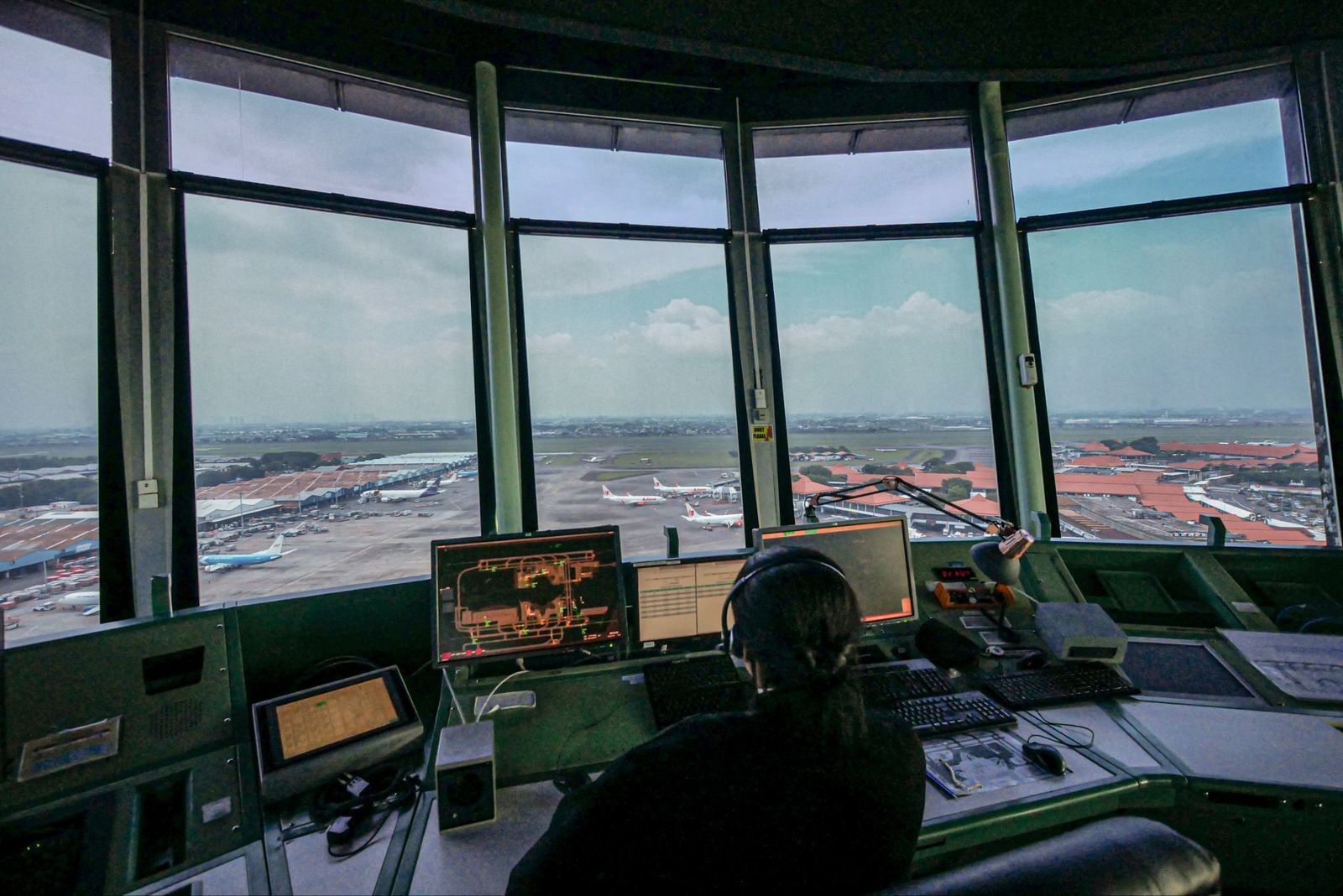
The FAA can establish a Temporary Flight Restriction, or TFR, around areas the president will visit or travel through. The size and exact rules depend on the operation, but presidential restrictions can extend for many nautical miles and limit general aviation activity. Air traffic may also be rerouted, and airports inside or near the restricted area can face delays or ground stops. The purpose is straightforward: reduce the number of unpredictable aircraft near the president’s route. For pilots, the restriction appears through FAA notices. For passengers, the result can be familiar: a perfectly ordinary flight suddenly sitting on the ground while the president is somewhere nearby.
"Air Force One" is a call sign, not an aircraft
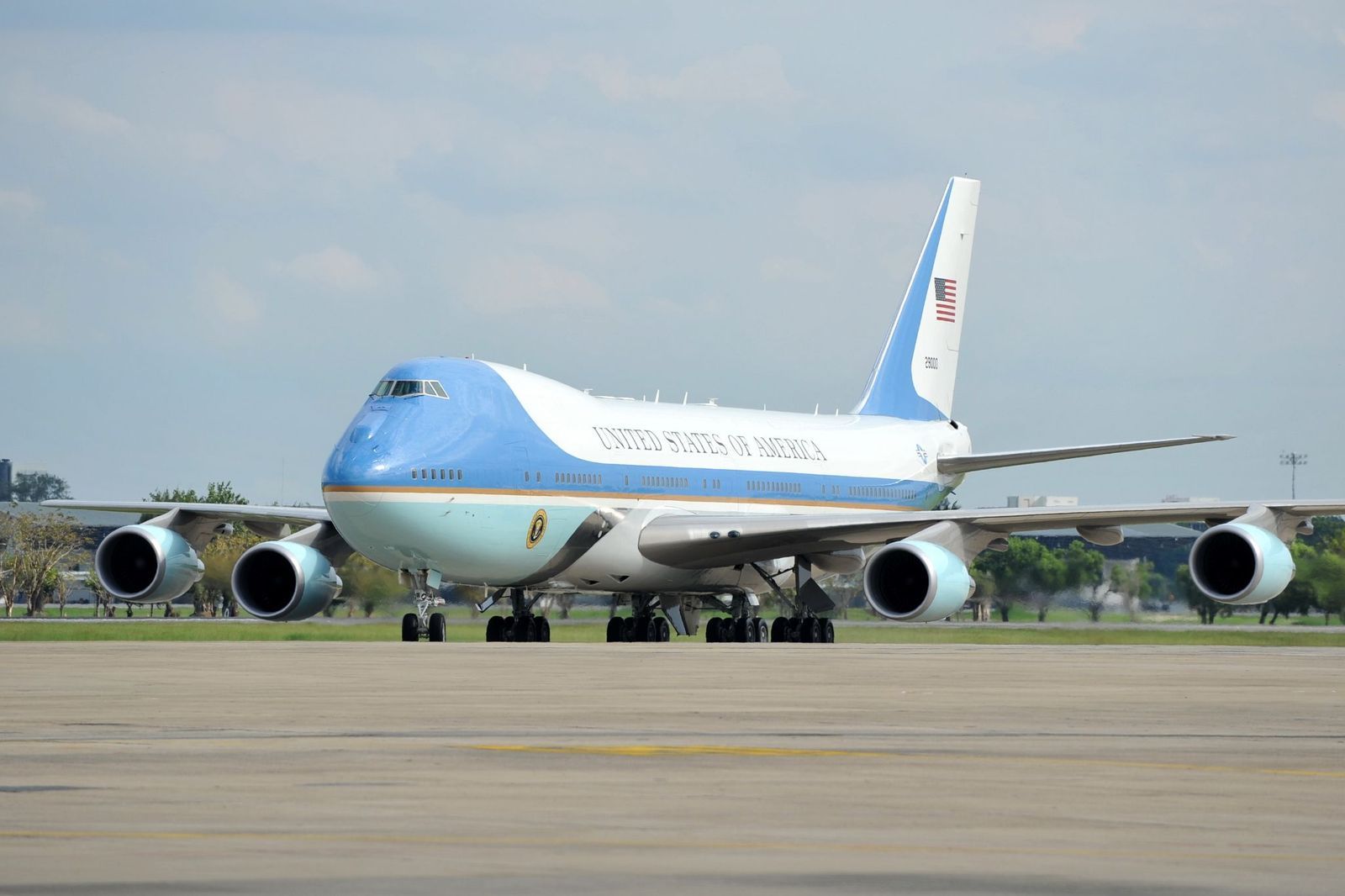
The name sounds as if it belongs to one enormous blue-and-white jet, but Air Force One is actually a radio call sign. Whenever the president is aboard any U.S. Air Force aircraft, air traffic controllers use "Air Force One," whether the aircraft is the familiar VC-25A or something smaller.
The distinction dates to 1953, when President Dwight D. Eisenhower’s presidential aircraft, then identified as Air Force 8610 in historical accounts, was confused with an Eastern Airlines flight using the same designation (Eastern 8610). The near-miss exposed the danger of similar call signs, leading to the distinctive presidential designation. So the famous jet is not technically Air Force One until the president boards.
The "Port-Side Only" parking protocol
At a normal airport, parking an airliner is mostly a matter of convenience, but presidential arrivals are choreographed down to which side faces the audience.
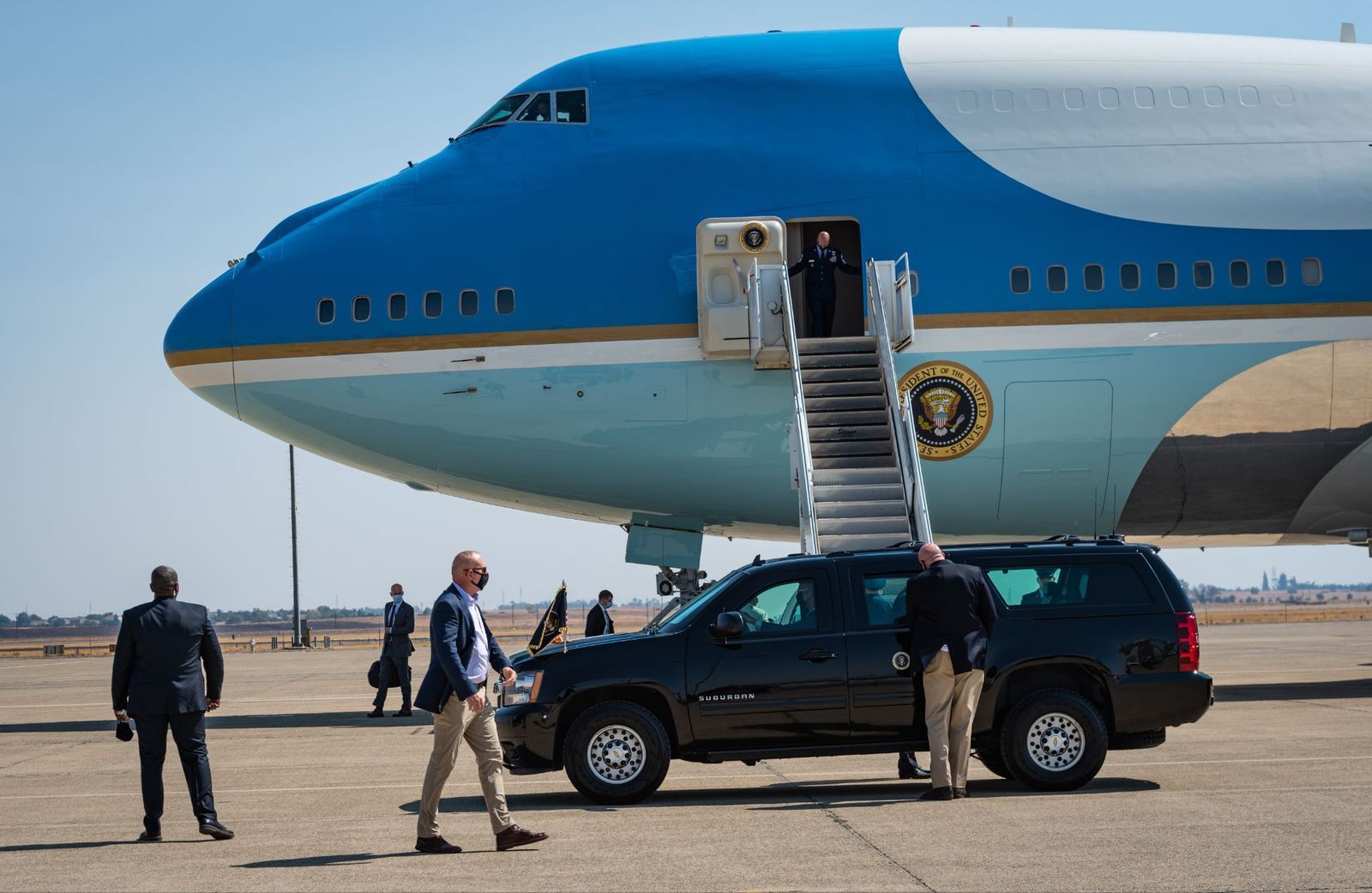
The VC-25 is positioned so its left, or port, side faces the crowd, press area, or nearby building when practical. That side is where the presidential entrance is arranged, allowing the president to step out toward the controlled reception area rather than toward an open runway. More importantly, the president's private executive suite and quarters sit on the right (starboard) side near the nose; parking port-side to the crowd keeps those private quarters angled away from public sight. Anyone who has watched a president descend those stairs at a rally or state visit has seen the result without realizing there is a plan behind it. Even the familiar wave from the doorway begins with where the airplane is parked.
The Marine One shell game
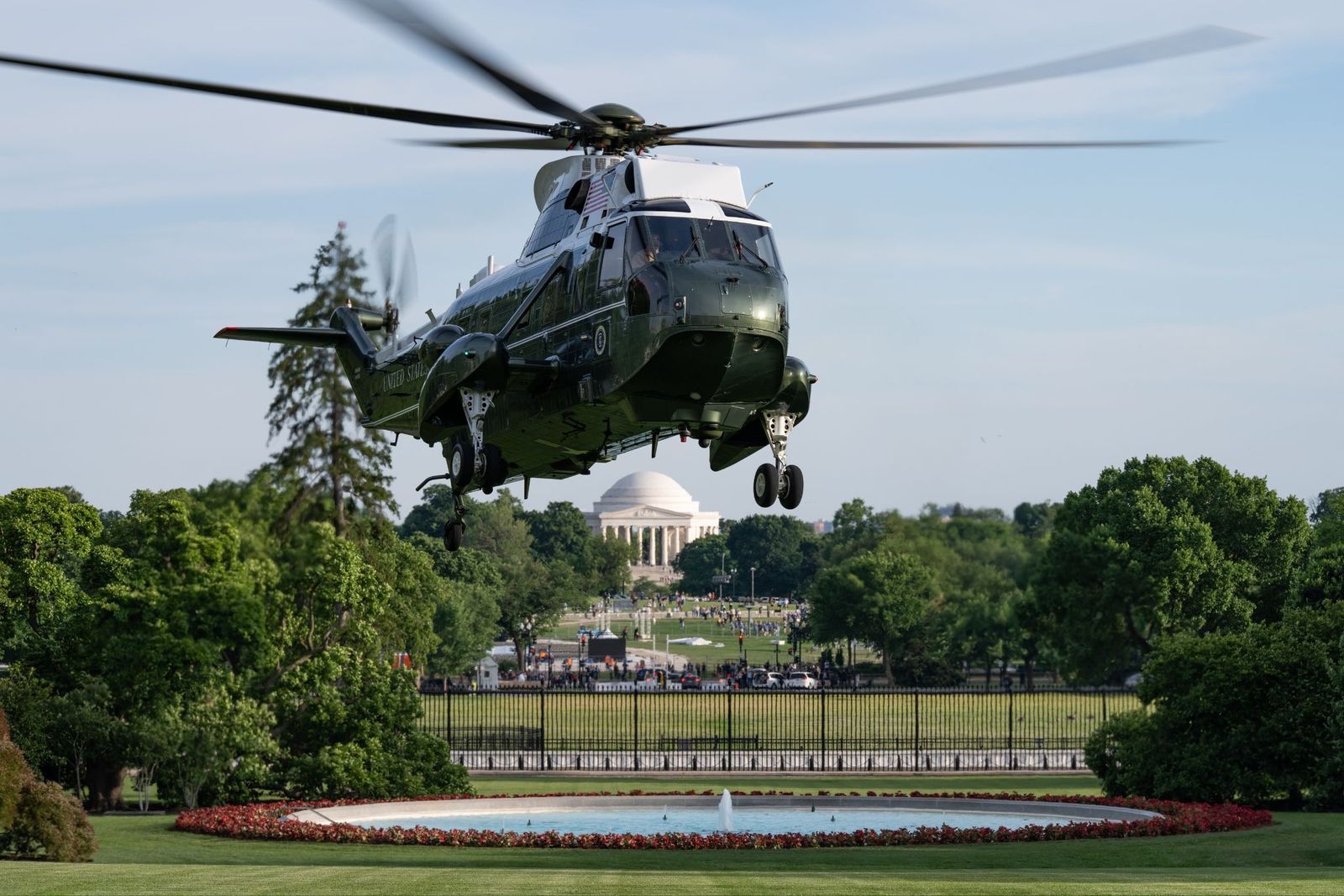
The next time several identical helicopters appear over a presidential event, there’s a good reason they look like copies.
Marine One is the call sign used by a Marine Corps aircraft carrying the president, and the aircraft normally operates within a formation of matching helicopters, typically between three and five. One carries the president while the others can serve as decoys, making it difficult for an observer on the ground to know which machine is the real one. The formation can shift during flight, adding another layer of uncertainty. The practice became a familiar part of presidential helicopter travel during the modern security era. It also explains why a televised arrival can look oddly theatrical: several helicopters may approach together, even though only one is carrying the president.
The "Pentagon" or "Doomsday" shadow plane
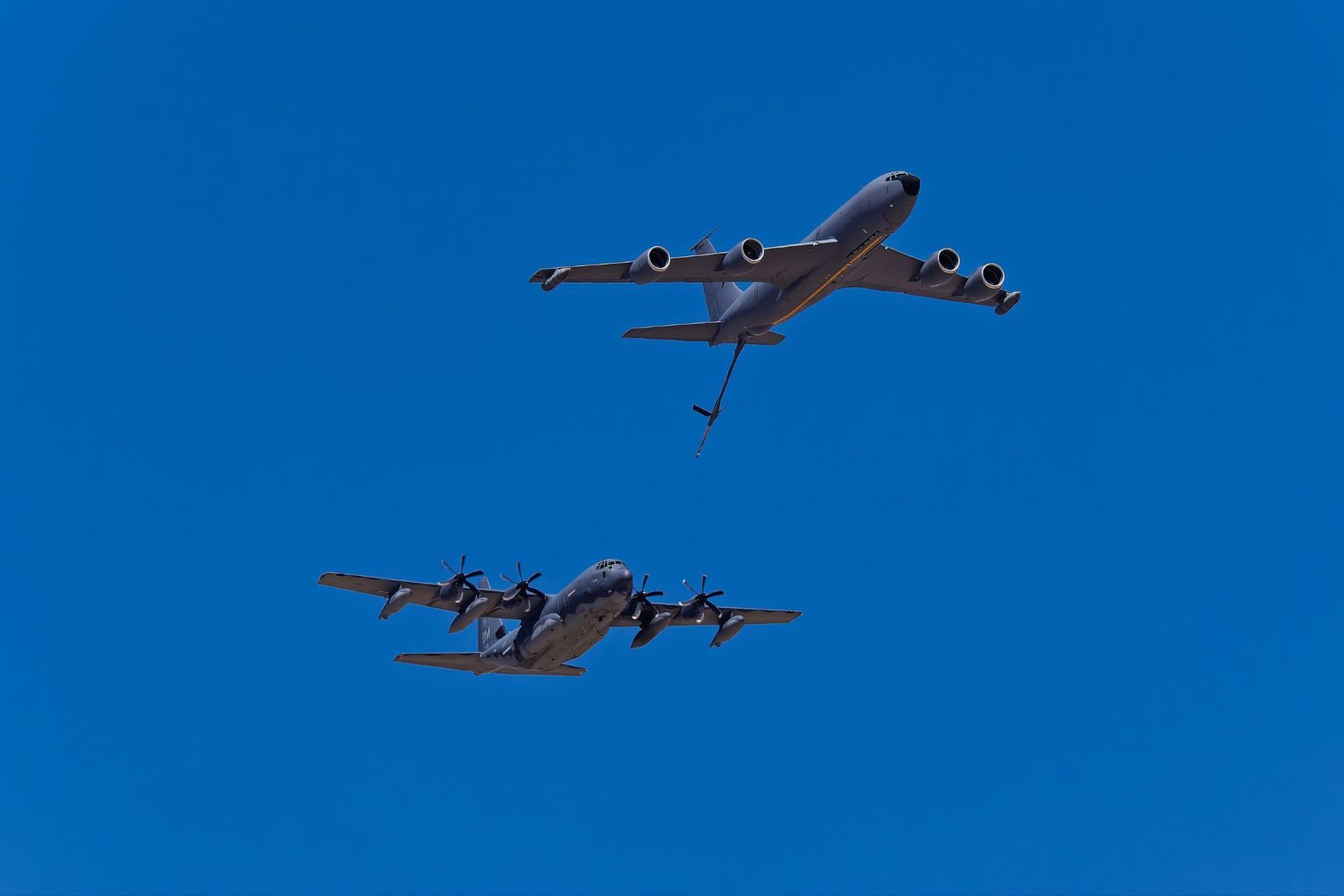
Air Force One may be built for security, but another Boeing 747 was designed for something far more grim.
During the Cold War in the 1970s, the U.S. military built four Boeing E-4 aircraft (National Airborne Operations Center) to serve as command posts if a nuclear attack ever knocked out communication and command centers on the ground. The plane soon picked up ominous nicknames, including the "Flying Pentagon" and "Doomsday Plane," and it frequently shadows the president on international travel. Many details remain classified, but the aircraft is believed to have radiation-resistant windows, thermal and nuclear shielding, and systems designed to withstand severe attacks. It also reportedly carries dozens of satellite communications antennas, allowing leaders to stay connected with military forces around the world if the worst happens.
Zero reliance on airport equipment
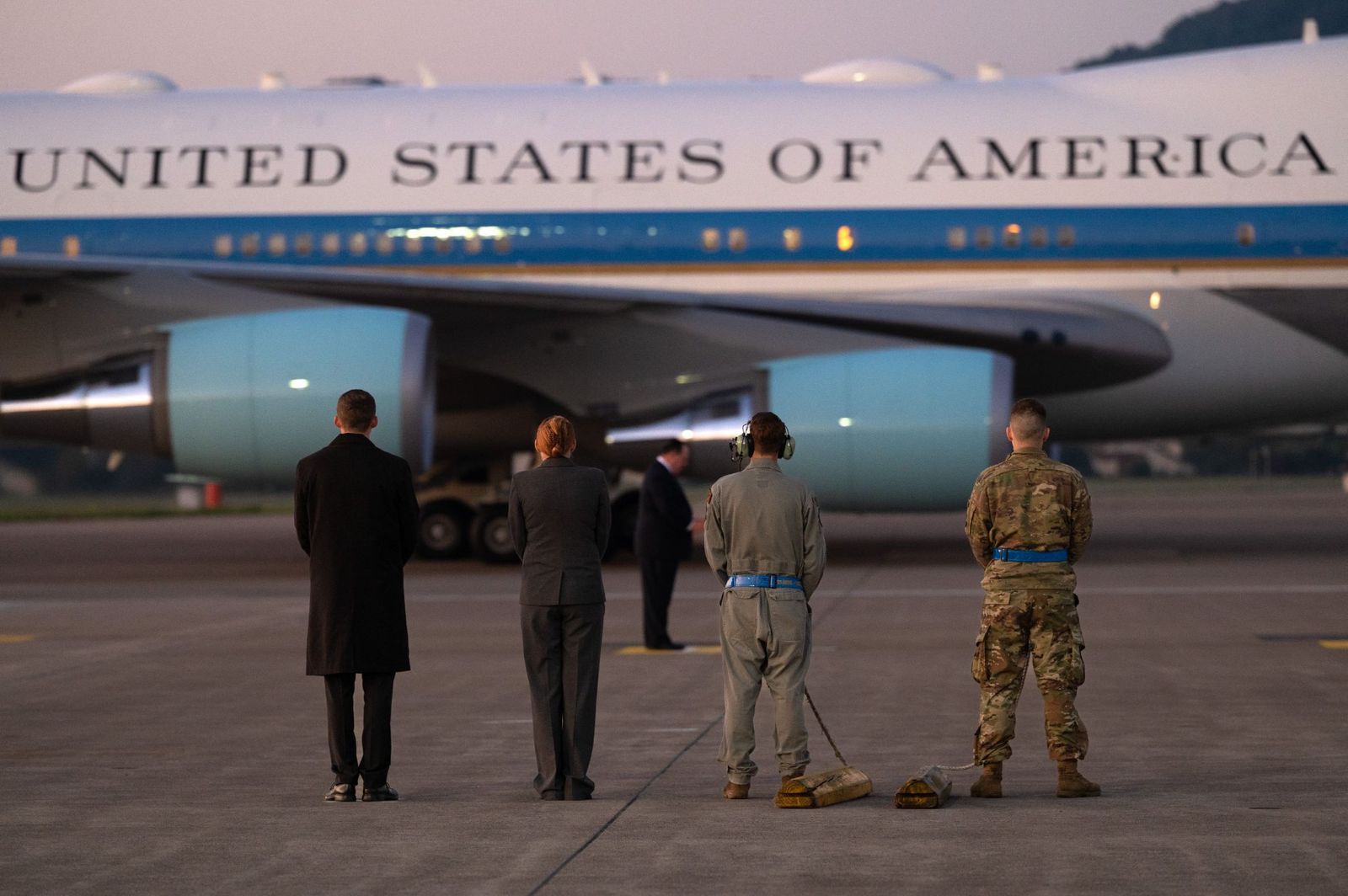
Commercial travelers know the routine: the jet pulls in, a staircase or passenger bridge appears, then baggage crews bring out the belt loader. The presidential VC-25A is designed to avoid depending on that chain of airport equipment.
It has its own built-in, retractable forward and aft airstairs and an internal, self-contained baggage loader. This allows crews to handle boarding and cargo without waiting for standard ground machinery, preventing tampering risks at unfamiliar airfields and ensuring the plane can depart immediately in an emergency. The result is an aircraft that arrives with much of what it needs already built in, useful when schedules and security leave little room for delays.
Undercover grocery shopping

A trip to the supermarket sounds worlds away from presidential security, yet food has long been handled with unusual care.
Former Air Force One chief steward Charles Palmer told the Los Angeles Times in 1987 that he sometimes provisioned the aircraft himself, wearing civilian clothes and pushing a cart through Giant or Safeway stores near Andrews Air Force Base, in order to keep the food supply under his personal watch. On foreign trips, he said the crew tried to remain self-sufficient but could restock perishables through U.S. facilities such as embassies or commissaries. The details have evolved, but the concern is easy to understand: food served to the president cannot be treated like any other food. Whatever measures are necessary to protect it from being tampered with have been, and still are, taken. The grocery cart may look mundane, but on presidential travel, even buying vegetables can become part of the security routine.
Onboard medical suite and blood storage
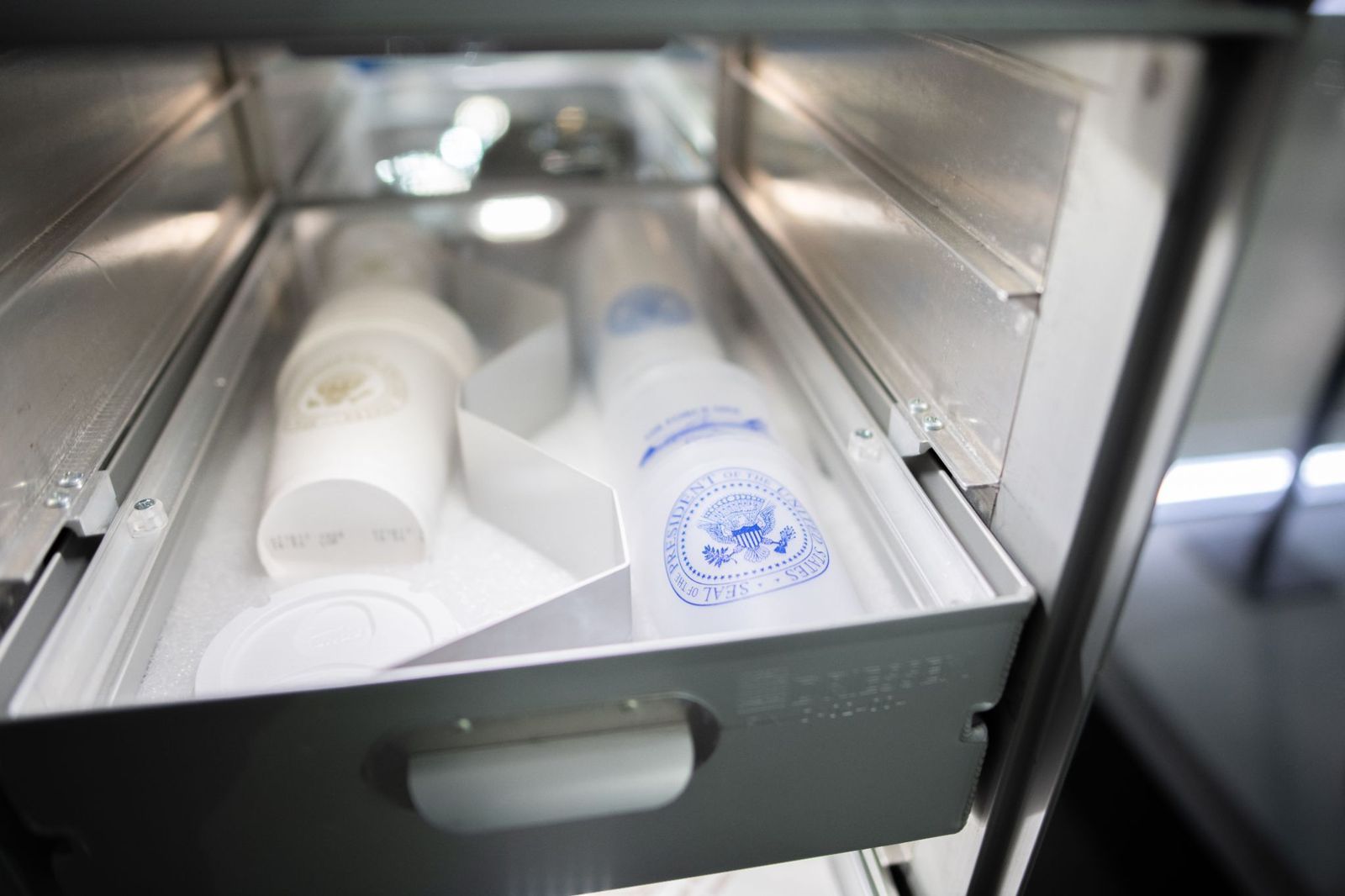
Even the healthiest traveler can have a medical emergency, and the president cannot simply wait for the next airport or hospital.
The VC-25A includes a compartment equipped with medical supplies, while a physician travels as part of the medical support team. Reports have also described a refrigerated reserve of the president’s blood type aboard the aircraft, particularly for longer overseas journeys. The arrangement reflects a practical problem of presidential travel: an ambulance cannot meet the aircraft in the middle of the Atlantic, and a hospital may be hours away after landing. Medical planning travels with the president, right down to supplies that could be needed in a crisis.
The invisible C-17 advance armada
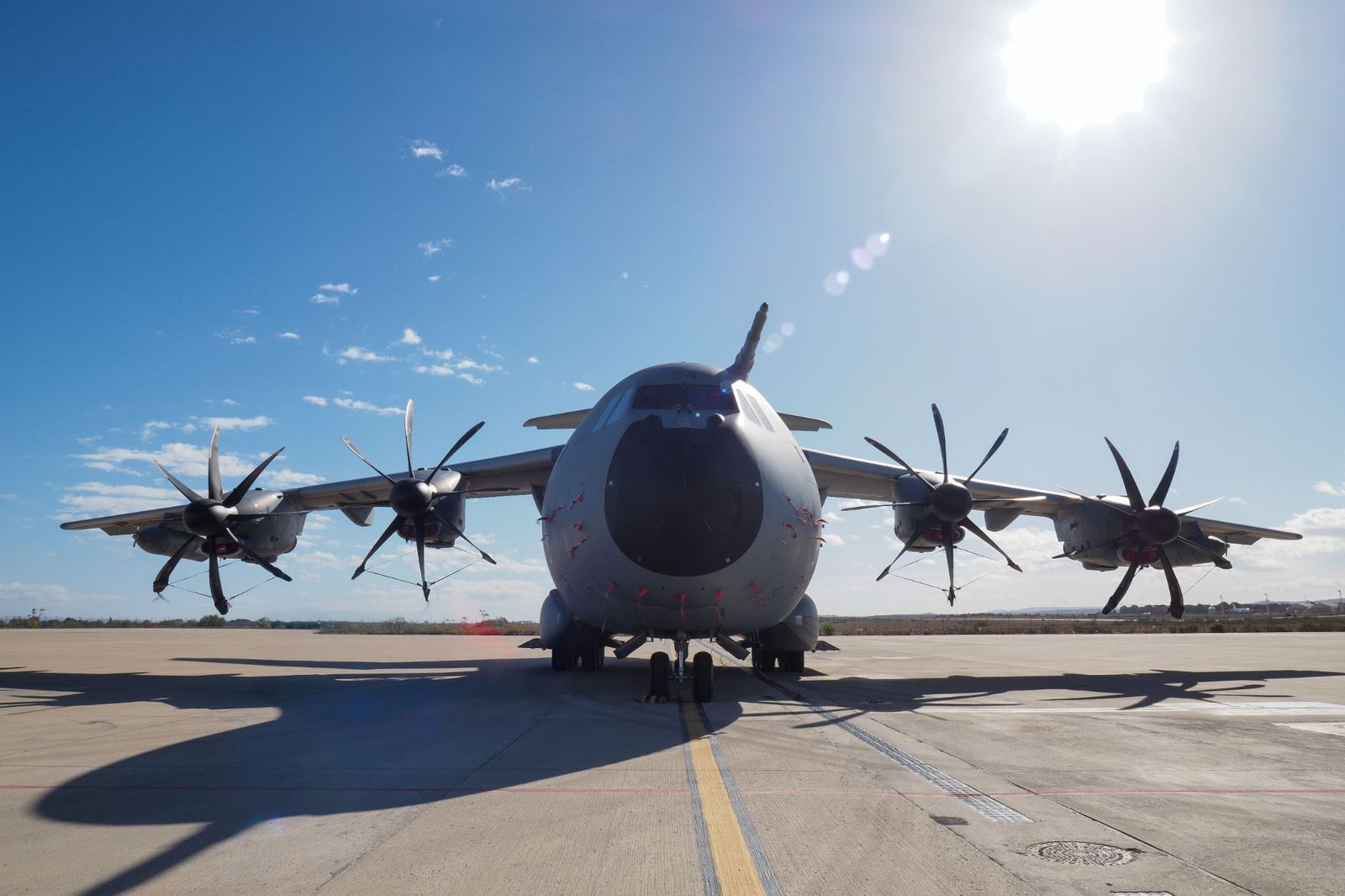
When a presidential trip begins, the blue-and-white aircraft is only the part most people notice.
The heavy lifting often happens beforehand, with military cargo aircraft such as the C-17 Globemaster III moving equipment to the destination.
Those loads can include the presidential limousine, helicopters, communications gear, vehicles, and other support equipment needed to recreate a secure operation far from Washington. A C-17 can carry cargo that would not fit into the presidential jet, and its global reach makes it ideal for this job. So while cameras wait for Air Force One, cargo crews may already have been preparing the runway.
Communication is protected aboard Air Force One
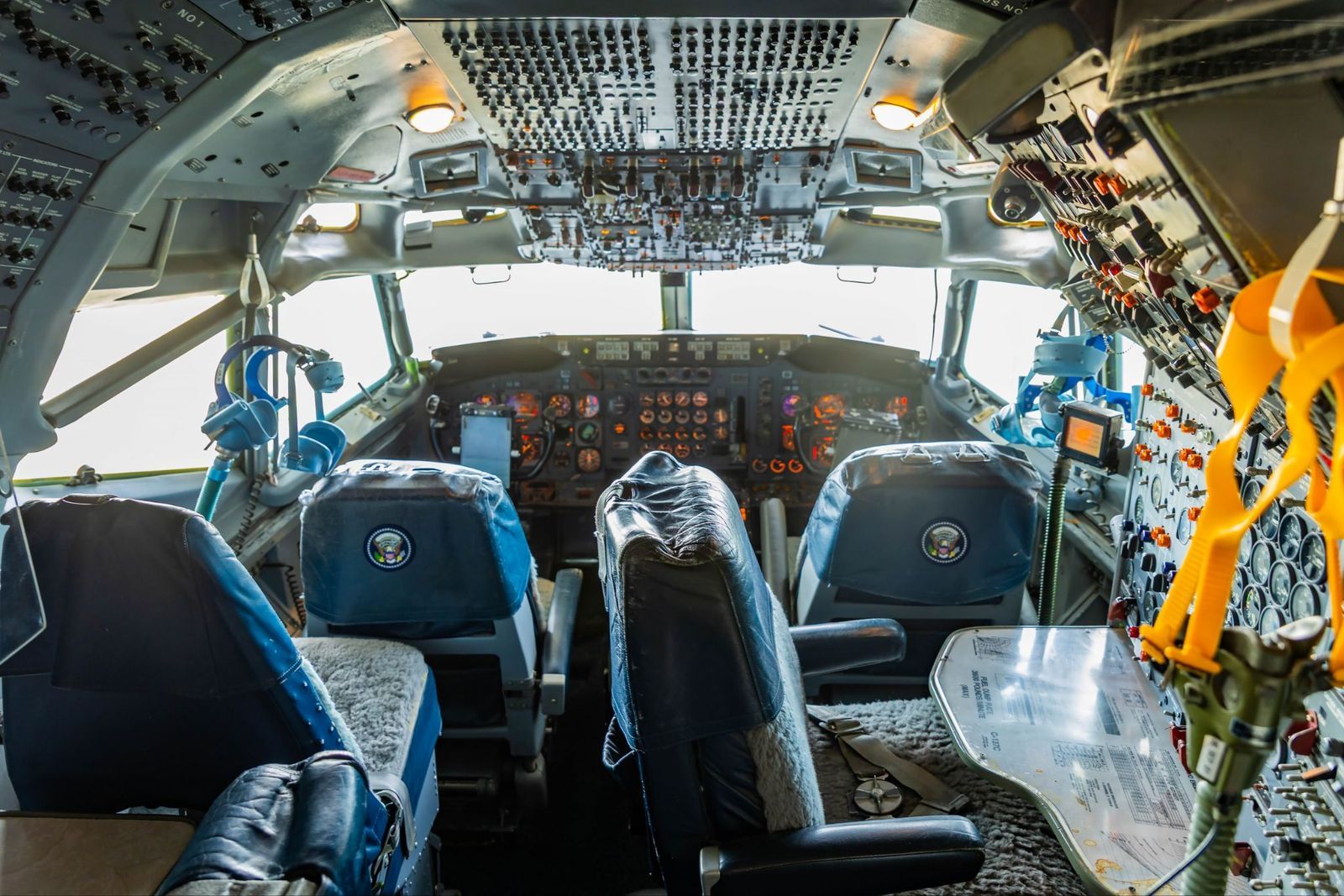
Air Force One is essentially a flying command center, with the communications equipment to keep the president connected during a crisis.
Alongside televisions, telephones, and other electronics, the aircraft carries highly secure systems designed to protect presidential communications. Much of the technology remains classified, but the aircraft is built to withstand serious disruptions, including electromagnetic pulses, and its communications systems are hardened against electronic threats. The White House has said the president can communicate with senior officials and respond to a major attack while airborne. So while the cabin may look like an unusually comfortable 747, behind the scenes it is equipped for one of the most demanding jobs in government.
Why is this island off limits? The stories behind 10 forbidden places
 Landmarks
No ticket will get you inside these places
What are they hiding? America’s most mysterious off-limits places
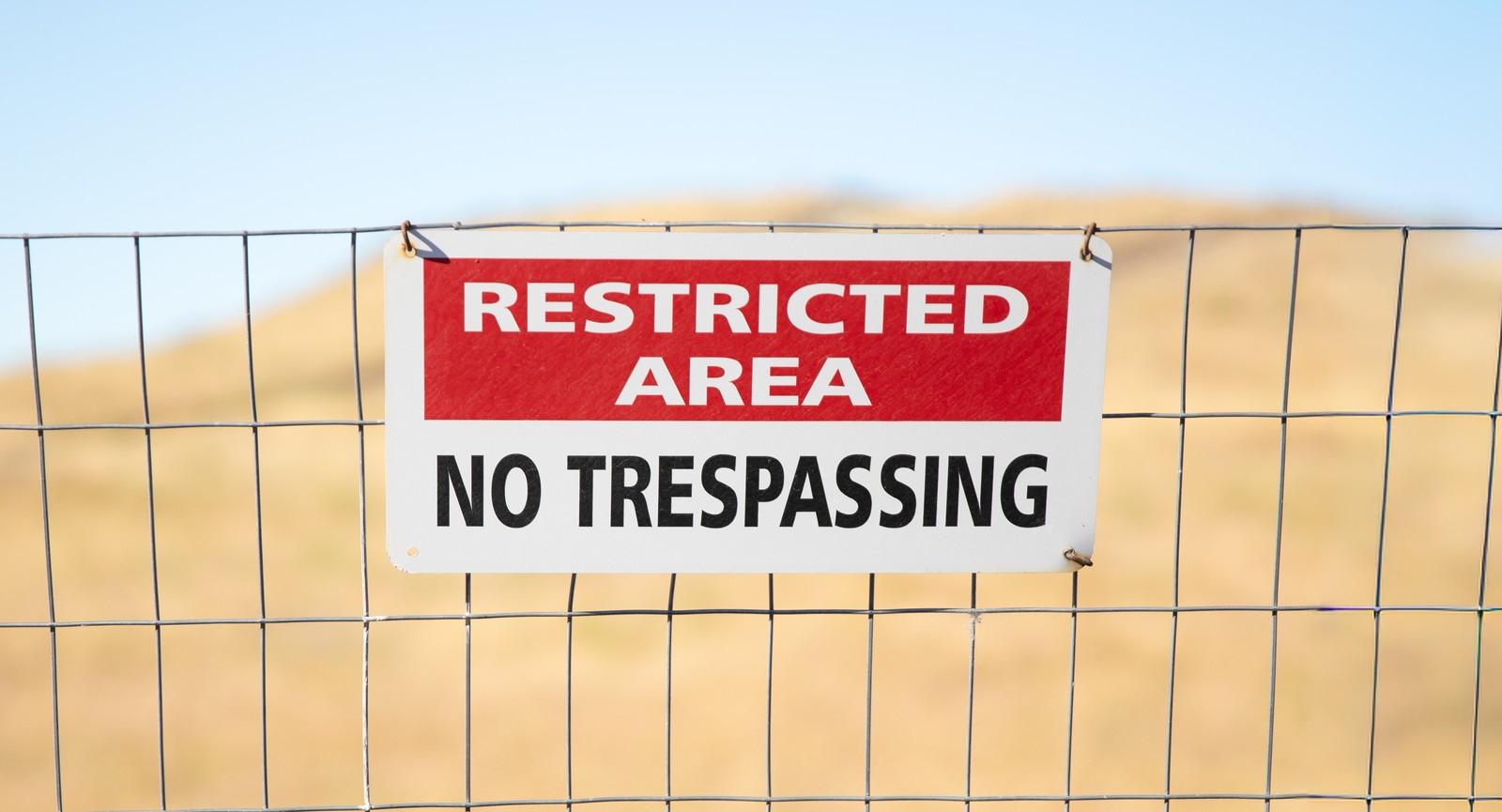
You love travelling and exploring, but some places are simply off limits. Maybe you've driven past Fort Knox and wondered what’s hiding in there, or dreamt about visiting the secret vault in Atlanta that holds the Coca-Cola recipe. Some sites across America remain almost completely out of reach due to national security, private ownership, or decades of mystery. Here are 10 locations with stories that are far more surprising than the "No Trespassing" signs suggest.
Fort Knox, Kentucky
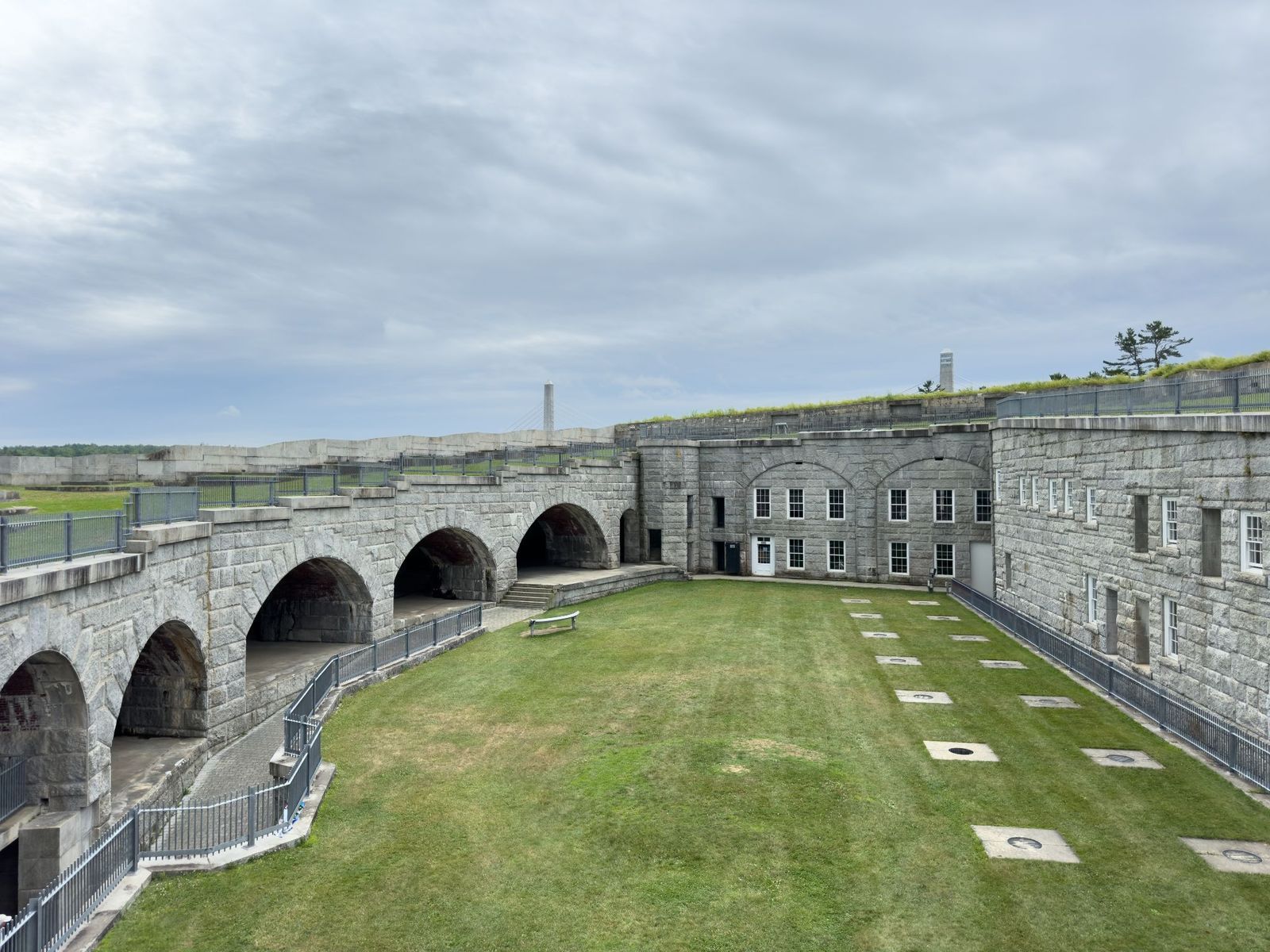
It’s common parlance to describe something as"locked up tighter than Fort Knox" — that’s because the site is a mystery to us all.
Located in Kentucky, Fort Knox is one of the most heavily protected military installations in the United States and the world**.** Completed in 1936, the famous United States Bullion Depository was designed with reinforced granite walls, steel, and concrete to safeguard much of the nation’s gold reserves. During World War II, it also stored priceless historical documents, including the Declaration of Independence and the Constitution, until they could safely return to Washington. Public tours are not offered, and even many military personnel stationed nearby never enter the vault itself. The mystery surrounding what lies behind those massive doors has only strengthened Fort Knox’s legendary reputation.
Coca-Cola Vault, Georgia
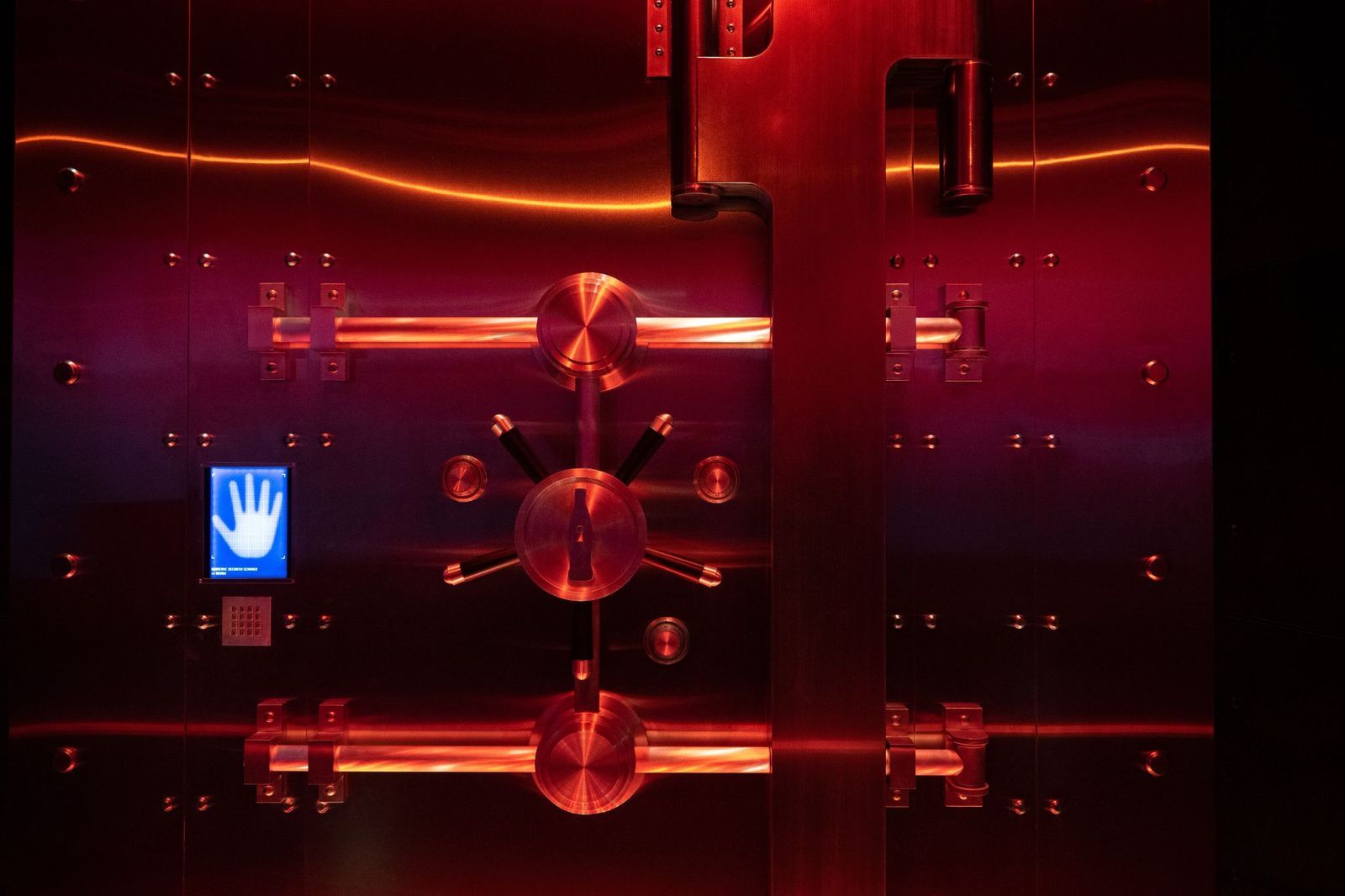
Many people have tried to recreate Coca-Cola in their home kitchens, convinced they could come close with the right ingredients. Yet the original recipe for the soft drink remains one of the world's most famous trade secrets.
Inside the World of Coca-Cola museum in Atlanta, Georgia, sits a heavily protected vault containing the company’s legendary formula. While the exact security measures are kept confidential, Coca-Cola has carefully cultivated the mystery for more than a century. The formula was developed by pharmacist John Pemberton in 1886, and over the years, the company has claimed that only a very small number of people know the complete recipe at any given time. Whether every legend surrounding the vault is true or not, the area is strictly off limits for regular visitors, and even most of the company’s staff.
Tillamook Rock Lighthouse, Oregon
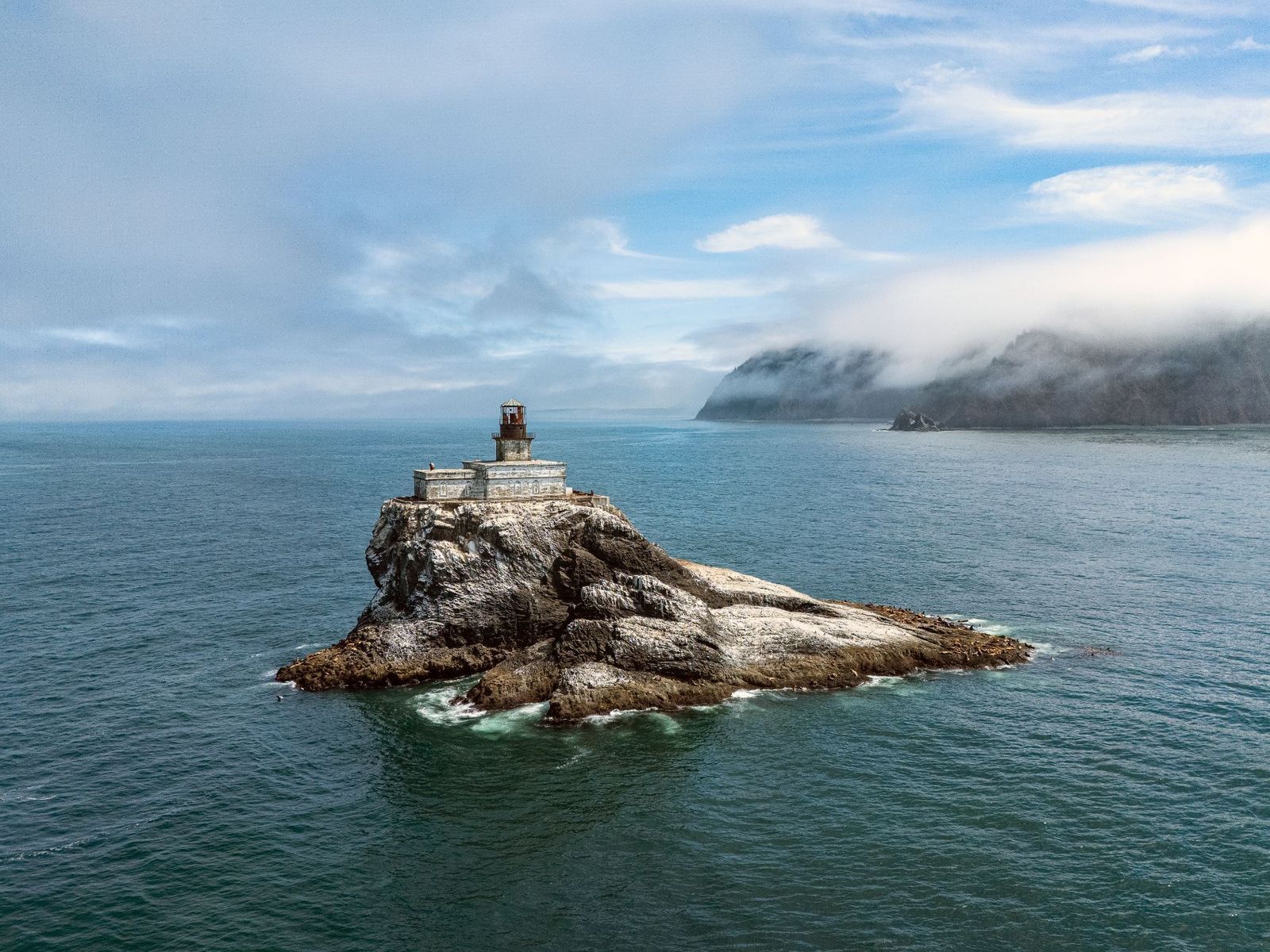
Lighthouses often bring to mind peaceful coastal views and postcard-worthy sunsets. This one, however, earned a far less romantic reputation.
Perched on a basalt rock nearly a mile off the Oregon coast, Tillamook Rock Lighthouse was completed in 1881 after an incredibly difficult construction project. Workers battled violent storms, dangerous seas, and isolation while building it. Even after it opened, lighthouse keepers faced relentless weather that made everyday life exhausting. Over time, shipwrecks, harsh conditions, and repeated damage led to its closure in 1957. Today, the structure remains inaccessible to visitors because of the hazardous ocean surrounding it and the deteriorating condition of the building, and the nickname alone, "Terrible Tilly," is enough to scare visitors away.
North Brother Island, New York
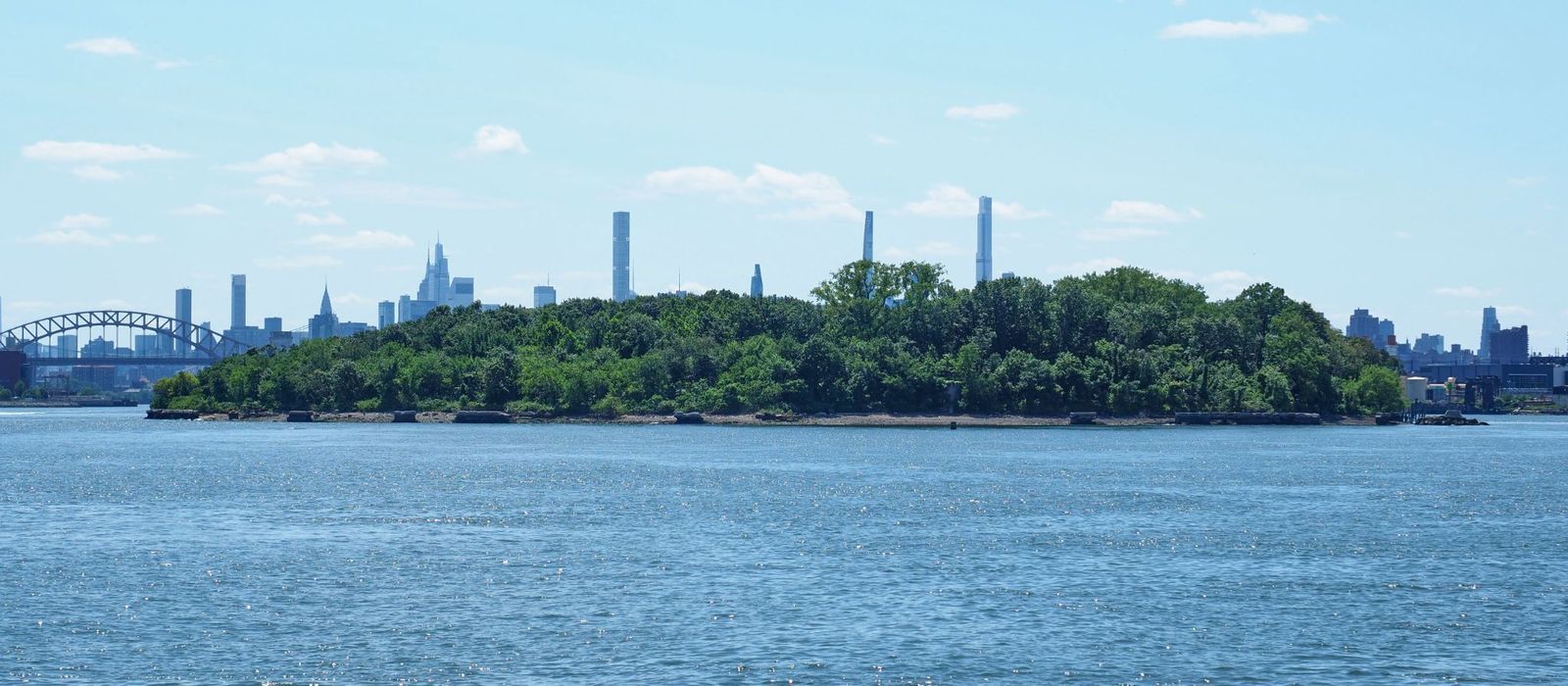
There’s a small island crossing New York City’s waterways where no boats ever seem to stop. They used to, but that stopped after that quiet patch of land witnessed some tragic chapters of American history.
North Brother Island sits in the East River between the Bronx and Rikers Island. In 1885, the island housed Riverside Hospital, where patients with contagious diseases such as smallpox and tuberculosis were isolated from the rest of the city. It is perhaps best remembered as the place where Mary Mallon, better known as "Typhoid Mary," spent many years in forced quarantine from 1907 after unknowingly spreading typhoid fever. After the hospital closed in 1943, nature reclaimed the island. Today, it is a protected bird sanctuary, and public access is almost entirely prohibited to preserve its fragile ecosystem.
Langley, Virginia
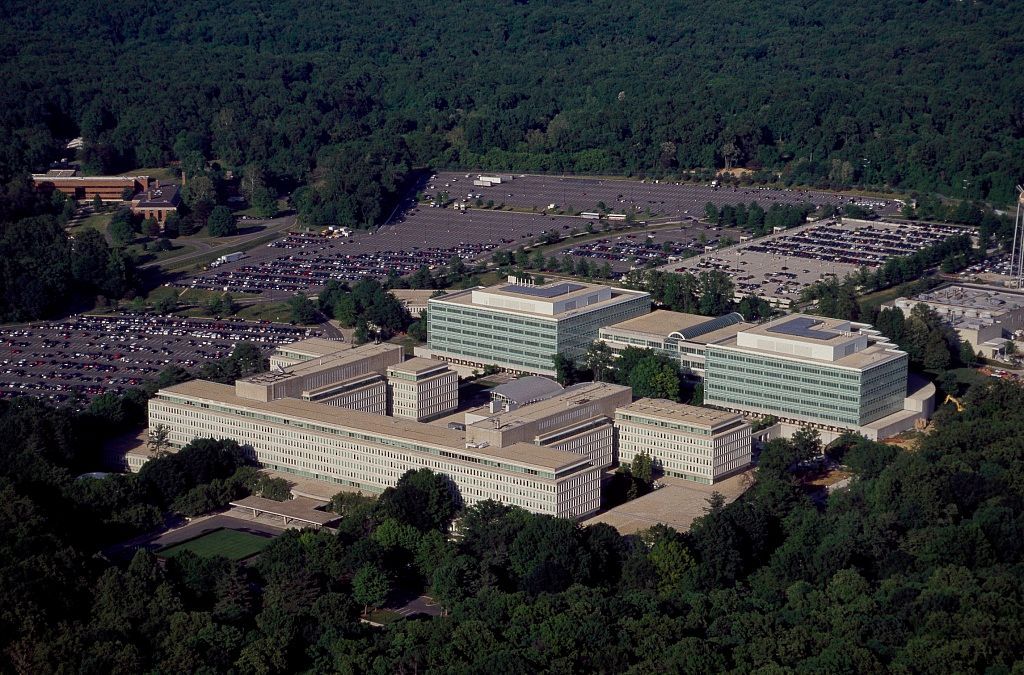
We’ve all seen spy movies where agents disappear behind guarded gates into secret government buildings. While Hollywood takes plenty of liberties, one famous headquarters really does exist.
Langley, Virginia, is home to the CIA headquarters, which officially opened in 1961. From this campus, intelligence officers analyze information, coordinate overseas operations, and advise national leaders on national security matters. Unsurprisingly, access is tightly controlled, requiring security clearances and strict identification procedures. Visitors cannot simply stop by for a tour. The building itself has become a symbol of American intelligence work, even if much of what happens inside remains classified.
Dulce Base, New Mexico
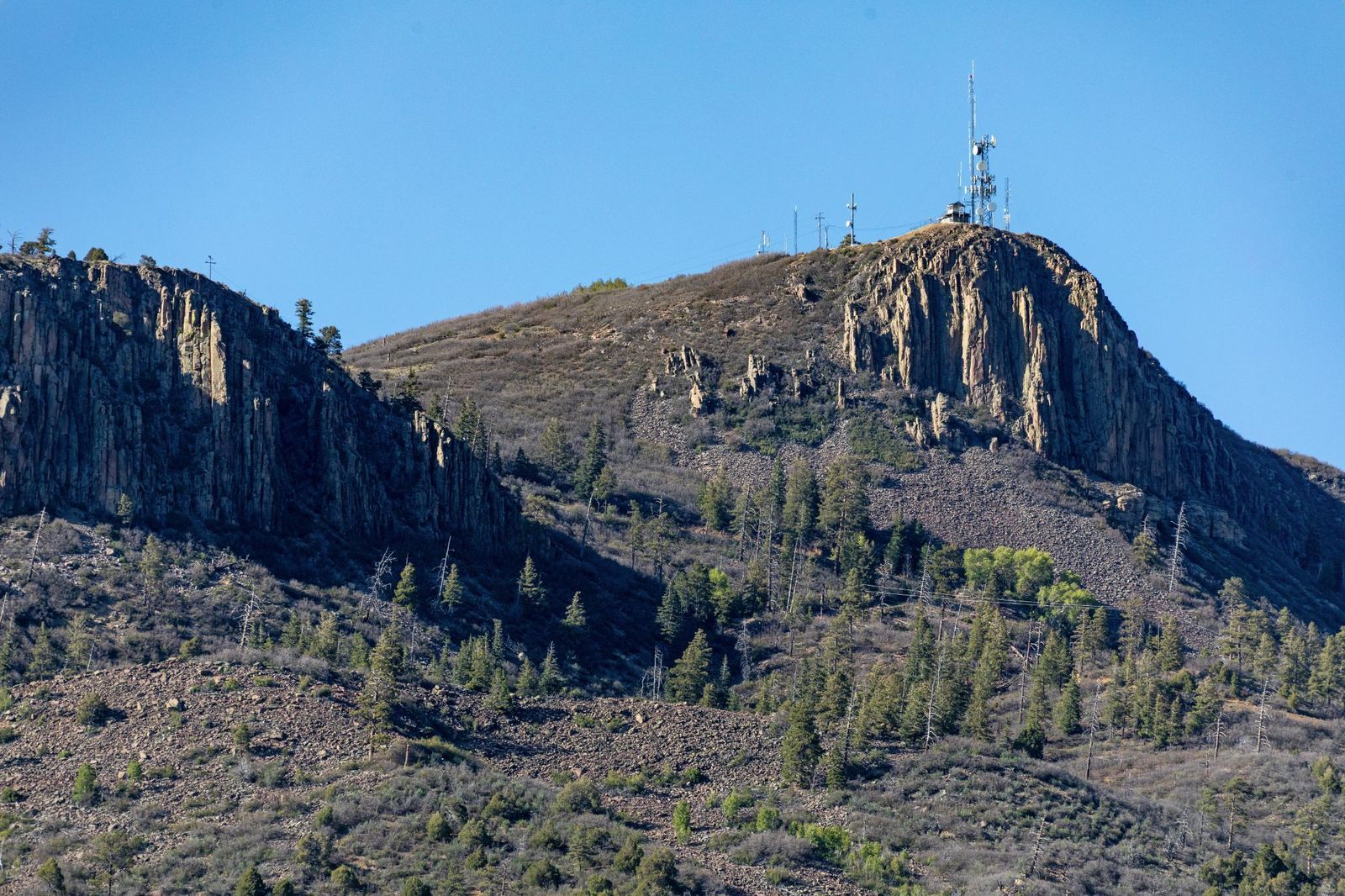
Most communities have local legends that grow bigger every time they’re told. In northern New Mexico, one rumor has captured imaginations for generations.
Stories about the so-called Dulce Base describe a secret underground military installation beneath Archuleta Mesa near the town of Dulce. The story began with Albuquerque businessman Paul Bennewitz, who in 1979 became convinced he was intercepting electronic communications from alien spacecraft and installations, and later believed he had uncovered evidence of a secret base populated by grey aliens and humans. However, no credible evidence has ever confirmed that such a facility exists. So you can’t visit it, simply because it doesn’t exist. Although the surrounding area includes Native American lands and some government facilities elsewhere in New Mexico, the legendary base itself remains firmly in the realm of speculation rather than fact.
Ni'ihau Island, Hawaii
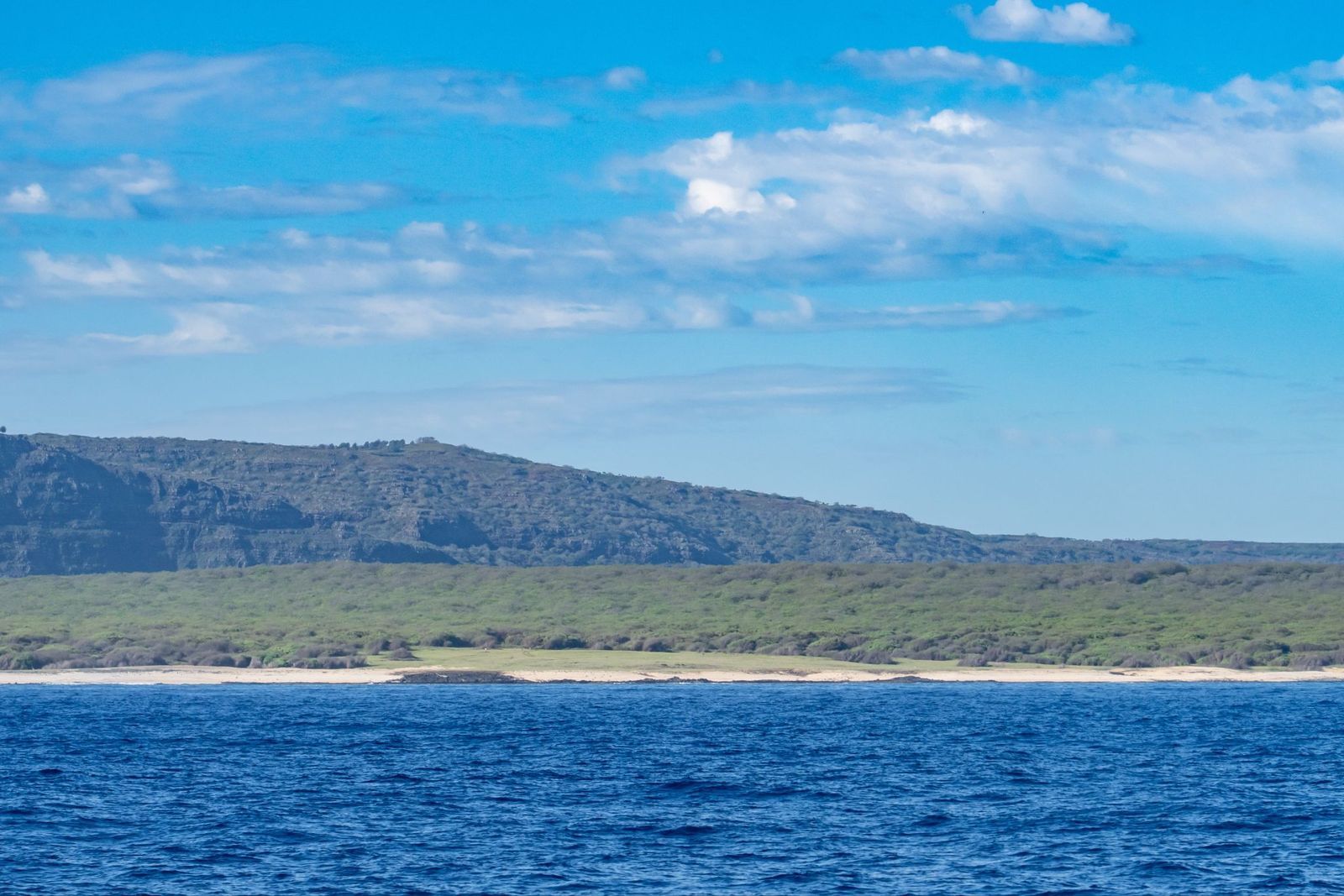
Hawaii attracts millions of visitors each year, yet one island has stayed largely untouched by modern tourism.
Niʻihau, often called the "Forbidden Island," has been privately owned since 1864, when Elizabeth Sinclair, a Scottish farmer and plantation owner, led the migration of her whole family to this land and purchased it from King Kamehameha V. Her descendants continue to own the island today, and for generations, they have limited access to protect the Native Hawaiian community, its language, traditions, and way of life. Fewer than 200 permanent residents live there, and regular tourism is not permitted. Aside from a handful of carefully managed hunting excursions and limited helicopter tours that do not provide general access to the community, Niʻihau remains one of the most isolated inhabited places in the United States.
Abandoned Farmhouse, New York
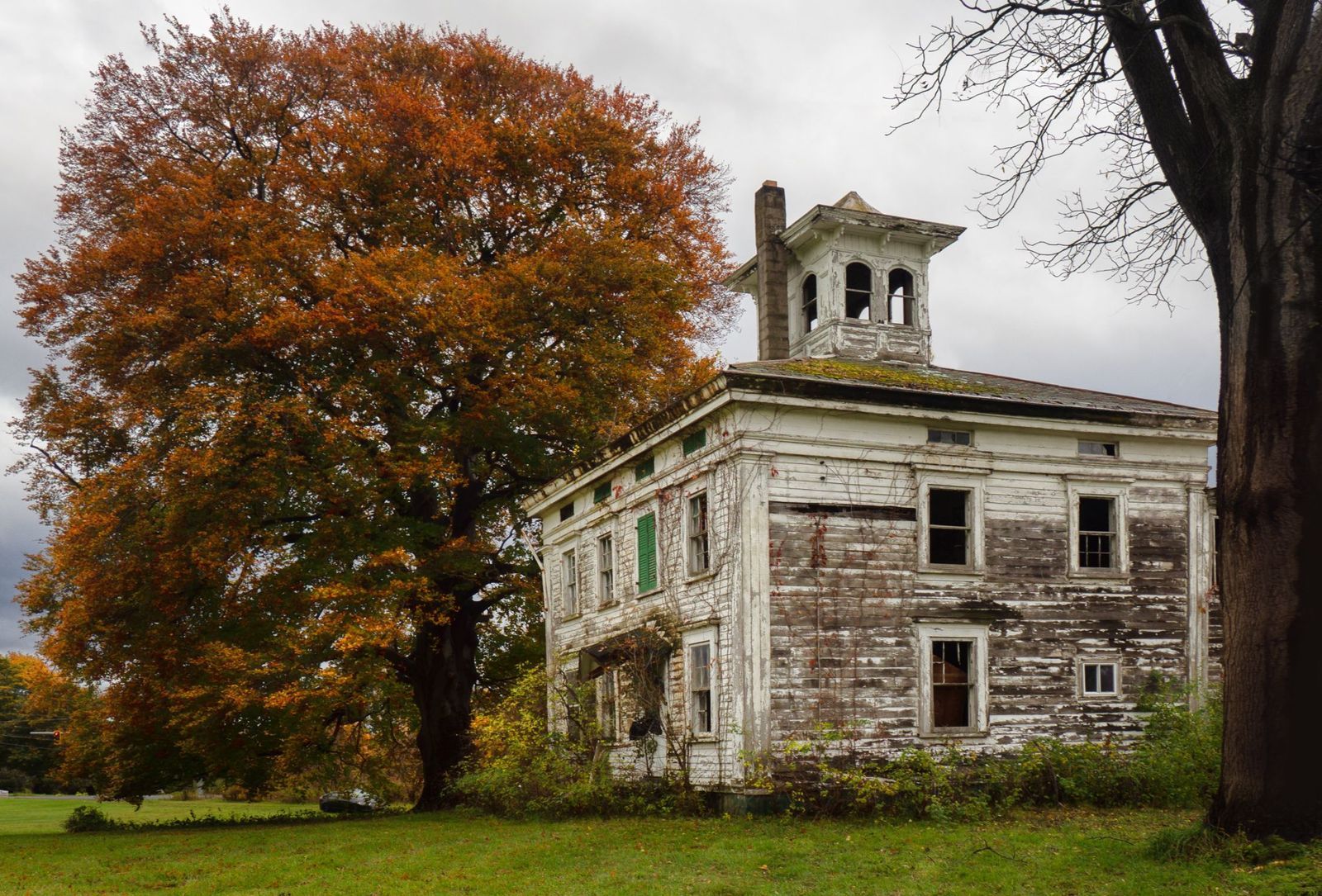
Almost every town has an old house that neighbors whisper about. Overgrown weeds, broken windows, and a lonely front porch seem to invite curiosity and myth-making.
In the town of Hector, near Seneca Lake in New York, sits one abandoned farmhouse from the late 1880s that has attracted photographers and urban explorers over the years. Although its weathered appearance sparks interest, the property is privately owned, making unauthorized entry illegal. The details of who owns it and when or why this building was abandoned remain a mystery, but it poses serious dangers, including collapsing floors, unstable roofs, exposed nails, and weakened staircases. What may look like an intriguing step back in time can quickly become hazardous, which is why property owners strongly discourage visitors from venturing inside.
Club 33, California
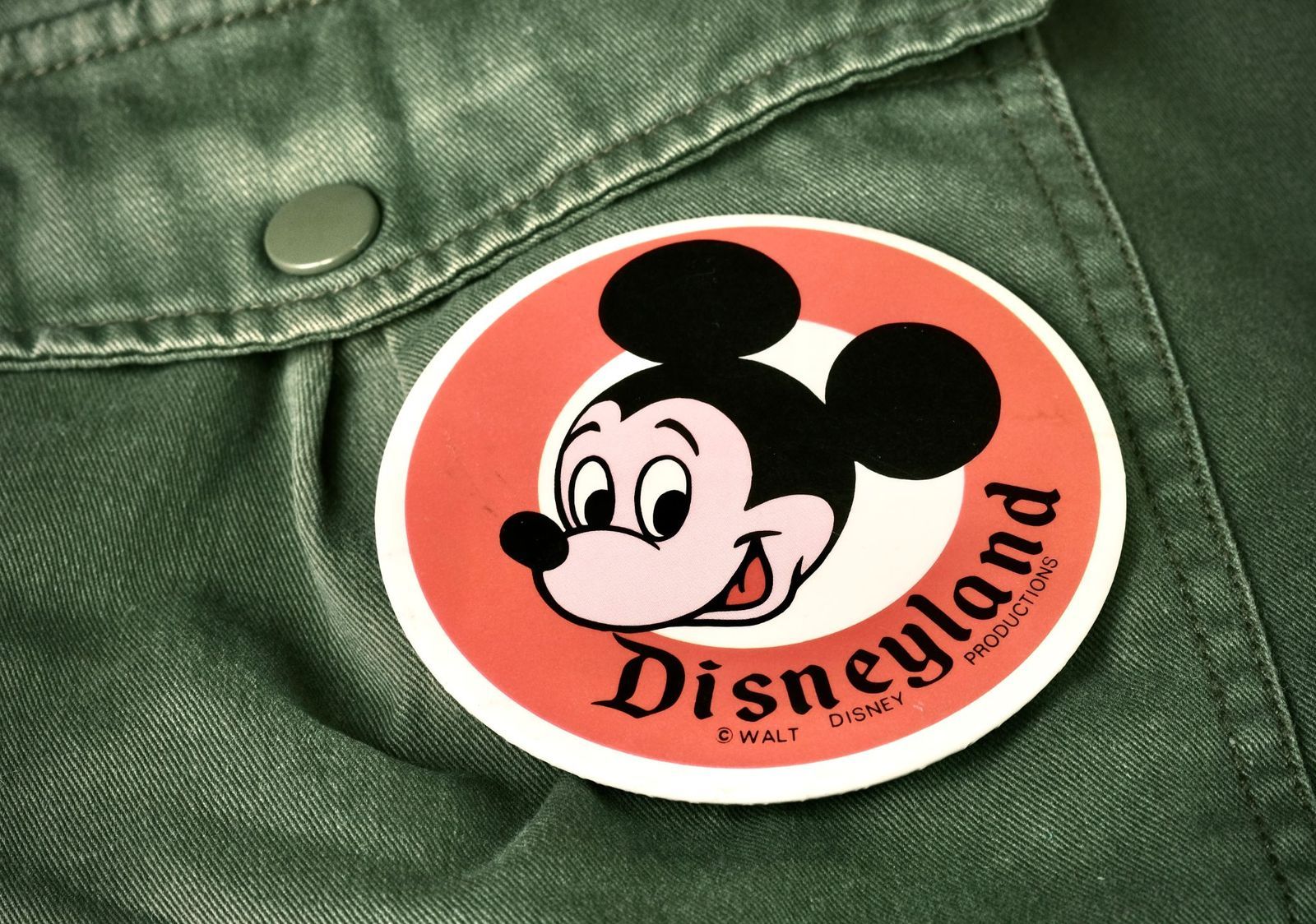
A visit to Disneyland in Anaheim, California, usually means waiting in line for popular attractions and enjoying classic treats. Few guests realize there’s a hidden door leading to one of the park’s most exclusive experiences.
Club 33 was conceived by Walt Disney in the 1960s as a private place where he could entertain corporate sponsors, celebrities, and distinguished guests. Although Disney passed away one year before it officially opened in 1967, the elegant club became exactly that. Hidden in New Orleans Square, it offers fine dining, exclusive artwork, and private lounges unavailable to regular park visitors. Membership costs tens of thousands of dollars, followed by substantial annual dues, and the waiting list has often stretched for years. For most Disneyland guests, Club 33 remains one of the park's greatest mysteries.
Granite Mountain Secret Vault, Utah
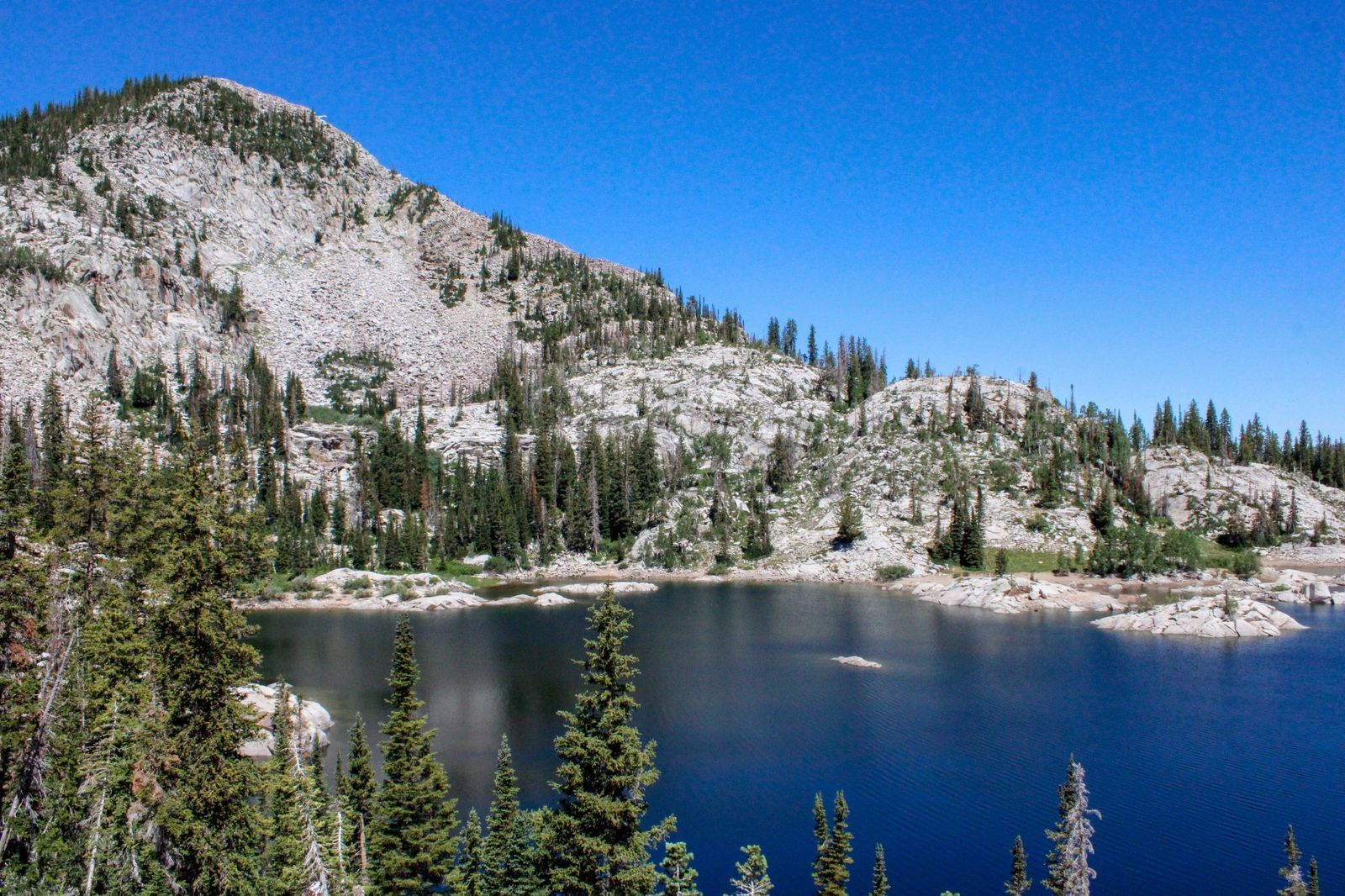
Many families have spent hours digging through old photo albums or building a family tree. Imagine preserving those memories on a global scale inside a mountain.
Near Salt Lake City, the Granite Mountain Records Vault was built by The Church of Jesus Christ of Latter-day Saints 600 feet inside solid granite. Completed in 1965, the climate-controlled facility protects billions of genealogical records, historical documents, photographs, and digital archives collected from around the world. The vault itself is not open to the public because of its security and preservation requirements, but much of the information stored there eventually becomes available through genealogical research centers and online databases, helping millions trace their family histories.
Keep wandering
There’s always
more to explore
 History
Man vs. Ice: Did you know about the Franklin and Shackleton expeditions?
6 min.
Read Now
Don’t take that feather home: knowing these 10 rules can save you a fine
5 min.
Read Now
 Culture
10 capitals that are not their country's most famous cities
4 min.
Read Now

Where the Hobbit really lives, and the Von Trapp family had their house
5 min.
Read Now