Your ticket to history: From Lincoln to Napoleon, 10 must-see places
 General
Travel back in time
Your ticket to history: From Lincoln to Napoleon, 10 must-see places
Some vacations are meant for relaxing on a beach or enjoying the mountain views. Others are about discovering the stories behind the places we visit. Nothing compares to standing right where world-changing events actually happened. From royal coronations to revolutionary battles, here are 10 historic buildings that are worth adding to your travel list.
Independence Hall, Philadelphia
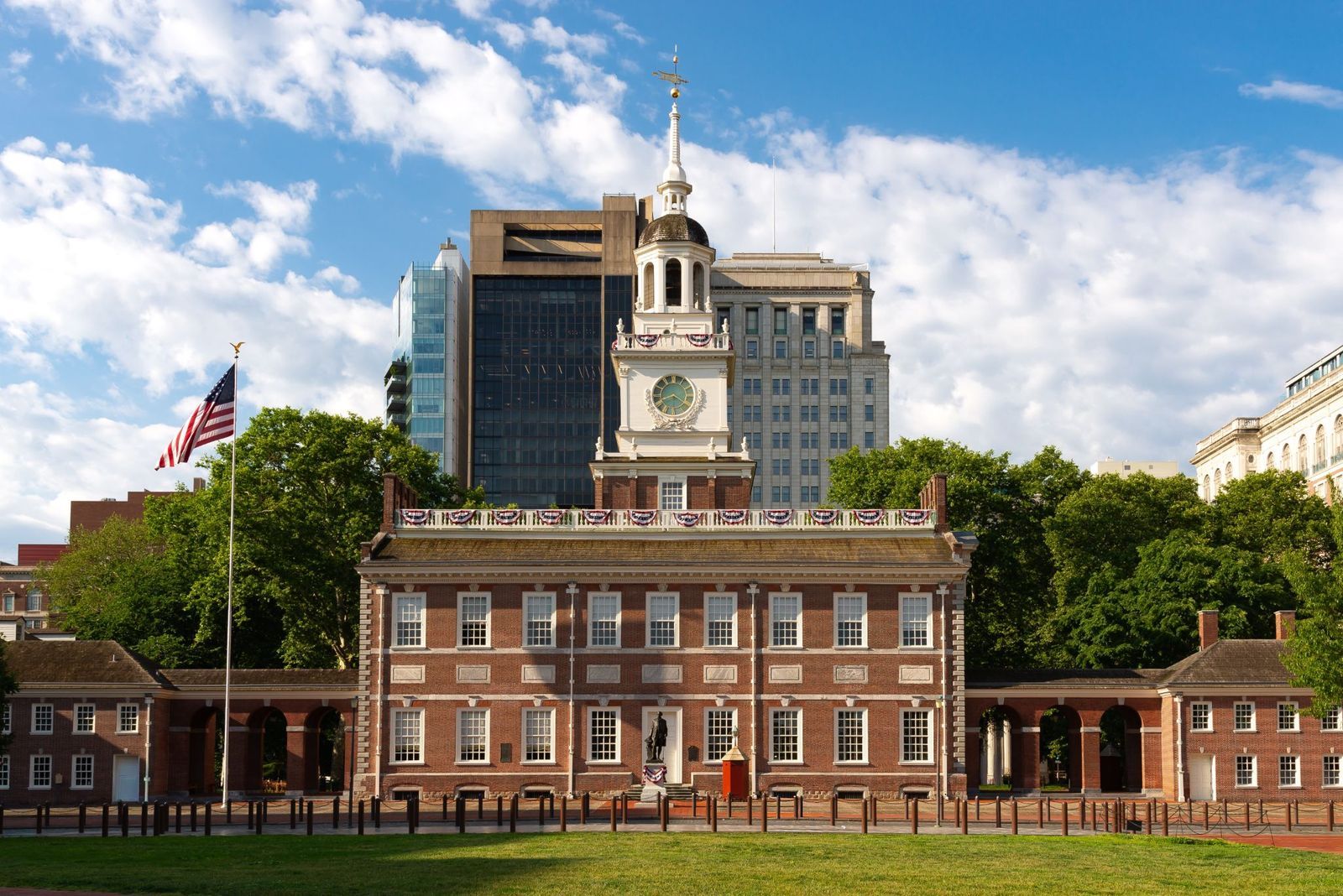
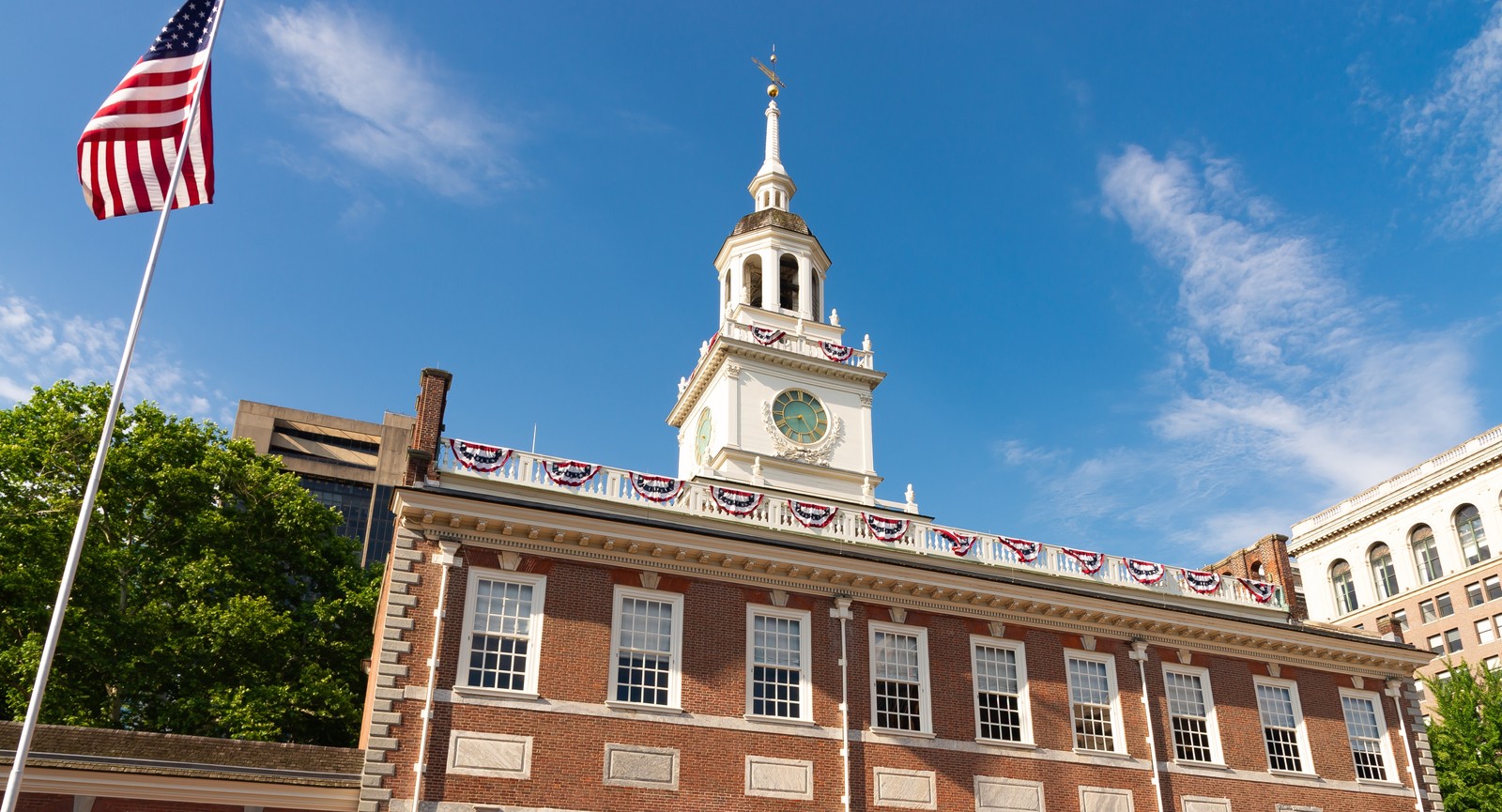
In the summer of 1776, after years of growing tensions with Britain, American colonial representatives gathered in Philadelphia's Pennsylvania State House to declare independence. On July 4, Congress approved the Declaration of Independence. Eleven years later, in 1787, George Washington, James Madison, and Benjamin Franklin joined delegates in the same room to draft the U.S. Constitution.
Independence Hall is now part of a National Historical Park, and visitors can enter the Assembly Room, where the delegates signed both founding documents. The National Park Service offers free morning access and also ranger-led tours, which require reservations.
Hall of Mirrors, Versailles
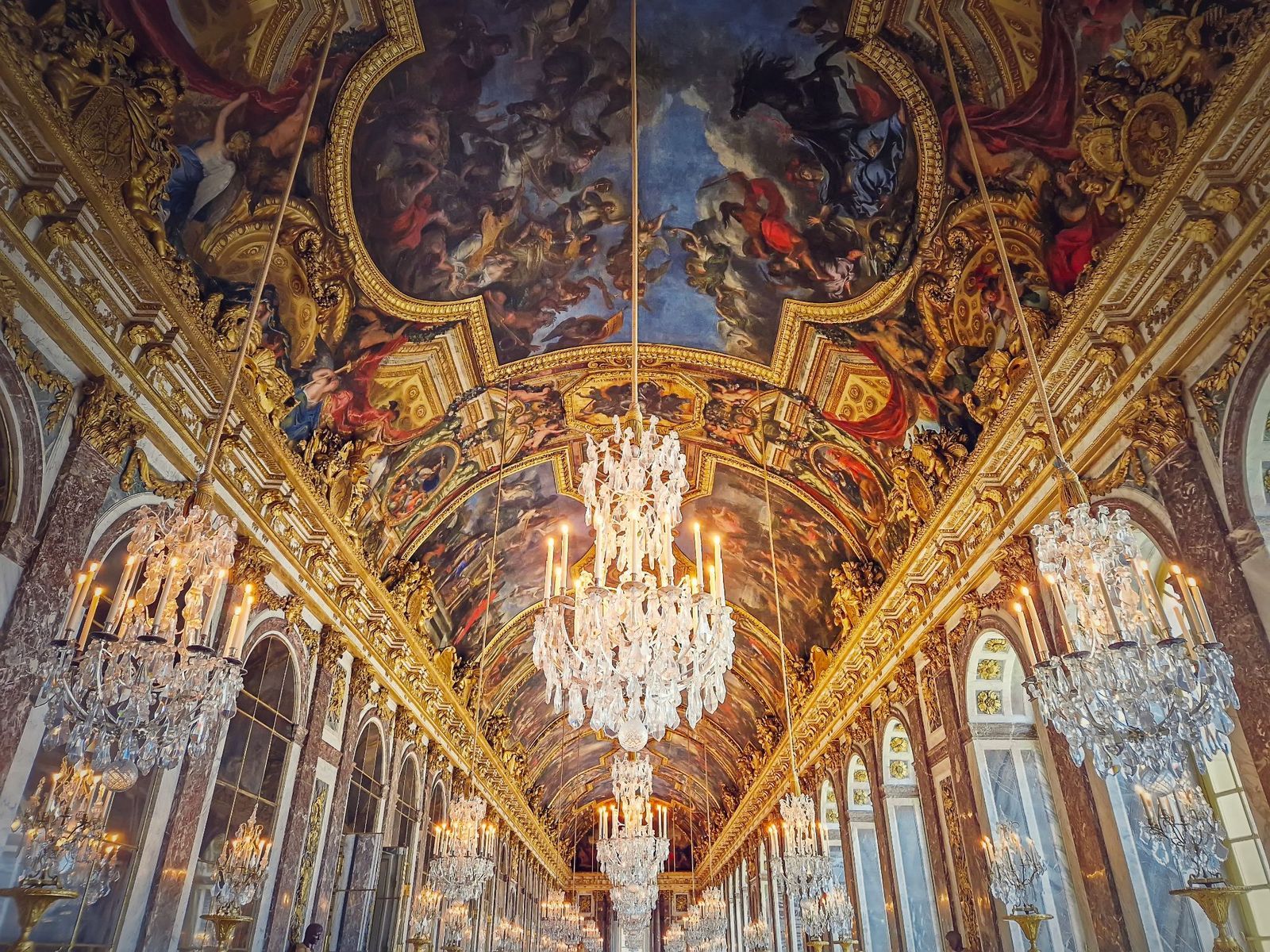
The Hall of Mirrors at the Palace of Versailles was originally designed to impress visitors to King Louis XIV court. The magnificent gallery features 17 large windows and 17 matching arches decorated with mirrors. It hosted royal celebrations and diplomatic meetings.
But centuries later, it became the setting for a historic event: the peace settlement following World War I, the Treaty of Versailles. The treaty imposed territorial losses, military restrictions, and financial obligations on Germany, creating tensions that lasted for decades. And, yes, it's open to the public! Tourists can walk through the famous gallery by booking a timed-entry ticket to the Palace of Versailles, just outside Paris.
The Alamo, San Antonio
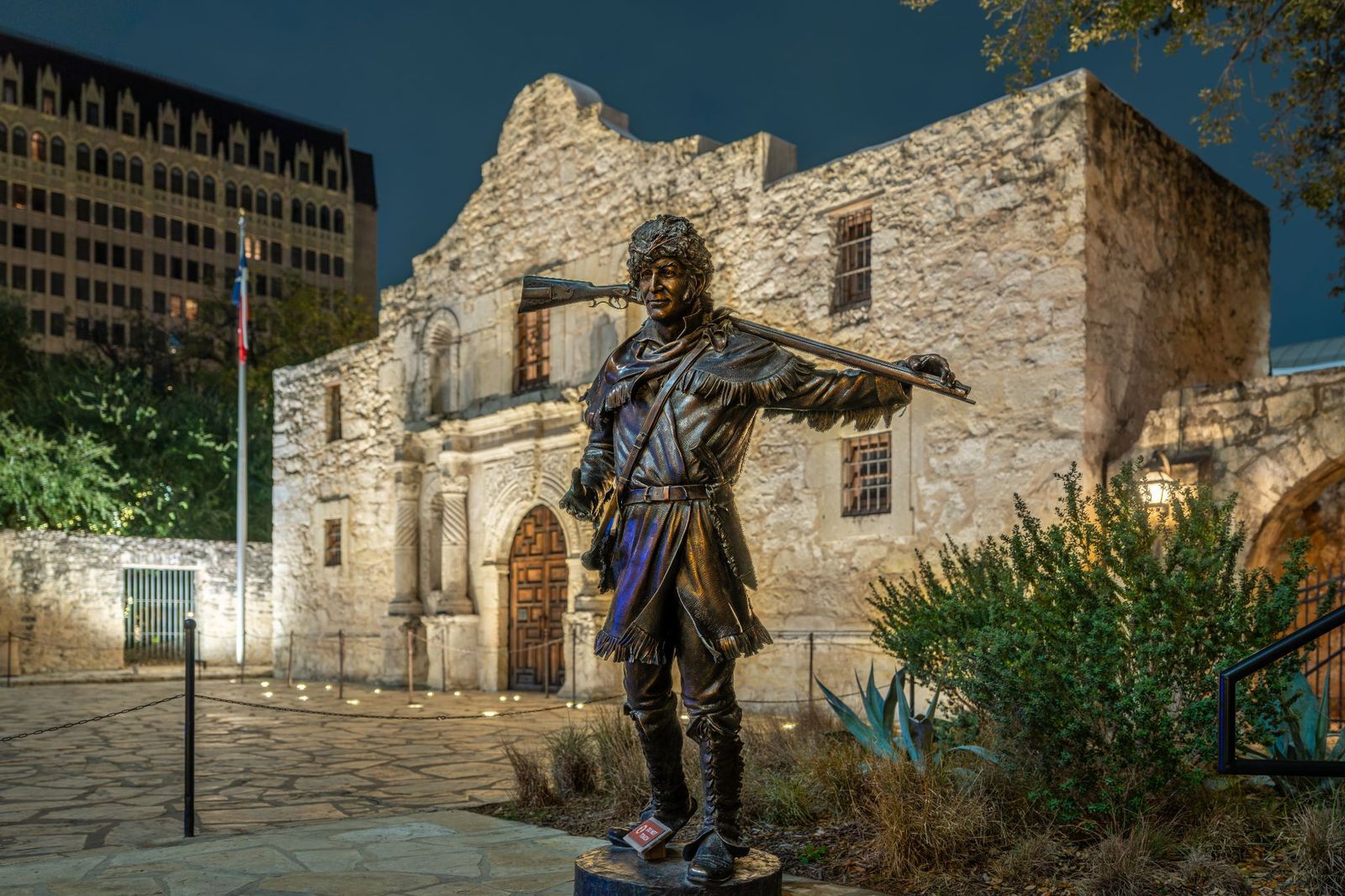
"Remember the Alamo!" became one of the most famous battle cries in American history. But what happened there? In February 1836, during the Texas Revolution, Mexican troops surrounded the Alamo, a former Spanish mission in San Antonio. Inside, a small group of Texan defenders, including James Bowie, William B. Travis, and Davy Crockett, resisted the much larger Mexican army for nearly two weeks.
On March 6, Mexican troops launched their final attack. Although the Texans lost the battle, their resistance became a symbol of the independence movement. Texan soldiers then shouted "Remember the Alamo!" during their victory at San Jacinto. Tourists can now step inside the surviving Alamo church in downtown San Antonio and imagine the battle that unfolded there nearly 200 years ago. Admission is free with a reserved timed-entry ticket.
Old North Church, Boston
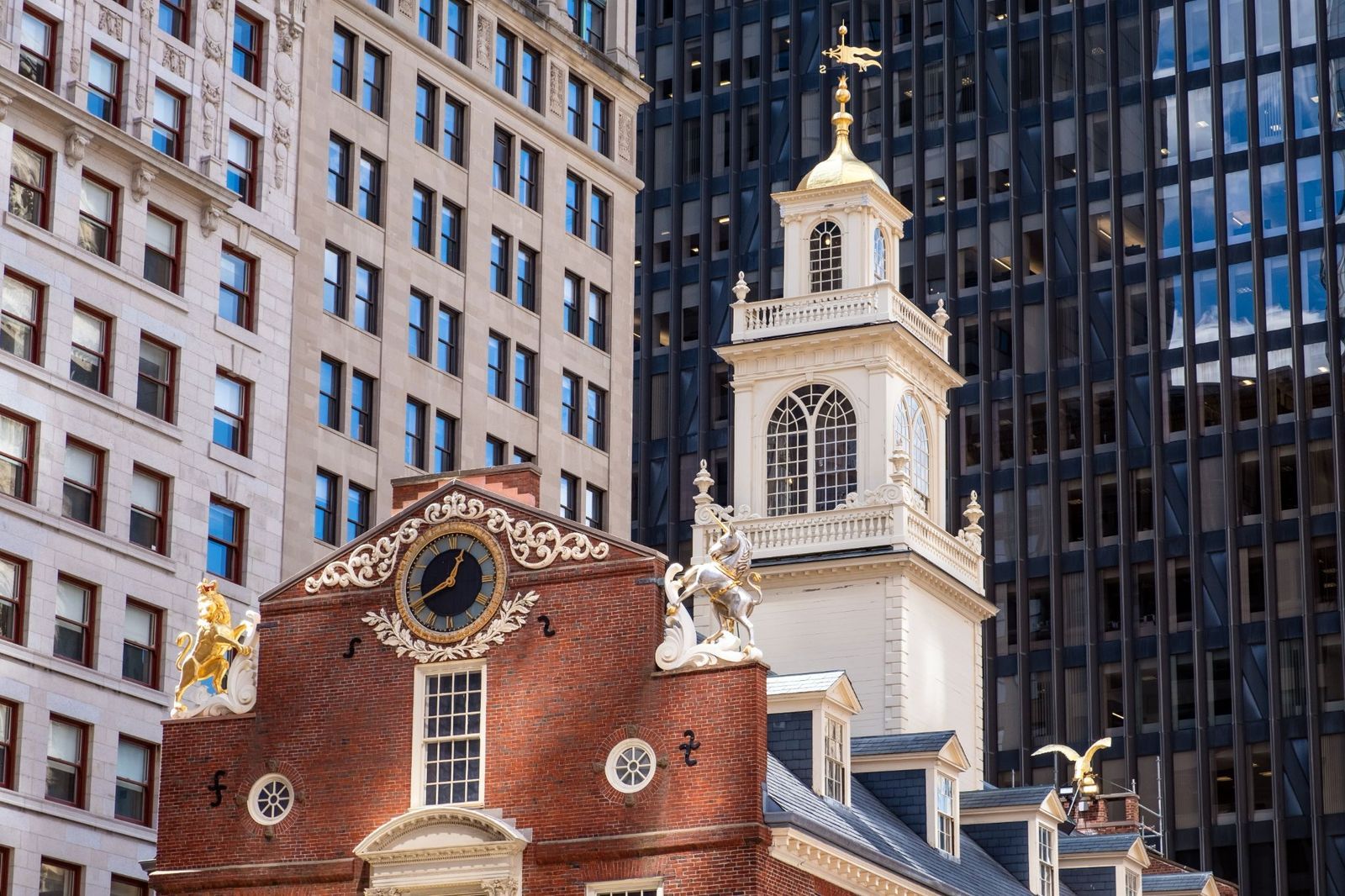
The American Revolutionary War began with a warning from here, Boston's Old North Church. On the night of April 18, 1775, British troops were preparing to march toward Lexington and Concord. To alert the Patriots, Paul Revere arranged a lantern signal from the church's steeple: one lantern meant the British were coming by land, while two meant they were crossing the Charles River.
Two lanterns were displayed, and Revere and other riders then spread the warning, helping the Patriots prepare for the approaching soldiers. The following morning, fighting broke out at Lexington and Concord, marking the beginning of the Revolutionary War. The Old North Church is now a legendary landmark to explore in Boston. It's the 13th official Freedom Trail stop, and its historic sanctuary is open to the public, the crypt where more than 1,100 people were buried, and the bell chamber Paul Revere once rang.
Ford's Theatre, Washington, D.C.
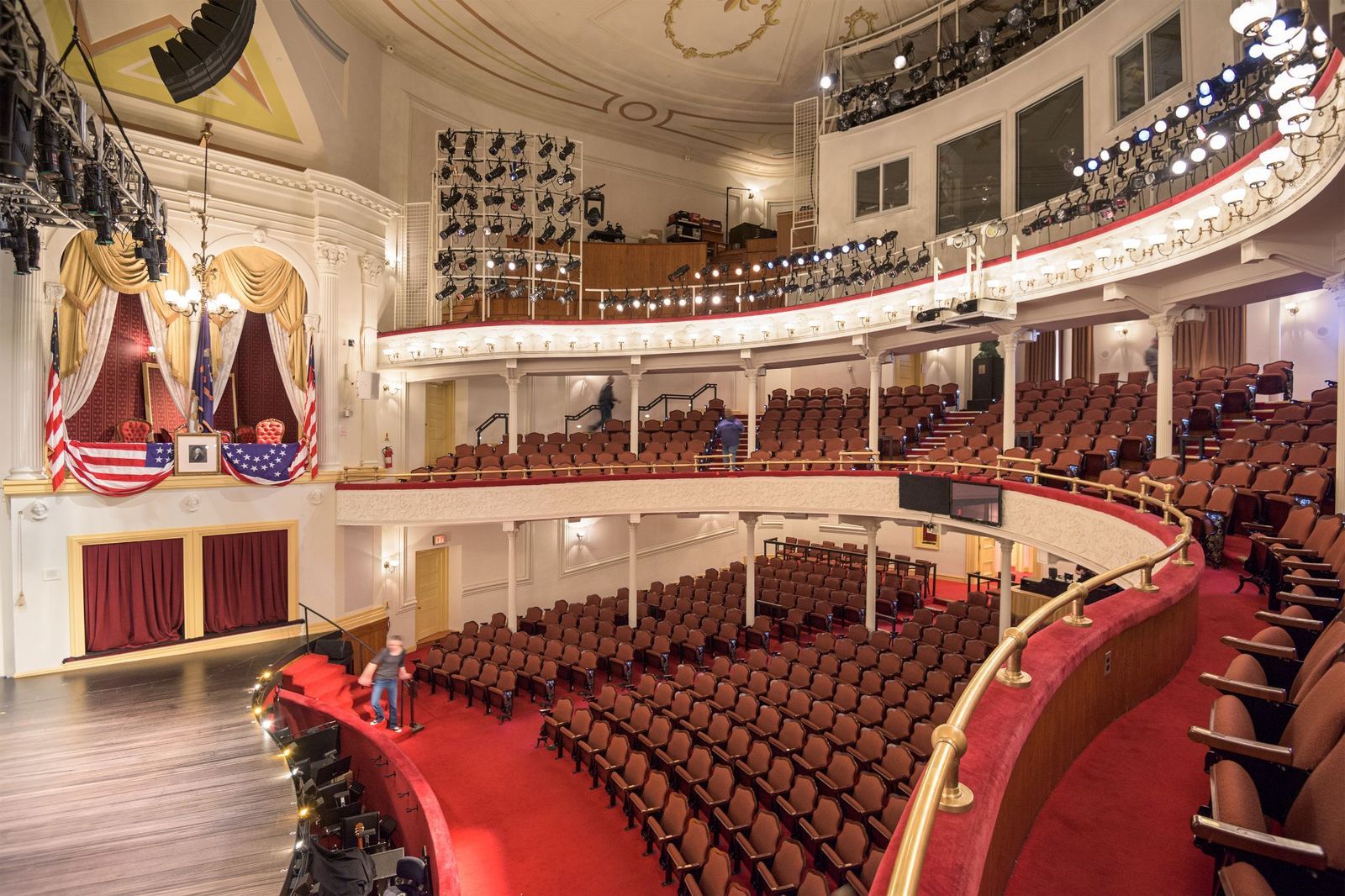
How did Ford's Theatre in Washington, D.C., become one of America's most famous historic sites? The answer lies in the tragic event on April 14, 1865. That evening, President Abraham Lincoln attended a performance of the comedy Our American Cousin with his wife, Mary. The Civil War was nearly over, and Confederate General Robert E. Lee had surrendered just five days earlier. But John Wilkes Booth, a well-known actor and Confederate sympathizer, had plans to assassinate the president, and he unfortunately succeeded.
Ford's Theatre remains a working theater and historic site. Visitors can book tickets to explore its museum and see the presidential box where Lincoln was assassinated.
Tower of London
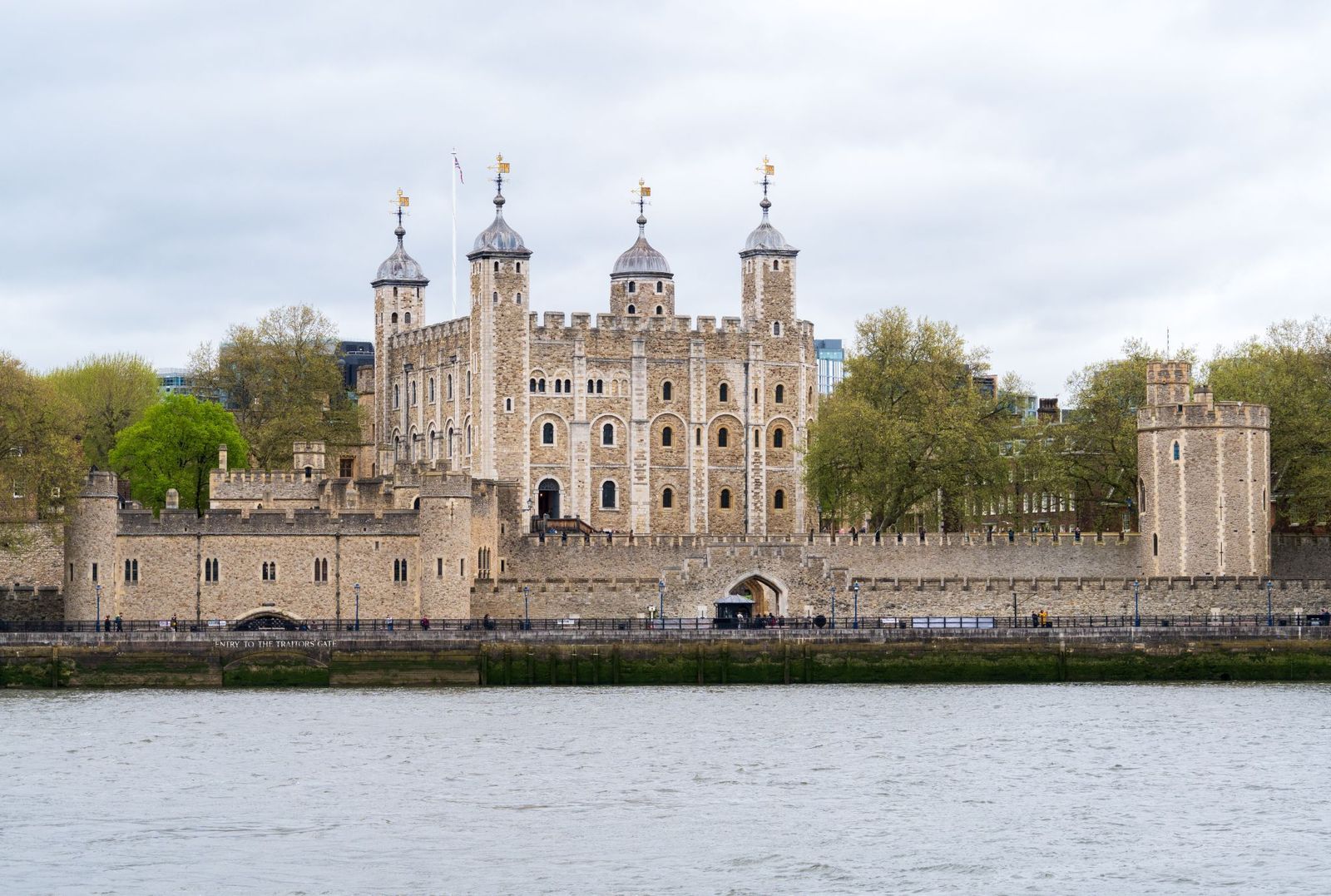
Few places bring together Britain's royal splendor and its darker past quite so dramatically as the Tower of London. Since William the Conqueror began building it in the 11th century, it has been a royal residence, a fortress, and eventually one of England's most feared prisons.
Among its famous prisoners was Anne Boleyn, King Henry VIII's second wife. Anne was accused of adultery and treason because she couldn’t give birth to a boy. She was arrested, imprisoned, and executed in the Tower, where she had prepared for her coronation just three years earlier. But that’s not all. The fortress also protects the Crown Jewels, including crowns still used in royal ceremonies. Curious visitors can explore the Tower, see the Crown Jewels, and join tours led by the famous Yeoman Warders, also known as Beefeaters.
The Colosseum, Rome
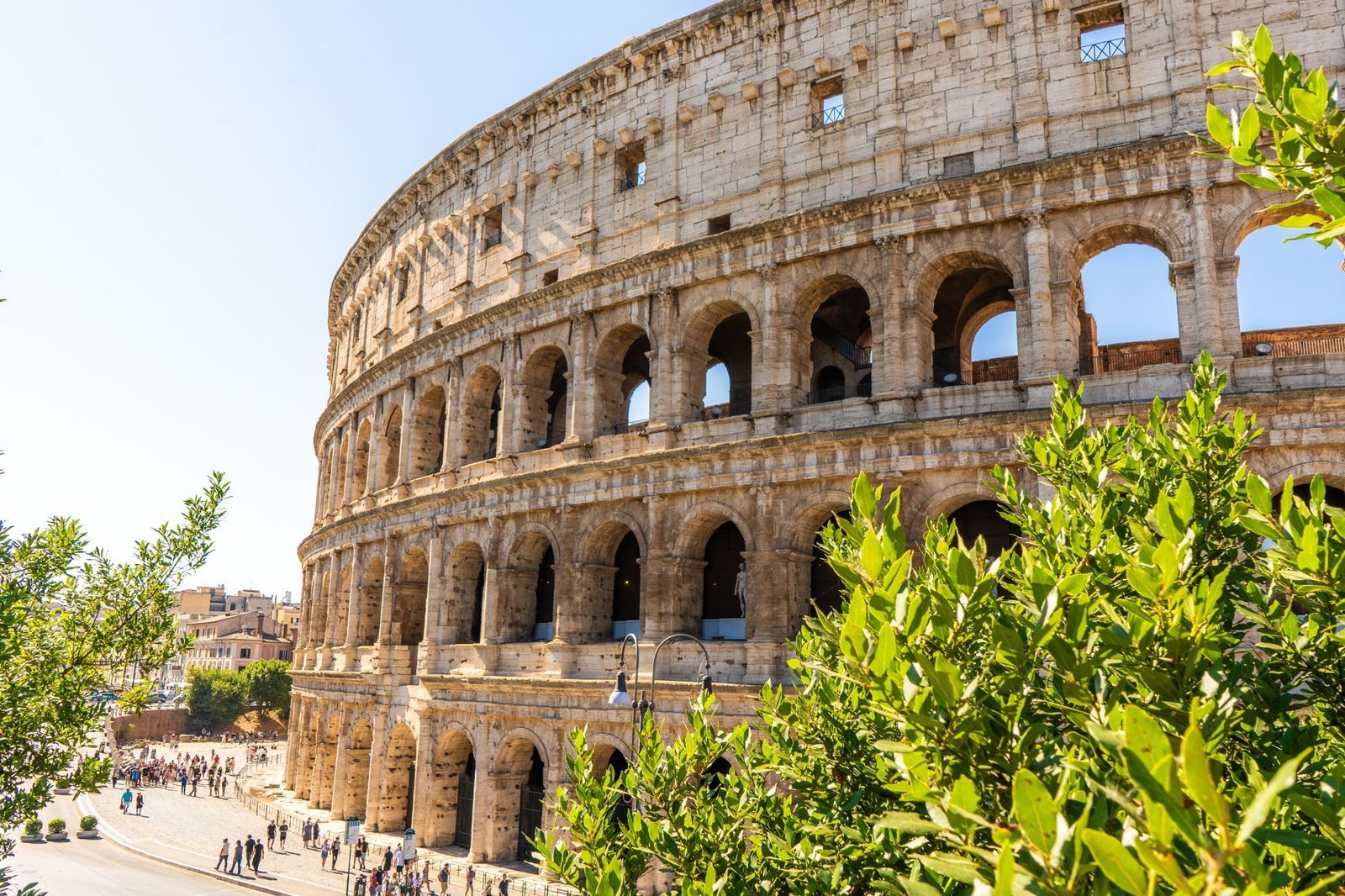
Nearly 2,000 years ago, Romans gathered at the Colosseum, a massive amphitheater in the heart of Rome, Italy. It opened with 100 days of gladiator fights, animal hunts, and other spectacles that were part of everyday Roman culture.
Beneath the arena was a network of passages, cages, and lifts that brought animals and scenery into view. Over the centuries, earthquakes and the removal of building materials damaged the Colosseum, but much of its structure still stands. Today, you can explore this ancient landmark with a timed-entry ticket, including special access to the arena floor and underground passages.
Sistine Chapel, Vatican City
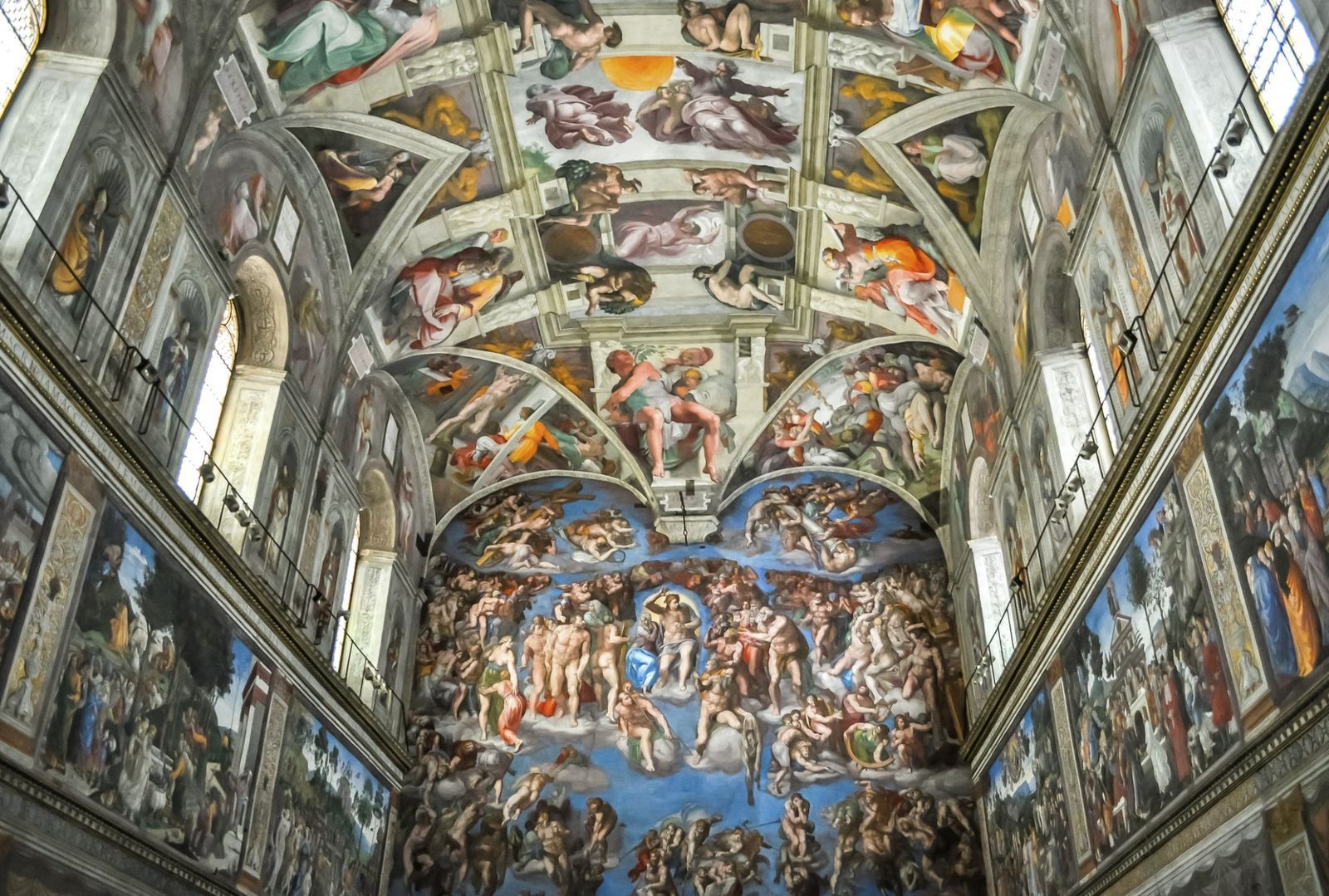
The Sistine Chapel is famous for Michelangelo’s ceiling paintings with Biblical scenes. In 1508, and over the next four years, Michelangelo created The Creation of Adam, showing God reaching toward the first man. Completed in 1512, the ceiling became one of the greatest achievements of Renaissance art.
But in the Sistine Chapel, cardinals also gather in secret to elect a new pope, the conclave. Only the Vatican Museums ticket includes access to the chapel when it is open to the public.
Notre-Dame, Paris
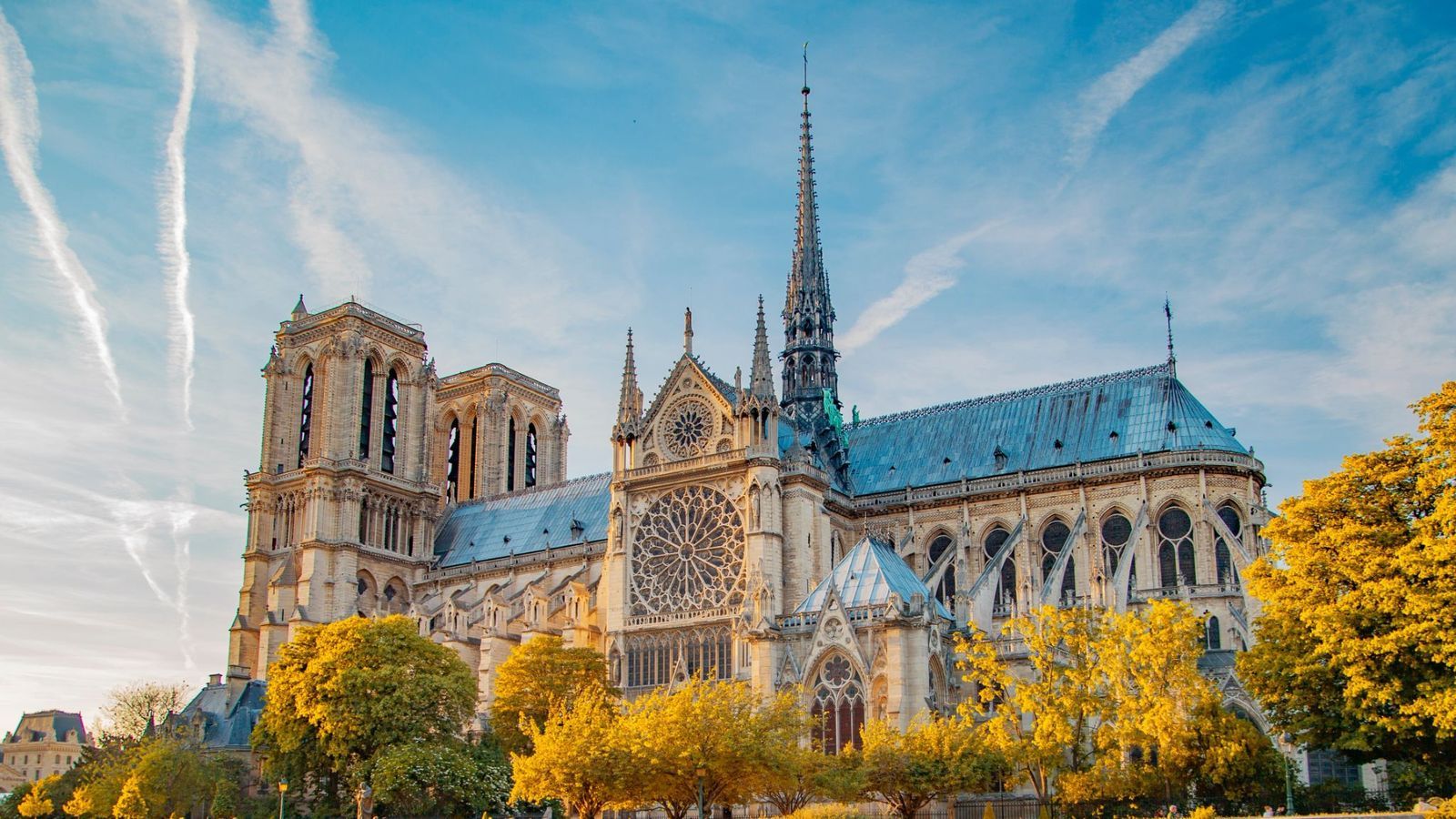
What made Notre-Dame Cathedral one of Paris's most famous landmarks? Beyond its impressive architecture, the cathedral has witnessed some of France's greatest historic moments. In 1804, Napoleon Bonaparte was crowned Emperor of the French here.
More than two centuries later, on April 15, 2019, a devastating fire destroyed Notre-Dame's roof and famous spire. After five years of restoration, the cathedral reopened in December 2024. Today, no trip to Paris feels quite complete without stepping inside Notre-Dame. Exploring its restored interior is free, either by joining the entrance line or reserving a time slot online.
Westminster Abbey, London
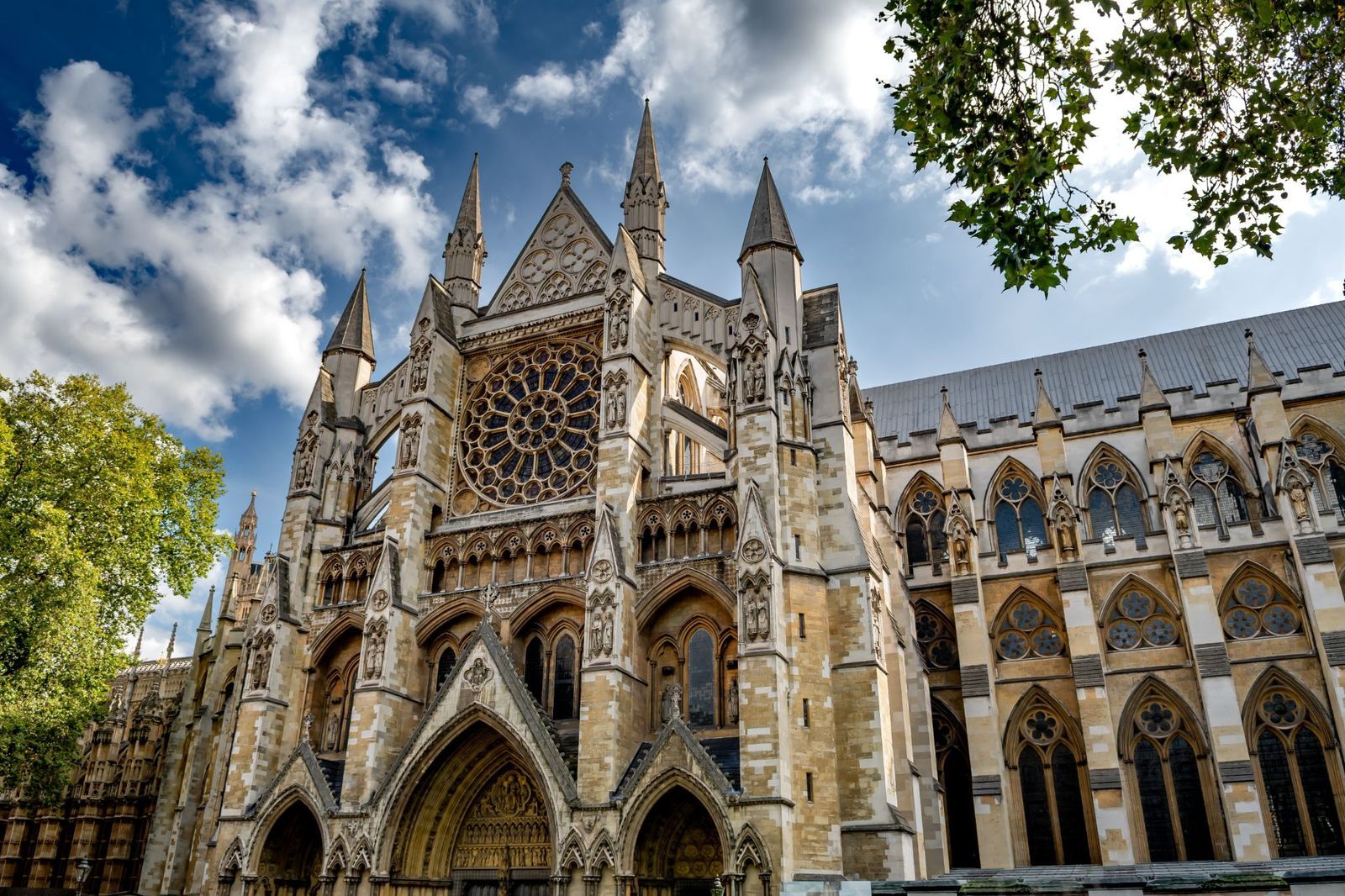
Westminster Abbey is a place of royal traditions and centuries of British history. Since William the Conqueror's coronation in 1066, generations of monarchs have been crowned there, including Queen Elizabeth II in 1953.
The tradition continued in May 2023, when King Charles III became the 40th monarch to be crowned at Westminster Abbey. The ceremony followed centuries-old customs, including the historic Coronation Chair. The Abbey also houses the tombs of famous figures such as Isaac Newton and Charles Darwin. Anyone can explore Westminster Abbey with an admission ticket or guided tour, generally on weekdays and Saturdays.
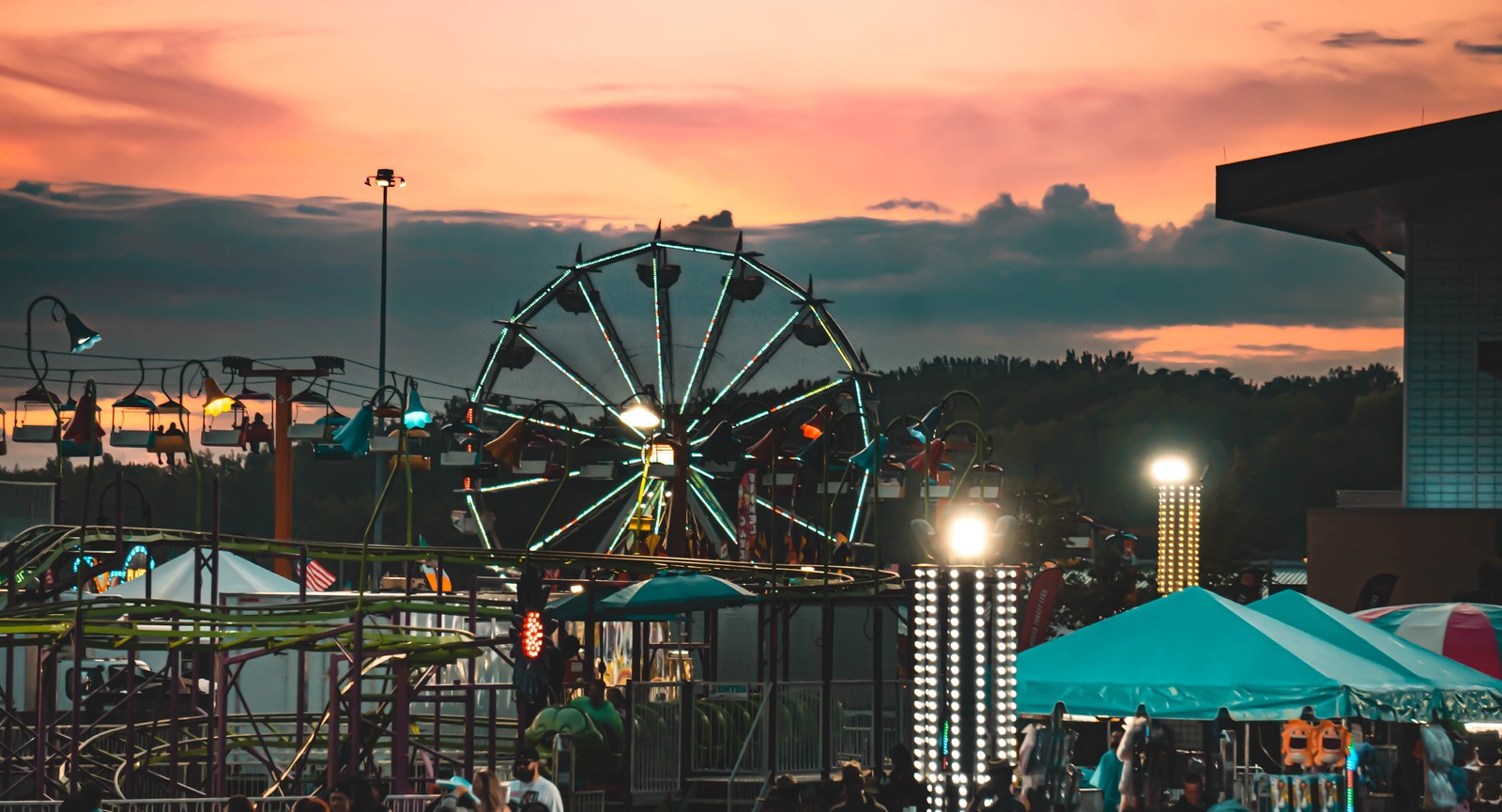
Some of these state fairs have seriously weird attractions
 Culture
State fair attractions
10 State Fairs that show off the best of America
Few things bring back summer memories quite like a day at the state fair. The smell of funnel cakes, prize-winning pies, and the sound of a Ferris wheel turning are all part of the experience. But some have their own unique appeal and attractions. Did you know about the giant cowboy mascot at the Dallas State Fair? Or the customized 90-pound butter sculptures in the Minnesota State Fair? Each with its own quirks, here are 10 beloved state fairs you should visit.
State Fair of Texas
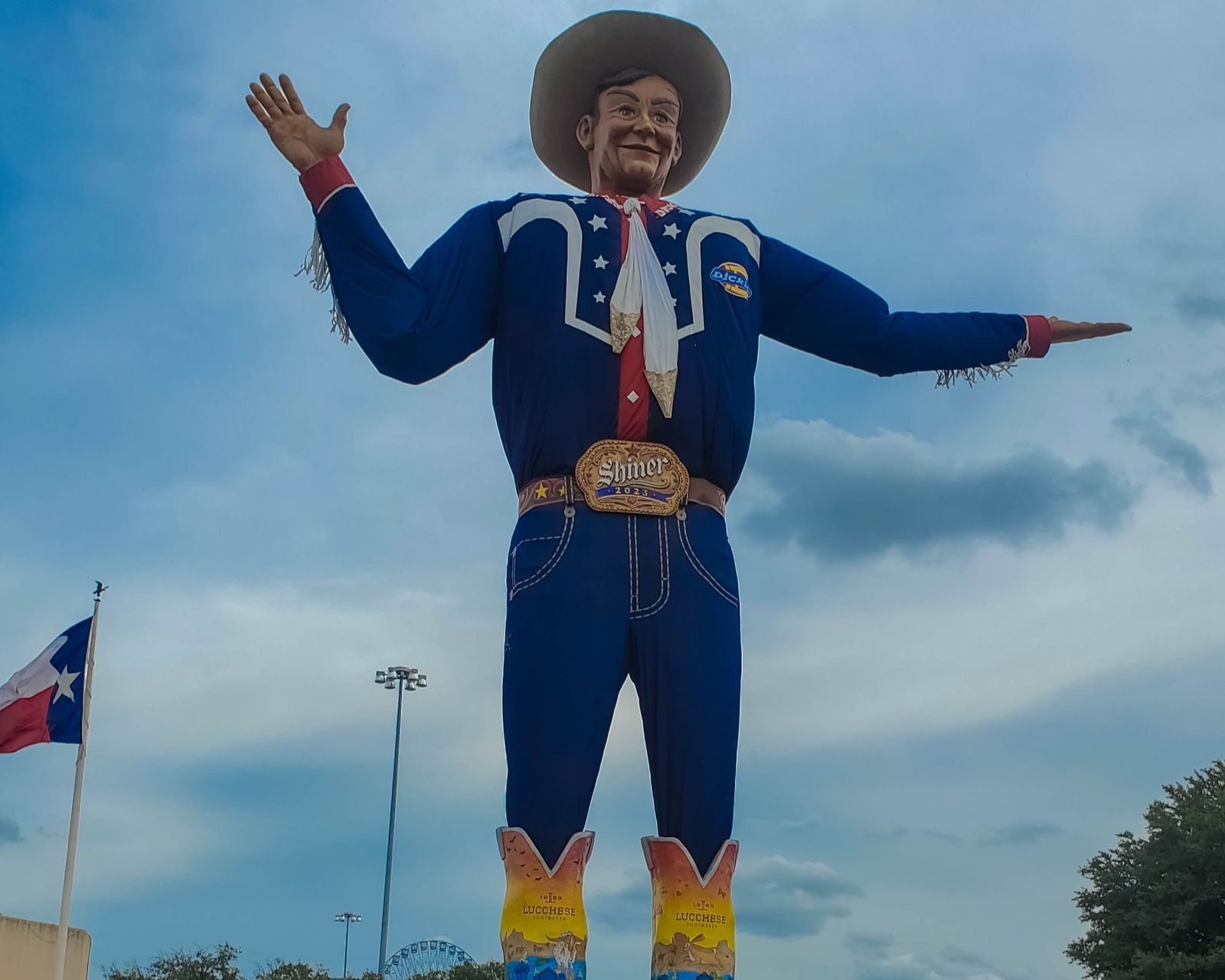
Have you ever seen a 55-foot cowboy? Then you haven’t been to the State Fair of Texas in Dallas. Since 1886, when two rival fairs merged into one, it has become one of the biggest and most famous in the country. More than 2 million people visit the fair each year to see Big Tex (the giant cowboy statue), try the fair’s inventive, over-the-top deep-fried food, and catch the annual Texas–Oklahoma football game at the Cotton Bowl.
Minnesota State Fair
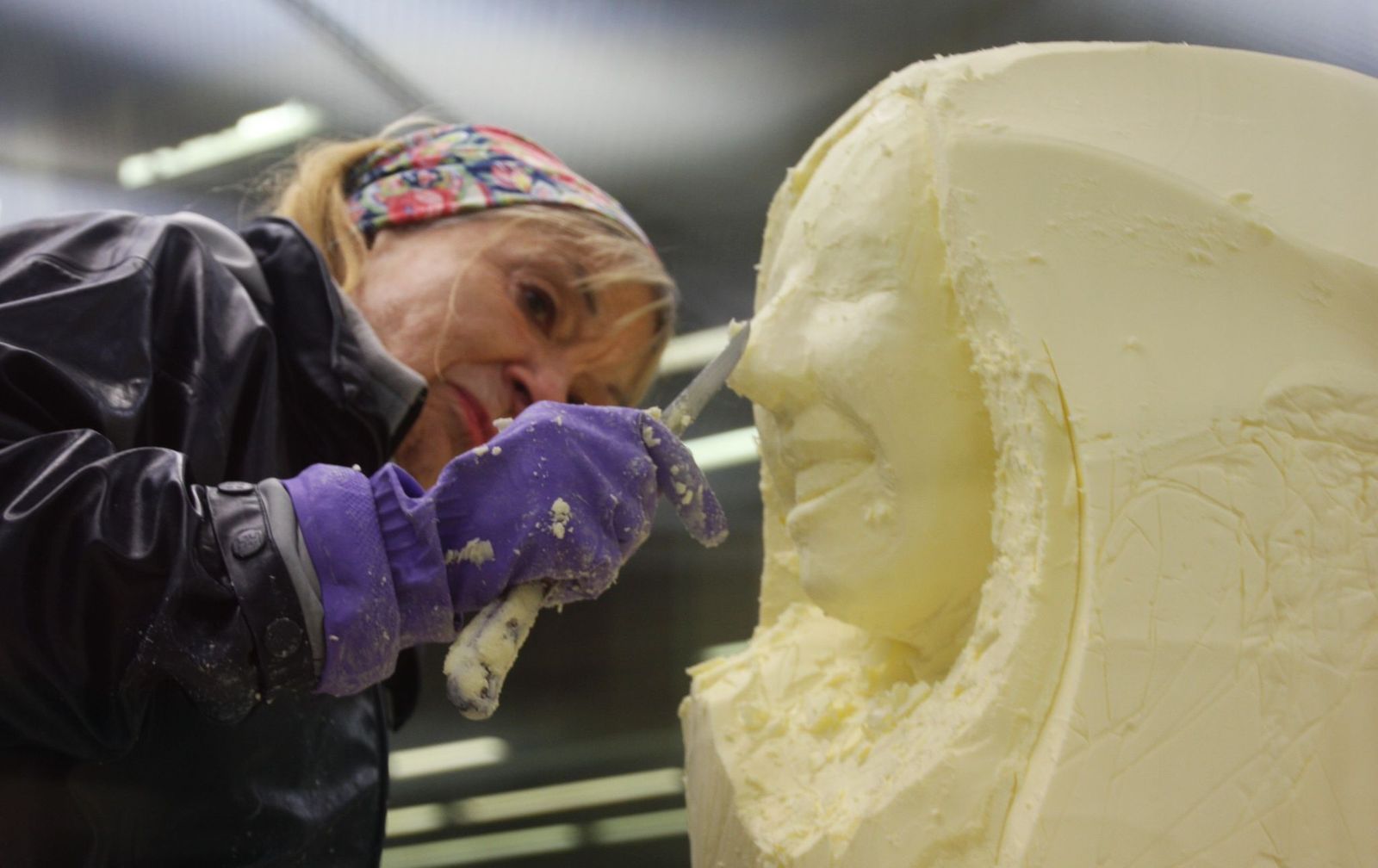
Have you ever had your face carved into a 90-pound block of butter? This is the prize you get if you are one of the finalists in the Minnesota State Fair’s Midwest Dairy Princess Kay of the Milky Way competition.
Minnesota held its first official State Fair in 1859, just one year after becoming a state. The event began as a showcase for agriculture that evolved into one of the largest fairs in the U.S., with roughly 177,000 visitors per day. The fair is also famous for its food-on-a-stick creations and Sweet Martha's Cookie Jar.
Iowa State Fair
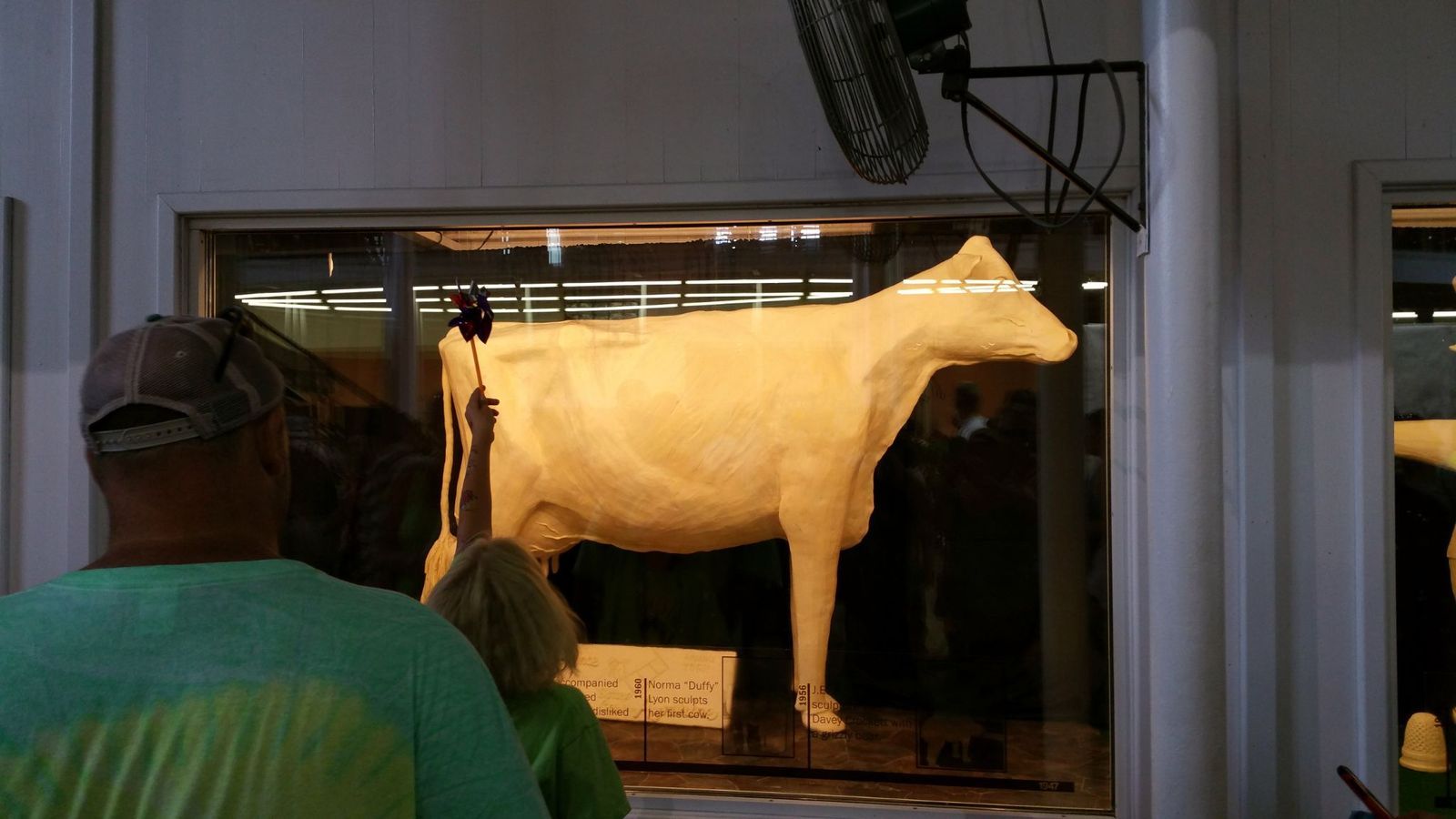
You don’t see a Butter Cow every day unless you attend the Iowa State Fair. Now held in Des Moines, the fair dates back to 1854. One of its signature attractions is the Butter Cow, a life-size sculpture made from 600 pounds of Iowa butter.
But the cow isn’t the only butter statue at the Iowa State Fair. Over the years, artists have created everything from Elvis Presley and John Wayne to Harry Potter and the Peanuts gang. More than a million people visit the fair every year to attend livestock shows, agricultural exhibits, concerts, food competitions, and more.
Tulsa State Fair
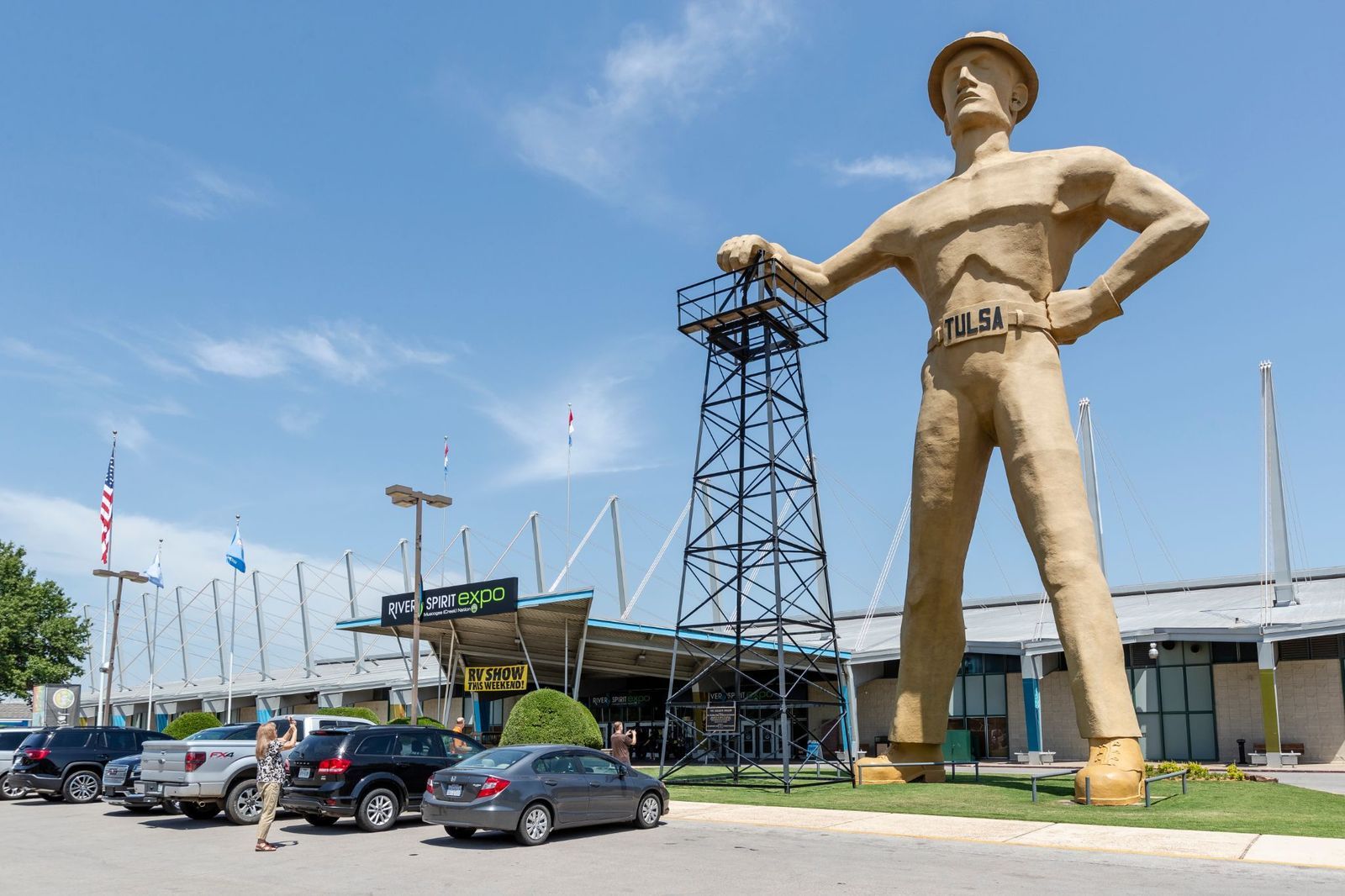
What's the one attraction you can't miss at the Tulsa State Fair? Most likely, it's the 76-foot-tall oilman statue standing right at the entrance. The fair began in 1903, but this massive statue came about later. In 1966, the 76-foot Golden Driller was built for the International Petroleum Exposition.
But there’s another landmark worth visiting at the fair: the historic Expo Square Pavilion, an Art Deco arena built in 1932 that can seat 6.311 people. The fair runs for 11 days and features livestock shows, carnival rides, games, and other classic fair attractions.
Wisconsin State Fair

If you have a sweet tooth, the Wisconsin State Fair may be the right place for you. Held in West Allis, this fair dates back to 1852 and is famous for its giant cream puffs—visitors eat around 300,000 cream puffs every year.
But the fair is more than just cream puffs; guests can check out some unique attractions like the Sporkies food competition, watch races at the historic Milwaukee Mile, and animal contests like rabbit long-jump and classic pig races.
The Big E

Did you know you could visit all six New England states in one day? You can do just that at the Big E, aka the State Fair of New England, held in West Springfield, Massachusetts. This 17-day fair brings the New England states together in its famous Avenue of States, where folks can see state-themed buildings and buy local products.
The fair began in 1917 as a way to promote agriculture, industry, education, and commerce across New England and grew into one of the largest and most unusual fairs in the country.
Washington State Fair
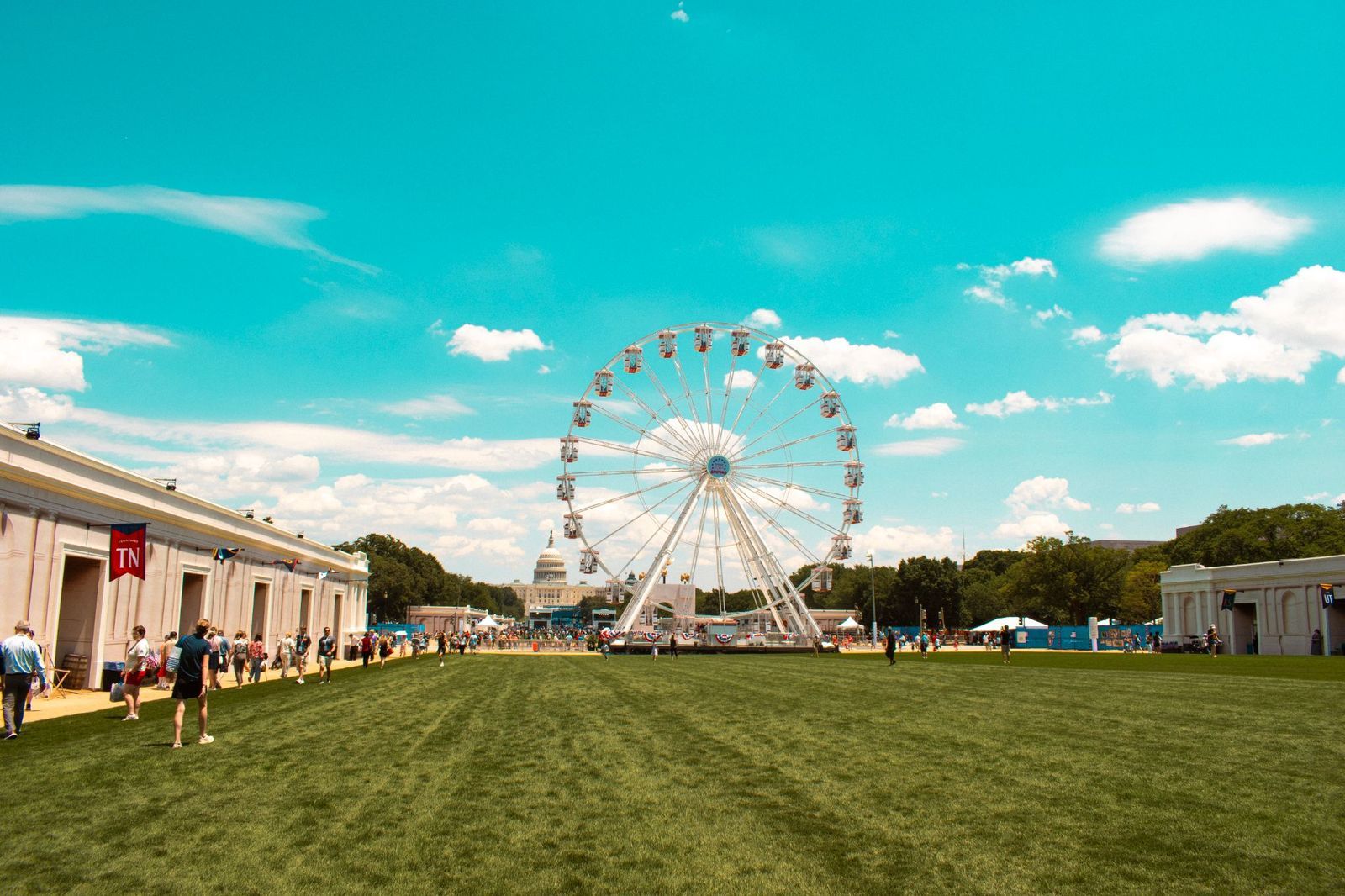
Imagine a scone so famous that a state fair celebrates its 100th anniversary. That's what happened at the Washington State Fair in Puyallup. The famous Fisher Scones originated in 1911 and have been the fair’s signature food since 1915. They are served warm with butter and raspberry jam, and in 2011 the fair celebrated the scones’ 100th anniversary and the sale of its 100 millionth scone.
The first Washington State Fair was held in 1900. Today, in addition to its famous scones, the fair is known for its concerts, rodeo, carnival rides, fair food, and livestock shows.
Arizona State Fair
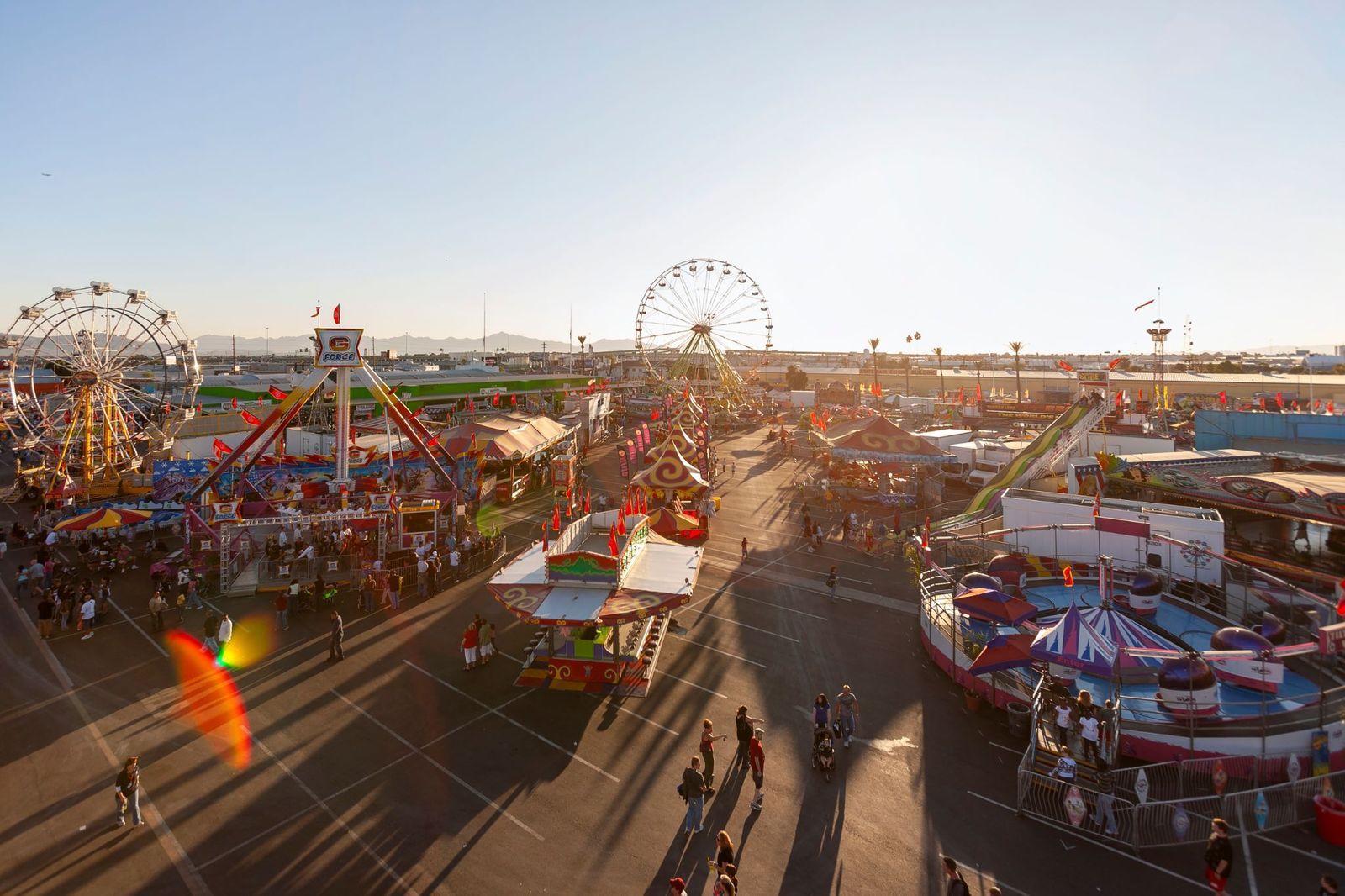
Did you know the Arizona State Fair existed before Arizona was even a state? The event began in 1884, nearly 28 years before Arizona officially became the 48th U.S. state. It started as an agricultural gathering in Phoenix that eventually grew into a celebration of Arizona’s culture.
Unlike many state fairs, this one takes place in the fall, from October to early November. One of the fair’s most notable landmarks is the Veterans Memorial Coliseum, which has hosted iconic people like Elvis Presley, Cher, and even Pope John Paul II.
North Carolina State Fair
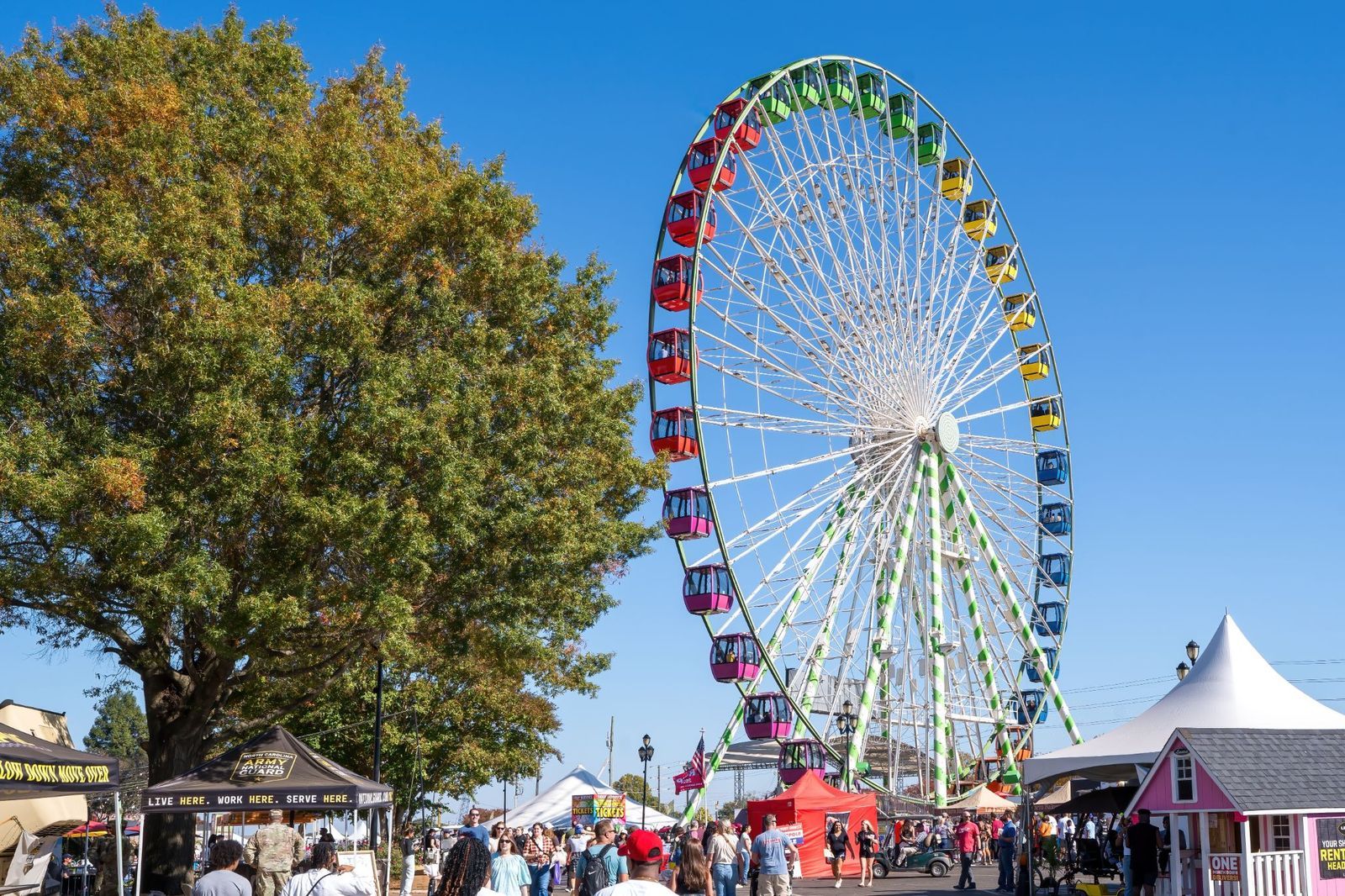
The North Carolina State Fair is 173 years old, but were you aware that it shut down during the Civil War? The fair began in 1853 as a way to promote better farming and agricultural innovation. In 1861, however, the fairgrounds in Raleigh were repurposed as a training camp for Confederate soldiers and later housed the Fairgrounds Hospital.
The fair returned in 1869 and has remained a state tradition ever since, welcoming some famous visitors, such as President Theodore Roosevelt in 1905, who gave a speech to fairgoers.
Oklahoma State Fair
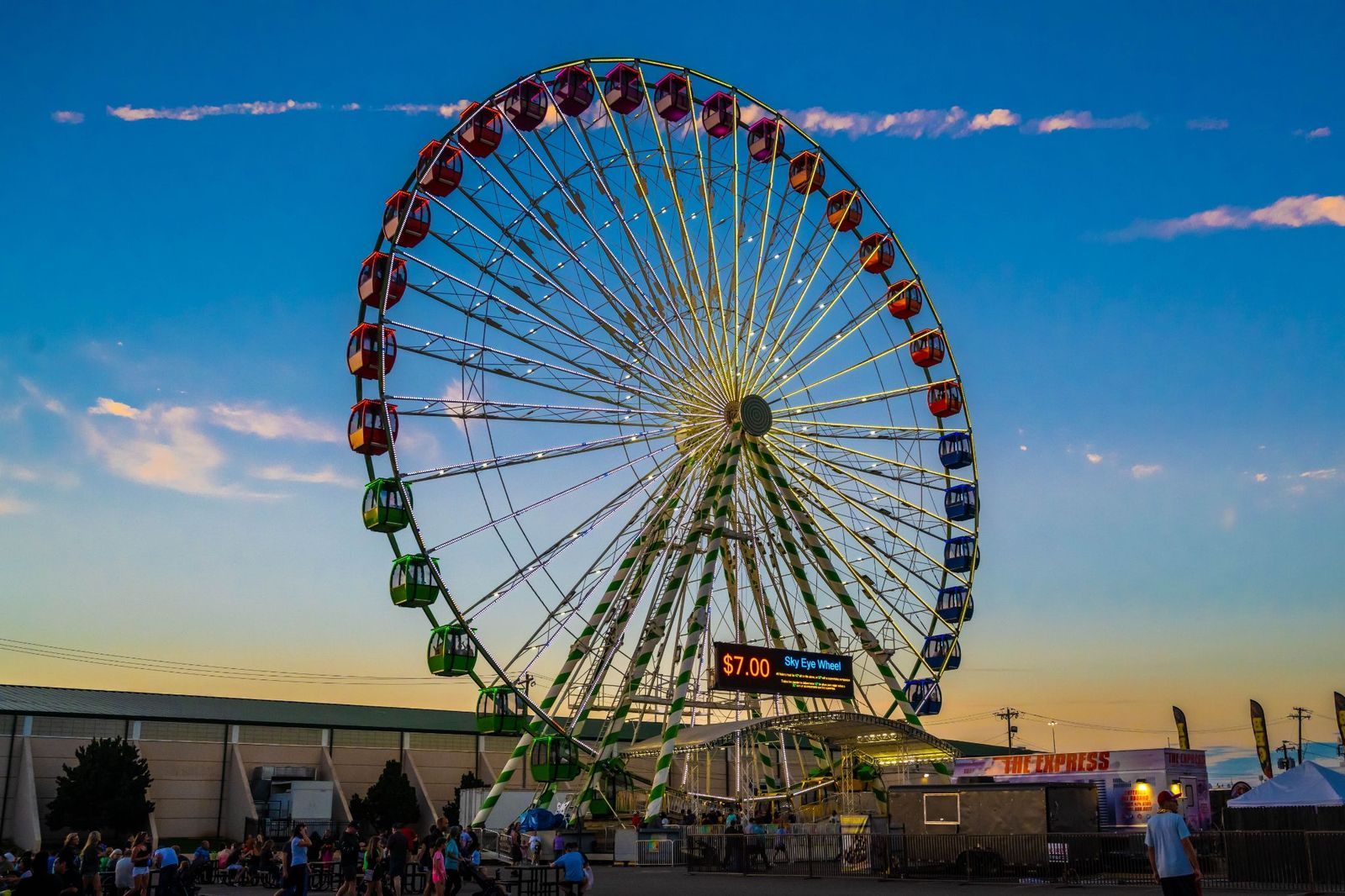
The Oklahoma State Fair opened in 1907, just six weeks before Oklahoma officially became the 46th state. This fair has made it through difficult periods, including World War II, when many fairs and other venues closed, but the Oklahoma State Fair managed to keep going.
In January 2026, the fair added a new landmark to OKC Fair Park: the Bolt Tower, a 72-foot sculpture that includes a 3D-printed time capsule filled with photos and memories connected to the fair.
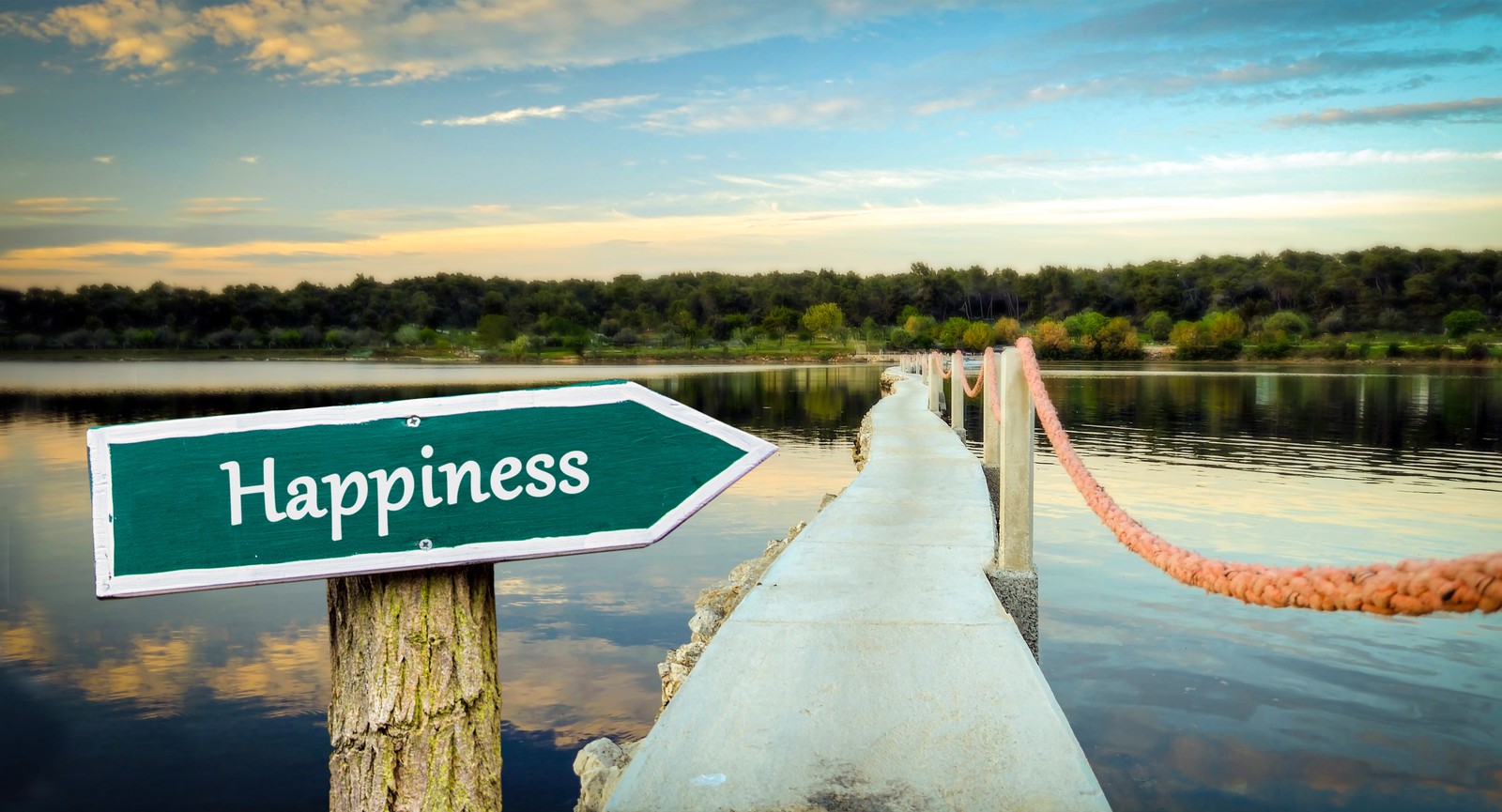
The 10 happiest cities in America in 2026
The 10 happiest cities in America in 2026
Maybe your town made the list. A new study by WalletHub ranked 182 U.S. cities according to 29 indicators across three broad categories: emotional and physical well-being, income and employment, and community and environment. Fremont, California, came out on top, with particularly strong scores in emotional and physical well-being and community and environment. Let’s see if one of these is your hometown, or perhaps somewhere you would consider your next happy place.
Fremont, California
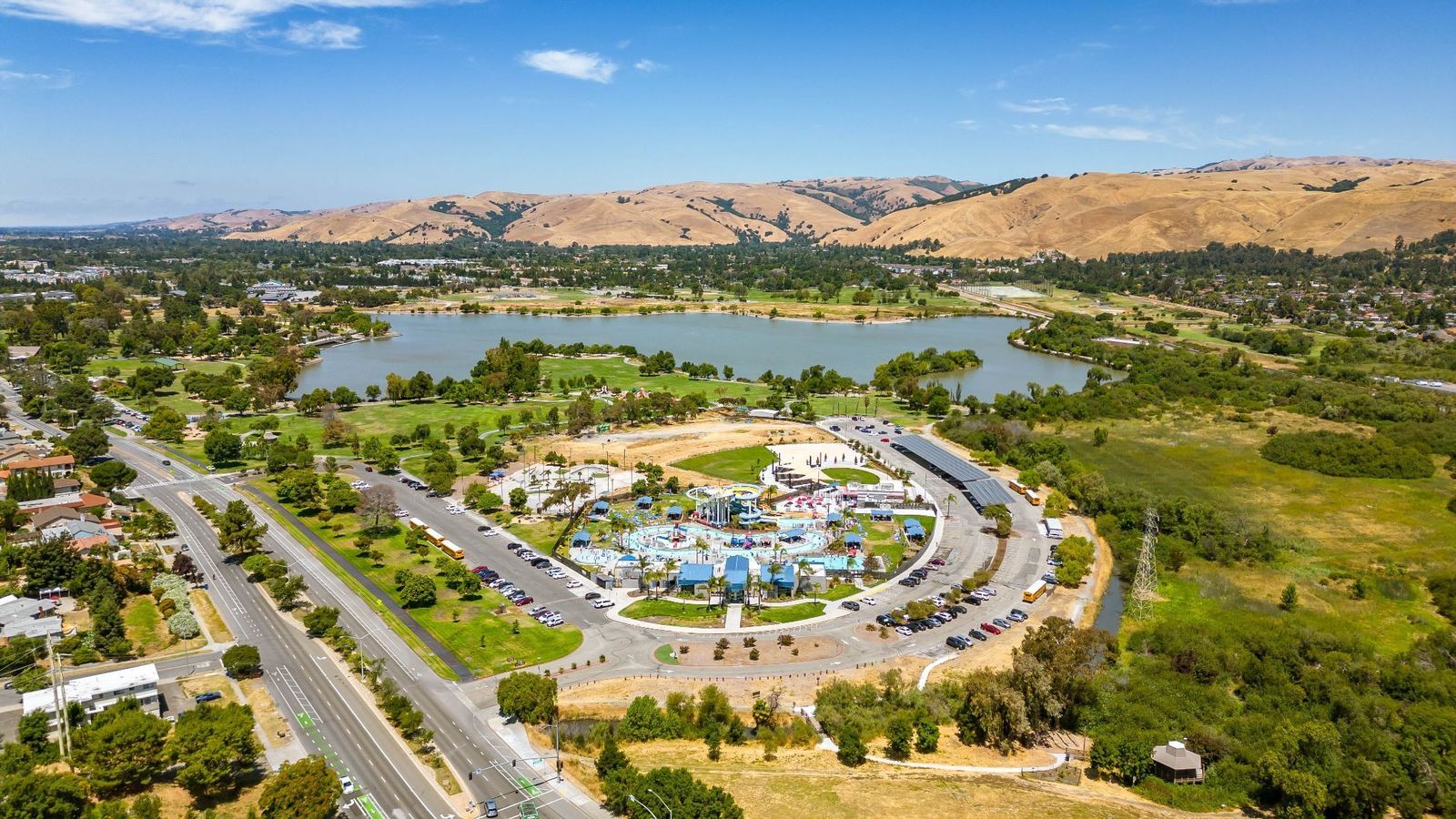
This city, located on the southeast shore of San Francisco Bay, leads the nation's happiness ranking. It has the highest percentage of households with an income above $75,000, with 79.7% of families exceeding that mark.
Fremont also has the seventh-lowest depression rate, the fifth-highest average life expectancy at about 82 years old, and the country's lowest separation and divorce rate, at 9.3%. WalletHub even notes that residents may be less inclined to move to Florida when they turn 65.
Bismarck, North Dakota
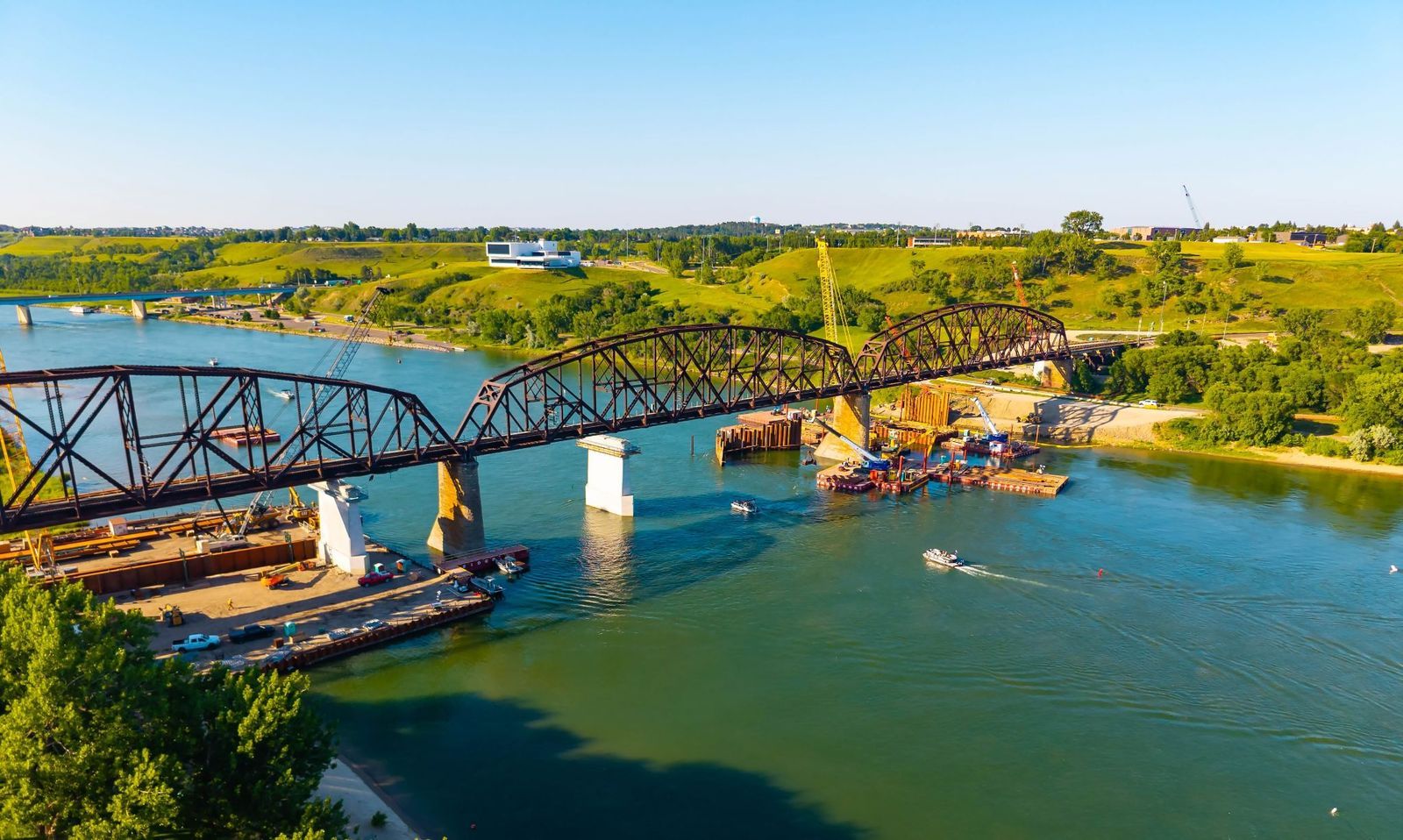
Bismarck, North Dakota, the nation's second-happiest city, stands out for its combination of good health, leisure time, and strong community ties. Residents have some of the most leisure time in the country, giving them more opportunities to relax, spend time with family and friends, and pursue their interests.
The city also boasts strong health and employment scores, helping it rank near the top overall.
Scottsdale, Arizona
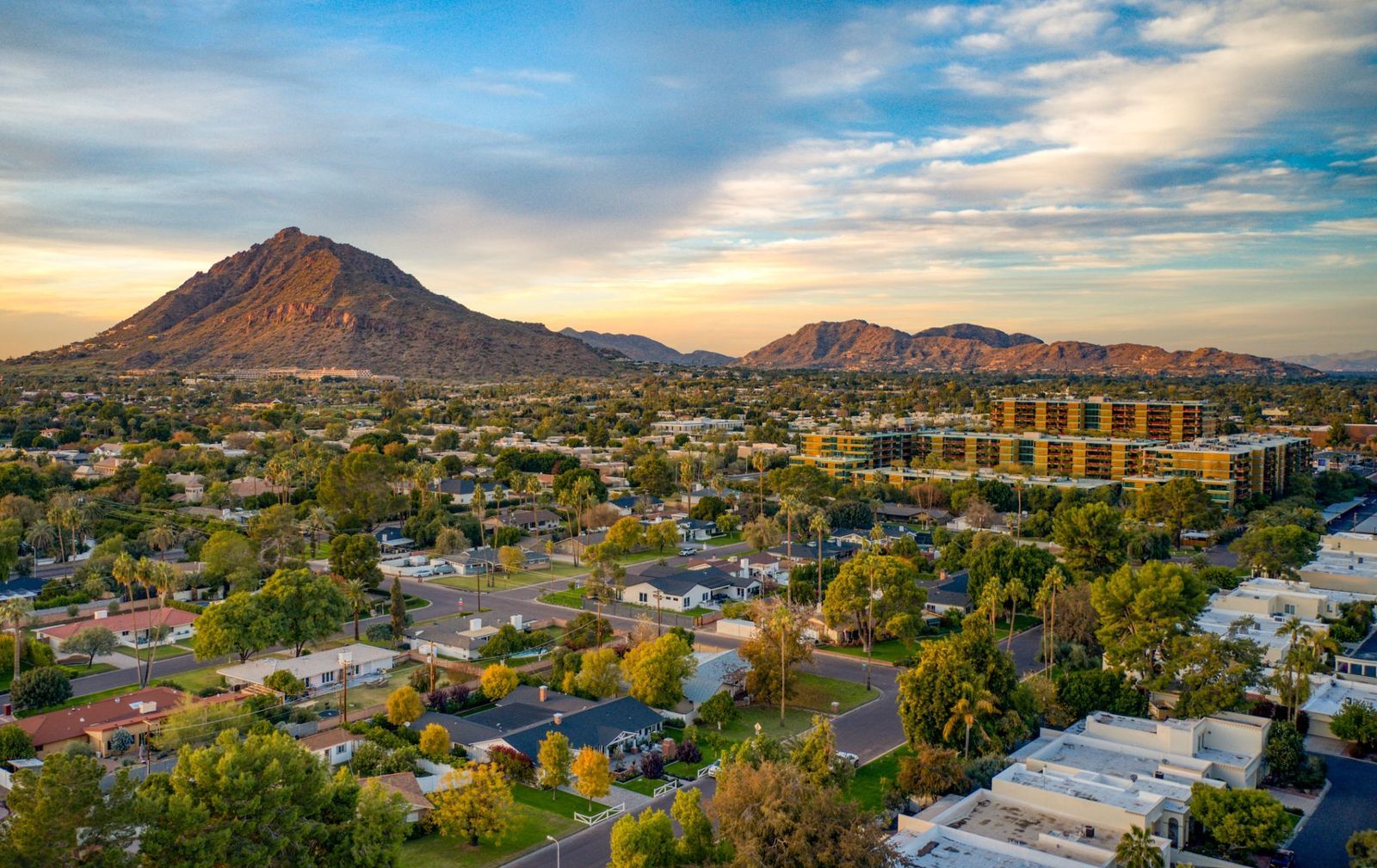
In Scottsdale, Arizona, almost 90% of residents report having good or better health, the third-highest in the country, while nearly 87% participate in some form of physical activity. The city also combines good health with financial stability: about 65% of households earn more than $75,000 a year, while the poverty rate is about 7%.
South Burlington, Vermont
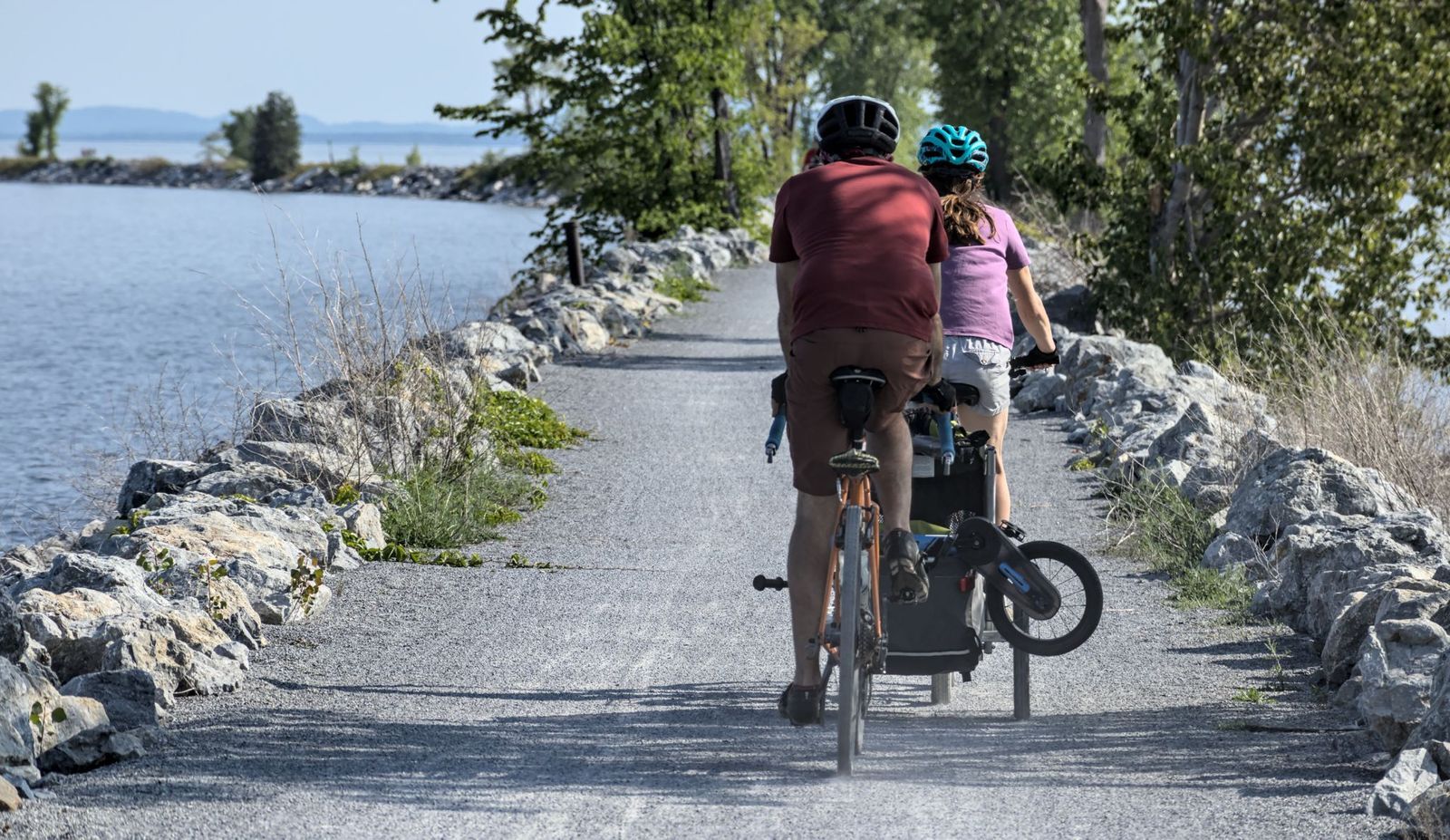
South Burlington, Vermont, ranked fourth overall and has the highest rate of adequate sleep in the study. Residents are also highly active, with the city recording the highest sports participation rate. Strong scores in emotional and physical well-being, as well as income and employment, further helped it reach fourth place.
Fargo, North Dakota
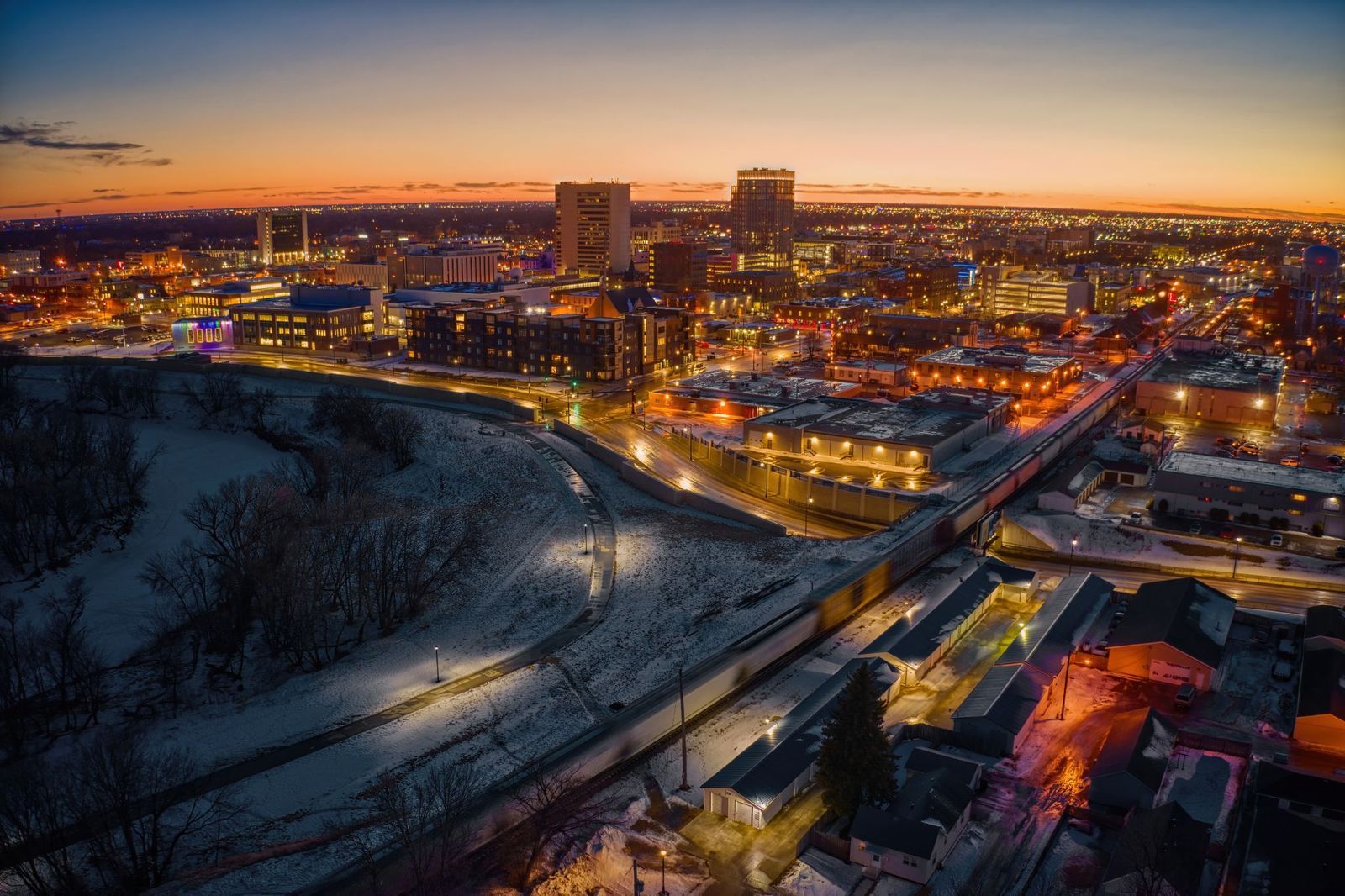
Fargo, North Dakota, not only has a movie and a series, both with the city's name in the title, but now also proudly ranks number five in the happiness rankings. According to the WalletHub study's results, its strength lies in its community.
Although winters can be brutally cold, residents consistently express high levels of life satisfaction, showcasing what tight-knit communities can do for emotional well-being, which also translates to good health.
Overland Park, Kansas
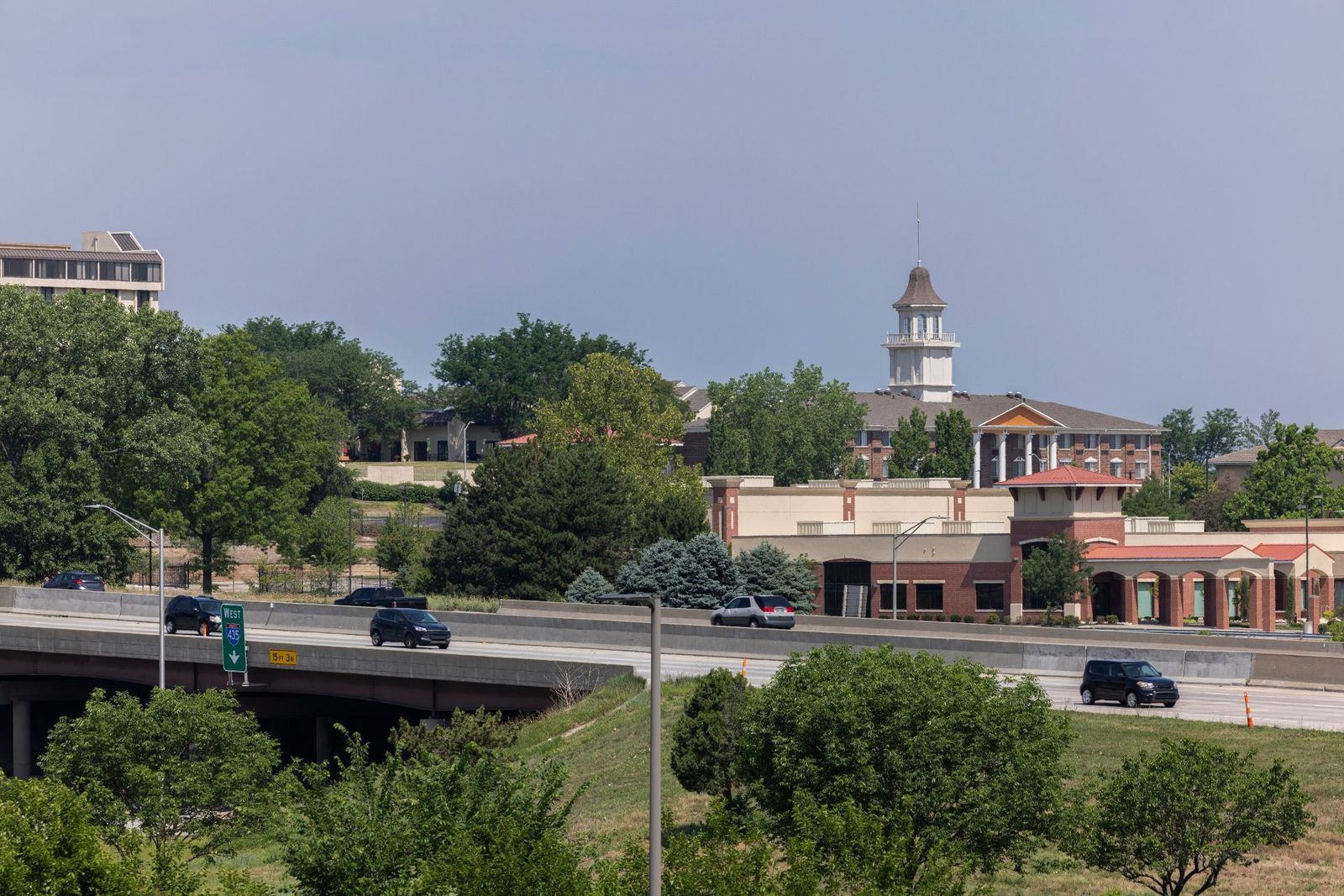
The second largest city in Kansas after Wichita, Overland Park hasn’t done badly at all, ranking at number six in the nation's happiness index.
It outshone the rest when it comes to health and joy, since it ranks second in the country in emotional and physical well-being, hand in hand with consistently high scores in mental health and personal life satisfaction.
Charleston, South Carolina
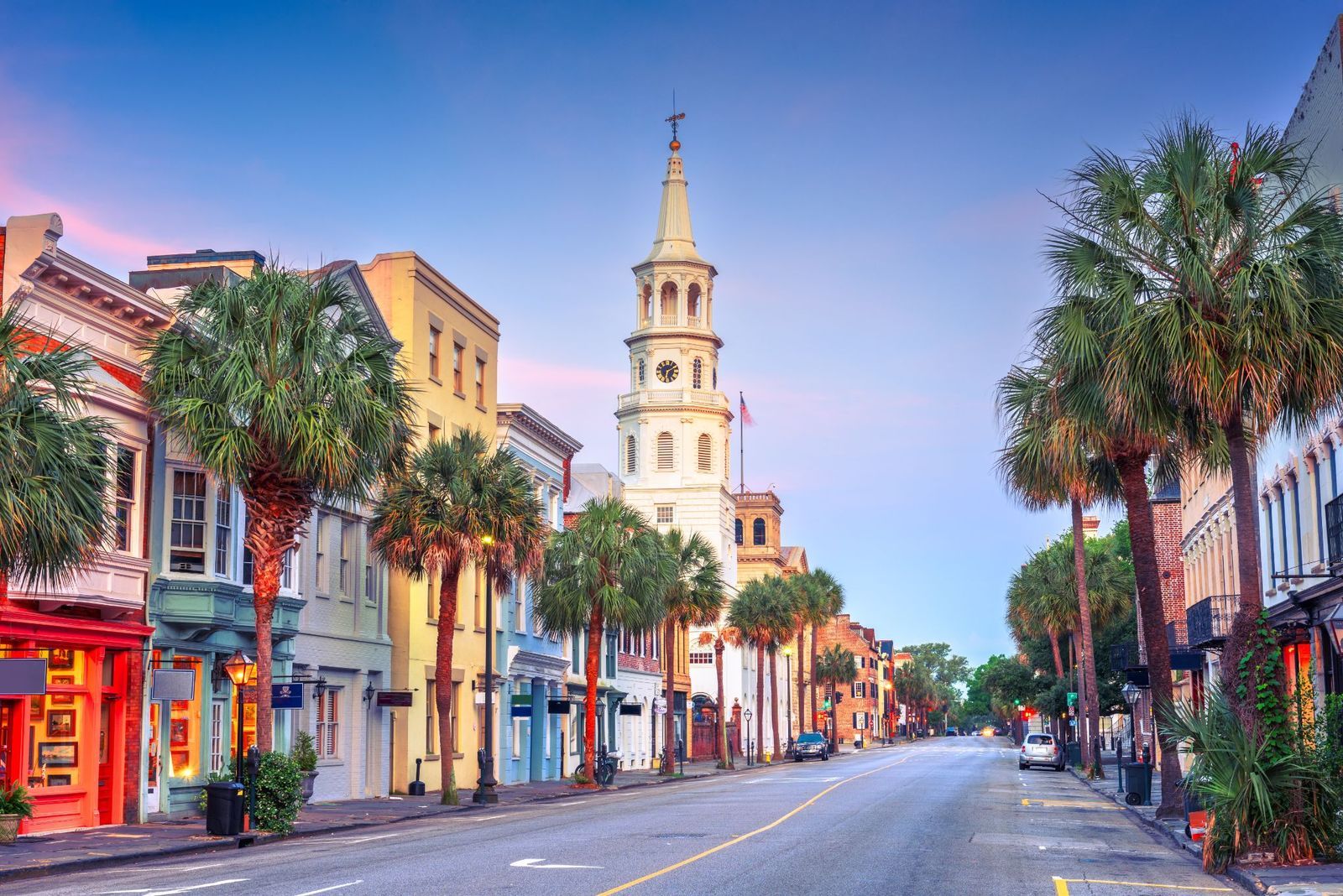
Charleston, South Carolina, proudly ranks seventh in this year’s ranking. When looking at its results in detail, it ranked third in community and environment and tenth in income and employment, giving it a particularly strong combination of community, lifestyle, and economic factors.
Irvine, California
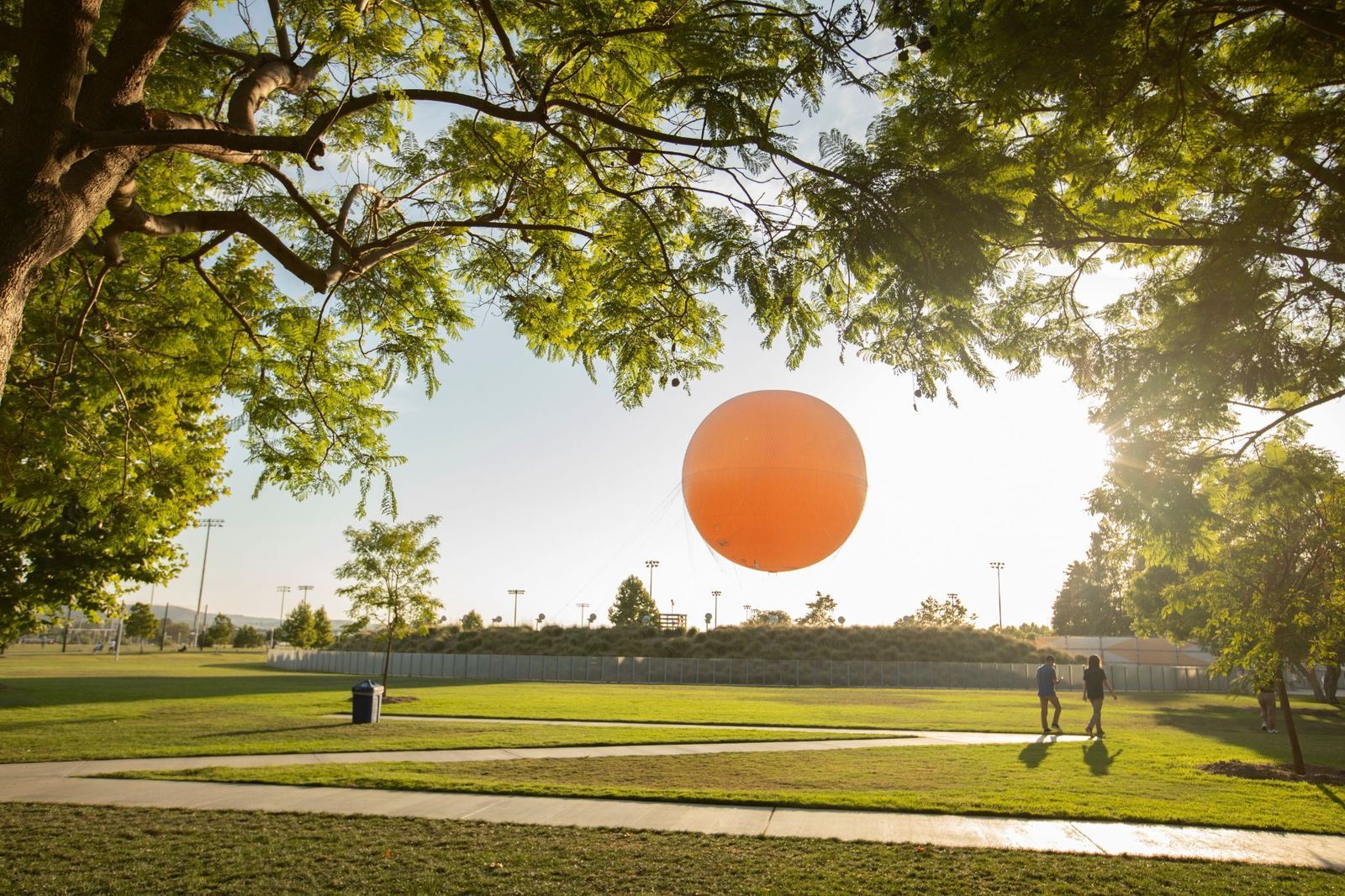
Residents of Irvine, California, ranked number eight overall and located one hour south of Los Angeles, report a high quality of life across the board, including top-tier scores in emotional and physical well-being. Simultaneously, it is also positioned as one of the safest cities in America, which goes to show how feeling protected is one of the quieter drivers of day-to-day happiness.
Gilbert, Arizona
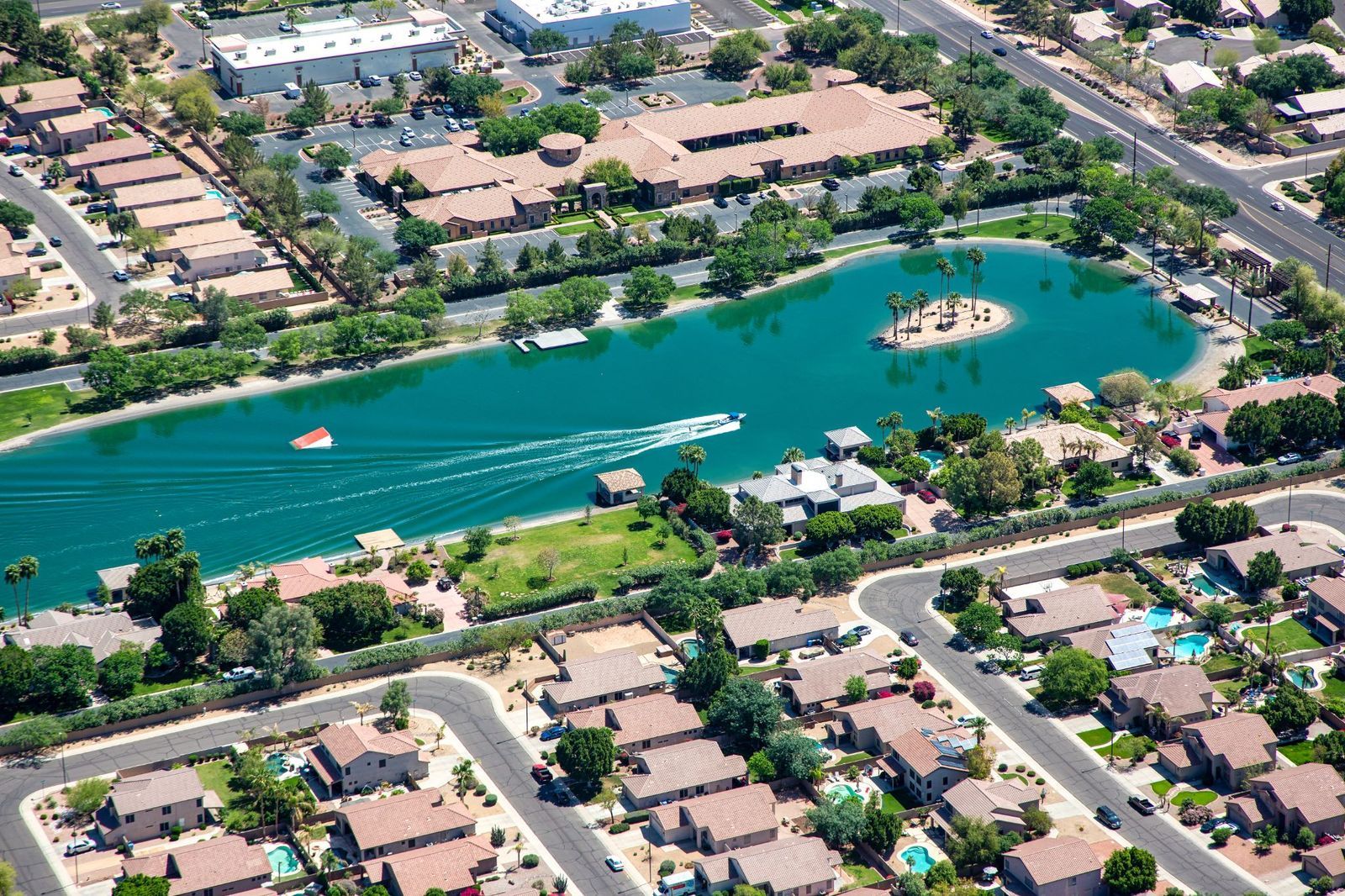
Gilbert, Arizona, came ninth in this joyous statistic, standing out from the rest because of its strong connections and community ties. Neighbors expressed feeling rooted, showcasing that a sense of belonging strongly impacts people’s well-being.
This town also came sixth in terms of community and environment, which takes into account factors such as weather, park space, and leisure time, among others.
San Jose, California
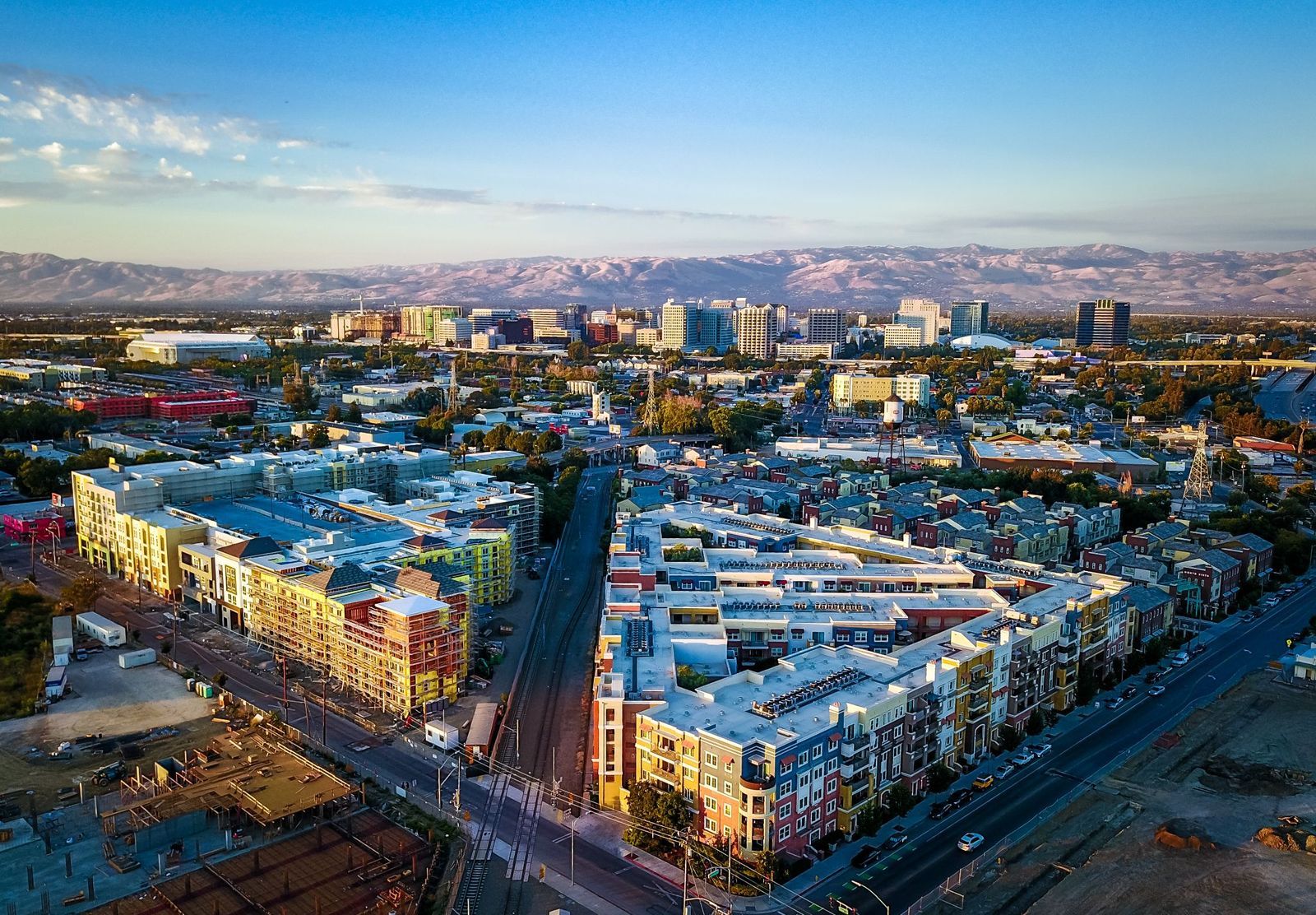
San Jose, California, rounds out the list at number 10 with a great combination of high incomes and overall peace of mind, described as a city with many opportunities, but where work-life balance might take a little more effort.
The Silicon Valley city also has 300 days of sunshine a year on average and, similar to Fremont, California, at number one, has one of the lowest marital separation rates in America.
Keep wandering
There’s always
more to explore

The surprising reason most cruise ships don’t fly the American flag
4 min.
Read Now
Do you still need a paper boarding pass? 10 must-know flying rules
5 min.
Read Now
Board the plane, do this right away, and land comfortably
6 min.
Read Now
Why do pros take amazing photos even with a smartphone? 12 tips explained
4 min.
Read Now