You probably never considered checking this before taking an Uber
 General
Safety first
You probably never considered checking this before taking an Uber
Picture yourself finally landing in that dream destination you’ve planned for months. You get to the hotel, go to the check-in… And the clerk shouts your room number across the lobby. Or maybe, you realize your phone is dead, and you’re stranded without a map. These little moments can turn a relaxing getaway into a stressful and unsafe one in a heartbeat. This guide is the ultimate pro-traveler checklist to keep your money, belongings, and your peace of mind fully intact while you explore the world.
Phantom companion
Imagine a trip in which you handle the itinerary all by yourself, you pick the stops, you manage the schedule, no compromises in sight. Solo travel can be a dream come true if you think of it that way. However, you don’t need to broadcast it. Using the pronoun "we" — as in saying "we’re headed to dinner soon" or "we’re having a great time!" when conversing with others—works wonders. Implying you have a companion nearby makes you less of a target and keeps you safe from possible opportunists.
Uber plate match
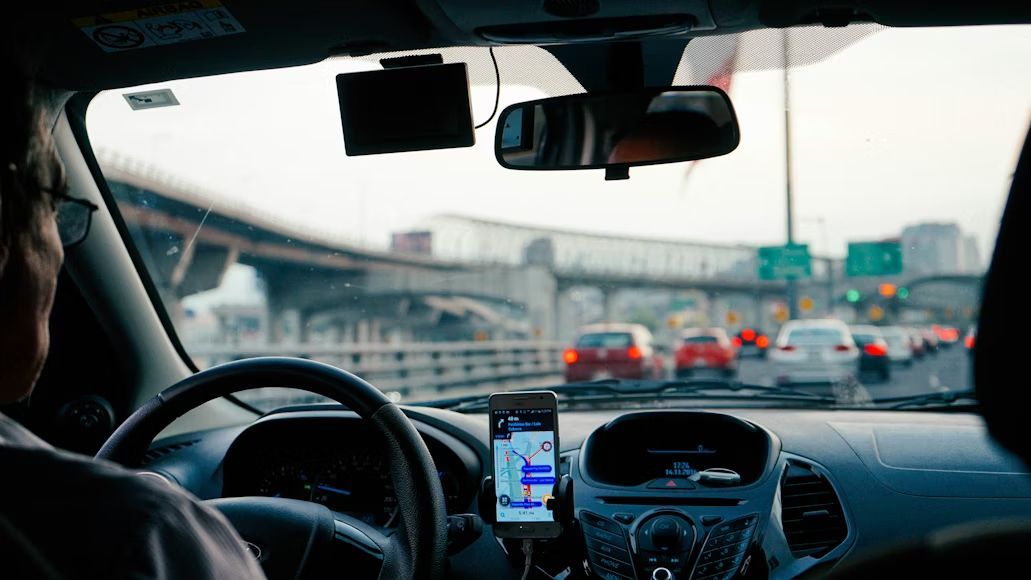
You’ve landed at the airport, there are people everywhere, luggage comes and goes, and you’re just trying to identify the Uber you ordered. That overwhelming situation can easily backfire. To avoid getting in the wrong car, make sure you match the license plate. Every transportation service app gives you the car model and the license plate — just take a quick look before you board, and you’ll be safe.
Extra tip: never ask "Are you here for [Name]?" The driver may say "yes" without thinking. Instead, let them tell you who they’re picking up; if they say your name, you know you’re in the clear.
Money location
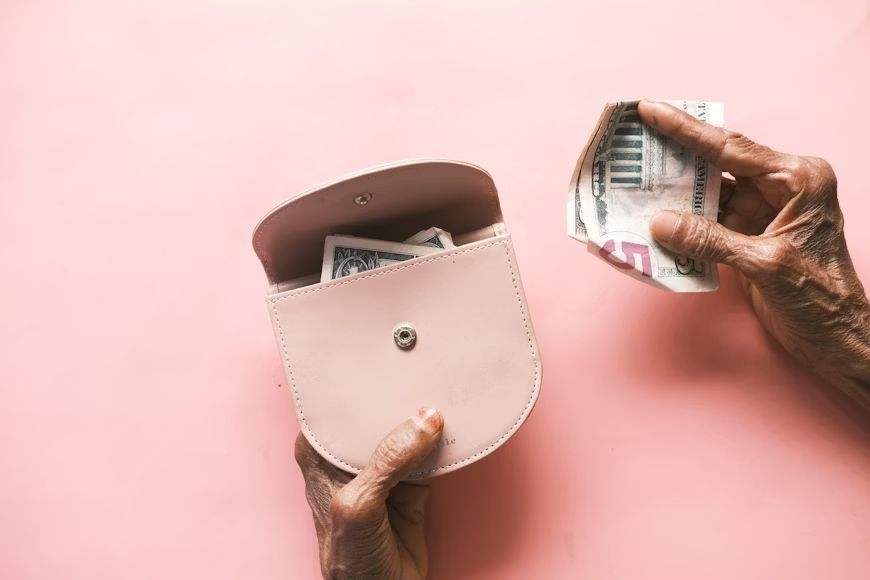
The oldest rule in the book is still the best: Never keep your cash in one place. It’s best to make things as difficult as possible for pickpockets. Split your cash between your main wallet and a hidden pouch tucked under your clothes. That way, even if the worst happens and one stash disappears, you’ll still have the means to keep your trip on track.
Check-in safety

Have you ever noticed? When you do your check-in, experienced clerks usually present a piece of paper with the rules of the property and the room number. They don’t usually say it out loud; they discreetly point at it instead. If a clerk announces your room number out loud, politely ask for a different room. It’s best to keep your location to yourself. Of course, reading the room also helps; maybe it’s nothing, but if something seems suspicious, better safe than sorry.
Destination research

Did you know that, in Greece, showing the back of your hand is disrespectful? Every culture has its own set of dos and don’ts, and they may seem upside down compared to what you are used to back home. What feels like a friendly gesture for you could be an insult somewhere else. Before you set off, spend some time researching the local customs and basic rules of your destination. It’s time well spent as it will allow you to move gracefully and avoid unintended trouble.
Wi-Fi safety
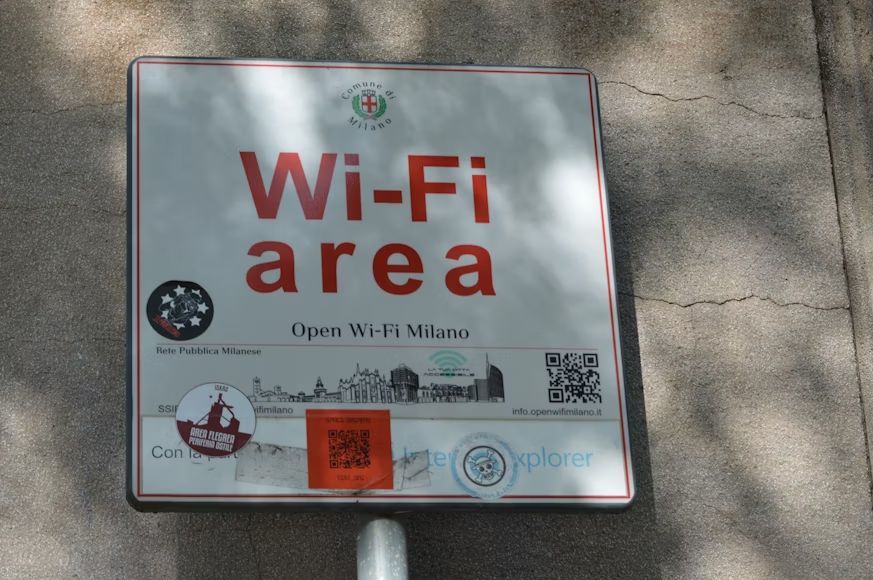
We all love free Wi-Fi when we’re grabbing a coffee in a charming square. However, those open networks are about as private as a conversation in a full elevator. Doing your money transfers around while connected to the local cafe’s internet can be risky. While it’s usually safe, try to avoid using an open network to do banking operations. Wait until you’re back in your hotel room; patience pays off in this case.
Unofficial inspections
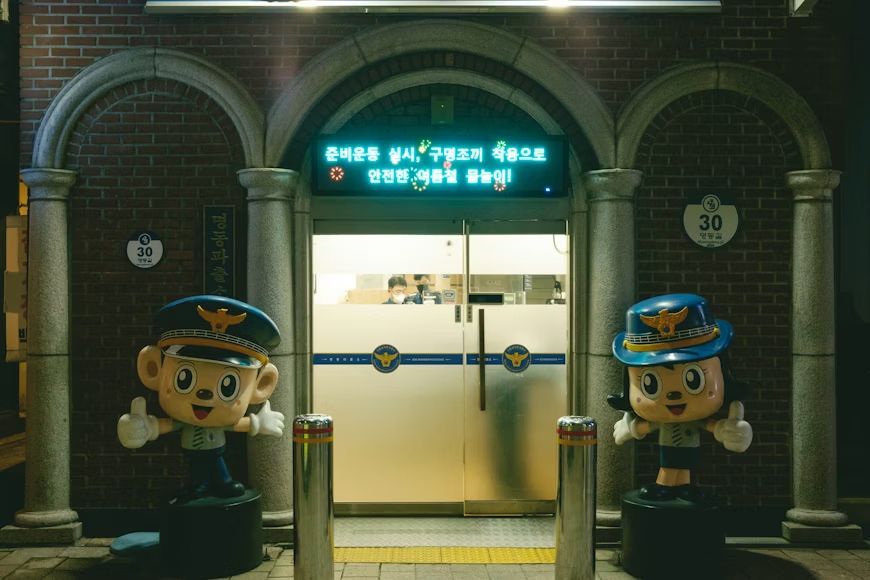
Not every inspection is official, and in popular tourist hubs, someone may claim they are police officers and ask to conduct an inspection of your passport. They can be very convincing, but if something feels off, trust your intuition and don’t let them go through your stuff. A real police officer will have no problem walking with you to the nearest official station to conduct any official business. Simply insist on moving to a formal office before handing anything over. If they are scammers, they’ll scurry off the moment they see you know the ropes.
Connections
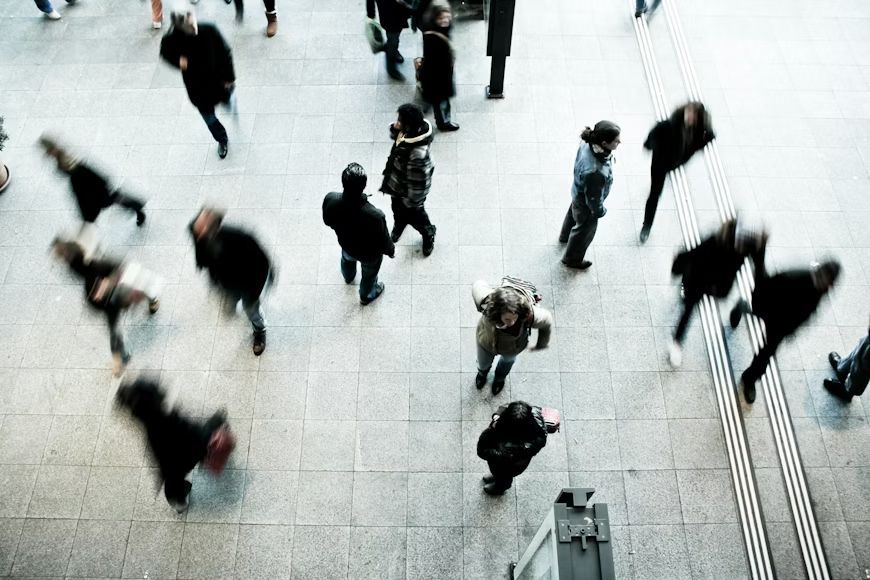
If you think a crowded terminal is a safer place due to the number of people, think again. In crowded places like tourist spots or airport terminals, tech-savvy thieves can actually be scanning you using special apps. To prevent this, you simply have to turn off your Bluetooth or the "Find My" feature, which can be used to signal the bags with a pricey tablet or laptop inside. Fly off the radar while you’re in those places, and your belongings will remain secret and safe.
ATM test
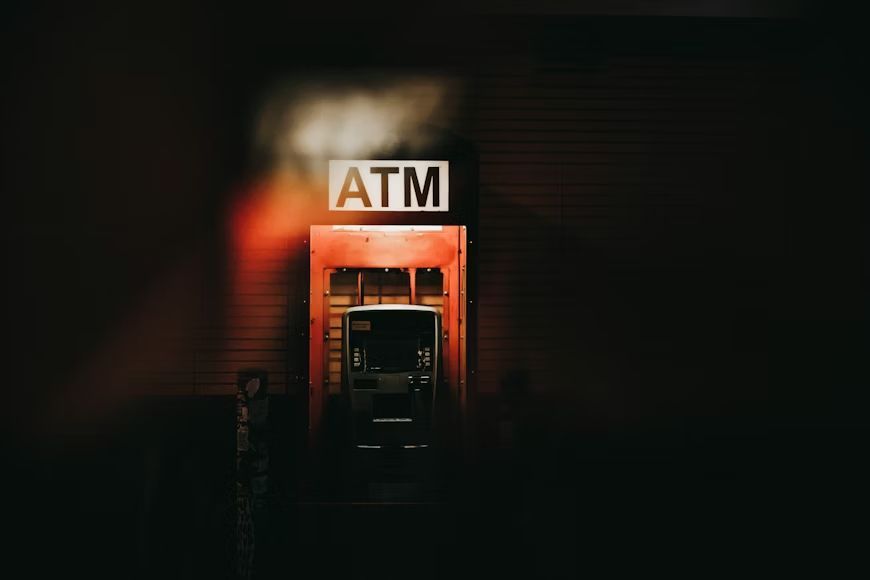
Before you slide your card into an ATM, give the card slot a good, firm tug. If the plastic feels a bit loose or looks unusually bulky, simply walk away. It’s not you being paranoid; it’s just a way for scammers to steal your data. Authentic ATM parts are immovable; they won’t budge. It only takes a second to check, and it’s the best way to make sure your holiday goes as planned.
Portable charger
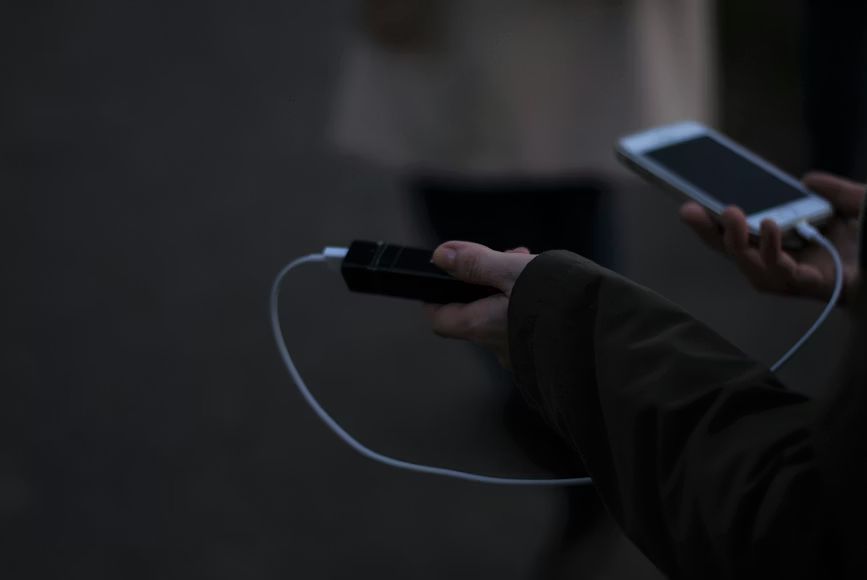
You’re having a dream trip, you’re visiting a majestic church, and you want to snap a picture of it, only to realize your phone is dead. Traveling usually means day-long walks with few stops and fewer chances to charge your phone. Carrying a small portable charger is a total game-changer. It ensures you’re never left high and dry in a foreign country without a way to call for a ride or check your flight status.
Offline maps
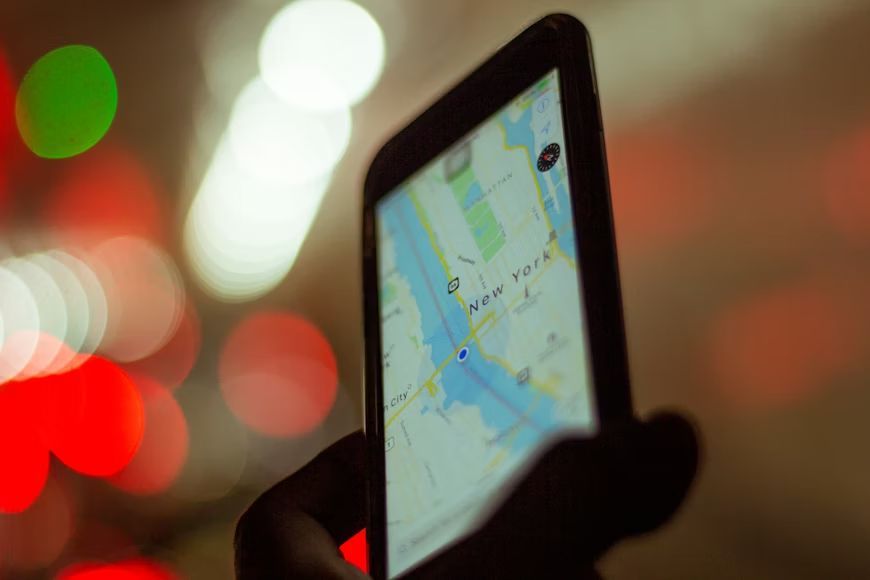
Every seasoned traveler has experienced a time when the GPS started spinning in circles on a quiet street with no signal. Coverage abroad is uncertain most times. To keep that possibility at bay, make it a habit to download offline maps of your destination before you leave home. In addition, it’s always a good idea to have a physical card of your hotel or a notepad with the addresses written down to show the taxi driver and get back home with no problems.
Keep wandering
There’s always
more to explore

These safety tips for traveling abroad are a game-changer
5 min.
Read Now
 Culture
Think twice before ordering this specific drink in Ireland
5 min.
Read Now

Are these 12 local treats worth a trip? 12 U.S. regional dishes
3 min.
Read Now
Buying a plane ticket? Better double-check these items before
3 min.
Read Now