Would you actually go there? 10 creepy places most people refuse to visit
 General
Where fear lives
Would you actually go there? 10 creepy places most people refuse to visit
Would you go where others have fled in fear or vanished without a trace? From abandoned prisons to cursed islands, these locations have one thing in common: people don’t come back the same, and even locals refuse to go near them after dark. If you dare, let’s uncover 10 of the scariest places in the world.
Eastern State Penitentiary (USA)
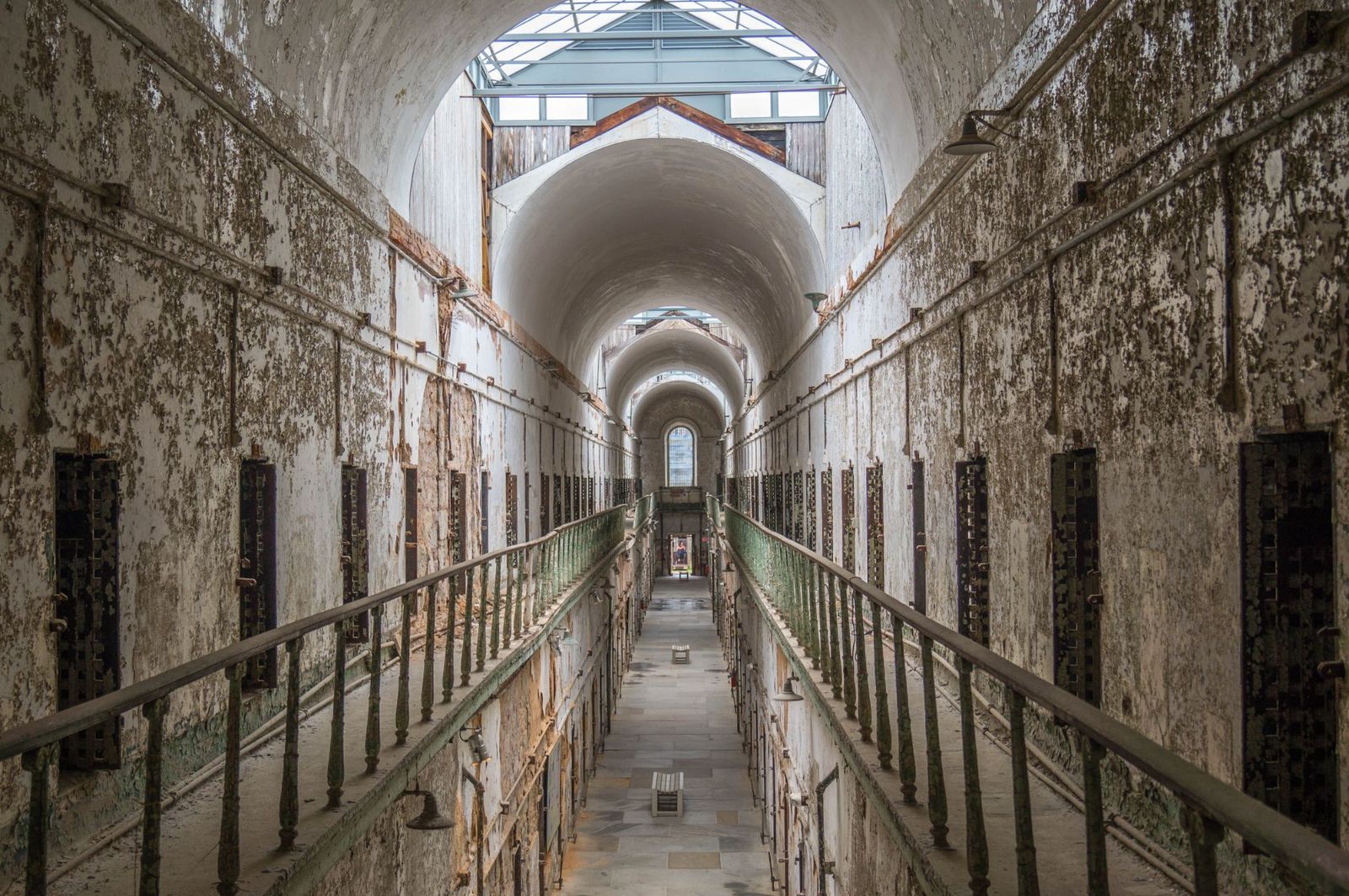
Believe it or not, Eastern State Penitentiary in the U.S. was the world's first penitentiary, designed to inspire true remorse through brutal solitary confinement and some of the harshest punishments imaginable, so harsh that many went insane as a result.
Even notorious mobster Al Capone claimed he was haunted there by the ghost of one of his victims. Located in Philadelphia and opened in 1829, shadowy figures are said to still pace the empty corridors to this day.
Island of the Dolls (Mexico)

Have you ever felt so frightened that you heard whispers and sensed objects moving on their own? That’s precisely what many visitors to the Island of the Dolls in Mexico have reported.
Located in the Xochimilco canals south of Mexico City, the spooky floating garden is officially recognized as home to one of the largest collections of haunted dolls in the world, adorned with thousands hanging from the trees; some decaying, others eyeless, all terrifying.
Skinwalker Ranch (USA)
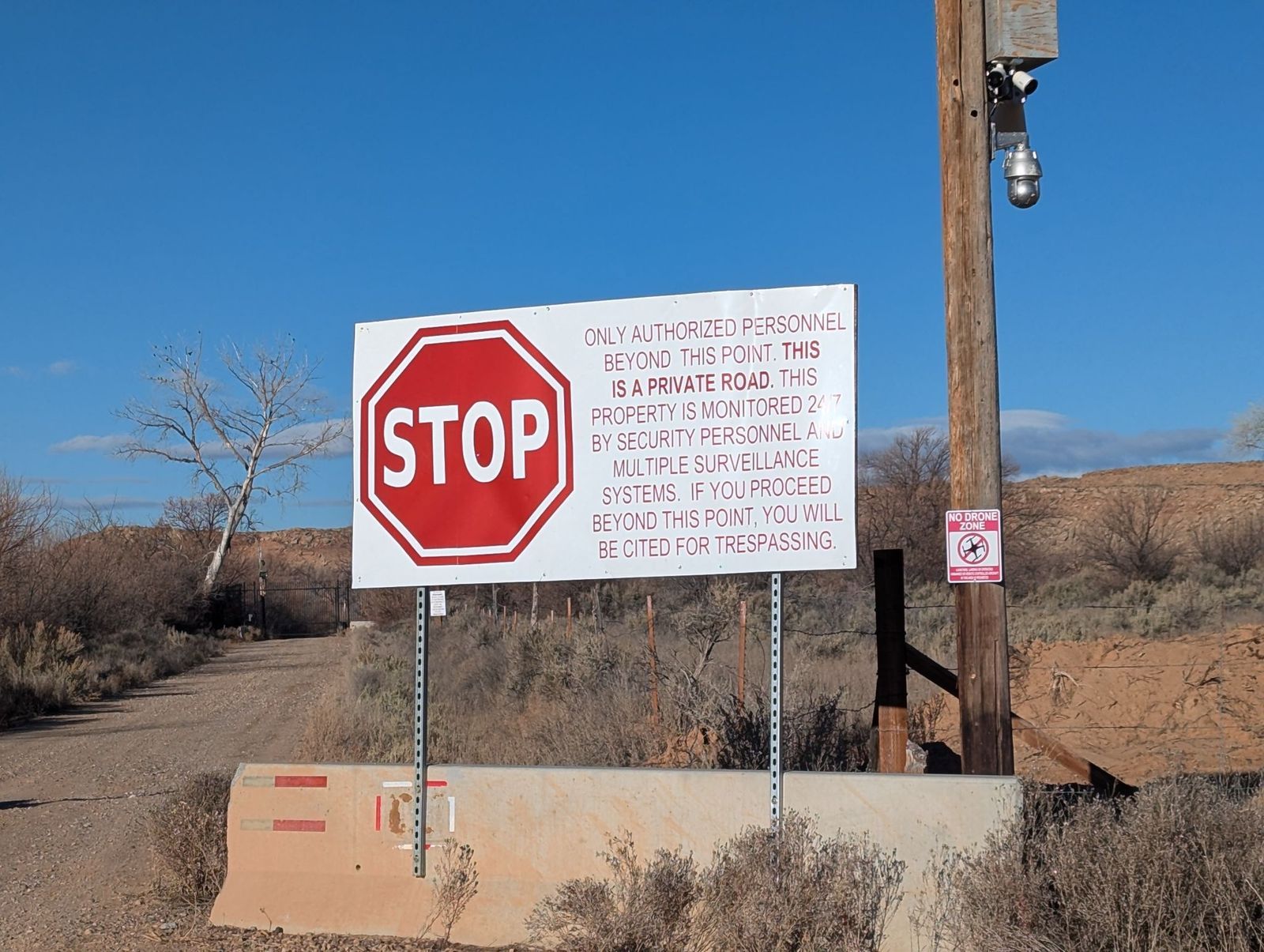
Because of persistent reports of UFO sightings and invisible forces causing sudden equipment failures and illnesses, the highly secure site of Skinwalker Ranch remains almost entirely off-limits to the public.
It is a 512-acre property located in the Uinta Basin of Utah, where the Gorman family moved in the 1990s and fled soon after due to countless unexplained experiences. Local folklore attributes the ranch’s eerie reputation to the "Skinwalker," a shape-shifting witch from Navajo mythology who is said to roam the land.
Hoia Baciu Forest (Romania)
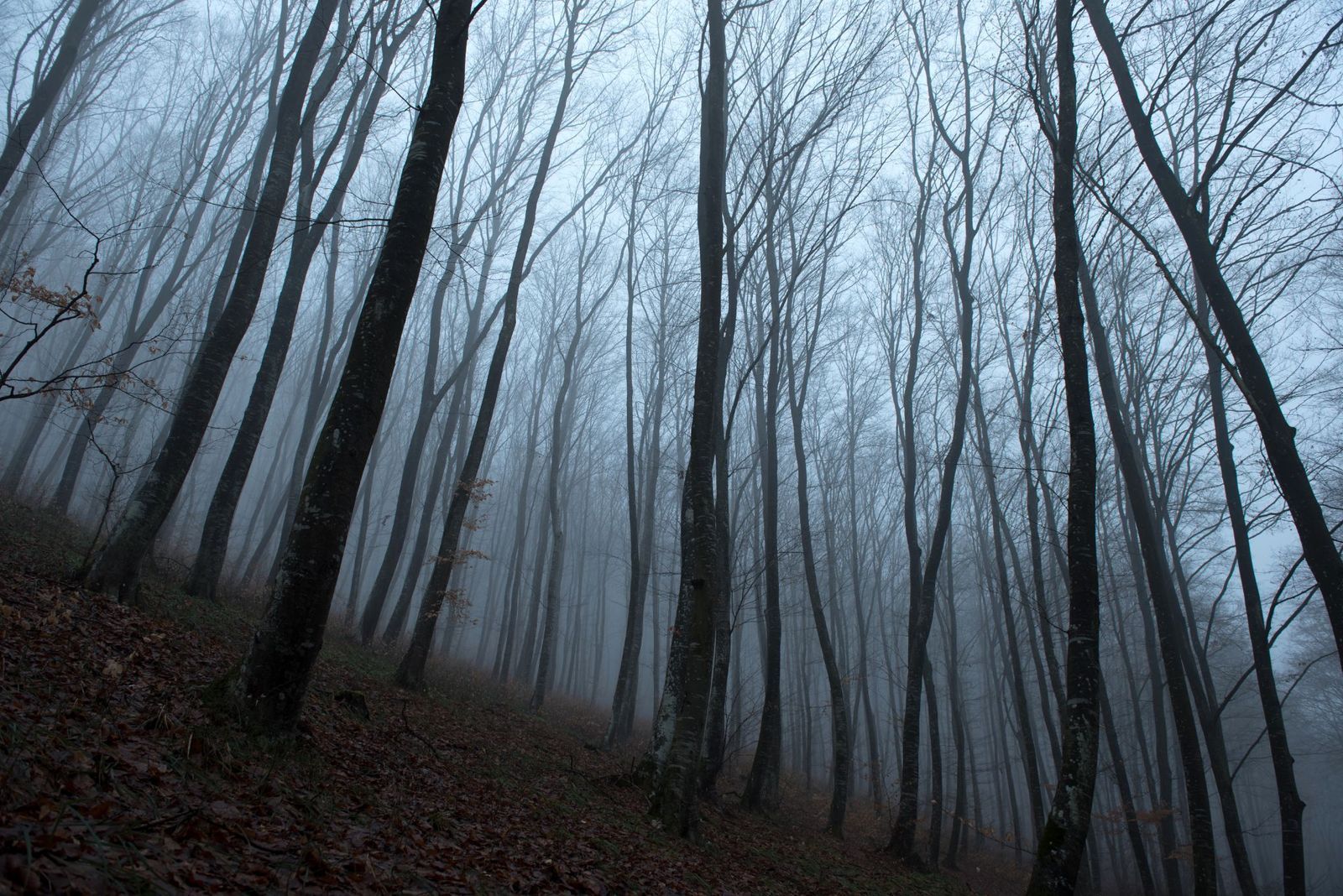
If you were told that the forest got its name from a local shepherd who vanished without a trace alongside his flock of 200 sheep, would you believe it? And that at the center of the woods lies a perfectly circular clearing where no vegetation can grow, despite soil tests being unable to explain it, would you want to visit?
This is what the Hoia Baciu Forest in Romania is all about. Even so, easy-to-follow hiking trails are available, although guided tours are recommended, as it's easy to become disoriented when you enter.
Poveglia Island (Italy)
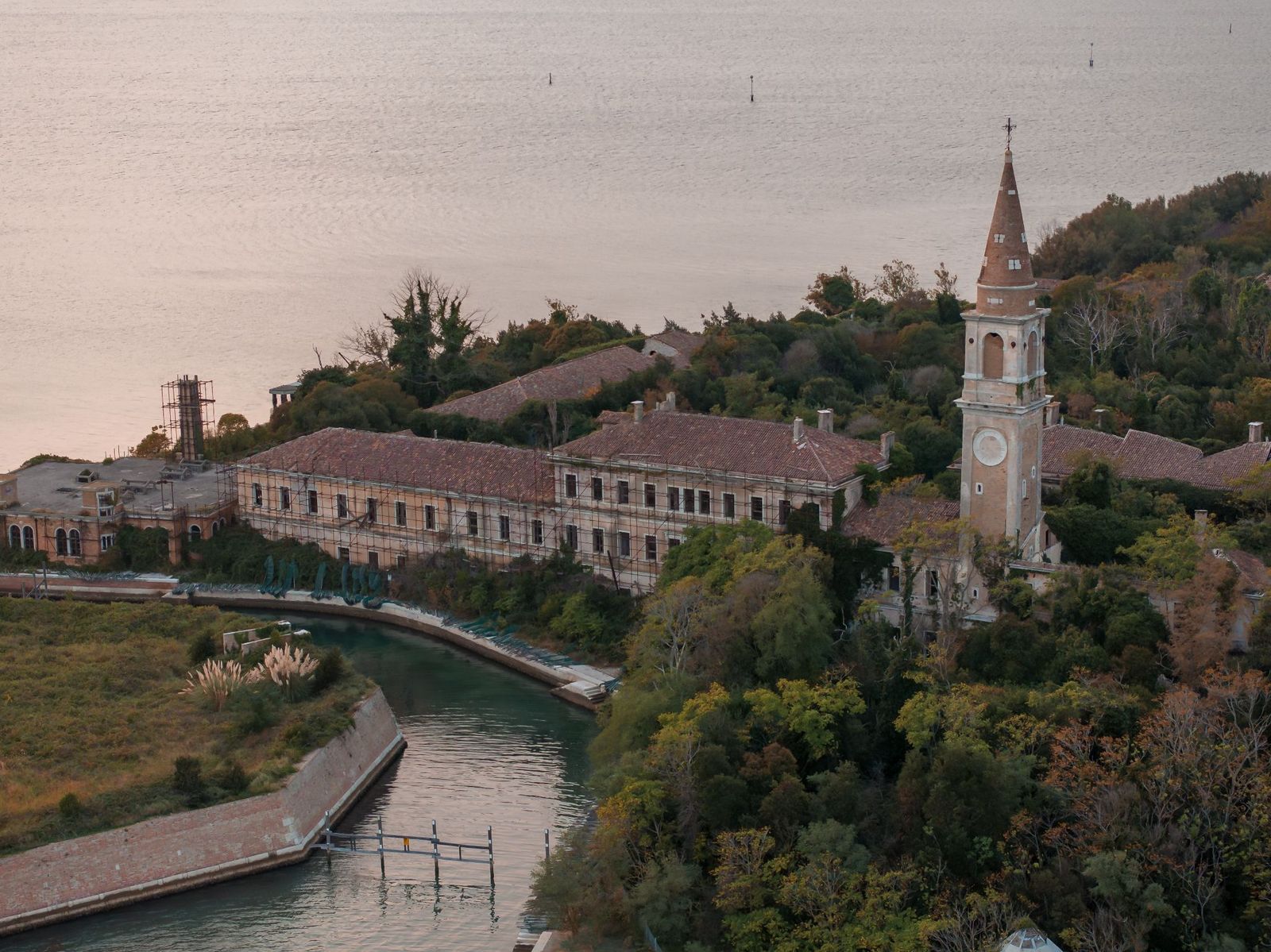
This is a place with such a dark history that even if you want to visit, you can’t. Poveglia Island, located between Venice and Lido in Italy, is off-limits to the public primarily due to severe safety hazards and its horrific history.
During the bubonic plague outbreaks, Poveglia was the final destination for the sick and dying. It initially served as a quarantine station, and later as a psychiatric ward. To this day, even local Venetian fishermen continue to avoid the area.
Bhangarh Fort (India)
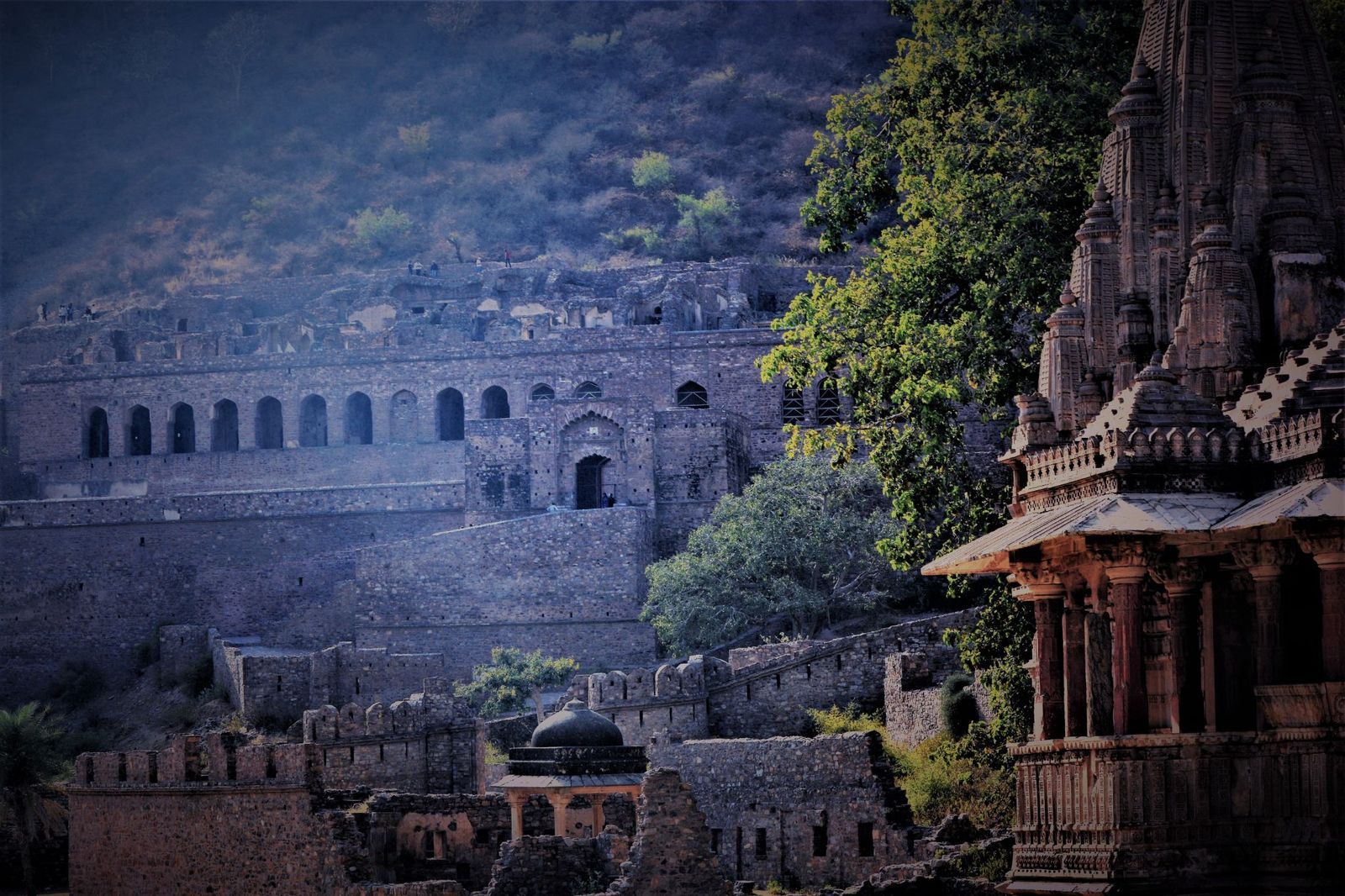
Have you ever arrived somewhere and immediately felt like you should leave? Many people have that reaction at Bhangarh Fort in India, which is widely known as "India’s most haunted place."
It was built in the 17th century by Raja Madho Singh, and since then, several paranormal legends have been recorded. Because it's widely believed to be haunted, the Archaeological Survey has officially banned entry between sunset and sunrise.
Edinburgh Vaults (Scotland)
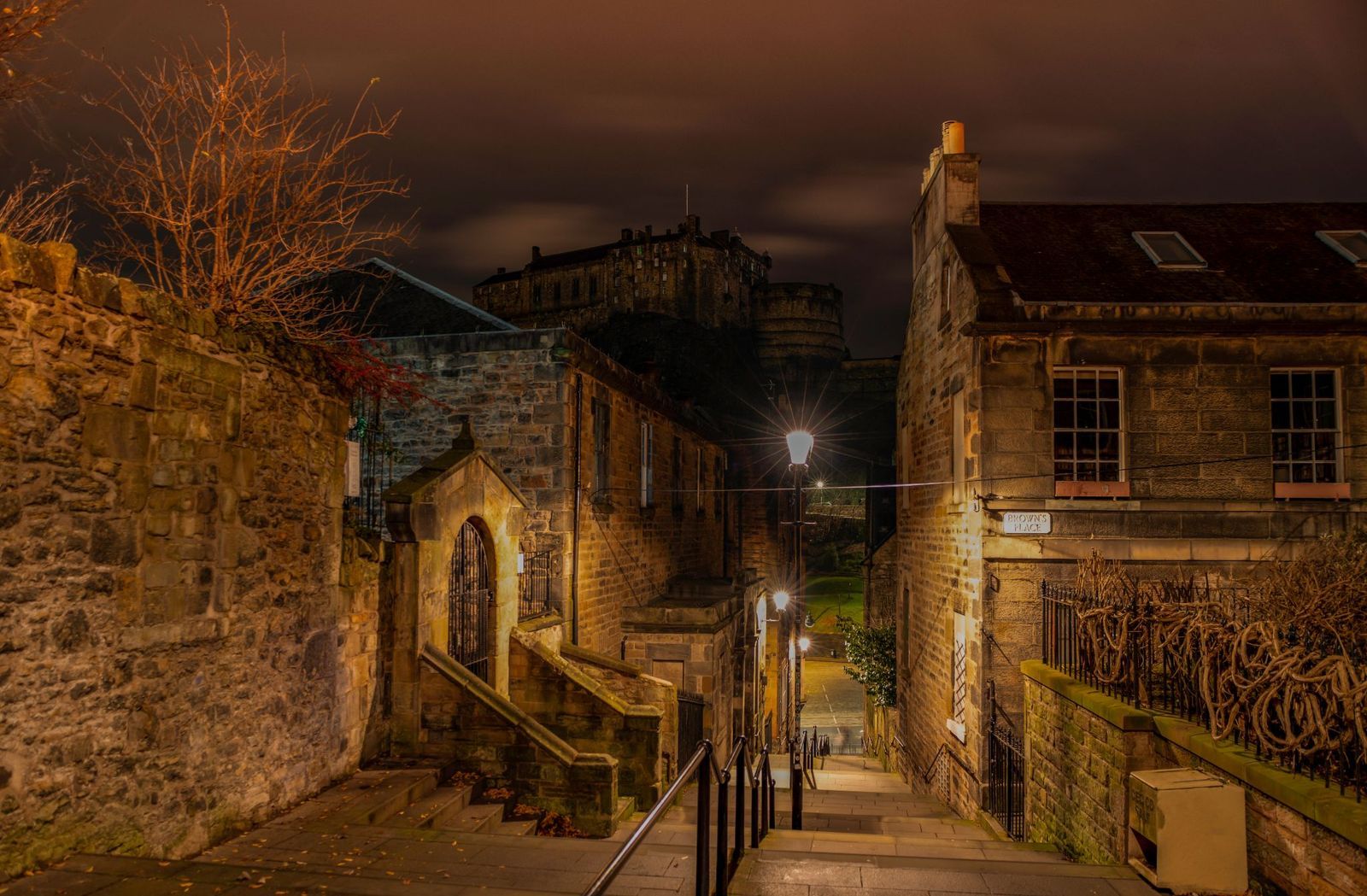
When going for a walk, we don’t often think about what lies under our feet. But maybe we should, at least when in Scotland. The Edinburgh Vaults are a perfect example, as they lie beneath the bustling streets of Edinburgh.
They are a subterranean labyrinth built in 1788 that originally housed taverns and cobblers, until the freezing, pitch-black chambers flooded and became a squalid slum and a hideout for grave robbers. Sealed off in the 1800s and rediscovered in the 1980s, visitors often report feeling sudden physical touches and seeing apparitions such as a man named "Mr. Boots."
Hashima Island (Japan)
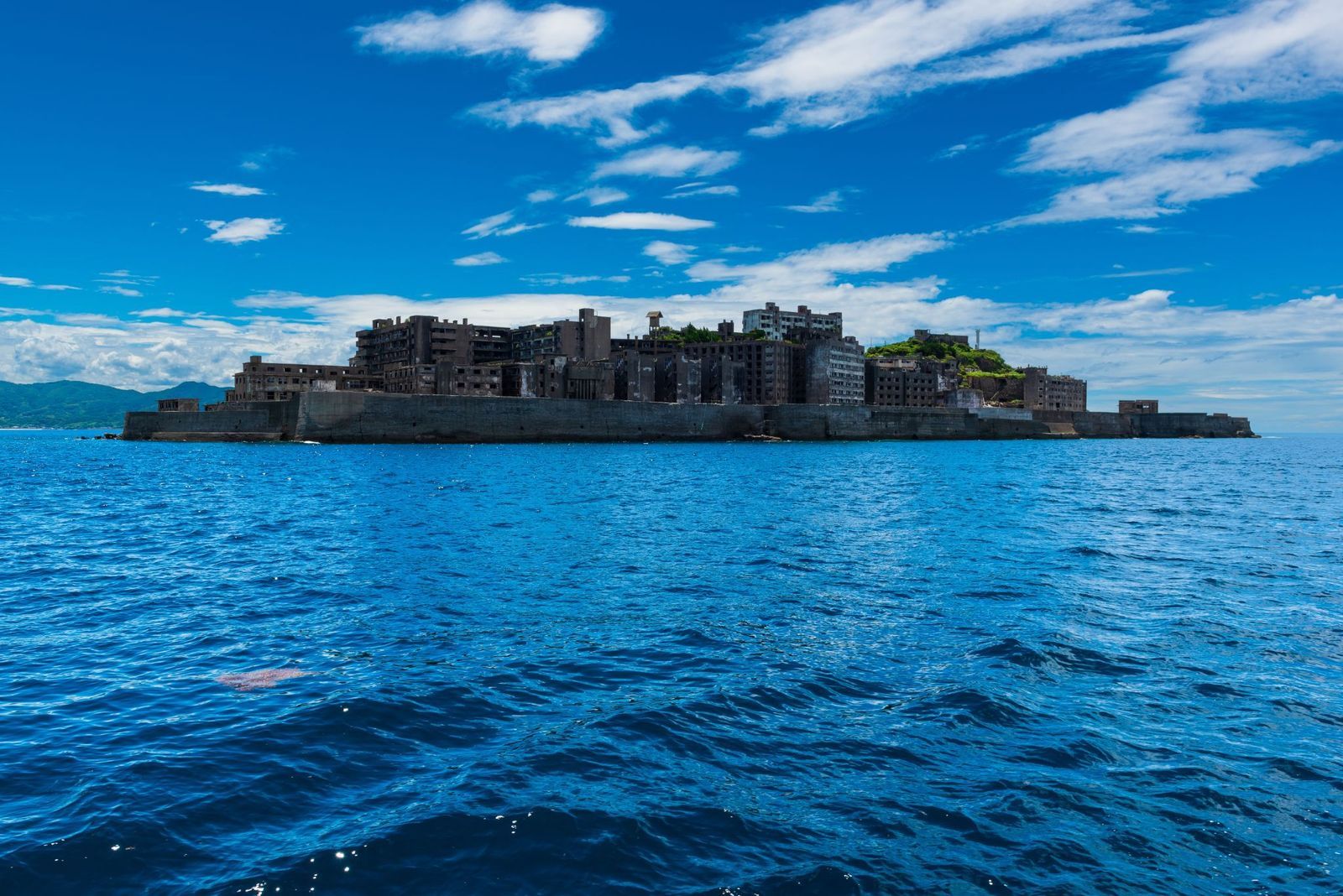
Hashima Island is a former coal-mining facility that once housed over 5,000 people, making it one of the most densely populated places in the world. When the mine closed in 1974, residents fled overnight, leaving behind an eerie and crumbling ghost town.
To this day, the island has a post-apocalyptic time capsule feel, due to TV sets and bicycles still littering the collapsing buildings.
Cinco Saltos (Argentina)
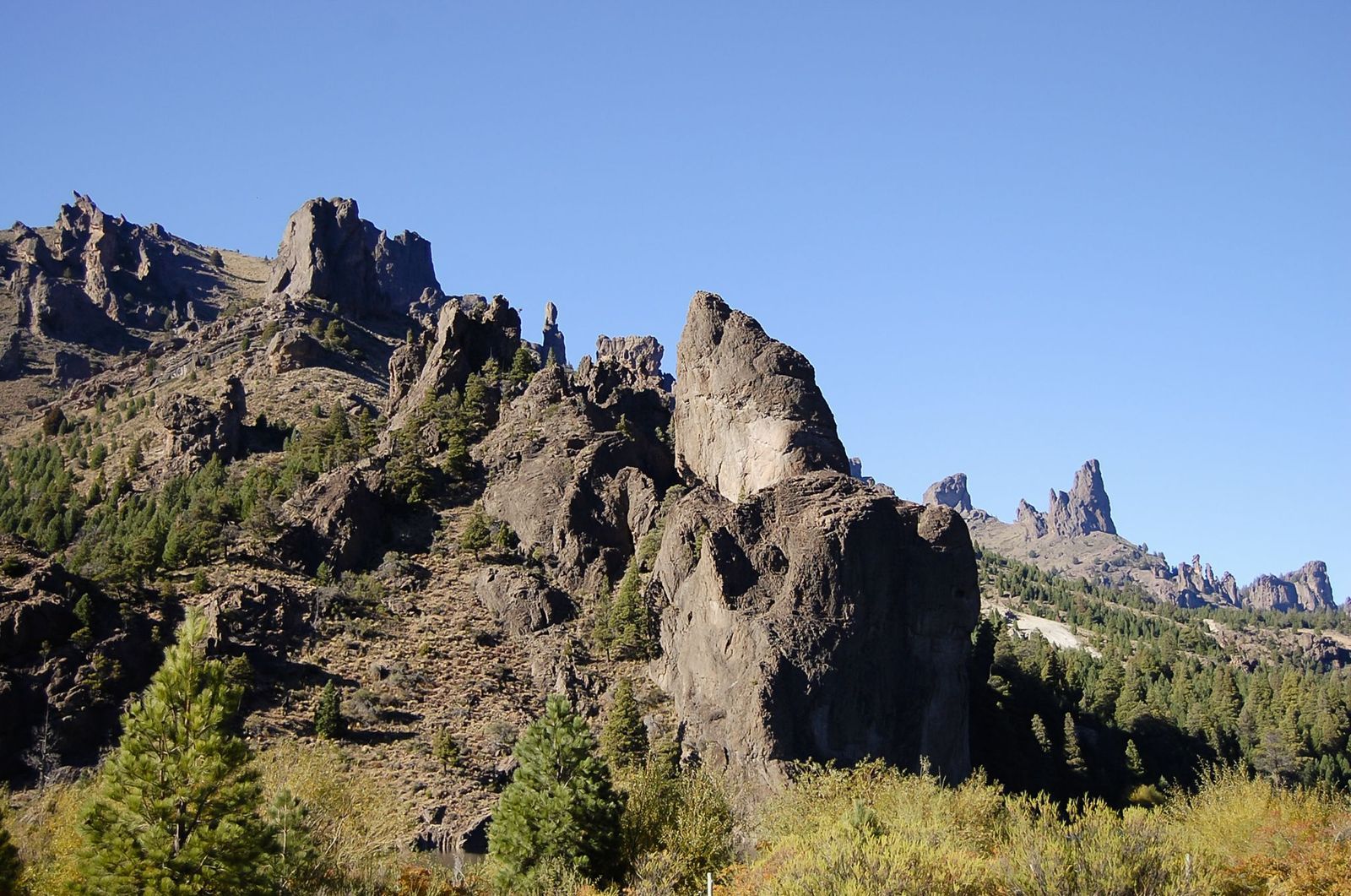
Cinco Saltos, a city located in the province of Río Negro, Argentina, is often dubbed the "City of Witches." It is a legendary site for alleged black magic and occult rituals, deeply intertwined with urban legends about the nearby Lake Pellegrini, reportedly haunted by a woman's ghost.
Paranormal investigators go as far as avoiding the sunless ravine known as "Bajo Negro" (the Black Hollow), and even locals refuse to set foot there after dark.
San Clemente (Chile)
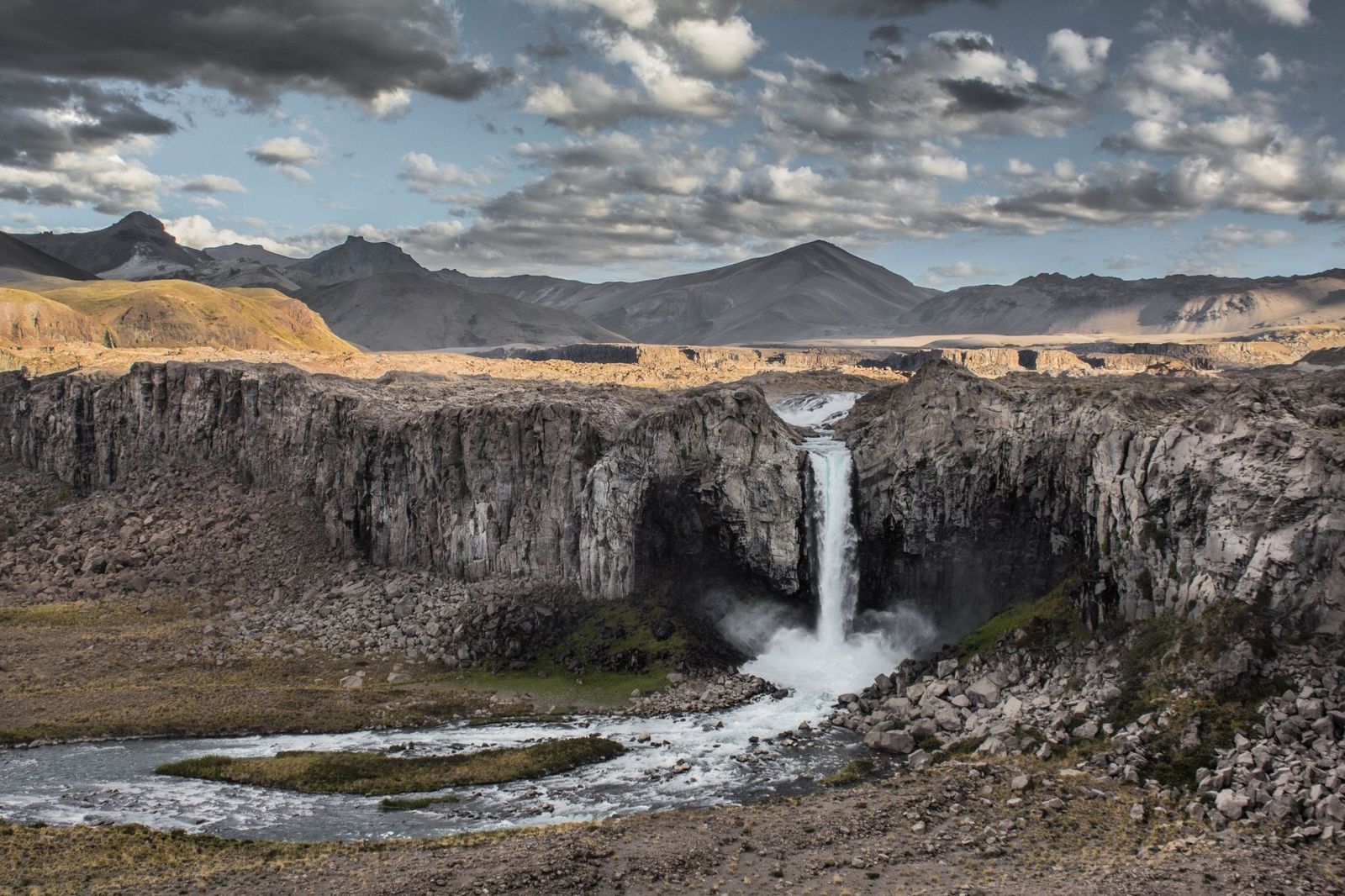
San Clemente, in Chile, is a world-renowned destination for UFO enthusiasts. Local legends and paranormal enthusiasts even claim that the remote formation serves as an extraterrestrial landing strip, and that it was built by an ancient civilization of aliens.
Located in the Andes Mountains, the area requires an intense five-hour trek or horseback ride to reach.
Every flyer should know this: 10 secrets the airline never explains
Flight data unrevealed
Every flyer should know this: 10 secrets the airline never explains
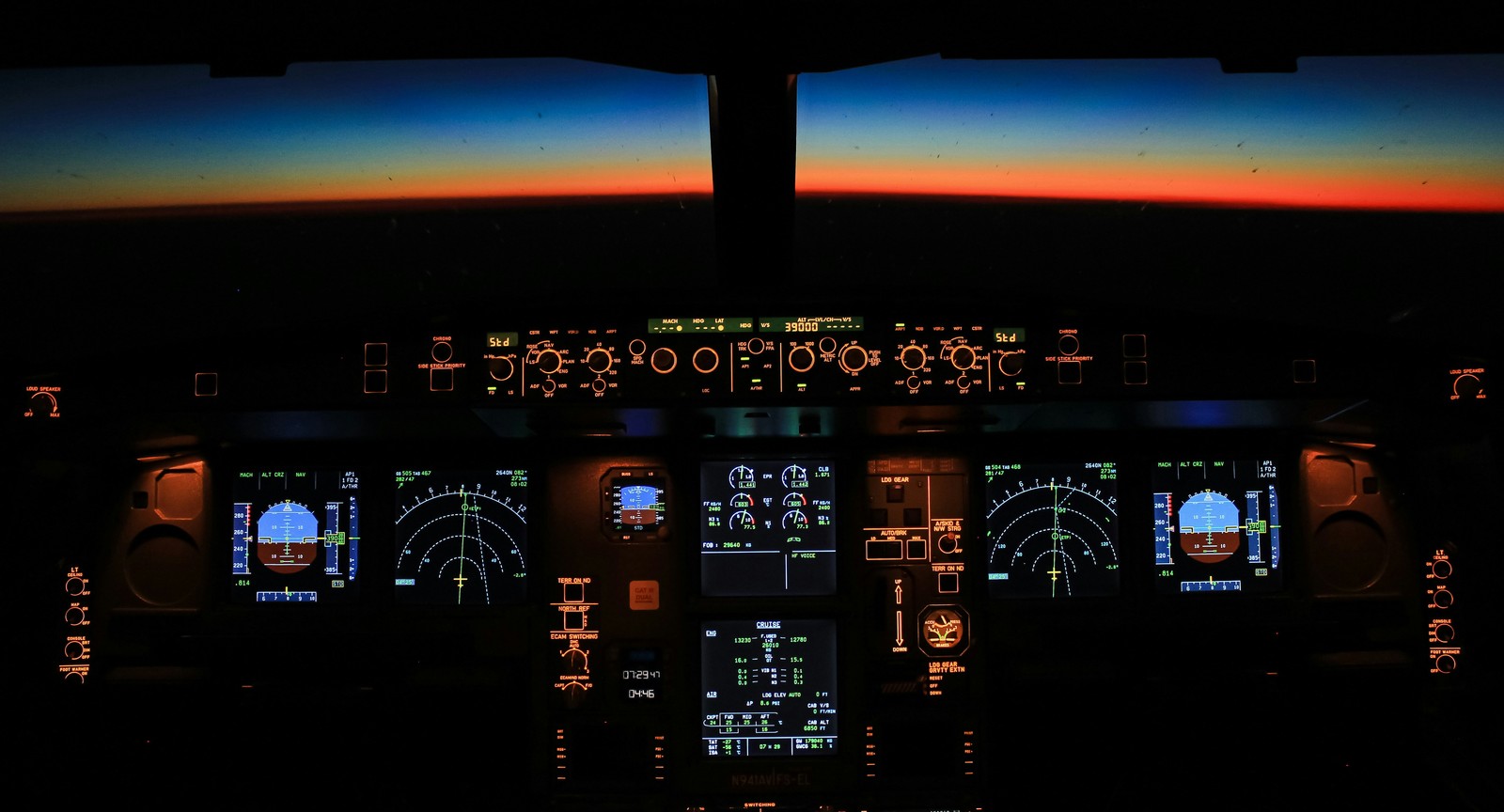
Flying may feel routine these days, but planes are still full of little details most passengers never think about. From the truth behind the black box to the reason for the tiny hole in the airplane window, let’s uncover 10 flight details that are easy to miss, so the next time you get on a plane, you know what they actually mean.
That tiny hole in the window
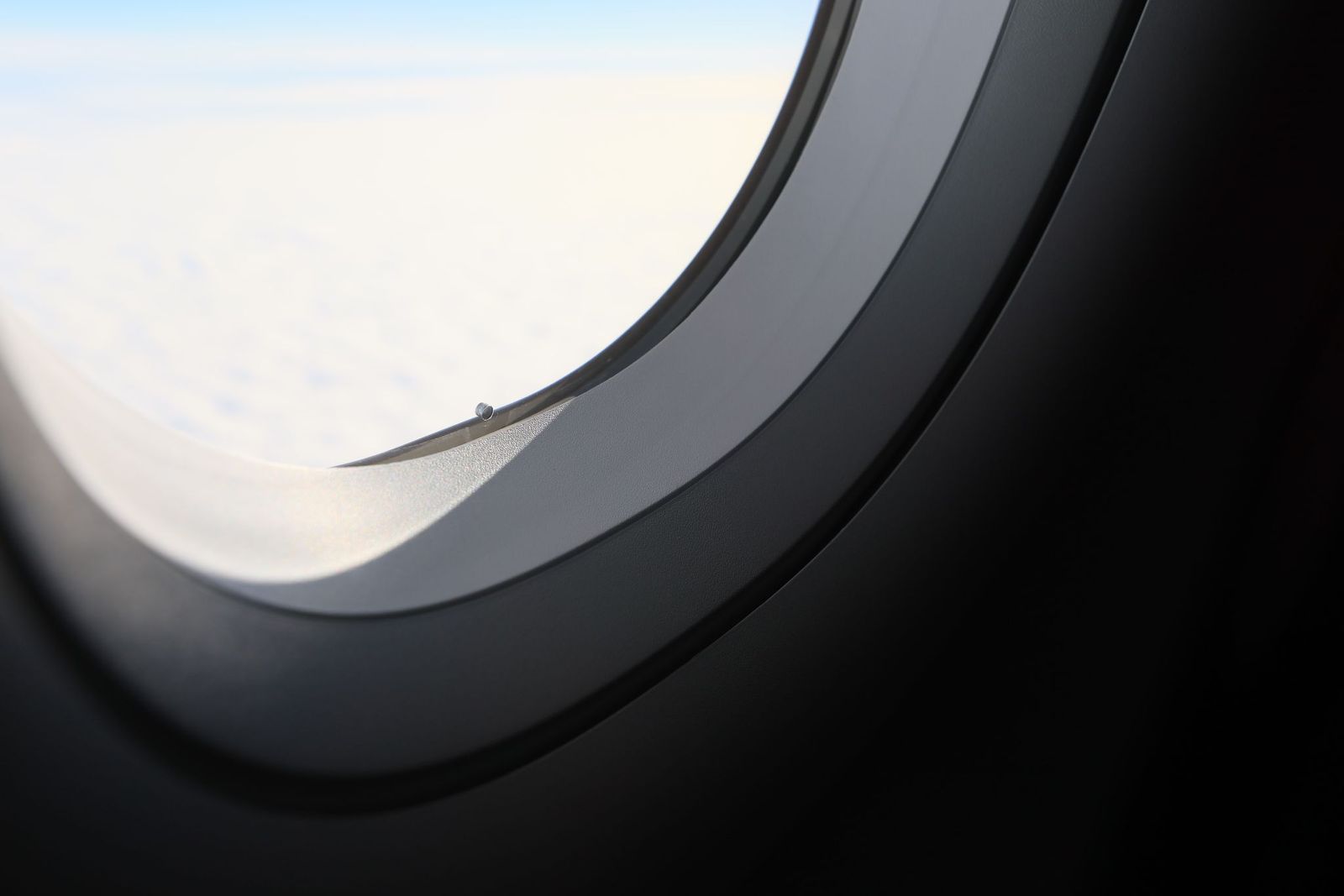
That tiny hole in the airplane window can look dangerous the first time you notice it. But there’s a reason for it. It is called a breather hole, and it helps manage air pressure between the window layers.
This hole helps the outer pane handle most of the pressure while letting moisture escape, which reduces fog or frost. Now you know that little dot isn’t a flaw; it is part of the structural design of the plane.
The black box isn’t actually black
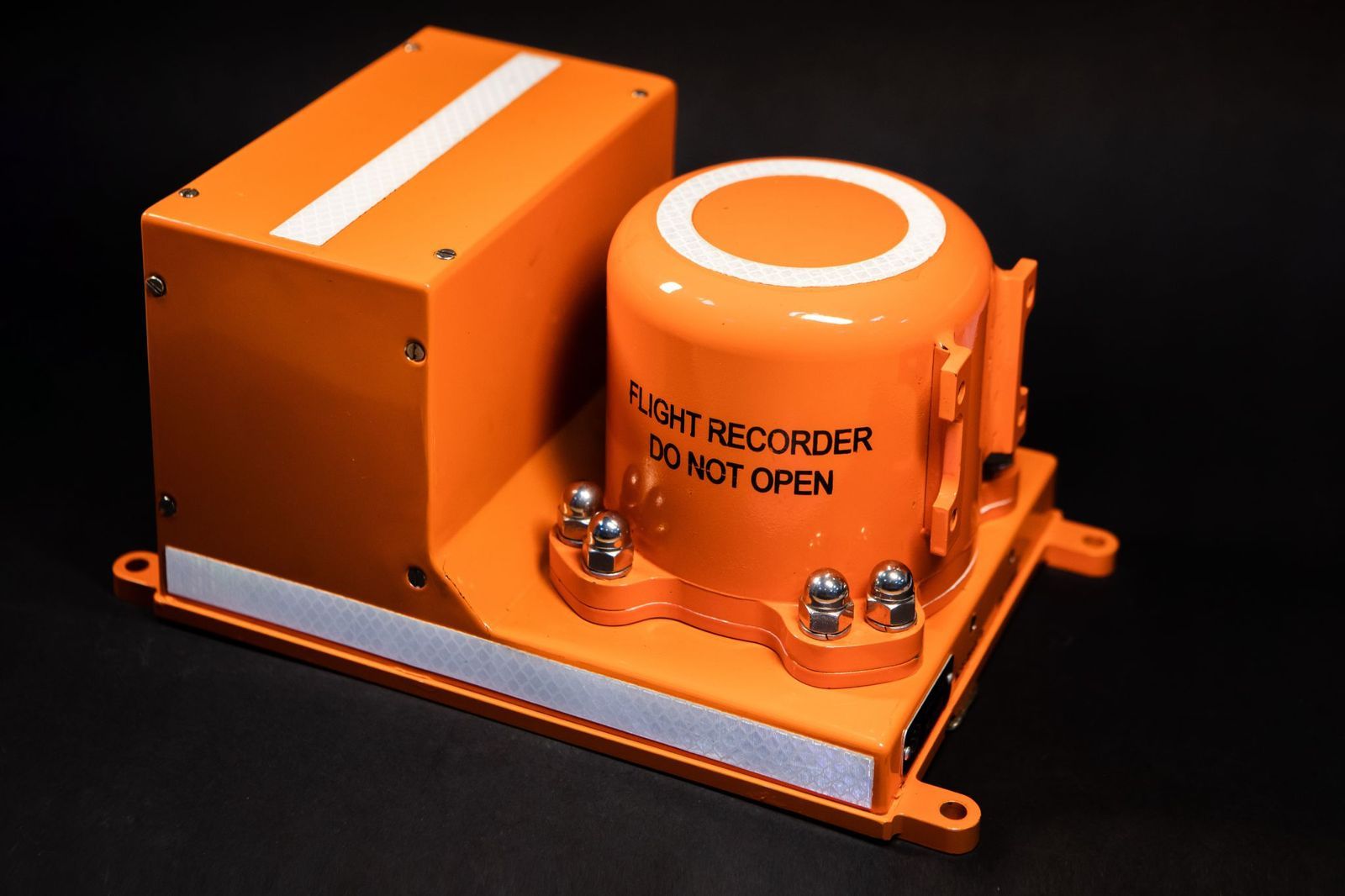
The black box isn’t what the name indicates. First, you have to know that the "black box" on a plane isn’t black at all. It is usually bright orange, so rescue teams can find it more easily after an accident, even in wreckage, mud, water, or burned debris. And, it isn’t just one box, either.
Planes usually carry a flight data recorder in there too, which tracks details like speed and altitude, and a cockpit voice recorder to record sounds and conversations. The old nickname "black box" simply stuck, even though the modern version is made to stand out.
Your ears pop because the cabin isn’t fully pressurized
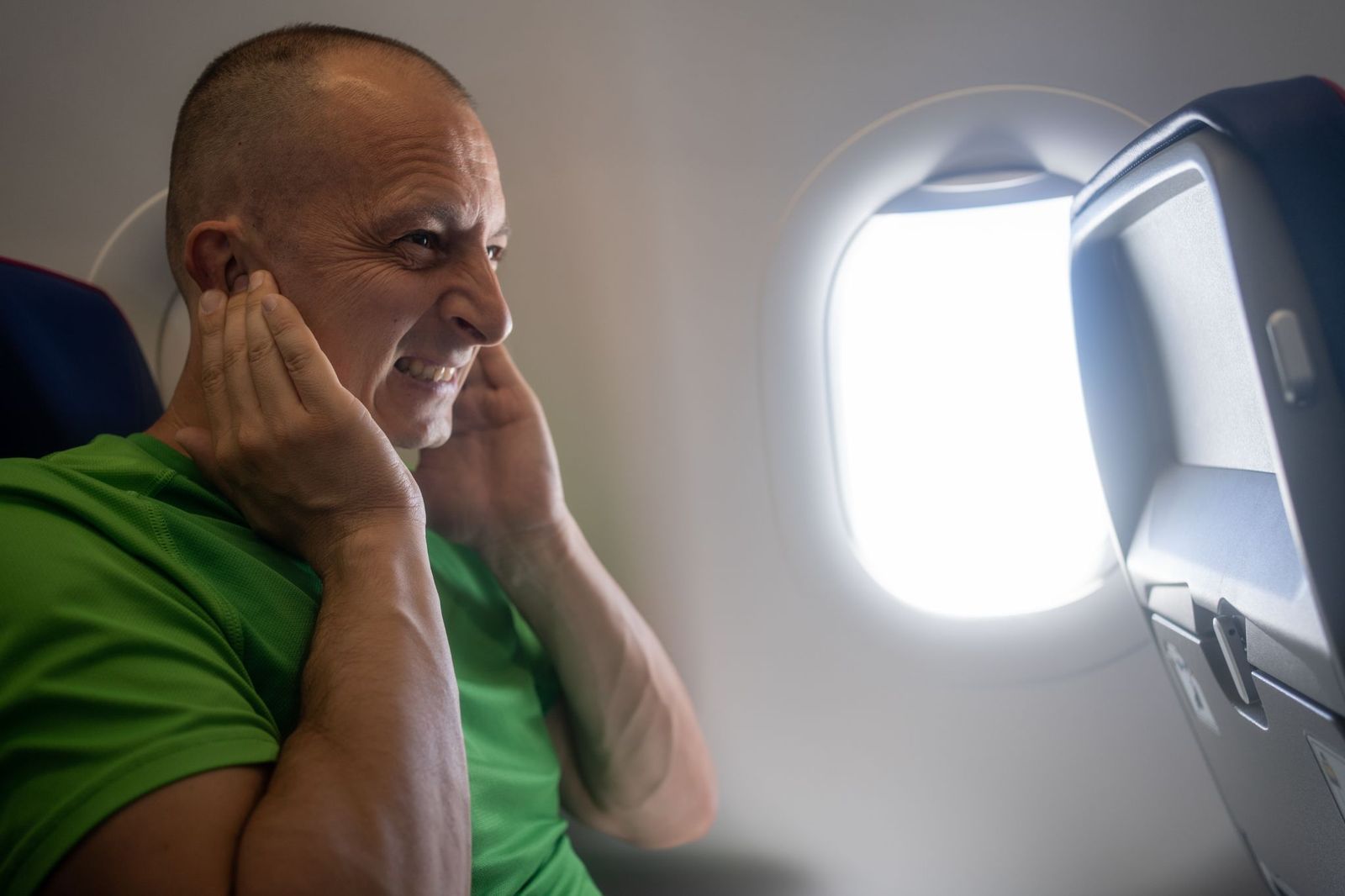
Planes fly much higher than humans can comfortably breathe; that’s why the cabin has to be pressurized. But it isn’t pressurized like being at sea level. As the plane climbs or comes back down, the pressure inside the cabin still shifts.
That is when your ears may start to pop, especially during takeoff and landing. Your ears are simply trying to balance the pressure on both sides of the eardrum, and swallowing, yawning, or chewing gum can help because it opens the small tubes that connect your ears to your throat.
The oxygen mask only gives you about 15 minutes of air
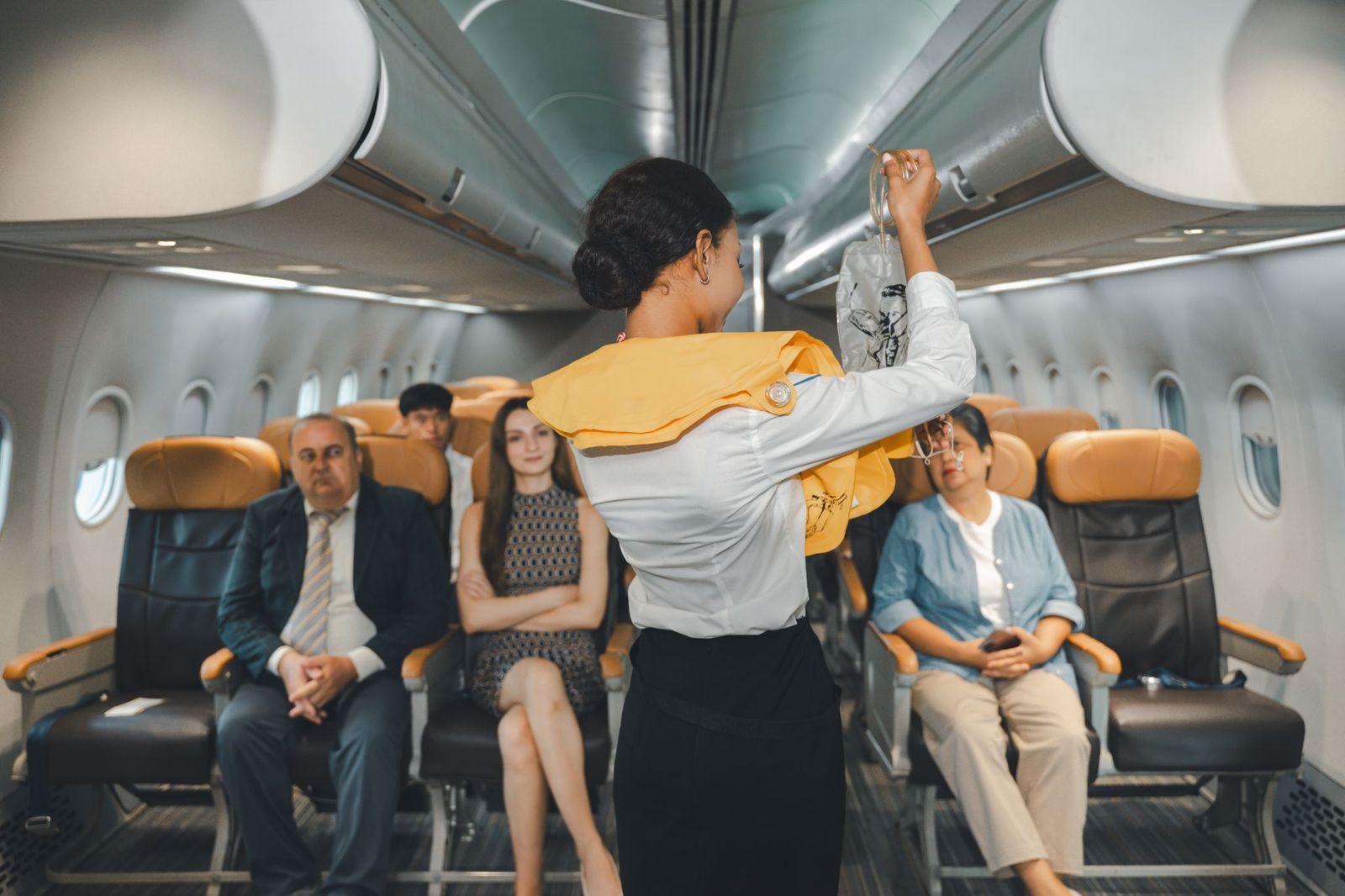
Imagine you are in an emergency on a plane and the oxygen masks suddenly drop. Although it sounds scary, the mask isn’t meant to last for hours; it only lasts about 10 to 20 minutes. Its function is to give passengers enough oxygen while the pilots bring the plane down to a safer altitude, where the air is breathable without the mask.
The flight attendant greeting at the door isn’t just being friendly
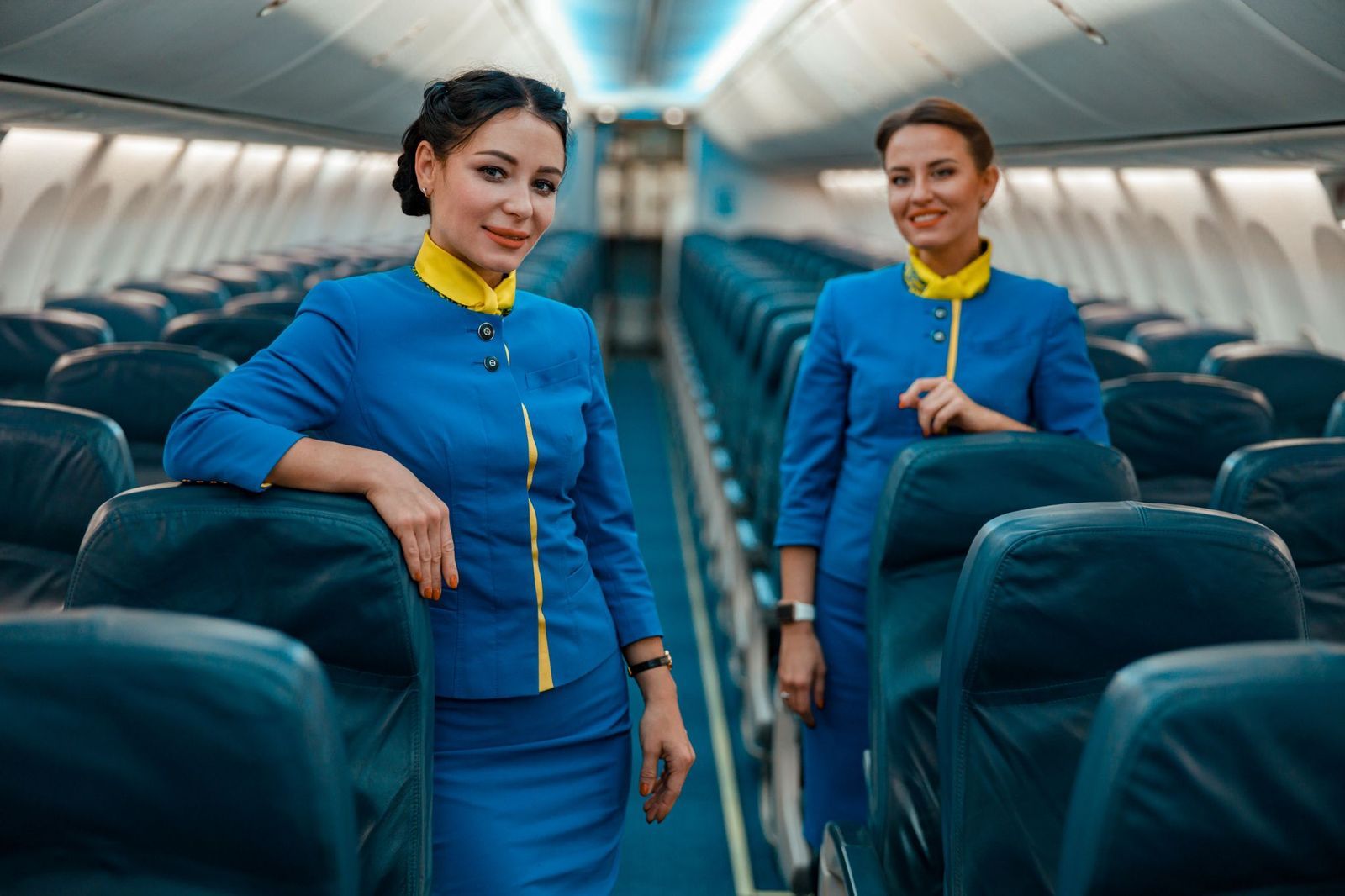
When you’re getting on the plane, and the flight attendant greets you kindly at the door, it isn’t only about good manners. They are actually taking a quick scan of who is coming on board. They notice if someone seems sick, intoxicated, or in need of extra help. It all happens quickly, but that short greeting helps the crew understand the cabin before the flight begins.
The lights dim before landing on purpose
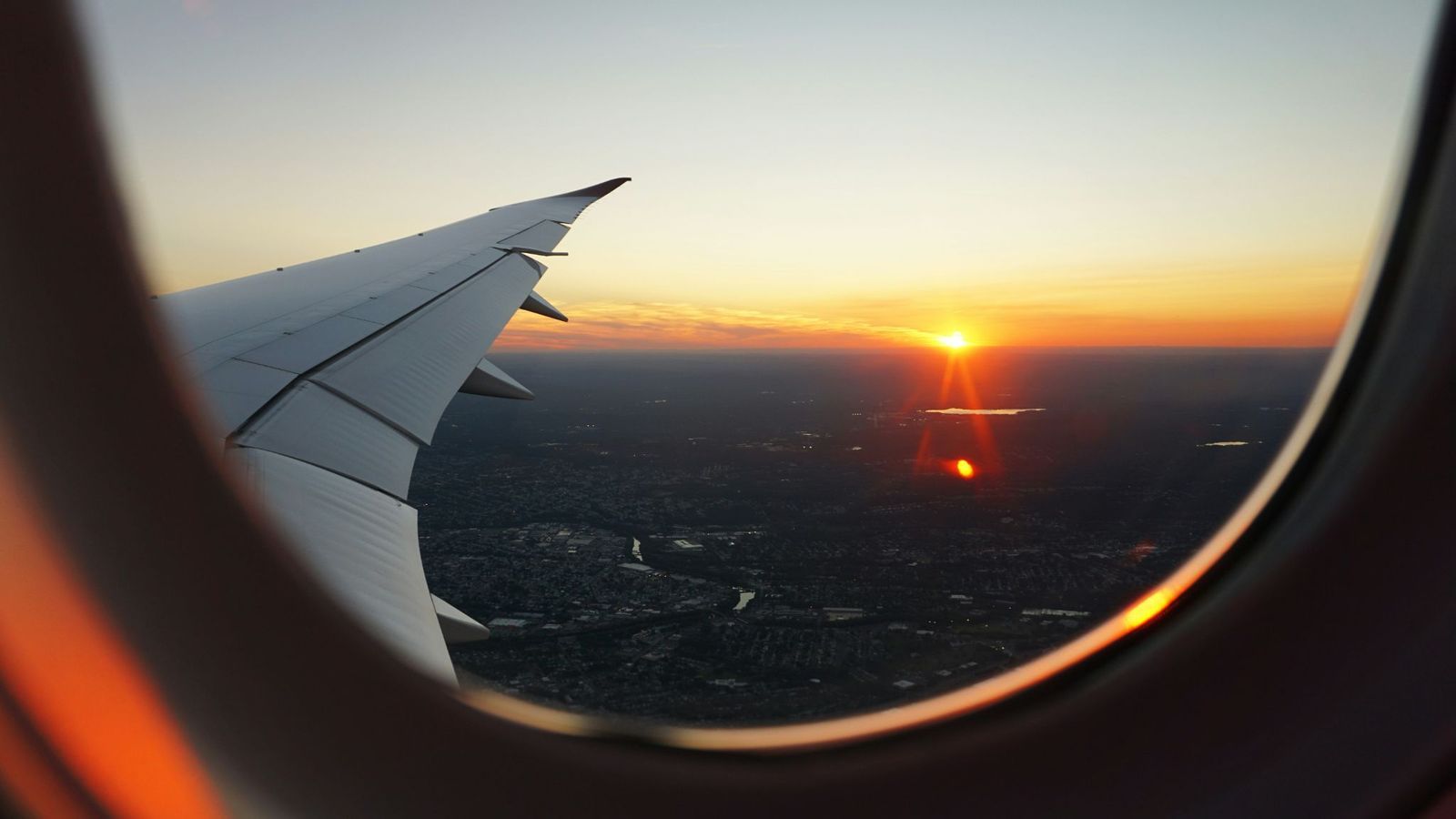
Cabin lights are often dimmed before landing at night, or when it’s dark outside, for safety reasons. The idea is to help passengers' eyes adjust to the lower light before anything unexpected happens. If an emergency evacuation is needed, people can see the aisle, exit lights, and outside conditions faster instead of being temporarily blinded by the sudden change.
The window shades that go up for takeoff and landing
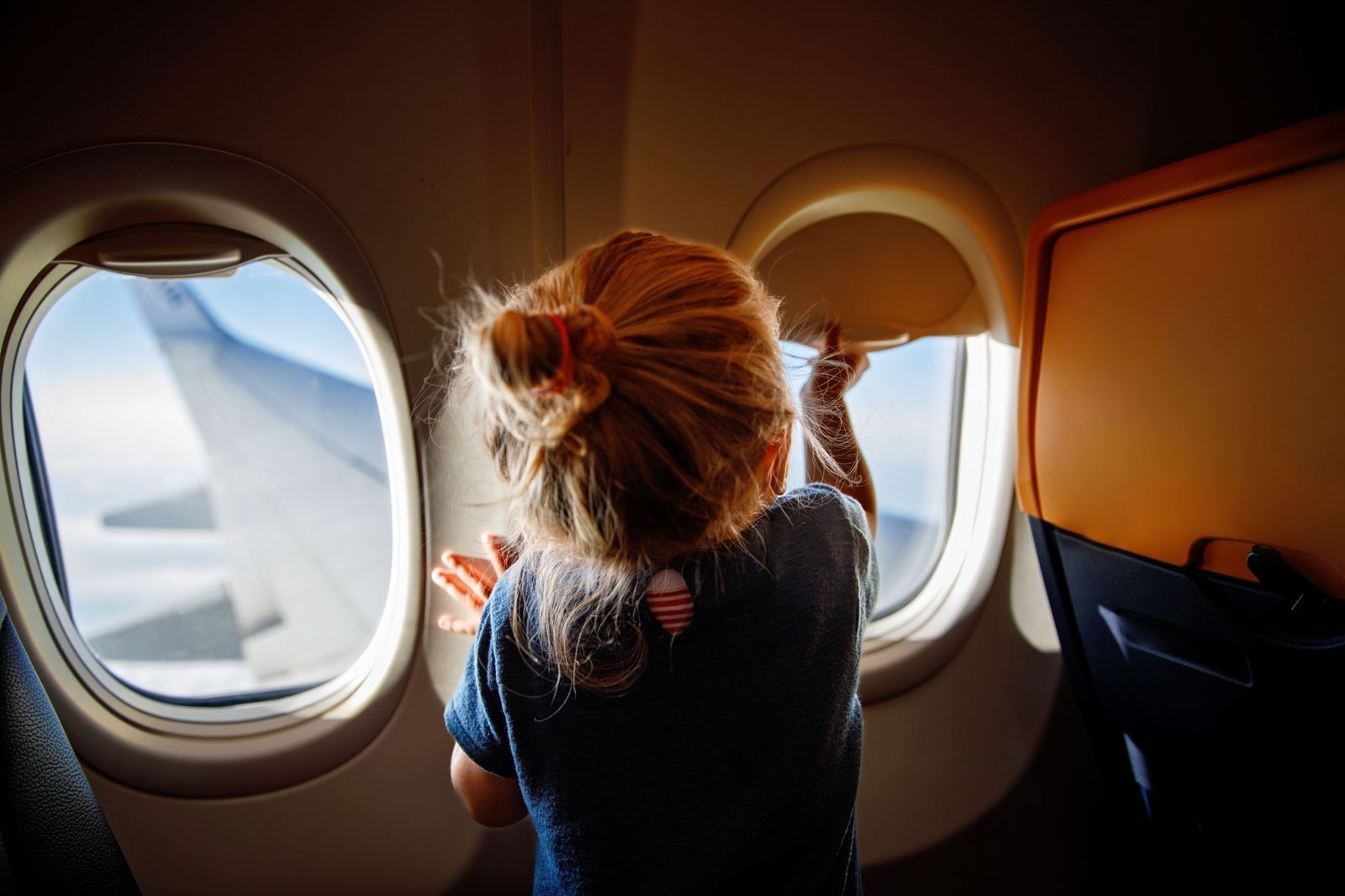
Why do flight attendants ask passengers to raise the window shades before takeoff or landing? It is because open shades help travelers and staff see outside quickly if something goes wrong during two of the most critical moments of the flight.
In an emergency, the crew may need to check for fire, smoke, water, debris, or other hazards before opening an exit. Having the shades up also helps everyone adjust to the outside light faster, which can make an evacuation easier.
Pilots flying east and west cruise at different altitudes
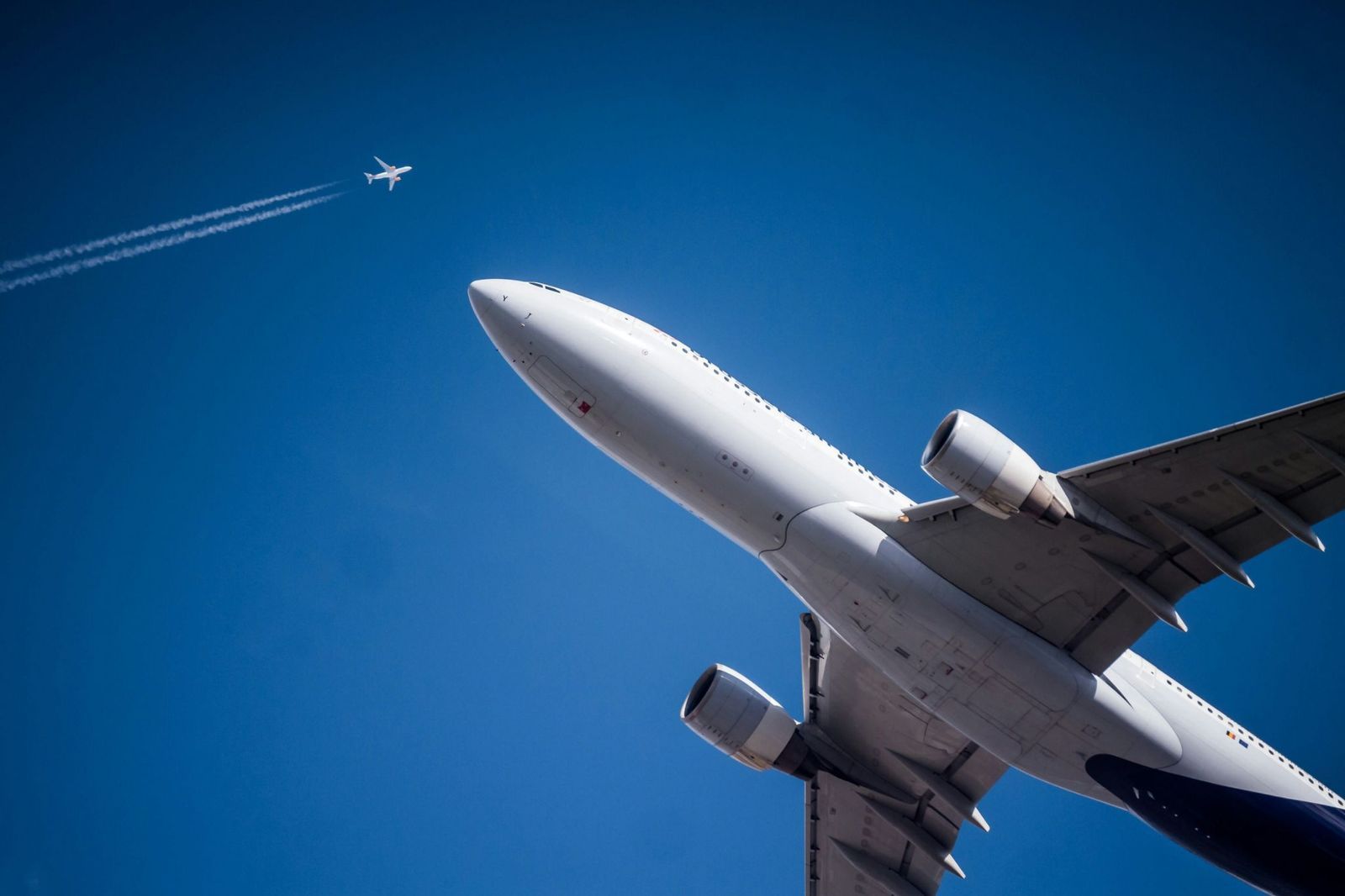
Planes don’t just pick any cruising height. In general, aircraft heading east use odd-numbered altitudes, while aircraft heading west use even-numbered ones. That’s why one plane might cruise at 35,000 feet, while another going the opposite way might fly at 36,000 feet.
That extra spacing helps keep traffic moving safely in opposite directions. Air traffic control can still change the altitude for weather, traffic, or route needs, but the direction always helps decide the cruising level.
You can’t actually open the cabin door mid-flight
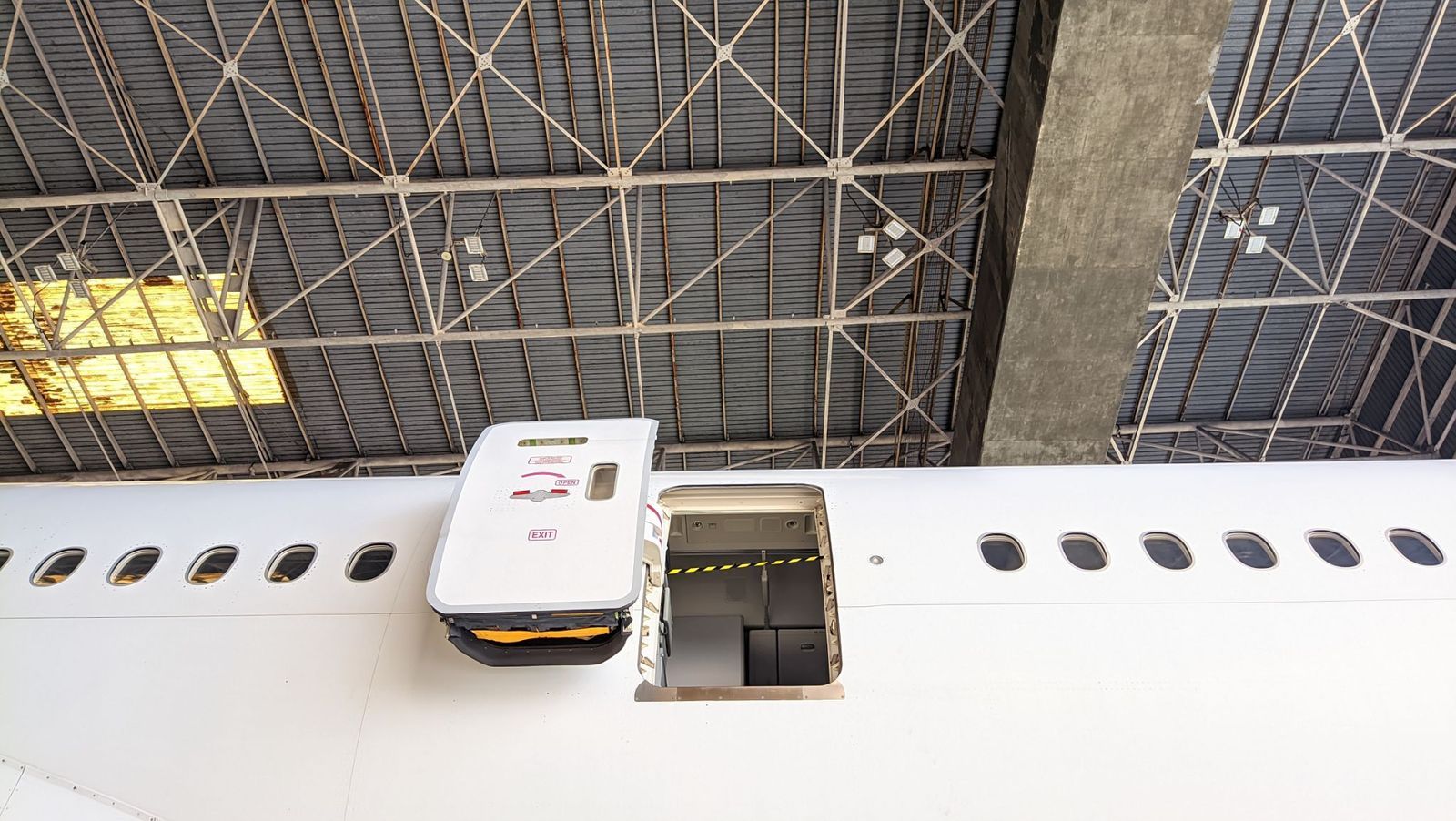
Some movie scenes, like Tom Cruise hanging onto a plane in Mission: Impossible - Rogue Nation, make airplane danger look dramatic. But the truth is, a passenger can’t simply open the cabin door mid-flight.
On a pressurized plane, the air pressure inside the cabin is much higher than the pressure outside. Many aircraft doors are designed like plugs, so that pressure helps seal them shut instead of pushing them open. That force can add up to thousands of pounds, which is why the door stays closed.
The plane might land and take off again before you ever board
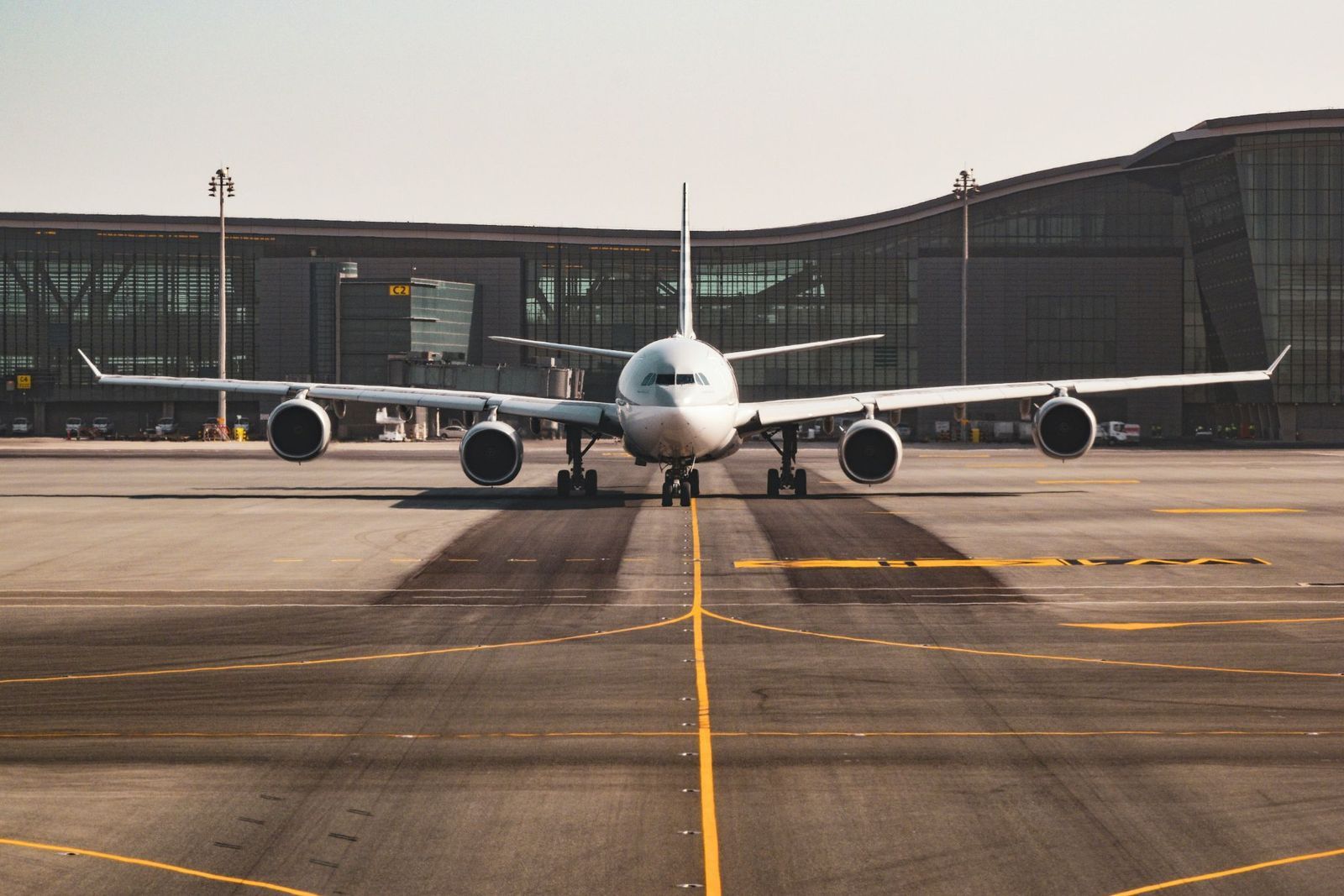
The plane you board on usually hasn't been waiting just for your flight all day. Many commercial aircraft fly several routes in the same day, moving from one city to the next with only a short time on the ground.
That’s why a delay can start long before your boarding time. If the same plane was late two or three flights earlier, that delay can follow it through the day. A late arrival, baggage delays, weather, or air traffic can delay the next flight.
Keep wandering
There’s always
more to explore

These surprises catch the most experienced travelers off guard
4 min.
Read Now
10 air passenger rights airlines hope you never find out about
5 min.
Read Now
 Landmarks
The one thing your National Park pass won't cover: Mount Rushmore
6 min.
Read Now

Tired of tourist traps? 10 unconventional U.S. travel adventures
4 min.
Read Now