Which tiny nation controls the global false teeth market?
 Geography
Which tiny nation controls the global false teeth market?
In the world of geopolitics, bigger is often synonymous with more powerful, but the planet’s smallest nations prove that influence and character aren't measured in acreage. These microstates—some smaller than a city park—hold some of the most bizarre records and fascinating histories in the human story. From the "Spice Isle" of the Caribbean to a sovereign city-state tucked inside Rome, here are 10 fun facts about the world's 10 smallest countries.
Grenada: The spice isle
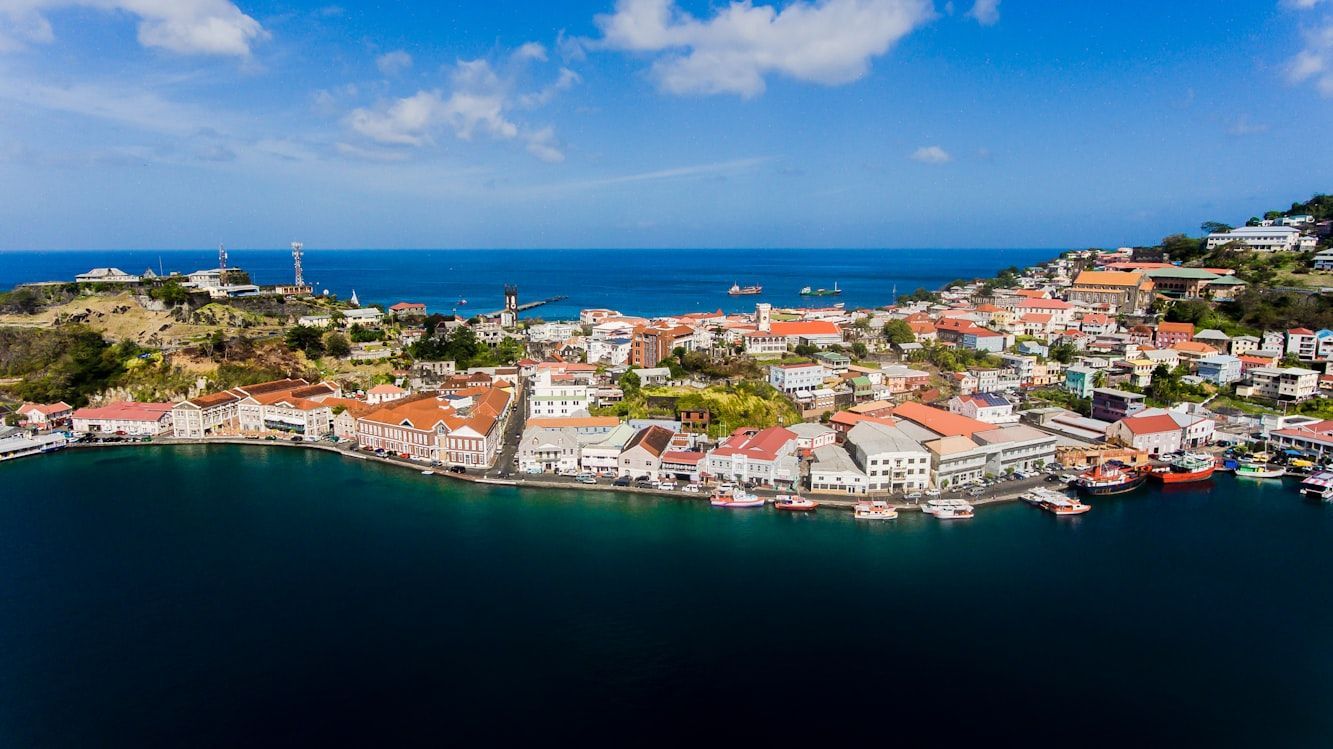
Grenada is effectively the world’s spice cabinet. Despite its modest 133 square miles, it is one of the world's largest exporters of nutmeg and mace. In fact, the nutmeg is so central to the national identity that it is featured prominently on the national flag.
Also, did you know Grenada is home to the world's first underwater sculpture park? Created by British sculptor Jason deCaires Taylor, these life-sized statues are not just art; they serve as artificial reefs, providing a home for coral and marine life to combat the effects of storm damage and bleaching.
Malta: Older than the Pyramids
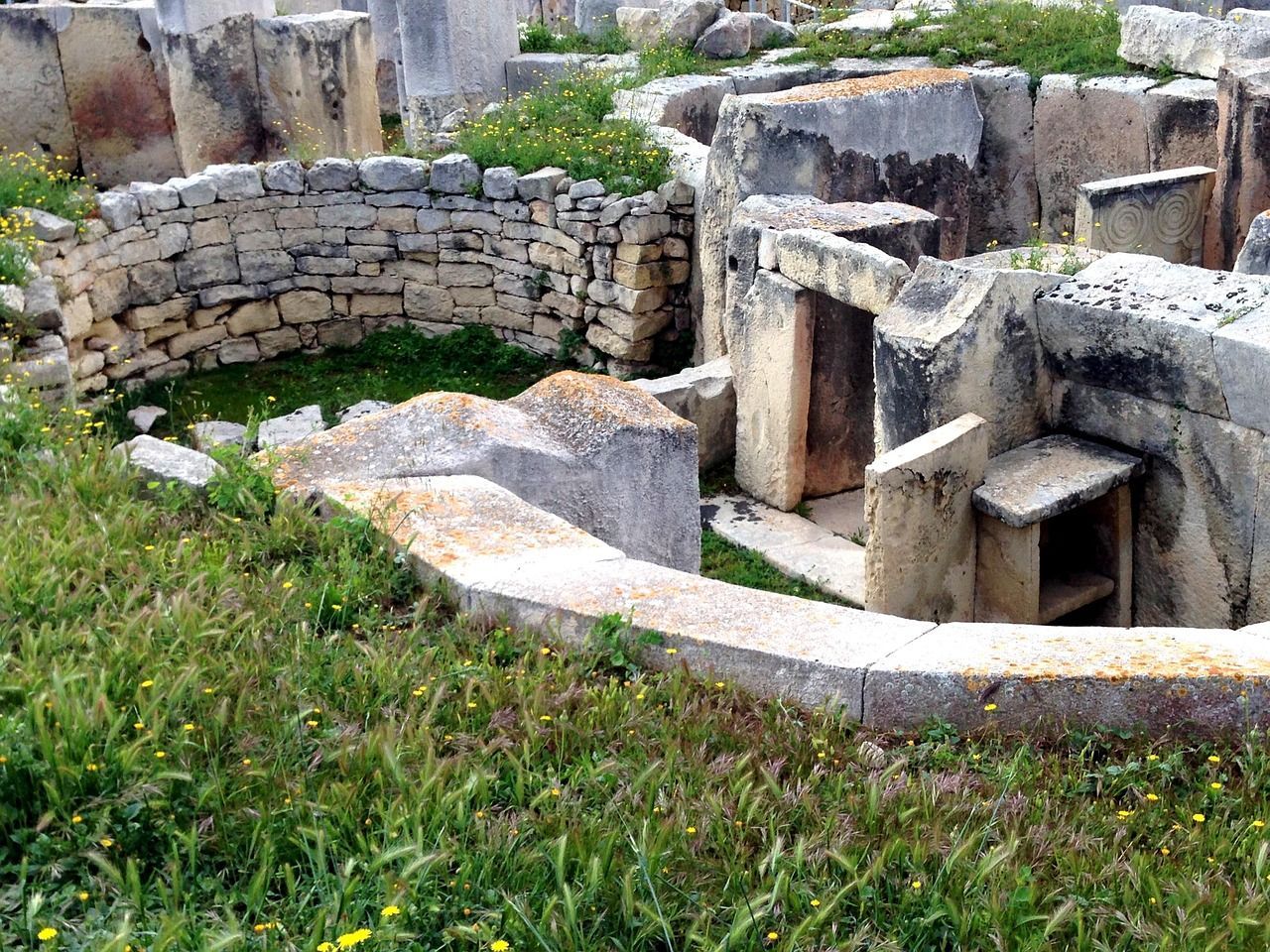
Malta, located in the heart of the Mediterranean, covers only 122 square miles but contains a density of history that is almost unmatched. For example, Malta is home to the Megalithic Temples, which are among the oldest free-standing structures in the world.
Some of these temples, like Ggantija, were built between 3600 and 3200 BC, predating the Great Pyramid of Giza and Stonehenge by centuries. It is also a favorite for Hollywood; the narrow streets of the capital, Valletta, have stood in for everything from Ancient Rome in Gladiator to King’s Landing in Game of Thrones.
Maldives: The lowest country on Earth
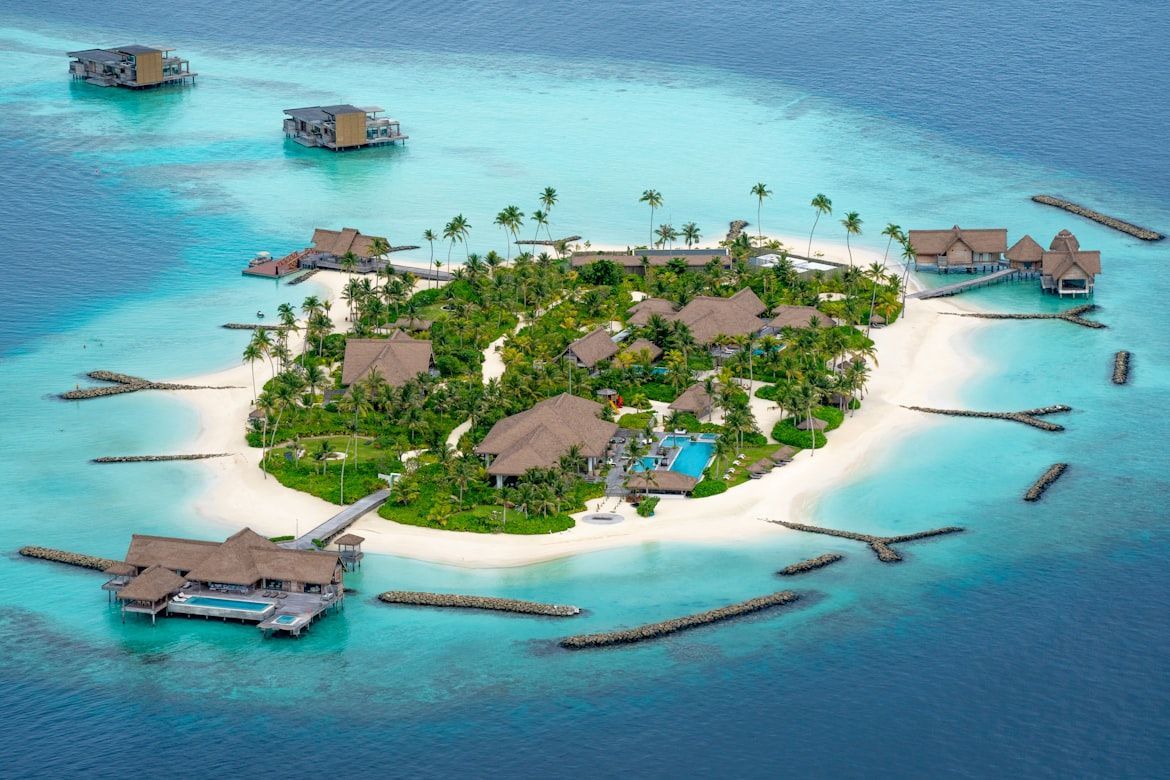
The Maldives is a breathtaking chain of 1,192 coral islands in the Indian Ocean. At 116 square miles, it is the smallest country in Asia.
The Maldives also holds the record for being the flattest country in the world, with an average ground level of just 4 feet 11 inches above sea level. This makes it incredibly vulnerable to climate change. In 2009, to draw global attention to rising sea levels, the President and his cabinet held the world's first underwater cabinet meeting, signing a document while wearing full scuba gear.
Saint Kitts and Nevis: A tale of two islands
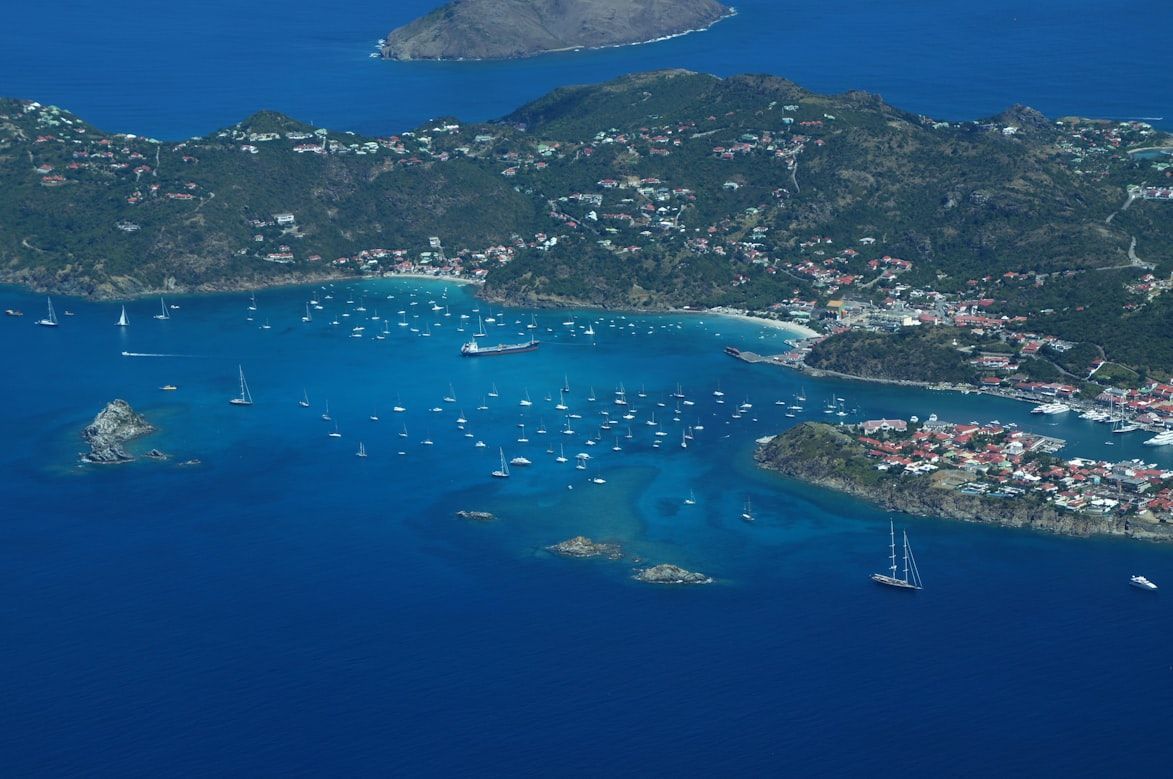
Saint Kitts and Nevis is the smallest sovereign state in the Western Hemisphere, spanning 101 square miles. These two islands were the first in the Caribbean to be colonized by Europeans, earning them the nickname "The Mother Colony of the West Indies."
Another fun fact? On the island of Saint Kitts, the population of green vervet monkeys is estimated to be roughly equal to, if not greater than, the human population. Brought over as pets by 17th-century settlers, the monkeys escaped and thrived, becoming a quirky (and sometimes mischievous) staple of the island's landscape.
Liechtenstein: The dental powerhouse
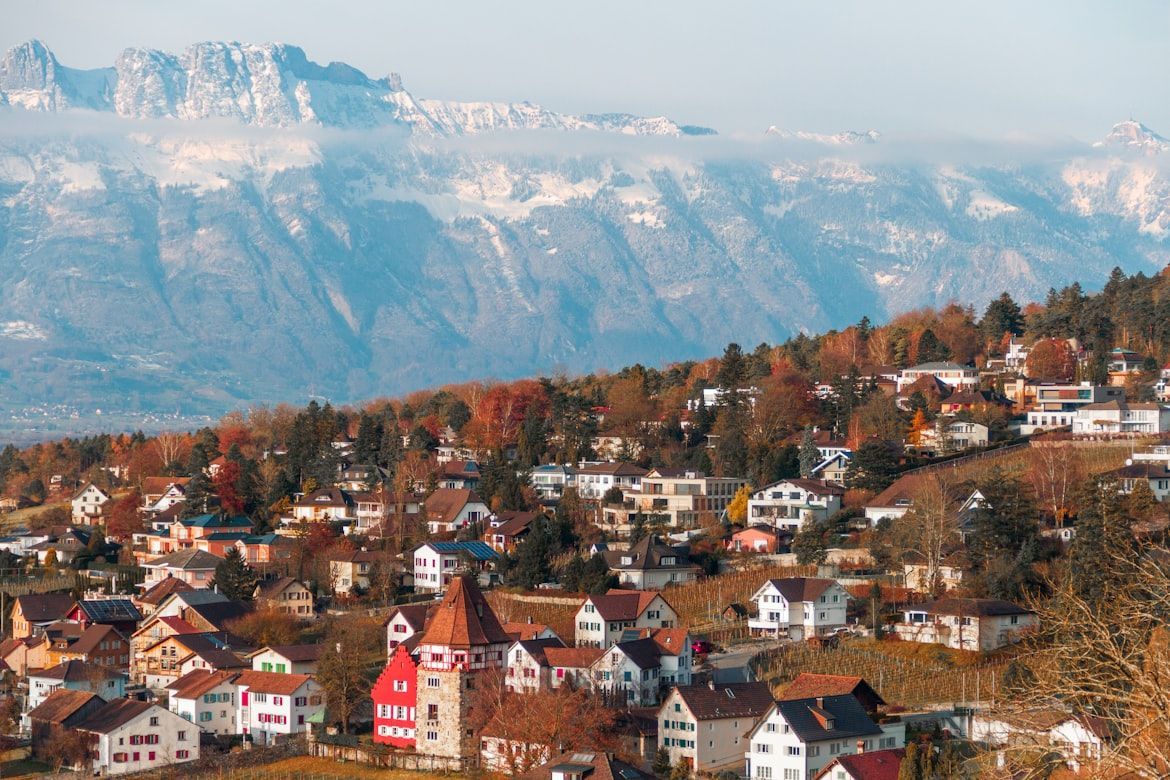
Tucked between Switzerland and Austria, Liechtenstein is a 62-square-mile alpine principality. While it is known as a tax haven, its biggest claim to fame is actually in your mouth. Why? Because Liechtenstein is the world's leading producer of false teeth. A company called Ivoclar Vivadent produces roughly 60 million sets of dentures annually, accounting for a staggering 20% of the global market.
San Marino: The world’s oldest republic
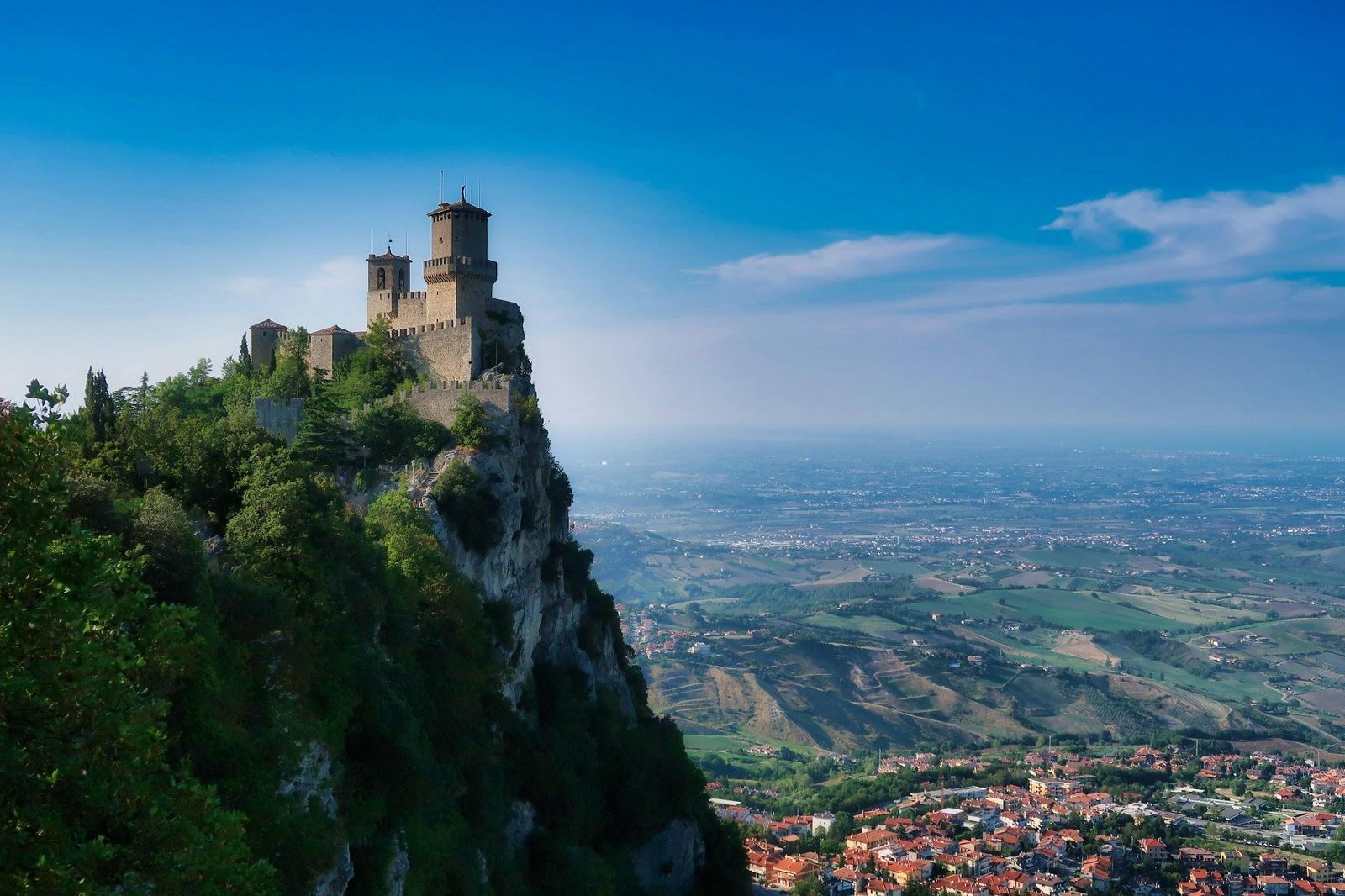
Surrounded entirely by Italy, San Marino covers 23.5 square miles. It claims to be the oldest sovereign state and constitutional republic in the world, founded in 301 AD by a stonemason named Marinus.
In the 19th. century, during the American Civil War, San Marino wrote to Abraham Lincoln expressing their admiration for his leadership. Lincoln responded with a letter praising the republic’s resilience. In return, San Marino granted Lincoln honorary citizenship, a gesture he reportedly found deeply moving during one of his darkest political hours.
Tuvalu: Profiting from the internet
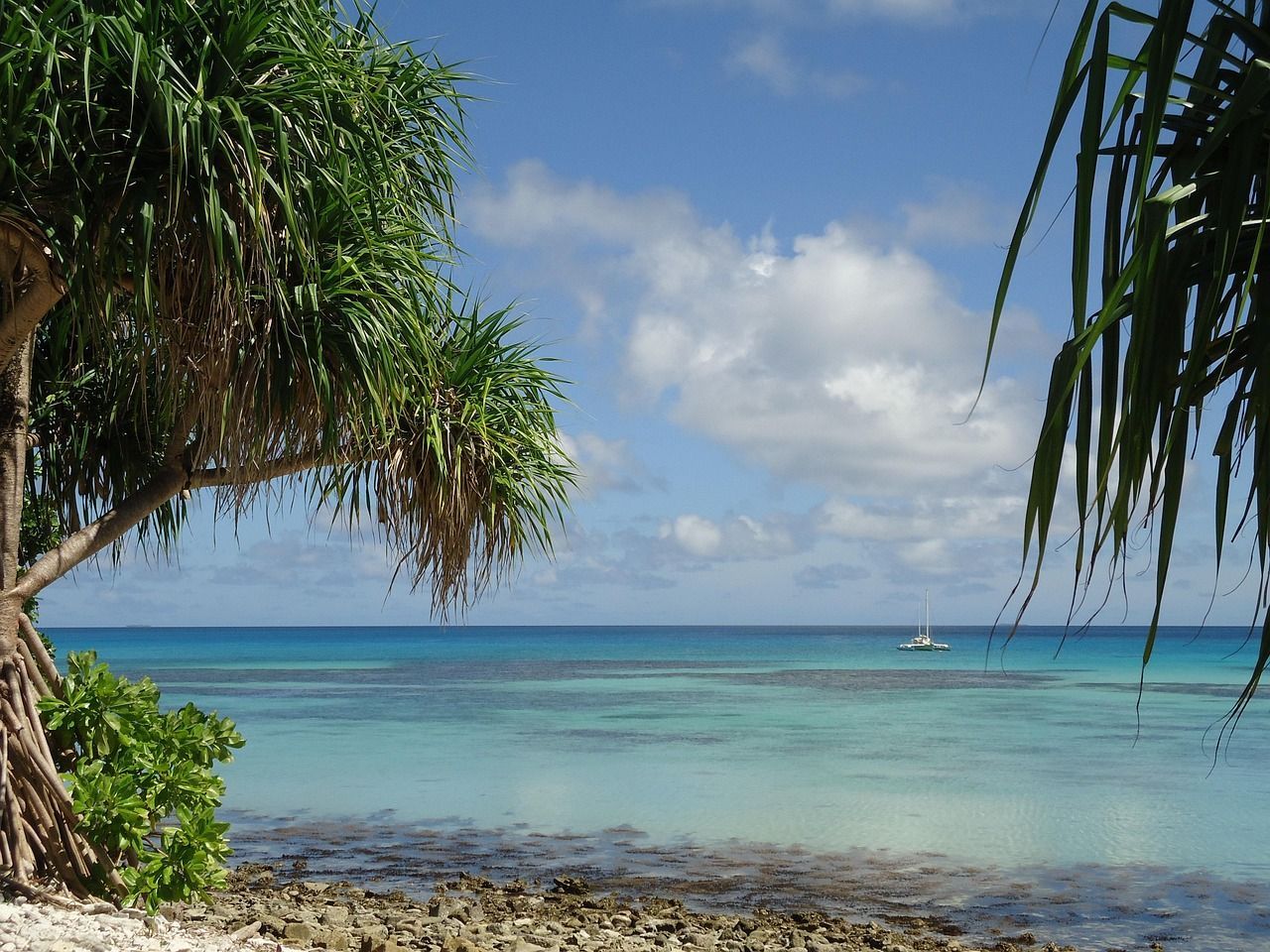
Tuvalu is a tiny nation of nine islands in the South Pacific, totaling just 10 square miles. Its physical existence is precarious due to rising sea levels, but its digital presence is lucrative.
Because Tuvalu was assigned the country code top-level domain ".tv," it hit a digital jackpot. The nation leases the rights to the domain to tech companies and streaming services, bringing in millions of dollars annually. This revenue accounts for about 10% of the country's total GDP, funding everything from scholarships to infrastructure.
Nauru: The country without a capital
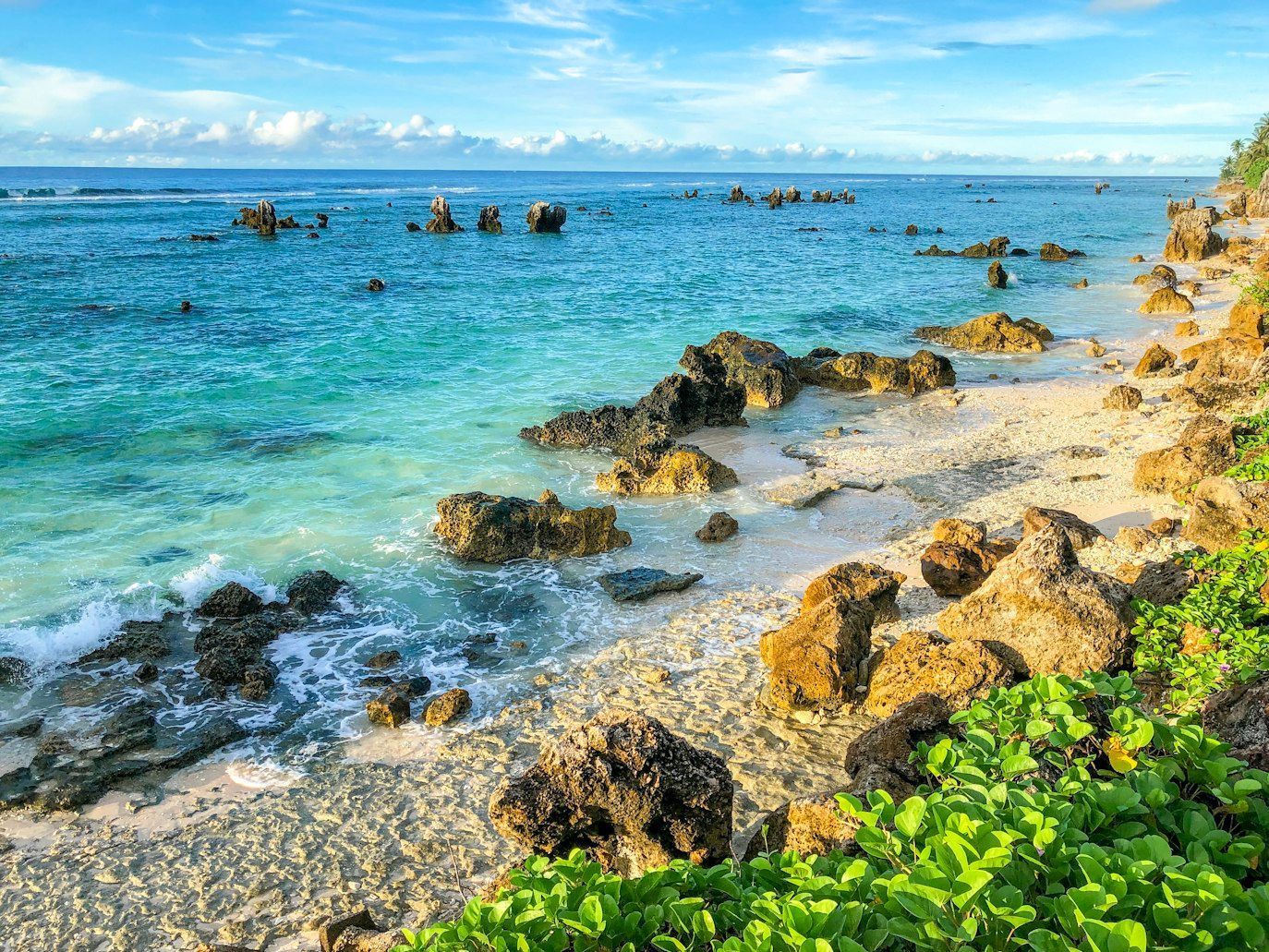
Nauru is an island nation in Micronesia with a land area of only 8 square miles. It is the smallest island nation and the smallest republic in the world.
Nauru is the only country in the world without an official capital city. While Yaren is the largest settlement and the site of most government buildings, the nation technically lacks an official urban center. It also famously went from being the wealthiest nation per capita in the 1970s (thanks to phosphate mining) to one of the poorest after the resources were depleted.
Monaco: The millionaire’s square mile
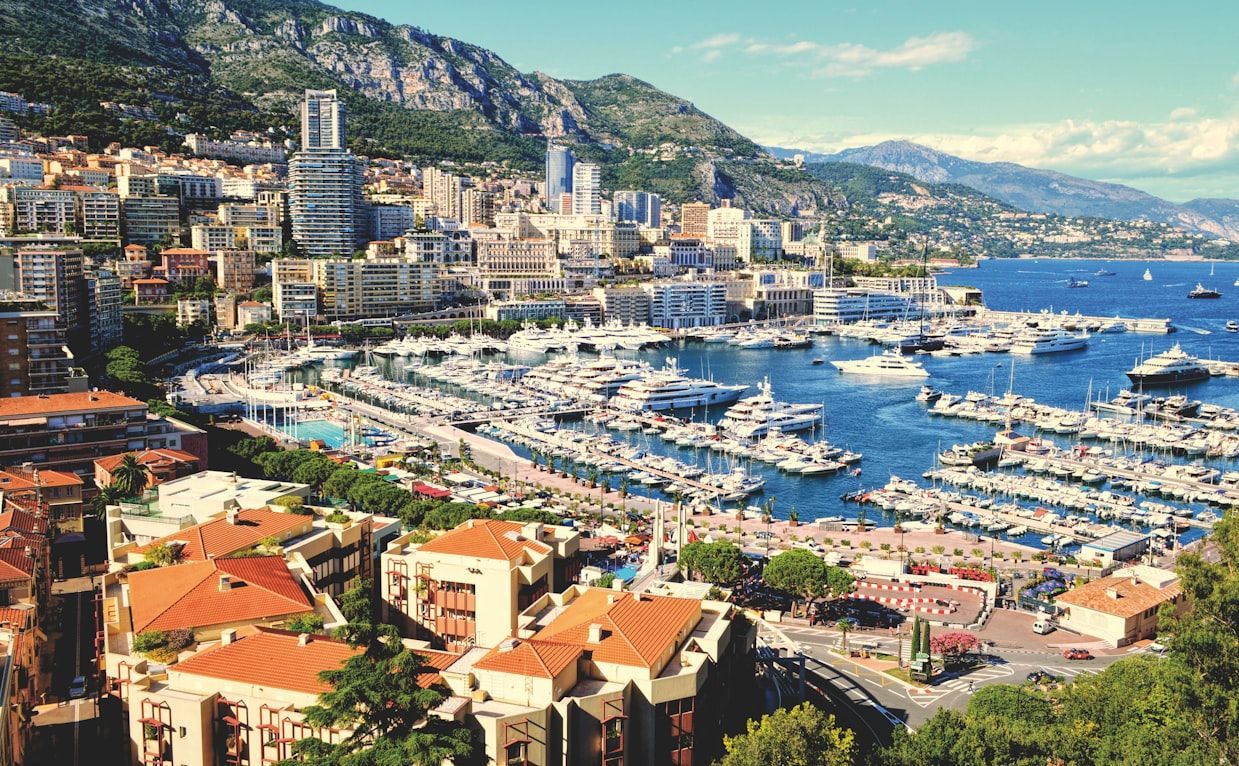
Monaco is the world’s most densely populated country, covering only 0.75 square miles. Despite its size, it is a global icon of luxury and speed. Roughly one in every three people living in Monaco is a millionaire. The country has zero income tax, making it a magnet for the world's ultra-wealthy.
Also, Monaco’s military is actually smaller than its police force. The Compagnie des Carabiniers du Prince consists of roughly 120 soldiers, whereas the police force is over 500 strong. It is one of the few places where you could walk across the entire country in about 60 minutes.
State of the Vatican City: The heart of the church
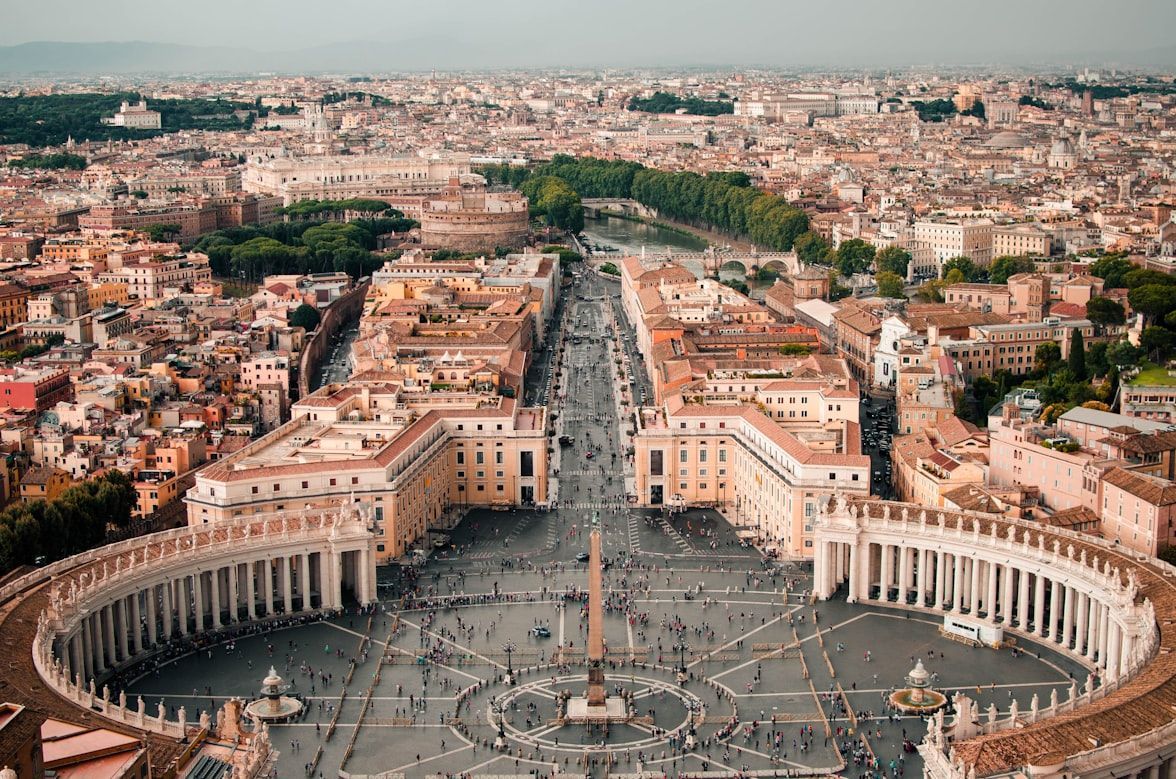
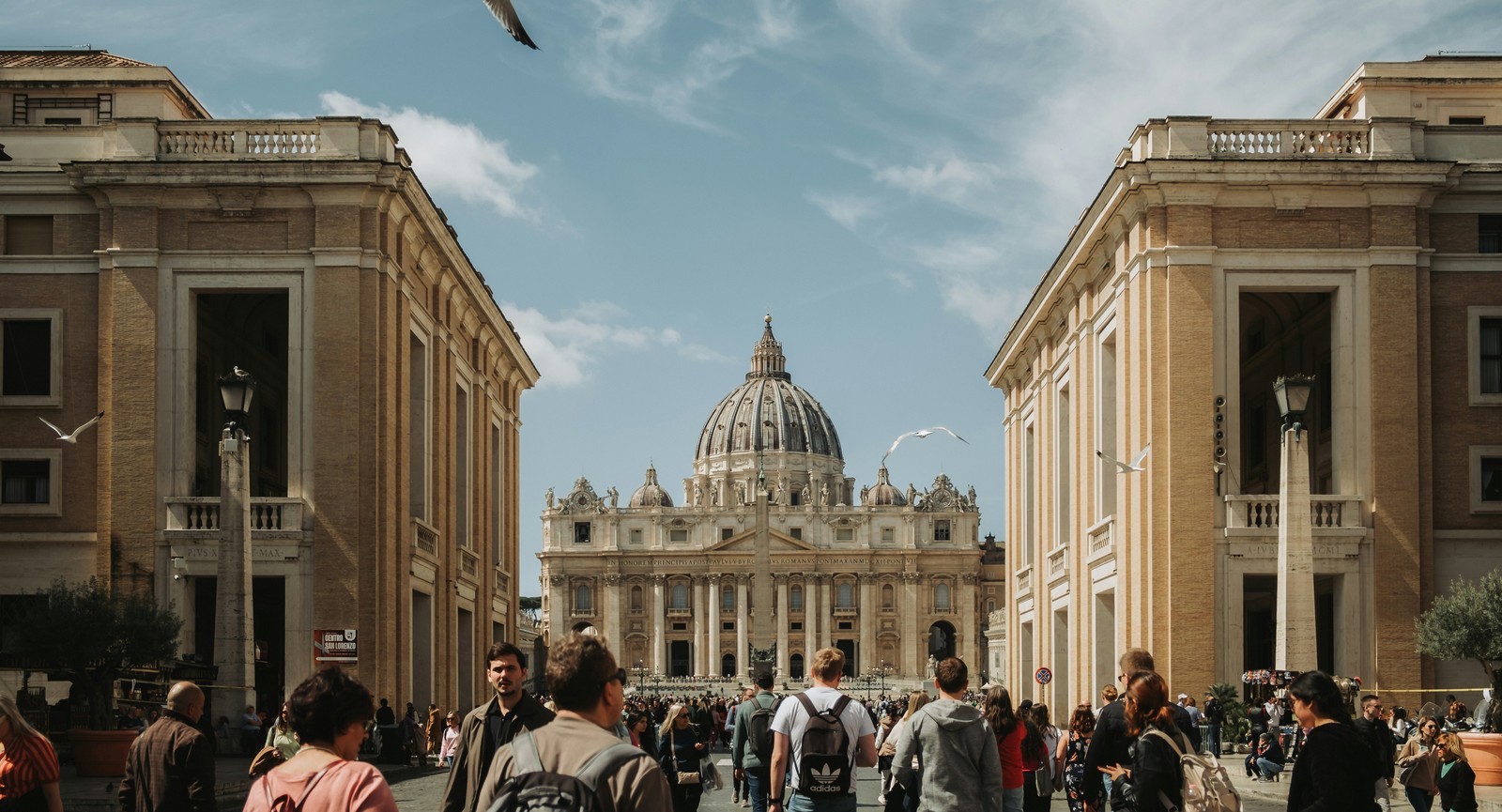
The Vatican City is the smallest country in the world, spanning a mere 0.17 square miles (about 110 acres). It is an absolute monarchy ruled by the Pope. Despite having a population of around 800, nobody is actually born in the Vatican. The country has no hospital or maternity ward. Citizenship is not granted by birth, but rather by jus _officii_—it is given to those who work for the Holy See and is usually revoked once their service ends.
More importantly, the Vatican is the only country in the world that is, in its entirety, a UNESCO World Heritage Site. Every building, from St. Peter's Basilica to the Vatican Museums, is protected under this designation.
Did you ever hear the highly unusual stories of these 10 American hotels?
 Landmarks
See for yourself!
Did you ever hear the highly unusual stories of these 10 American hotels?
Some hotels don’t just offer a bed; they hide bunkers, tunnels, secret rooms, and architectural surprises that guests can still walk through. These 10 American hotels turn a stay into an exploration, rewarding curiosity with real, visitable places. Take a look at these incredible places and see if any of them are worth adding to your travel list!
The Greenbrier (West Virginia)
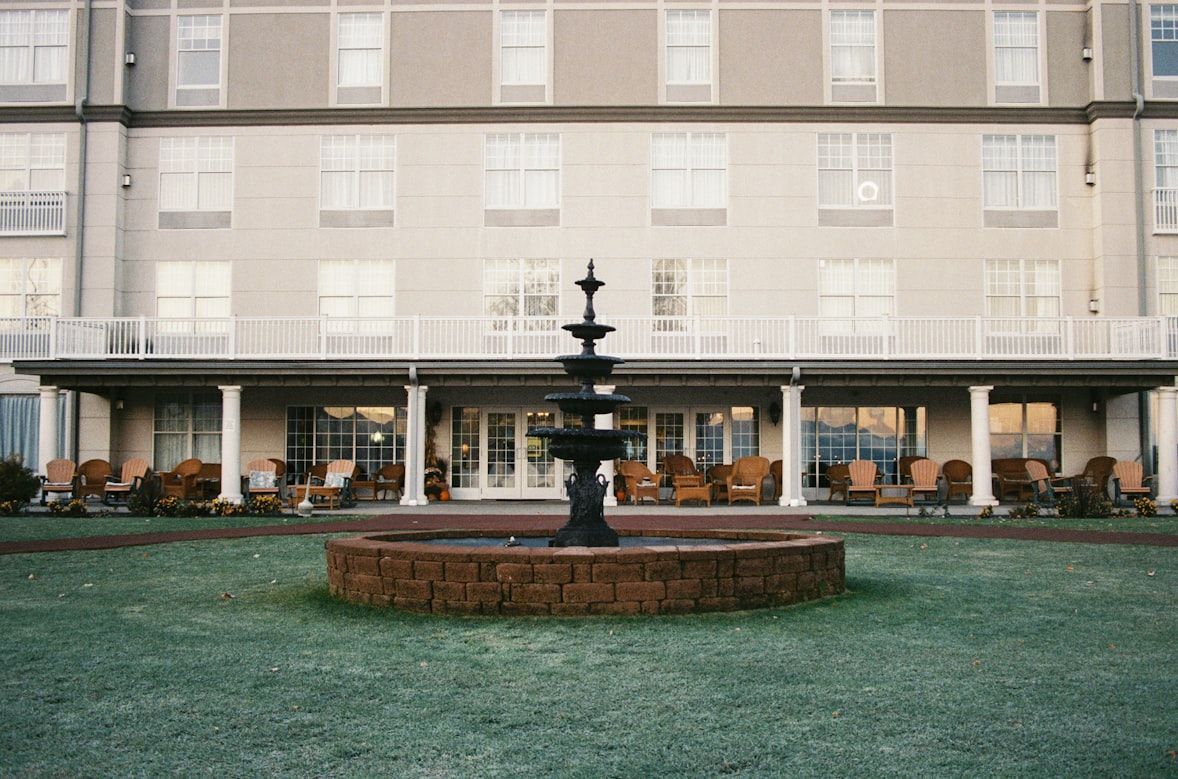 Image: Adrian Hernandez
At first glance, The Greenbrier appears to be a classic luxury resort. Its grand interiors, manicured grounds, and formal atmosphere give no hint of anything unusual beneath the surface.
Below the hotel sits a massive Cold War–era bunker built to house the entire U.S. Congress. Today, guests can tour blast doors, dormitories, and control rooms, walking through one of the most elaborate secret facilities ever concealed under an American hotel.
The Liberty Hotel (Massachusetts)
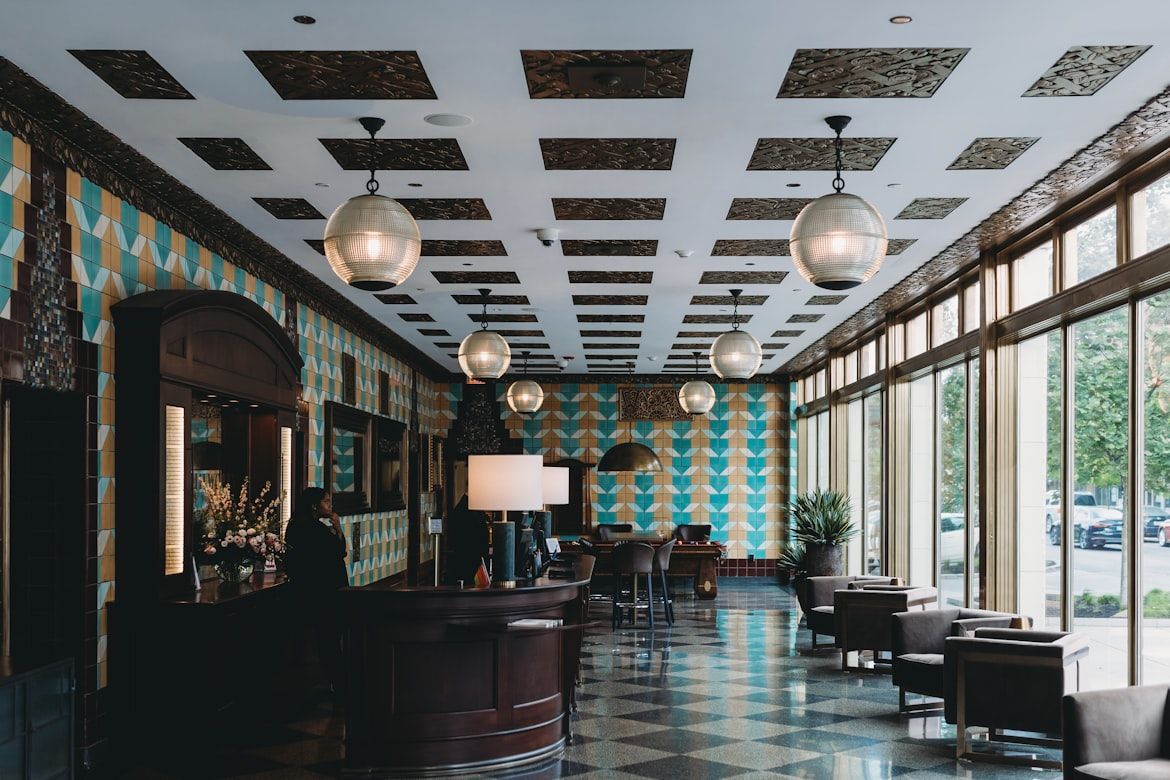 Image: Steven Van Elk
This stylish Boston hotel openly displays its past rather than hiding it. The building’s soaring atrium still shows iron bars, stone walls, and catwalks from its original use.
Once the Charles Street Jail, the structure retains real jail cells and walkways integrated into lounges and corridors. Guests dine and relax inside a former cellblock, experiencing a space that never fully shed its original purpose.
The Stanley Hotel (Colorado)
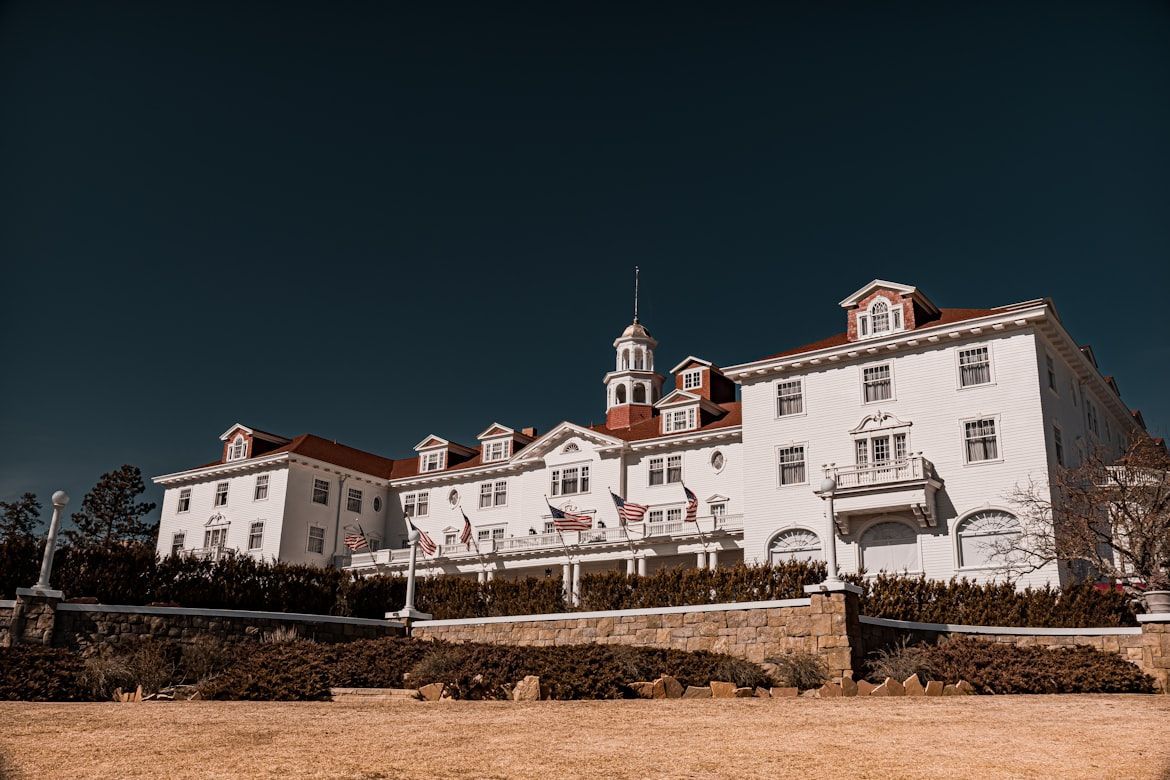 Image: Padraig O'Flannery
Famous for its dramatic mountain setting, the Stanley offers far more than scenic views. Beneath the public spaces lies a network of service tunnels and mechanical rooms.
Guests can join guided tours that pass through underground corridors once used by staff, revealing boilers, passageways, and other hidden infrastructure. These spaces show how large early hotels functioned behind the scenes.
The Madonna Inn (California)
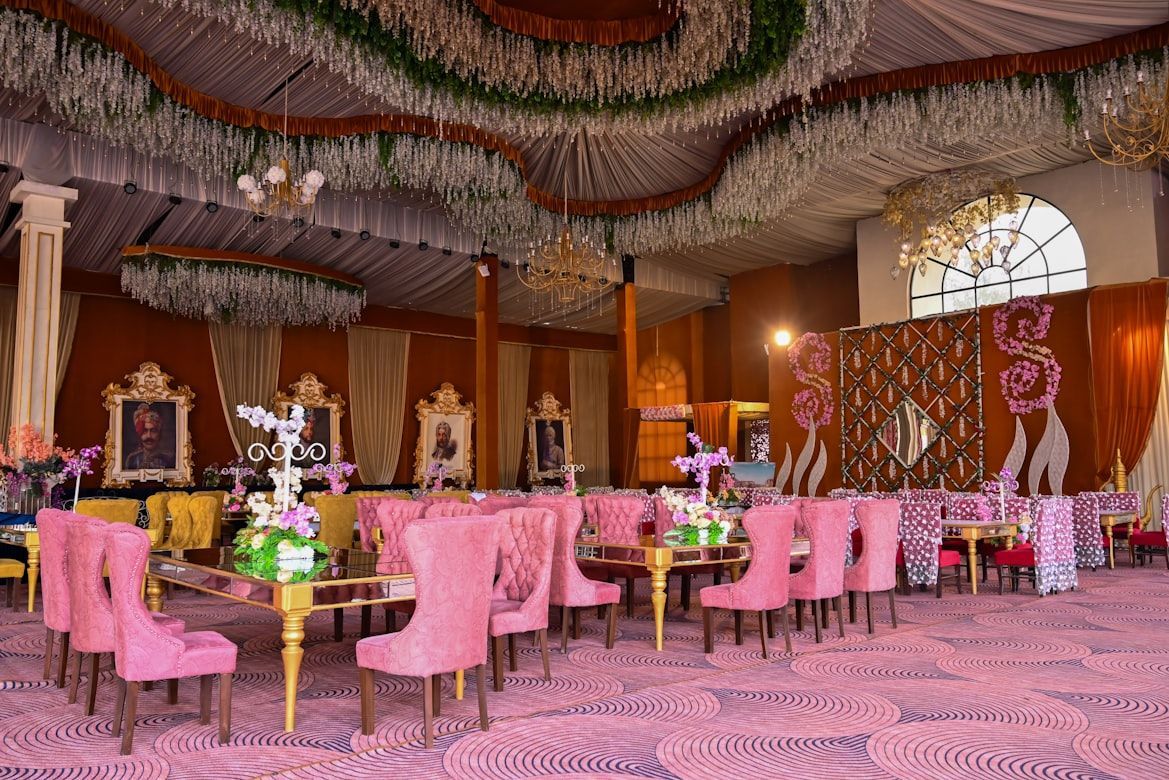 Image: Onkar Singh
Nothing about the Madonna is subtle. Each room is completely different, ranging from rock caves to exaggerated fantasy suites carved into stone.
The quirks extend beyond the guest rooms. Visitors encounter pink dining halls, dramatic staircases, and a men’s restroom featuring a full waterfall urinal. The oddities are public and impossible to miss.
Hotel del Coronado (California)
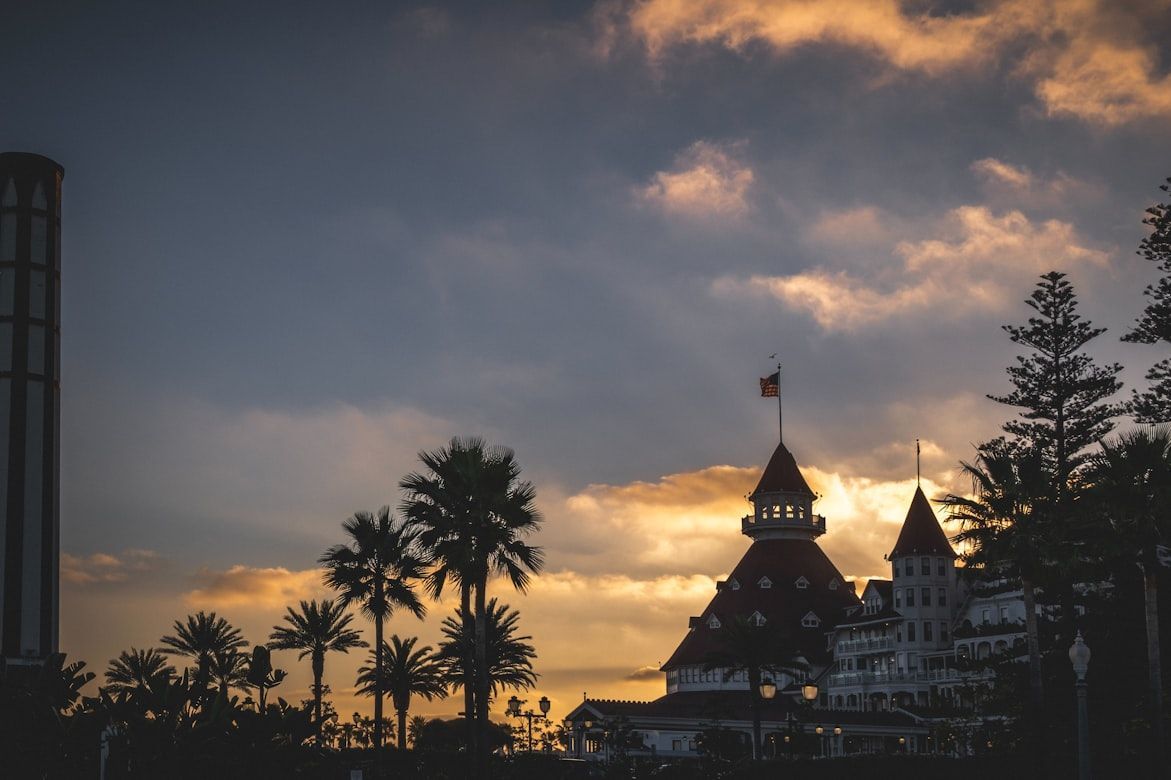 Image: Jonathan Phillips
Above ground, this Victorian beachfront hotel feels bright and historic. Below, a lesser-known world exists beneath the floors.
The hotel preserves service tunnels, original mechanical areas, and hidden corridors once used to move staff and supplies unseen. Some of these spaces are viewable through tours and exhibits, offering guests a rare look at how massive resorts quietly operated behind the scenes.
The Roxbury (New York)
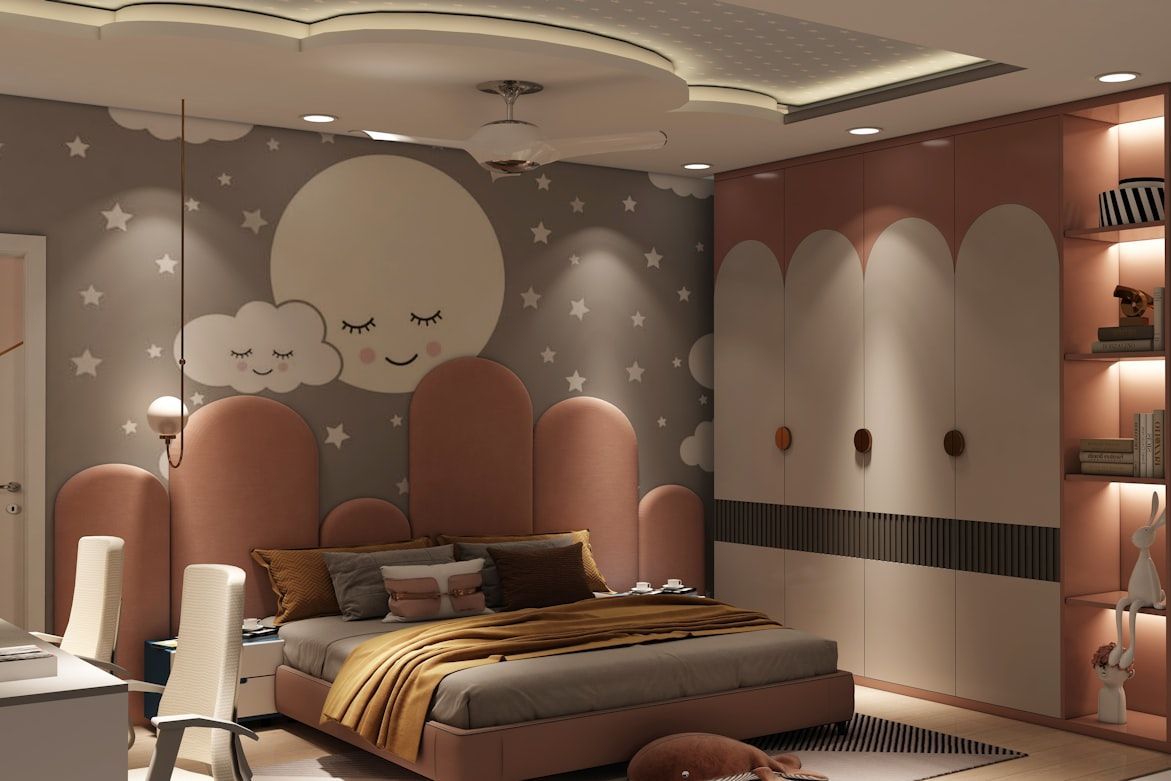 Image: The Artwill .
From the outside, this Catskills hotel seems modest. Inside, many rooms are designed like interactive sets rather than standard accommodations.
Guests discover hidden doors, rotating walls, secret staircases, and puzzle-like layouts built directly into their suites. Exploring the rooms becomes part of the stay.
21c Museum Hotel (Kentucky)
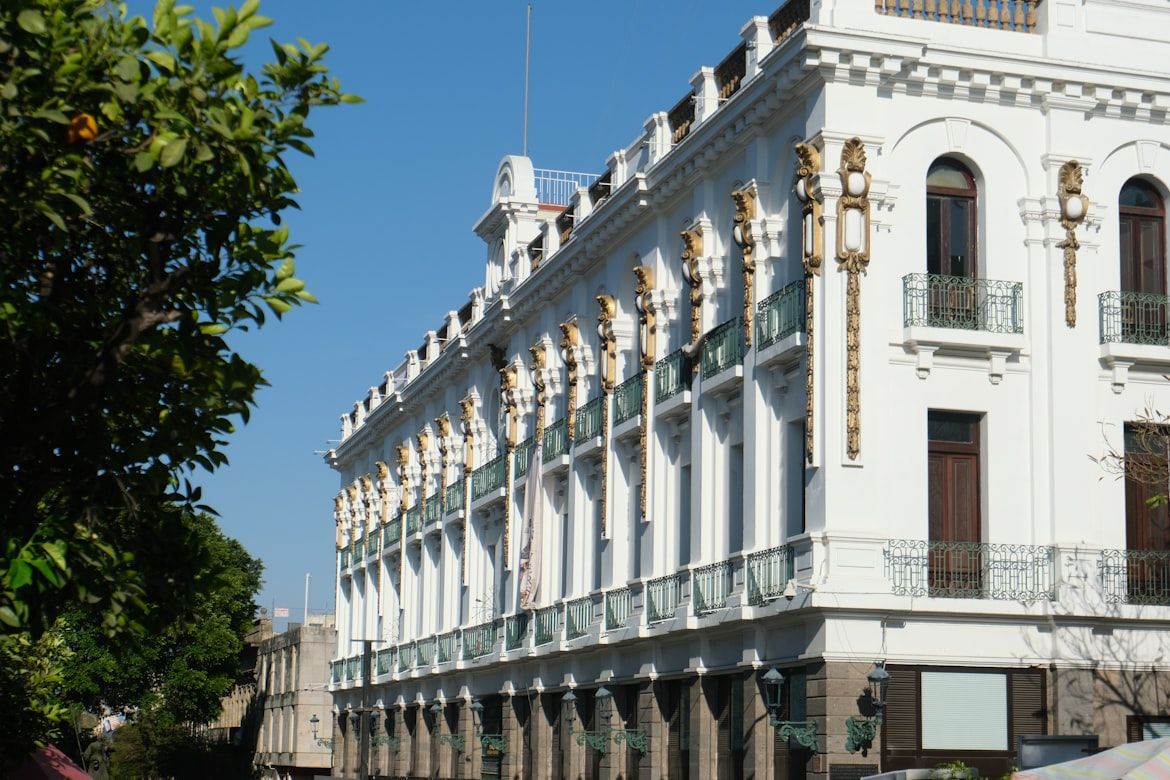 Image: Anil Baki Durmus
This hotel doubles as a contemporary art museum, but the experience goes beyond framed walls and quiet galleries.
Large-scale installations appear in hallways, stairwells, and unexpected rooms, many of them accessible at any hour. Guests freely explore spaces where art and architecture blend, often stumbling upon hidden or unexpected exhibits.
The Lexington Hotel (New York)
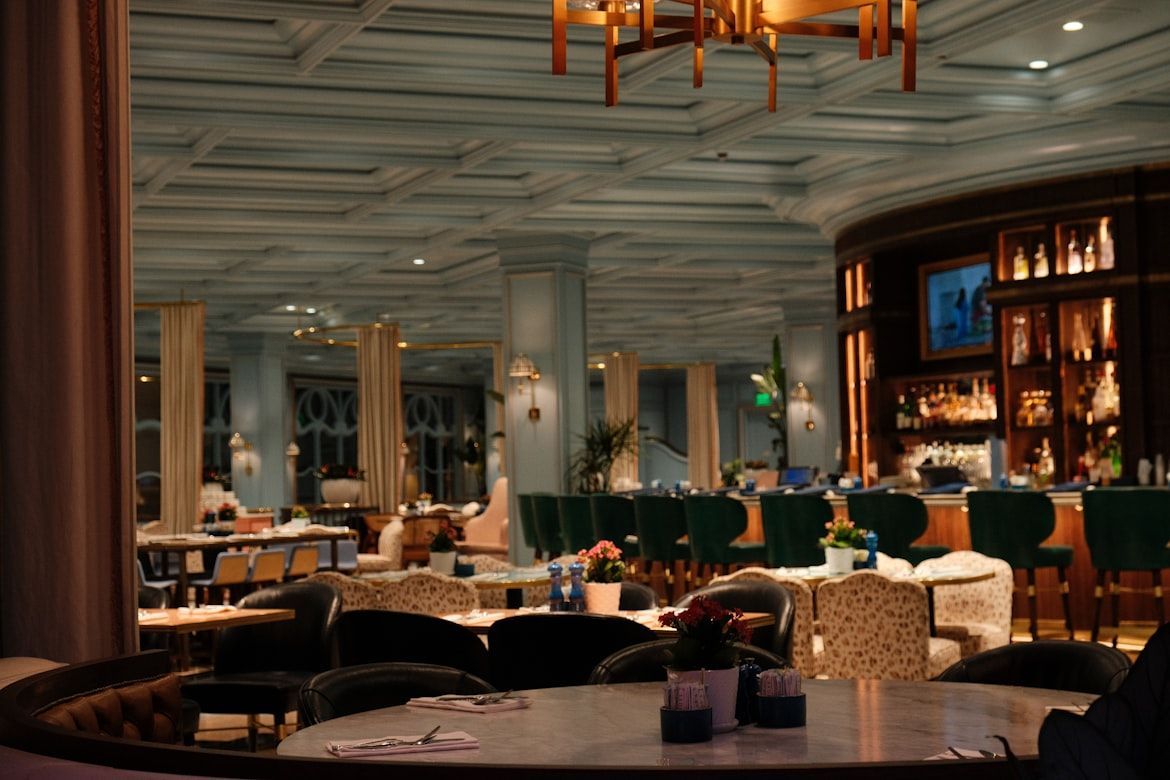 Image: Saul Macias
Built during Prohibition, this Midtown hotel quietly preserves pieces of its secretive past. At street level, it looks like a standard historic property.
Inside, guests can find concealed entrances and speakeasy-style spaces tied to the era of hidden bars and bootlegging routes. Some remain intentionally discreet, inviting visitors to discover them, as if by chance.
The Ahwahnee (California)
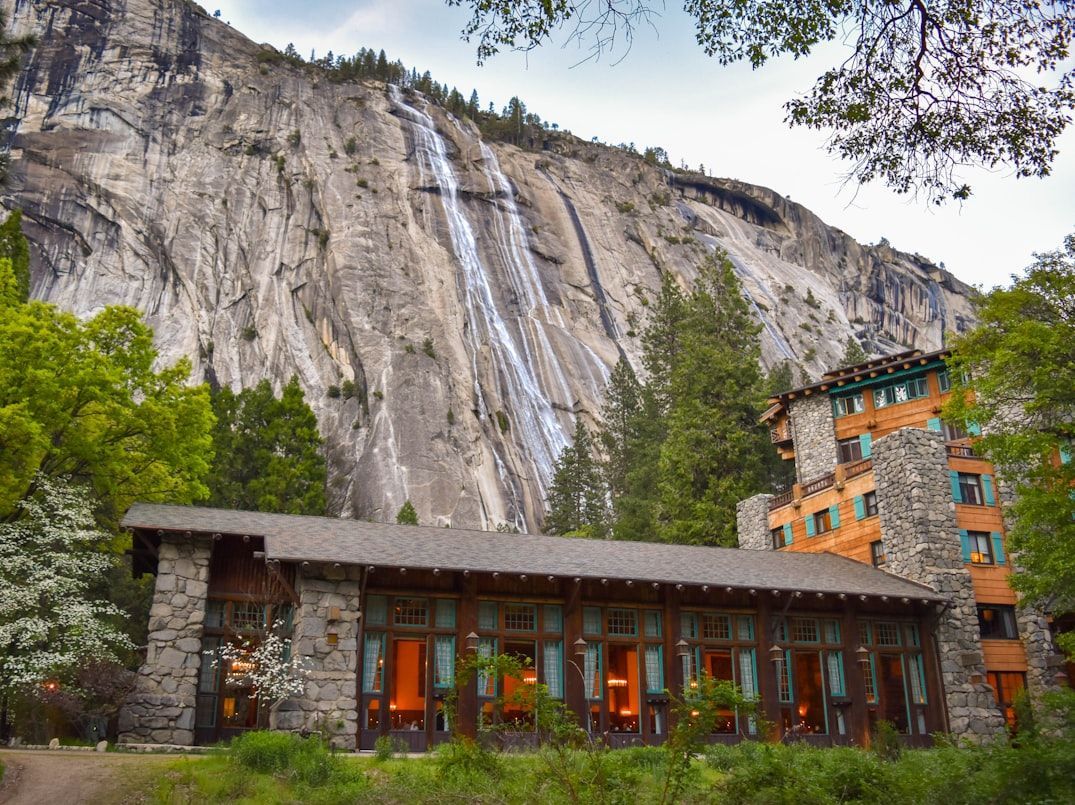 Image: John Ruddock
The Ahwahnee feels monumental, with soaring ceilings and massive stonework that appear ancient and natural.
What guests don’t immediately notice is the illusion at work. Steel beams are disguised as wood, acoustic tricks shape sound, and structural features are hidden in plain sight. Guided tours reveal how the building quietly manipulates perception while remaining fully functional.
Hotel Jerome (Colorado)
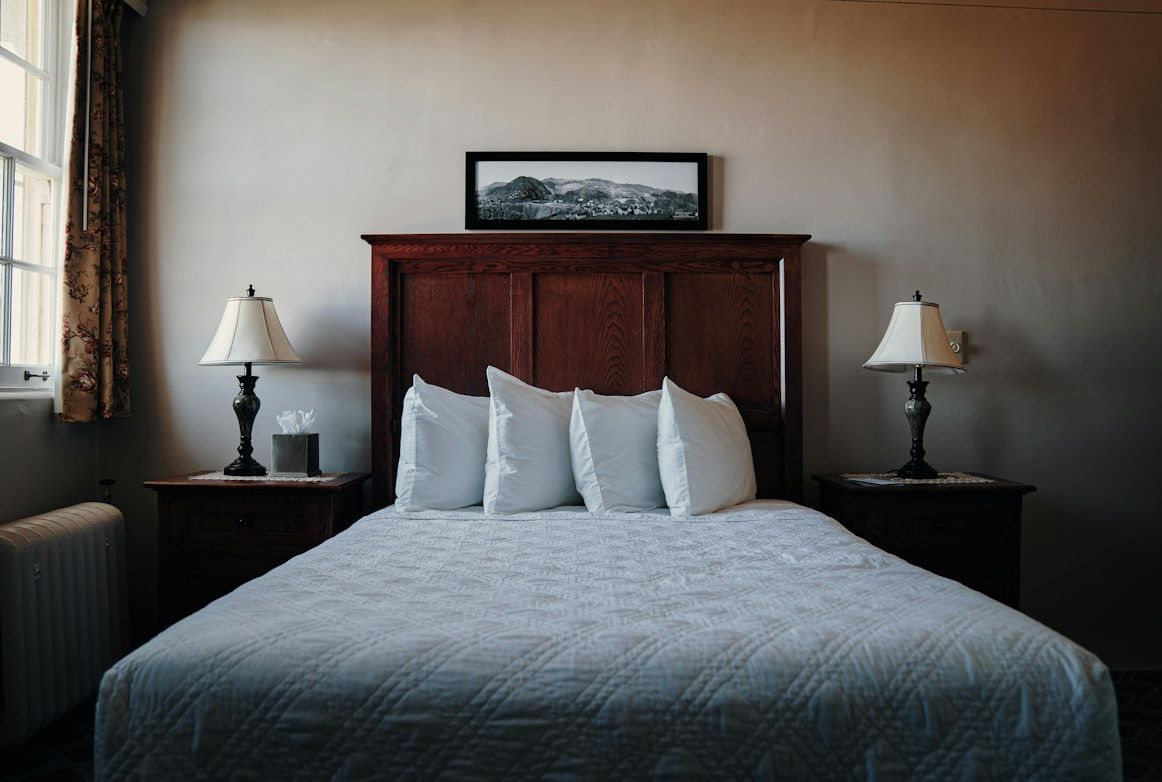 Image: Strange Happenings
Opened in 1889, Hotel Jerome still contains original underground tunnels built to move people and supplies discreetly during Aspen’s mining boom. Portions of these passageways remain intact beneath the hotel.
While not all tunnels are freely accessible, the hotel actively incorporates them into tours and historical storytelling, and guests can see preserved subterranean spaces that reveal how the building once functioned behind the scenes.
Keep wandering
There’s always
more to explore
 Culture
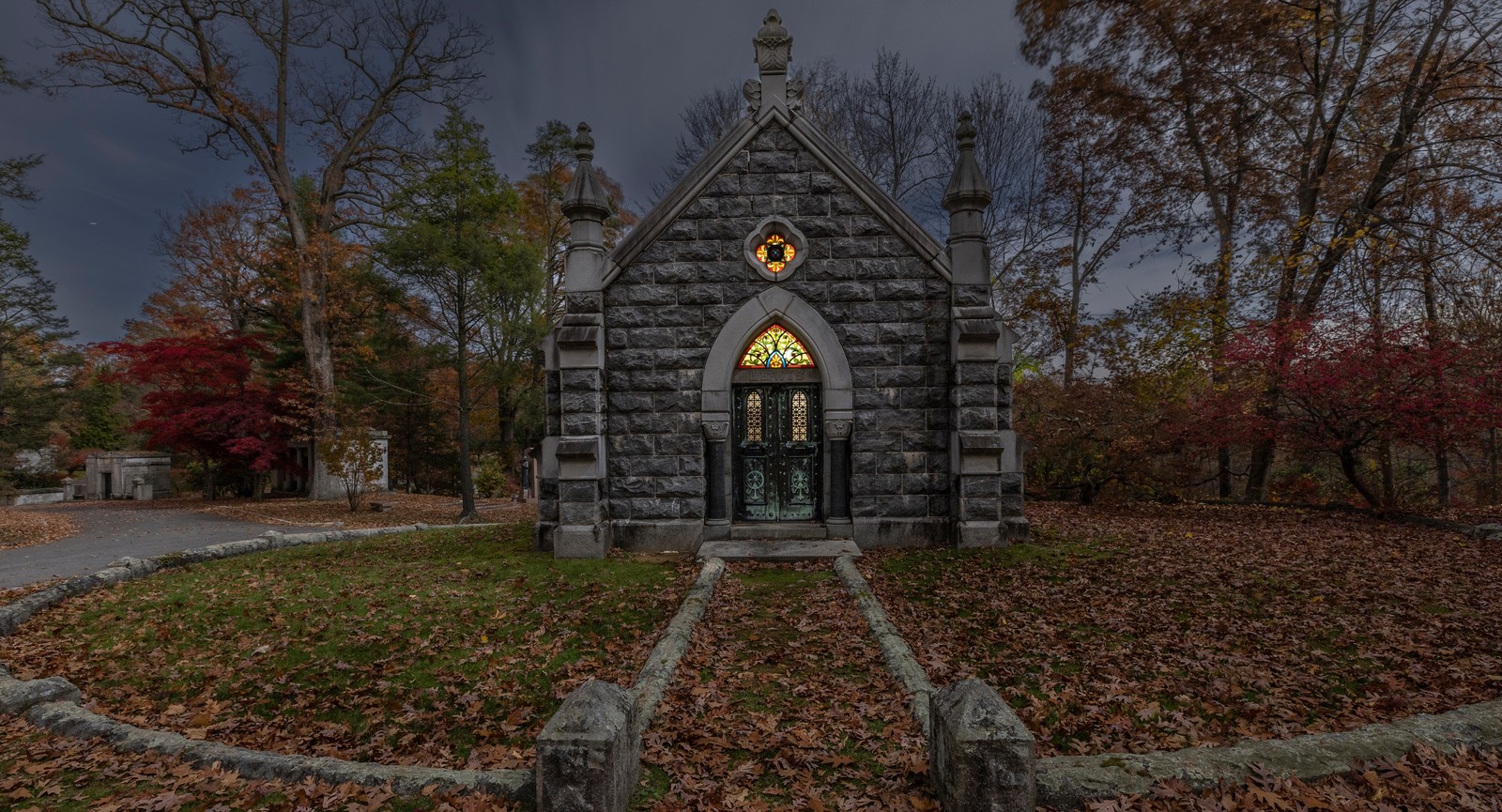
The town that changed its name over a ghost story: Best Halloween cities
7 min.
Read Now
 General
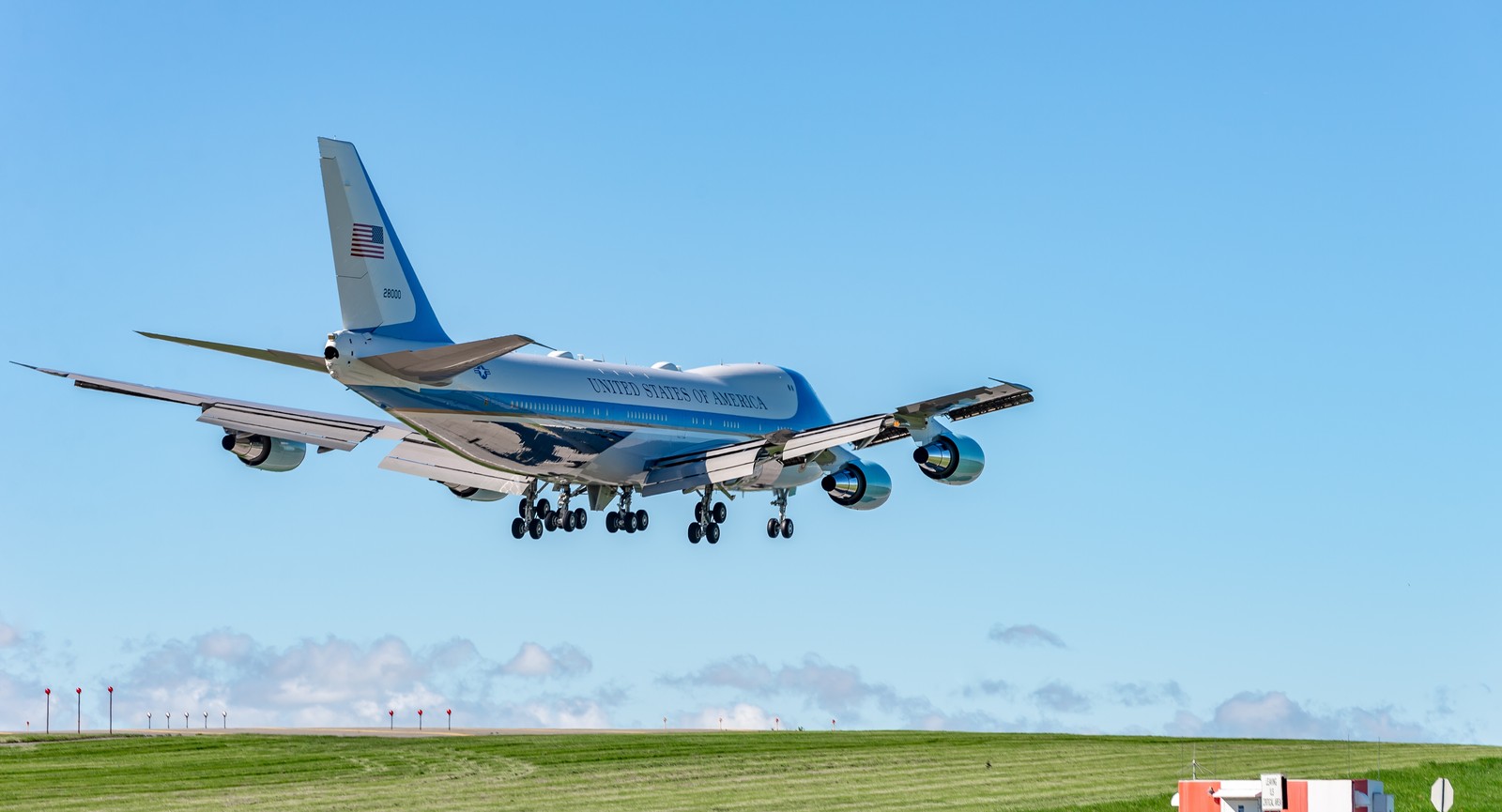
Air Force One isn't a plane at all: secrets uncovered
6 min.
Read Now
You've heard about tourist traps: these destinations are the opposite
4 min.
Read Now

Your carry-on may get flagged according to this new rule
6 min.
Read Now