Where did families vacation before theme parks took over?
 Culture
Where did families vacation before theme parks took over?
Before flights were as ubiquitous as they are today and modern, sprawling theme parks became favorite destinations, vacations often started as road trips, when the whole family got inside the car. Paper maps, snacks, and no headphones meant everyone was ready to discover new experiences along the way, and finally arriving at the destination was something truly special. Are you ready to revisit these classic spots?
Coney Island (Brooklyn, NY)
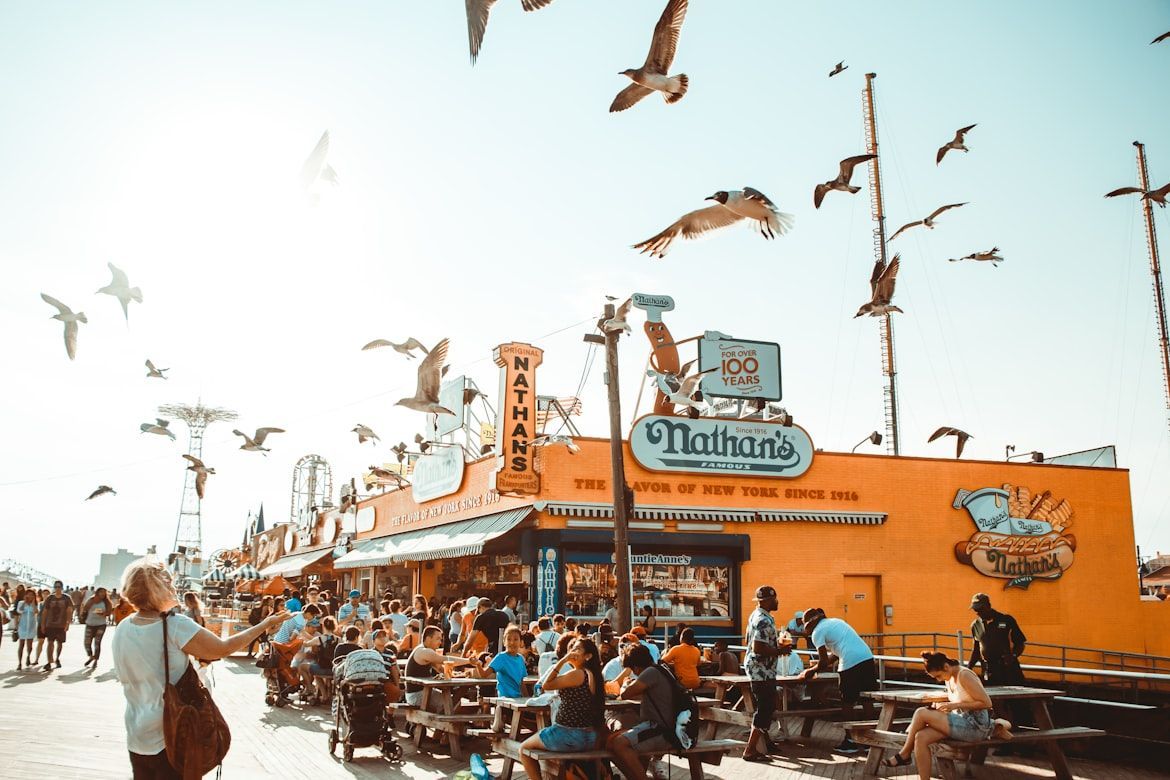
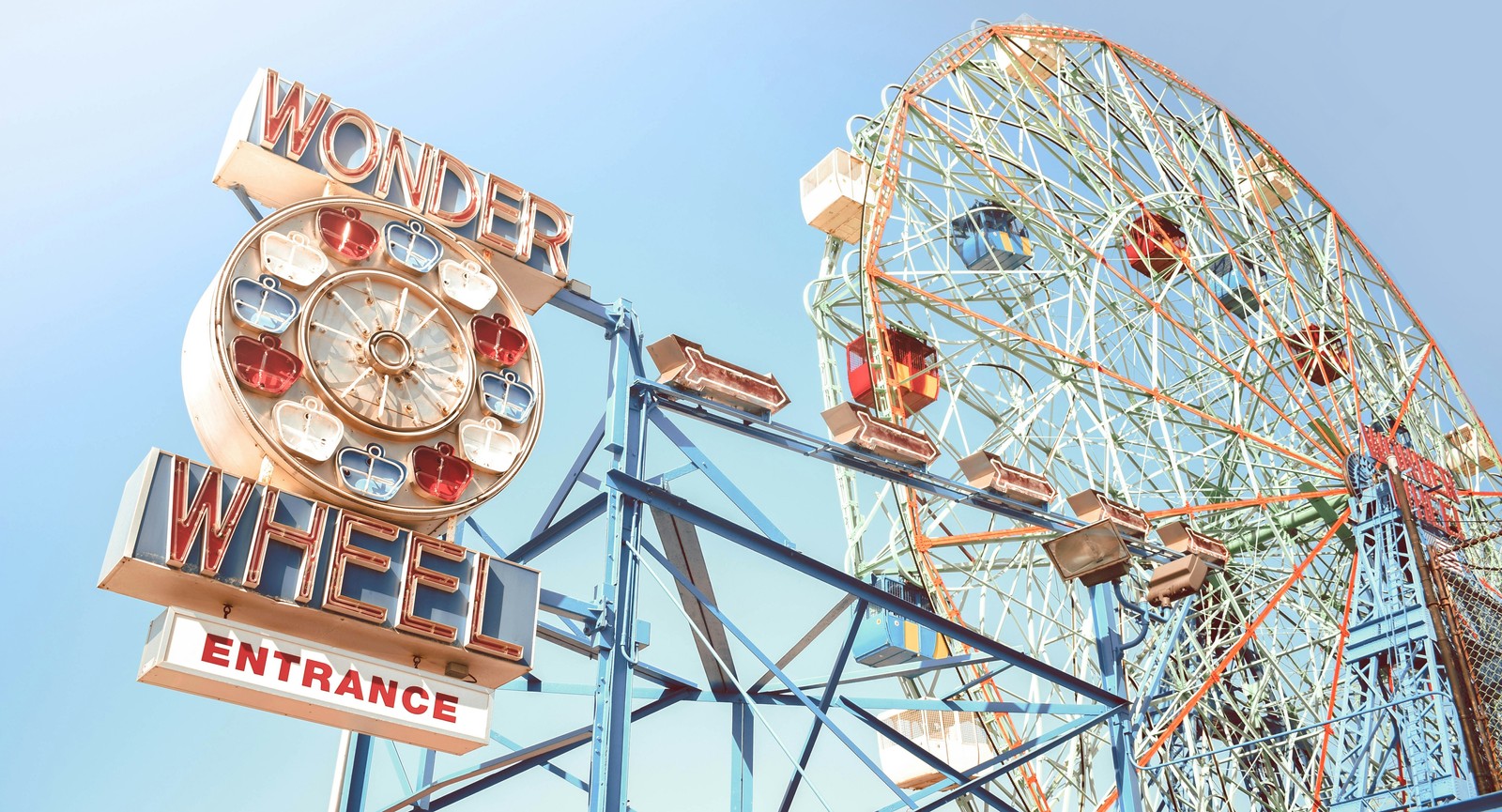
It began as a seaside resort in the late 1800s and grew into the country’s first amusement spot. With a public beach, a long boardwalk, and classic rides like The Cyclone (1927) and The Wonder Wheel (1920), it didn't take long before it became a family favorite. What makes it special is its accessibility; you can walk in and decide as you go, with free beach and boardwalk access.
A typical day in Coney Island might start at the beach, then move to a stroll along the boardwalk, a few rides, and a stop at Nathan’s Famous for a hot dog, fries, and a lemonade. Today, rides are spread across the Luna Park and the Wander Wheel areas, opening from spring through fall.
Atlantic City Boardwalk (NJ)
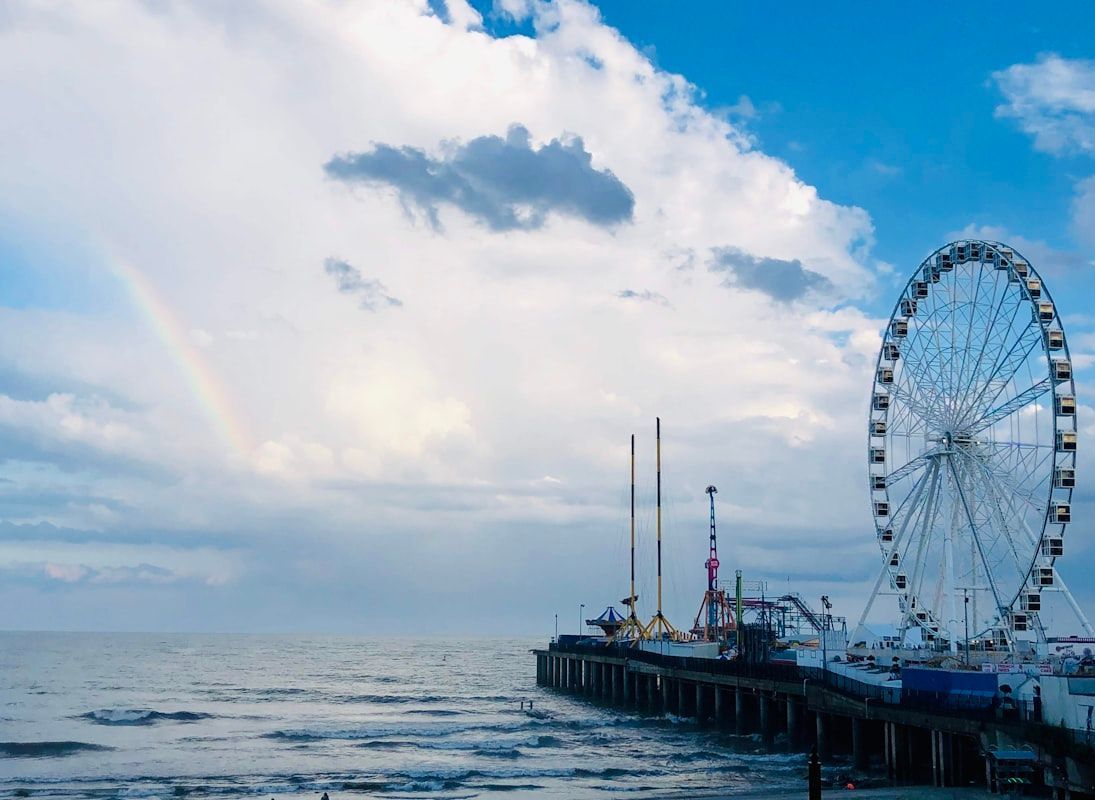
It runs along the Atlantic Ocean in New Jersey and is accessible by car or train from cities like New York and Philadelphia. Its inauguration was in 1870, becoming an ideal alternative for a seaside escape during family getaways. You can go to the beach, through the long wooden boardwalk, eat in food stands, and visit attractions like Steel Pier, known for its rides and games.
Today, the Boardwalk is active year-round, with rides operating seasonally, while casinos, restaurants, and shops keep their doors open. There are also sporting events, concerts, and performing arts that continue to entertain throughout the year.
Santa Monica Pier (CA)
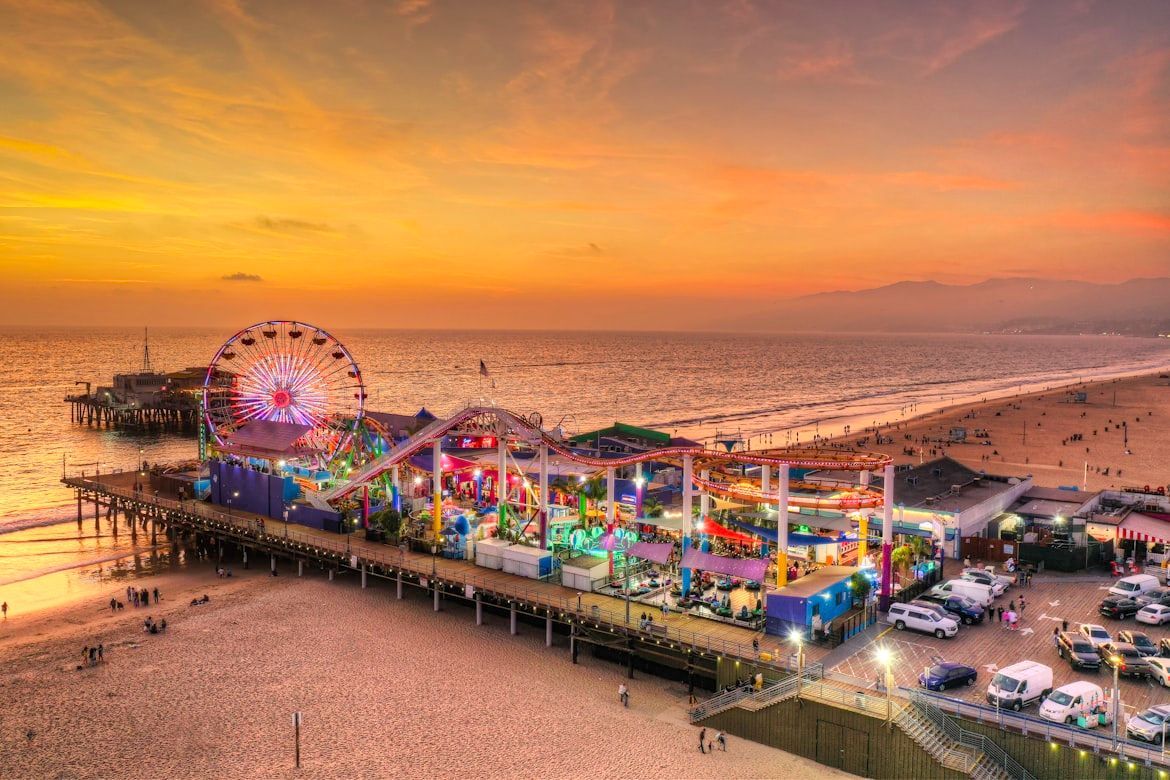
The ideal spot to end a Route 66 trip on the western side, the Santa Monica Municipal Pier became a popular leisure destination by the mid-20th century. First opened in 1909, it welcomed families who had finally arrived: walking along the beach, watching performers, playing arcade games, and grabbing simple food like hot dogs or ice cream. Today, rides operate under Pacific Park with ticketed access and variable hours, while the pier itself remains free and open year-round.
In 1972, the pier was nearly demolished to make way for a bridge to a proposed manmade resort island, but strong community opposition stopped the plan. By 1975, a public vote helped secure its preservation, keeping the pier in place to this day. Can you imagine it almost being torn down?
Grand Canyon (AZ)
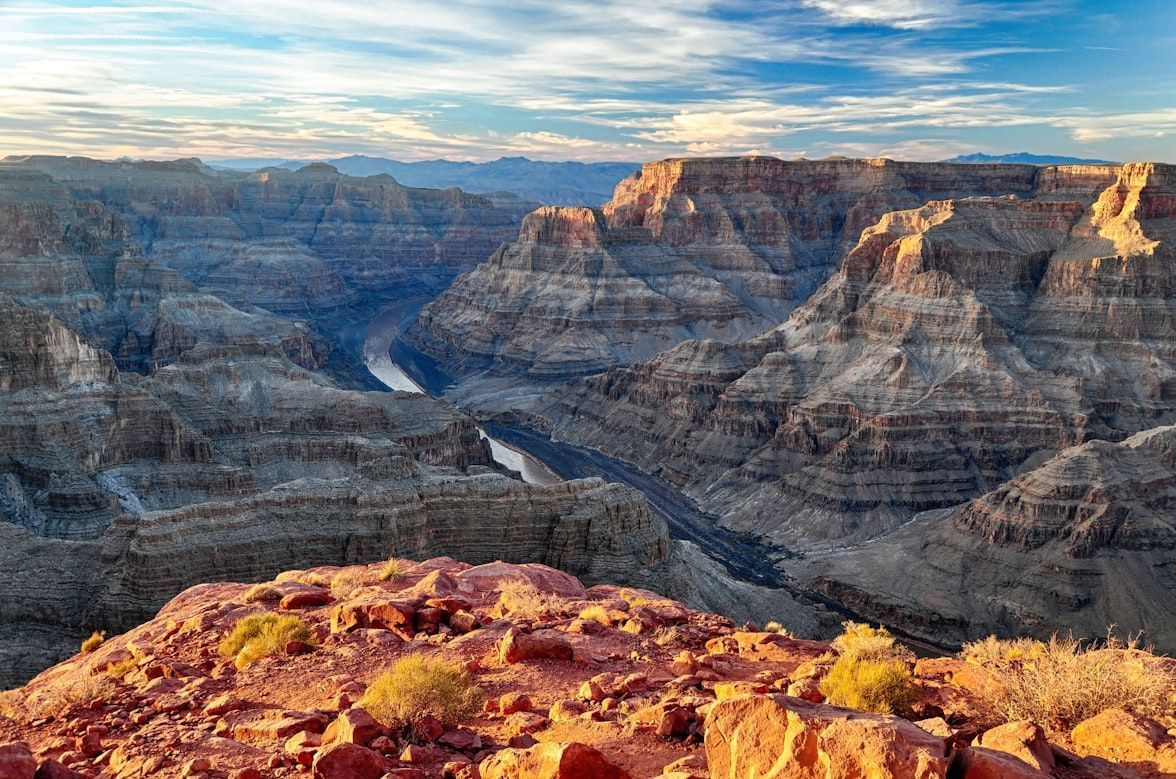
When tourism developed through railroads in the late 1800s and later expanded with car travel, the Grand Canyon became a must-see stop for families crossing the country. It became a National Park in 1919, offering vast, incredible views: the canyon carved by the Colorado River, with red and orange rock walls, cliffs, and wide desert views that stretch for miles. No rides: just nature, leaving travelers completely spellbound. Families would arrive, stop at viewpoints, walk short trails, and take memorable photos.
The South Rim remains open during the year, while the North Rim operates seasonally, usually from May to October. Today, it’s still reachable by car, with an entrance fee.
Yellowstone (WY, MT, ID)
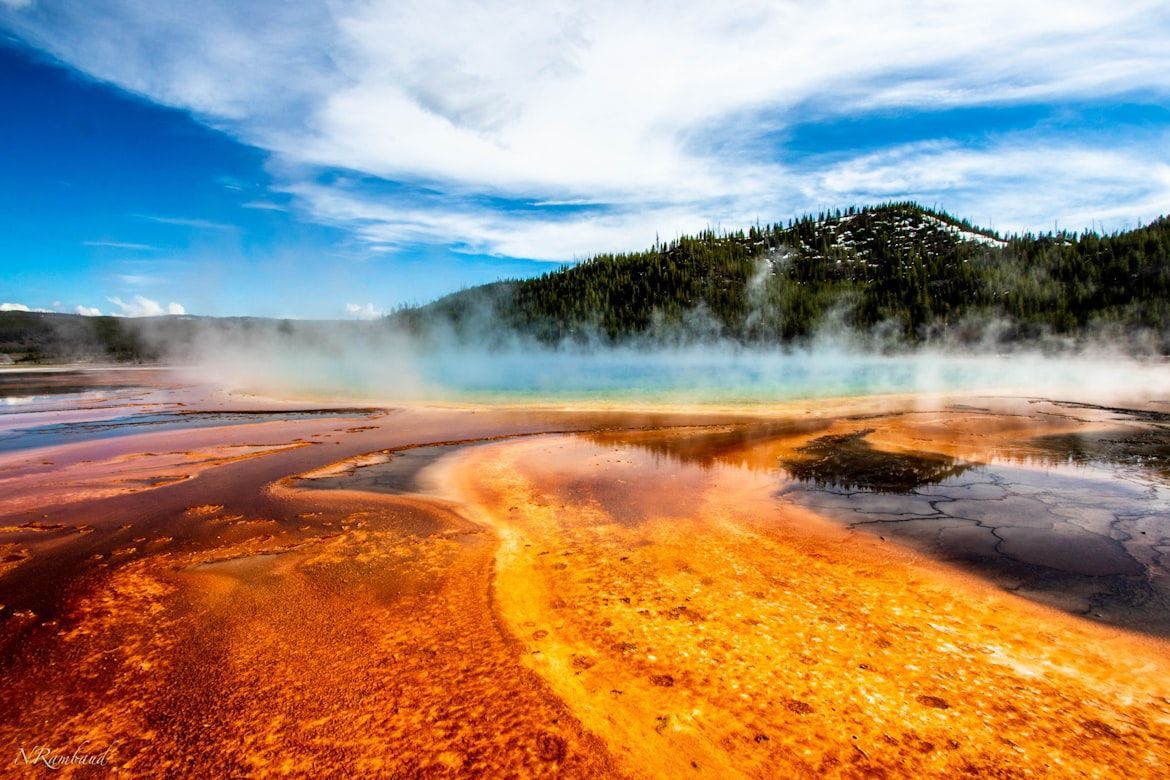
Yellowstone is the world’s first national park, established on March 1, 1872, when President Ulysses S. Grant signed the Yellowstone National Park Protection Act into law. Its main draw has always been the geyser called Old Faithful, which erupts regularly. The park also stars colorful hot springs, like the Grand Prismatic Spring, along with wide valleys, forests, and wildlife such as bison and elk.
Today, it remains open year-round with an entrance fee, though access depends on the season, with full roads in summer and more limited routes in winter. Visitors can pause at historic lodges like the Old Faithful Inn for a simple meal before breaking along the way.
Niagara Falls (NY, ON)
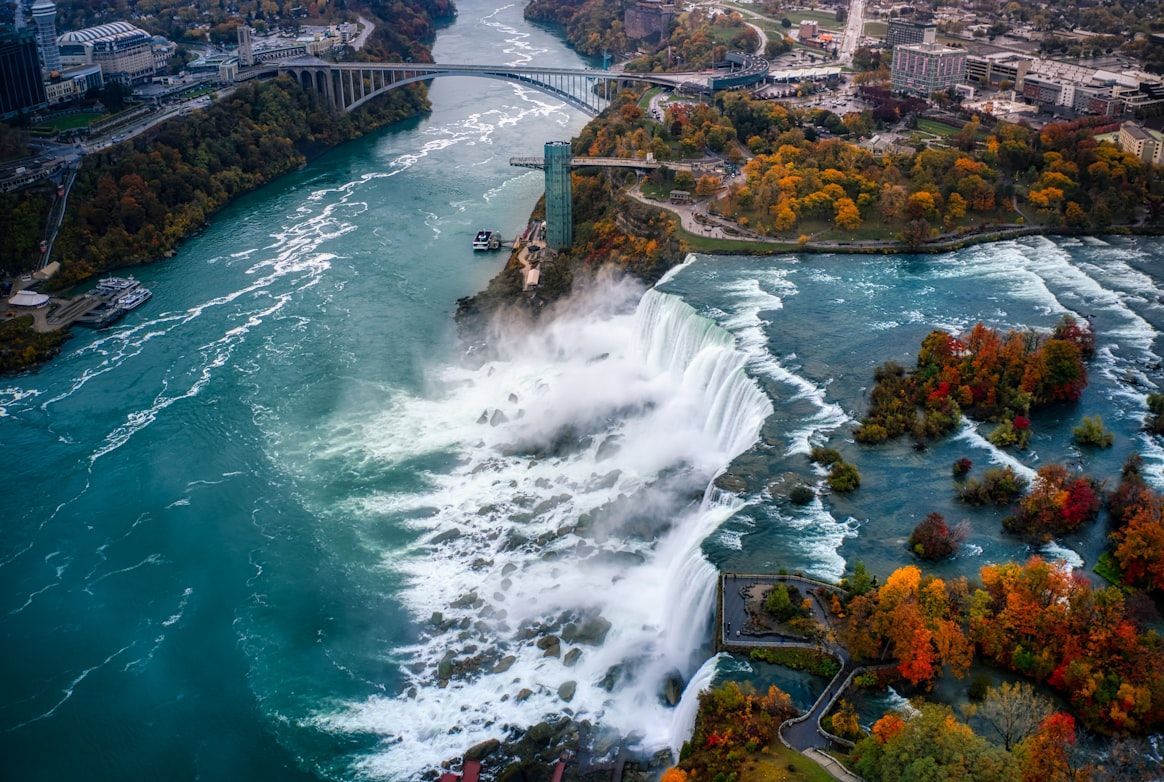
For decades, Niagara Falls was known as the "Honeymoon Capital of the World", drawing couples to see one of the most powerful natural sights in North America. It had also made its way to the screen in the noir film Niagara (1953), shot in Technicolor, where Marilyn Monroe appears with the falls roaring behind her.
On the American side, visitors can take in views of the American Falls and Bridal Veil Falls from different spots, or get closer on the Maid of the Mist boat ride. Because of the constant spray and strong currents, surfaces can be slippery, so staying on marked paths and wearing proper footwear is important. Today, the area is open year-round, with some attractions operating seasonally depending on the weather.
Fisherman’s Wharf (San Francisco, CA)
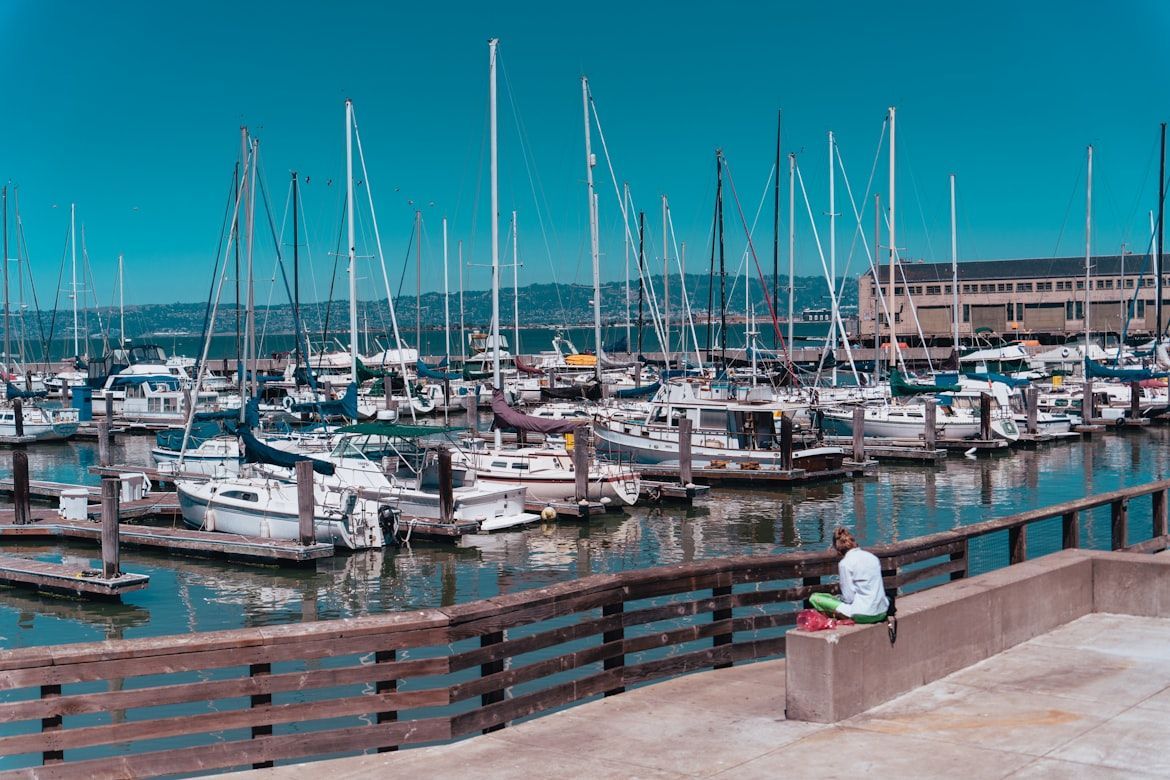
Fisherman’s Wharf is a place where families can explore, taste, discover, and experience the waterfront with options for every family member. Some of the most popular spots include the sea lions at Pier 39, a bowl of clam chowder at Boudin Bakery, views of Alcatraz, and the street performers along the waterfront. Did you know sea lions moved to Pier 39 after the 1989 earthquake? Before that, we couldn’t see them all together so close to us.
You can get there by car, public transport, or even on foot from nearby areas. The area mixes working piers, seafood spots, and shops, and places like Pier 39, where sea lions gather year-round.
Wisconsin Dells (WI)
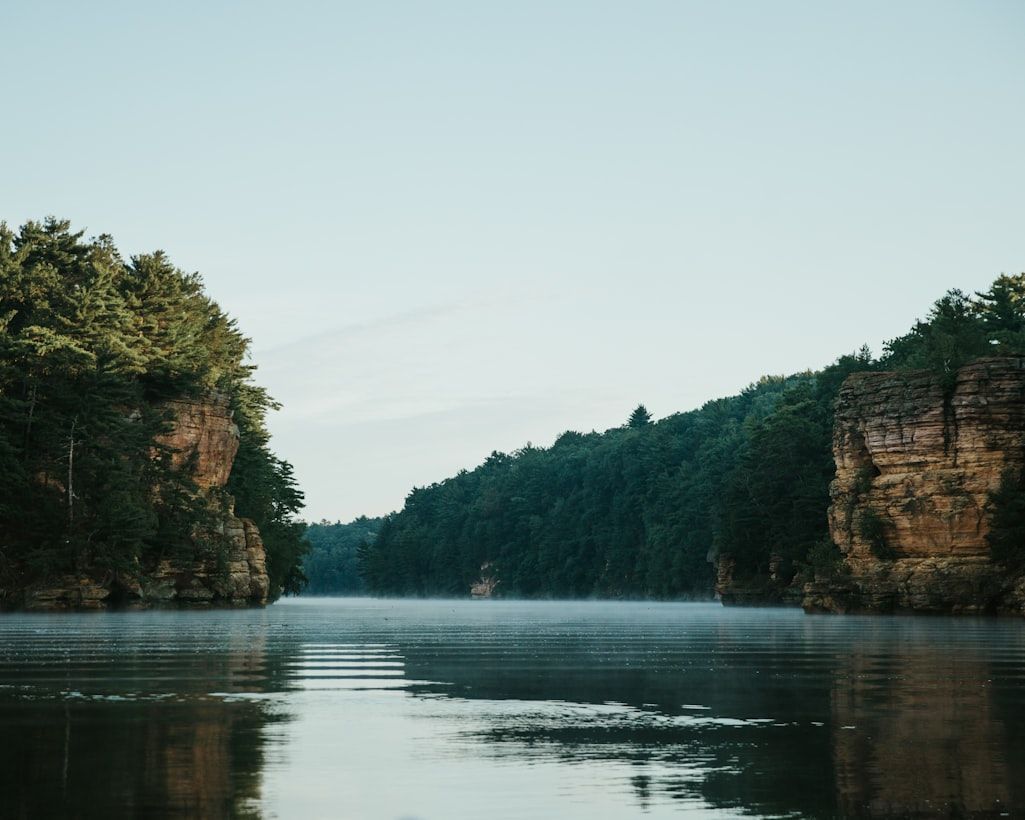
Do you know who made Wisconsin Dells famous? It was Henry Hamilton Bennet, a photographer, who captured his son mid-jump between two rock ledges in 1886, calling it "Leaping the Chasm", and quickly caught national attention because many thought it was fake. He had also taken photos of the river and cliffs that attracted early tourists. Today, his studio exists as a museum.
Located in central Wisconsin, the ledges grew around these sandstone formations along the Wisconsin River. Early visits included boat tours, short walks, and appreciating the scenery. Over time, more attractions were added, eventually leading to the waterparks it is known for today. You can visit it at any time of the year.
Branson (MO)
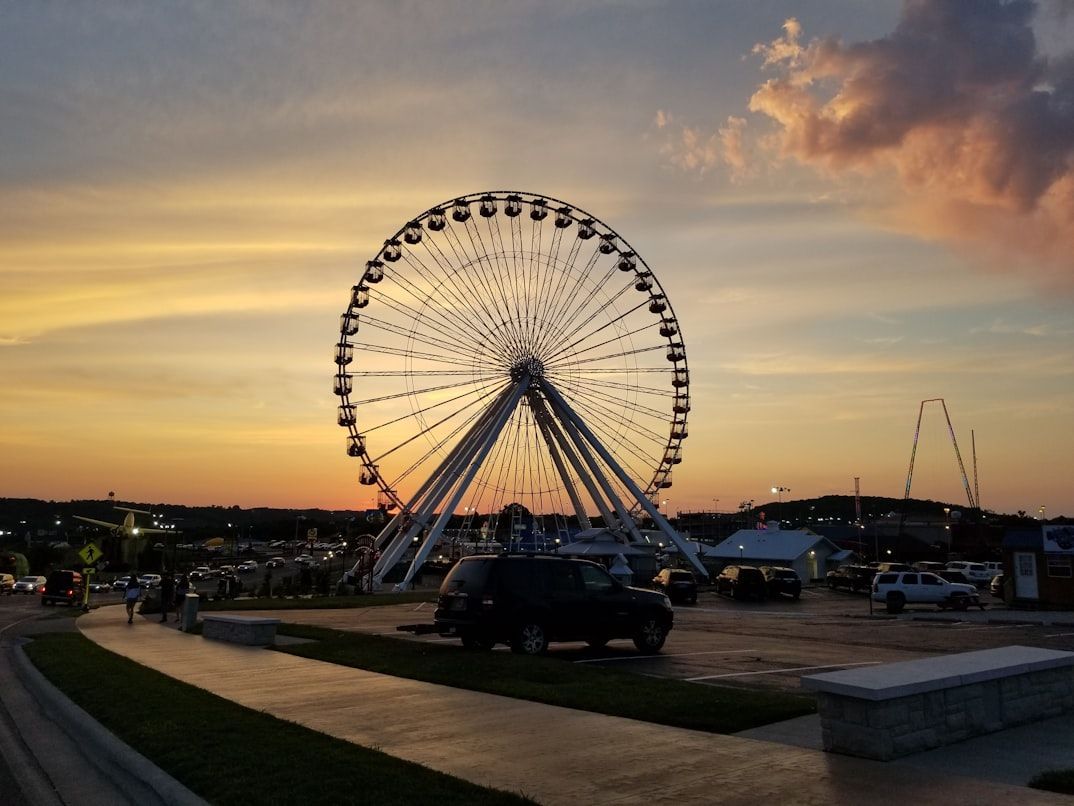
Branson first sparked visitors' curiosity because of the novel The Shepherds of the Hill (1907), written by Harold Bell Wright. It told the story of life in the Ozark Mountains, focusing on local families, faith, and the landscapes themselves. It became one of the first million-selling novels in the U.S., bringing national attention to a place many people had never heard of.
Located in southern Missouri, Branson became a spot for family entertainment. Over time, the focus shifted to live shows, especially country and gospel music, with comedy and variety acts in theaters along Highway 76. Today, visitors can catch a show, explore Silver Dollar City, spend time at Table Rock Lake, or walk through shops and attractions along the strip during the year.
Lake Tahoe (CA, NV)
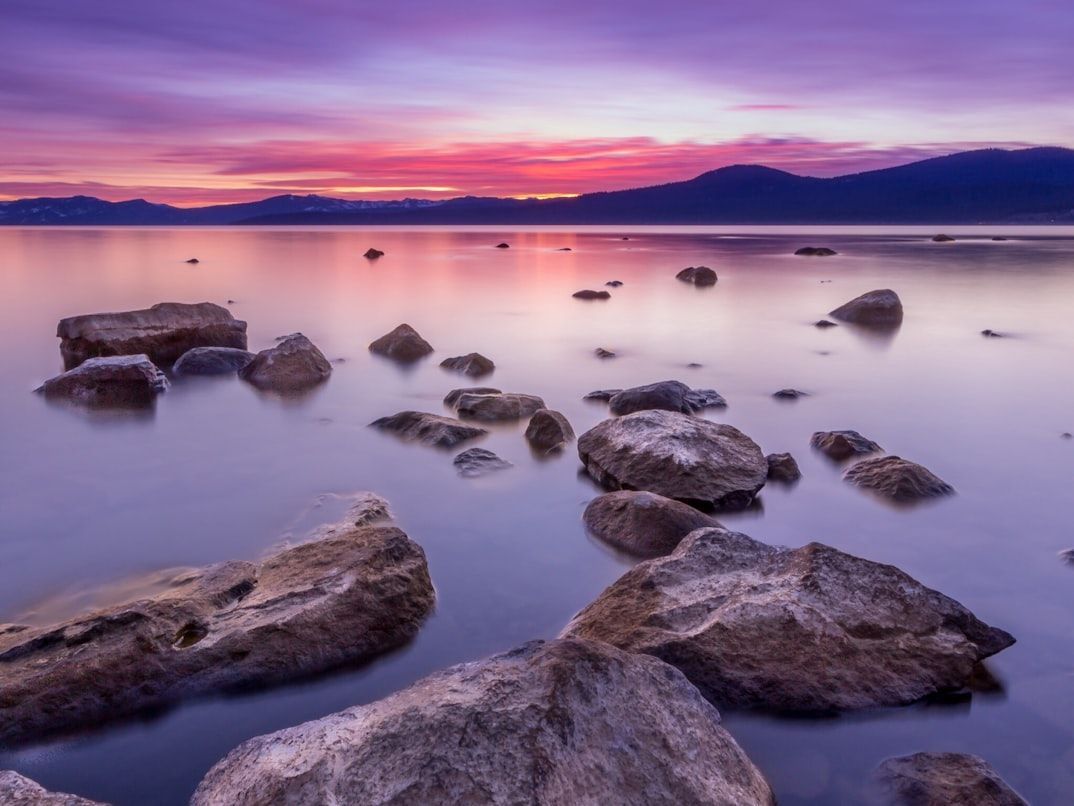
Lake Tahoe, set along the California–Nevada border, has long been a go-to spot for families looking to spend time outdoors. With its clear blue water, views like Emerald Bay and Fannette Island, it became a natural choice for West Coast road trips. Days were simple: time at the beach, short walks, boat rides, and quiet moments by the lake. Many families stayed in cabins, making the most of the forest setting and slower pace. There were no lines or fixed schedules, just family time in nature.
Nowadays, it stays open year-round, shifting from summer lake days to winter snow activities, with casinos on the Nevada side adding more possibilities. Unlike theme parks, it offered space, water, and quiet activities. Would you choose this kind of trip today?
Yes, smiling is a legal requirement in one European city! Find out more!
Legal matters
No gum, no heels, and no frowning: Laws travelers don't expect!
As you might already know, most laws came into existence following cultural common sense. But as we also know, common sense is not so common, or at least it varies depending on the country you’re visiting. In this article, you’ll read about some of the craziest laws out there that can save you from getting fined, or worse, during your next trip!
High heels are banned at ancient sites - Athens, Greece
 Image: Amanda Vick
At famous archaeological sites like the Acropolis, high heels are not allowed. Thin heels can damage stone that has survived for thousands of years. The ban protects priceless history while saving visitors from a dangerous stumble. Flat shoes are a small price to pay for walking through ancient civilization, don’t you think?
Chewing gum sales are banned - Singapore
 Image: Aleks Dorohovich
Singapore banned the import and sale of chewing gum after costly cleanup efforts in the early 1990s. Gum stuck to sidewalks, trains, and elevators caused serious maintenance problems. The ban helped keep the city clean, a reputation for which it is still famous nowadays!
It’s illegal to own just one goldfish - Zurich, Switzerland
 Image: Thomas Park
In Switzerland, even goldfish have social expectations. The law considers them group animals, which means keeping a lone fish is frowned upon. This rule comes from Switzerland’s famously detailed animal welfare laws, designed to protect both emotional well-being and physical health. So if you are setting up a tank in Zurich, think of at least two friends to place there!
Kite flying is banned by law - Melbourne, Australia
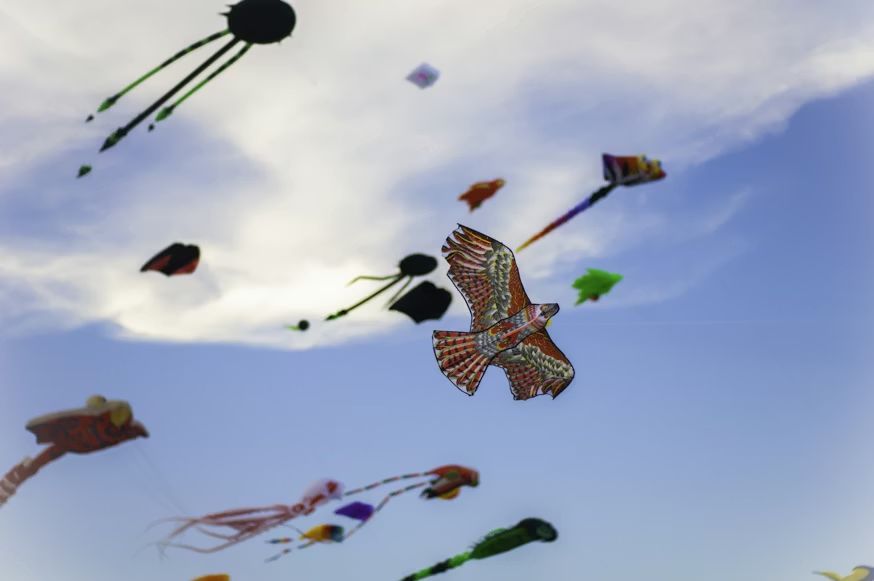 Image: Thomas Oxford
It’s not that Australians are against fun, but in parts of the country, including Melbourne, flying a kite can land you in trouble. This rule falls under a group of laws meant to keep streets safe and uncluttered. Back when power lines and crowded public spaces became common, kites were more hazardous than a hobby.
Forgetting your wife’s birthday is a crime - Apia, Samoa
 Image: Sergei Solo
In Samoa, forgetting your spouse’s birthday is technically against the law. While enforcement is more symbolic than strict, the rule reflects the country’s strong emphasis on family respect and responsibility. When it comes to family, they said, "Go big or go to jail!" Suddenly, calendars feel very important, don’t they?
Feeding pigeons is prohibited - Venice, Italy
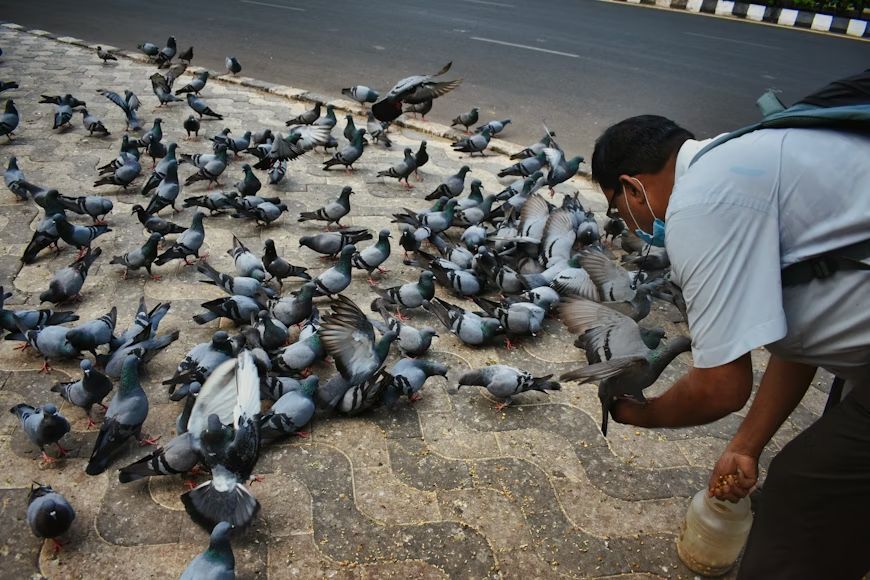 Image: Soubhagya Ranjan
Venice’s pigeons once ruled the city squares, but officials eventually had enough. Feeding them is illegal due to the damage they cause to historic buildings and public health concerns. The rule helps preserve centuries-old stonework and keeps crowds manageable. The pigeons sure disagree, but the city breathes easier.
Smiling is legally required - Milan, Italy
 Image: Lesly Juarez
In Milan, a historic regulation requires citizens to smile unless they are at a funeral or in a hospital. The rule dates back to Austro-Hungarian times and was never officially repealed. While it is rarely enforced, it remains on the books. Just in case, smile away!
Handling animals while drunk is illegal - Edinburgh, Scotland
 Image: Jakob Cotton
An old Scottish law from 1872 bans caring for cows, horses, carriages, and, naturally, steam engines while intoxicated. It also specifically mentions riding cows, which certainly paints a vivid picture. The rule aimed to reduce accidents during the industrial era. We guess it made sense at the time!
Wearing armor in Parliament is forbidden - London, England
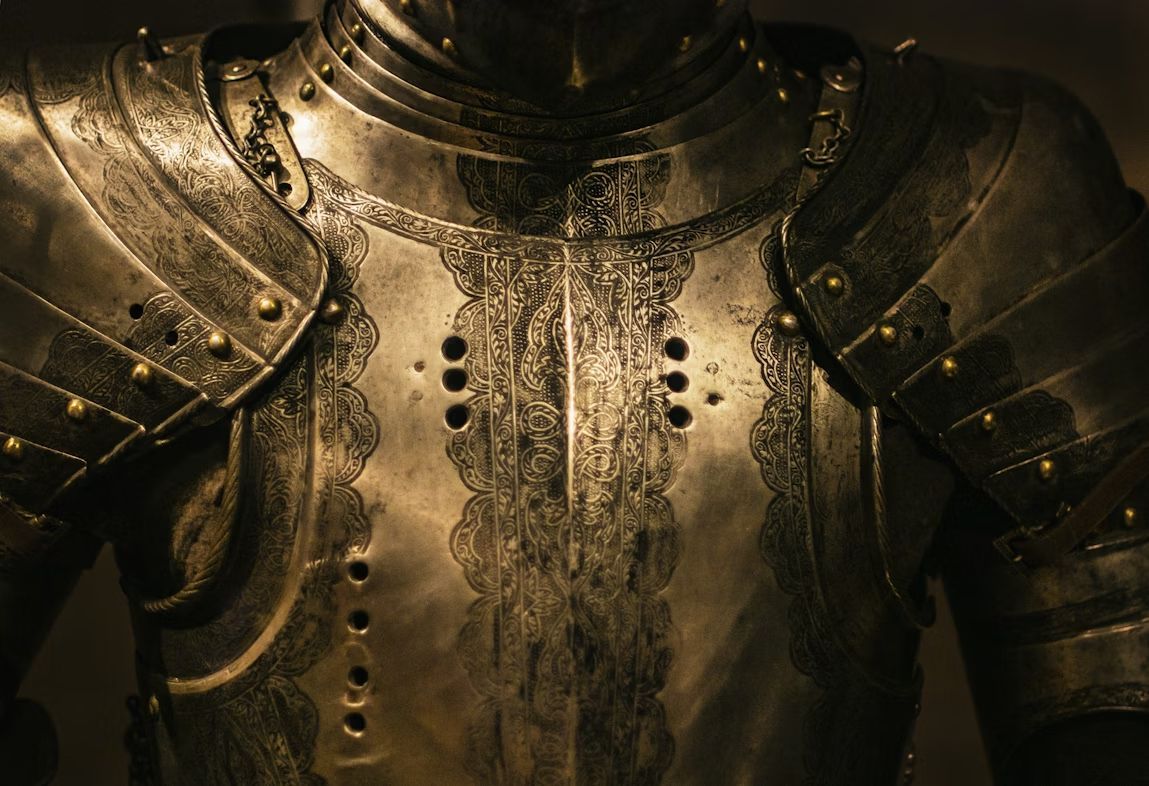 Image: Nik Shuliahin 💛💙
It is still illegal to wear a suit of armor inside the British Parliament. This law dates back to 1313, when armed nobles posed a real concern. Interestingly enough, there is also a long-standing rule stating you may not die in Parliament, though enforcement remains unclear. British tradition has a flair for drama, no surprise there!
You can marry someone who has passed away - Paris, France
 Image: Sandy Millar
France allows posthumous marriage under very specific circumstances. The practice was used during the World Wars, when soldiers died before wedding plans could be completed. The law helped legitimize children and formalize relationships. It still exists today, although approval requires strong proof and a presidential decree.
Keep wandering
There’s always
more to explore
 General
Why are hard landings sometimes the perfect landings?
6 min.
Read Now
 History
Was Moby-Dick a real whale? These marine stories have real backgrounds
6 min.
Read Now
What passengers never see after midnight on a cruise ship
4 min.
Read Now
These 10 mysteries were solved. So why do we still believe them?
6 min.
Read Now