What were they California Dreamin’ about? 12 places that inspired 12 hits
 Culture
Places with rhythm
What were they California Dreamin’ about? 12 places that inspired 12 hits
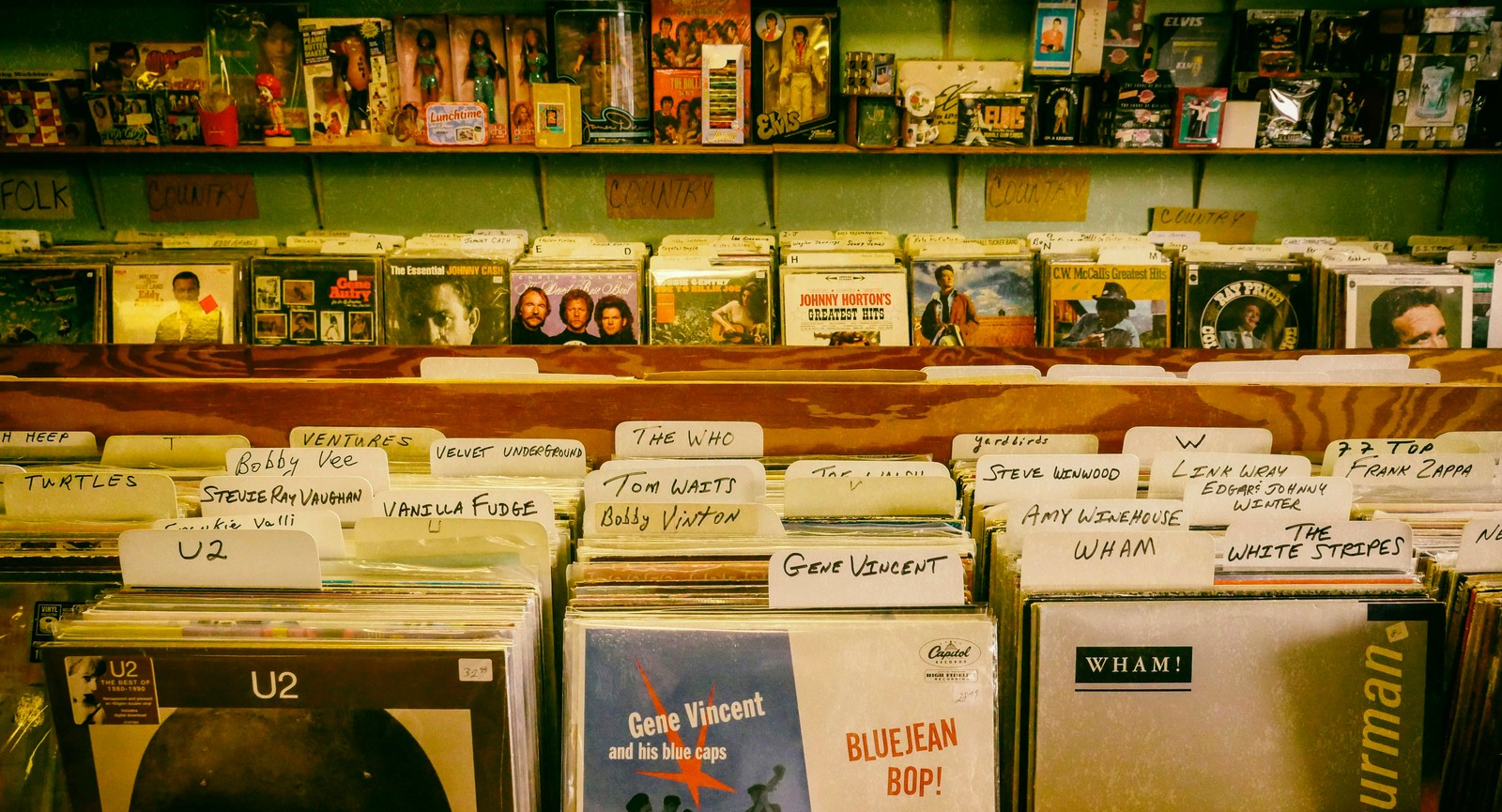
Some songs do more than climb the charts; they put real places on the map. From dusty highways to bright city skylines, America’s landscapes have shaped lyrics we still hum decades later. For many listeners, especially those who grew up with these classics, the places feel as familiar as the melodies. Take a look at 12 places that helped inspire immortal hits!
New York, New York (New York, New York)
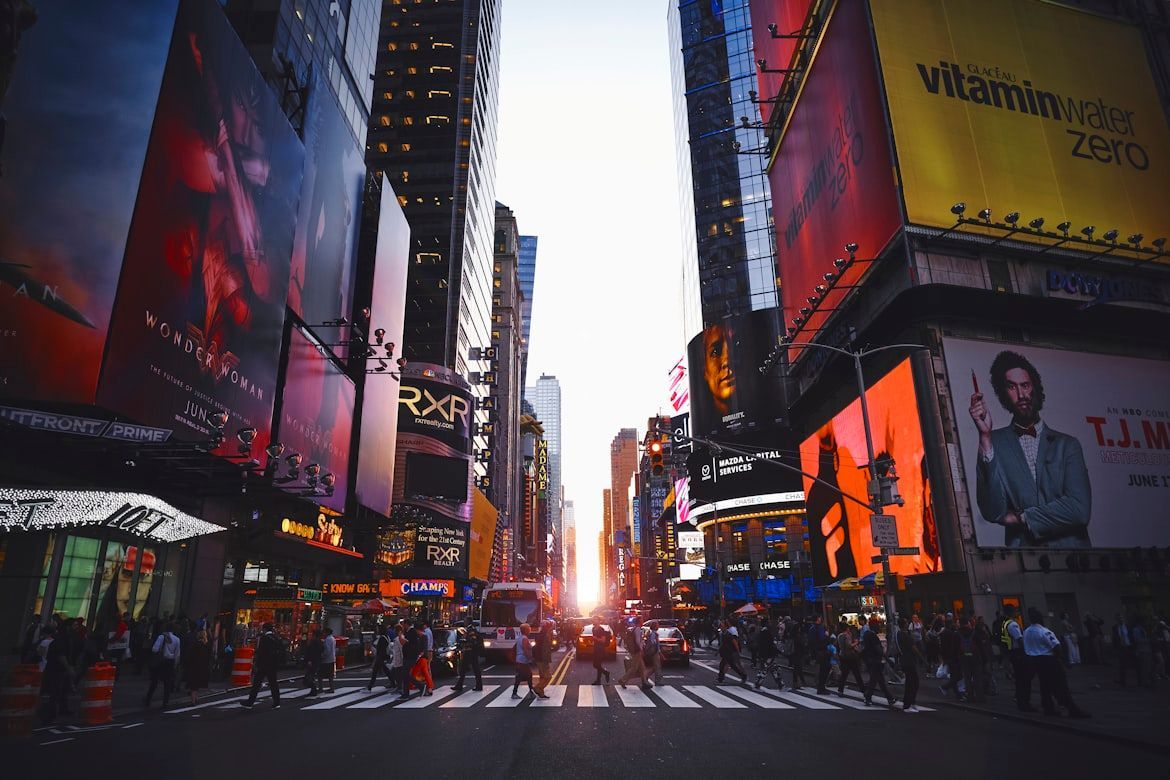
Frank Sinatra’s signature anthem turned New York City into a musical symbol of ambition and bright lights. Though written for a 1977 film, Sinatra’s bold rendition made it the unofficial soundtrack of Broadway, Times Square, and towering Manhattan dreams
Visitors still feel that electric energy when walking Fifth Avenue or watching the skyline glow at night. The city’s spirit of reinvention mirrors the song’s promise: if you can make it here, you can make it anywhere.
Walking in Memphis (Memphis, Tennessee)
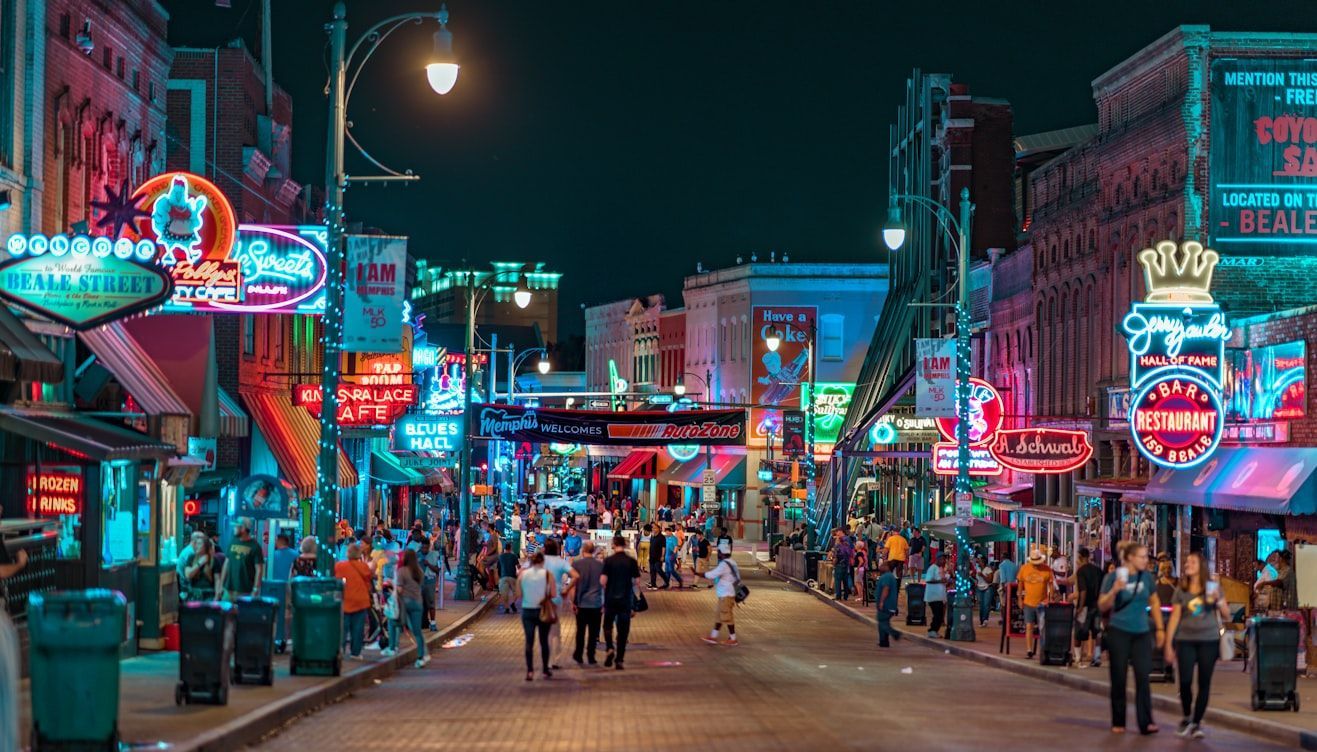
Marc Cohn’s 1991 hit captures the soul of Memphis, name-checking Beale Street and honoring the city’s blues tradition. Inspired by his own visit, Cohn described a spiritual awakening among the rhythms that shaped American music.
Today, travelers tour Sun Studio, stroll Beale Street, and visit Graceland. The city’s blend of gospel, blues, and rock still echoes through its streets.
Atlantic City (Atlantic City, New Jersey)

Bruce Springsteen’s ballad paints a gritty portrait of Atlantic City during its casino-era revival. Beneath the boardwalk lights, the lyrics tell a story of struggle, risk, and hope.
Modern visitors find sandy beaches, historic piers, and neon-lit casinos. Yet the song adds another layer that is rarely seen by tourists.
Folsom Prison Blues (Folsom, California)
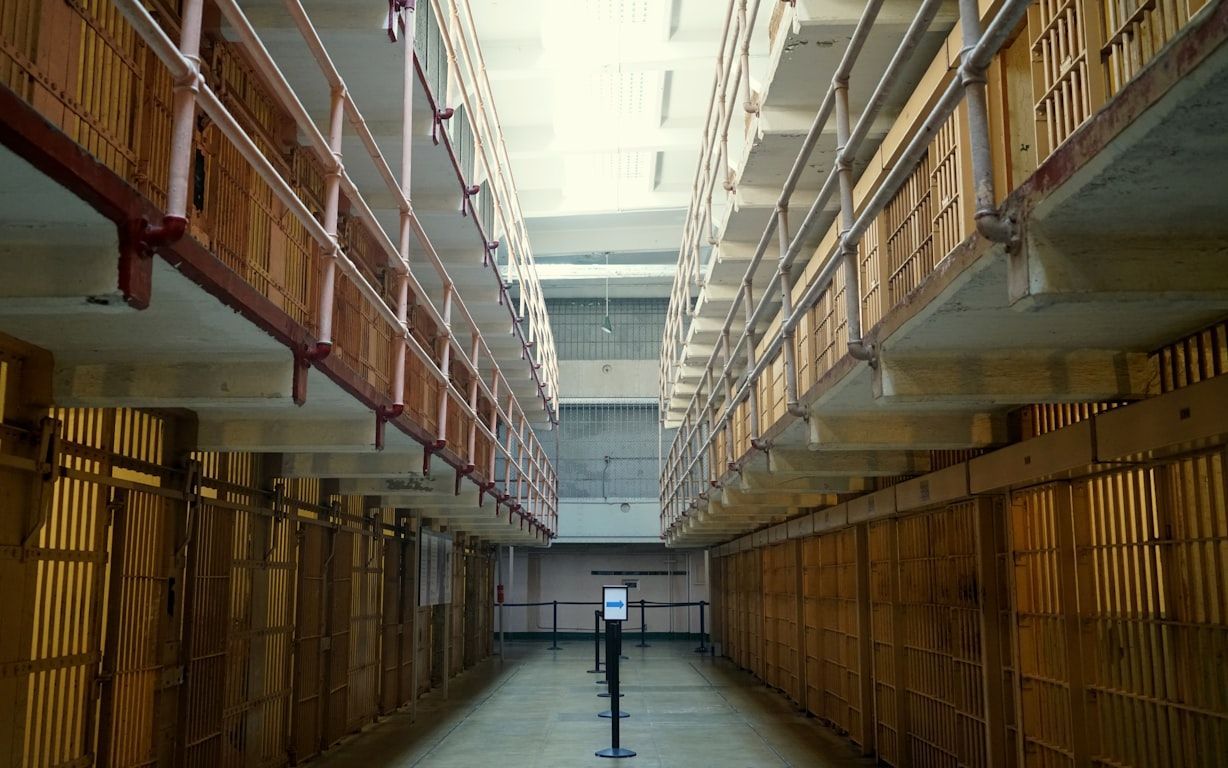
Johnny Cash was inspired by Folsom Prison long before he performed there in 1968. That live concert turned the song into a legend and made the penitentiary world-famous.
The town of Folsom still honors Cash’s visit with numerous signs and legends of the Man in Black’s time spent there.
El Paso (El Paso, Texas)
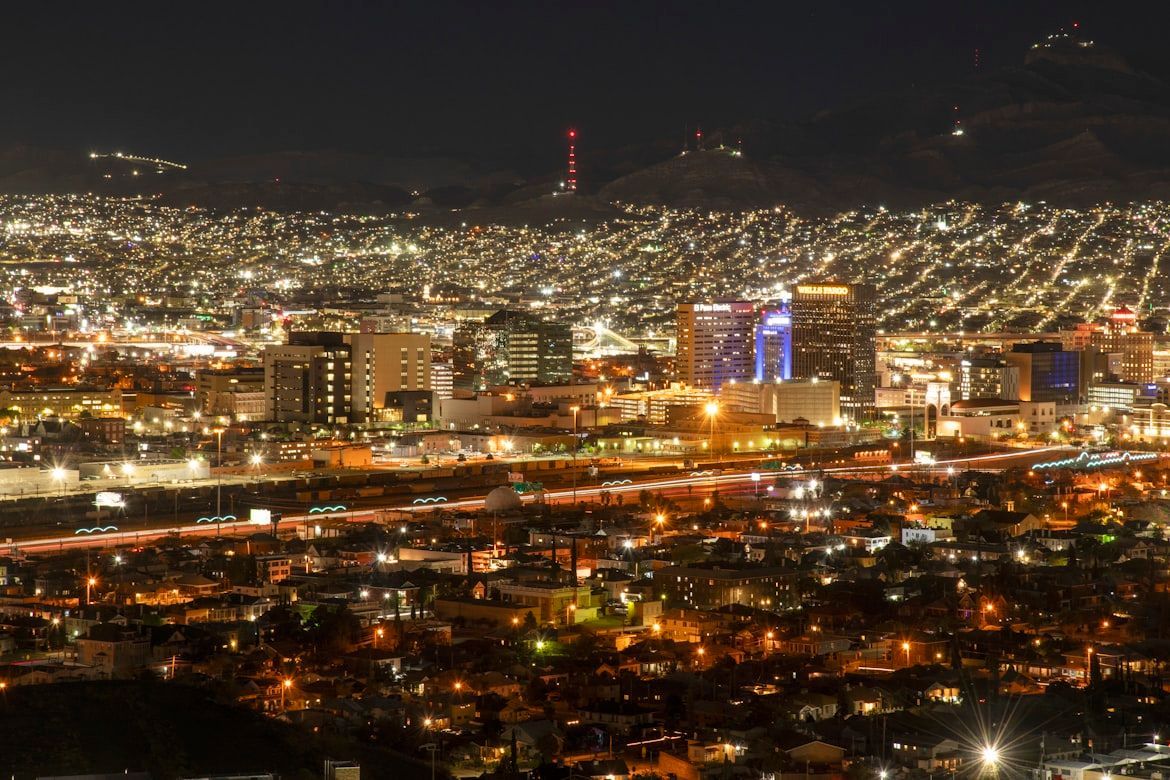
Marty Robbins’ 1959 classic tells a tale of love and tragedy set in El Paso’s dusty borderland realm. The city’s desert backdrop gives the song its vivid Western feel.
With sunsets over the Franklin Mountains and a rich Tex-Mex culture, El Paso still carries the frontier spirit that made Robbins’ ballad unforgettable.
Wichita Lineman (Wichita, Kansas)
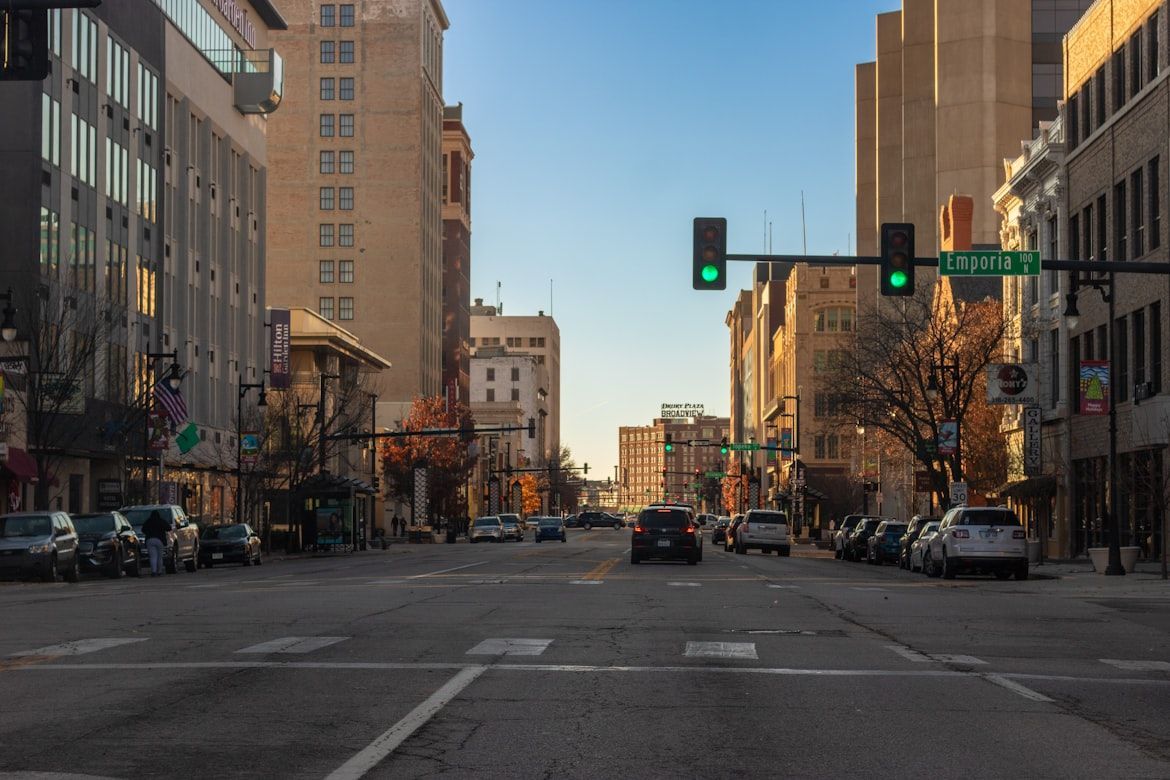
Glen Campbell’s hit spotlights a lonely lineman working the plains near Wichita. Songwriter Jimmy Webb imagined the endless Kansas horizon stretching beneath telephone lines.
Wichita today blends aviation history with Midwestern calm. The wide-open skies and rolling farmland still match the song’s mood of quiet dedication and longing.
Midnight Train to Georgia (Georgia)
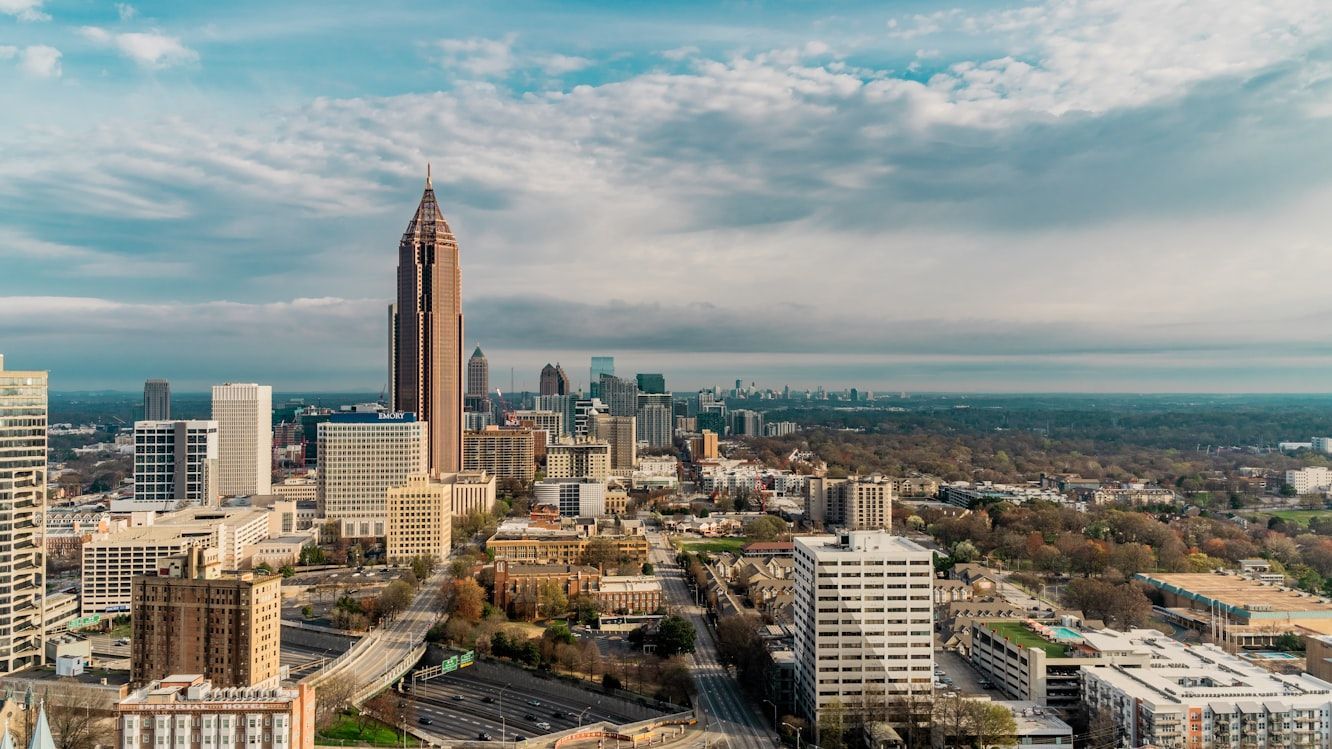
Gladys Knight & the Pips turned Georgia into a symbol of homecoming and second chances. The song tells of returning south after dreams fade elsewhere.
From Atlanta’s busy streets to small-town rail stops, Georgia’s warmth and musical heritage reinforce the song’s emotional pull toward home.
Chicago (Chicago, Illinois)
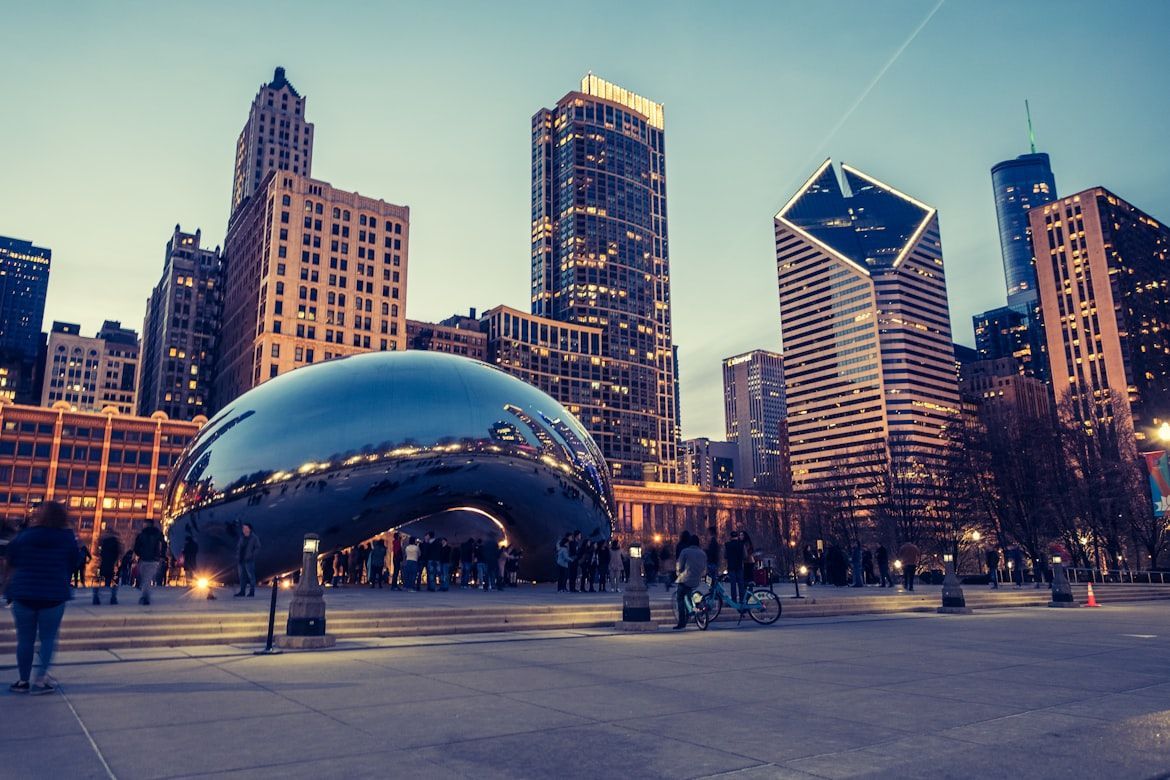
First popularized in the 1920s and revived by Sinatra decades later, this song captures Chicago’s jazz-age identity and big-city pride.
Walking along Lake Michigan or through the Loop, visitors can sense the rhythm that made Chicago a musical powerhouse.
Sweet Home, Alabama (Muscle Shoals, Alabama)
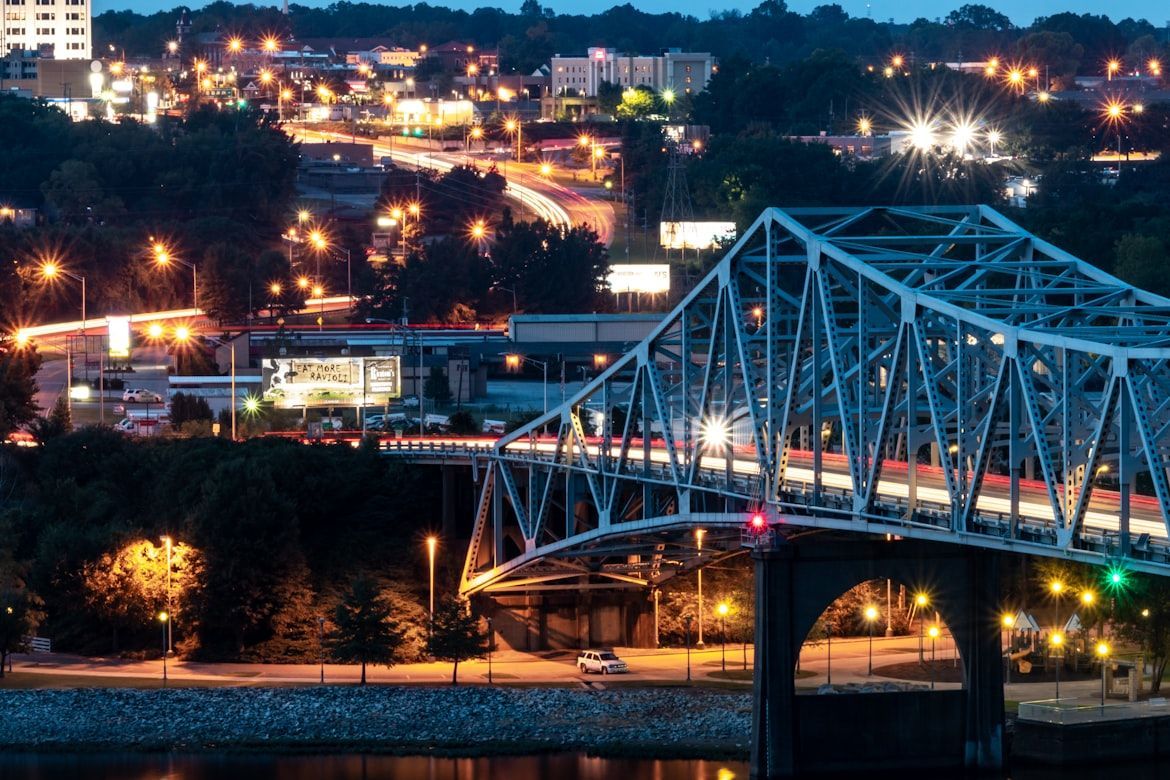
While Lynyrd Skynyrd’s hit references several Southern themes, it famously mentions Muscle Shoals, home to legendary recording studios that shaped American rock and roll music.
Music lovers will visit the studios where countless classics were recorded. The town’s quiet streets hide an outsized musical legacy.
Carefree Highway (Carefree, Arizona)
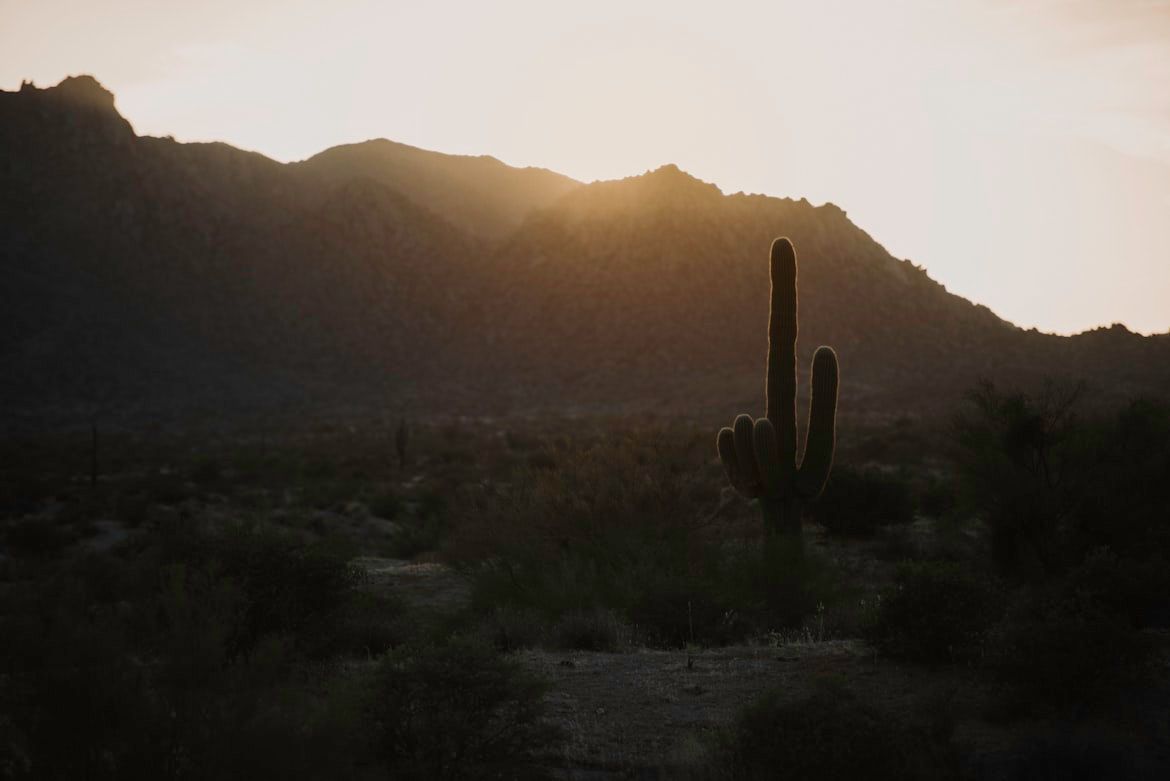
Gordon Lightfoot’s reflective song takes its name from a real highway near the small town of Carefree. The desert scenery inspired thoughts of freedom and escape.
Driving that stretch today, travelers see golden light over cacti and open sky, evoking the exact same feeling the song transmits.
California Dreamin’ (Los Angeles, California)
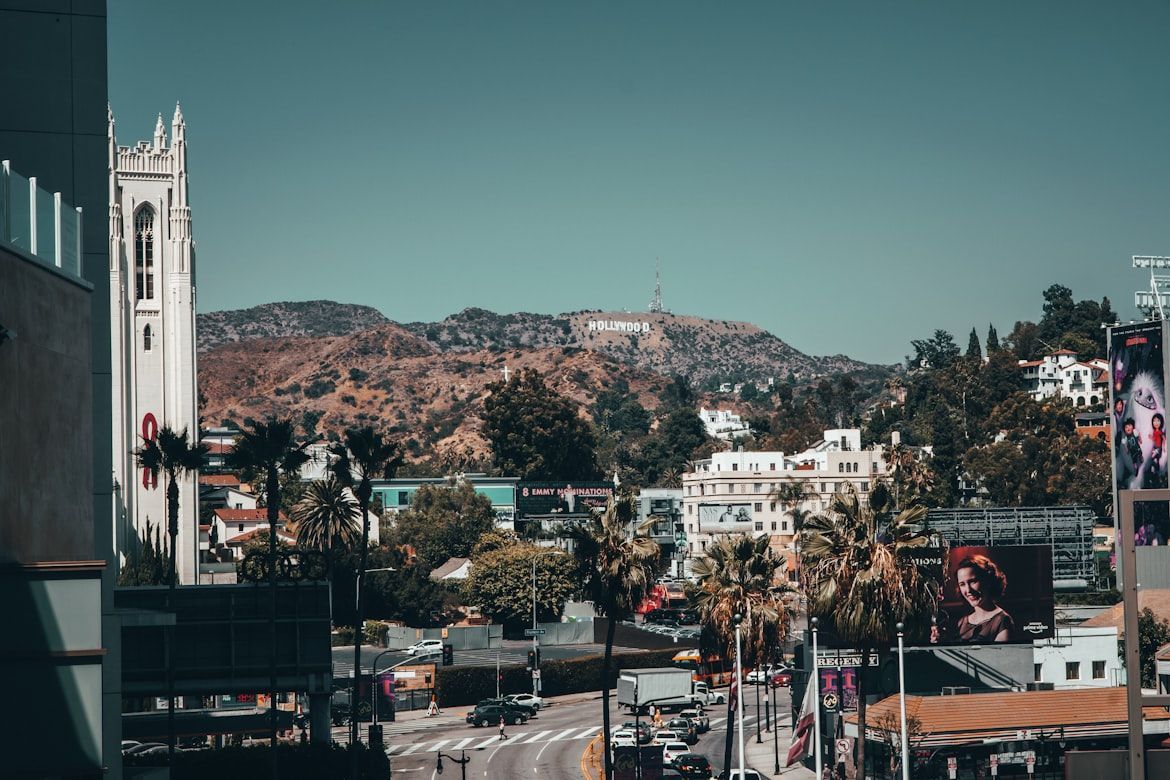
Written during a cold New York winter, this 1965 hit longed for sunny California skies. Los Angeles became a symbol of warmth and possibility.
From palm-lined boulevards to Pacific beaches, Southern California still embodies the dream that fueled the song’s wistful harmonies.
Take me home, Country Roads (West Virginia)
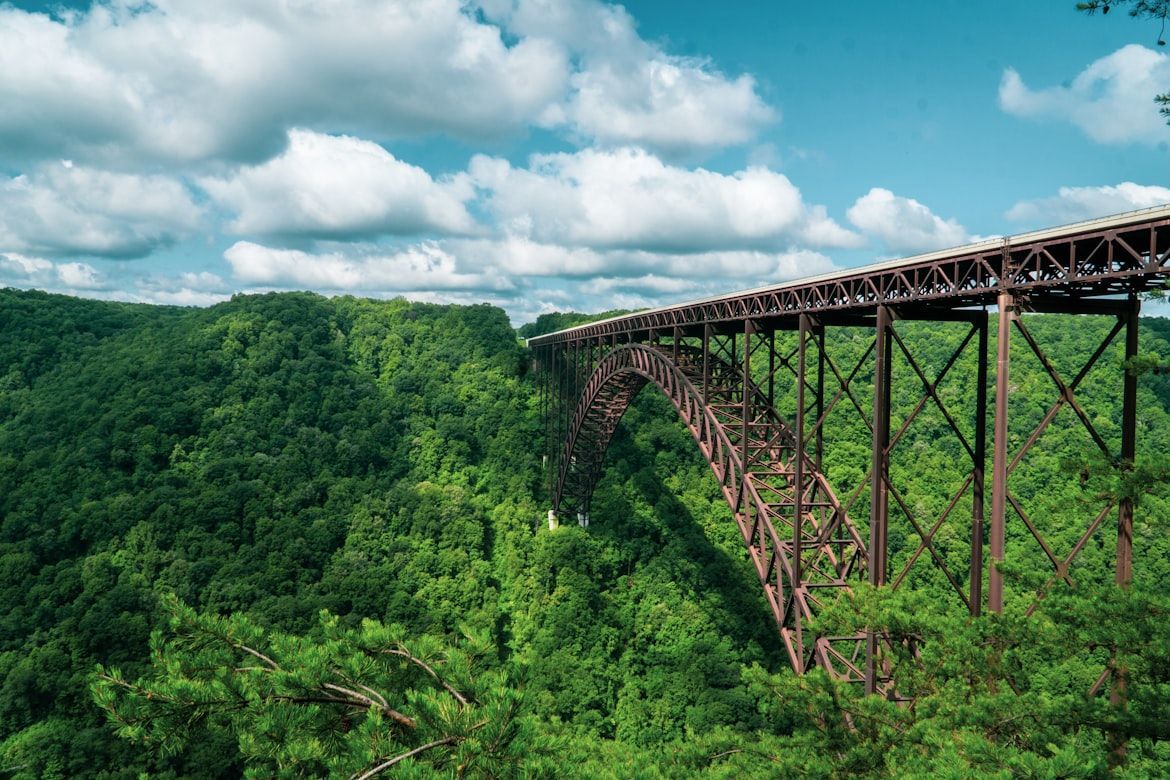
John Denver’s beloved anthem paints a heartfelt picture of West Virginia’s mountains and winding roads, even though the songwriter first imagined the region from afar.
The state’s Appalachian scenery, with its rolling hills, rivers, and small towns, still makes listeners feel the pull of country roads leading home.

The real reason you can't use your phone on an airplane: 10 Flying facts
 General
Behind the boarding pass
The real reason you can't use your phone on an airplane: 10 Flying facts
There’s nothing better than traveling. And if you’re flying, enjoying the altitude and the views, even better! Most of us have been to an airport or bought plane tickets at some point, but even experienced travelers may not realize how many little-known details and hidden secrets airports and airlines have. If you’d like to uncover a few fun facts or learn something useful for your next trip, this article is for you.
Electronic devices
 Image: YouVersion
Although it is partly true that using your cell phone or tablet on an airplane can cause electromagnetic interference with the aircraft’s equipment, this risk is mostly associated with older aircraft and is not the main reason these devices are restricted today. Actually, the main concern is passenger safety: in case of sudden deceleration or turbulence, unsecured devices can become fast and dangerous projectiles inside the cabin.
Door secret
 Image: Tim Mossholder
Did you know that airplane bathroom doors can be opened from the outside? Like many of us, you probably said "no" since the latch is usually hidden behind the "Occupied/Vacant" sign. Although it may seem like a violation of privacy, it’s actually a safety measure airlines include so the crew can assist passengers who have a medical emergency or become stuck inside the small space.
Rounded windows
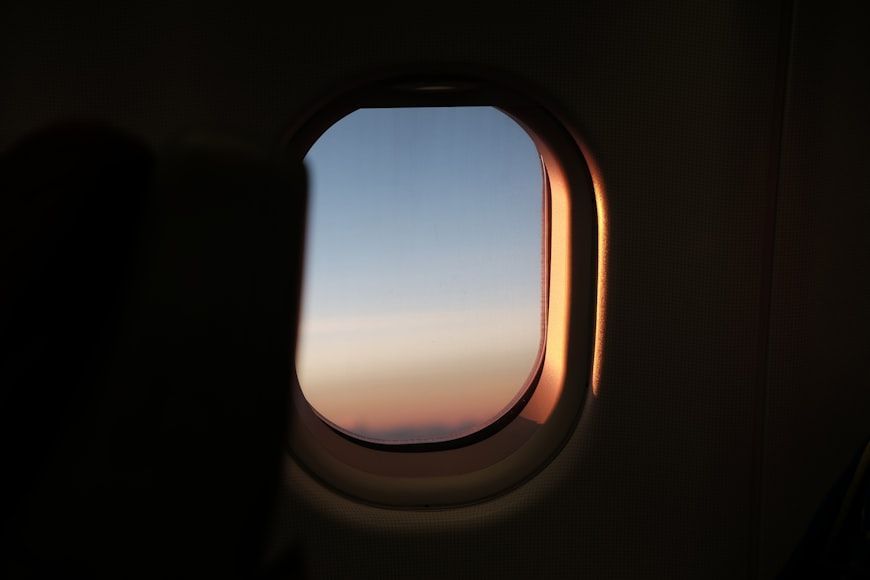 Image: Lex Sirikiat
Airplane windows' typical rounded shape is not a random aesthetic choice, but a crucial safety feature. If windows were square, pressure would concentrate at the corners, increasing the risk of cracks or structural failure. On the other hand, rounded edges help distribute cabin pressure more evenly, making the aircraft safer.
Food tastes different
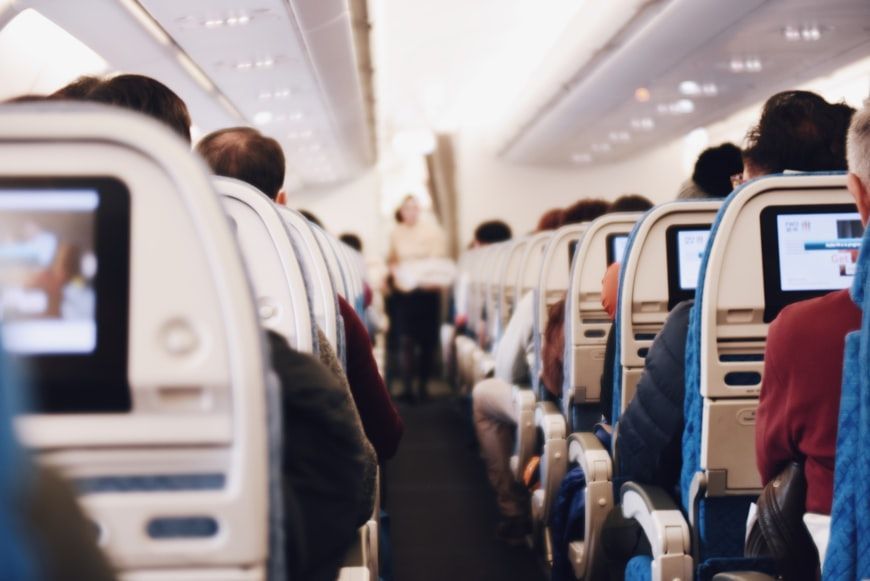 Image: Suhyeon Choi
If you’ve ever flown on an airplane, you’ve probably tried the food on board. Many people don’t realize it, but food actually tastes different at high altitudes. That’s because our sense of taste and smell is altered in flight, as airplane cabins have lower air pressure and very low humidity. According to studies, sensitivity to sweet and salty flavors can drop by around 20–30% during a flight.
Pilots can not share their meals
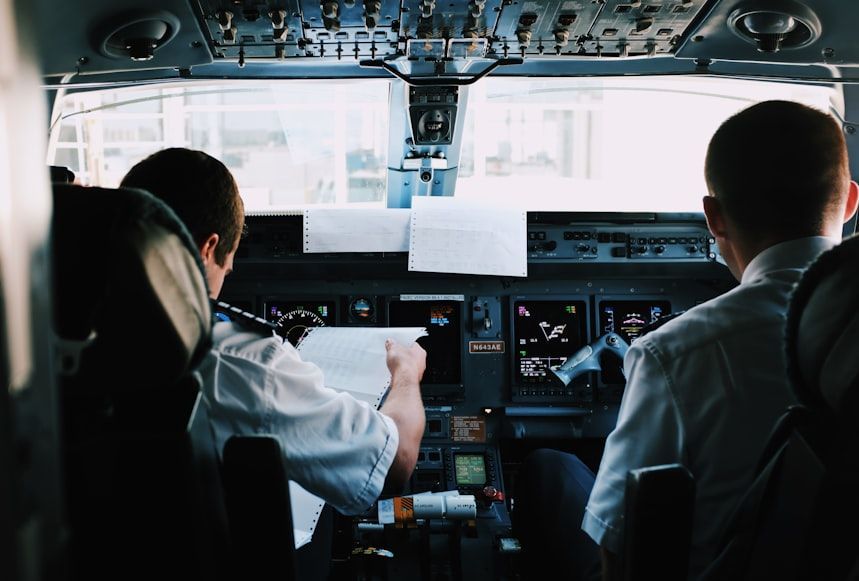 Image: Blake Guidry
Although it doesn’t happen on all airlines, many have a rule that catches your attention at first glance: pilots on the same flight can’t share their meals. That’s right! Each pilot eats a different meal, and there’s a good reason for it. If one were to suffer indigestion or food poisoning, the other would still be fit to fly.
Wildlife management teams
 Image: Julia Craice
Did you know that airports, especially large ones, hire wildlife management teams? You might wonder what animals have to do with airports, right? Well, it’s not just planes flying near airports; birds are there too, and they can be a real problem for aircraft engines. That’s why these teams are responsible for monitoring bird activity and animal movement on and around runways.
Why white?
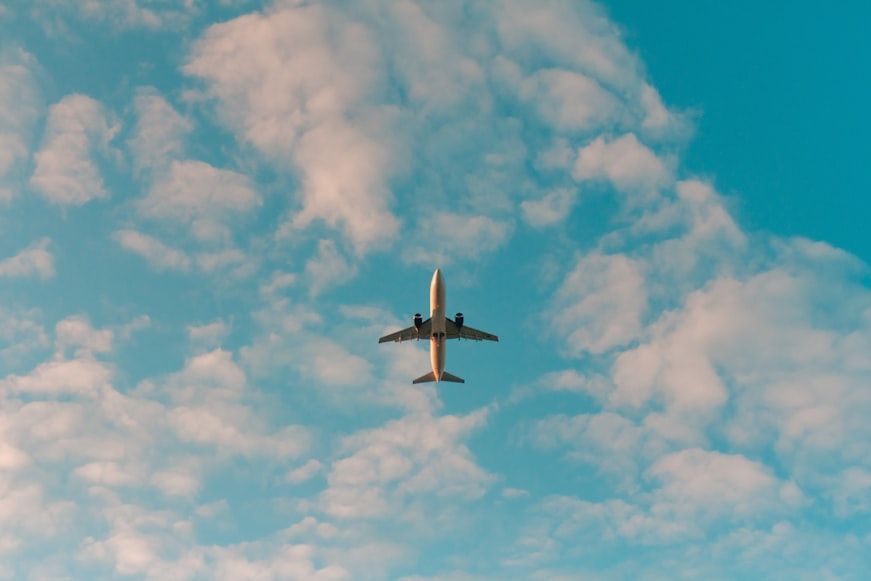 Image: Philip Myrtorp
It is no coincidence that most of the world’s aircraft are white. This color was chosen for several important reasons, related to safety and efficiency. In the first place, white reflects sunlight better, helping keep the aircraft cooler. It also makes planes more visible in the sky and from the ground, reducing the risk of collisions. In addition, cracks, oil leaks, and corrosion are easier to spot on a white surface. And finally, white paint is cheaper and adds less weight to the aircraft.
11,5%
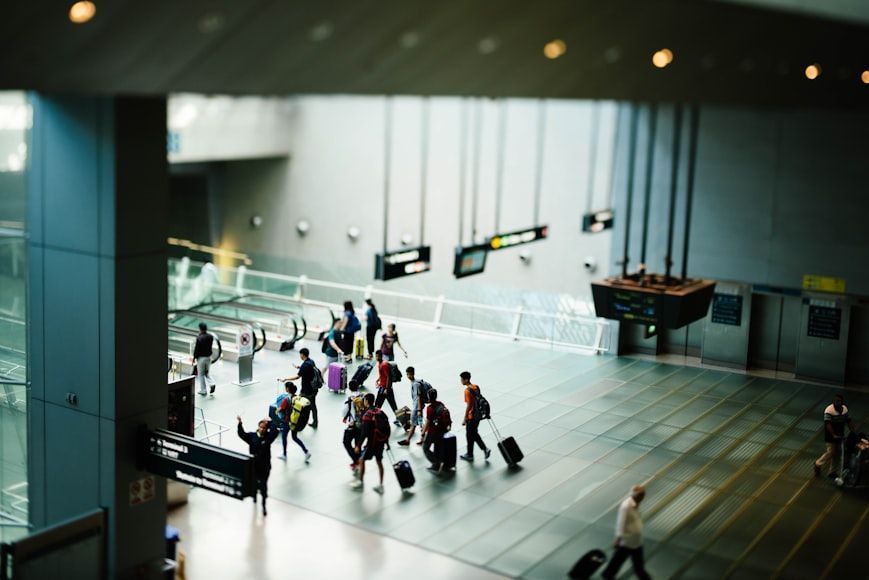 Image: CHUTTERSNAP
On average, passengers and all their luggage account for 11.5% of the total weight of a commercial flight. Among the heaviest items are fuel, which accounts for between 20 and 40% of the total weight, and, of course, the structure and fuselage, which account for between 40 and 50%.
The largest airline in the world
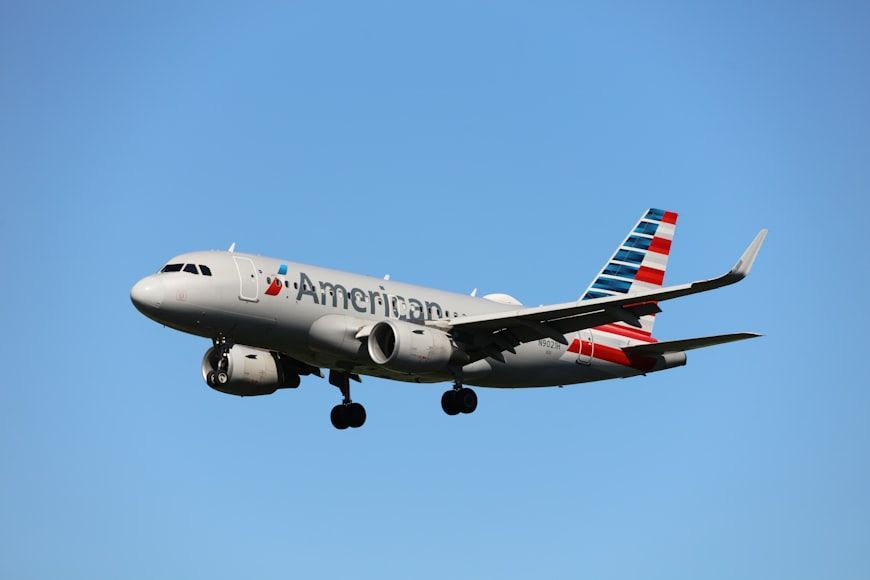 Image: Forsaken Films
The airline considered to be the largest in the world comes from our country! We’re talking about American Airlines, which ranks number one based on fleet size, total seats, number of flights, and passengers carried. To give you an idea of its scale, the airline operates about 6,800 flights every day, transporting more than 500,000 passengers daily.
Lightning
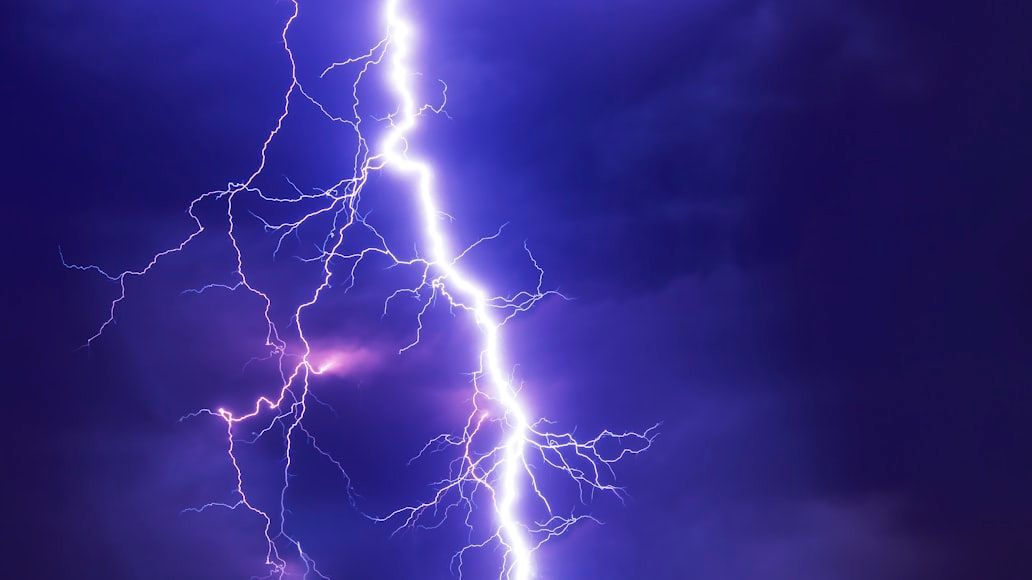 Image: Felix Mittermeier
Although it's best not to think about it, airplanes are struck by lightning much more often than you might imagine. In fact, a typical commercial jet is struck by lightning once or twice a year. Fortunately, airplanes are designed to handle this situation, diverting the electricity and keeping passengers, crew, and the entire aircraft safe.
Keep wandering
There’s always
more to explore
 History
This Northern Irish city has resisted a name change for 400 years
4 min.
Read Now

A pod of dolphins protected four humans from a shark attack
5 min.
Read Now

Who empties airplane toilets? Meet the airport's oddest workers
6 min.
Read Now
10 cheapest places to visit in the U.S. (that feel like a million bucks)
4 min.
Read Now