What hotels don’t tell you: 10 psychological factors behind hotel design
 General
Is that water bottle really free?
What hotels don’t tell you: 10 psychological factors behind hotel design
Hotels are carefully engineered to shape how guests feel, move, and spend money. From lighting and scent to furniture placement and elevator locations, many design choices are based on psychology, behavioral science, and marketing research. The goal is simple: make spaces feel relaxing, luxurious, and memorable while subtly encouraging spending.
Hotel lobbies are designed to slow you down
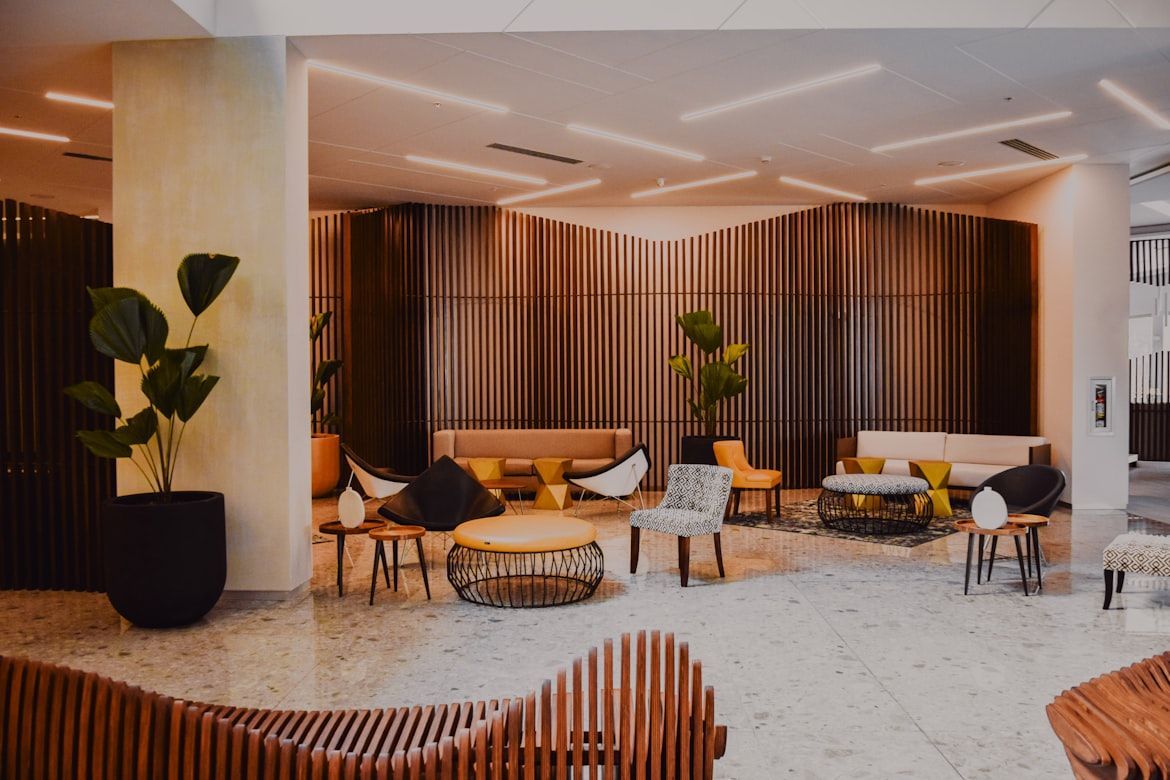
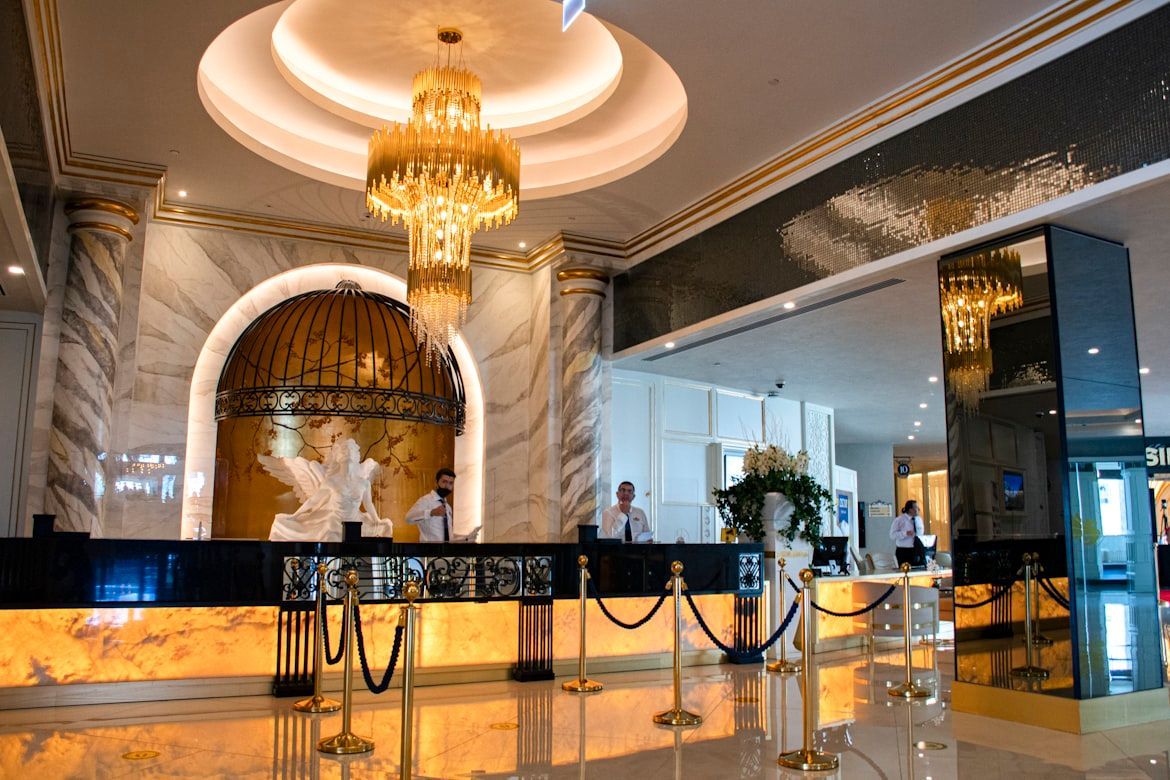
Modern hotel lobbies are often built with soft seating, curved layouts, artwork, and warm lighting that encourage guests to pause instead of rushing through. Designers call these "transition spaces," helping travelers mentally shift from stressful travel into relaxation mode. Luxury hotels especially use layouts that reward slow exploration and lingering.
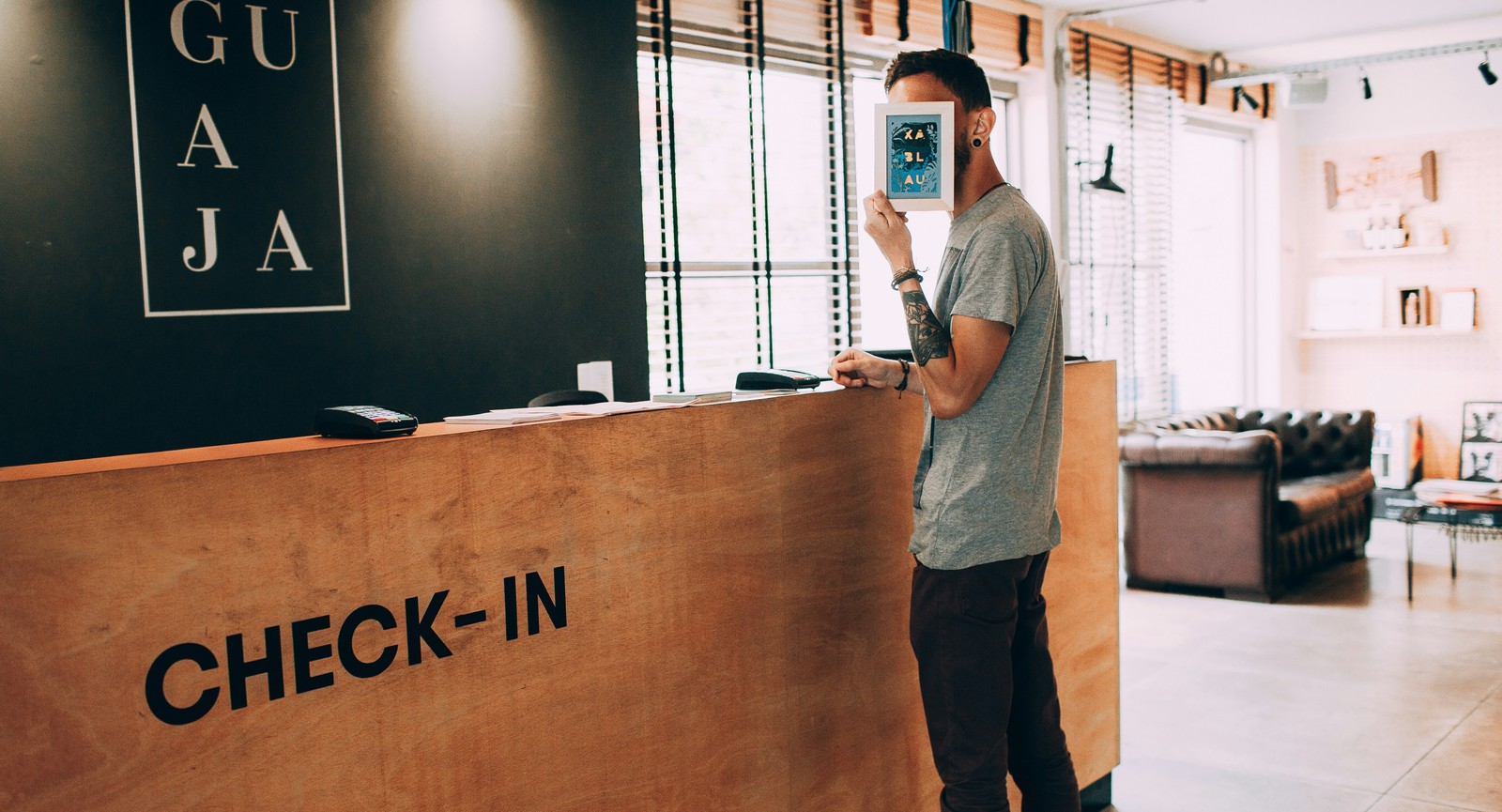
Many newer hotels even treat the lobby like a social lounge or coworking space rather than a simple check-in desk. Comfortable seating clusters, cafés, and layered lighting subtly encourage guests to spend more time, which in turn gives the staff more time to prepare the rooms.
Warm lighting makes rooms feel safer
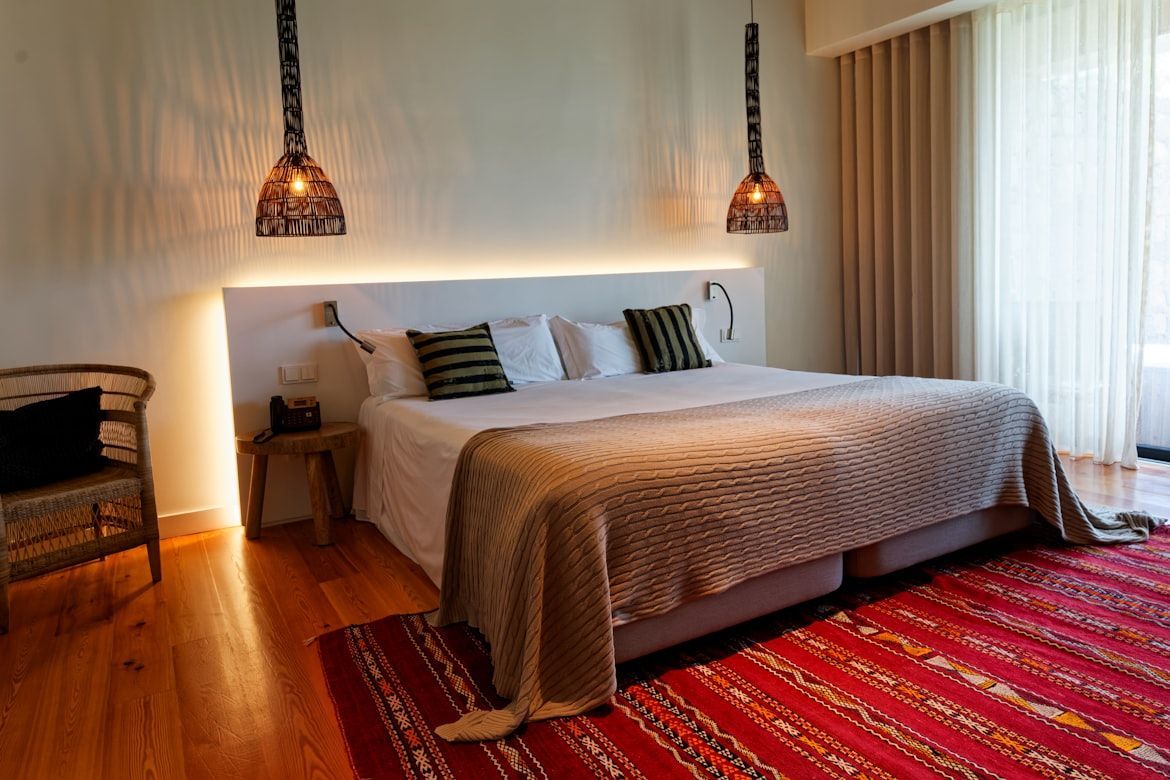
Hotels rarely use harsh white lighting in guest rooms because warm tones create feelings of comfort, calmness, and safety. Studies in hospitality design show that lighting strongly affects mood, stress levels, and even sleep quality. Softer amber lighting also mimics the feel of home environments.
Designers carefully place lights to guide behavior. Reception desks are brightly lit to attract tired travelers immediately, while softer lights near beds and seating areas encourage relaxation. Many hotels also use hidden night lighting so unfamiliar rooms feel safer at night without needing bright overhead lights.
Casinos often hide clocks for a reason
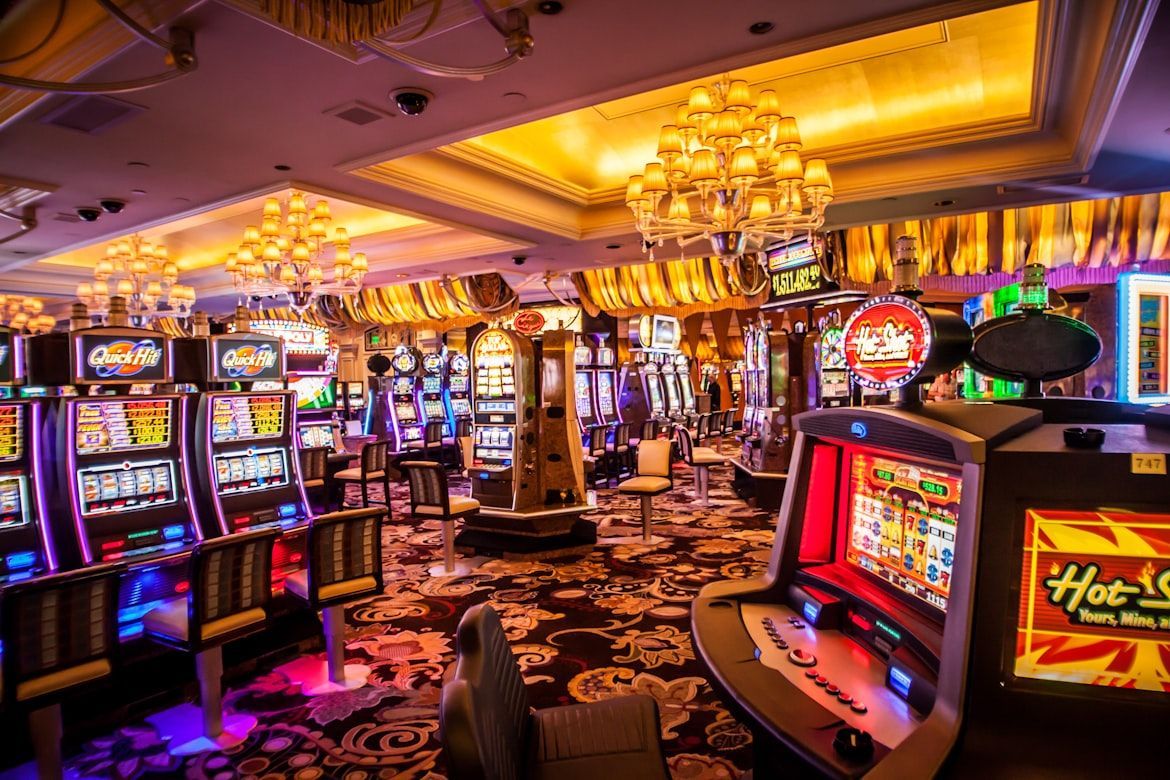
Many casino-hotels intentionally avoid visible clocks and windows on gaming floors. This reduces guests’ awareness of time passing, encouraging them to stay longer and continue spending money. Las Vegas casinos became pioneers in using environmental psychology to shape guest behavior decades ago.
The strategy works alongside carefully controlled lighting, sounds, and scents that maintain stimulation without reminding visitors of the outside world. Some casinos even use energizing fragrances in gambling areas while keeping hotel lobbies calmer and more relaxing.
Signature hotel scents are carefully engineered
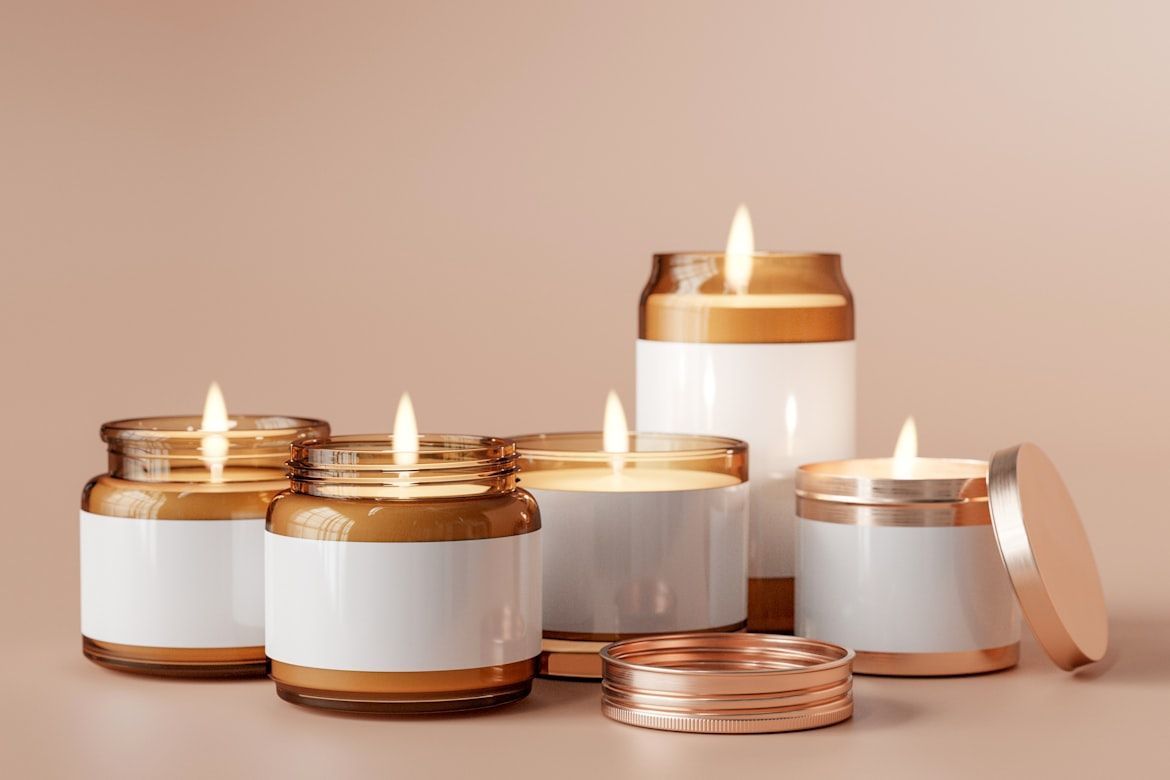
Many major hotels use custom-designed fragrances known as "signature scents." These scents are developed to create emotional associations between smell, comfort, and the hotel brand. Scientists know smell is closely tied to memory and emotion through the brain’s limbic system.
Hotels spend large amounts creating scents that feel luxurious, calming, or refreshing. The Westin hotel chain, for example, became famous for its white tea fragrance. Research shows pleasant scents can improve mood, increase satisfaction, and even encourage guests to stay longer and return later.
Mirrors are placed to make rooms feel bigger
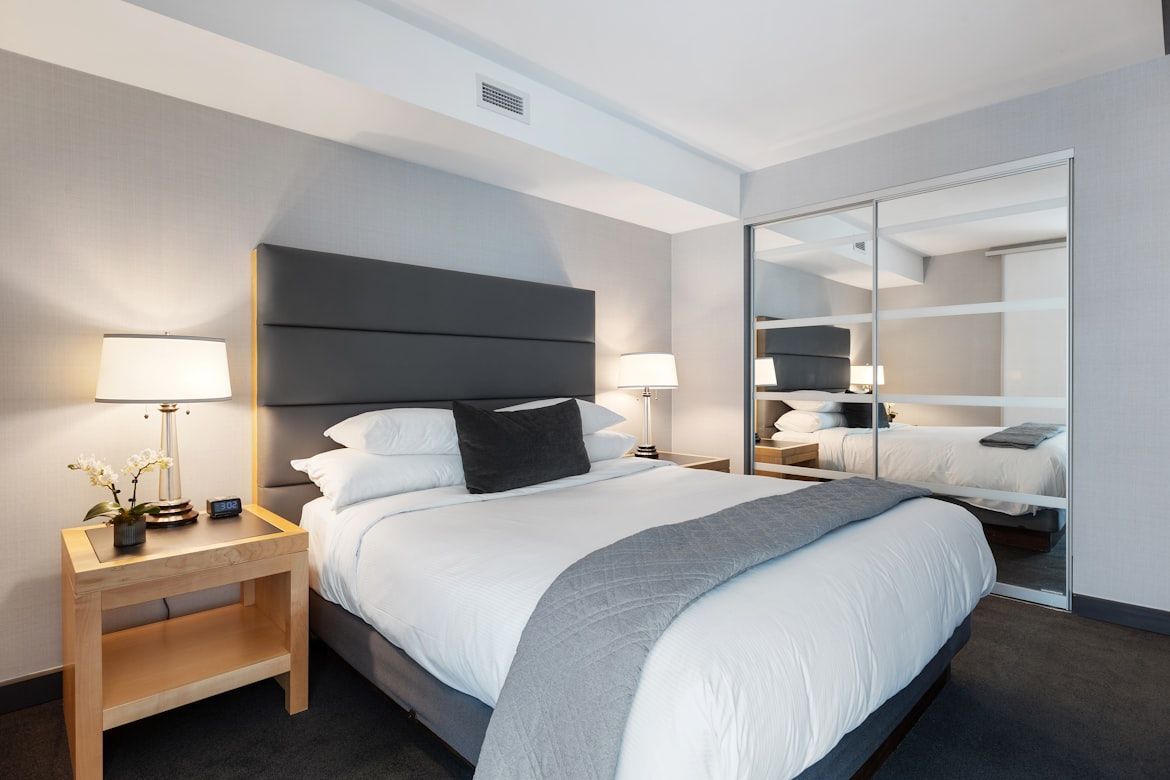
Mirrors in hotel rooms are often positioned to reflect windows, lighting, or open areas. This creates the illusion of more space, especially in smaller urban hotels where square footage is limited. Designers combine mirrors with strategic lighting to make compact rooms feel brighter and less cramped.
Large mirrors also psychologically increase feelings of openness and comfort. By reflecting light deeper into the room, they help create a cleaner, airier atmosphere without physically enlarging the space. Budget and business hotels rely heavily on this visual trick.
Beds are often the first thing you see
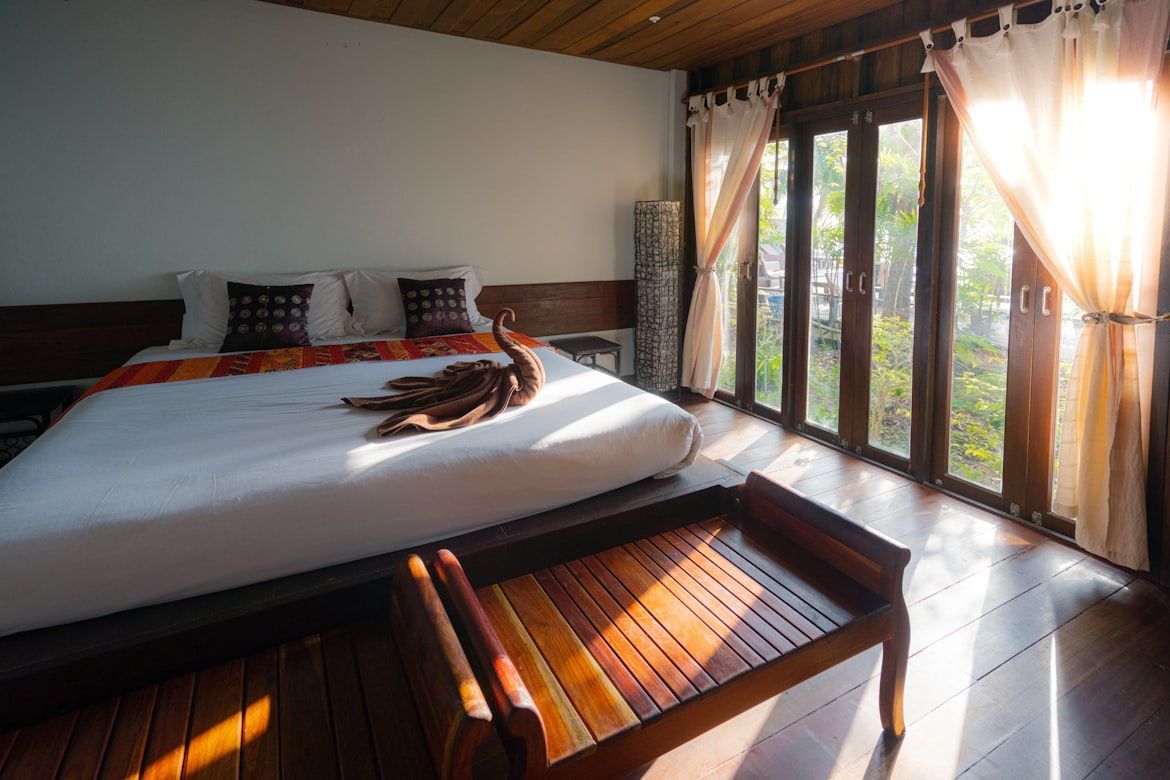
In many hotel rooms, the bed is intentionally positioned directly in view when guests enter. Designers want the bed, which is the symbol of rest and comfort, to become the room’s emotional focal point immediately after travel stress.
Hotels also invest heavily in bedding because sleep quality strongly influences reviews and repeat visits. Crisp sheets, layered pillows, and carefully staged beds visually signal cleanliness and luxury within seconds of entering the room.
Carpets are designed to lower stress and hide dirt
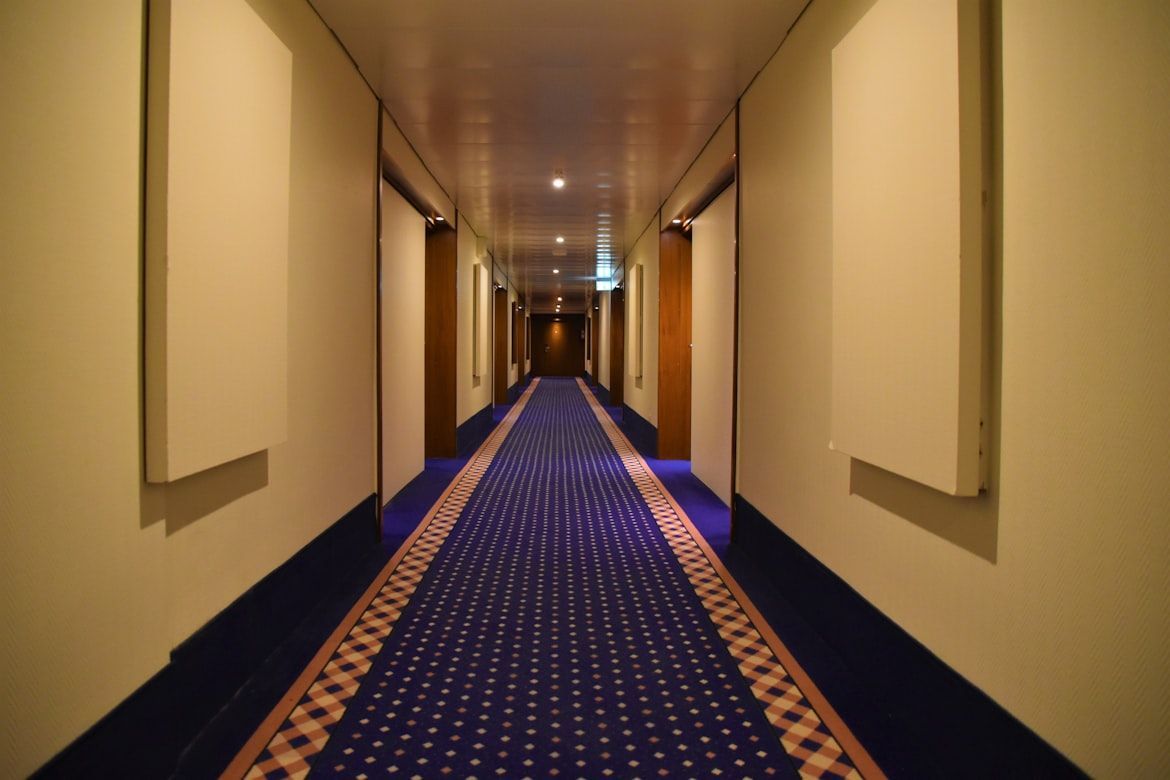
Hotel carpets often feature busy patterns, darker tones, and textured designs for practical psychological reasons. Complex patterns hide stains, dirt, and heavy foot traffic better than plain carpeting. This helps spaces appear cleaner during busy periods.
Patterns can also influence mood. Softer, flowing carpet designs create calmer environments, while casinos and entertainment spaces may use brighter or more energetic patterns to stimulate activity and movement.
Elevators are intentionally placed deep inside buildings
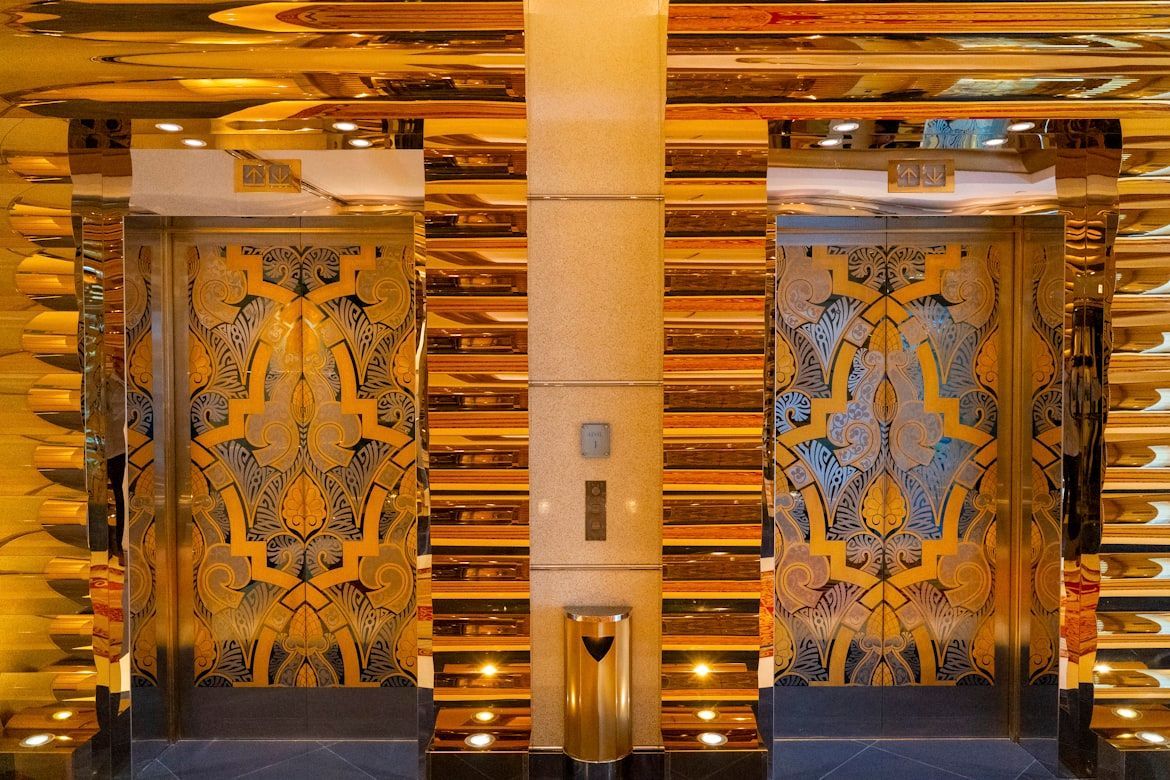
Many hotels place elevators farther from entrances or lobbies on purpose. This forces guests to walk past restaurants, bars, shops, lounges, or decorative areas before reaching their rooms. This strategy increases exposure to amenities that generate additional spending.
The deeper placement also creates a sense of transition between public and private spaces. Architects use these movement patterns to shape how guests experience the property emotionally and visually.
Minibars are placed for impulse purchases
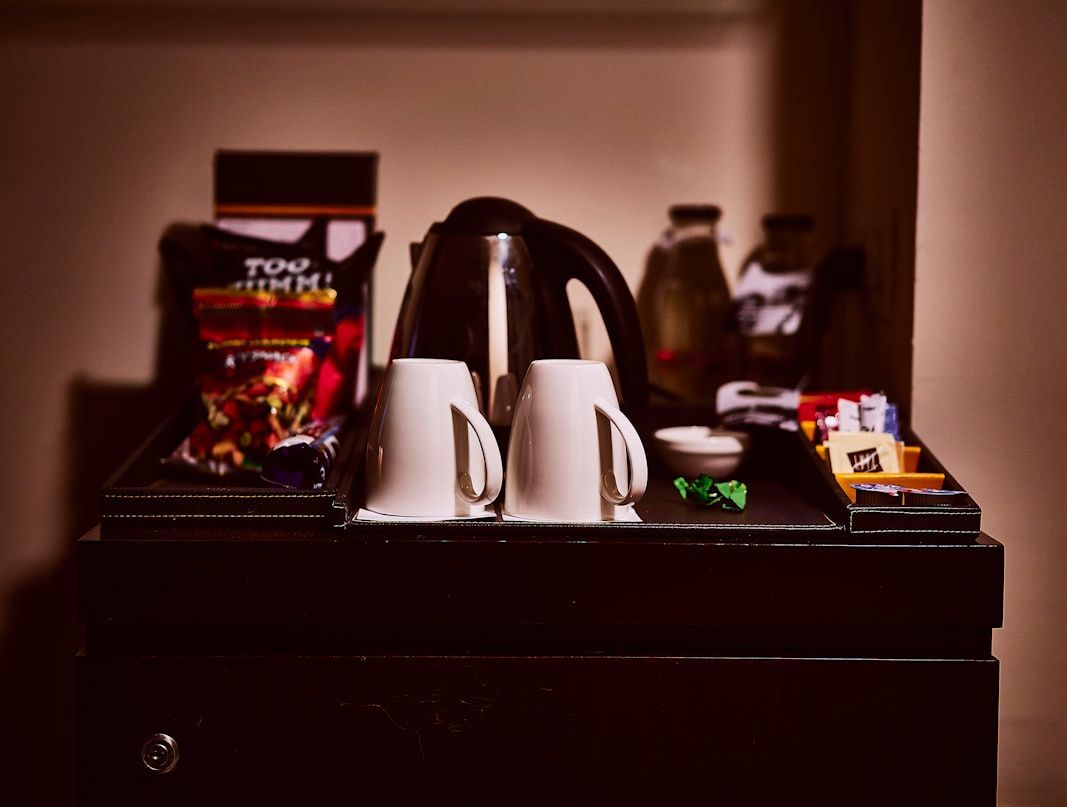
Minibars are designed around convenience psychology. Guests are more likely to make spontaneous purchases late at night or when tired because the products are immediately accessible. Hotels intentionally place minibars within easy sightlines and reach.
Research in consumer behavior shows that convenience and reduced decision effort increase impulse spending. Even though minibar prices are notoriously high, many travelers still buy items because leaving the room feels less appealing than paying extra.
Upgrades are offered after booking to increase sales
Hotels frequently wait until after guests book before offering room upgrades, spa packages, breakfast bundles, or late checkouts. Behavioral economists call this the "commitment effect": once travelers have mentally committed to a trip, they are more likely to spend extra money.
Upgrade offers also rely on contrast psychology. A slightly higher-priced premium room can suddenly seem reasonable compared to the total vacation cost already paid. Airlines, cruise lines, and casinos use similar techniques to increase revenue after the initial purchase decision.
Cars are banned in this charming U.S. island
A guide to ten of the most beautiful small towns across America
Photogenic small towns in the U.S. you need to visit
America's most memorable places aren't always the ones with the biggest skylines or the longest lines. Sometimes, the most stunning, surprising, and downright delightful corners of the country are tucked away in small towns that don't make much noise. Fair warning: you may finish this list with ten new destinations and zero excuses not to go.
Sedona, Arizona
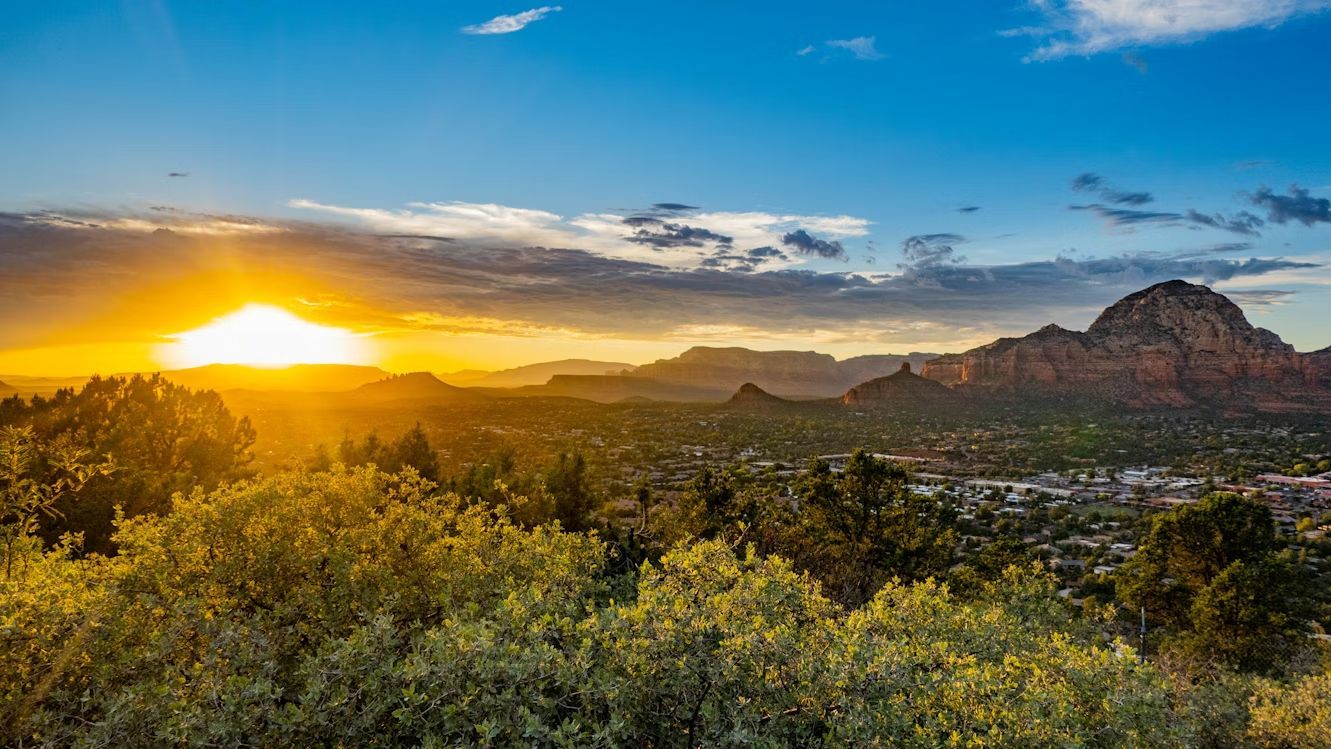
The red rock formations surrounding this small Arizona town are so dramatic, deeply colored, and surreal that first-time visitors often just stand there with their mouths open for a few moments before remembering to take a photo.
Beyond the scenery, Sedona offers great restaurants, art galleries, and a reputation as a spiritual destination that draws people from all over the world.
Mackinac Island, Michigan
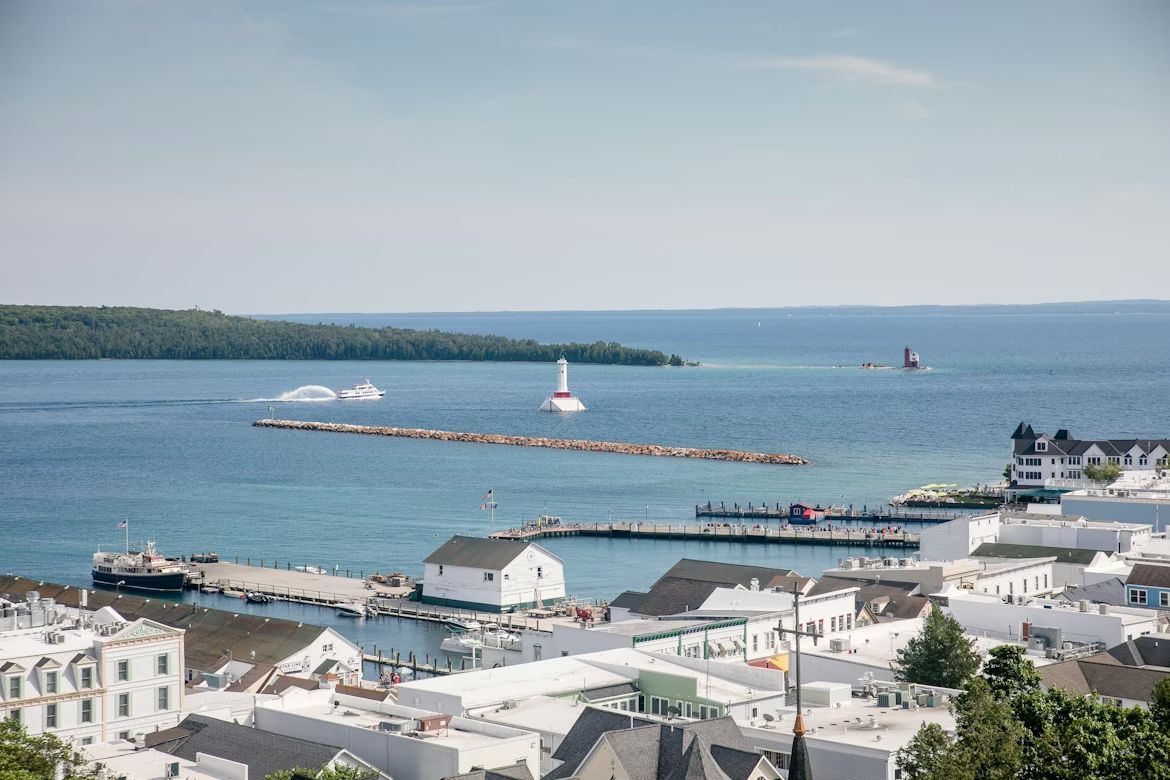
No cars, just horses, bicycles, and one of the most charming islands you’ll ever set foot on. Mackinac Island sits in Lake Huron between Michigan's Upper and Lower Peninsulas, and it has been a beloved summer retreat since the Victorian era.
The Grand Hotel's porch is the longest in the world, the fudge shops are legendary, and the whole island smells faintly of horses and lake air.
Telluride, Colorado
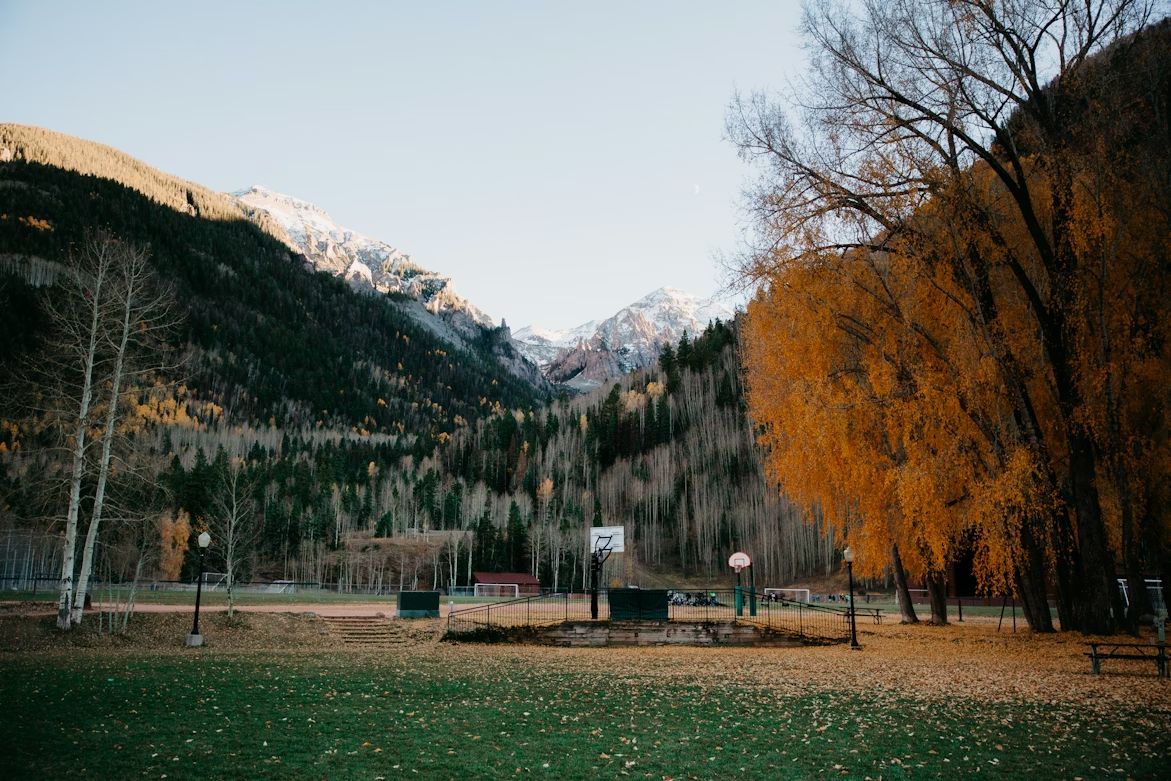
Tucked inside a box canyon in the Rocky Mountains, Telluride looks like someone accidentally built a town in the middle of one of the most dramatic landscapes on Earth, and then decided to keep it. The mountains tower over Main Street on three sides, giving the whole place the feel of a movie set.
What makes Telluride extra fun is its history. Butch Cassidy is believed to have committed his very first bank robbery here in 1889. Today, the biggest "outlaws" are the crowds that roll in every September for the Telluride Film Festival.
Stowe, Vermont
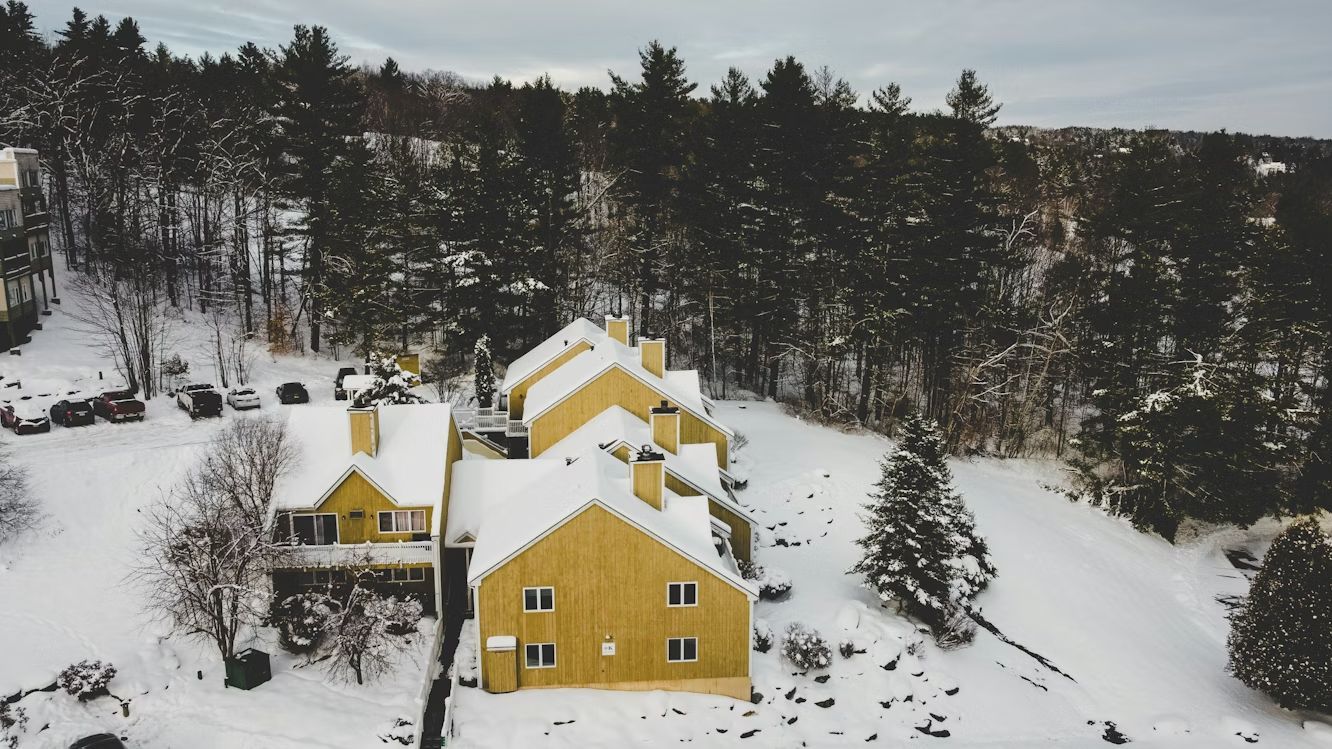
If a New England postcard could come to life, it would look exactly like Stowe. This tiny mountain town is wrapped in covered bridges, white church steeples, and maple trees that turn every shade of red and gold in the fall.
The family that inspired The Sound of Music—the von Trapp family—later settled here. Their lodge is still open, and yes, you can stay there.
Leavenworth, Washington
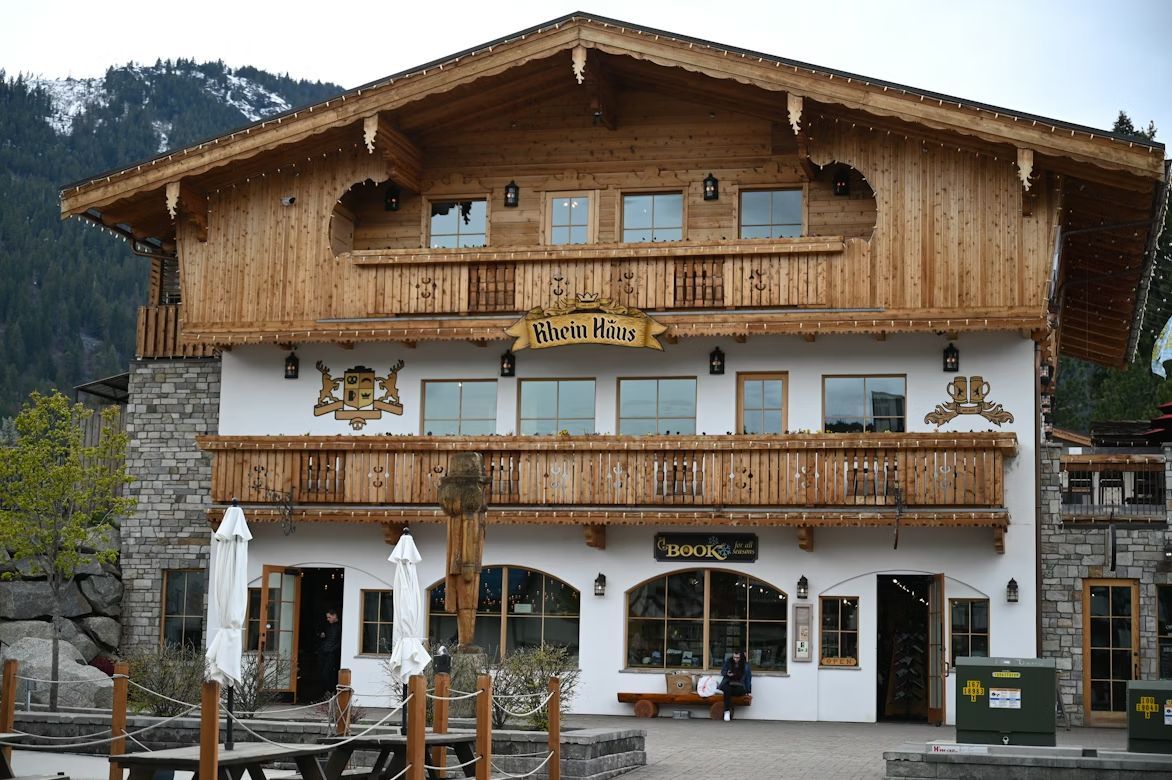
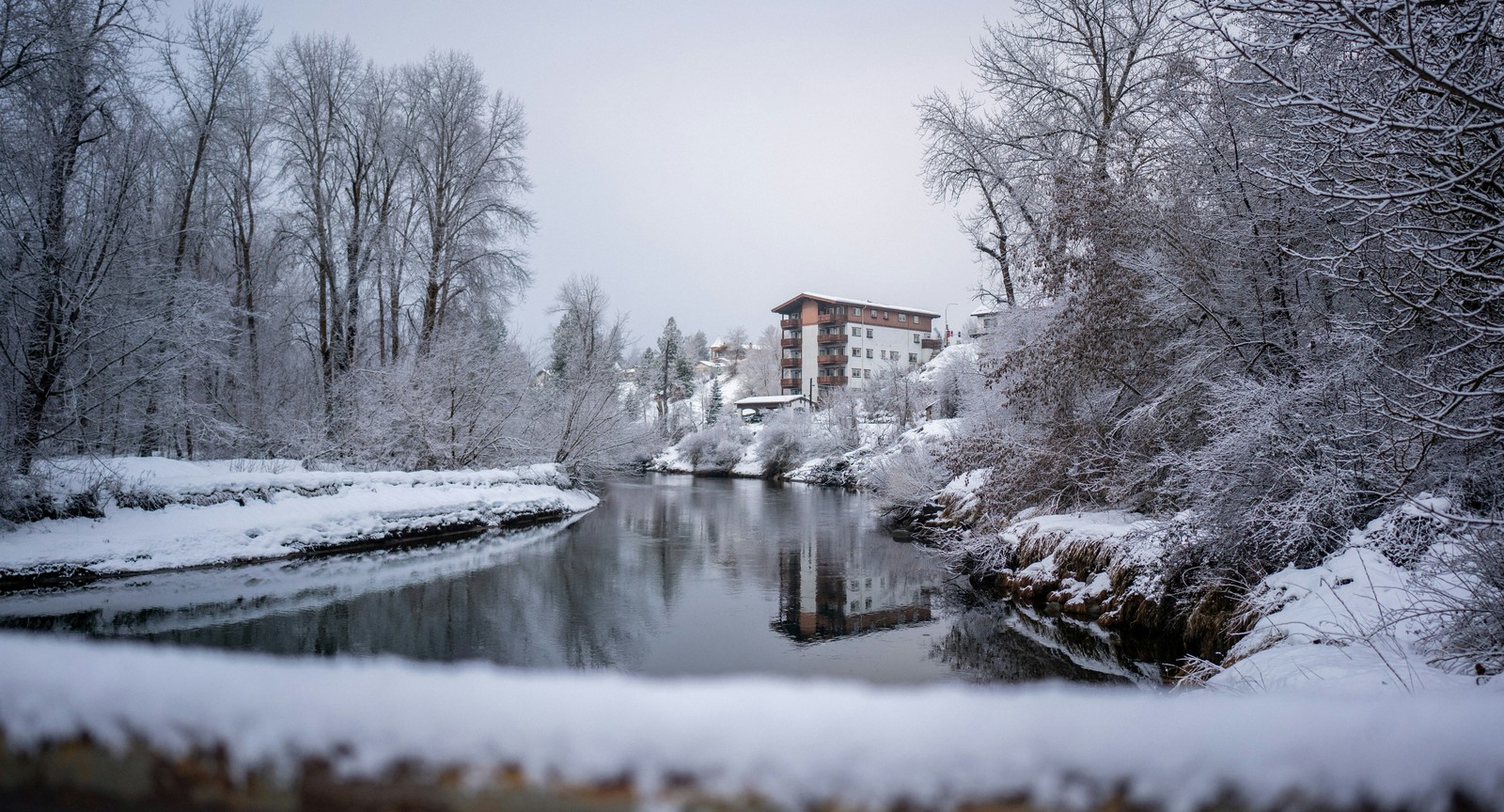
Yes, there is a Bavarian village in the middle of Washington, and no, you are not dreaming. Leavenworth fully committed to a German theme in the 1960s to save its struggling economy, and the result is a town full of Alpine architecture, bratwurst, and Christmas lights that draw over a million visitors a year.
It’s kitschy in the best possible way. The surrounding Cascade Mountains give the whole setting a sense of authenticity that makes you forget you're technically still in the Pacific Northwest. It's cheerful, colorful, and completely unlike anywhere else in America.
Cape May, New Jersey
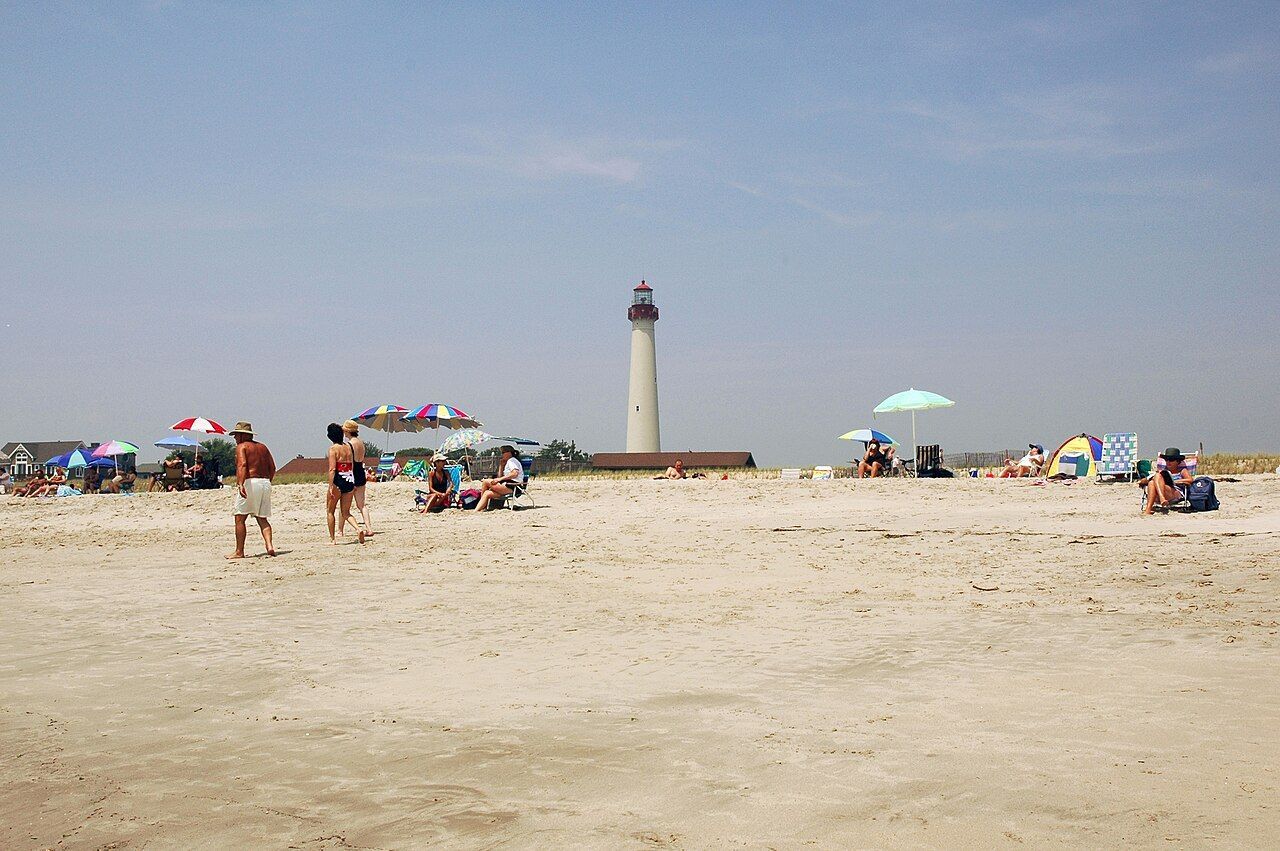
Cape May sits at the southern tip of New Jersey, and it is nothing short of a Victorian fever dream, in the best possible way. More than 600 Victorian homes, painted in candy colors, line the streets, earning it the reputation as one of the most intact Victorian towns in the country.
The beaches are beautiful, the sunsets over the Delaware Bay are legendary, and the whole town operates at a wonderfully unhurried pace. Birders love it, history lovers love it, and anyone who simply enjoys walking around a gorgeous, well-preserved town will feel completely at home here.
Jerome, Arizona
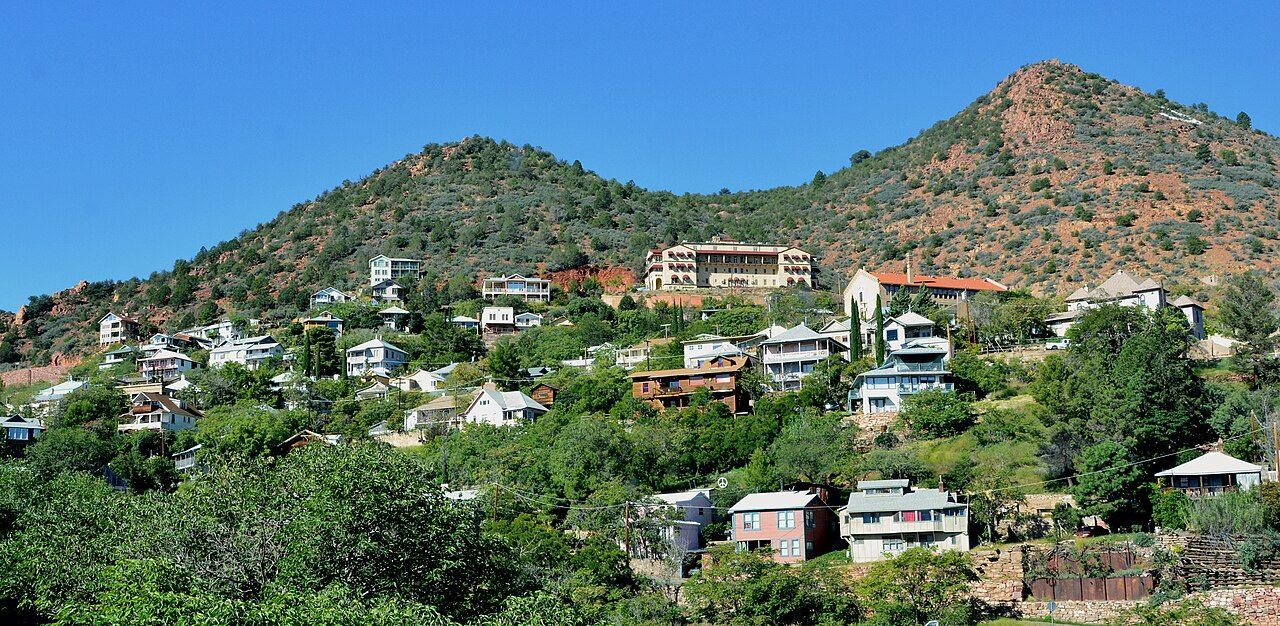
Built on the side of Mingus Mountain, Jerome is a former copper mining town that refused to become a ghost town and instead reinvented itself as an art colony. The hillside streets are steep, the old buildings lean at angles that make you slightly nervous, and the views of the Verde Valley stretch out endlessly below.
Jerome calls itself "the most vertical city in America," and standing on its tilted sidewalks, you won't argue the point. It's eccentric, colorful, and full of galleries, wine-tasting rooms, and stories about its wild mining past that are far too good not to share.
Eureka Springs, Arkansas
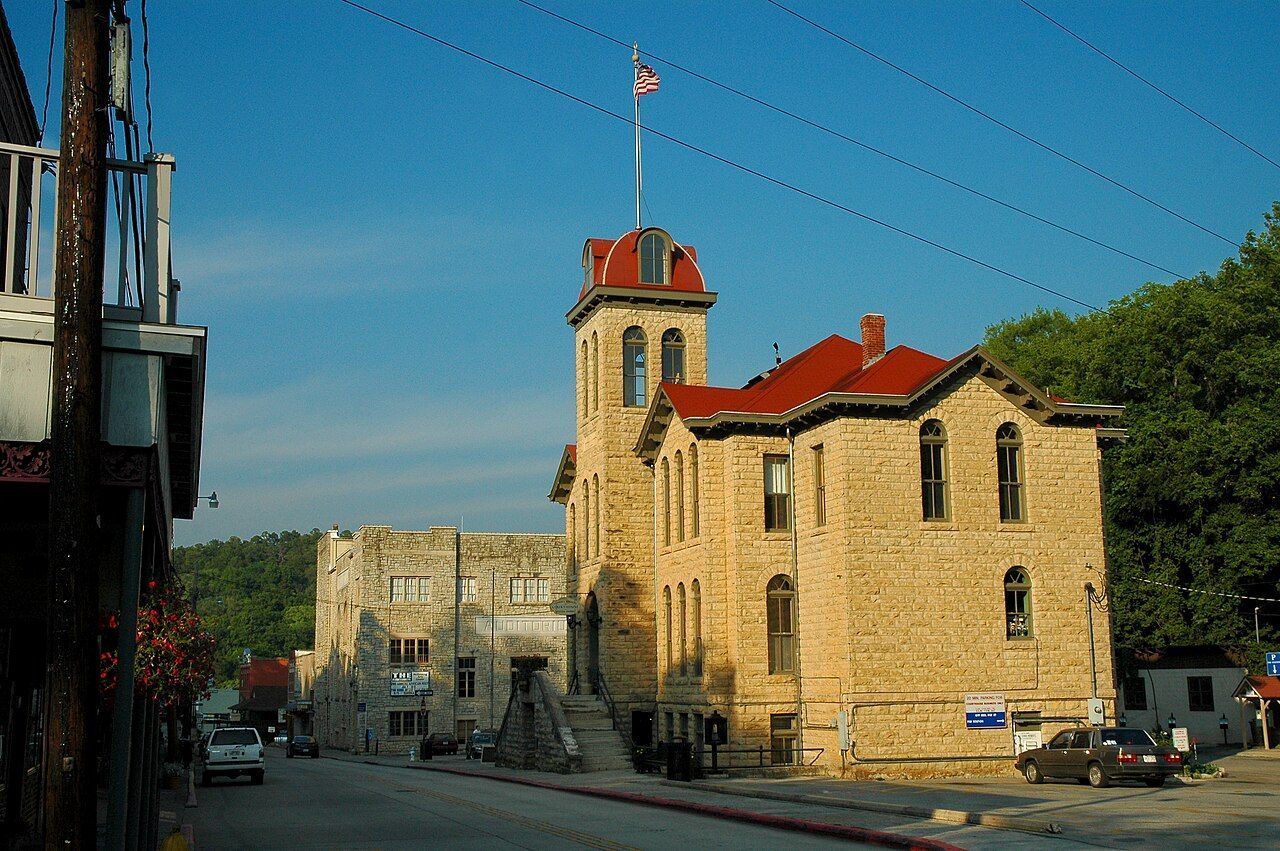
Eureka Springs is what happens when Victorian architecture, natural springs, and pure Ozark stubbornness all end up in the same place. The entire downtown is a Eureka Springs Historic District, meaning nearly everything you see is over a hundred years old and somehow still standing proudly on the steep hillsides.
No traffic lights, no chain restaurants, and streets so winding that even locals occasionally get lost. Artists, writers, and free spirits have been drawn here for decades, resulting in a town with serious personality.
Beaufort, South Carolina
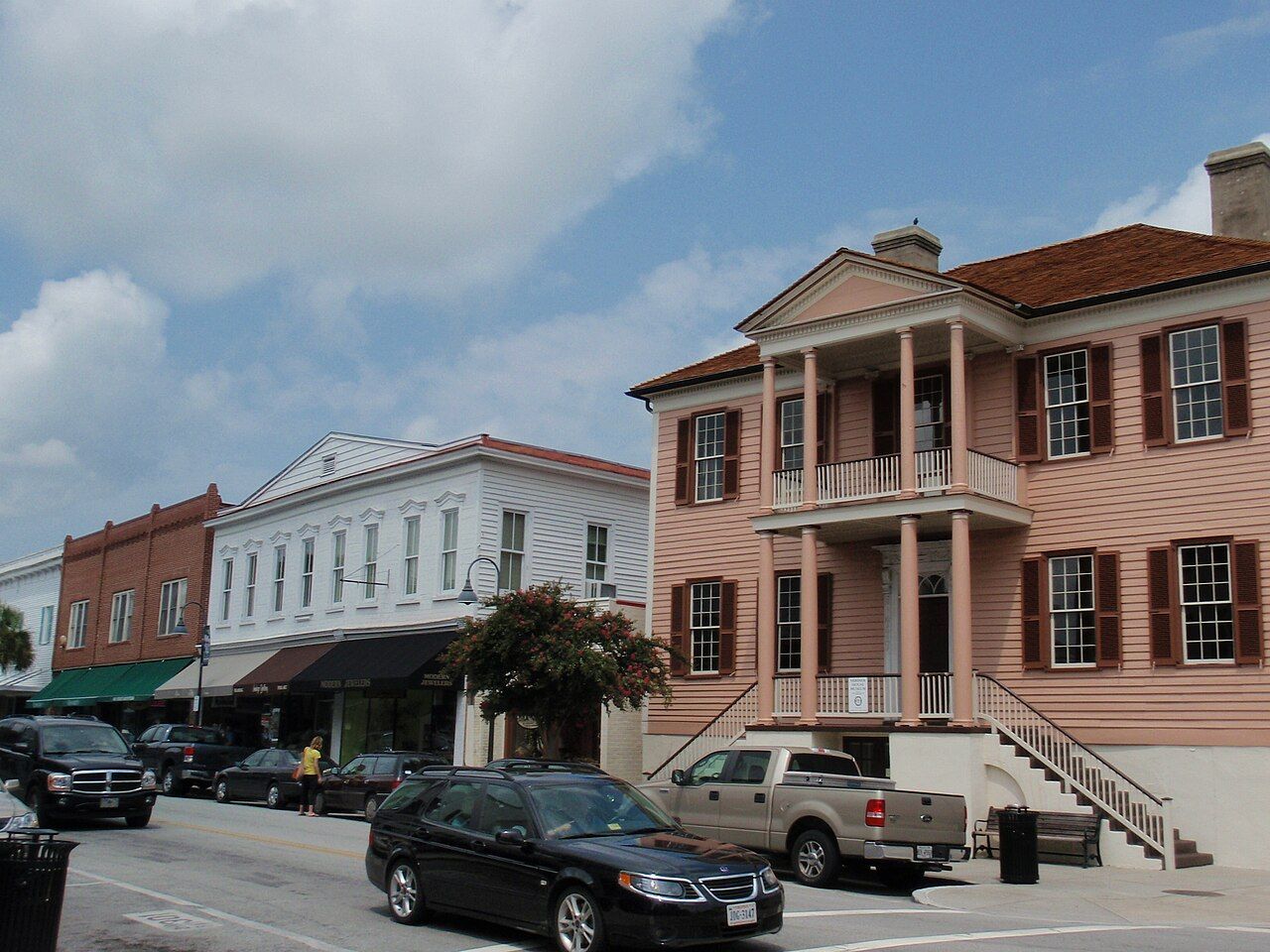
Beaufort is one of those towns that makes you slow down, whether you want to or not. Spanish moss drapes over centuries-old oak trees, antebellum mansions line the waterfront, and the whole place moves at a pace that feels like the rest of the world simply forgot to rush it.
Movies like Forrest Gump and The Big Chill were filmed in and around Beaufort, and honestly, it shows. Every street corner looks like a scene waiting to happen. Come for the architecture, stay for the she-crab soup, and leave wondering why you don't live here.
Natchez, Mississippi
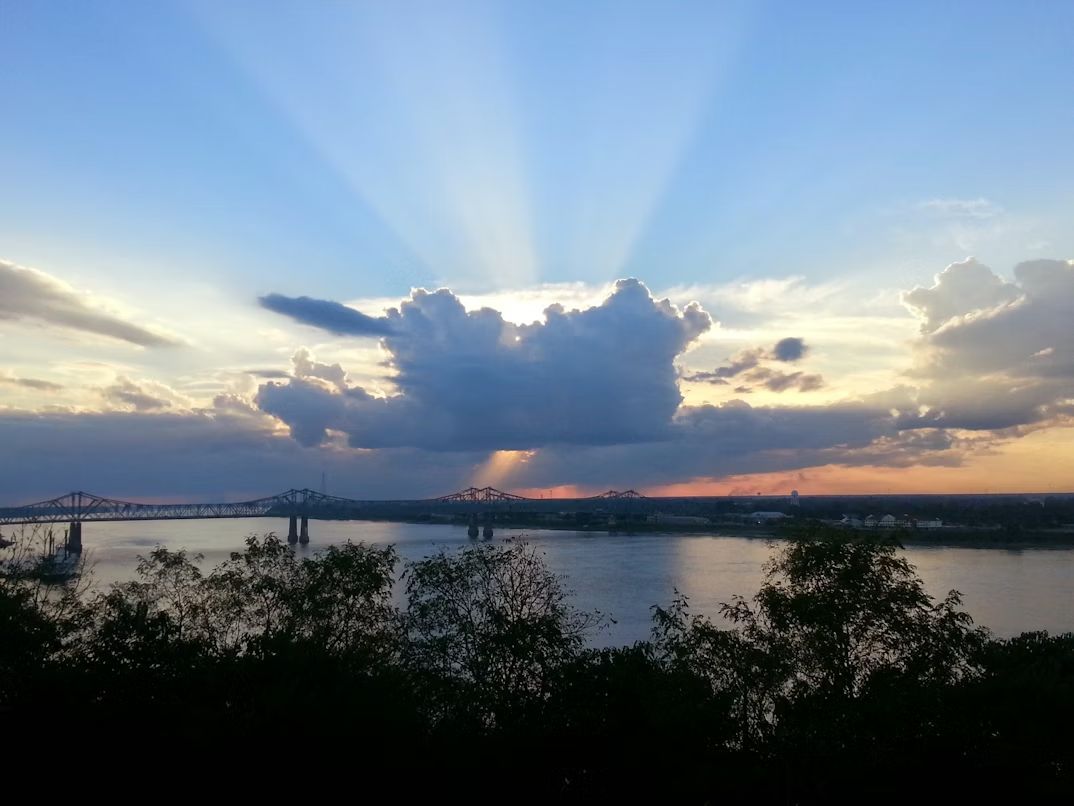
Natchez sits high above the Mississippi River and carries more history per square mile than almost any town its size in America. The antebellum homes here are staggering in their grandeur, and during the twice-yearly Pilgrimage tours, many of them open their doors to visitors.
The town’s history is complex, but it is undeniably and powerfully American. The bluff views over the river at sunset, the live oak canopies over the old streets, and the sheer weight of the stories embedded in every building make Natchez one of the most unforgettable small towns in the country.
Keep wandering
There’s always
more to explore
Drive-in movies were invented for this surprisingly personal reason
7 min.
Read Now
The day the music died: The song that said goodbye to early rock 'n' roll
6 min.
Read Now
11 more beautiful U.S. towns you’ll want to visit
3 min.
Read Now
Ten airports where you will actually want to arrive early
3 min.
Read Now