
The flight board says "delayed." Here is what they are not telling you.
 General
Flights and bureaucracy
The flight board says "delayed." Here is what they are not telling you.
They say patience is a virtue. Clearly, whoever said that had never waited at a gate, after waiting at another gate on the other side of the airport for a flight that's already an hour late with no explanation. The good news? There's almost always a reason, and once you know what's really going on behind the scenes, the wait makes a whole lot more sense. Here are 10 motives that explain why flights don’t always take off on time.
Your plane may be late before it even reaches you
Every commercial plane usually makes several trips in one day. The plane assigned to your flight may have flown in from another city that morning, and if that earlier flight was late, your flight can already be behind before boarding starts.
The FAA, the Federal Aviation Administration, tracks this as "delay propagation," which means one late flight can make the next flight late too. This is one of the biggest causes of flight delay minutes in the U.S**,** so by the time you are at the gate wondering what happened, the reason may be a delay that started a few cities back.
Weather delays can happen far from your airport
The weather at your airport may look fine, but your flight can still be delayed because of bad weather three states away. When storms slow down traffic at the airport, the FAA, the Federal Aviation Administration, may use a Ground Delay Program to space out flights.
That program gives flights specific departure times, even if the weather where you are is clear. Big hub airports like Chicago O’Hare, Atlanta, and the New York airports can affect the whole system, so one bad weather day there can delay thousands of flights across the country.
Crew timing rules can delay a ready airplane
Sometimes the plane is ready, but the crew is still not allowed to fly. The FAA, the Federal Aviation Administration, limits how many hours pilots and flight crews can work before they must rest. If your crew was delayed on another flight or spent too much time waiting at the gate, they may hit that legal limit before takeoff. The airline then has to bring in a replacement crew, and that can take time.
A small maintenance issue can stop an entire flight
Every commercial plane has a Minimum Equipment List, also called the MEL. This is an FAA-approved document that says which parts and systems must be working before the plane is allowed to take off.
If the pilot notices something during the pre-flight check, even if it seems like a minor detail, maintenance has to review it and follow the official process. Sometimes it is fixed quickly, but other times the airline has to wait for approval before the flight can leave.
A missing bag can delay the final departure

Yes, a missing bag can delay the final departure. Before the plane can leave, the airline has to make sure every checked bag belongs to someone who actually got on the flight.
If a passenger checked a bag but missed the flight, got delayed at security, or never showed up, the crew may have to find that bag and take it off the plane. If that takes too long, the plane may lose its turn to take off and have to wait again.
Overbooking can still slow things down
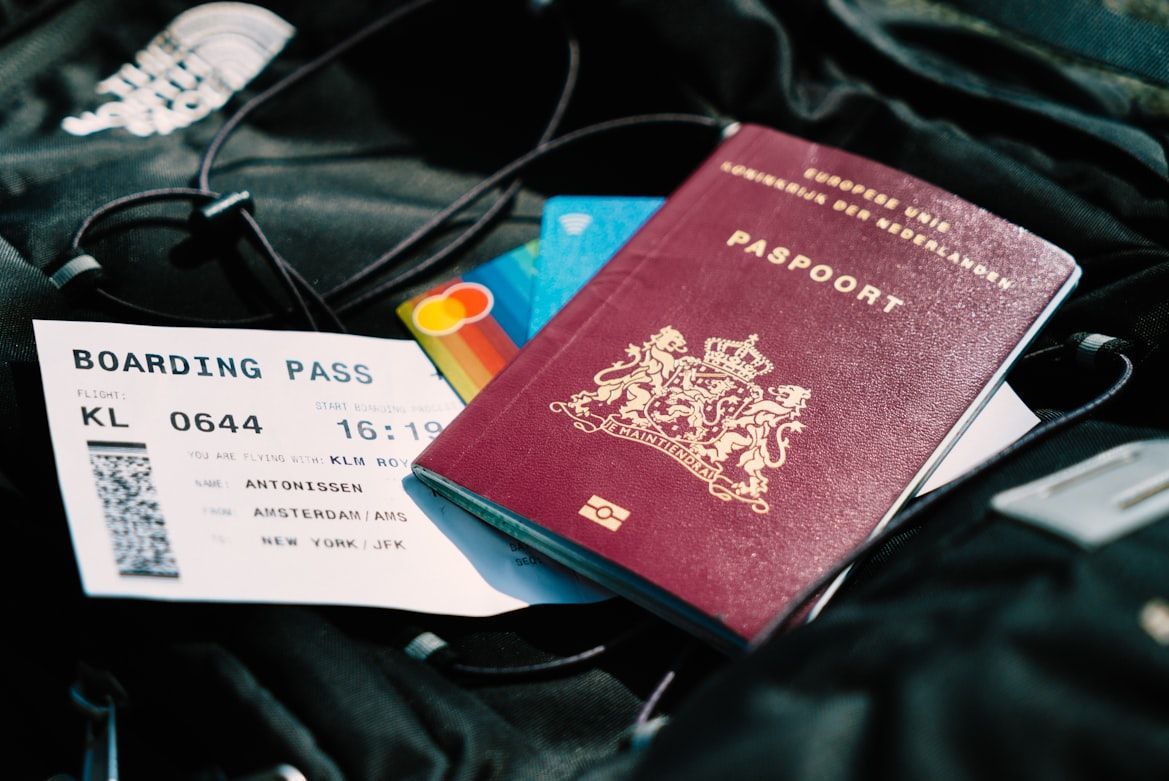
Overbooking can turn into a delay while the airline figures out who is actually flying. If too many passengers show up, the airline may need time to ask for volunteers, offer compensation, or move people to another flight. Even if you are already seated, the crew may still be waiting for the gate team to solve the final seat count. The plane usually cannot leave until the passenger list, seats, and paperwork all match.
Some delays are caused by paperwork, not the plane
Before a flight can leave, the airline has to finish the official paperwork. This includes things like the plane’s weight, fuel, route, weather backup plans, and passenger count.
If something changes at the last minute, like the number of passengers or the cargo weight, that paperwork may need to be fixed before the plane can take off. The plane may be ready, but if the documents aren't, the flight still has to wait.
Air traffic control can slow departures without warning
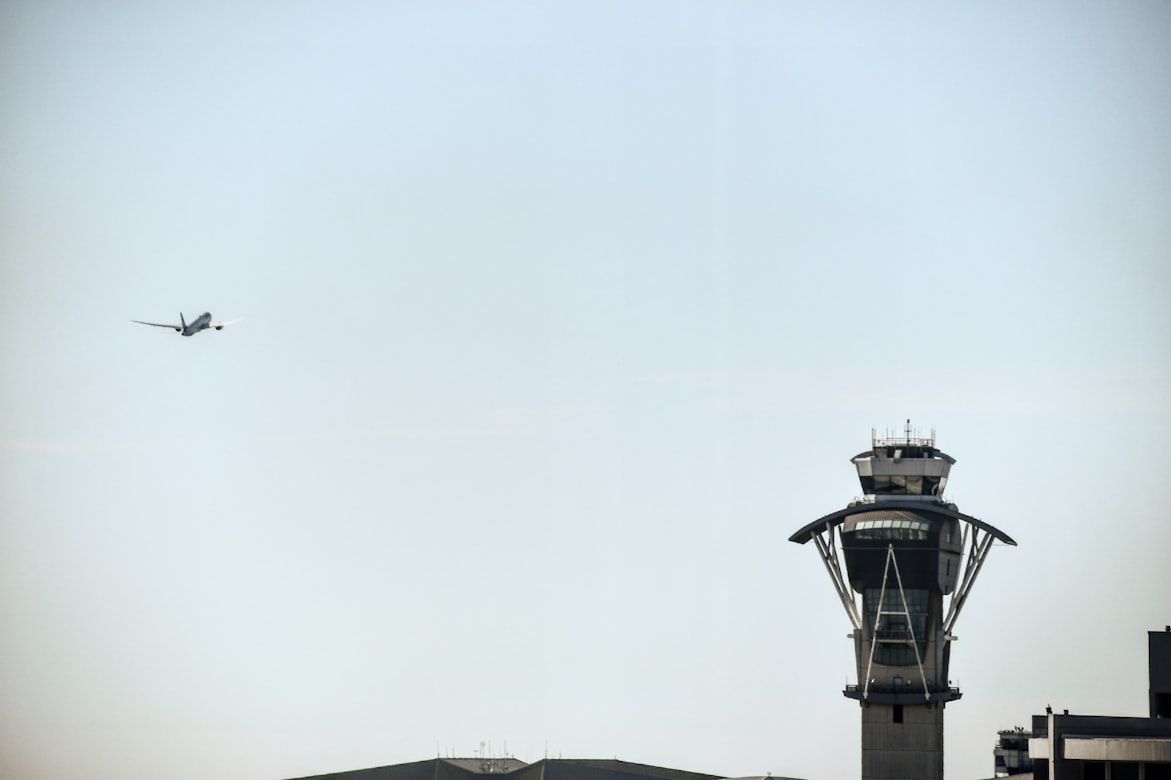
Have you ever sat at the gate, waiting and wondering why the plane is not moving? That's usually the Ground Delay Program delaying the flight.
When an arrival airport gets congested because of weather, equipment issues, or volume, the FAA assigns each inbound flight a specific departure clearance time. The plane cannot take off earlier, no matter how ready it is, because the departure time is not set by the airline.
The airline app may update before the gate agent does
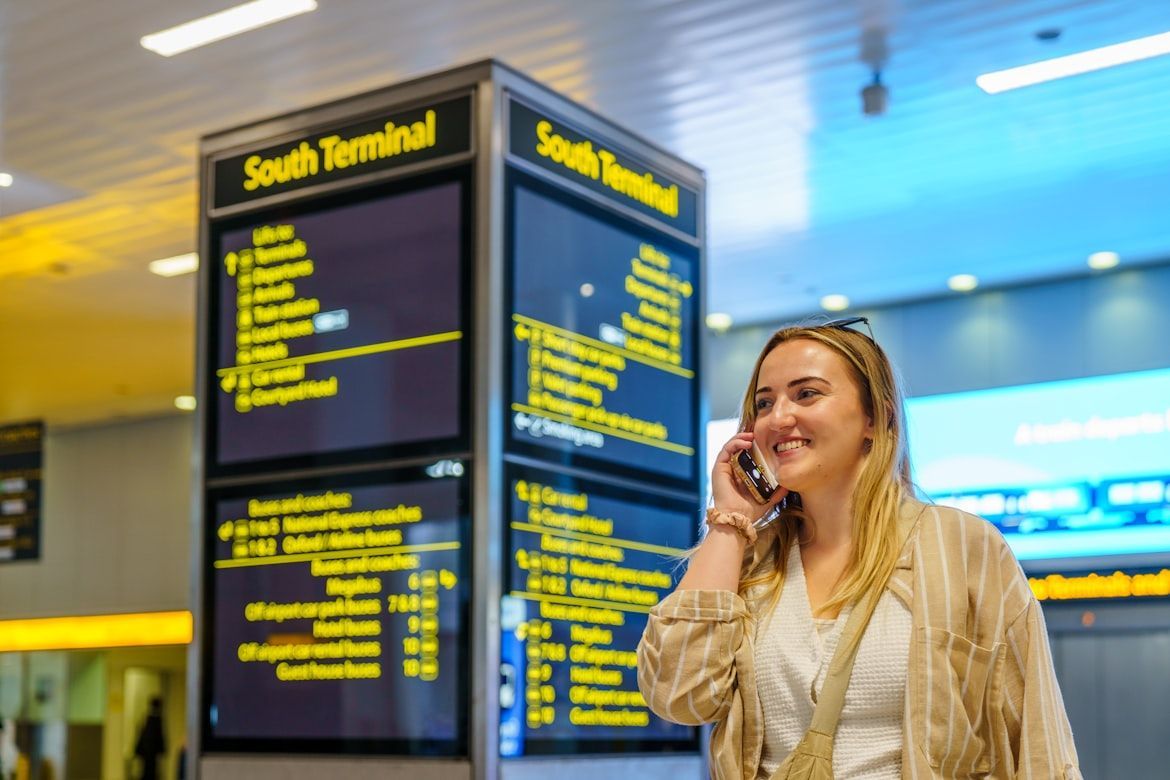
It may sound strange, but your phone can sometimes show a flight change before you hear it at the gate. That is because flight information moves through several systems at once: the airline, the airport screens, and air traffic control.
There is another detail: some airline apps only send push alerts when the change is big enough, and smaller updates may appear in the app without a notification. That is why it helps to keep the airline app open, turn on notifications, and still check the airport screens when you can.
Gate changes are not random
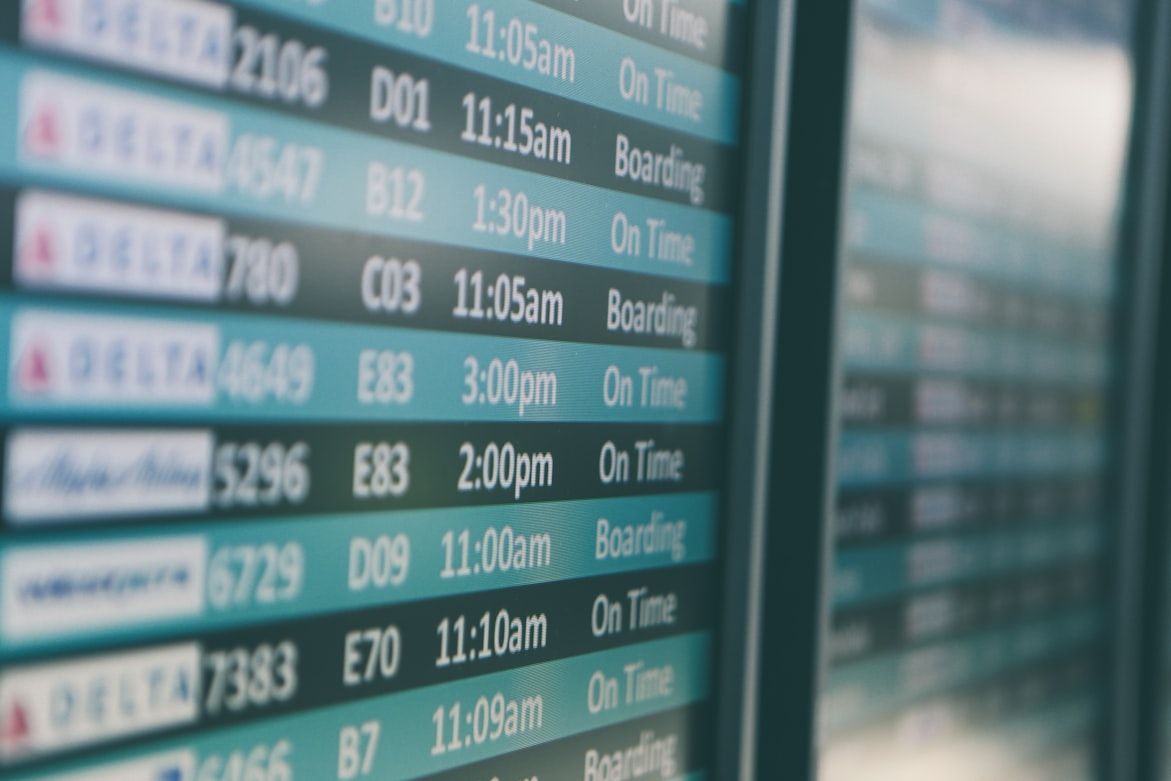
What is more annoying than a gate-changing warning? If the plane that corresponds to a gate is delayed, the flight may be moved to another open gate so boarding can start sooner. Even an empty-looking gate may not be ready if crews are still cleaning, fueling, loading bags, or resetting equipment.

10 routes for your next American road trip
 Geography
On the road
10 routes for your next American road trip
Road trips are nearly as American as apple pie, and for good reason. The variety of landscapes and ecosystems across the U.S. makes any journey as enjoyable and rewarding as the final destination. But the multitude of options can sometimes make choosing a route more difficult. If you want to plan a road trip but don’t know where to go, here are 10 options to get you started.
Blue Ridge Parkway
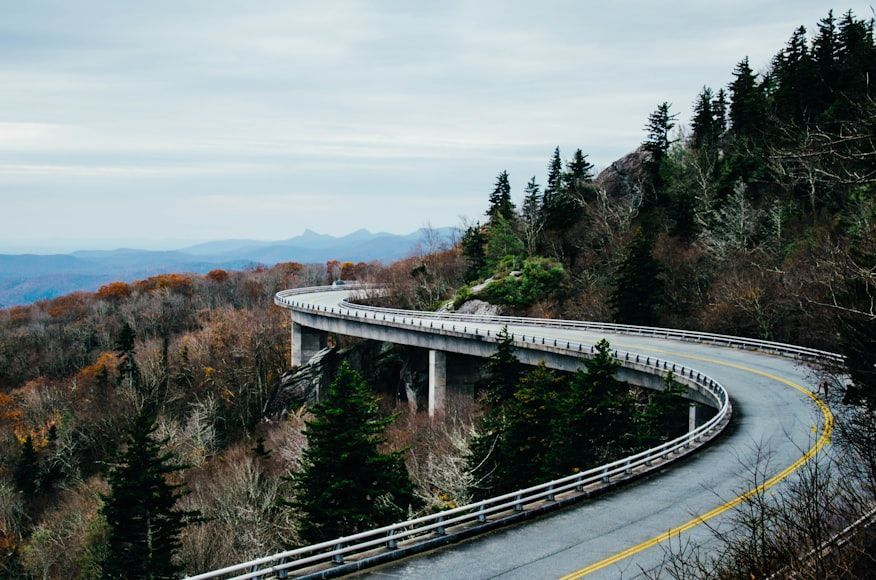
Often nicknamed "America’s favorite drive," this 469-mile road takes us from Shenandoah National Park in Virginia to Great Smoky Mountains National Park in North Carolina, traversing the Blue Ridge Mountains, a subrange of the Appalachians.
Though the route avoids major cities, there is no shortage of resting areas and stop sites along the way. Key highlights of this route include a stop at Humpback Rocks to see the fall foliage, the Terrapin Mountain and Arnold Valley Overlook, the Peaks of Otter, Mabry Mill, and Crabtree Falls.
Redwoods to Crater Lake
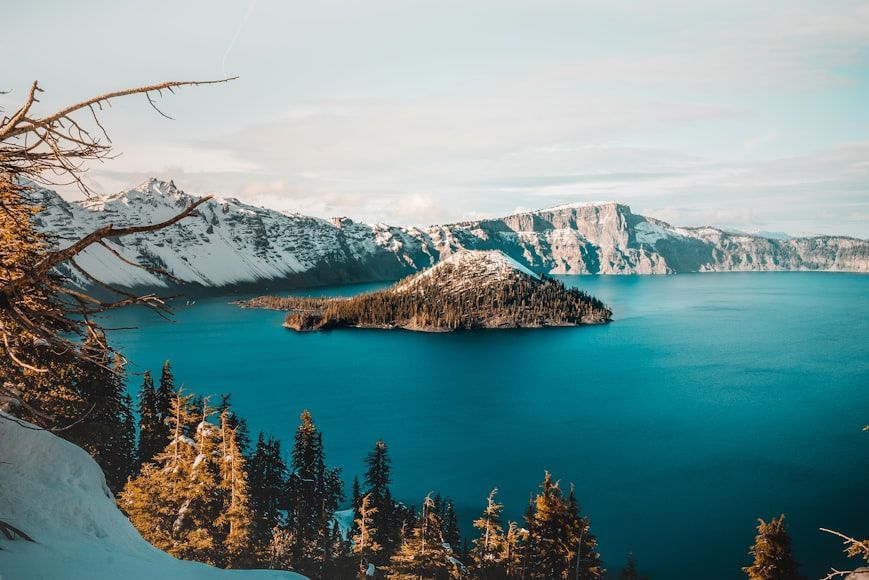
Starting in the Redwood National and State Parks, this route takes you from California to Oregon in about five to six hours—that is, if you don’t stop at all. There are numerous attractions and must-see landscapes along the way, but we’ll name just a few: the Prairie Creek Redwoods State Park, Battery Point Light, Stout Grove, Oregon Caves National Monument and Preserve, Upper and Lower Table Rock, and Wizard Island.
Florida Keys Overseas Highway
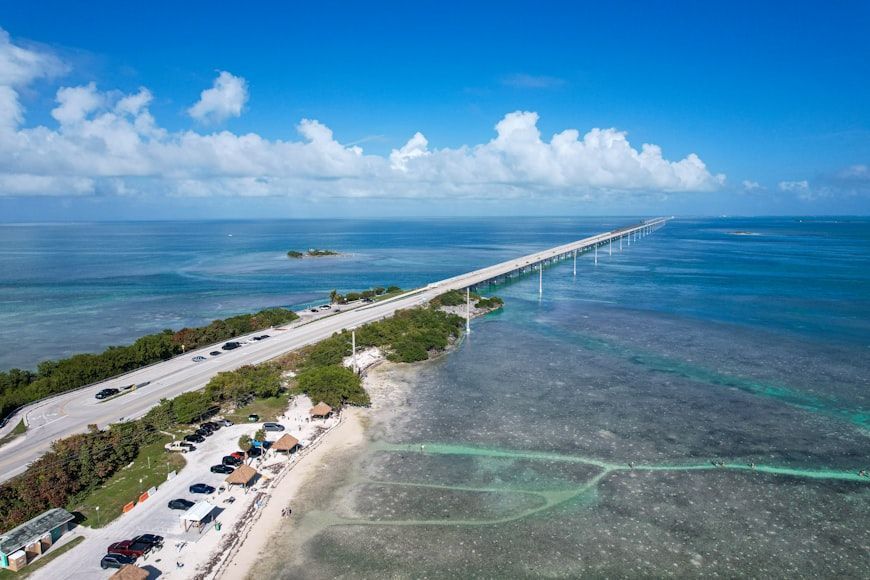
This short but vibrant route takes you across 113 miles and 42 bridges, island-hopping through the Florida Keys. An ideal route for sea lovers, the Overseas Highway offers stunning ocean views, beaches, and plenty of seafood to enjoy. Highlights of this route include John Pennekamp Coral Reef State Park, the Seven Mile Bridge, Bahia Honda State Park, and Duval Street.
The Cascade Loop Scenic Byway
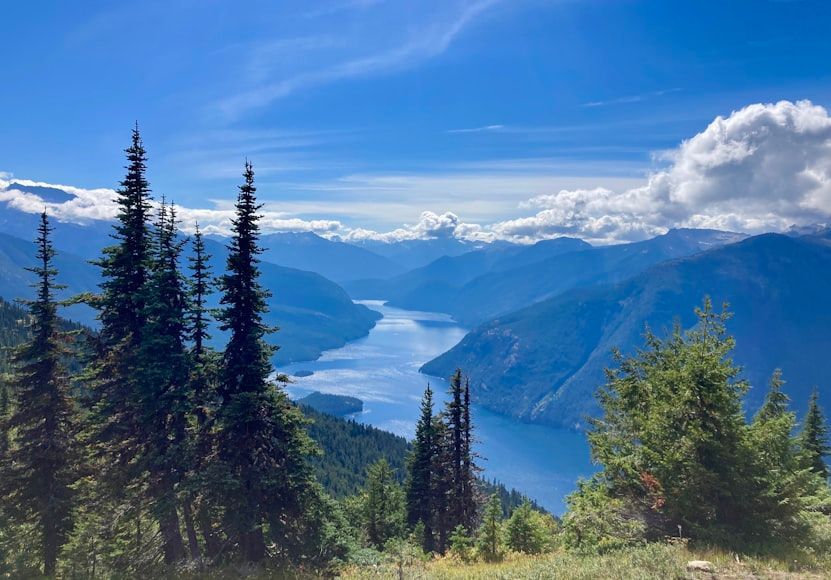
If you want to experience Washington state’s natural beauty, this is the route for you. A 440-mile-long road, it contains three well-known scenic byways—the Stevens Pass Greenway, the North Cascades Highway, and the Whidbey Scenic Isle Way—and takes you across nine distinct regions that showcase the diversity of the Pacific Northwest.
Going-to-the-Sun Road
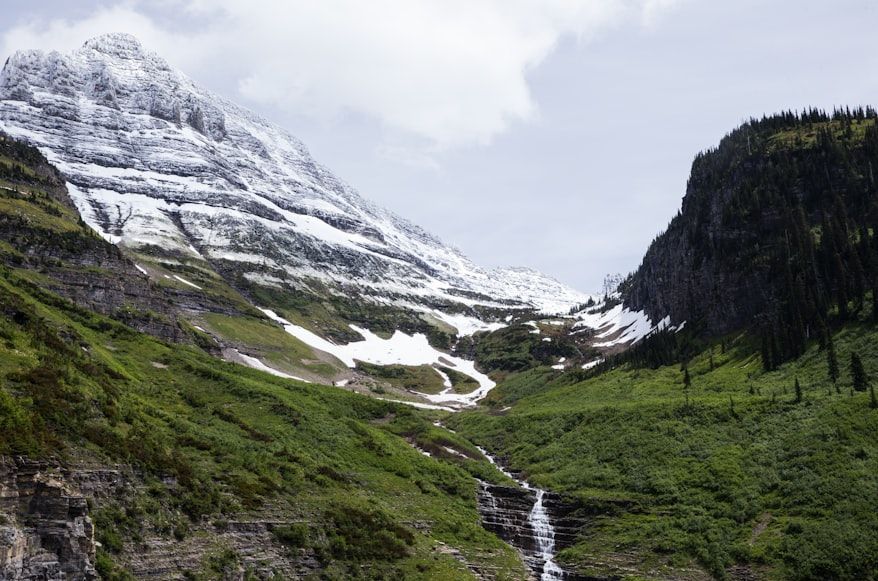
Dating back to the 1920s, this route may be short—a mere 50 miles—but it has remained extremely popular. Traversing Glacier National Park in Montana, it connects its east and west entrances via the 6,466-foot-high Logan Pass. Recommended stops include Lake McDonald Lodge, the Trail of the Cedars, the St. Mary Falls trail, and the Logan Pass Visitor Center.
Black Hills to Badlands
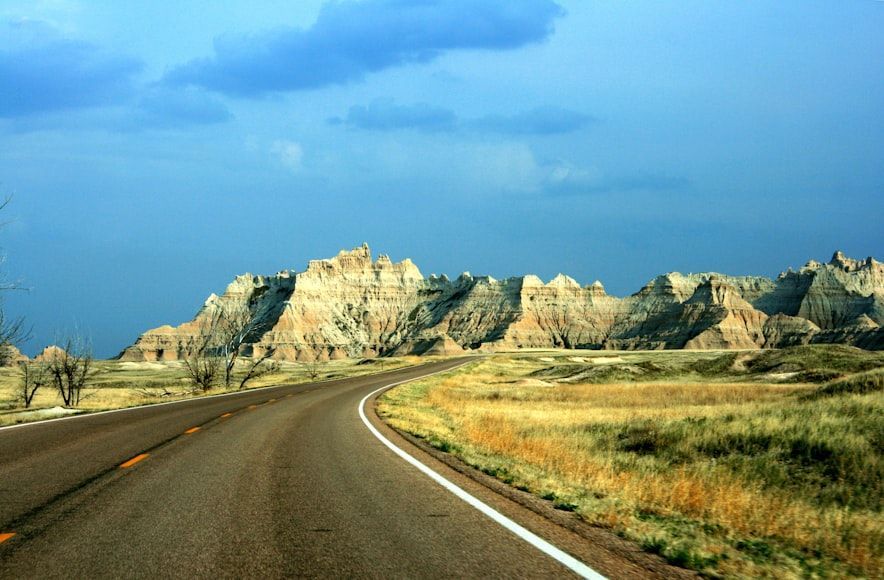
Looking for what to do in South Dakota? Look no further. From the Black Hills in Custer State Park to Badlands National Park, this route is one of the best ways to experience these nearby yet very different landscapes. Popular stops include the Badlands Loop Road, Needles Highway, Mount Rushmore, Crazy Horse Memorial, Wind Cave National Park, and the Mammoth Site.
Olympic Peninsula Loop
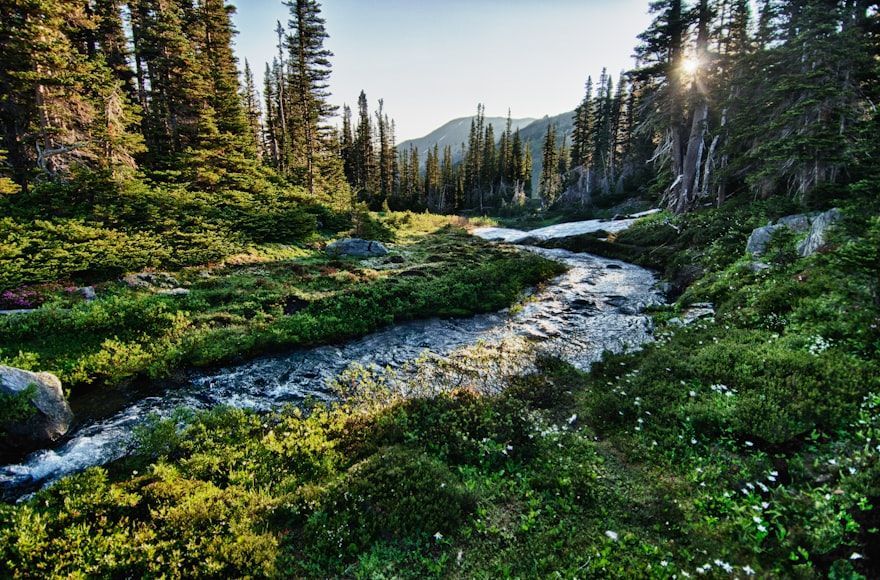
A scenic drive through Washington's Olympic National Park, this roughly 300-mile loop mainly follows U.S. Route 101 and offers a mix of coastal scenery, rainforests, and mountain views. Highlights of this route include Hurricane Ridge, Lake Crescent, the Hoh Rainforest, Ruby Beach, the Quinault Rainforest, and Cape Flattery, the northwesternmost point of the contiguous U.S.
Grand Canyon to Sedona
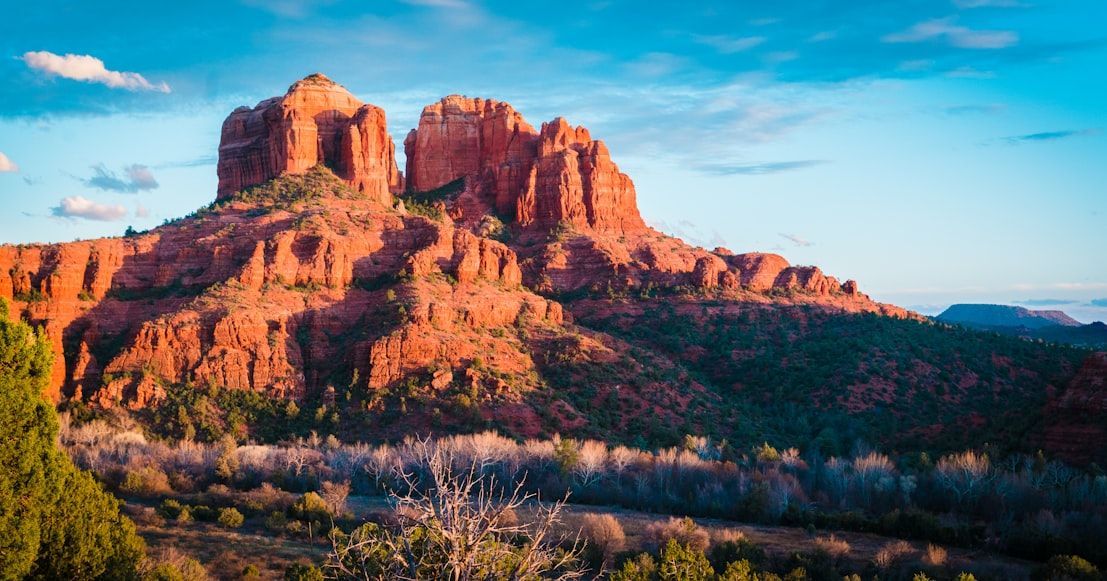
Located about 110 miles apart and connected by Arizona State Route 89A, these are two extremely popular destinations for good reason. Grand Canyon, one of America’s most recognizable landmarks, offers stunning views from locations such as Mather Point, the Yavapai Geology Museum, or the Bright Angel Trail. A short drive away, Cathedral Rock, Doe Mountain, and the Chapel of the Holy Cross are some of the highlights of Sedona.
The Great River Road
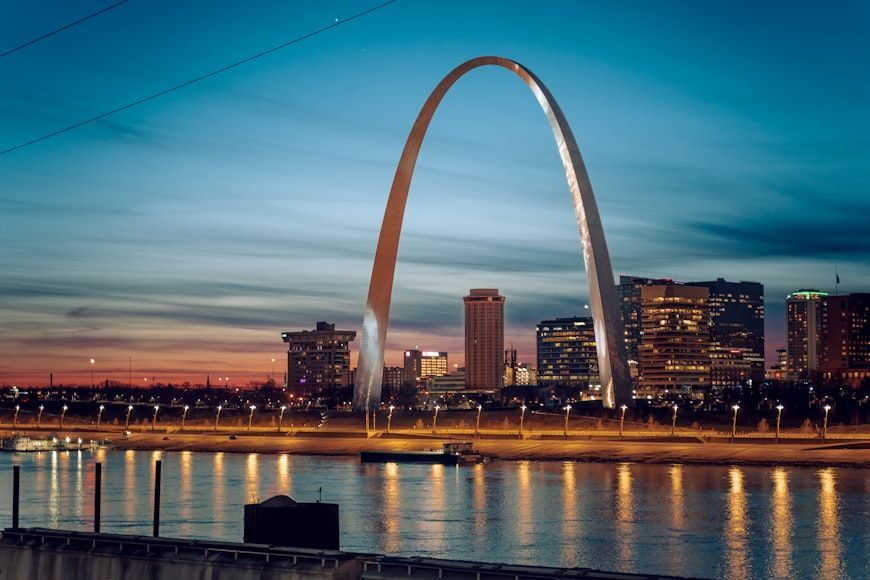
While this route in full may not be for everyone, its different sections can serve as a roadmap for a variety of trips. Following the course of the Mississippi River, this network of roads spans more than 2,000 miles across ten different states, from Minnesota to Louisiana. Among its iconic stops, we can find Lake Itasca, Cahokia Mounds, the Gateway Arch, Memphis’s Beale Street, and New Orleans, just to name a few.
New England Coast
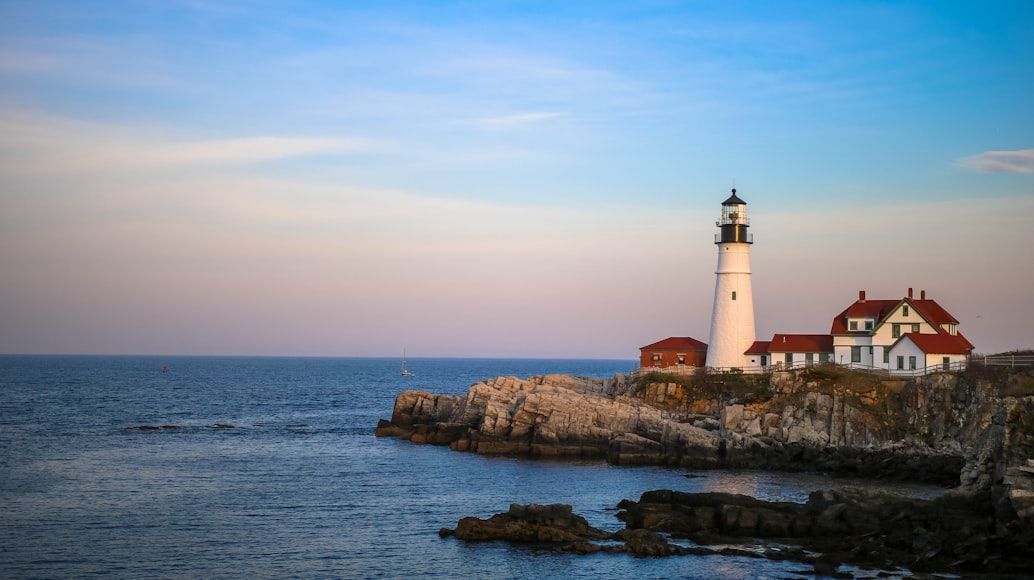
There is no set route to travel through coastal New England, but road trip enthusiasts often start in New Haven, continuing through Providence, Boston, Salem, and Portsmouth, before heading north to Bar Harbor and Acadia National Park. Must-see stops include Ocean Drive, the Freedom Trail, Cape Cod, and Ogunquit.
Keep wandering
There’s always
more to explore
 Landmarks
What's hiding beneath Alcatraz, and why can't anybody visit it?
6 min.
Read Now
What should you do if you lose your passport while traveling?
4 min.
Read Now
 Culture
Maps lie: 10 famous cities that love to trick tourists
6 min.
Read Now

The whole town moved underground, and other stories that cities hide
6 min.
Read Now