Which US city has the most beautiful skyline? 12 strong contenders listed
 Landmarks
Did your city make the list?
Which US city has the most beautiful skyline? 12 strong contenders listed
You might think -with good reason- that discussing which skyline is the most beautiful is quite a subjective and futile endeavor. But while the podium might be a thing of personal preference, the list will probably make you discover some cities with beautiful skylines that you have never even considered. Or, at the very least, it will shed some new light on places you already knew but never thought of in this manner. From soaring Art Deco icons to glass towers, these cities prove there’s more than one way to create an incredible skyline.
New York City, New York
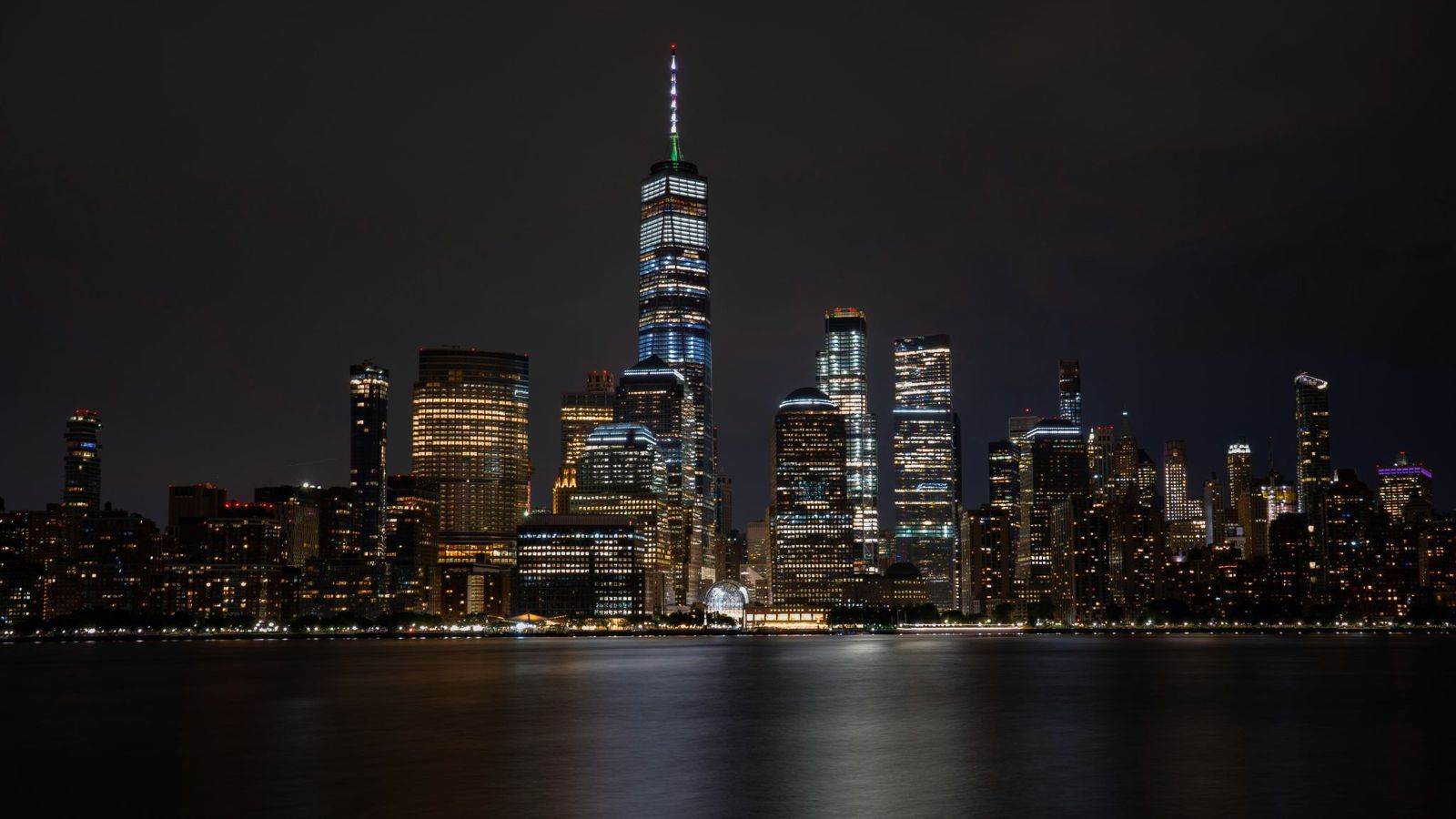
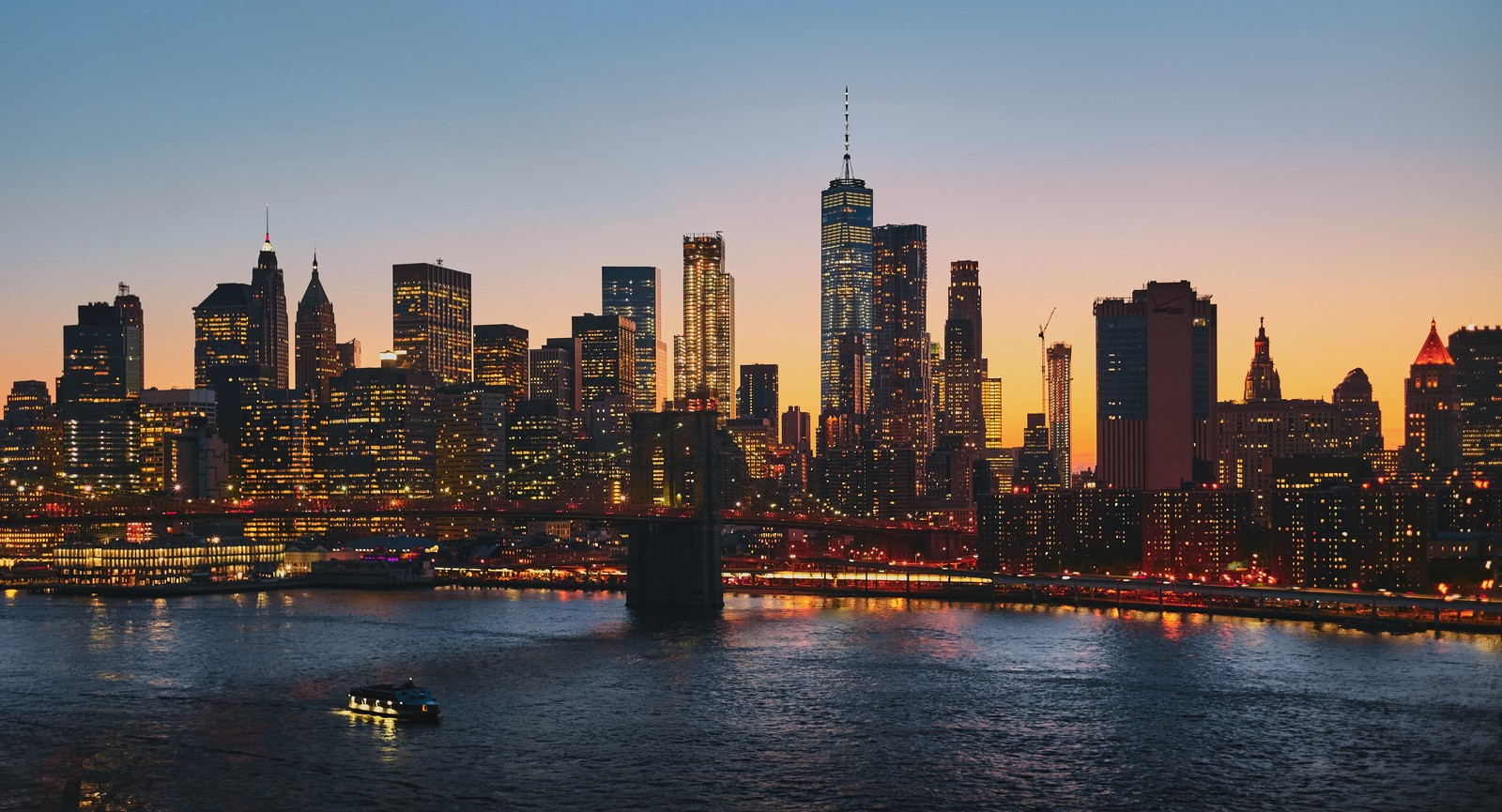
Let’s get this one out of the way first. Everybody recognizes this skyline. But its shape is immensely iconic for good reason. The Chrysler Building, One World Trade Center, the Empire State, and the ever-growing cluster of supertall skyscrapers stretching from Lower Manhattan to Midtown compose a breathtaking ensemble.
The city's unique geography helps make the view even more dramatic. Built on a narrow island surrounded by rivers, its skyline can be admired from ferries, bridges, waterfront parks, and observation decks. After the rebuilding of the World Trade Center, New York added yet another defining chapter to a skyline that has symbolized modern cities for well over a century.
Chicago, Illinois
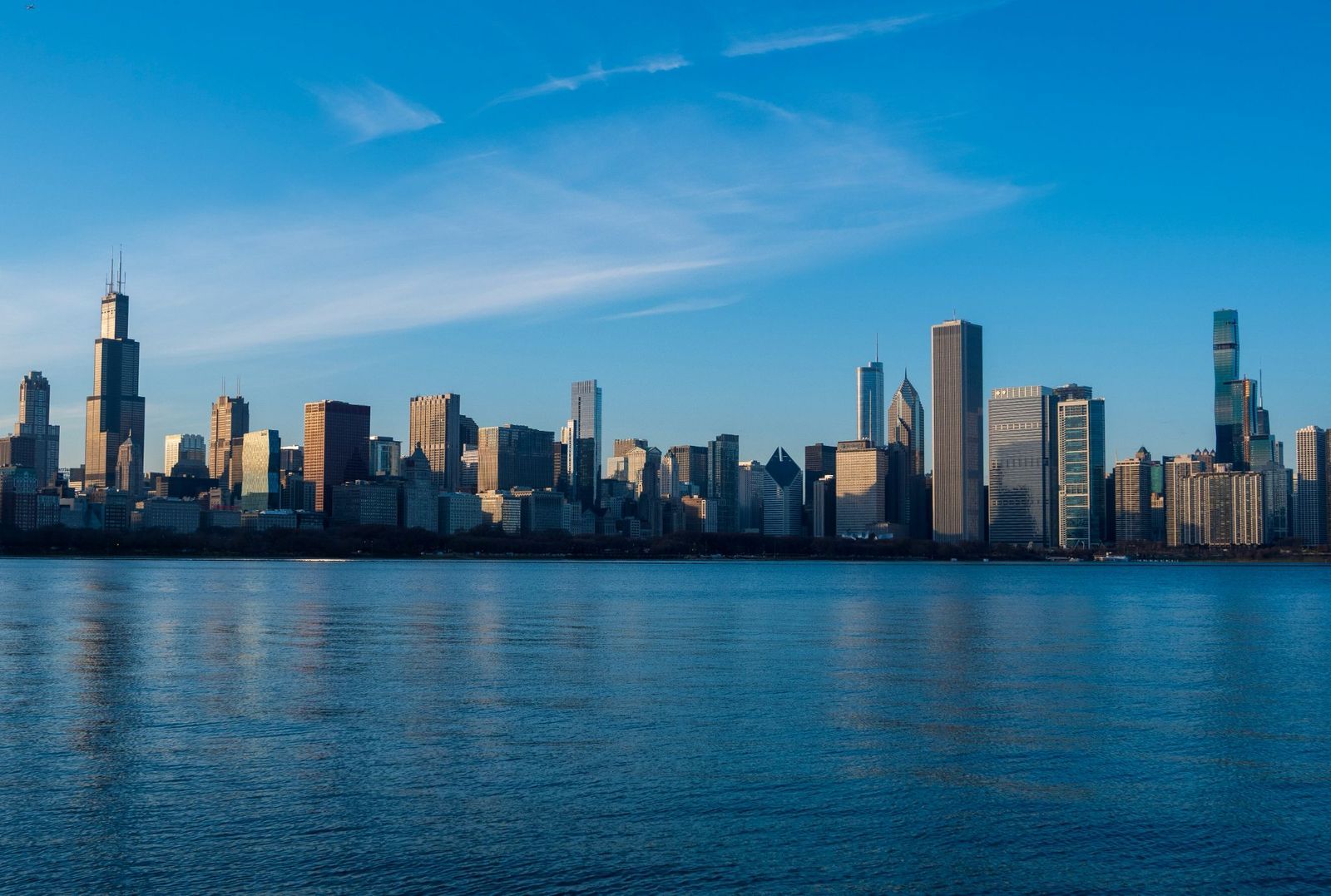
Many architects consider Chicago the birthplace of the modern skyscraper, and its skyline reflects that remarkable history. Towering landmarks like Willis Tower, the John Hancock Center, Aqua Tower, and St. Regis Chicago rise directly beside Lake Michigan, creating one of America’s most striking waterfront panoramas.
Chicago's beauty isn't just about height. The Chicago River cuts through downtown, producing spectacular urban views that are best appreciated on the city's famous architecture cruises. Combined with Daniel Burnham's visionary city planning and miles of public lakefront, the skyline offers a blend of engineering, design, and scenery that's admired around the world.
San Francisco, California
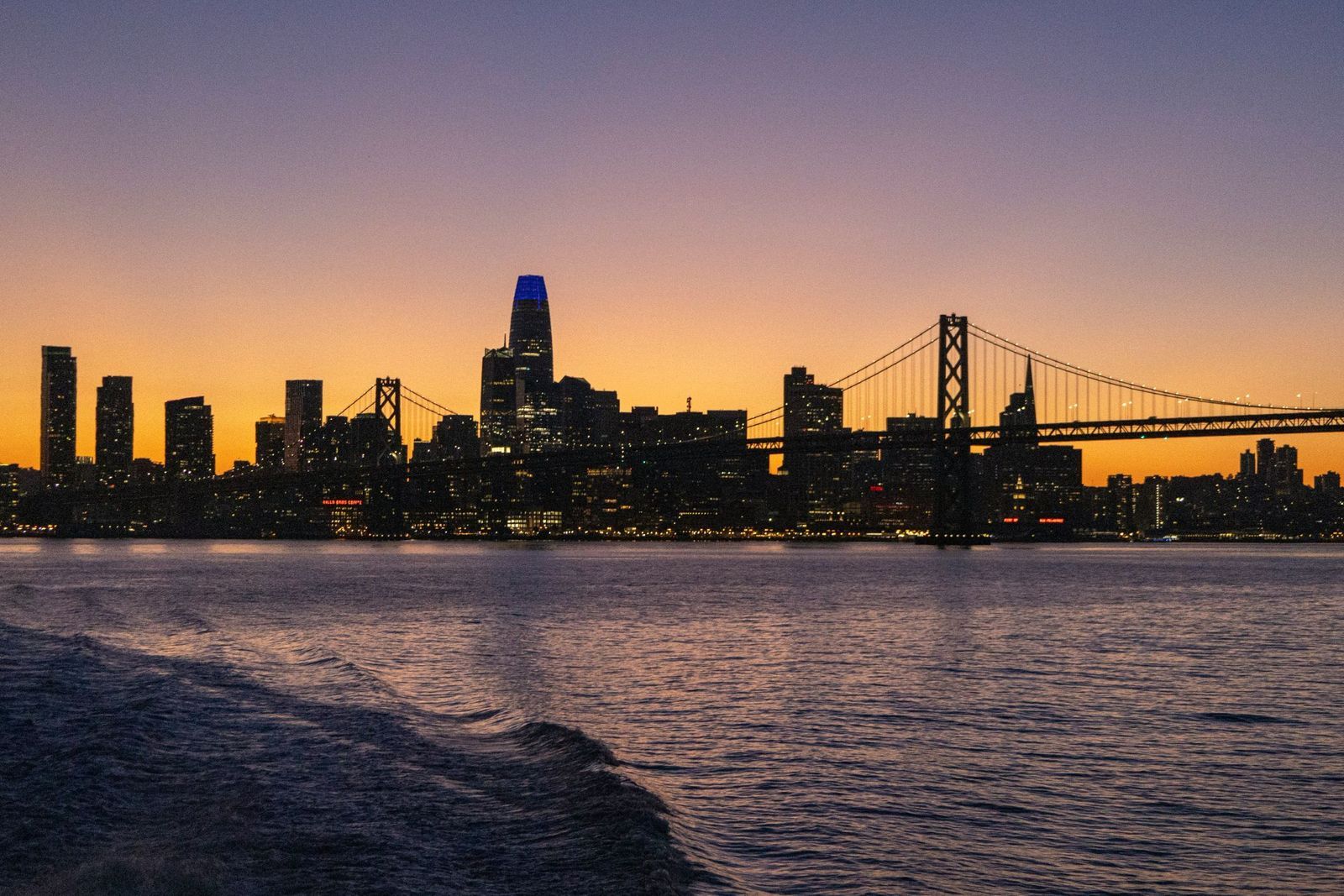
Few skylines combine architecture and nature as effortlessly as San Francisco’s. Steep hills, sparkling bay waters, the Golden Gate Bridge, and the Bay Bridge frame downtown's distinctive collection of skyscrapers, where the Transamerica Pyramid still stands as one of America's most recognizable buildings alongside the modern Salesforce Tower.
The city's appearance constantly changes thanks to its famous coastal fog, which can partially obscure or dramatically reveal the skyline within minutes. From Twin Peaks, Treasure Island, or the Marin Headlands, visitors can enjoy completely different perspectives, making San Francisco one of the country's favorite cities for photographers and skyline enthusiasts alike.
Seattle, Washington
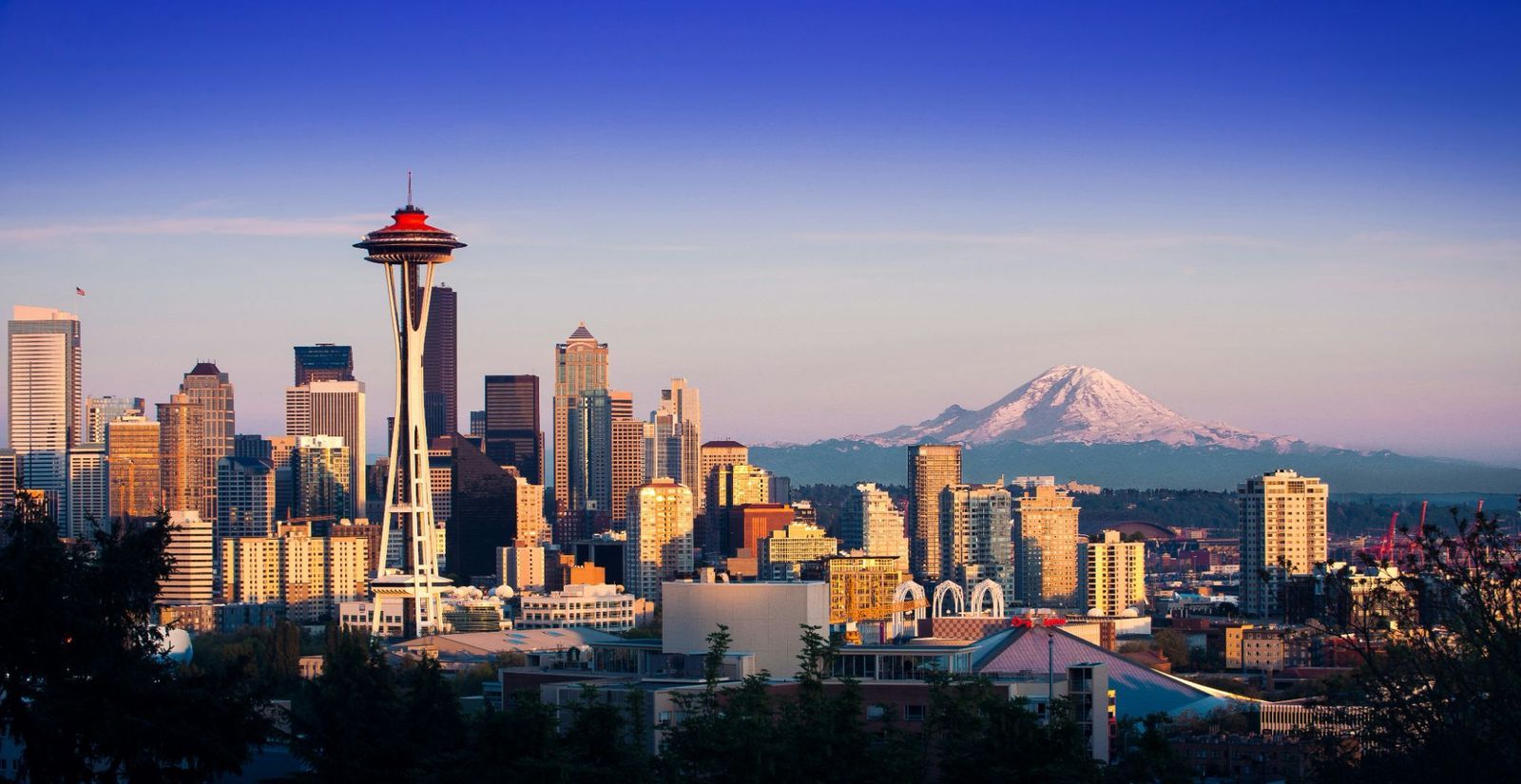
Seattle's skyline is instantly recognizable thanks to the futuristic Space Needle, but that's only part of its appeal. Modern skyscrapers like Columbia Center and Rainier Square Tower rise above Elliott Bay. At the same time, Mount Rainier often appears in the background, creating one of America's most dramatic combinations of city and nature.
Weather also plays a starring role. Clear days reveal snow-capped mountains, while clouds and colorful sunsets transform the skyline into an entirely different scene. Kerry Park has become one of the city's most famous viewpoints, offering a postcard-worthy panorama that regularly appears in travel magazines and photography collections.
Miami, Florida
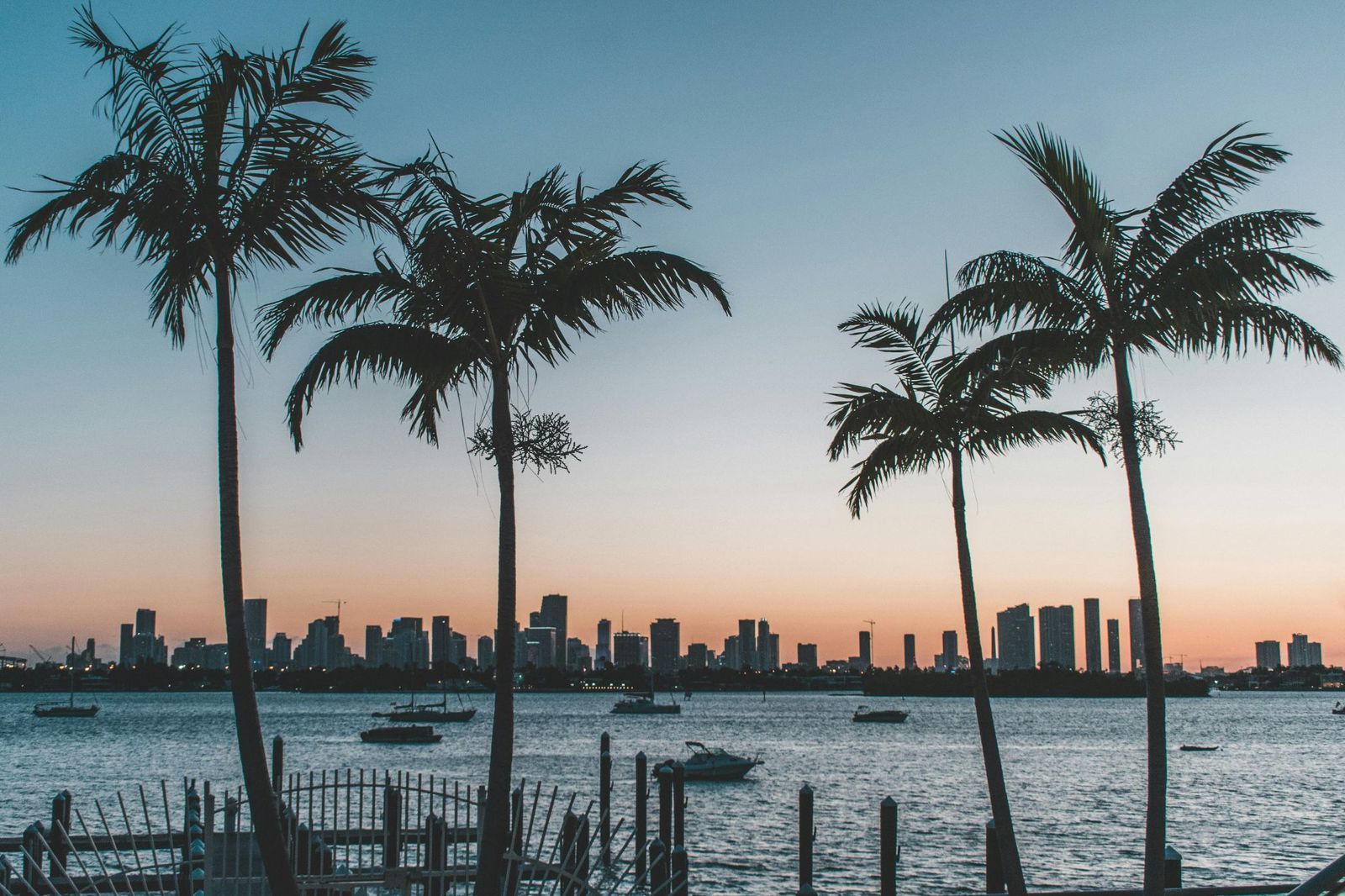
Miami has built one of America's newest and fastest-growing skylines, with sleek residential and office towers reflecting the waters of Biscayne Bay. Much of its modern look has taken shape over the past two decades, especially in the Brickell financial district, where shimmering glass skyscrapers create a distinctly tropical cityscape.
The setting is just as important as the buildings themselves. Palm trees, blue water, cruise ships, and year-round sunshine give Miami a character unlike almost any other major American city. At sunrise or after dark, viewpoints along the MacArthur and Venetian causeways reveal a skyline that feels as vibrant as the city below.
Los Angeles, California
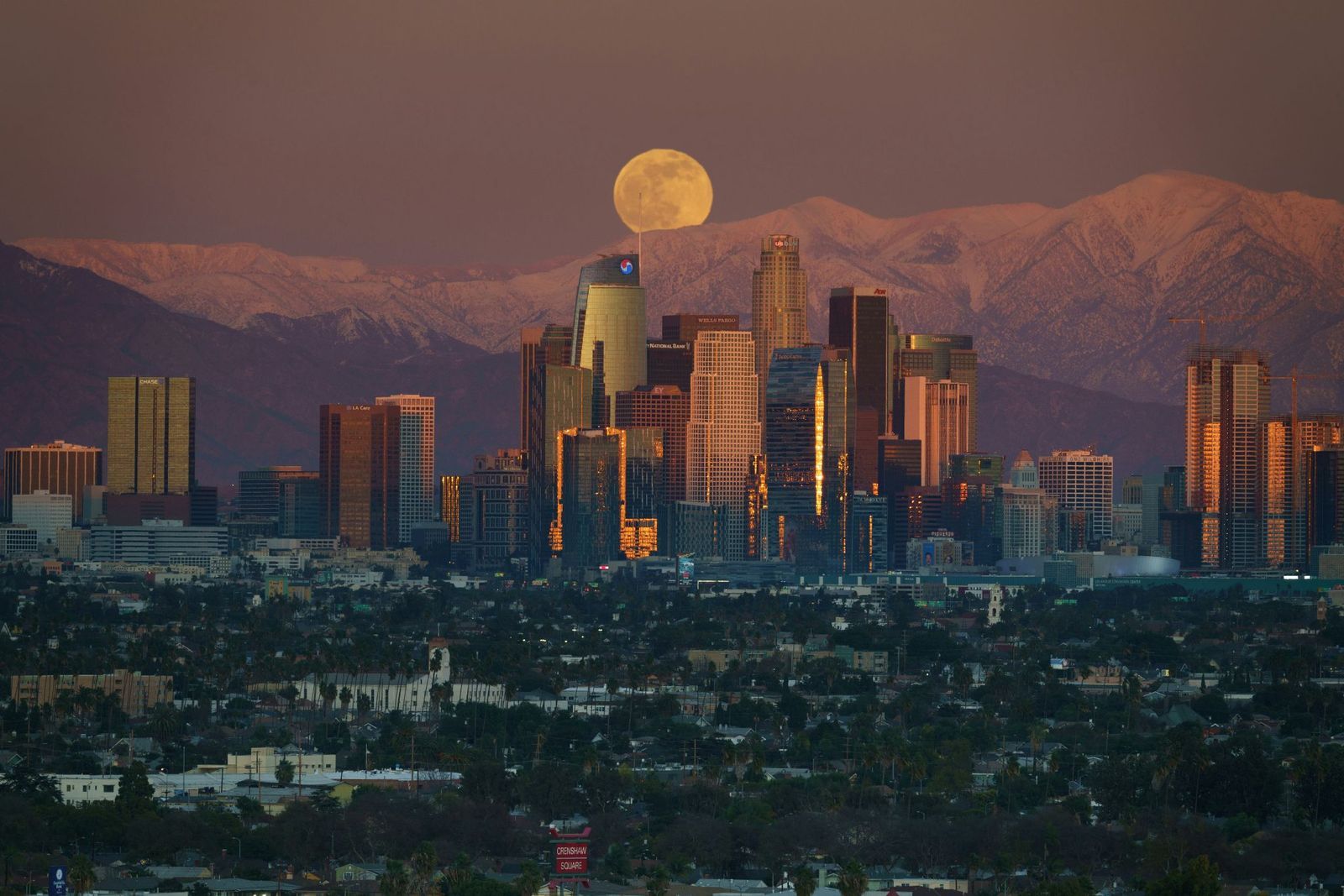
Unlike most major cities, Los Angeles doesn't rely on a single downtown skyline. Instead, several clusters of skyscrapers stretch across the region, with Downtown LA serving as the best-known centerpiece. Buildings like the U.S. Bank Tower and Wilshire Grand Center rise above a city already famous for Hollywood, entertainment, and endless sunshine.
Nature adds another layer to the view. On clear winter days, snow-covered mountains can appear behind the skyline, creating a striking contrast that's hard to find elsewhere. From Griffith Observatory or Mulholland Drive, visitors can take in an enormous urban landscape that seems to stretch all the way to the Pacific Ocean.
Philadelphia, Pennsylvania
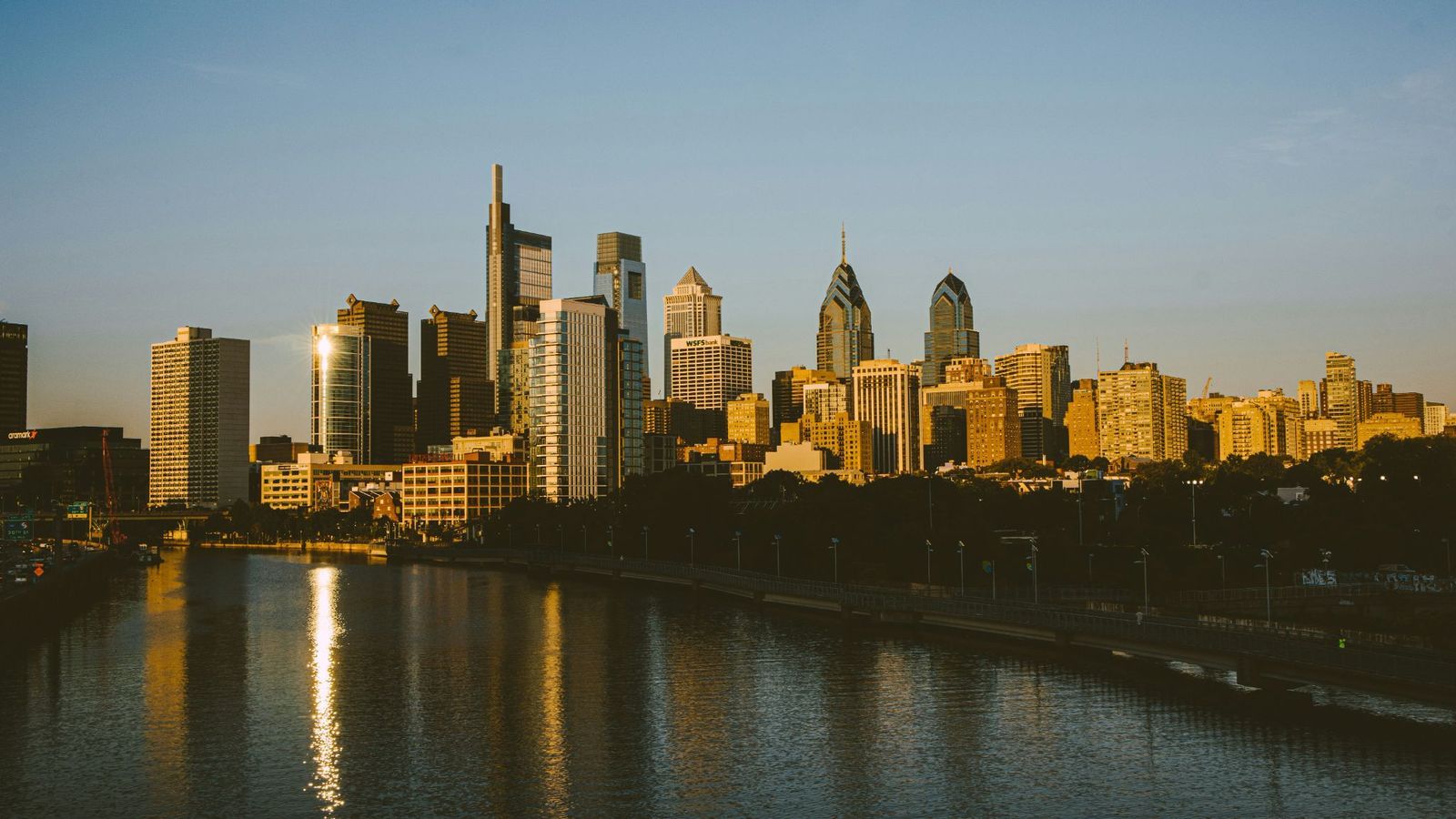
Philadelphia's skyline tells the story of America's past and present in a single glance. Historic landmarks such as City Hall—once the tallest habitable building in the world—stand alongside modern skyscrapers like Comcast Technology Center and One Liberty Place, reflecting the city's evolution over more than three centuries.
For decades, an informal agreement kept no building taller than the statue of William Penn atop City Hall. That tradition ended in the late 1980s, opening the door to today's impressive skyline. Seen from the Schuylkill River Trail or South Street Bridge, Philadelphia offers one of the country's most balanced blends of history and modern architecture.
Boston, Massachusetts

Boston's skyline is unique because it mixes some of America's oldest neighborhoods with a modern collection of high-rise buildings. Historic church steeples, colonial landmarks, and the city's famous brownstones share the horizon with the Prudential Tower and the striking glass façade of the John Hancock Tower.
Its waterfront location makes the view even more memorable. Whether seen from the Charles River Esplanade, Longfellow Bridge, or Boston Harbor, the skyline reflects centuries of growth while preserving much of the city's historic character. The result is a cityscape that feels both timeless and unmistakably New England.
Dallas, Texas
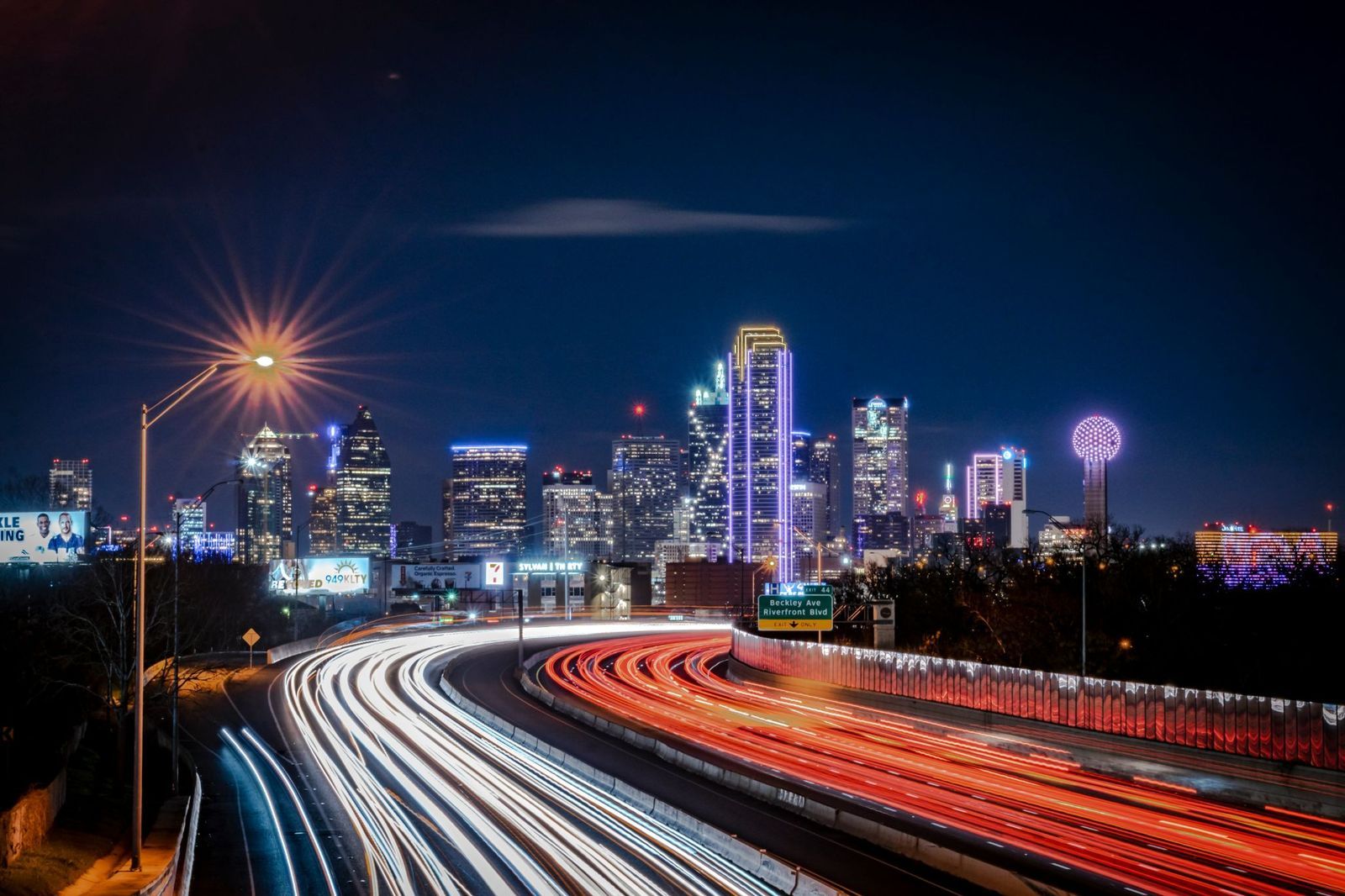
Dallas has one of the most recognizable skylines in the American Southwest, especially after sunset. Buildings like Bank of America Plaza, outlined by its brilliant green LED lights, and the instantly recognizable Reunion Tower have helped give the city a nighttime silhouette unlike any other in the country.
The skyline grew rapidly during the late 20th century as Dallas became a major financial and business center. Today, viewpoints such as Trinity Overlook Park showcase a dense collection of modern skyscrapers that have also appeared in countless films and television shows, making the city's profile familiar even to many first-time visitors.
Atlanta, Georgia
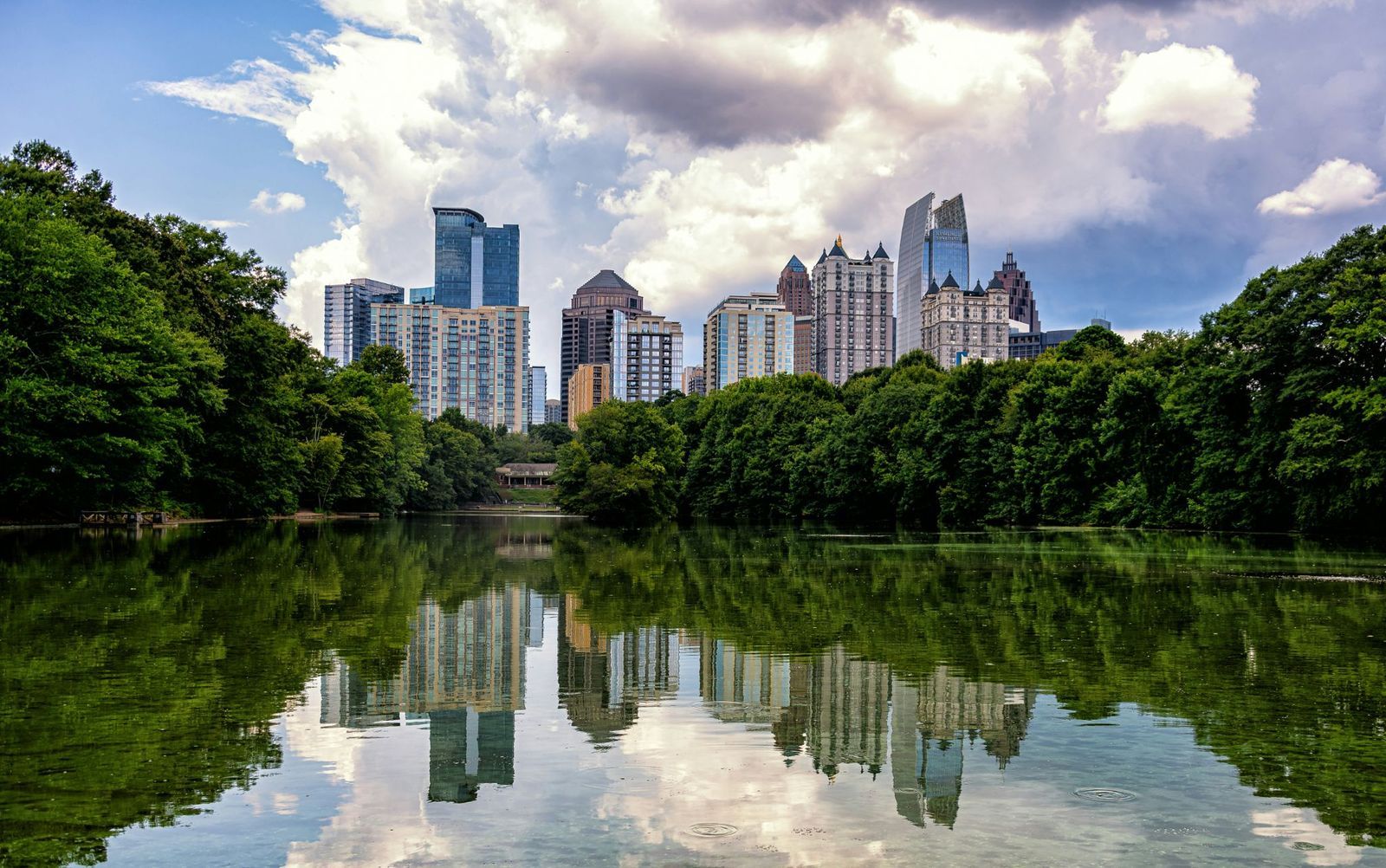
Atlanta's skyline stands out because it actually consists of two major districts—Downtown and Midtown—that together create an impressive urban panorama. Towering above them is Bank of America Plaza, one of the tallest buildings in the United States outside New York and Chicago, giving the city an unmistakable vertical presence.
What makes Atlanta especially distinctive is its setting. Known as the "City in a Forest," it has one of the country's largest urban tree canopies, allowing glass skyscrapers to rise above a sea of green. From the famous Jackson Street Bridge, visitors can enjoy one of the most photographed skyline views in the South.
Detroit, Michigan
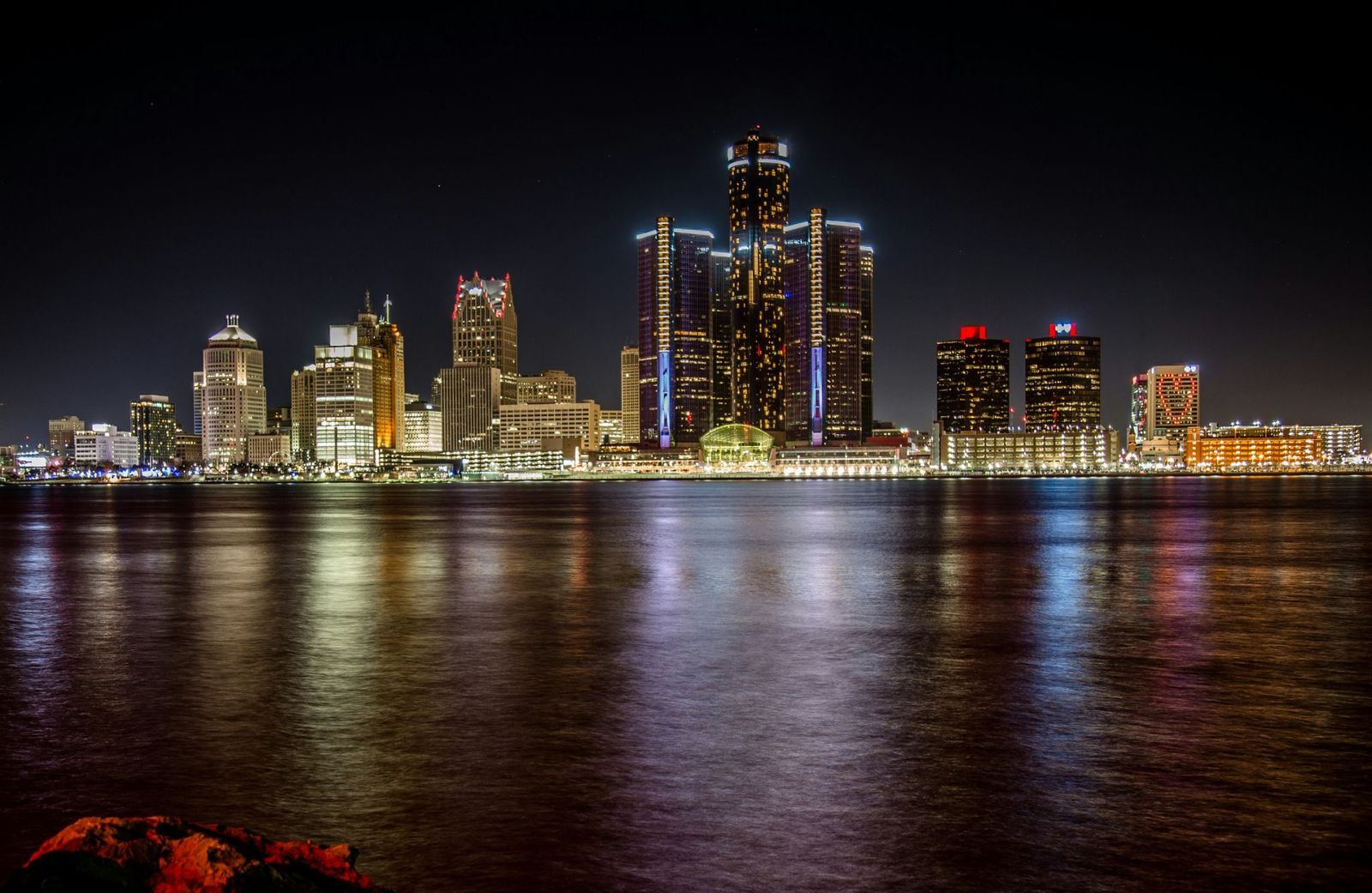
Detroit's skyline may not be the tallest, but many architecture enthusiasts consider it one of America's most elegant. Art Deco masterpieces like the Guardian Building and the Penobscot Building showcase the city's early 20th-century prosperity, while the Renaissance Center dominates the waterfront along the Detroit River.
One of Detroit's most unusual features is its international backdrop. From several viewpoints, visitors can see the skyline of Windsor, Ontario, just across the river, making it one of the few places in the world where two countries share such a striking urban panorama. Ongoing downtown revitalization has only added new energy to this historic skyline.
Las Vegas, Nevada
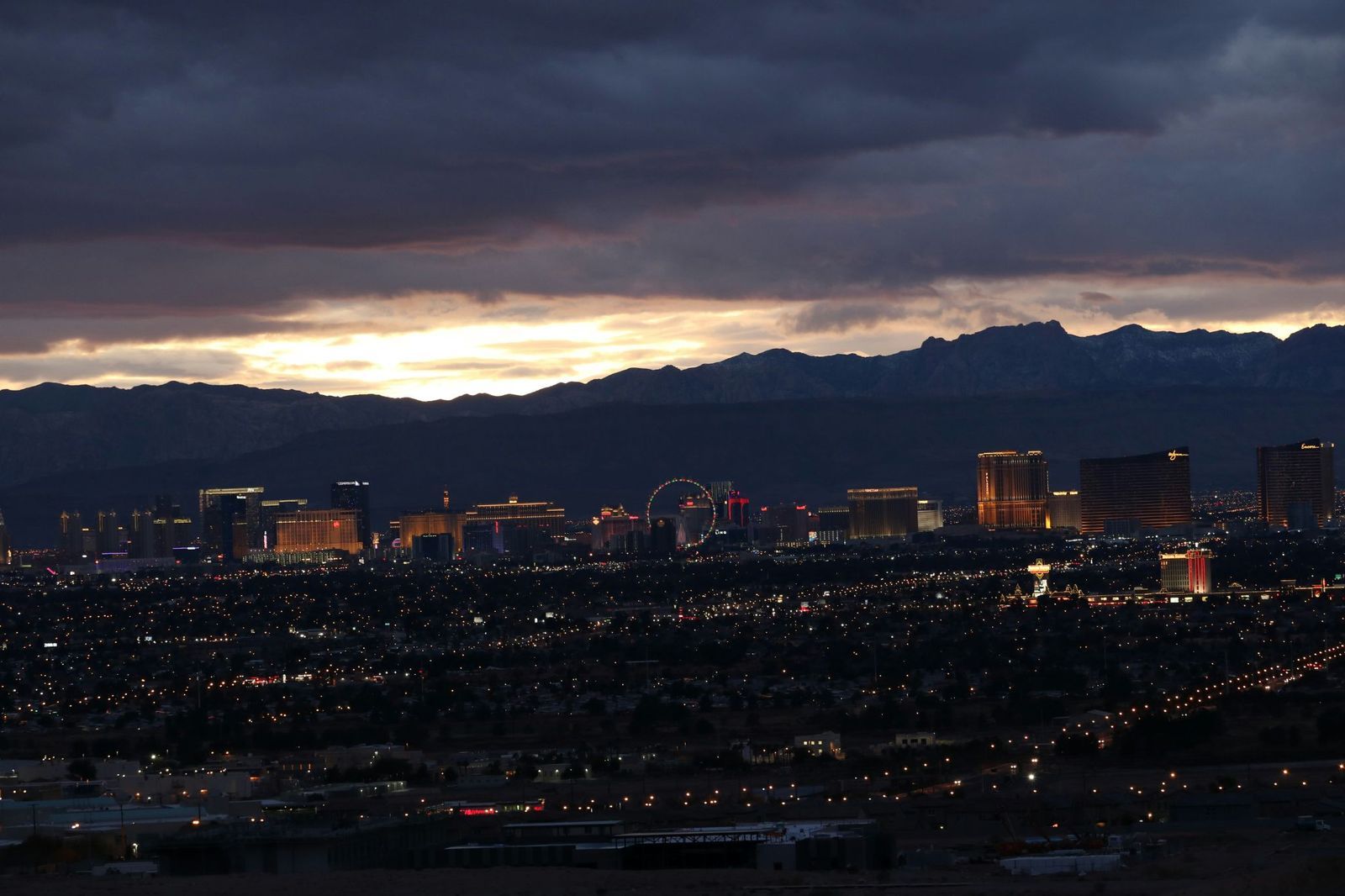
Las Vegas proves that a memorable skyline doesn't have to be filled with office towers. Instead, its silhouette is defined by world-famous resorts inspired by New York, Paris, Venice, ancient Egypt, and countless other destinations, all illuminated by millions of lights after dark.
The STRAT Tower rises more than 1,100 feet above the Strip, while the surrounding Mojave Desert and nearby mountain ranges provide a dramatic natural backdrop. Whether viewed from the High Roller observation wheel or from the air, Las Vegas delivers one of America's most recognizable—and certainly one of its most spectacular—nighttime skylines.
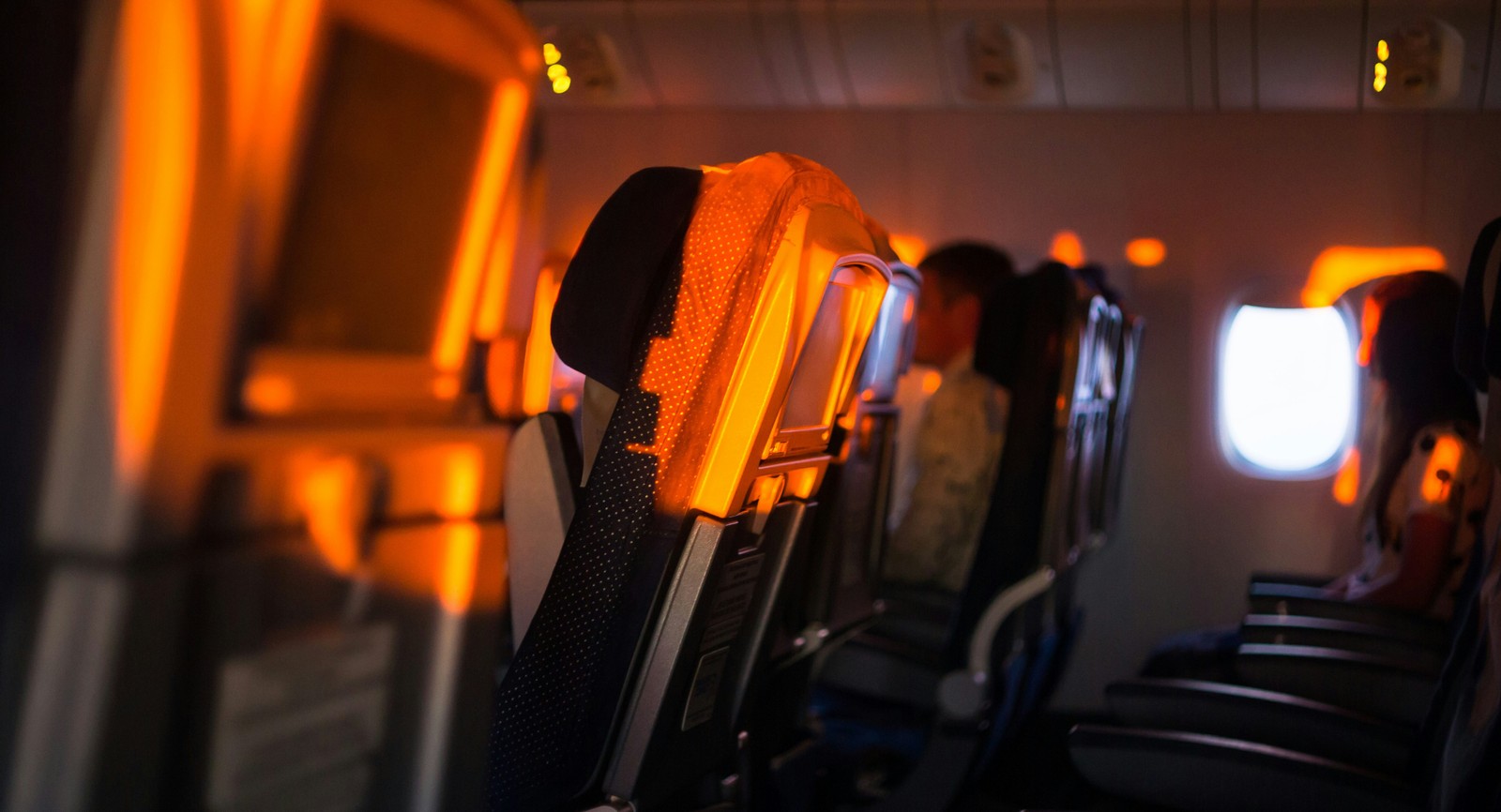
What happens to toilet waste above 35,000 feet? Here's the answer
 General
Debunked!
What airlines don't usually tell you: 10 common flying myths
What if some of the things we’ve believed for decades about air travel simply aren’t true? One bump of turbulence, one flash of lightning outside the window, or one rumor about airplane doors opening mid-flight can make the imagination run wild. But there’s logic behind all that. From the mystery of the "black box" to what really happens when you flush the toilet at 35,000 feet, these common airplane myths have surprising explanations behind them.
Flying is riskier than driving
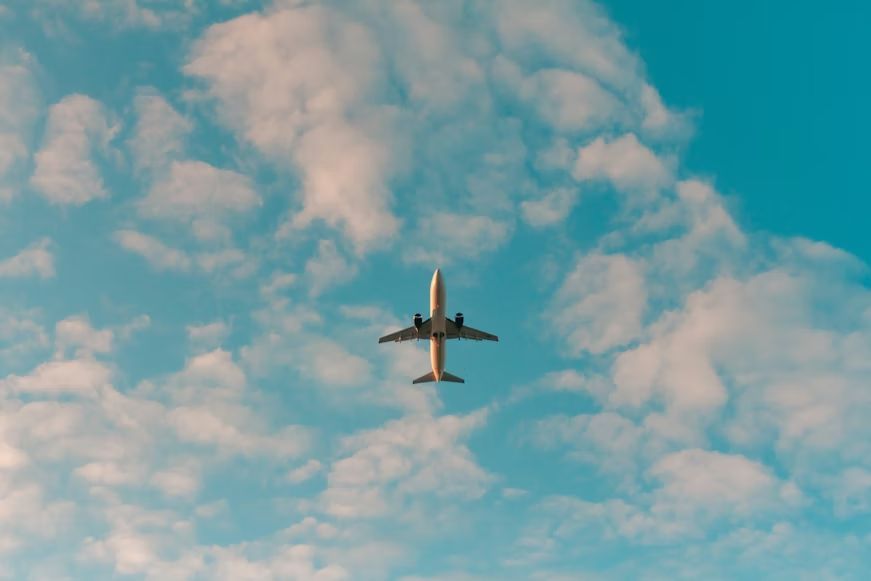
It may not feel that way when you’re gripping the armrest during takeoff, but statistically, flying remains one of the safest ways to travel. It’s funny how we can feel nervous during a flight but perfectly fine while merging onto a busy interstate.
Statistically, flying is much safer than driving. According to global aviation data, millions of flights operate safely every year with remarkably few serious accidents. Commercial aviation is built around layers upon layers of safety checks, training, maintenance, and oversight. According to the International Air Transport Association (IATA), 2023 recorded just one major accident for every 1.26 million flights.
Turbulence means a plane is in trouble
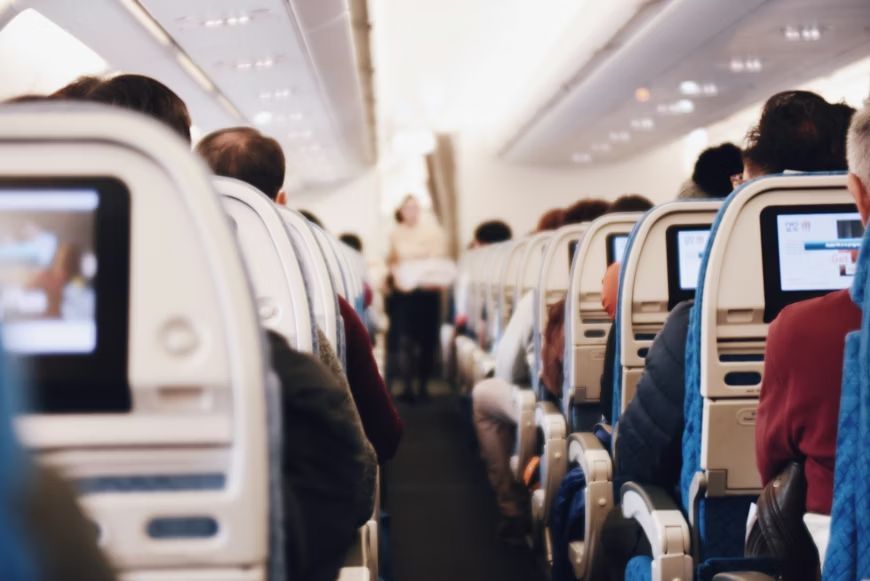
If you have ever been on a cross-country flight and felt the plane start to shudder, your heart probably did a little somersault. We tend to think turbulence means the plane is struggling, but pilots actually view it quite differently.
Modern airplanes are built to handle forces far stronger than everyday turbulence. Engineers test aircraft wings by bending them dramatically without breaking. Pilots are also trained extensively to navigate rough air safely, whether by flying through it or adjusting altitude to find smoother skies. These days, crews often know rough patches are coming long before passengers feel the first shake. So while turbulence may spill your coffee, it’s very unlikely to threaten the aircraft itself.
Mobile phones can crash planes
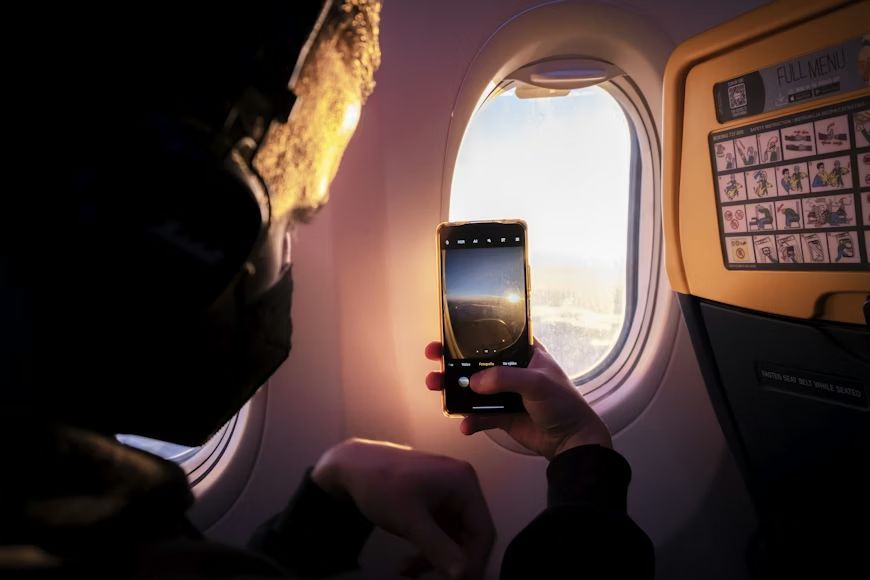
For years, passengers were told to switch off their phones because they could interfere with airplane systems. That warning sparked all kinds of fears, and while it feels like one text message could bring down the whole operation, that is not the case.
The truth is much less dramatic. Modern aircraft are heavily shielded against electronic interference, and experts say personal devices are extremely unlikely to affect navigation systems. The bigger concern has traditionally been distraction during takeoff and landing, when passengers need to pay attention to safety instructions. That’s why many airlines now allow phones in airplane mode throughout the flight.
The air inside the plane is full of germs
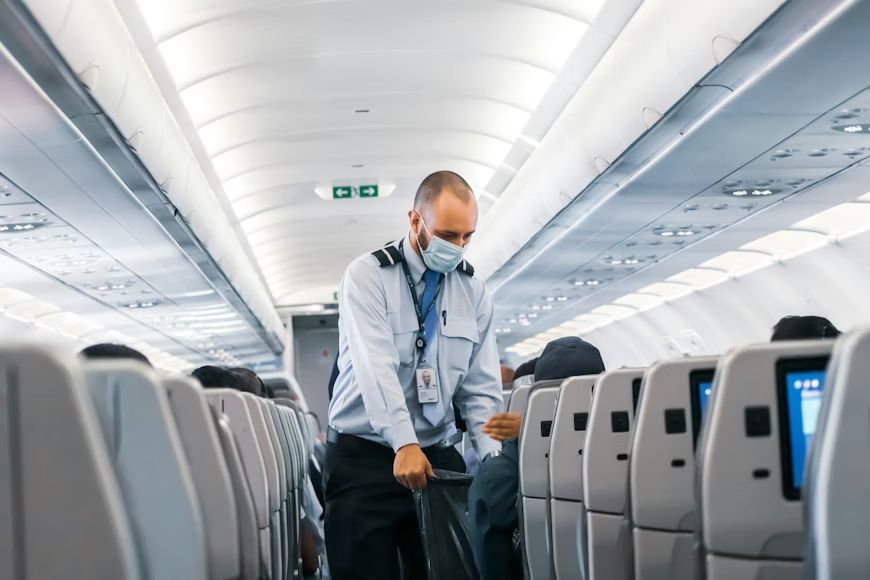
Many travelers worry that the recycled air in a cabin is a breeding ground for the latest flu or cold. Sitting shoulder to shoulder with strangers for hours sounds like the perfect recipe for illness. However, you might be surprised to learn that the air on a plane is often cleaner than you think.
Most commercial aircraft use HEPA filtration systems similar to those found in hospitals. These filters remove more than 99% of airborne particles, including bacteria and viruses. Cabin air is also refreshed frequently during flight. Every few minutes, fresh outside air cycles through the cabin while used air is filtered and recirculated.
The black box isn’t black
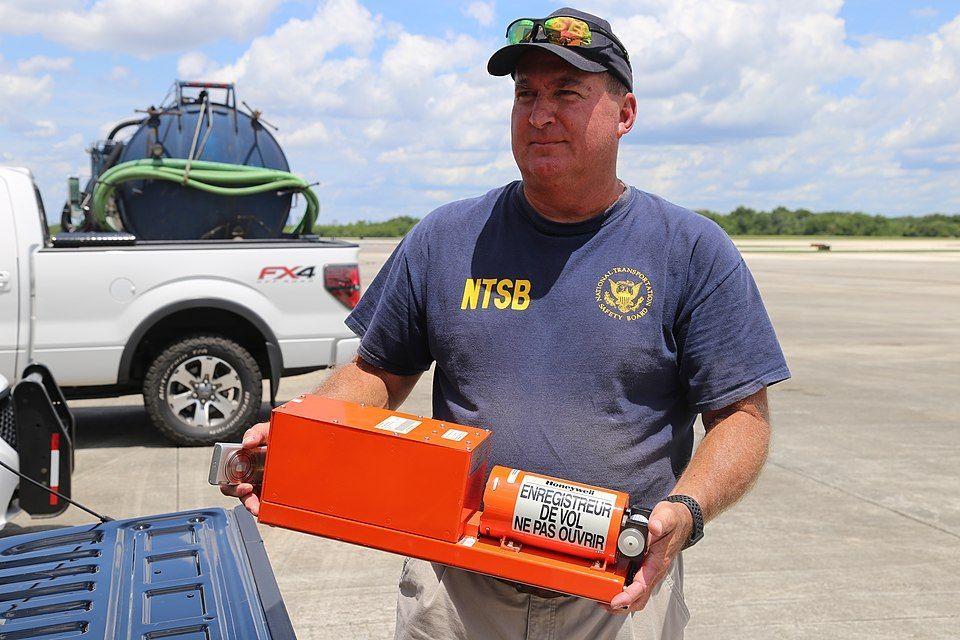
If you’ve ever watched news coverage after an aviation accident, you’ve probably heard reporters talk about recovering the "black box." Most people picture a dark metal cube hidden somewhere deep inside the plane. In reality, the flight data recorder is bright orange. And it isn’t even box-shaped.
These devices are designed to survive extreme crashes, fires, and deep-water pressure. The vivid orange color makes them easier to locate in wreckage. They’re usually placed near the tail section because that area often survives impacts better than the front of the aircraft. The recorder captures vital flight information and cockpit audio, helping investigators understand exactly what happened. It’s one of the reasons air travel has become safer decade after decade.
Emptying toilets mid-air
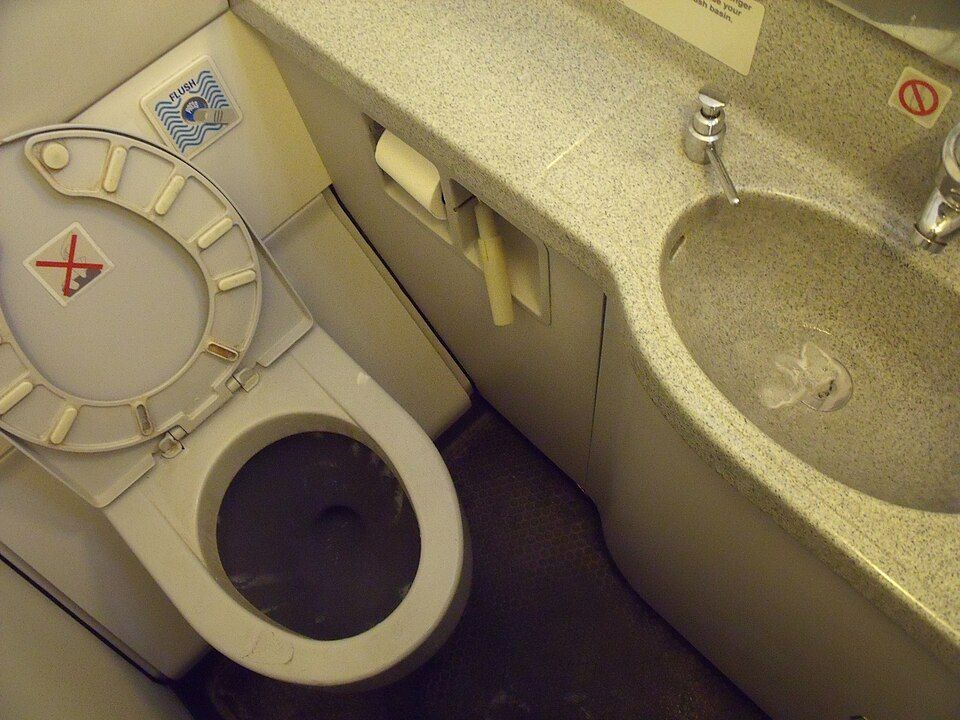
There is an old urban legend that airplanes simply empty the lavatory tanks while flying over the countryside. You might have even heard stories of "blue ice" falling from the sky.
Aircraft toilets use vacuum systems that store waste in sealed onboard tanks. Once the plane lands, specialized airport crews empty those tanks safely on the ground. The myth likely grew because older planes sometimes released a harmless blue disinfectant fluid by accident. Seeing blue ice near airports fueled wild stories for years. Thankfully, today’s systems are much more advanced and tightly regulated.
The doors can open mid-flight
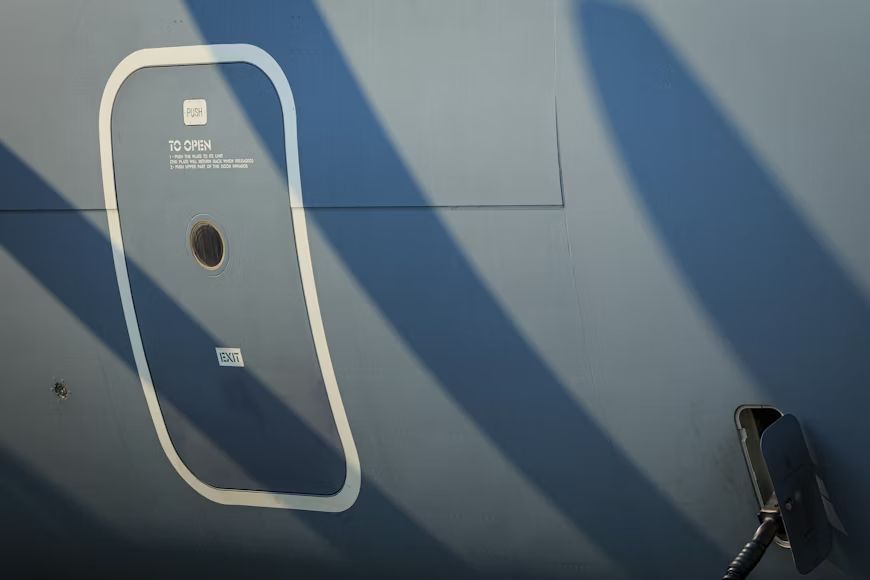
Movies love this scene: a panicked passenger grabs the handle, the cabin erupts into chaos, and papers start flying everywhere. Hollywood makes it look easy. Physics says otherwise.
At cruising altitude, the difference between cabin pressure and outside air pressure creates thousands of pounds of force sealing the doors shut. Even the strongest person on board couldn’t pull the door open during the flight. Once the plane descends and pressure equalizes, the doors can open normally again. But at 35,000 feet, they’re effectively locked in place by nature itself.
Oxygen masks don’t really help

Some passengers assume those dangling oxygen masks are mostly for show. In truth, they’re one of the most important emergency systems on the plane.
If cabin pressure suddenly drops, oxygen levels at high altitude become dangerously low very quickly. Without supplemental oxygen, passengers could lose consciousness within minutes. The masks provide enough oxygen to keep everyone alert while pilots perform an emergency descent to a lower, breathable altitude. Flight crews practice these procedures regularly in simulators.
Lightning strikes can bring down a plane
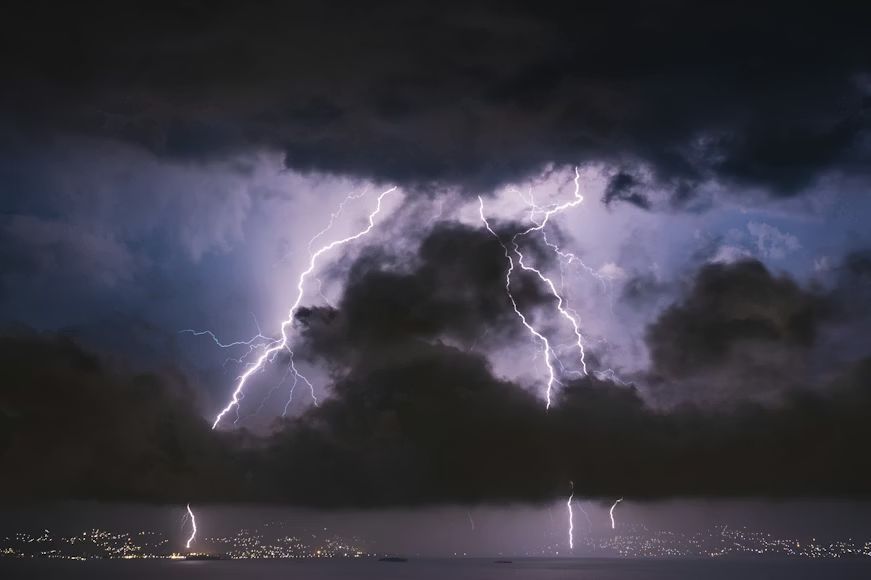
Seeing lightning flash outside an airplane window can make even seasoned travelers uneasy. The good news is that commercial aircraft are specifically designed to handle lightning strikes.
In fact, planes are struck by lightning more often than many people realize, usually about once a year on average. The aircraft’s outer shell safely conducts the electrical energy around the plane and out the other side, much like a car protects passengers during a thunderstorm. Engineers spend years testing aircraft systems against extreme weather conditions. Pilots also use advanced radar to avoid the worst storms whenever possible.
Pilots rely entirely on autopilot
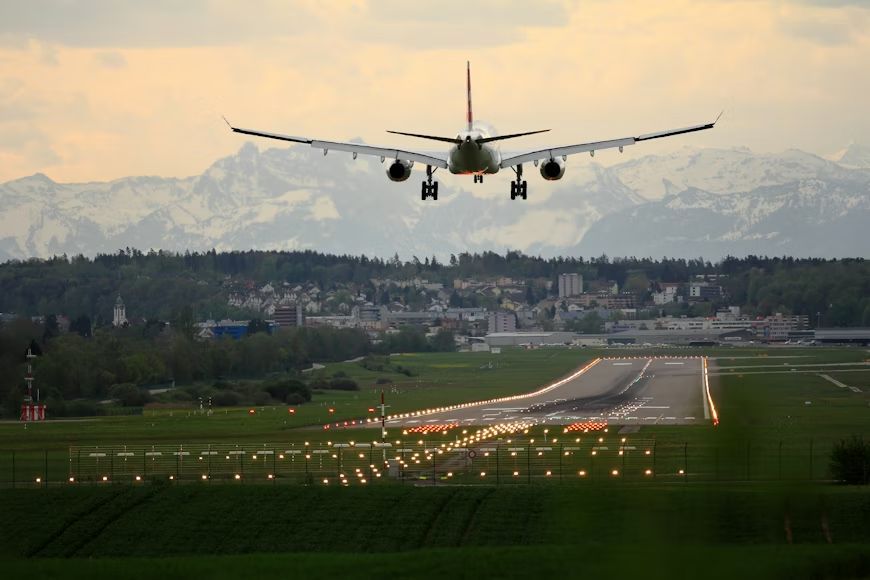
Autopilot technology has become incredibly advanced, but that doesn’t mean pilots spend flights sipping coffee while computers do all the work.
Pilots remain deeply involved throughout every trip. They handle takeoffs and landings, monitor weather conditions, communicate with air traffic control, and constantly oversee the aircraft’s systems. Even if it’s on for most of the flight, the autopilot is a sophisticated assistant rather than a replacement. It helps reduce workload during long flights so pilots can stay focused and alert.
Keep wandering
There’s always
more to explore
 Culture

11 movies that made millions want to pack their bags
6 min.
Read Now
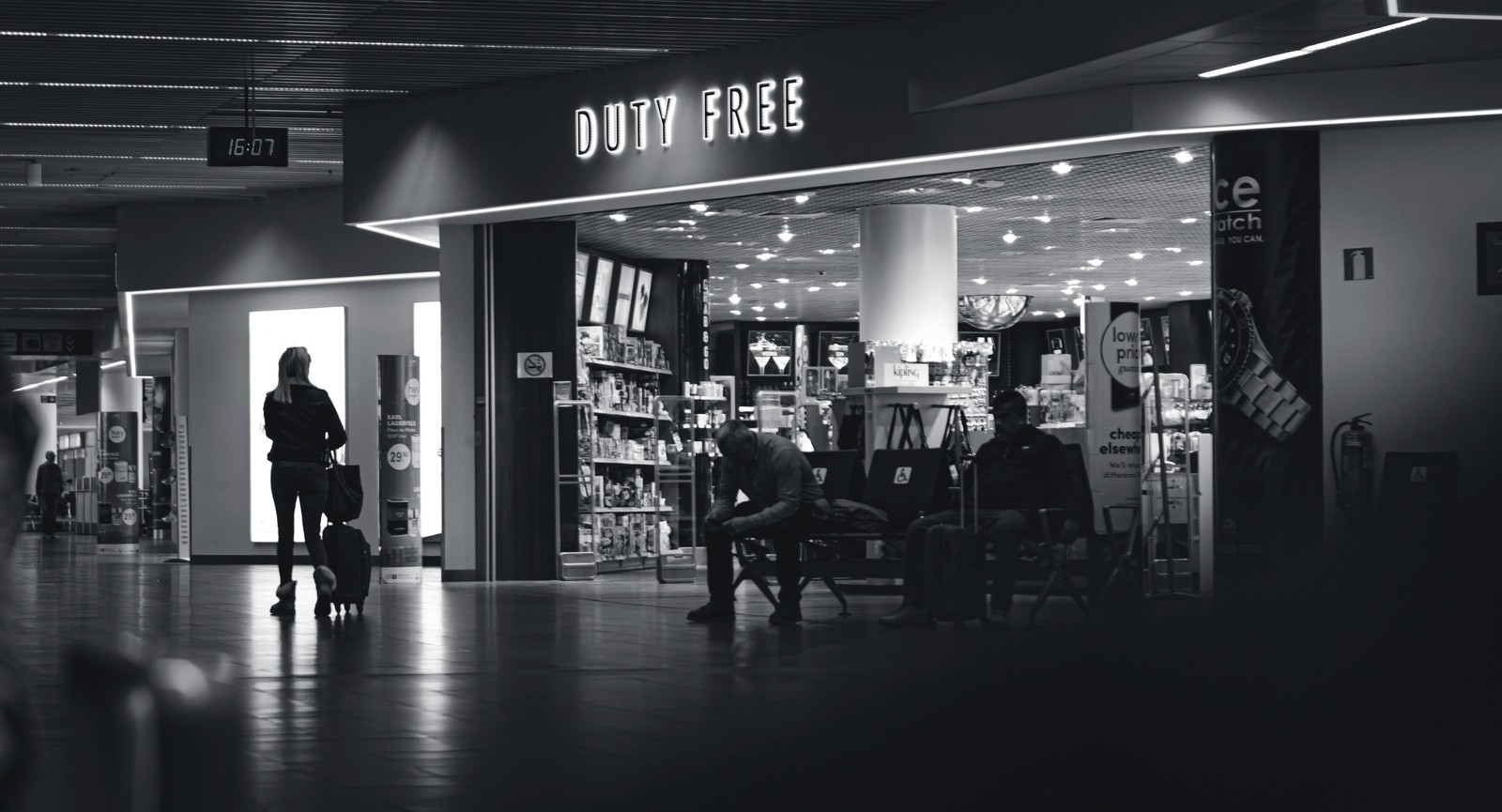
Ten airports where you will actually want to arrive early
3 min.
Read Now

Can you guess where Tutankhamun's golden mask is actually kept?
7 min.
Read Now
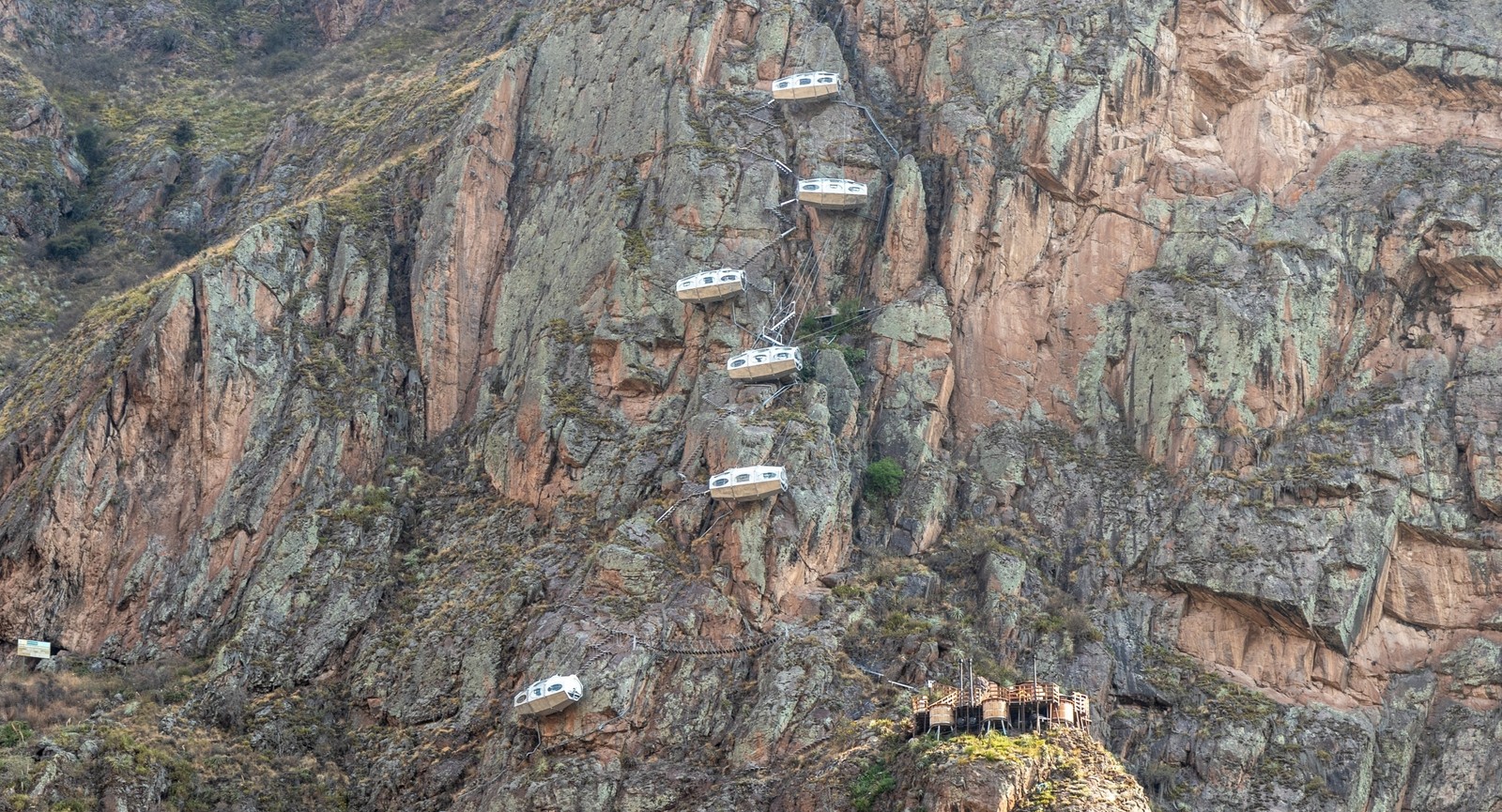
Some hotels are destinations all by themselves
7 min.
Read Now