See the university attended by JFK Jr., Emma Watson, and John Krasinski
 Landmarks
See the university attended by JFK Jr., Emma Watson, and John Krasinski
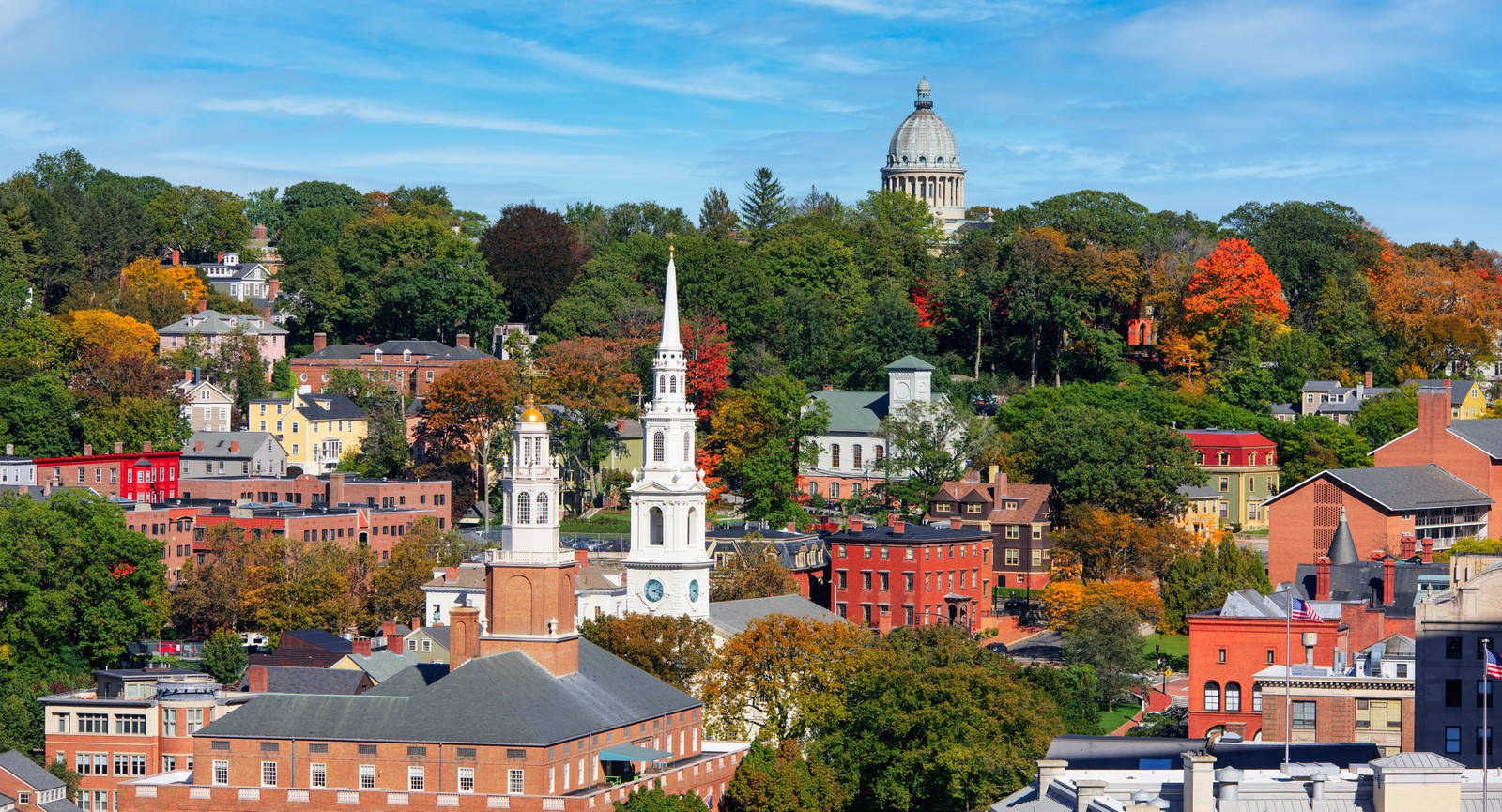
They say "good things come in small packages," and Rhode Island is the living proof of it. Despite its size, the smallest U.S. state has some of the most charming and picturesque places you could imagine. From the compact, clean, and architecturally charming city of Providence to 400 miles of coastline — no wonder it is called "The Ocean State" — Rhode Island is packed with beautiful landscapes and historical sites perfect for a relaxed vacation on the coast. Let’s take a trip across Rhode Island’s most iconic corners.
Newport
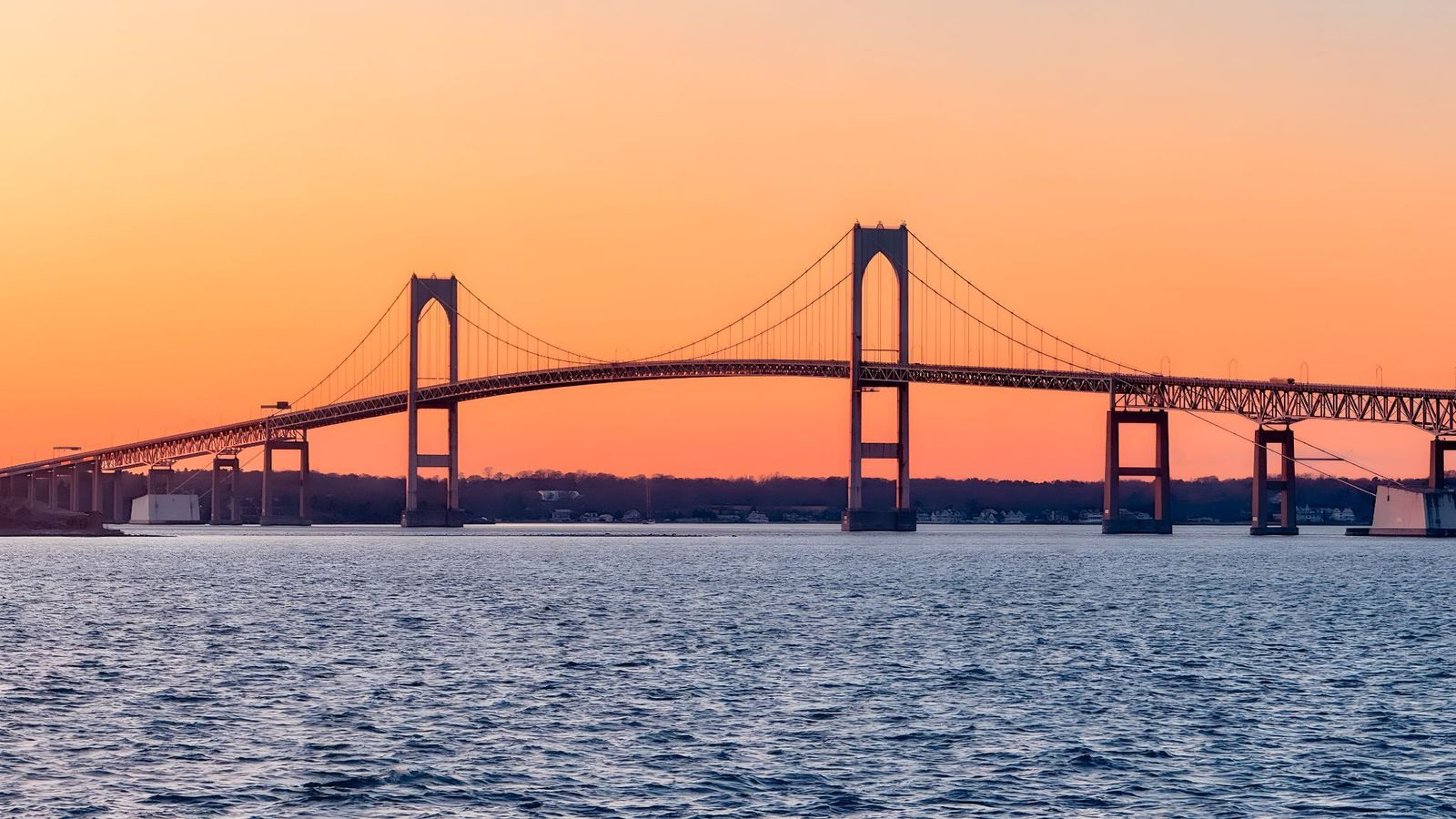
Right after setting foot in Newport, you are struck by Rhode Island’s scenic views surrounding the area. But its nature is not the only attraction; the city features spectacular mansions from the Gilded Age, where some of 1800s America’s wealthiest families built their summer "cottages" — now open to the public.
Newport is also home to a rich sailing culture — it’s often been called "Sailing Capital of the World" — where visitors can explore picturesque harbors and take part in sailing events and excursions. Newport was founded in 1639, which makes it one of the oldest cities in New England with more than 400 years of history.
Providence
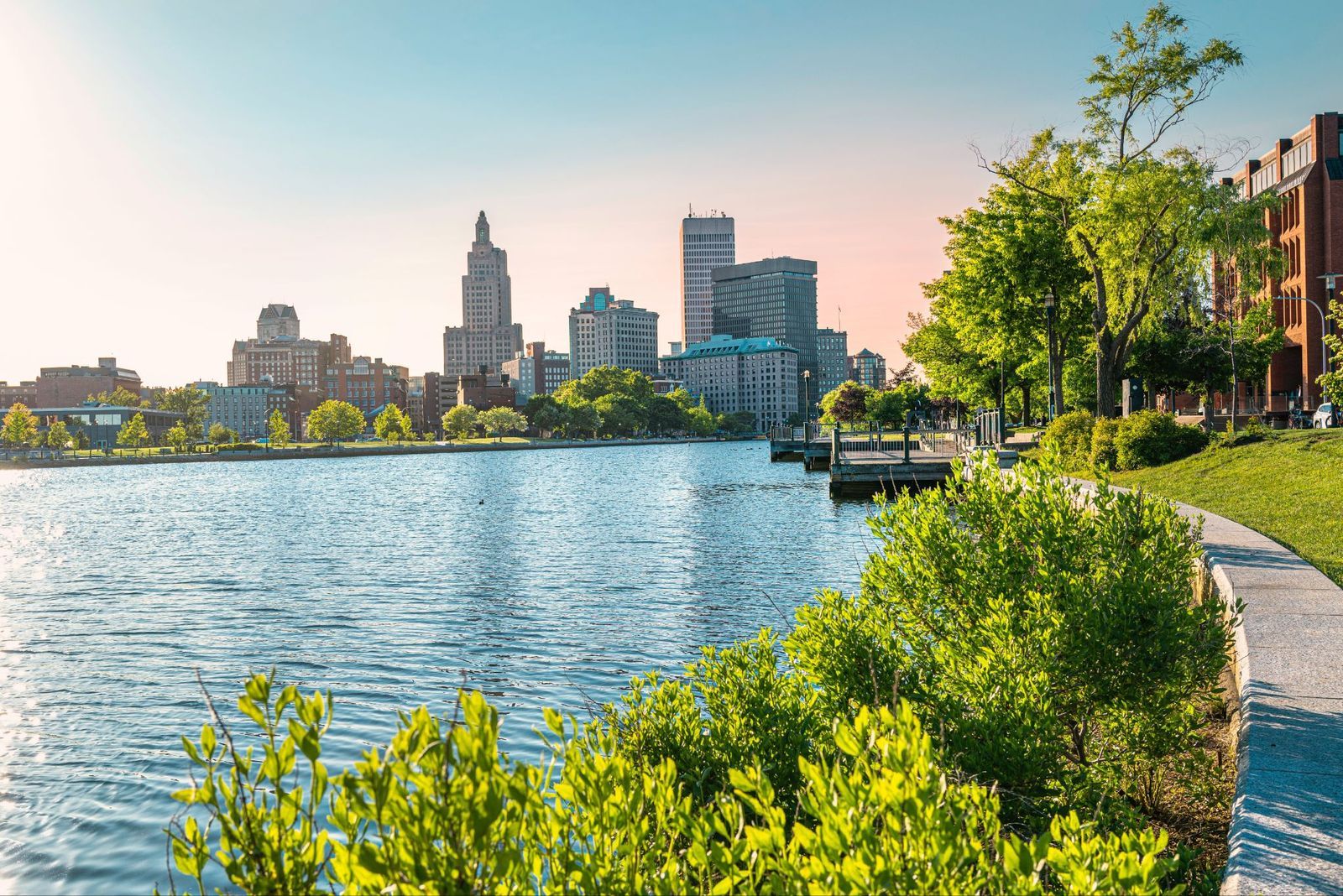
Even older than Newport, Providence was founded in 1636, making it one of the oldest cities in the United States. Providence is the capital of Rhode Island and home to a mixture of colonial history, prestigious universities, and an ever-evolving art scene that can keep you walking for hours.
Taking a relaxing stroll around the College Hill neighborhood, observing some of its colonial homes and brick streets, is always a good choice in Providence. The city also hosts a world-famous art installation named Waterfire in which nearly 100 bonfires are lit along the river, and visitors can navigate through them in gondolas, adding wood to the fire while musicians and dancers perform live — a one-of-a-kind experience.
Brown University
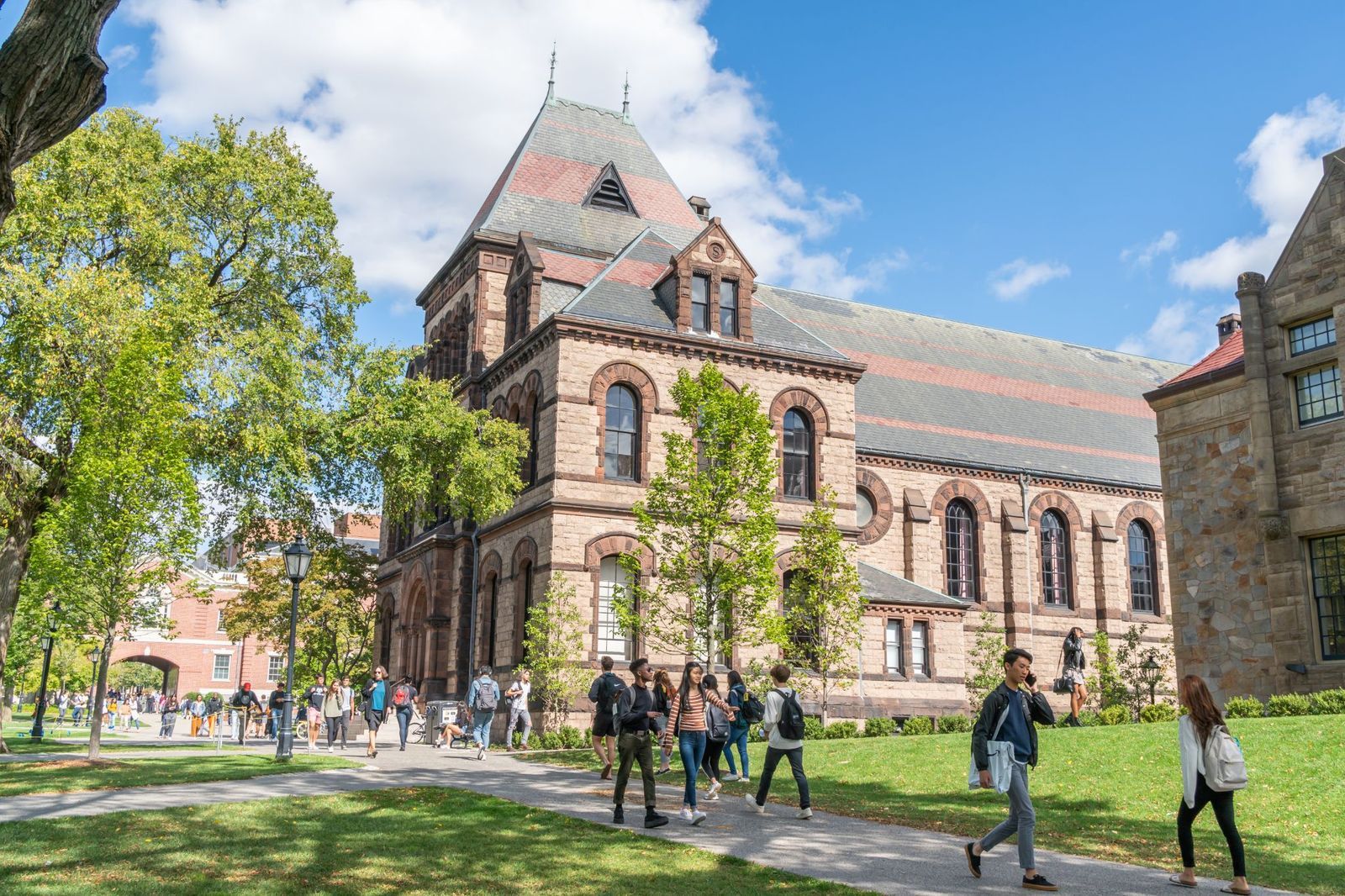
Brown University is part of the nation’s eight prestigious Ivy League universities and has educated a number of influential people like John D. Rockefeller Jr., John F. Kennedy Jr., Emma Watson, Ted Turner, and John Krasinski. Brown stands atop College Hill in Providence with a beautiful campus open to the public, filled with historical buildings that date back to the 18th century.
Besides Brown’s internationally known academic excellence, the university is also a fantastic place to spend the afternoon walking or reading under the shade of a tree. A fun fact about the school: it was the first Ivy League university to accept students regardless of their religious affiliation.
Bristol
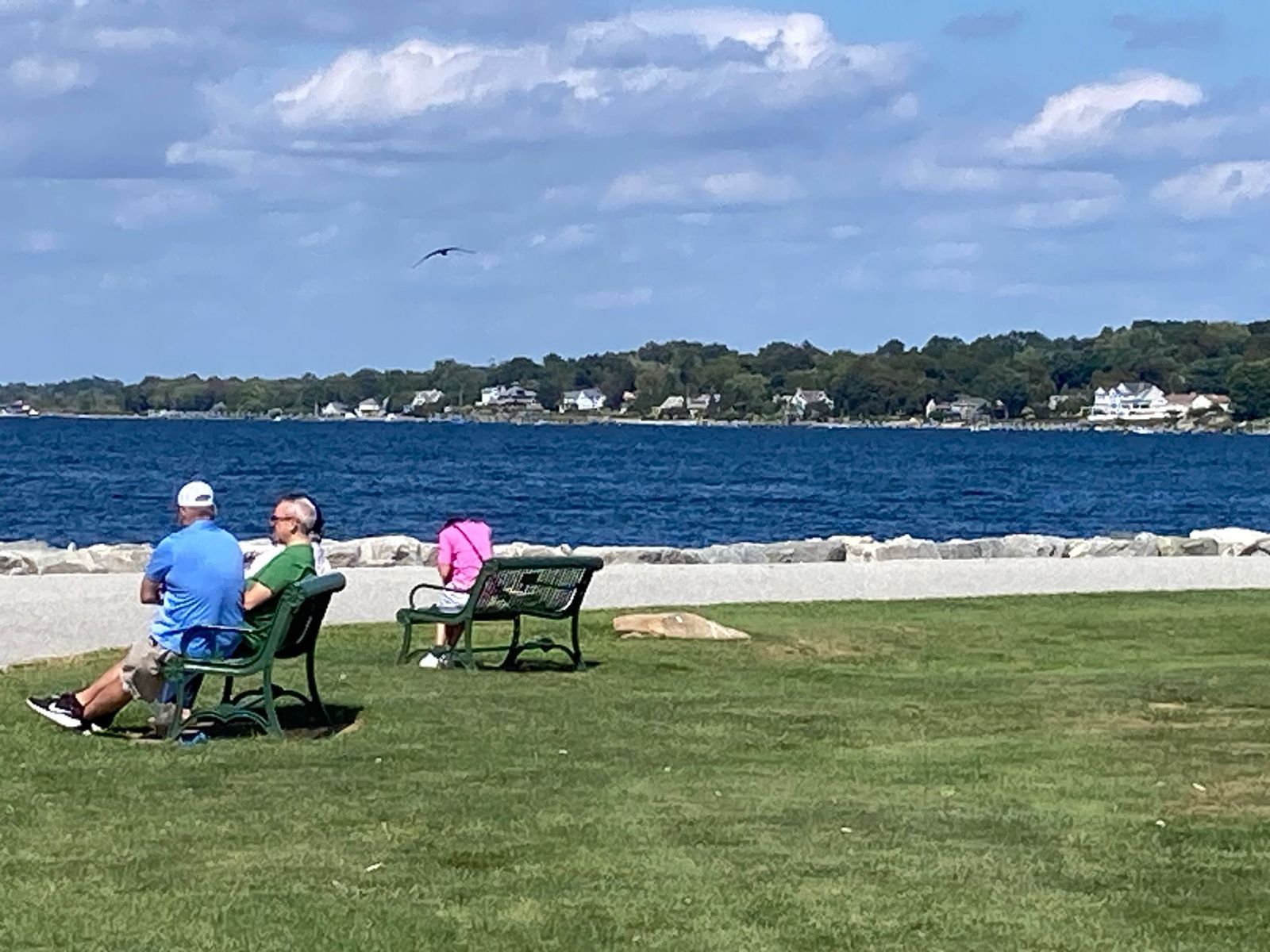
When it comes to picturesque views, Bristol hardly has any contenders. The town is simply gorgeous. Its historic architecture, colonial houses, and stunning view of the Narragansett Bay are truly breathtaking.
Despite Bristol's calm and relaxed atmosphere, the town is famous for its Fourth of July celebration, the oldest in the country since 1785, two years after the end of the Revolutionary War. The town’s Independence Day parade attracts roughly ten thousand visitors every year.
The International Tennis Hall of Fame

Located inside the historic Newport Casino, the International Tennis Hall of Fame attracts not only tennis buffs but also anyone who wants to enjoy one of the finest examples of Shingle Style architecture in the United States. Inside, visitors can explore the museum with more than a century of tennis history and visit one of the few remaining public grass courts in the country.
Many legendary American tennis players have been inducted into the Hall of Fame, including Billie Jean King, Pete Sampras, and Serena Williams, as well as other international legends like Roger Federer and Rafael Nadal. Visitors can attend the yearly Hall of Fame induction ceremonies, where players are honored.
Block Island
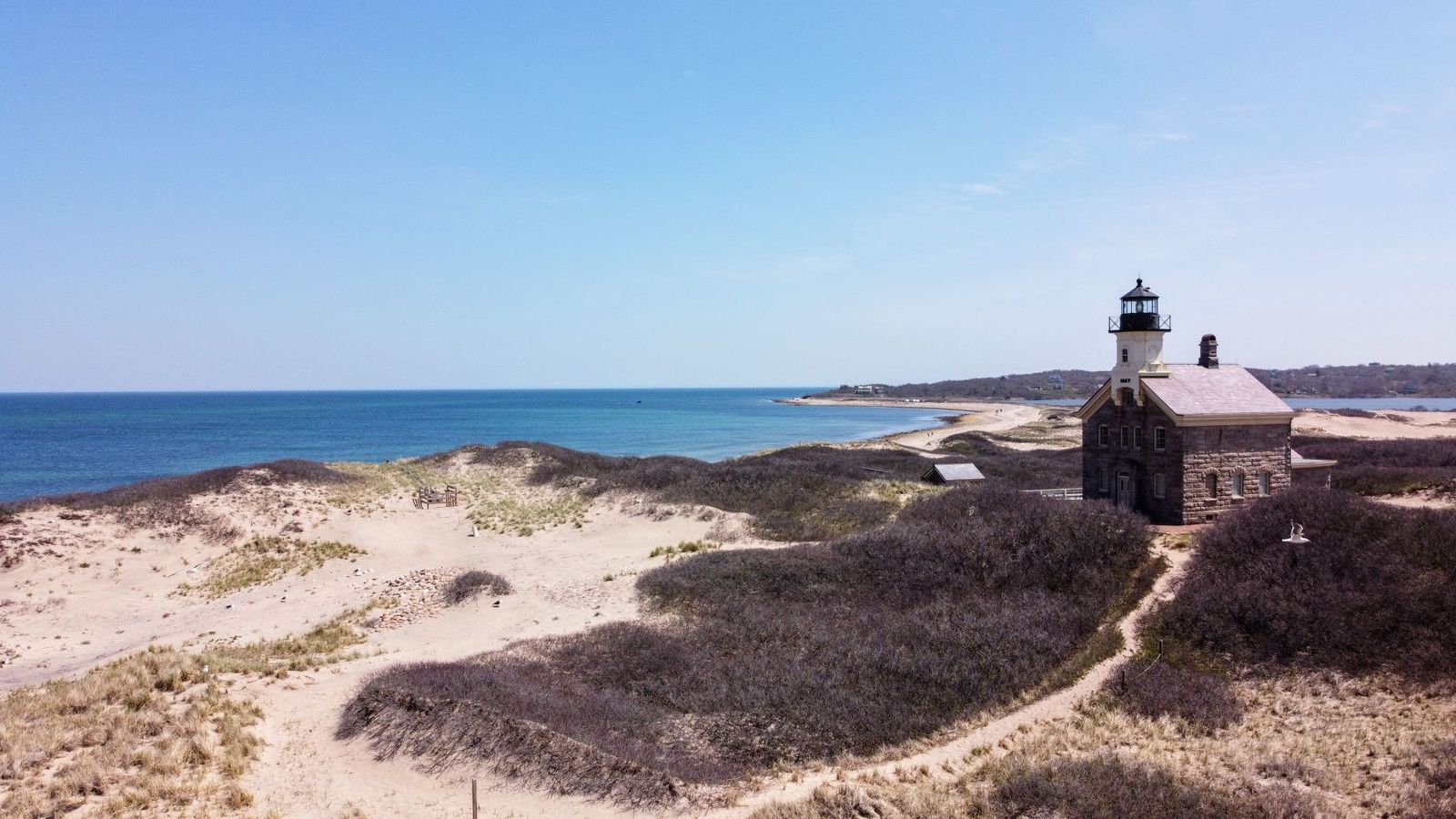
Almost the only way to get to Block Island is by ferry — and it's totally worth it. Situated about 13 miles off the coast of Rhode Island in the Atlantic Ocean, the island offers the perfect vacation destination if you’re looking for either a simple and relaxing time at the beach or more active pastimes like biking, hiking, kayaking, fishing, and boating.
Some of the main landmarks of the island include its coastal bluffs and historical lighthouses, all enshrouded by the unique New England atmosphere. The island covers only 10 square miles, so it's totally explorable in a day. One highlight is that nearly 40% of Block Island is protected from development, which guarantees an amazing time for nature lovers.
Narragansett
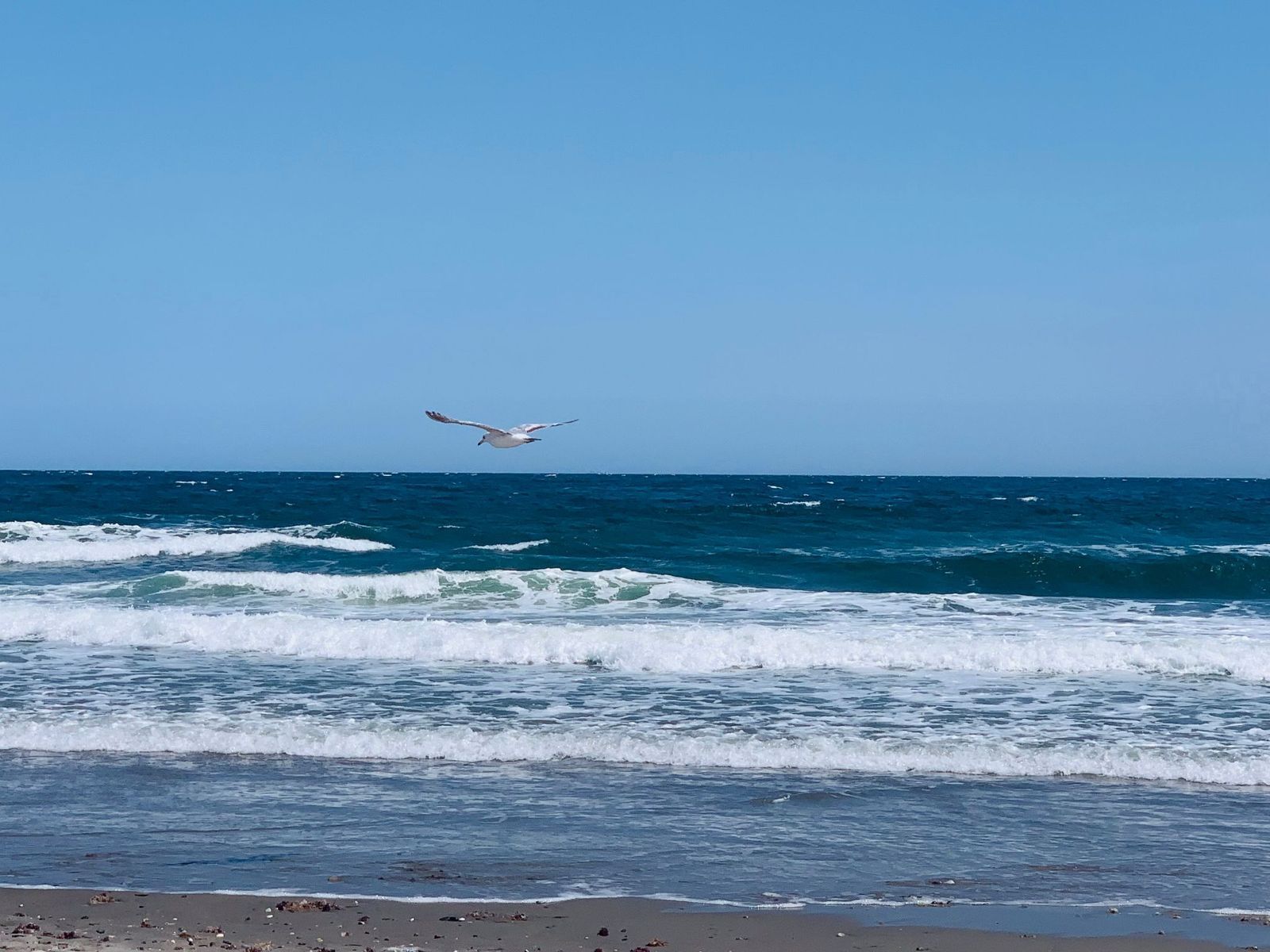
Narragansett is Rhode Island’s classic summer escape. The town overlooks the Atlantic Ocean and offers some of the most impressive ocean views of the area, as well as beautiful sandy beaches, including Narragansett Town Beach — a mile-long beach.
One of Narragansett's most recognizable landmarks is The Towers, which was built in 1886 as the entrance to the Narragansett Pier Casino, before a devastating fire left only the stone archway that stands now. Visitors can also enjoy the town’s fresh seafood, and surf enthusiasts can catch some of Narragansett's Atlantic waves.
Watch Hill
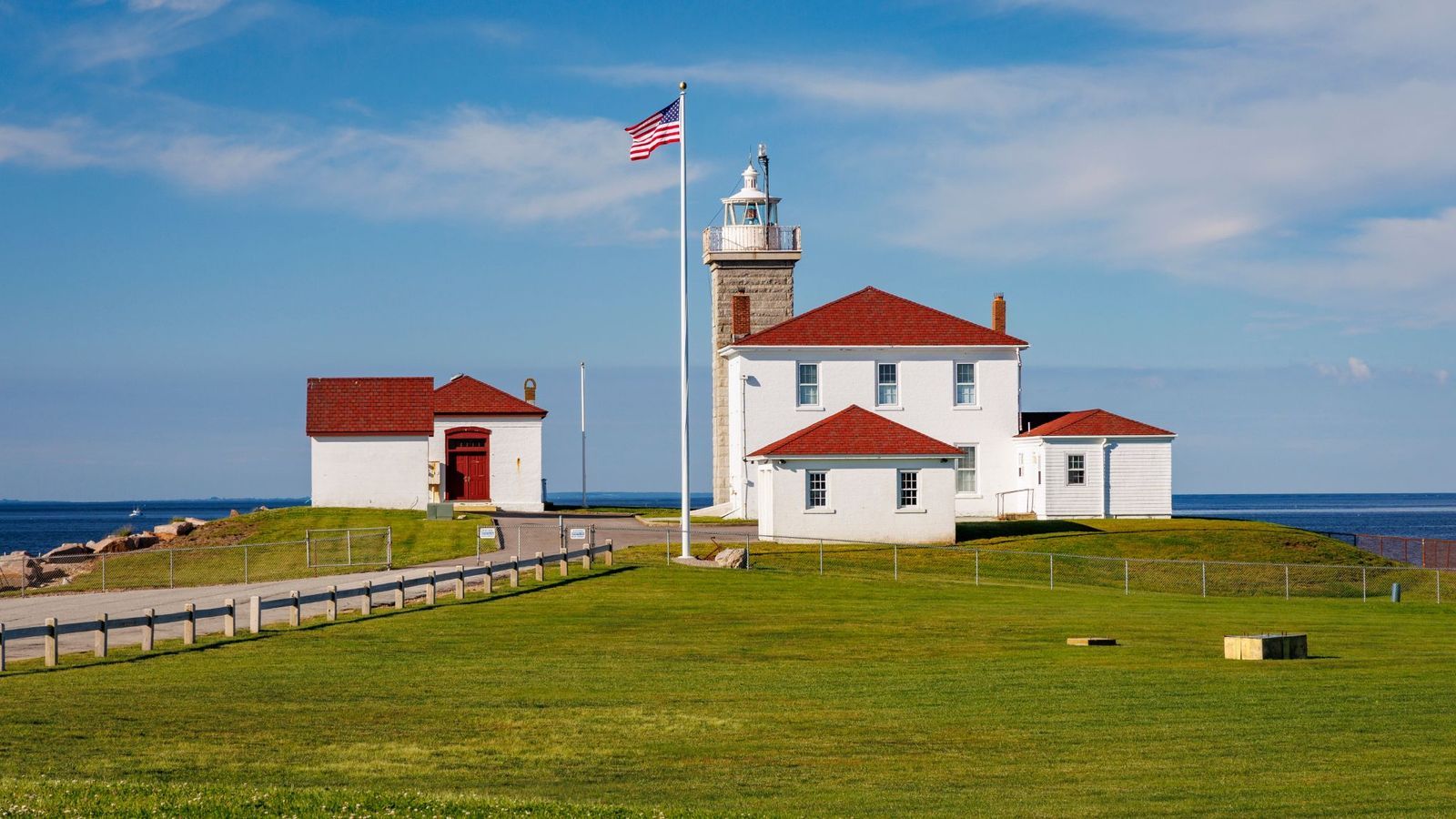
Within the town of Westerly, Watch Hill used to be one of New England’s premier summer resorts in the late 19th century, where wealthy families from New York, Boston, and Philadelphia would vacation. Surrounded by a relaxed coastal atmosphere, this elegant seaside village invites visitors to explore its big Victorian homes, beaches, and luxury hotels.
Besides its undeniable elegance, the village is also home to the historic Watch Hill Lighthouse, first established in 1808 under President Thomas Jefferson, as well as the oldest continuously operating carousel in the United States, the Flying Horse Carousel.
Wickford Village

A big part of visiting Rhode Island includes seeing historical architecture, and Wickford Village is one of the best-preserved colonial villages in New England. The village is found in the town of North Kingstown along the shores of Narragansett Bay, filled with quiet waterfront streets, locally owned boutiques, art galleries, and cozy cafés.
The village is an authentic historical district, with dozens of buildings from the 18th and 19th centuries listed on the National Register of Historic Places. With houses and structures more than 200 years old, Wickford Village gives visitors the feeling of stepping back into colonial New England.
Colt State Park

Colt State Park is one of the youngest landmarks on this list, but it has still been around since 1968. The park can be found in Bristol just a few minutes from downtown, and it covers approximately 464 acres — one of Rhode Island’s largest waterfront parks.
Colt State is the perfect spot for a morning walk or an afternoon picnic with the family, while taking in the scenic bay views and peaceful setting. There are different species of birds flying around the park, and if you are lucky, you may even see a deer roaming the land.
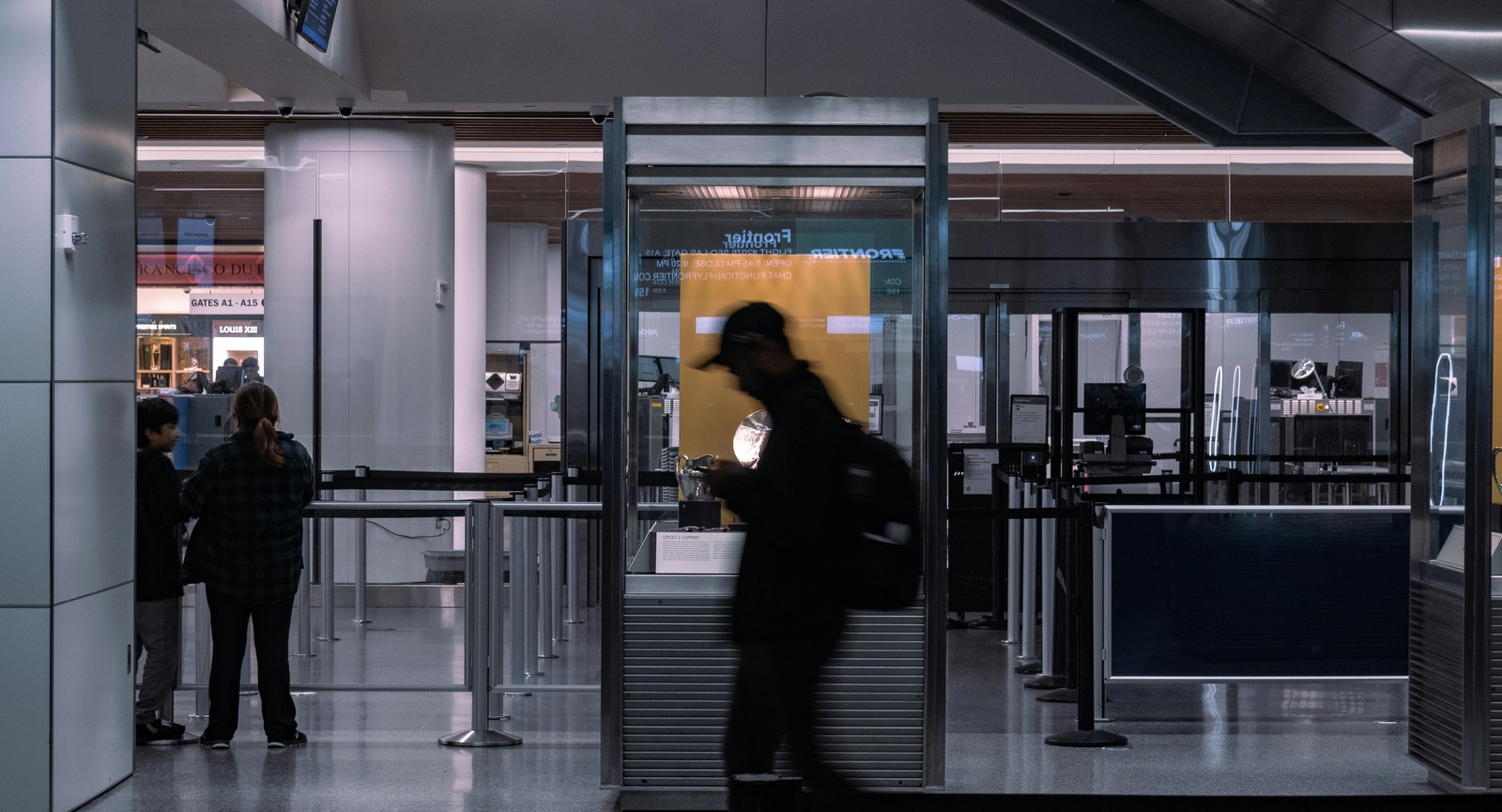
Do TSA agents keep shampoo bottles? Here’s what their job really entails
 General
Behind the scanner
Do TSA agents keep shampoo bottles? Here’s what their job really entails
You’ve likely stood in an airport security line, clutching a plastic bag of toiletries and hoping to get through the scanners without a hitch, right? But have you ever wondered what it’s like to be on the other side of the scanner? TSA agents, officially called Transportation Security Officers (TSOs), do more than wave passengers through. Their job goes from simple tasks like checking IDs and screening bags, to crazier things like chasing fugitive cats. Here’s a closer look and some surprising facts at what their job really involves.
What happens to the shampoo bottles?

We may know the 3-1-1 rule by heart: Containers must hold 3.4 oz or less, all containers must fit into one clear 1-quart-sized bag, and we’re limited to one bag per passenger. But there’s always that bottle of wine we brought as a souvenir in the carry-on or a bougie face cream we tried to bring along. Now, what happens to the items they confiscate?
TSA officers don’t keep those items, and they can’t profit from them either. Once you choose to leave something behind, it typically becomes property of the state. From there, it’s sorted, stored, and passed along to surplus programs. Plenty of perfectly usable items, like tools, unopened toiletries, and even an occasional snow globe, get shipped off to state surplus centers. Later on, they’re sold in bulk through government auction sites like GovDeals or GSA Auctions.
They haven't truly confiscated anything
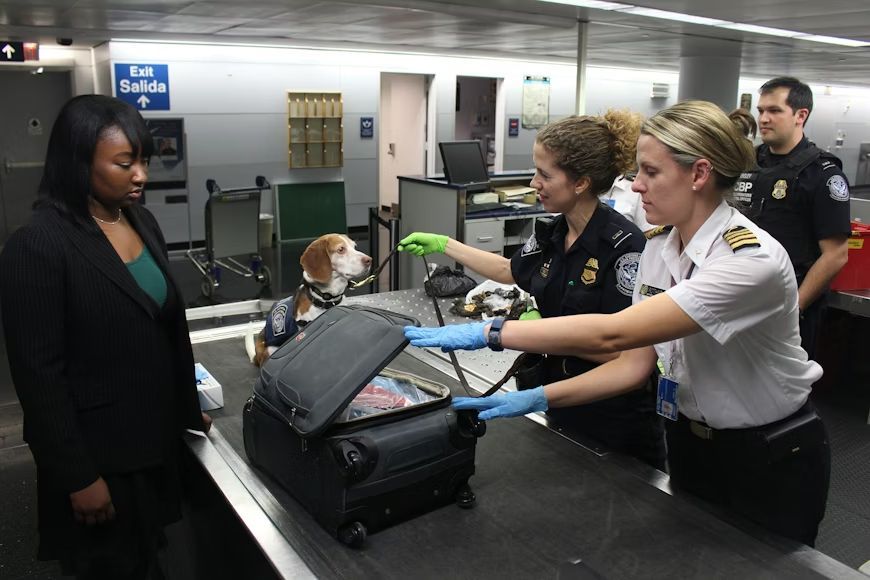
Even when the rules are clear, someone always shows up with a handmade knife or an oversized bottle of perfume tucked in their carry-on. And it feels like a sting when an agent "takes" those things away. From your side, it can feel like the agent just takes it, and that’s the end of the story. However, here’s a twist: In the eyes of the law, the TSA isn’t "taking" anything.
Legally, according to TSA security policy and regulations, you voluntarily surrender items. In fact, they are required to give you options first. You can put the items in a checked bag, give them to a friend who isn't flying, or mail them home if the airport has a mailing center.
The "mail it home" strategy

Now that you know you have options before surrendering an item, here’s a tip. If you realize you’ve got something valuable that isn’t allowed through security: ask about mailing options before you give it up. Many airports now have small shipping kiosks right near the checkpoint.
You can send that item home instead of losing it for good. It’s especially handy for things like quality pocketknives or small tools that mean something to you.
Cats are the biggest challenge

You might think the TSA is only on the lookout for high-level criminals, but according to former TSOs, the real terminal-stoppers are much smaller and fuzzier. Believe it or not, runaway cats cause more legitimate security breaches than almost anything else.
If a skittish cat escapes its carrier before being properly scanned, it can force a supervisor to shut down an entire terminal. Chasing a cat through the scanners or behind the luggage belt is a major security protocol that can delay a flight for hours while the agents try to apprehend the four-legged fugitive.
Loose change adds up

You know that little moment at the checkpoint where coins spill out of your pocket into the bin? A few pennies here, a couple of quarters there, and the occasional bill. Most people don’t bother picking them back up. Now multiply that by millions of travelers a year.
TSA reports collecting hundreds of thousands of dollars in loose change annually. For example, in Fiscal Year 2024, $939,814.20 were collected. However, that’s not pocket money for the agency, either. By law, that money goes back into funding aviation security.
The 30-day rule for IDs
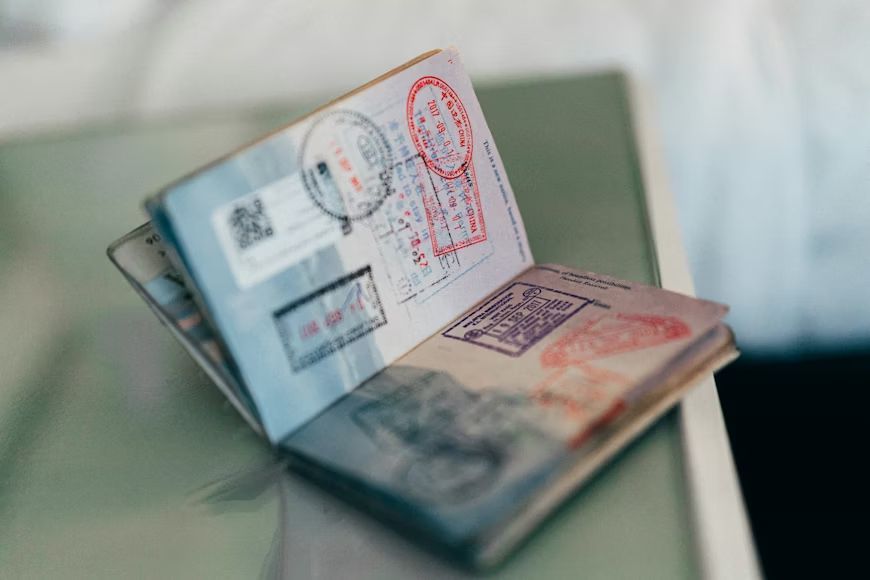
It happens more often than you’d think. A traveler rushes through security, juggling the boarding pass, a phone, maybe a cup of coffee, and leaves their driver’s license behind in a bin. But that doesn’t mean they lost it.
TSA does make an effort to return those items. Airports have a system in place to track and reunite lost IDs with their owners. But there’s a limit. If no one claims it within 30 days, it gets destroyed. That’s done for security reasons, to keep personal information from falling into the wrong hands.
Guns go to the police

While a forgotten bottle of water ends up in a trash can, and a face cream goes to a surplus auction, firearms are handled very differently.
The TSA has a zero-tolerance policy for guns in carry-on bags. The second a weapon is spotted on the X-ray, the situation is handed over to local law enforcement. TSA agents don't confiscate guns; they call the police, who take possession of the weapon and the traveler, and the situation becomes a legal matter. This scenario isn’t rare at all, every year, approximately 6,000 firearms are intercepted at U.S. airports.
TSA dogs don't search for drugs
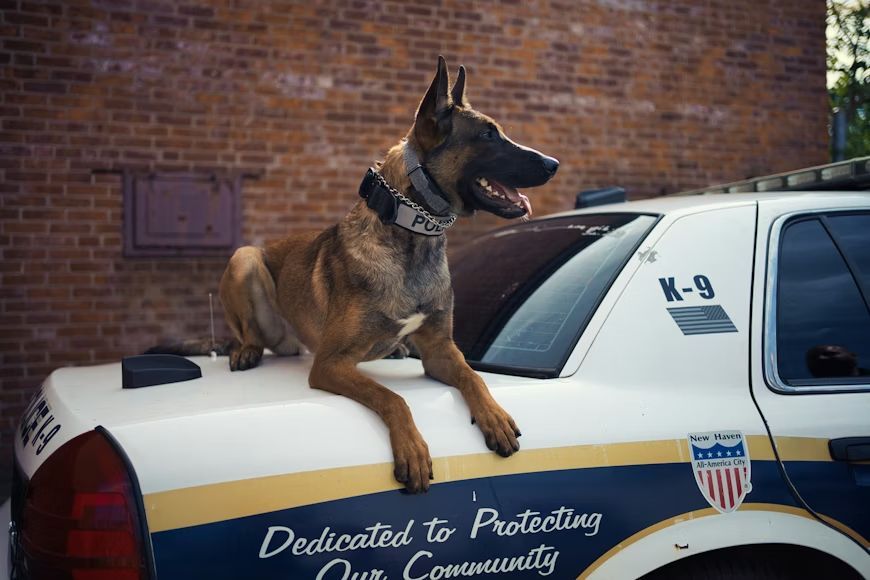
If you’ve walked through an airport recently, you’ve probably seen an agent with a dog sniffing through the crowd. A lot of people assume those dogs are looking for drugs, but in most cases, they’re not.
TSA dogs are usually trained to detect explosives, not narcotics. They’re focused, highly trained, and working the entire time you see them. As cute as they are, TSOs constantly request people not to pet them. It’s best to give them space and let them do their job. No petting, no calling out. They seem friendly, but they’re not there to make friends.
The "30-minute rule" for focus
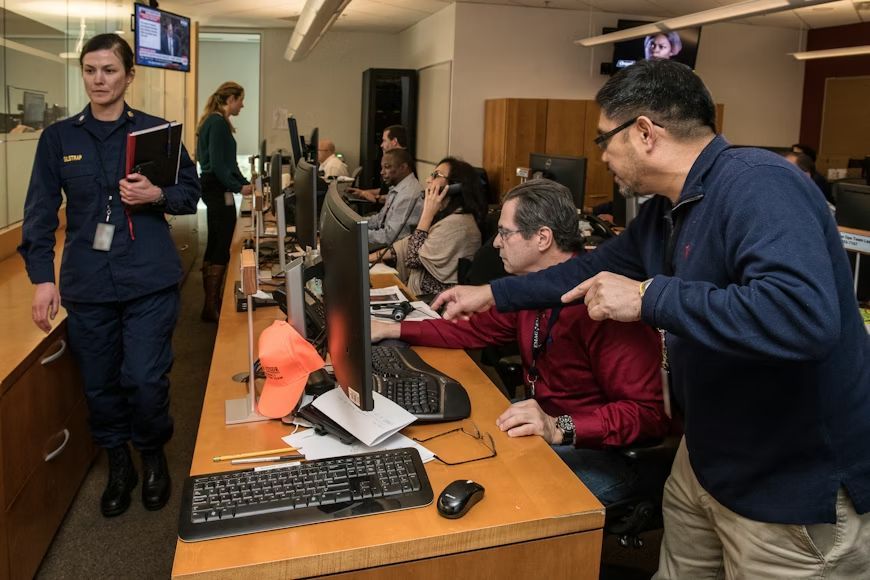
The job of a TSO can be exhausting. It demands hours of looking at a screen in search of possible threats. Because of that, agents often face high levels of stress and "search fatigue." Over time, the brain starts to expect everything to be normal. That’s called expectation bias, and it can make it harder to spot something unusual.
To make sure the system works, agents rotate from the scanner every 30 minutes, which is when the brain can start to miss anomalies. This rotation to a different task, like checking IDs or searching bags, helps keep agents sharp and reduces the risk of mistakes.
TSOs undergo regular testing

TSOs don’t just put on a blue shirt and start scanning bags. Following FAA regulations, becoming a certified officer involves classroom instruction and weeks of supervised training on the floor. New hires spend time learning how to read X-ray images, recognize threats, and follow detailed procedures. After that, they work under supervision before being fully cleared. And the learning doesn’t stop there. Agents go through regular testing and annual evaluations to stay certified.
Keep wandering
There’s always
more to explore
 Culture

11 movies that made millions want to pack their bags
6 min.
Read Now
Ten airports where you will actually want to arrive early
3 min.
Read Now
Can you guess where Tutankhamun's golden mask is actually kept?
7 min.
Read Now

Some hotels are destinations all by themselves
7 min.
Read Now