These items smuggled at customs are more bizarre than you'd expect
 General
Illegal, odd, and intercepted
These items smuggled at customs are more bizarre than you'd expect
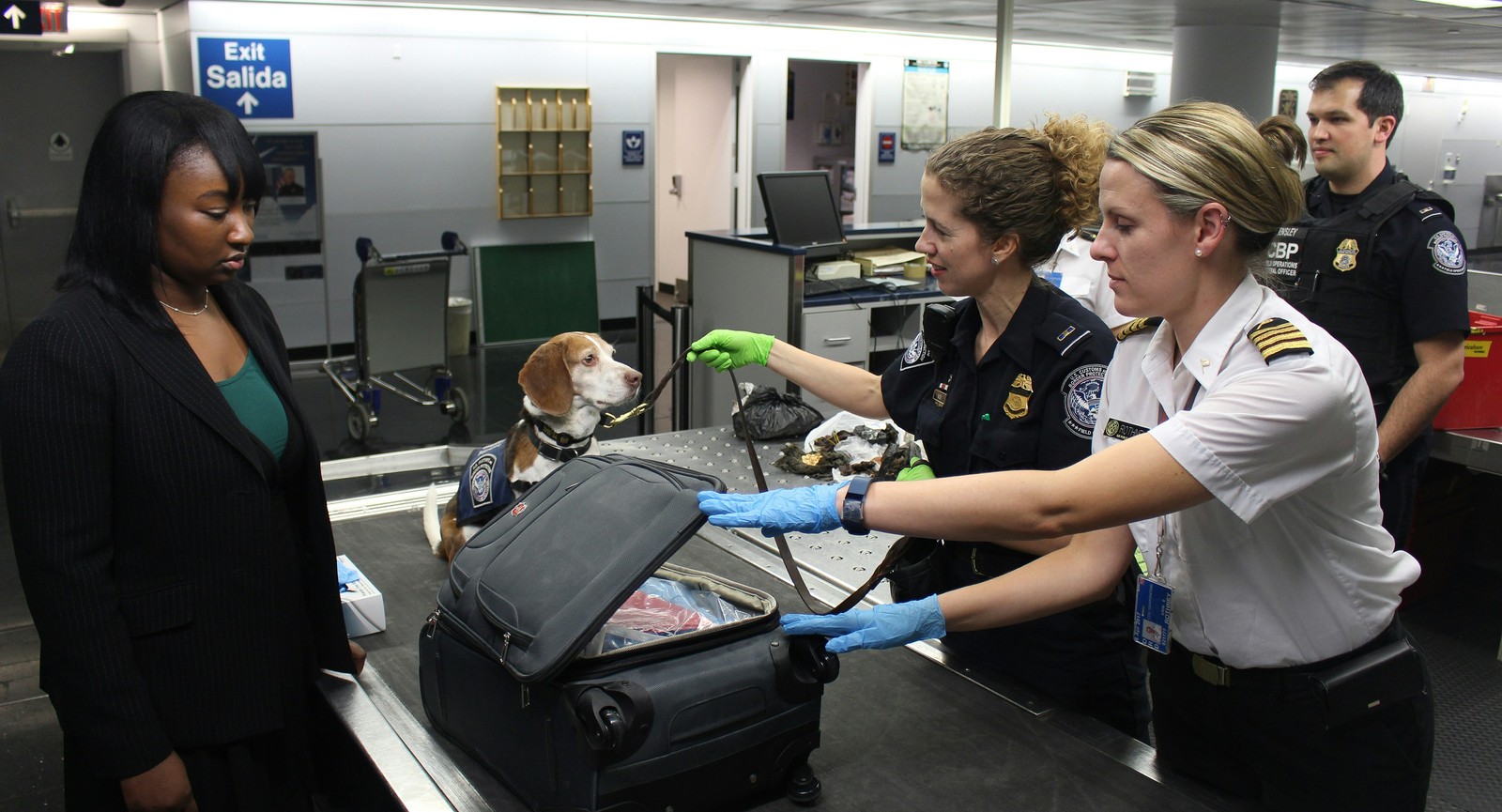
We've all been there: standing in the customs line, heart beating a little faster than usual, even when we’ve got nothing to hide. What you don’t know is that the day-to-day reality of the border agent’s booth is far more eccentric: from 500-pound stashes of Mexican bologna to turtles taped to someone's legs, customs officers deal with a plethora of weird contraband on a regular basis. Buckle up and read on to know some of the strangest customs stories.
500 pounds of Mexican bologna

This one comes straight out of Texas, where everything really is bigger – apparently, including the nerve of some travelers. On February 7, 2021, CBP officers discovered over 500 pounds of prohibited pork bologna hidden under the floorboards and seats of a Chevy Silverado, trying to cross the U.S.-Mexico border. Pork products from Mexico are banned because they can carry serious animal diseases.
Five hundred pounds is roughly the weight of three adult black bears, all in cold cuts. We have many questions, starting with: what exactly was the plan once it got through?
Live turtles taped to legs
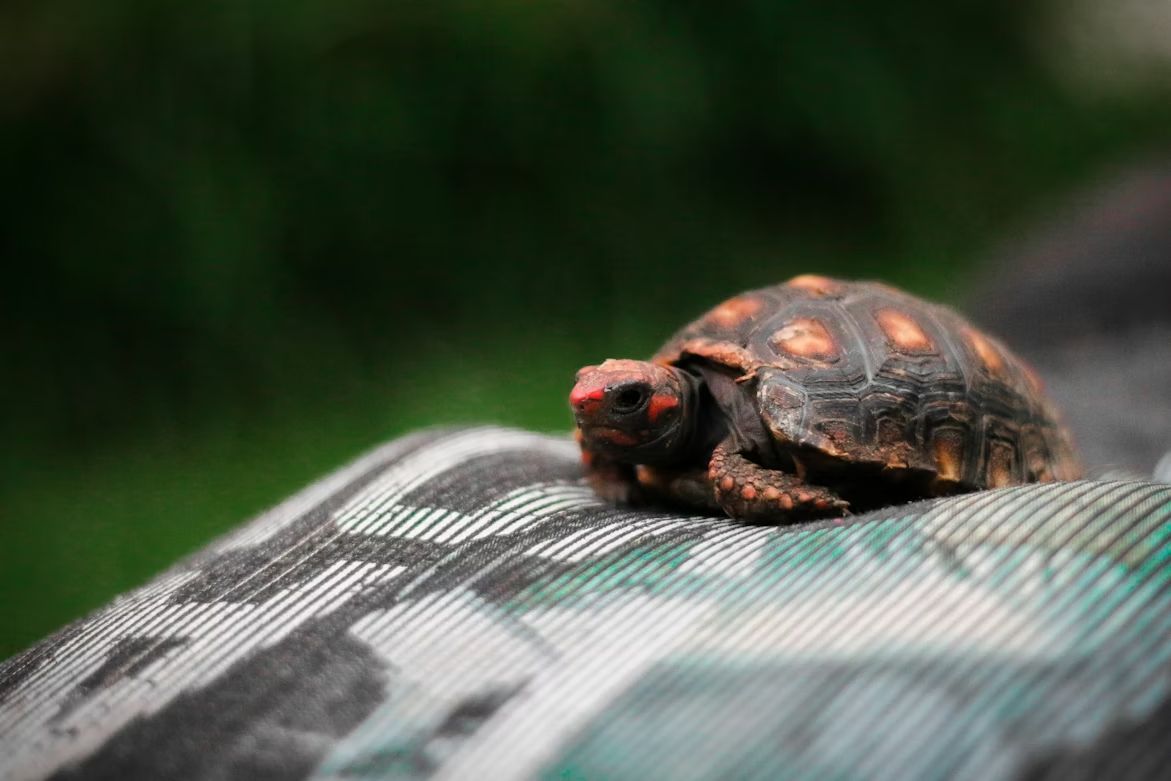
In 2014, a man crossing from Canada into the United States thought he had come up with the perfect plan: stuff over 50 live turtles under his baggy sweatpants, taped directly to his legs, and just... walk through. Spoiler alert: it didn't work. A customs officer noticed some unusual bulges that were moving on their own.
It turns out that turtles, bless their little hearts, are not great at playing it cool. Wildlife smuggling is a serious federal offense, and this gentleman learned that lesson the hard way.
Hoverboards

On January 27, 2016, major safety concerns arose over reports of fires starting in some self-balancing hoverboards. A few days later, CBP seized 445 hoverboards with counterfeit trademarks and fake, potentially dangerous, batteries from the Port of Norfolk, Virginia.
The seized hoverboard shipment had a manufacturer’s suggested retail price of more than $171,000.
Live tropical fish
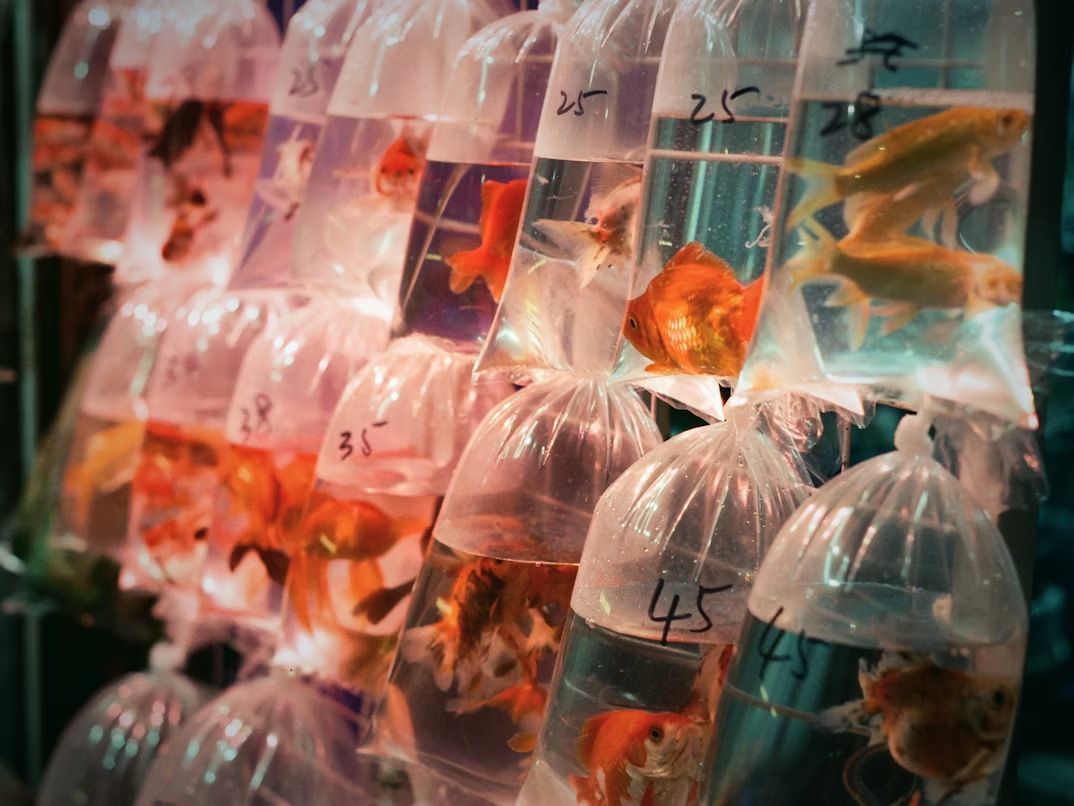
Customs officials stopped a woman in 2005 when she arrived in Melbourne off a flight from Singapore. There, they found 51 live tropical fish in plastic bags tucked into a custom-made apron tied around her waist.
During the search, customs officers became suspicious after hearing 'flipping' noises coming from the vicinity of her waist," the Australian Customs Service said in a press release. She was ultimately sentenced to nine months in the community after pleading guilty to attempting to import regulated wildlife under the Environment Protection and Biodiversity Conservation Act.
Egyptian mummy linen
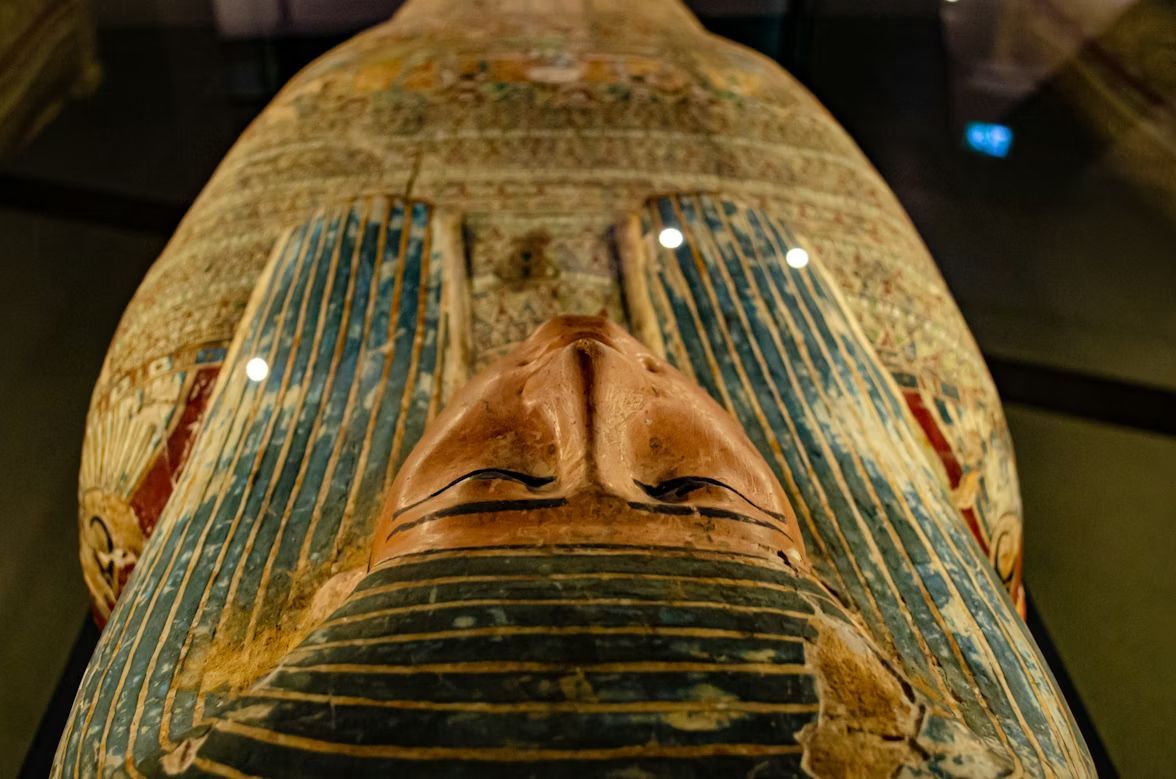
In 2019, a mail truck was caught attempting to bring ancient Egyptian mummy linen at Blue Water Bridge, linking Port Huron, Michigan, and Point Edward, Canada. These are actual strips of cloth from mummified remains, thousands of years old. Beyond being illegal to remove from Egypt, they can also carry ancient organic material that raises both legal and health concerns.
CBP officers have seen it all, and somehow, "historic burial wrappings" still make the list of things people genuinely try to sneak through. History belongs in museums — not in your checked bag.
"Drums and clothes" from Sierra Leone

In late August 2019, a shipment arriving at Dulles International Airport and bound for Philadelphia was labeled simply "African drums and clothes." CBP agriculture specialists weren't fooled. Inside, they found three African animal skins — identified as bushbuck, genet, and civet — two antelope heads mounted on unprocessed wood carvings, and 22 pounds of giant African land snail shells.
The shipment, originating from Sierra Leone, violated numerous import requirements and was ordered destroyed on the spot. Officials cited a "potentially serious animal disease threat to American livestock": unprocessed animal pelts can carry pathogens capable of devastating agricultural economies.
Live tarantulas

In 2011, a 37-year-old man named Sven Koppler from Wachtberg, Germany, pleaded guilty to shipping hundreds of live tarantulas into the United States through the regular mail. The whole operation unraveled when a routine inspection in Los Angeles revealed about 300 live spiders in a single package. U.S. Fish and Wildlife agents then posed as buyers and placed more orders, eventually receiving five more packages full of tarantulas, both living and dead.
Koppler had made around $300,000 selling exotic spiders to enthusiasts in dozens of countries. When he flew to Los Angeles, agents were there waiting, ready to arrest him.
Live pigeons
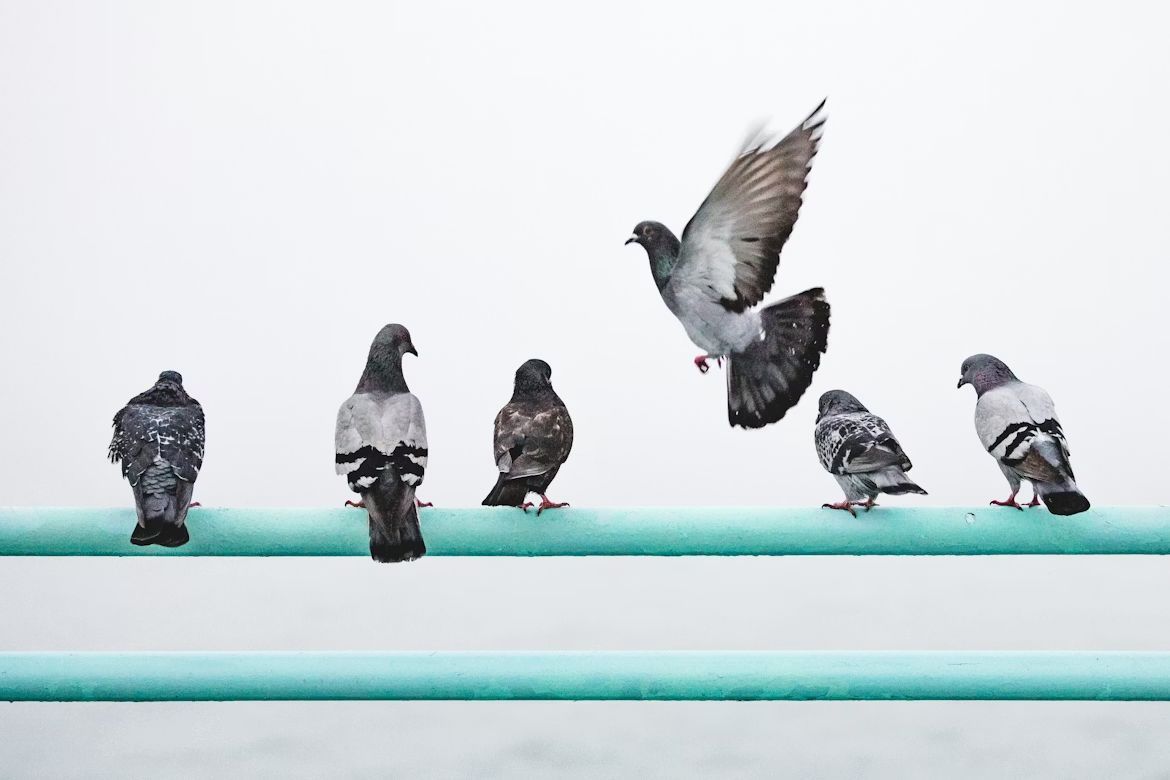
In February 2009, a 23-year-old man arrived in Australia on a flight from Dubai carrying quite a few unexpected travel companions. Officers found two bird eggs hidden inside a vitamin supplement container, and then, upon further inspection, discovered two live pigeons wrapped in padded envelopes and strapped to each of his legs with a pair of tights. His money belt also contained seeds, and there was an undeclared eggplant for good measure.
The sheer variety of contraband on this one individual is staggering: birds, eggs, seeds, and an eggplant. Australia has some of the world's toughest biosecurity laws, and wildlife smuggling there carries a maximum penalty of 10 years in prison and a fine of over $70,000.
Giant African land snails
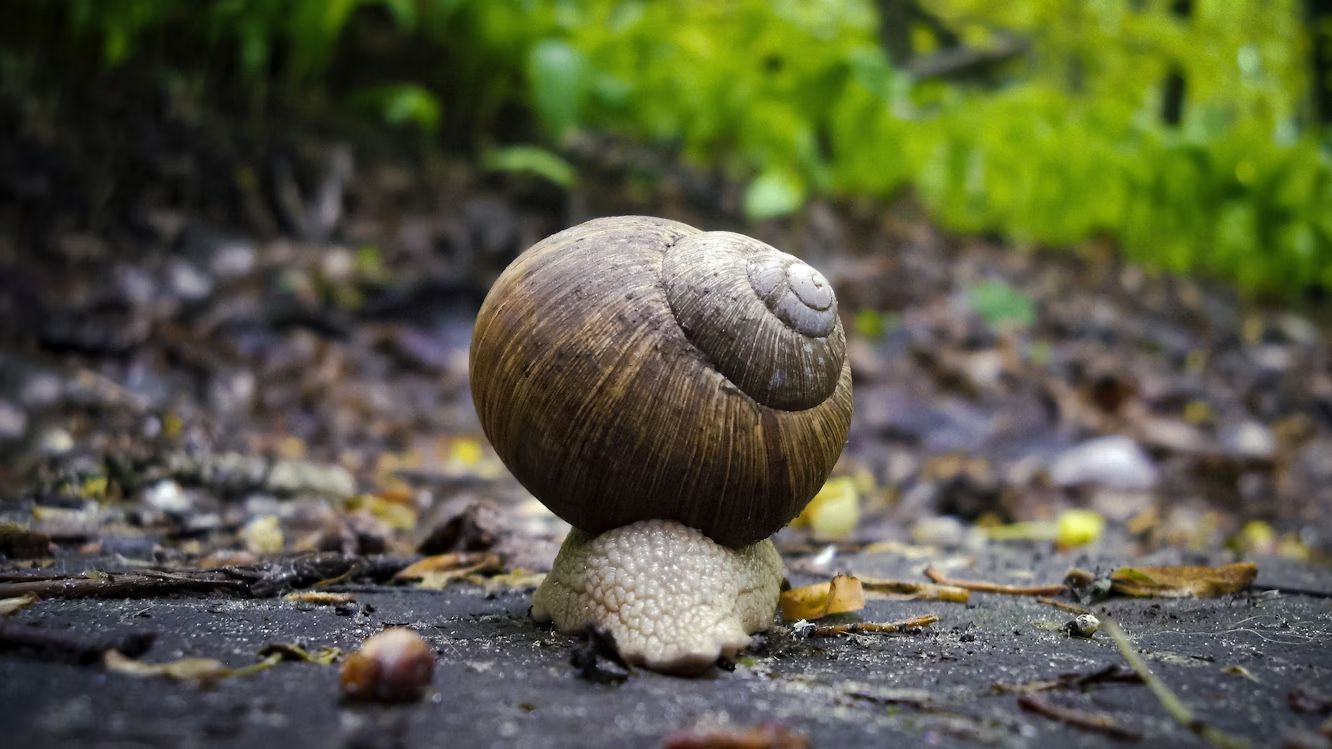
Giant African land snails can grow as large as a rat, reproduce rapidly, and — here's the fun part — eat the stucco right off the walls of houses. They pose a massive ecological threat to local environments, which is why CBP's K9 team, charmingly nicknamed the "Beagle Brigade," is regularly sniffing them out of travelers' luggage.
CBP listed Giant African Land Snails among its top 10 agricultural seizures as recently as 2021, which means people are still trying. Whether travelers are bringing them as exotic pets or simply not realizing the danger, the outcome is the same: the snails get confiscated, and everyone learns a very memorable lesson about biosecurity.
Cans of snakes
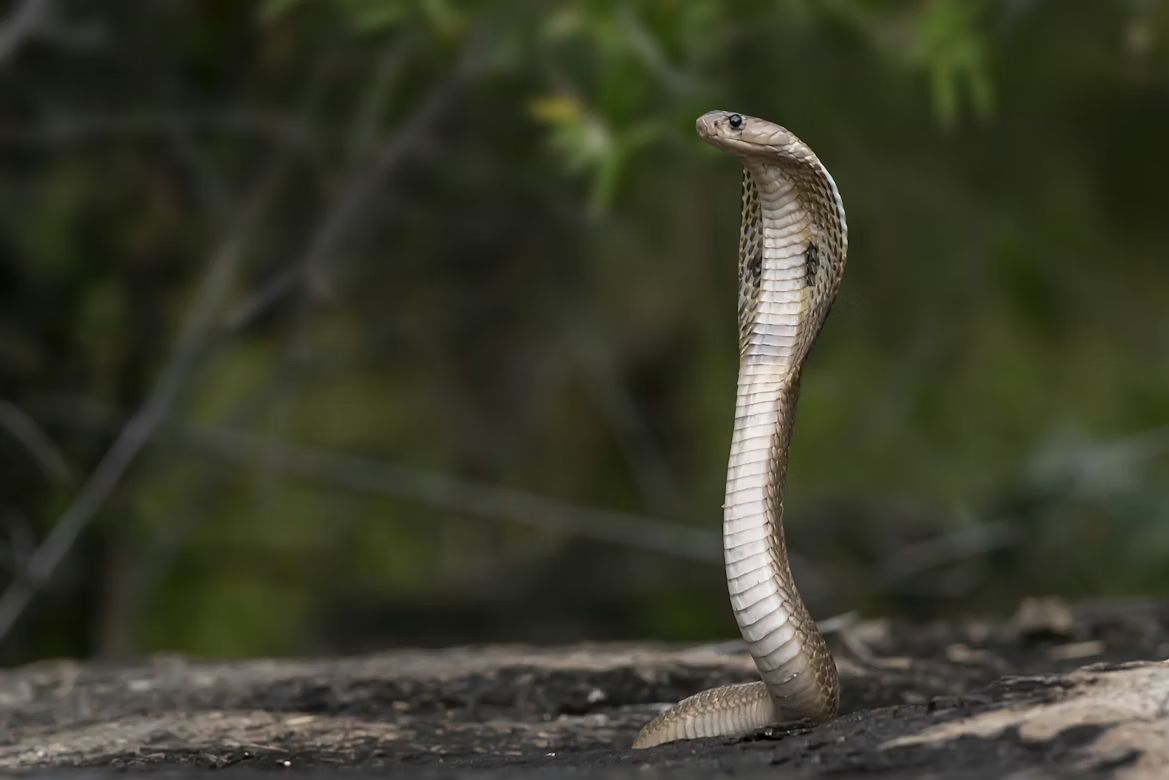
In 2017, a man called Rodrigo Franco was caught in Los Angeles attempting to smuggle live snakes into the country, stuffed inside cans. The species involved were protected under international wildlife trade agreements, making the whole operation both bizarre and a serious federal offense.
It raises so many practical questions. How does one safely seal snakes into cans? How do they survive? In the end, the snakes were seized, and the smuggler’s punishment was a government-issued cell, a $4,500 fine, and years of supervised release to follow.

These are definitely the strangest festivals around the world
 Culture
Would you wanna be there?
These are definitely the strangest festivals around the world
Ever been to a festival and thought, "Well, this is… different"? Around the world, communities gather to celebrate everything from tomatoes and radishes to monkeys and giant wooden effigies set on fire. The festivals on this list prove one thing: humans are wonderfully creative when it comes to celebrating. Ready to discover some of the strangest festivals on the planet?
La Tomatina, Spain
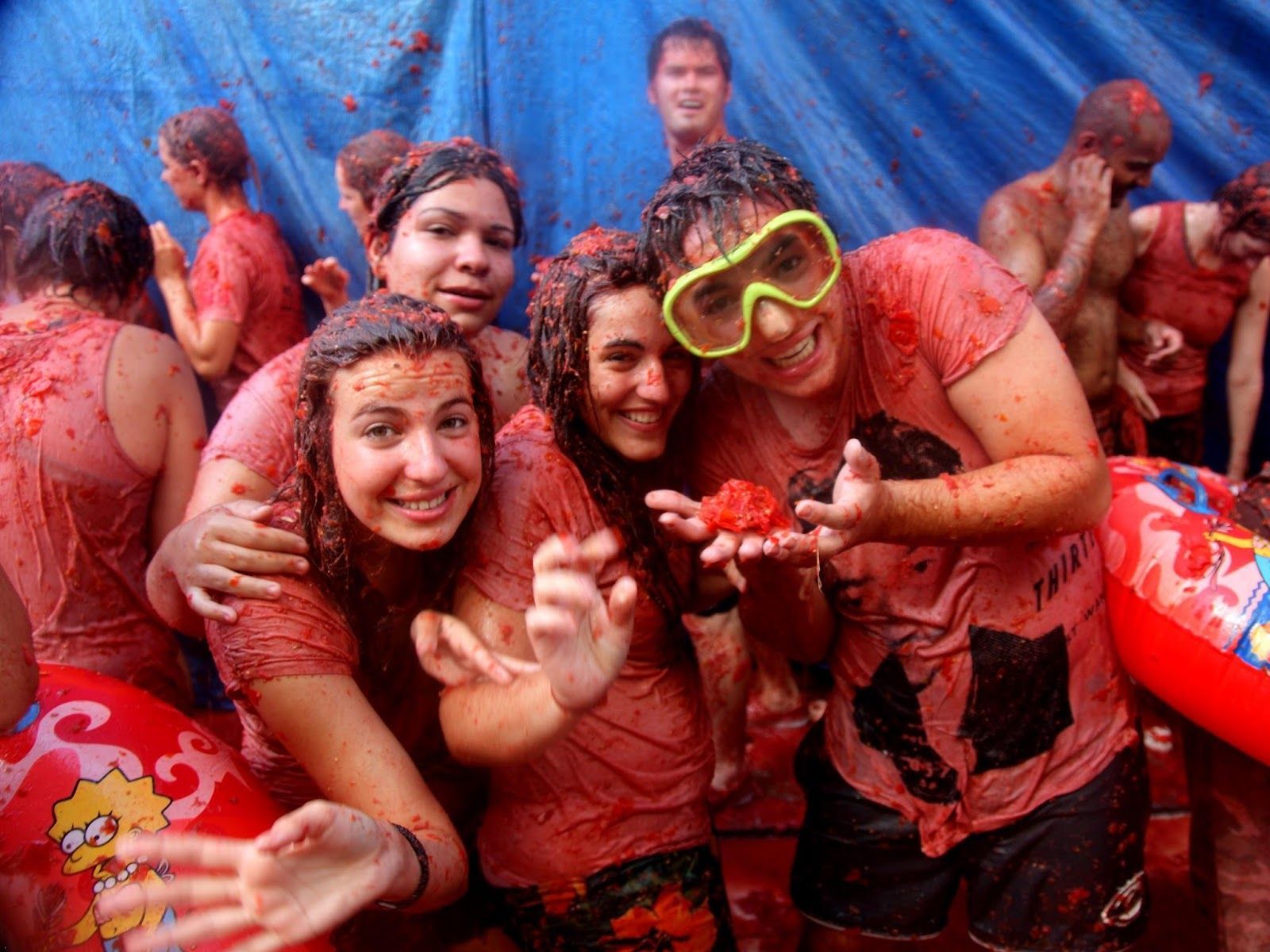
Every August in the small town of Buñol, Spain, thousands gather for one simple mission: to throw tomatoes at complete strangers. Why? No one fully agrees, and that somehow makes it better.
The hour-long food fight uses overripe tomatoes grown specifically for the event, and the streets turn into a red river of pulp. There are rules, yes, including squashing tomatoes before throwing them. But still, would you willingly step into a flying fruit battlefield?
Burning Man, USA
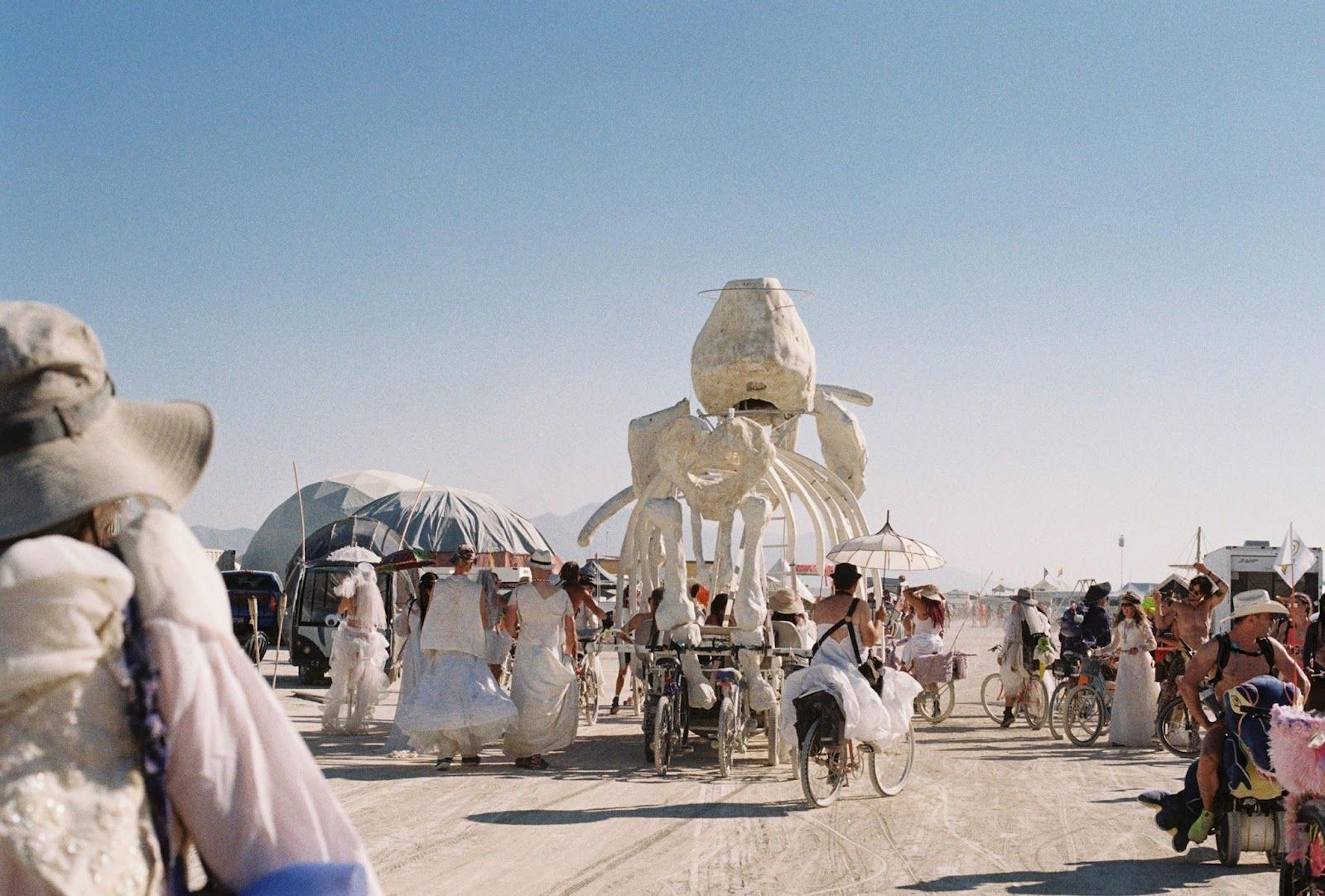
In Nevada’s Black Rock Desert, a temporary city rises from dust each year, built on art and radical self-expression. For one week, participants at Burning Man create massive art installations, themed camps, and experimental performances. There’s no money exchanged inside the event, only gifting.
It all culminates in the burning of a giant wooden effigy known as "The Man."
Day of the Dead, Mexico
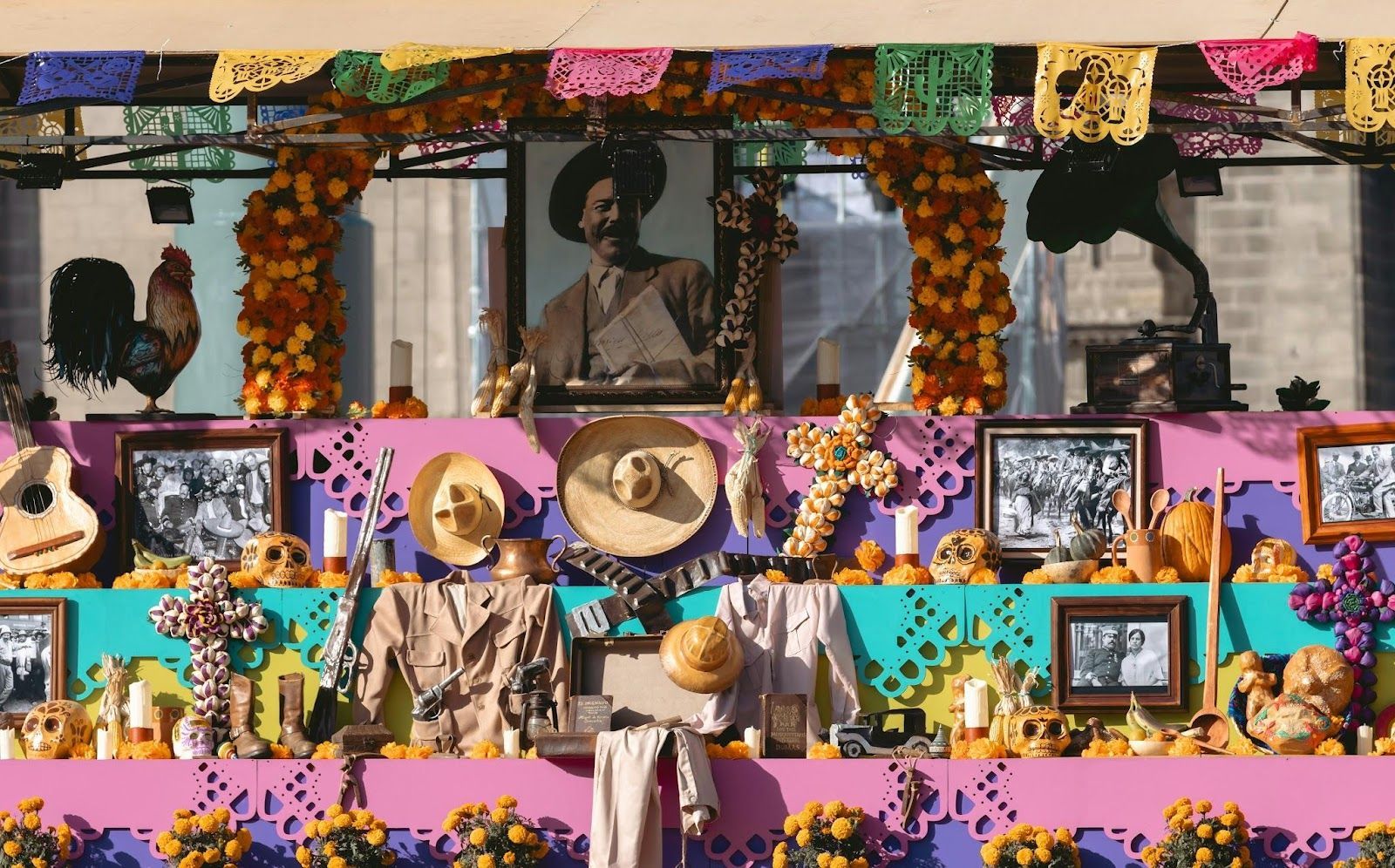
Celebrated primarily in Mexico on November 1 and 2, the vibrant Day of the Dead holiday honors loved ones who have passed away. Families build altars with photos, marigolds, candles, and favorite foods of the deceased.
Sugar skulls and painted faces may look spooky, but the mood is joyful rather than mournful. Cemeteries glow with candlelight and music throughout the night.
Harbin International Ice and Snow Sculpture Festival, China

What’s the biggest snowman you’ve ever seen? It was probably nothing compared to this. Each winter in Harbin, China, sculptors carve massive castles, bridges, and mythical creatures from blocks of ice cut from the frozen Songhua River.
At night, colorful lights turn the sculptures into a neon winter wonderland. Some structures are large enough to walk through. How often do you get to explore a city made entirely of ice?
Monkey Buffet Festival, Thailand

Once a year in Lopburi, Thailand, locals lay out massive fruit and vegetable feasts for the town’s thousands of macaques. We’re talking towering displays of watermelon, corn, and sticky rice, artfully arranged just for monkeys.
Why celebrate them? Because they’re believed to bring tourism and good fortune. During the Monkey Buffet Festival, the monkeys climb, grab, scatter, and feast while humans watch the chaos unfold.
Up Helly Aa, Scotland
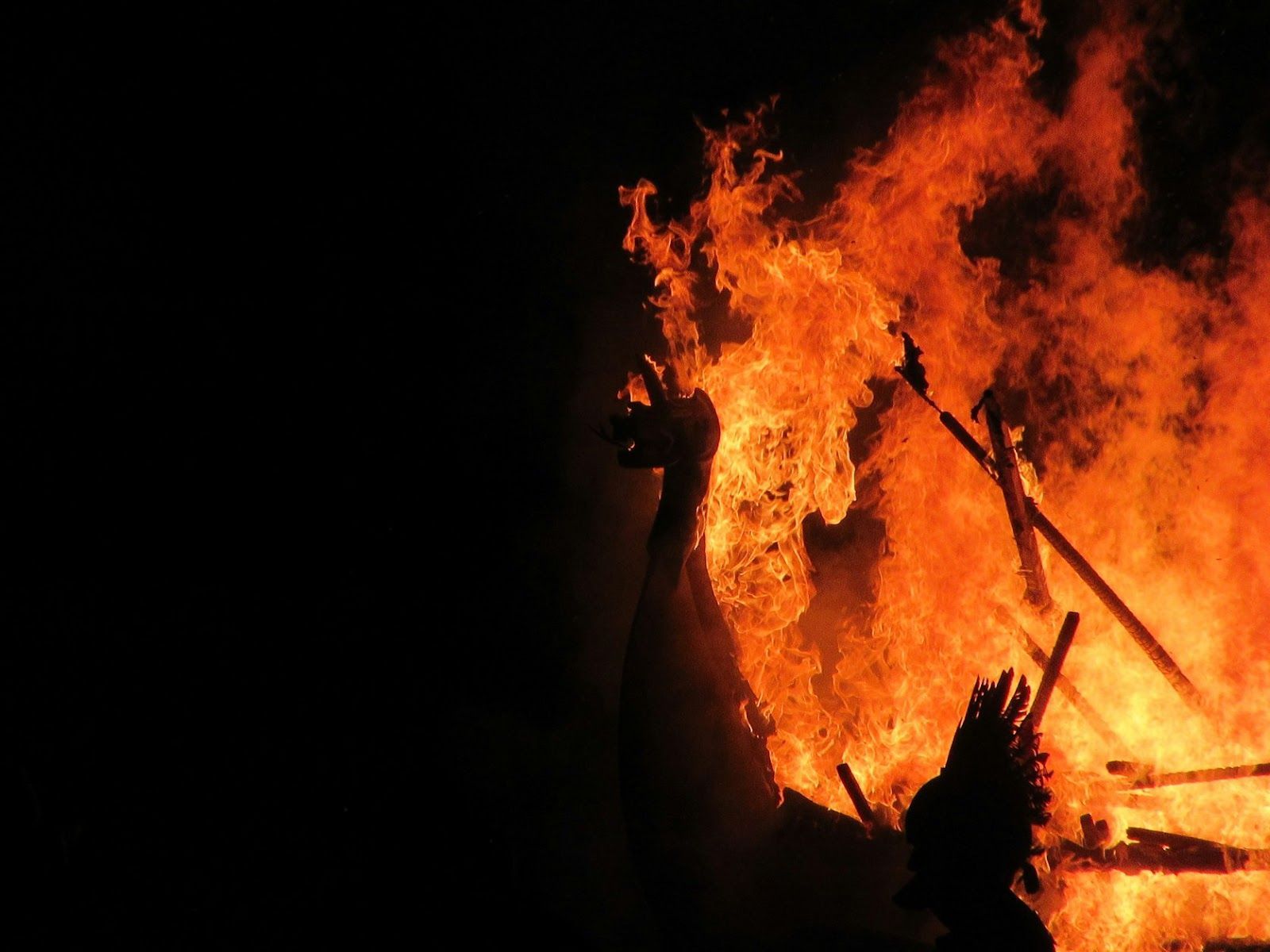
Picture this: hundreds of torch-bearing Vikings marching through the dark winter streets of Lerwick, Scotland. Every January, Shetlanders honor their Norse heritage by building and ceremonially burning a full-sized Viking longship.
The procession ends in a spectacular blaze that lights up the winter night. Afterward, the celebration continues indoors with music and dancing until morning. It's a chance for the community to step into Viking history for a day.
Cooper's Hill Cheese-Rolling and Wake, England
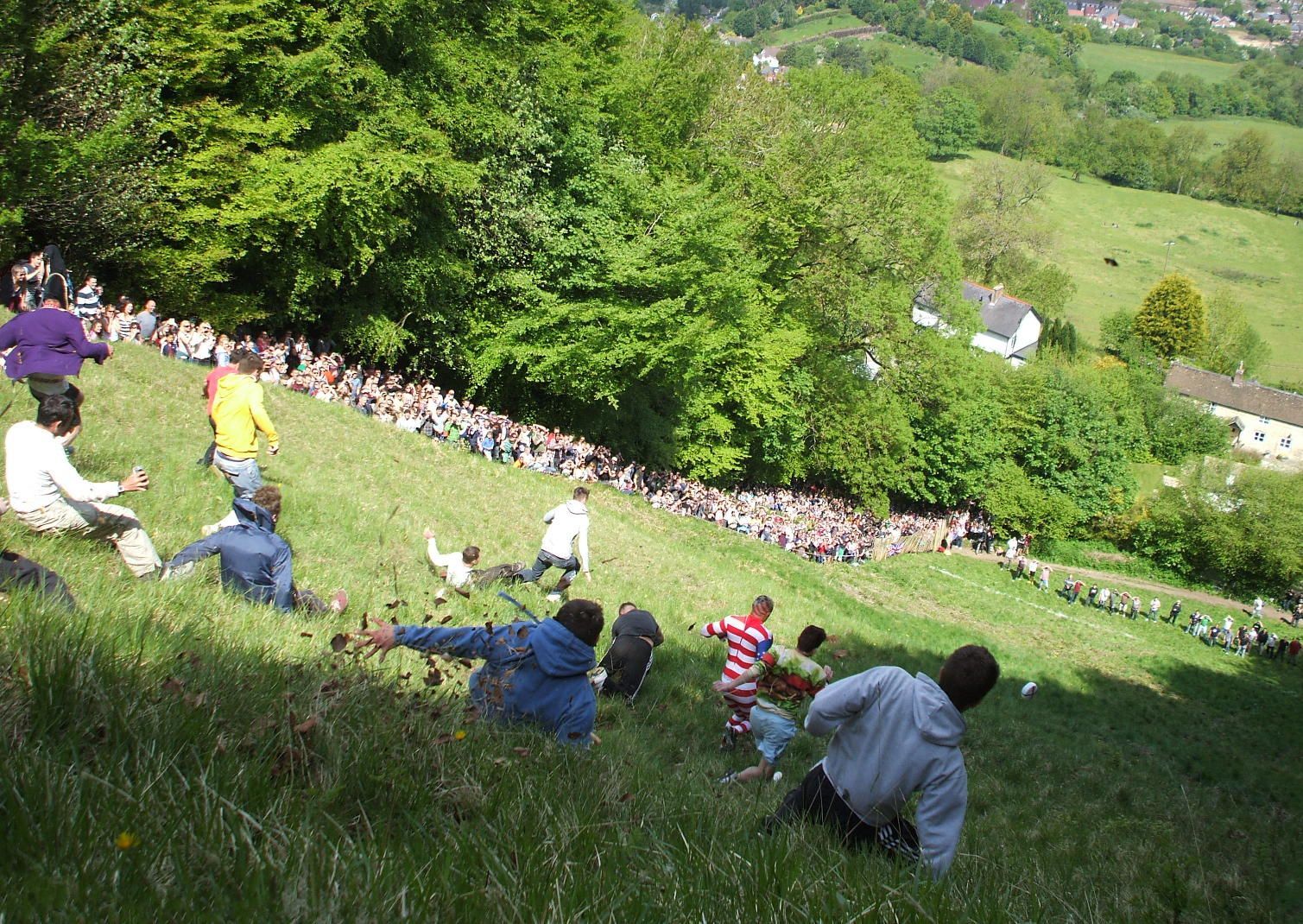
On a steep hill in Gloucestershire, England, competitors chase a rolling wheel of Double Gloucester cheese downhill at full speed. The prize is the cheese itself, naturally. The hill is so steep that injuries are common, yet participants return year after year. There’s no formal registration or safety briefing, just gravity and determination.
Ganzenrijden, Netherlands & Belgium
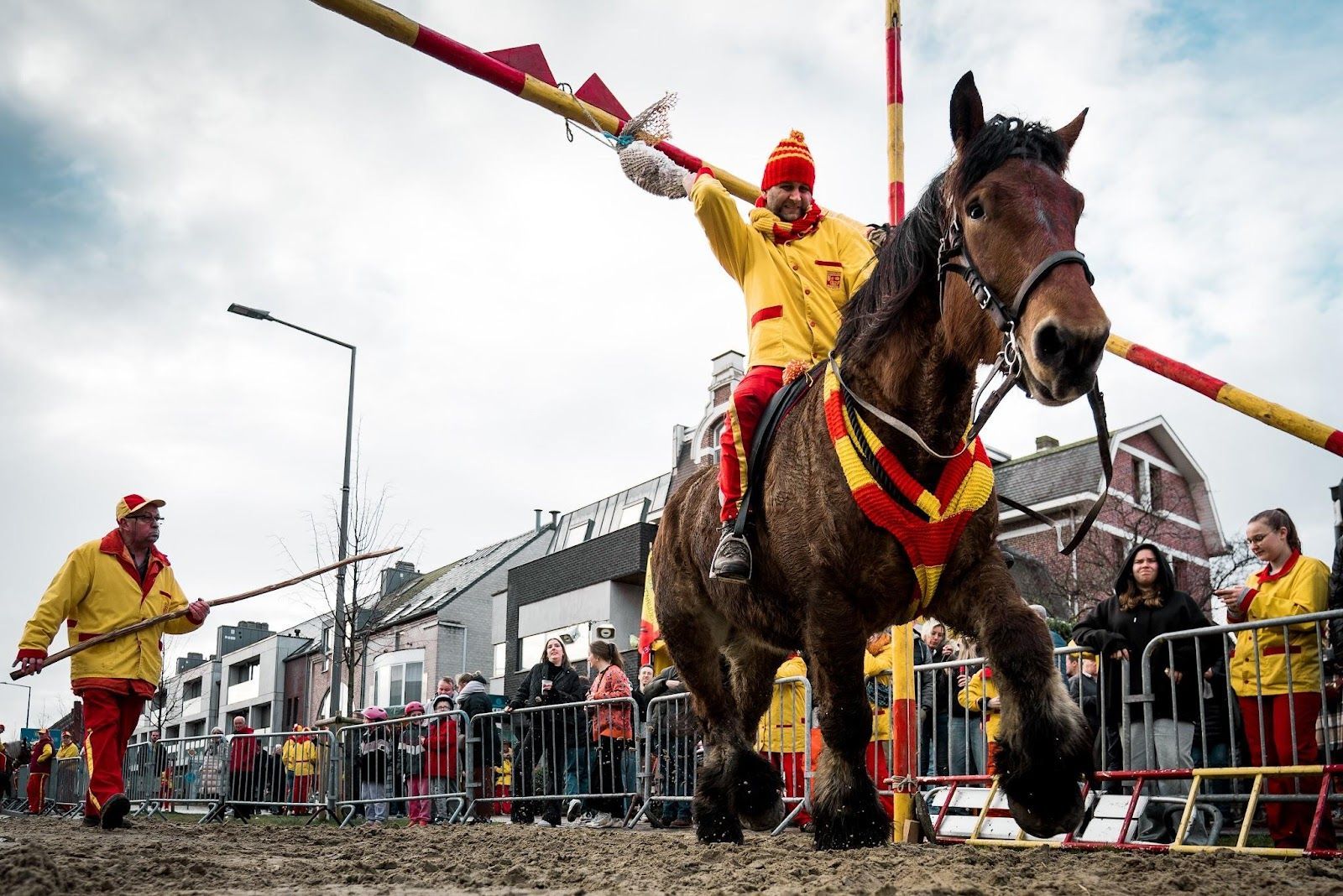
Known as "goose riding" or "goose pulling," Ganzenrijde is a centuries-old folk tradition involving riders on horseback trying to pull the head off a suspended goose while galloping beneath it. Historically, the goose was real, which understandably sparked controversy.
Today, in the Netherlands and Belgium, the practice has evolved, and most events use symbolic substitutes under strict regulation.
Night Glow Festival, Japan
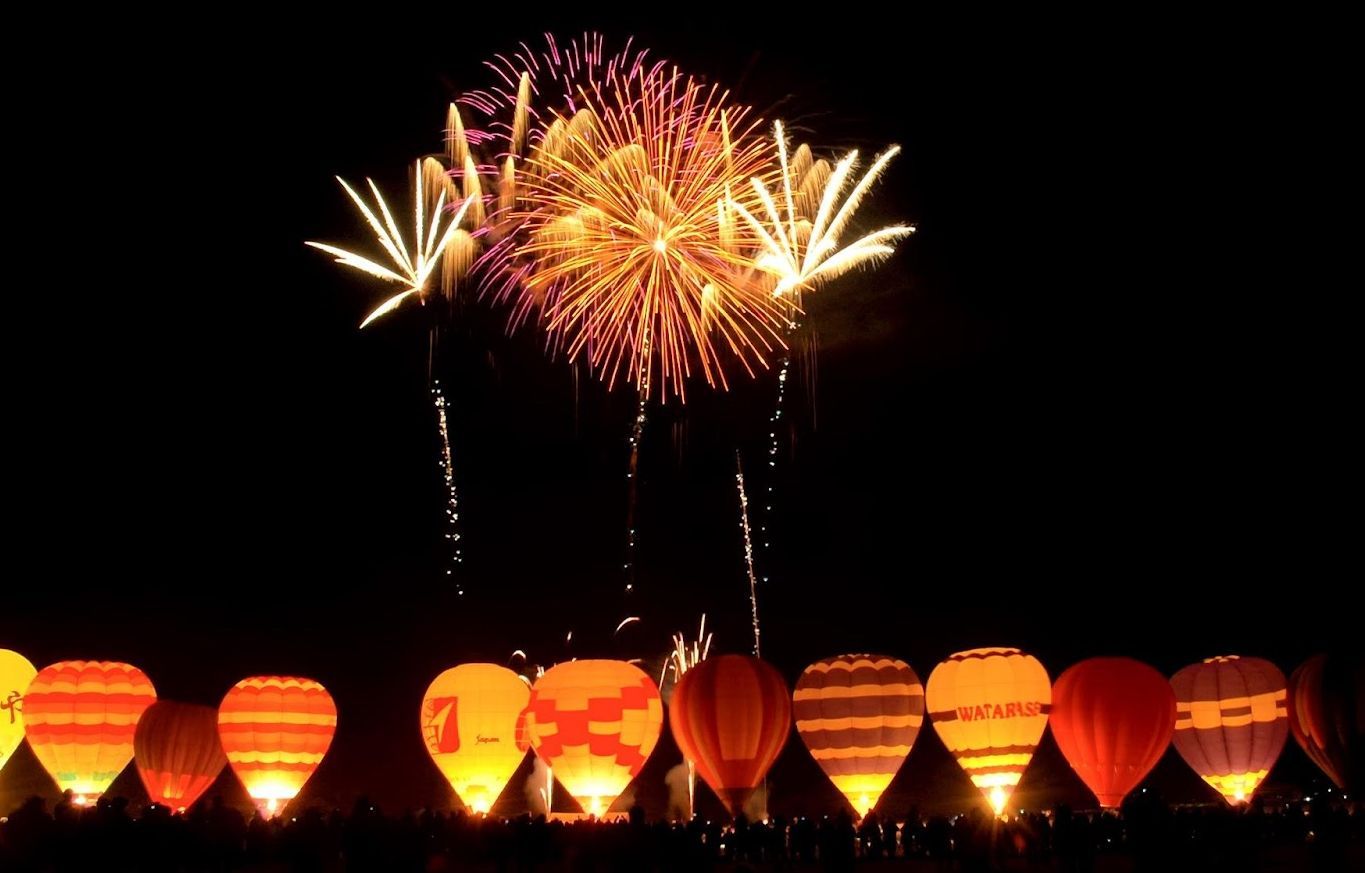
Every February in the small town of Kawazu, Japan, hundreds of sky lanterns are released at night along the river during the early cherry blossom season. As the pink blossoms bloom weeks before the rest of Japan, the glowing lanterns drift upward in quiet synchronization.
Cheung Chau Bun Festival, China

On the island of Cheung Chau, Hong Kong, competitors race to climb three giant 60-foot bamboo structures covered in replica buns, a traditional Hong Kong food. The goal is to grab as many lucky buns as possible before time runs out.
The tradition dates back to a 19th-century plague, when residents prayed for protection and peace. The festival is celebrated annually, usually in May, and also includes events like parades and lion dances.
Keep wandering
There’s always
more to explore
 Landmarks
What's the Secret Service guarding on the 2nd floor of the White House?
6 min.
Read Now

Mount Rushmore almost had torsos, not just faces
4 min.
Read Now

Hotel staff can tell these 10 things about you almost immediately
6 min.
Read Now
Did the three men who escaped Alcatraz in 1962 actually survive?
7 min.
Read Now