What does a flower behind the ear mean in Hawaii?
 Culture
Cities traditions
What does a flower behind the ear mean in Hawaii?
What makes a country with the same currency, the same flag, and the same government have so different traditions? In America, each city reveals its own cultural landscape. While Boston tells stories of rebellion, San Antonio asks Fiesta royalty to show their hidden shoes, and Hawaii lets a flower behind the ear reveal someone’s relationship status. Though the cities change over decades, their traditions remain stronger than ever. Here are 10 cities with fascinating customs worth revisiting.
Boston, Massachusetts
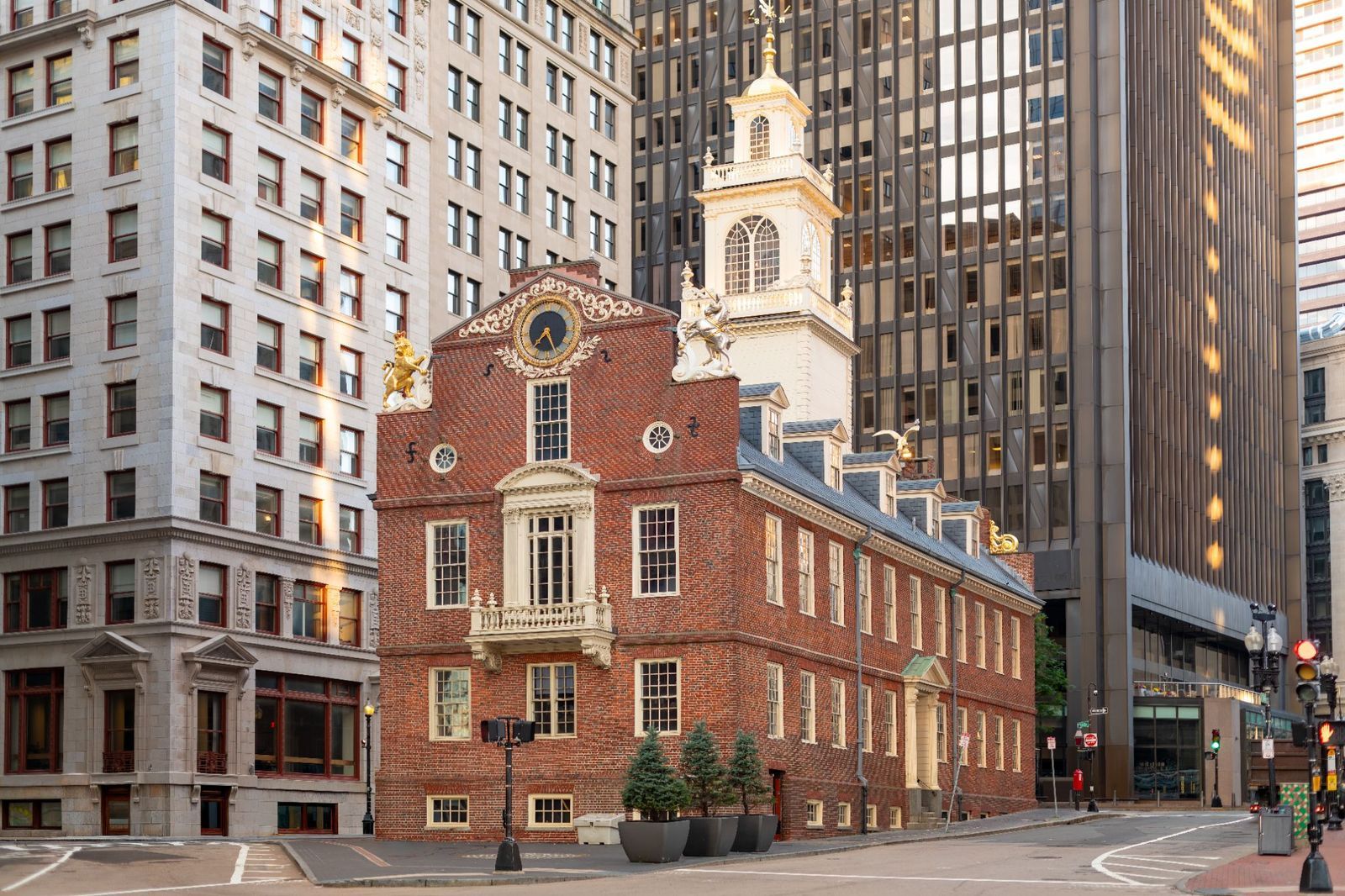
Boston has a way of making the history you learned in school feel close. The city is famous as one of the places where the American Revolution began, but its rebellious streak goes back even further, to 1689. That year, Bostonians rose against royal governor Sir Edmund Andros after his government limited town meetings and imposed taxes without an elected colonial assembly. They arrested and imprisoned him, setting a local spirit.
This revolutionary character comes to life during Patriots’ Day, held on the third Monday in April. The holiday commemorates the 1775 Battles of Lexington and Concord, which marked the beginning of the American Revolution. It’s one of the best times to visit Boston, when parades, colonial costumes, Freedom Trail walks, horseback processions, and battle reenactments bring the city’s history back to life.
San Antonio, Texas
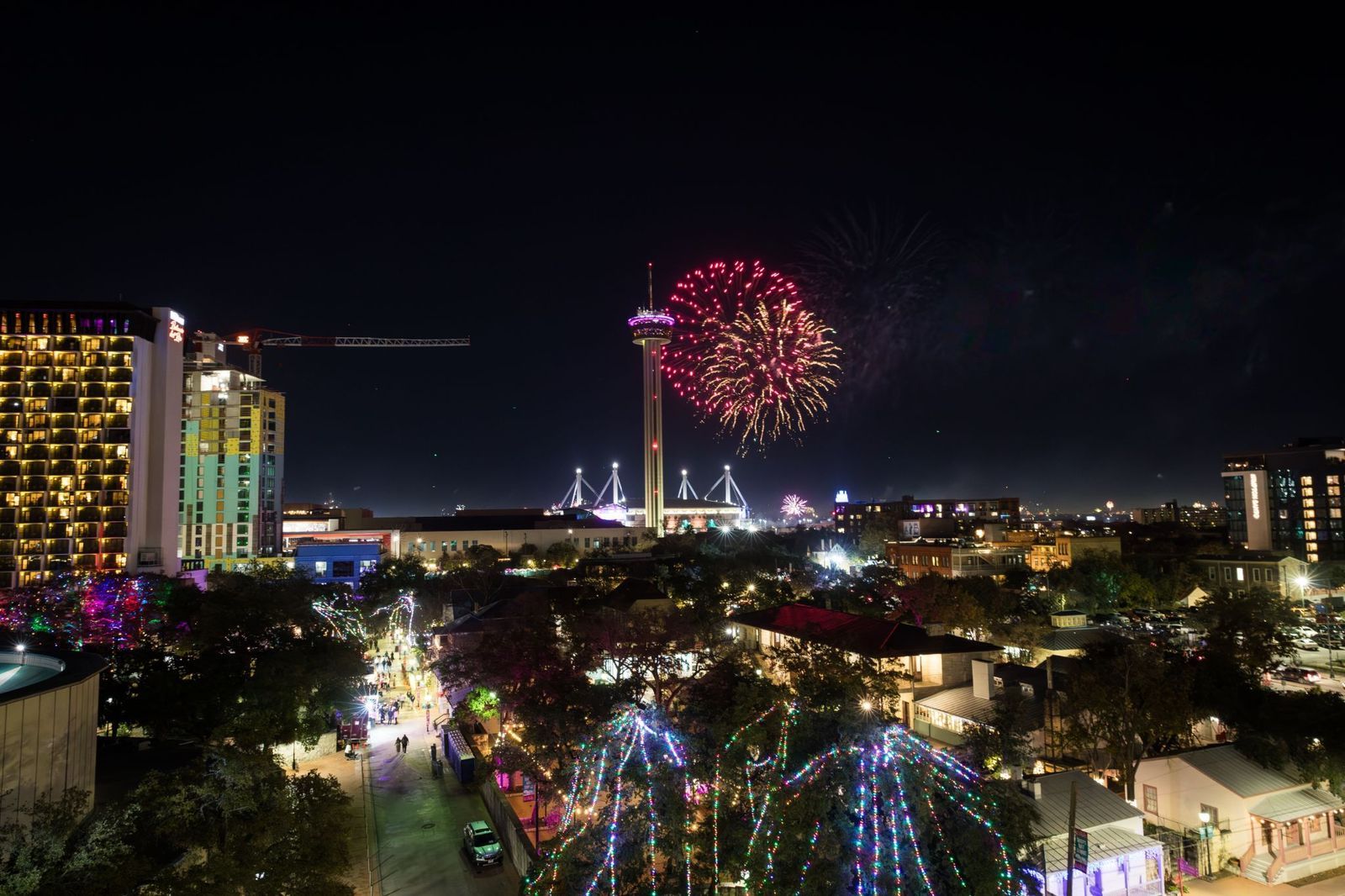
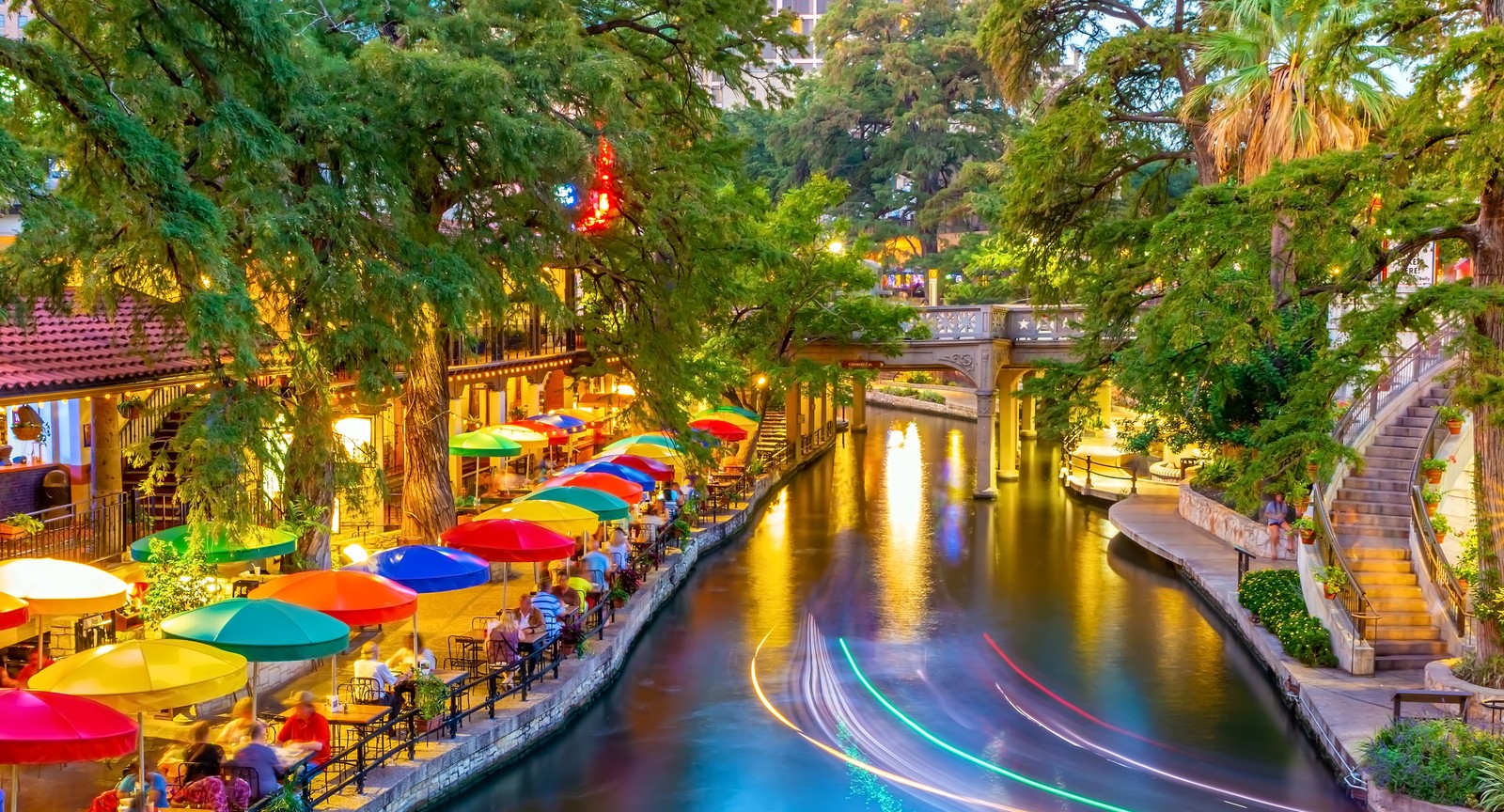
Every spring, from April 15 to 25, San Antonio celebrates the Texas Revolution, honoring the heroes of the Alamo and the Battle of San Jacinto with Fiesta, an 11-day festival full of parades, food, and local traditions. The celebration began in 1891 with the Battle of Flowers Parade, when residents gathered in front of the Alamo and tossed flowers to remember those who had fought in the two battles.
People collect and wear colorful Fiesta medals, eat chicken on a stick with a jalapeño, and shout, "Show us your shoes!" as the parade goes by. The chant started when members of Fiesta royalty began wearing comfortable shoes under their fancy gowns. Once the crowd noticed, asking to see the hidden shoes became part of the fun. Other cultural heritage activities take place throughout the spring celebrations and are listed on Fiesta San Antonio’s official website.
Honolulu, Hawaii
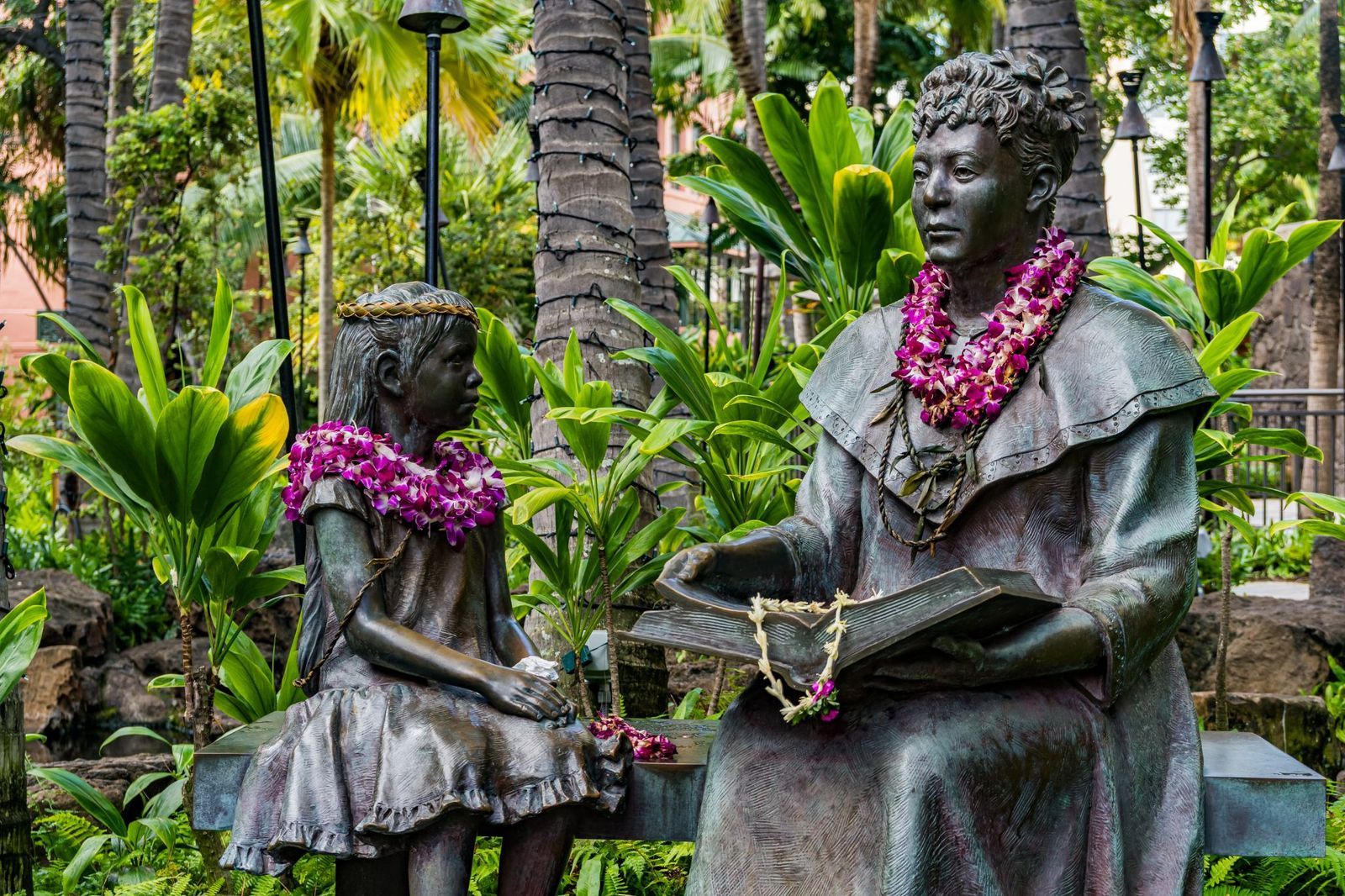
Beyond those beautiful turquoise waters are generations of Native Hawaiian traditions that make Honolulu’s culture rich, diverse, and fascinating to explore. Some local customs that visitors may see include the Hawaiian greeting, always a kiss on the cheek, and the flower worn behind a woman’s ear. On the left, it means she has a partner; on the right, she is single.
September is probably one of the best times to visit Honolulu. During this month, the Aloha Festival is held. This festival commemorates Hawaiian culture and history through three major events: The Royal Court Investiture and Opening Ceremony, The Annual Waikiki Ho’olaule’a, and the Annual Floral Parade, all embedded with local music, dances, ceremonies, and food.
Detroit, Michigan
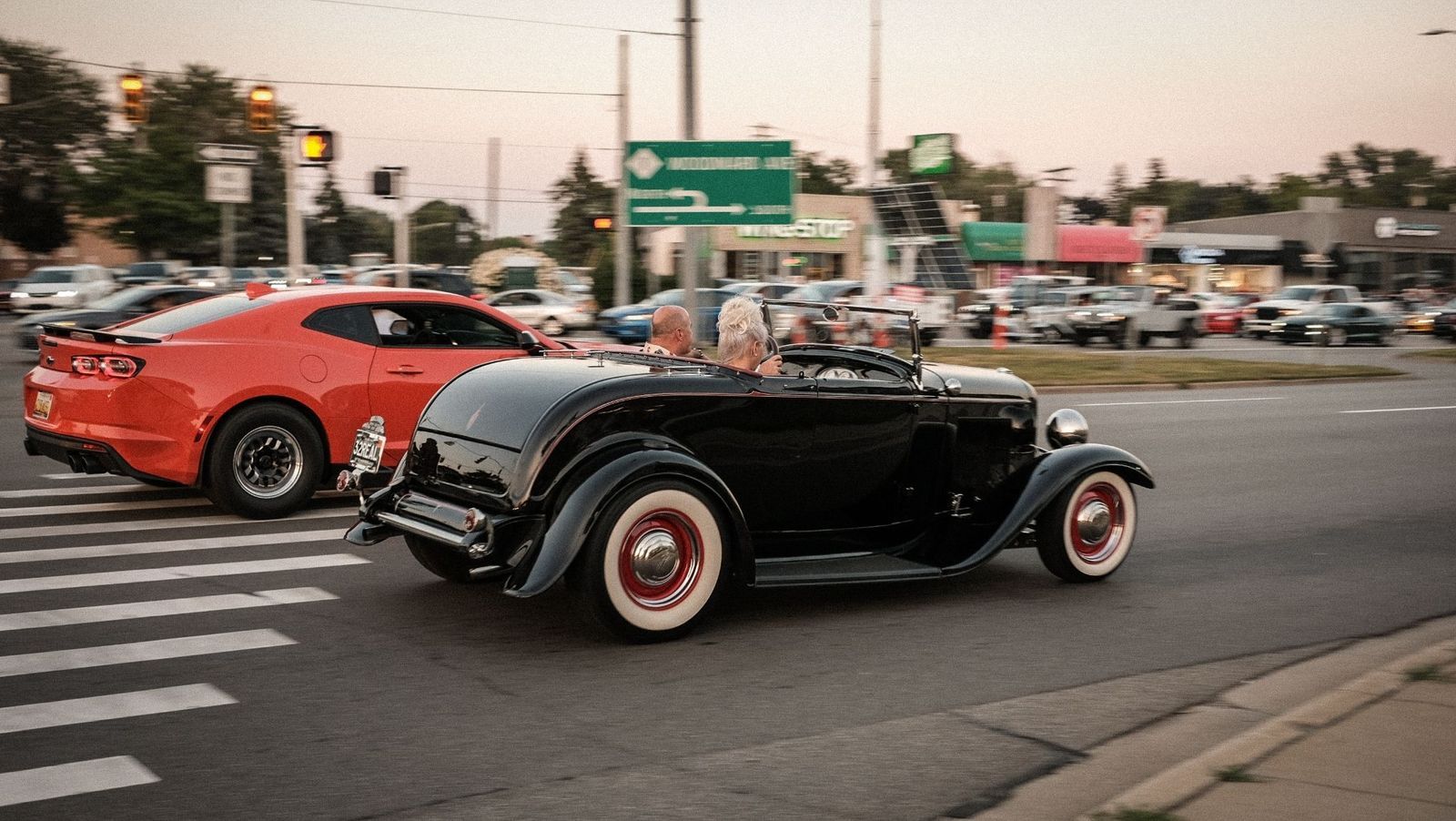
Detroit earned the nickname "Motor City" for its strong connection to three major automakers: Ford, General Motors, and Chrysler. It's the perfect city to visit when looking for the country’s classic car history. Here, Ford introduced the moving assembly line, making automobiles faster and more affordable to build. At the Ford Piquette Avenue Plant Museum, visitors can explore the creation of the Model T, while nearby in Dearborn, the Automotive Hall of Fame celebrates the pioneers who shaped the global auto industry.
Detroit’s classic car tradition doesn’t stop at museums. Every third Saturday in August, the Woodward Dream Cruise takes place. It’s the world’s largest one-day celebration of classic car culture, creating a spectacle in the streets with vintage vehicles and crowds full of locals and visitors. The annual Detroit Auto Show, every January, also blends Detroit's tradition with automotive innovation.
Philadelphia, Pennsylvania
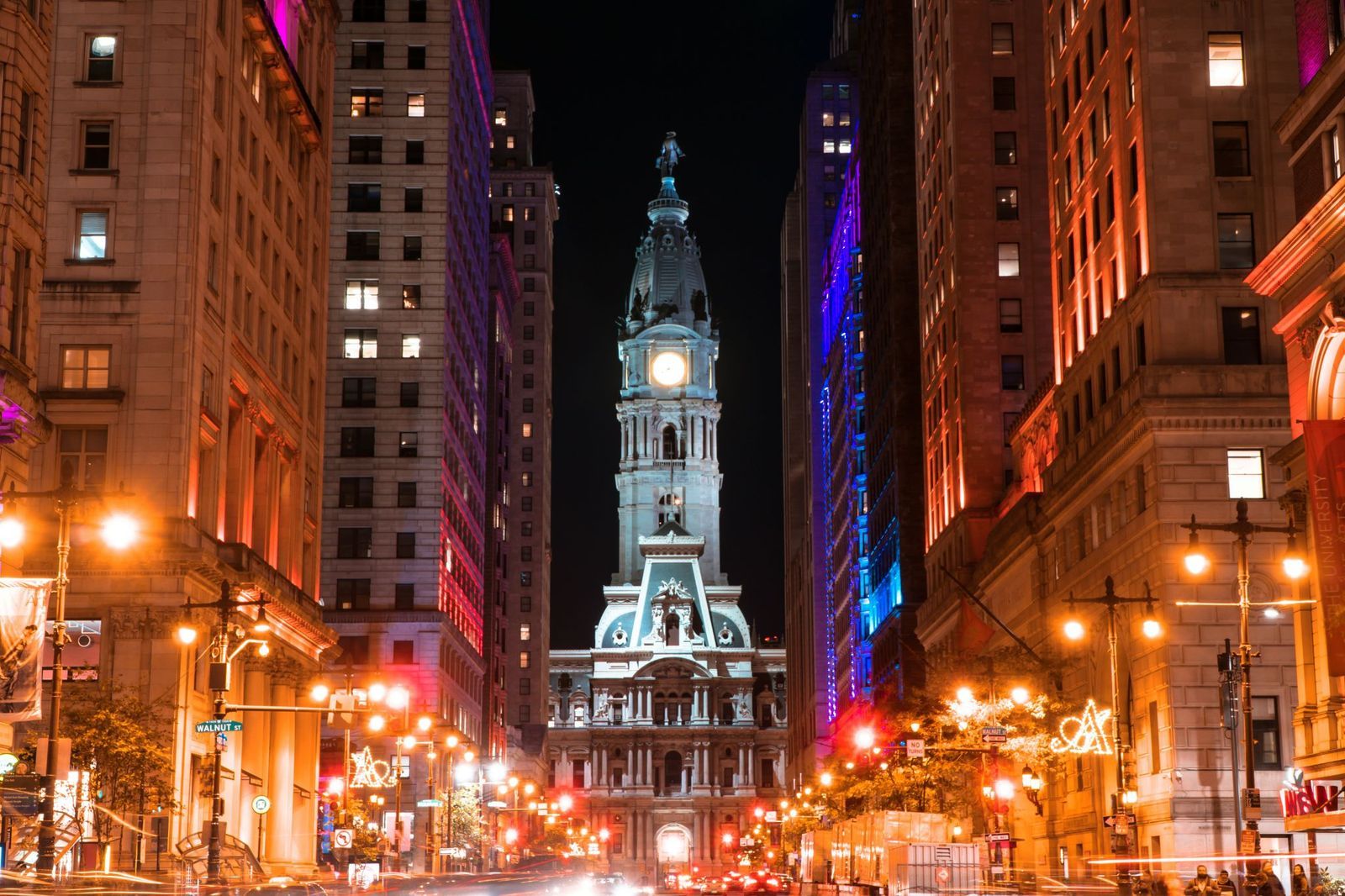
Back in 1776, the Second Continental Congress met at the Pennsylvania State House, now known as Independence Hall. There, delegates officially adopted the Declaration of Independence after making several changes to Thomas Jefferson’s draft. Many of these delegates later became known as the nation’s Founding Fathers and helped lead the colonies through their break from British rule.
Today, as Americans commemorate July 4, 1776, the city’s role as the birthplace of the nation is celebrated with lively festivals, concerts, breathtaking fireworks displays, and free admission to museums that explore the country’s history, such as the Museum of the American Revolution and the National Constitution Center. Despite the high temperatures, thousands of people gather at the main points of the city, looking to visit the Liberty Bell, the Independence Mall, and the Benjamin Franklin Parkway.
New Orleans, Louisiana
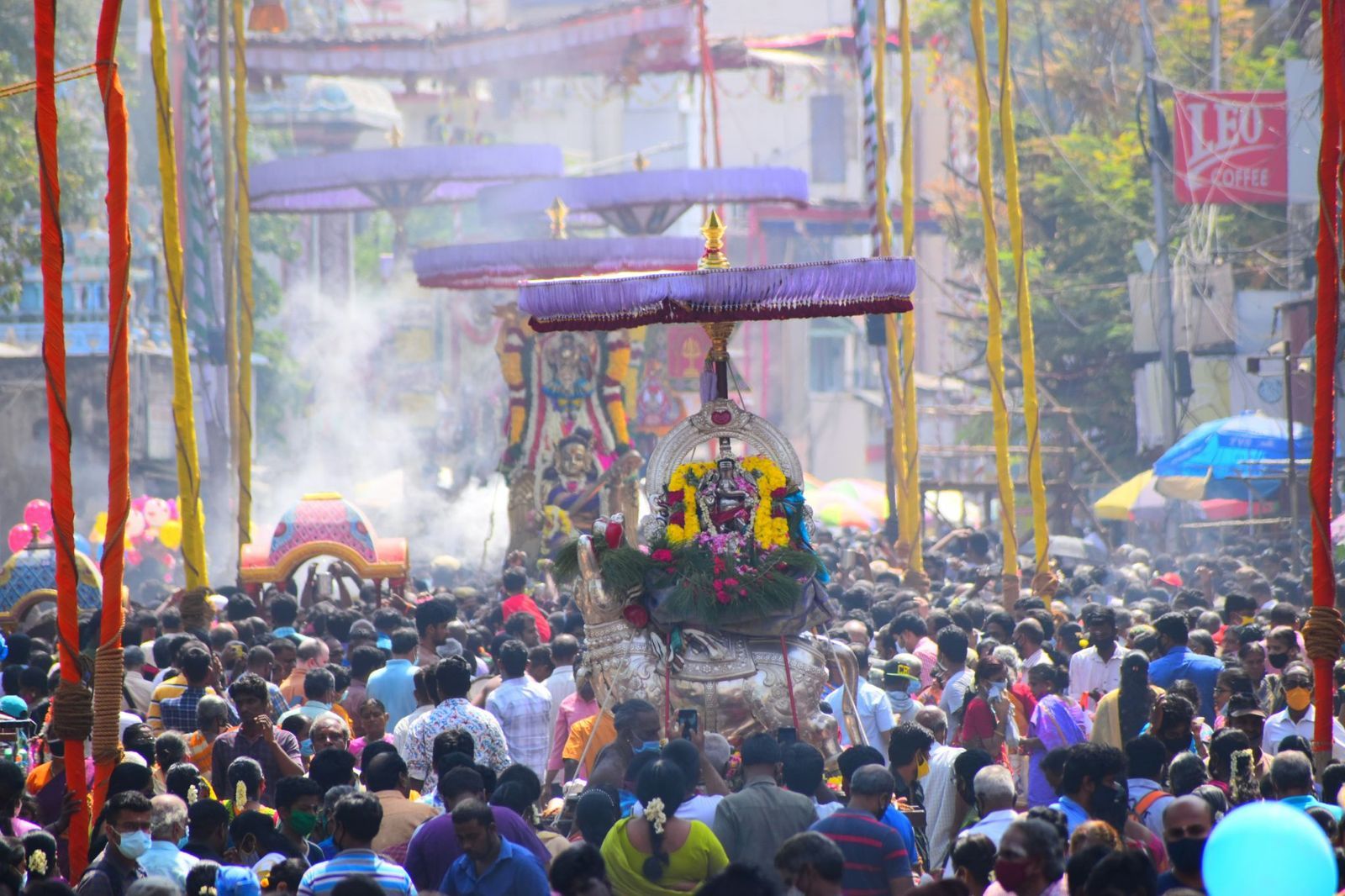
Mardi Gras is celebrated on the Tuesday before Ash Wednesday and marks the final day of Carnival. Today, Mardi Gras is a favorite celebration for groups of friends and families looking to have fun, but not everyone knows how deep its roots go. The tradition began in medieval Europe, where communities celebrated before the fasting season of Lent. French settlers later carried these customs to Louisiana, and the first recorded Mardi Gras celebration took place in Mobile in 1703.
In 1875, Louisiana made Fat Tuesday a legal holiday, confirming Mardi Gras as a beloved tradition for locals and visitors from across the country. Millions of visitors travel every year to New Orleans to enjoy the massive parades, the French Quarter, Bourbon Street, and the tastes of regional gumbo and jambalaya. Hotel reservations are often full the previous days of the event, so it’s always better to book in advance.
Charleston, South Carolina
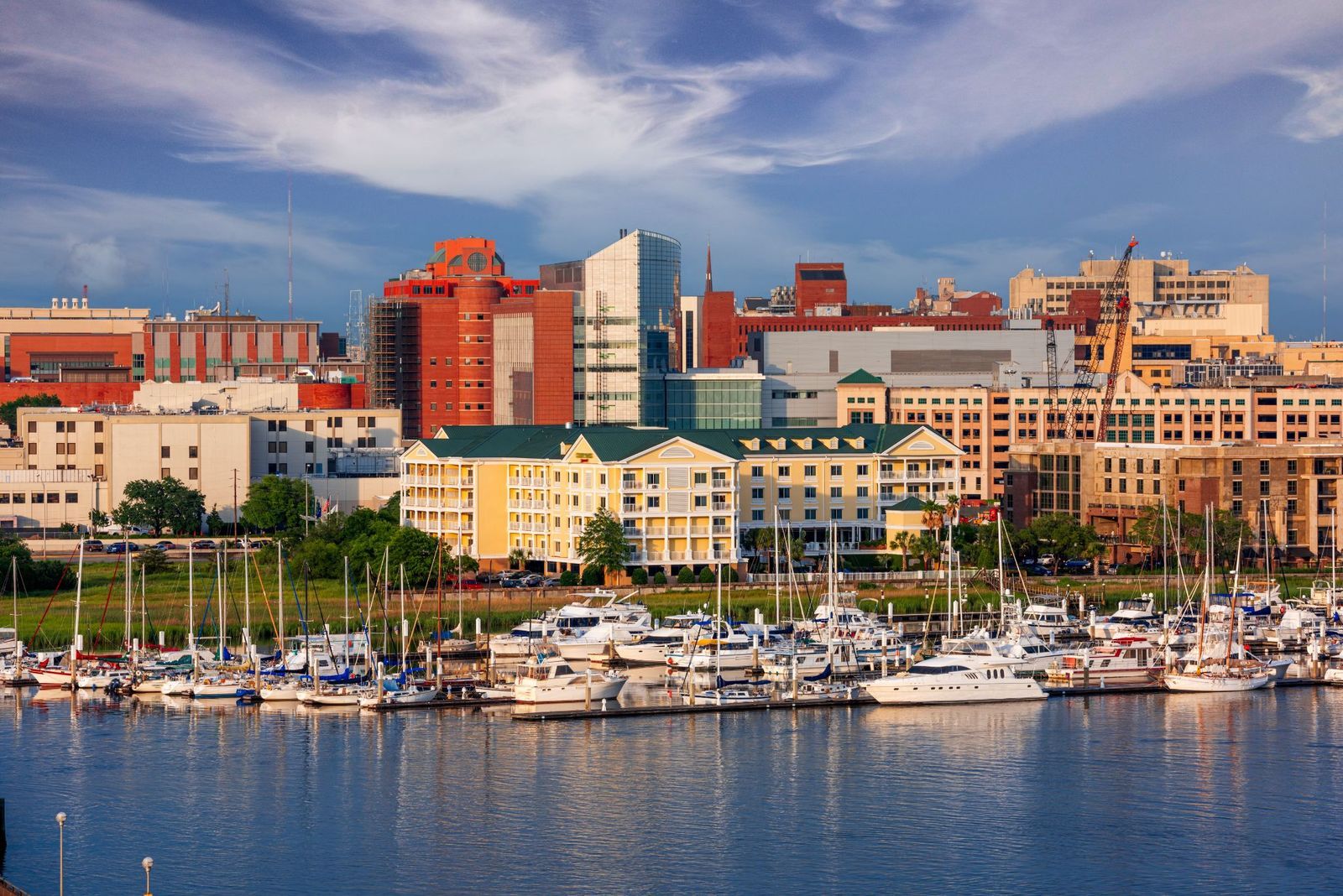
In Charleston, visitors will find blue-green porch ceilings shining above the streets, painted according to local folklore to keep away spirits called "haints." Handmade sweetgrass baskets are another of Charleston’s most treasured traditions. The city’s culture can also be tasted in its local dishes. Shrimp and grits, she-crab soup, and sweet benne wafers are all dishes shaped by both African and European influences.
This culture merges perfectly with the coastal vibes, where visitors can walk through the Waterfront Park with the iconic Pineapple Fountain and harbor views, visit the picturesque houses of Rainbow Row, the Fort Summer, where the first shots of the American Civil War were fired, and King Street, for local dining and antique shops. To avoid crowds and high temperatures, fall is the best time to visit this charming southern city.
New York, New York
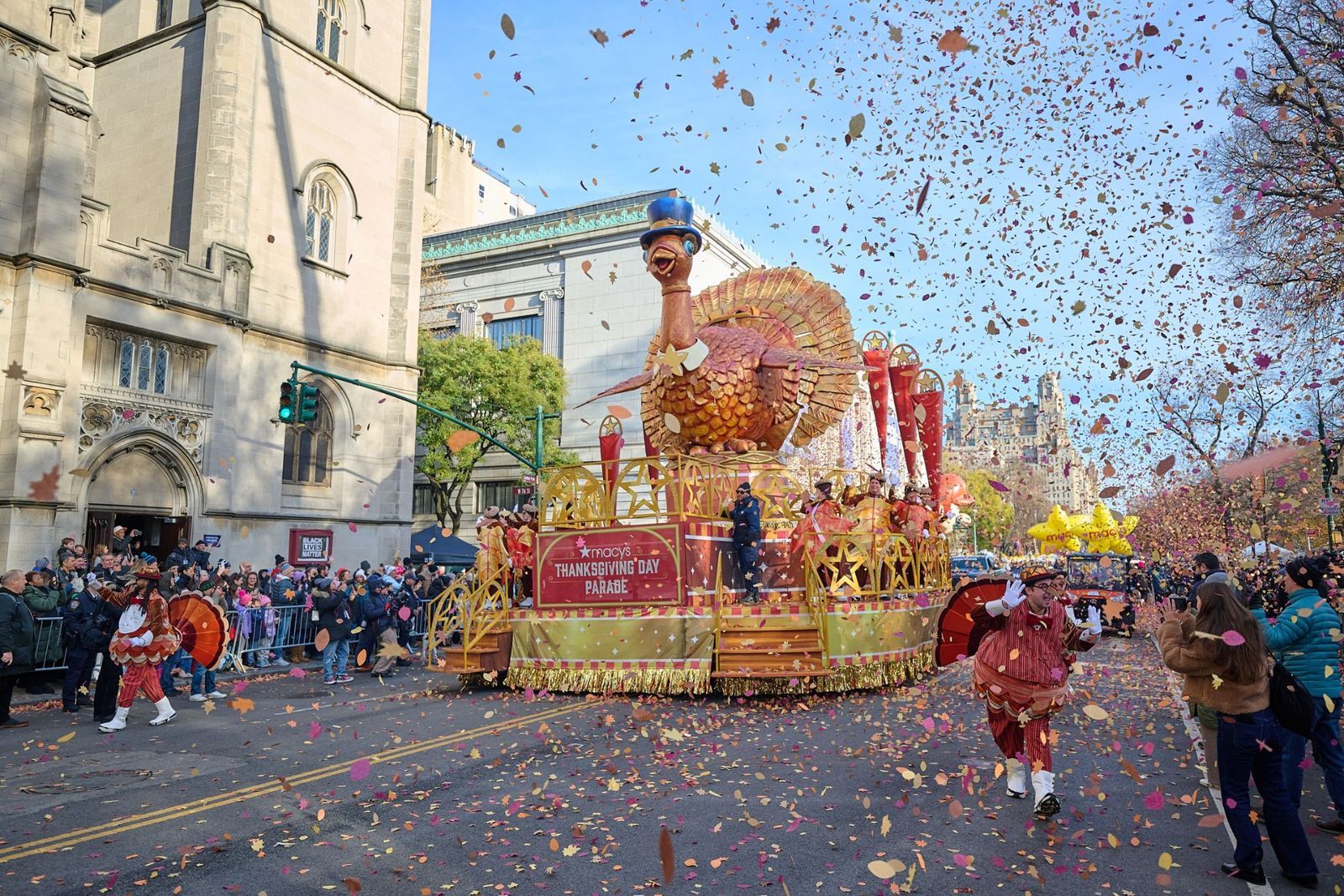
Thanksgiving parades in New York started as a store promotion and quickly became a favorite holiday for locals, and later, for visitors. It began in 1924, when Macy’s organized a parade to promote its expanded Herald Square store and kick off the Christmas shopping season. Macy’s employees marched in costumes alongside bands and live animals, which were later replaced by giant character balloons.
Since then, every year on Thanksgiving morning, around 9 a.m., New York turns into one big show that extends until noon, when the parade ends at Macy’s Herald Square, where Santa’s arrival signals that the Christmas season has officially begun.
Savannah, Georgia
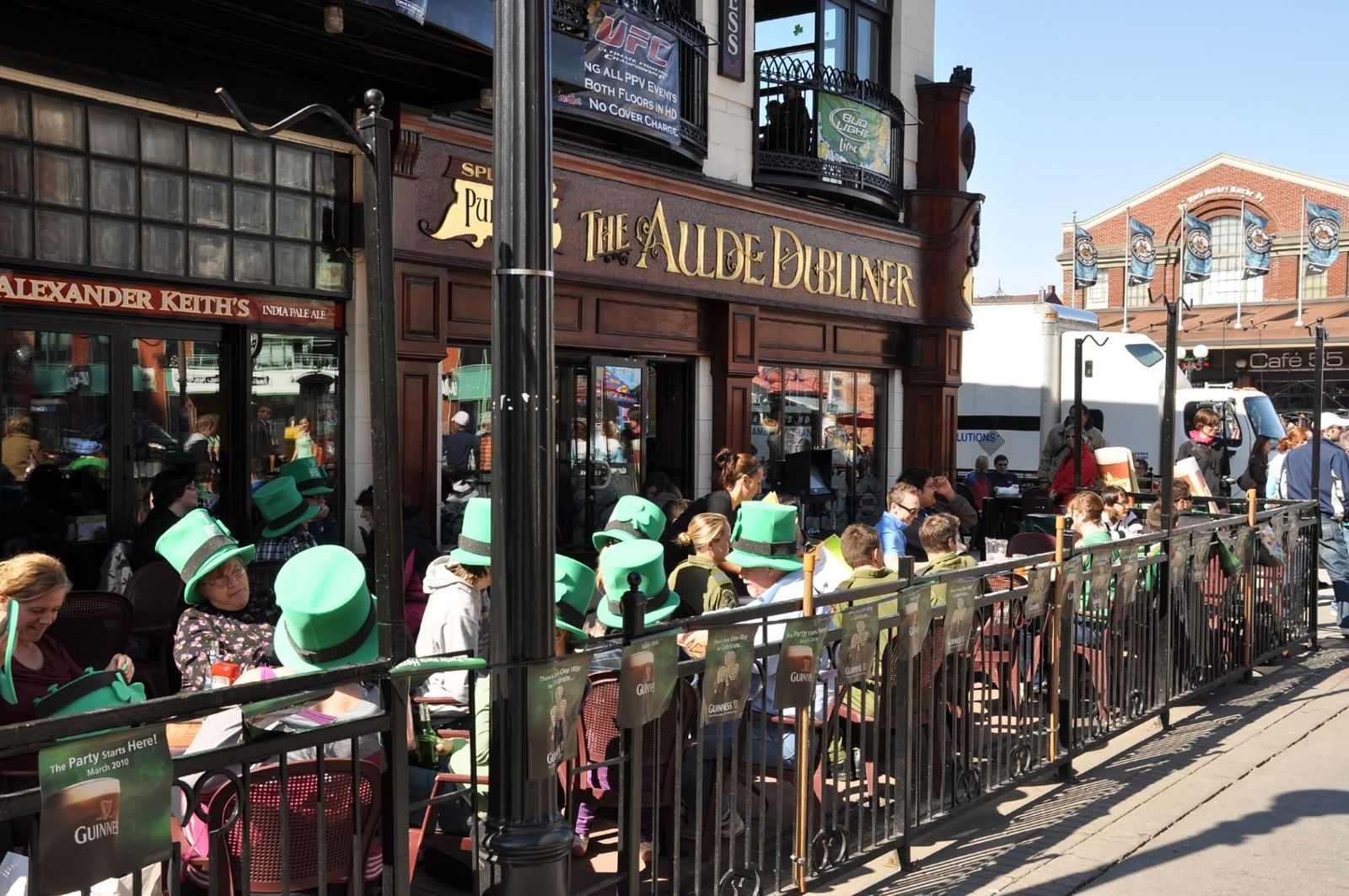
All becomes green on March 17, when this city in Georgia hosts one of the largest St. Patrick’s Day parades in the country. With the Greening of the Forsyth Park Fountain, a massive four-hour procession in the historic center, surrounded by Celtic music, delicious bars and restaurants, and all-day-long parades for groups of friends and families.
It all started in 1824, when 13 members of Savannah’s Hibernian Society raised money and invited local Irish residents to march through the streets. These celebrations continued to grow, and by 1870, Savannah already had a splendid parade with bands and a grand marshal.
Pueblo, New Mexico
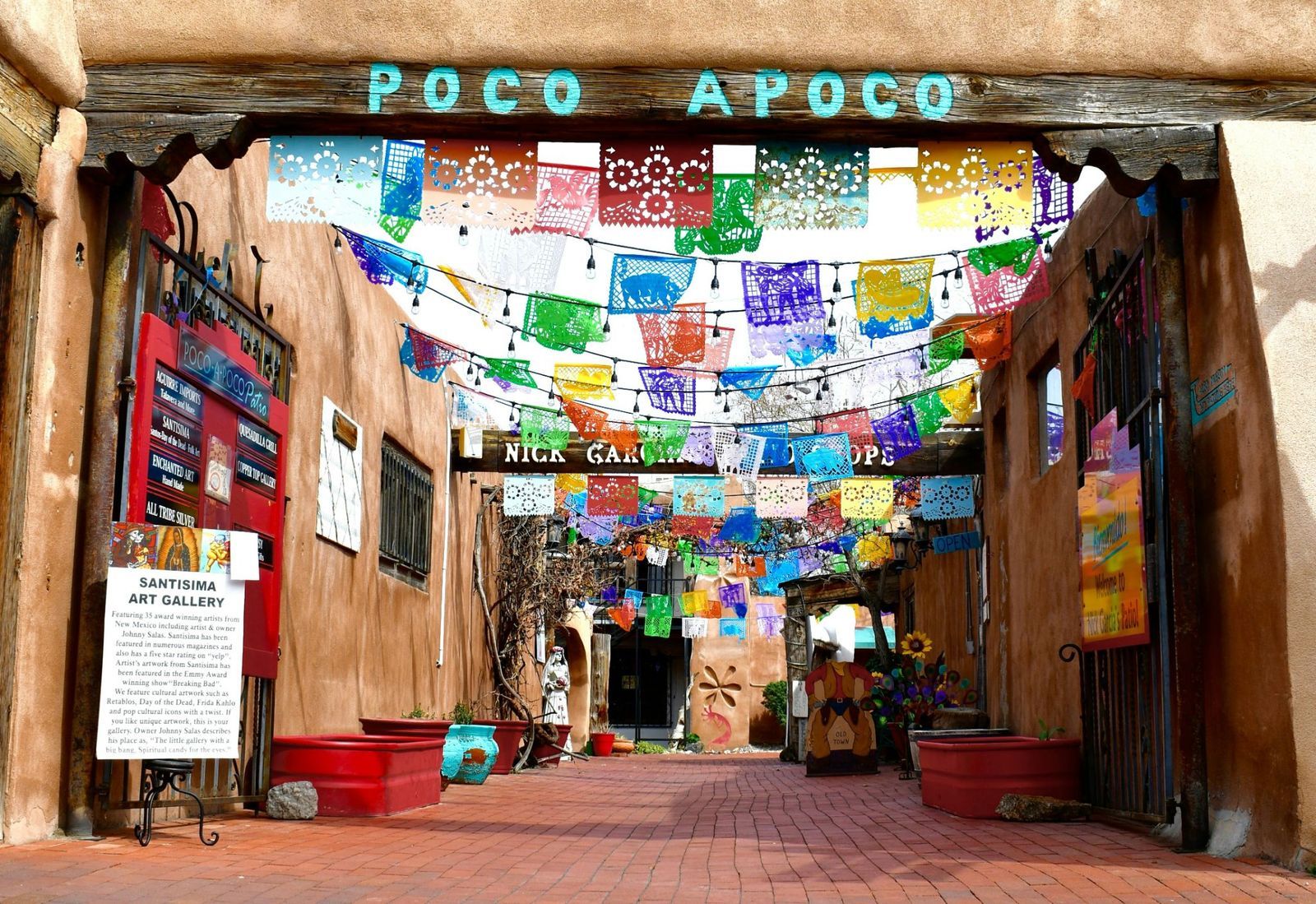
Around New Mexico’s red adobe homes and open village plazas, Pueblo Feast Days bring centuries-old traditions. These celebrations honor both Native culture and each Pueblo’s Catholic patron saint, reflecting generations of Spanish influence. It's also the perfect occasion for religious leaders to guide ceremonies in which elders pass local stories, beliefs, and languages to younger generations.
Dancers of all ages gather in clothing, furs, moccasins, and handmade jewelry, and some dances honor sacred animals such as the buffalo, deer, and eagle, while the Corn Dance includes prayers for rain and a good harvest. Families prepare stews, breads, and pies in outdoor ovens and may invite visitors to share the meal. Photography may not be allowed, but respecting each Pueblo’s customs is part of experiencing these timeless celebrations.
Discover a list of "oldests" in the world, from trees to unopened wine
Lasting centuries
Have you ever heard of these? "Oldests" from around the world
Can you imagine a bottle of wine outlasting centuries and entire civilizations? How long do you think an Irish pub can stand, continuously serving travelers over the ages? And how can we even begin to interpret the meaning of a structure that has been standing for 11,000 years? There are restaurants, trees, and even roller coasters that endure, carrying on through the passing of time. Read about some remarkable examples in this article.
The oldest living tree in the world
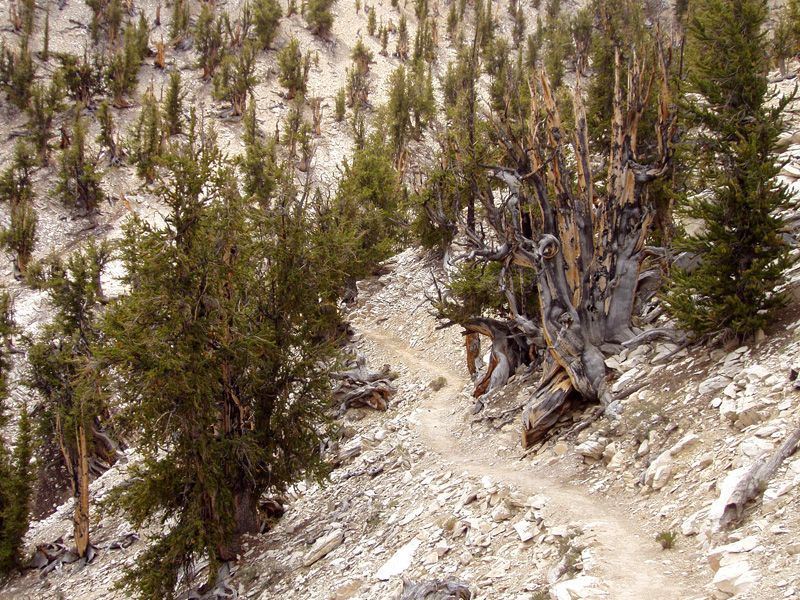
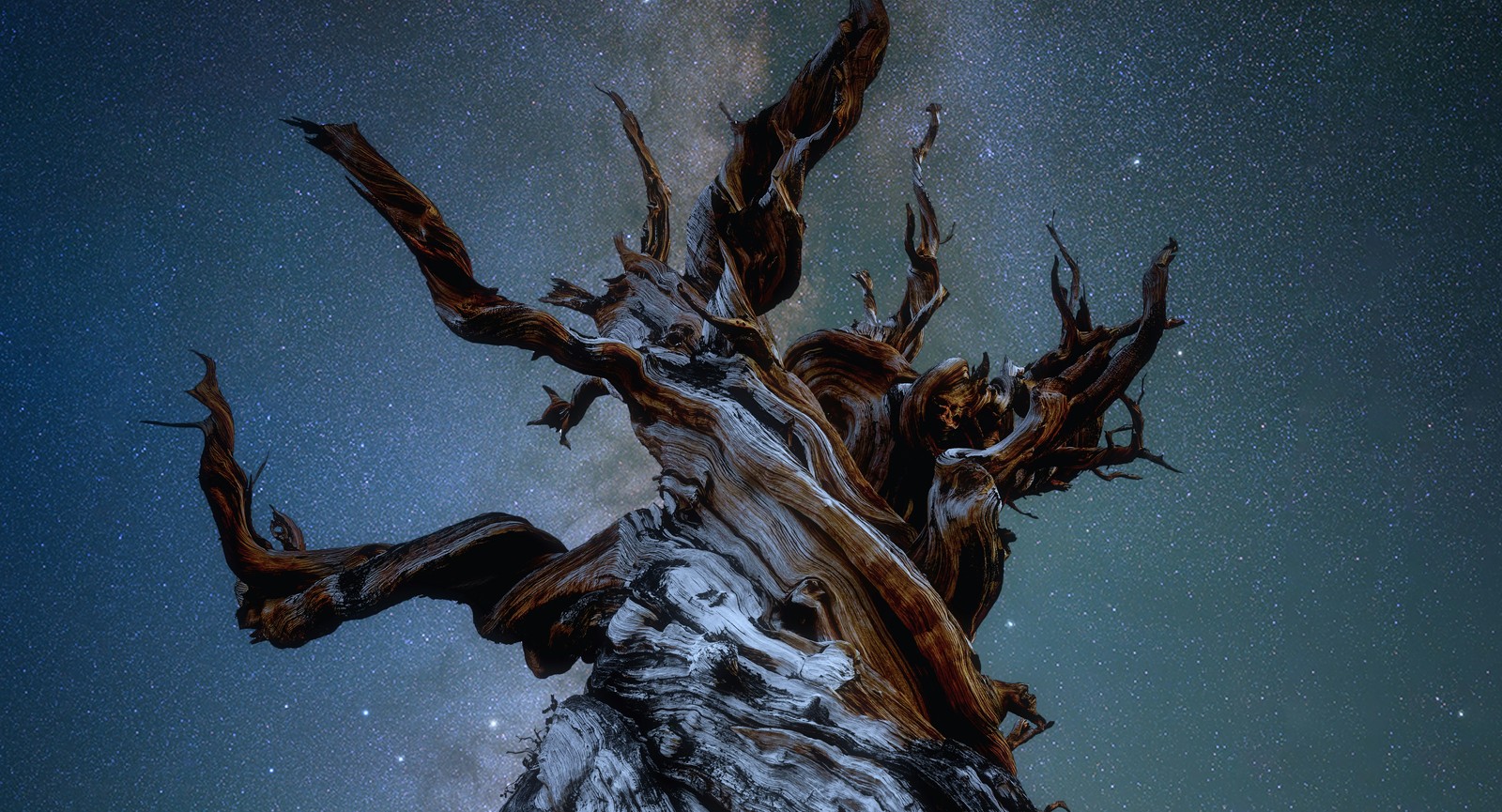
High in the slopes of California’s White Mountains lives a tree so ancient it was already old when the pyramids were young. Known as the Methuselah tree, this Great Basin bristlecone pine is estimated to be over 4,800 years old, which makes it the oldest known living tree on Earth.
Scientists determined its age by taking core samples and counting growth rings. To put things into perspective: When the oldest known giant sequoia was just a seedling, this tree had already been alive for 1,300 years.
The exact location of the tree (and, consequently, its image) is undisclosed. The information was kept secret out of fear that vandals would damage the ancient exemplar. In the picture above, you can see the Methuselah Grove, which contains several bristlecone pines within the Inyo National Forest.
The oldest known unopened bottle
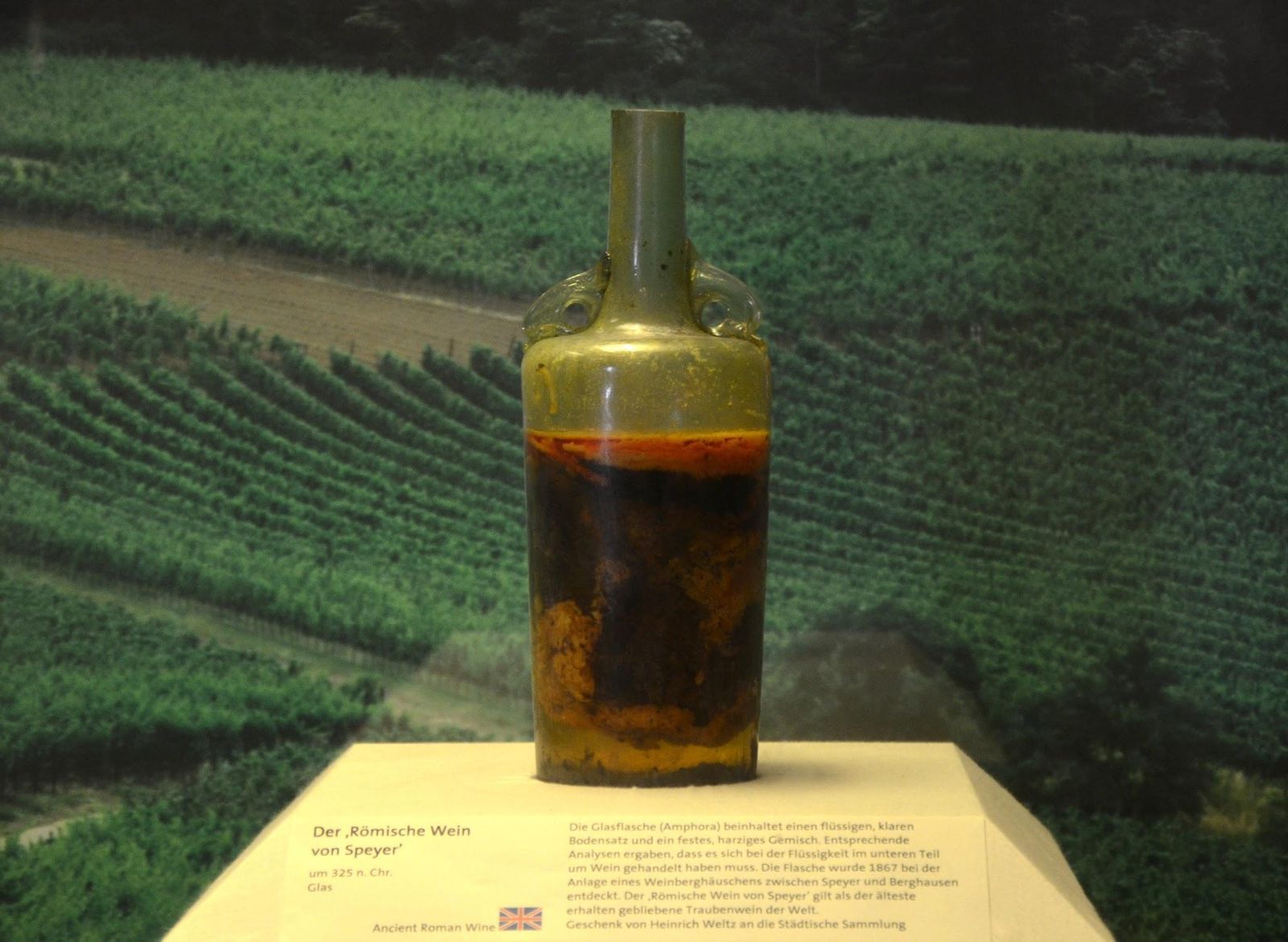
What is the longest you’ve ever kept a "special" bottle for? This one wine bottle puts all others to shame. It was discovered in 1867 near the German city of Speyer, and is thus called the Speyer wine bottle. It’s believed to date back to around 325 CE. That makes it roughly 1,700 years old, and remarkably, it’s still sealed.
The unopened bottle was found in the tomb of a Roman nobleman. The liquid it contains was once wine, but over the centuries, the alcohol had evaporated, leaving behind a murky substance. The bottle is exhibited at the Historical Museum of the Palatinate in Speyer.
The oldest operating roller coaster in the world
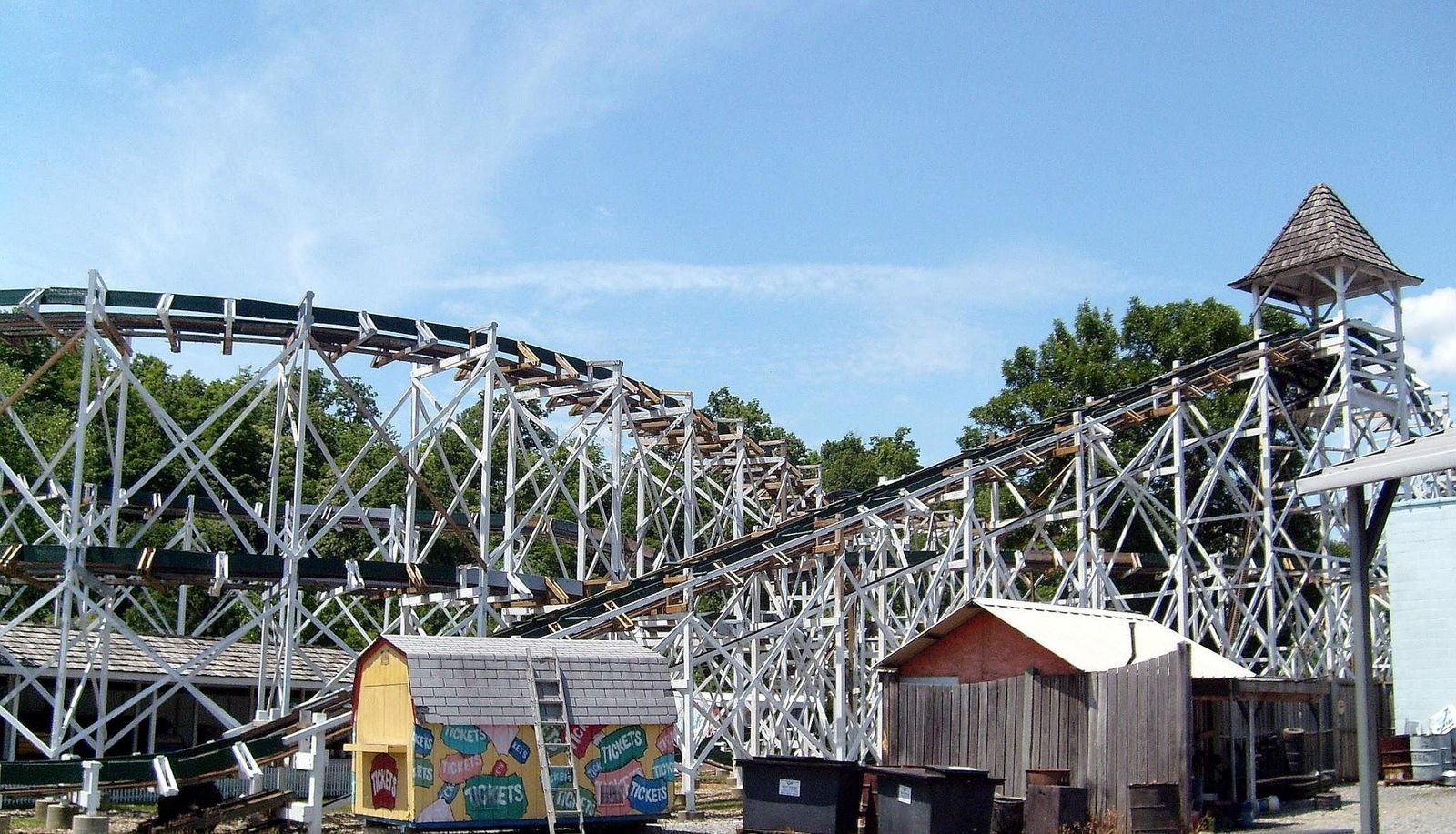
More than 120 years after its debut, the wooden Leap-The-Dips rollercoaster is still running in Altoona, Pennsylvania. Its highest point is just about 41 feet, and the top speed hovers around 10 mph.
Even though records of track amusement rides date back to the 1750s in Russia, Leap-The-Dips is the oldest still-operating ride of its kind. It was closed several times over the decades and was even at risk of being dismantled, but it was majorly restored in the late 1990s and recognized as a National Historic Landmark.
The oldest serving bar in the world
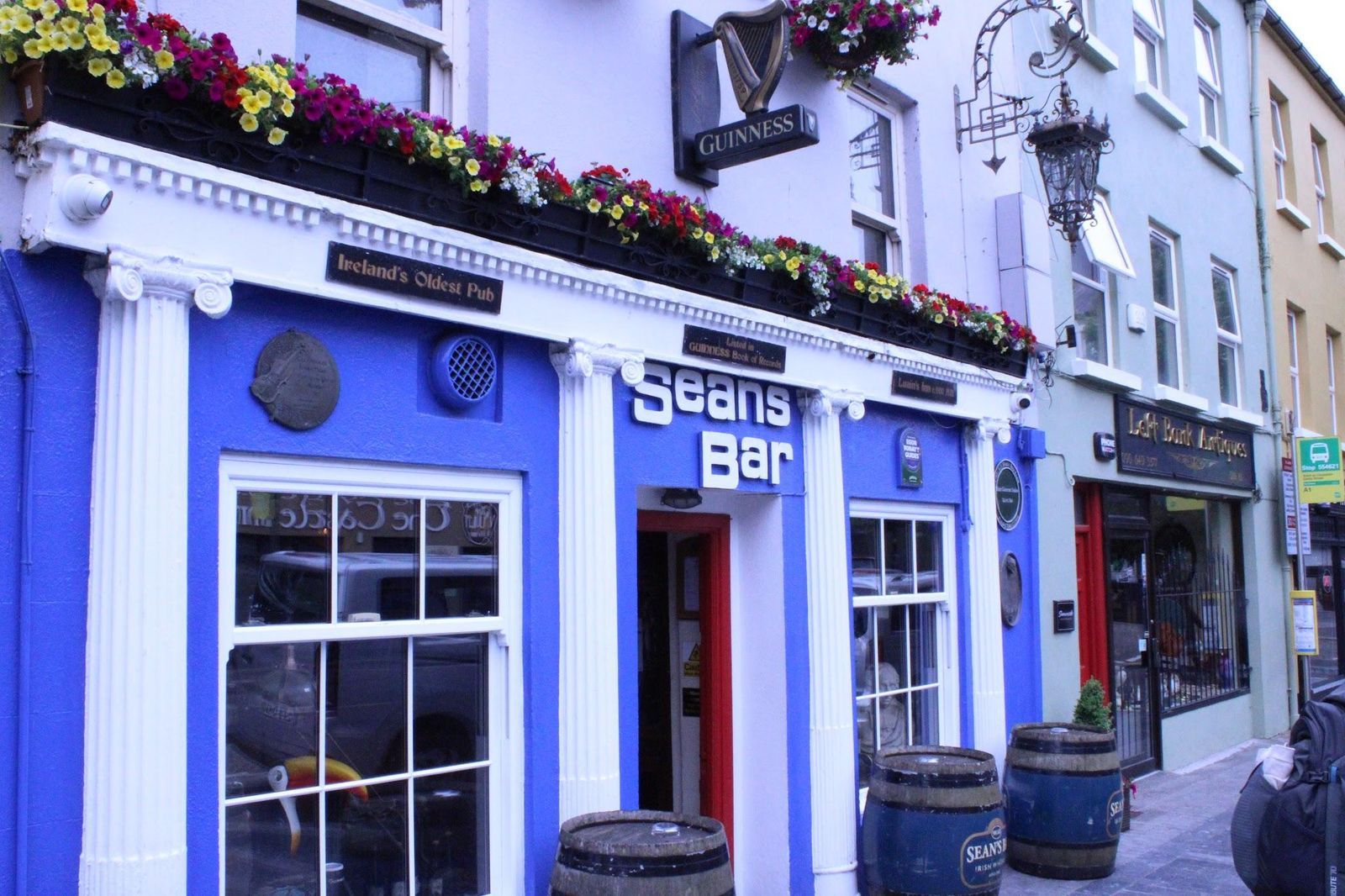
Guinness World Records recognizes Sean's Bar as the oldest continuously operating bar in the world. It is located in Athlone, a town in the middle of Ireland, which explains its enduring history. It began as a humble inn to lodge travelers crossing the River Shannon, the country’s longest river.
During a renovation of the pub, ancient walls were revealed and carbon-dated; the test showed that it had been serving since approximately 900 CE. As you can tell from its facade, however, the bar has adapted to merge with the trend of each era throughout more than a thousand years.
The oldest continuously operating movie theater
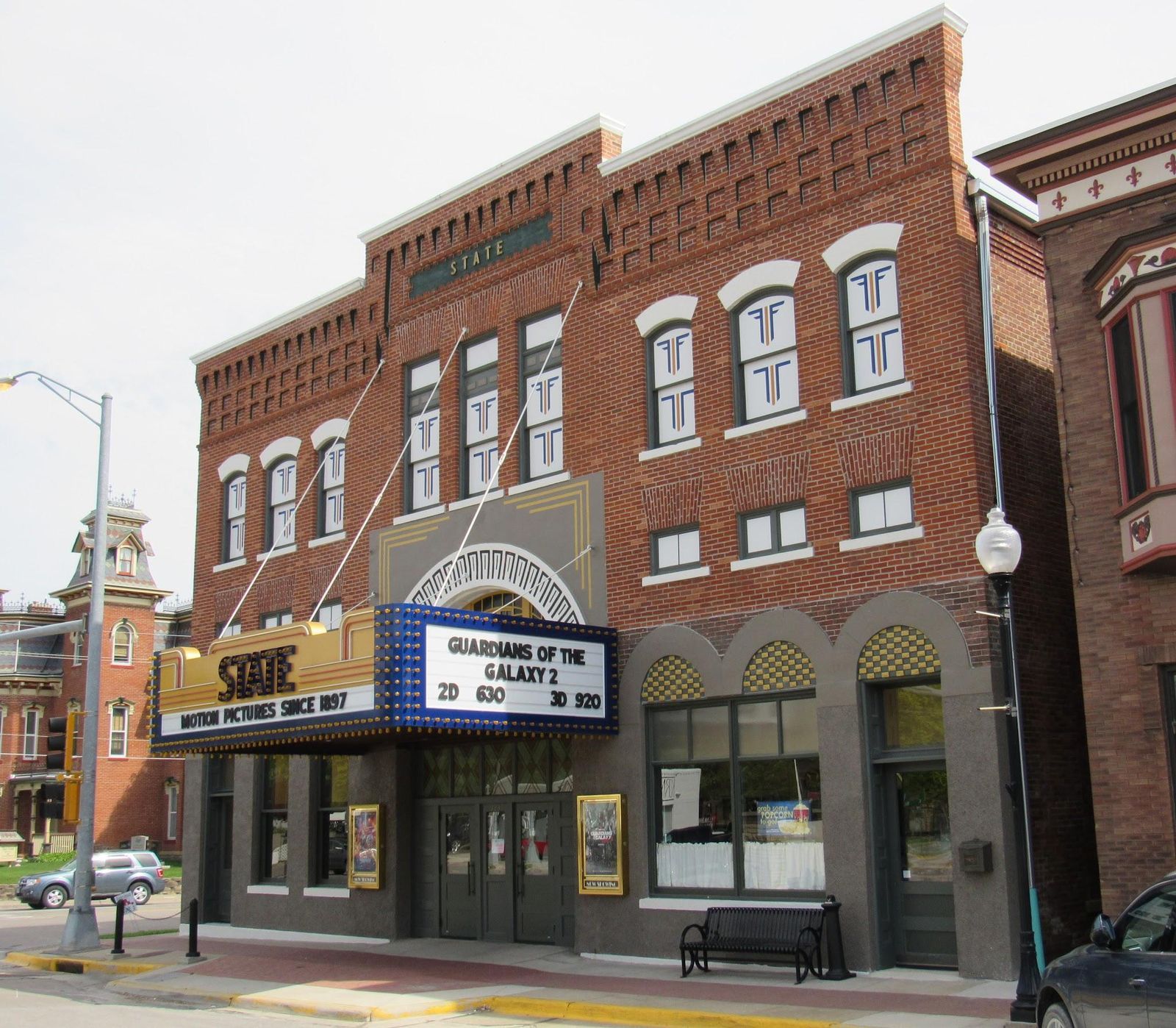
"Motion Pictures Since 1897" is what can be read in the marquee sign of the State Theatre in Washington, Iowa. It is widely recognized as the oldest continuously operating cinema in the world, with a history that stretches back to the earliest days of projected film.
Originally opened as the Graham Opera House, the venue began showing motion pictures just a couple of years after the first public film screenings by the Lumière brothers in 1895. That means audiences here were watching films at a time when cinema itself was still a novelty.
Over the decades, the theater evolved with the medium, transitioning from silent films to "talkies" in the late 1920s, and later adapting to modern projection systems.
The oldest museum in the world
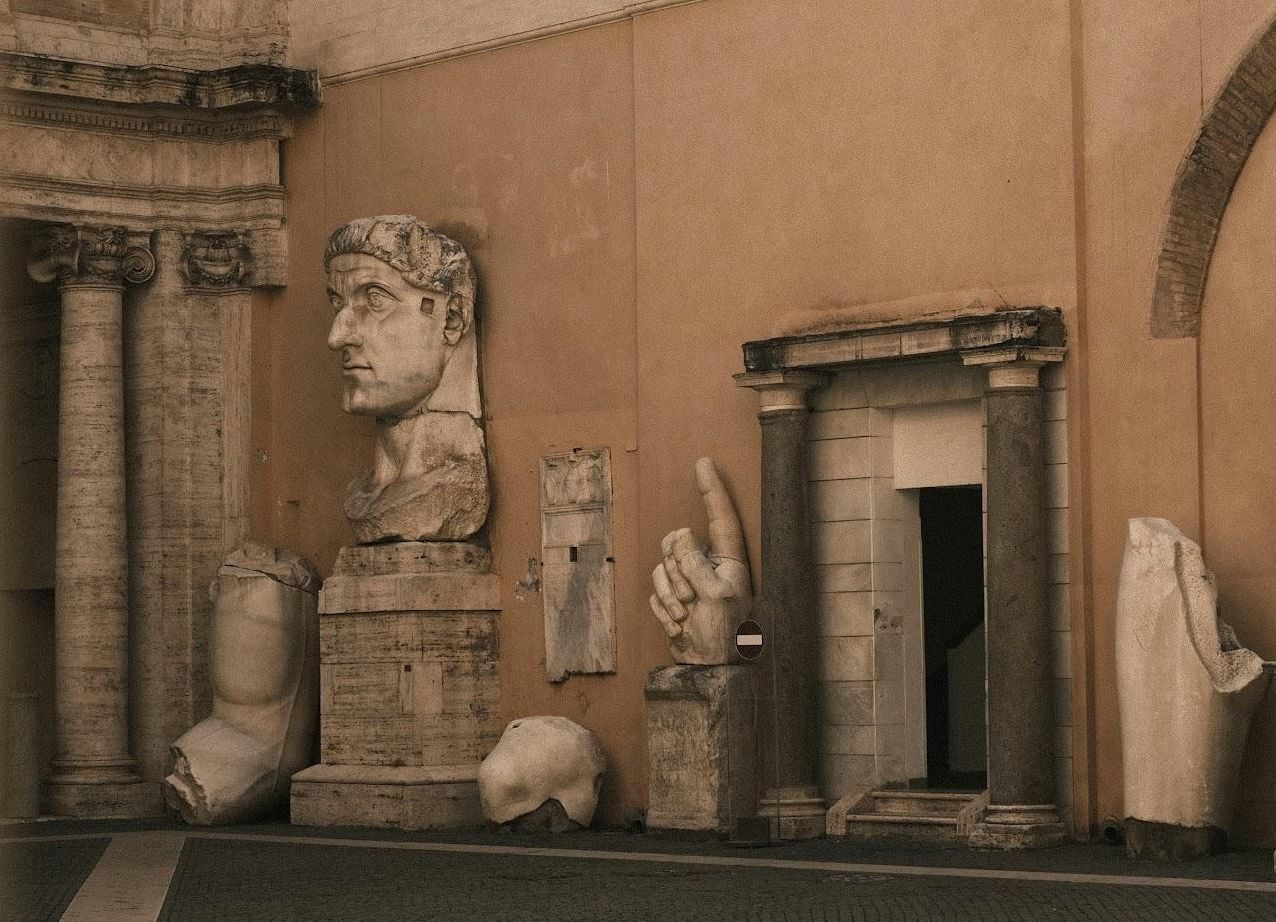
In the year 1471, Pope Sixtus IV donated a collection of ancient bronze sculptures to the people of Rome. That act is often considered the founding moment of the world’s first public museum: the Capitoline Museums, perched atop one of the seven hills of Rome, Italy.
At the time, exposing artworks explicitly for public viewing instead of reserving them for the elite was a radical idea. Over the years, its collection expanded to house everything from Roman statues to Renaissance art. One of its most famous pieces is the Capitoline Wolf, the iconic sculpture of a she-wolf said to have nursed Romulus and Remus, mythical founders of the city.
The oldest continuously serving restaurant in the world
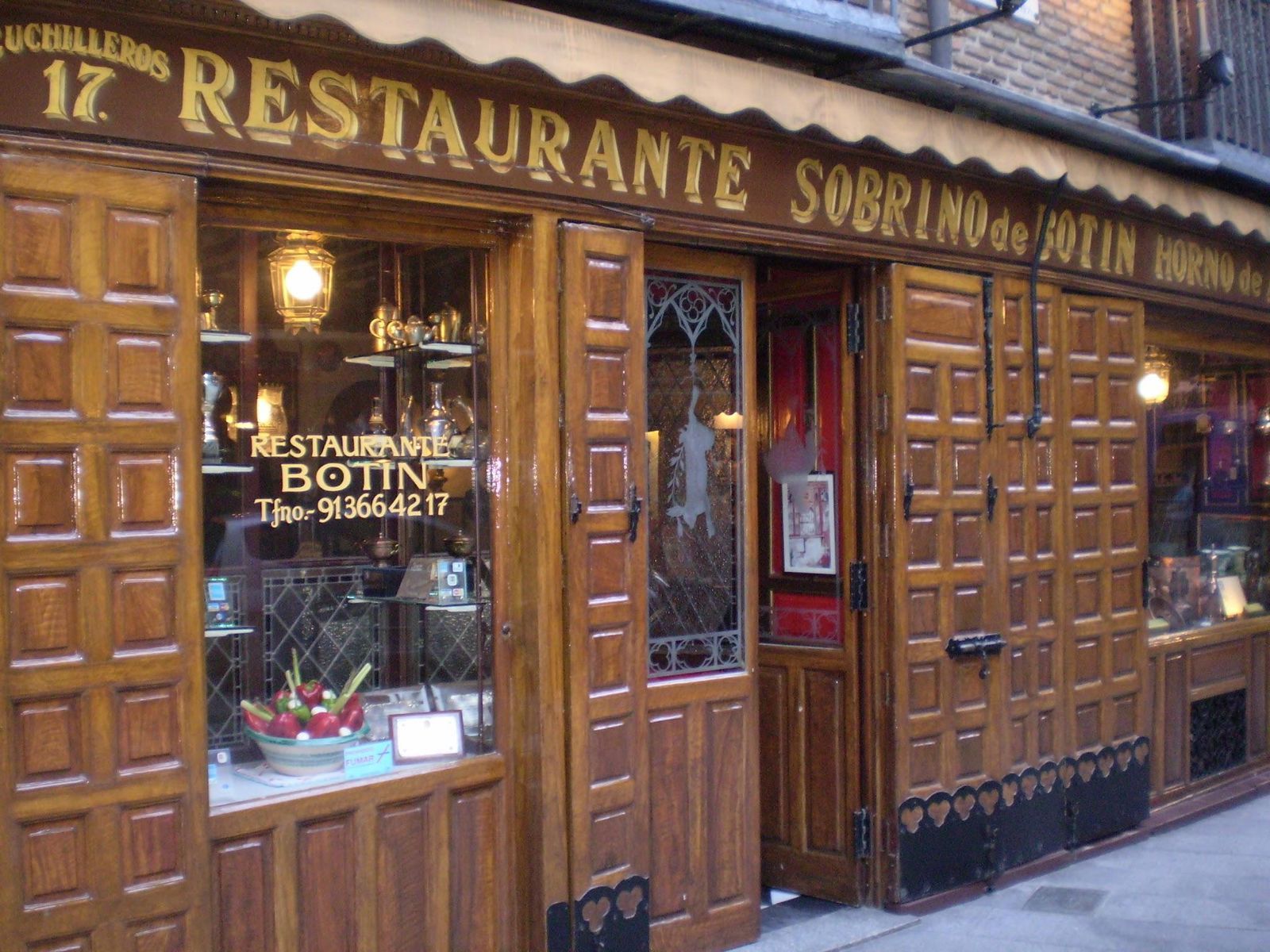
A nearly three-century run: Tucked along a narrow street in Madrid, Spain’s capital city, Restaurante Botín has been serving meals since 1725. That makes it, according to Guinness World Records, the oldest continuously operating restaurant in the world.
Founded by Jean Botín and later run by generations of the same family, the restaurant is best known for its traditional Castilian dishes, especially roast suckling pig and lamb.
Ernest Hemingway mentioned it in his famous novel The Sun Also Rises (1925), and reportedly called it "one of the best restaurants in the world."
The oldest city in the Americas
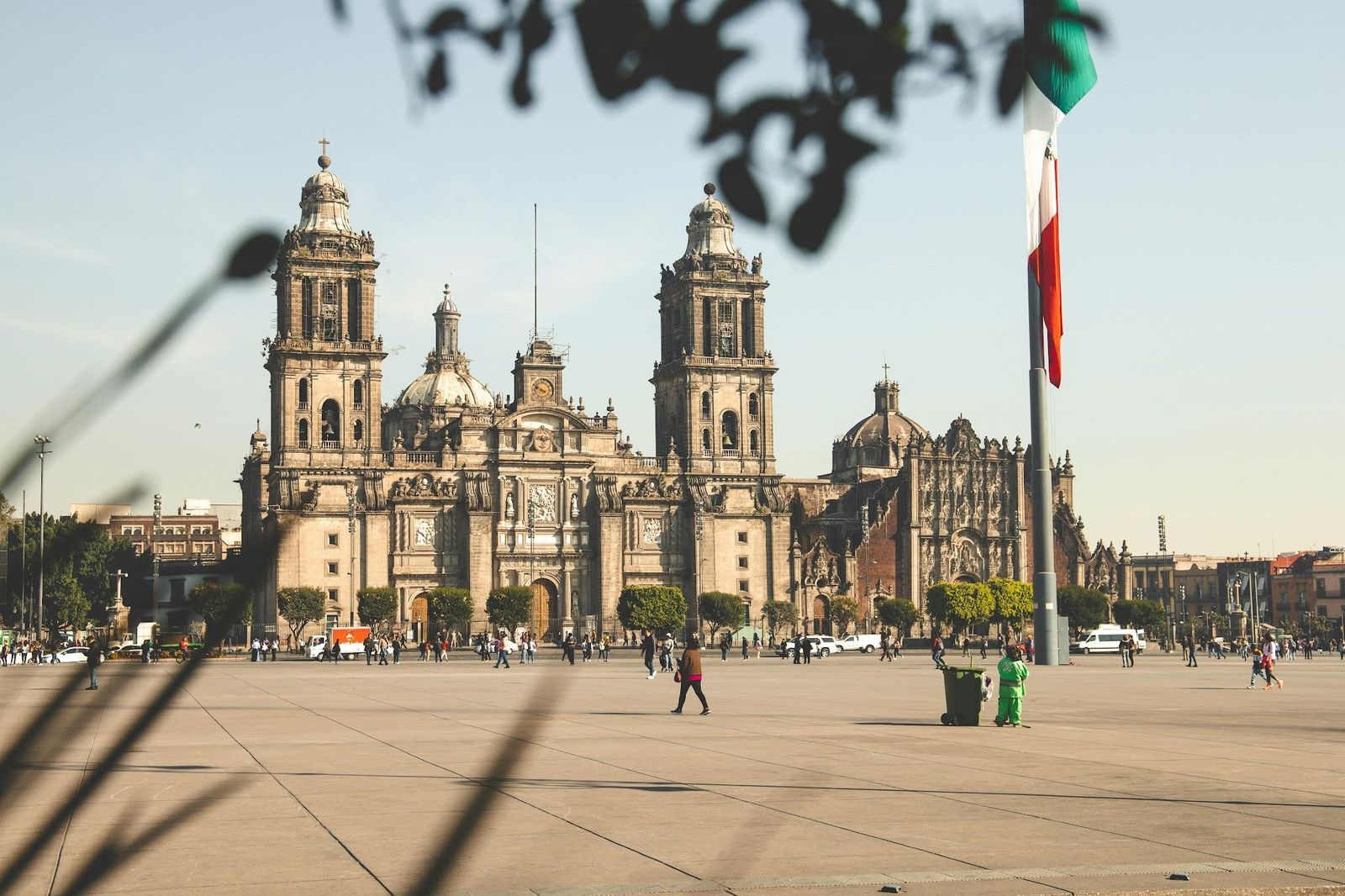
Long before it became the bustling capital we know today, Mexico City was Tenochtitlán, the heart of the Aztec Empire. While Europe was entering the Late Middle Ages, Tenochtitlán was founded in 1325 on an island in Lake Texcoco. It grew to become one of the most sophisticated cities in the world at the time, and had 200,000 inhabitants by the early 1500s.
After the Fall of Tenochtitlán in 1521, the Spanish largely destroyed the city and rebuilt it in their own image. But they did so on the same site, naming it after the Aztec name for the valley. St. Augustine, Florida, founded in 1565, is recognized as the oldest settlement in North America.
The oldest standing bridge in the world
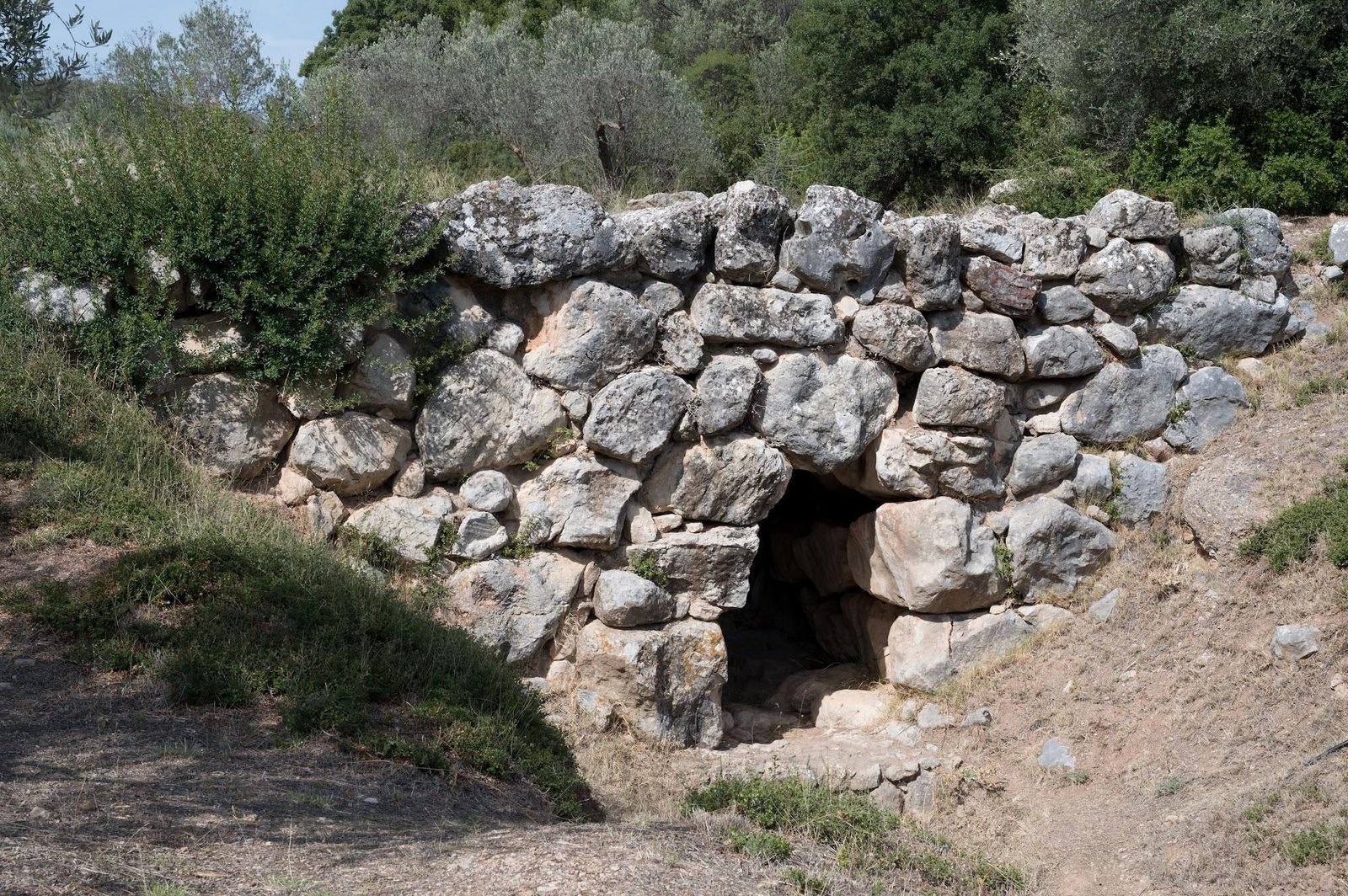
The Arkadiko Bridge has been standing for over 3,000 years in the south of Greece. It was built around 1300 BCE during the Mycenaean period, and it is considered the oldest surviving bridge still in existence. It can still be used today.
It was constructed using massive limestone blocks fitted together without mortar, an impressive technique that later Greeks admired so much, they believed it must have been built by Cyclops, mythical giants.
The oldest standing building in the world
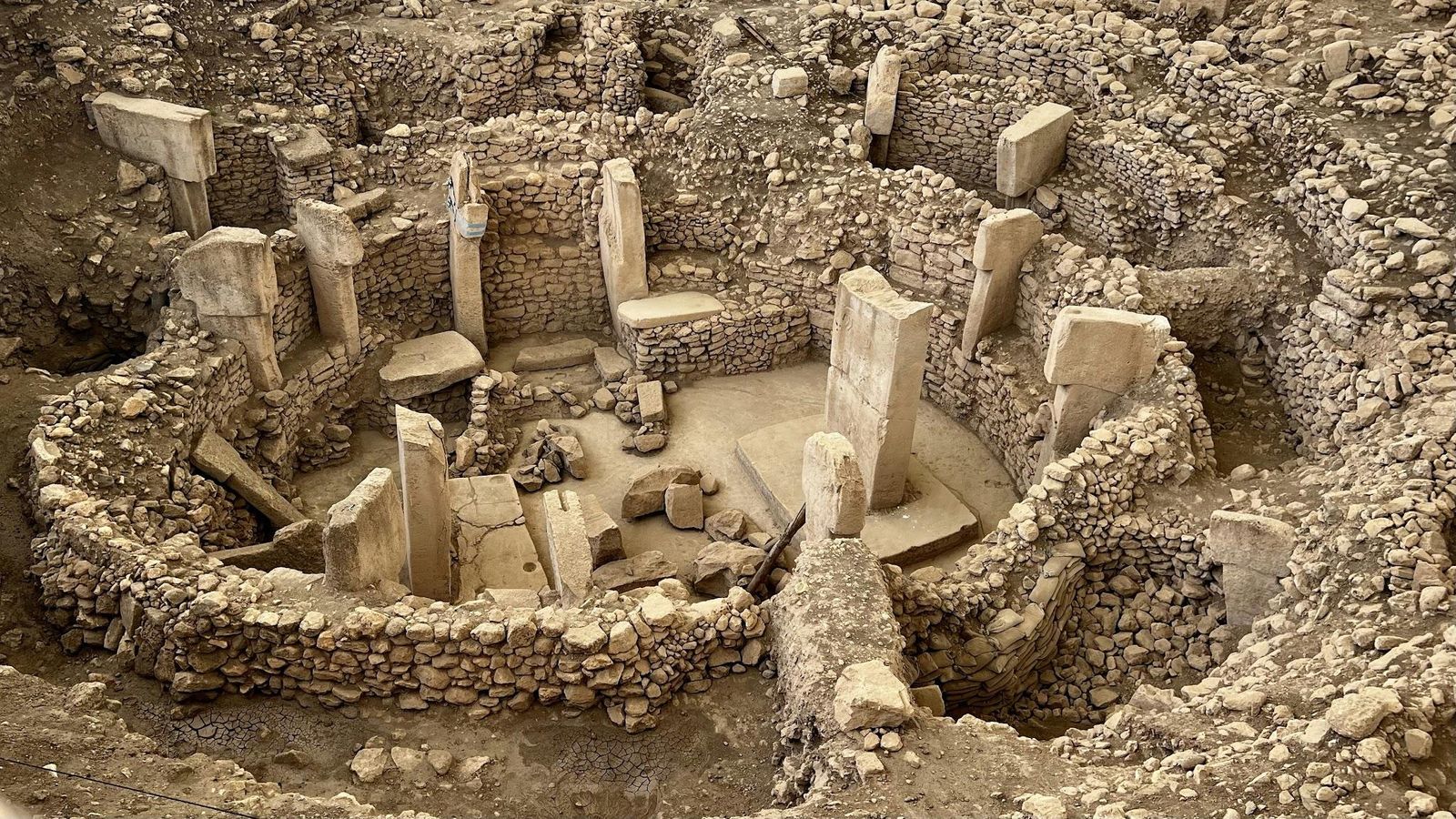
How far back in time do civilizations go? The ancient constructions of Göbekli Tepe, in Turkey, made even historians rethink the answer to that question. These complex, massive circular structures are more than 11,000 years old, dating back to around 9600 BCE.
To give an idea, that’s roughly 6,000 years before Stonehenge construction and 7,000 years before the Great Pyramid of Giza. What makes this site even more astonishing is that it was built by hunter-gatherers, long before the time of agriculture or permanent settlements. Although its practical purpose remains an open question, it is the oldest known monumental architecture on Earth.
Keep wandering
There’s always
more to explore
 General
Why are hard landings sometimes the perfect landings?
6 min.
Read Now
 History
Was Moby-Dick a real whale? These marine stories have real backgrounds
6 min.
Read Now
What passengers never see after midnight on a cruise ship
4 min.
Read Now

These 10 mysteries were solved. So why do we still believe them?
6 min.
Read Now