
We feel guilty for revealing the location of these 12 beautiful towns
 Landmarks
Nostalgia at its best
We feel guilty for revealing the location of these 12 beautiful towns
Some places seem to resist the passage of time. And, in a world where everything seems to be moving forward faster and faster, and not always in the best possible way, that is not entirely a bad thing. Far from highways and tourist crowds, these small American towns have changed little over the decades, preserving old streets, historic buildings, and slower ways of life. In these communities, the past isn’t recreated because it never left. Would you like to visit one of these peaceful havens?
Jarbidge, Nevada
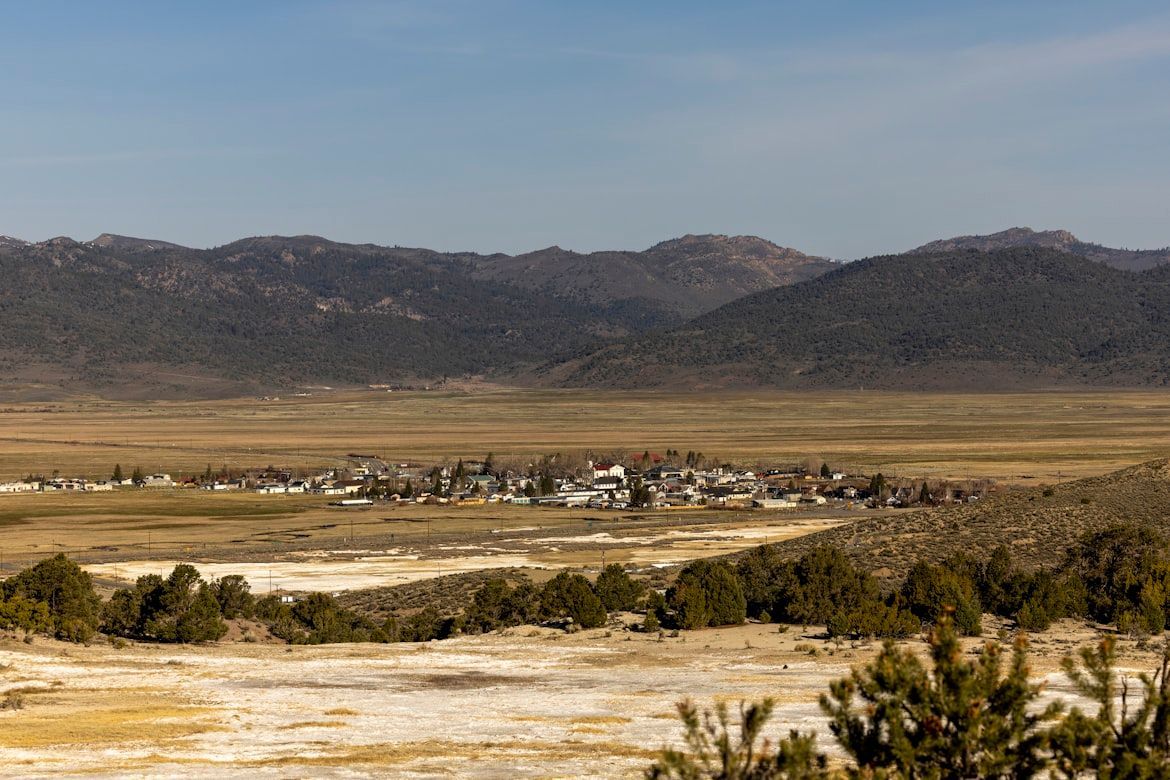
Tucked deep into northeastern Nevada, Jarbidge feels like a town the modern world forgot. Reached by long dirt roads, it has no cell service, no gas stations, and only a handful of buildings scattered along a creek.
Visitors still find historic saloons, weathered cabins, and unpaved streets much as they were during the gold rush. The isolation is the experience here. Jarbidge hasn’t changed because almost nothing ever arrived to change it.
Stehekin, Washington
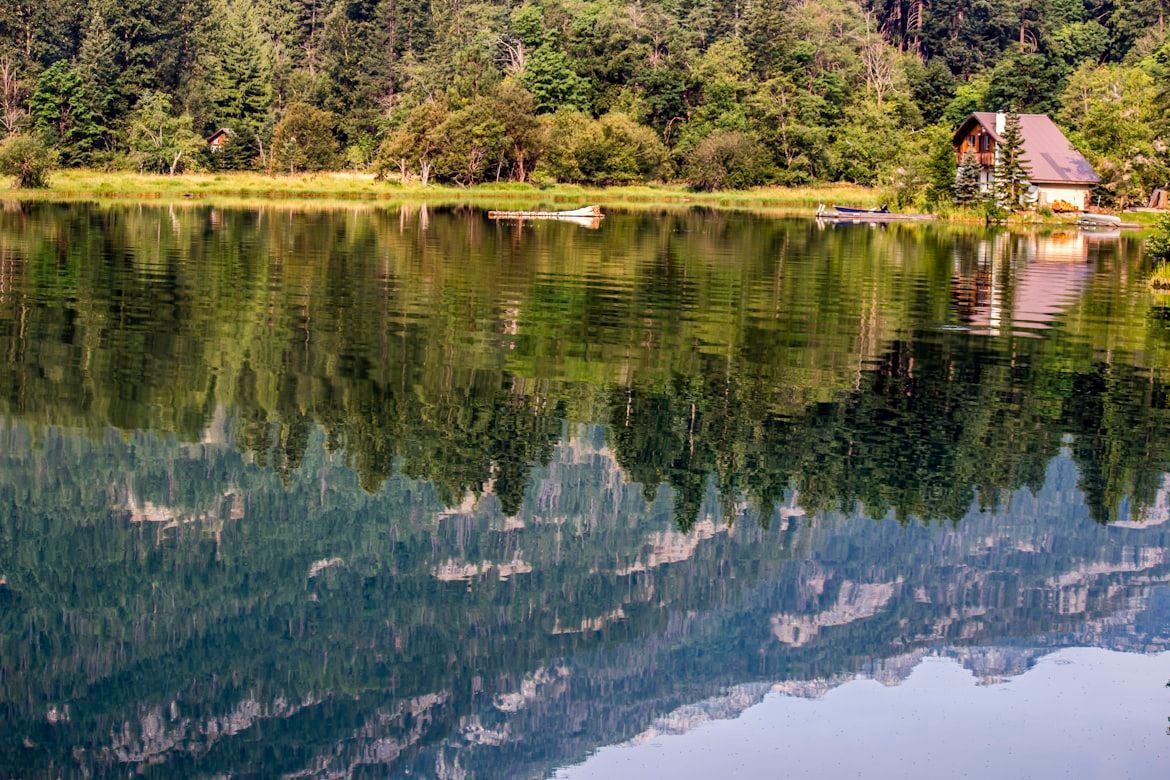
Stehekin sits at the far end of Lake Chelan, reachable only by boat, plane, or trail. There are no highways, strip malls, or traffic lights, just a few lodges, homes, and a tiny post office.
Life moves slowly here, shaped by daylight and weather rather than schedules. Historic cabins, a one-room schoolhouse, and the famous bakery all reinforce the feeling that Stehekin still runs on frontier-era time.
Mount Angel, Oregon
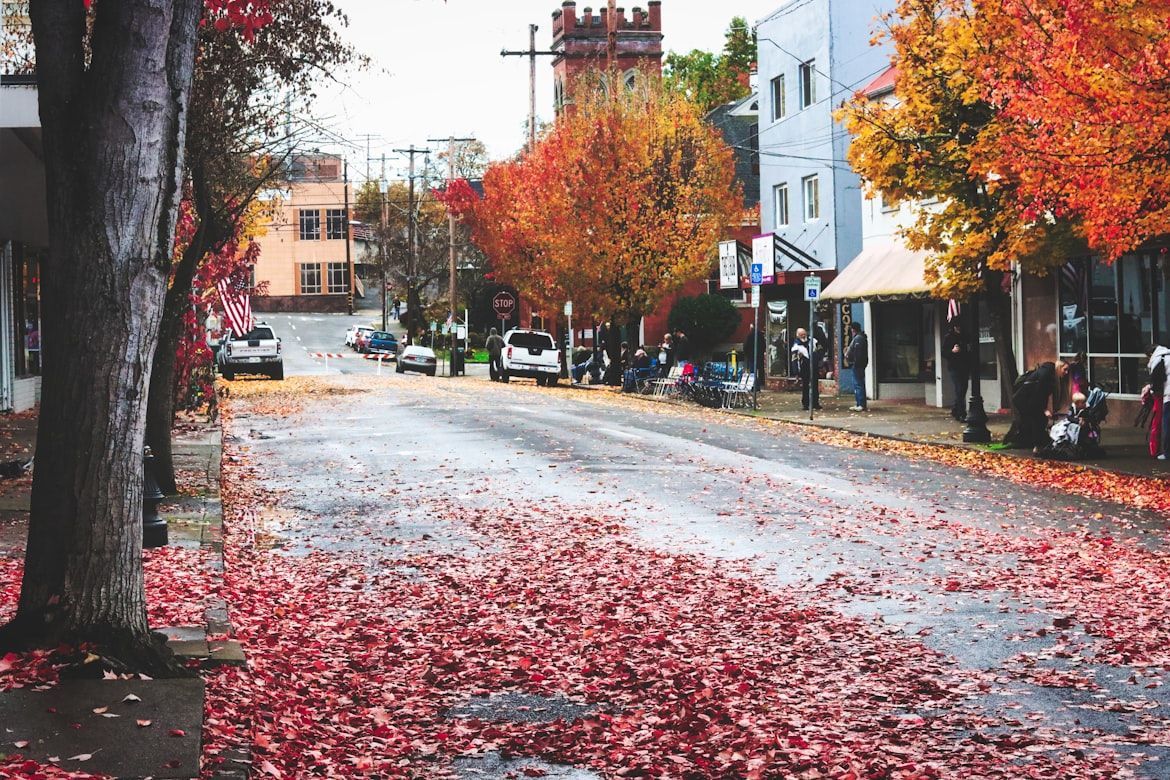
Mount Angel is a small Oregon town where brick storefronts and narrow streets preserve a late-19th-century look. The town’s layout and buildings have changed little since its early immigrant days.
Visitors can still walk past old mercantiles, churches, and the hilltop abbey that has anchored the town for generations. Even modern businesses blend quietly into the historic streetscape, keeping Mount Angel firmly rooted in its past.
Newberry Springs, California
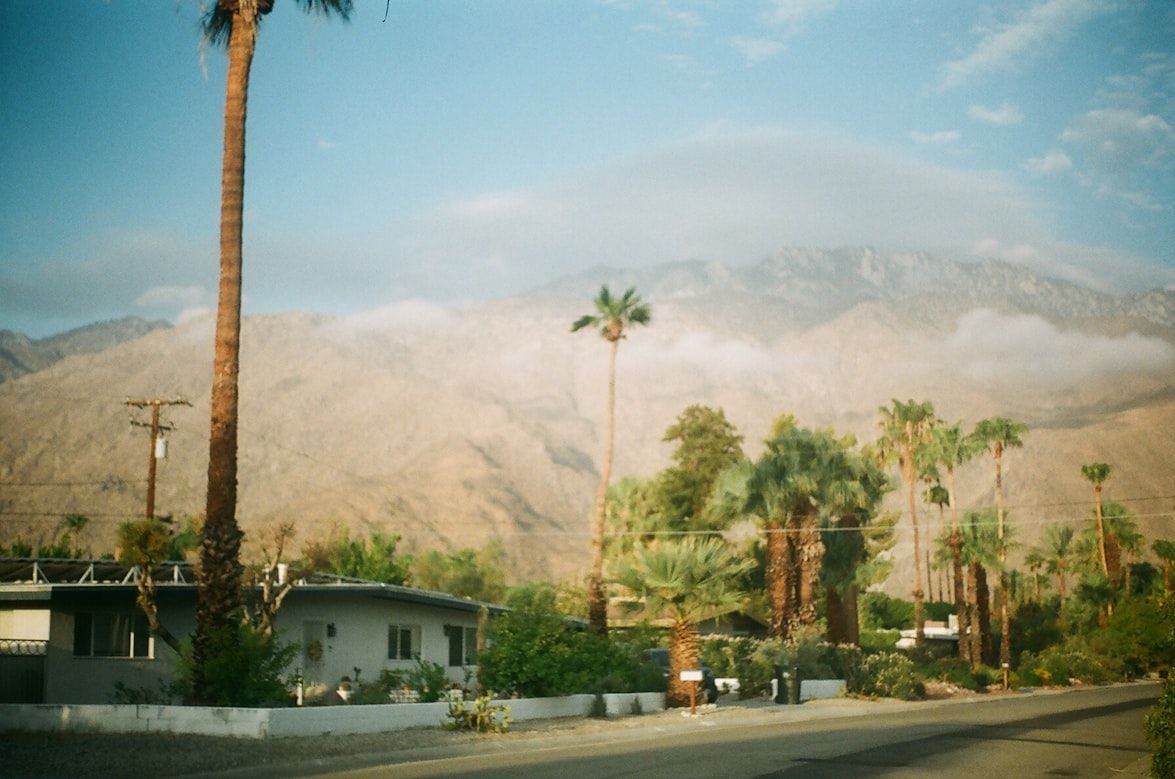
Newberry Springs sits along a forgotten stretch of Route 66, surrounded by Mojave Desert emptiness. The town is sparse, with scattered homes, old motels, and roadside landmarks spaced far apart.
Much of what travelers see today looks unchanged from mid-20th-century road-trip America. Vintage diners, faded signs, and desert silence make Newberry Springs feel paused between the highway’s glory days and the present.
Waterloo Village, New Jersey
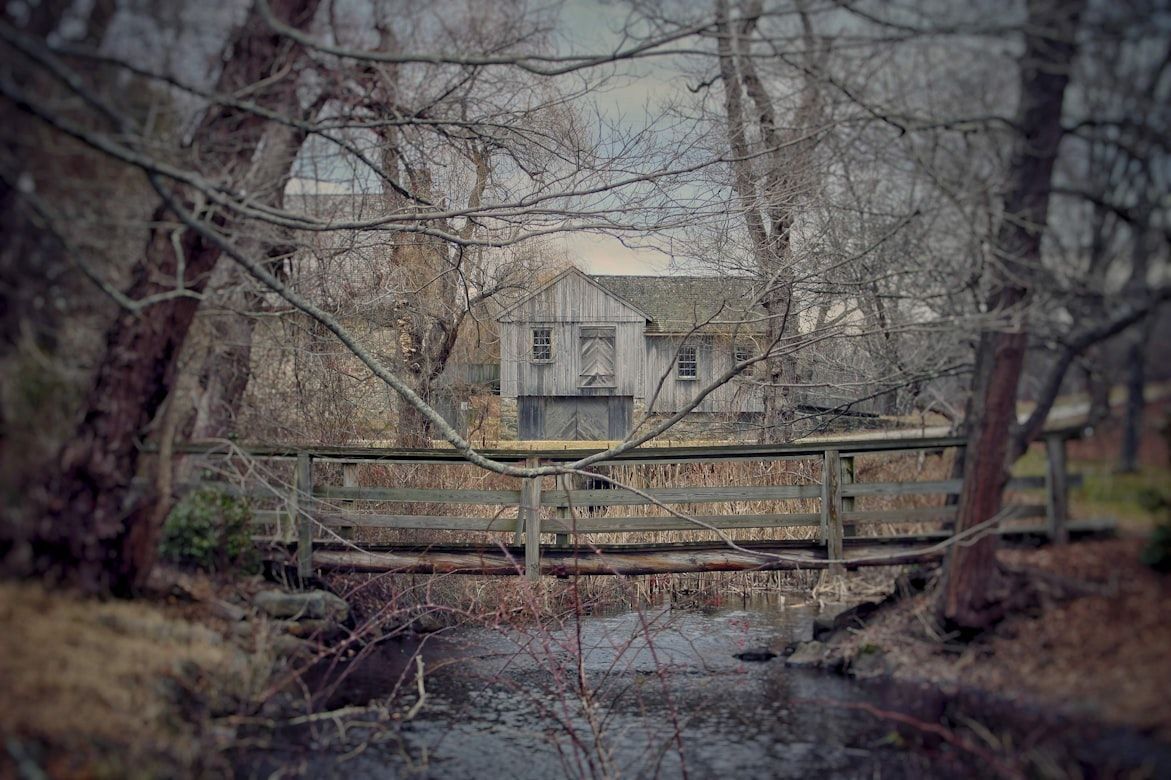
Once a busy canal stop, Waterloo Village has been preserved almost exactly as it appeared in the 1800s. Stone houses, mills, and narrow lanes line what was once a thriving waterway.
Today, visitors walk through a living snapshot of early American transportation history. The buildings are original, the layout is untouched, and the surrounding woods help keep modern life firmly outside the village boundary.
Garnet, Montana
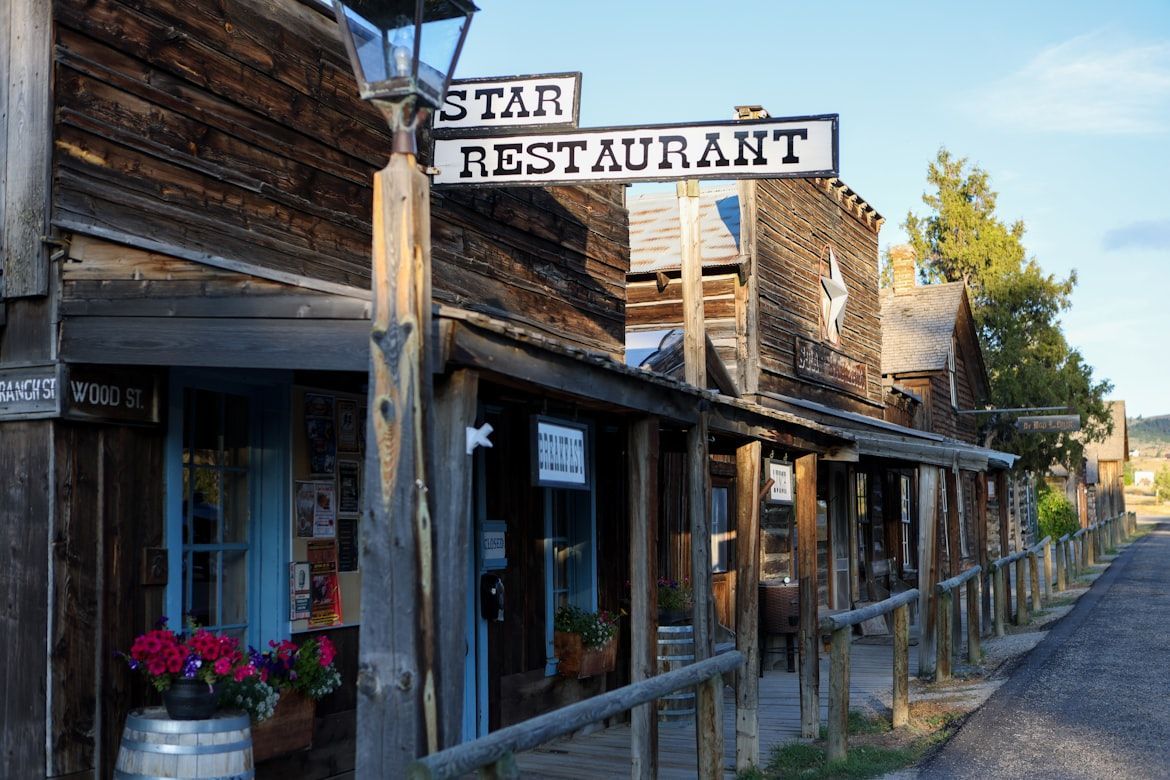
Garnet is one of the best-preserved ghost towns in the West, with dozens of original buildings still standing. Unlike many abandoned towns, Garnet was never stripped or rebuilt.
Visitors can step inside saloons, hotels, and homes furnished with period objects. The town’s remote mountain setting and careful preservation make it feel less abandoned than simply paused.
Fairfield, Idaho
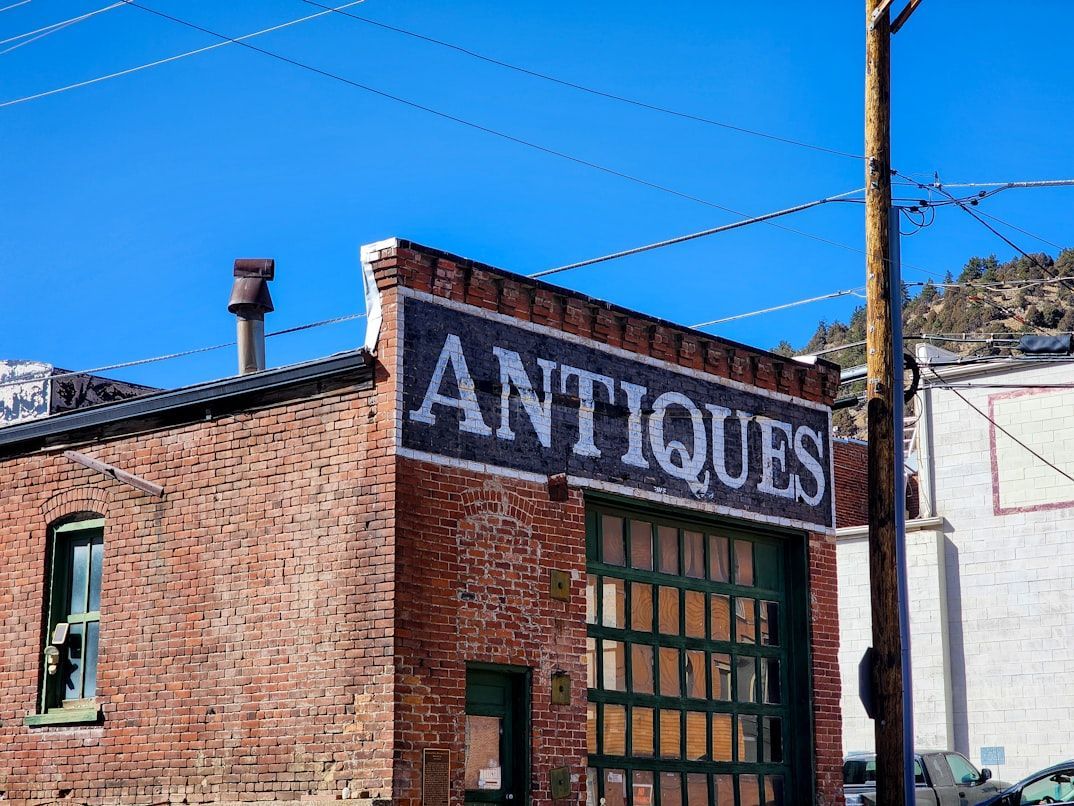
Fairfield sits on Idaho’s Camas Prairie, surrounded by wide-open farmland and not much else. Its compact main street has barely changed in decades.
Classic cafés, a small courthouse, and modest storefronts still define daily life. Fairfield’s lack of sprawl or tourism keeps it feeling like a working prairie town that never bothered to modernize.
Granville, Tennessee
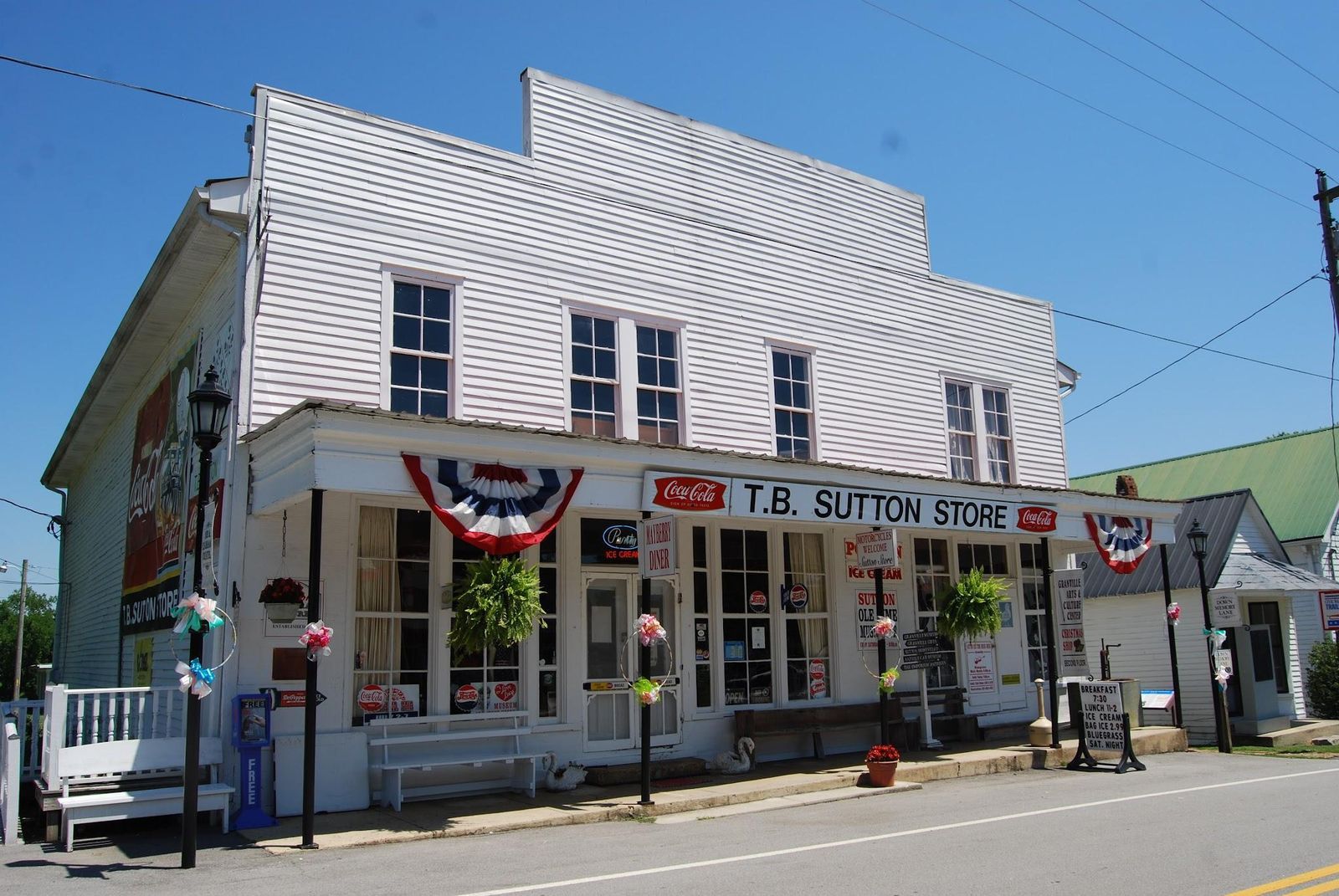
Granville looks like a small Southern town preserved in the early 1960s. Brick buildings, vintage signage, and a traditional town square remain intact.
The town embraces its old-time atmosphere through local museums, diners, and occasional slow-paced events. Nothing feels staged, and it seems as if Granville simply kept going while the rest of the world sped up.
Dighton, Massachusetts
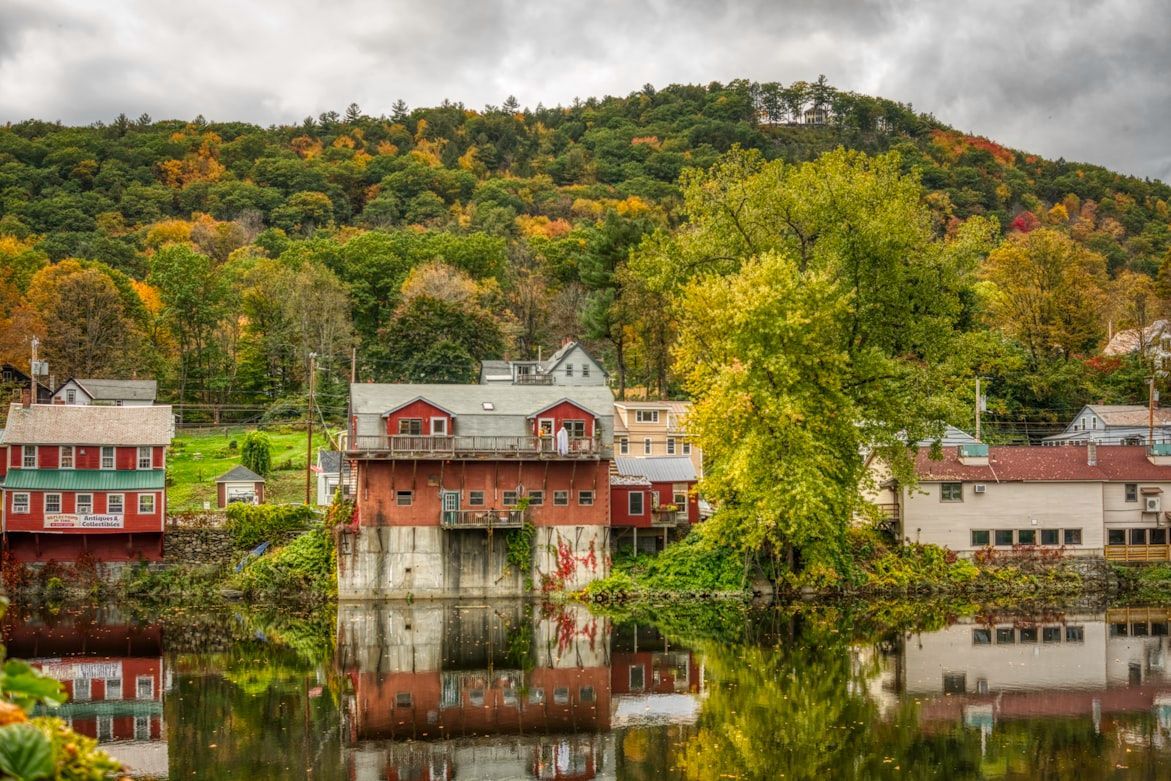
Dighton developed early in colonial America and still retains that rural English layout. Winding roads, historic homes, and small farms continue to shape the landscape.
There’s no central tourist district or modern overhaul. Instead, everyday life unfolds among buildings and property lines drawn centuries ago, giving the town a quiet, timeless atmosphere.
Sleepy Hollow, New York
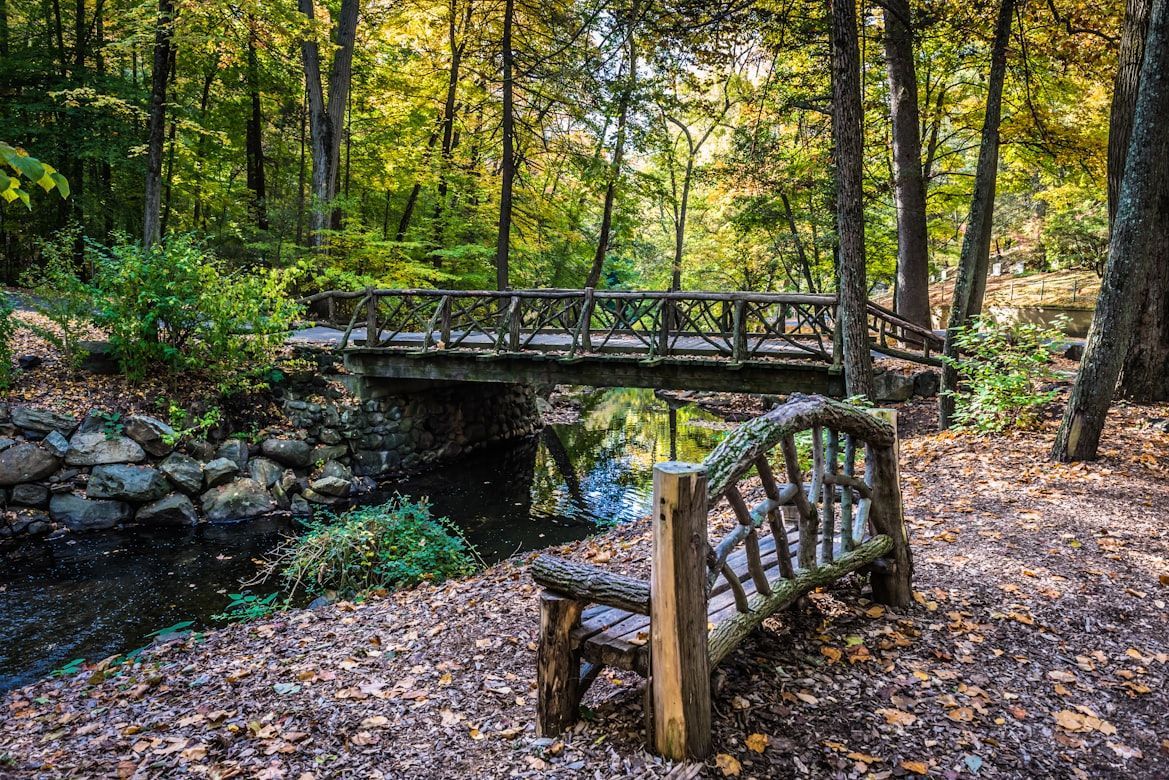
Beyond its literary fame, Sleepy Hollow preserves a remarkably intact 19th-century village core. Stone churches, narrow streets, and river views dominate the scenery.
Historic cemeteries, homes, and waterfront paths remain much as they were when the town first developed. The ambience feels less like a tourist stop and more like a village still living in its past.
Decorah, Iowa
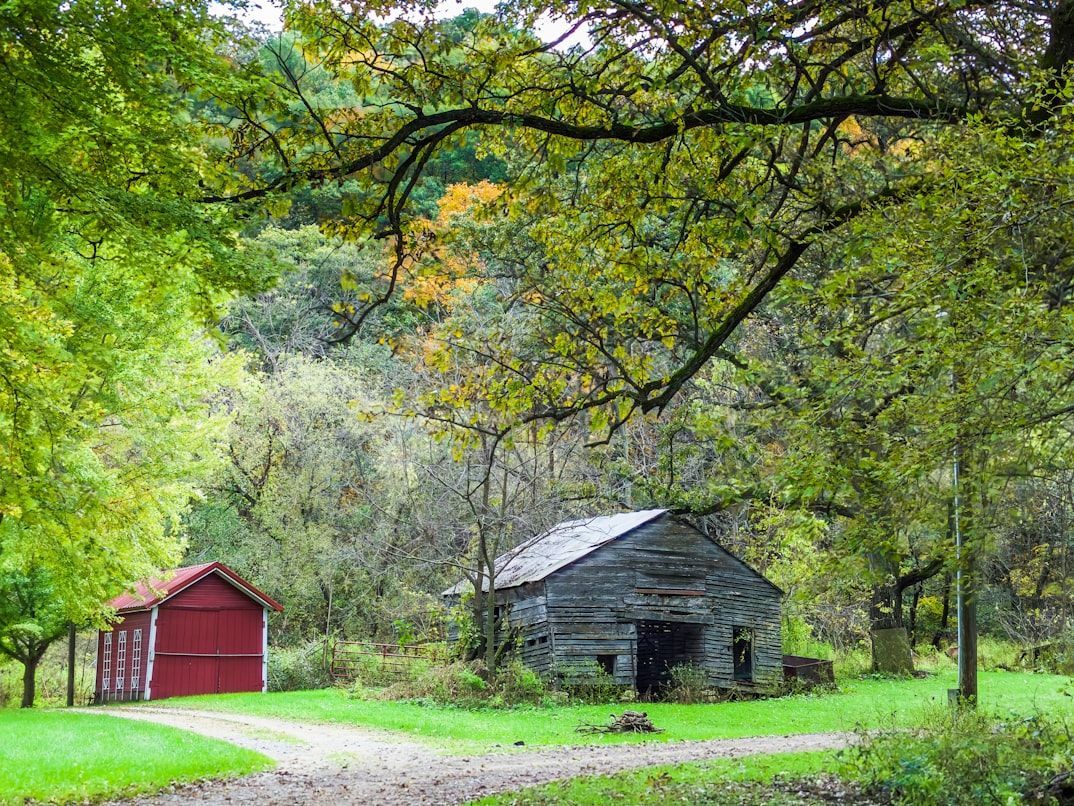
This town blends Midwestern practicality with deep historical roots. Its downtown features early brick buildings, modest storefronts, and minimal modern intrusion.
Decorah’s strong local traditions and preserved neighborhoods keep it visually consistent with its past. The entire town feels less preserved by design and more by habit.
Spearfish, South Dakota
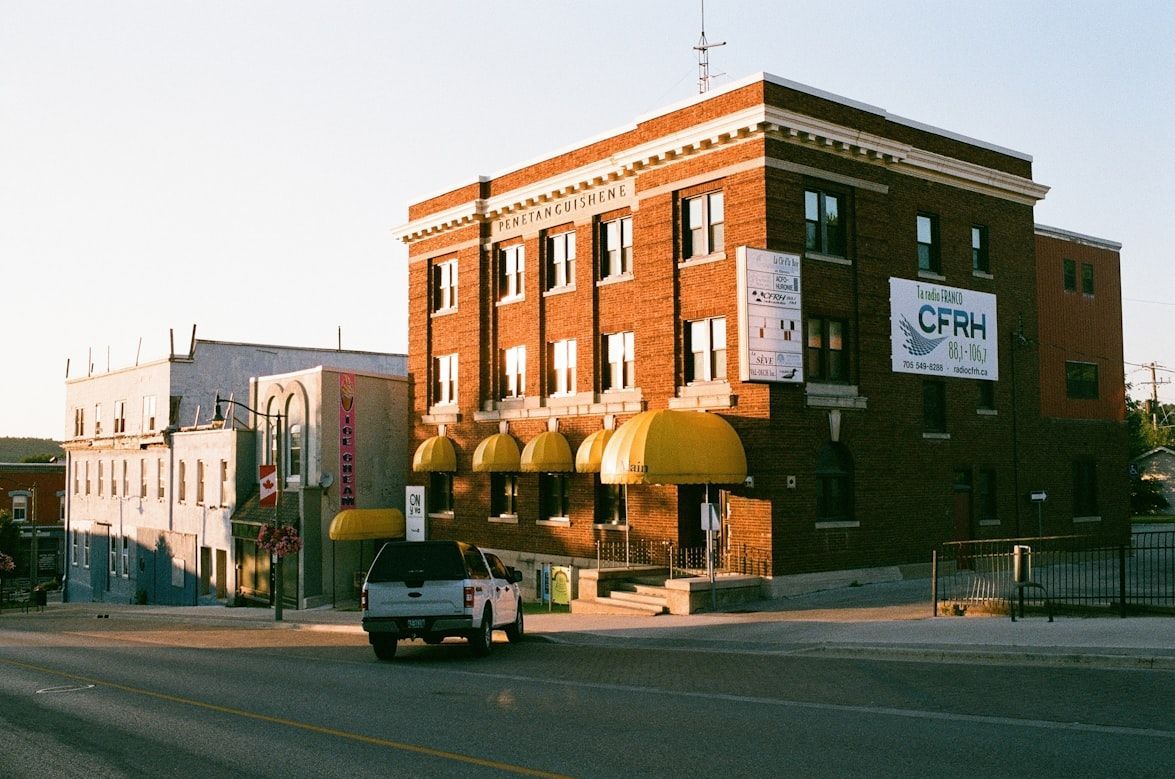
Spearfish grew as a frontier town at the edge of the Black Hills and never fully outgrew its origins. Its historic core remains compact and recognizable.
Old storefronts, stone buildings, and the nearby canyon shape the town’s identity. Standing downtown, it’s easy to imagine wagons instead of cars passing through.

These airports are doing way too much, and we kind of love it!
 General
Terminals with personality
These airports are doing way too much, and we kind of love it!
Airports used to be all about waiting: waiting to check in, waiting to board, waiting for delays you didn’t ask for. But somewhere along the line, a few airports decided boredom was optional. Around the world, terminals now feature attractions that feel more like resorts, museums, or theme parks than places to catch a flight. Here are some of the wildest airport amenities that might make you wish for a longer layover.
Therapy dogs roaming the terminal
 Image: Claudio Schwarz
Phoenix Sky Harbor Airport sends certified therapy dogs around the terminal to comfort nervous travelers. You can pet them, talk to them, or just smile as they wander by. For many people, this beats a cup of coffee.
A real indoor jungle in Malaysia
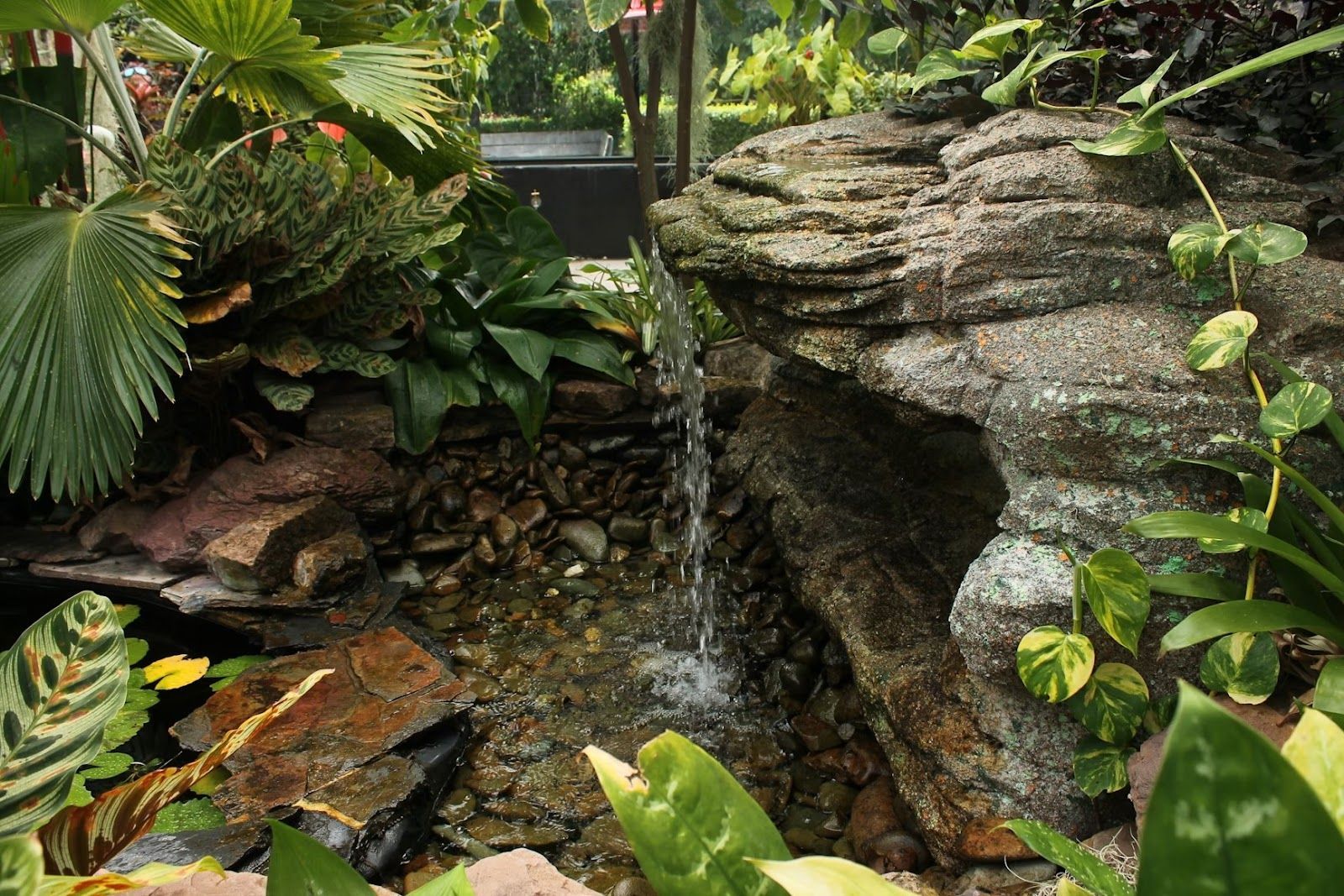 Image: Ani Rain
At Kuala Lumpur International Airport, you can stroll through a jungle without leaving the terminal. There’s a wooden boardwalk, real trees, and even birdsong. It’s warm, humid, and surprisingly peaceful. Sure, the waterfall is artificial, but when you’re surrounded by greenery instead of gate numbers, you don’t think much about that.
An indoor waterfall in Singapore
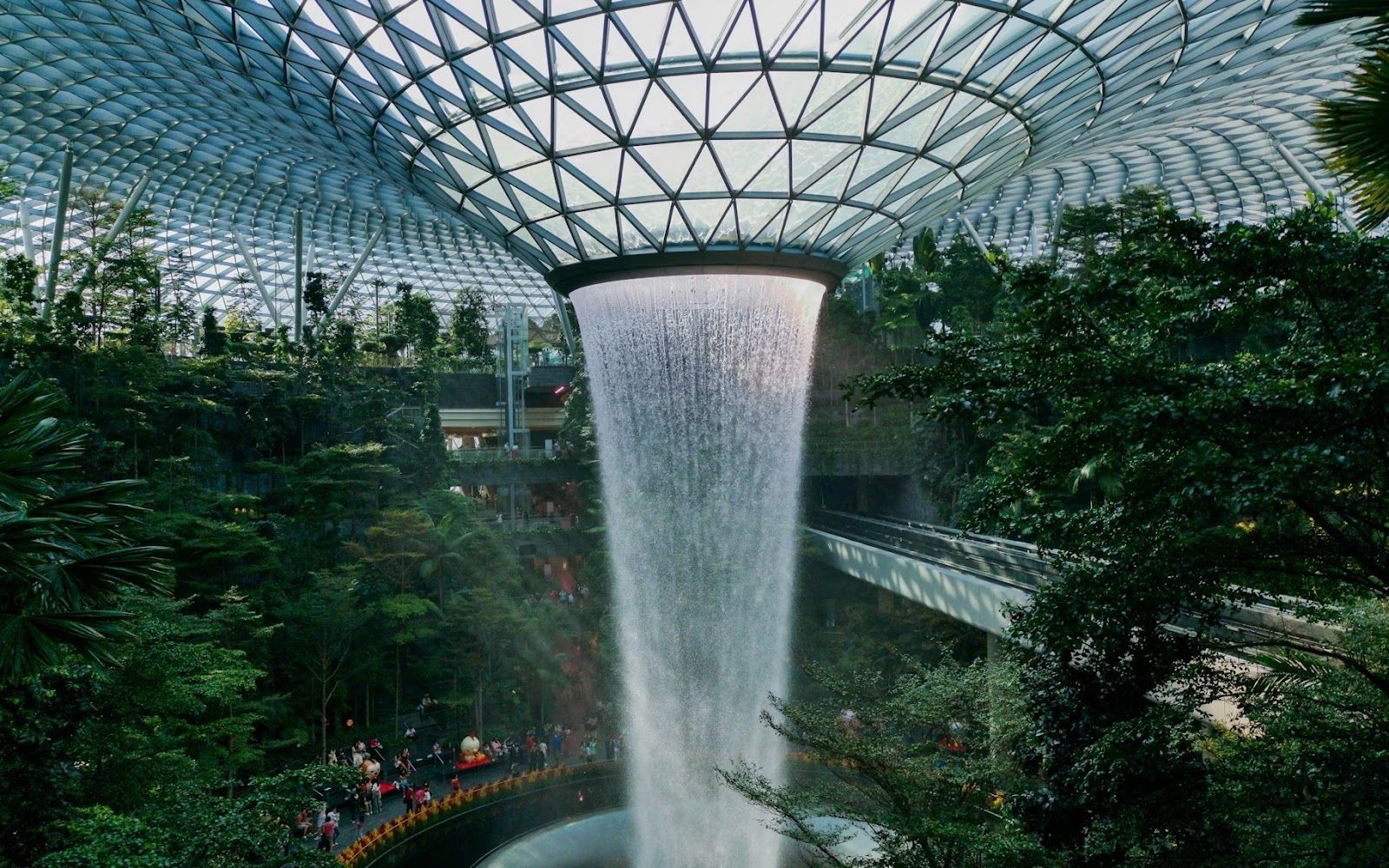 Image: Faris Ariffin
And if there’s a jungle, why not a waterfall? Singapore’s Changi Airport takes things to another level. Right in the middle of the terminal is a 130-foot indoor waterfall pouring from the ceiling. It’s part of a massive nature-themed complex with walking trails and gardens. You might even forget you’re supposed to catch a plane.
A full aquarium in Vancouver
 Image: Brandon Griggs
Vancouver International Airport is home to a massive saltwater aquarium filled with local marine life. There’s also a jellyfish tank that’s oddly calming. Instead of staring at departure boards, you can watch fish glide by and imagine you’re already on vacation.
An ice skating rink in South Korea
 Image: Karl Hörnfeldt
If you’ve ever thought airport walking wasn’t enough exercise, Incheon Airport has an ice rink in the basement. For a small fee, you can rent skates and glide around before your flight. It’s not something you’d expect to do between security and boarding.
A swimming pool with runway views
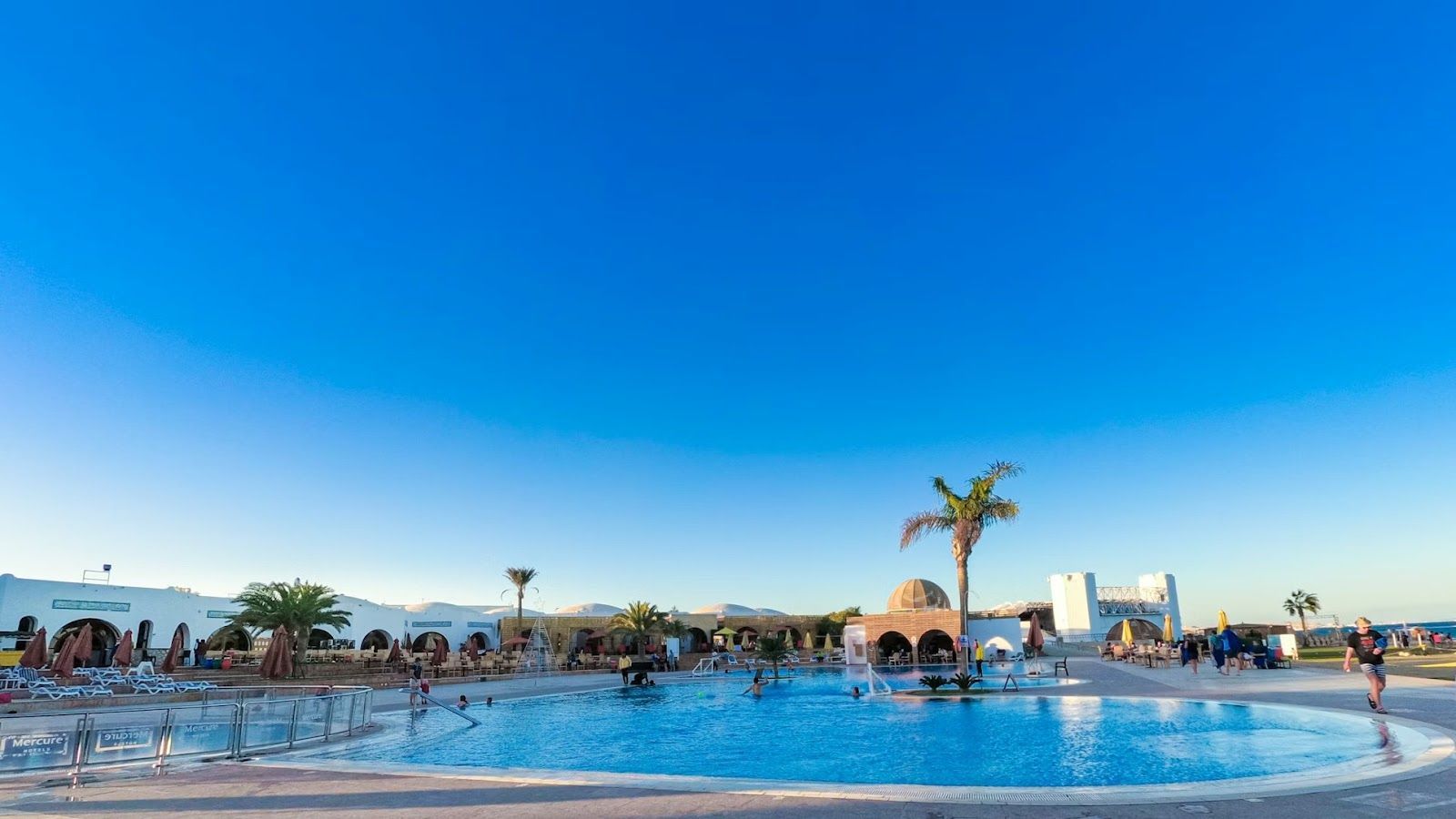 Image: Sean Wang
At Punta Cana Airport, some travelers can cool off in an outdoor pool while watching planes take off and land. It’s part of a VIP lounge, but anyone can pay to get in. Floating in a pool while jets roar past feels like a travel brag waiting to happen.
A working vegetable garden in Chicago
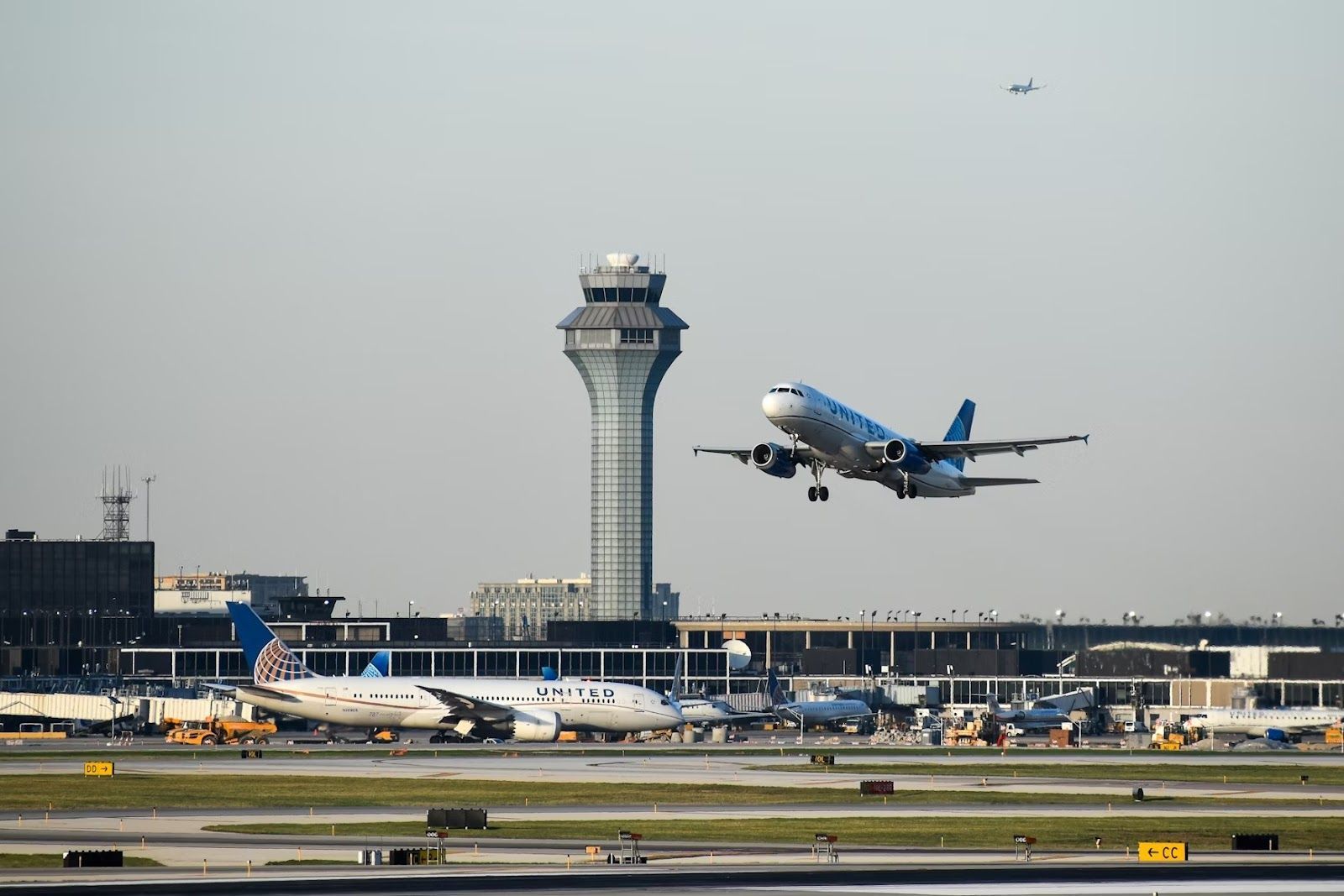 Image: David Syphers
Chicago O’Hare Airport has a garden that grows real vegetables and herbs right inside the terminal. It uses misting systems and recycled air, and nearby restaurants actually cook with what’s grown there. Fresh food and airports don’t usually belong in the same sentence, but here we are.
A museum inside an airport in Amsterdam
 Image: Jessica Tan
Amsterdam’s Schiphol Airport has its own mini museum featuring real works from the Rijksmuseum. Famous Dutch paintings hang quietly upstairs, free to visit. It’s a nice reminder that culture doesn’t stop just because you’re in transit.
A rooftop pool in Singapore
 Image: Adrien Olichon
Yes, Singapore again. For a small fee, travelers can swim in a rooftop pool at the airport, soak in a hot tub, or lounge in the sun. It’s hard to complain about a layover when you’re poolside with your carry-on nearby.
A brewery that actually brews beer
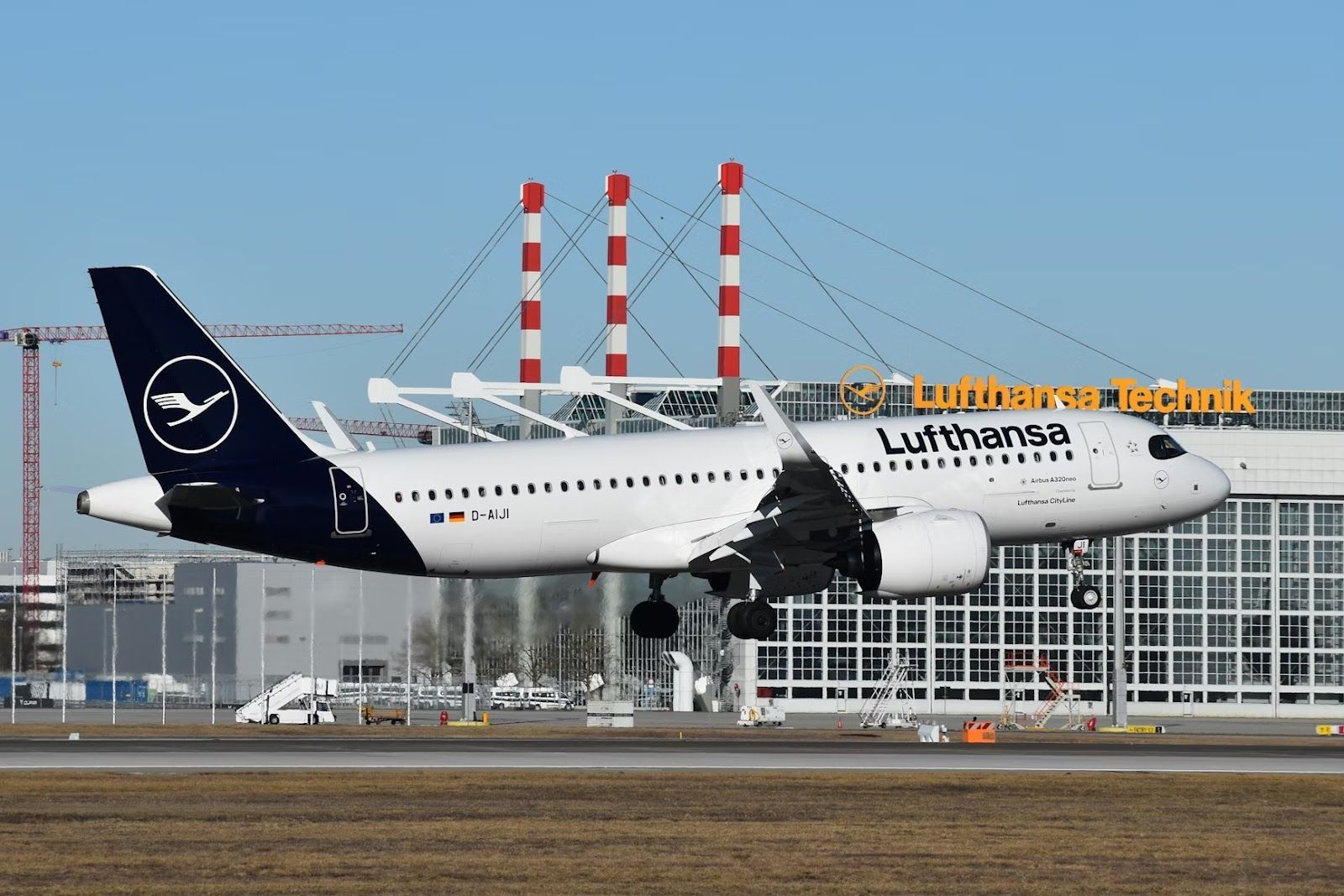 Image: David Syphers
Munich Airport has the world’s only airport brewery. You can drink freshly made beer, watch the brewing process, and even take a tour. Somehow, this feels exactly right for Germany.
A runway that crosses a public road
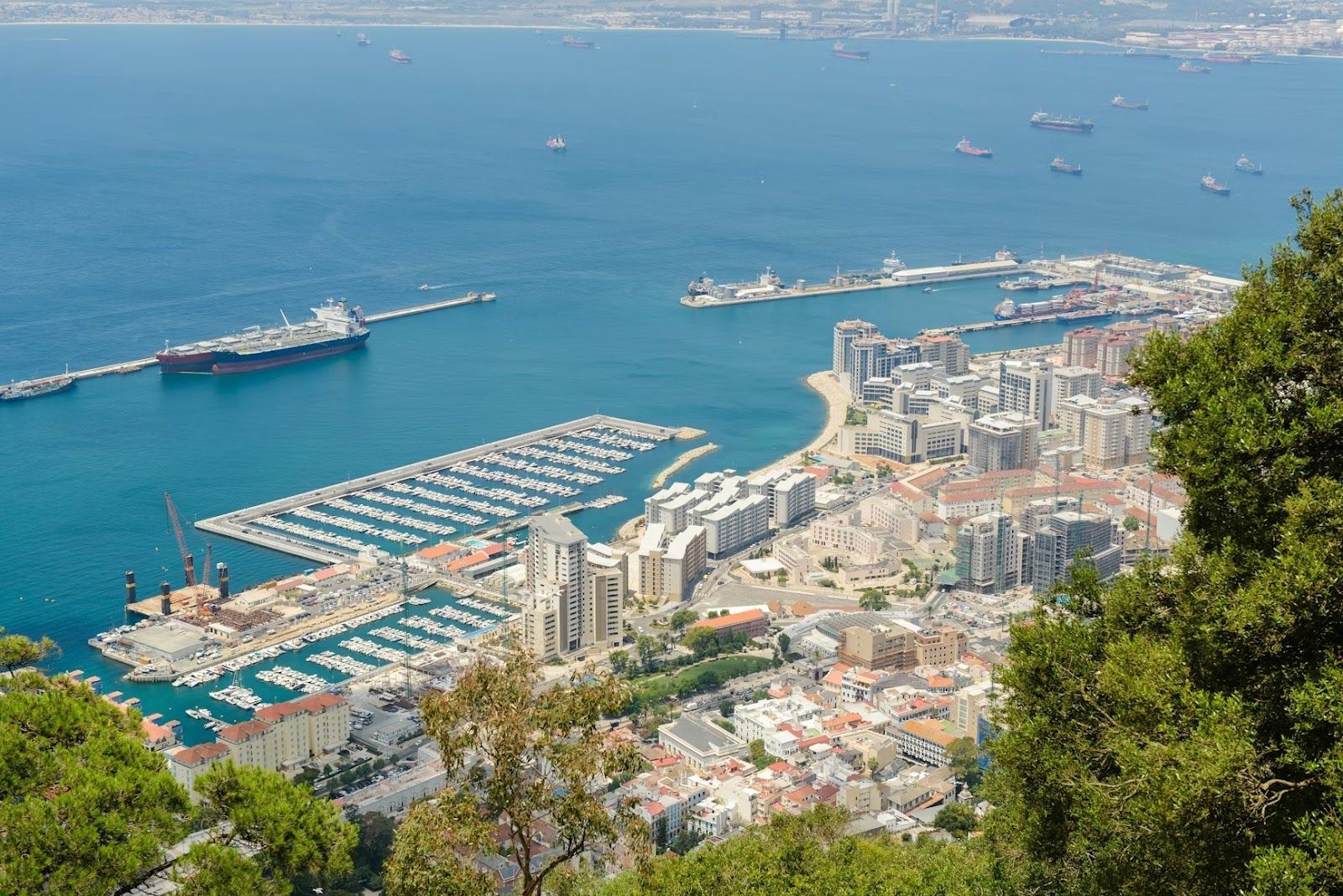 Image: Michal Mrozek
Gibraltar’s airport runway cuts straight across one of the main roads. When a plane is coming, traffic stops, much like at a railroad crossing. Watching cars wait for a jet to land is a sight you won’t soon forget.
Keep wandering
There’s always
more to explore

How to cancel your flight and get your money back when sick
4 min.
Read Now
 Geography

This trench could swallow Everest, with room to spare
6 min.
Read Now

The one thing thieves hope you leave in your car
4 min.
Read Now

How many time zones does the United States have?
5 min.
Read Now