Wait... that was legal? Surprising things you can do in national parks
 Landmarks
Surprising dos and don’ts
Wait... that was legal? Surprising things you can do in national parks
Millions of people visit US national parks each year, but many are surprised by what they find when they arrive. Even if it feels like we know everything about national parks, there are plenty of surprising, bizarre rules most people have never heard of, and even a few things you never thought would be allowed, but they are. From getting married there to even facing up to six months in prison for getting too close to wildlife, here are 10 curious, little-known facts about our incredible national parks.
No giving birth - Death Valley National Park
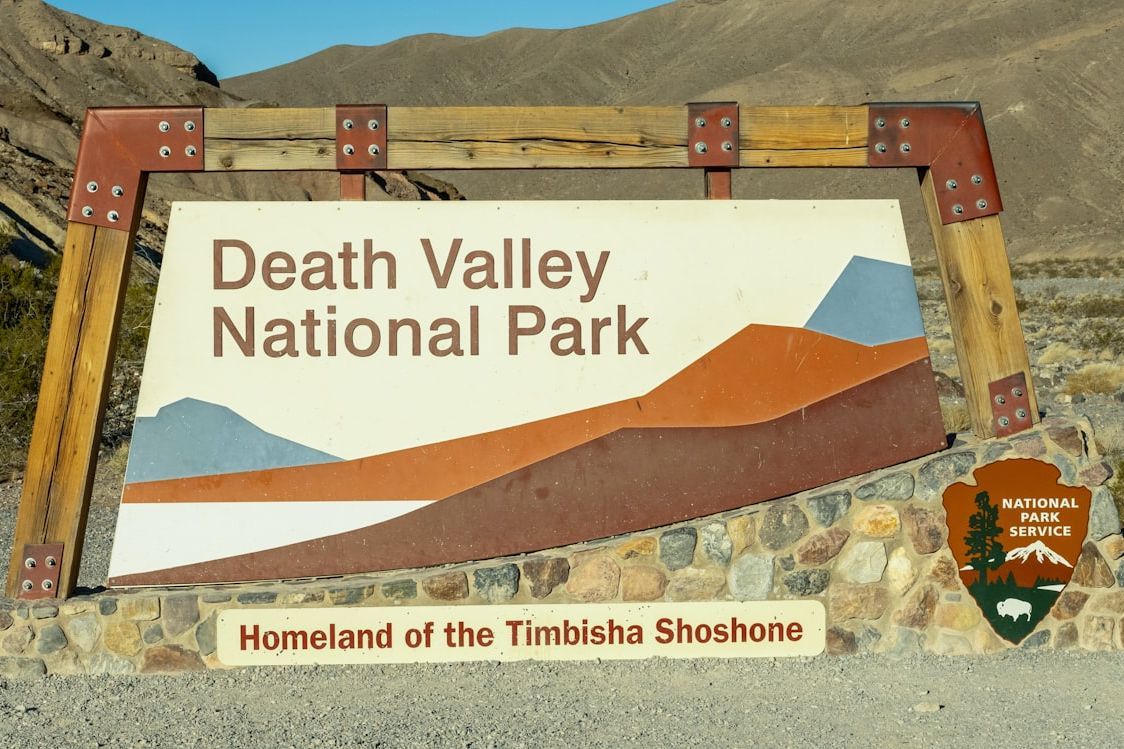
In southeastern California, in the Mojave Desert (with a small part in Nevada), sits Death Valley National Park. One of its standout attractions is its saline hot springs, which attract thousands of visitors each year.
But one rule always surprises people: giving birth there is prohibited. Why? While some areas allow bathing, a few visitors apparently thought it might be a good idea to have a baby there. Beyond being unsafe for both mother and child, it could also harm the fragile environment, hence the strange and surprisingly specific rule.
You can say "I do" in a national park
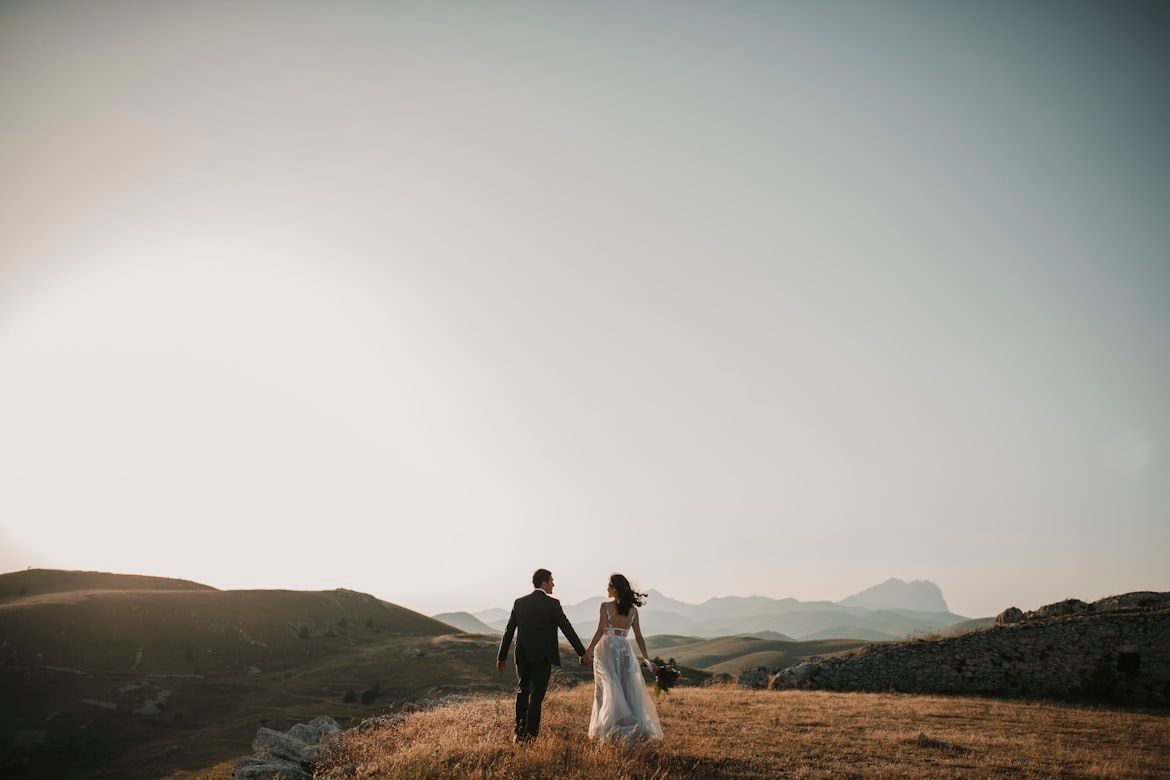
Imagine saying "I do" amid the breathtaking glaciers of Glacier National Park in Montana, or taking wedding photos against the iconic backdrop of Yosemite National Park in California. It seems that many people don’t know that getting married in some US national parks is perfectly legal. It does require permits and some paperwork, though, and you may need to keep the guest list small.
Keep your distance
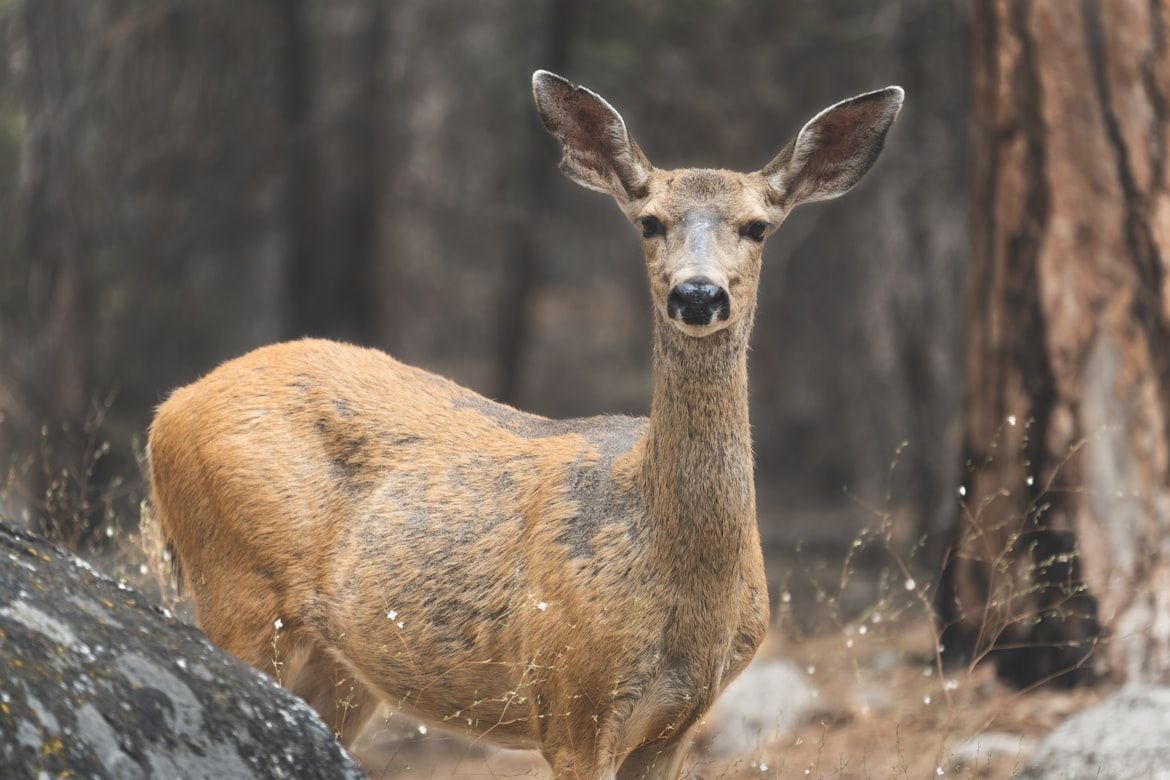
We know, wildlife in US national parks is fascinating, but getting too close can be dangerous—not just for your safety, but for your wallet, too. Approaching or interacting with an animal in a way that makes it feel threatened or agitated can be considered a federal offense and can lead to fines of up to $5,000 and even up to six months in jail.
The rocks where they were
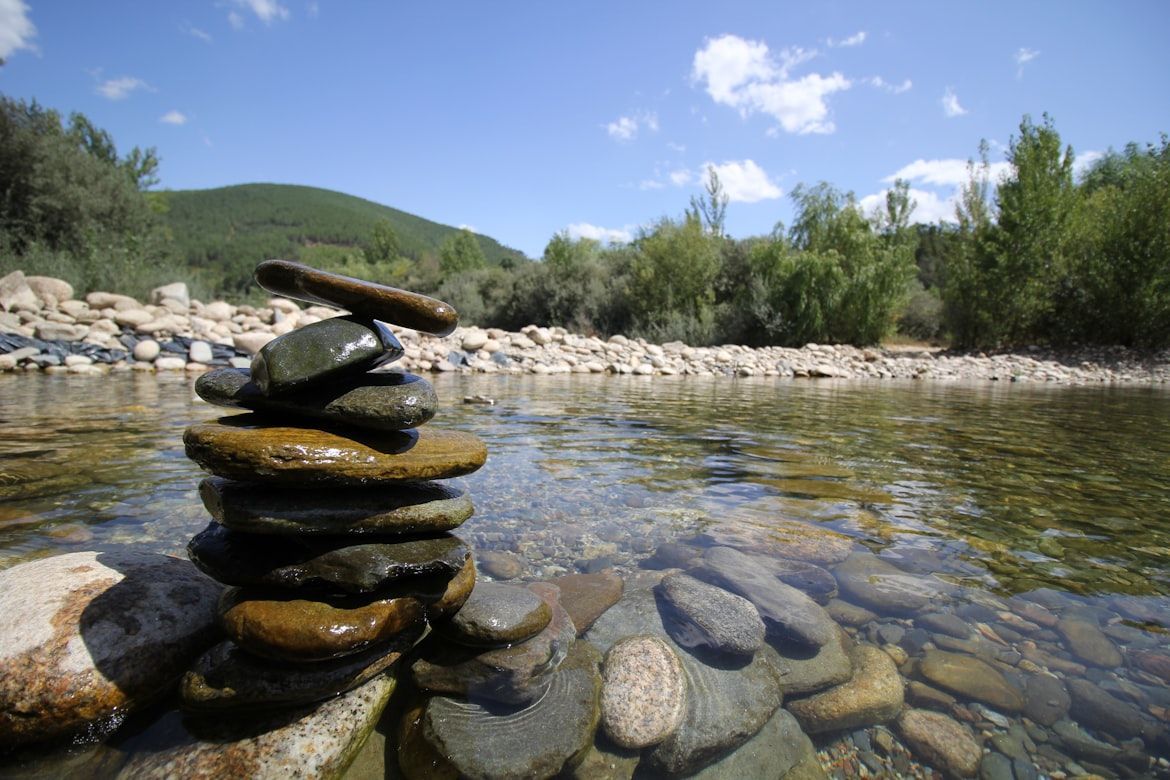
Many of us feel tempted to pick up a small stone as a souvenir in a place as beautiful as Yellowstone National Park. But there’s a clear rule against it. Not only can you not take rocks with you, but you’re not supposed to move them at all. You can pick one up, feel its texture, and put it back, but rolling stones, throwing them, or stacking them into little piles is prohibited across national parks. The reason is simple: keep the natural landscape exactly as it is.
The poop rule - Shenandoah National Park
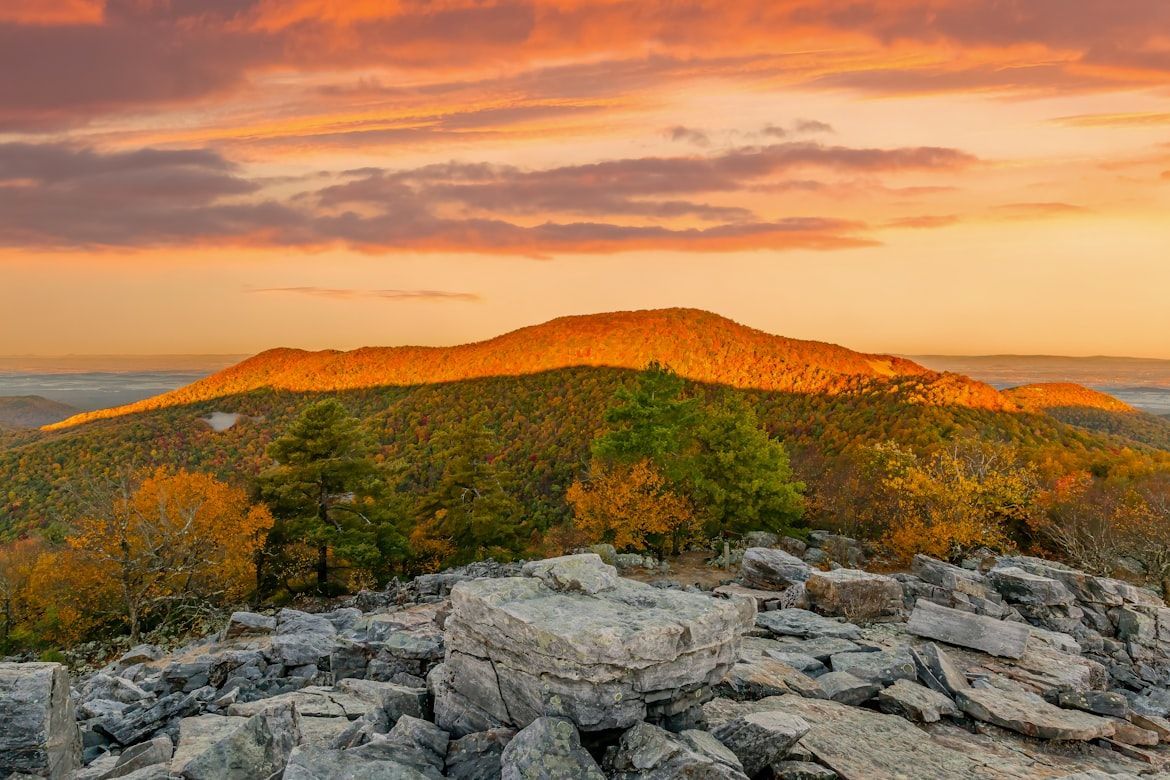
Set in the Blue Ridge Mountains of Virginia, about 75 miles west of Washington, DC, Shenandoah National Park is known for its scenic views, waterfalls, and miles of trails, including the Appalachian Trail. Since camping is so popular here, there are strict rules about handling human waste to protect the environment. Visitors are advised to go well away from water sources and bury waste properly: at least 3 inches deep, though 6 to 8 inches is recommended. It may sound a bit unusual, but it helps keep the park clean and safe for everyone.
You can collect food
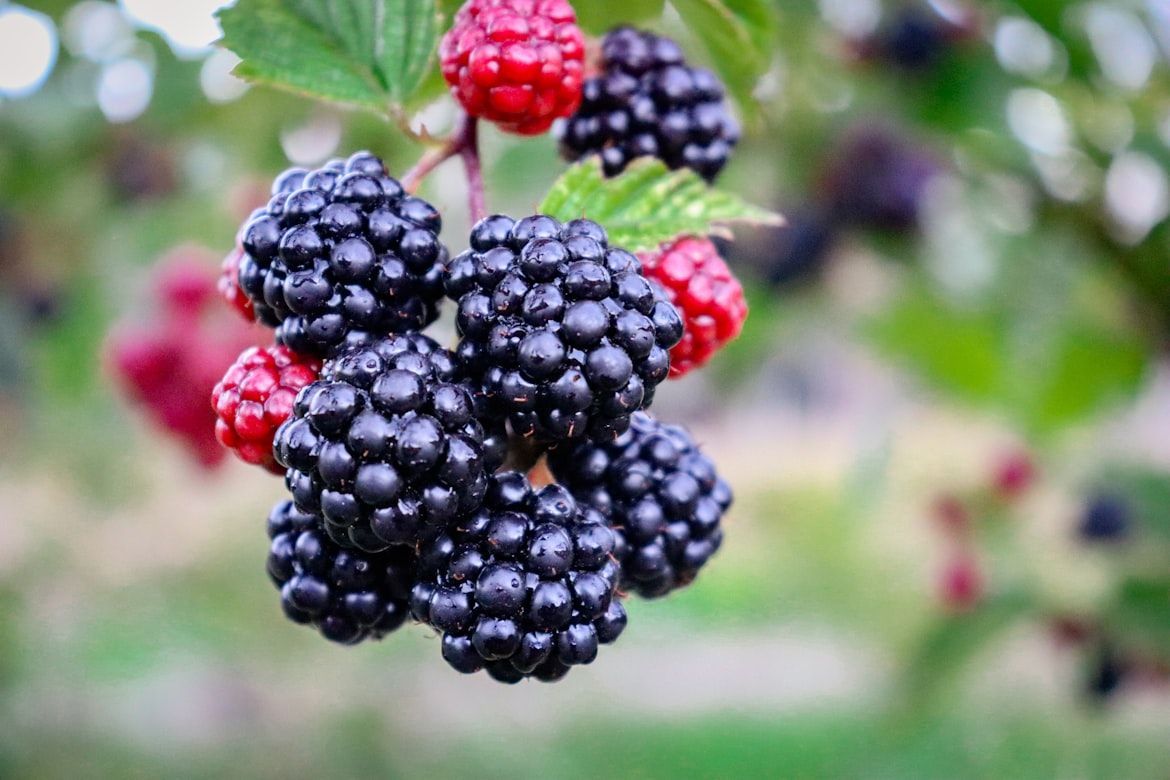
Although visitors to most US national parks are encouraged to protect and not disturb the landscape and wildlife, there are a few things you’re actually allowed to take, namely, wild foods. In some parks, like Glacier National Park and Shenandoah National Park, you can gather small amounts of berries, nuts, or mushrooms for personal use.
No swearing
When you’re hiking steep or rocky trails, a few scrapes and bruises are part of the experience. But even if that can hurt, here’s something unexpected: it’s best to watch your language. Technically, profanity falls under regulations against disorderly or inappropriate behavior in US national parks. It’s not about offending the wildlife; it’s about maintaining a respectful environment for everyone.
Allowed noise
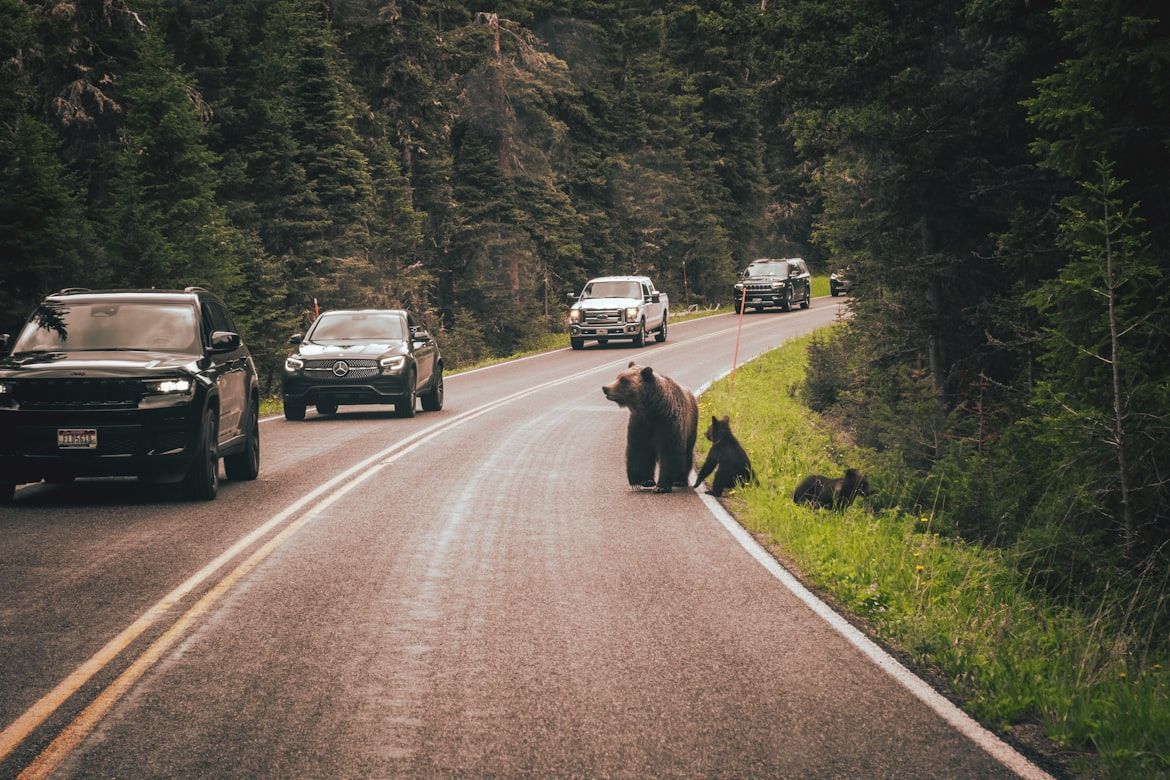
Swearing and unnecessary shouting are generally discouraged in most national parks, but there’s one important exception.
If you or someone else is in immediate danger from certain large wildlife, such as bears or mountain lions, making noise is not only allowed; it’s recommended. In those situations, you should shout, yell, or clap to scare the animal away and protect yourself.
No balloons - Joshua Tree National Park
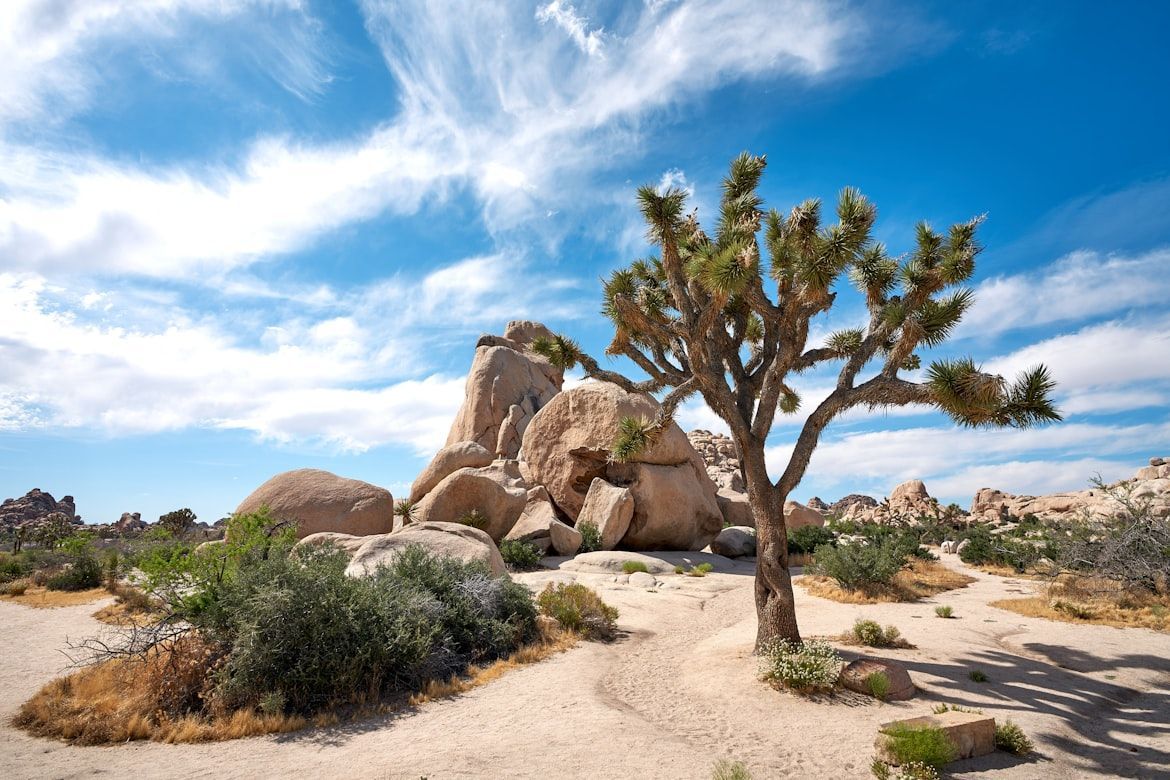
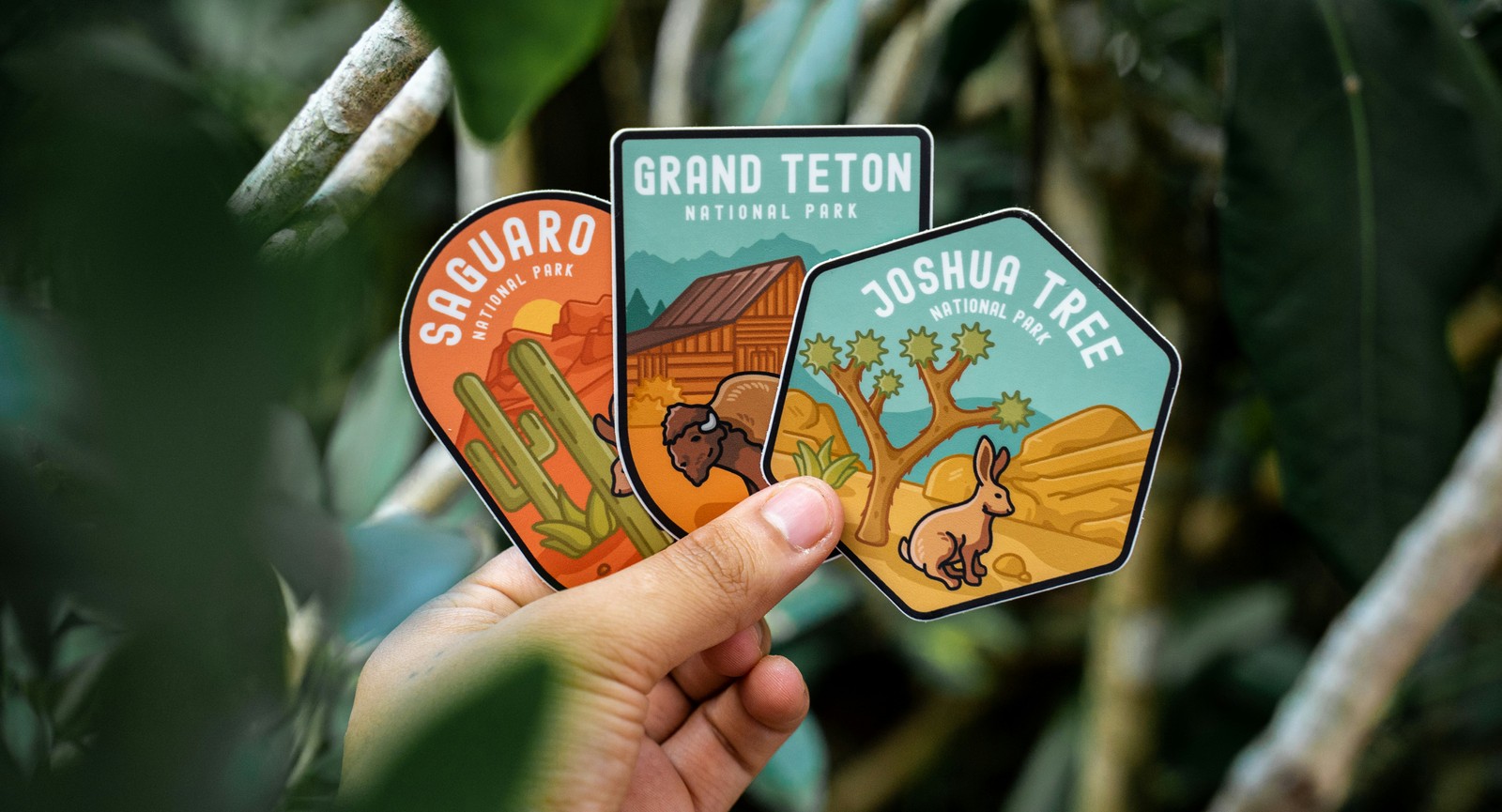
While you can get married in some national parks, you can’t celebrate a birthday in Joshua Tree National Park, at least not with balloons.
All types of balloons are banned in this stunning desert park about 140 miles east of Los Angeles. But why? Balloons can travel miles if they slip away, eventually landing in remote areas where they pollute the landscape and take a long time to break down. Even worse, wildlife may mistake the latex for food, which can be dangerous or even fatal.
Only firewood from the park
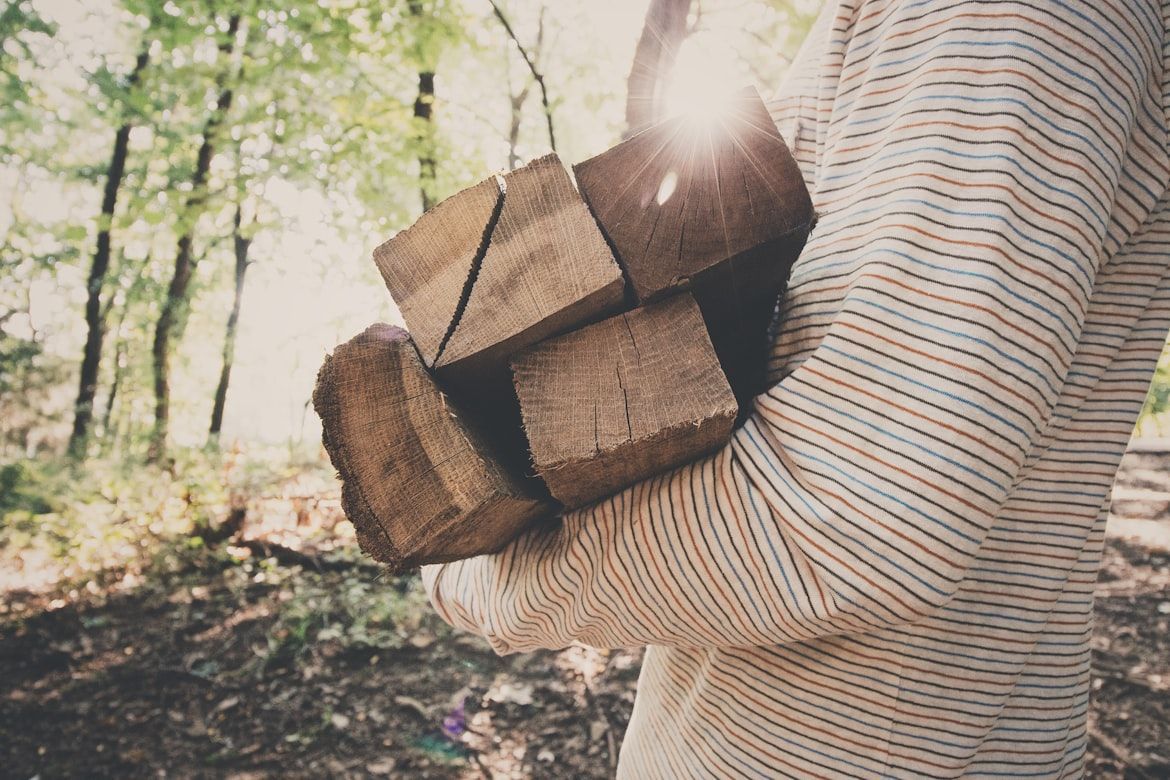
As camping is so common in many national parks, there’s a regulation that encourages using only firewood sourced within the park. And it’s not arbitrary; there’s a solid scientific reason behind it. Firewood can carry tiny bugs and organisms you may not even see, and bringing wood from outside can introduce invasive pests or insects that don’t belong in the ecosystem. So, now you know, if you’re building a fire, use local wood provided or gathered where permitted; no need to bring your own.
Keep wandering
There’s always
more to explore
 History
These 12 airports were once military bases. Can you tell by just looking?
4 min.
Read Now
 General

Rolling your clothes instead of folding? Check out these traveling hacks
4 min.
Read Now
Beyond the Band-Aid: 10 tips for packing your travel infirmary
5 min.
Read Now
Hidden in plain sight: 10 secrets of famous city statues
5 min.
Read Now