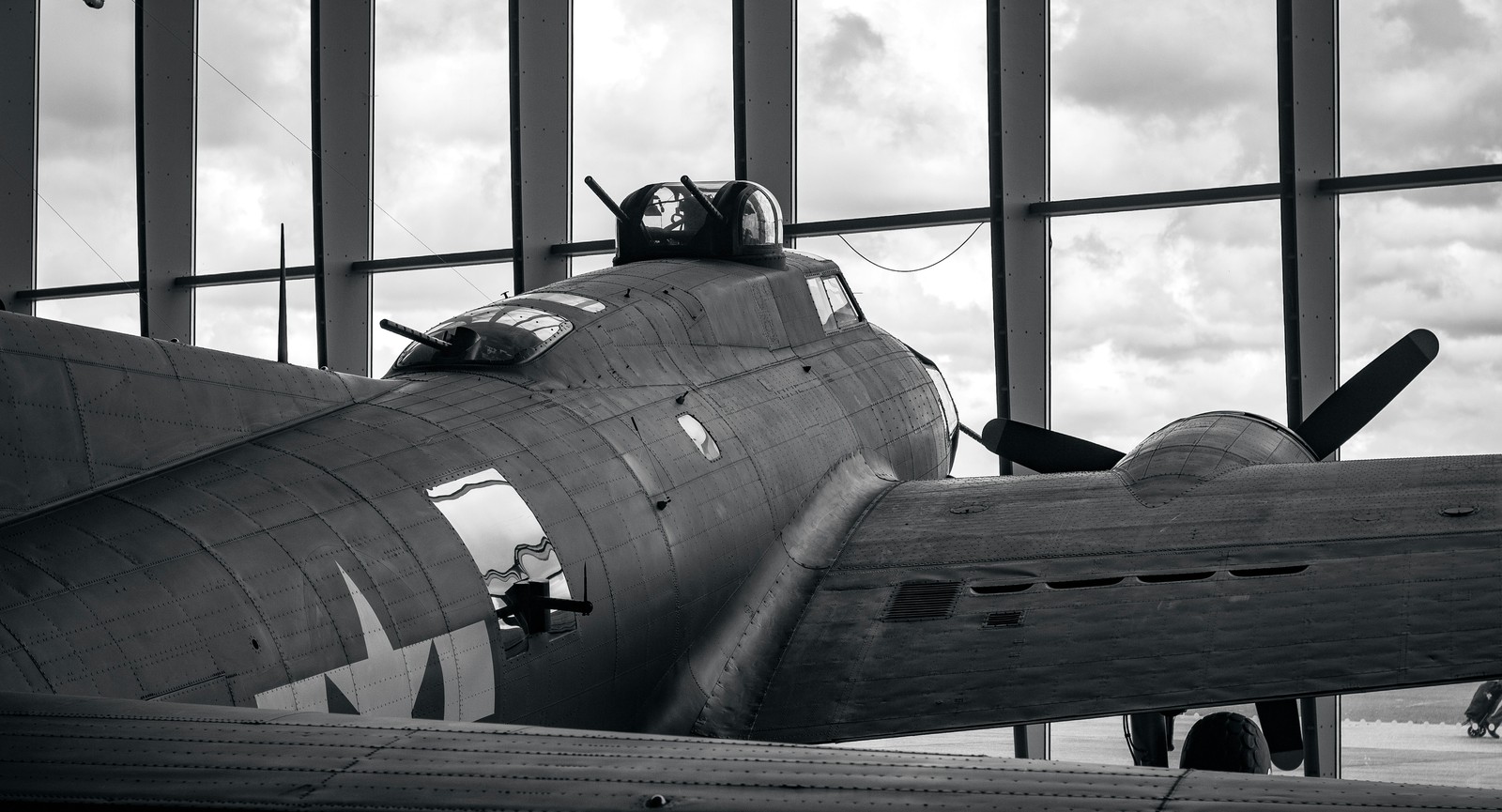
These 12 airports were once military bases. Can you tell by just looking?
 History
Who knew!
These 12 airports were once military bases. Can you tell by just looking?
Many American airports began their lives in uniform, so to speak. During World War II and the Cold War, dozens of airfields were built for military use. When defense needs changed, some bases found a second life as civilian airports. Today, thousands of travelers pass through these hubs without even knowing it. Learn more about their secret military origins.
Orlando International Airport (Florida)
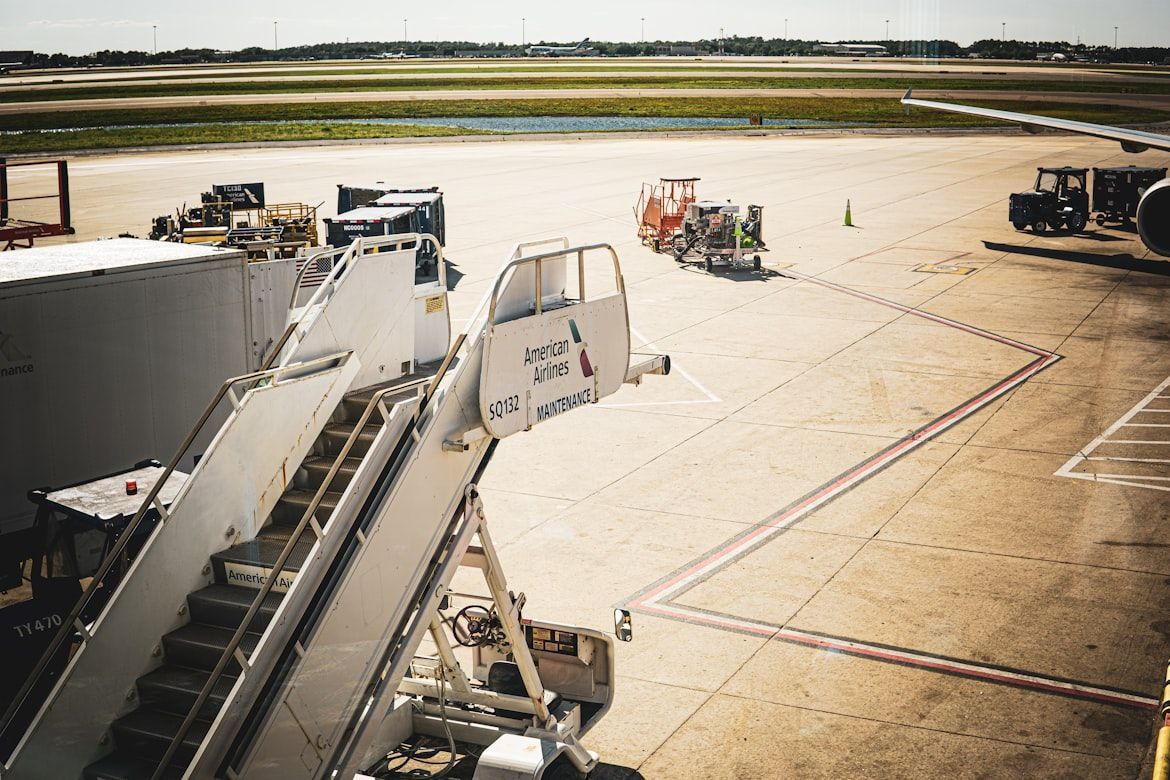
Before becoming one of America’s busiest vacation airports, Orlando International Airport was McCoy Air Force Base. Strategic Air Command bombers operated there during the Cold War, and the airport code MCO still honors Colonel Michael McCoy, for whom the base was named.
After the base closed in the 1970s, the city that’s home to Disney World and other tourist destinations transformed its large runways into a civilian airport. Today, millions of visitors arrive each year, landing on runways originally built for military aircraft.
Austin-Bergstrom International Airport (Texas)
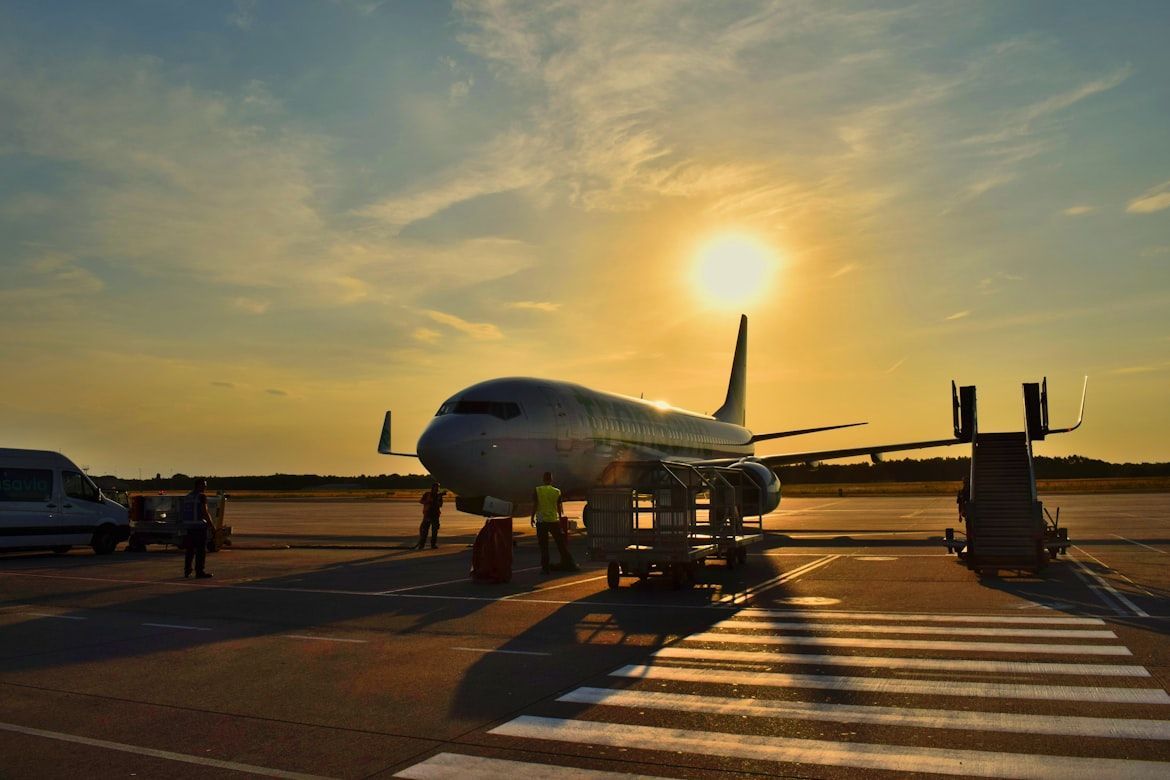
Austin’s main airport stands on the former Bergstrom Air Force Base, a Cold War installation that supported fighter and reconnaissance aircraft. The base closed in 1993 as part of a nationwide military downsizing program.
Six years later, the site reopened as Austin–Bergstrom International Airport. Many original structures were reused, giving the modern airport a layout shaped by its military past.
Stewart International Airport (New York)
Stewart International Airport began during World War II as Stewart Army Airfield and later became Stewart Air Force Base. It supported military training and cargo operations for decades in the Hudson Valley.
As military use declined, the airfield gradually transitioned to civilian aviation. Today, it serves commercial travelers heading to the Hudson Valley and the greater New York region.
Pease International Airport (New Hampshire)
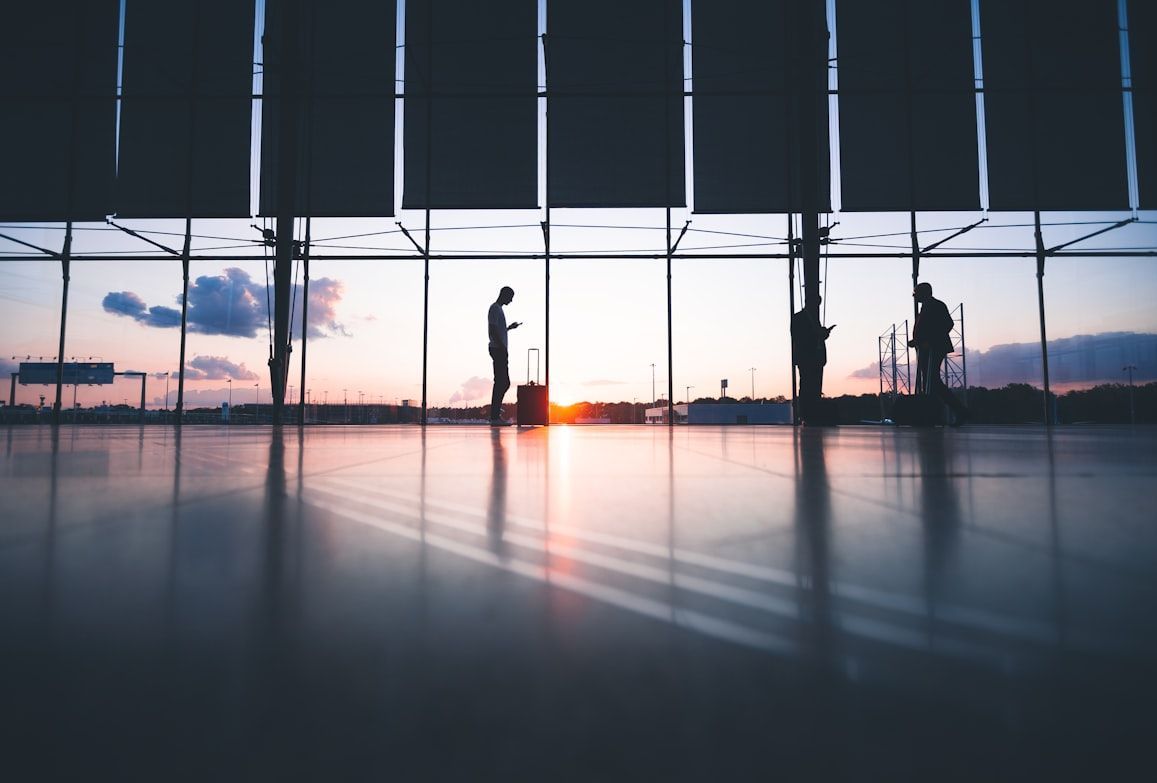
Pease International Airport was once Pease Air Force Base, a Strategic Air Command installation that housed long-range bombers and aerial refueling aircraft during the Cold War.
After the base closed in 1991, the area was redeveloped as Pease International Tradeport. Commercial flights now share the former military airfield with business and cargo operations.
Bradley International Airport (Connecticut)
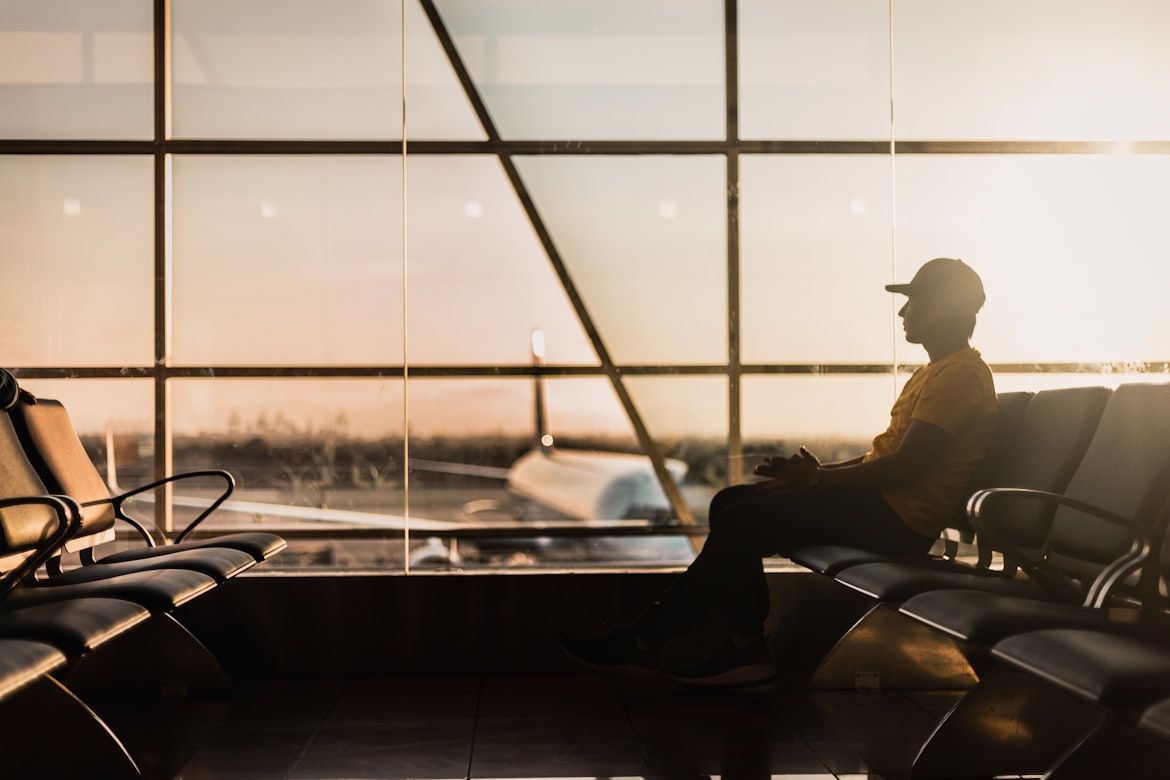
Bradley International Airport originated as a U.S. Army airfield built in 1941. It was named for Lieutenant Eugene Bradley, a pilot who died in a training accident nearby.
Following World War II, the federal government transferred the airfield to the state of Connecticut. It gradually grew into New England’s second-largest airport, welcoming travelers where military planes once trained.
Palm Beach International Airport (Florida)
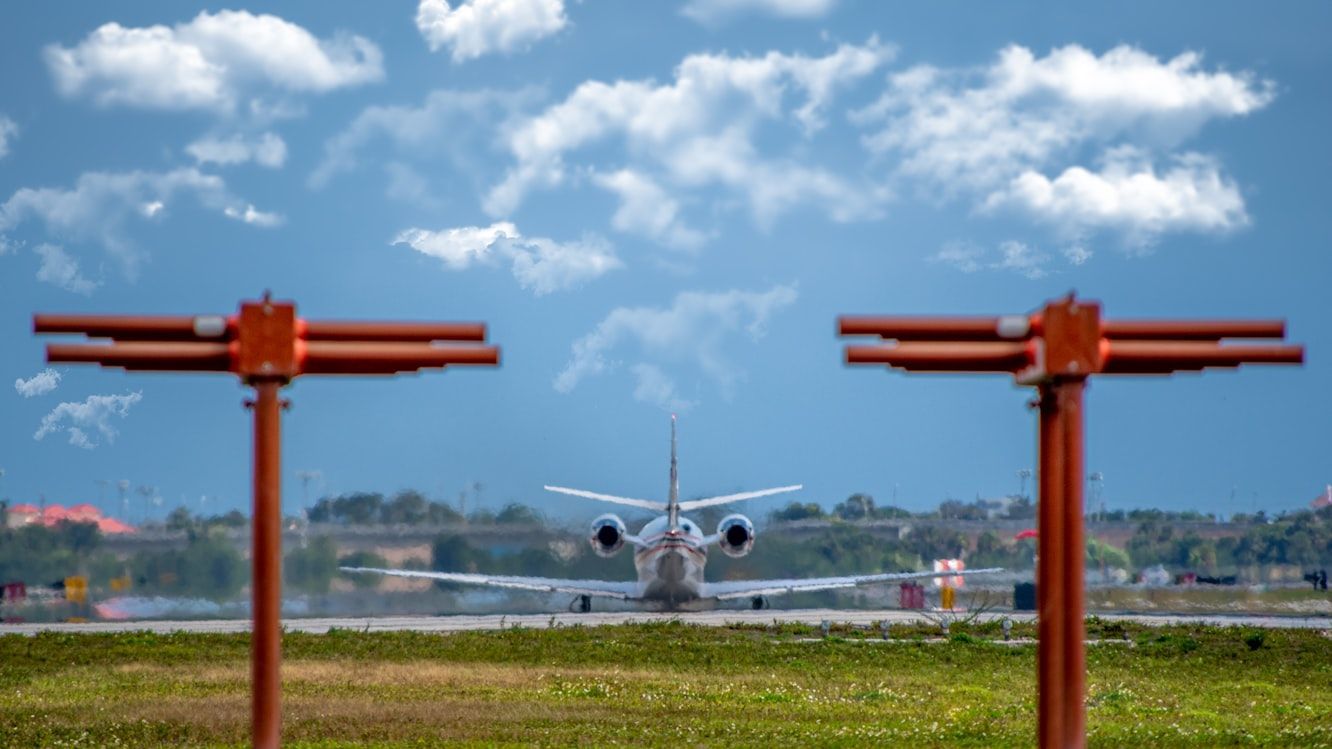
Palm Beach International Airport began as Morrison Field, a major U.S. Army Air Corps base during World War II. Thousands of aircraft passed through on their way to overseas theaters.
After the war, Morrison Field was turned over to local authorities and adapted for civilian use. Over time, it became the primary airport serving Florida’s Palm Beach region.
Plattsburgh International Airport (New York)
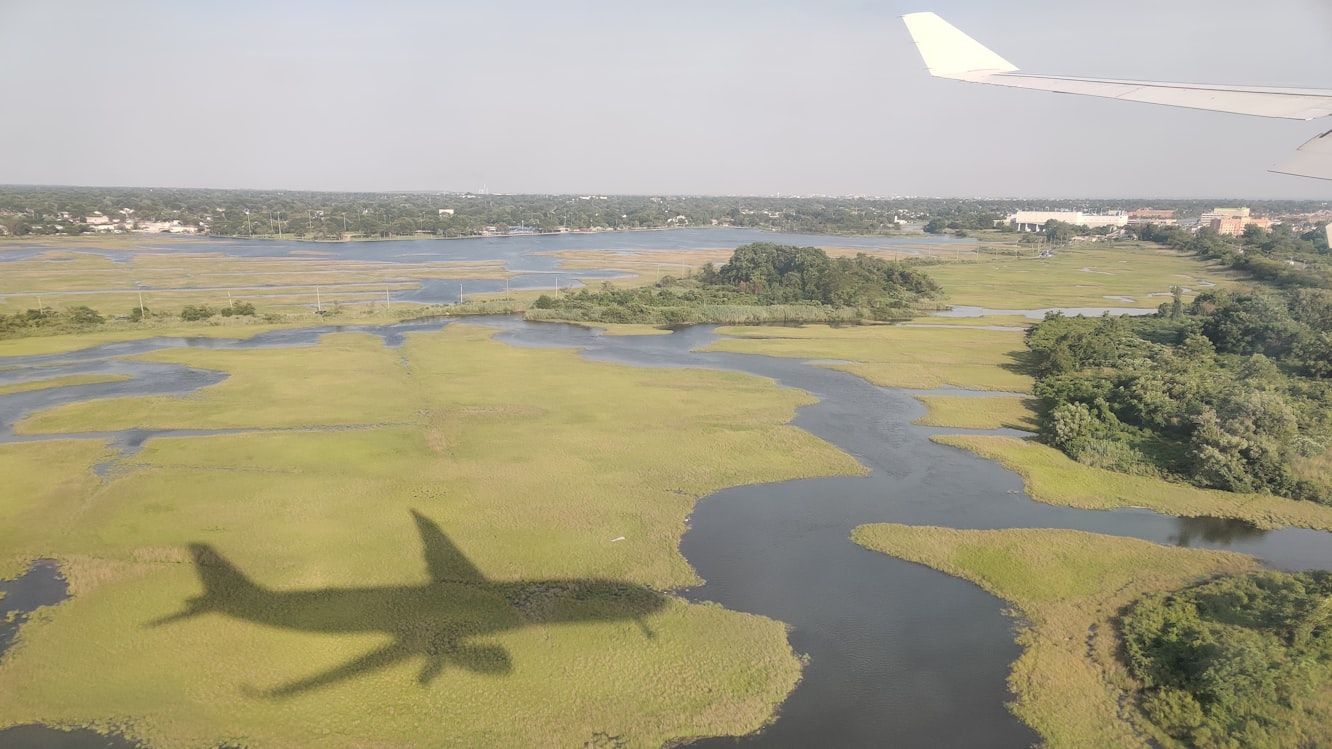
Plattsburgh International Airport occupies the former Plattsburgh Air Force Base near Lake Champlain. During the Cold War, it hosted nuclear-capable bombers due to its strategic northern location.
When the base closed in 1995, its long runways proved ideal for commercial aviation. The airport now markets itself as a convenient alternative for travelers heading to Montreal.
Laredo International Airport (Texas)
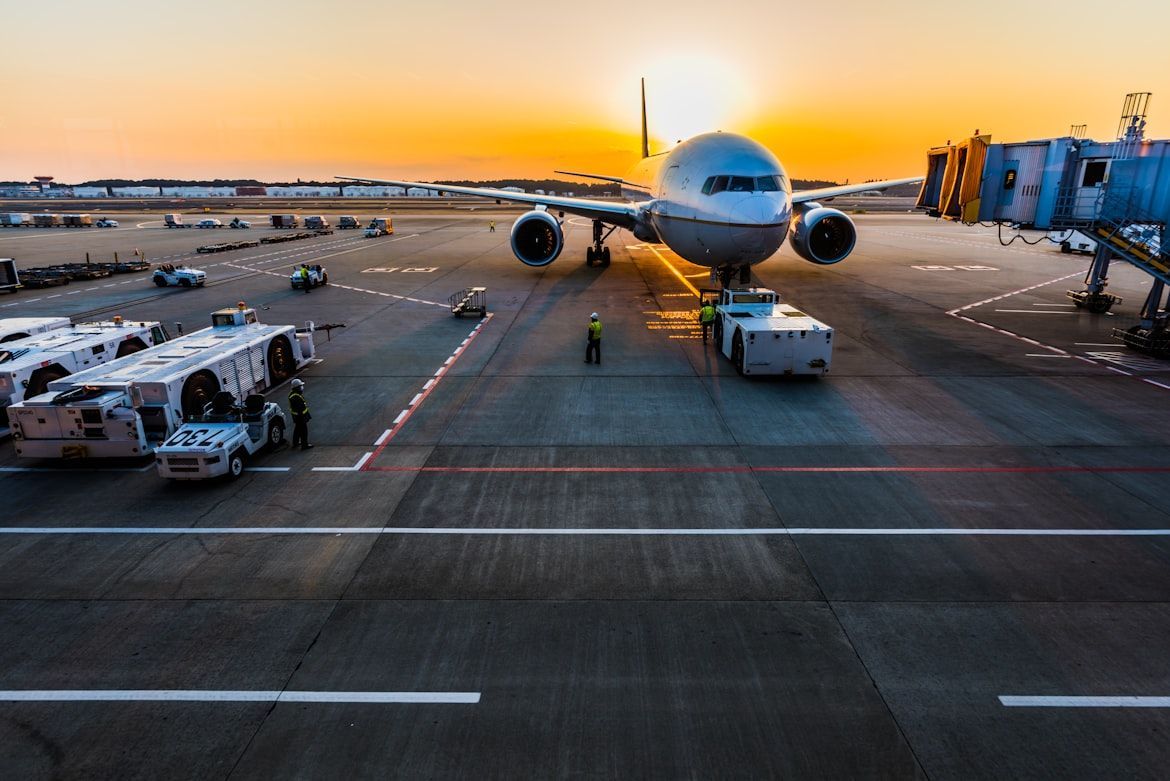
Laredo International Airport was originally Laredo Army Air Field and later Laredo Air Force Base. During World War II, it trained thousands of pilots and crew members.
The base closed in the early 1970s, and its facilities were converted for civilian use. Today, the airport serves travelers in South Texas who may not even know about its past.
San Bernardino International Airport (California)
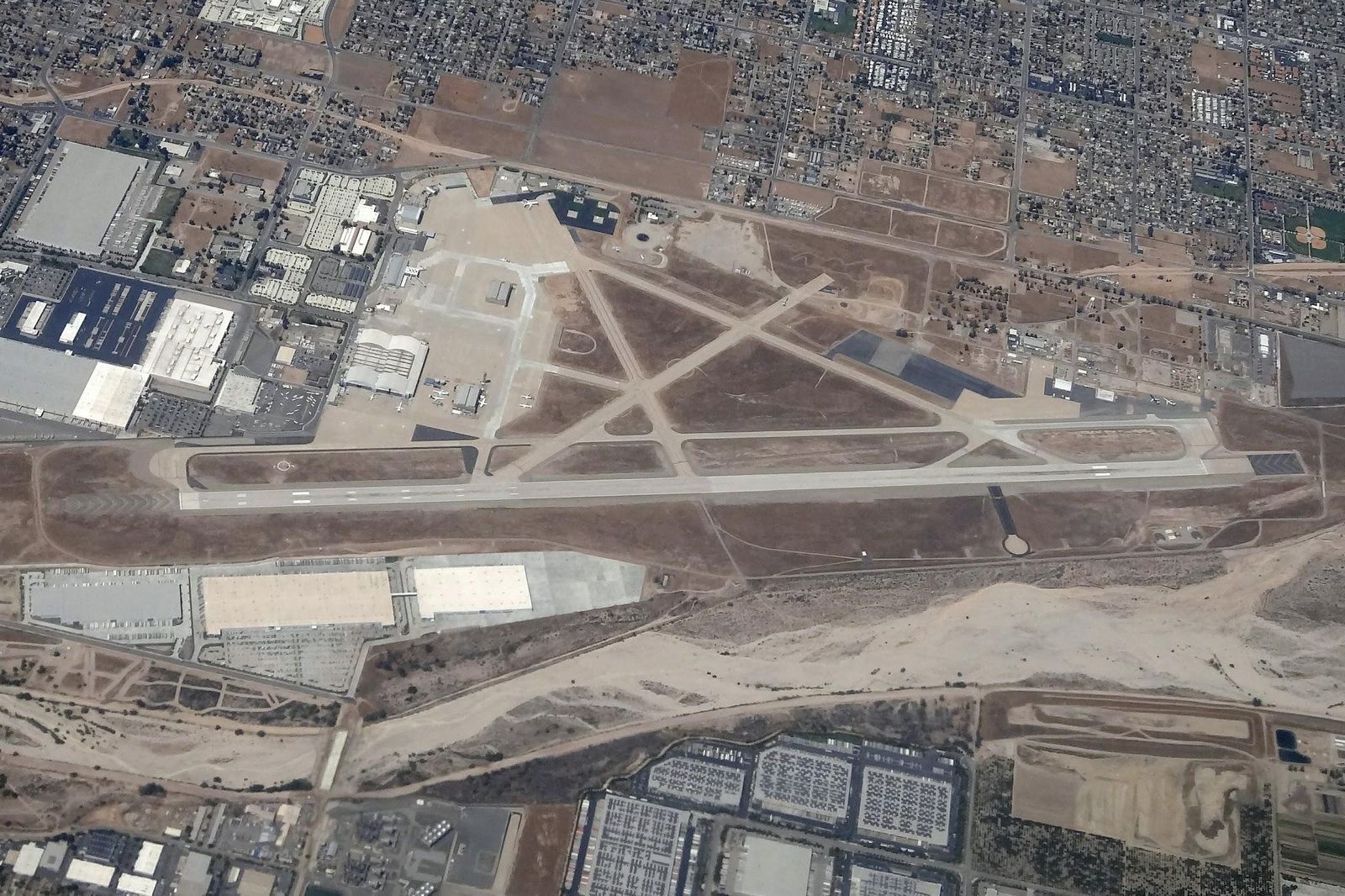
San Bernardino International Airport stands on the former Norton Air Force Base. The installation supported airlift operations for decades and played an important role in global logistics.
After Norton closed in 1994, the site was redeveloped. The airport now handles cargo and limited passenger service, using infrastructure originally designed for military transport aircraft.
MidAmerica St. Louis Airport (Illinois)
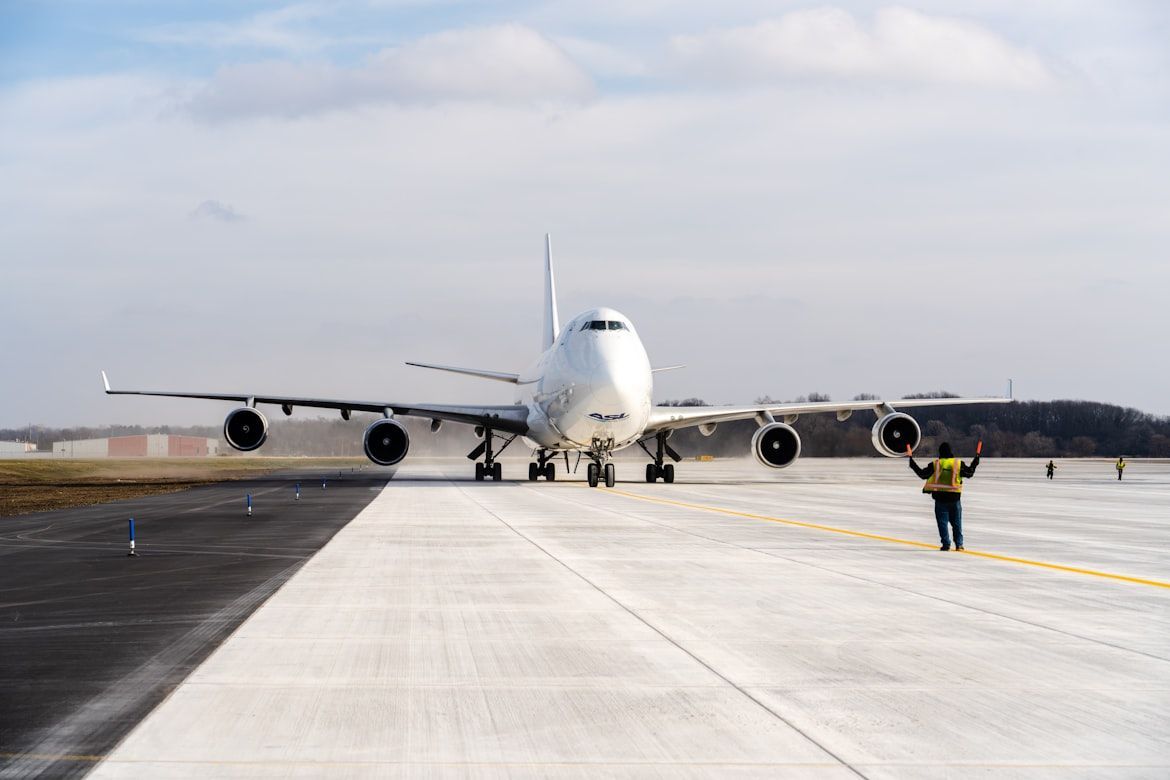
MidAmerica St. Louis Airport was developed next to Scott Air Force Base as a joint-use facility. Shared runways allow both civilian and military aircraft to operate in the same area.
Opened in 1997, the airport expanded commercial service in the St. Louis region east of the city. Travelers today use facilities that were carefully planned to operate alongside an active military base.
Grissom Aeroplex (Indiana)
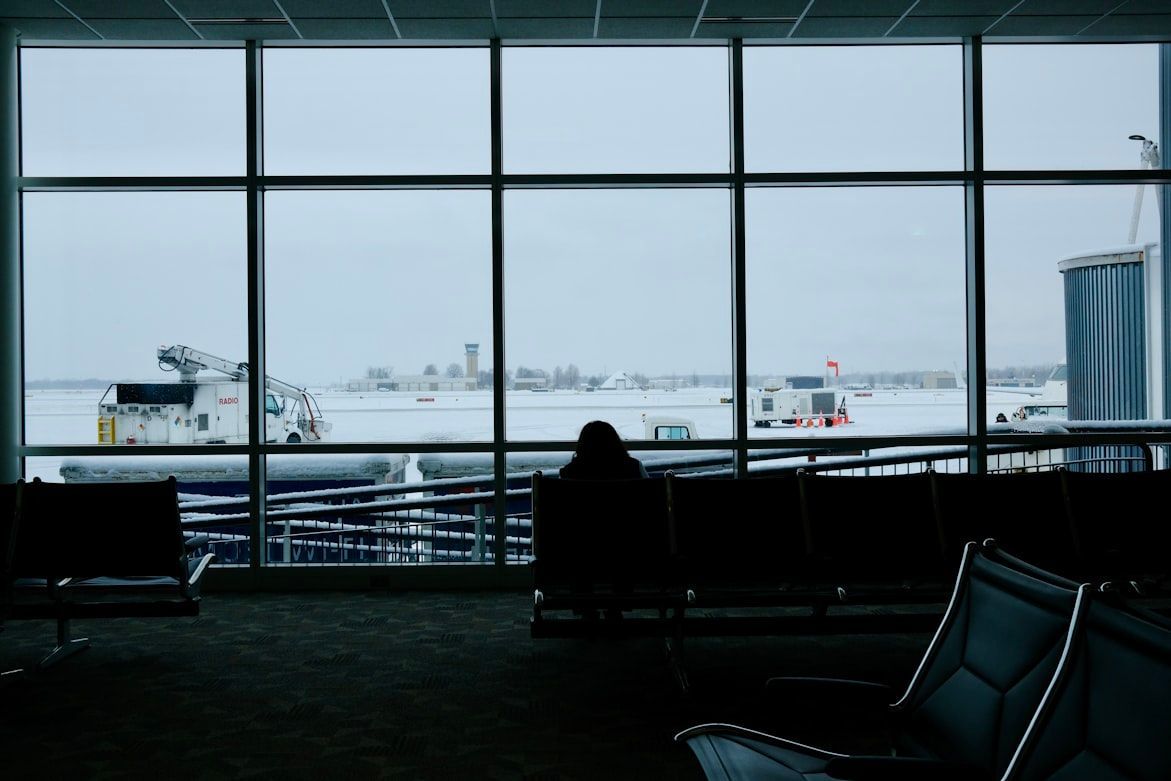
Grissom Aeroplex occupies the former Grissom Air Force Base, once home to Strategic Air Command bombers and aerial refueling aircraft during the Cold War.
After the base was downsized in the 1990s, part of the airfield was converted for civilian use. The long runways built for heavy bombers remain a distinctive feature.
Ellington Airport (Texas)
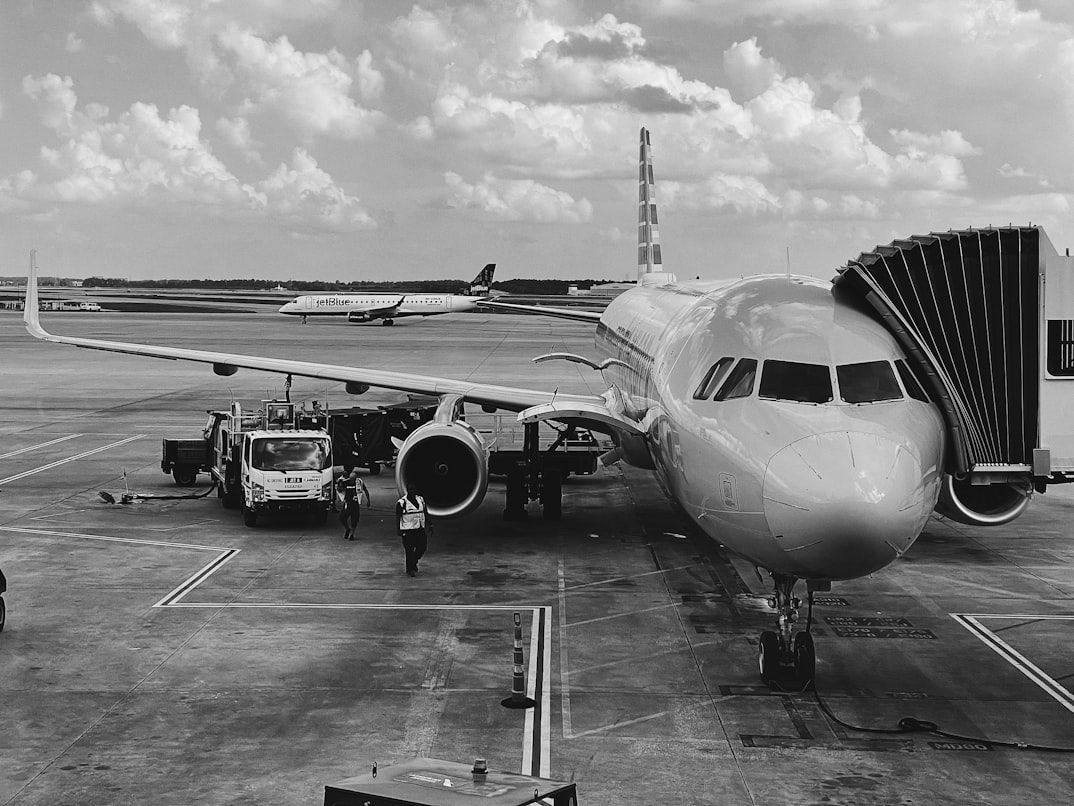
Ellington Airport began as Ellington Field, a military training base established during World War I and later used by the U.S. Air Force and NASA-related operations.
Today, the airport supports civilian flights along with government and space-related activities. Its long history makes it one of the oldest continuously active military airfields in the U.S.
Not for the faint of heart: Discover the 12 weirdest museums in America
 Landmarks
Strangeland, USA
Not for the faint of heart: Discover the 12 weirdest museums in America
We are used to museums showing us paintings, dinosaurs, and historic artifacts. But America is packed with places that go way beyond those familiar topics. Some celebrate a single hyper-specific obsession, while others lean into folklore, odd collections, or the plain fact that humans collect just about everything. Here are 12 wonderfully strange museums that are real, visitable, and guaranteed to give you a story to tell.
Museum of Bad Art (MOBA), Boston, Massachusetts
 Image: Alexander David
While art is a subjective thing and, indeed, beauty is in the eye of the beholder, certain things are downright ugly. And bad art gets the velvet-rope treatment in this museum. Paintings, drawings, and objects that are sincere, but spectacularly "off".
Expect laughable portraits, baffling still lifes, and labels that lean into the charm. Fans donate finds, and curators pick pieces that are weirdly compelling, not just messy.
International Cryptozoology Museum, Portland, Maine
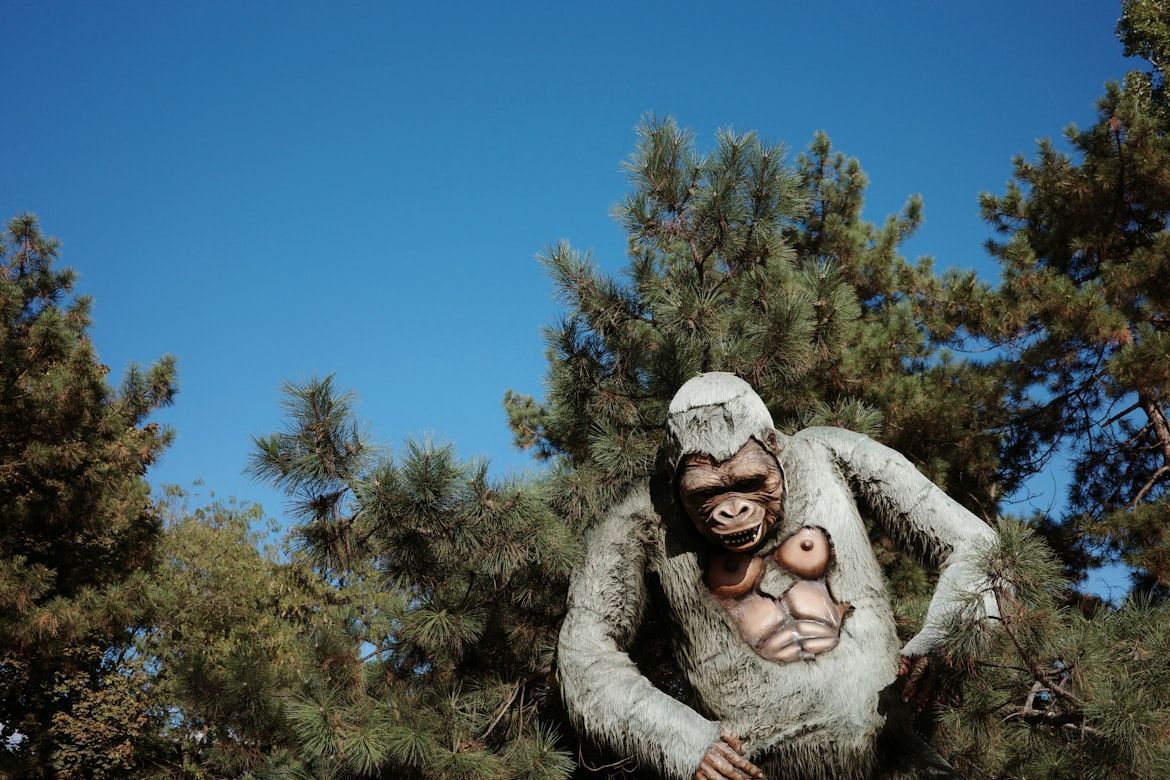 Image: Andrew Lvov
Bigfoot, lake monsters, and other "maybe" animals take center stage at this two-story shrine to cryptids. Exhibits gather folklore, reported sightings, and odd artifacts tied to creatures that science hasn’t confirmed.
You’ll see models (what else), pop-culture items, and plenty of Sasquatch-related things. The gift shop leans into the legend, making it perfect for a good souvenir.
Vent Haven Museum, Fort Mitchell, Kentucky
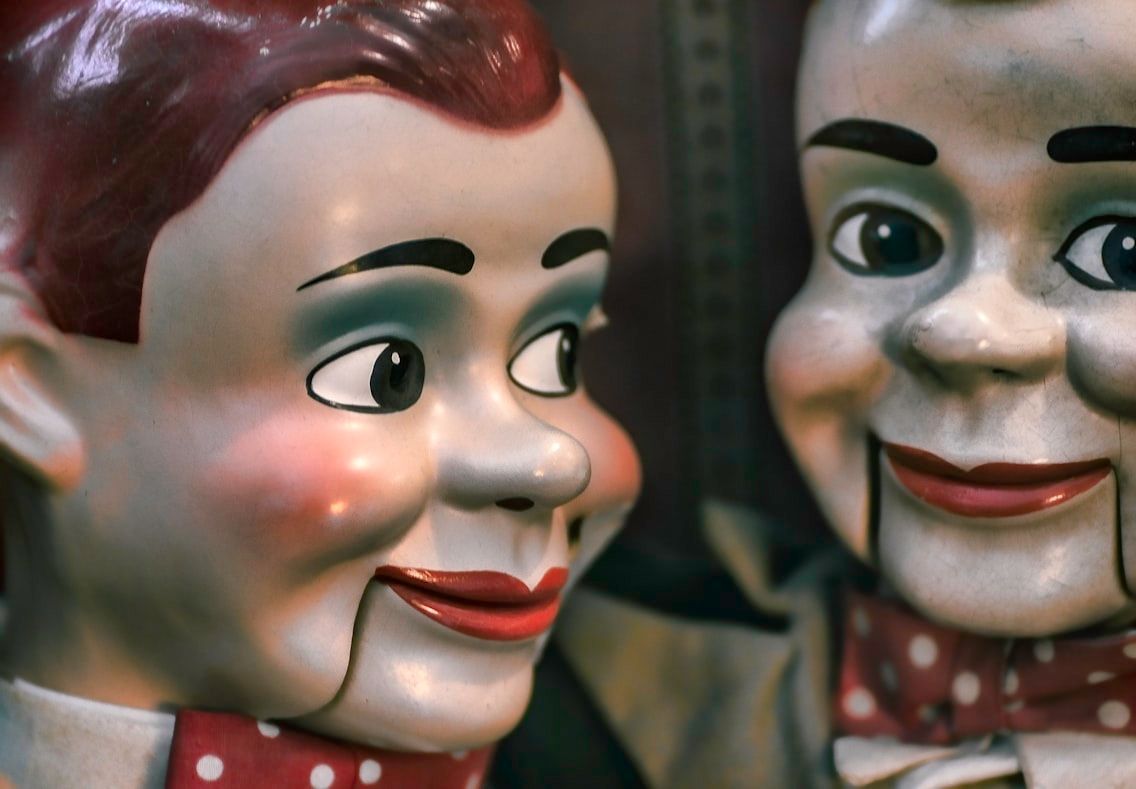 Image: Robert Zunikoff
If ventriloquist dummies give you the creeps, welcome to the deep end. Vent Haven bills itself as the world’s only ventriloquism museum, packed with figures, stages, photos, and memorabilia from generations of performers.
Visits are typically by appointment during a seasonal window, which adds to the "secret clubhouse" vibe. Dare to visit?
Museum of Death, Hollywood, California
 Image: Mathew MacQuarrie
As the name implies, this museum doesn’t sugarcoat its subject: it looks at mortality through true crime, funeral culture, and the darker corners of history. The tone is blunt and sometimes unsettling, so it’s best advised for adults and older teens.
On display are artifacts and exhibits meant to provoke, not comfort. Go in knowing it’s graphic by design and not by mistake.
Museum of Jurassic Technology, Culver City, California
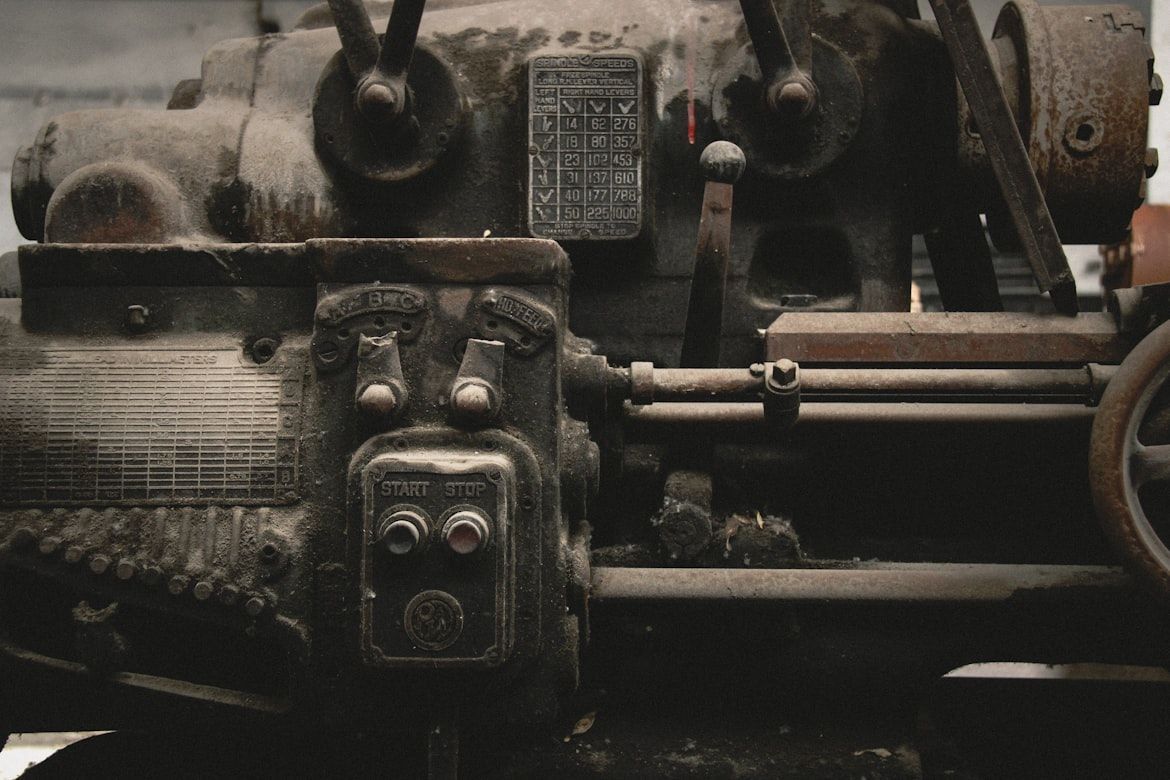 Image: Yusuf Onuk
The name hints at dinosaurs, but the real theme is wonder and confusion, so to speak. This museum mixes real science, strange stories, and artful exhibitions that blur the line between fact and playful invention.
You might jump from microminiatures to memory theories to folk remedies in a few steps. Give yourself time, and you might just enjoy this trip.
Mutter Museum, Philadelphia, Pennsylvania
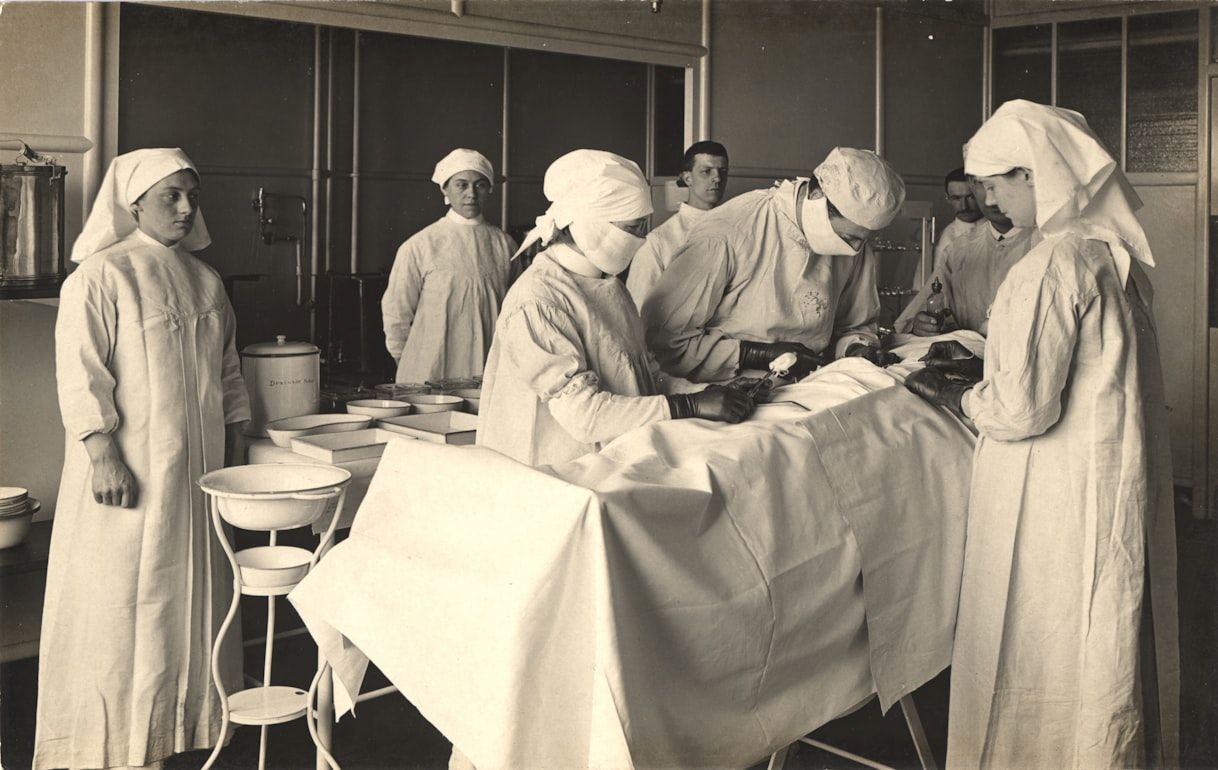 Image: National Library of Medicine
Part medical history, part cabinet of curiosities, the Mütter Museum collects anatomical specimens and vintage instruments in an old-school "doctor’s museum" setting. It’s fascinating, but some displays can be a bit disturbing.
The museum advises that parts of the collection may not be for young kids. If you can handle the macabre side of science, you’ll leave with a new respect for the evolution of medical technology.
International UFO Museum & Research Center, Roswell, New Mexico
 Image: Leo_Visions
Roswell obviously leans into its 1947 legend, and this museum is the town’s HQ for all things UFO. Exhibits cover the "Roswell Incident," eyewitness stories, and broader questions about unexplained aerial phenomena.
It’s equal parts history lesson and pop-culture pilgrimage, with plenty to read and debate. Main Street makes it feel like a roadside myth turned into a full-time archive.
Museum of Clean, Pocatello, Idaho
 Image: Teslariu Mihai
A museum devoted to cleanliness might sound like a joke, until you walk into a huge building filled with soap, sanitation, and the cultural ideas of "clean." Displays range from antique vacuums and tools to playful hands-on exhibits.
It’s unexpectedly big, family-friendly, and oddly inspiring. There’s art and humor to be found here, making visits feel fun and not like a lecture on chores at all.
National Mustard Museum, Middleton, Wisconsin
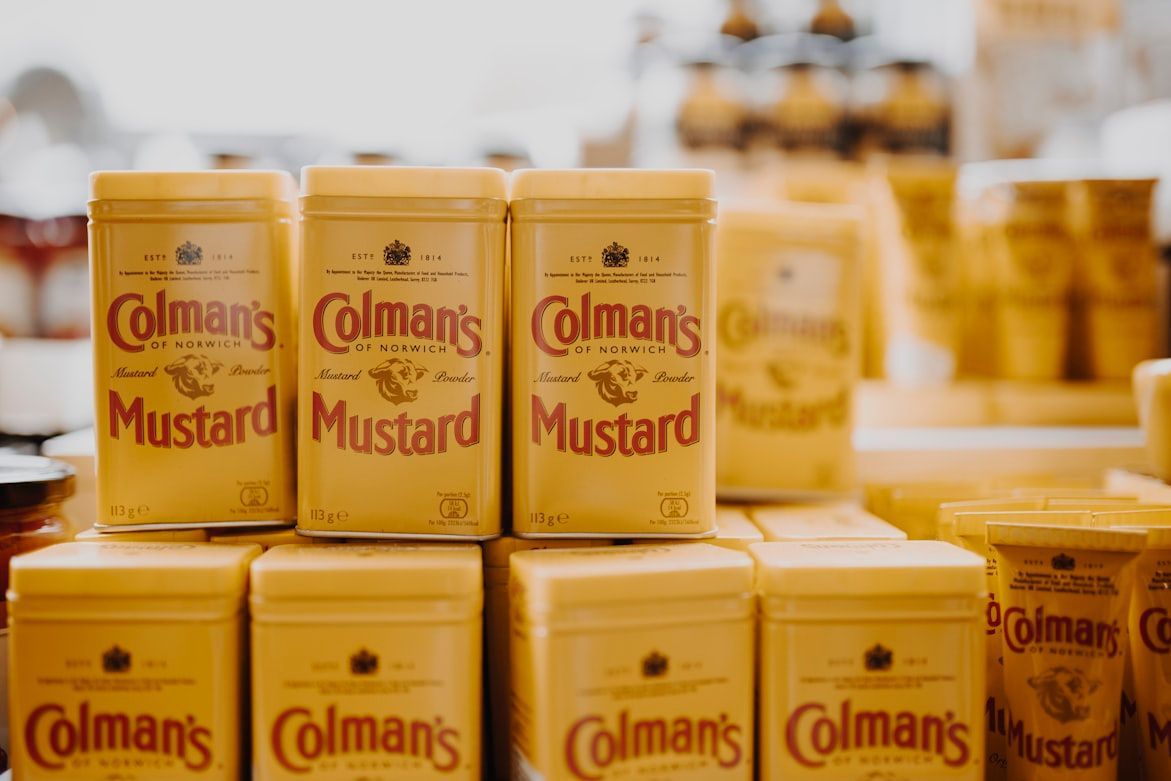 Image: Simona Sergi
This condiment museum claims the world’s largest mustard collection, with thousands of jars and piles of mustard memorabilia. It’s part gift shop, part tasting adventure, and unapologetically devoted to one yellow obsession.
Stroll around the displays, sample flavors, and learn how a humble squeeze-bottle staple became a regional art form. It’s free to visit, which adds one more incentive to the visit.
Kansas Barbed Wire Museum, La Crosse, Kansas
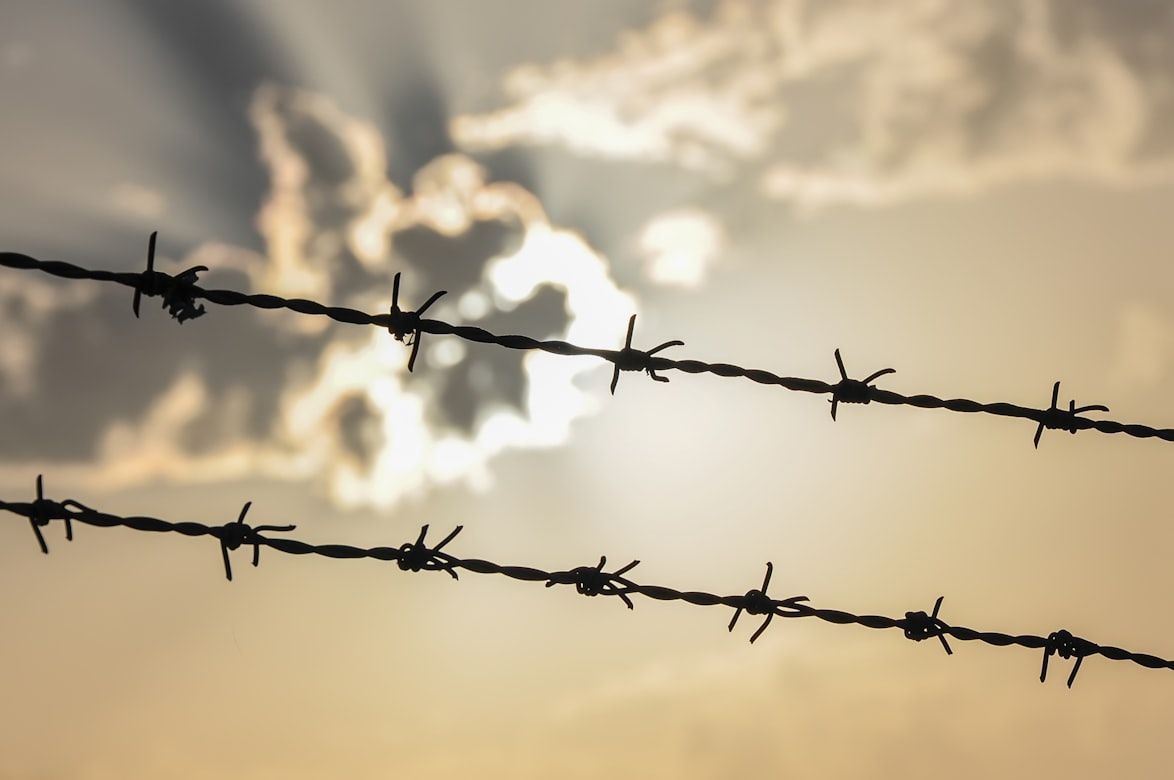 Image: Vladimir Zuhovitsky
In ranch country, barbed wire is history, and this museum treats it like art and engineering. The collection showcases thousands of wire varieties, plus old fencing tools and stories of frontier invention.
There’s a real Hall of Fame atmosphere for 1800s patents and prairie problem-solving. For such a small town, it’s a surprisingly deep rabbit hole of sharp inventions, pun intended.
American Sign Museum, Cincinnati, Ohio
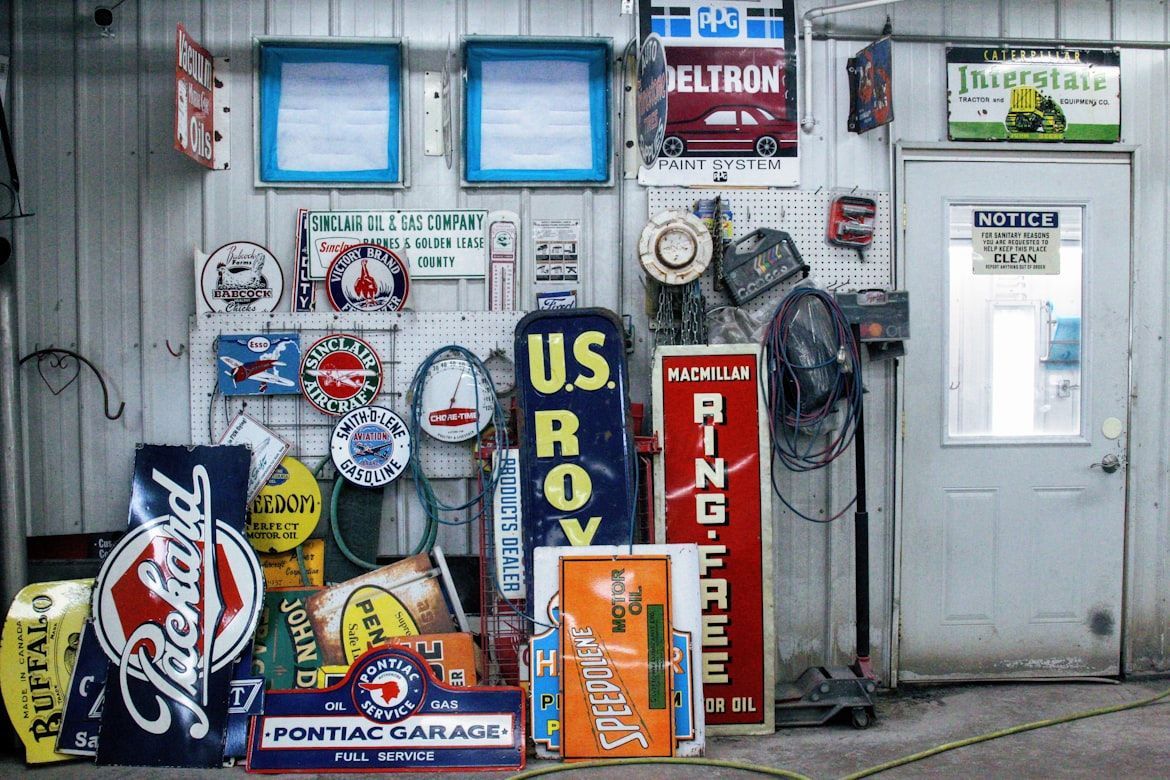 Image: Meg Jenson
Neon, bulbs, roadside giants, and beyond, this museum is a glowing time capsule of American signs. The American Sign Museum covers more than a century of commercial art, from hand-painted wood to midcentury electric spectacle.
Walking through feels like strolling a vintage main street at night. Many pieces are full-scale, so you’re not just looking at history, but standing right in the middle of it.
Museum of the Weird, Austin, Texas
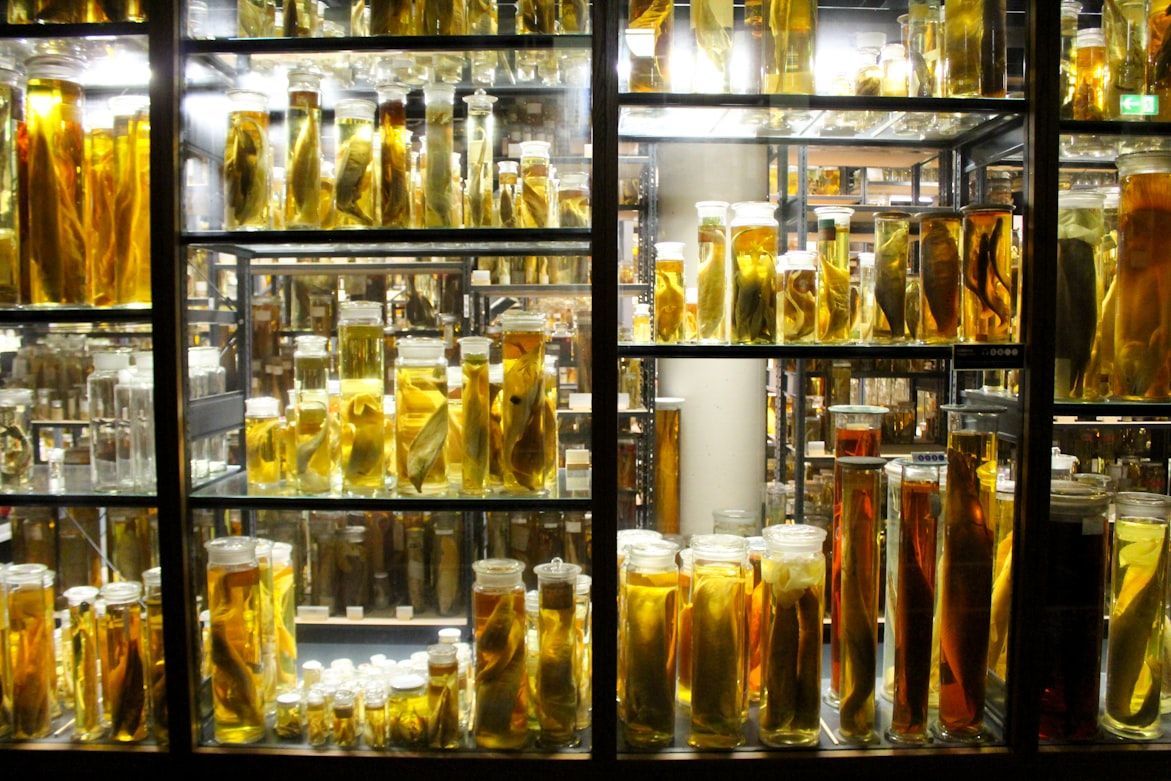 Image: Savannah Wakefield
A museum that could not be left out of this list, Austin’s Cabinet of Curiosities is packed with oddities, sideshow-style exhibits, and creepy collectibles. Granted, it’s more carnival than conventional museum.
Expect mummies, "mermaids," and strange artifacts meant to make you stare and even laugh. It’s on historic Sixth Street, so you can pair it with music, tacos, and more regular city tourism activities.
Keep wandering
There’s always
more to explore
 General

Why planes are painted white: The real reason
6 min.
Read Now

Walt Disney's apartment still has its lights on
4 min.
Read Now
 Geography

This mountain isn't one volcano, it's actually three
7 min.
Read Now
Why this hotel room stayed locked for 30 years: 10 hotels hiding secrets
7 min.
Read Now