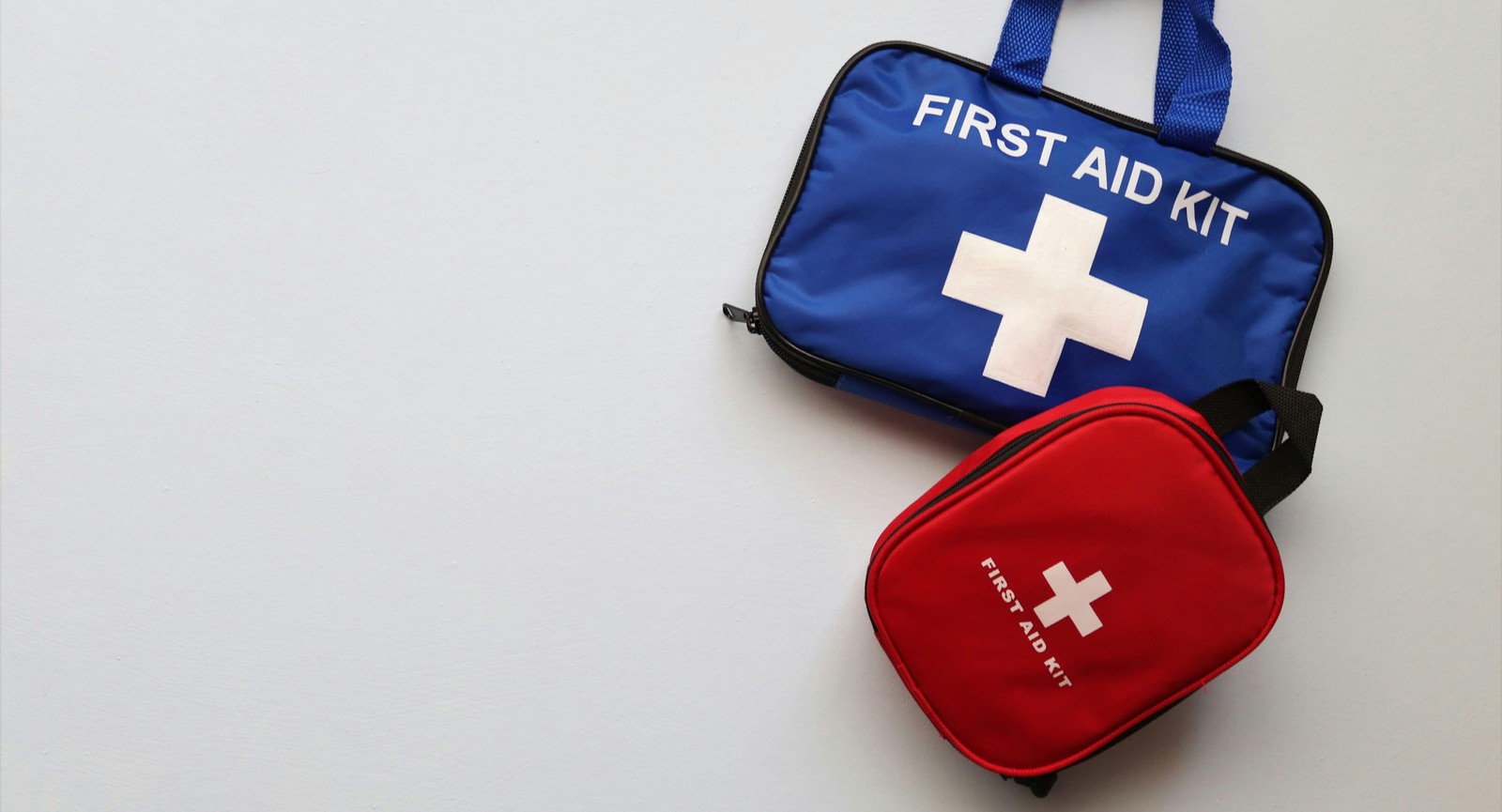
Beyond the Band-Aid: 10 tips for packing your travel infirmary
 General
Rules for healthy travel
Beyond the Band-Aid: 10 tips for packing your travel infirmary
Whether you’re trekking through the Rocky Mountains or simply navigating the buffet line at an all-inclusive resort, your travel first-aid kit may be the most important insurance policy you’ll ever carry. In a perfect world, this kit would stay at the bottom of your suitcase, untouched and gathering dust. But we don't live in a perfect world; we live in one where blisters happen, street food is a gamble, and airplane air is a masterclass in dehydration. Building a kit isn't just about throwing a handful of Band-Aids into a Ziploc bag; it’s about being prepared for the specific stresses of travel. Here’s your comprehensive guide to packing a life-saving travel kit.
The foundation: Write down your essential list

The biggest mistake travelers make is packing for "emergencies" while forgetting their daily needs. Before you buy out the pharmacy, sit down and make a list of essentials. If you take prescription medications, be sure you have enough to last the entire trip, plus an extra week in case of delays. Keep a printed record of your blood type, allergies, and any chronic conditions. Also, if you are travelling somewhere with special risks, such as high malaria exposure, intense sun, or extreme cold, make sure you have any additional medications needed and that your vaccinations are up to date.
Prepare for being in the air
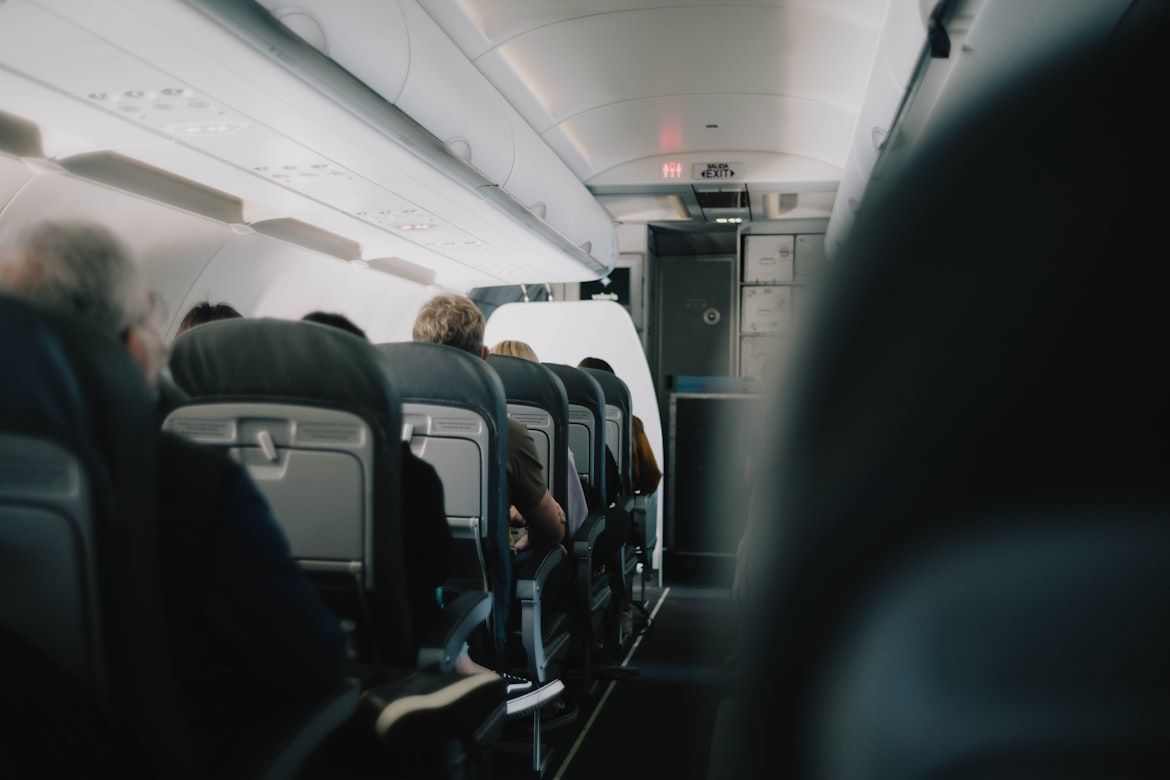
Air travel puts unique stress on the human body. Your first-aid kit should be accessible during the flight to help manage these situations. For example, you may experience ear and sinus discomfort. Rapid pressure changes can cause "airplane ear," also known as barotrauma. Having a decongestant or specialized earplugs can help reduce discomfort and lower the risk of complications. Respiratory concerns are also common. While cabin air is filtered, the close quarters can still facilitate the spread of pathogens. A high-quality mask and saline spray are your first line of defense.
Mastering medication transport
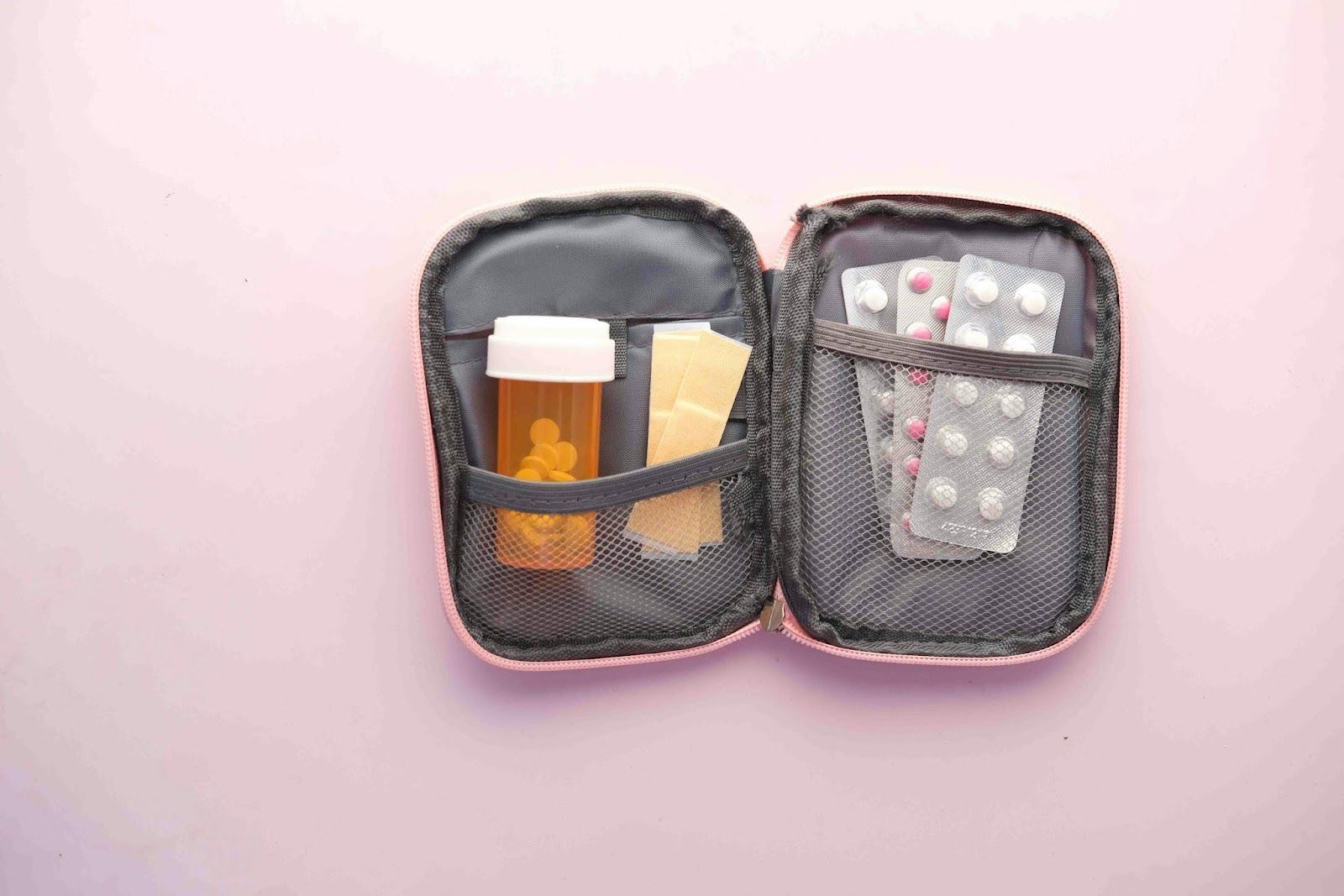
How you carry your medication is just as important as what you carry. To avoid issues with customs officials or TSA agents, follow these guidelines: always keep medications in their original containers with the prescription label visible. This helps demonstrate that the medicine was prescribed to you. Never put essential medications in checked luggage. If your bag is lost, your health goes with it. For controlled substances or injectable medications (such as insulin), consider carrying a copy of your prescription or a doctor's note explaining their necessity.
Know the "no-fly" medications

Not all medications are welcome in every country. In fact, some common over-the-counter and prescription drugs in the U.S. can lead to legal trouble abroad. For example, medications containing codeine and pseudoephedrine, found in some cold and sinus remedies, including certain forms of Sudafed, are restricted or regulated in several countries and may require documentation. CBD and hemp products, even if legal at your origin and destination, may be prohibited when flying through international airspace. As a rule of thumb, check the embassy or official government website of your destination country for prohibited substances.
The basic toolkit: Your general first-aid items
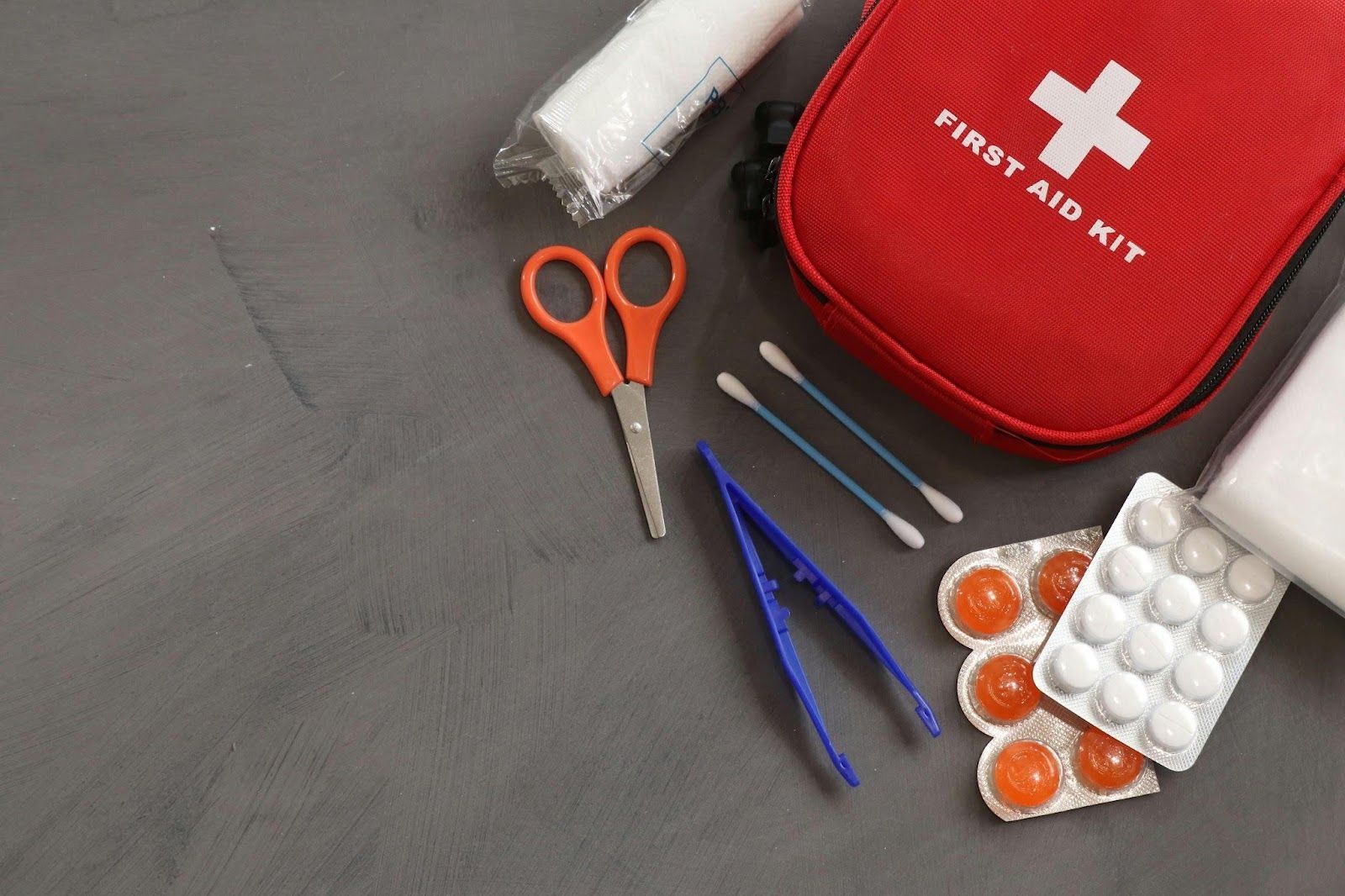
Do you keep a repair kit in the trunk of your car? This is similar. The following items can handle the physical injuries and diagnostic needs that might arise on the road. Antibacterial wipes can be useful for cleaning surfaces or hands before treating a wound. Hand sanitizer is essential when clean water isn't available. For sprains, strains, or overheating, instant cold packs are helpful. Always carry a pain reliever like acetaminophen or ibuprofen for headaches and fever. Scissors, gauze, medical tape, thermometer, tweezers, and face masks are also essential.
Skin deep: Essentials for dermatological problems
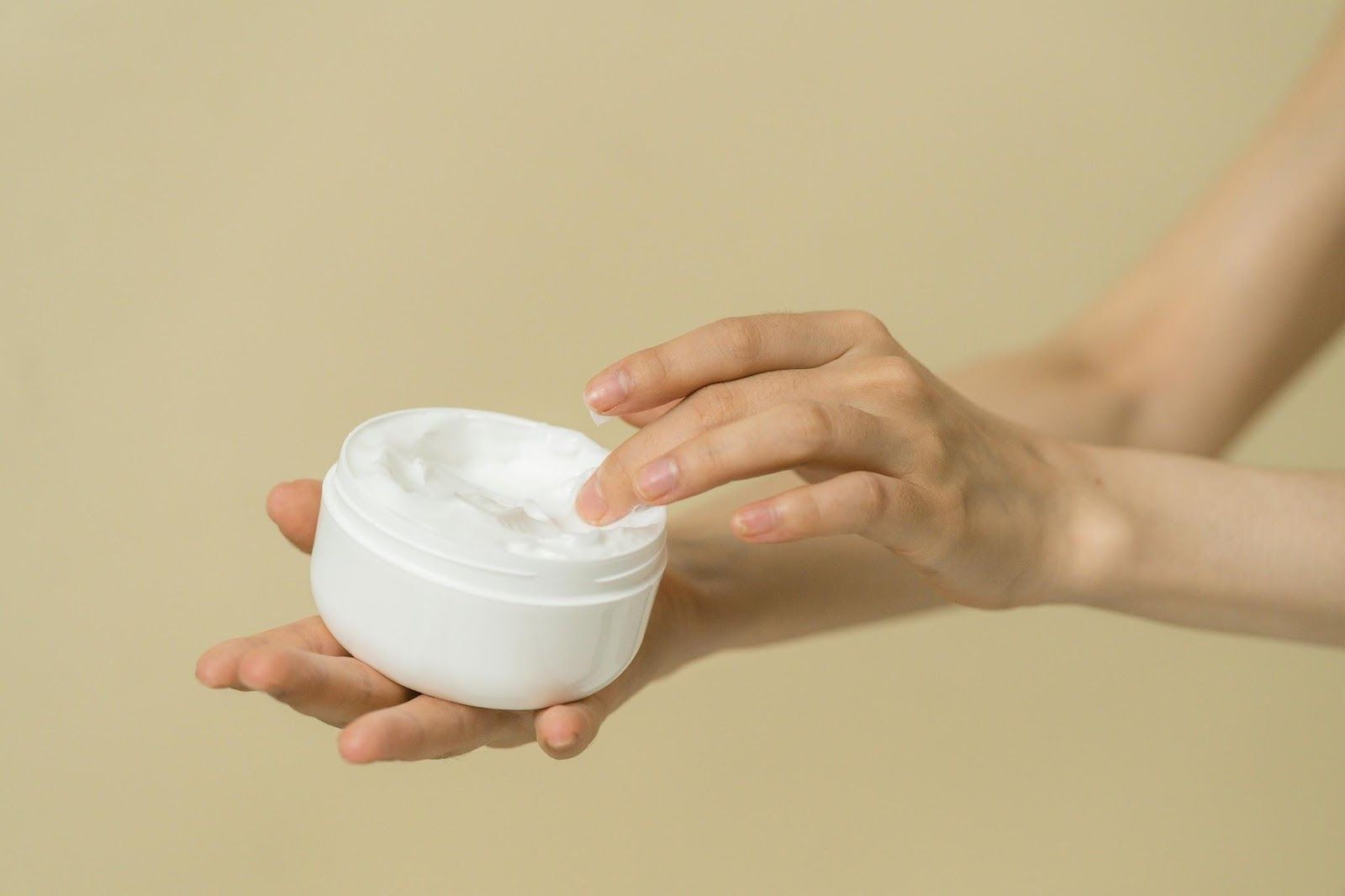
The skin is your body's largest organ and its first line of defense. When it’s compromised by a scrape or a rash, infection can set in quickly. When traveling, carry antiseptics, such as iodine or alcohol pads, along with an antibiotic ointment to help prevent infection in minor cuts. Keep a variety of bandages, sterile gauze, and medical tape close at hand. Aloe vera gel is a godsend for sunburns, while calamine lotion helps relieve itchy bug bites or unexplained rashes.
The digestive defense
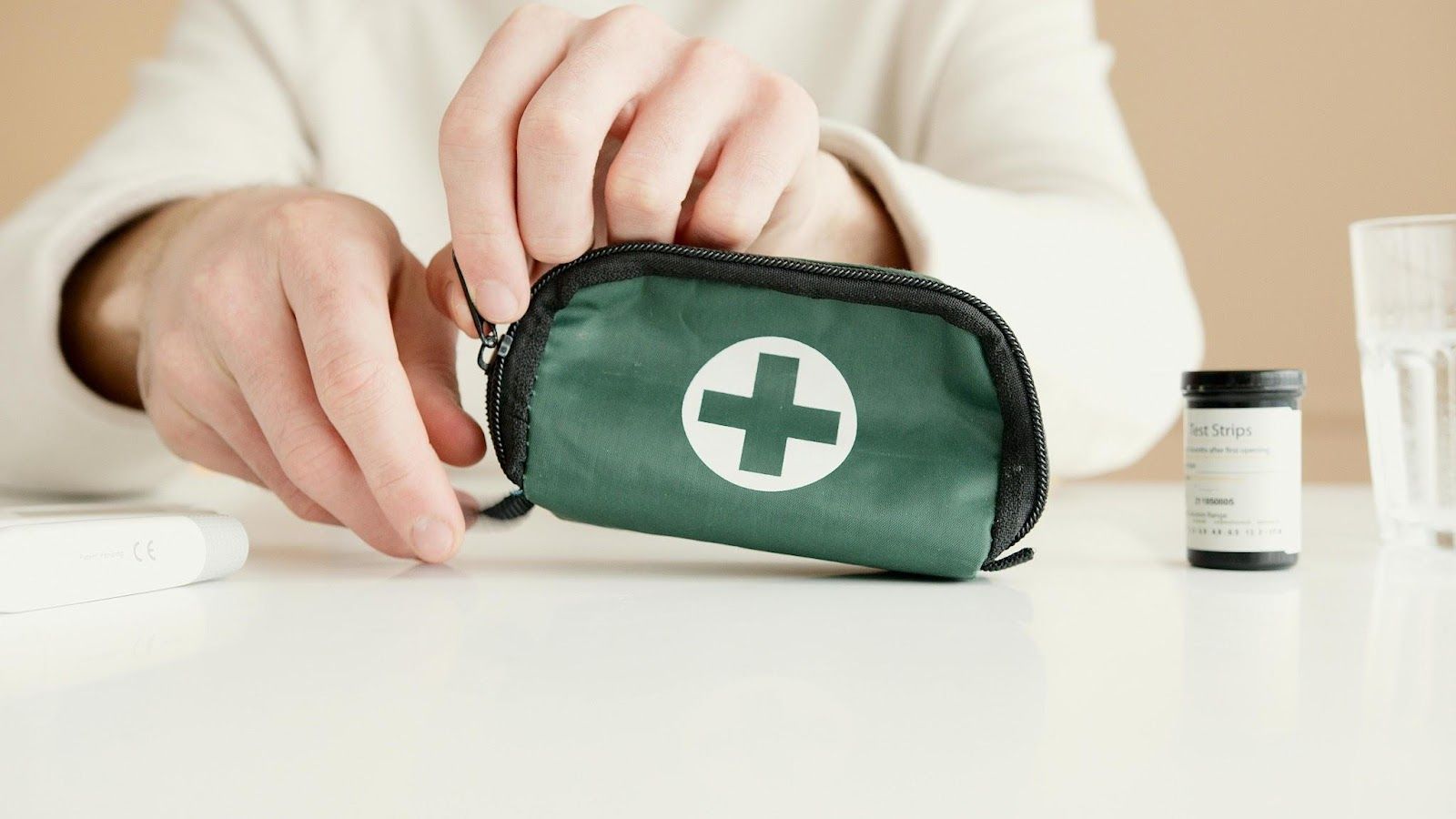
Digestive issues while traveling are almost a rite of passage, but they don’t have to ruin your trip. Antacids are great for that spicy street food that seemed like a good idea late at night. Anti-diarrheal medication can be essential for those long bus rides where a bathroom is nowhere to be found. Travel can also cause the opposite problem. A change in diet or dehydration can trigger constipation. To address it, consider packing a laxative or stool softener. Motion sickness is another big concern. Meclizine or Dramamine can help during boat trips, winding mountain roads, or turbulent flights.
Respiratory relief: Breathing easy
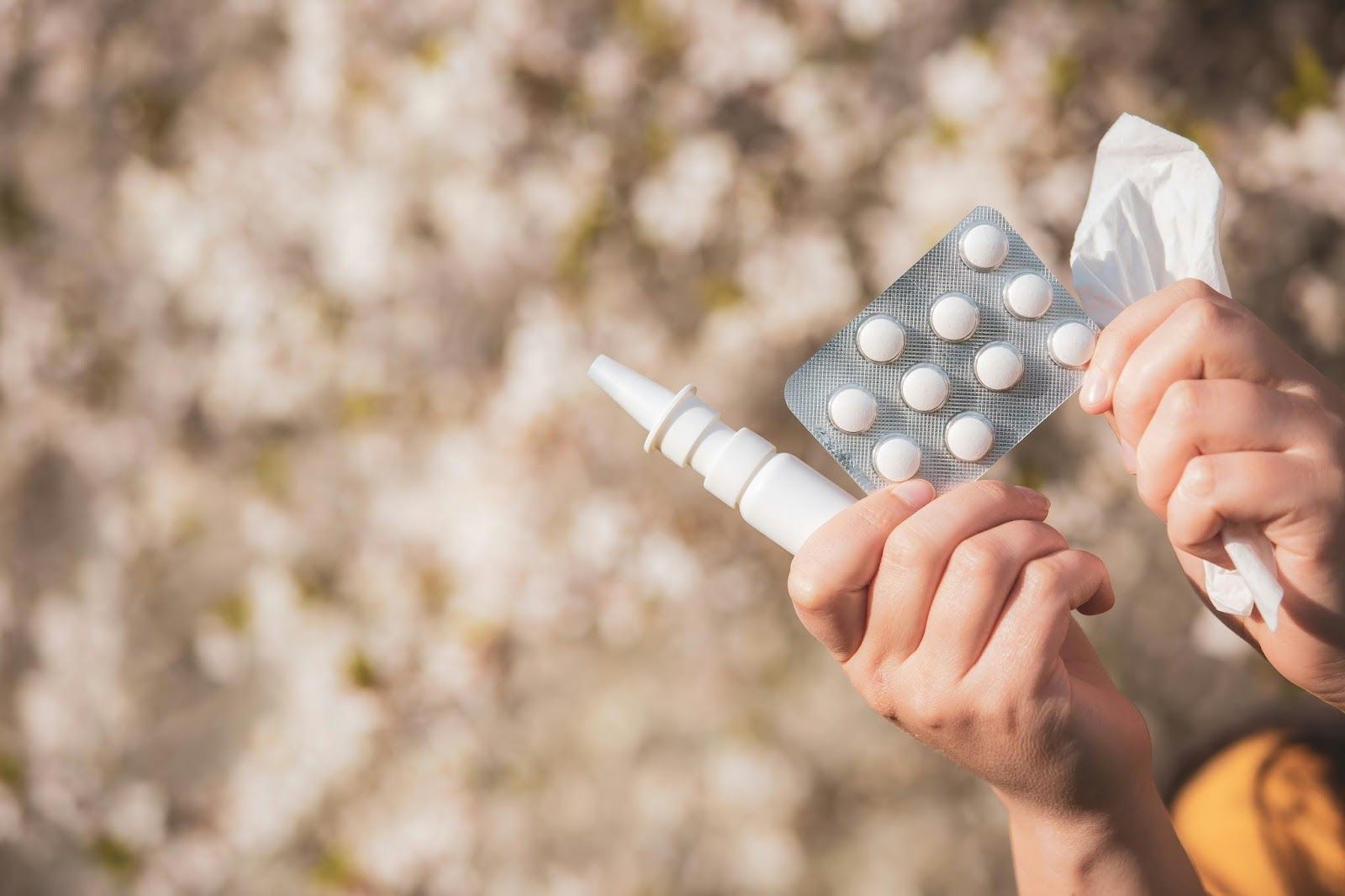
From the dry air of an airplane cabin to the humidity of the tropics, your respiratory system takes a beating. Saline nasal spray is an underrated travel tool; it keeps your nasal membranes moist, which helps them filter out irritants and pathogens. For unexpected allergies to local pollen, carry antihistamines. And because a persistent cough in a quiet museum or a crowded plane is socially unacceptable and physically exhausting, you may also want to pack a cough suppressant and cold-relief medication.
Not too much, not too little

It’s tempting to pack an entire pharmacy, but weight is the traveler’s enemy. Decant medications where possible: don't bring a bottle of 500 ibuprofen tablets for a weekend trip. Use small, labeled travel vials. Whenever possible, buy medications in blister packs rather than bottles. They’re flatter and lighter, and the expiration date is usually printed on the foil.
Post-trip audit
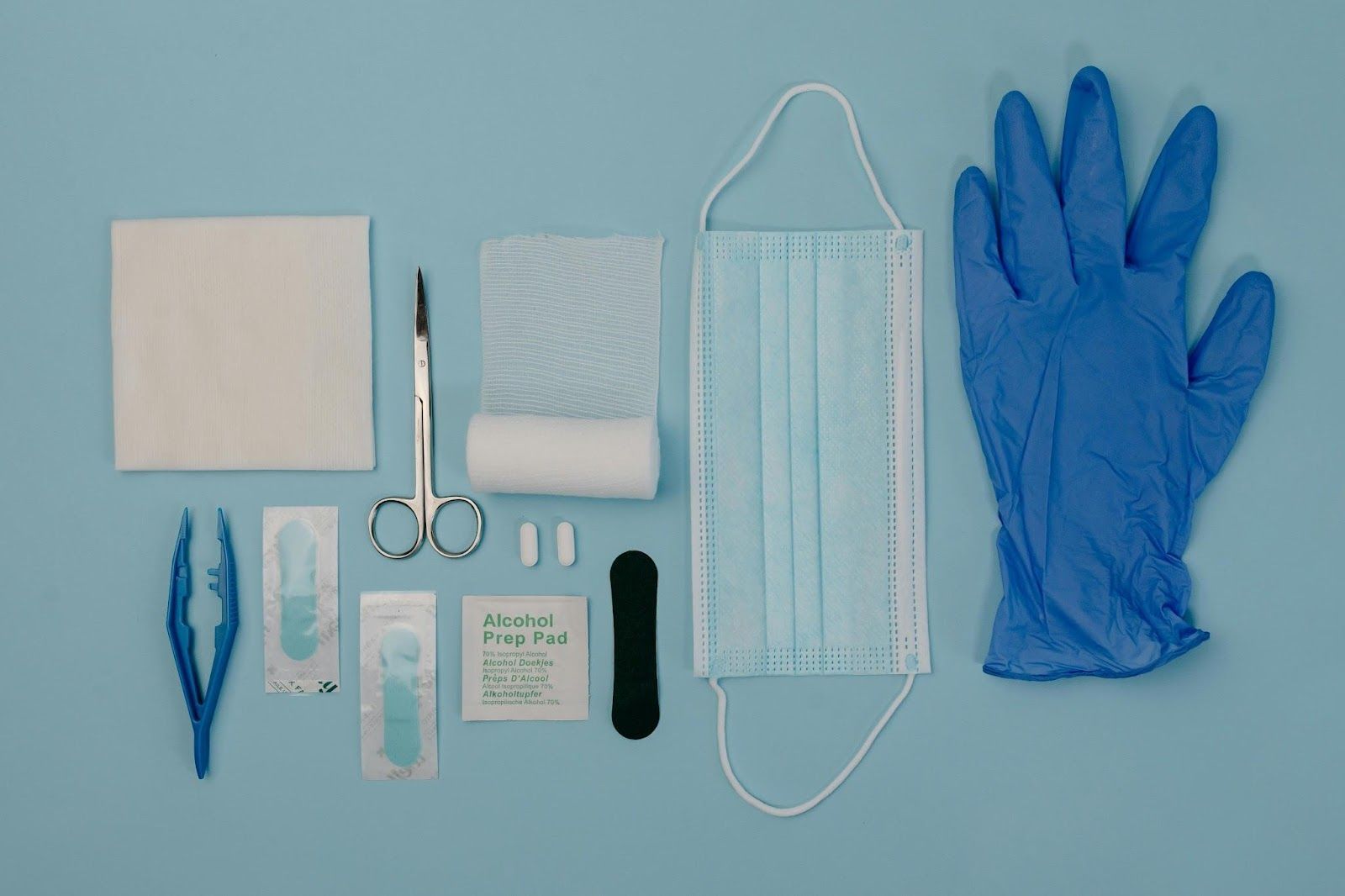
The most important step in first-aid kit maintenance happens after you get home. Open your kit and review what you used. Restock anything that’s missing so it’s ready for your next trip. It’s also a good opportunity to check expiration dates and replace the products that are too old. Keep everything packed and ready to go; you can always adjust your list for your next adventure.
Keep wandering
There’s always
more to explore

Why your glasses are better than contacts (and 9 other air travel tips)
3 min.
Read Now

Hidden in plain sight: 10 secrets of famous city statues
5 min.
Read Now

Never leave for a trip without checking this appliance first
4 min.
Read Now
 Landmarks

10 famous world landmarks that are never called by their official names
4 min.
Read Now