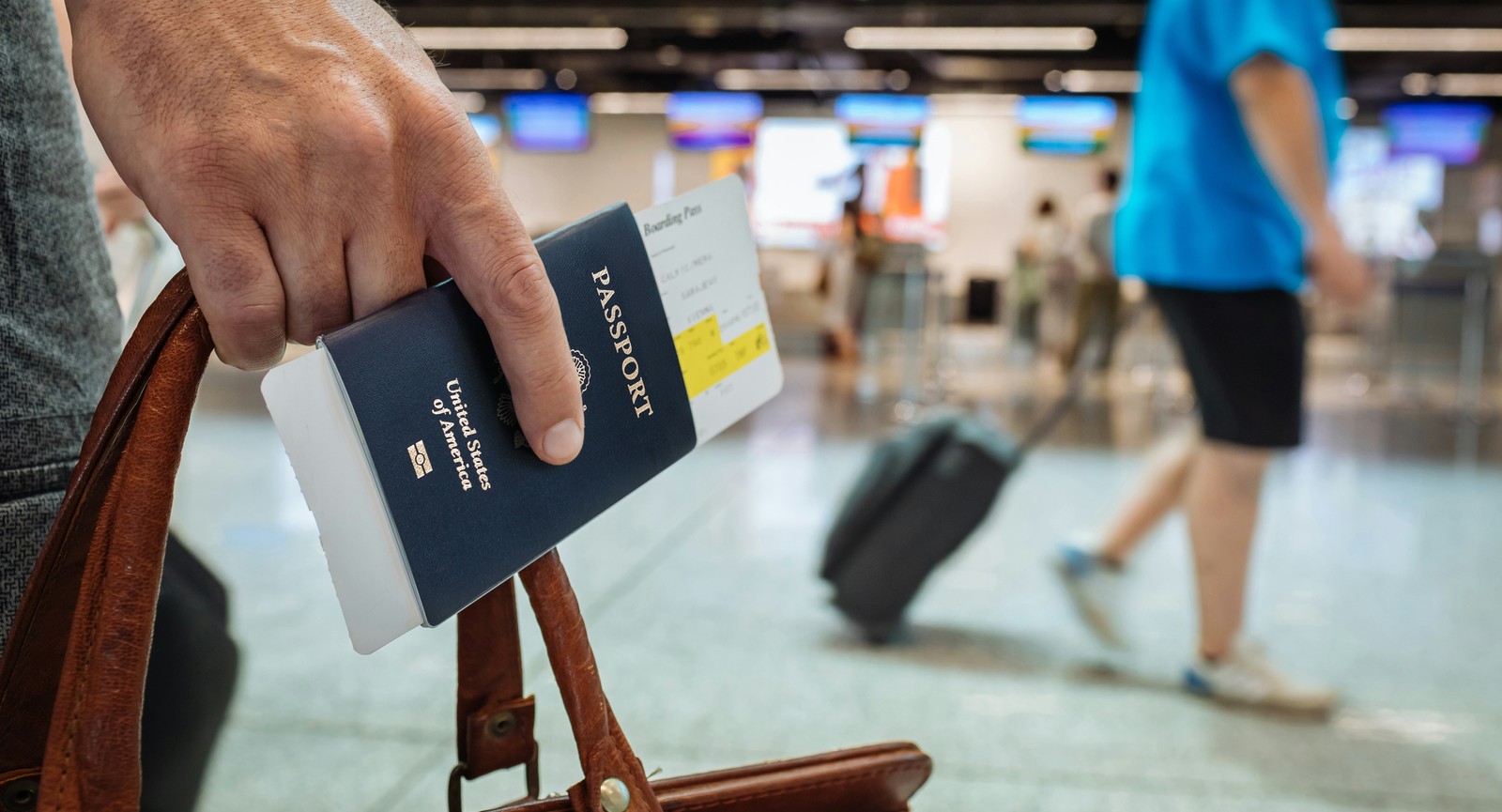
Understanding these TSA regulations can make or break your trip
 General
Understanding these TSA regulations can make or break your trip
If you want to make flying less stressful, being familiar with the Transportation Security Administration (TSA) rules and recommendations goes a long way. Many delays at checkpoints happen simply because travelers are unsure about how early to arrive at the airport, what documentation to have close at hand, and what items are actually allowed in carry-on bags. We’ve compiled a list of frequently asked questions and answers to make your next airport experience faster and easier.
How early should I get to the airport?
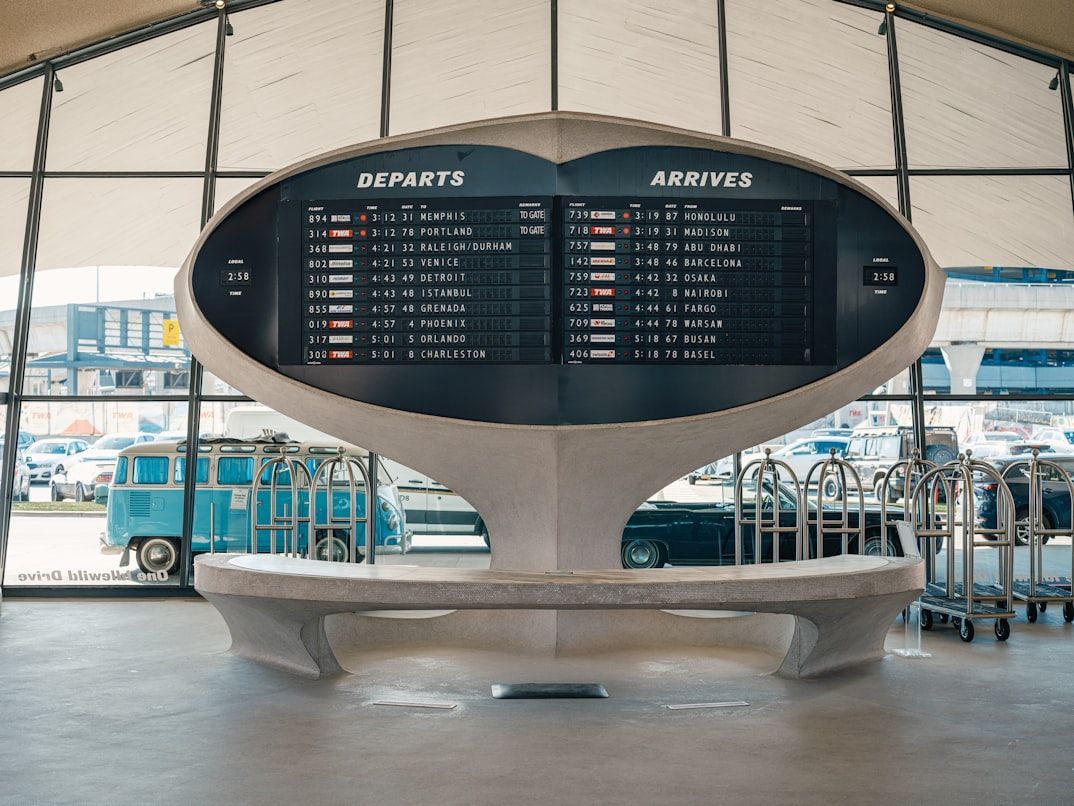
The TSA recommends arriving at the airport at least 2 hours before domestic flights, and 3 hours before international flights. Following their advice will give you ample time to check in, pass through security, and handle unexpected delays without feeling rushed.
Trusted flyers enrolled in TSA PreCheck often have access to faster lanes due to reduced checkpoint procedures. Still, it's recommended that they arrive at least 1.5 hours before domestic flights, and 2.5 hours before international flights.
What documentation should I bring?
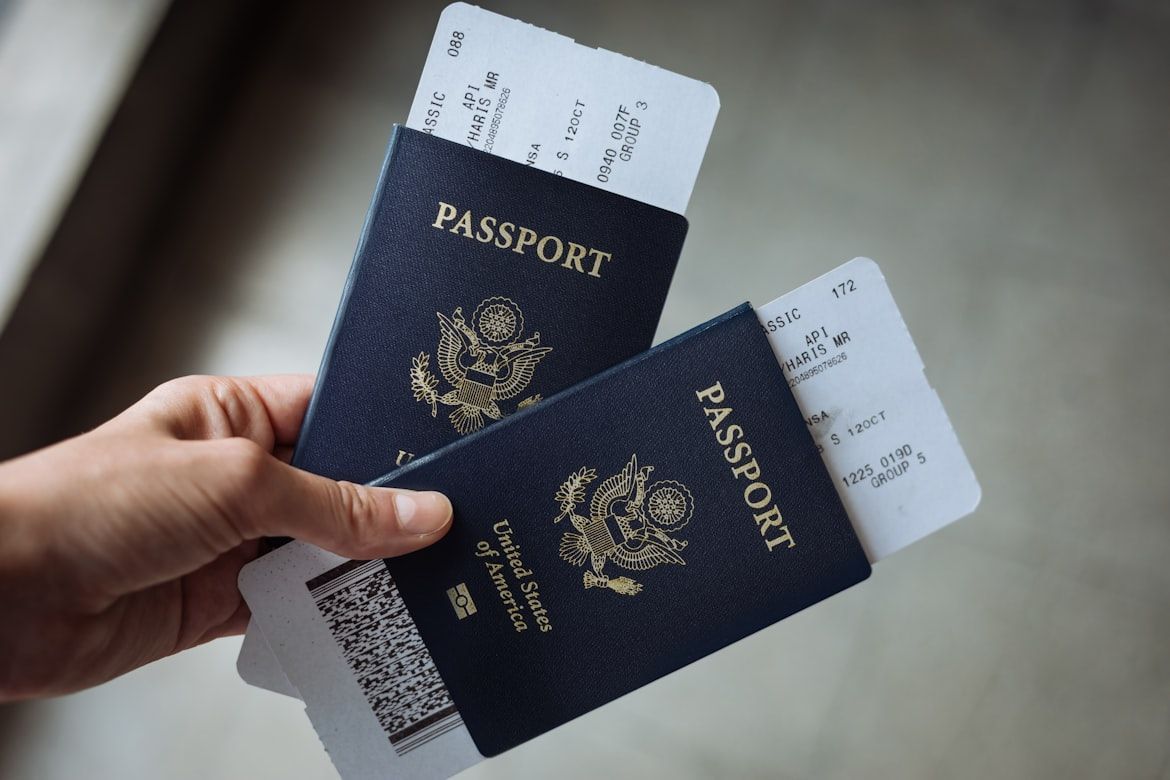
For domestic flights within the US, you'll need a government-issued ID, such as a driver's license or passport. Make sure that the name on your ID matches exactly the name on your boarding pass, as even small discrepancies will be investigated and can cause delays.
For international travel, you'll need a valid passport and, depending on your destination, a visa or additional entry documentation. It's a good idea to check entry requirements well in advance of your trip. Keeping your ID, passport, boarding pass, and any additional paperwork close at hand before reaching security will make the process faster and smoother.
What is the 3-1-1 rule?
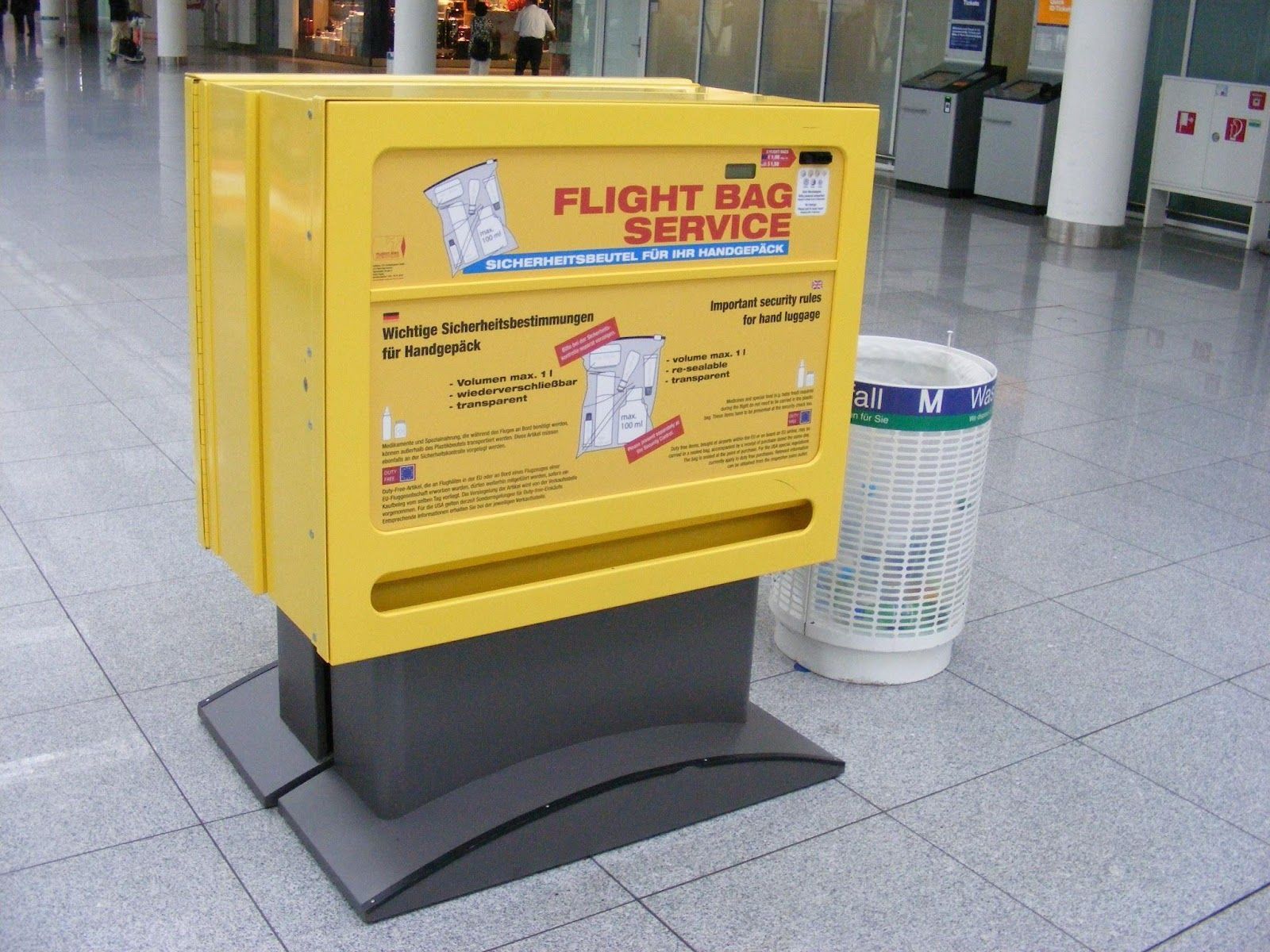
The TSA enforces limits on fluids in carry-on bags. The 3-1-1 rule states that all liquids, gels, and aerosols must be in containers 3.4 ounces or smaller, all containers must fit inside one resealable, clear, quart-sized plastic bag, and each traveler is only allowed one bag.
This requirement allows officers to quickly identify and inspect the contents. According to the TSA, common travel items that people often forget are also affected by this rule are: toothpaste, shampoo, mouthwash, and lotions.
Can I bring medications on the plane?
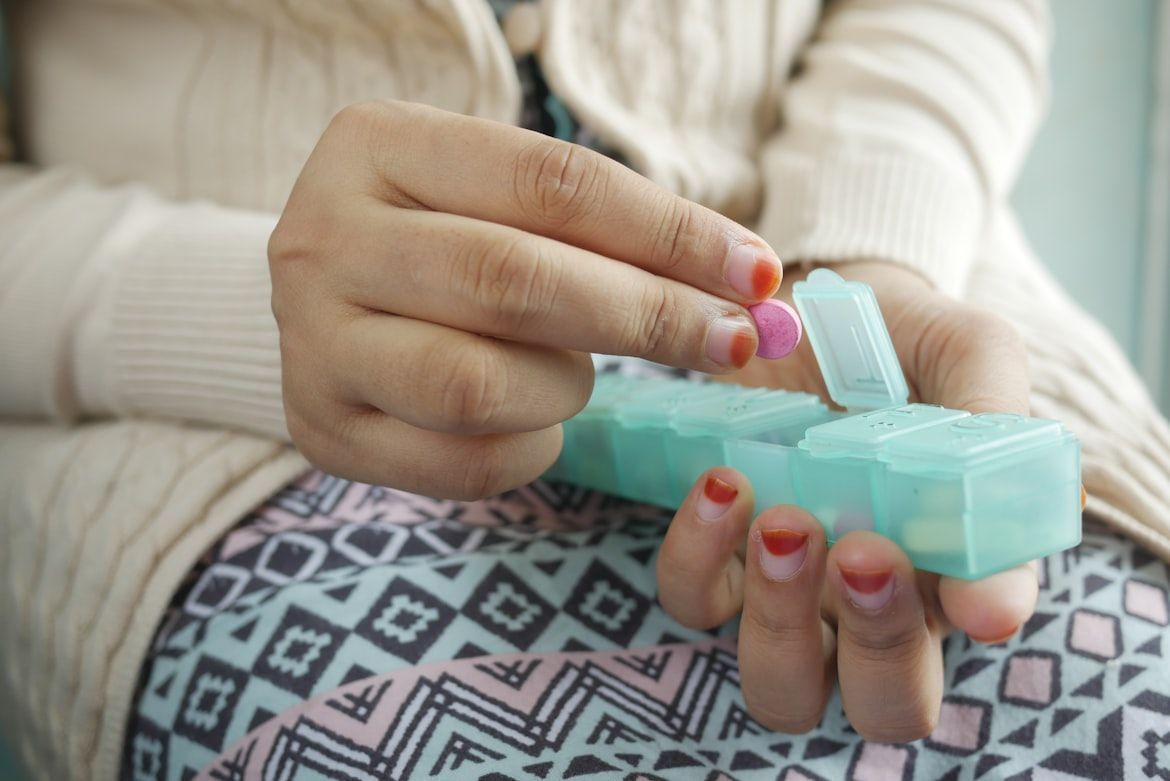
Medications in pill or tablet form aren't subject to strict quantity limits, as long as they are screened. The TSA recommends keeping your medications in their original packaging to facilitate screening, and packing them in your carry-on in case you need them in transit.
Liquid medications are exempt from the 3-1-1 rule as long as the quantities are reasonable for the flight. However, you must declare these medications to a TSA officer at the start of the security screening process. Additional inspection may be required, which can include being asked to open the container.
Can I bring food on the plane?
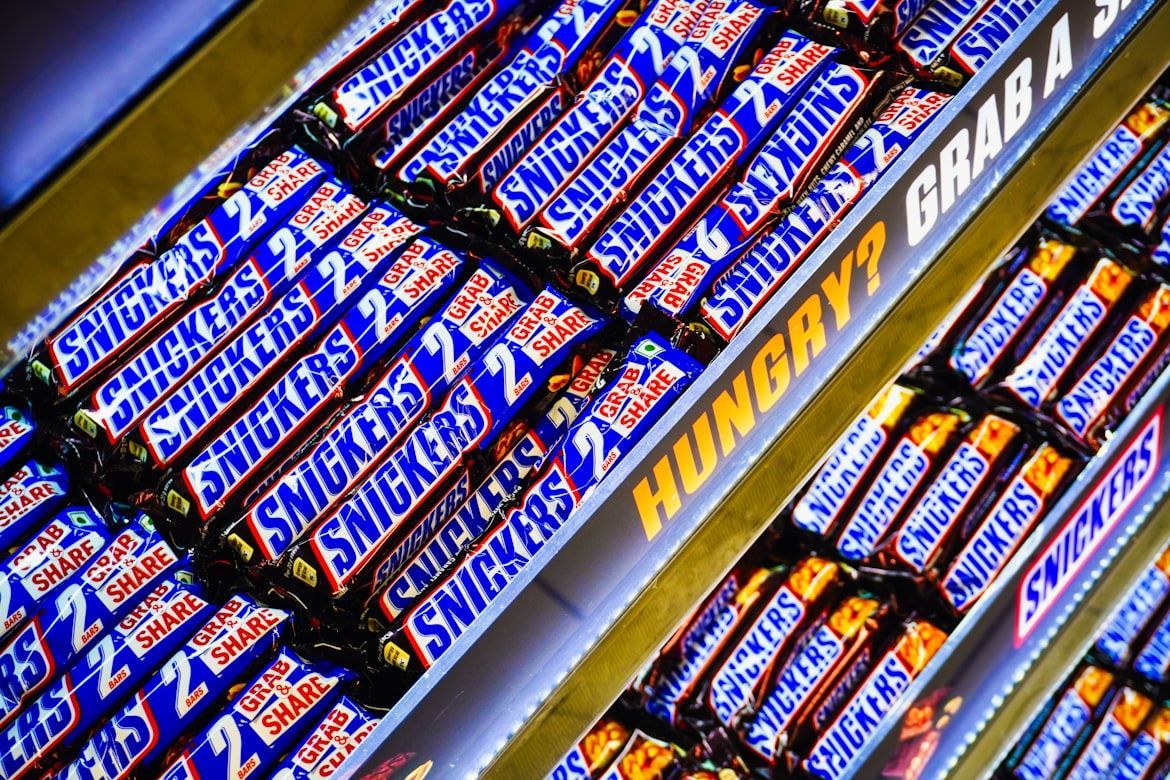
Most solid foods are allowed through TSA checkpoints, including sandwiches, snacks, and baked goods. These items typically pass through screening without issue.
However, spreadable or pourable foods, such as peanut butter, yogurt, or jam, are considered liquids and are subject to the 3-1-1 rule. When in doubt, pack these foods in 3.4-ounce containers or place them in your checked baggage to comply with TSA regulations.
Can I bring a portable charger on the plane?
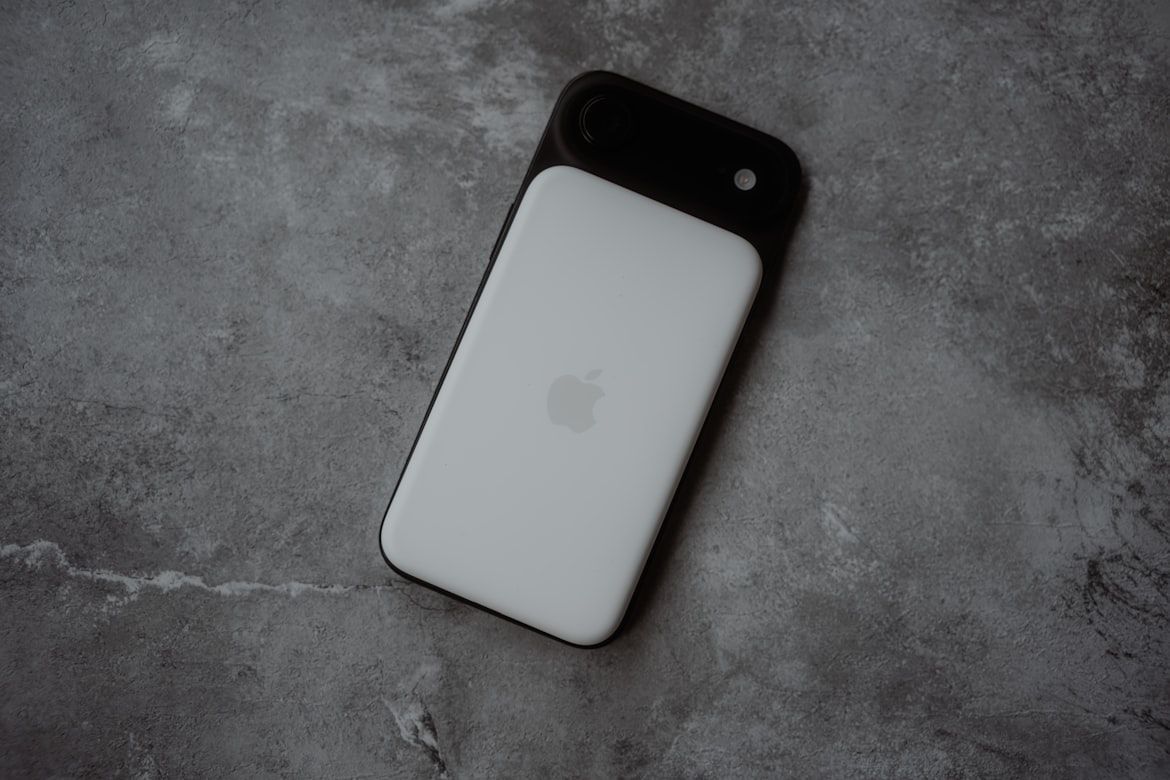
Spare lithium batteries of up to 100 watt-hours (Wh), including power banks and cellphone charging cases for personal use, are only allowed in carry-on baggage. Larger batteries require airline approval, and damaged or unlabeled batteries will be confiscated.
Batteries and power banks are not allowed in checked baggage, as they can be damaged or accidentally activate in the cargo hold, and they are considered a fire hazard. Keeping chargers in your carry-on baggage ensures they remain accessible and easy to screen.
Why do I need to unpack my electronics during screening?
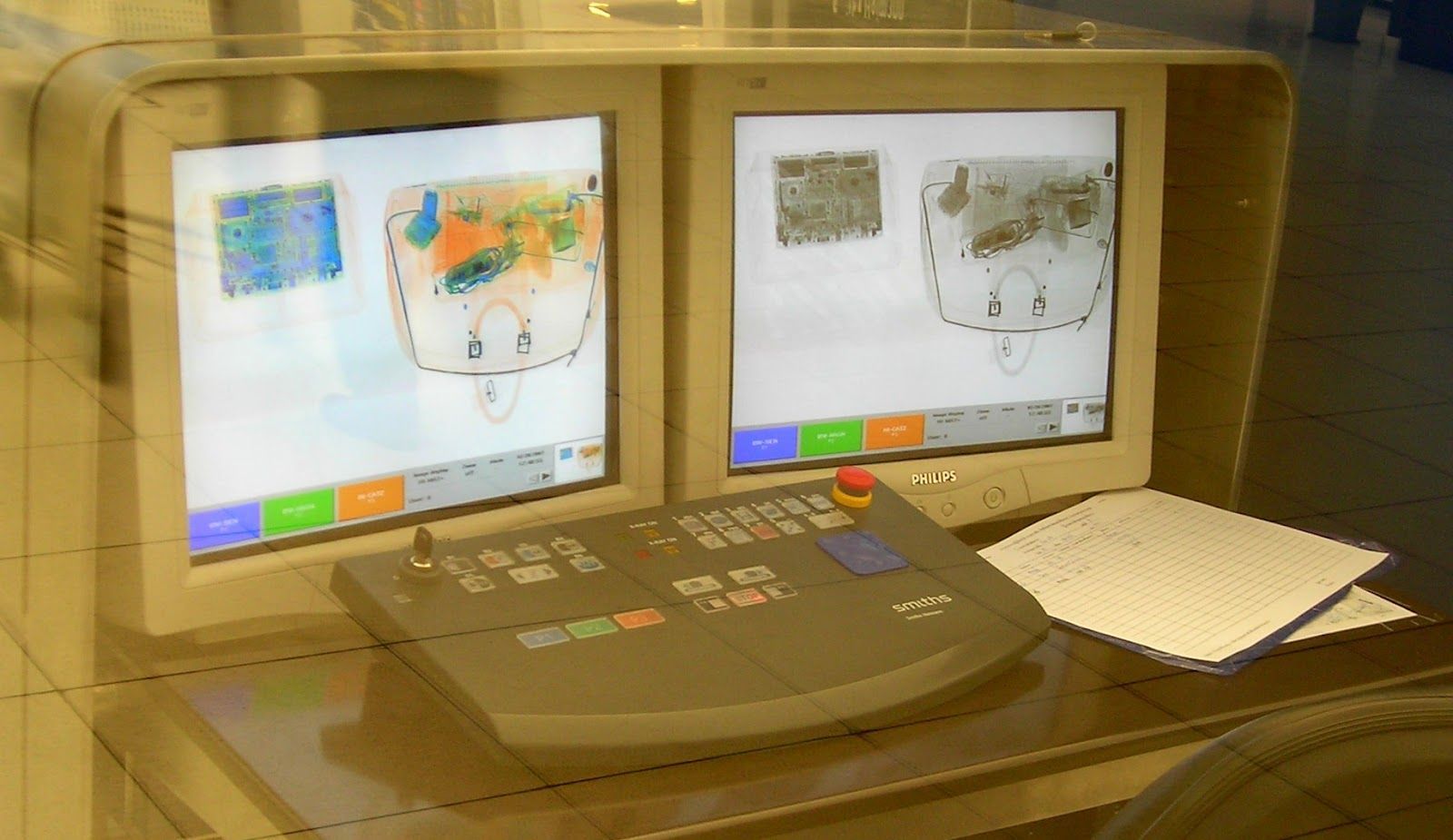
At most airports, laptops and large electronic devices must be removed from carry-on baggage and placed in a separate bin for screening. This can also apply to tablets, e-readers, and digital cameras. Packing your electronics near the top of your bag allows for quick removal and helps prevent unnecessary delays at the security checkpoint.
Electronic devices and their batteries contain dense components that can block X-ray machines from seeing other items in your bag. Removing them ensures a clear, unobstructed view of your bag's contents, reducing the likelihood of a physical search and speeding up the overall security process.
What should I do with full-sized bottles?
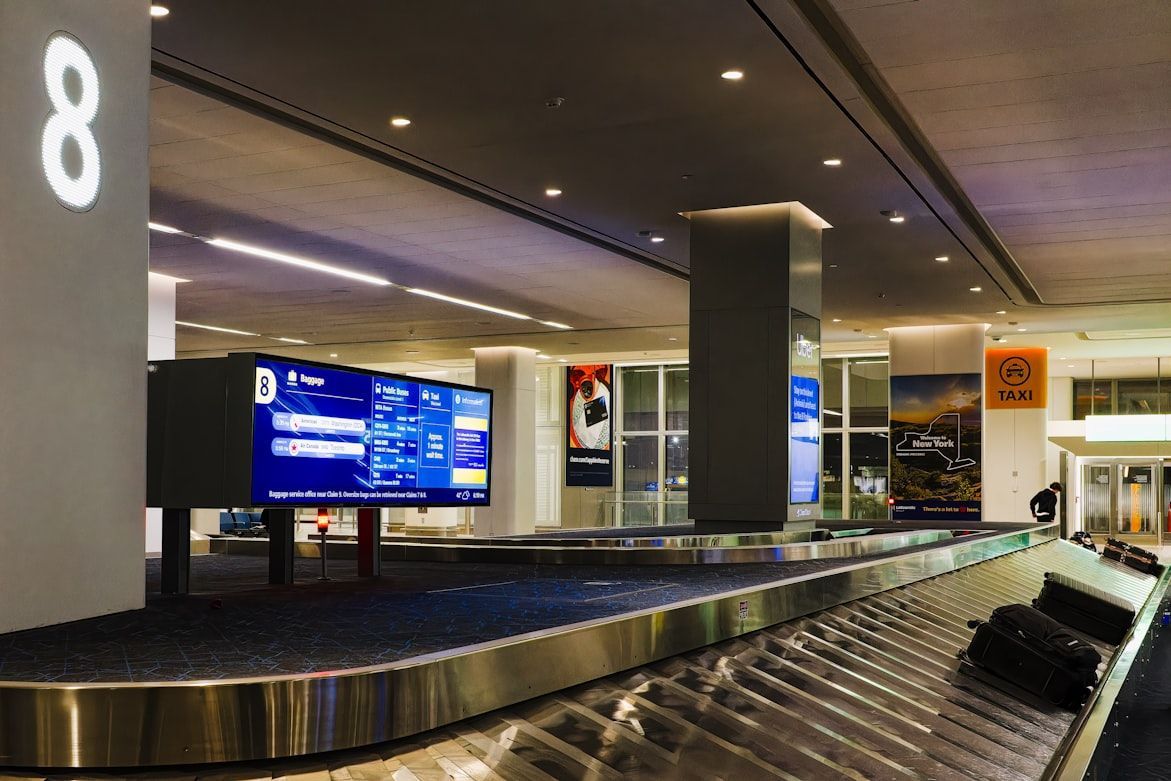
Under the 3-1-1 rule, liquids, gels, and aerosols larger than 3.4 ounces are not permitted in carry-on bags. Full-sized toiletries, such as shampoos and deodorants, must be packed in checked baggage to comply with TSA regulations.
Unless you absolutely need to bring large bottles, we recommend transferring products into travel-sized containers before packing. Otherwise, comply with the rules by placing full-sized containers in sealed plastic bags inside your checked baggage to prevent leaks during transit.
Can I bring a reusable water bottle?
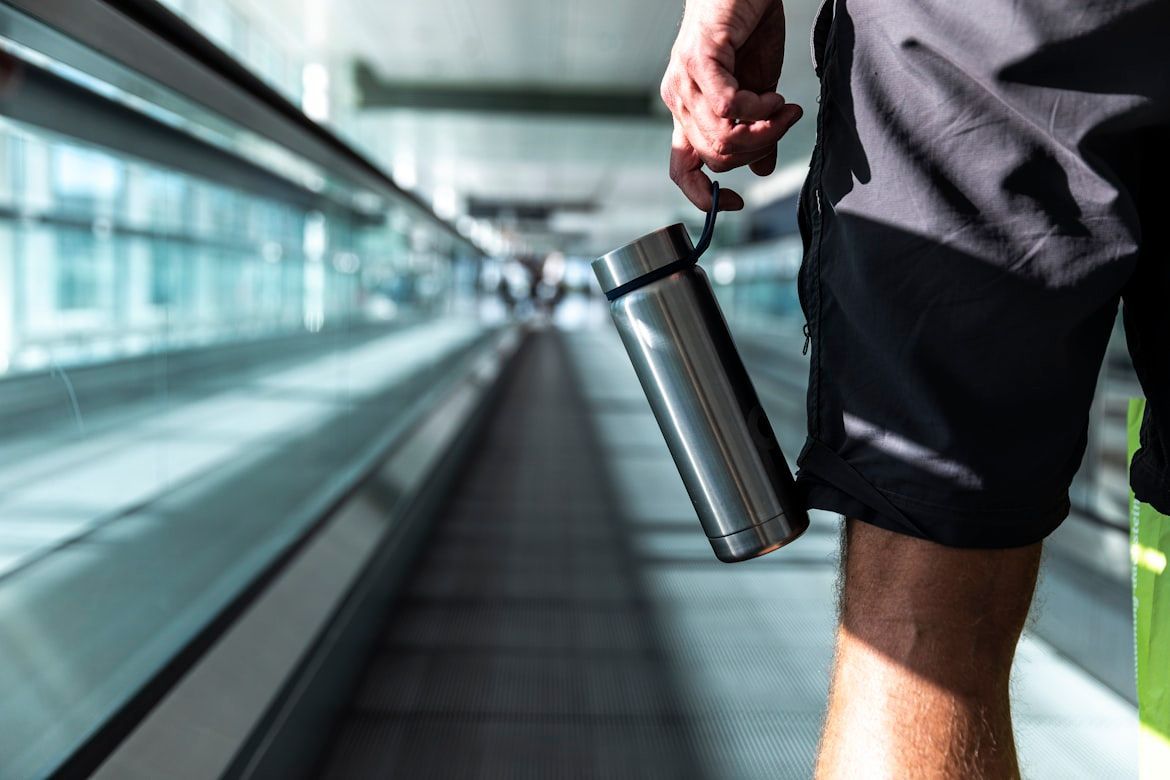
Reusable water bottles, thermoses, and travel mugs are allowed through TSA checkpoints as long as they are completely empty during screening.
Bringing a reusable water bottle is a great way to stay hydrated while avoiding unnecessary expenses. Just be sure to drink or pour out any contents before going through security, and your bottle can pass through security without issue. At most airports, you will be able to refill it after the checkpoint.
What is TSA PreCheck?
TSA PreCheck is a paid program that allows trusted, low-risk travelers departing from American airports access to dedicated security lanes and a simplified screening experience. Members are often allowed to keep their shoes and jackets on and leave laptops and liquids in their carry-on bags.
Enrollment requires an application, background check, and in-person identity verification. Travelers interested in applying can find details, including pricing and eligibility requirements, on the official TSA website.
Keep wandering
There’s always
more to explore
 History
She opened her suitcase and found a nightmare: 10 travel errors to avoid
6 min.
Read Now

Which of these 12 cities in the U.S. has the cleanest air?
4 min.
Read Now
 Geography

Can you really know New England without visiting these 10 towns?
4 min.
Read Now

What these landmarks used to look like may surprise you
6 min.
Read Now