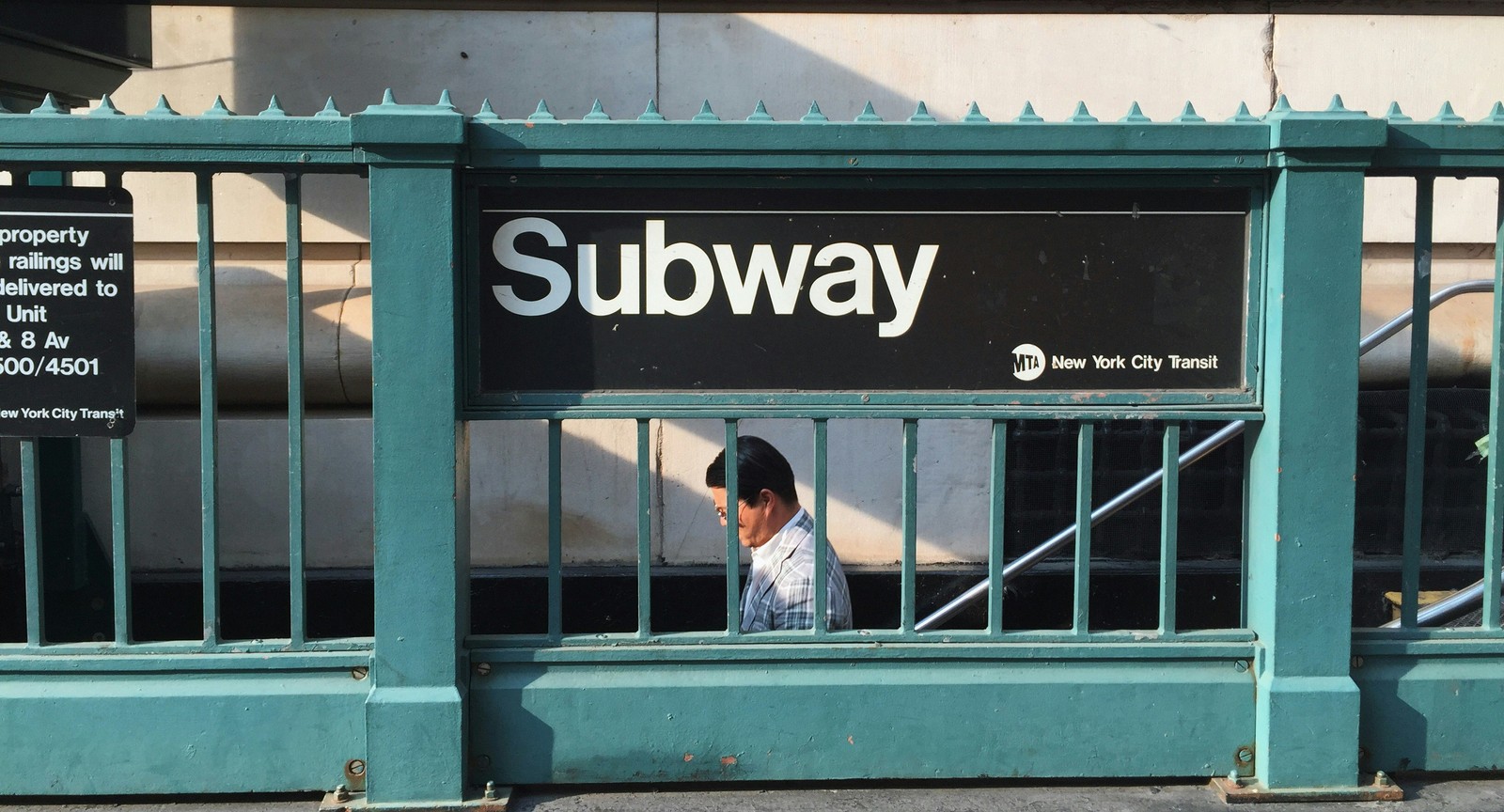
Track 61 is just the tip of the iceberg. NYC underground uncovered
 Landmarks
Urban oddities
Track 61 is just the tip of the iceberg. NYC underground uncovered
The New York City subway is used by millions of people every day, but most are simply trying to get from point A to point B, unaware of the secrets a simple subway may be holding. Behind the noise, the rush, and the endless announcements, the subway also keeps a number of hidden wonders. Abandoned stations, hidden doors, vintage trains, and even lesser-known features like Track 61 are waiting to be discovered. Once you know where to look, the subway becomes far more interesting.
Mysterious Track 61
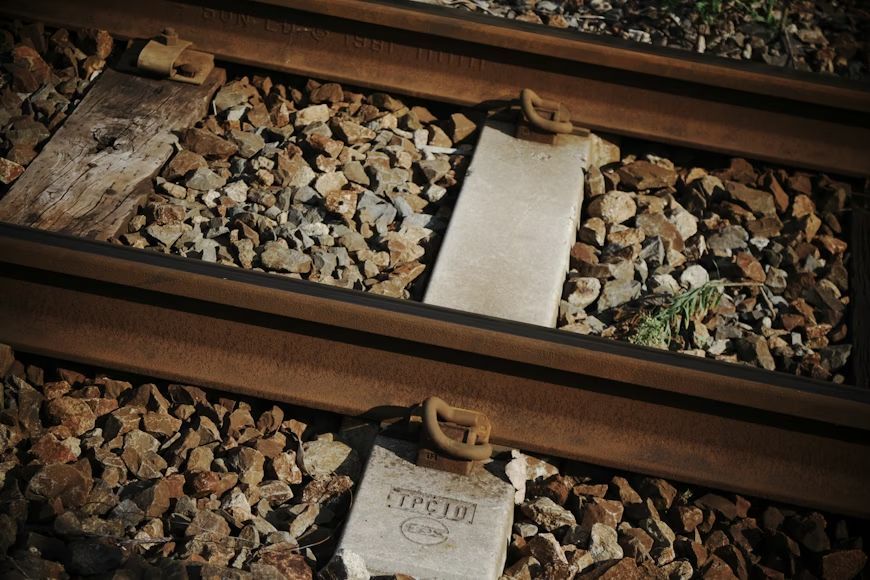
Beneath the famous Waldorf Astoria hotel lies an abandoned platform called Track 61. Over the years, rumors have swirled about its purpose. According to local lore, the platform was occasionally used to transport US presidents into the hotel quietly. A private railcar could pull in, and an elevator, large enough for a limousine, would carry the vehicle up to the building. But how much of this is actually true?
Holiday Nostalgia Train
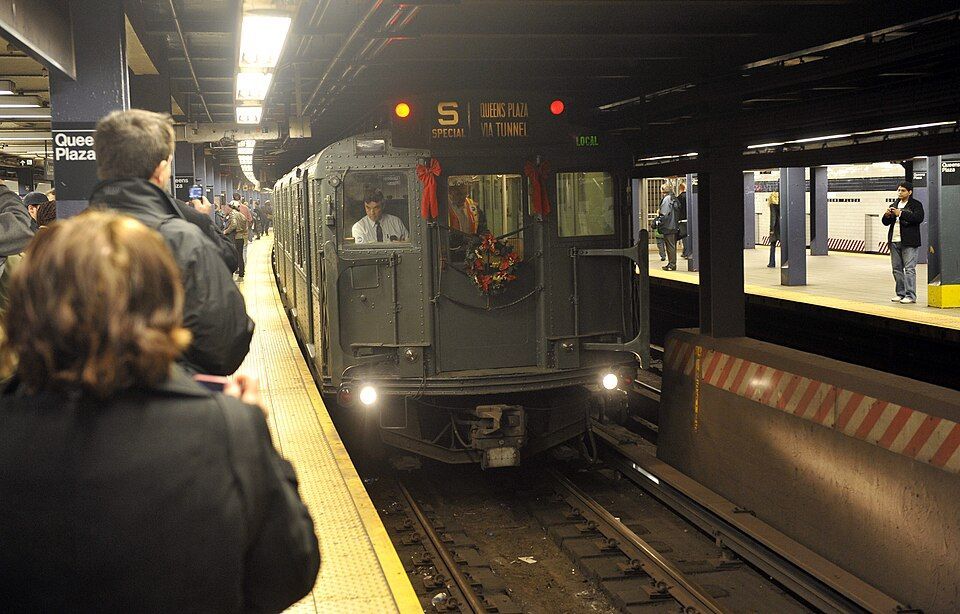
Every December, something special rolls through the New York City subway system. The Holiday Nostalgia Train features vintage subway cars from the 1930s to the 1970s, complete with rattan seats, old advertisements, and ceiling fans. It’s just another way the Big Apple celebrates the most magical time of the year.
The Avenue H station
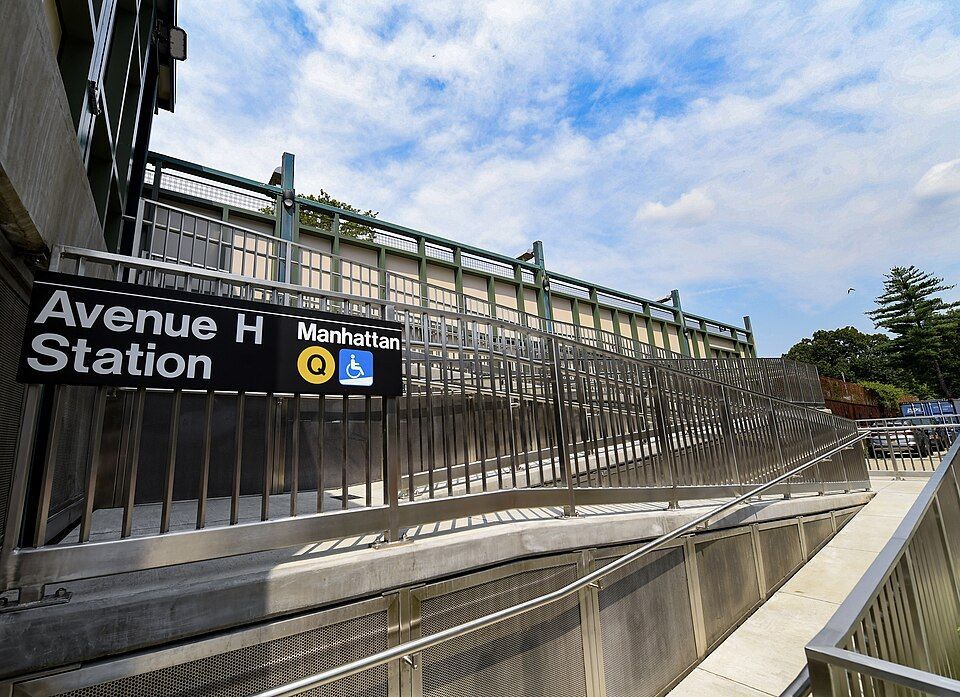
Have you ever wondered why the Avenue H station in Brooklyn looks nothing like a typical subway stop? Instead of a concrete booth, the station house resembles a small cottage. That’s because it originally served as a real estate office: developers used it to sell homes in the surrounding area when the subway line first arrived. Over time, the charming building became part of the system itself.
Secret door to a famous hotel bar
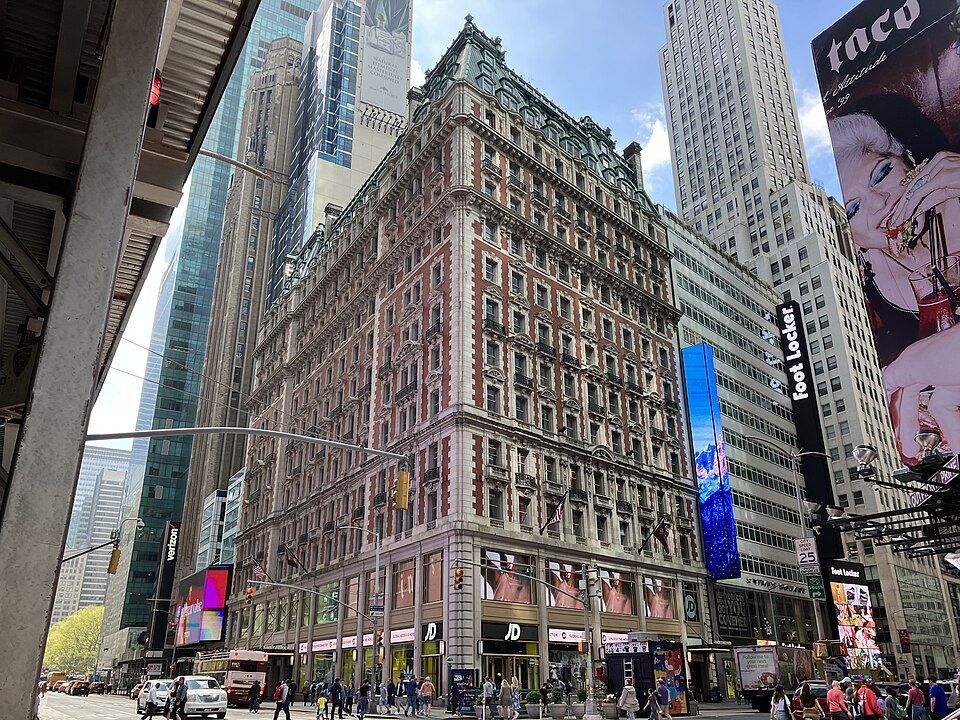
When we said secrets, we meant it. Back in the early 1900s, the Knickerbocker Hotel was one of the city’s most glamorous spots, attracting politicians, celebrities, and other prominent figures. What people don’t know is that there was once a private subway entrance leading straight into the hotel. Guests could step off the train and enter discreetly, without setting foot on the street.
So where is it? The passageway is believed to be located at the end of the platform on Track 1 of the S shuttle between Grand Central and Times Square–42nd Street.
Subway animation
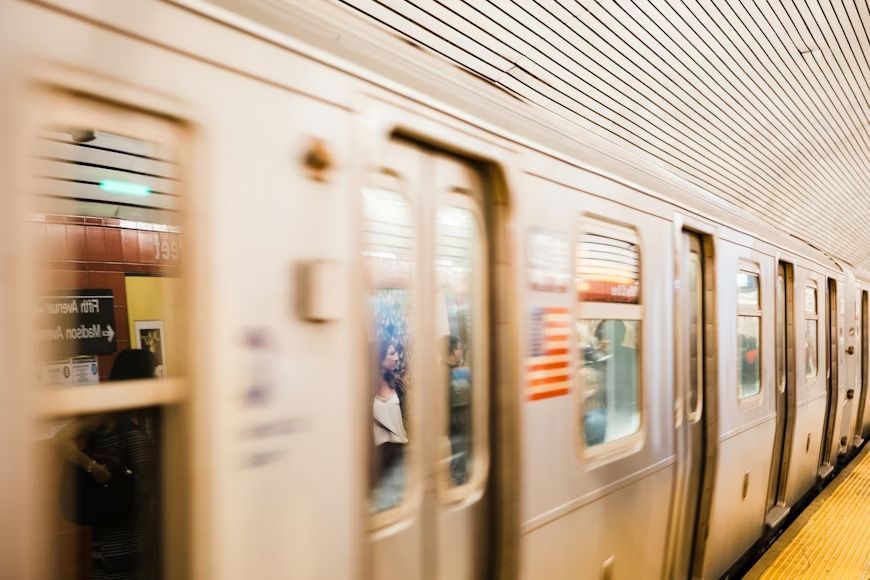
If you ride the B, N, or Q lines, you’ll likely notice a strange effect along the tunnel wall. As the train moves, a series of images flickers past and suddenly appears animated.
This installation is called the Masstransiscope. It works like an old-fashioned flipbook stretched along the tunnel. The faster the train moves, the smoother the animation appears.
Brooklyn townhouse exit
In Brooklyn, there’s a quiet residential street where an ordinary-looking townhouse hides a surprising secret: the building actually functions as a subway exit. From the outside, it looks like any other brownstone. Inside, however, a staircase connects directly to the station below.
Beautiful station nobody uses
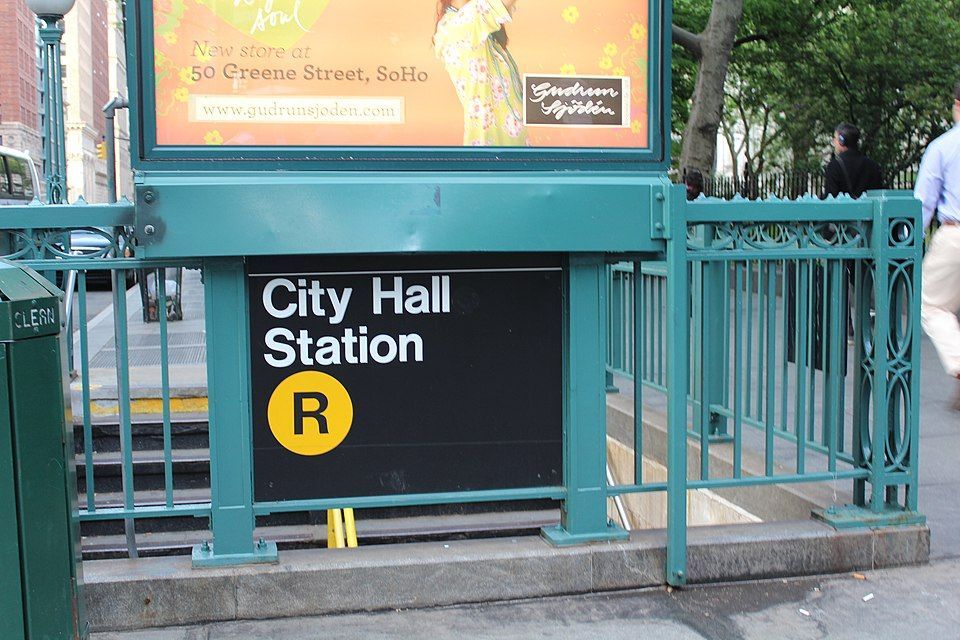
New York’s original subway station, City Hall, opened in 1904 and looked more like a ballroom than a transit stop. It featured elegant tilework, skylights, and curved platforms lined with chandeliers. The use of the past tense is intentional: despite its beauty, the station closed in 1945 because its platform was too short for newer trains.
The abandoned 18th Street station
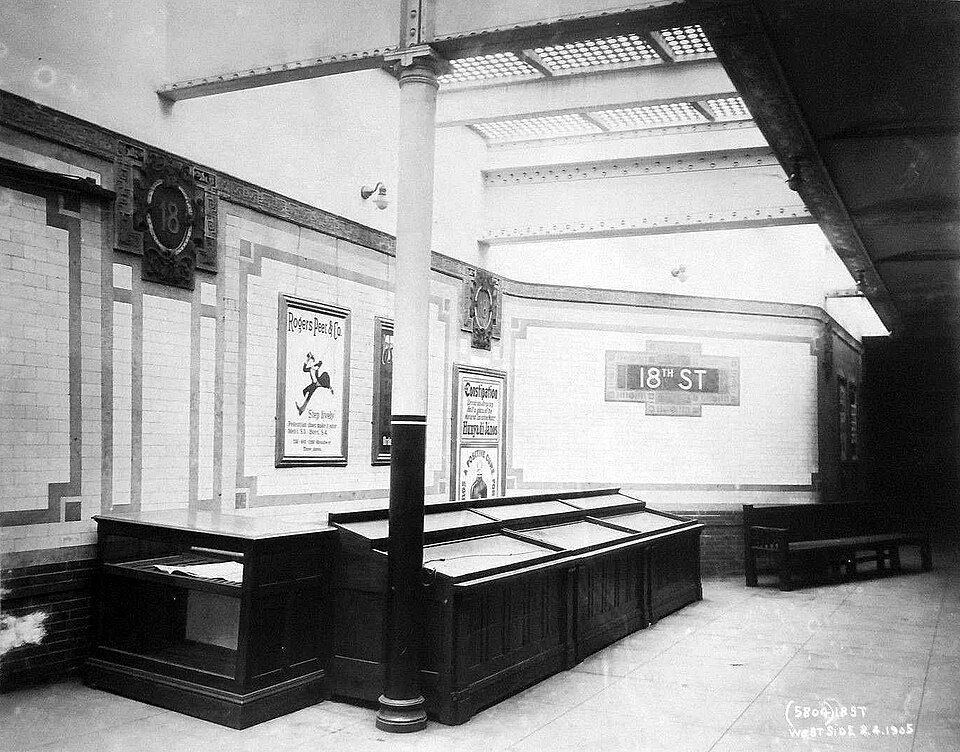
There’s more than one abandoned station in the New York City subway system, and this is just one of them. If you’ve ever ridden the 1 train through Manhattan and suddenly noticed an old platform flash by, you weren’t imagining things. That’s the abandoned 18th Street station. It closed in 1948 when stations were lengthened to accommodate longer trains. Because the stop was too close to its neighboring stations, it wasn't worth renovating and was simply left behind.
Musical tunnels hidden under Manhattan
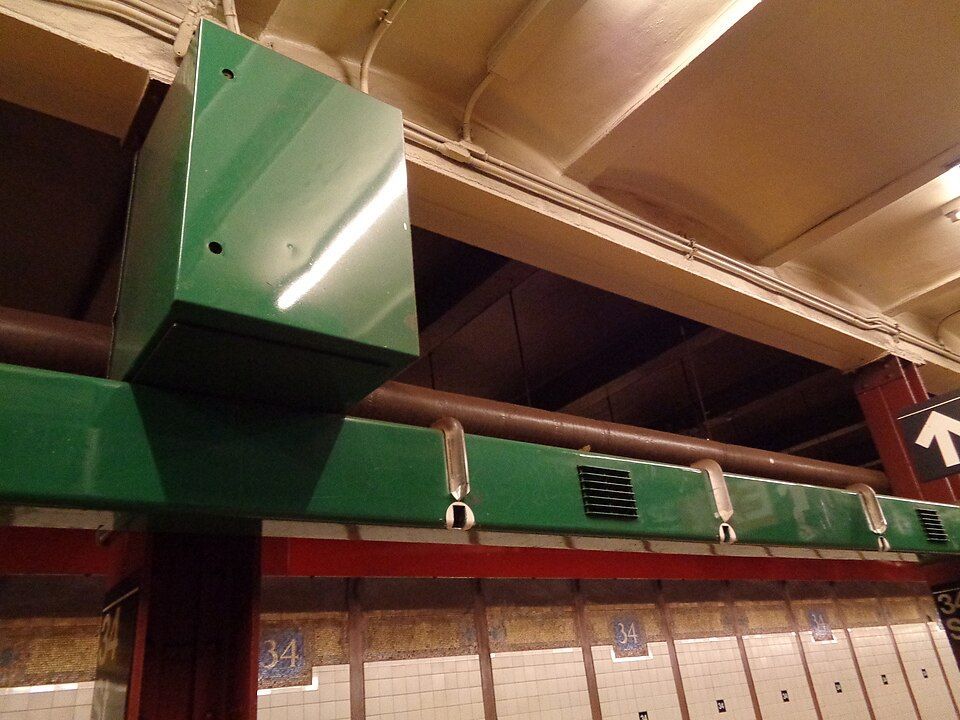
Deep in the subway tunnels of Manhattan, a pair of unusual instruments is installed right along the tracks. As trains rush by, they create sounds that echo through the tunnel like a strange conversation. This public art installation, REACH: New York, was designed by Christopher Janney so that vibrations from passing trains make the instruments "sing." The installations are located on opposite platforms of the N and R lines, facing each other across the uptown and downtown tracks.
The hidden remnant of Clinton Hall
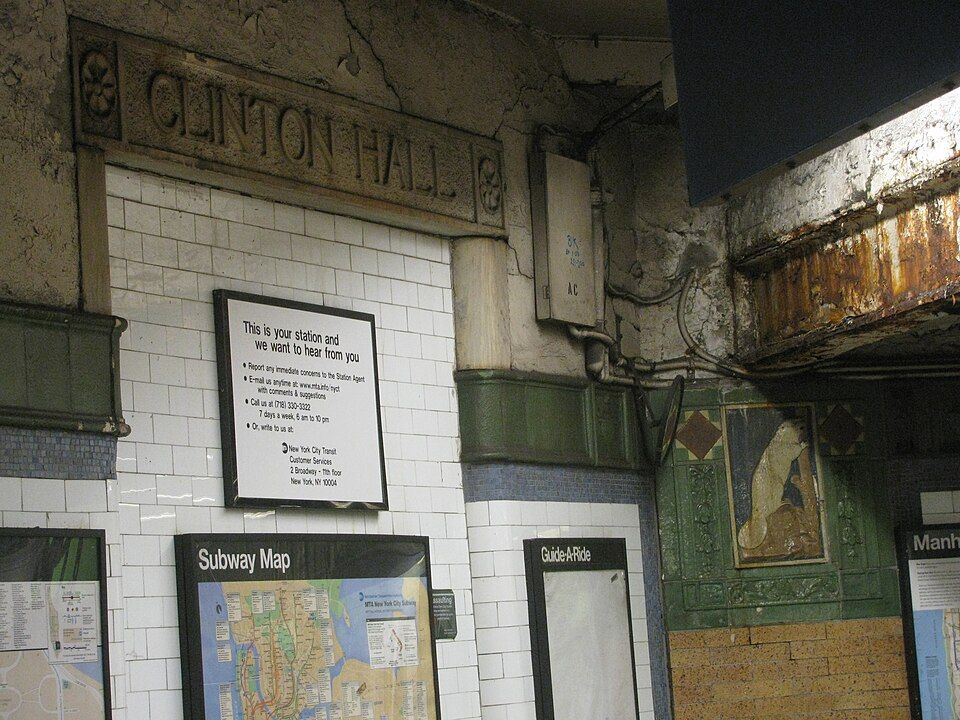
Inside the Astor Place subway station on the IRT Lexington Avenue Line sits a small piece of New York history that many people walk past without noticing. It’s connected to the old site of Clinton Hall, once a popular gathering place. The area also played a role in the infamous Astor Place Riot of 1849, when rival Shakespearean actors and theater fans turned a cultural dispute into a violent clash. Have you ever noticed it?
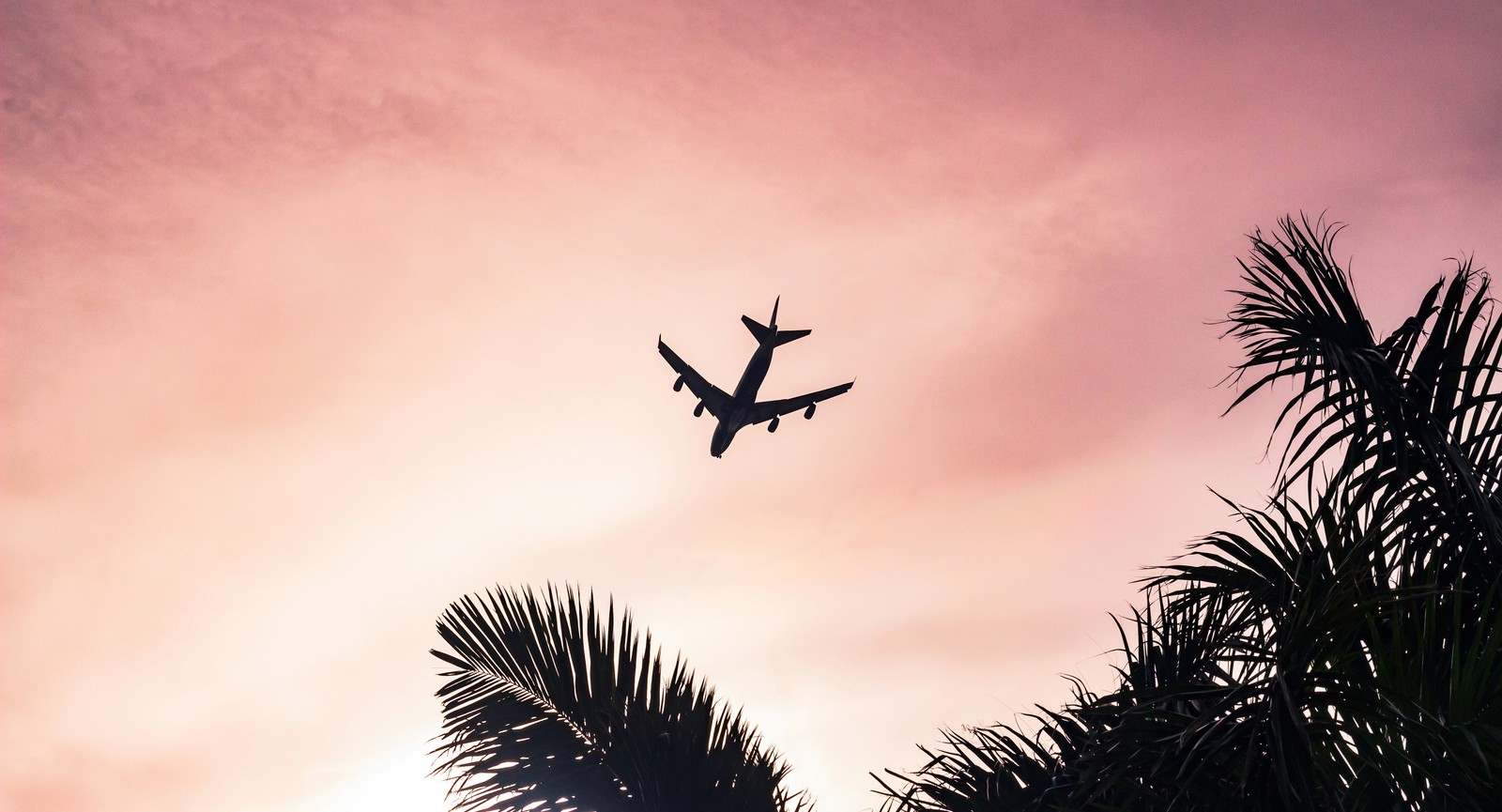
10 airplane secrets the crew knows, and now you will too!
 General
Mystery on board
Why do flight attendants carry handcuffs? Here are 10 flying secrets!
Flying hasn’t changed much since the first time, but airplanes? They’re full of clever little surprises most of us have never noticed. From secret buttons to hidden spaces and safety features doing quiet work behind the scenes, today’s planes have more tricks than you’d expect. Some might even make your next flight a bit more comfortable, or at least more interesting. Check them out!
Handrails
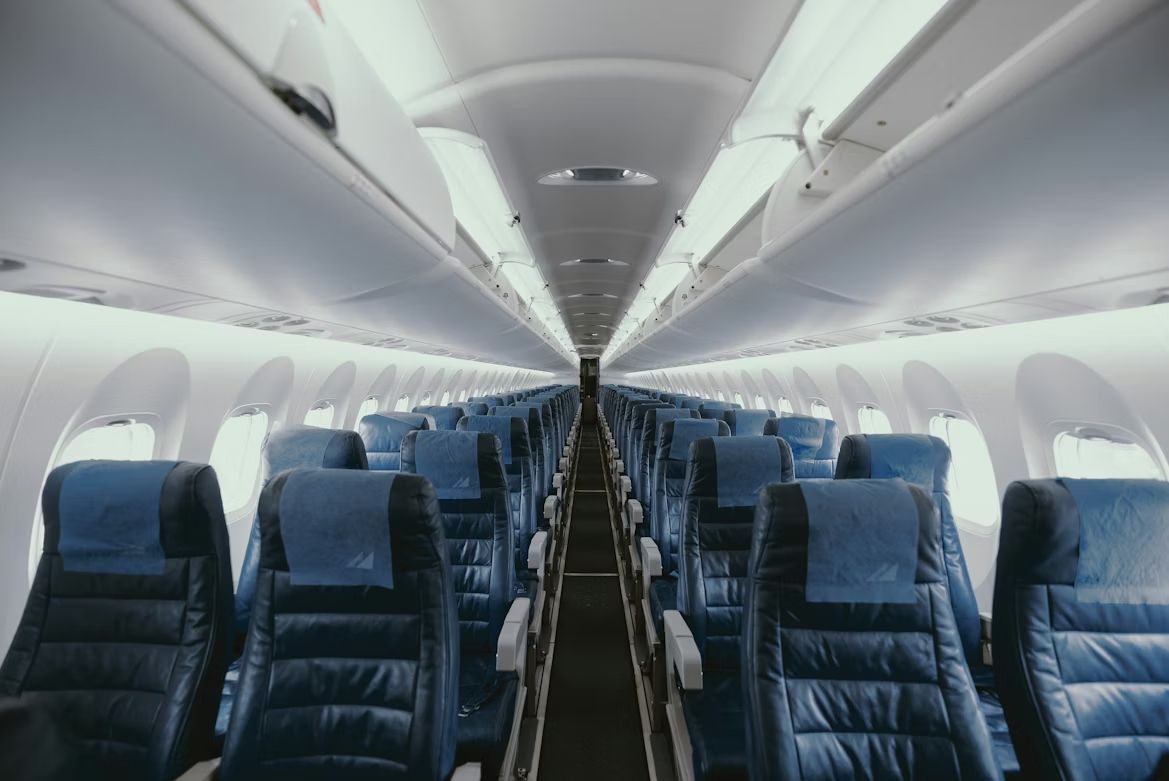 Image: JC Gellidon
We’ve got good news for those awful moments when the plane hits a bump. Look underneath the overhead cabins, and you may spot a slim rail running along the aisle. These are there so flight attendants can steady themselves during turbulence, but passengers can use them too. Not every plane has them, but many newer ones do.
Sleeping spots
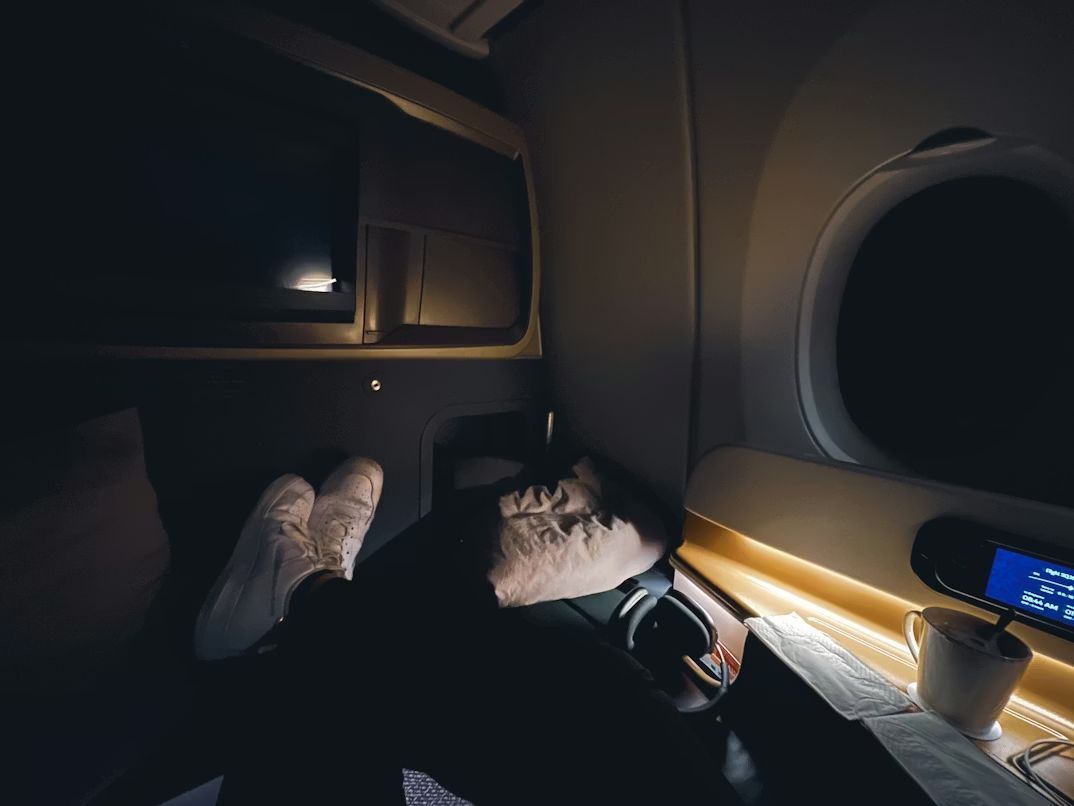 Image: Bao Menglong
While you’re tossing and turning in seat 23B, the crew has a much better setup. On long flights, many of the biggest planes include hidden rest compartments just for pilots and flight attendants. They’re tucked behind locked doors that most passengers never notice. On older planes, crew rest might be a business class seat that they save for themselves.
A button under the armrest
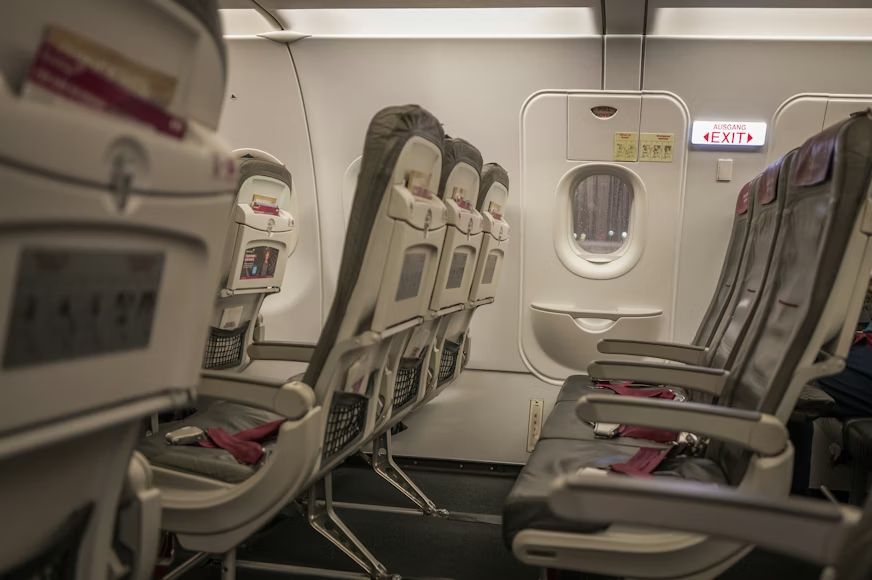 Image: Alexander Schimmeck
If you love aisle seats, this one’s a gem. Some aisle armrests hide a small button near the hinge underneath. Press it, and the armrest lifts up. It’s mainly there to help people get in and out of tight rows more easily. Just remember to put it back down for takeoff and landing. Had you found it already?
A tiny hole in the window
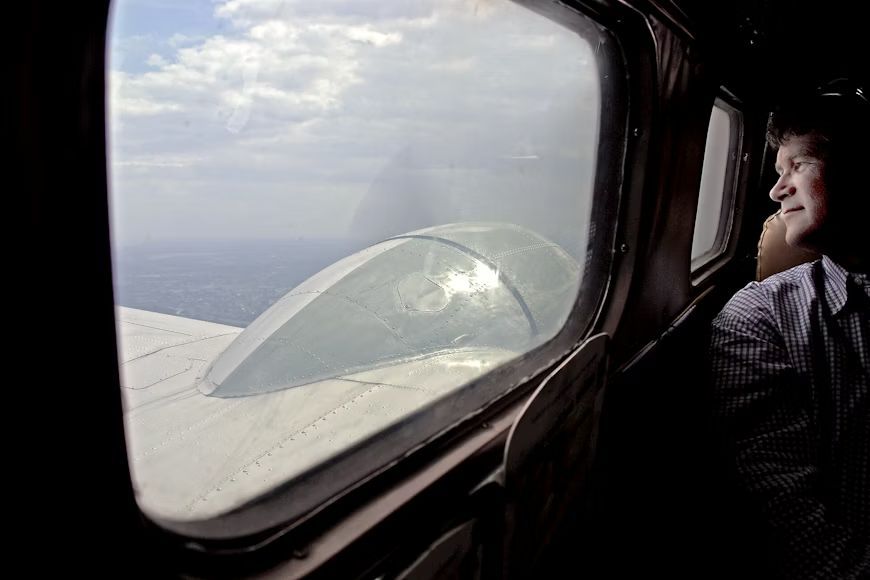 Image: Phyllis Lilienthal
A hole in an airplane window? That doesn’t sound safe, but it actually is! These windows have three layers, and that little hole sits in the middle pane. Its job is to manage pressure differences between the cabin and the outside air. The outer pane handles the heavy lifting, while the inner pane is mostly there for protection and looks. So yes, the hole is supposed to be there.
Yellow hooks on the wings
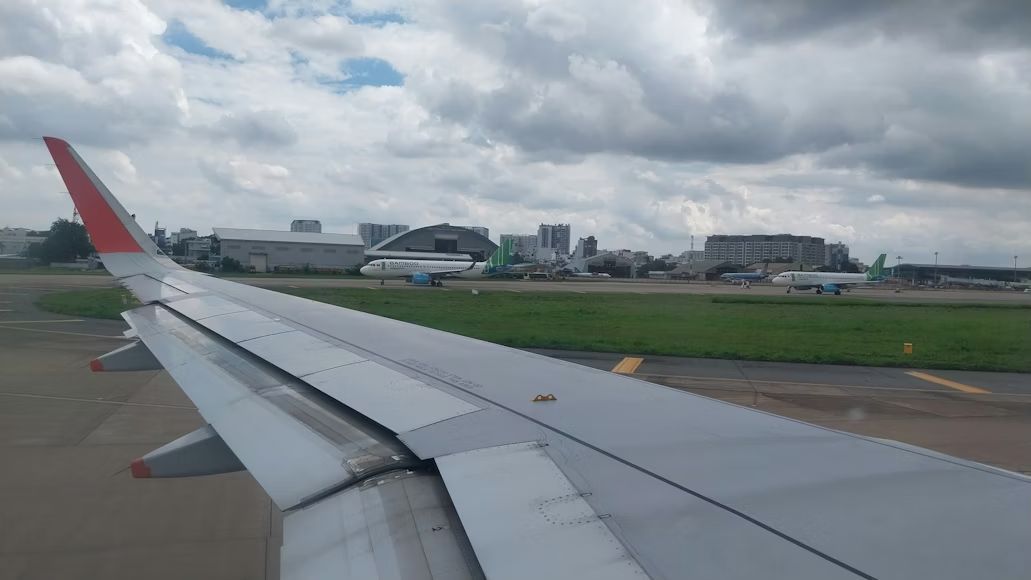 Image: Edwin Petrus
Next time you catch a seat by the wing, pay attention, and you’ll spot bright yellow hooks on them. They’re used in emergencies, especially water landings. If passengers need to exit over the wing, crew members can attach ropes to those hooks to create lifelines. Wings can be slick, whether from water or fuel, so those ropes help people keep their footing. Thankfully, they’re rarely needed!
Black triangles
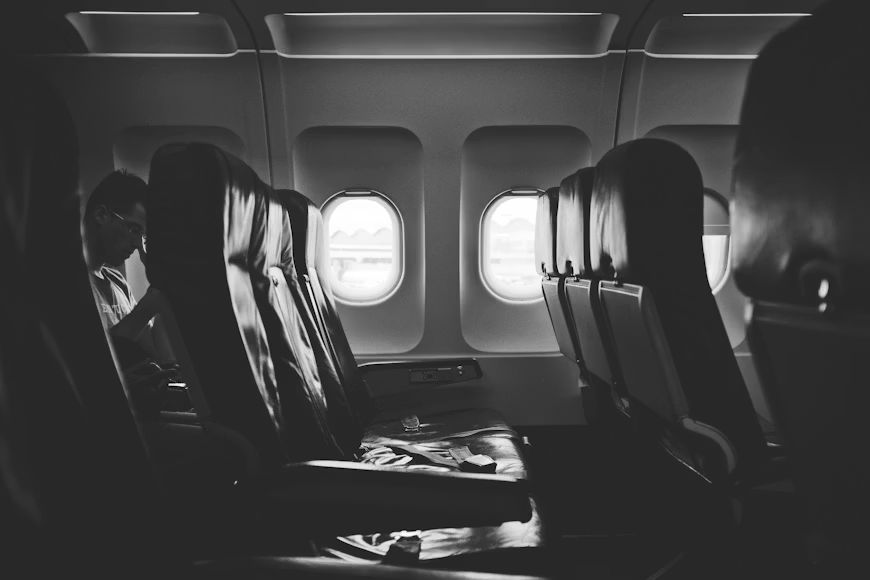 Image: Ashim D’Silva
If you look closely above some plane windows, you might spot small black triangles. These are visual markers for the crew. When viewed from the right angle, they line up with specific parts of the wing. This helps flight attendants quickly check areas that matter if there’s a concern outside. They’re simple, easy to miss, and quietly useful.
Planes carry restraints
 Image: niu niu
Problematic passengers are more common than you’d think, and crews are trained to handle them calmly… At first. If that fails, planes carry restraint kits. Depending on the airline, this can include zip ties, tape, or even handcuffs. As you can imagine, these are used only when absolutely necessary. Once the plane lands, law enforcement takes over.
The bathroom door can be opened from the outside
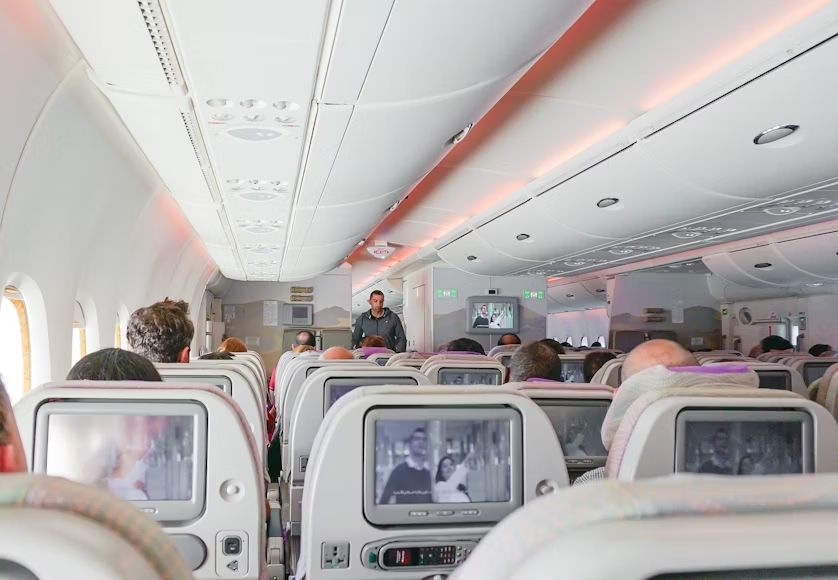 Image: Toa Heftiba
You might think you’re safe once you lock the bathroom door, but you really aren’t! Flight attendants can open it from the outside during an emergency. They can also lock bathrooms to keep people out during takeoff, landing, or if something breaks. If you ever need help inside, look for the call button near the sink. It’s there so you’re not stuck handling a problem alone.
Medical kits that can save a life midair
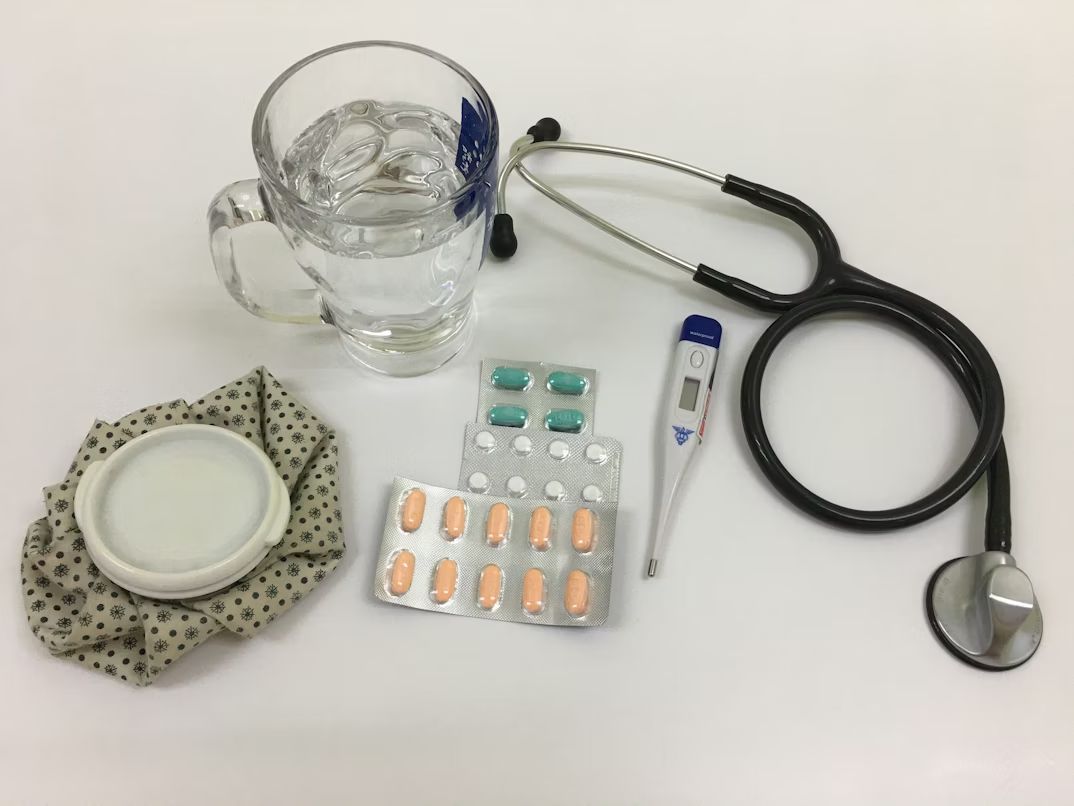 Image: Kristine Wook
Many planes carry more than bandages and aspirin. Every plane has at least an automated defibrillator on board, stored in galleys or overhead bins. Some airlines also carry medical kits with additional supplies. Flight attendants are trained to use this equipment, and they can also consult doctors on the ground.
The cockpit door is stronger than it looks
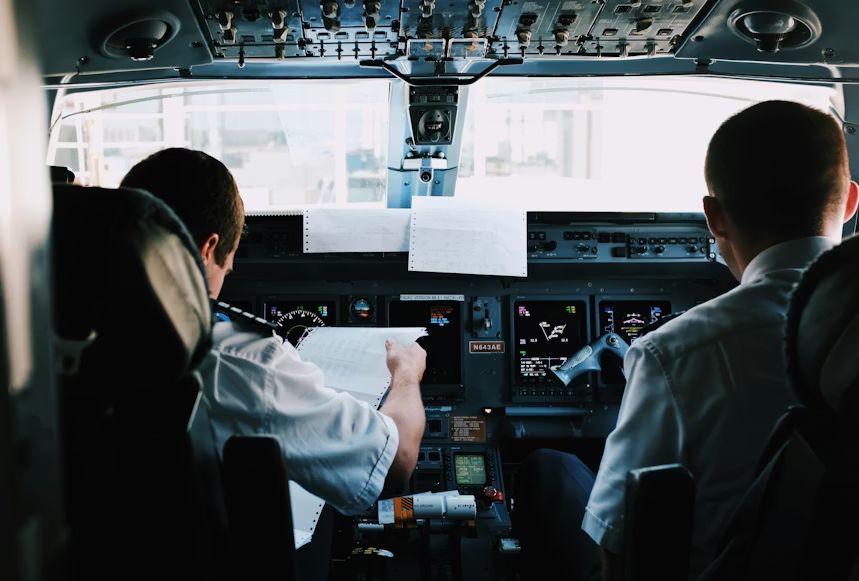 Image: Blake Guidry
That plain-looking door at the front of the plane is anything but ordinary. On many aircraft, it’s reinforced with bullet-resistant materials and designed to stay secure during flight. These doors became mandatory to protect the cockpit. You may barely notice it while boarding, but it plays a big role in keeping everyone safe.
Keep wandering
There’s always
more to explore
Why are hard landings sometimes the perfect landings?
6 min.
Read Now
 History
Was Moby-Dick a real whale? These marine stories have real backgrounds
6 min.
Read Now
What passengers never see after midnight on a cruise ship
4 min.
Read Now
These 10 mysteries were solved. So why do we still believe them?
6 min.
Read Now