This used to be hotel etiquette: Hotel manners that seem forgotten today
 Culture
Good old hotel ways
This used to be hotel etiquette: Hotel manners that seem forgotten today
There was a time when checking into a hotel felt like walking into a movie. Bellhops in polished uniforms greeting you at the door, big room keys clinking against brass tags, and a small chocolate waiting on your pillow at night. Whatever happened to these hotel customs? Some fancy or particularly nostalgic venues might still stick to some of them, but we believe most of these 11 traditions are extinct today. Do you agree?
Writing in the guestbook by hand
 Image: furkanfdemir
Long before online reviews and star ratings, hotels relied on physical guestbooks. Remember? They usually sat near the front desk, a hefty ledger with thick paper and very visible handwriting. Guests added their names, hometowns, dates of stay, and often a sentence or two about their experience.
Many historic hotels still preserve their old guestbooks in archives, and some contain famous signatures, beautiful lines about travel, doodles from bored children, and occasional dramatic rants.
Leaving your room key with the front desk when you go out
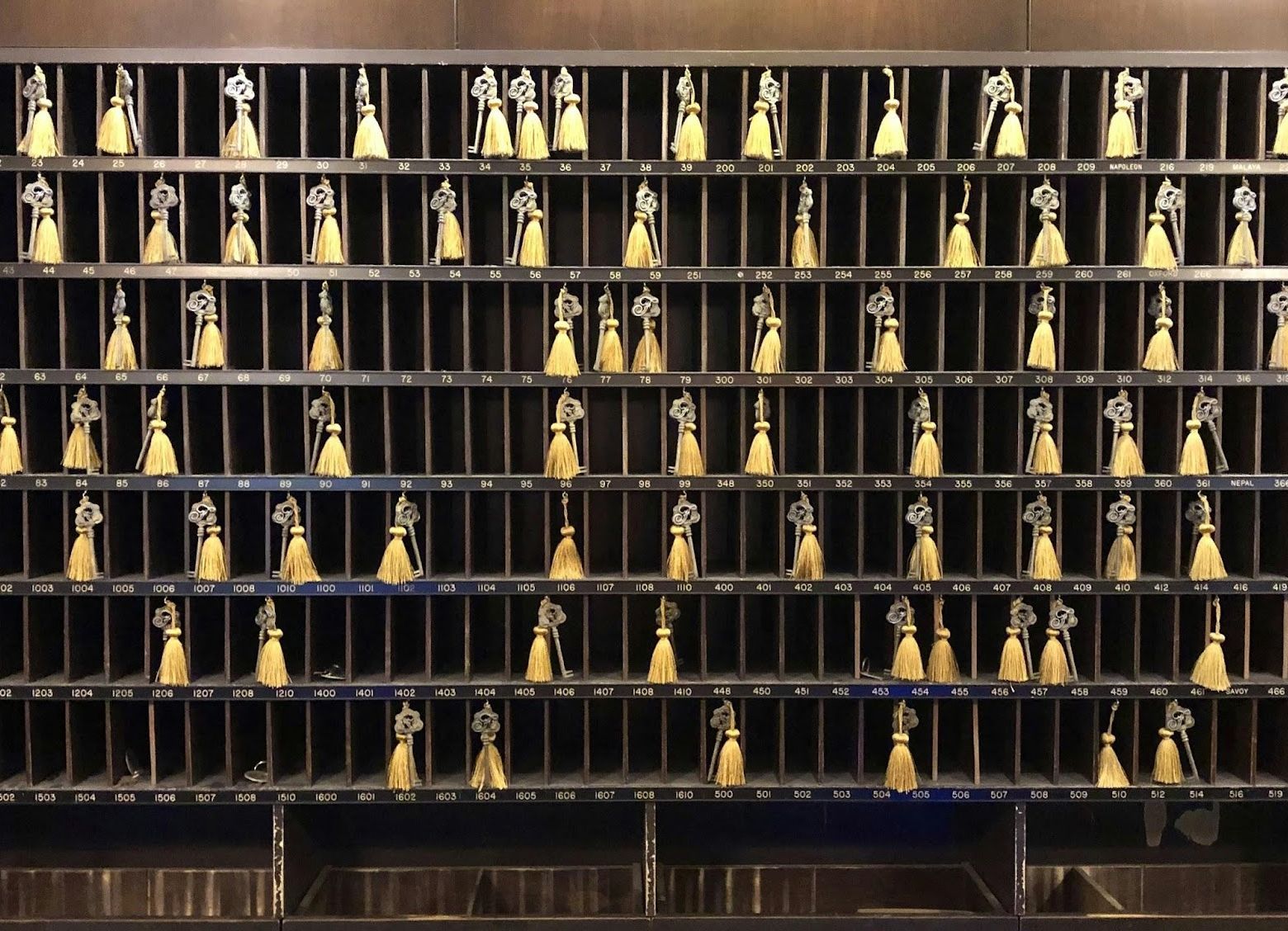 Image: Amy Vosters
When keys were physical, oversized, brass, decorated things, you were not expected to carry them with you on your tourist activities. Instead, whenever you stepped out, you handed it back to the front desk.
The practice prevented keys from being lost, but also helped staff keep track of who was in or out, and reinforced the idea that the hotel was actively watching over its guests. We don’t get this feeling anymore with the reusable plastic cards, do we?
Formal dress codes in hotel dining rooms
 Image: Valeria Boltneva
Dining rooms were the social center, really. Eveningwear that included jackets, ties, gloves, or hats was once normal. The dining rules also extended to time, and the restaurants had pretty strict service hours.
Formal tea time in the lounge
 Image: cottonbro studio
In many hotels, there was also the ceremony of tea time. It was typically served in a grand lounge between mid-afternoon hours. Fine china, tiered trays of sandwiches and pastries, silver teapots, and perfectly folded linens. Of course, all of this survives today as a novelty experience, but there was a time when it was a daily tradition for guests.
Full bellhop uniforms
 Image: Anatolii Hrytsenko
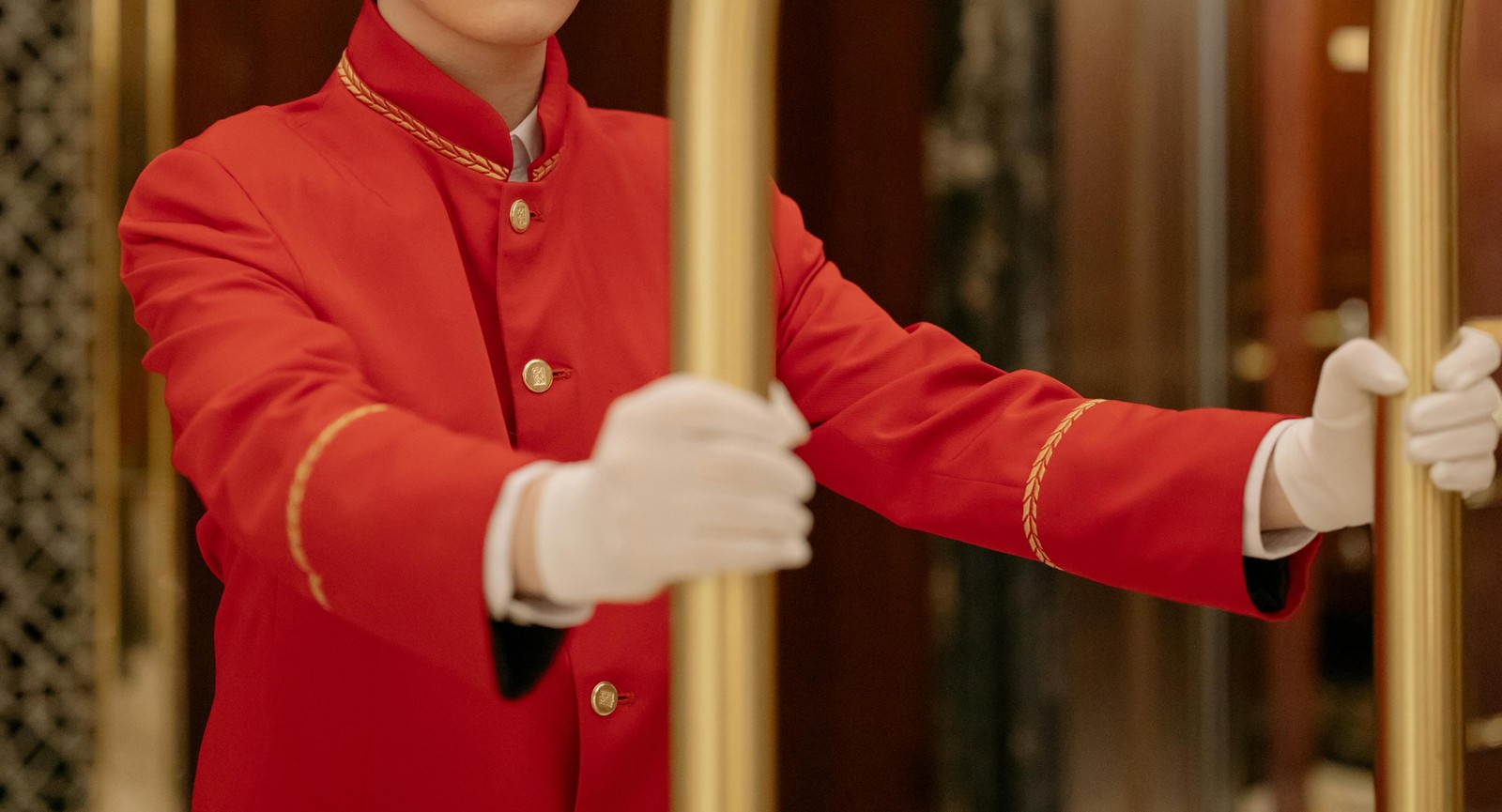
Bellhops were once part of the hotel’s visual identity. Since they would probably be the first person to greet you upon your arrival, their look was carefully designed, complete with structured jackets, polished brass buttons, caps, and sometimes gloves.
Greeting a guest was a performance way beyond carrying bags. Their goal was to make guests feel important, even glamorous, the moment they stepped inside.
Personal butlers or full butler service included
 Image: cottonbro studio
In the early days of luxury travel, especially at elite hotels like the Ritz or the Plaza, true service meant having a dedicated butler. This person was assigned to your stay and handled tasks most modern guests would never expect from a hotel.
Butlers ran errands, delivered private meals, managed correspondence, and acted as discreet problem solvers. Need theater tickets, a last-minute tailor, or a forgotten item replaced quietly? That was the butler’s domain.
Leaving chocolates on pillows
 Image: cottonbro studio
For decades, many hotels followed the custom of leaving a small chocolate on the pillow during turndown service. It was a simple gesture, but it signaled that your room had been sweetly cared for.
Sadly, over time, rising costs and quicker housekeeping turnarounds pushed this tradition aside. Still, some nostalgic hotels might still surprise you with a tiny wrapped chocolate sometime during your stay!
Handwritten thank you notes for staff at checkout
 Image: Álvaro Serrano
Attention went both ways: Guests often left handwritten notes for housekeeping, porters, or the concierge, sometimes tucked neatly on the desk or handed directly to the front desk at checkout. A short and sincere "thank you" sufficed, and sometimes hotel staff kept these notes pinned in staff rooms or saved as mementos of good service.
Guest wardrobes stocked with full hangers and accessories
 Image: Hoi An and Da Nang Photographer
Remember when closets came stocked with sturdy wooden hangers? They also had shoe horns, garment brushes, and even spare hangers.
The assumption was that you were traveling with real luggage and planned to dress well. Nowadays, some hotel wardrobes feel like a temporary downgrade from the comforts of your home!
Classic letter writing and message delivery services
 Image: Suzy Hazelwood
It makes less sense nowadays, since we have instant communication. But there was a time when hotels helped as communication hubs. Guests wrote letters or postcards in their rooms or at lobby desks, handed them to the front desk, and trusted the hotel to handle delivery.
It later evolved to available computers to send emails from, remember? Nowadays, while post service still exists, most guests must be content with asking for the wifi password.
Chatting during your in-person checkout
 Image: Quang Nguyen Vinh
Today, leaving is so… uneventful. These days, it is silent and automated, as simple as dropping your key in a box or tapping some screen. But it used to be a whole ritual.
Guests approached the front desk, returned their key, settled their bill, and almost always exchanged a few words with the staff. "How was your stay? Did everything meet your expectations? Safe travels home!" This brief goodbye mattered, and it made travelers feel seen and esteemed!
Which US city has the most beautiful skyline? 12 strong contenders listed
 Landmarks
Did your city make the list?
Which US city has the most beautiful skyline? 12 strong contenders listed
You might think -with good reason- that discussing which skyline is the most beautiful is quite a subjective and futile endeavor. But while the podium might be a thing of personal preference, the list will probably make you discover some cities with beautiful skylines that you have never even considered. Or, at the very least, it will shed some new light on places you already knew but never thought of in this manner. From soaring Art Deco icons to glass towers, these cities prove there’s more than one way to create an incredible skyline.
New York City, New York
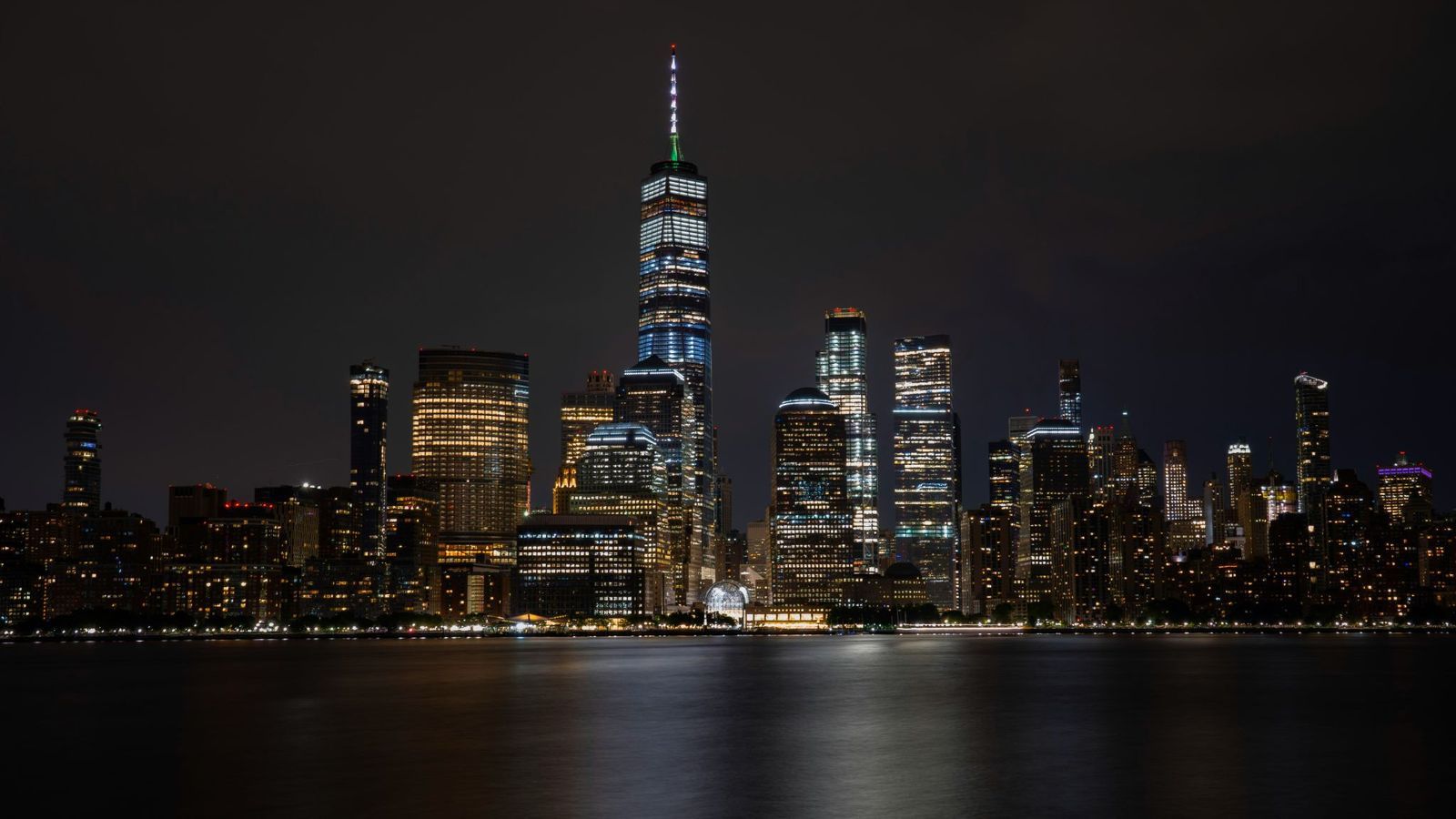
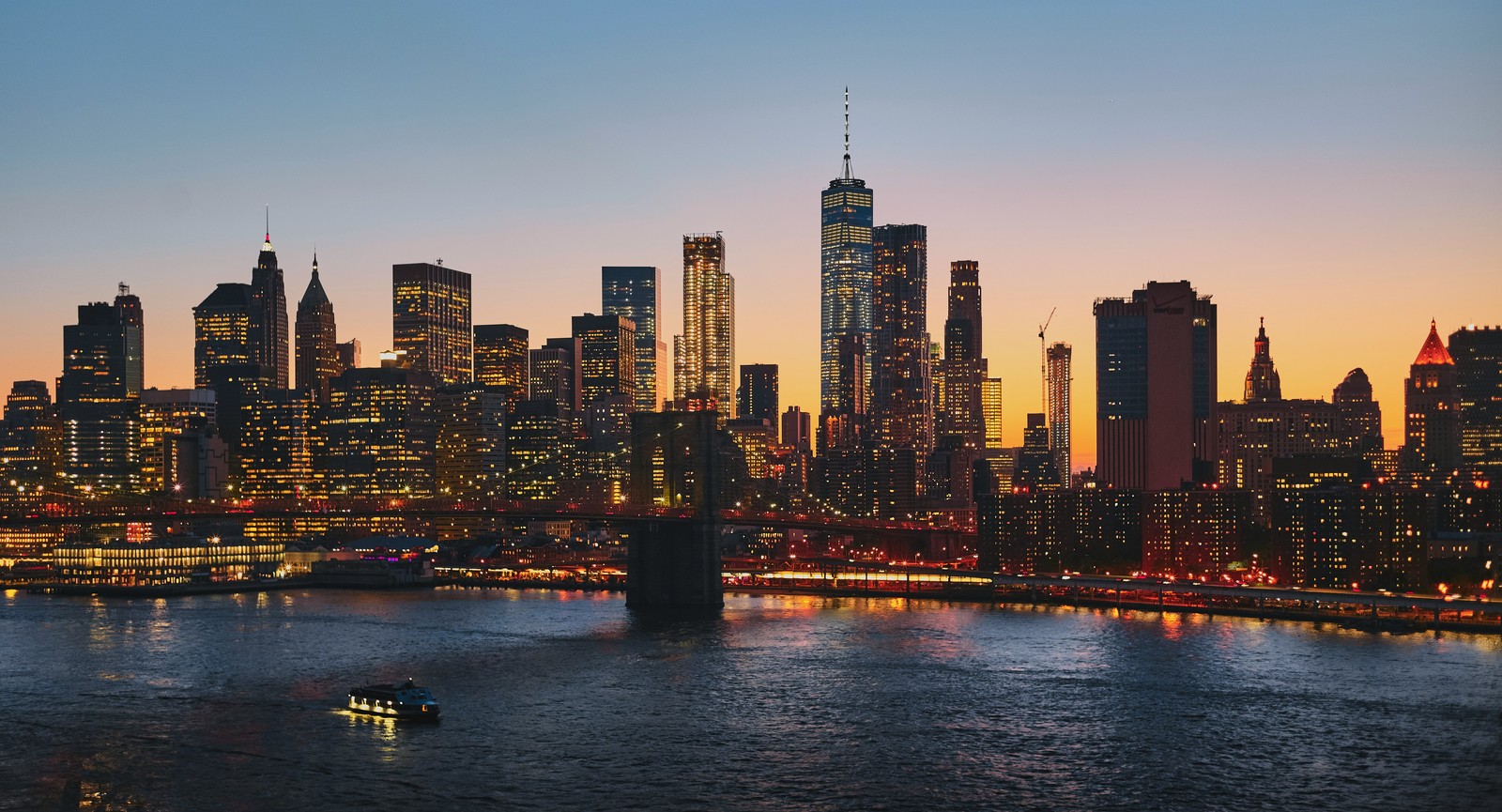
Let’s get this one out of the way first. Everybody recognizes this skyline. But its shape is immensely iconic for good reason. The Chrysler Building, One World Trade Center, the Empire State, and the ever-growing cluster of supertall skyscrapers stretching from Lower Manhattan to Midtown compose a breathtaking ensemble.
The city's unique geography helps make the view even more dramatic. Built on a narrow island surrounded by rivers, its skyline can be admired from ferries, bridges, waterfront parks, and observation decks. After the rebuilding of the World Trade Center, New York added yet another defining chapter to a skyline that has symbolized modern cities for well over a century.
Chicago, Illinois
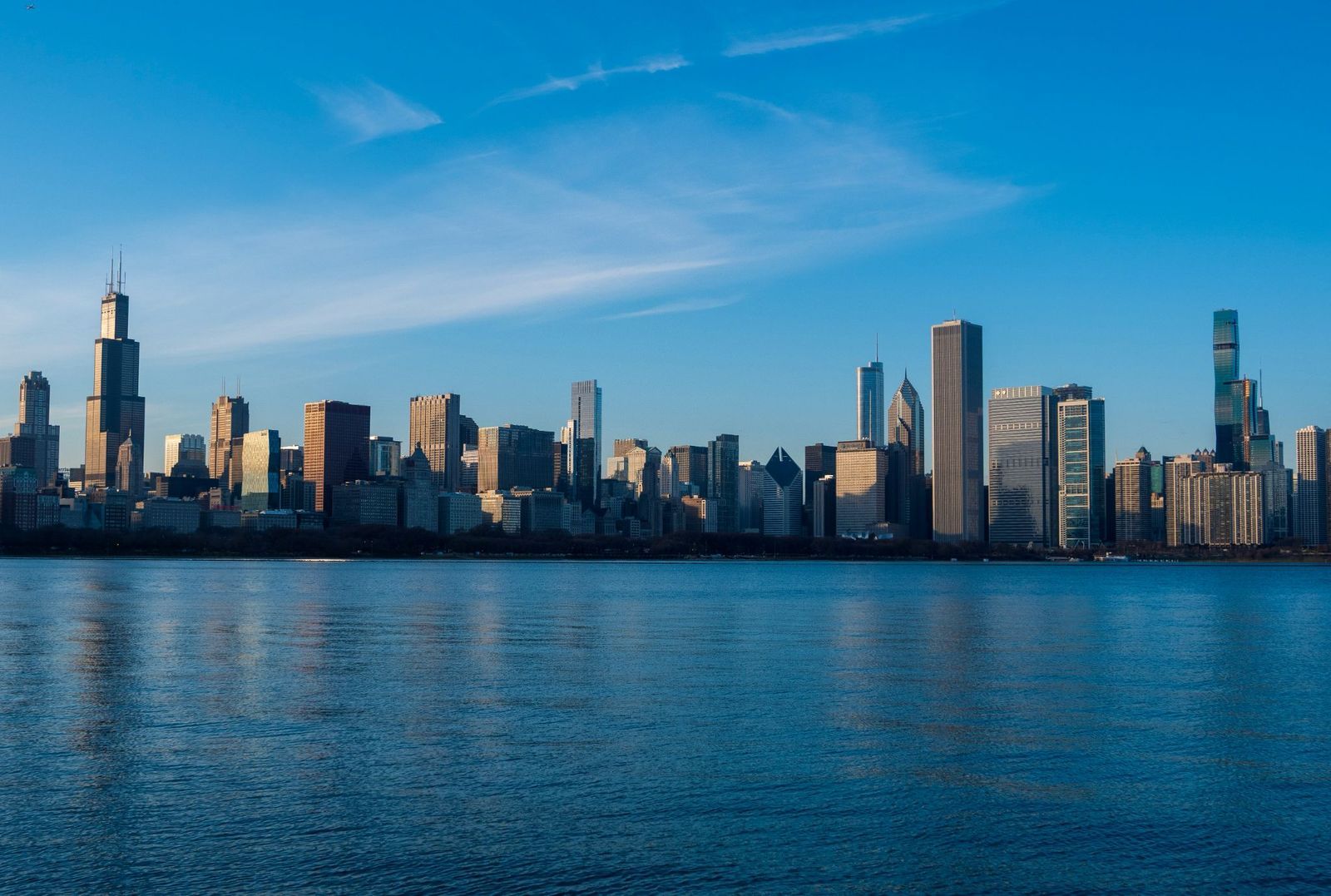
Many architects consider Chicago the birthplace of the modern skyscraper, and its skyline reflects that remarkable history. Towering landmarks like Willis Tower, the John Hancock Center, Aqua Tower, and St. Regis Chicago rise directly beside Lake Michigan, creating one of America’s most striking waterfront panoramas.
Chicago's beauty isn't just about height. The Chicago River cuts through downtown, producing spectacular urban views that are best appreciated on the city's famous architecture cruises. Combined with Daniel Burnham's visionary city planning and miles of public lakefront, the skyline offers a blend of engineering, design, and scenery that's admired around the world.
San Francisco, California
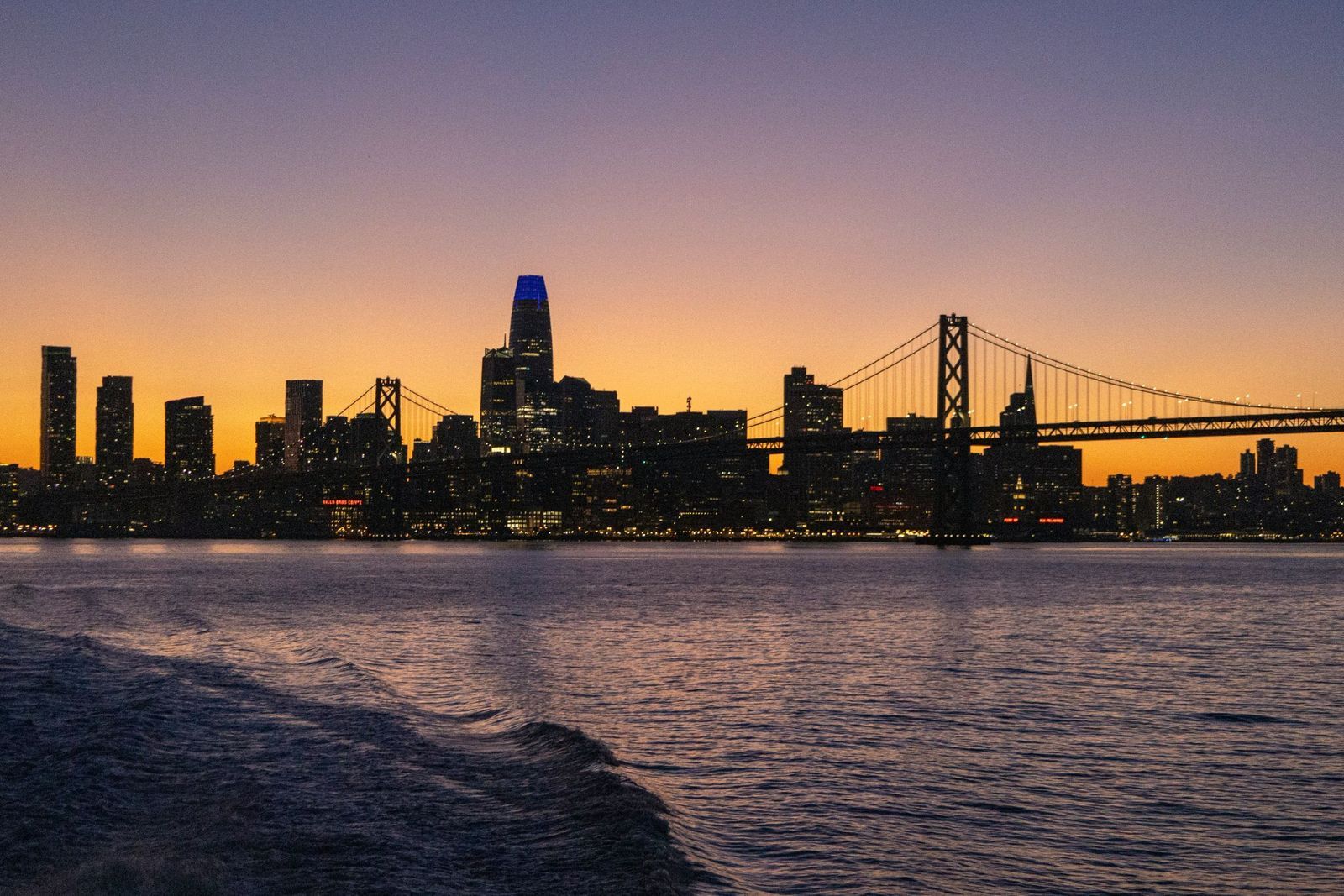
Few skylines combine architecture and nature as effortlessly as San Francisco’s. Steep hills, sparkling bay waters, the Golden Gate Bridge, and the Bay Bridge frame downtown's distinctive collection of skyscrapers, where the Transamerica Pyramid still stands as one of America's most recognizable buildings alongside the modern Salesforce Tower.
The city's appearance constantly changes thanks to its famous coastal fog, which can partially obscure or dramatically reveal the skyline within minutes. From Twin Peaks, Treasure Island, or the Marin Headlands, visitors can enjoy completely different perspectives, making San Francisco one of the country's favorite cities for photographers and skyline enthusiasts alike.
Seattle, Washington
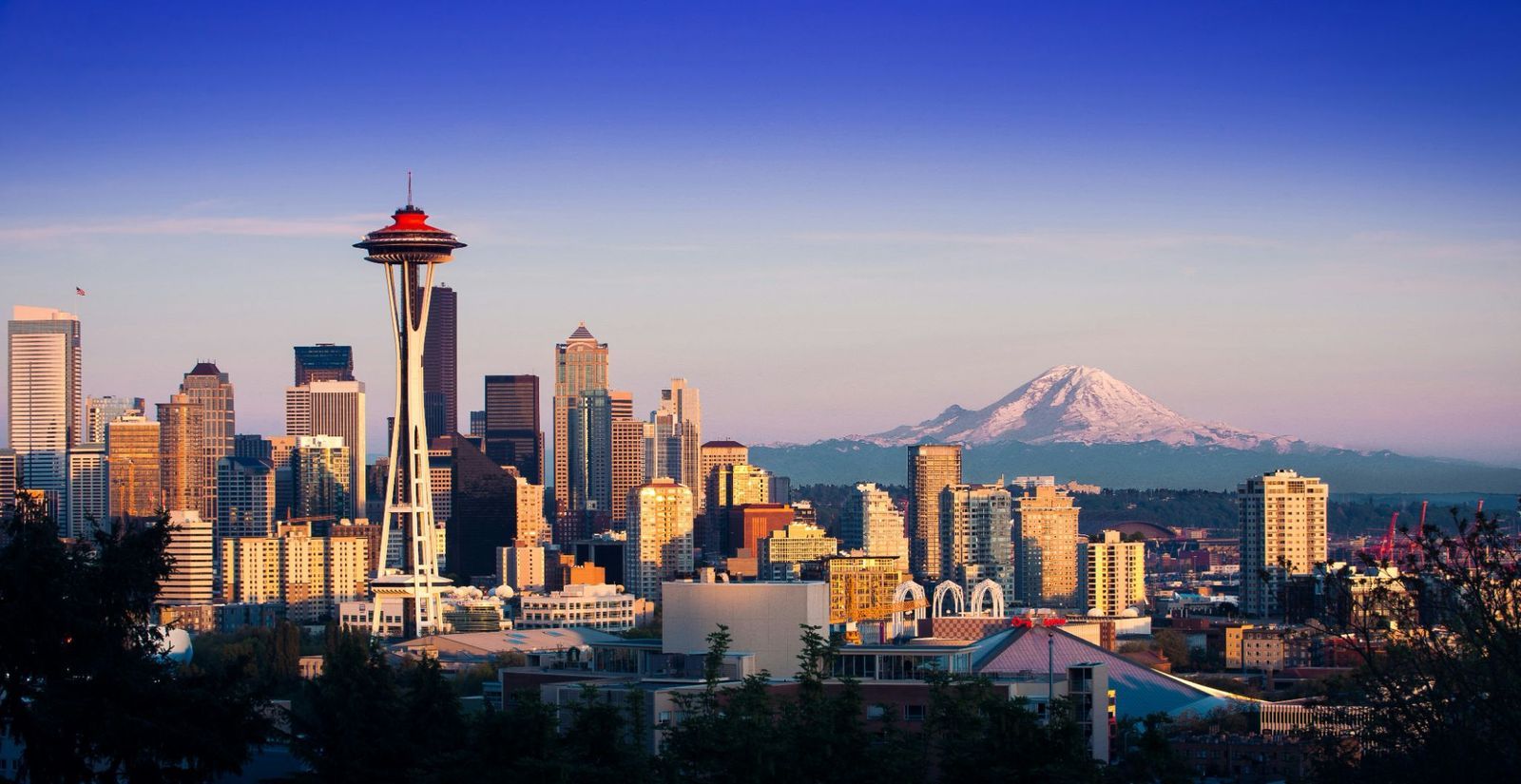
Seattle's skyline is instantly recognizable thanks to the futuristic Space Needle, but that's only part of its appeal. Modern skyscrapers like Columbia Center and Rainier Square Tower rise above Elliott Bay. At the same time, Mount Rainier often appears in the background, creating one of America's most dramatic combinations of city and nature.
Weather also plays a starring role. Clear days reveal snow-capped mountains, while clouds and colorful sunsets transform the skyline into an entirely different scene. Kerry Park has become one of the city's most famous viewpoints, offering a postcard-worthy panorama that regularly appears in travel magazines and photography collections.
Miami, Florida
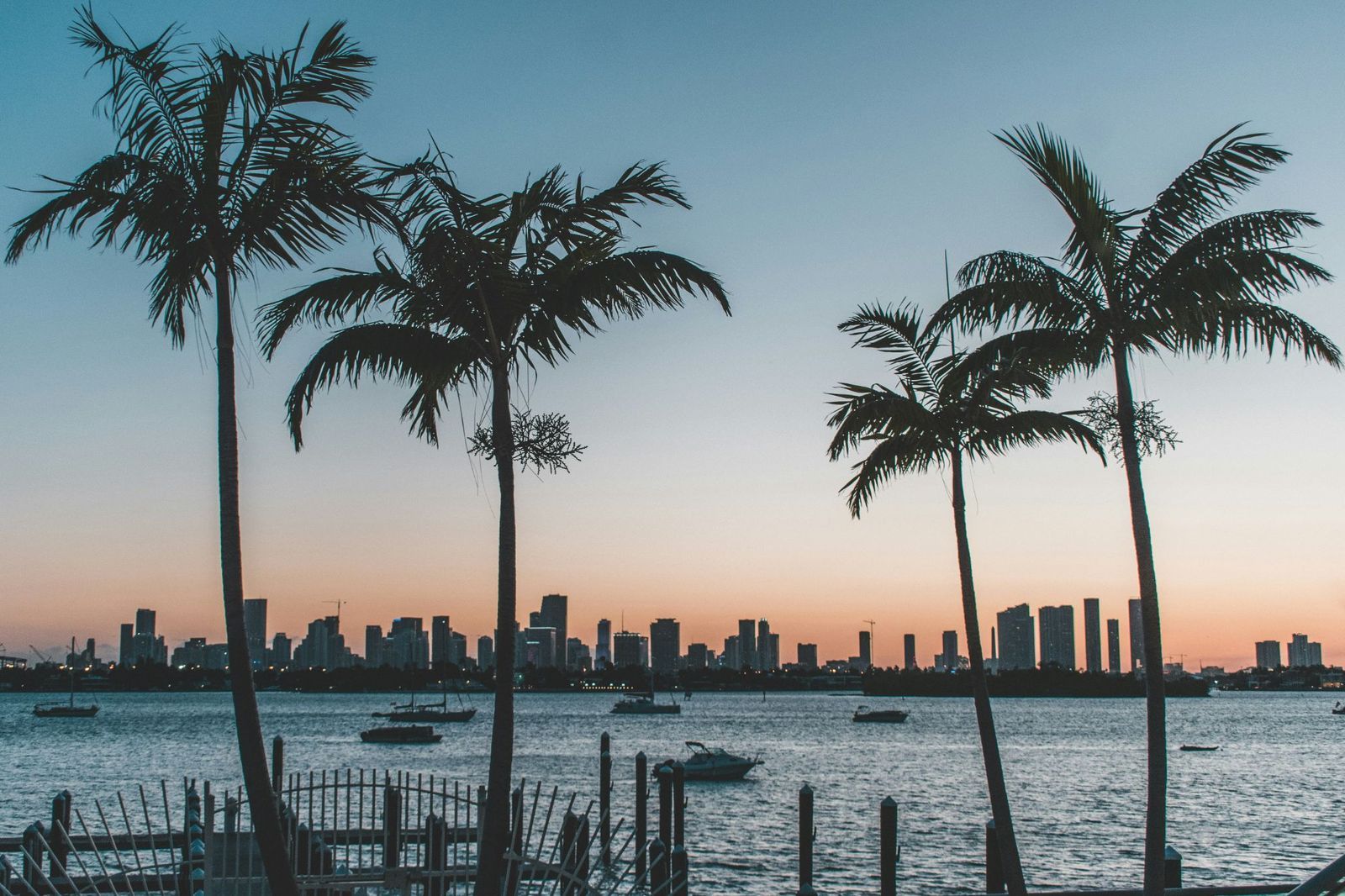
Miami has built one of America's newest and fastest-growing skylines, with sleek residential and office towers reflecting the waters of Biscayne Bay. Much of its modern look has taken shape over the past two decades, especially in the Brickell financial district, where shimmering glass skyscrapers create a distinctly tropical cityscape.
The setting is just as important as the buildings themselves. Palm trees, blue water, cruise ships, and year-round sunshine give Miami a character unlike almost any other major American city. At sunrise or after dark, viewpoints along the MacArthur and Venetian causeways reveal a skyline that feels as vibrant as the city below.
Los Angeles, California
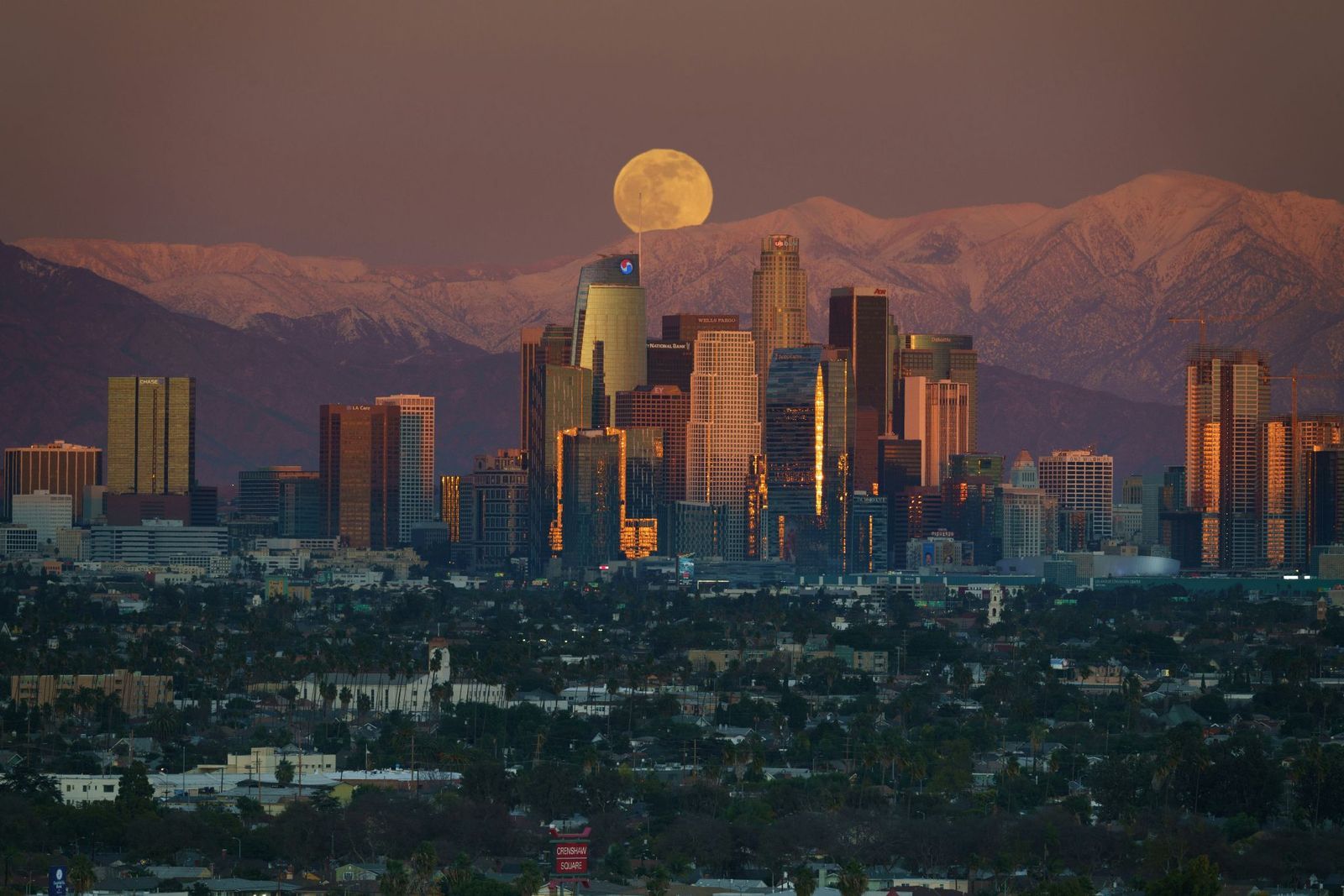
Unlike most major cities, Los Angeles doesn't rely on a single downtown skyline. Instead, several clusters of skyscrapers stretch across the region, with Downtown LA serving as the best-known centerpiece. Buildings like the U.S. Bank Tower and Wilshire Grand Center rise above a city already famous for Hollywood, entertainment, and endless sunshine.
Nature adds another layer to the view. On clear winter days, snow-covered mountains can appear behind the skyline, creating a striking contrast that's hard to find elsewhere. From Griffith Observatory or Mulholland Drive, visitors can take in an enormous urban landscape that seems to stretch all the way to the Pacific Ocean.
Philadelphia, Pennsylvania
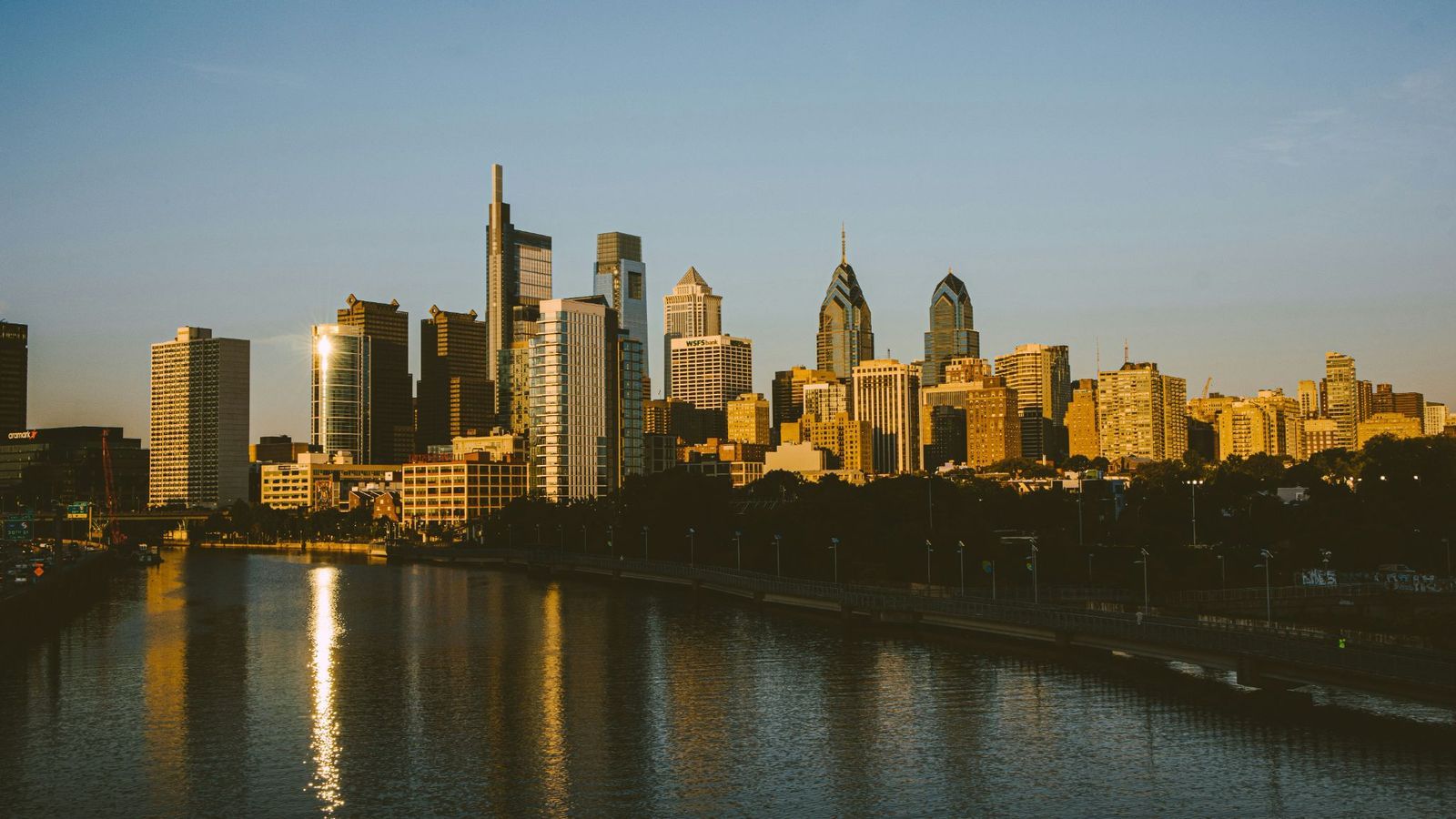
Philadelphia's skyline tells the story of America's past and present in a single glance. Historic landmarks such as City Hall—once the tallest habitable building in the world—stand alongside modern skyscrapers like Comcast Technology Center and One Liberty Place, reflecting the city's evolution over more than three centuries.
For decades, an informal agreement kept no building taller than the statue of William Penn atop City Hall. That tradition ended in the late 1980s, opening the door to today's impressive skyline. Seen from the Schuylkill River Trail or South Street Bridge, Philadelphia offers one of the country's most balanced blends of history and modern architecture.
Boston, Massachusetts
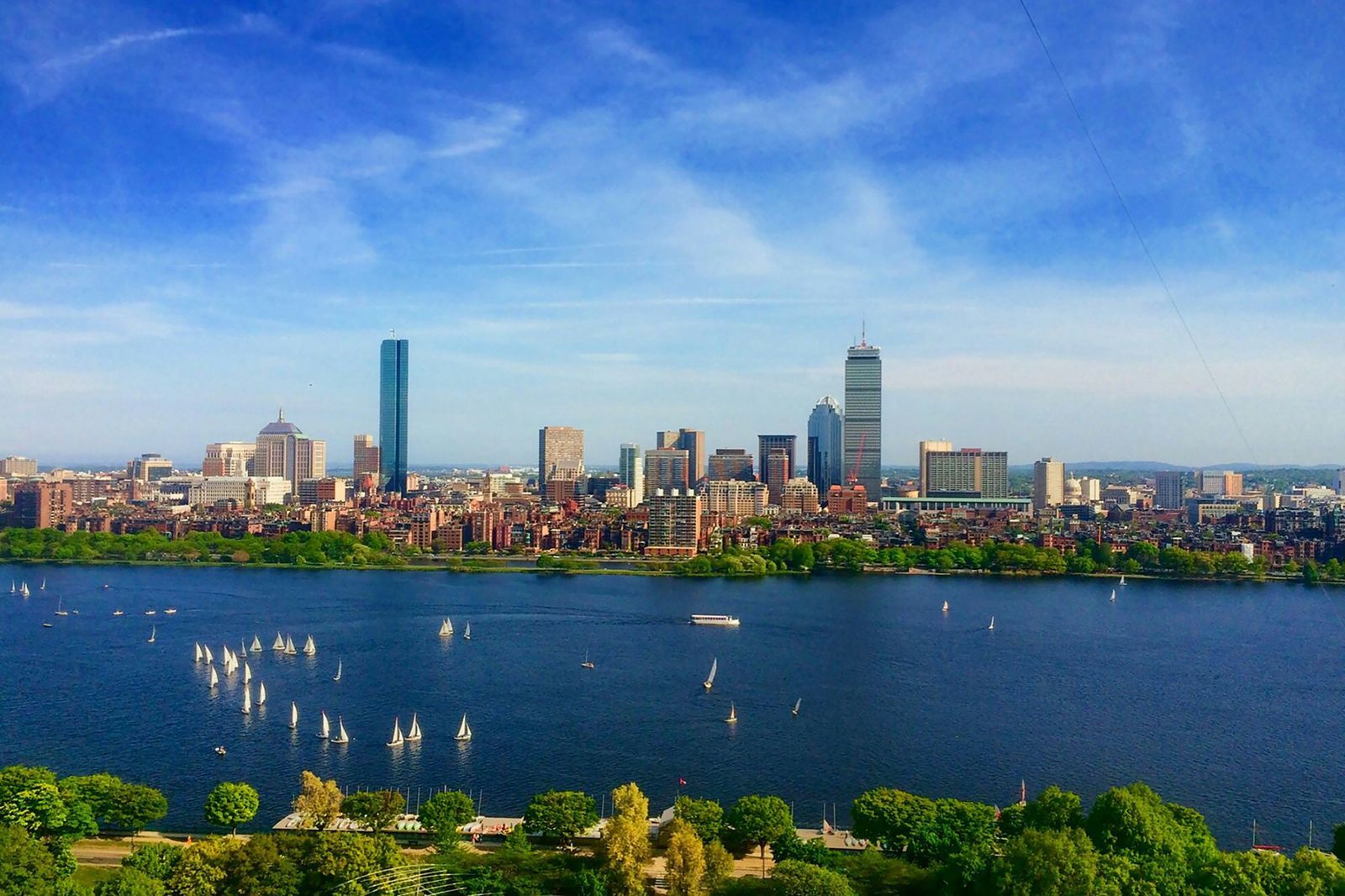
Boston's skyline is unique because it mixes some of America's oldest neighborhoods with a modern collection of high-rise buildings. Historic church steeples, colonial landmarks, and the city's famous brownstones share the horizon with the Prudential Tower and the striking glass façade of the John Hancock Tower.
Its waterfront location makes the view even more memorable. Whether seen from the Charles River Esplanade, Longfellow Bridge, or Boston Harbor, the skyline reflects centuries of growth while preserving much of the city's historic character. The result is a cityscape that feels both timeless and unmistakably New England.
Dallas, Texas
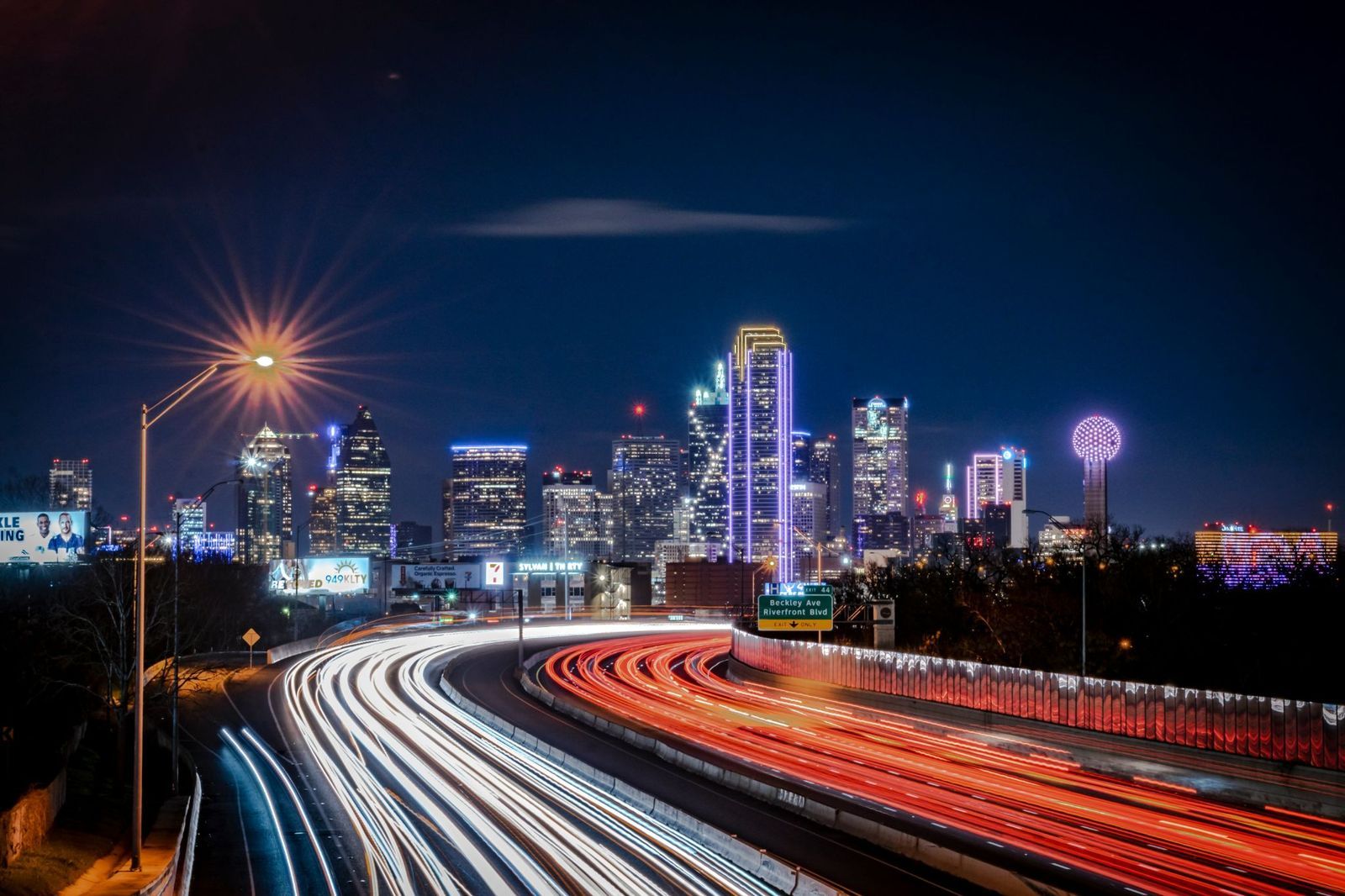
Dallas has one of the most recognizable skylines in the American Southwest, especially after sunset. Buildings like Bank of America Plaza, outlined by its brilliant green LED lights, and the instantly recognizable Reunion Tower have helped give the city a nighttime silhouette unlike any other in the country.
The skyline grew rapidly during the late 20th century as Dallas became a major financial and business center. Today, viewpoints such as Trinity Overlook Park showcase a dense collection of modern skyscrapers that have also appeared in countless films and television shows, making the city's profile familiar even to many first-time visitors.
Atlanta, Georgia
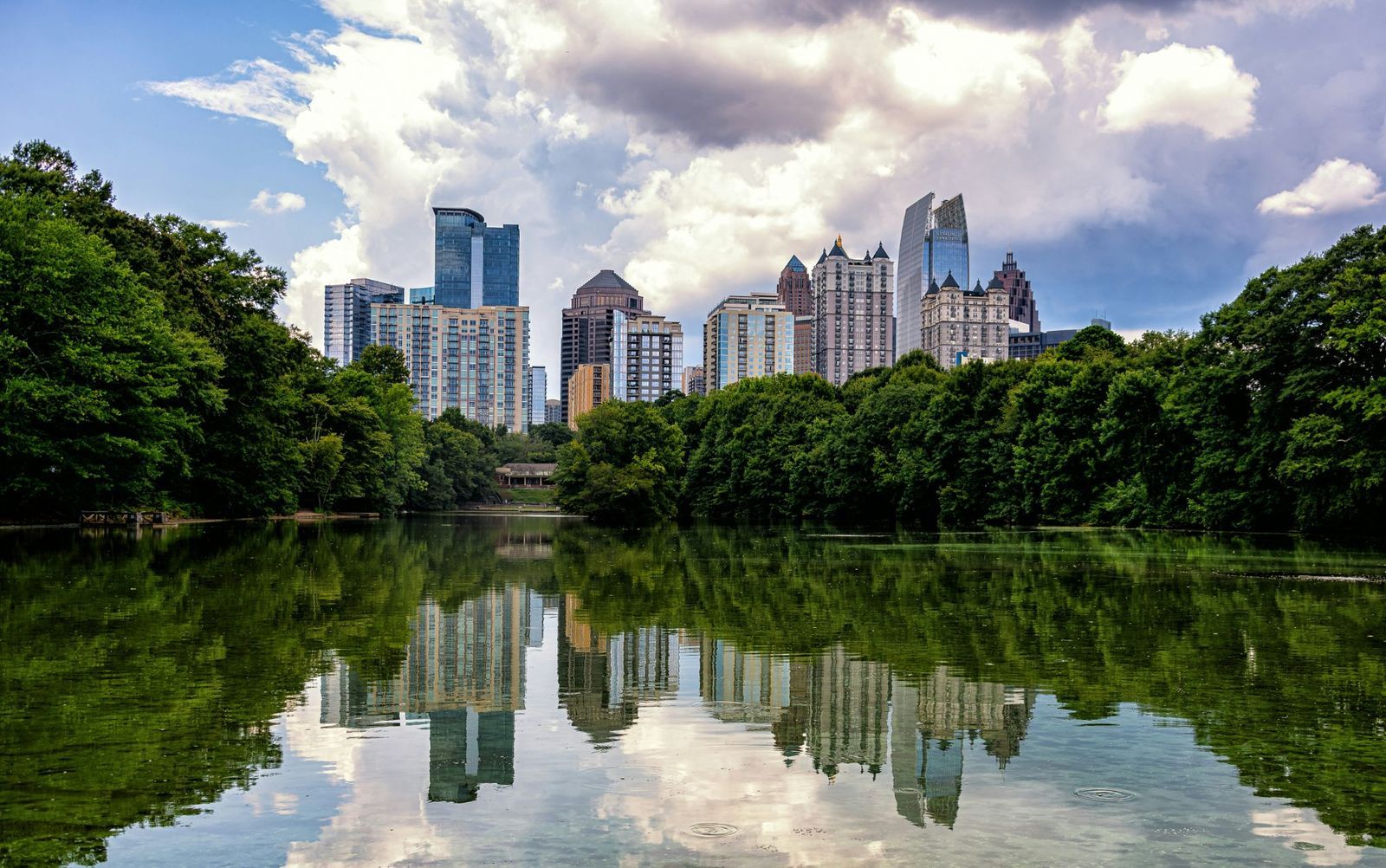
Atlanta's skyline stands out because it actually consists of two major districts—Downtown and Midtown—that together create an impressive urban panorama. Towering above them is Bank of America Plaza, one of the tallest buildings in the United States outside New York and Chicago, giving the city an unmistakable vertical presence.
What makes Atlanta especially distinctive is its setting. Known as the "City in a Forest," it has one of the country's largest urban tree canopies, allowing glass skyscrapers to rise above a sea of green. From the famous Jackson Street Bridge, visitors can enjoy one of the most photographed skyline views in the South.
Detroit, Michigan
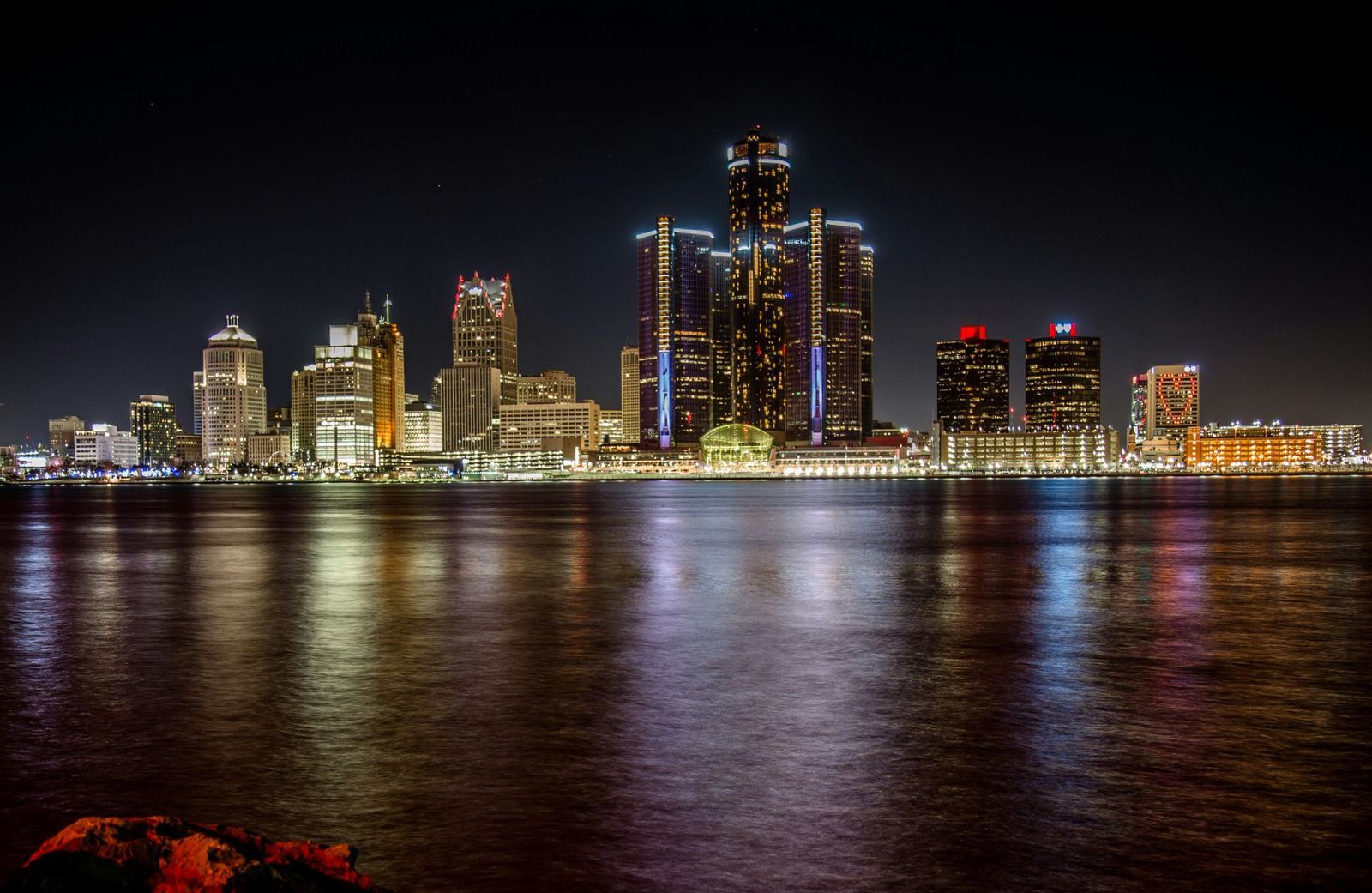
Detroit's skyline may not be the tallest, but many architecture enthusiasts consider it one of America's most elegant. Art Deco masterpieces like the Guardian Building and the Penobscot Building showcase the city's early 20th-century prosperity, while the Renaissance Center dominates the waterfront along the Detroit River.
One of Detroit's most unusual features is its international backdrop. From several viewpoints, visitors can see the skyline of Windsor, Ontario, just across the river, making it one of the few places in the world where two countries share such a striking urban panorama. Ongoing downtown revitalization has only added new energy to this historic skyline.
Las Vegas, Nevada
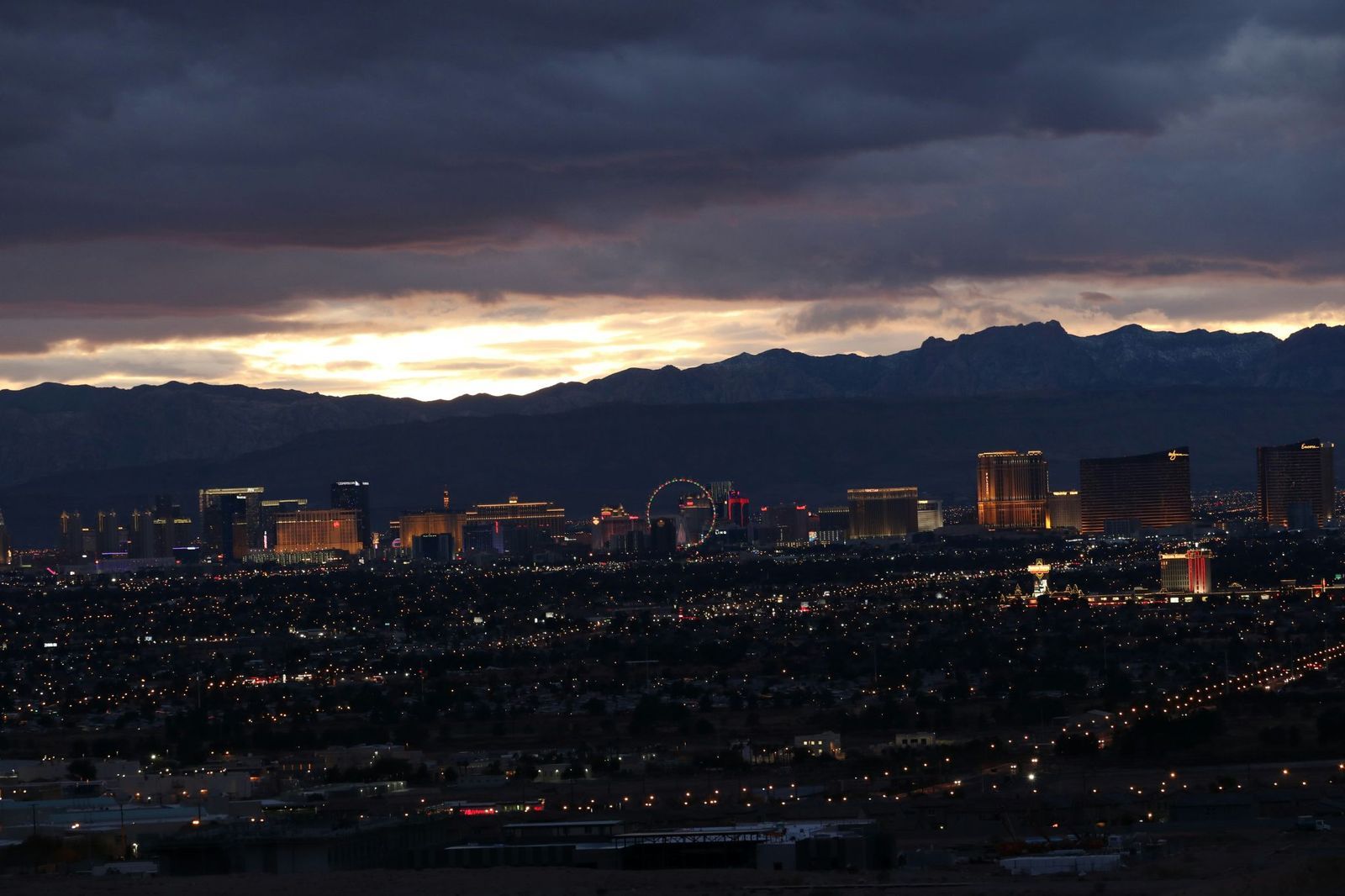
Las Vegas proves that a memorable skyline doesn't have to be filled with office towers. Instead, its silhouette is defined by world-famous resorts inspired by New York, Paris, Venice, ancient Egypt, and countless other destinations, all illuminated by millions of lights after dark.
The STRAT Tower rises more than 1,100 feet above the Strip, while the surrounding Mojave Desert and nearby mountain ranges provide a dramatic natural backdrop. Whether viewed from the High Roller observation wheel or from the air, Las Vegas delivers one of America's most recognizable—and certainly one of its most spectacular—nighttime skylines.
There's a hidden gem just an hour away from NYC: Do you know what it is?
Easy day trips from big US cities
There's a hidden gem just an hour away from NYC: Do you know what it is?
Sometimes you just need a change of pace. The good news is you don’t have to fly far or plan a big trip to find it. Just an hour or two away from big cities like New York, Los Angeles, or Boston, places like Cold Spring or Milwaukee offer interesting itineraries. You can visit historic museums, art galleries, antique shops, and even go whale-watching. The best part is you could be somewhere new by late morning and back in your own bed by ten. We’ve gathered 10 easy day trips you can reach by train, each one calm, simple, and close enough to do in a day.
Cold Spring, NY (Hudson Line - MTA)
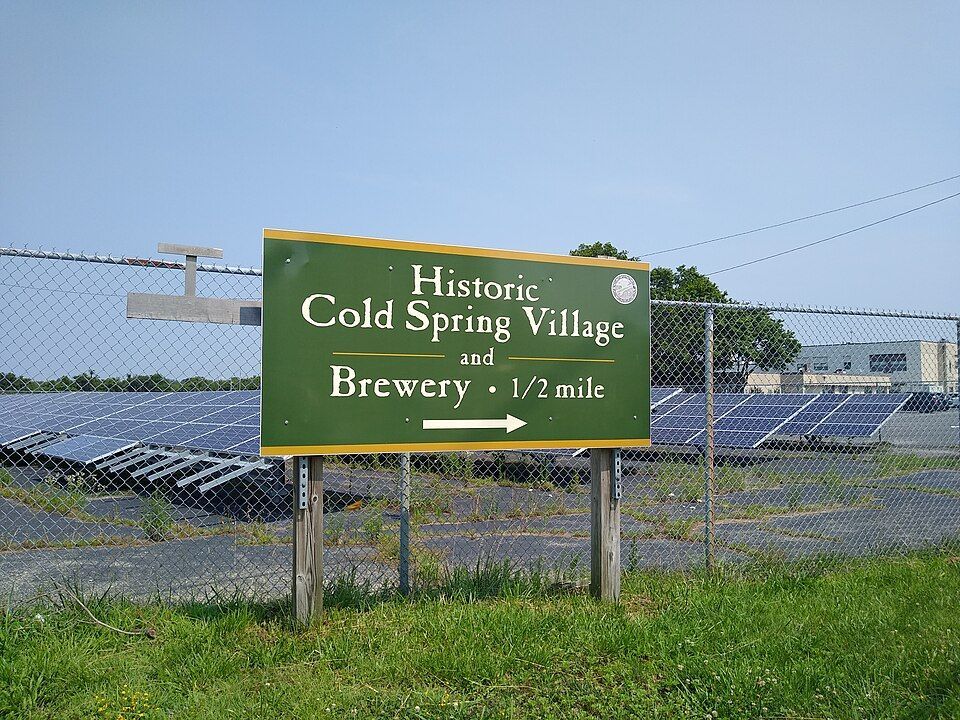
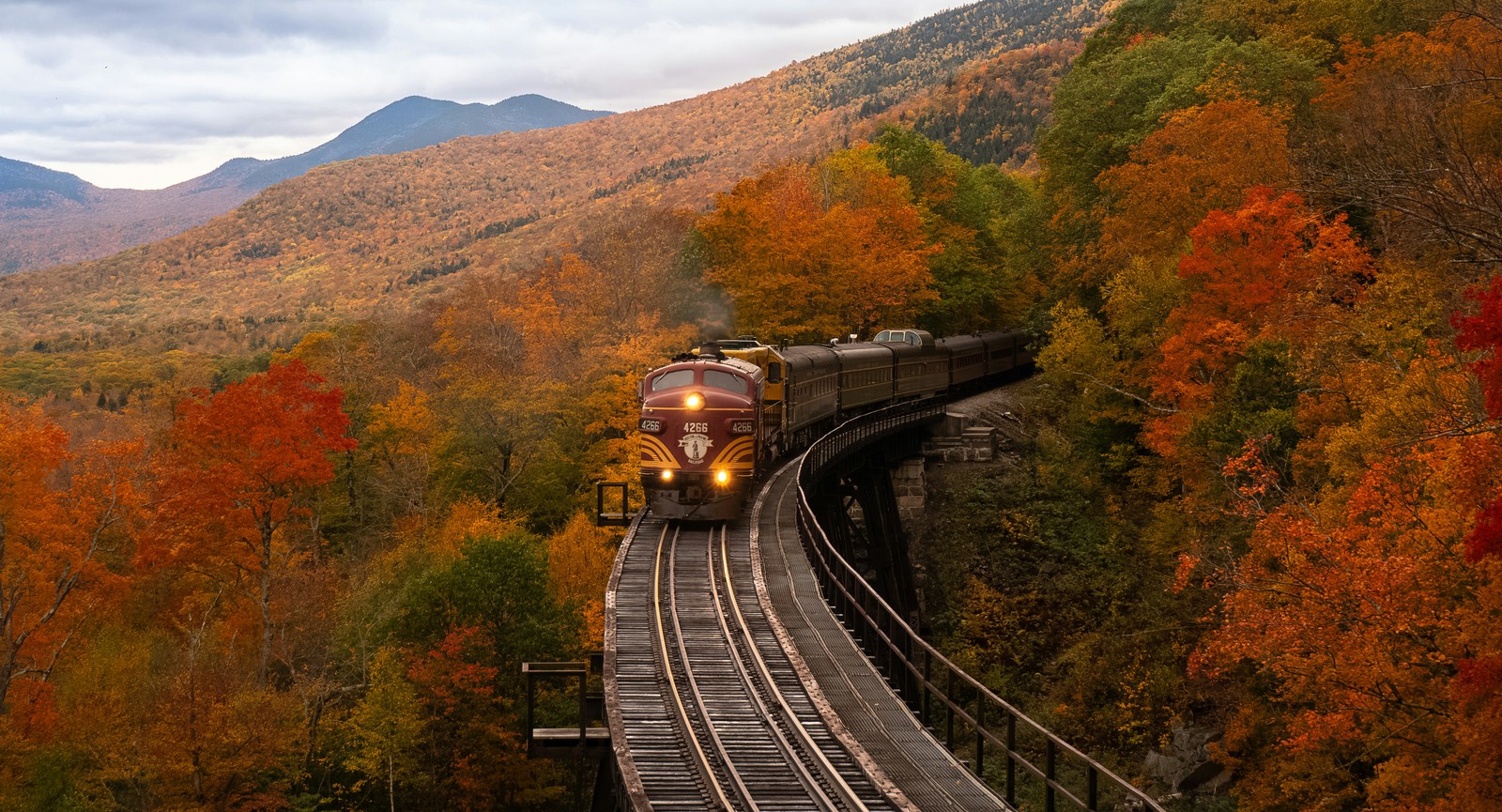
If you’ve ever taken the Hudson Line north out of Grand Central in New York City, you know that ride alone is worth the trip. But about an hour in, Cold Spring appears like something out of another era. It’s one of the easiest escapes from NYC.
Most visitors head straight for Bull Hill, also called Mount Taurus. It’s a steady climb, not too pushing, with views of the Hudson that make you stop and catch your breath for all the right reasons. The trail is manageable if you take your time, and there are spots along the way to pause and enjoy the scenery.
If hiking isn’t up your alley, the Cold Spring Pier offers a peaceful place to sit and watch the river flow. You can finish your visit by taking a short trolley ride away to Boscobel House and Gardens. You can tour around this Gregorian mansion and its open laws from Friday to Monday.
Milwaukee, WI (Amtrak Hiawatha)
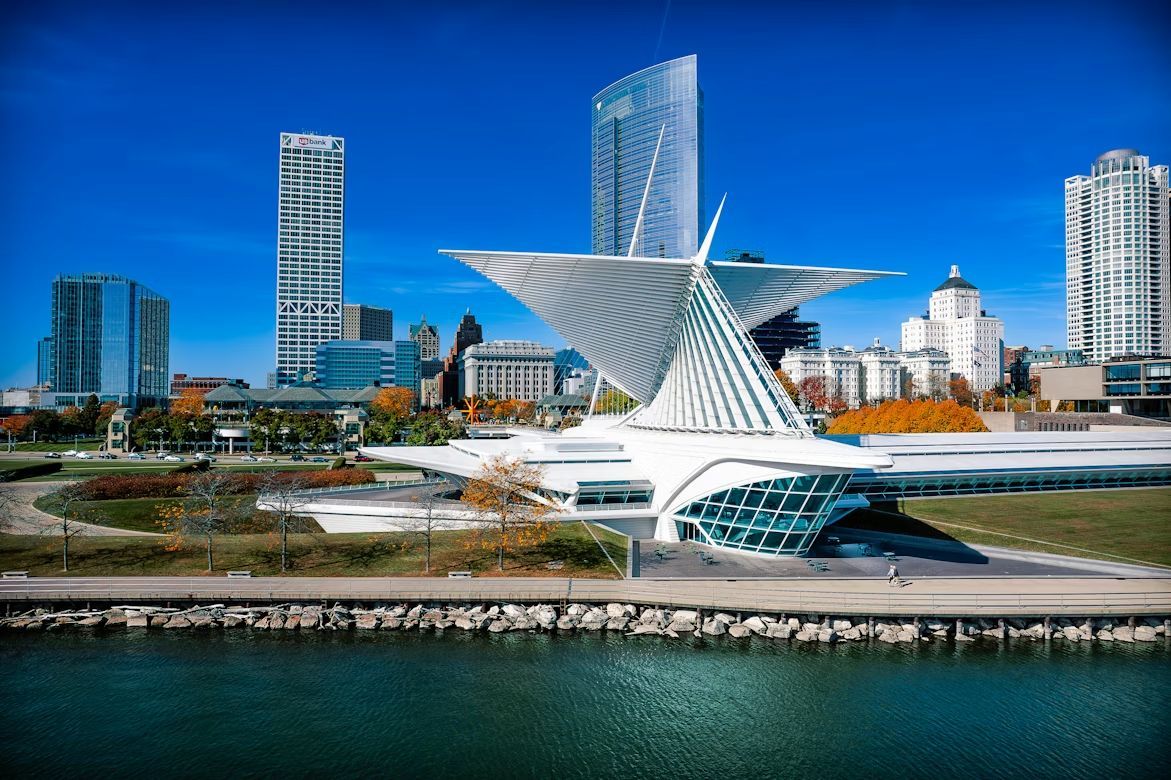
For Chiagoans looking to switch things up, Milwaukee is an easy choice. The Amtrak Hiawatha Line makes the trip in about 90 minutes, and you arrive a few steps away from the city center.
The Milwaukee Art Museum is hard to miss, especially when its wing-like structure opens along the lakefront. Visit this architectural landmark on Lake Michigan, famous for its "wings" that open and close daily. Inside, the galleries are spacious and easy to navigate, with places to sit if you want to take a break.
A short walk from there leads into the Historic Third Ward, where old brick warehouses now offer shops, galleries, and a lively public market. You won’t be lacking any walking, but if you’re craving more, you can also step into the Riverwalk, a 3-mile path that winds through the city, passing by the famous "Bronze Fonz" statue, created by artist Gerald P. Sawyer in 2008, and numerous riverside pubs where you can sit for a drink or an early dinner before heading back.
Ventura, CA (Pacific Surfliner)
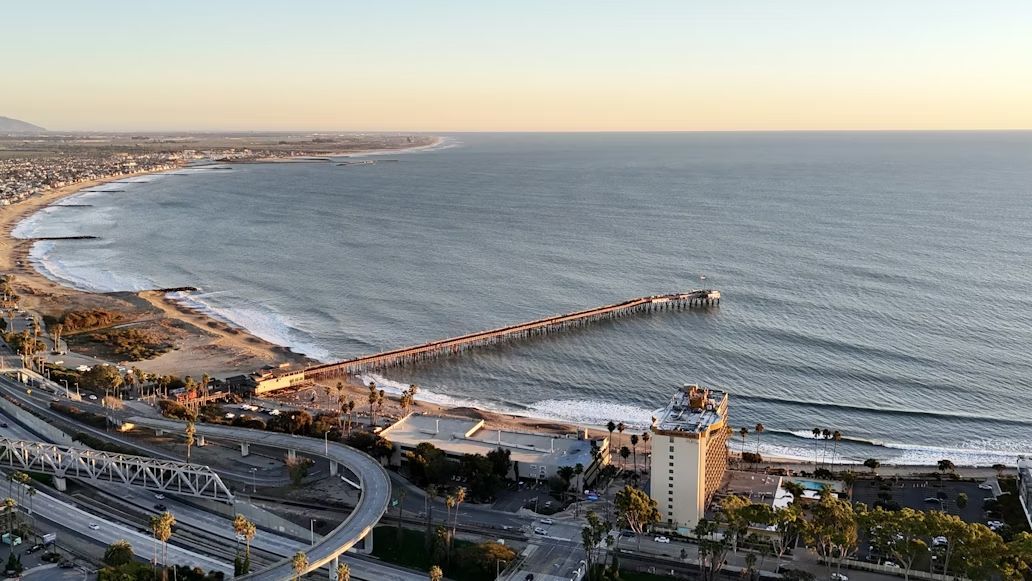
Some train rides are just transportation, but the train ride to Ventura is also part of the experience. Departing from Los Angeles, Amtrak Pacific Surfliner takes you along the coastline, offering long stretches of ocean views even before you arrive.
Once you step off the train, the Ventura Pier is right there, stretching out into the Pacific. It’s a good place to pause with a warm drink in hand and take it all in. Enjoy a stroll along the wooden pier for a classic California beach experience and views of the Channel Islands.
From there, Main Street offers a walkable path of shops, bookstores, and nice places to grab lunch. At the far end of the town, San Buenaventura Mission, standing since 1782, is a nice way to close the day and learn about the town’s history with a small museum and quiet garden areas.
Naperville, IL (Metra BNSF)
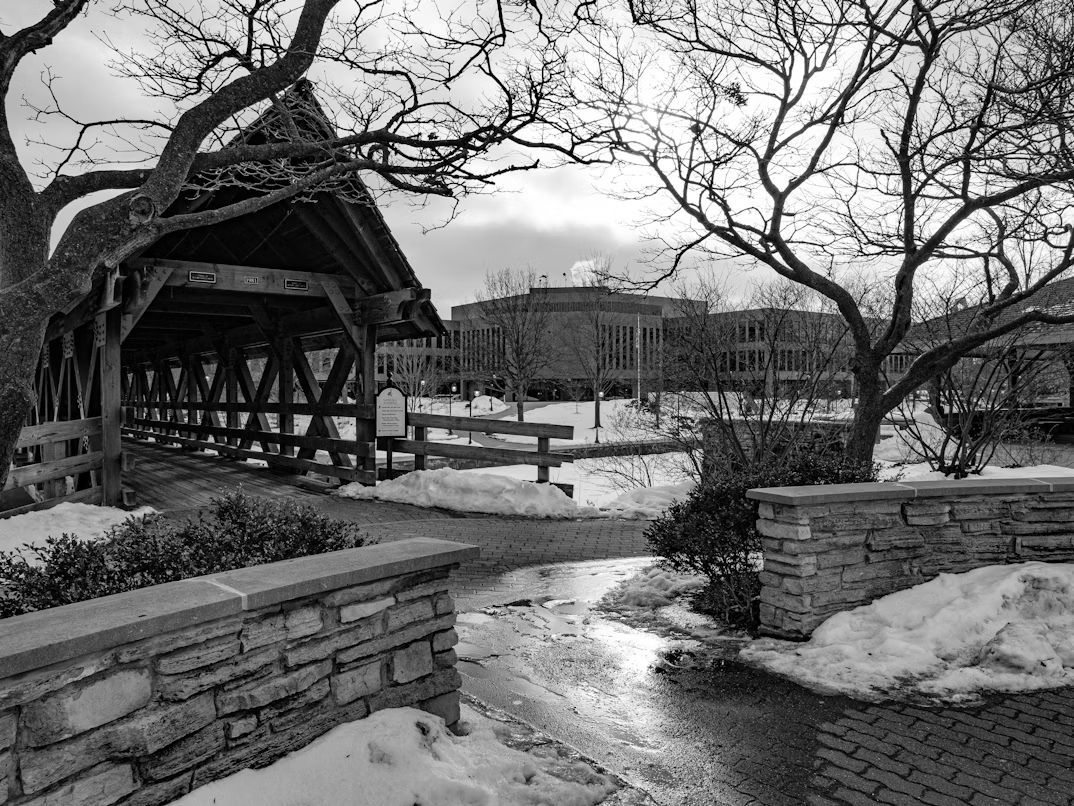
Just west of Chicago, Naperville offers a slower pace without asking much of your time. Taking the Metra BNSF line from Chicago's Union Station, a ride of an hour —or half an hour if you take the express ride— brings you into a town that feels tidy, green, and easy to enjoy.
The Naperville Riverwalk is the highlight, and that’s why it’s called the "crown jewel" of the city. Take an unhurried stroll through this scenic brick path, which features fountains, bridges, and lush landscaping. Besides, you can visit Naper Settlement, a 12-acre outdoor history museum that depicts what life was like in this northern Illinois settlement during the 19th century. The paths are easy to follow, and the buildings are well preserved, giving you a clear sense of the past without needing a long visit.
Gloucester, MA (MBTA)
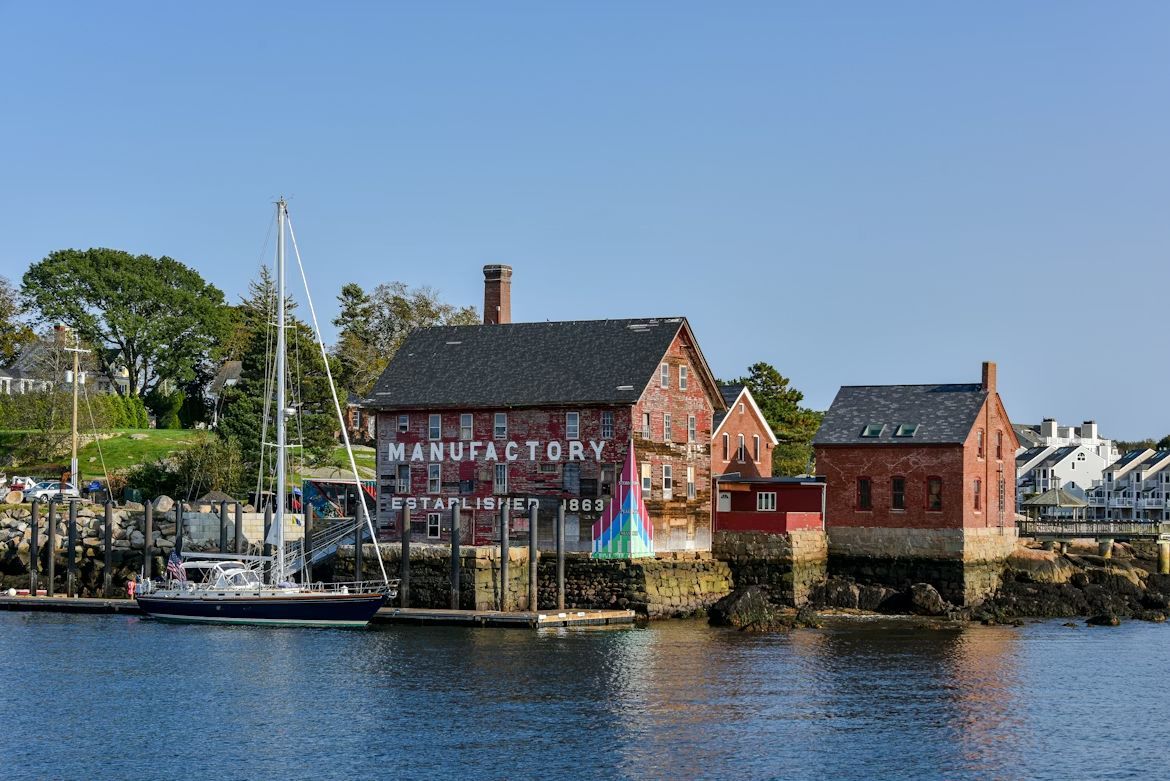
The Massachusetts Bay Transportation Authority’s Newburyport/Rockport line makes it easy to leave Boston behind and head straight for the coast. Just in about an hour, Glocester greets visitors with sea air, working harbors, and a quieter pace.
There, you’ll find America’s oldest seaport, founded as a fishing outpost in 1623. You’ll feel the history in the boats, the docks, and the local stories. Start the day with a picnic by the beach, then take a walk out towards Eartern Point Lighthouse. If you’re feeling adventurous, whale-watching tours head out regularly for $60 and offer memorable sights. Back on land, a bowl of clam chowder is almost a requirement, and you can round out the day with a visit to the North Shore Arts Association or Hammond Castle. It’s a full day, but never a rushed one.
Napa Valley, CA (Amtrak + Bus)
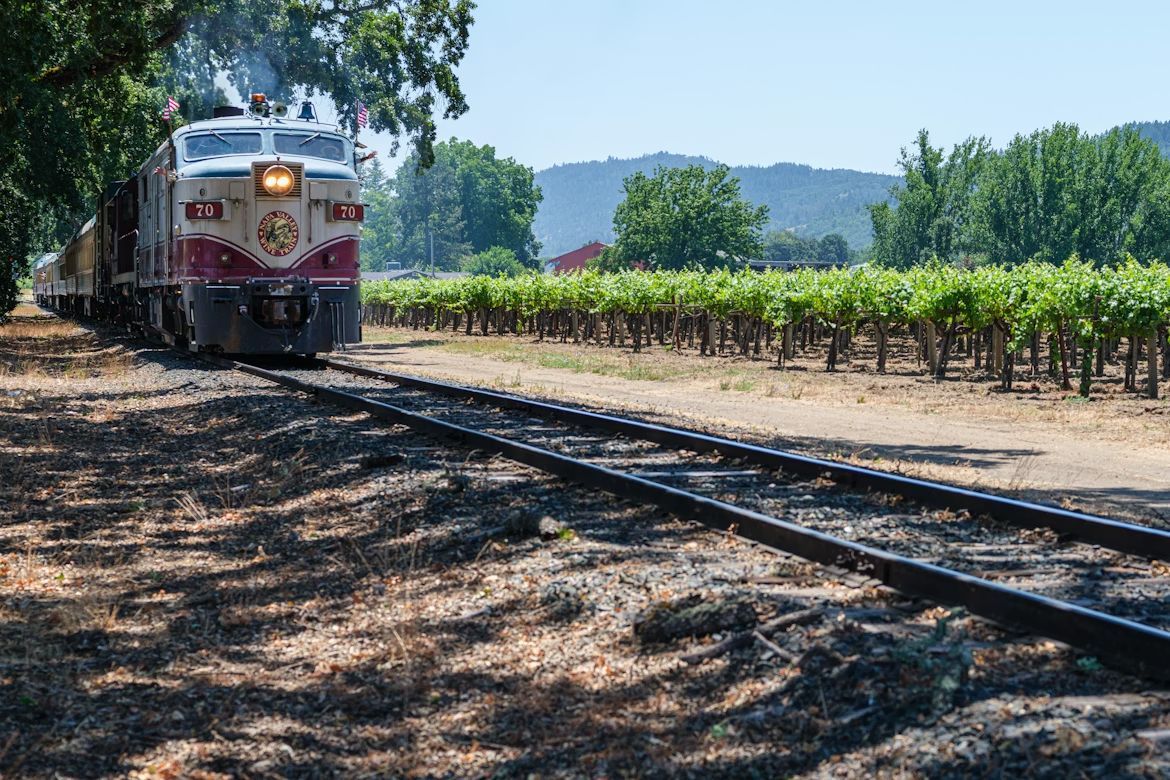
While the train doesn't go directly into the vineyards, you can take the Amtrak San Joaquins or Capitol Corridor to Martinez and connect via a dedicated Amtrak Thruway bus to the heart of Napa, making it accessible from the San Francisco Bay Area.
Start the day at Oxbow Public Market, where you can grab a bite and sample local flavors, artisanal coffee, and wine from across the valley. For something a bit more memorable, experience the Napa Valley Wine Train. Board a vintage Pullman railcar for a dining experience that travels through the scenic heart of the wine country.
Finish off by stretching your legs and enjoying a peaceful walk along the river, through the Napa River Trail, which offers great views and access to downtown tasting rooms.
Harper’s Ferry, WV (MARC Train)
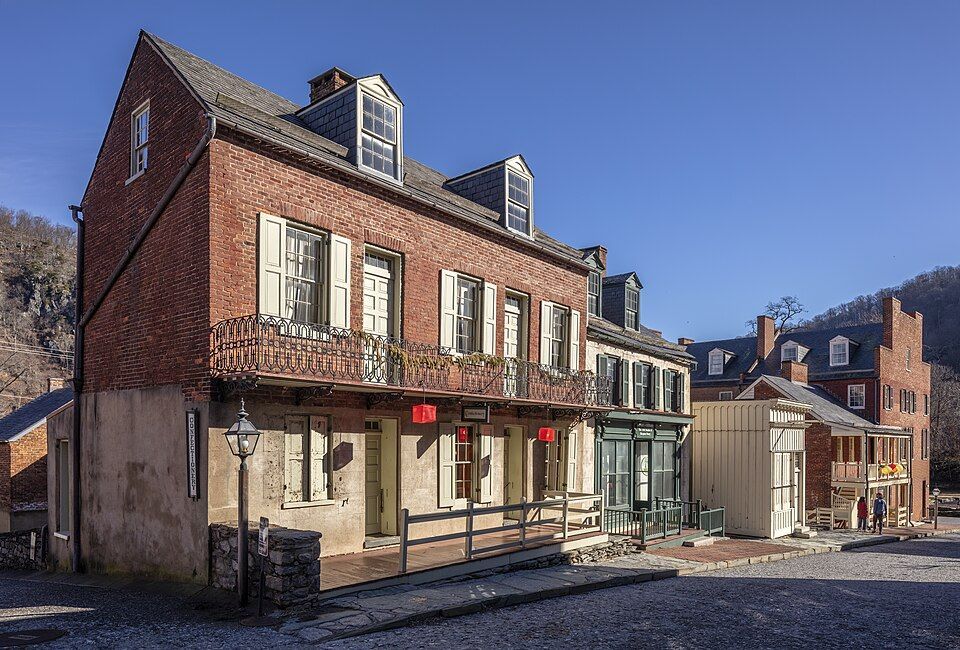
From Washington, D.C., the MARC Brunswick Line offers a scenic commuter ride directly into the heart of this historic National Park.
The Point, where the Potomac and Shenandoah rivers meet, is a natural starting place. From there, you can see three different states, West Virginia, Virginia, and Maryland, at once. After that, you can take a hike through Lower Town History. Walk through the preserved 19th-century village to see the site of John Brown’s Fort, refuge of the anti-slavery advocate John Brown during his 1859 raid on Harper's Ferry.
Sacramento, CA (Capitol Corridor)
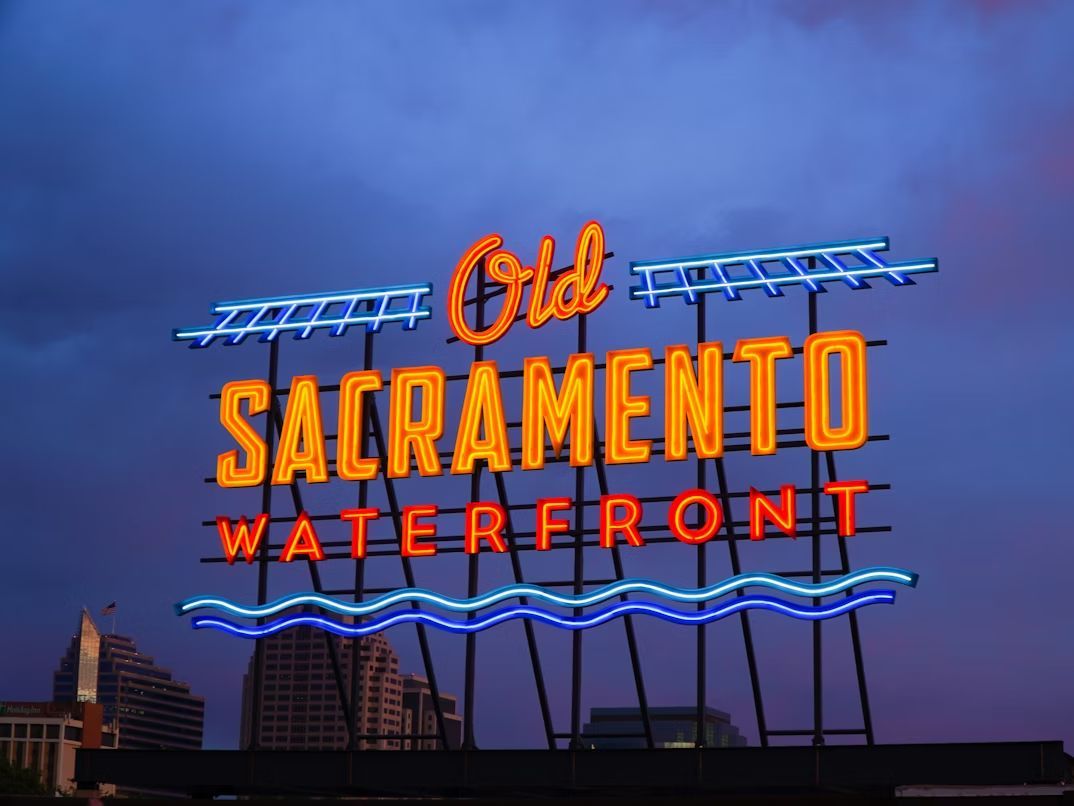
Sacramento often flies under the radar, but it’s one of the easiest and most rewarding day trips in Northern California. The Capitol Corridor train takes you from San Francisco directly to the Sacramento Valley Station, which is located just a short walk from the city's most historic sites.
You can step into the Old Sacramento Waterfront and revisit the Gold Rush era with cobblestone streets and preserved buildings like the B. F. Hastings Building, which was the Pony Express terminal, or the Lady Adams Building, the oldest non-residential building in Old Sacramento. Just nearby, the California State Railroad Museum is one of the best rail museums in the world, featuring beautifully restored locomotives and interactive exhibits.
Baltimore, MD (Amtrak/MARC)
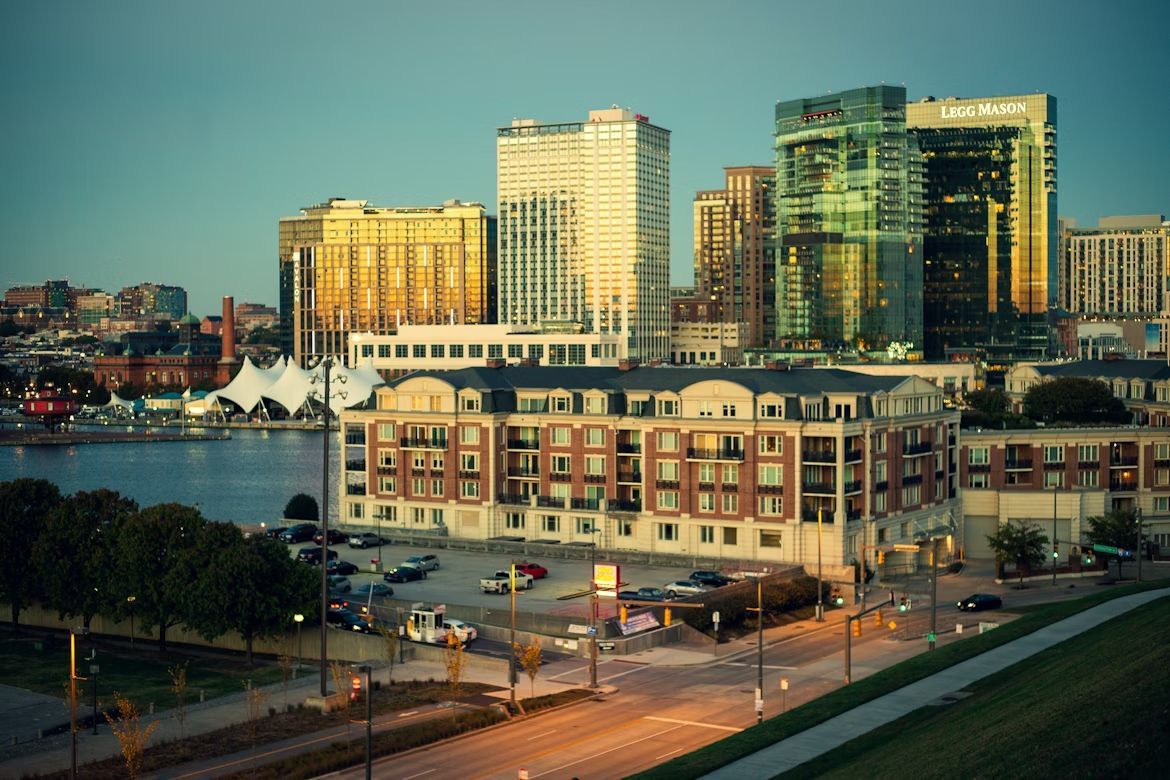
Baltimore is close enough to feel easy, yet different enough to feel like a break. Both Amtrak and the MARC Penn Line run frequently from Philly to Baltimore’s Penn Station, which is a short ride-share or bus trip from the harbor.
The Inner Harbor is the centerpiece of the city, home to historic ships like the USS Constellation and plenty of waterfront dining. You can also visit the National Aquarium and explore one of the top-rated aquariums in the country, featuring a massive shark tank and tropical rainforest exhibits. Last, but not least, you can’t miss the Fort McHenry National Monument. Take a water taxi to the site where the "Star-Spangled Banner" was written and explore the historic star-shaped fort before you make your way back.
San Juan Capistrano, CA (Pacific Surfliner)
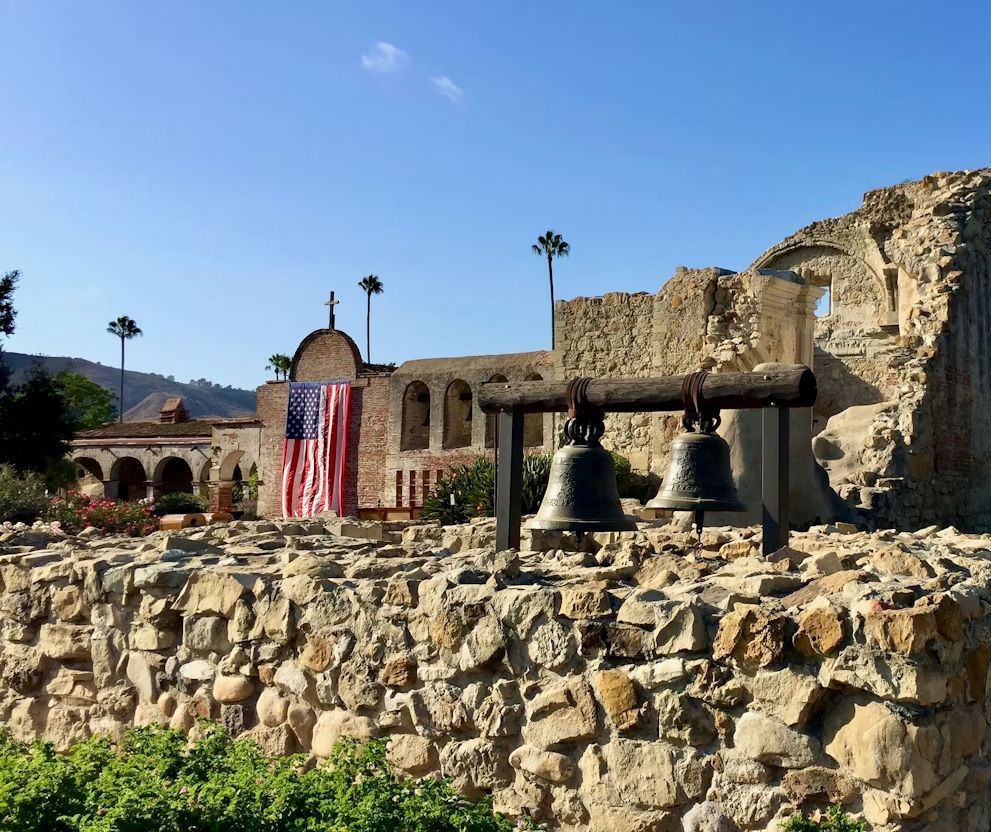
Southern California has its share of busy beach towns, but San Juan Capistrano offers something quieter and rooted in history. The Pacific Surliner takes you from L.A.’s Union Station and drops you into the heart of town, just steps away from everything you’ll want to see.
Named after the Mission San Juan Capistrano, which has been standing since the 1700s, the town offers picturesque and historic sites. The Mission itself charges an admission fee of $15, and it’s open from Tuesday to Sunday, which makes it a perfect weekend getaway. You can tour the "Jewel of the Missions," known for its Great Stone Church ruins and beautiful sacred gardens. Not far from there, you can step into the Los Rios Historic District and wander through the oldest continually occupied neighborhood in California, featuring charming cottages and local artisan shops. It’s an easy area to explore on foot, and there are small cafés where you can stop and rest before making your way back to the station.
Keep wandering
There’s always
more to explore
 General

Did you know that you can see another galaxy without a telescope?
5 min.
Read Now

What happens if you leave the airport during your layover?
6 min.
Read Now

Why you should never travel on an empty stomach
3 min.
Read Now
Why do pros take amazing photos even with a smartphone? 12 tips explained
4 min.
Read Now