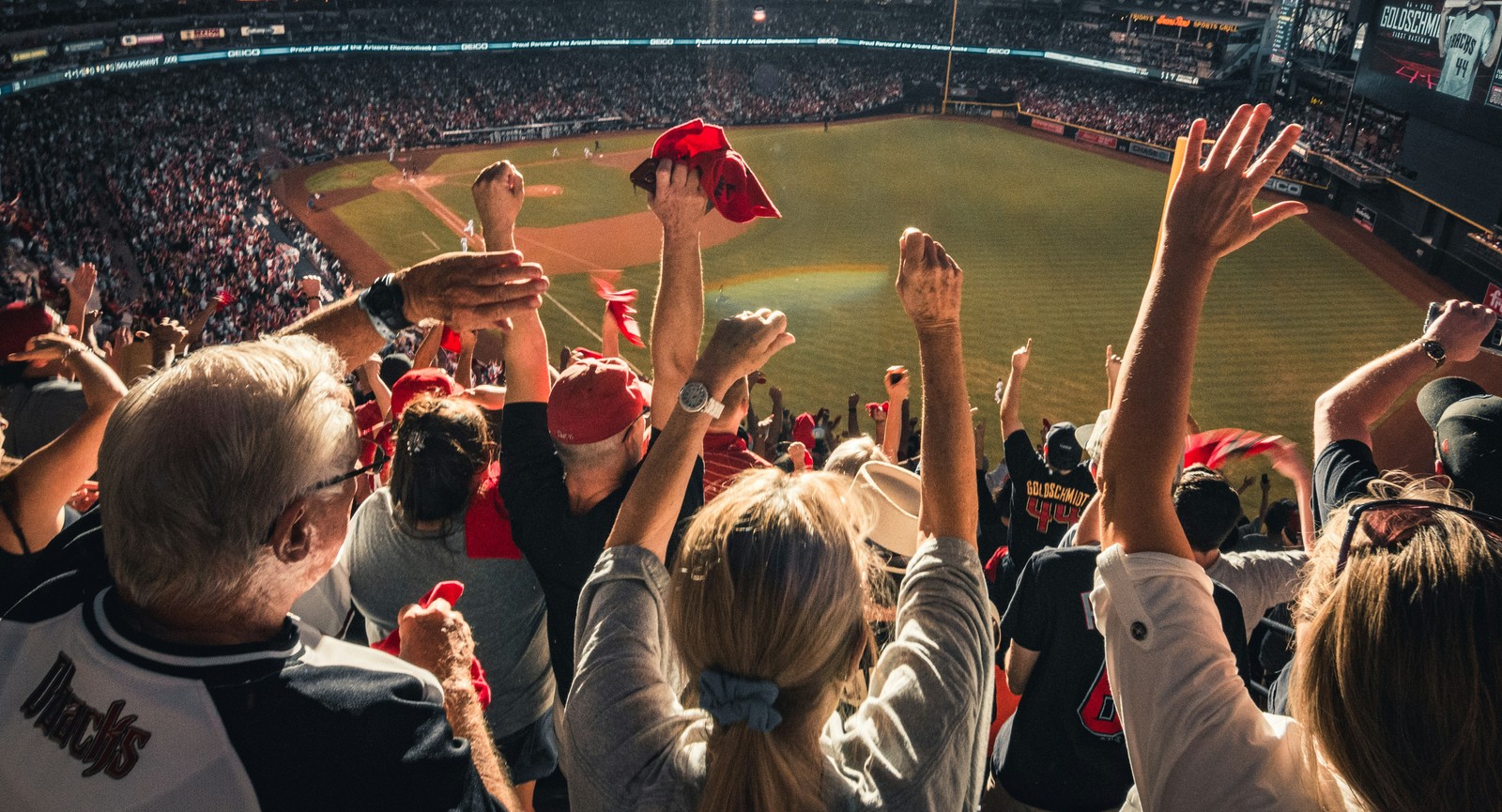
This NFL stadium is so loud its crowd noise registers on seismographs
 General
Sports pilgrimages
This NFL stadium is so loud its crowd noise registers on seismographs
There is something that no sports broadcast can ever fully capture: the feeling of being there. The roar of 40,000 strangers becoming one voice. The electricity in the air. The sight of Fenway Park's iconic Green Monster looming over left field, or the crowd noise at Seattle's Lumen Field shaking the ground hard enough to register on seismographs. These 10 cities are more than stops on a map: they are temples to the games we love. Whether you are a football, baseball, basketball, or ice hockey fan—or someone who enjoys a great live atmosphere, each one has something special to offer.
Boston, Massachusetts
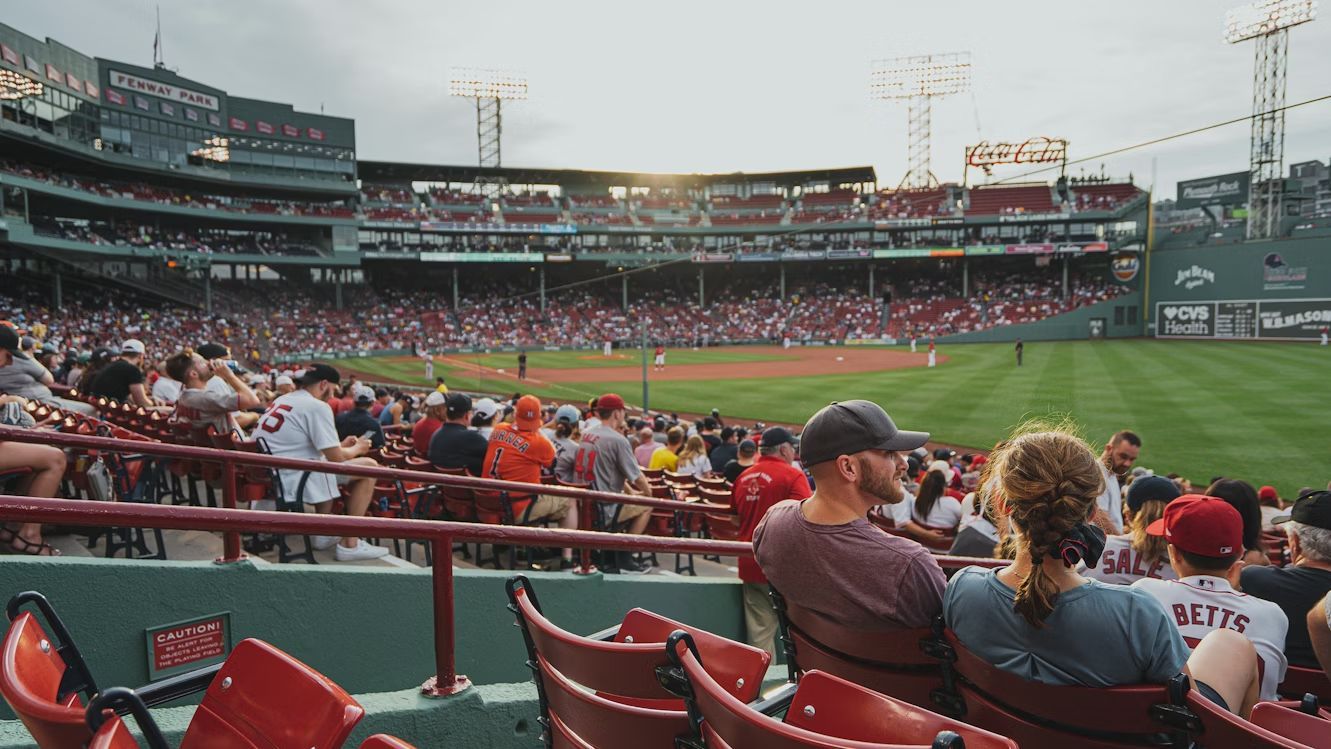
Boston sports venues are shrines. Fenway Park, opened in 1912, is the oldest Major League Baseball stadium still in use, and the Green Monster—the 37-foot-2-inch-high left-field wall—is one of the most recognizable sights in all of American sports. The Red Sox faithful are among the most passionate in the country.
TD Garden, in the heart of downtown, packs in fans of both the Celtics and the Bruins. Gillette Stadium, about 30 miles south in Foxborough, is where the Patriots built their dynasty through six Super Bowl titles. Here is something worth knowing: on game days, the neighborhood around Fenway transforms into one long, joyful block party, with fans spilling out of bars and onto Yawkey Way hours before the first pitch.
Seattle, Washington
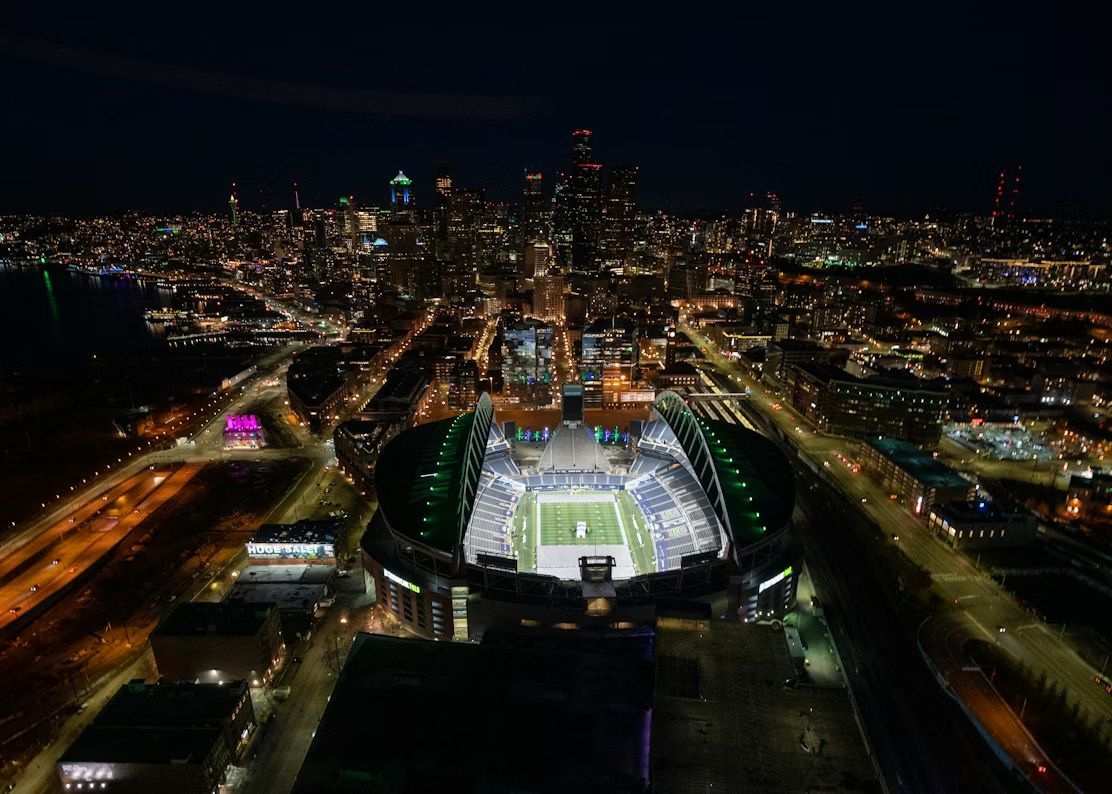
Lumen Field, home of the Seahawks, was once certified by Guinness World Records as the loudest outdoor stadium on earth: the crowd noise has actually been known to register on local seismographs. T-Mobile Park, where the Mariners play, is one of the most visually striking ballparks in America, with views of the downtown skyline and Puget Sound beyond the outfield.
The city also welcomed the Kraken into the NHL in 2021, adding hockey to an already passionate sports calendar. Imagine standing in the south end zone at Lumen Field during a Seahawks playoff run, surrounded by the famous 12th Man fans in full roar: an experience you’ll keep remembering long after you leave.
Chicago, Illinois
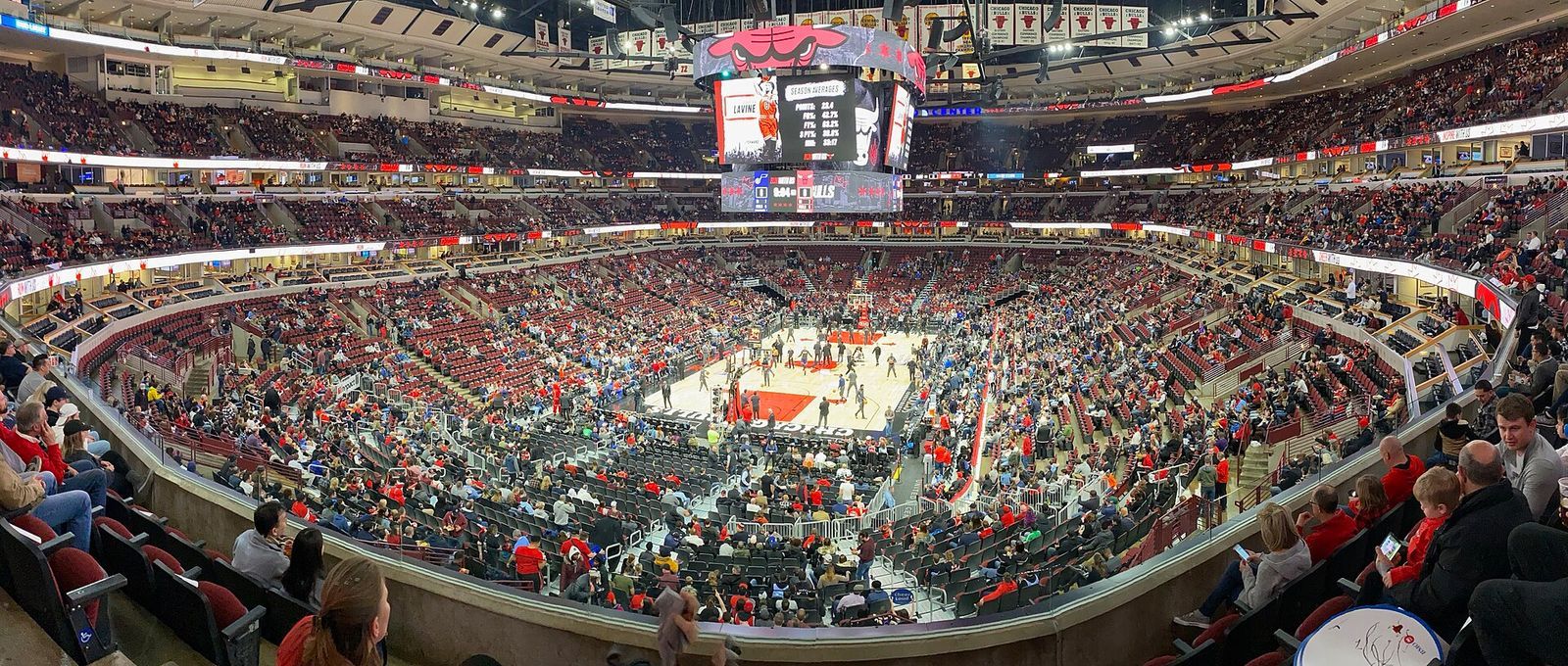
Chicago may be the most complete sports city in America. On the North Side, Wrigley Field, built in 1914 and still one of the most beloved ballparks in the world, is home to the Cubs. Walking through its ivy-covered outfield walls feels like stepping into baseball history itself. On the South Side, Guaranteed Rate Field hosts the White Sox.
The United Center, one of the largest arenas in the NBA, is home to both the Bulls and the Blackhawks, and carries the memory of Michael Jordan's six championships in every rafter. Soldier Field, along the lakefront, hosts the Bears with one of the most dramatic settings in the NFL. Imagine sitting in the bleachers at Wrigley on a warm July afternoon, with the wind blowing out toward Waveland Avenue, and a fly ball sailing over the wall right in front of you. That moment alone is worth the trip.
New York City, New York
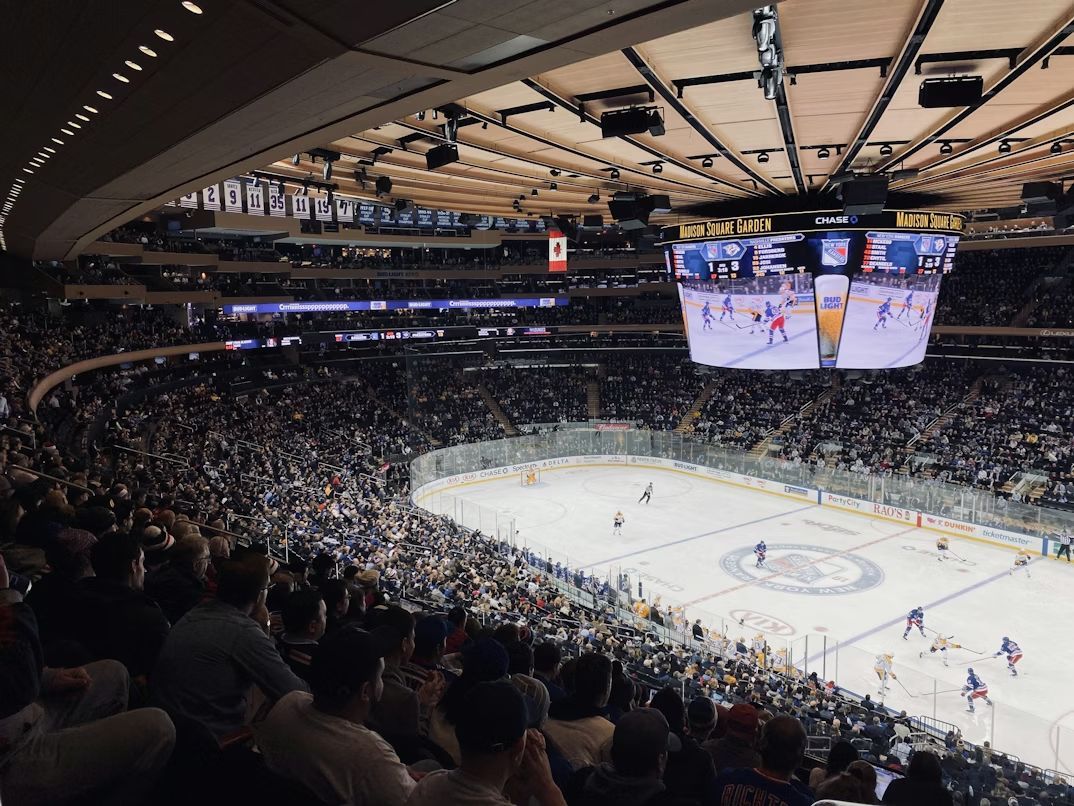
No city on earth offers as much major-league action as New York. The Yankees and the Mets cover baseball, the Giants and the Jets handle football, the Knicks fill Madison Square Garden for basketball, and the Rangers bring the ice.
Madison Square Garden—"The World's Most Famous Arena"—sits in the middle of Midtown Manhattan and has hosted everything from heavyweight championship bouts to Elton John farewell tours. Yankee Stadium in the Bronx is a monument to baseball greatness. Picture yourself watching a Yankees–Red Sox game in October, with the playoff atmosphere crackling through every row: one of the most intense sporting experiences you can have.
Los Angeles, California
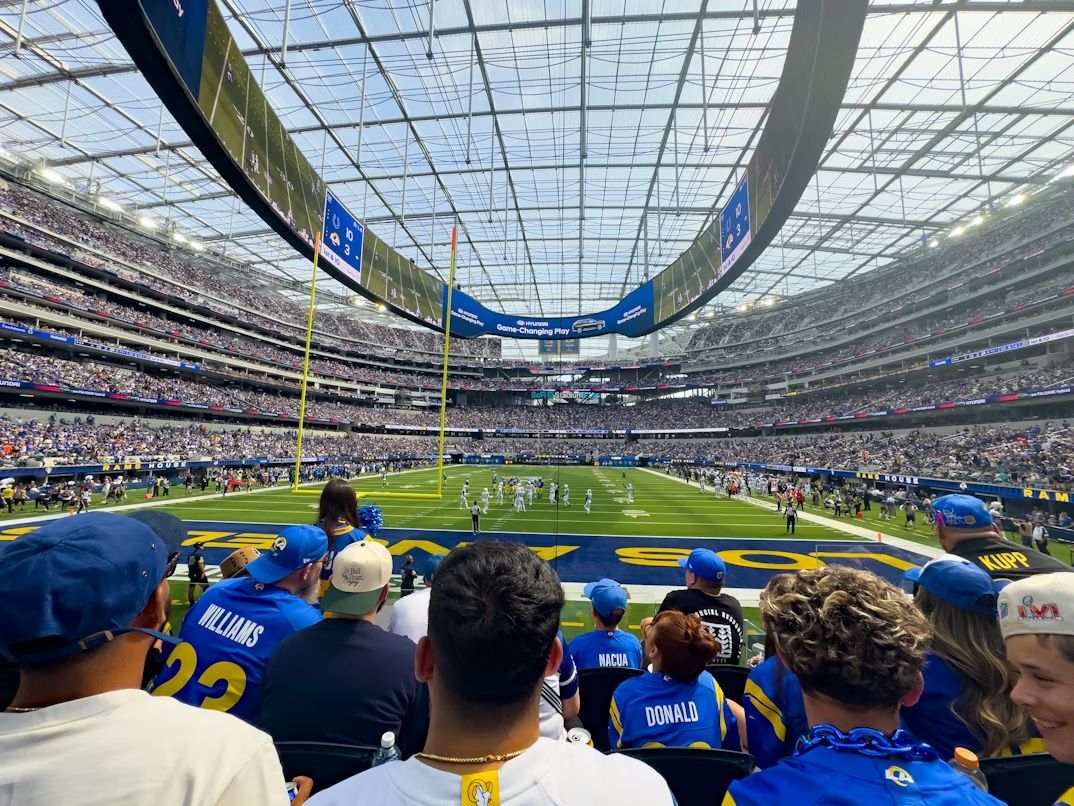
Los Angeles is a sports city that delivers on every front. The Dodgers play at one of the most beautiful ballparks in the country: Dodger Stadium, perched in Chavez Ravine with mountain views beyond the outfield. SoFi Stadium in Inglewood, home to both the Rams and the Chargers, is widely considered the most technologically advanced NFL venue ever built.
Crypto.com Arena hosts the Lakers and Clippers, and carries decades of magic from the Showtime era to LeBron James. Two-time World Series champion Shohei Ohtani—the most gifted baseball player of his generation—now wears Dodger blue, making this one of the most exciting rosters in the sport. Imagine watching Ohtani launch a home run on a perfect Southern California evening, with the San Gabriel Mountains glowing in the distance. That is Los Angeles sports at its best.
Green Bay, Wisconsin
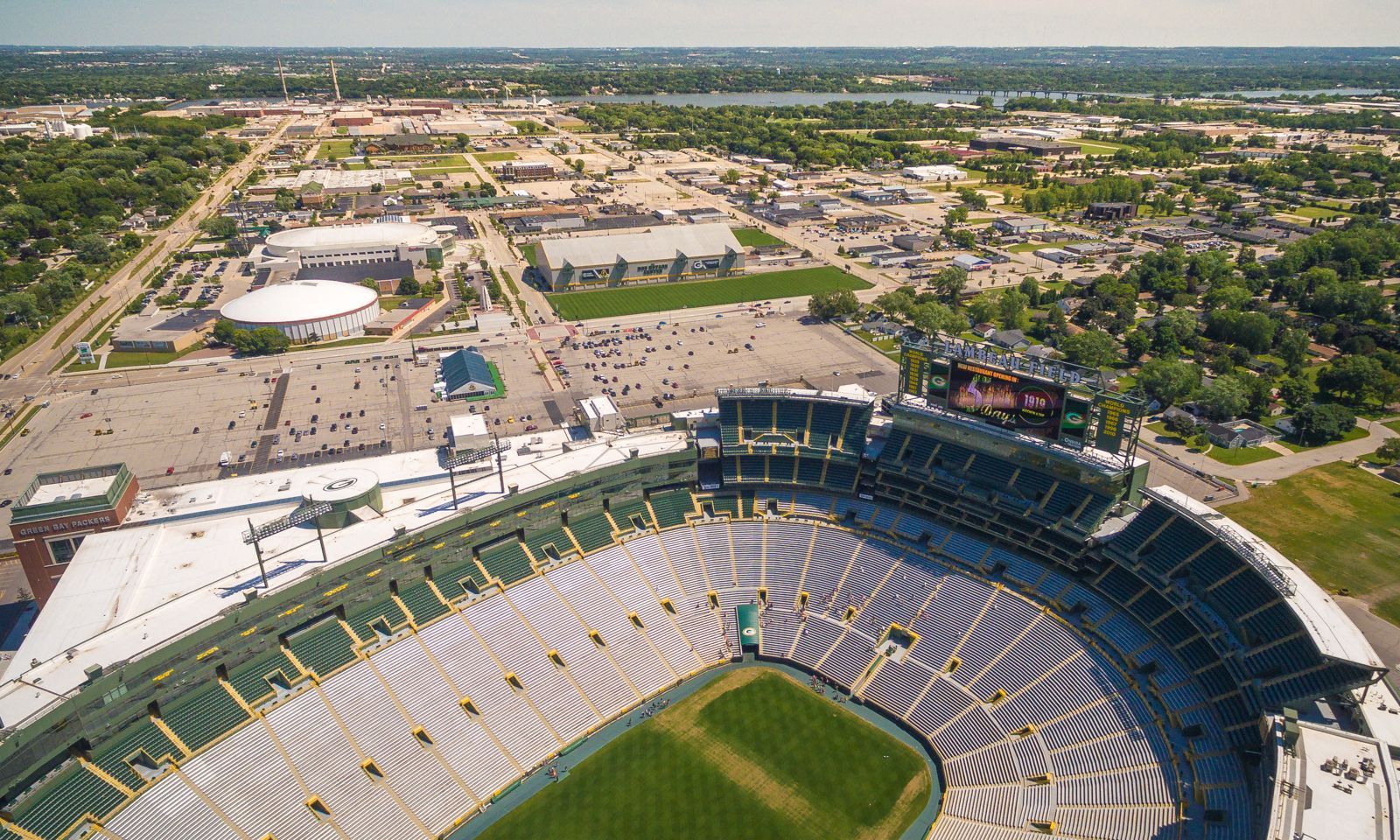
With a population of just over 100,000, it is by far the smallest market in the NFL, and yet it is home to one of the league's most storied and beloved franchises. Lambeau Field, built in 1957 and expanded many times since, is a place of pilgrimage for football fans. The Packers are the only community-owned franchise in major American professional sports, meaning the team belongs to the city itself.
The waiting list for season tickets is over 100,000 names long: some families have been waiting for decades and pass their spots down to their children. Attending a Packers game in December, with 80,000 fans in cheese-shaped hats bellowing into the cold Wisconsin air, is a bucket-list experience that has no equal in American sports.
Pittsburgh, Pennsylvania
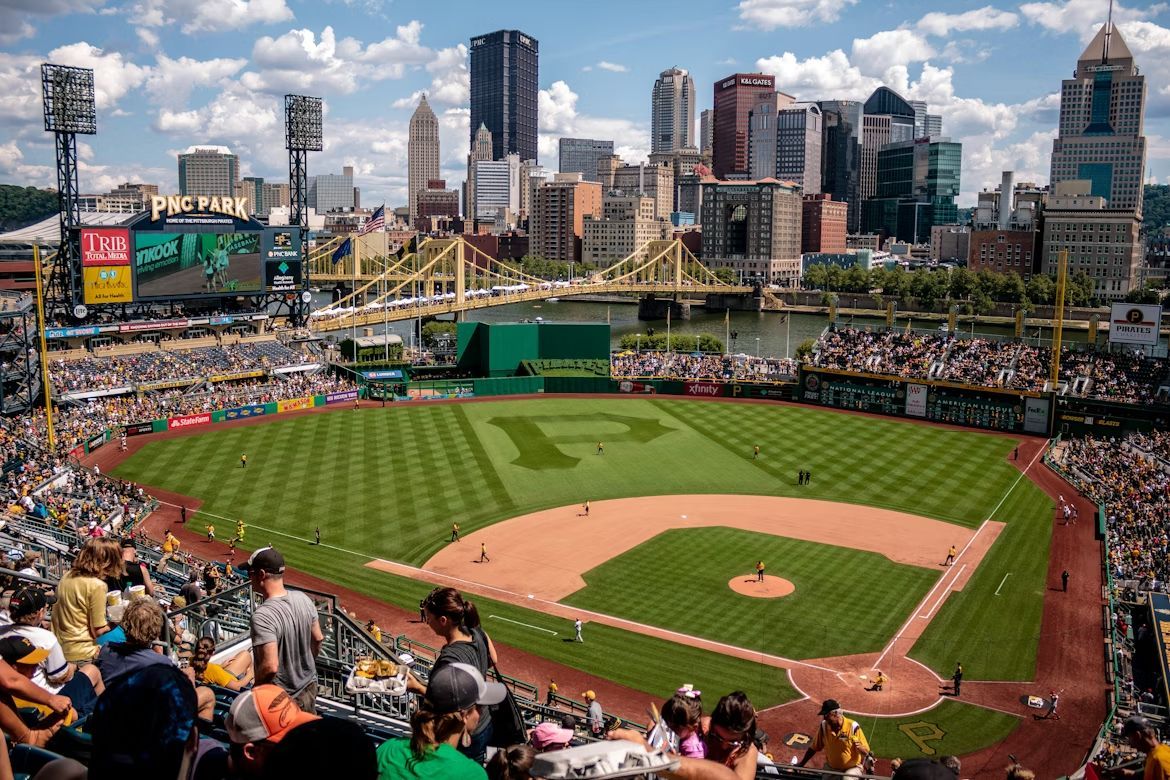
Pittsburgh packs an astonishing amount of sports passion into a relatively small city. PNC Park, widely praised as the most beautiful ballpark in America, sits right on the Allegheny River with a skyline view that is genuinely breathtaking. Acrisure Stadium, home of the Steelers, hosts one of the most devoted fan bases in the NFL: the Terrible Towel-waving crowds are a sight to behold.
PPG Paints Arena brings Penguins hockey into the mix, completing a trifecta of venues all within walking distance of downtown. Here is the remarkable thing: on a Pittsburgh Sunday in the fall, you can tailgate on the Roberto Clemente Bridge over the river, walk to the stadium, and watch the Steelers—then catch the highlights back at a South Side bar with fans who will talk football with you until midnight.
Philadelphia, Pennsylvania
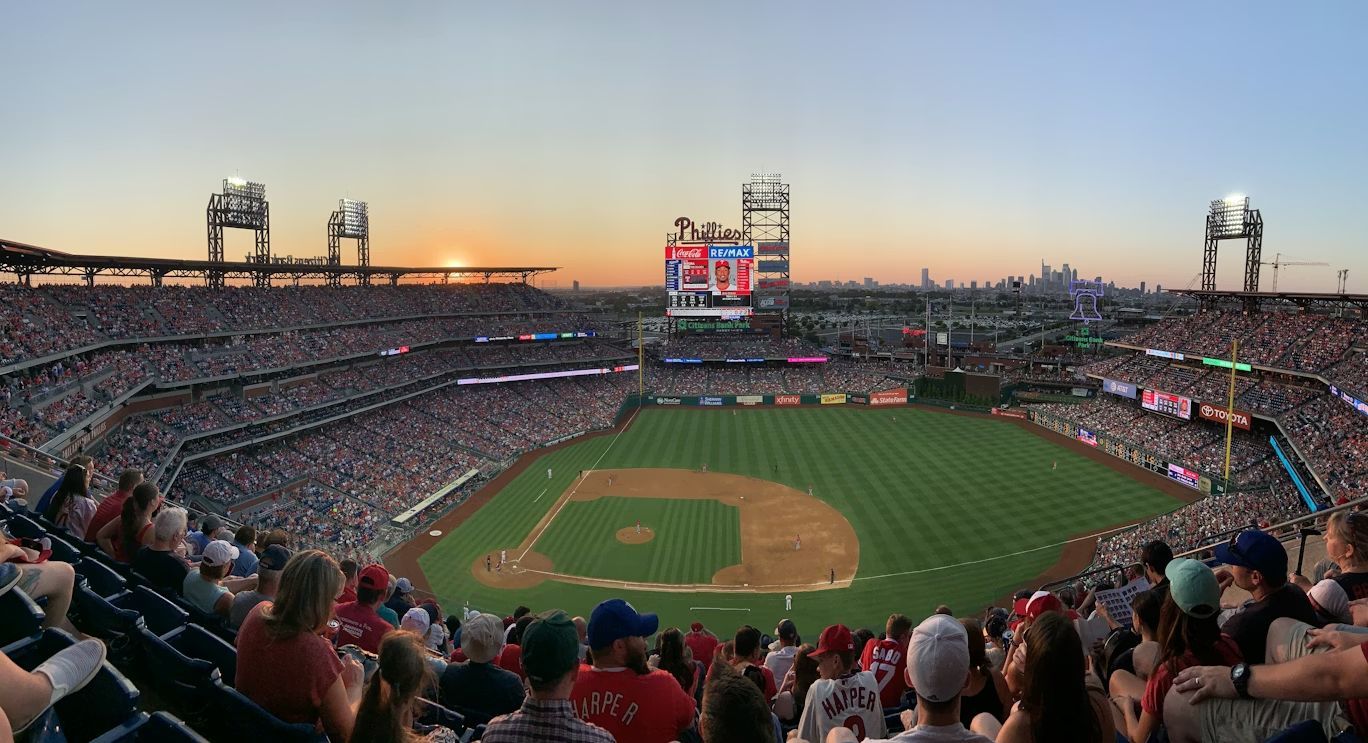
Passionate, loud, demanding, and fiercely loyal, Philadelphia fans are among the most engaged fans in professional sports, and they will let you know when they are not happy. The Eagles, Phillies, Sixers, and Flyers all play within a short drive of one another in South Philly, making it one of the most concentrated sports districts anywhere in the country.
Citizens Bank Park is an excellent baseball venue with great sightlines and terrific food. Lincoln Financial Field hosts Eagles games with a ferocity that visiting teams dread. Joel Embiid, the dominant Sixers center, has made Philadelphia one of the most exciting NBA cities in recent years. If you want to understand what it truly means to be a sports town, spend a game day in Philadelphia.
Dallas, Texas
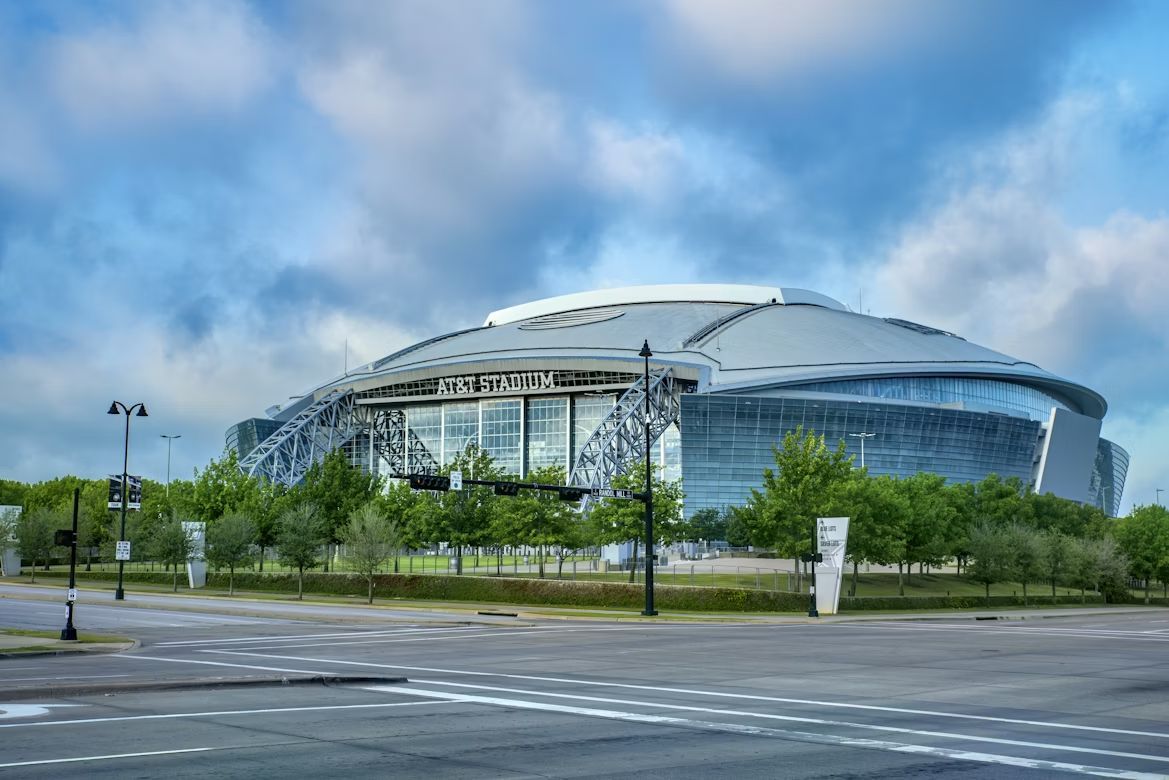
Everything is bigger in Texas, and Dallas sports venues prove the point. AT&T Stadium in Arlington—home of the Cowboys—seats over 80,000 and has a video board so enormous it became a talking point in its own right. Globe Life Field, also in Arlington, is where the Rangers play under a retractable roof that keeps the Texas summer heat at bay. The American Airlines Center in downtown Dallas hosts both the Mavericks and the Stars.
The Cowboys remain the most valuable sports franchise in the world, and their games draw fans from across the country. Imagine settling into your seat at AT&T Stadium for a Sunday night Cowboys game, with the stadium lights blazing and 80,000 people on their feet: big doesn't even begin to cover it.
Denver, Colorado
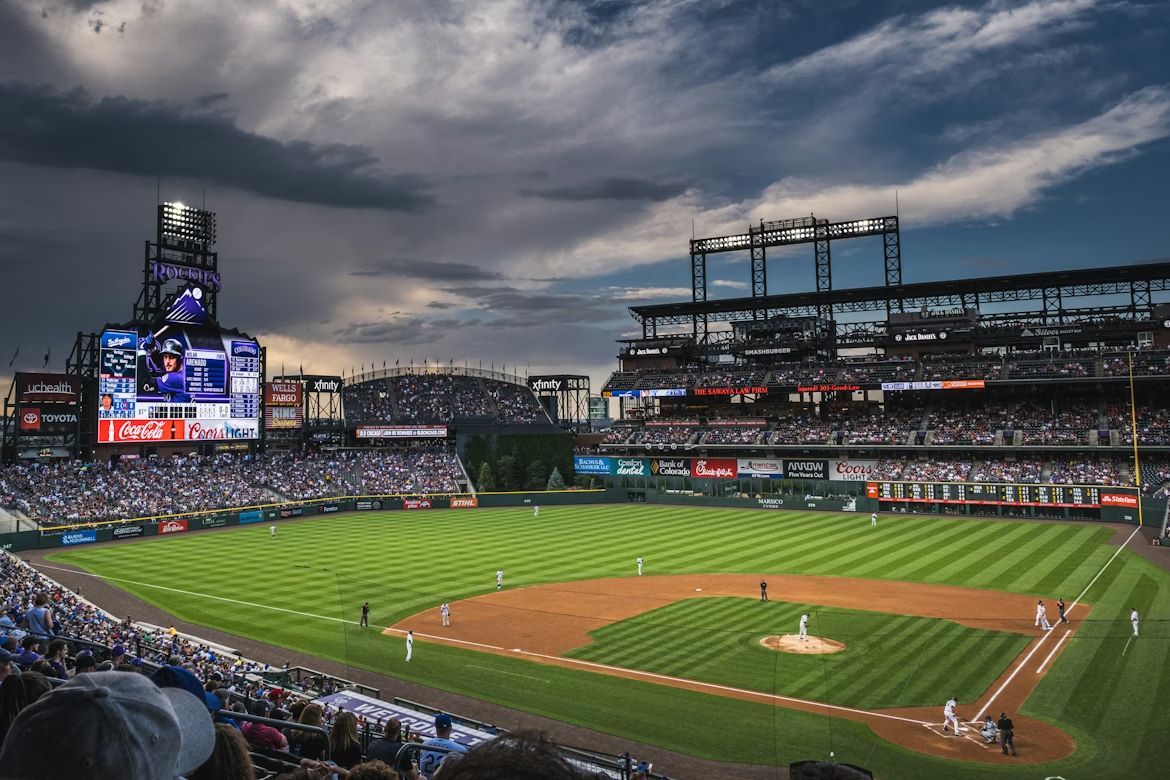
Denver gives you four major professional sports teams in a compact, walkable city, all of it set against the stunning backdrop of the Rocky Mountains. Beyond the upper deck of Empower Field at Mile High—where the Broncos play—lies a spectacular view of the Front Range. Coors Field, home of the Rockies, sits right in Lower Downtown (LoDo), surrounded by some of the best sports bars in the West.
Ball Arena hosts both the Nuggets and the Avalanche. Nikola Jokić, the three-time MVP center for the Nuggets, is one of the most entertaining players in the NBA today. Picture watching him orchestrate a fourth-quarter comeback in the playoffs while the Denver crowd goes absolutely electric: the moment and the mountain scenery combine perfectly.

9 Legendary bands & musicians from around the world
Icons of global music
9 Legendary bands & musicians from around the world
What they’ve done and how they’ve made people feel seems unreal. If it hadn’t happened, they might sound like myths. Instead, we have been lucky enough to experience their art and realise that magic does exist, and you can hear it. Let’s uncover what these 10 bands and musicians have in common and what has made them legends. After all, they’ve made people cry, fall in love, and dance with hope.
Frank Sinatra (USA) - Timeless voice and swagger
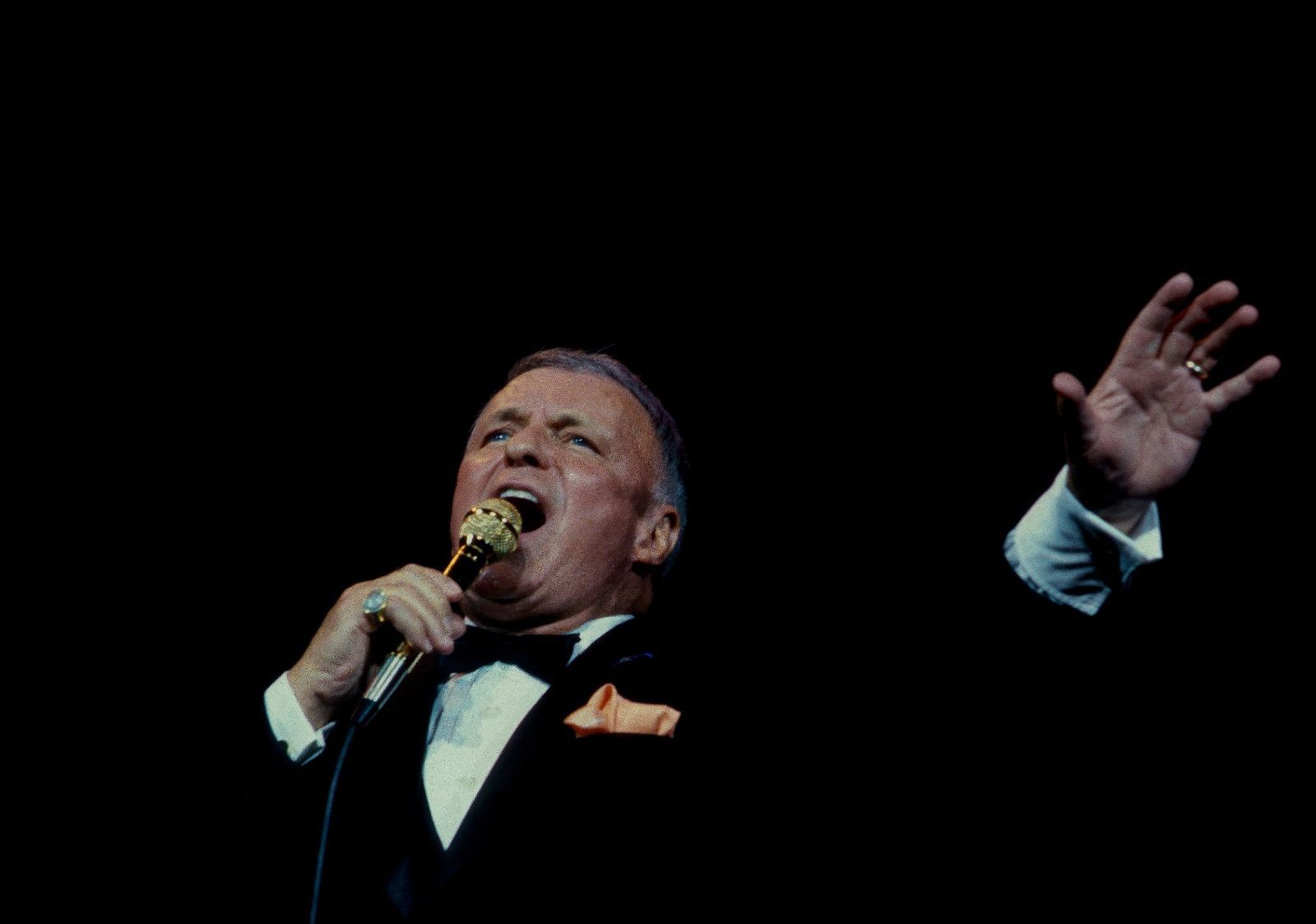
Born on December 12, 1915, in Hoboken, New Jersey, Frank Sinatra went on to become one of the American singers who revolutionised popular music by transforming the role of the vocalist into that of a storyteller. He used the microphone in a way no one had done before, pushing song lyrics to a whole other level.
Sinatra was also essential in the creation of what we now know as Concept Albums, sequencing songs so they’d have a cohesive emotional story to convey, rather than focusing on standalone one-hit wonders.
The Beatles (UK) – A global pop revolution
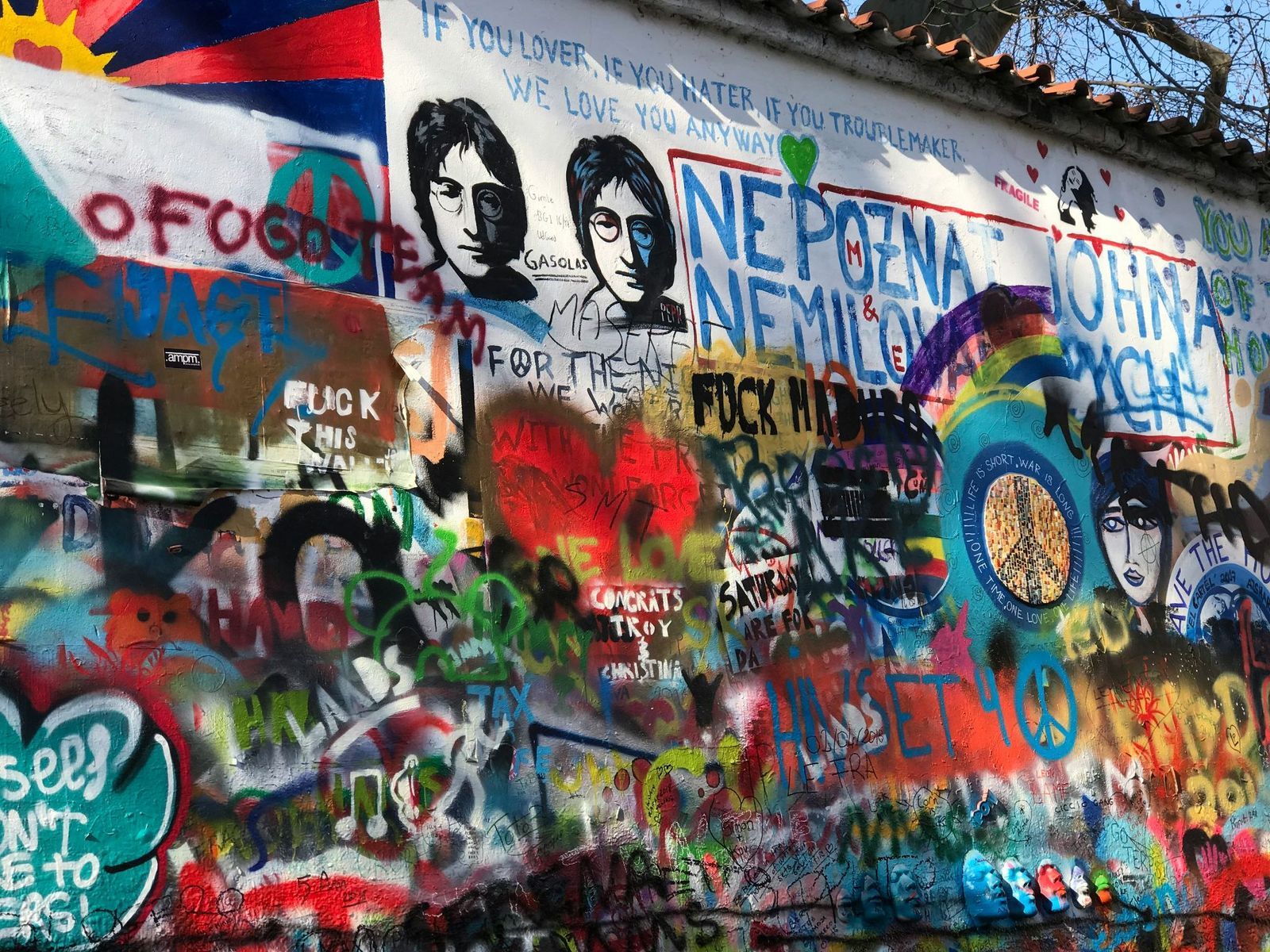
The Beatles led a global pop revolution in the 1960s. This band from the United Kingdom ignited an absolute transformation in music, fashion, and overall youth culture. They originally came from Liverpool, where they played at small bars, but over time, they became so well known internationally that there was nowhere they could go without being recognised.
When John Lennon, Paul McCartney, Ringo Starr, and George Harrison toured the United States, they became a sensation overnight. Beyond the music, The Beatles also found themselves at the forefront of a cultural movement that embraced ideas of love, peace, and the expansion of human consciousness.
Whitney Houston (USA) - Powerhouse voice and stardom
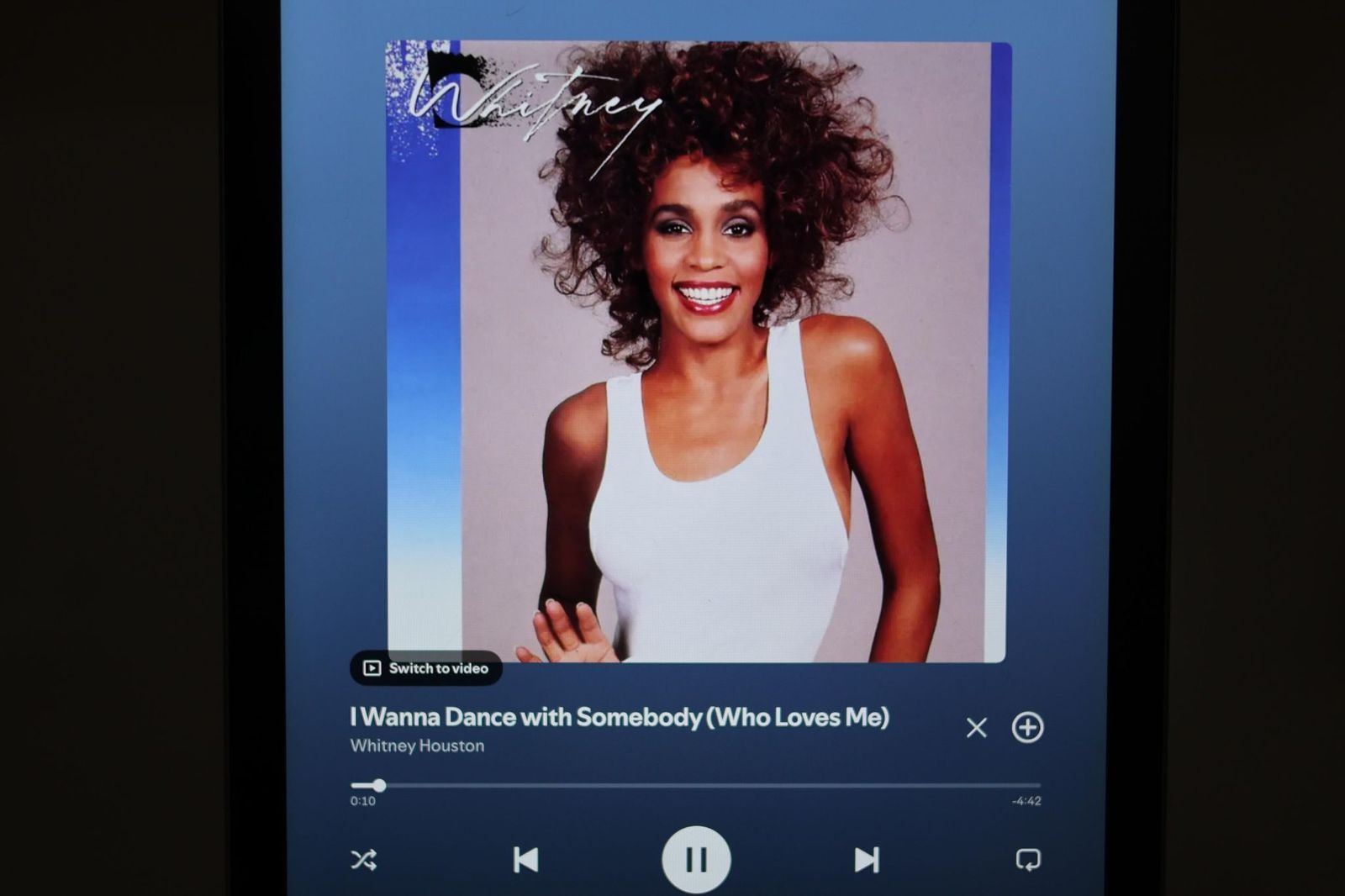
With her unmatched vocal control and technique, Whitney Houston became one of the great American voices, known for her perfect pitch and extraordinary precision. You can hear this in one of her most relatable and memorable songs, titled I Will Always Love You.
Houston was born on August 9th, 1963, in Newark, New Jersey, and was also a next-level songwriter. Alongside her unique voice, she had incredible charisma, and her ability to transmit warmth from the stage made her an unforgettable performer.
The Rolling Stones (UK) – Rebellion and attitude
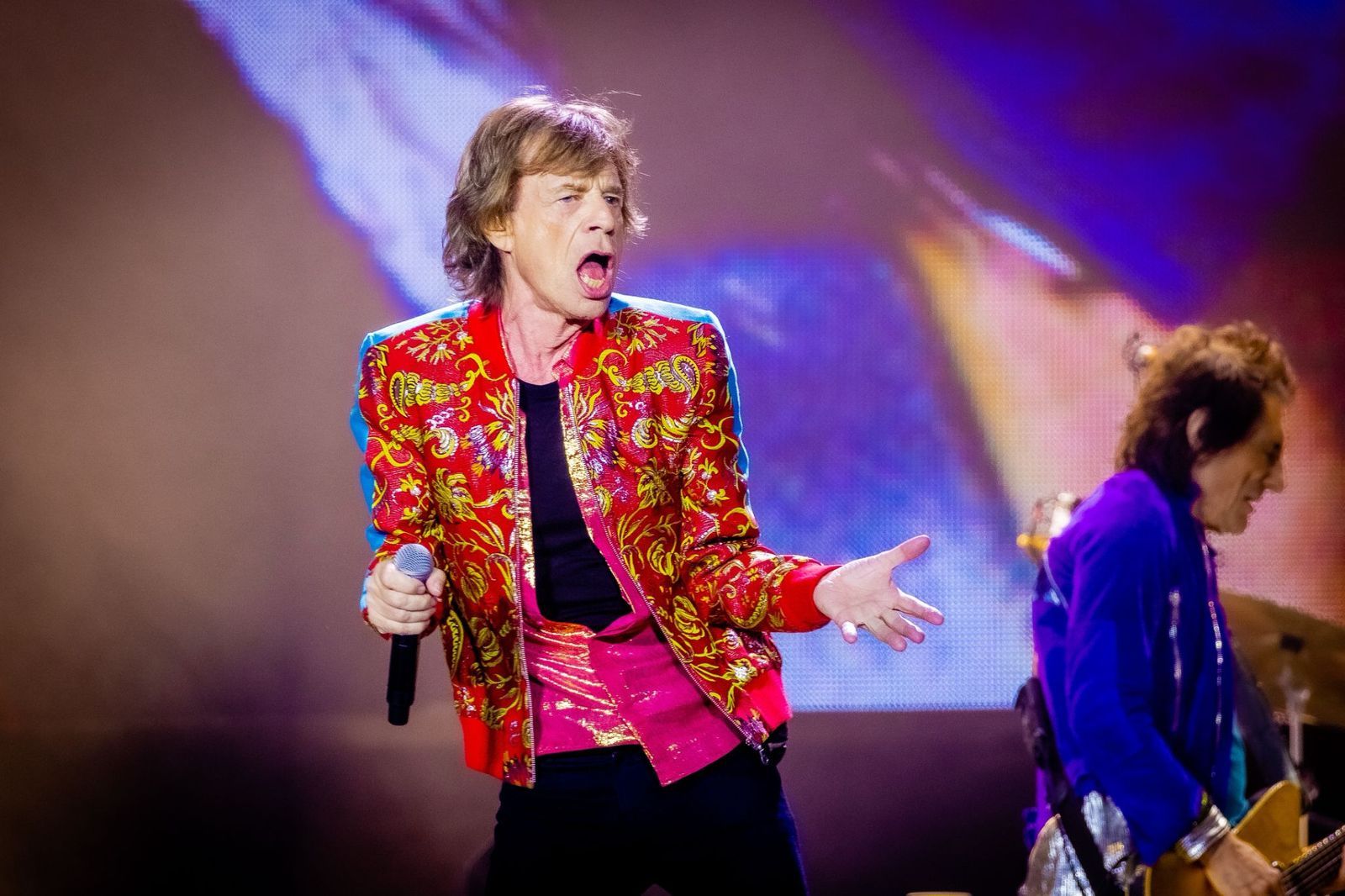
The Rolling Stones are considered the longest-running rock band in the world, formed in 1962 in London, Great Britain. Known for being unapologetically rebellious and rigorously authentic to their sound, they created the blues-infused rock sound that defined the genre in the late 20th century.
With worldwide anthems such as ‘(I Can’t Get No) Satisfaction’, Mick Jagger and Keith Richards achieved what only a few can dream of: becoming global icons of youth culture, nonconformity, and anti-establishment confrontation.
Stevie Wonder (USA) - Musical genius and soul innovator
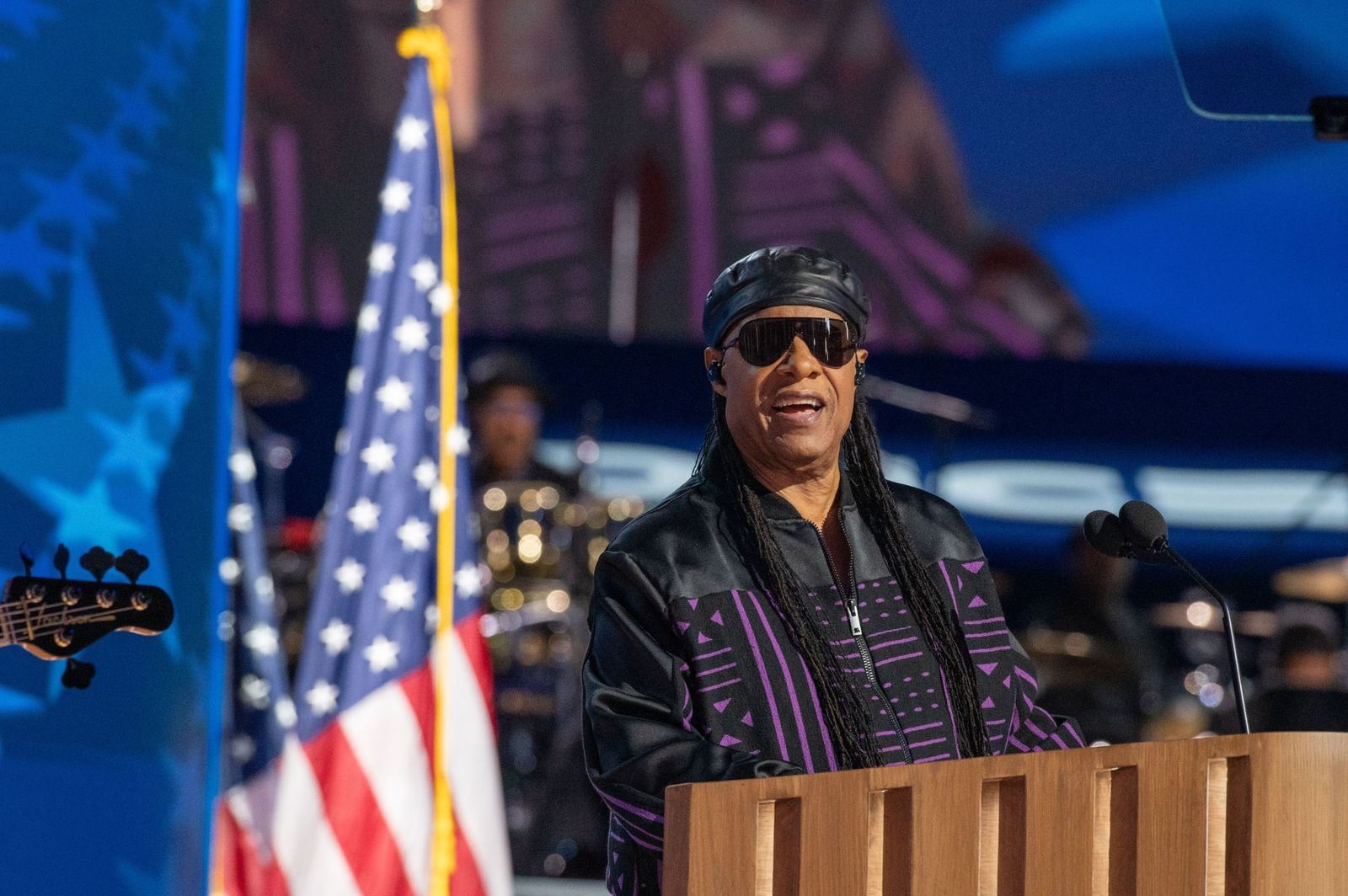
Stevie Wonder was born blind due to premature birth in Saginaw, Michigan, on May 13th, 1950, but that didn’t stop him. On the contrary, he was a child prodigy, having mastered the piano, harmonica, and drums by age 10. Not only that: three years later, he became the first thirteen-year-old ever to reach the number one spot on the Billboard Hot 100 with his song titled ‘Fingertips (Pt. 2)’.
Stevie was a monumental American artist, singer, songwriter, and multi-instrumentalist with incredible talent, who also revolutionised music as a whole as a social activist.
ABBA (Sweden) – A perfect pop formula
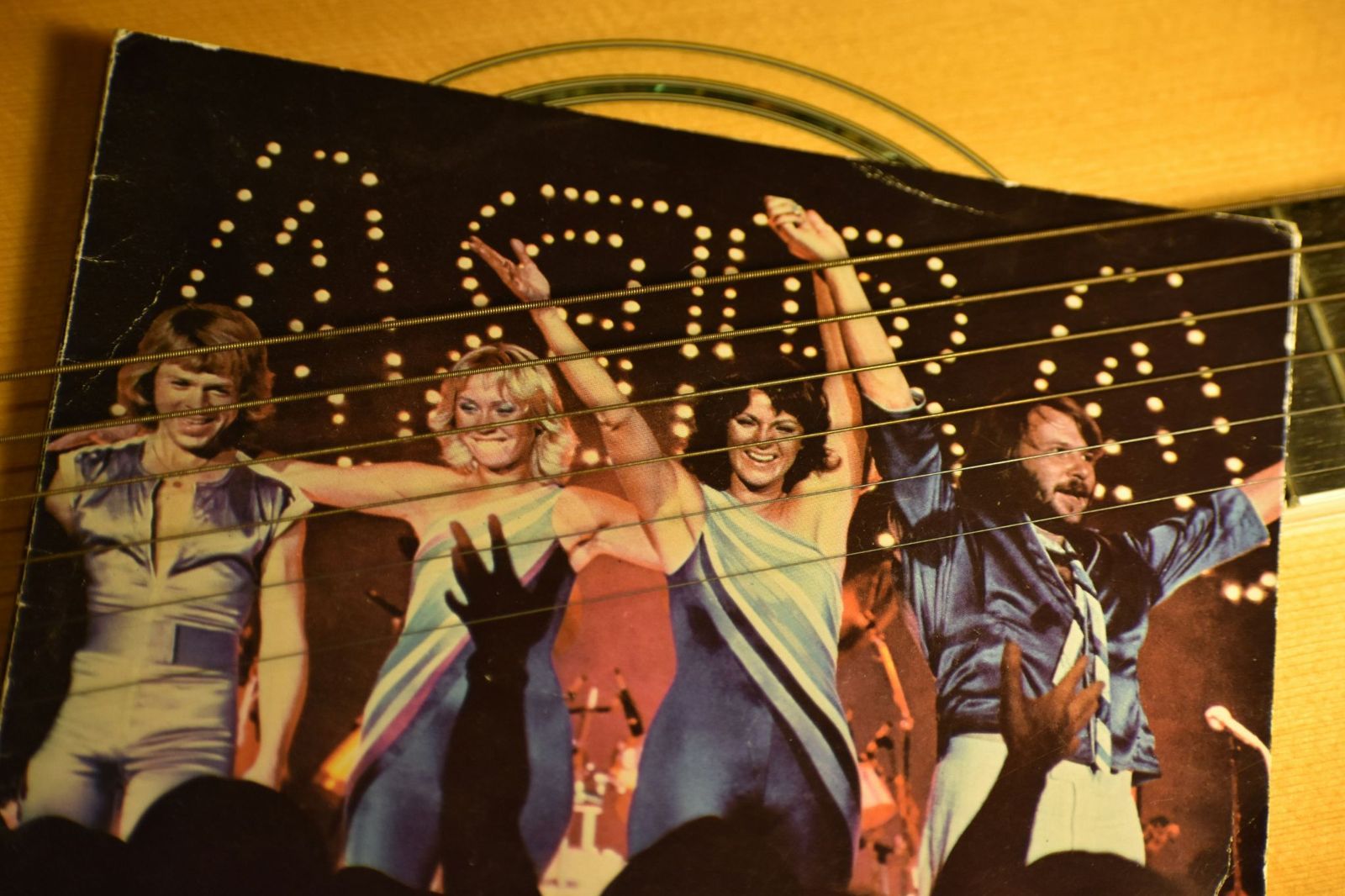
The legendary Swedish quartet formed in Stockholm in 1972 skyrocketed to international fame after winning the Eurovision Song Contest with ‘Waterloo’ in 1974. Following that, they continuously conquered global charts with songs such as ‘Mamma Mia’ (1975) and ‘Dancing Queen’ (1976).
The band members, who were also two sets of couples, and whose initials determined the name of the band — Agnetha Fältskog, Björn Ulvaeus, Benny Andersson, and Anni-Frid "Frida" Lyngstad — revolutionized pop music by blending it with european folk melodies, rock and disco, at the same time that they presented what seemed as purely ‘happy’ pop songs, injected with a deep, Scandinavian sense of melancholy.
U2 (Ireland) – Political and emotional influence
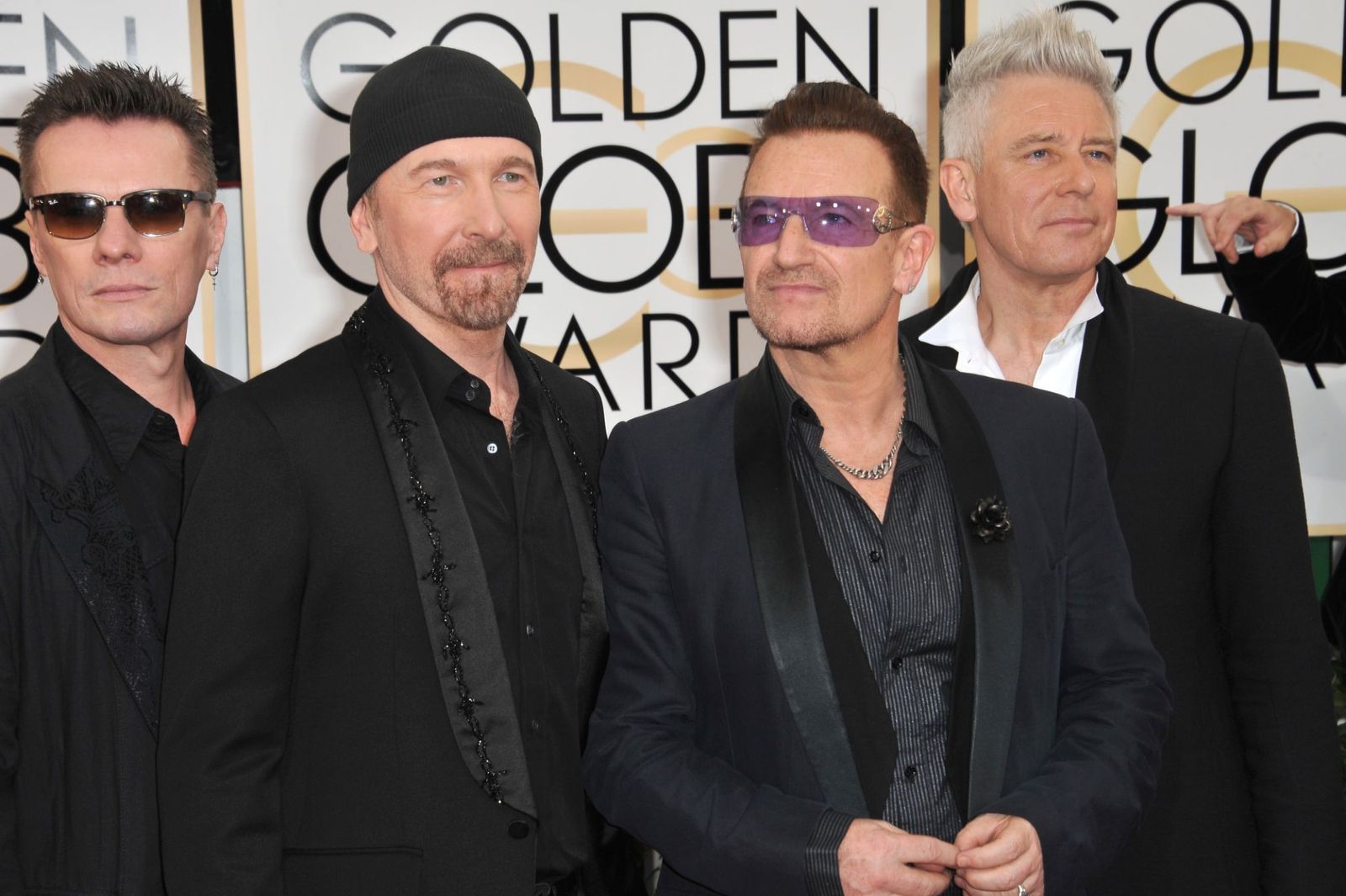
U2 is an Irish band led by the singer known as Bono. They became legendary because they transformed their punk roots into rock anthems about complex political situations in Ireland, alongside universal human emotions.
In many songs, like In the Name of Love they championed human rights, solidifying them as a band with a socio-political pulse. Through Bono’s passionate delivery, they transformed large stadium shows into moving concerts.
Queen (UK) – A theatrical rock mastery

Queen, another band from Great Britain, represented the pinnacle of theatrical rock, characterised by dramatic arrangements, flawless musicianship, and stadium-shaking presentations.
The band was formed in 1970, and the lineup included Freddie Mercury, Brian May, Roger Taylor, and John Deacon. They broke musical boundaries by defying all expectations of what classical rock should be. Instead, they created a sound that blended rock, pop, and classical elements into something no one had seen before: a fearlessly flamboyant musical spectacle.
Bob Marley (Jamaica) – Music with a message
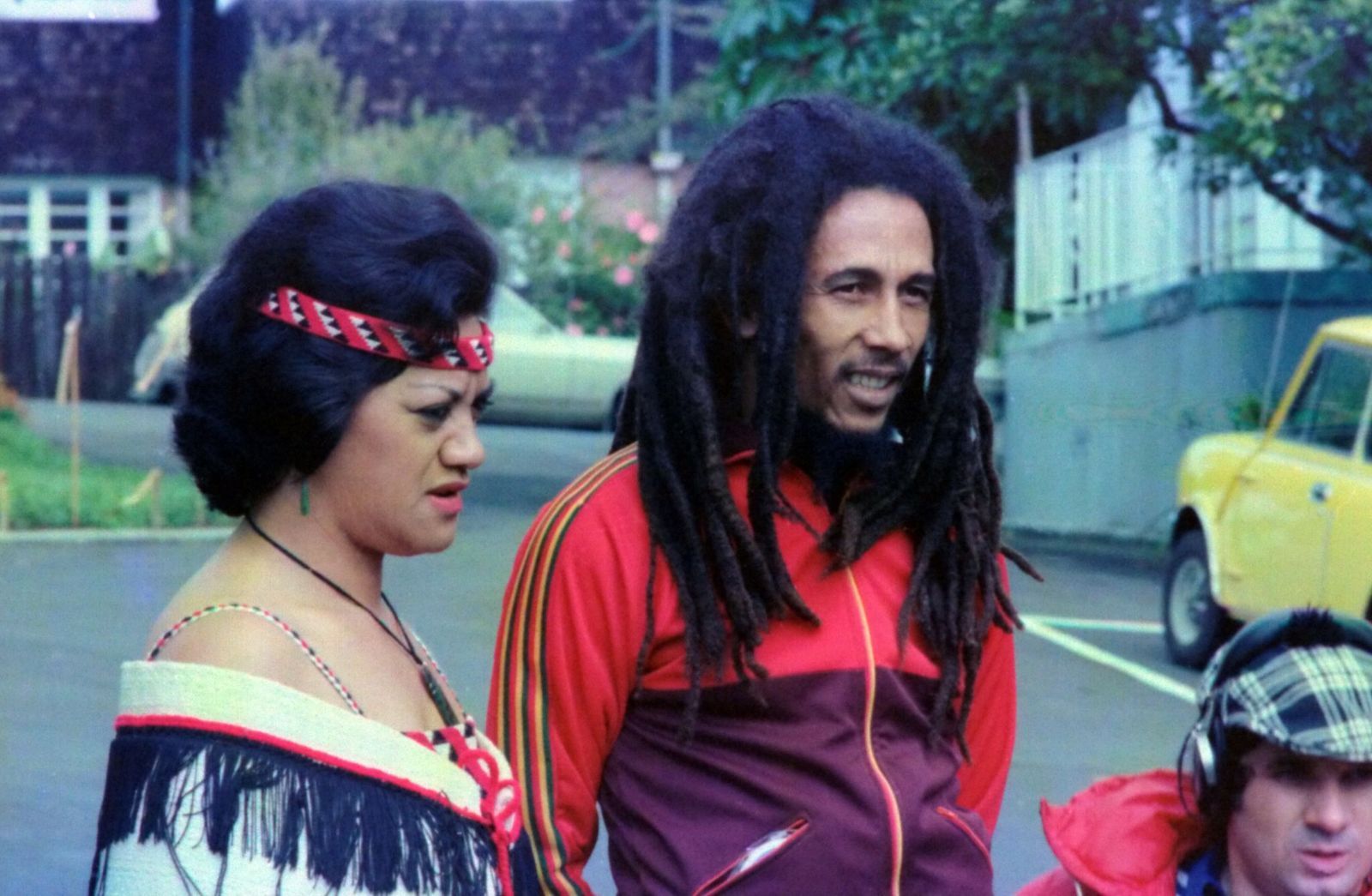
Bob Marley, who came from a humble neighbourhood in Kingston, Jamaica, made Reggae a worldwide phenomenon with his band The Wailers.
His unique Caribbean, Ska-infused rhythms and soulful vocals were combined with powerful messages of empowerment, resistance, and Rastafarian spirituality. They achieved global resonance with songs such as One Love (1965) and Redemption Song (1980).

Here's why no flight ever goes over Disney World or Mount Vernon
 Landmarks
Restricted areas
Here's why no flight ever goes over Disney World or Mount Vernon
Once you reach 35,000 feet of altitude is impossible to see what you’re flying over, but the mystery remains. You might assume pilots can cruise anywhere they please, but the truth is, there are some places so sensitive that pilots aren’t allowed anywhere near them: The White House, Disney World, or even George Washington’s historic home are just a few of them. These are called no-fly zones, and here are 11 of those places in America where the skies are permanently off-limits.
Washington, D.C.
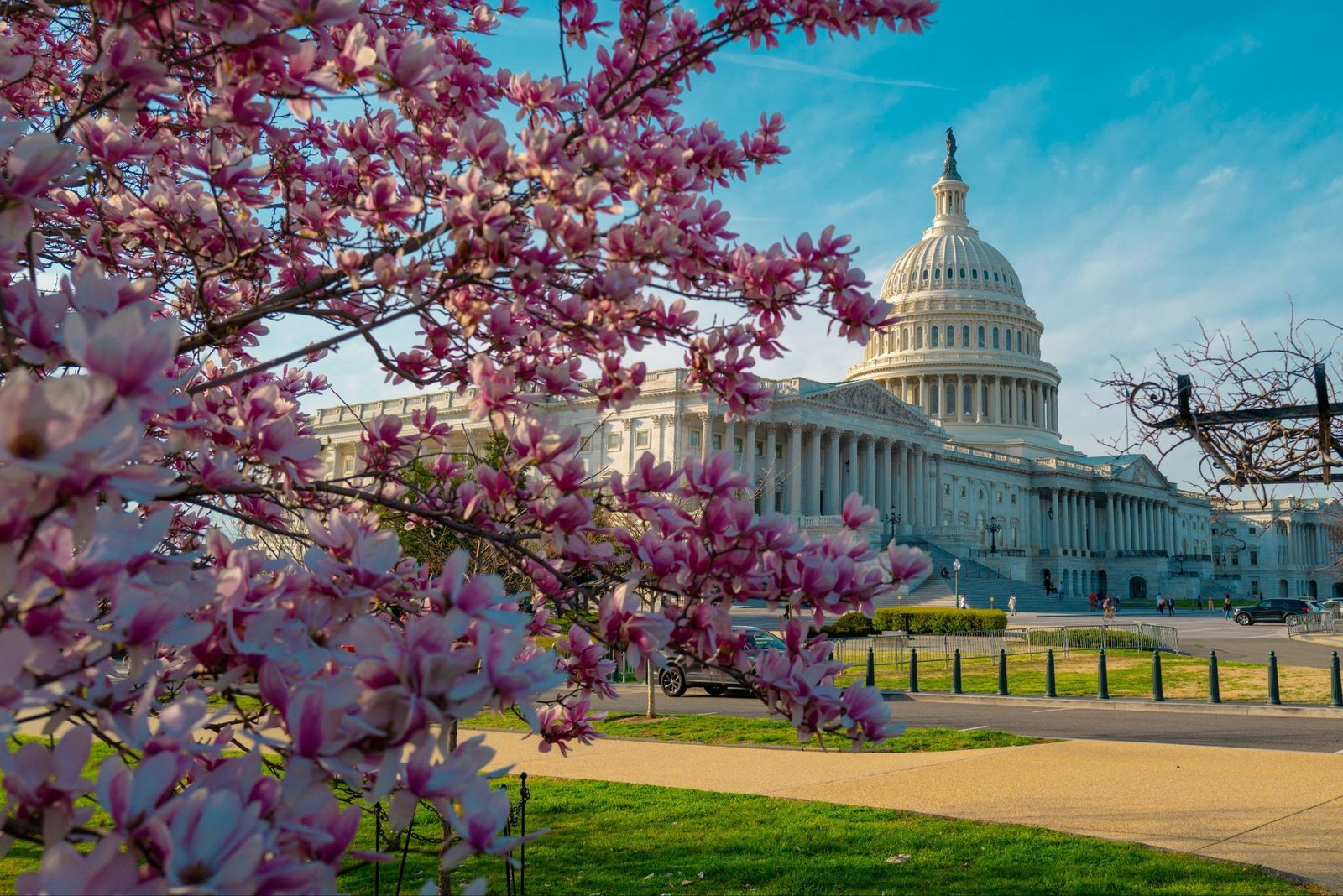
If you have ever flown into Ronald Reagan Washington National Airport, you might have noticed the sharp, sudden turns the aircraft takes to align with the runway. That’s just standard maneuvering because this is one of the most restricted airspaces on Earth.
Managed by the Federal Aviation Administration, the greater Washington, D.C. Metropolitan Area functions as a Special Flight Rules Area. That means any pilot entering the zone must maintain constant two-way communication, keep their transponder broadcasting, and obtain explicit clearance. Within this space, there’s also a Flight Restricted Zone, a tight inner ring extending roughly 13 to 15 nautical miles around the Ronald Reagan Airport. And even deeper inside, there are Prohibited Spaces P-56A and P-56B, which permanently block the air zone surrounding the White House, the U.S. Capitol, and the U.S. Naval Observatory from any civilian or non-governmental air traffic.
Area 51
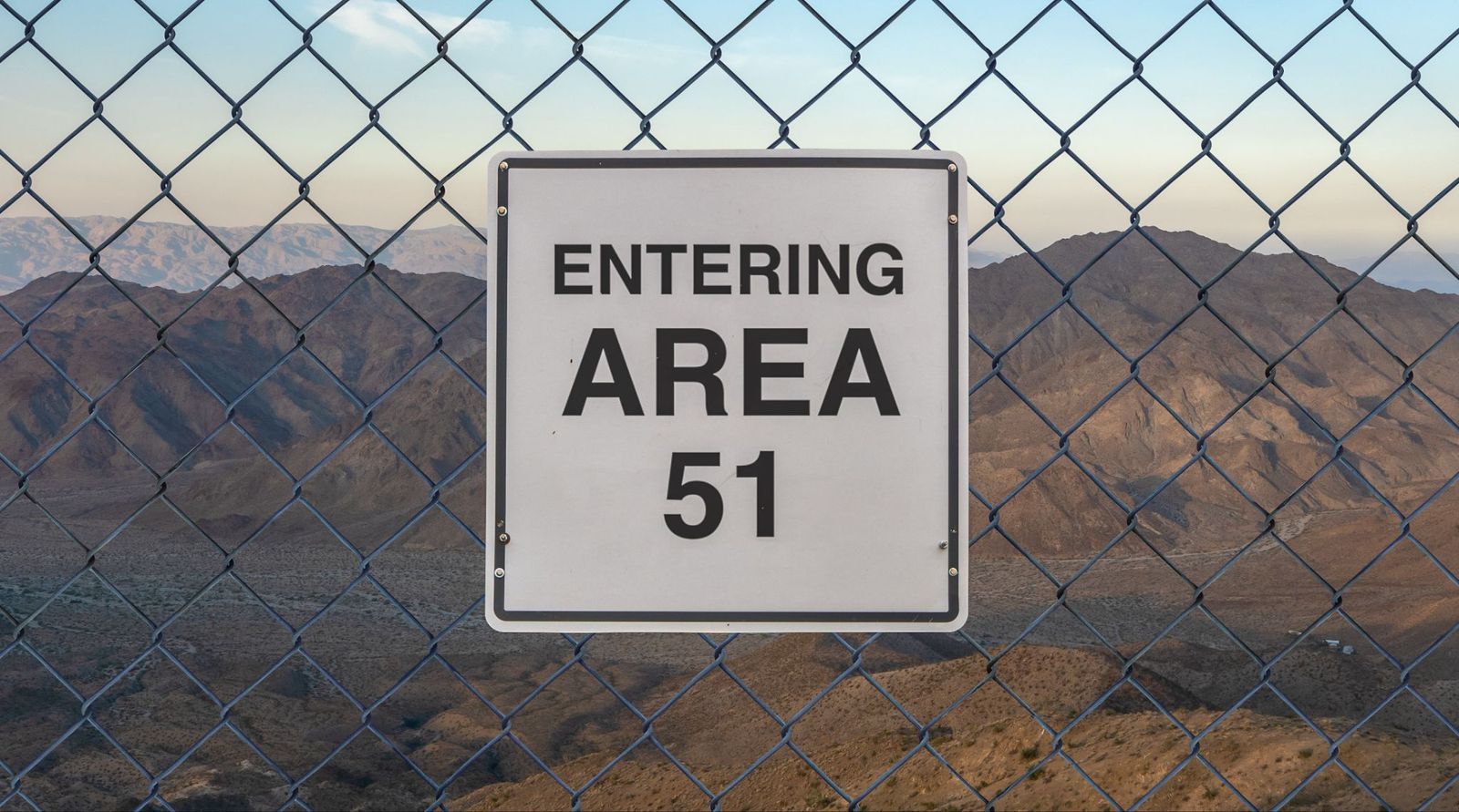
Most likely, when anybody mentions Groom Lake, Nevada, conspiracy theories about extraterrestrial life begin to roll. Area 51 has been the object of discussion for decades, and there was even an internet craze about "storming the gates to see aliens." The gates remain secure, but the sky above the base is even tighter.
The airspace surrounding the military installation is an absolute no-fly zone for the public, but it does host an incredibly exclusive commuter service. Every day, a fleet of unmarked passenger planes departs from a private, highly secure terminal at Harry Reid International Airport in Las Vegas. These aircraft transport base employees directly into the restricted zone, and to enter the forbidden airspace without being intercepted, these specific commercial transports must use the call sign "Janet." For everyone else, the sky above Area 51 remains entirely dark.
Disneyland and Disney World
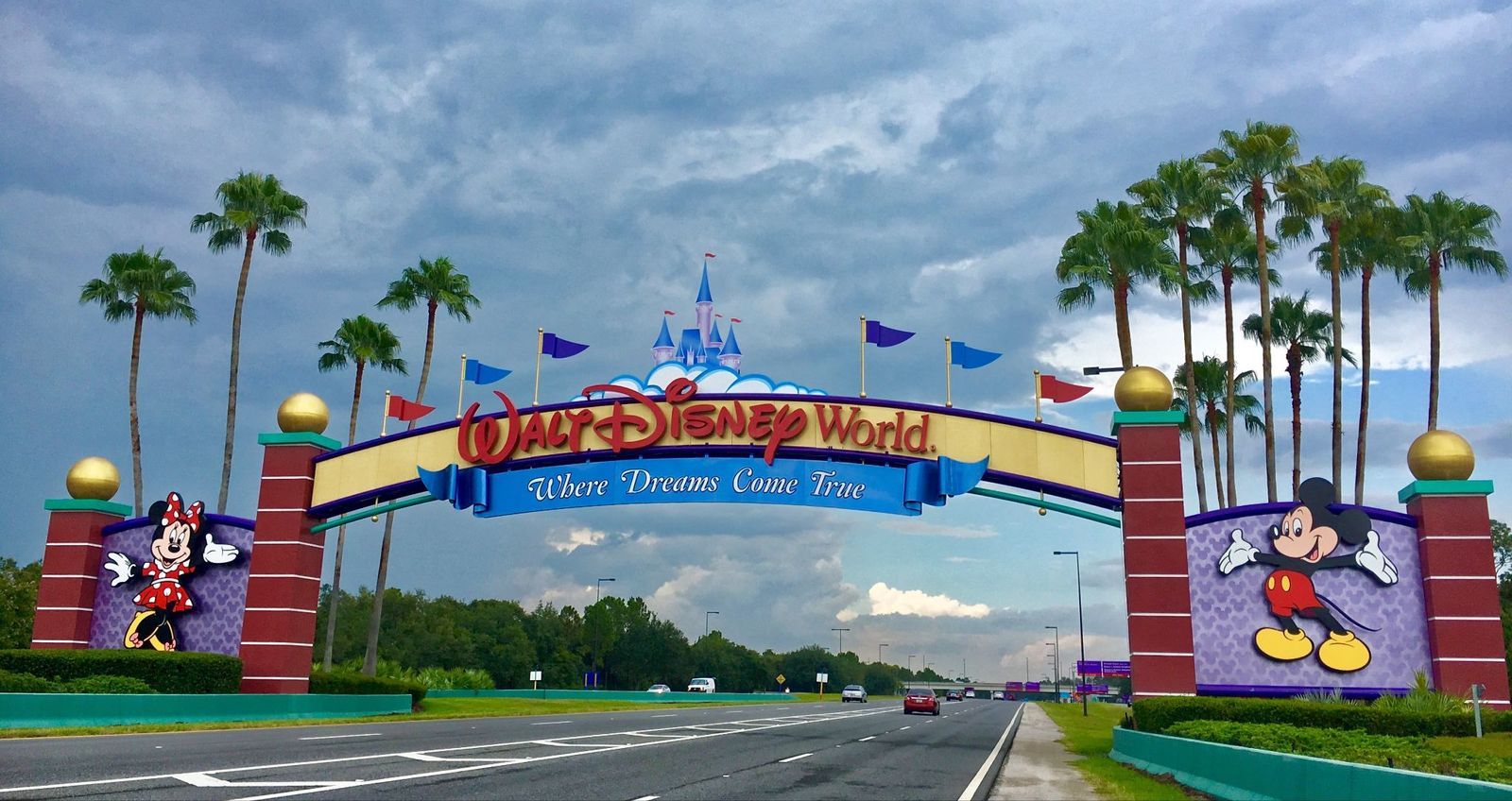
Once you enter Disney World, there’s a sense that everything else vanishes. On the ground, that’s just a feeling, but in the skies, that’s a reality. Since 2003, both Walt Disney World in Florida and Disneyland in California have enjoyed the same airspace protections as high-level military bases.
The restriction was officially codified under a massive federal air-safety initiative called Operation Liberty Shield, a product of the 9/11 attacks, which aimed at protecting places with a high density of population. However, Disney had been lobbying for this protection long before that, since the late 1990s, when the Animal Kingdom opened in Orlando, and low-flying planes threatened to disrupt the wildlife. Additionally, there was a commercial motivation beyond that. Competitors like SeaWorld hired banner-towing planes to fly directly over the theme parks and send some free advertisements. By securing a permanent no-fly zone, Disney successfully cleared the skies of commercial distractions and potential dangers, ensuring the magic remained uninterrupted.
Kennedy Space Center
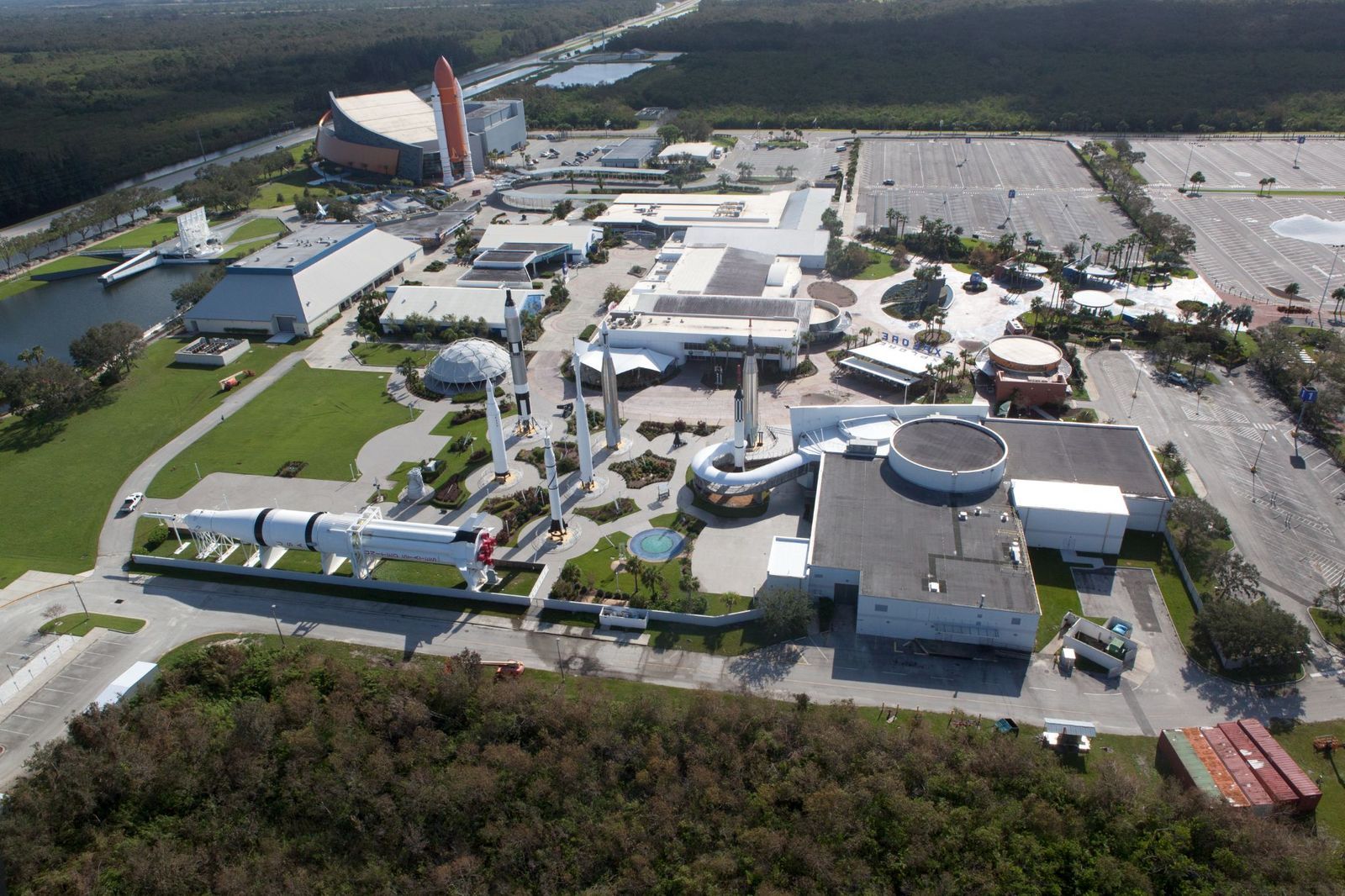
Watching a rocket lift off from Florida’s Space Coast is an unforgettable experience. Thousands of spectators gather in Cape Canaveral, cameras pointed toward the sky as the countdown reaches zero. But while everyone’s eyes are on the rocket, another important safety measure is taking place overhead.
The Kennedy Space Center, on Merrit Island, sits inside highly controlled airspace whenever launches or other sensitive operations are conducted. The Federal Aviation Administration establishes strict temporary and permanent flight restrictions over the spaceport during launch windows to prevent, naturally, catastrophic mid-air collisions. Commercial airlines are rerouted far away from the coast, ensuring the path to orbit remains clear of civilian traffic.
Camp David
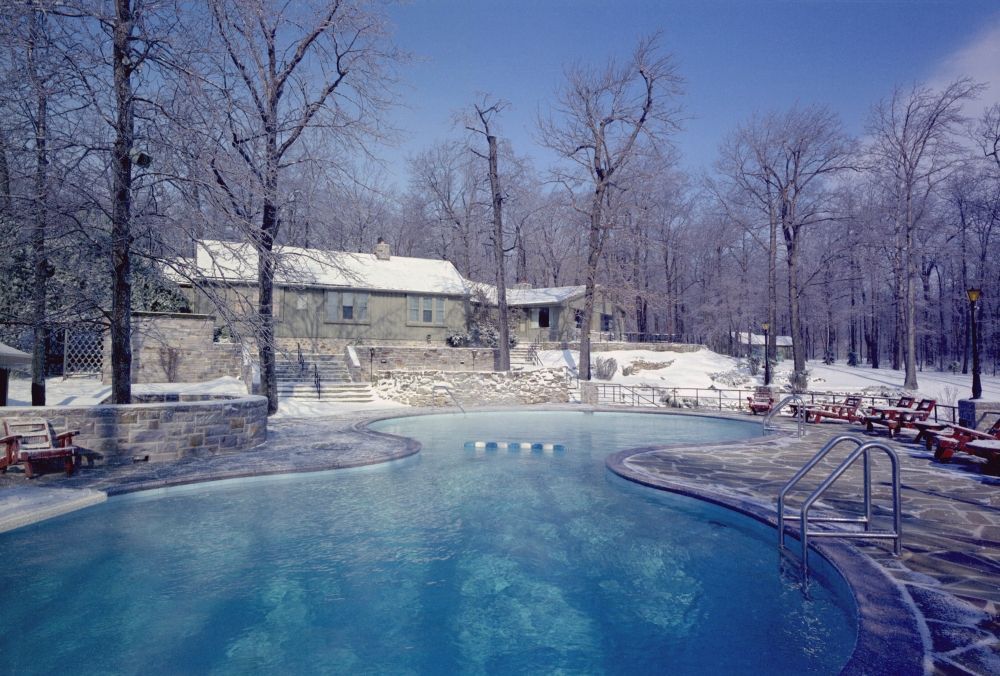
Many assume the White House is the only place a President conducts their business and personal life. But Camp David, nestled in the quiet hills of Maryland, is like the First Family’s second house, used for retreats and relaxing.
To protect the Commander-in-Chief, the government established Prohibited Area P-40. This designation creates a permanent no-fly zone with a radius of three nautical miles around the property. The restriction is active around the clock, 365 days a year. However, when the President of the First Family is actively staying at the cabin, the boundary changes, and the secure zone extends to a massive 10-nautical-mile radius, pushing all civilian traffic far into the Maryland countryside.
Naval Submarine Base Kings Bay
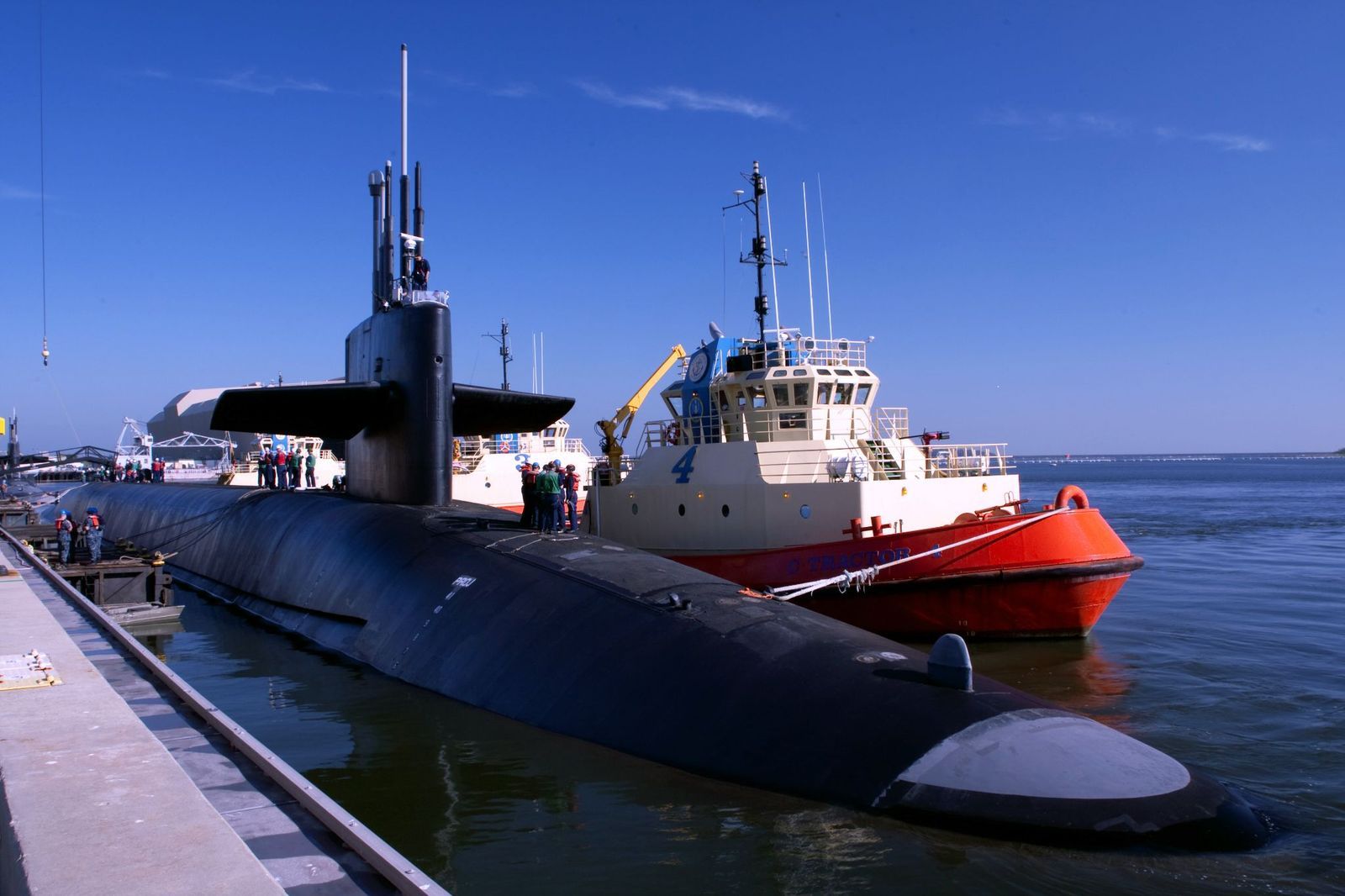
Located in the quiet coastal town of St. Marys, Georgia, lies one of the most critical military installations of the Atlantic Coast. Naval Submarine Base Kings Bay serves as the home port for the Atlantic Fleet’s Ohio-class submarines, which carry a significant portion of the nation’s strategic nuclear arsenal.
In late 2005, the U.S. Navy formally requested that the skies above this sensitive ballistic missile submarine base be closed to the public. The FAA agreed, establishing Prohibited Area P-50. Civilian aircraft are not allowed to fly through this airspace without authorization, reducing the chances of surveillance or other security risks near the base.
Naval Base Kitsap
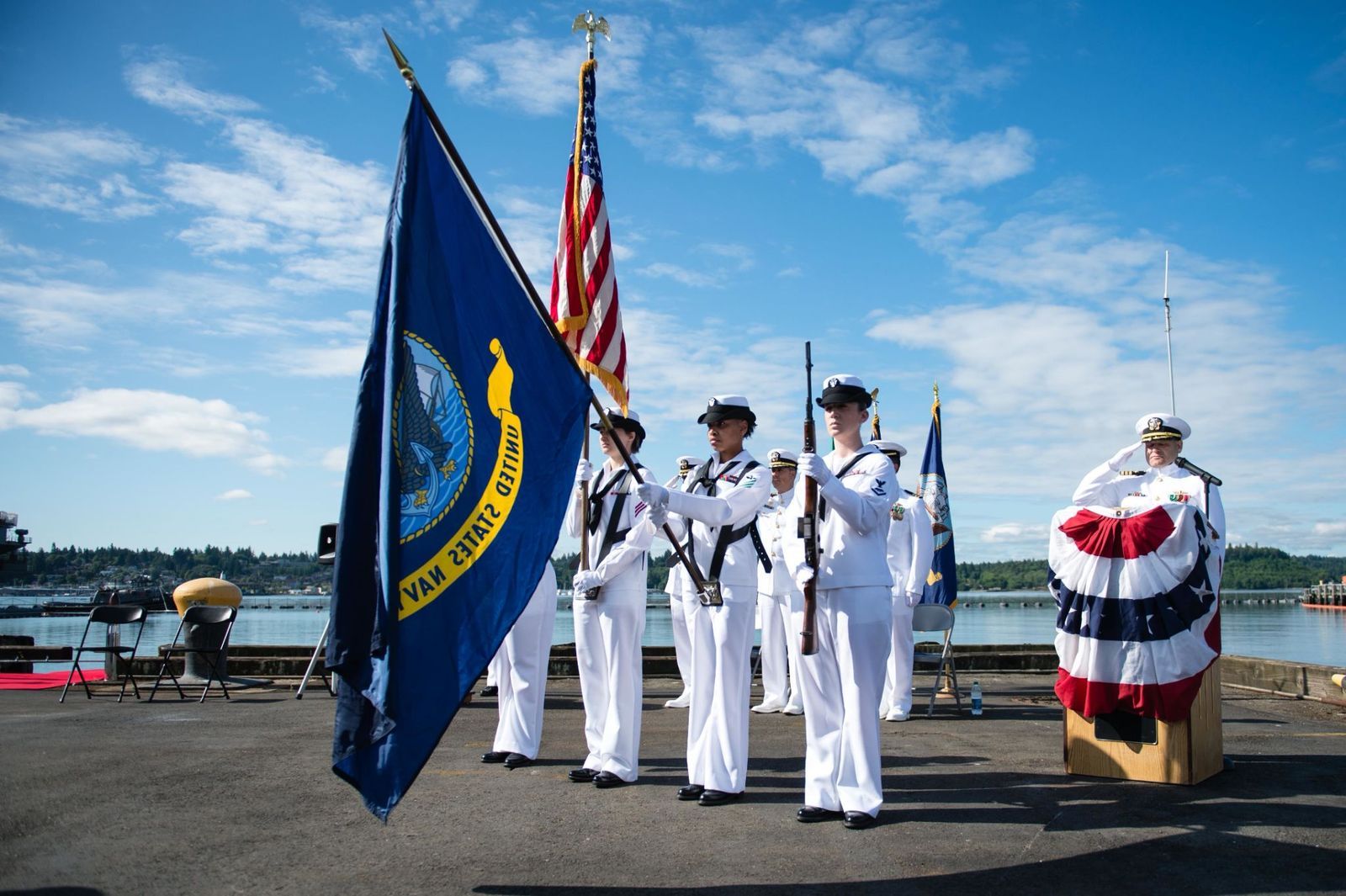
Mention P-51, and some may assume it’s connected to Area 51, but in reality, it’s something entirely different. On the opposite side of the continental U.S., deep in the Pacific Northwest, sits another massive naval stronghold. Created in 2004 through the merger of two historic naval facilities across Elliott Bay from Seattle, Naval Base Kitsap is the largest naval facility in the Navy Region Northwest.
Kitsap serves as the home port for surface ships, submarines, and thermonuclear ballistic missiles. To protect these immense assets, the government established the Prohibited Area P-51. Pilots often joke about the designation, noting that while aviation enthusiasts might expect Area 51 to hold the P-51 title, that honor belongs strictly to the submarine pens of Washington State.
Mount Vernon
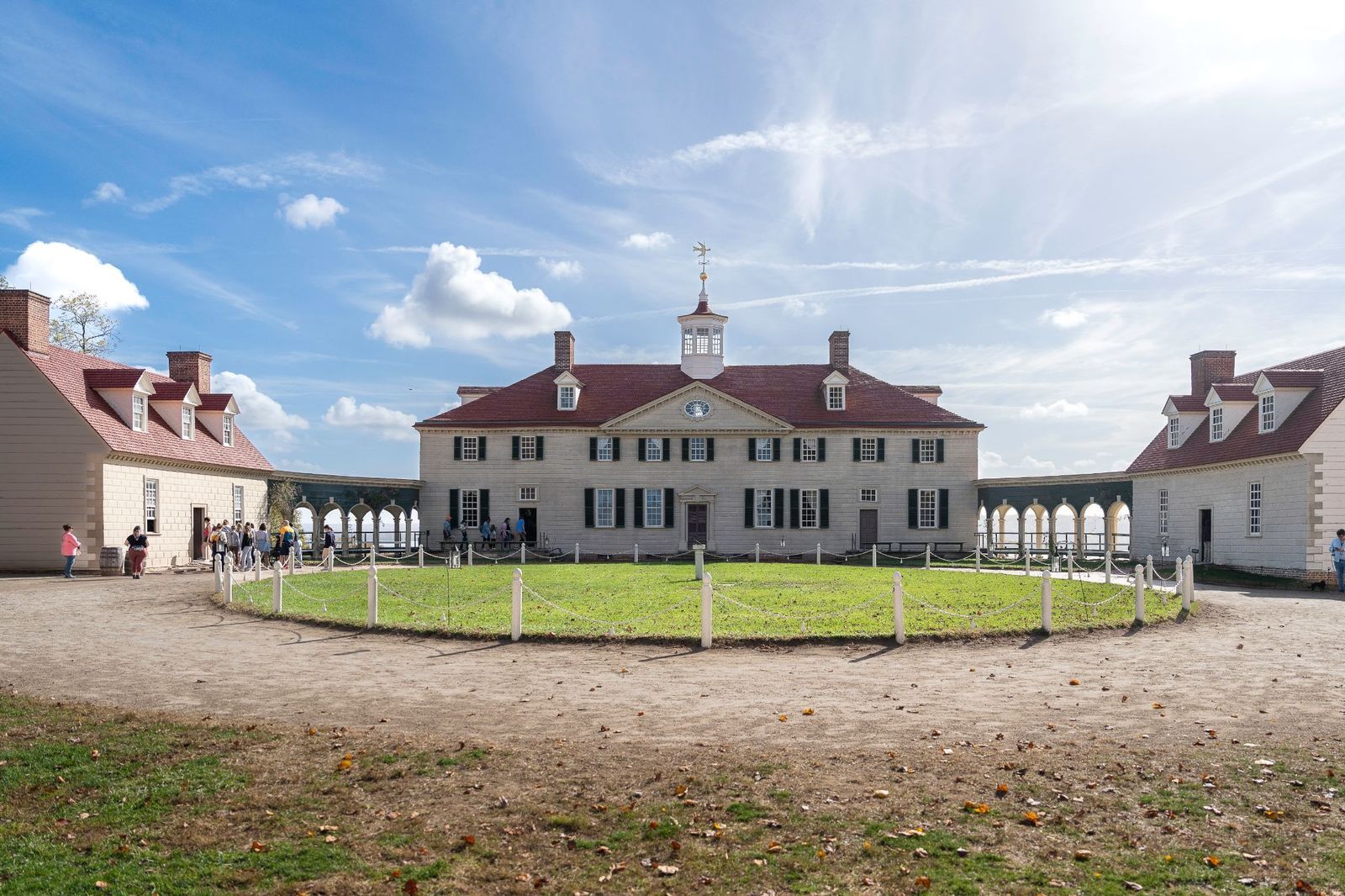
Not every no-fly zone in America is tied to nuclear weapons or active military forces. Some exist purely to protect our national heritage. Mount Vernon, the historic Virginia estate of George Washington, is a prime example of that.
Designated as Prohibited Area P-73, the restriction exists to protect the historic structure from the acoustic vibrations of low-flying aircraft and to preserve the historic atmosphere for millions of visitors. The rule is so strict that even professional aerial photographers using drones are rarely granted permits to fly over the grounds, making it a uniquely quiet airspace in the busy Northeast corridor
Boundary Waters Canoe Area Wilderness

While many permanent no-fly zones were established or tightened to protect people, one was aimed at keeping the skies of a natural refuge quiet. The Boundary Waters Canoe Area Wilderness encompasses over a million acres of pristine lakes and forests in northern Minnesota.
Way back in 1949, President Harry Truman signed a historic executive order that banned aircraft from flying low over this massive wilderness area. As part of Minnesota’s Superior National Forest, the land falls under federal jurisdiction, but the purpose of that airspace restriction was purely recreational and environmental. Truman wanted to preserve the absolute silence of the forest, ensuring that the only sounds heard by campers and canoeists would be those of nature.
Pantex nuclear assembly plant
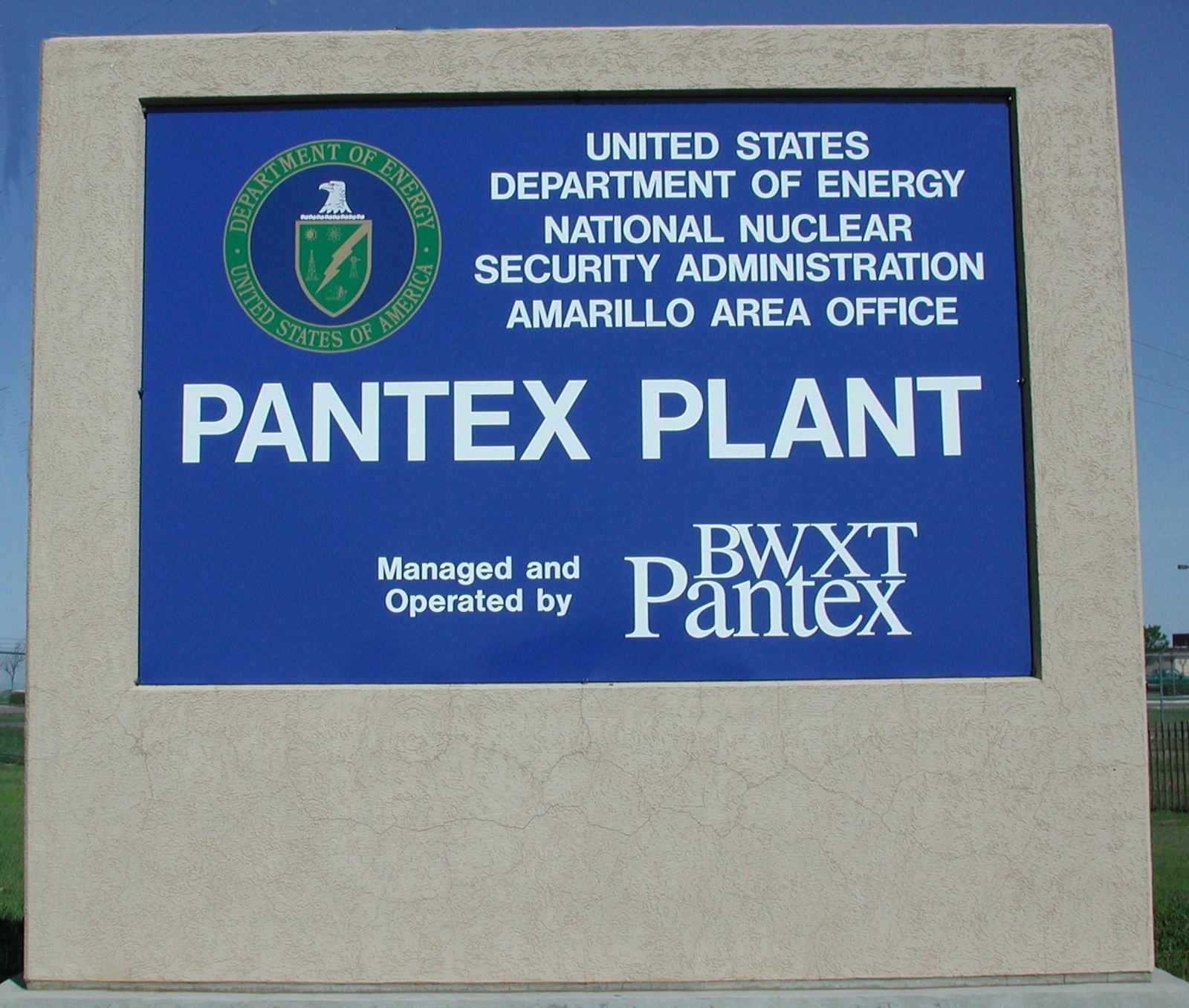
Not all protected areas make the news. Located northeast of Amarillo, Texas, sits a facility that rarely gets mentioned in everyday conversation but holds immense responsibility. The Pantex Plant is the nation’s primary site for the assembly, maintenance, and dismantlement of its nuclear weapons stockpile.
While the facility has not built a nuclear weapon since 1991, it remains heavily guarded as it monitors existing warheads and safely decommissions older missiles. Managed by the National Nuclear Security Administration, Pantex holds a unique distinction: out of all the nuclear security locations scattered across the country, it’s the only one protected by a permanent, highly restricted federal no-fly zone.
Keep wandering
There’s always
more to explore
The surprising reason most cruise ships don’t fly the American flag
4 min.
Read Now
Do you still need a paper boarding pass? 10 must-know flying rules
5 min.
Read Now
 History
11 U.S. islands you thought you knew (spoiler: you probably don’t)
5 min.
Read Now

Board the plane, do this right away, and land comfortably
6 min.
Read Now