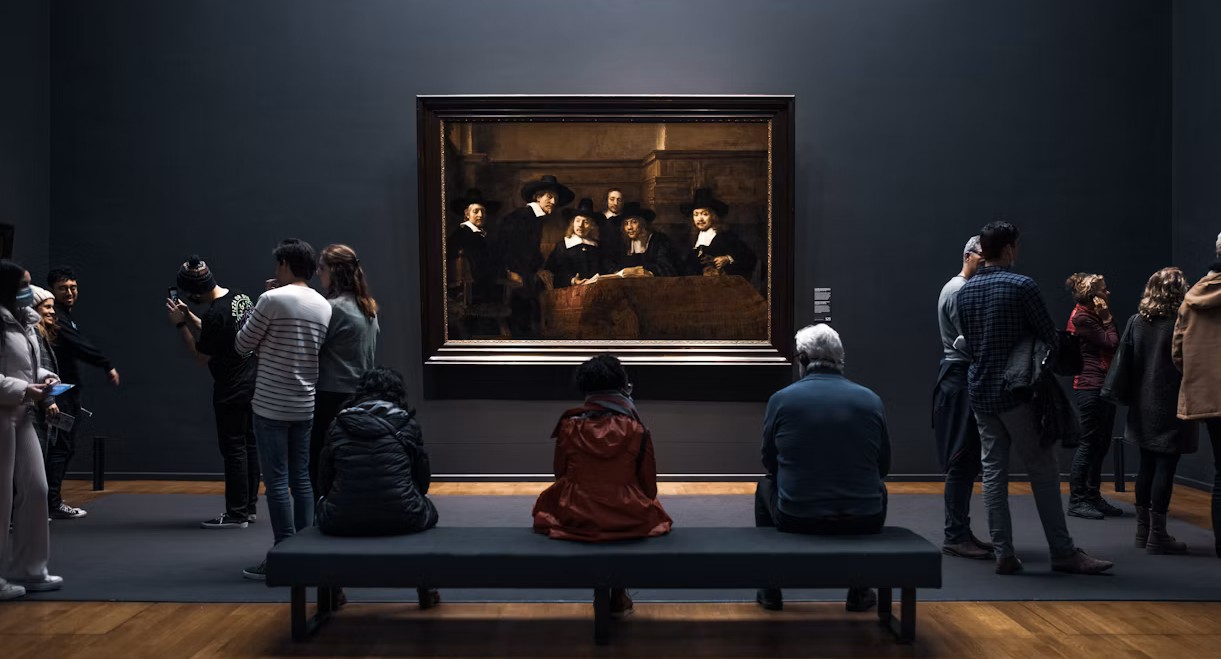
These museums hold some of humanity's most priceless treasures
 Culture
Worth the trip
These museums hold some of humanity's most priceless treasures
From priceless paintings and royal jewels to ancient mummies and dinosaur fossils, the world’s greatest museums are filled with treasures that have survived centuries of history. Museums preserve pieces of our past, allowing us to see and learn about the people, civilizations, and cultures that came before us; not just imagine what they were like, but actually see the objects and masterpieces they left behind. Many of these treasures are instantly recognizable, while others tell fascinating stories about the people and civilizations that created them. Here are some of the most famous museums around the world, and the treasures worth knowing about inside their walls.
The Louvre (Paris, France)
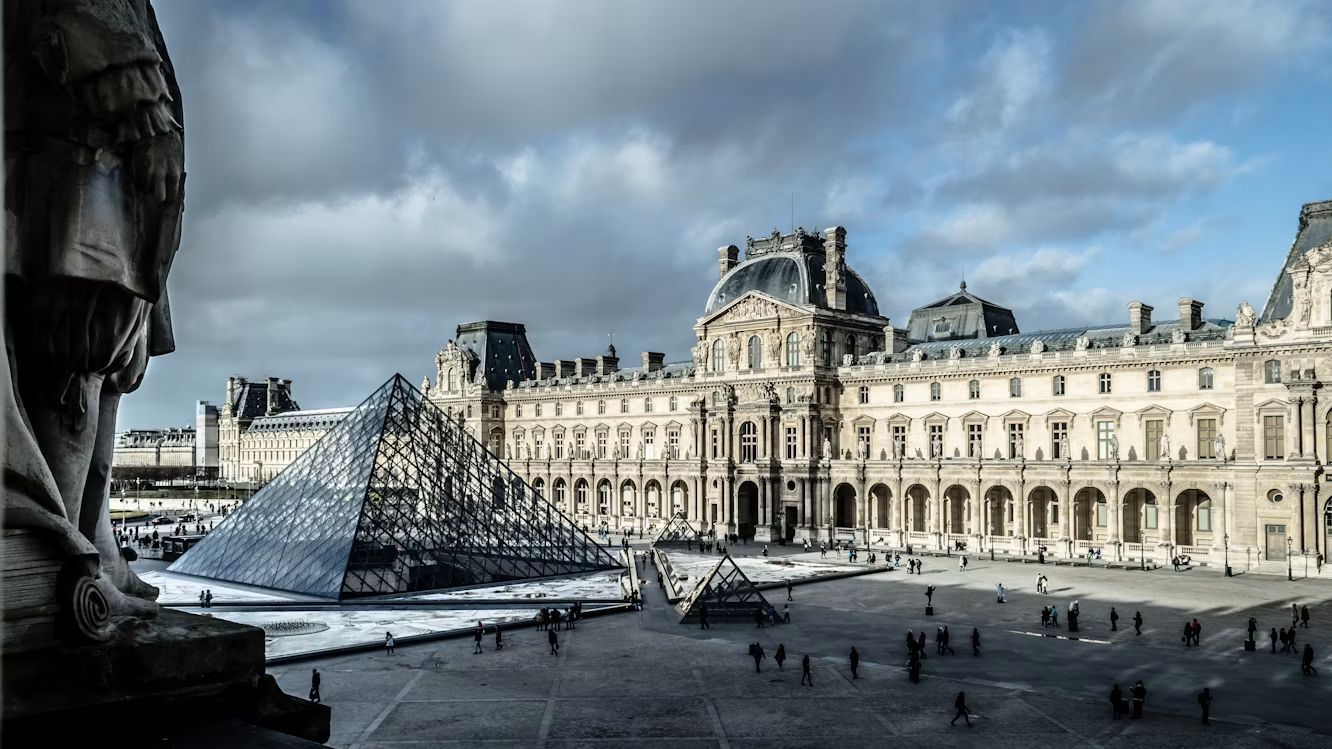
Few museums are as instantly recognizable as the Louvre. Housed in a former royal palace in the heart of Paris, it is home to an enormous collection spanning thousands of years, from ancient civilizations to European art. Its most famous resident is, of course, Leonardo da Vinci’s Mona Lisa, whose mysterious smile has made it one of the most recognizable paintings in the world. The museum’s collection database contains more than 500,000 works and objects.
But the Mona Lisa is only the beginning. Visitors can also see the ancient Greek Venus de Milo, the monumental Winged Victory of Samothrace, and masterpieces such as The Coronation of Napoleon. The Louvre also has remarkable Egyptian antiquities, including the Seated Scribe and the Great Sphinx of Tanis, offering a glimpse into nearly 5,000 years of Egyptian history.
The British Museum (London, England)
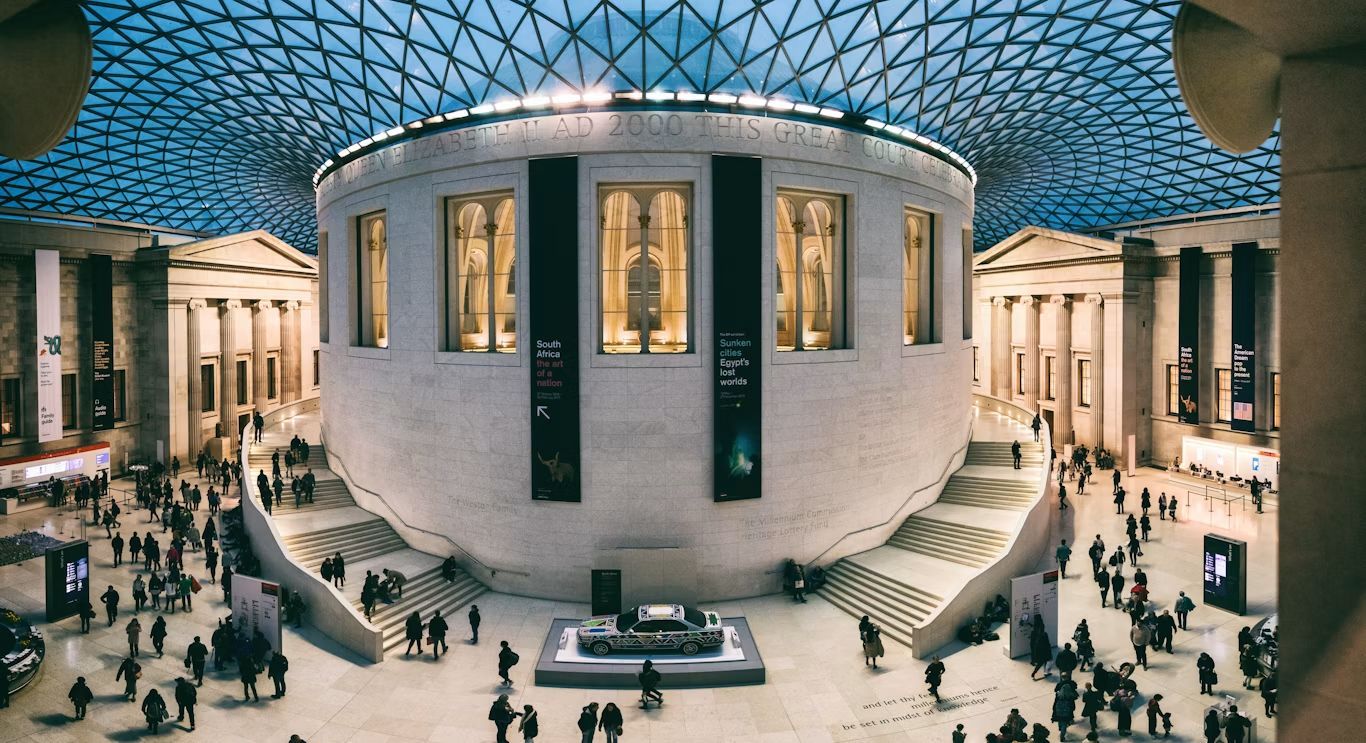
The British Museum takes visitors on a journey through human history, with objects dating back thousands of years. Opened in 1759, it was the world's first national public museum and today houses one of the largest and most comprehensive collections of human history. One of its best-known treasures is the Rosetta Stone, the ancient inscription that played a crucial role in deciphering Egyptian hieroglyphs. The museum is also famous for its extensive collection of Egyptian antiquities, including mummies and ancient coffins.
Other highlights include the Parthenon sculptures from ancient Greece, the Sutton Hoo treasures from Anglo-Saxon England, and the Lewis Chessmen, a remarkable group of medieval chess pieces. With millions of objects in its collection, the museum offers a fascinating look at civilizations from around the world.
The Metropolitan Museum of Art (New York, USA)
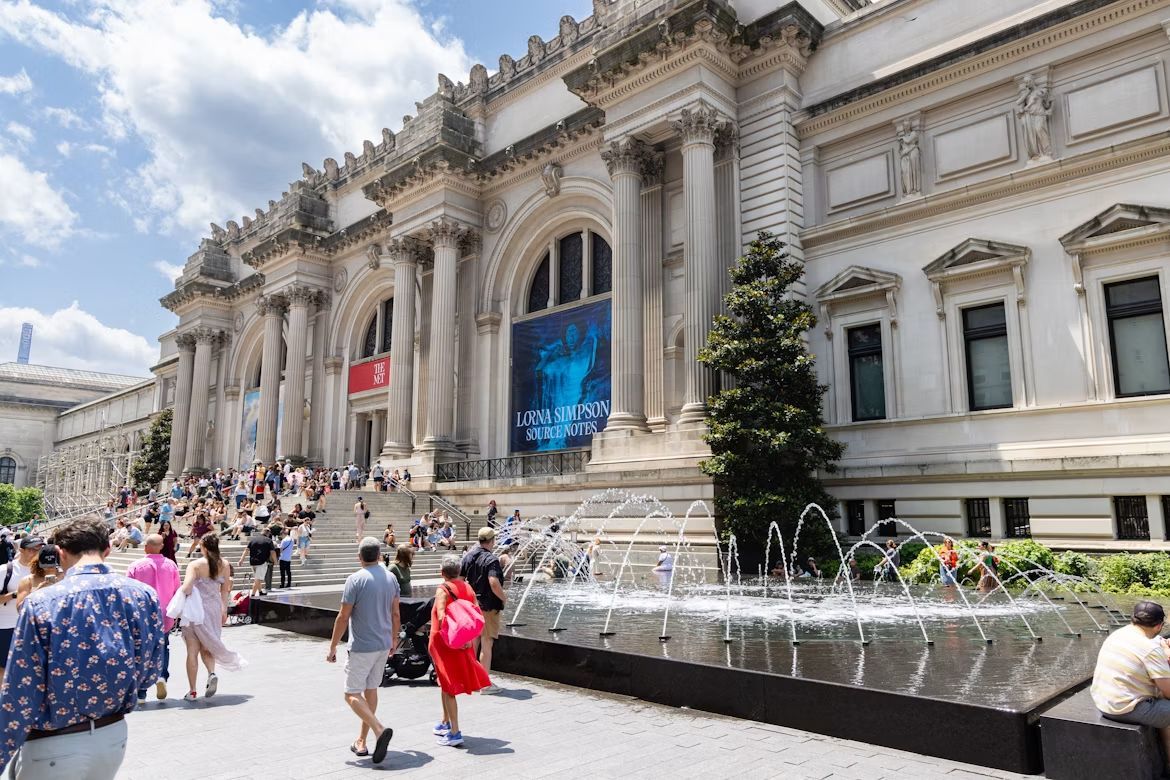
Known simply as "the Met," New York’s Metropolitan Museum of Art is one of the largest and most wide-ranging museums in the United States. Its galleries cover everything from ancient Egyptian artifacts to European paintings, American art, musical instruments, armor, and decorative arts. Among its most celebrated paintings are works by Rembrandt, Vermeer, Van Gogh, and Monet.
The Met’s Egyptian collection is particularly impressive, with more than 26,000 objects spanning thousands of years. One of its memorable displays is a group of small wooden models showing boats, gardens, and everyday activities in ancient Egypt. The museum is also home to the magnificent Temple of Dendur, an ancient Egyptian temple transported to New York and reconstructed inside the museum.
The Vatican Museums (Vatican City)
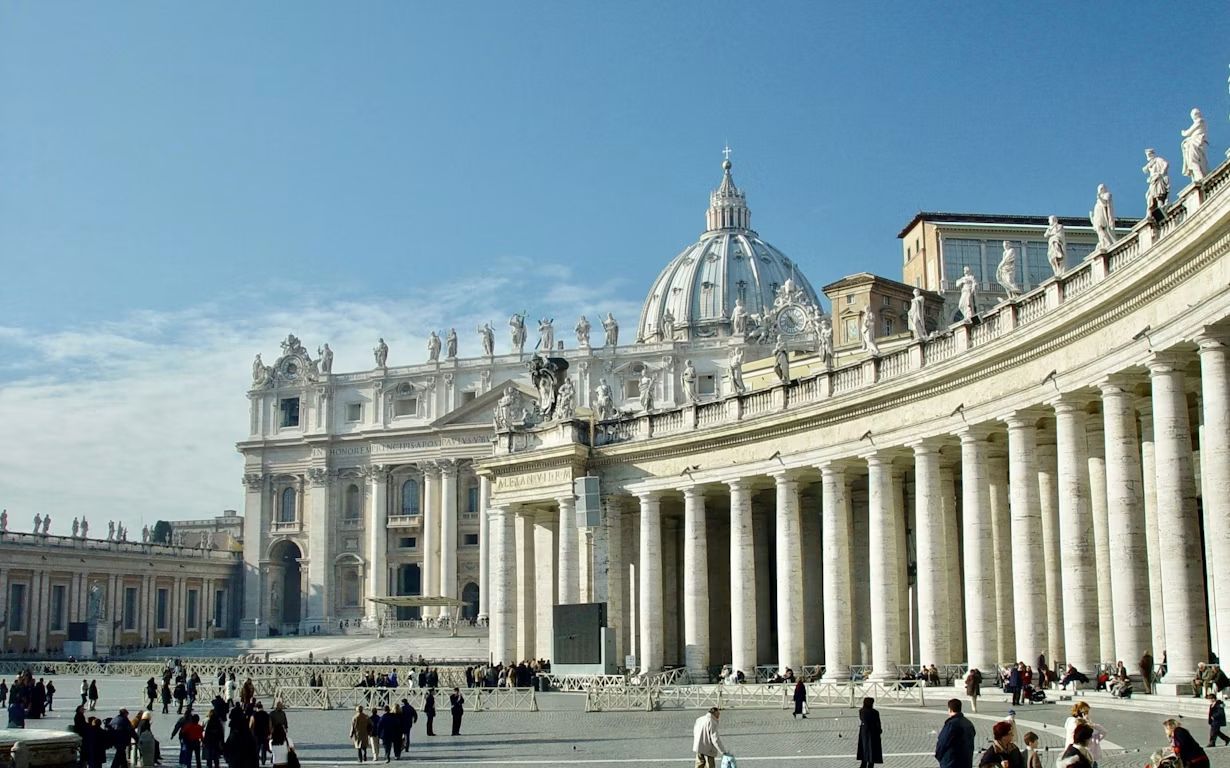
The Vatican Museums may be best known for one extraordinary room: the Sistine Chapel. Its ceiling, painted by Michelangelo, features some of the most famous images in Western art, including The Creation of Adam. Michelangelo also painted The Last Judgment on the chapel’s altar wall.
Beyond the Sistine Chapel, the museums contain centuries of art collected by the popes. Visitors can see Raphael’s celebrated frescoes in the Raphael Rooms, ancient Roman sculptures such as the Laocoön, and an enormous collection of paintings, tapestries, maps, and religious art. It is a place where art history and the history of the Catholic Church come together.
The Smithsonian National Museum of Natural History (Washington, D.C., USA)
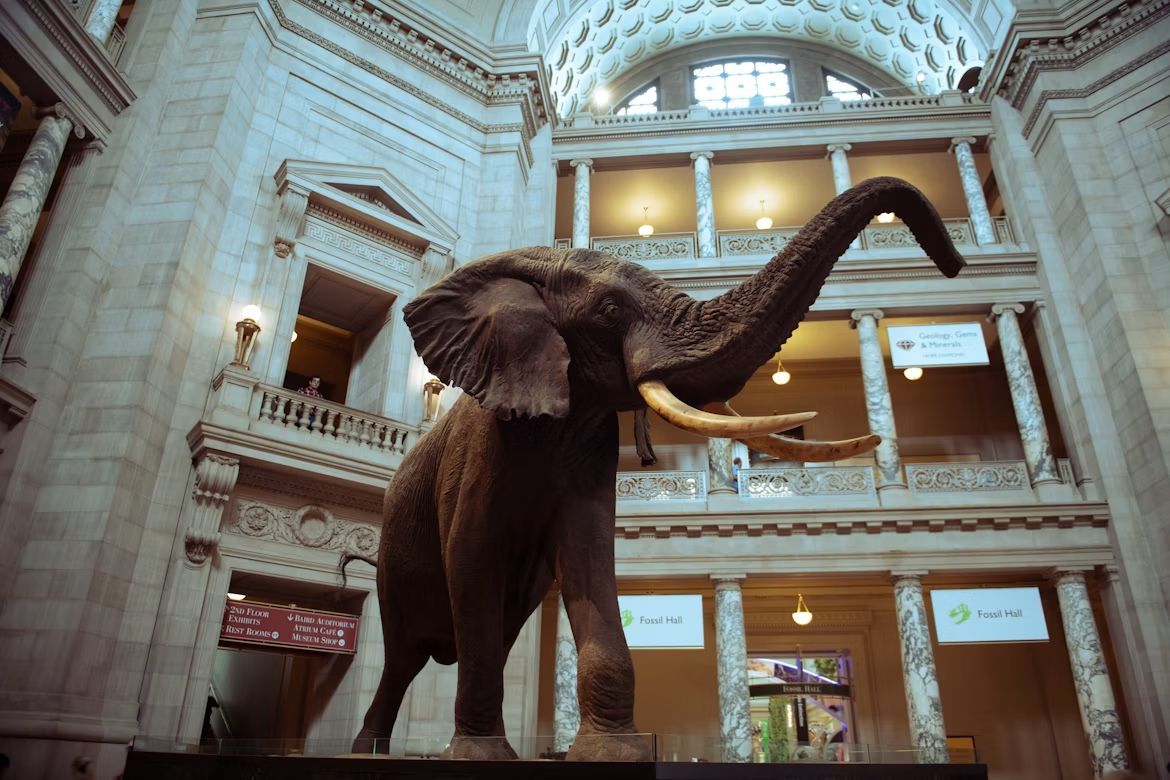
For visitors who prefer dinosaurs, gemstones, and the natural world to paintings, Washington’s Smithsonian National Museum of Natural History offers an entirely different kind of treasure. Its collection contains about 148 million specimens and artifacts, covering everything from fossils and minerals to animals and cultural objects.
Among its most famous treasures is the Hope Diamond, one of the world's best-known gemstones. Visitors can also encounter dinosaur fossils, meteorites, giant animal specimens, and an extensive collection of minerals and gems. The museum's Egyptian exhibit includes human and animal mummies, along with artifacts that reveal how ancient Egyptians prepared for the afterlife.
The Hermitage Museum (St. Petersburg, Russia)

The State Hermitage Museum occupies several historic buildings, most famously the Winter Palace, the former residence of Russian emperors. Founded from the collections of Catherine the Great, it grew into one of the world's largest museums, with art and artifacts covering thousands of years.
Its treasures include paintings by Leonardo da Vinci, Rembrandt, Raphael, Titian and Caravaggio, along with impressive collections of ancient art and decorative objects. Even the museum itself is part of the experience: the grand rooms of the Winter Palace feature ornate ceilings, chandeliers and elaborate decoration that reflect the wealth of imperial Russia.
The American Museum of Natural History (New York, USA)
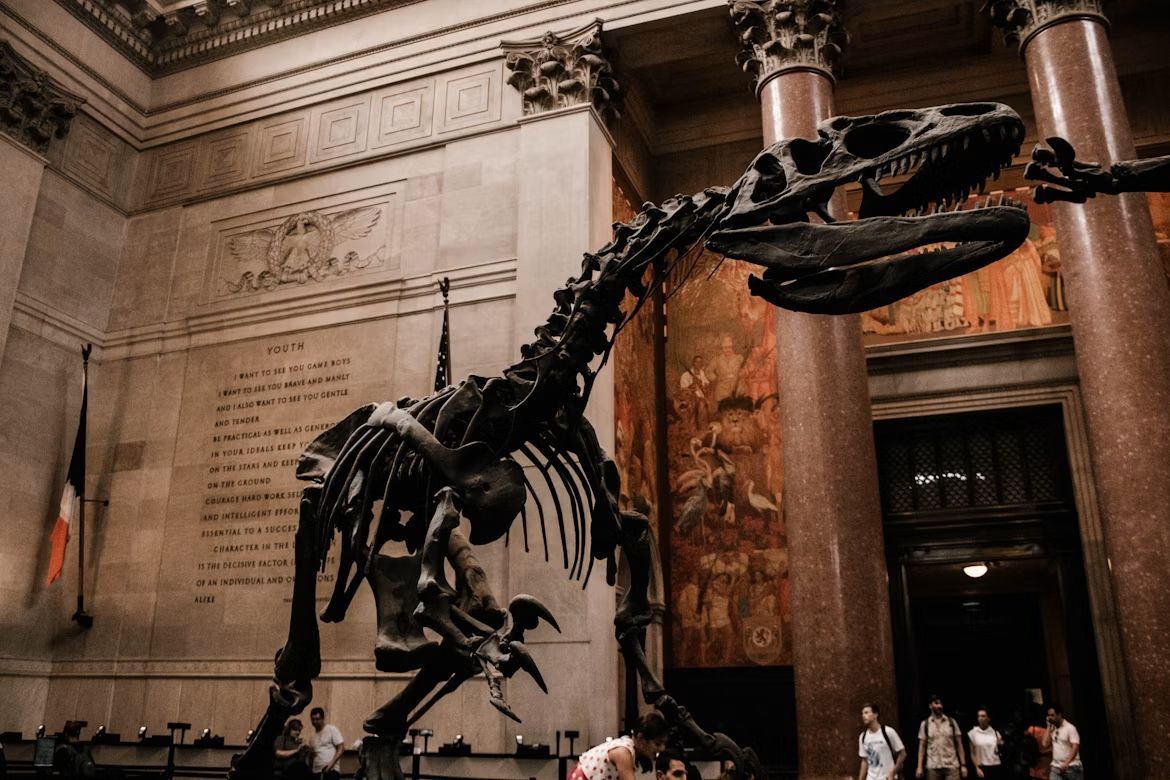
New York's American Museum of Natural History is a favorite for anyone fascinated by dinosaurs, animals and the origins of life. Its vast collections cover everything from fossils and meteorites to mammals, marine life, and human cultures.
Its dinosaur halls are among its biggest attractions, with enormous skeletons that make prehistoric life feel surprisingly close. The museum is also known for its dramatic animal dioramas, which recreate natural habitats around the world, and the Rose Center for Earth and Space, where visitors can explore the universe as well as our own planet. With tens of millions of specimens and objects, it is a place where every visit can reveal something new.
The Museum of Modern Art (MoMA) (New York, USA)
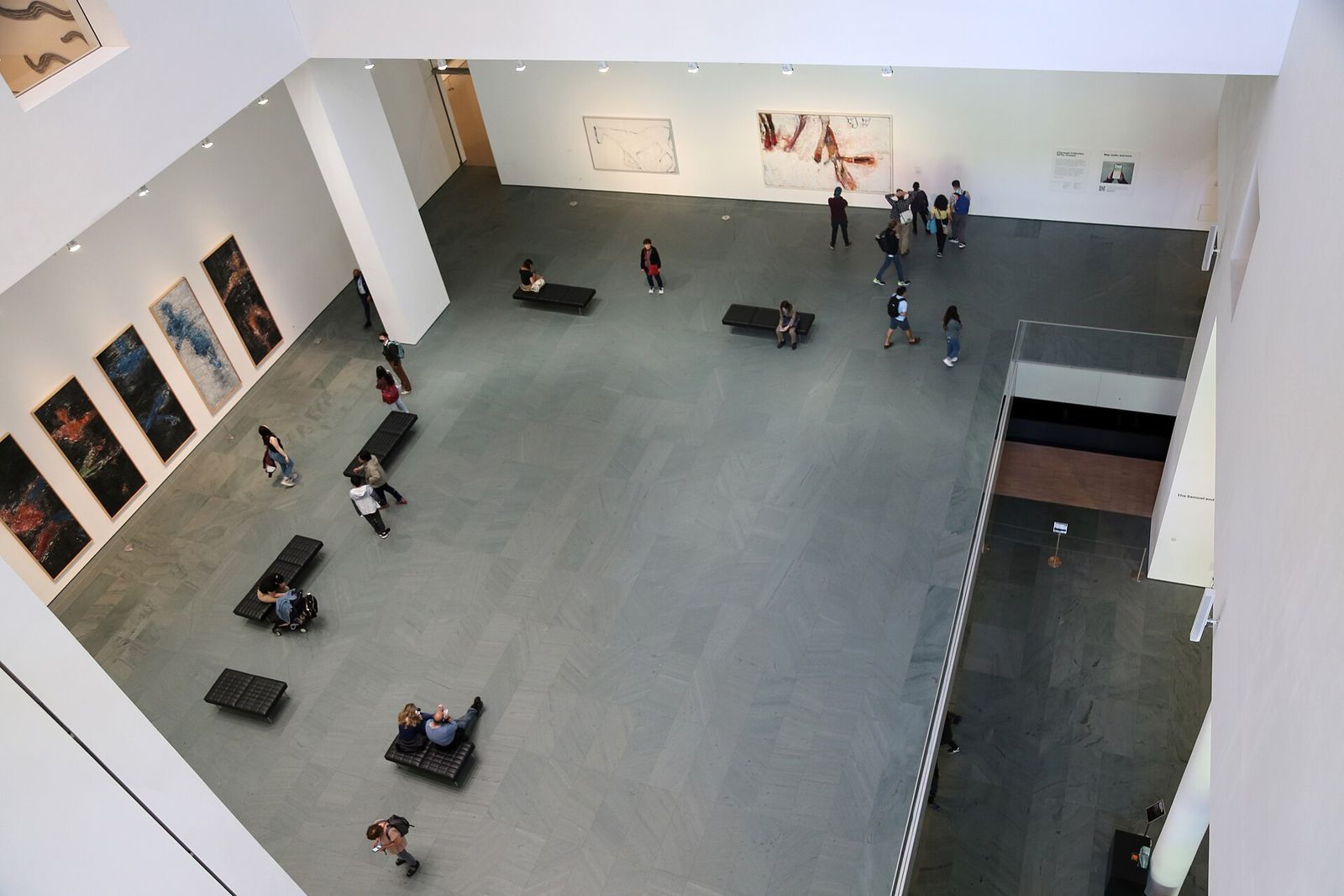
New York's Museum of Modern Art helped make modern and contemporary art a central part of the museum experience, bringing painting together with photography, film, design and other creative forms. Its collection includes some of the most recognizable works of the 19th and 20th centuries, making it an especially rewarding stop for visitors who want to see art they may already know from books and popular culture.
Among its famous treasures are Vincent van Gogh’s _The Starry Nigh_t, Pablo Picasso’s Les Demoiselles d’Avignon and Claude Monet’s Water Lilies. The collection also extends beyond painting to sculpture, photography, film, design, and other forms of modern and contemporary art.
The Uffizi Gallery (Florence, Italy)
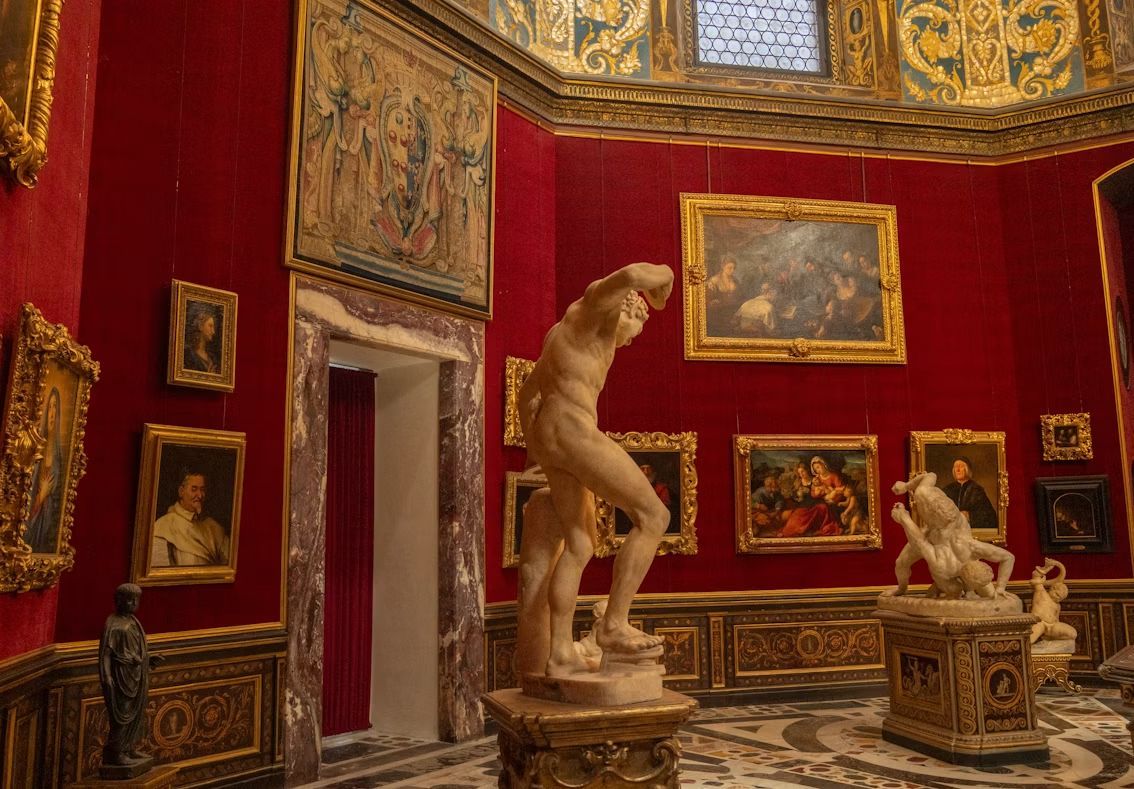
The Uffizi Gallery is a must-see for anyone interested in the Italian Renaissance. Located in Florence, the museum was established from the collections of the powerful Medici family, whose patronage helped make Florence a center of Renaissance art.
The gallery is particularly famous for masterpieces by Sandro Botticelli, including The Birth of Venus and Primavera. Visitors can also find celebrated works by Leonardo da Vinci, Michelangelo, Raphael, Titian, and Caravaggio. Together, these paintings offer an extraordinary look at one of the most influential periods in Western art.
The Prado Museum (Madrid, Spain)
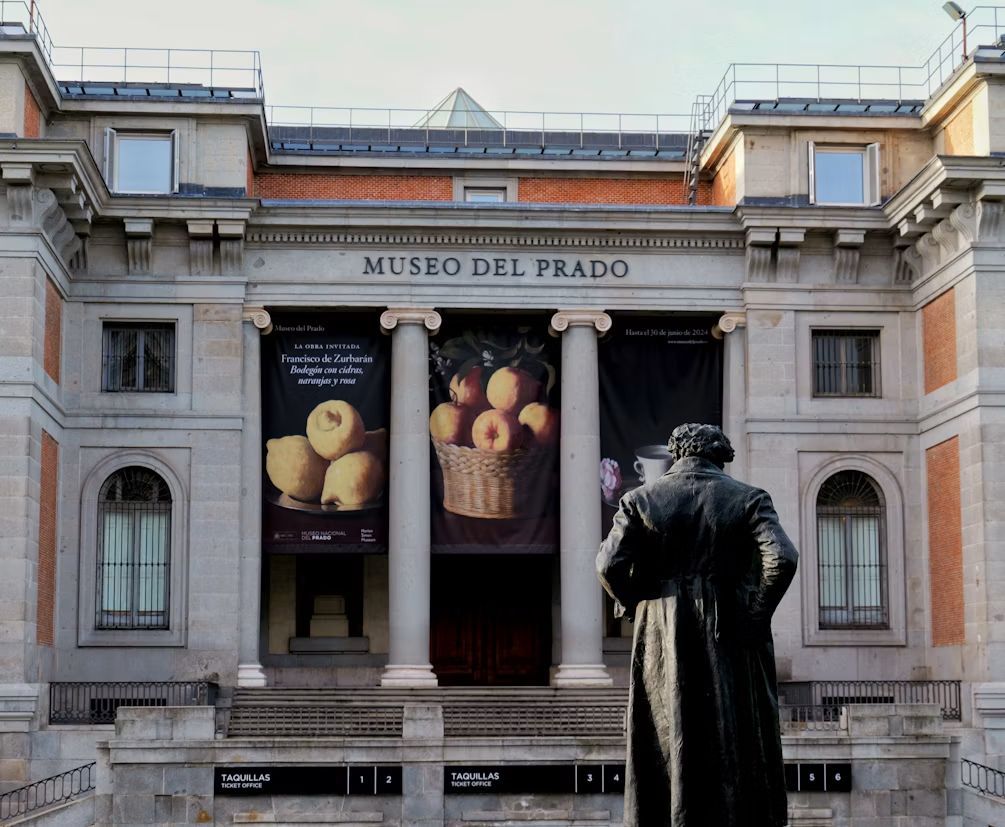
Madrid's Prado Museum is one of the world's great destinations for European painting, with a particularly strong collection of Spanish masters. Its galleries bring together works by artists including Diego Velázquez, Francisco Goya and El Greco.
One of the museum's most famous paintings is Velázquez's Las Meninas, a complex portrait that has fascinated viewers and art historians for centuries. Goya's The Third of May 1808 and Hieronymus Bosch's The Garden of Earthly Delights are other major highlights. For anyone interested in the history of European painting, the Prado offers an extraordinary concentration of masterpieces.
The Egyptian Museum (Cairo, Egypt)
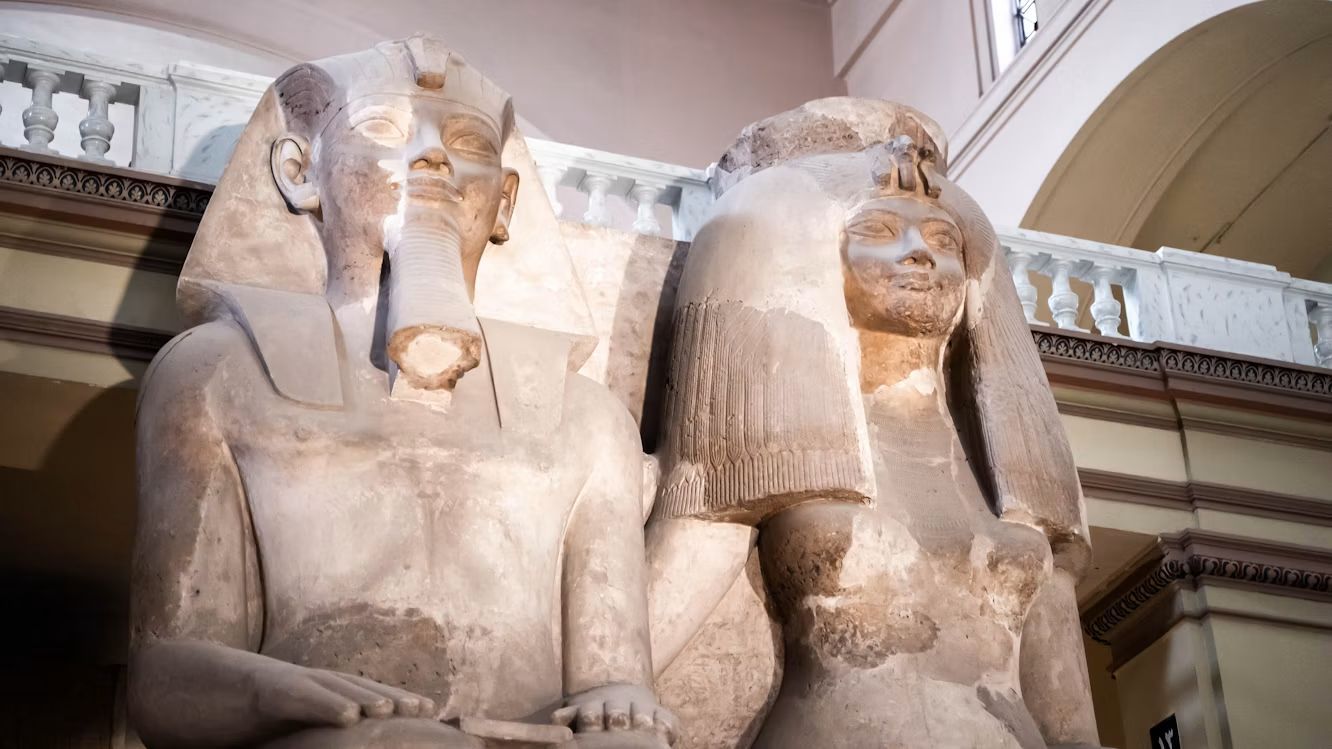
Cairo's Egyptian Museum is a treasure chest of ancient history and the oldest archaeological museum in the Middle East. Its collection contains an extraordinary range of artifacts from pharaonic Egypt, including statues, jewelry, coffins, papyri, and everyday objects that reveal what life was like thousands of years ago.
The museum is particularly famous for its collection of treasures associated with Tutankhamun, the young pharaoh whose tomb was discovered in 1922. The golden funerary mask of Tutankhamun became one of the world's most famous archaeological discoveries. Visitors can also see royal statues, mummies, and other objects from ancient Egyptian civilization.
The National Palace Museum (Taipei, Taiwan)

The National Palace Museum in Taipei is renowned for its extraordinary collection of Chinese imperial art. Much of the collection originated from the former imperial collections of China and includes objects spanning thousands of years.
Among its most famous treasures are intricate jade carvings, ancient bronzes, ceramics, calligraphy, and paintings. Two particularly famous pieces are the Jadeite Cabbage, carved from a single piece of jade, and the Meat-shaped Stone, a piece of jasper carefully carved to resemble a small piece of braised pork. Together, they show the remarkable skill of Chinese artisans.
The parking trick that could save you $40 a night in California
 General
West Coast unlocked
Tips to make the most of a trip to the West Coast
A West Coast road trip can either be the highlight of your year or a stressful blur of wrong turns and overpriced parking. The good news? A handful of simple tips separates the two. Renting a car gets you the flexibility to reach scenic overlooks, and budgeting a little extra for California's pricier spots means fewer surprises along the way. Picture this: easy drives along dramatic coastline, fresh seafood, wine country afternoons, and sunsets that make you stop the car just to stare. Follow a little planning, and that's exactly the trip you'll get.
Renting a car vs. relying on public transit between cities

A car gives you total freedom: stop wherever you want, whenever you want. Public transit works fine between big cities like Los Angeles and San Francisco, but it won't get you to hidden beaches or scenic overlooks. Rent a car for flexibility, especially if you're dreaming of those classic coastal drives.
Budgeting for higher costs in California cities

San Francisco and Los Angeles aren't cheap: hotels, parking, and meals add up fast. Budget extra for parking fees, since many hotels charge $40-plus a night just to keep your car. Booking accommodations slightly outside city centers, like in Oakland, can save real money without sacrificing convenience.
Best time of year to avoid fog and crowds
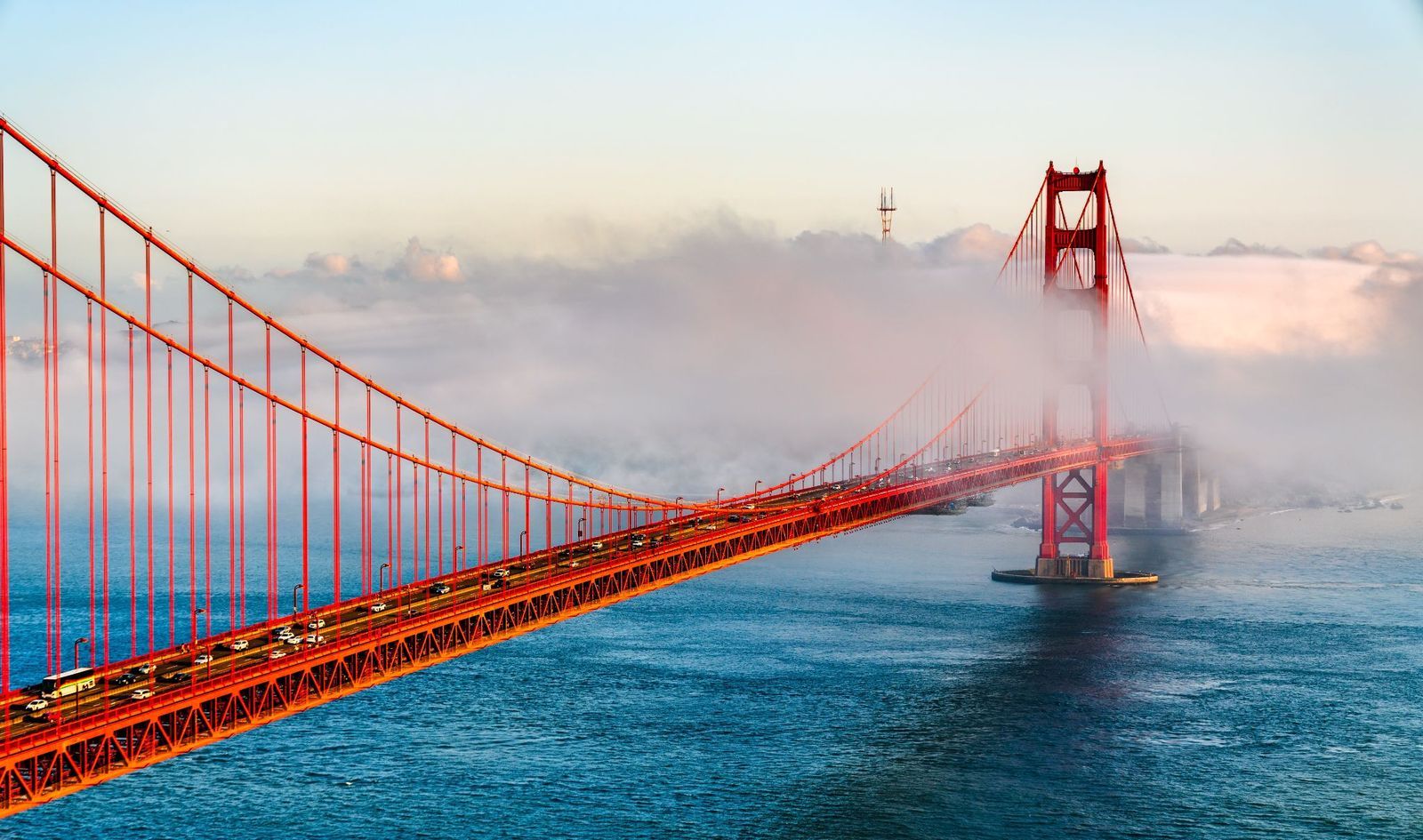
Skip July and August if you can. Coastal fog ("June gloom," locals call it) often blankets cities like San Francisco well into early summer. September and October bring clearer skies, thinner crowds, and better hotel rates. You'll enjoy the views more and wait in fewer lines; a win-win for relaxed travelers.
Combining national parks with city stops
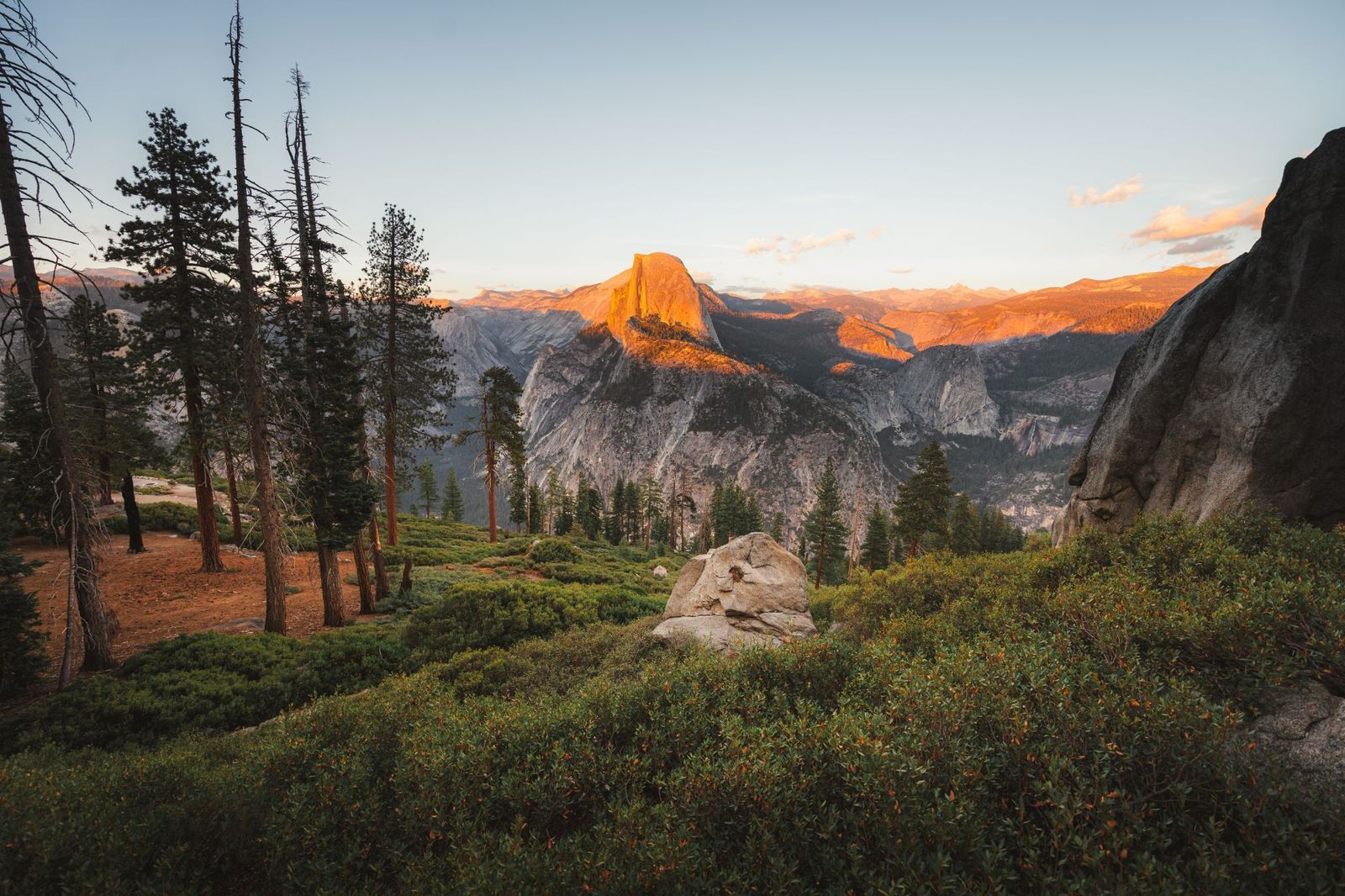
Mix nature with civilization for the best of both worlds. Spend a few days hiking in Yosemite, then head to San Francisco for great meals and museums. Alternating between wilderness and city comforts keeps the trip balanced: you get fresh air and adventure, plus soft beds and good coffee when you need them.
Sampling regional food and wine along the way

Don't just drive through wine country, stop and enjoy it. Napa and Sonoma offer relaxed tastings without pretension; just plan to linger there for the day or designate a driver. Down the coast, Santa Barbara serves up fantastic seafood and local wines, too. These stops turn ordinary travel days into some of the most memorable parts of the trip.
Driving the Pacific Coast Highway safely
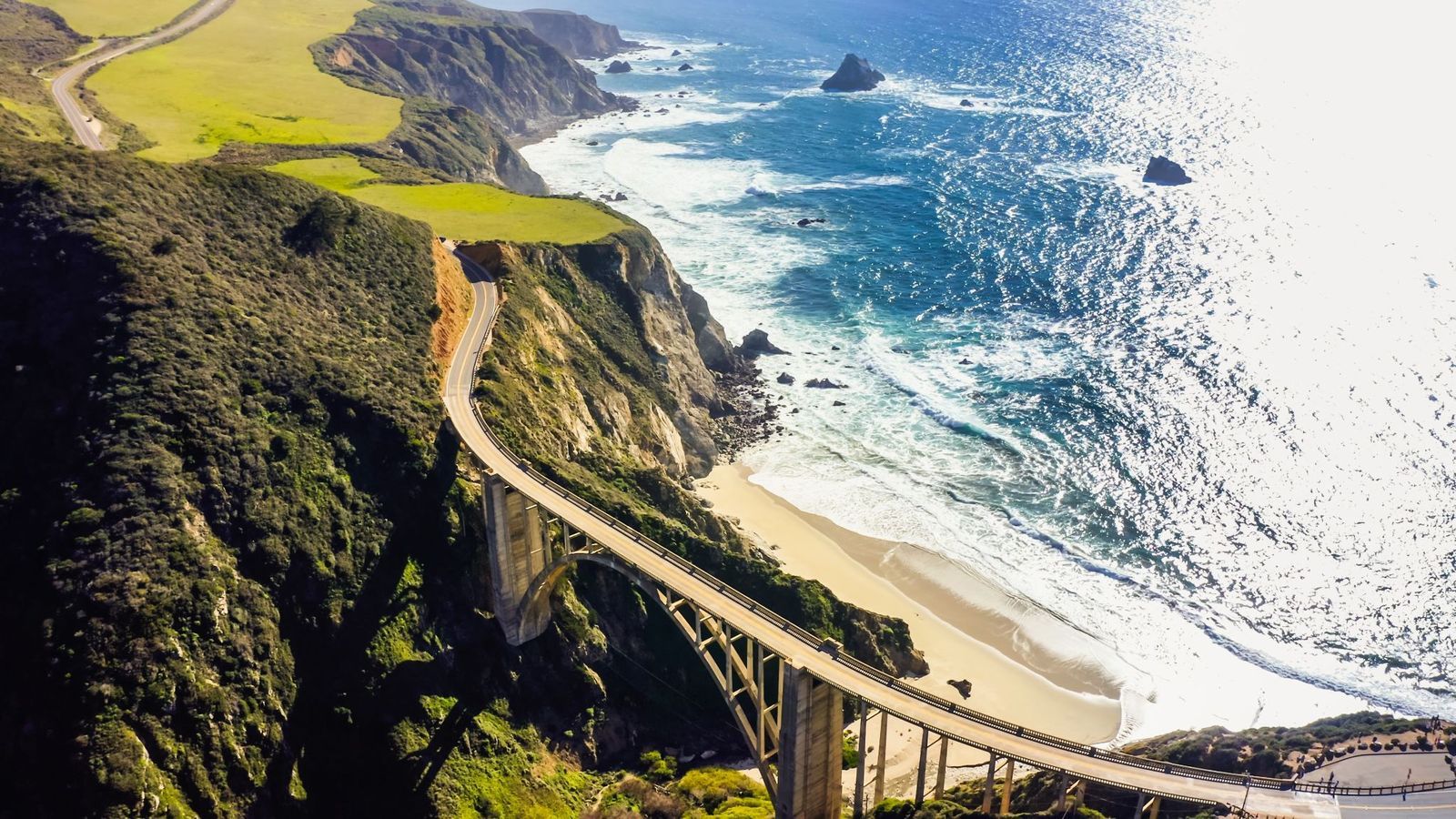
Highway 1 is stunning, but those cliffside curves near Big Sur demand attention. Take it slow, use pullouts to let faster cars pass, and never look at the view while moving; pull over instead. Going slower means more time to enjoy the scenery safely, which is really the whole point of this drive anyway.
Where to catch the best sunset views
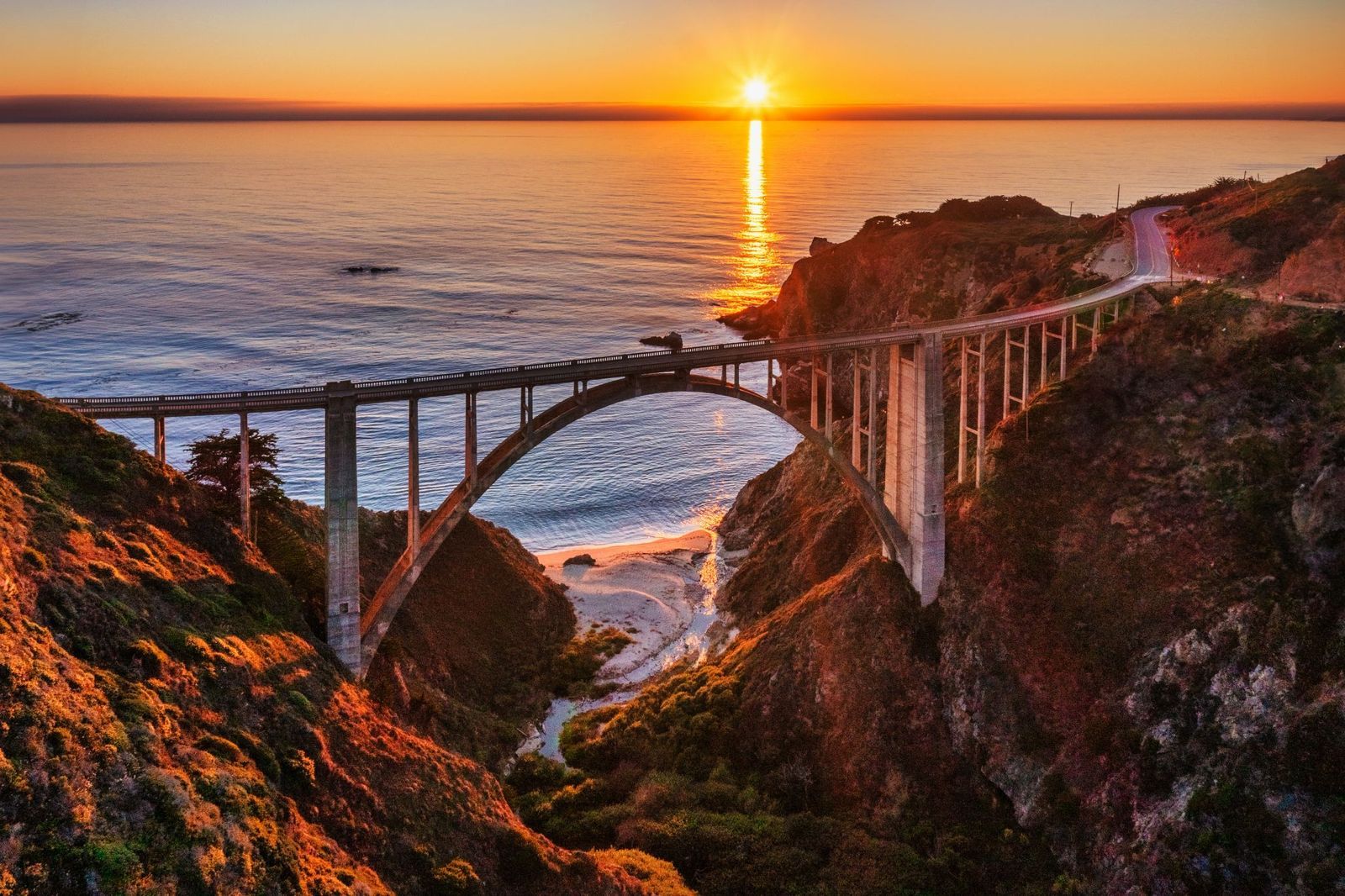
Some sunsets are simply unforgettable. Try the cliffs above Big Sur or the beaches near Santa Monica for golden, glowing skies over the ocean. Arrive thirty minutes early, bring a light jacket, and find a bench or rock to sit on. It's a simple pleasure that costs nothing and delivers everything.
Day trips from major hubs like San Francisco and Seattle
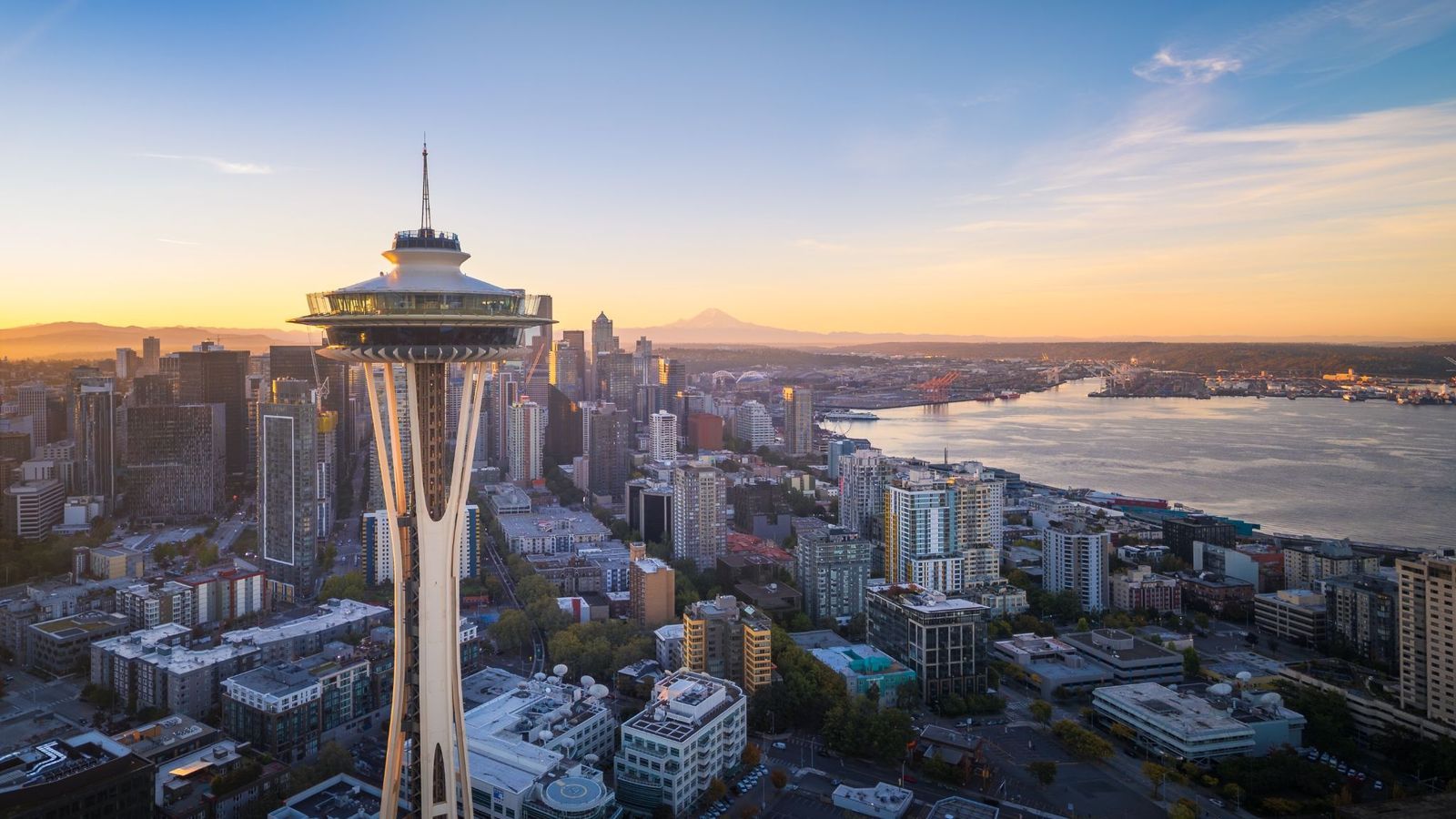
Use big cities as a home base instead of constantly packing and unpacking. From San Francisco, you can day-trip to Muir Woods or Sausalito. From Seattle, Mount Rainier is an easy drive away. This approach saves you from hotel-hopping every night while still letting you see plenty of variety.
Packing for variable coastal weather

Coastal weather changes by the hour, not just the season. Mornings can be foggy and cool even in summer, then sunny by afternoon. Pack layers: a light jacket, sweater, and sunscreen all in the same bag. Being prepared means you're comfortable no matter what Mother Nature decides to do that day.
Avoiding peak tourist season in popular spots
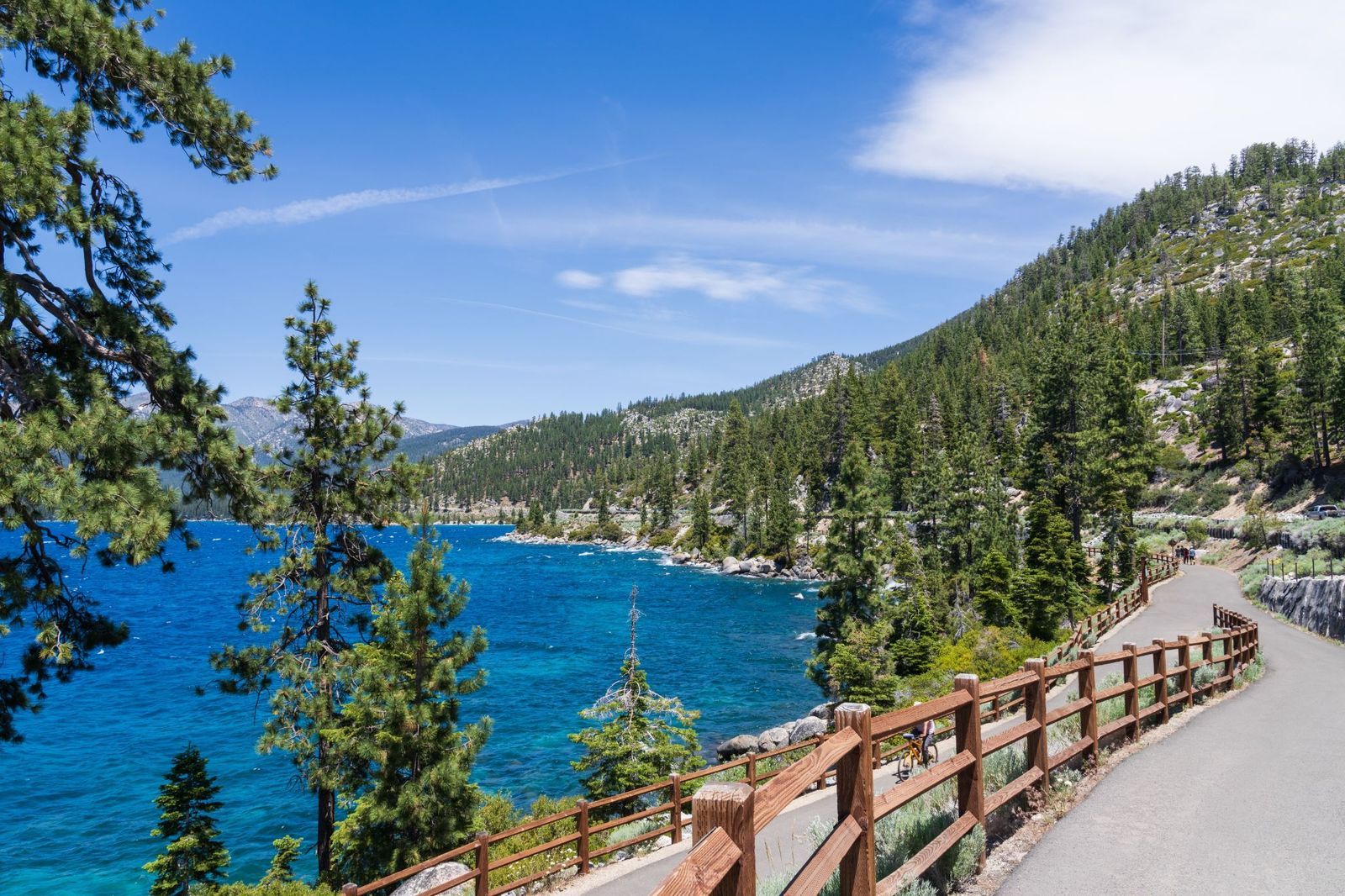
Popular spots like Lake Tahoe get packed in summer. Visiting in late spring or early fall means shorter lines, easier parking, and a more peaceful experience overall. You'll get the same gorgeous views without elbowing through crowds; proof that timing really can make or break a trip.
Keep wandering
There’s always
more to explore

The real reason why TSA agents empty your bottle of water
6 min.
Read Now

The day the music died: The song that said goodbye to early rock 'n' roll
6 min.
Read Now

Drive-in movies were invented for this surprisingly personal reason
7 min.
Read Now

Ten airports where you will actually want to arrive early
3 min.
Read Now