These are the places behind history's biggest moments
 Landmarks
Where history began
These are the places behind history's biggest moments
Some places on Earth just hit different. This is where humans looked at "impossible" and said "hold my beer." From a beach on the North Carolina coast to a launch pad in Florida, ordinary folks did extraordinary things, and the world was never the same. Buckle up, we're taking a quick trip through the spots where magic actually happened.
Moon landing: Cape Canaveral, FL
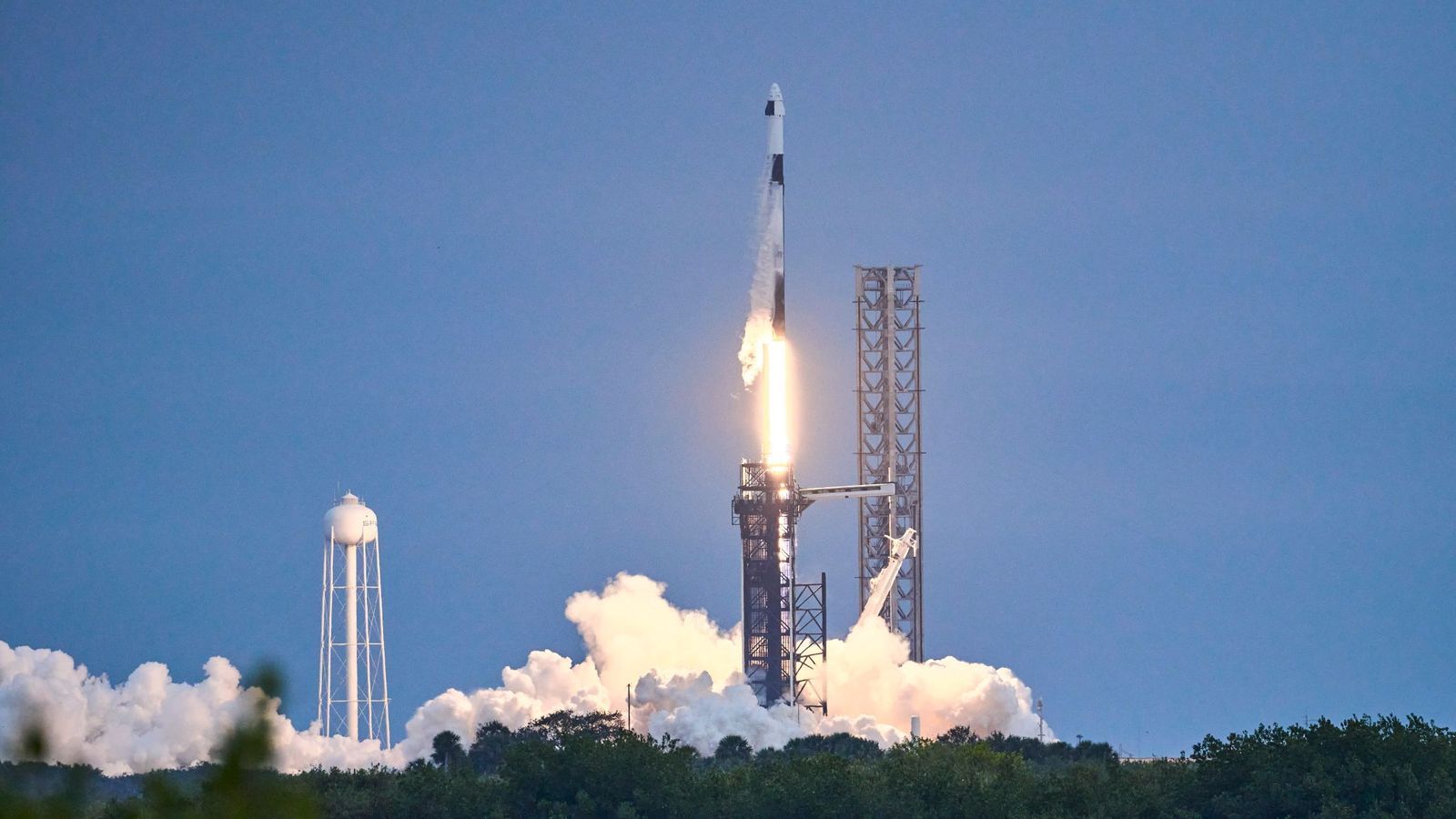
This is where NASA spent years perfecting every bolt and calculation before strapping three guys to a rocket the size of a skyscraper. On July 16, 1969, Apollo 11 blasted off from here, headed for the moon. Four days later, Neil Armstrong took "one small step," and humanity became a species that visits other worlds. Not bad for government work.
Independence Hall: Philadelphia, PA
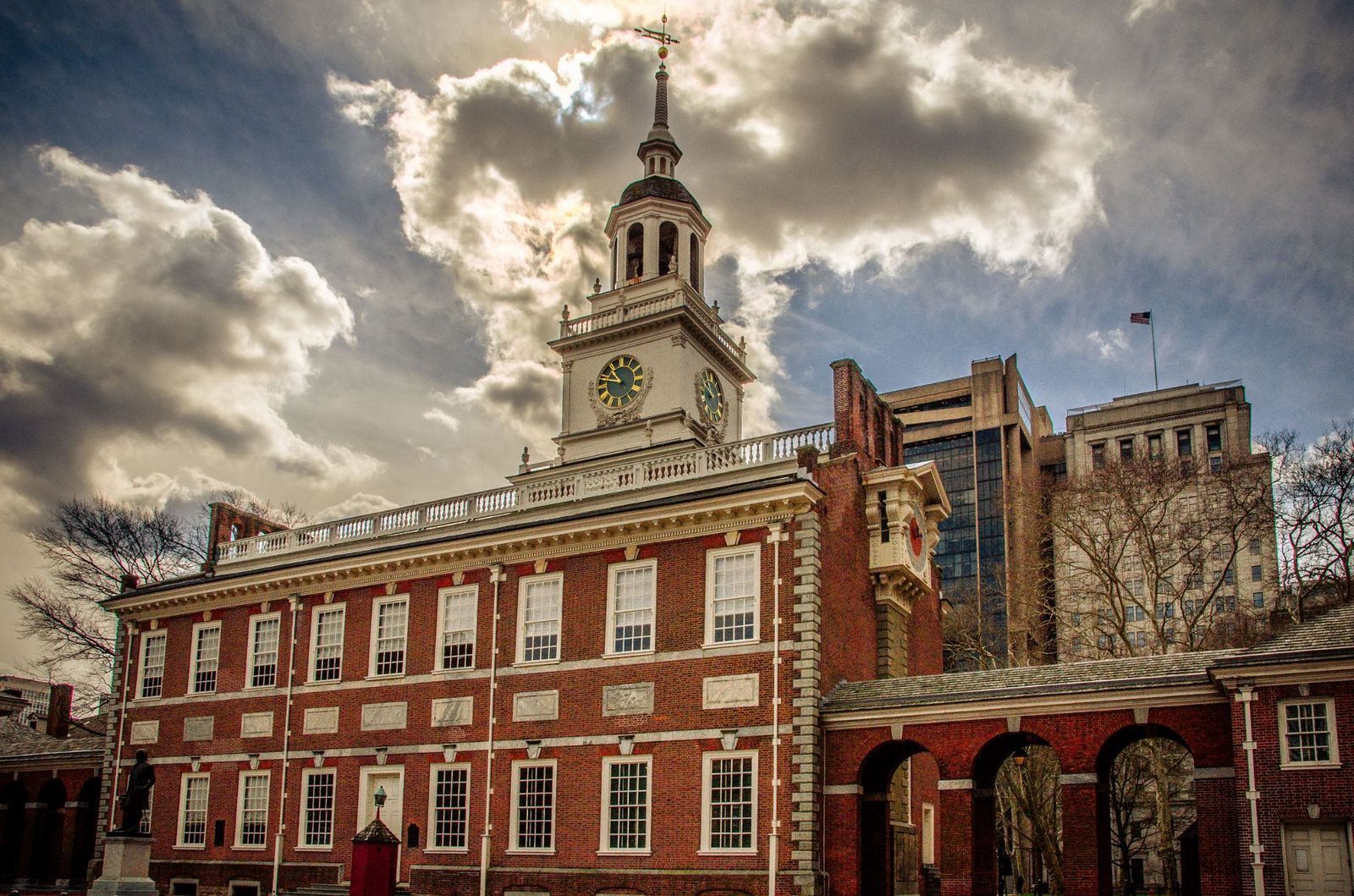
Inside this brick building, a room full of delegates spent weeks debating every word before hammering out the Declaration of Independence in 1776, then the Constitution in 1787. No shortcuts, no do-overs: just candles, quills, and stubbornness. The whole American experiment was born right here.
Wright Brothers: Kitty Hawk, NC
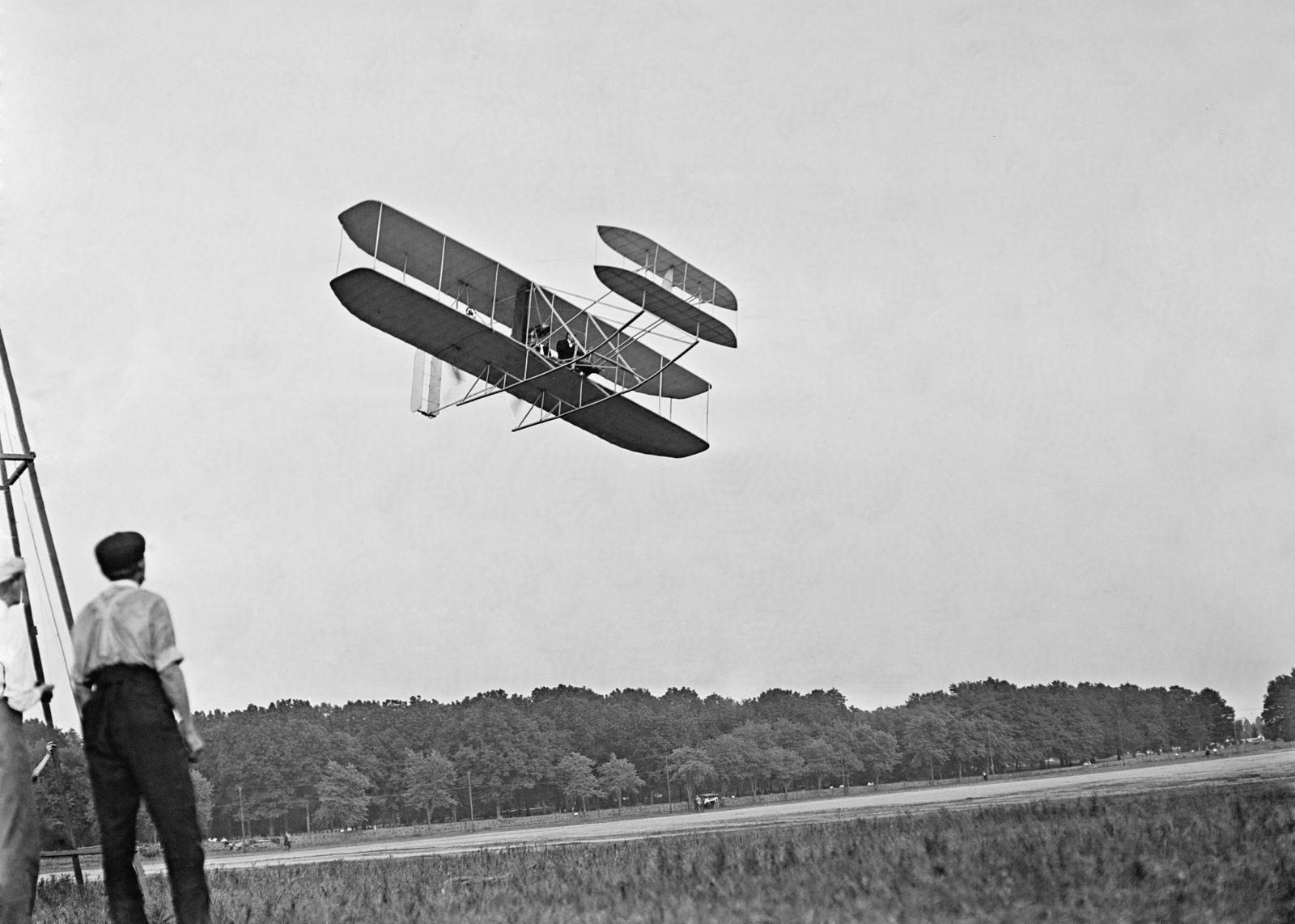
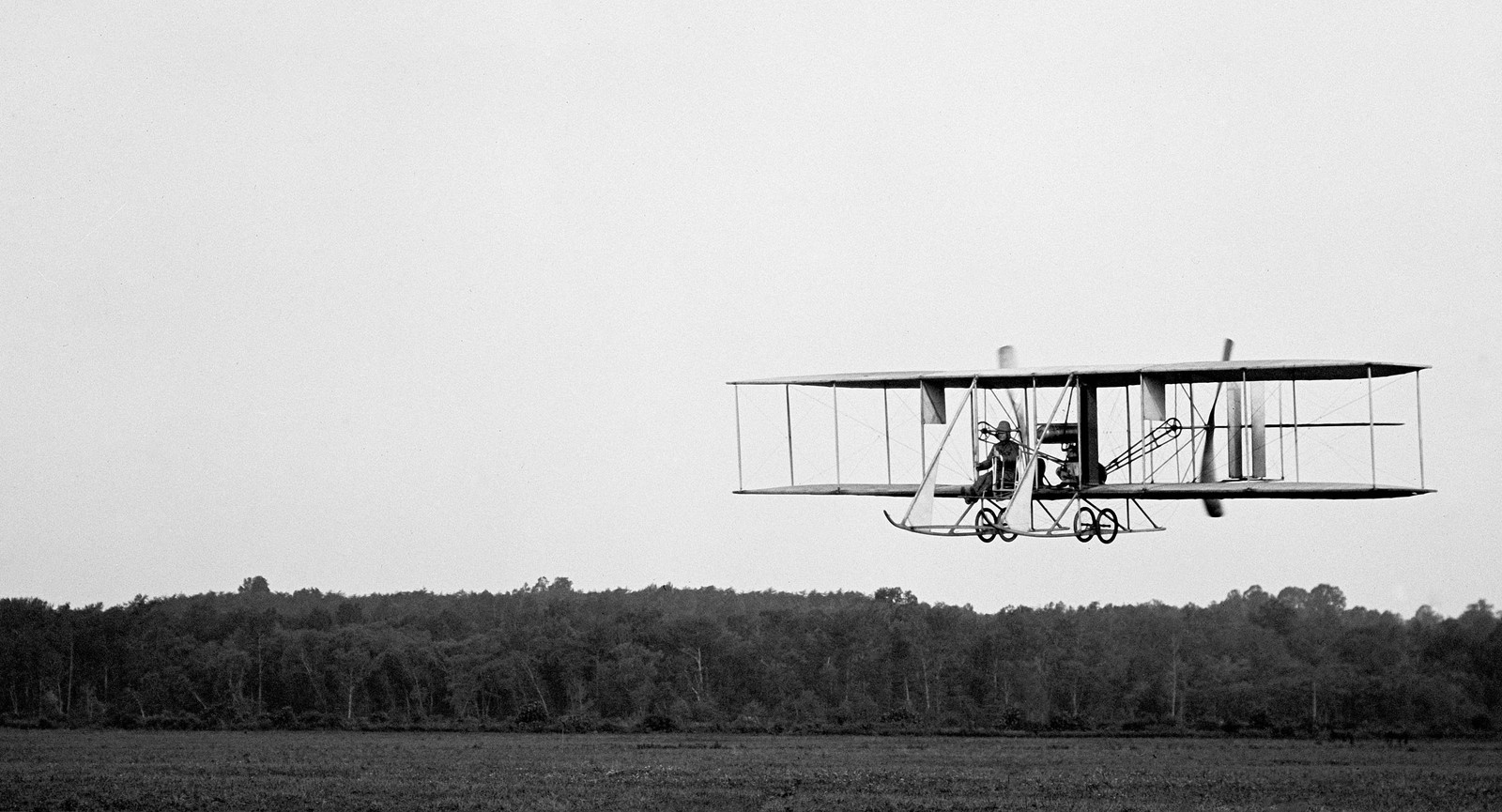
Two bicycle mechanics from Ohio dragged a flimsy contraption of wood and fabric onto windy sand dunes in 1903. Orville flew it for 12 seconds, but it worked, and today boarding a plane with technology light-years beyond that is as ordinary as grabbing a coffee. Talk about a glow-up.
The Pyramids of Giza: Egypt
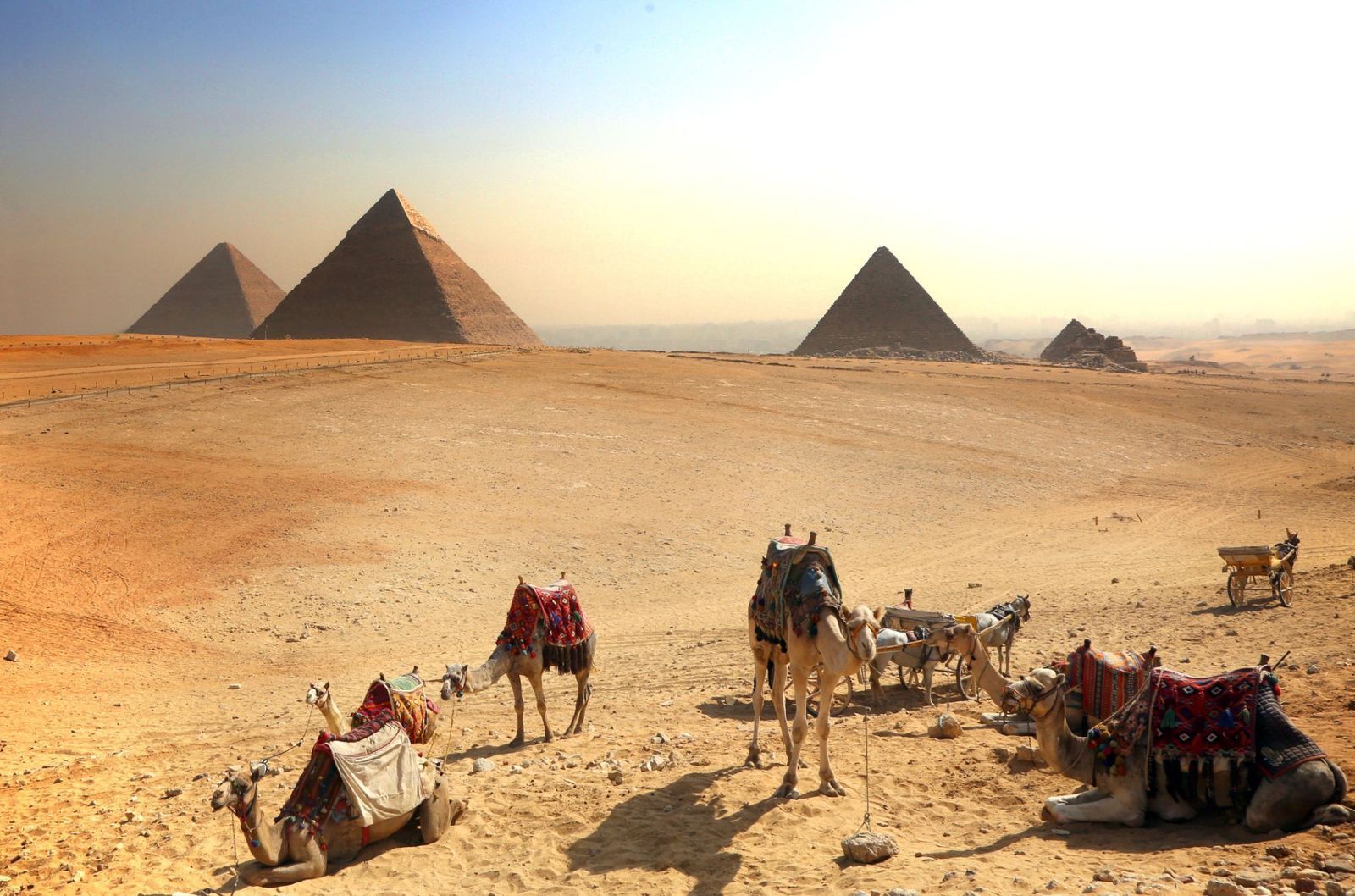
Over 4,500 years ago, ancient Egyptians stacked millions of massive stone blocks into perfectly aligned pyramids, with no cranes, no trucks, no modern tools. The Great Pyramid remained the tallest man-made structure on Earth for almost 3,800 years.
Standing before them, it's hard not to feel the sheer scale of what human hands and minds once achieved.
Gettysburg Battlefield: PA
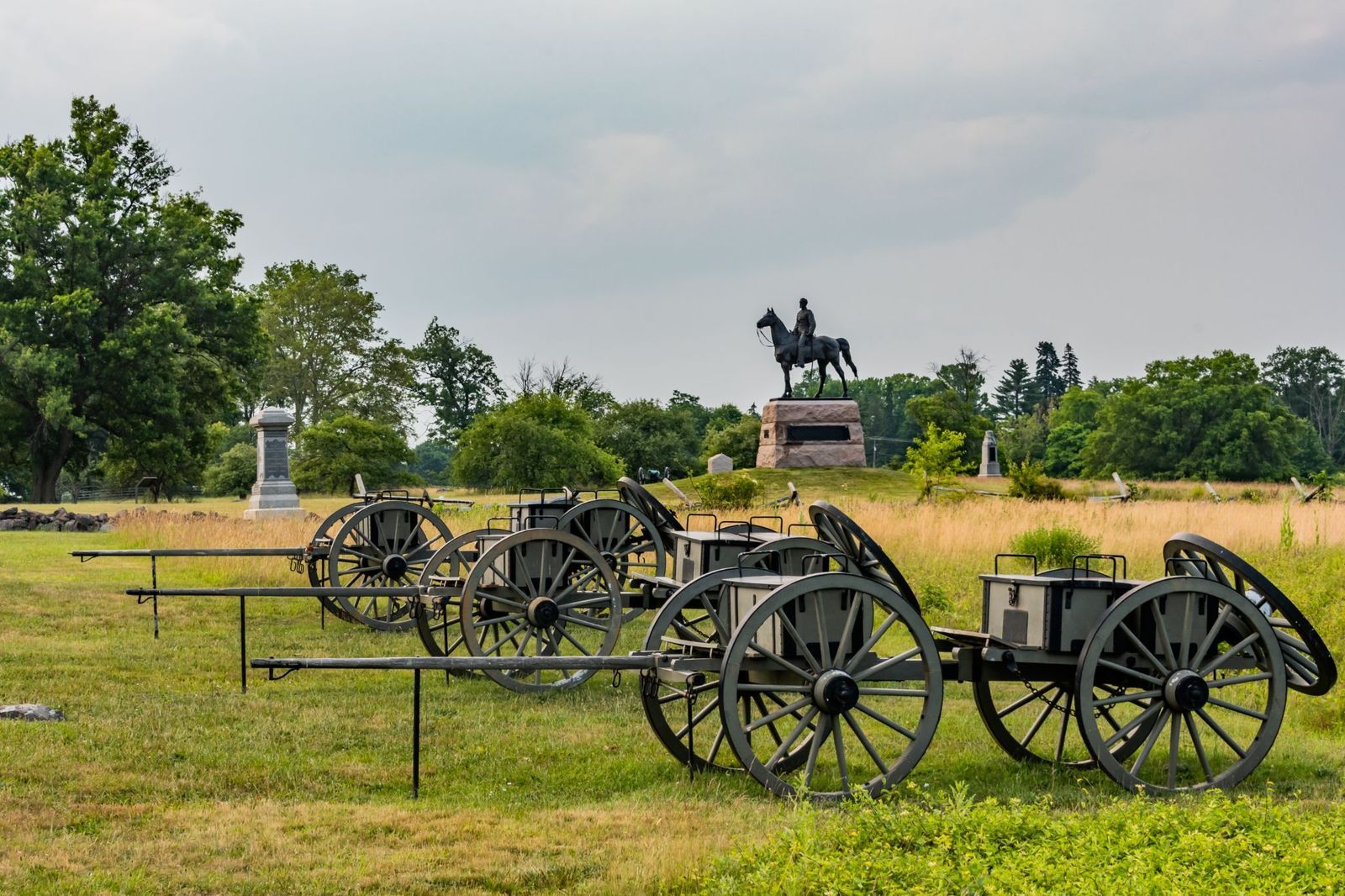
For three brutal days in July 1863, Union and Confederate armies collided across these fields, leaving over 50,000 casualties. It became the Civil War's turning point. Months later, Lincoln stood here and delivered the Gettysburg Address in just two minutes: 272 words that redefined what the nation was fighting for, and still echo today.
The Great Wall of China

Stretching thousands of miles across mountains and deserts, building it took over 2,000 years and multiple dynasties, starting around the 7th century BC. Meant to protect against invasion, it became one of humanity's greatest collective undertakings. Parts of it remain visible even from space.
The Alamo: San Antonio, TX
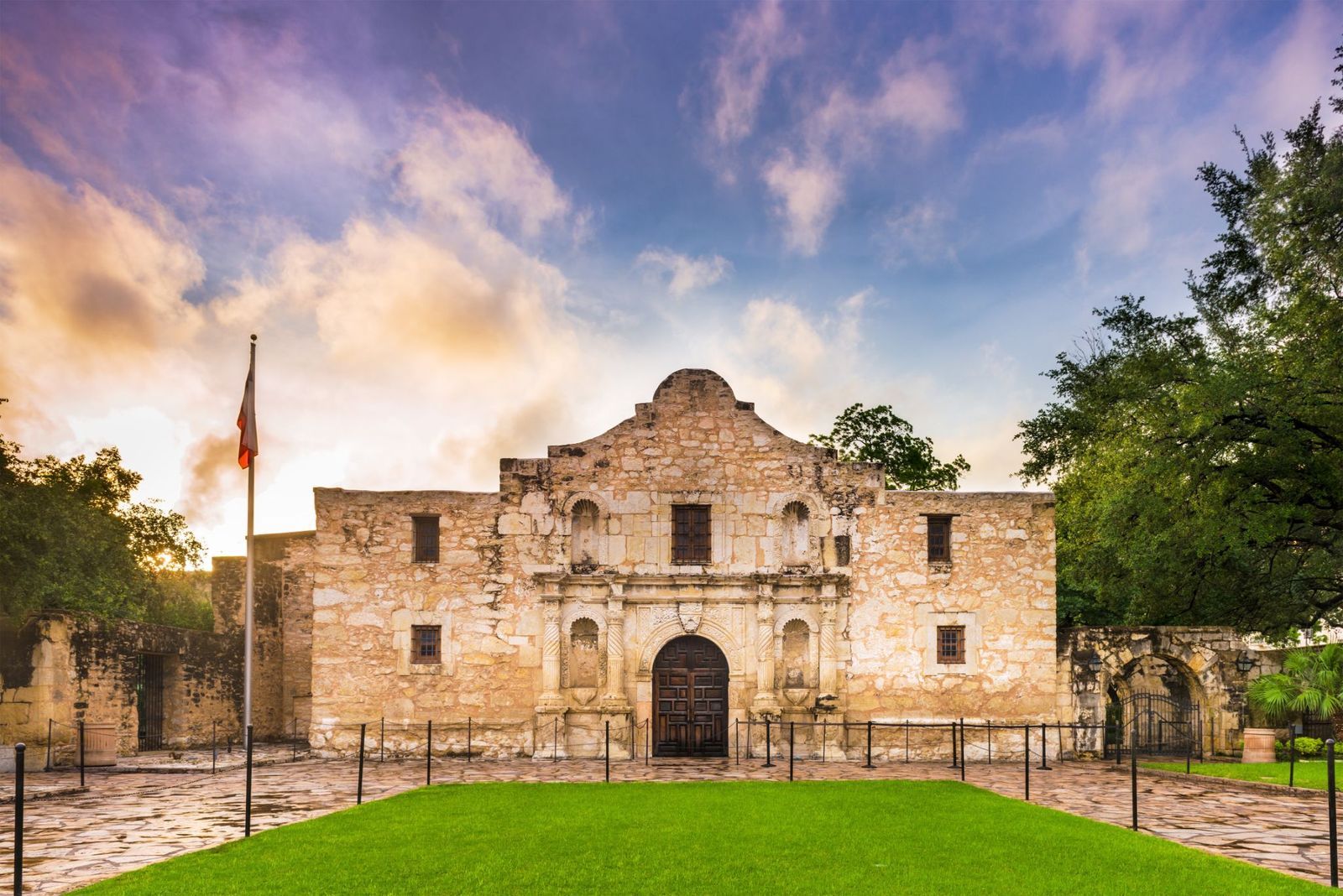
In 1836, a small band of Texan defenders held out against a much larger Mexican army for 13 days inside this old mission. They ultimately lost the battle, but "Remember the Alamo" became the rallying cry that helped Texas win its independence weeks later. It was a defeat that fueled a nation's resolve.
Berlin Wall: Germany
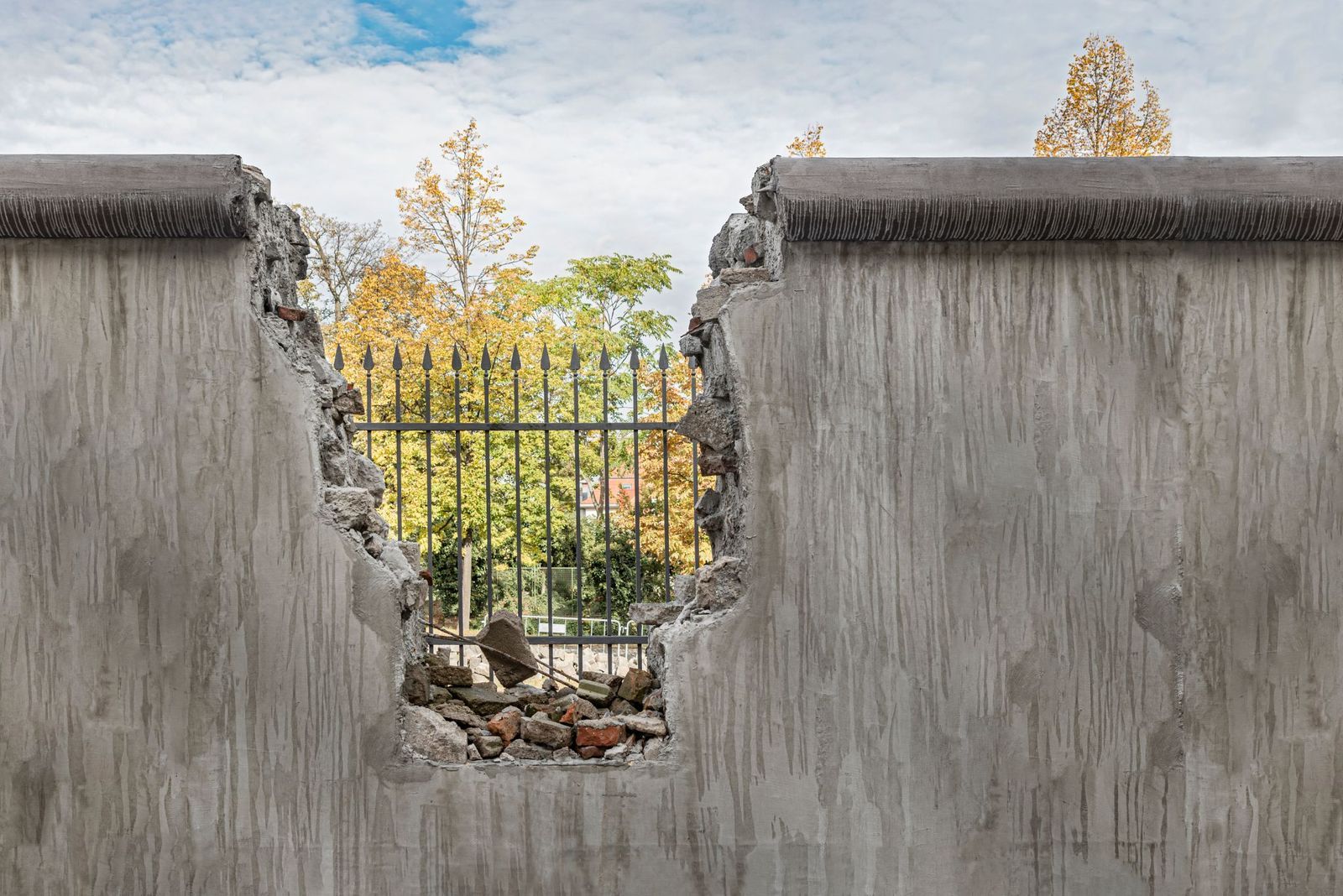
For 28 years, the concrete Berlin Wall divided the city and stood as the defining symbol of the Cold War. In 1987, President Ronald Reagan famously stood before it and demanded, "Tear down this wall!"
Two years later, on November 9, 1989, a massive bureaucratic mix-up by an East German official led citizens to believe the border was open immediately. Huge, peaceful crowds rushed the checkpoints, and overwhelmed guards opened the gates. Joyful Germans from both East and West flooded through, celebrating together and taking hammers to the concrete wall, marking the beginning of the end of the Soviet bloc.
Machu Picchu: Peru
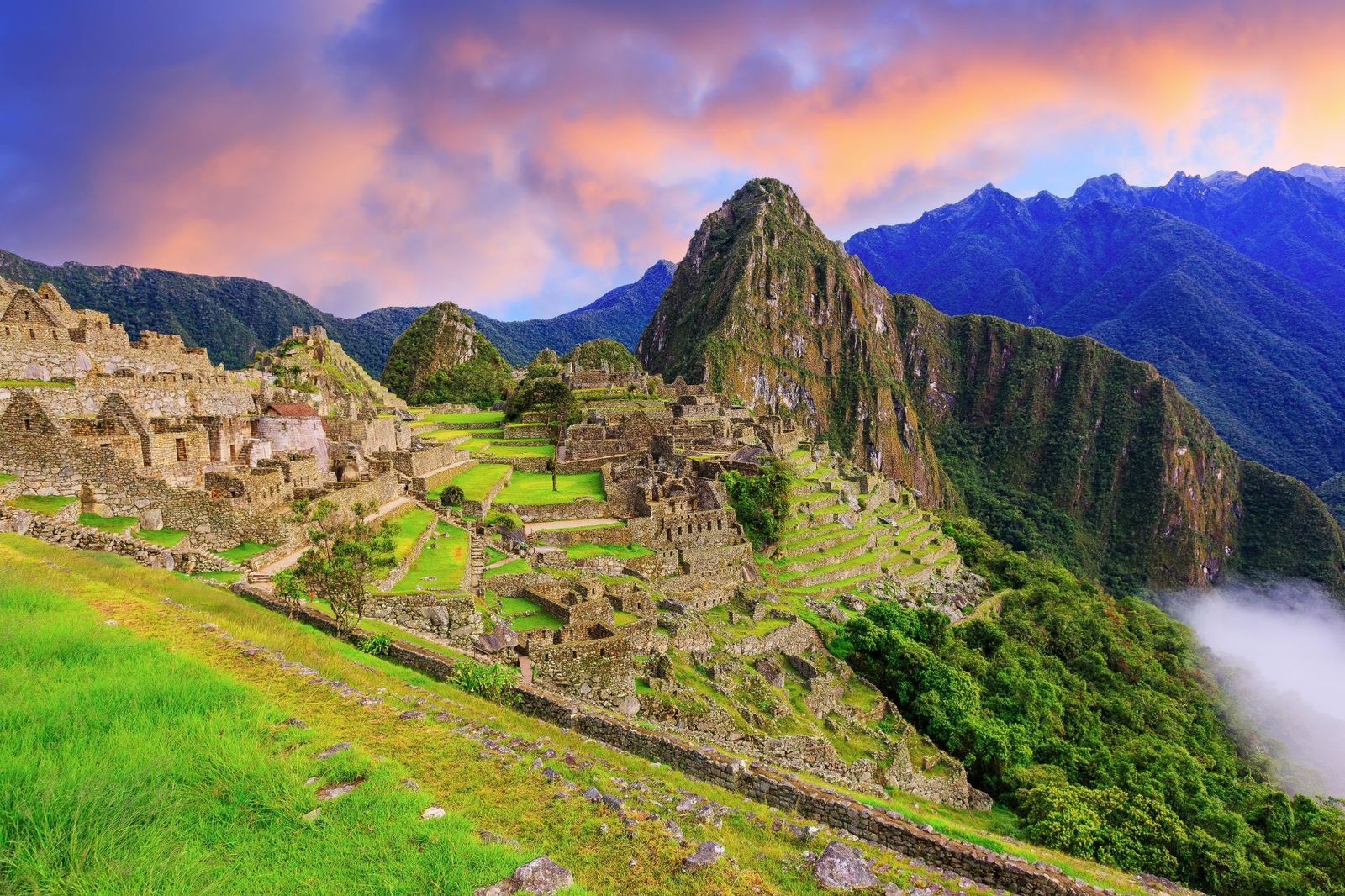
Perched high in the Andes Mountains, this 15th-century Incan city sat hidden from the outside world for centuries until its discovery in 1911. No mortar holds the stones together, just precision engineering that continues to impress experts today. It stands as proof of the sophistication of ancient civilizations.
D-Day Beaches: Normandy, France
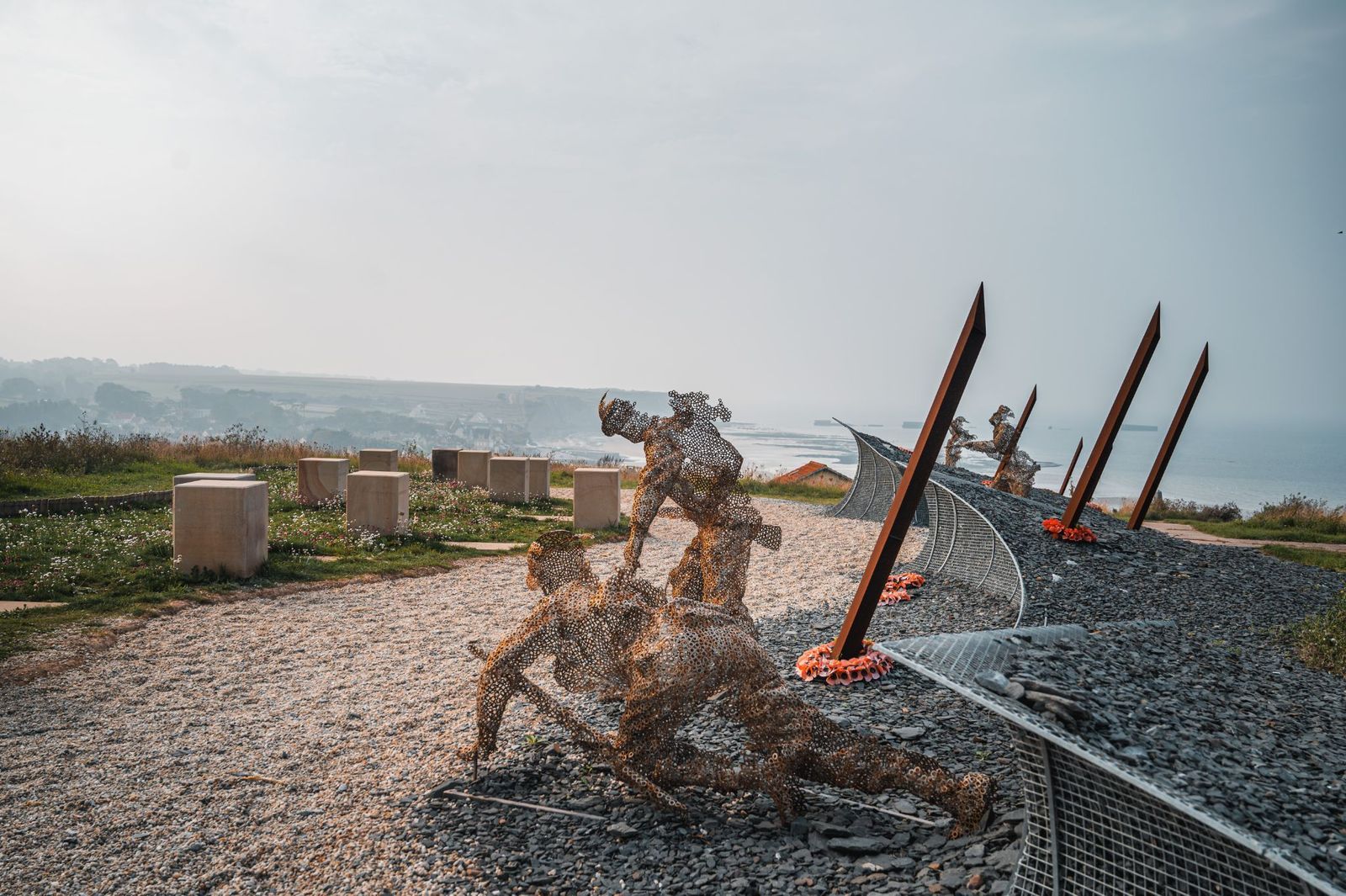
On June 6, 1944, thousands of Allied troops stormed these beaches under heavy gunfire to begin liberating Europe from Nazi control. It was the largest seaborne invasion in history. The courage shown here turned the tide of World War II, and standing on that sand today, the weight of it is still palpable.
Ellis Island: New York Harbor
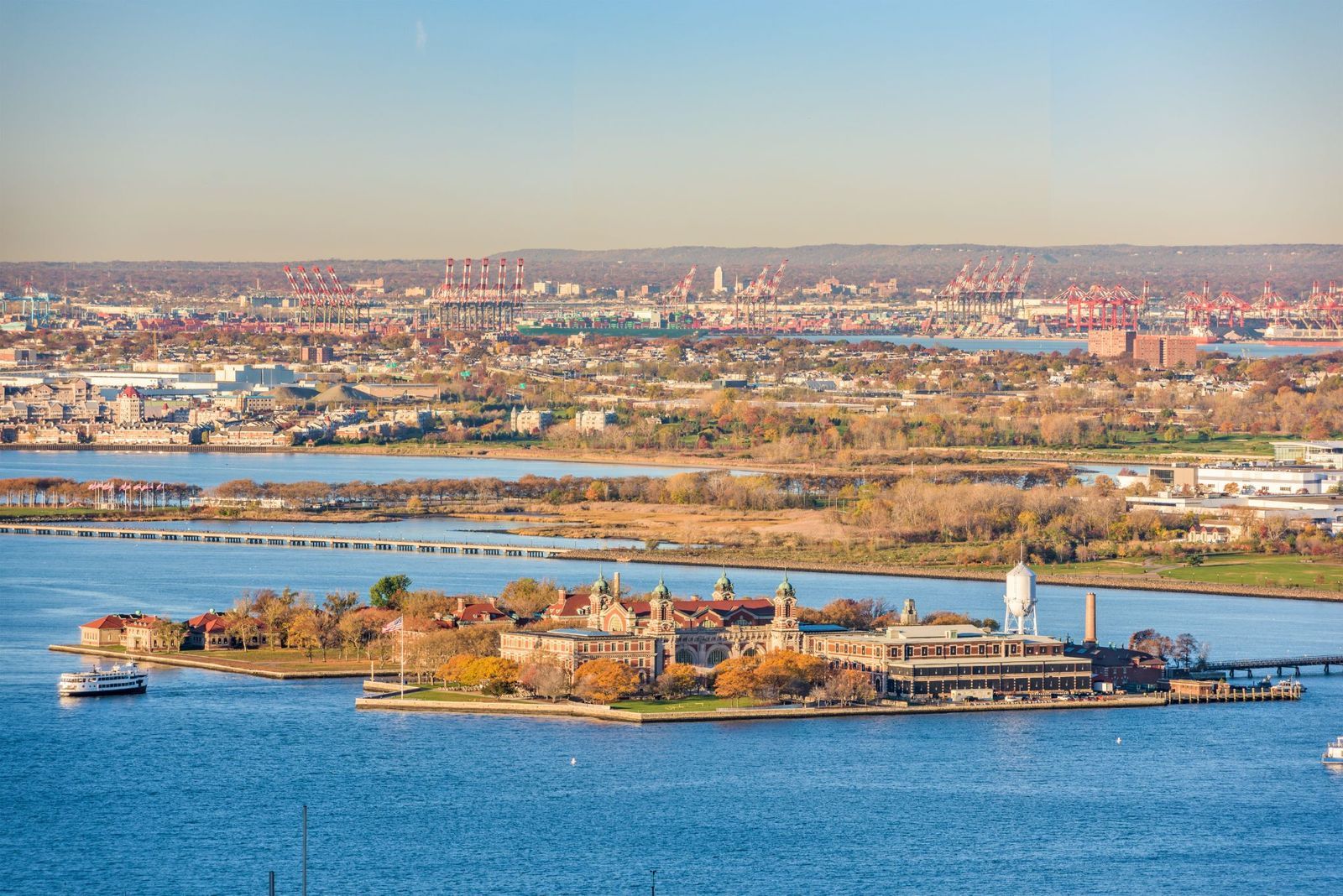
Between 1892 and 1954, over 12 million immigrants passed through this island's halls, hoping for a new life in America. Nervous, exhausted, and hopeful, they became the ancestors of roughly 40% of Americans today. It stands as the entry point to one of the greatest chapters of American history.
Selma's Edmund Pettus Bridge: Alabama
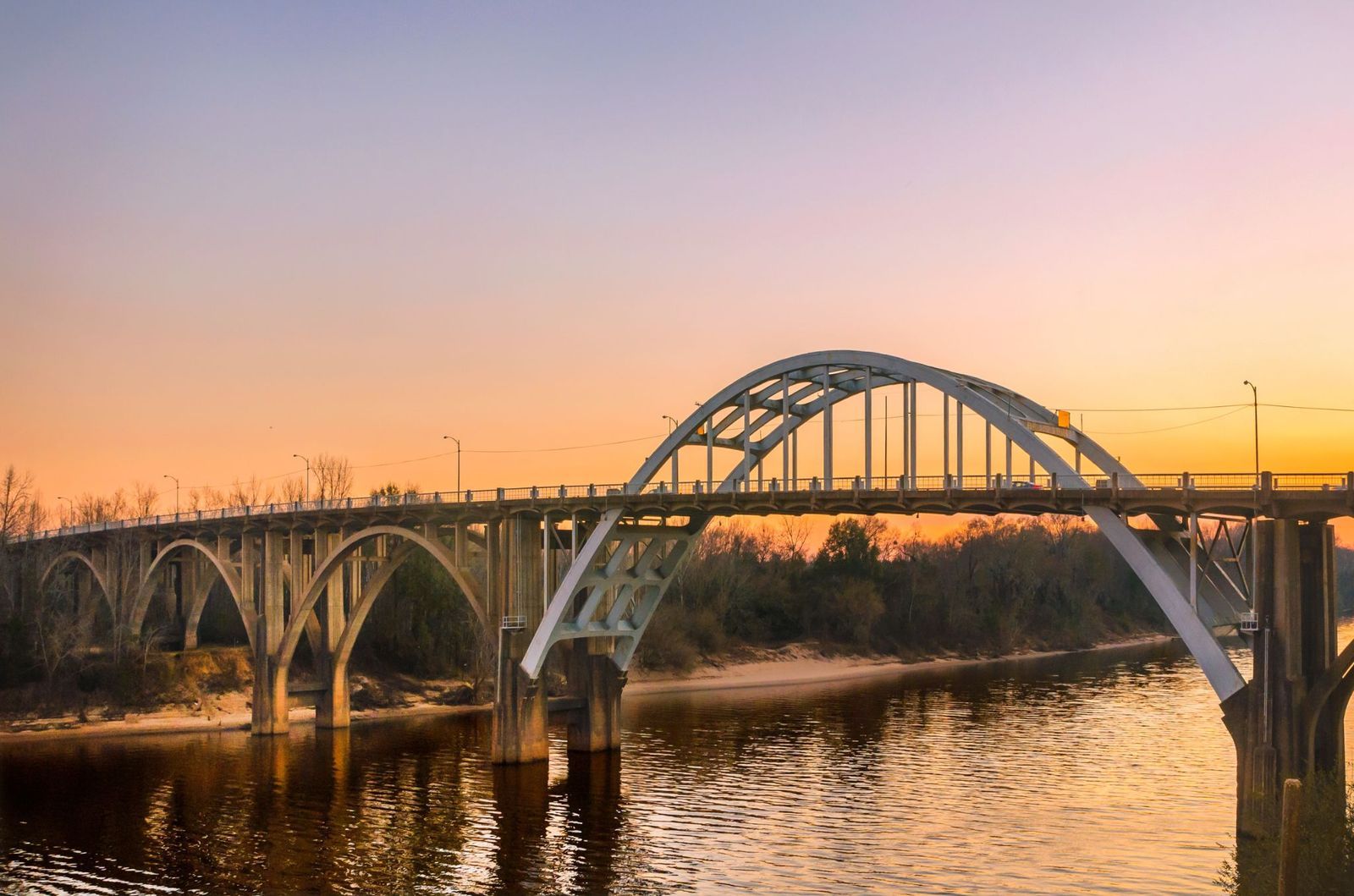
In March 1965, peaceful civil rights marchers were violently attacked while crossing this bridge on what became known as "Bloody Sunday." The images shocked the nation and helped push Congress to pass the Voting Rights Act months later. A bridge meant to connect two towns helped connect a nation to its founding promises.
 General
Life hacks
What would MacGyver do? These 12 car tips and tricks can save your trip
Sometimes, the best road-trip solutions are surprisingly simple. Long before smartphones and roadside apps, drivers relied on clever tricks, household items, and a little ingenuity to handle unexpected problems on the road. From icy tires to foggy headlights, these practical car hacks can help you stay safer, save time, and avoid unnecessary headaches. Here are 12 clever tips that would make even good ol’ MacGyver proud.
Use kitty litter for traction
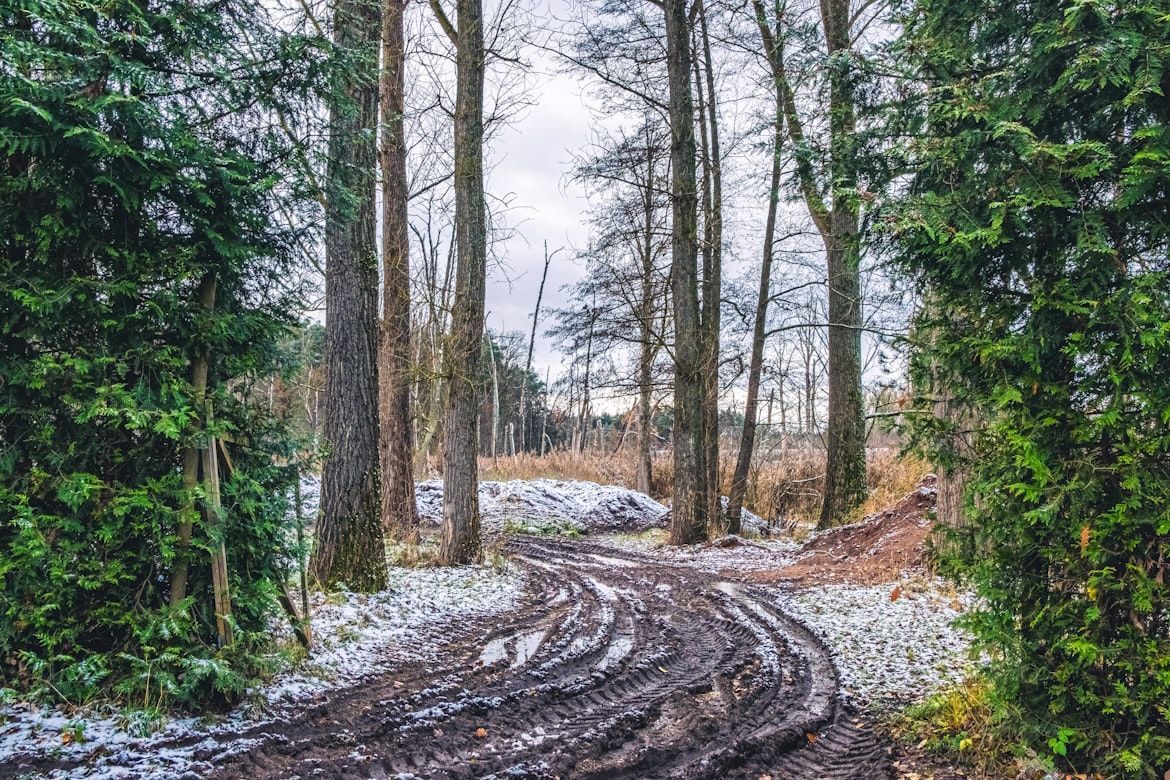
Non-clumping kitty litter can provide extra grip when a vehicle gets stuck on ice, snow, or mud. The rough granules create friction beneath the tires, helping them gain traction. Emergency preparedness agencies and winter driving experts often recommend carrying a small bag during cold-weather travel.
The trick became popular in snowy regions of the U.S. and Canada, where drivers often keep kitty litter in their trunks alongside jumper cables and emergency blankets.
Clear foggy headlights with toothpaste
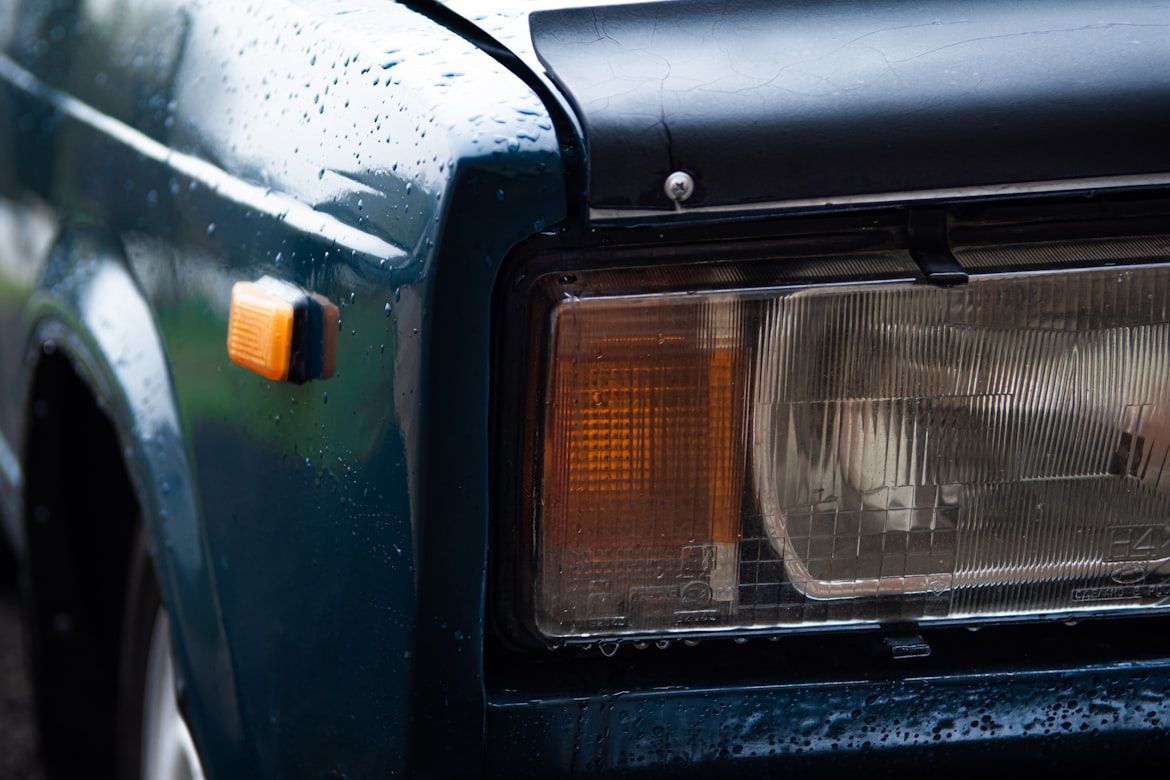
Many drivers use toothpaste as a temporary fix for cloudy headlights. Because most toothpaste contains mild abrasives, it can help polish some of the oxidation that builds up on plastic headlight lenses over time.
While it is not a permanent replacement for professional restoration, automotive maintenance guides frequently mention toothpaste as a quick roadside solution when visibility becomes noticeably reduced.
Warm a frozen lock with hand sanitizer
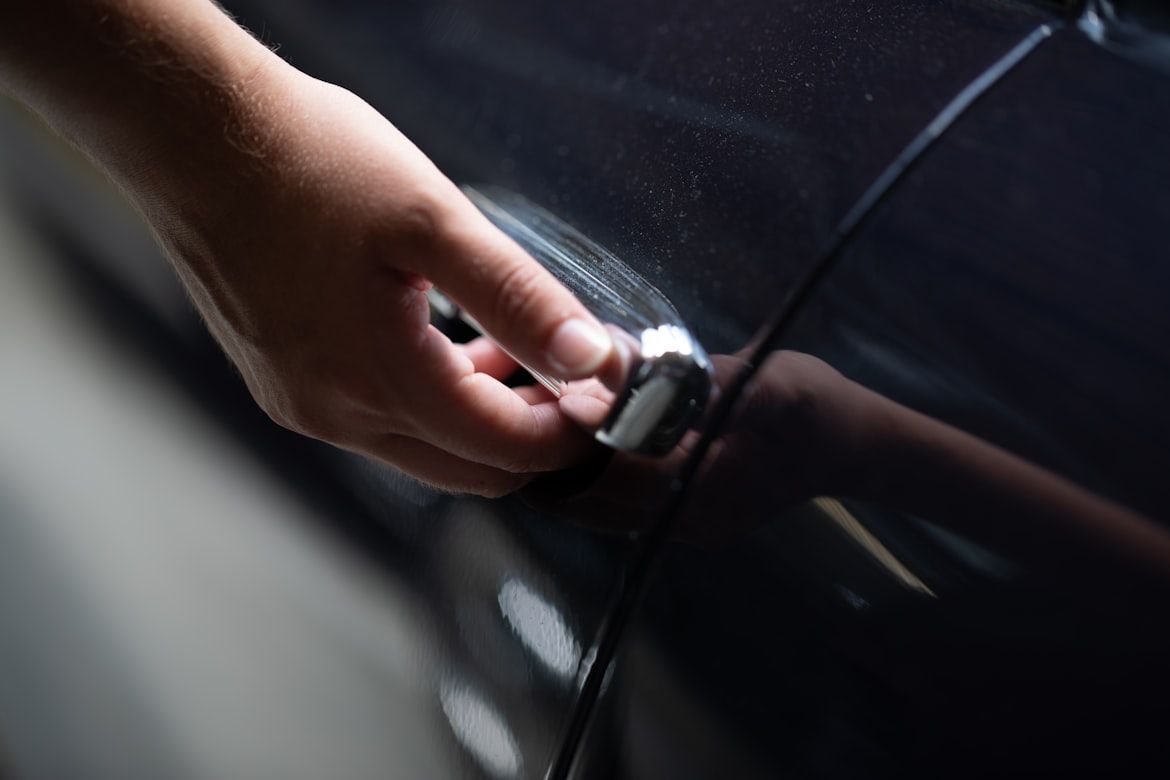
Hand sanitizer contains alcohol, which has a much lower freezing point than water. Applying a small amount to a key can help melt thin ice inside a frozen lock and make it easier to insert and turn.
This trick works best for lightly frozen locks and became especially popular during winter travel seasons when alcohol-based sanitizer became a common item people carried with them.
Use a tennis ball to judge parking distance
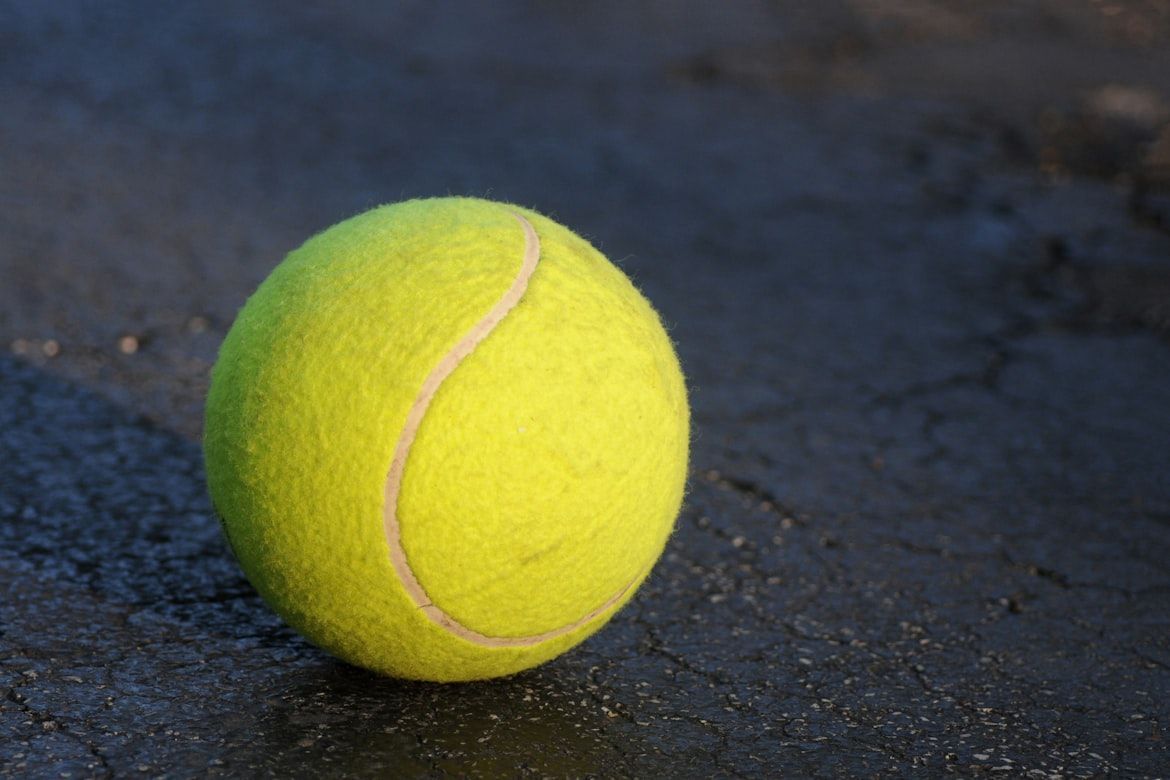
Some drivers suspend a tennis ball from their garage ceiling so it lightly touches the windshield when the car reaches the perfect parking position. The method helps prevent bumping walls, shelves, or stored items.
The idea has been passed down for decades as a simple do-it-yourself solution. It remains popular because it requires no electronics, sensors, or expensive garage equipment.
Cover side mirrors with plastic bags before ice storms
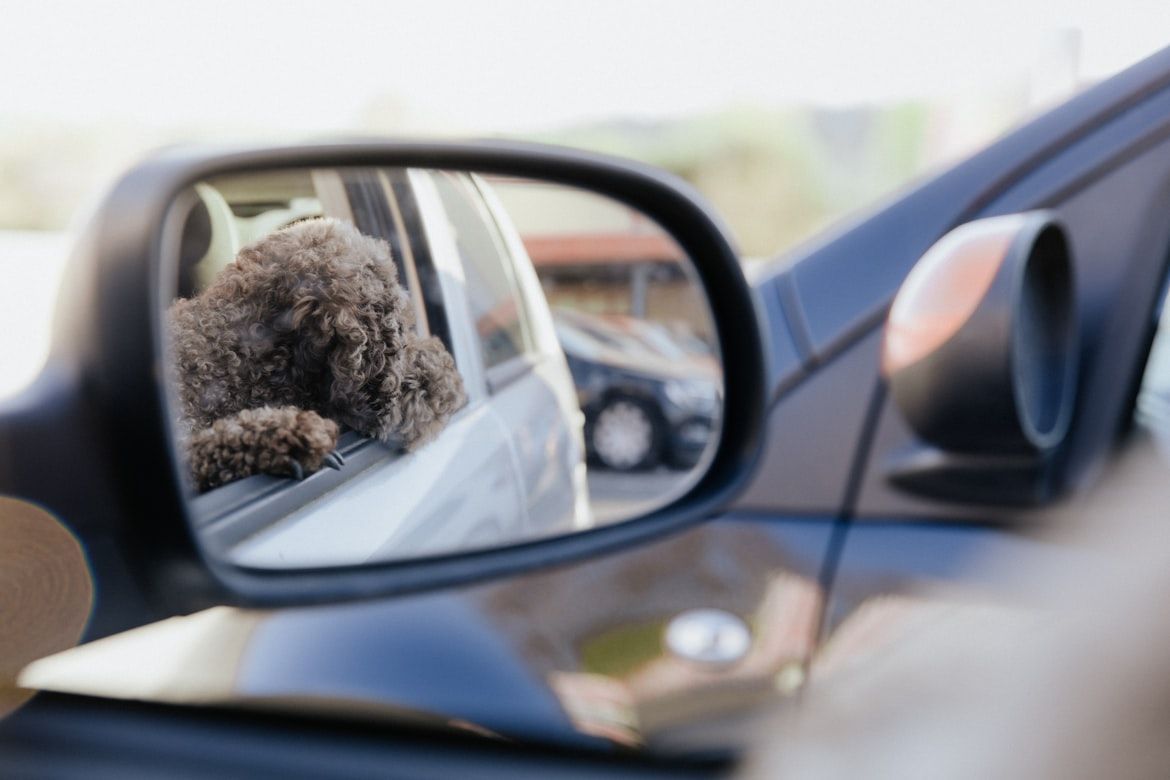
Slipping plastic bags over the side mirrors before freezing rain or snow can prevent ice from forming directly on the glass. Once the storm passes, the bags can simply be removed, leaving the mirrors much clearer.
Winter weather experts often recommend protecting mirrors and windshield areas whenever freezing precipitation is expected, especially during overnight parking.
Turn your steering wheel toward the curb when parking on a hill
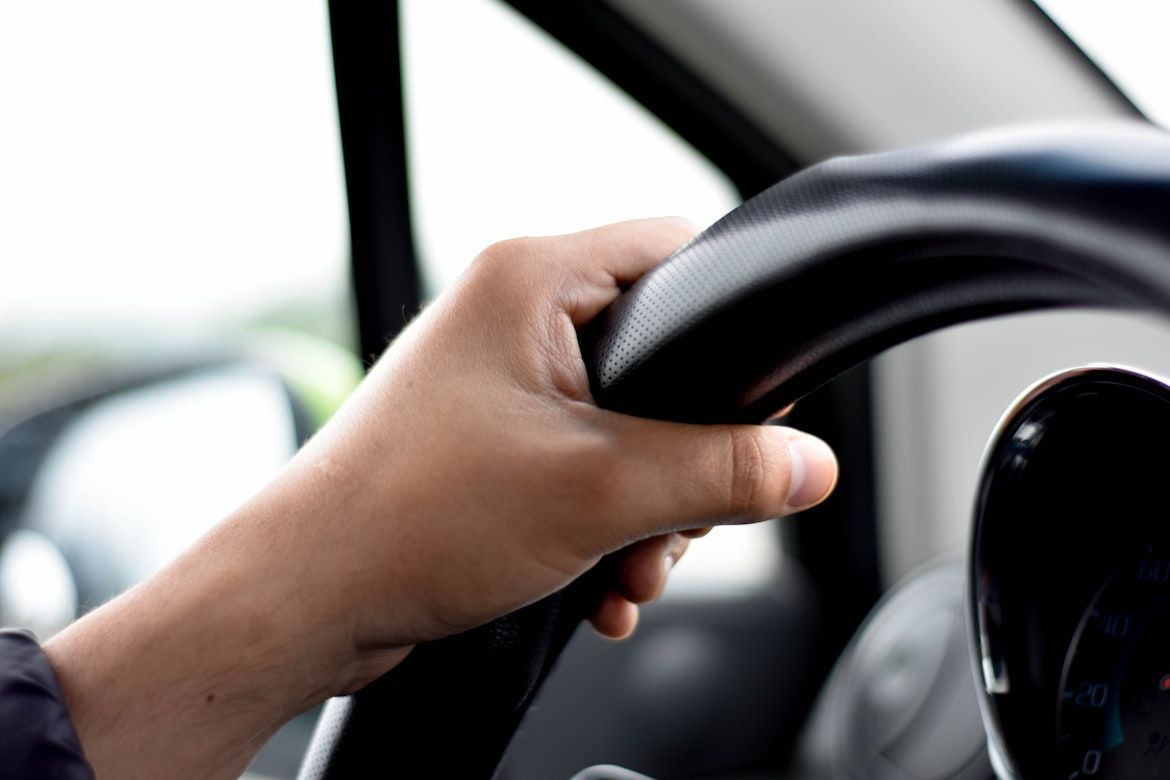
Parking experts recommend turning the wheels toward the curb when facing up or downhill. The goal is to keep the vehicle from rolling into traffic if the brakes fail.
The practice is taught in many driver education programs and is often included in road test requirements because it provides an extra layer of safety on steep streets.
Use cruise control to save fuel
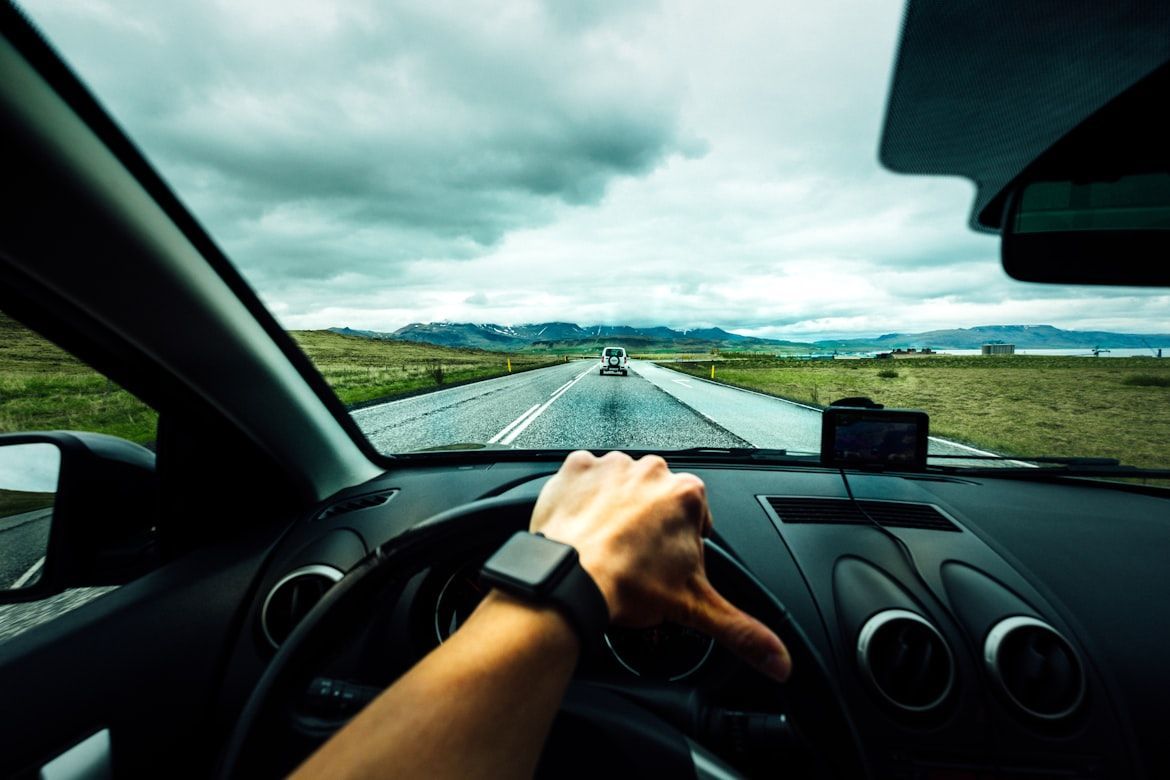
On long, flat highways, cruise control can help maintain a steady speed, reducing unnecessary acceleration and improving fuel economy. Consistent speeds generally require less fuel than frequent speeding up and slowing down.
However, many driving experts advise against using cruise control in heavy rain, snow, ice, or other slippery conditions where sudden changes in traction can occur.
A dollar bill can test windshield wipers
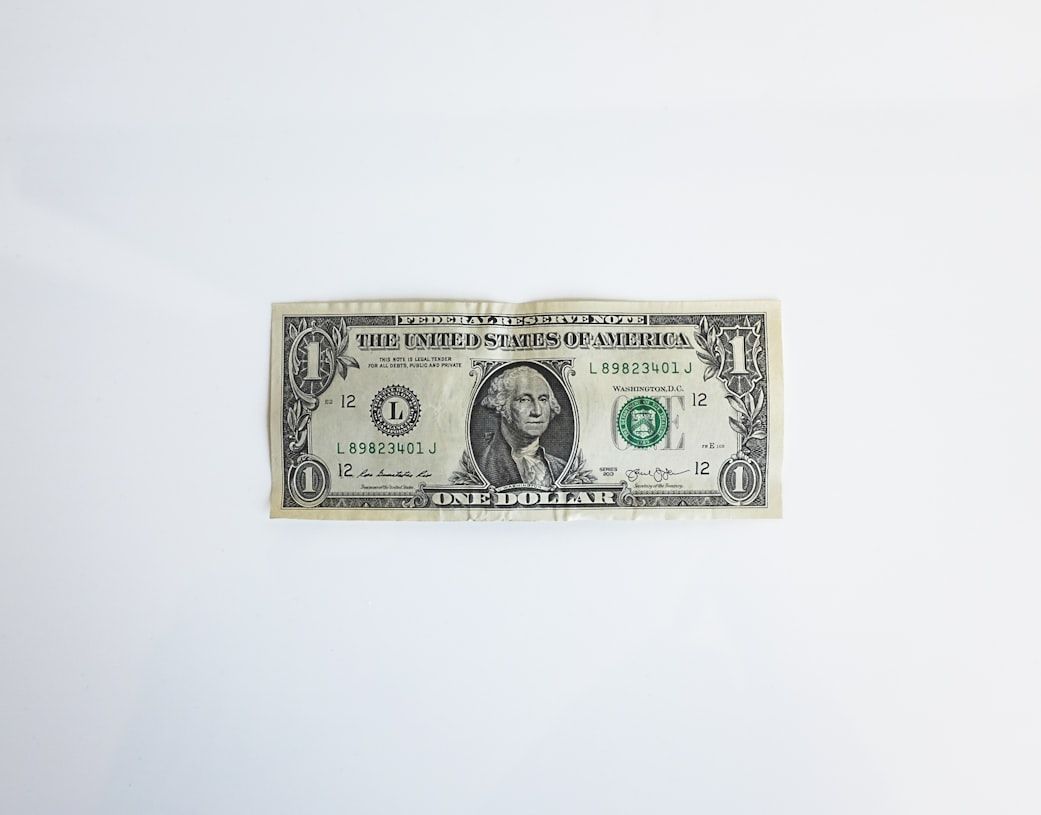
A worn windshield wiper often leaves streaks, skips, or squeaks. Some mechanics suggest running a dollar bill along the rubber edge because the paper’s texture can help reveal cracks, rough spots, or hardened sections.
The test is not a substitute for inspection, but it can quickly show whether the rubber has become damaged enough to justify replacement before a long trip.
Keep your gas tank above one-quarter full in winter
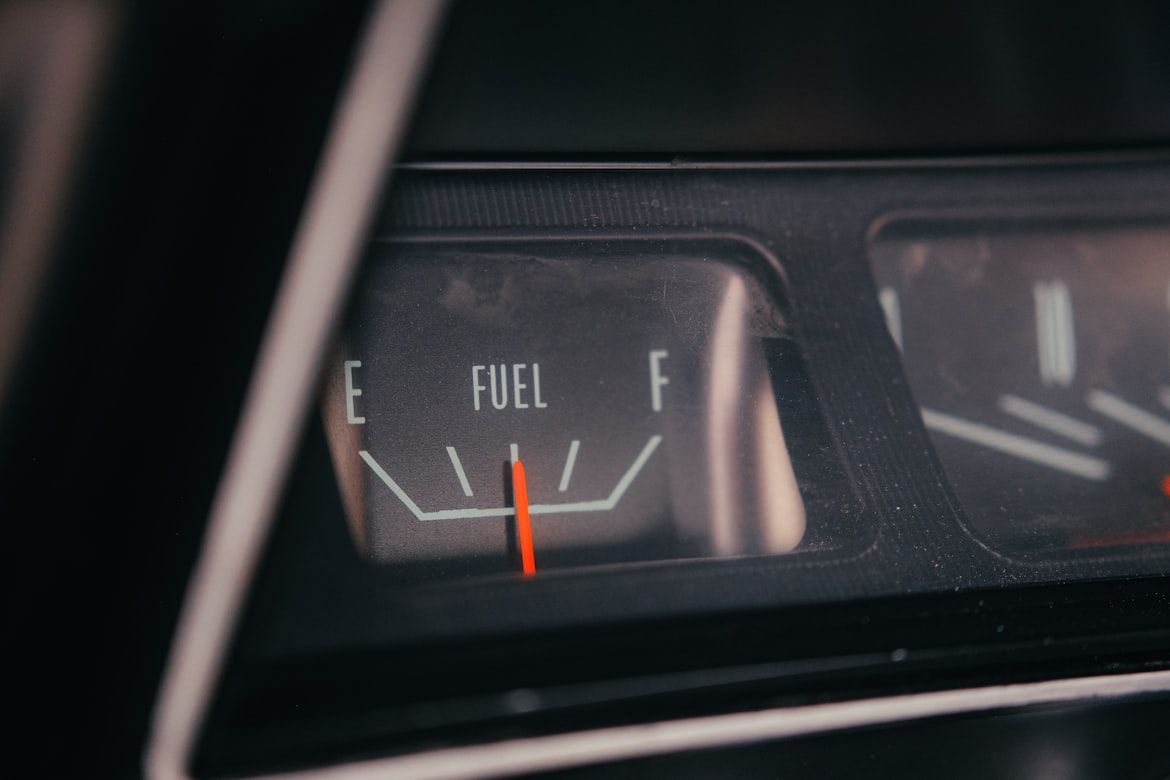
Winter driving organizations frequently recommend keeping at least a quarter tank of fuel. A fuller tank reduces the chance of moisture forming inside the fuel system and provides a safety buffer during delays caused by storms or traffic.
It also ensures drivers can continue running the heater if they become stranded. Many roadside emergency guides include this advice as a basic winter preparedness rule.
Use your car’s sun visor against side glare
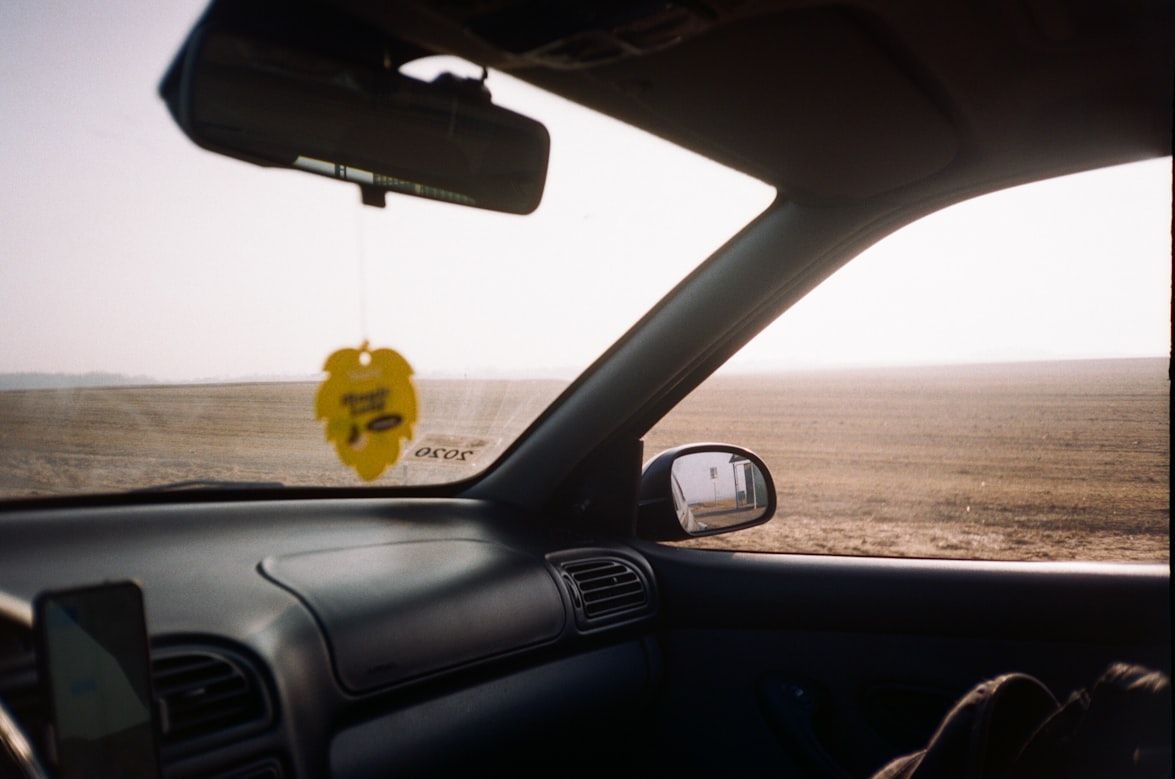
Most drivers know sun visors fold downward, but many also swing sideways toward the side window. This feature helps block low-angle sunlight that enters from the left or right during morning or evening drives.
Using the visor properly can reduce eye strain and improve visibility without needing sunglasses or aftermarket accessories.
Park facing east on cold mornings
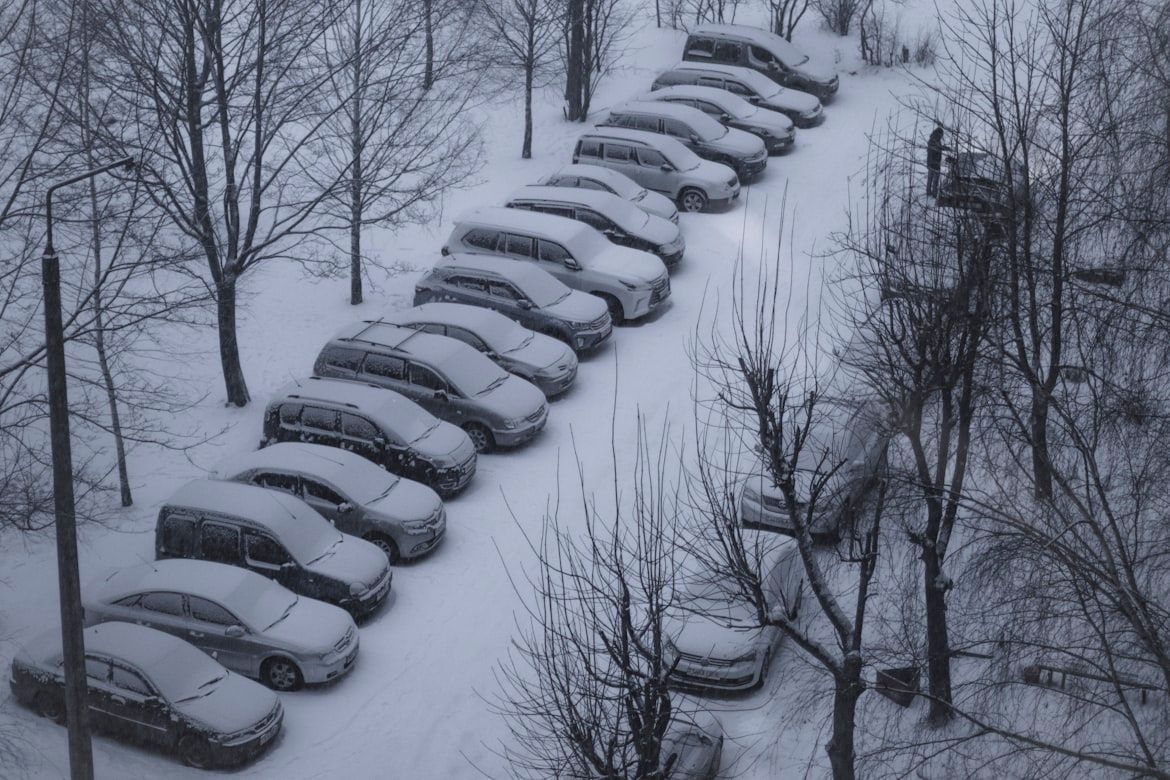
In regions that experience freezing temperatures, some drivers intentionally park facing east so the rising sun strikes the windshield sooner. The extra warmth can help loosen frost and ice before the morning commute.
While it will not replace a scraper on extremely cold days, the technique can make clearing the glass faster and easier.
Listen to changes in tire noise
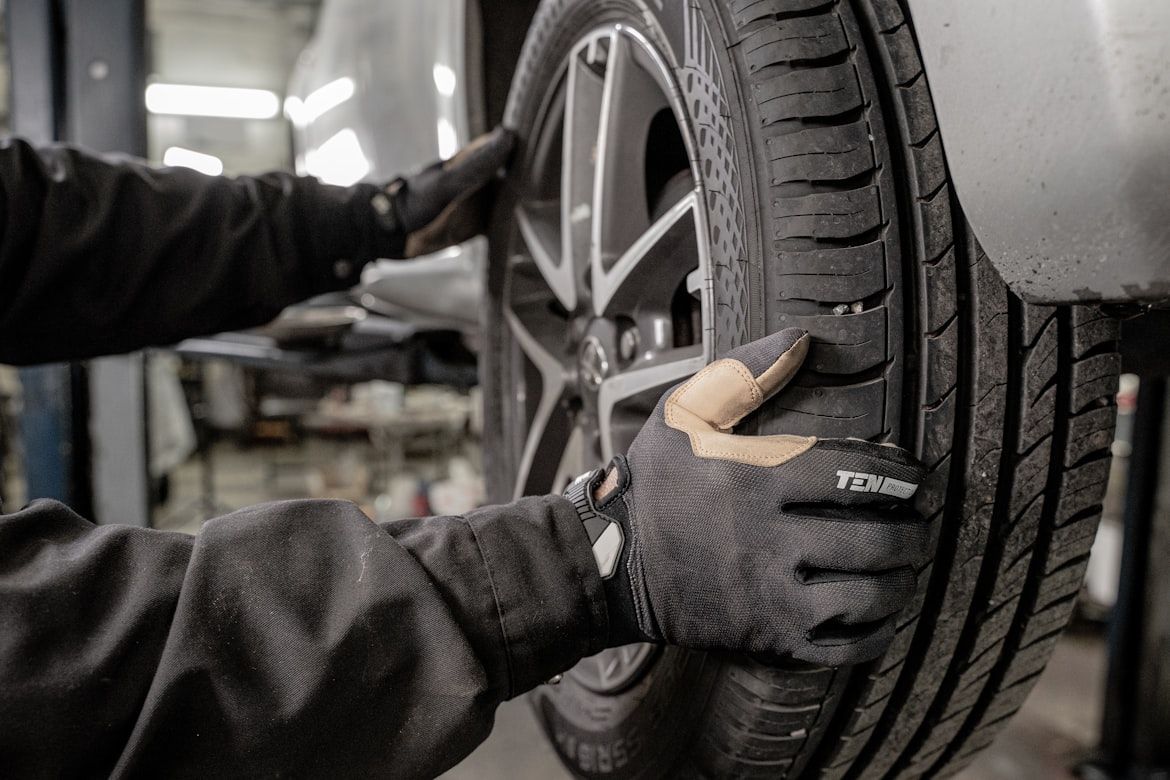
Experienced drivers often notice tire problems by sound before they see them. A sudden hum, thump, whine, or rhythmic vibration can indicate uneven tire wear, low tire pressure, alignment issues, or damage from road hazards.
Automotive maintenance experts encourage drivers to pay attention to new sounds because early detection can prevent more serious tire failures and expensive repairs later.
Keep wandering
There’s always
more to explore

The minibar trick that charges you before you even open it
5 min.
Read Now
The American food bucket list: 10 classics to try
6 min.
Read Now
It’s not your imagination: Airplane legroom has shrunk, and here's why
6 min.
Read Now
No flights, no lines, no stress. A smart way to see the world from home
5 min.
Read Now