The American food bucket list: 10 classics to try
 General
American favourite plates
The American food bucket list: 10 classics to try
Some foods do more than satisfy hunger or please the palate; they carry deep-rooted traditions shaped by their regions, local communities, and the brands that have grown around them. Behind these dishes are rivalries and stories of resilience and ingenuity. Today, tasting each city or state's favorite dish is just as important as seeing its tourist attractions, and it offers a deeper way to experience our country. Here are 10 of America’s most-loved plates.
Barbecue in Texas
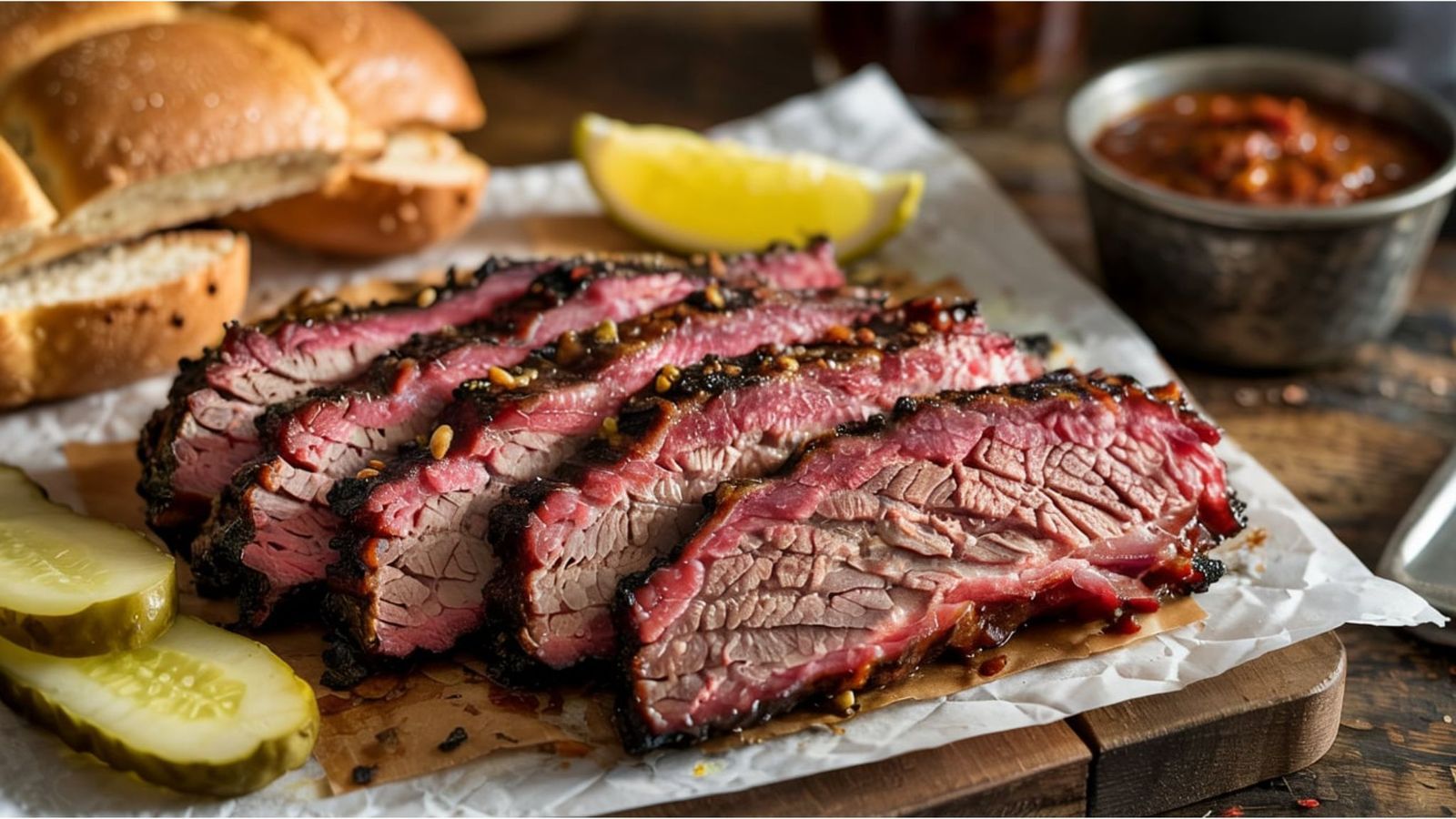
In Texas, barbecue is more than a meal; it’s serious business, and it’s all about the meat. Brisket is the undisputed star of Texas barbecue, cooked slowly over hardwood, usually post oak, until the meat is tender and the outside forms a dark, flavorful crust.
Central Texas barbecue mostly relies on salt, pepper, smoke, and a long cooking time, with garlic and dried onion used as seasonings. East Texas often serves chopped beef with more sauce, while South Texas may include barbacoa and Mexican flavors. West Texas usually cooks meat over direct heat in an open pit, creating a faster and more rustic style. Burnt Bean Co. in Seguin, Goldee's Barbecue in Fort Worth, and LeRoy and Lewis Barbecue in Austin are must-try spots.
Deep-Dish Pizza in Chicago
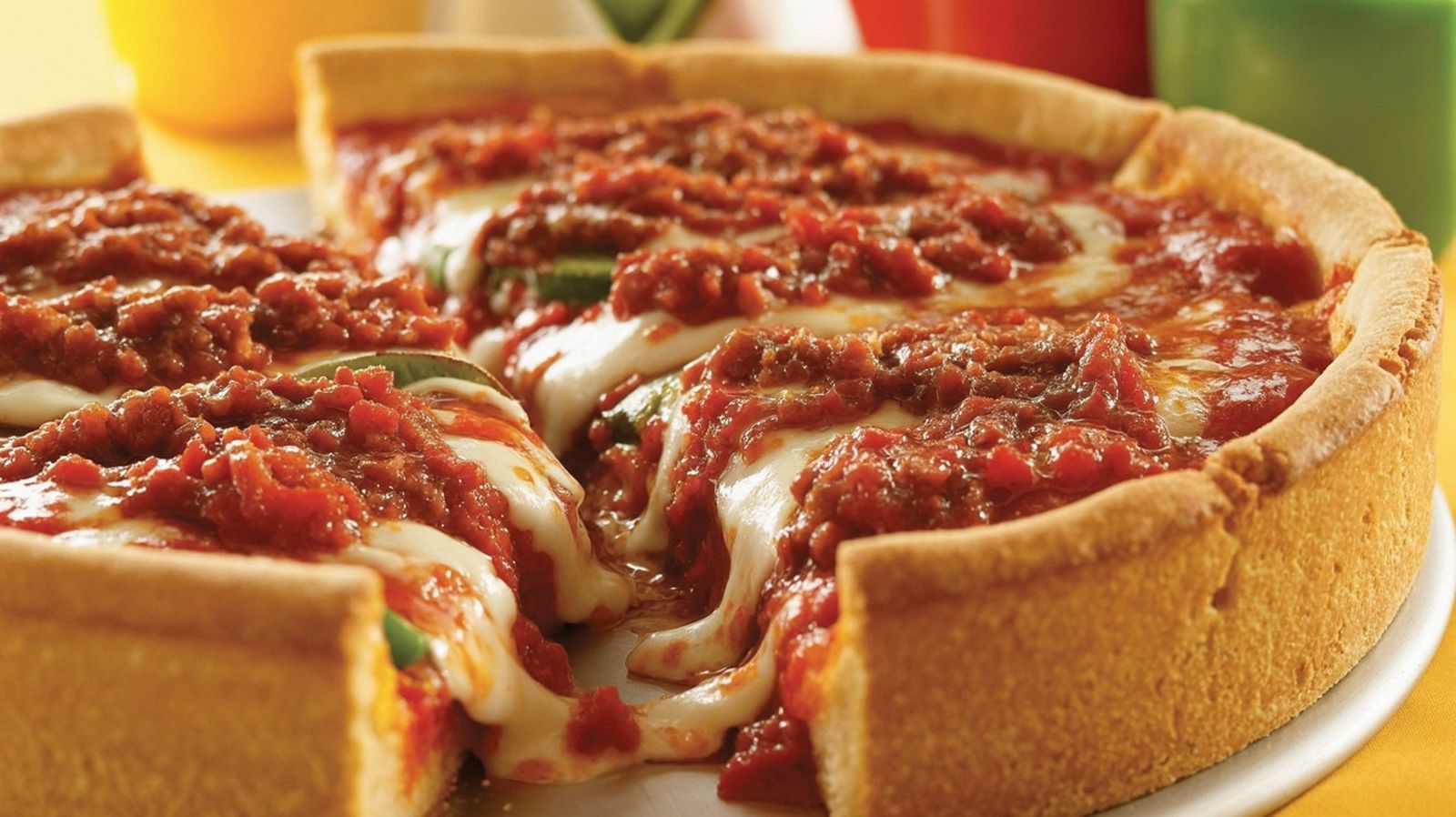
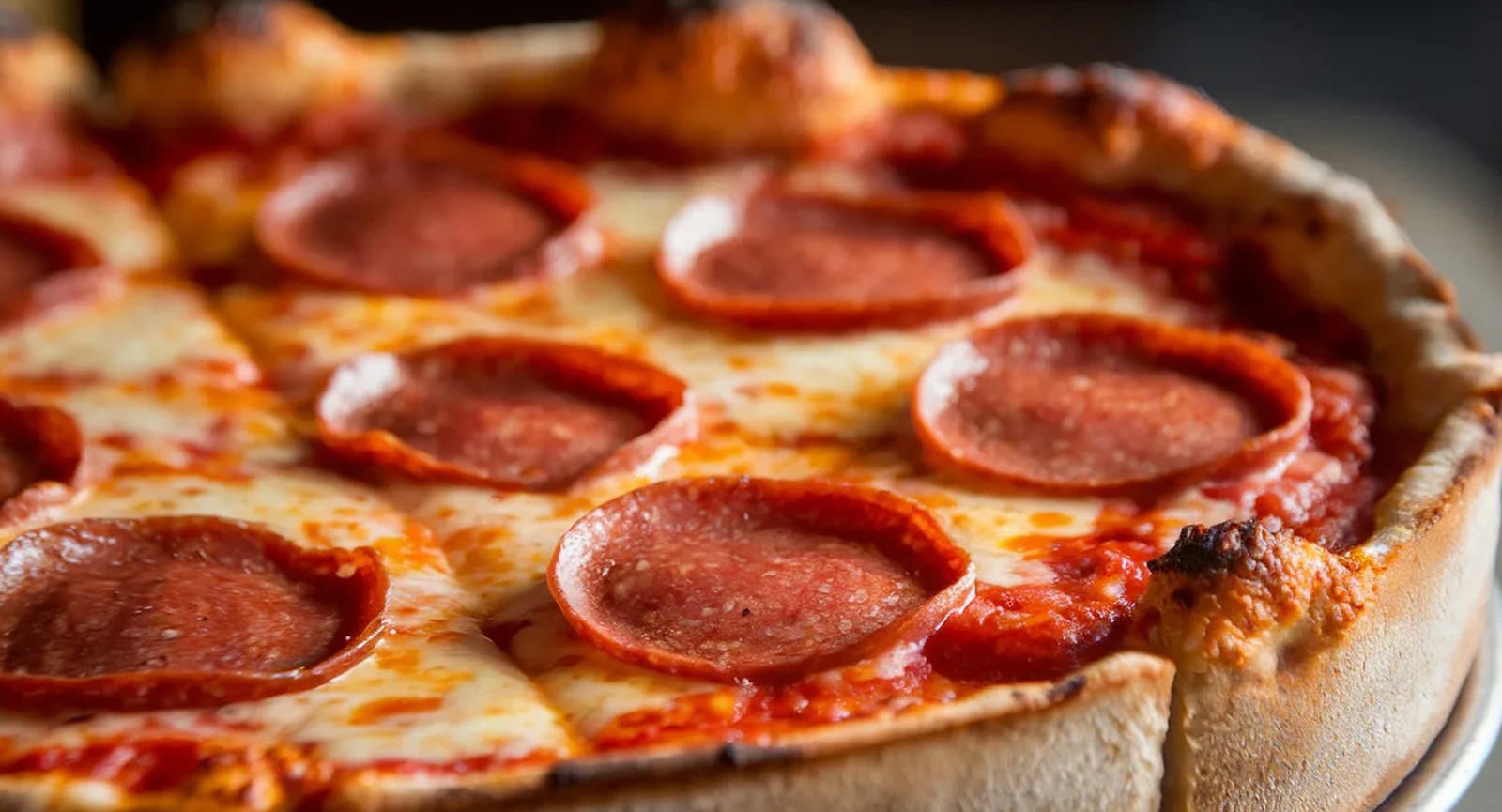
Is it a pizza or a pie? Chicago-style definitely breaks all the rules about how pizza should look and taste. With its tall, crisp crust and inverted layers, with cheese on the bottom and meat on top, this dish was invented in the 1940s to offer a warm, filling meal.
It quickly became one of Chicago's must-try dishes, with variations such as stuffed pizza, which includes an extra layer of dough, and pizza pot pie, a hybrid between Chicago-style pizza and chicken pot pie. Giordano's and Gino's East are two classic Chicago restaurants that will not disappoint visitors looking to try this unconventional but substantial pizza.
New York Pizza in New York City
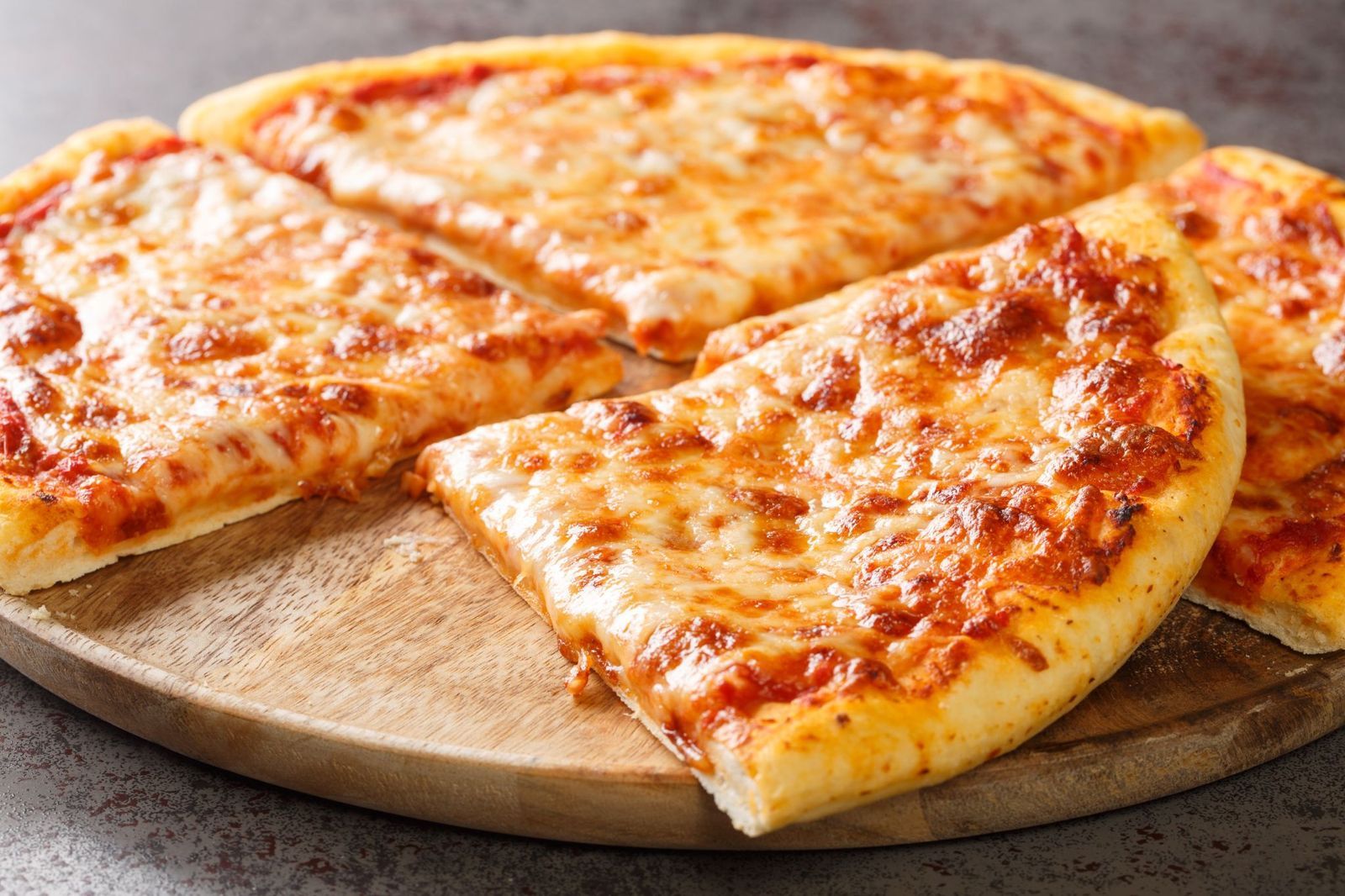
New York-style pizza is often considered one of the best because of its balance of crust, sauce, and cheese. It has a thin, crisp base that is strong enough to hold the toppings but still easy to fold and eat by hand. The sauce is usually made with fresh tomatoes, while low-moisture mozzarella is added in just the right amount without covering the edge of the crust.
Together, these elements make it an ideal lunch on the go, an everyday necessity in New York life. When visiting the Big Apple, you can’t miss Lombardi's, America's first pizzeria, Joe's Pizza in the West Village, or L'Industrie Pizzeria, which has locations in Williamsburg and the West Village. You also can’t go wrong with any slice place you come across.
Cheesesteaks in Philadelphia
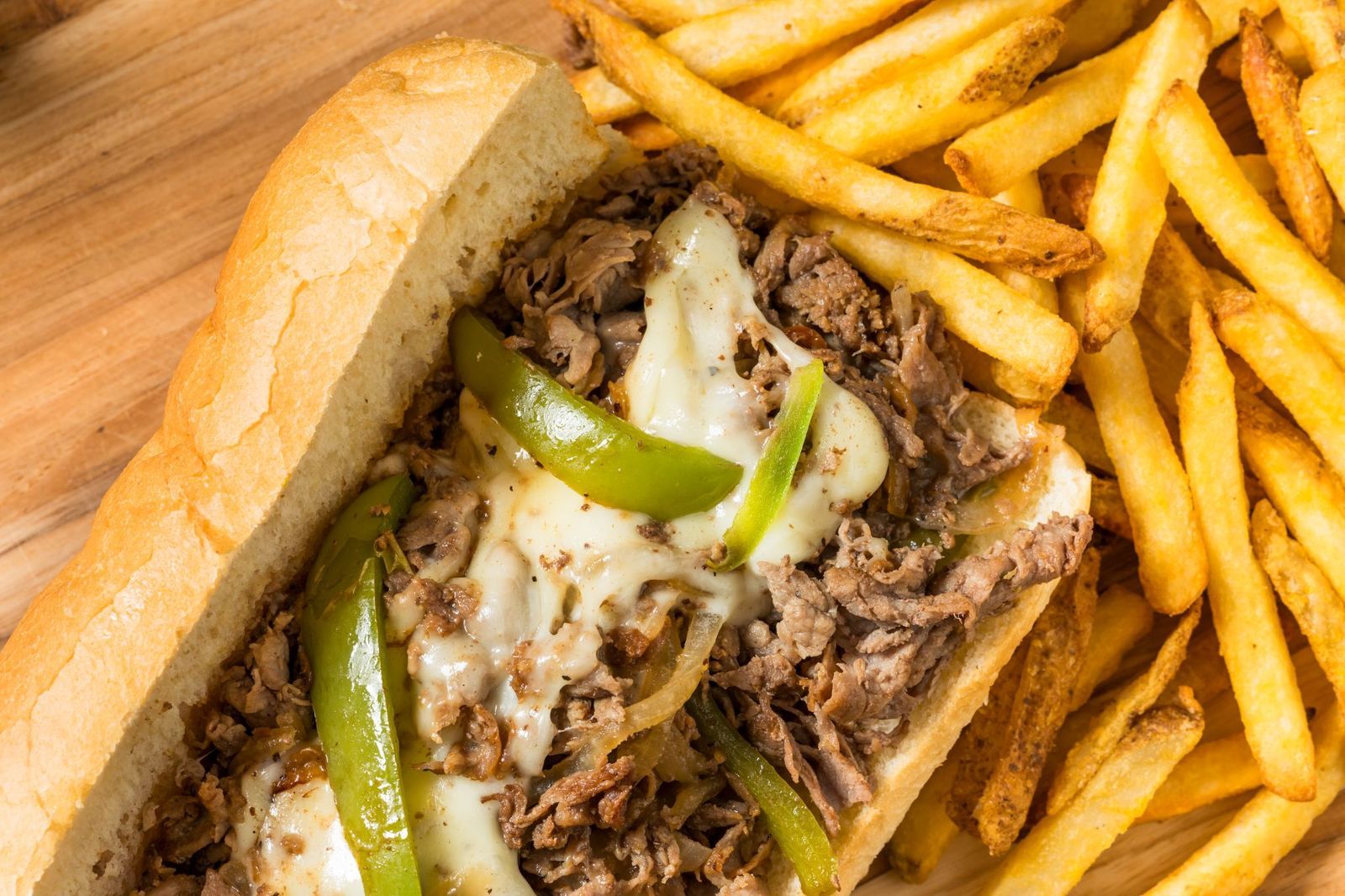
When arriving in Philadelphia and asking locals where to have your first Philly cheesesteak, you will probably hear divided opinions. There is a legendary but still contemporary debate over which cheesesteak is the best: Geno's or Pat's. Pat Olivieri, the owner of Pat's, is believed to be the original creator of the recipe back in 1930: hot beef and melted cheese on a long, flaky roll. Geno's opened in 1966 directly across from Pat's, with both shops located in South Philadelphia. At Pat's, the steak is served in thin slices, the cheese melts right into the meat, and the sandwich is served open-faced. Geno's version has thicker strips with a chewier texture. The recipe is not the only difference between the shops, though; Pat's has a retro atmosphere, while Geno's has a more modern, brightly lit look.
Lobster Rolls in Maine
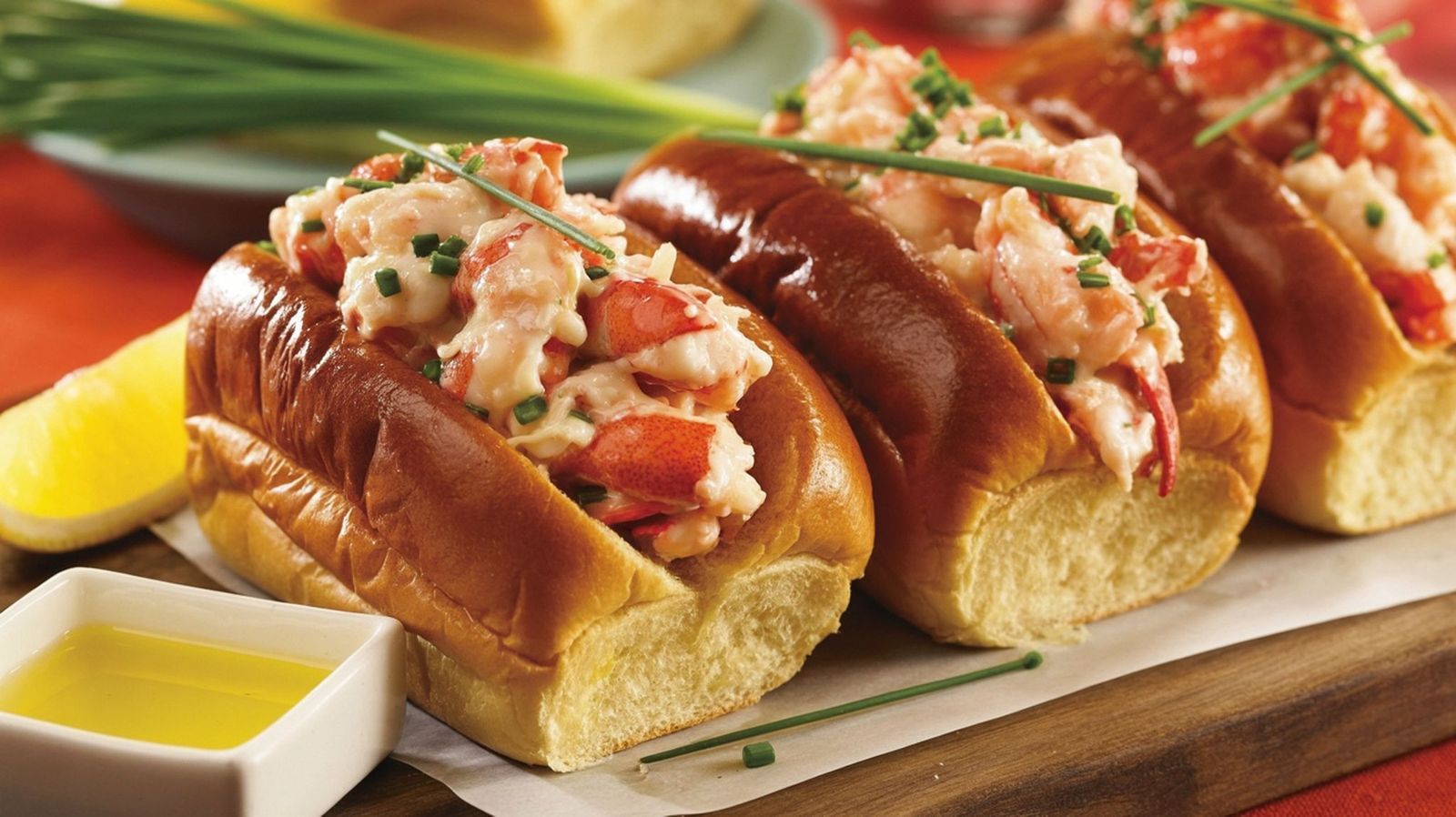
Lobster is one of Maine's strongest industries, and the state is one of the country's best-known lobster suppliers. Today, the lobster roll, a staple made with lobster meat, mayonnaise or butter, and a hot dog-style bun, is a luxury delicacy and a must-try when visiting Maine, but this was not always the case.
Back in colonial times, lobster was considered "poor man's food" and was fed to enslaved people and prisoners until the late 1870s, when tourism in the area increased because of the railroads and demand for seafood grew exponentially. A lobster roll road trip in Maine should definitely include Red's Eats in Wiscasset, Five Islands Lobster Co. in Georgetown, and The Clam Shack in Kennebunkport.
Gumbo in New Orleans
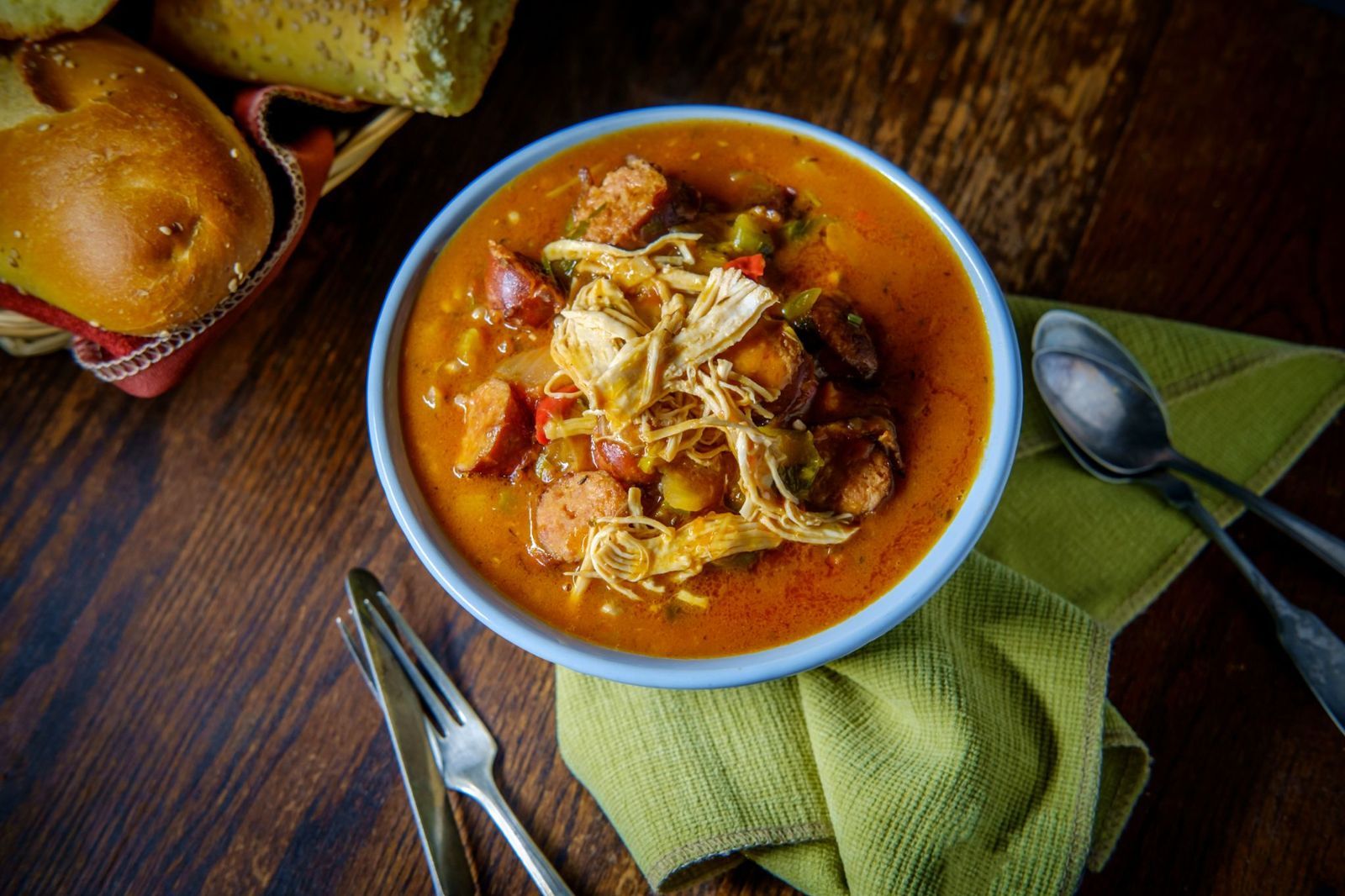
Gumbo is a taste of New Orleans history. This one-pot stew is made with meat or shellfish, vegetables, and herbs. It may be thickened with okra, file powder, or roux, and its essential base consists of onions, bell peppers, and celery.
Its origins lie at the intersection of African, Native American, and European cultures, dating back to when Louisiana became a French colony around 1719. Since Louisiana is home to large Creole and Cajun populations, there is no doubt that both traditions influenced gumbo’s recipe. Commander's Palace in the Garden District is a classic choice for Creole gumbo, while Casamento's serves some of the best seasonal dishes.
Clam Chowder in Boston

Some of the best creations were born out of necessity, not just imagination. That is the story of clam chowder in Boston, Massachusetts, where early settlers in the 1700s, attempting to imitate English and French shellfish stews, created soups using abundant local ingredients such as clams from the Massachusetts coast.
The common recipe often included salt pork, potatoes, onions, and milk or cream. It quickly became a popular dish among New England fishermen working on boats, and became so popular that the city celebrates the annual Boston Chowderfest. For the best classic chowder, go to Summer Shack or Little Whale Oyster Bar in the Back Bay neighborhood.
Key Lime Pie in Florida
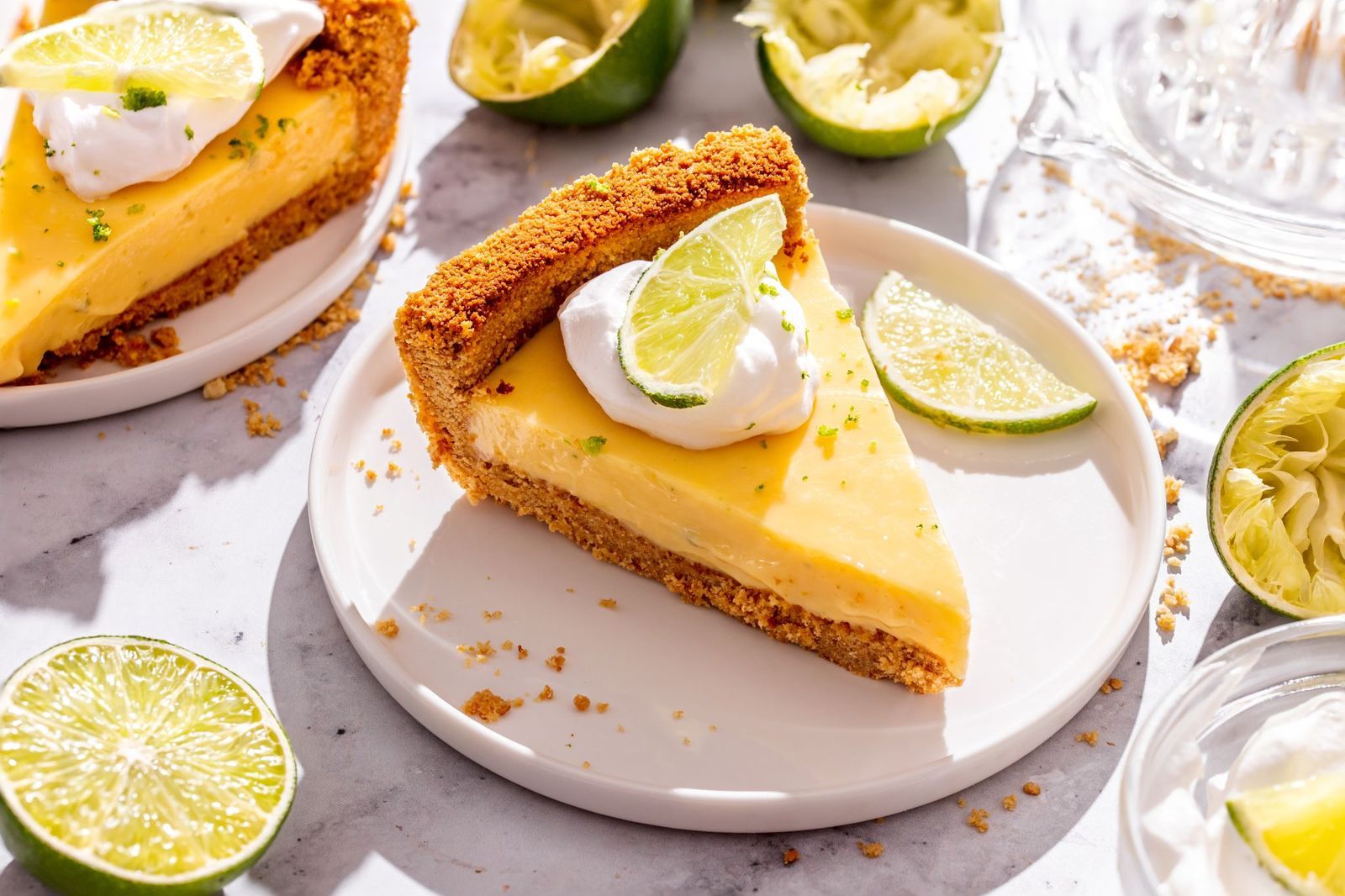
Since 2006, Key Lime Pie has been the official state pie of Florida, but its roots in the area date back to the 1800s, when fishermen mixed egg yolks, sweetened condensed milk, and tart key lime juice.
The dessert’s secret is all about the milk. Back in the 1800s, dairy milk spoiled quickly without refrigeration; instead, condensed milk could last through the South Florida summer. Traditionalists still argue whether the browned meringue topping or the whipped cream is the perfect match for Florida’s favorite dessert. Locals' and visitors' essentials are Kermit’s Key Lime and Blue Heaven shops.
Hot Chicken in Nashville
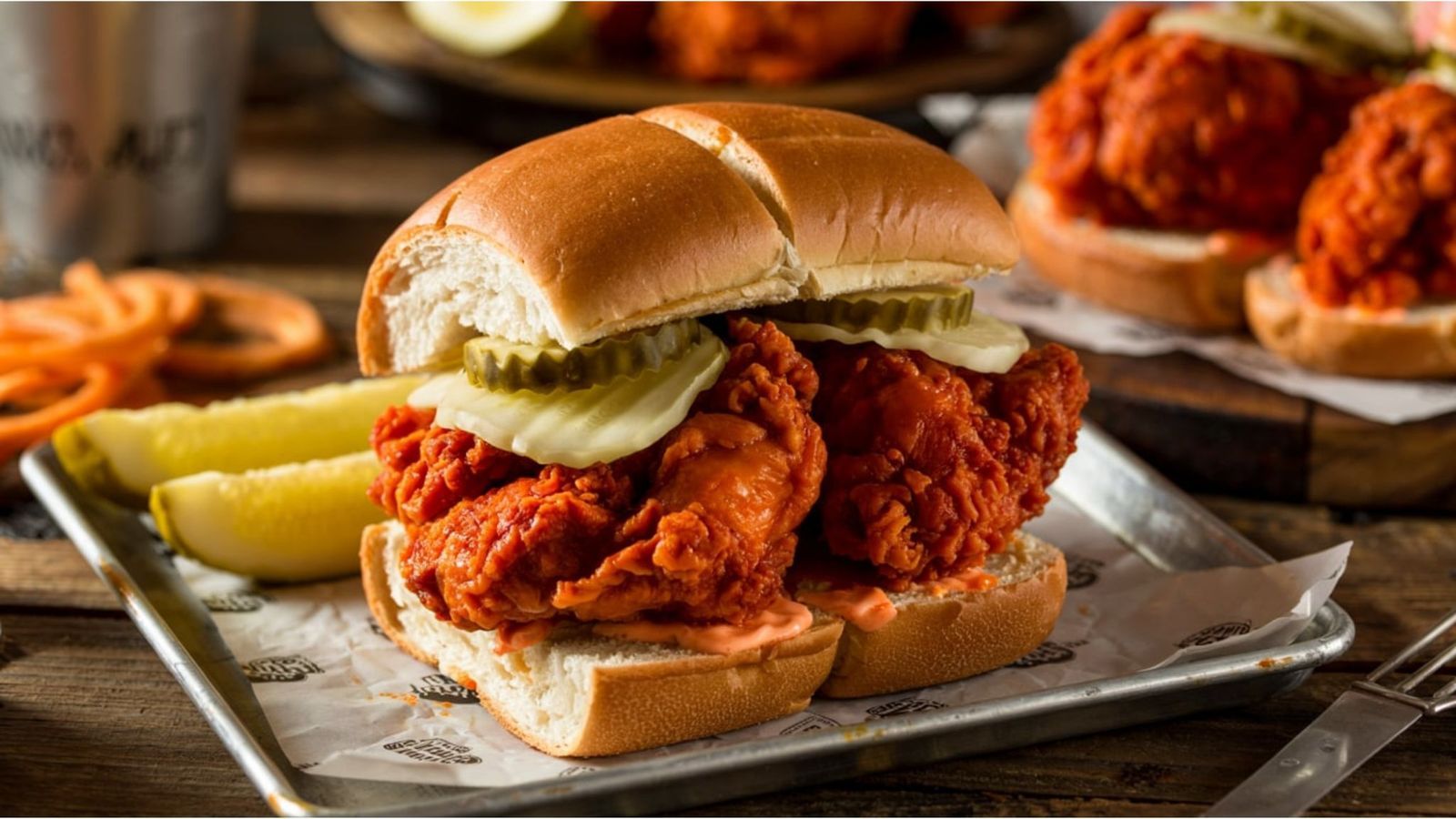
Fried chicken gets a fiery twist in Nashville. Unlike the standard recipe, where spices are added during preparation, hot chicken gets its bold flavor and mouth-searing heat after it is fried. Hot frying oil or melted butter is used to create a concentrated mixture of cayenne pepper, brown sugar, garlic, and other spices, which is then brushed onto the crispy chicken.
The birthplace of this spicy dish is South Nashville, within the city's African American community. Prince's Hot Chicken Shack, originally called BBQ Chicken Shack, is the original hot chicken shop. It is believed to have opened in 1945 after a woman tried to punish her cheating boyfriend by making his fried chicken extremely spicy.
Green Chile in New Mexico
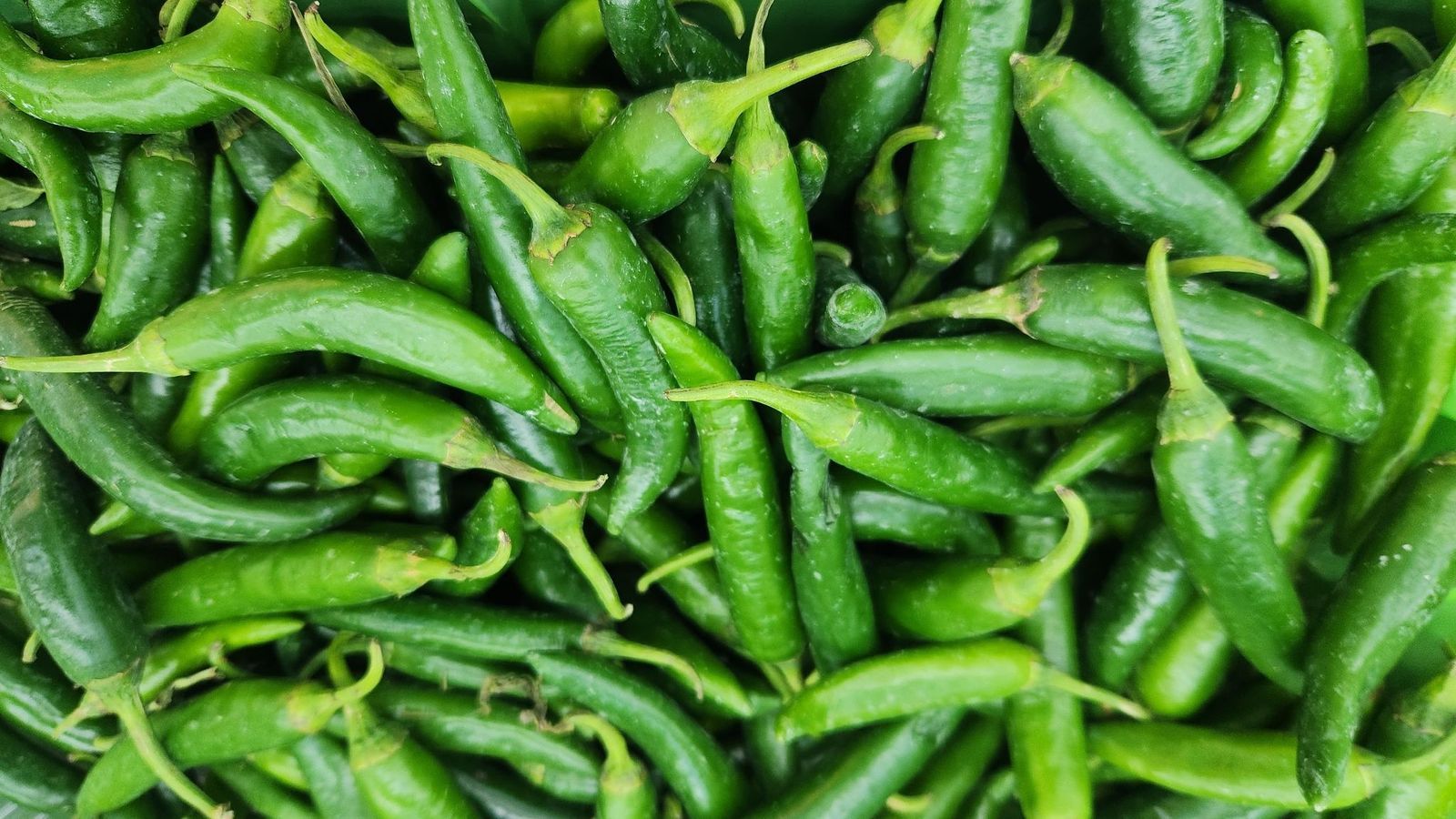
With at leastaround 400 years of tradition in the area, this distinctive spicy ingredient is added to almost every meal in New Mexico. The town of Hatch is known as the "Chile Capital of the World" because its chiles grow in the valley's nutrient-rich soil and ideal climate.
It has also hosted the Hatch Chile Festival since 1971 to celebrate its signature crop. Green chile is best served with enchiladas, tamales, burritos, and even huevos rancheros. The Original Cocina Azul and Sadie's are favorite New Mexico spots.
Did you pack that wrong? 10 baggage rules most flyers miss
Is this a luggage fee?
Did you pack that wrong? 10 baggage rules most flyers miss
Imagine coming back from a fantastic vacation where nothing went wrong. You relaxed, discovered new places, and brought souvenirs for your loved ones. You get to the airport feeling confident because you weighed your luggage at the hotel and stayed within the limit. But then something unexpected happens. Maybe it was a small pair of scissors packed in the wrong bag, the foreign food you brought home to share with your family, or the wine you bought at Duty-Free. These 10 baggage items show how easily things can still go wrong at the airport.
Carry-on vs. checked bags
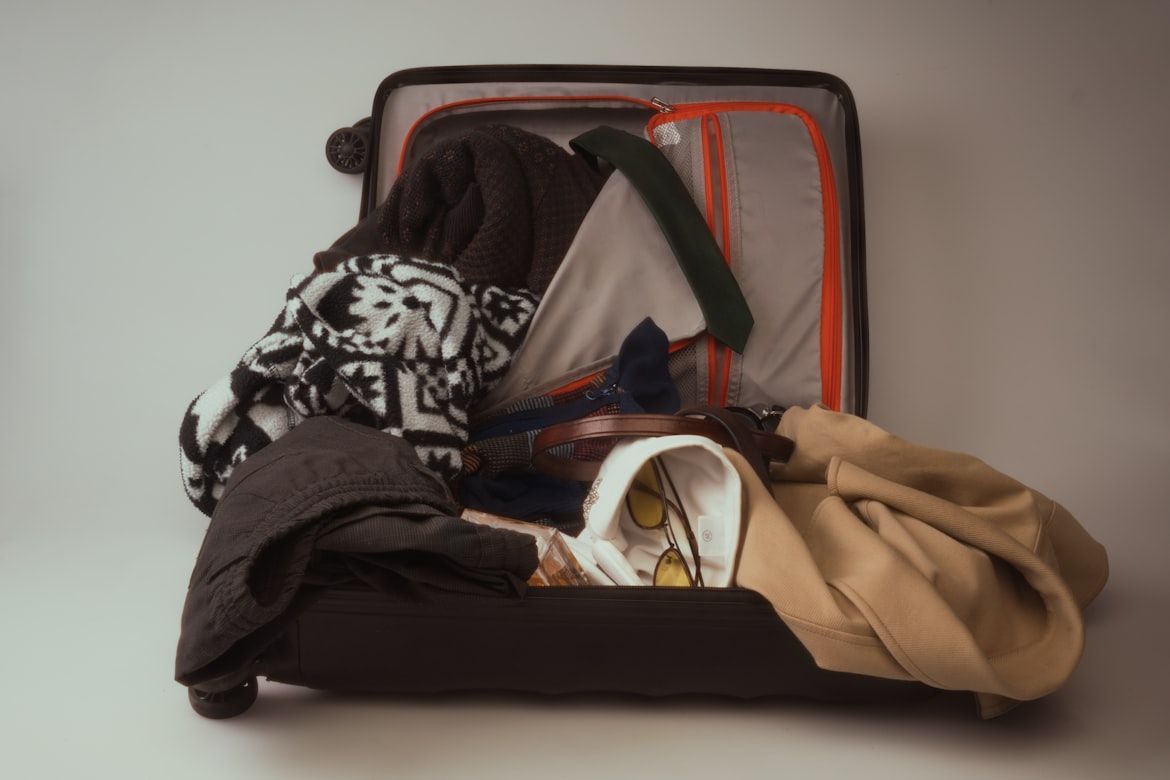
Picture packing in a hurry and grabbing the same backpack you use every day. It looks fine until security finds the small scissors, pocketknife, or tool you forgot was inside. The problem isn’t always that the item can’t fly at all; it’s where you packed it.
Many travelers mix up what can go in a checked bag with what can go in a carry-on. Sharp items and tools are often the ones that cause trouble. Before heading to the airport, empty the small pockets and check anything you packed without thinking. If it can be used as a tool, it’s safer in your checked bag.
Food rules at customs
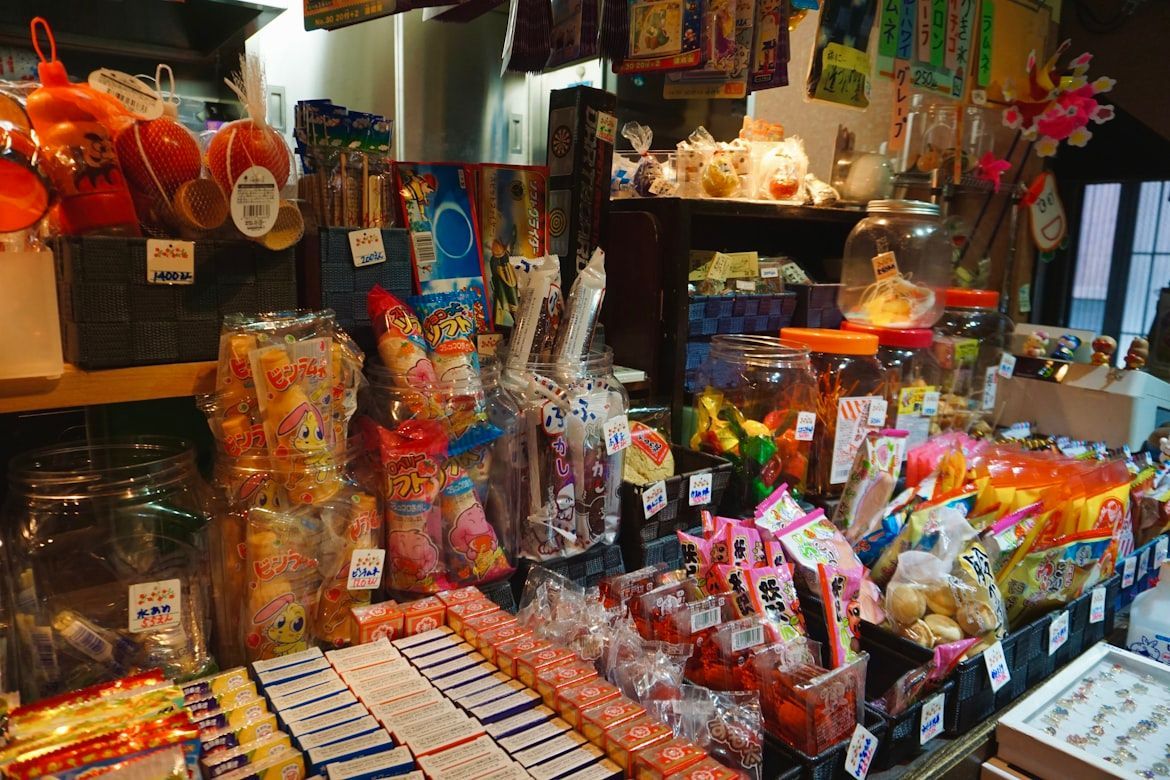
Imagine you are flying home from a trip abroad and you buy a few food souvenirs before boarding. But when landing in the United States, the question isn’t what was allowed in the plane, but what is actually permitted into the country.
The rules are set by the United States Department of Agriculture’s Animal and Plant Health Inspection Service, and they are enforced at the airport by the United States Customs and Border Protection. It’s to protect American farms from foreign pests and diseases. So, travelers must declare any food they bring into the United States.
Duty-Free liquids on connections
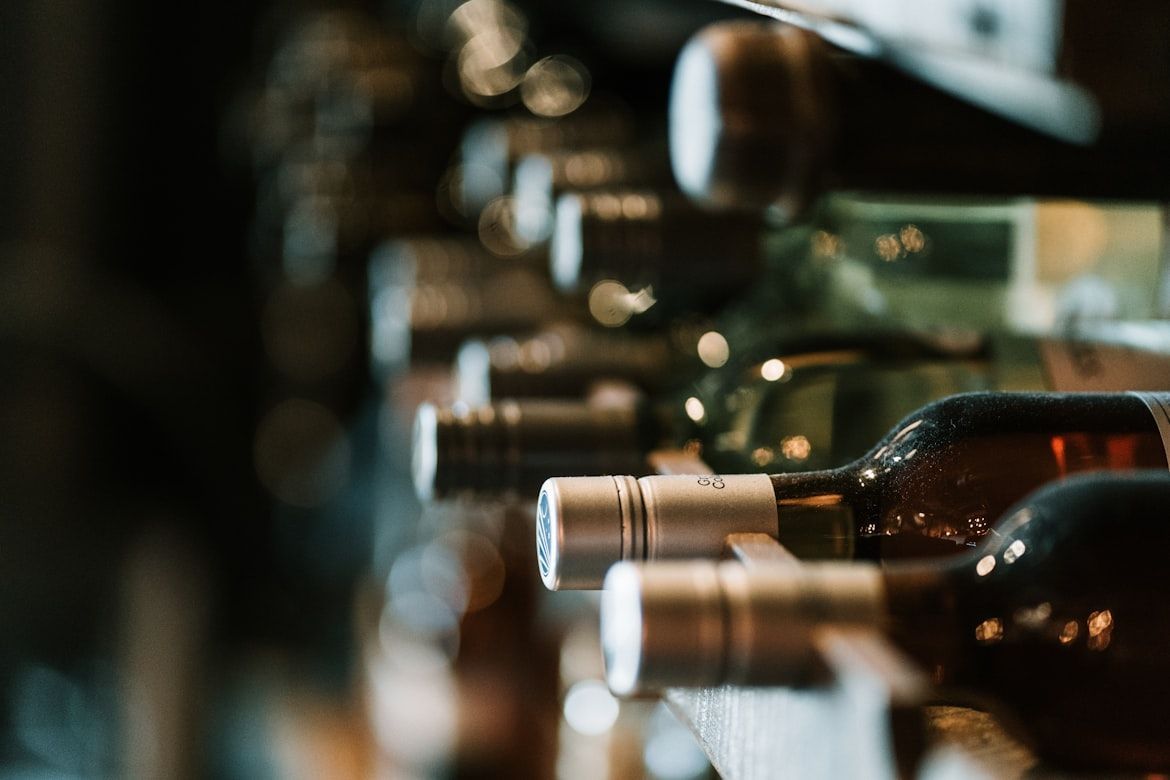
Imagine buying a bottle of wine or perfume at a foreign airport before flying home. The purchase is legal, sealed, and allowed on your first flight. But if you land in a United States airport, clear customs, and then go back through security for your next flight, that bottle may still be questioned.
Large duty-free liquids can pass through a United States security checkpoint only if they follow certain rules. They must be bought internationally within the past 48 hours, stay in the store’s clear, sealed bag, and have the original receipt visible inside. Even then, officers can reject the item if the seal looks broken, the package triggers an alarm, or something seems wrong.
Batteries in carry-ons
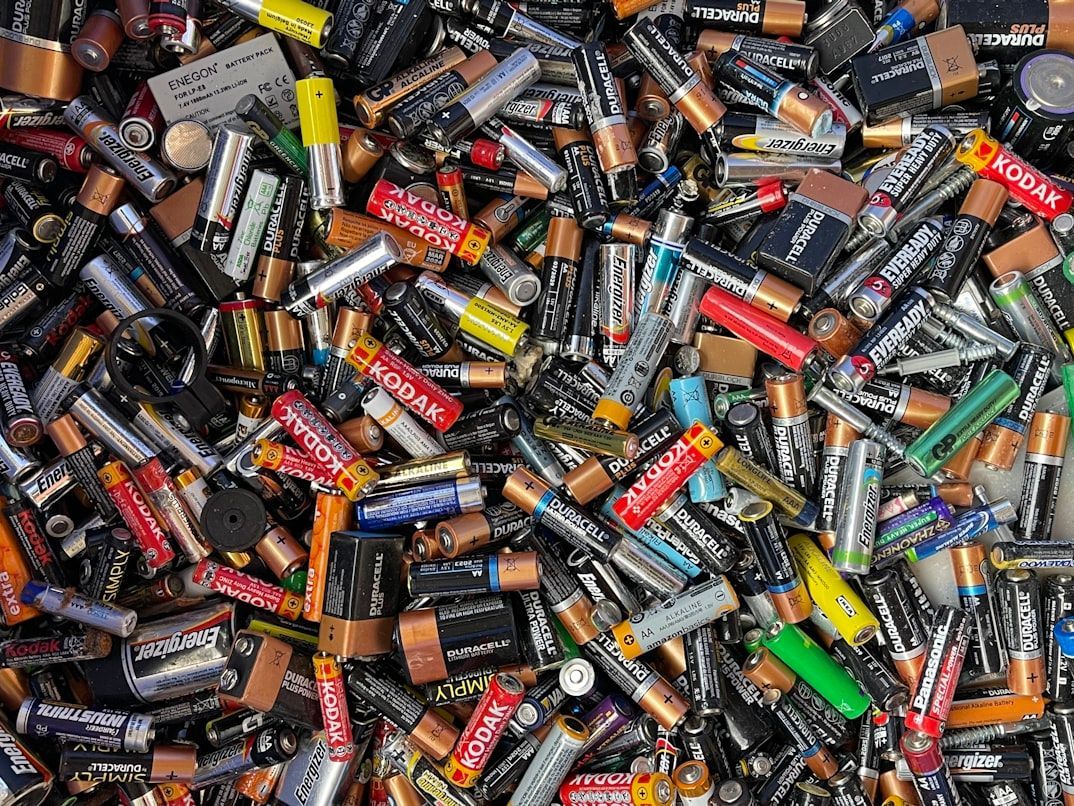
Some batteries belong in your carry-on, not your checked bag. Spare lithium batteries, power banks, and e-cigarettes can overheat or catch fire, which is why the Federal Aviation Administration requires them to stay in the cabin. If something goes wrong there, the flight crew can see it and handle it, but if something goes wrong in the cargo hold, they can’t reach it during the flight.
So, if your carry-on is selected for gate-checking because the overhead bins are full, remove any spare batteries or power banks before handing it over. Those items must stay with you in the cabin.
Smart bags and batteries
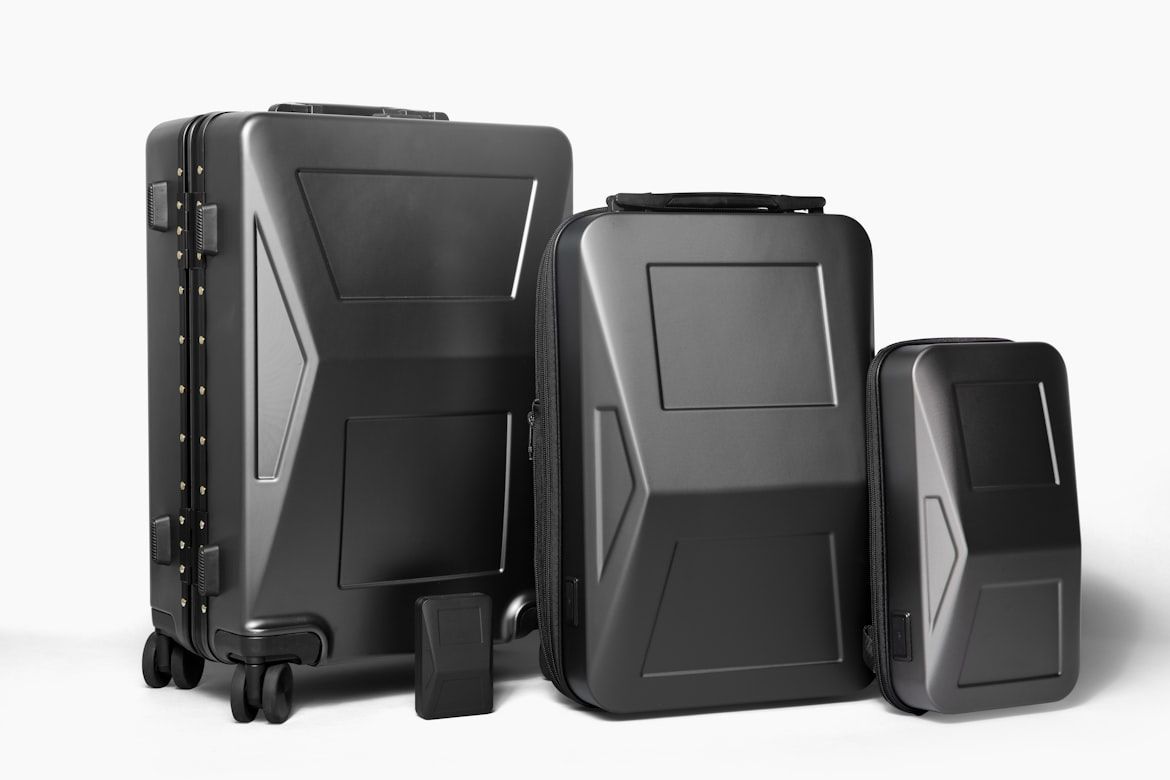
Did you know that some smart luggage can’t fly at all? Major United States airlines only allow smart bags if the battery can be removed. If the battery is built in, sewn in, or can’t be taken out, the bag isn’t allowed as a carry-on or as a checked bag.
The reason is that lithium batteries can overheat or catch fire in the cargo hold. If you are buying smart luggage, make sure the battery is easy to remove before you travel.
Liquids at security
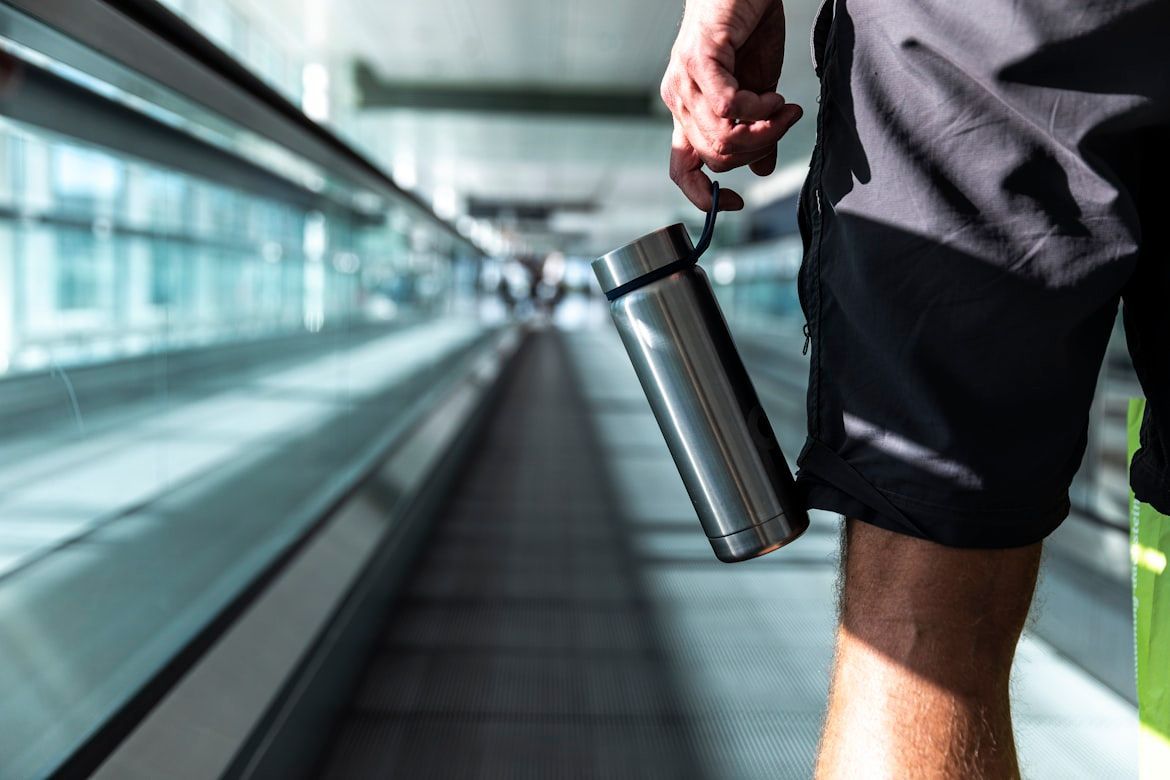
It’s easy to pack a half-empty shampoo bottle and think it will be fine. But the Transportation Security Administration checks the size of the container, not how much is left inside. A 6-ounce bottle still counts as 6 ounces, even if there is only a little bit left. For carry-ons, each liquid container needs to be 3.4 ounces or smaller.
Another tricky part is that "liquid" covers more than shampoo or water. If it flows, spreads, squirts, smears, or sprays, security will probably treat it as a liquid. Toothpaste, hand sanitizer, peanut butter, lip gloss, sunscreen, lotions, and creams can all count.
Personal Item size rules
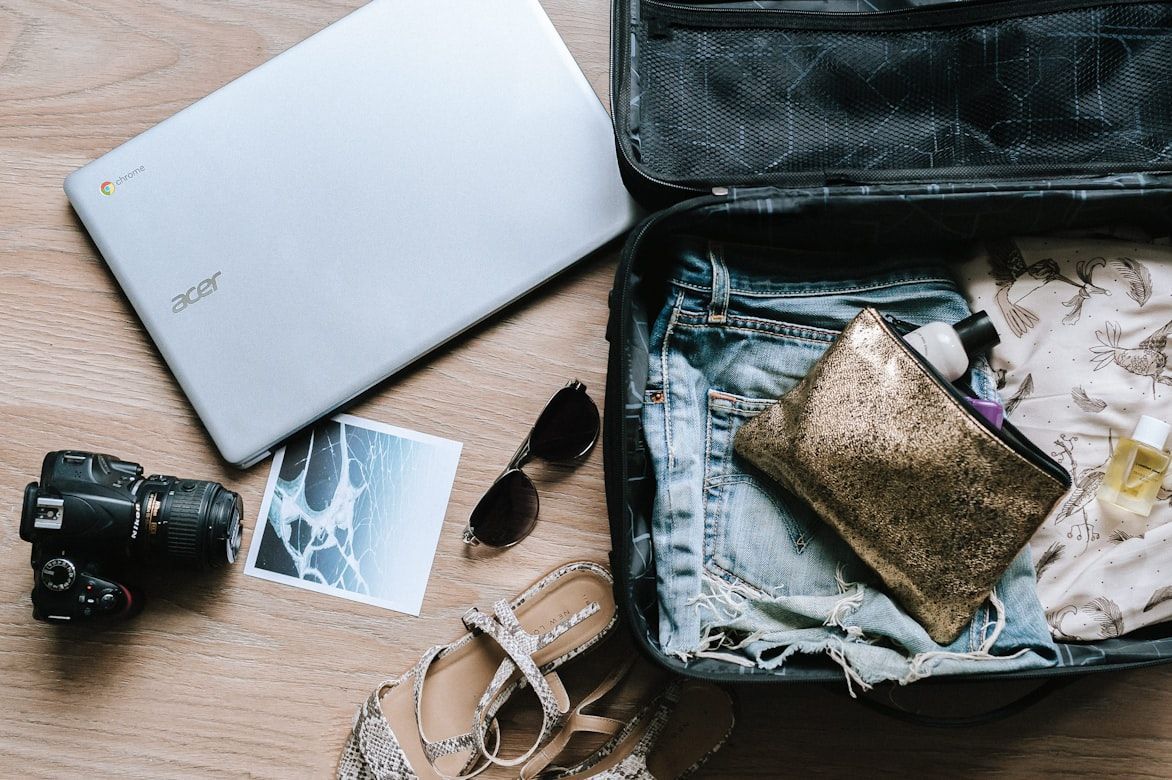
What do airlines mean by "personal item"? They usually mean a purse, laptop bag, small backpack, or tote that fits under the seat. Most carriers allow something around 18 x 14 x 8 inches. American Airlines lists that limit on its official website, while JetBlue sets its personal item size at 17 x 13 x 9 inches. That’s about the size of a large laptop backpack, and not much bigger.
For years, travelers got used to bringing a second stuffed bag and calling it a personal item. But now that budget airlines often charge for carry-ons on basic fares, more passengers are pushing the limits, and gate agents are paying closer attention. That’s why the best move is to check your airline’s size limits for both bags before leaving home.
Sports gear baggage rules
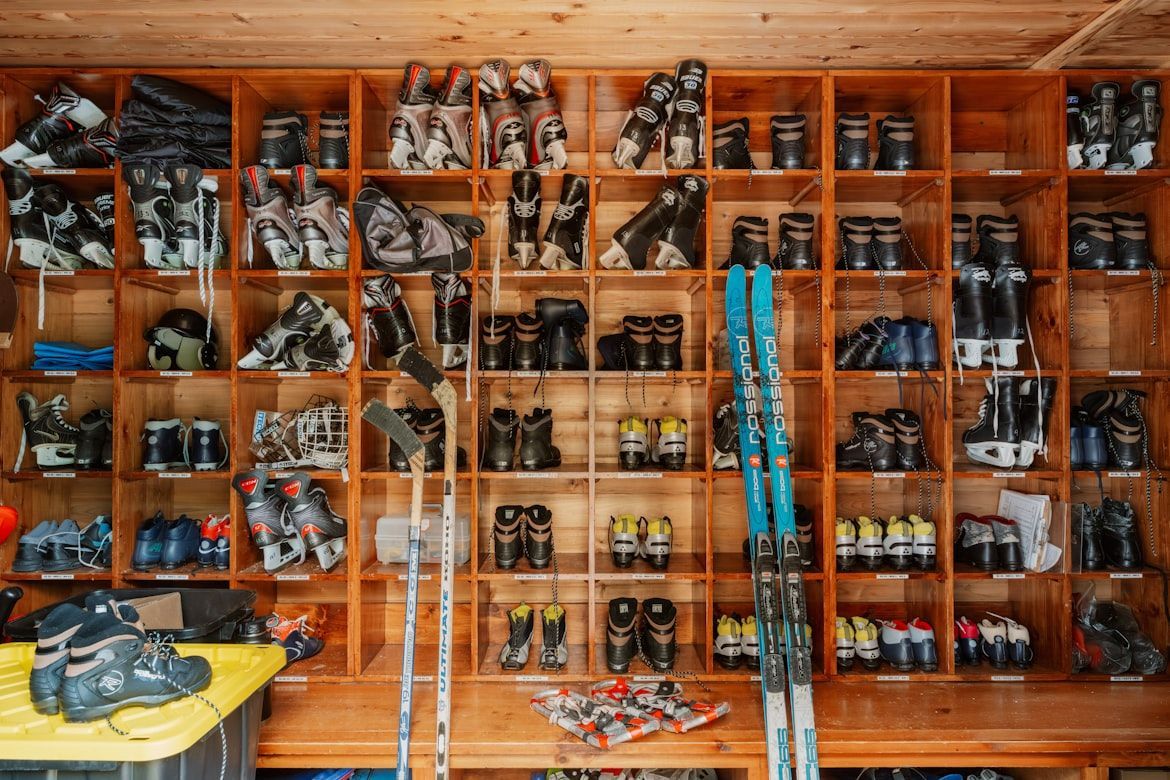
If you love mixing travel with your favorite sport, here's what to know. Golf clubs, bikes, surfboards, skis, fishing rods, and scuba tanks are often handled differently from a regular suitcase. Weight and size are what set them apart.
A heavy golf bag, a large surfboard, or a bike case can still trigger extra fees. Some airlines also have special handling charges for certain items, like bicycles. Before traveling with sports gear, check your airline’s exact rules, especially if a partner airline is operating part of your trip.
Partner airline bag rules
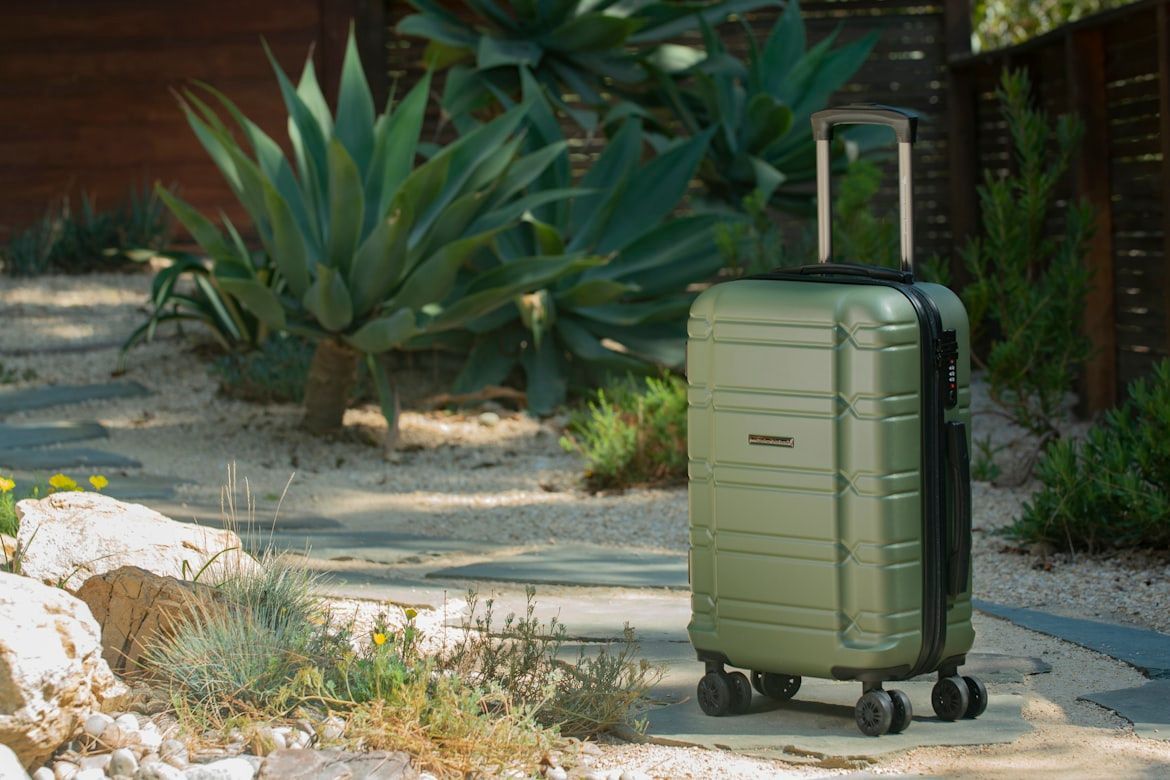
Did you know that the airline selling your ticket may not set your bag rules? If your flight is operated by a partner airline, the baggage rules that matter are the ones from the airline flying the plane, not the one that sold you the ticket.
Every airline sets its own limit on carry-on size, too. Most major U.S. carriers, including American Airlines, Delta, United, JetBlue, and Alaska Airlines, cap carry-ons at 22 x 14 x 9 inches, including wheels and handles. Southwest allows a little more at 24 x 16 x 10 inches. So before you pack, check both your ticket details and the baggage rules for the airline actually flying your route.
Oversized bags fees
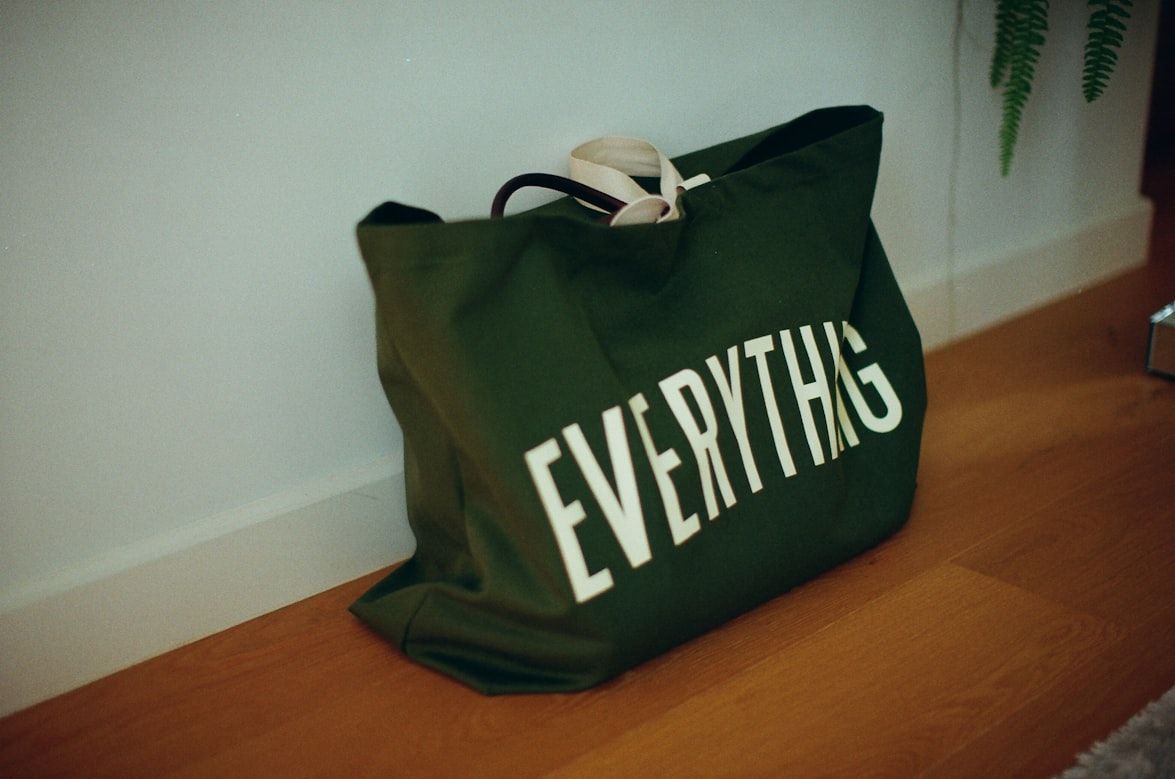
Picture yourself at a beach resort souvenir shop, adding one last item to your suitcase. The zipper closes, so you think you are fine. Then you get to the airport, place the bag on the scale, and watch it pass 50 pounds. That small extra souvenir can turn into a much bigger baggage fee.
Most major United States airlines set the standard checked bag limit at 50 pounds. Over that, your bag may be treated as overweight, which can bring an extra fee. But, size matters, too: most airlines allow up to 62 linear inches, or length, width, and height added together. A luggage scale can help you avoid that surprise. Weigh your bag the night before, leave a little room for scale differences, and don’t wait to find out at the check-in counter.
Keep wandering
There’s always
more to explore

What do New Yorkers know that most tourists don't?
5 min.
Read Now
 Landmarks
10 bizarre traditions at famous tourist spots and the reasons behind them
7 min.
Read Now

The most forgotten item in hotels and airplanes is not what you think
5 min.
Read Now
 Geography
Google Earth is so much more than a map: these features are game-changers
6 min.
Read Now