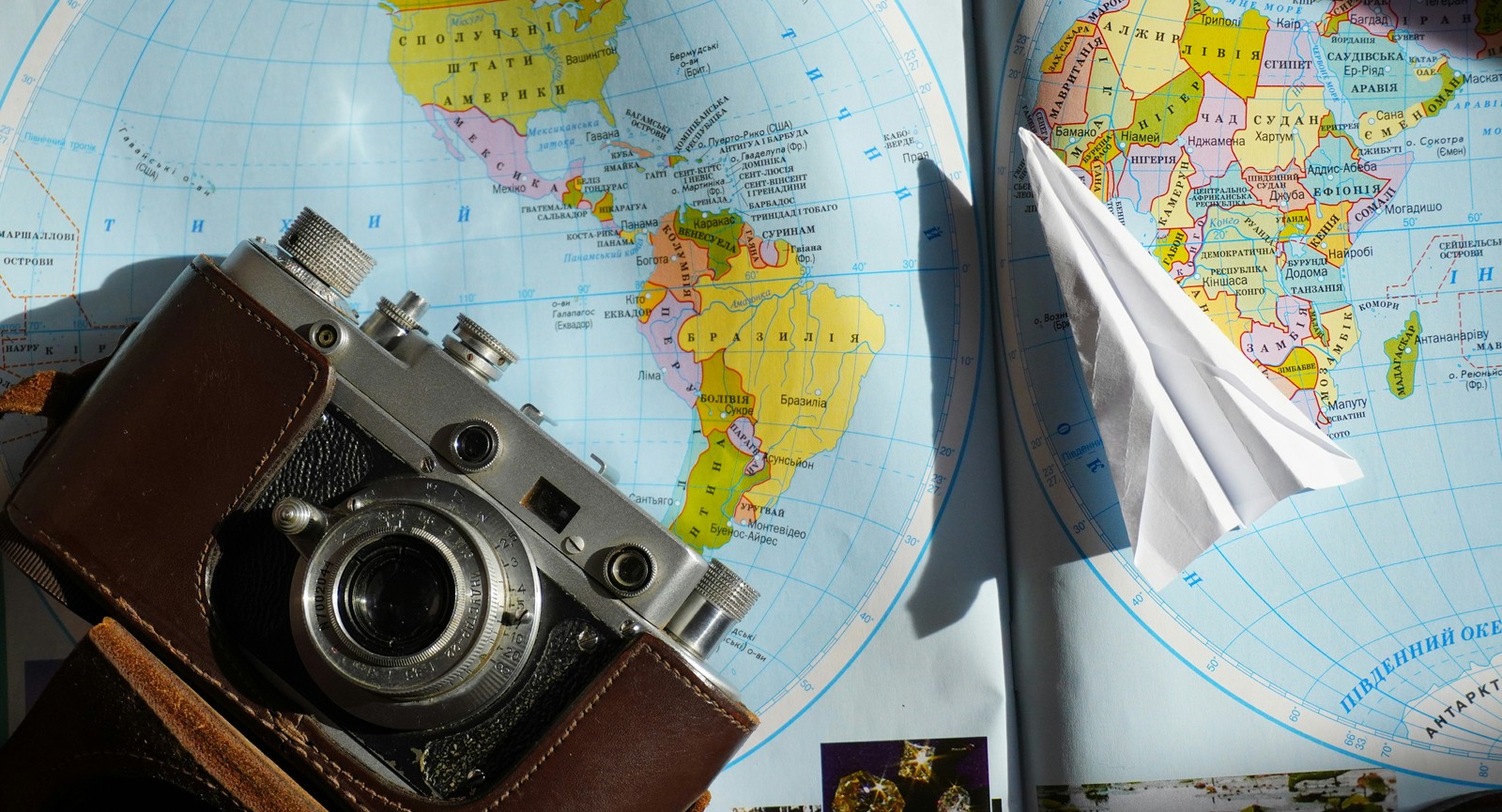
No flights, no lines, no stress. A smart way to see the world from home
 General
Travel weekly
No flights, no lines, no stress. A smart way to see the world from home
What if you could explore the world without leaving your house? You’ve probably felt it: that urge to pack a bag, catch a flight, and wake up somewhere new. But reality hits differently; budgets, health, and everyday life don’t always allow you to do it. Does that mean the adventure has to stop? Not a chance. Keep reading; here are a few ideas to get you closer to your next "trip."
Binge-watch travel-themed content

Watching TV is a part of our everyday life, but instead of going back to the same old show, why not choose shows and documentaries that show you the world? Binge-watching travel-themed content can be really inspiring.
Try The Reluctant Traveler on Apple TV+, where Eugene Levy steps outside his comfort zone to visit some of the world’s most remarkable hotels while discovering the people, places, and cultures around them. For something with a different edge, Anthony Bourdain: Parts Unknown on Prime Video offers a more unfiltered perspective. Hosted by Anthony Bourdain, the series blends politics, food, and culture, going far beyond sightseeing to deliver a candid look at life in cities around the globe.
Get lost in a good travel book
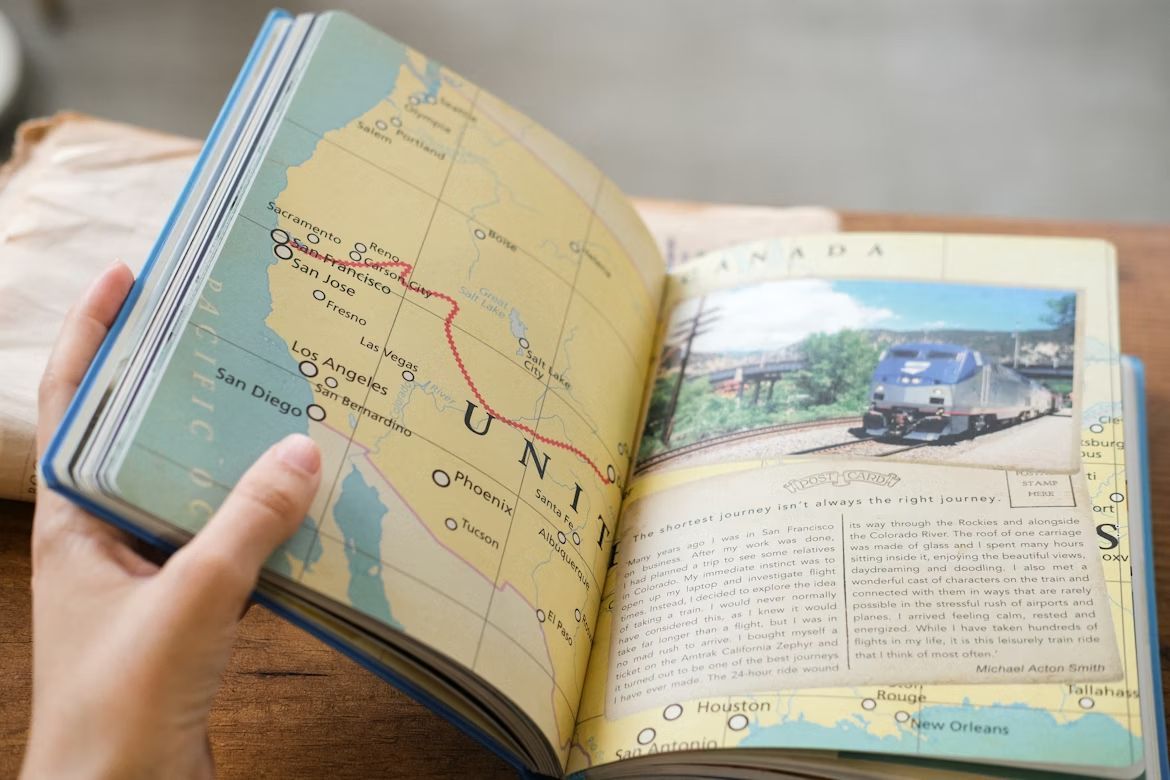
Literature can take us wherever we want. Books can carry us into imagined or fantasy worlds, but they can just as easily bring real destinations into our house.
Travel-themed books do more than simply entertain; they combine detailed descriptions of a place with regional customs, relationships, and more. In Eat, Pray, Love, Elizabeth Gilbert takes you from Italy’s pasta-filled streets to Bali’s calm retreats. Meanwhile, Into the Wild by Jon Krakauer immerses you in raw, untamed landscapes. If you want more options, try memoirs about life abroad, collections of travel essays, or even historical journeys. The goal isn’t just reading, it’s going somewhere without moving an inch.
Practice learning a new language
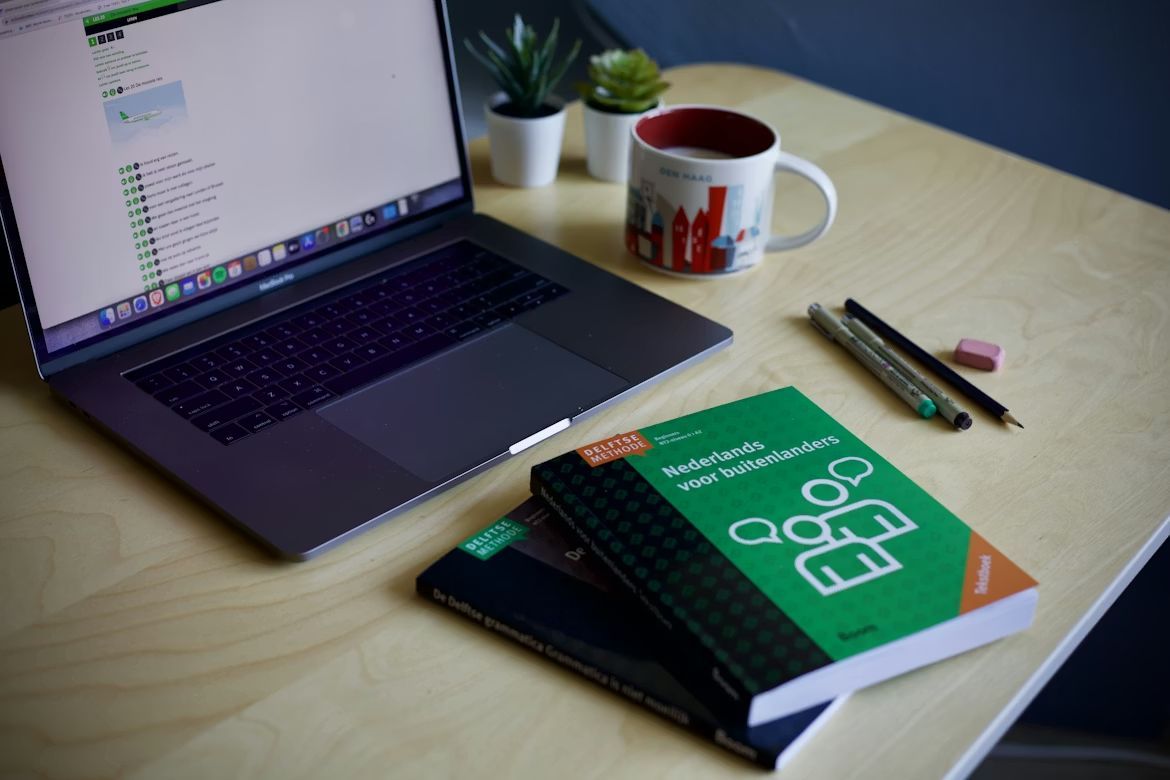
One of the most interesting things about traveling abroad is getting in touch with a foreign language, but you don’t need a plane ticket to say your first words in Italian or French.
Learning a language brings you closer to a place before you even arrive. Apps like Duolingo or Babbel make it easy to practice useful phrases like ordering coffee in French or asking for directions in Spanish. Try setting a small goal: learn how to introduce yourself, order a meal, or ask for the check. Even 15–20 minutes a day adds up—and it makes future travel feel more real.
Add globally-inspired recipes to your cooking

The kitchen is the heart of every culture, and learning to cook authentic dishes can feel like traveling exactly to where the dish originated.
Try homemade pasta with a simple tomato sauce inspired by southern Italy, a fragrant Thai curry, or classic fish and chips. Cookbooks like Mastering the Art of French Cooking by Julia Child can guide you step by step, while others introduce spices and techniques you may never have used before. Even something small, like learning to make proper guacamole or a traditional Greek salad, can open the door to a new culture.
Add travel inspiration to your space
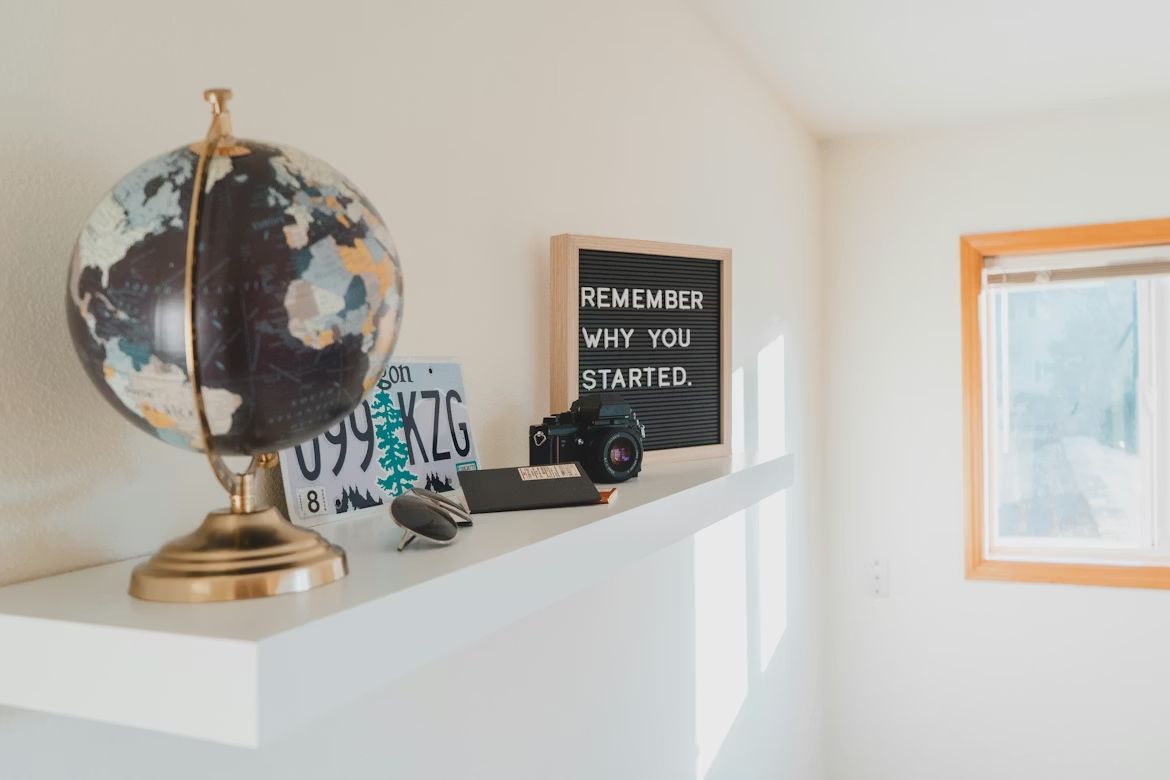
You glance up from your desk and see the same walls every day. What if they reminded you of where you want to go? Your home should be a reflection of where you’ve been and where you’re going.
A few thoughtful touches can shift the mood of a room. Hang a vintage map, frame photos of places like the Amalfi Coast, or display souvenirs from past trips. Even switching your phone or laptop wallpaper to a beach in Bali or the streets of Paris can change your mindset. Surrounding yourself with these visual cues keeps your dreams front and center and makes your home feel like the starting point of your next great escape.
Blend up a tropical smoothie or cocktail
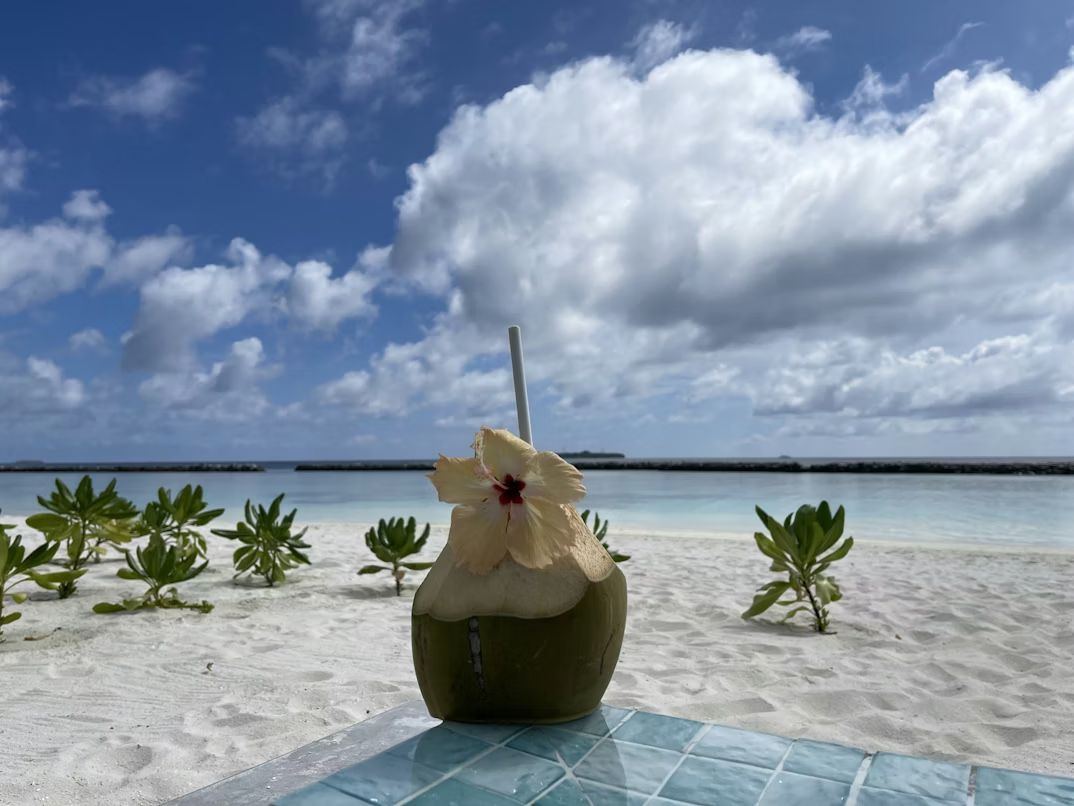
It’s a warm afternoon, and instead of another cup of coffee, you’re craving something different, something that feels like vacation. That’s when a simple drink can do the trick. There’s a certain magic in vacation-inspired flavor.
Blend pineapple, mango, and coconut milk for a refreshing smoothie, or mix a classic mojito with mint and lime. If you’re feeling adventurous, try flavors like passion fruit or a splash of mezcal for something smoky and unexpected. Of course, it’s not the same, but flavors are a simple yet delicious way to mentally check out of the daily chores and get into a seaside state of mind.
Host a themed dinner party at home
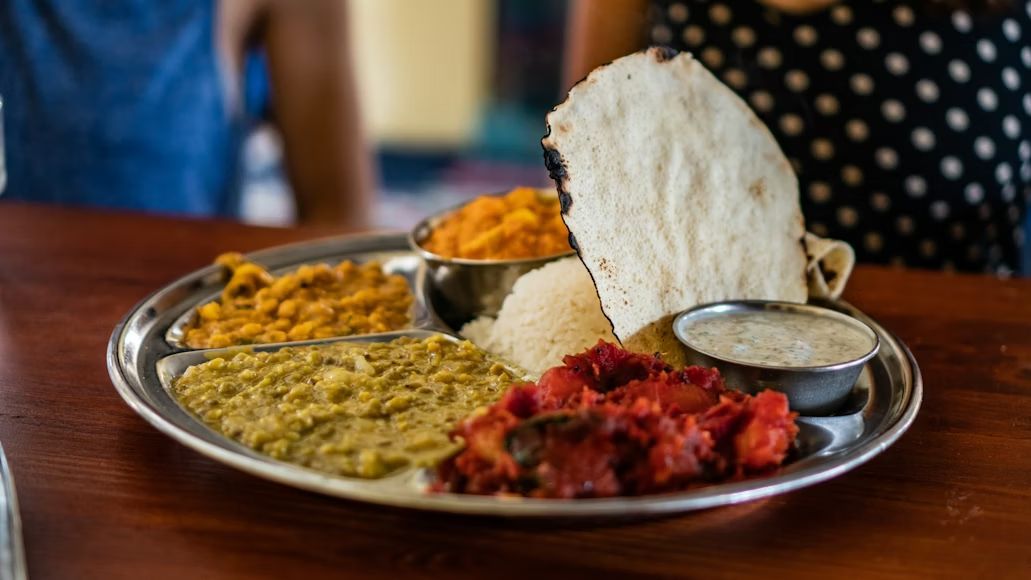
When you think of a vacation, you think of the food you’ll have the minute you arrive. Travelling is all about tasting local dishes, but why wait for a plane ticket when you can have a taste of Tokyo with some sushi rolls or a bite of Paris with some Coq au Vin delivered right to your front door? If cooking is not your thing, hosting a themed dinner party is a great way to break the routine and travel the world. Order from that local ethnic spot you’ve been so curious about and transport your taste buds across the ocean for the cost of a delivery fee.
Start a bucket list journal
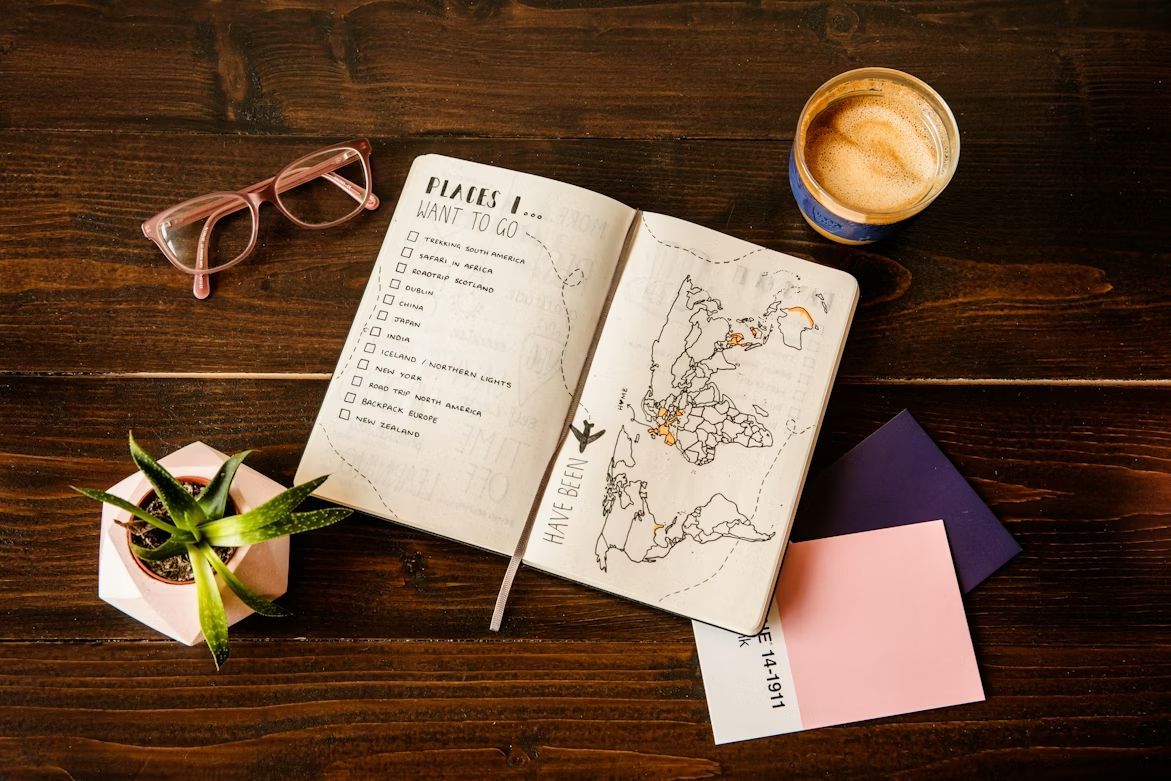
Every great journey starts with a pen and a piece of paper. Starting a bucket list journal is more than just a list of names; it’s about keeping your hope and motivation alive.
A bucket list journal turns vague wishes into something tangible. List destinations, must-see landmarks, and even specific experiences, like watching the sunset in Santorini or taking a train through the Swiss Alps. When you put those goals on paper, they are not simple "someday" wishes; they start to become a plan.
Go on a virtual journey

Living in the digital era has many pros, one of which is that the entire planet is at our fingertips. Tools like Google Earth allow you to virtually walk through the streets of Rome or along the Great Wall of China. Many world-class museums, like the British Museum in London, England, or the Uffizi Galleries in Florence, Italy, offer stunning online tours that let you get closer to the art than you ever could in person. It’s not the same, but sometimes, that’s enough to satisfy the urge to explore.
Start earning points and miles
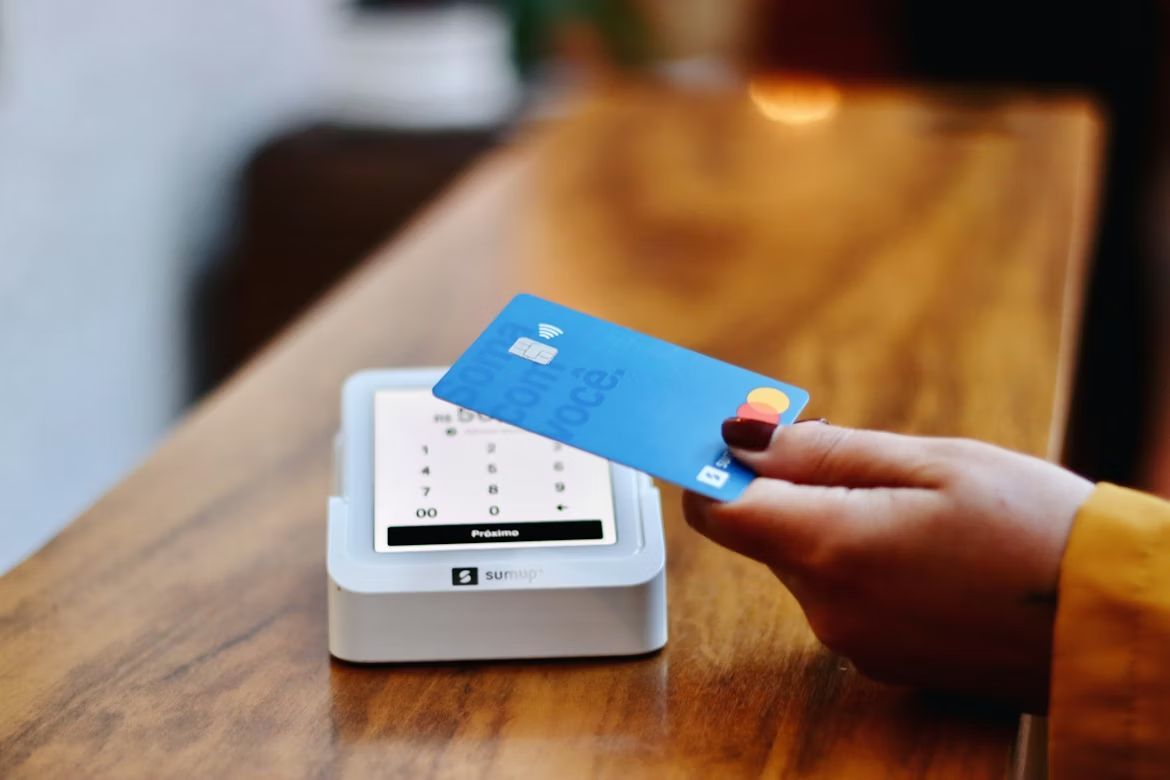
Maybe you’re not traveling right now, but in the future, you will be glad you planned ahead.
Take a closer look at your credit card or loyalty programs. Many offer points or miles that can be redeemed for flights, hotel stays, or upgrades. With a bit of strategy, like using one card for everyday purchases, you can slowly build toward a trip without extra spending. It’s a way to keep your travel plans moving, even while you’re staying put.
10 American place names you’ve been mispronouncing your entire life
 Landmarks
10 American place names you’ve been mispronouncing your entire life
The English language may be a bit erratic, but American geography takes linguistic chaos to an entirely different level. Across the United States, place names are a beautiful mixture of ancient Native American dialects, old European titles, and regional accents that have mutated over centuries. From coastal New England towns to deep southern bayous, here are 10 places whose names you most certainly have been mispronouncing your entire life.
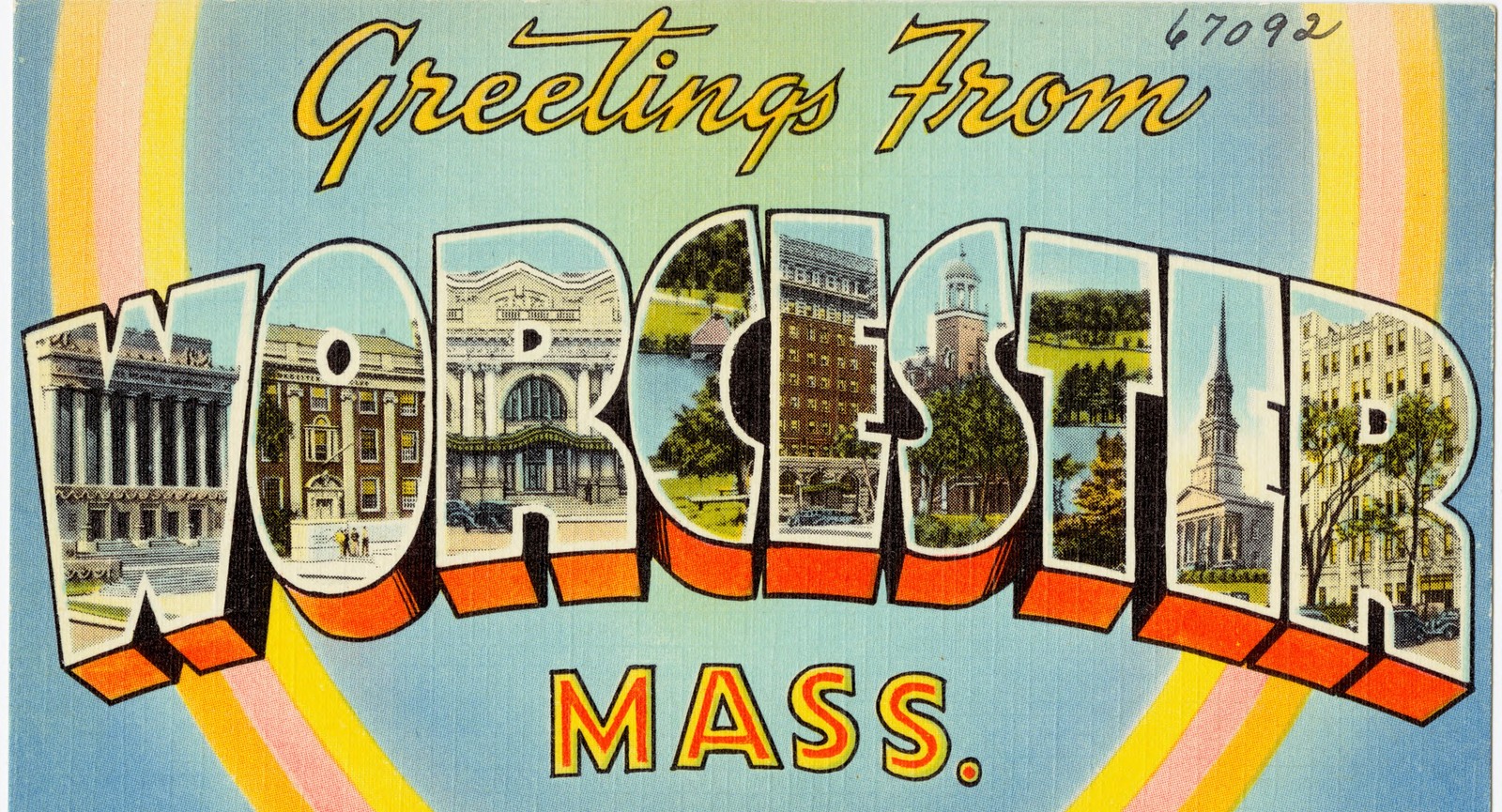
Worcester, Massachusetts
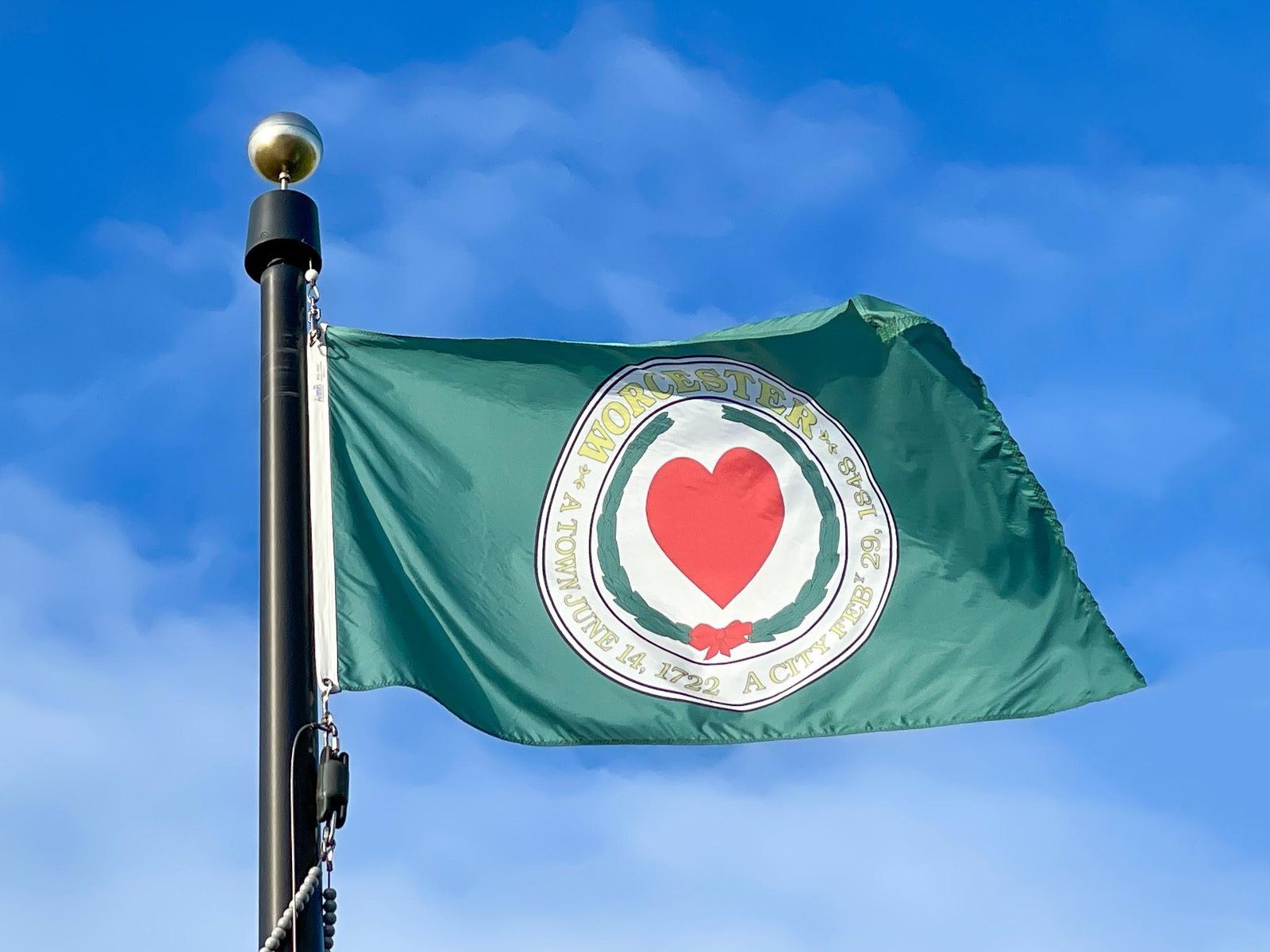
We’ll start with the ultimate gateway to linguistic confusion: New England. If you try to pronounce every syllable written on the map in Massachusetts, you’re going to have a rough time. Out-of-towners frequently look at Worcester and confidently utter "War-ces-ter" or create an assumed "War-chester".
Yet, locals completely bypass the middle of the word. Worcester is properly pronounced "WUST-er" (rhyming with the first syllable of "buster"). The spelling is directly inherited from Worcester, England, where the silent "ce" is a standard quirk of British town names.
Versailles, Kentucky
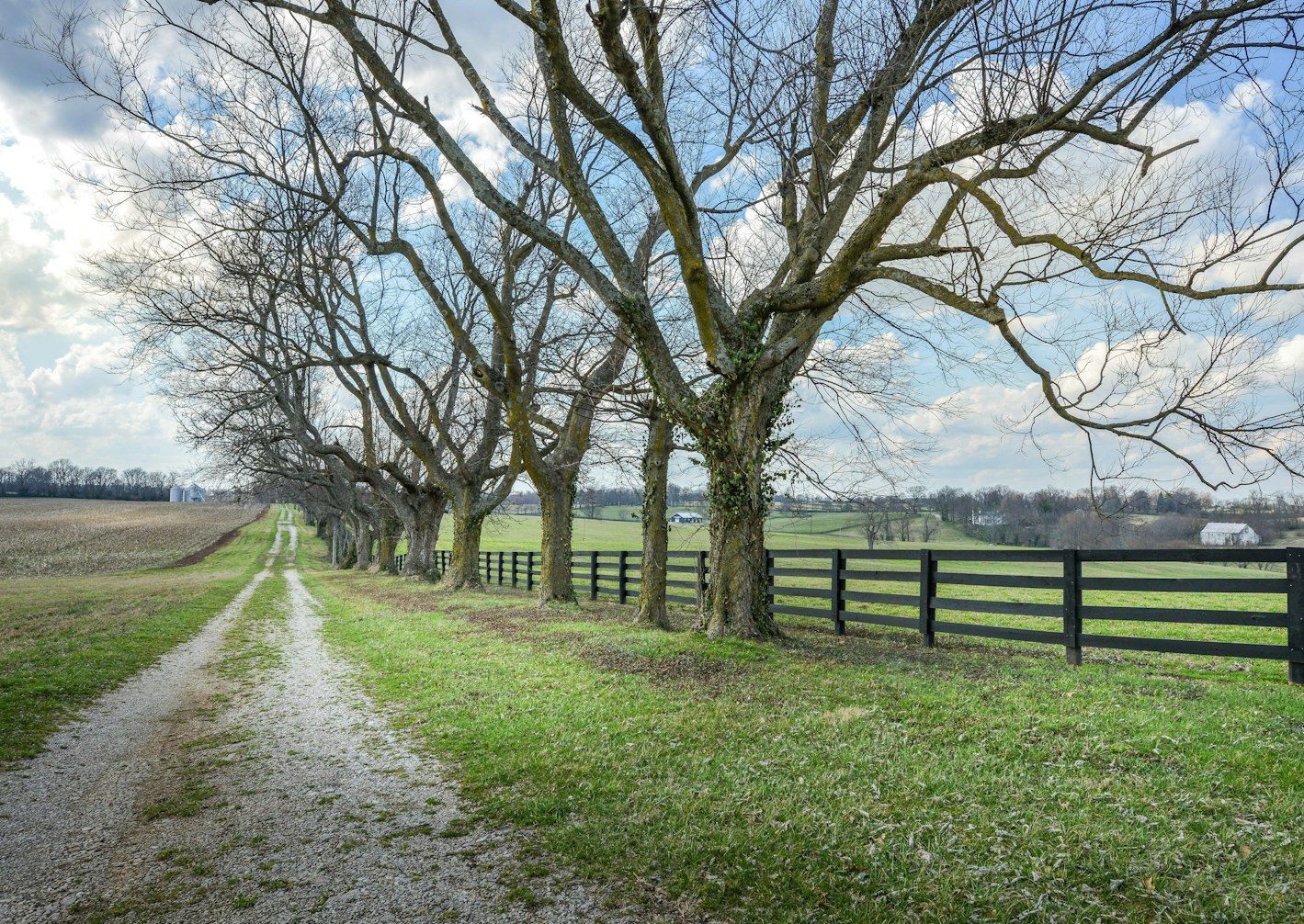
If you’ve taken a high school French class, your instinct when rolling into this Kentucky town will be to channel your inner Marie Antoinette and pronounce it "Ver-SIGH", just like the famous palace outside of Paris.
Do that in Kentucky, and you’ll get a round of weary but polite eye rolls. In a classic example of historic Americanization, the locals have rejected the French inflection. The town is proudly pronounced "Ver-SAYLS" (rhyming with "sales").
Spokane, Washington
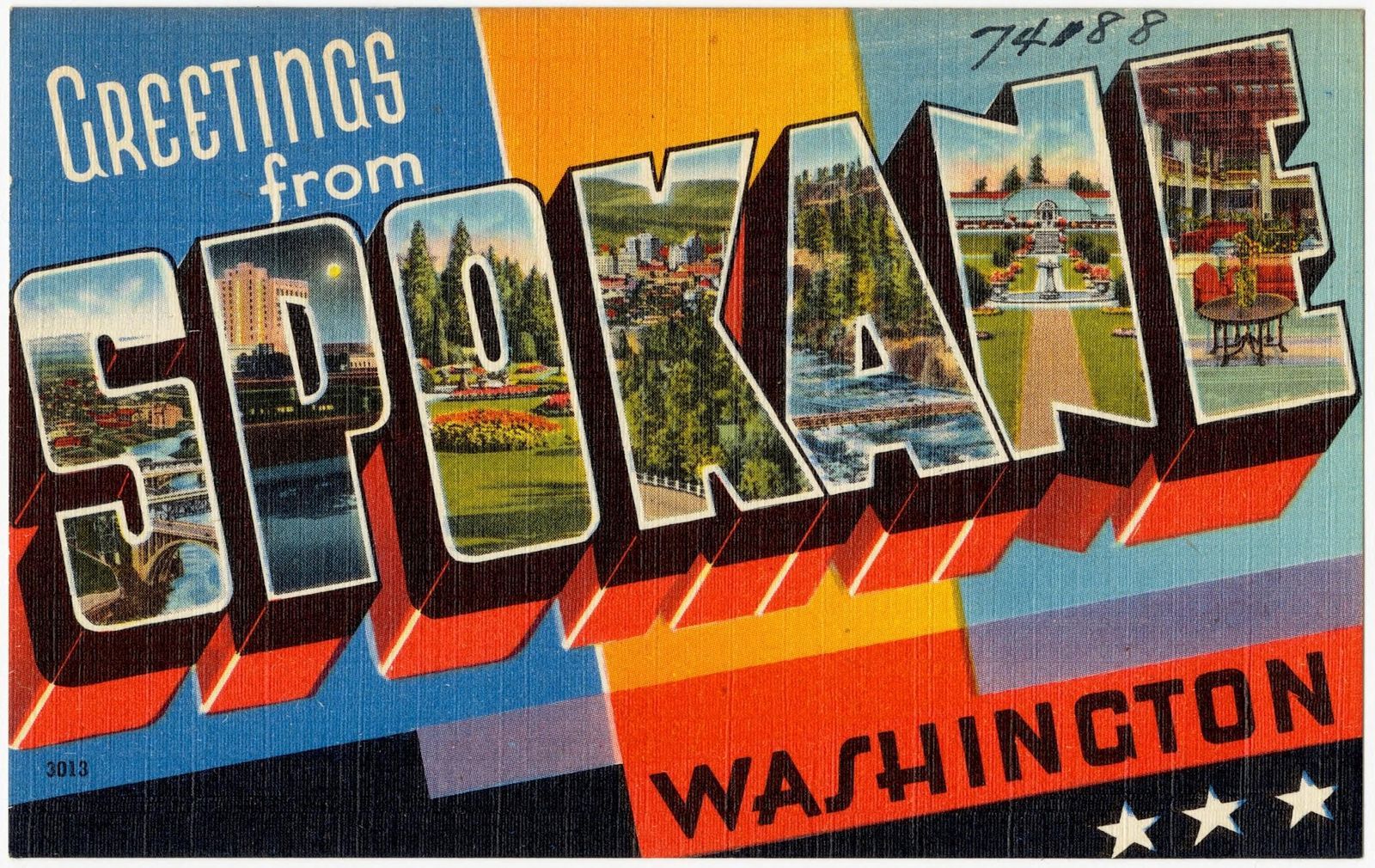
Located in eastern Washington, this vibrant Pacific Northwest city gets its name from the indigenous Spokane people, translating to "children of the sun".
The phonetic trap here lies right at the very end of the word. Because it ends in "ane", tourists almost universally read it with a long "A" sound, pronouncing it "Spo-CANE. But locals pronounce the final syllable with a short, flat "A", making it "Spo-CAN" (like a tin can).
Boise, Idaho
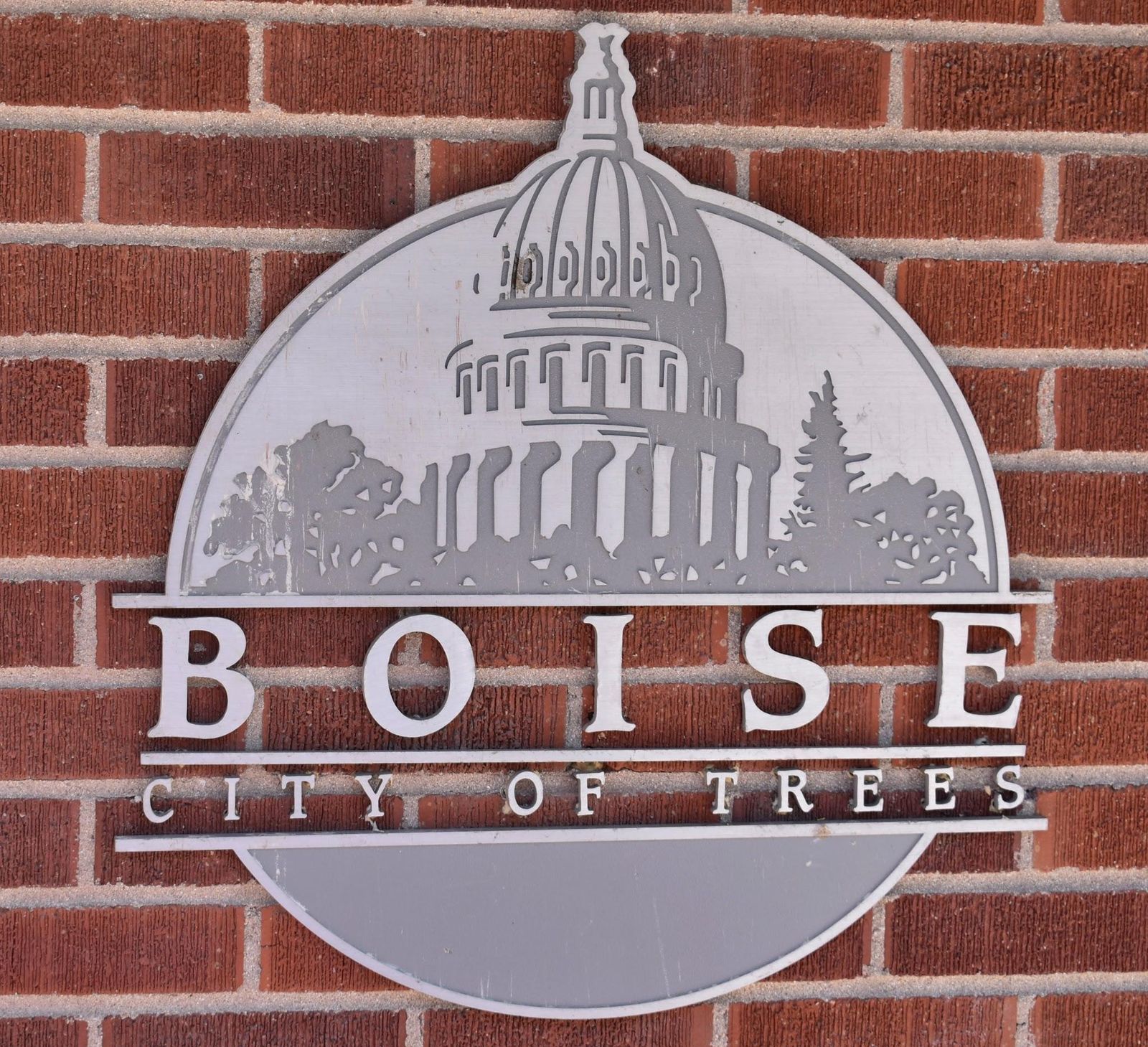
On paper, Idaho’s capital city seems straightforward. It is only five letters long, yet it is arguably one of the most mispronounced state capitals in the country.
Nearly everyone outside the Pacific Northwest inflects the middle consonant with a heavy "Z" sound, calling it "BOY-zee". If you want to blend in seamlessly with the locals, you need to soften that consonant into a crisp "S" sound. It’s "BOY-see".
Kissimmee, Florida
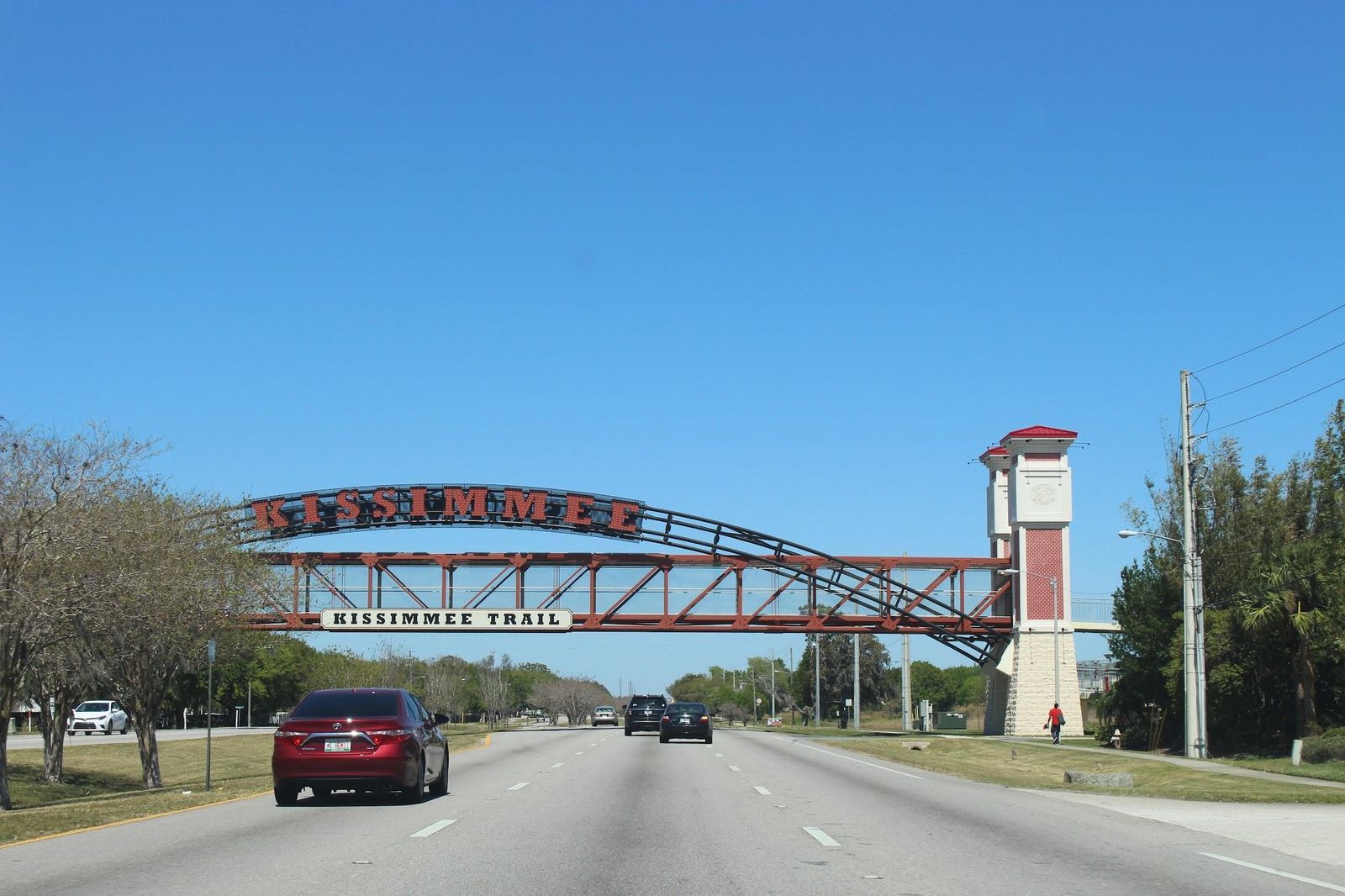
Located right next door to the massive tourism hub of Orlando and Walt Disney World, Kissimmee sees millions of international visitors pass through each year. And almost every single one of those visitors says it wrong.
Tourists instinctively put the stress on the very first syllable, making it sound like an invitation: "KISS-i-mee". The name, probably a modern spelling of a tribal word, can be traced back to the language of the Jororo people and means "long water." In turn, the proper, local pronunciation shifts the emphasis to the second syllable: "Kug-SIM-ee".
Patchogue, New York
Long Island, New York, is packed with complex place names left behind by the region’s original Native American inhabitants (think Ronkonkoma, Amagansett, or Massapequa). But Patchogue is the one that regularly stops travelers dead in their tracks.
Readers look at the "ogue" ending and panic, guessing everything from "Patch-o-gew" to "Pay-chog". The actual pronunciation is much more blunt: "PATCH-awg". Once you realize it rhymes with words like "dog" or "log," the fear of navigating Long Island’s highway signs disappears.
Wilkes-Barre, Pennsylvania
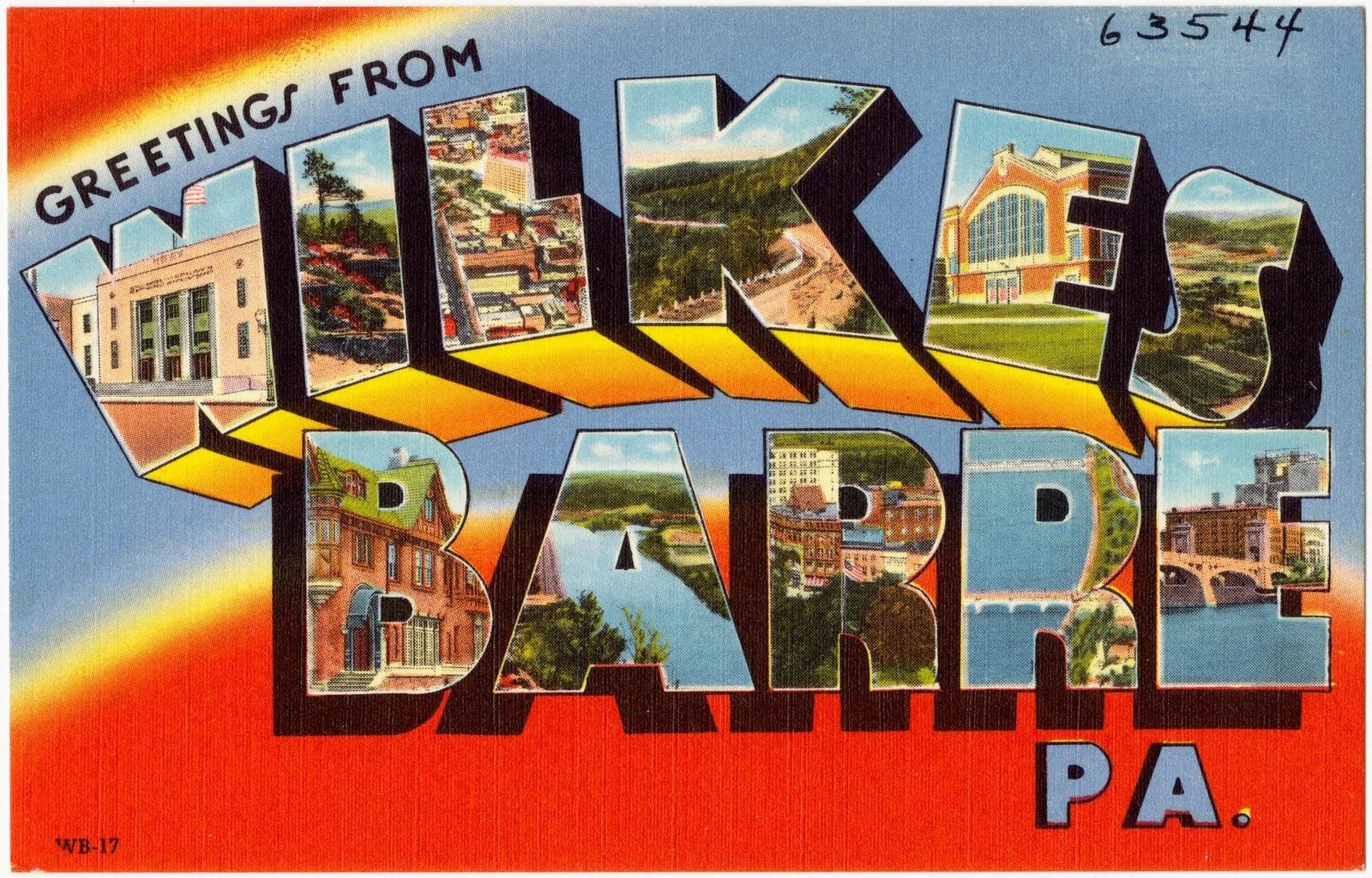
This historic northeastern Pennsylvania city was named in the 18th century to honor two distinct British politicians who supported the American colonies: John Wilkes and Isaac Barré. Because it combines two separate last names, the pronunciation has been a nuisance for decades.
The worst thing you can say is "Wilkes-BARE" as a single syllable. To say it correctly, you have to give Isaac Barré his due. Locals generally split into two acceptable options: the common "WILKS-berry" or the more traditional "WILKS-bar-uh". Both honor the two-syllable nature of the original names.
Helena, Montana

When people see the name of Montana’s capital city, their brains automatically map it to the classical European pronunciation: "He-LAY-nuh" or "He-LEE-nuh".
Yet, the founders of this frontier town had a much simpler cadence in mind. The city is named exactly like the woman’s name Helen, with an unstressed "schwa" sound added to the end. It is pronounced "HEL-i-nuh", with the emphasis landing on the very first syllable.
Norfolk, Virginia
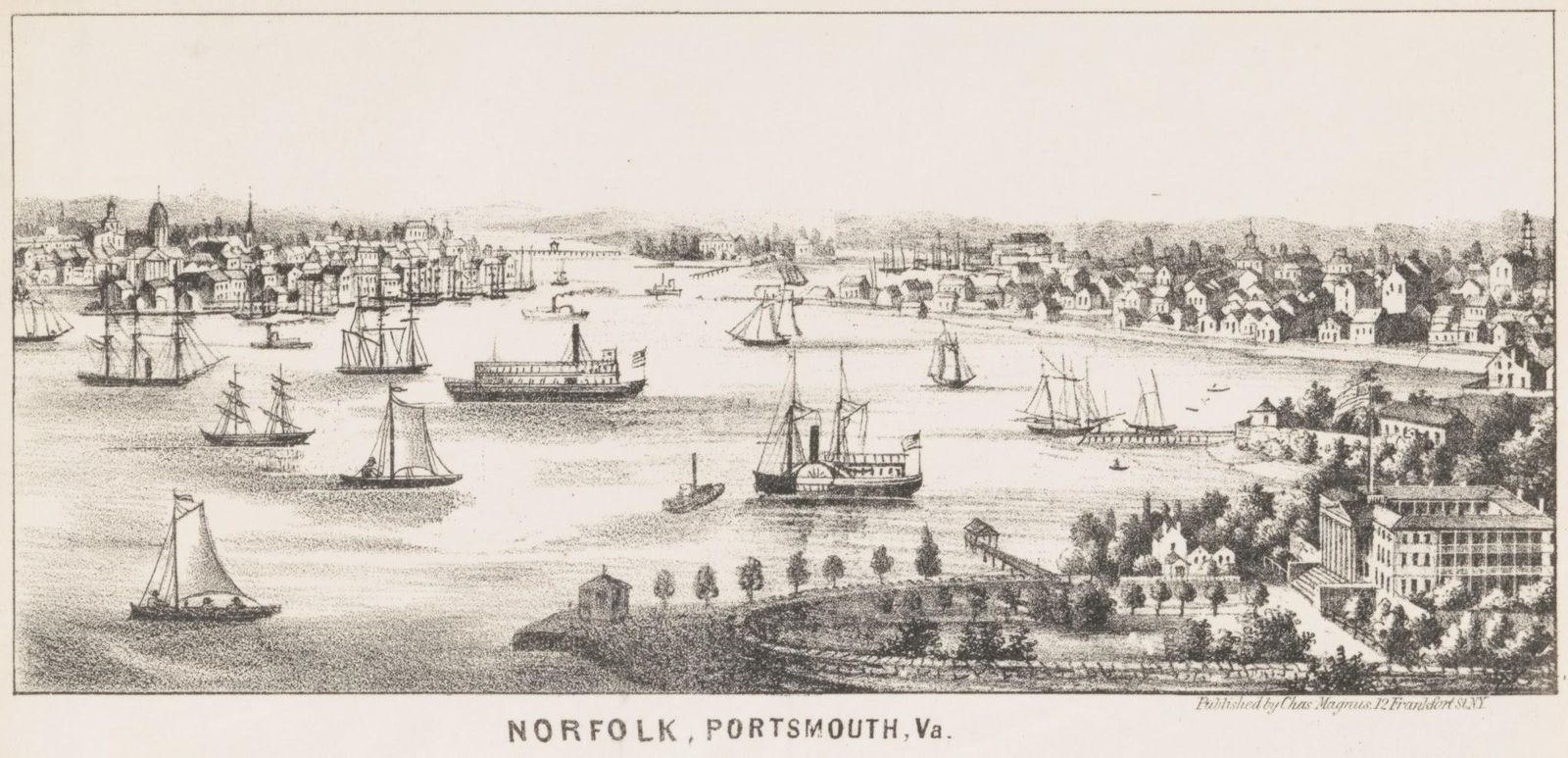
Norfolk is home to the world’s largest naval base, meaning thousands of sailors from across the globe arrive here every year. This massive influx of new residents creates a constant battle over how the city’s name should sound.
Phonetic readers will try to enunciate every letter, resulting in a stiff "Nor-FOLK". Locals, however, treat the "L" as if it doesn’t exist. Depending on how deep into the local accent you want to go, the accepted pronunciations range from a quick "NOR-fuk" to a very relaxed "NAW-fok".
Beaufort (NC) and Beaufort (SC)
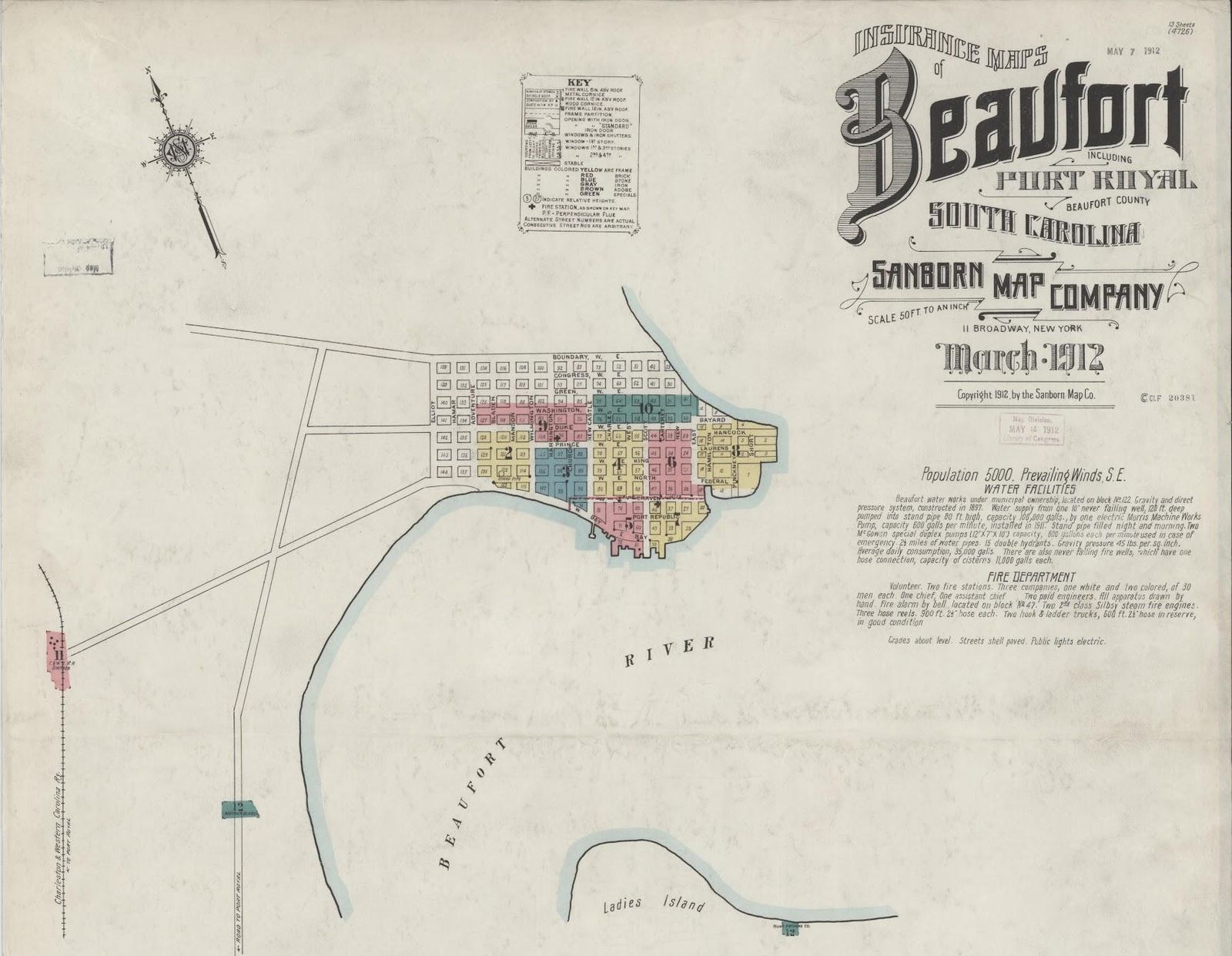
To wrap up our tour of geographical anomalies, we have an identical twin spelling trap located along the southeastern coast. There is a Beaufort in North Carolina and a Beaufort in South Carolina. They are spelled exactly the same way, but pronounced differently.
The difference comes down to accents: both towns were named after the British Duke of Beaufort. Yet, while Beaufort, South Carolina, is pronounced "BYOO-fort" (rhyming with beautiful), across the border, people in North Carolina pronounce it "BOW-fort".
Keep wandering
There’s always
more to explore
These travel expenses are worth every penny—and the ones to skip
4 min.
Read Now

It’s not your imagination: Airplane legroom has shrunk, and here's why
6 min.
Read Now
10 bizarre traditions at famous tourist spots and the reasons behind them
7 min.
Read Now
Why is this island off limits? The stories behind 10 forbidden places
6 min.
Read Now