10 bizarre traditions at famous tourist spots and the reasons behind them
 Landmarks
Weird rituals
10 bizarre traditions at famous tourist spots and the reasons behind them
Tourists love copying what they see others do. Arrive at spots like the Trevi Fountain, and you might have to get in line to toss a coin. Step into the Epidaurus Theatre in Greece, and you’ll have to wait until others are done whispering to try the acoustics yourself. People will even queue for an hour to attempt to bend backwards on the floor and kiss the Blarney Stone in Ireland. How did these very strange traditions begin? Read on to learn 10 site-specific odd rituals.
People shouting "Elmer!" at sundown at Yosemite National Park, USA
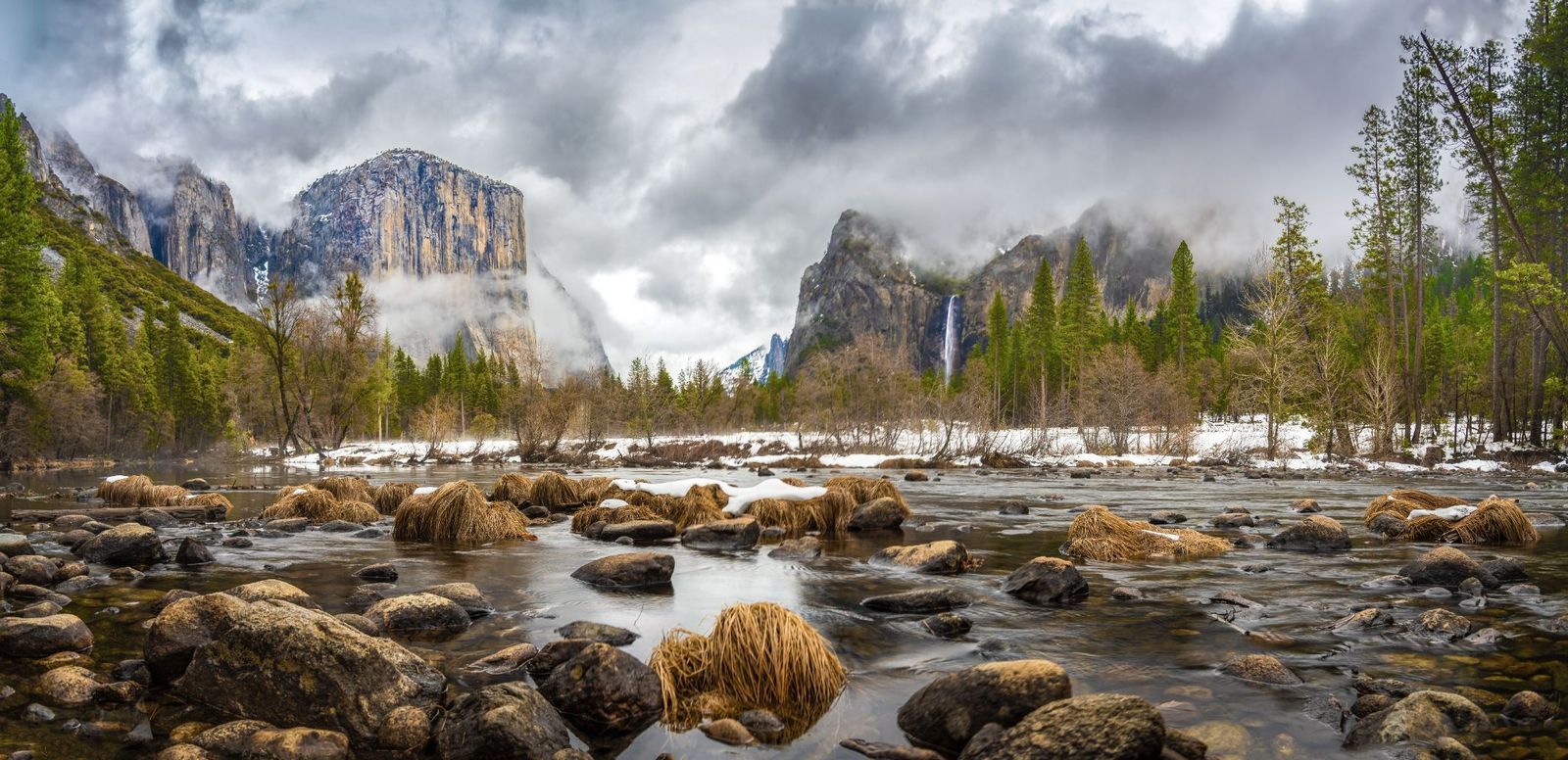
Every summer evening in Yosemite Valley, as the campfires die down, someone in one of the campgrounds shouts it into the dark: "ELLLLMEERRR!" And it always gets an answer.
Suddenly, the valley erupts into dozens of voices from different camps echoing the name back. The tradition has been going on since at least the 1930s, and no one knows exactly how it started. Nobody knows who Elmer was, either, but that’s part of the joke. The most popular legend says a boy named Elmer went missing in the woods one summer, and nearby campers started calling his name.
Another version claims he was a park ranger disfigured in the Yosemite Firefall who now haunts the camp looking for a new face, and if you shout his name, he'll know you're a friend and leave you alone. The National Park Service has officially acknowledged that the tradition exists, even though they have no explanation for it either.
Swearing nonsensical oaths at Highgate, London
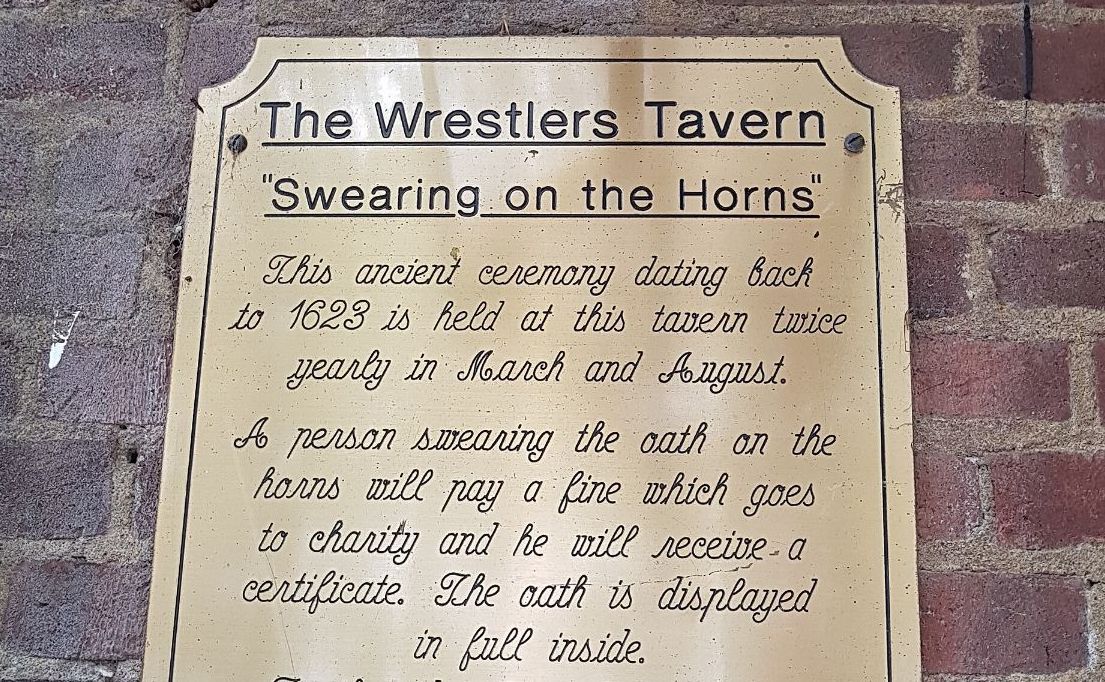
In the village of Highgate in north London, a pub tradition has been running since the 17th century that makes absolutely no sense. At taverns like The Wrestlers and The Flask, visitors can be sworn in as a "Freeman of Highgate" by reciting an oath of pure gibberish before a landlord dressed in ceremonial costume, then kissing a set of ram's horns.
The rewards are famous for their uselessness. They include the right to free drinks whenever you are penniless in the village, and the right to sleep in a local ditch if you first evict whichever pig is occupying it. If there are three pigs, you may only remove the middle one and sleep between the others.
Lord Byron swore the oath and referenced it in his poem "Childe Harold’s Pilgrimage." The ceremony was revived in recent years at The Wrestlers, where the horns and the full text of the oath still hang on the wall.
Putting hands into the Mouth of Truth in Rome
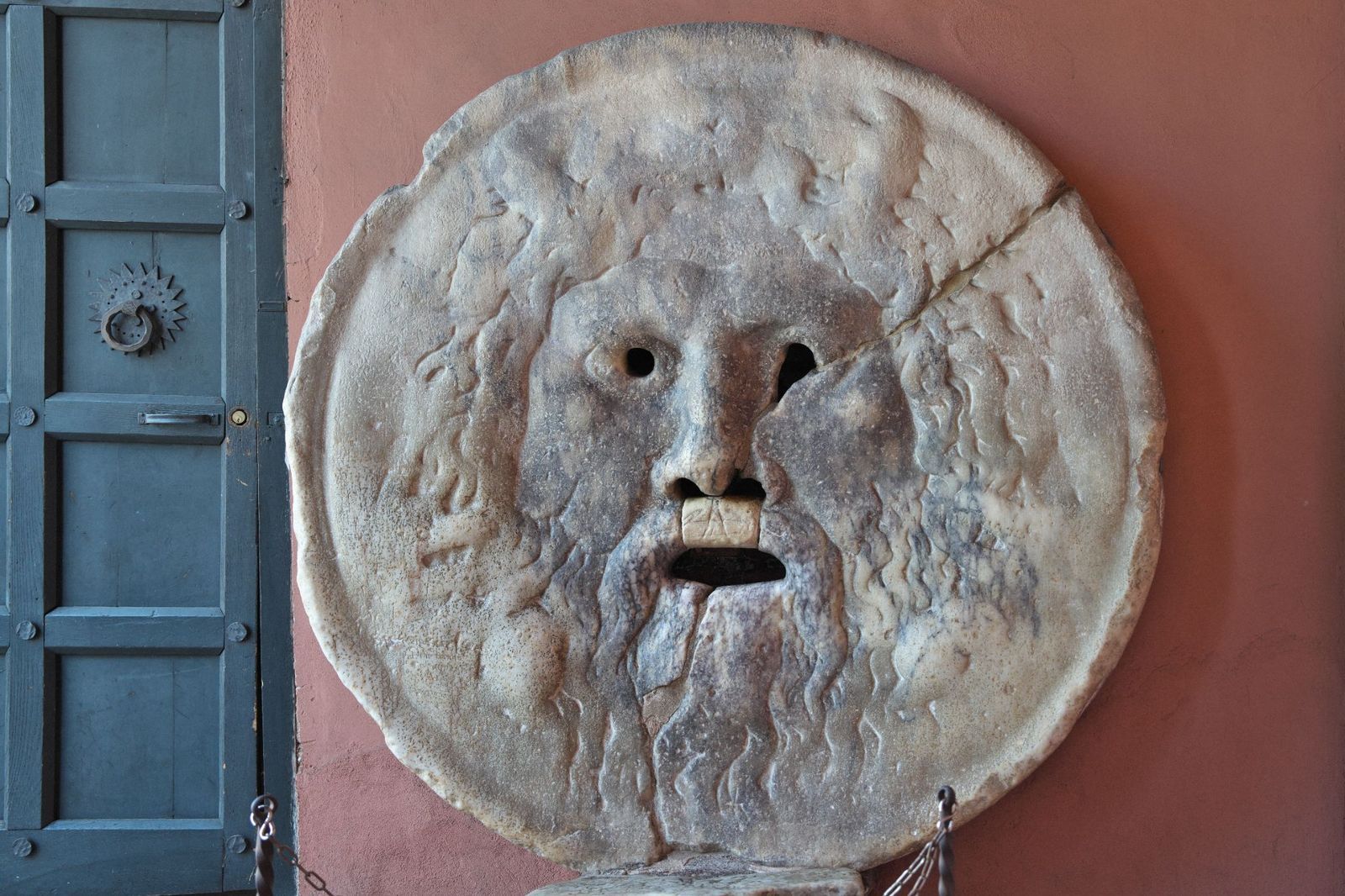
Long before Gregory Peck used it to terrify Audrey Hepburn in the film Roman Holiday, the Bocca della Verità had already been frightening people for roughly a thousand years. The ancient marble disc has sat at the entrance to the Basilica of Santa Maria in Cosmedin since the 13th century, though it was carved sometime in the 1st century CE, possibly as a drain cover for Rome's great sewer.
The legend, documented as far back as 1485, holds that any liar who places their hand inside its gaping mouth will lose it. Medieval husbands reportedly brought their wives here to prove their fidelity. The scene in Roman Holiday in which Peck hid his hand up his sleeve and pretended it had been bitten off, causing Hepburn's genuine shriek of terror, made the Bocca world-famous in 1953. Tourists now queue for up to two hours to stick their hand in and pose for the photo.
Sticking gum at the Seattle Gum Wall, USA
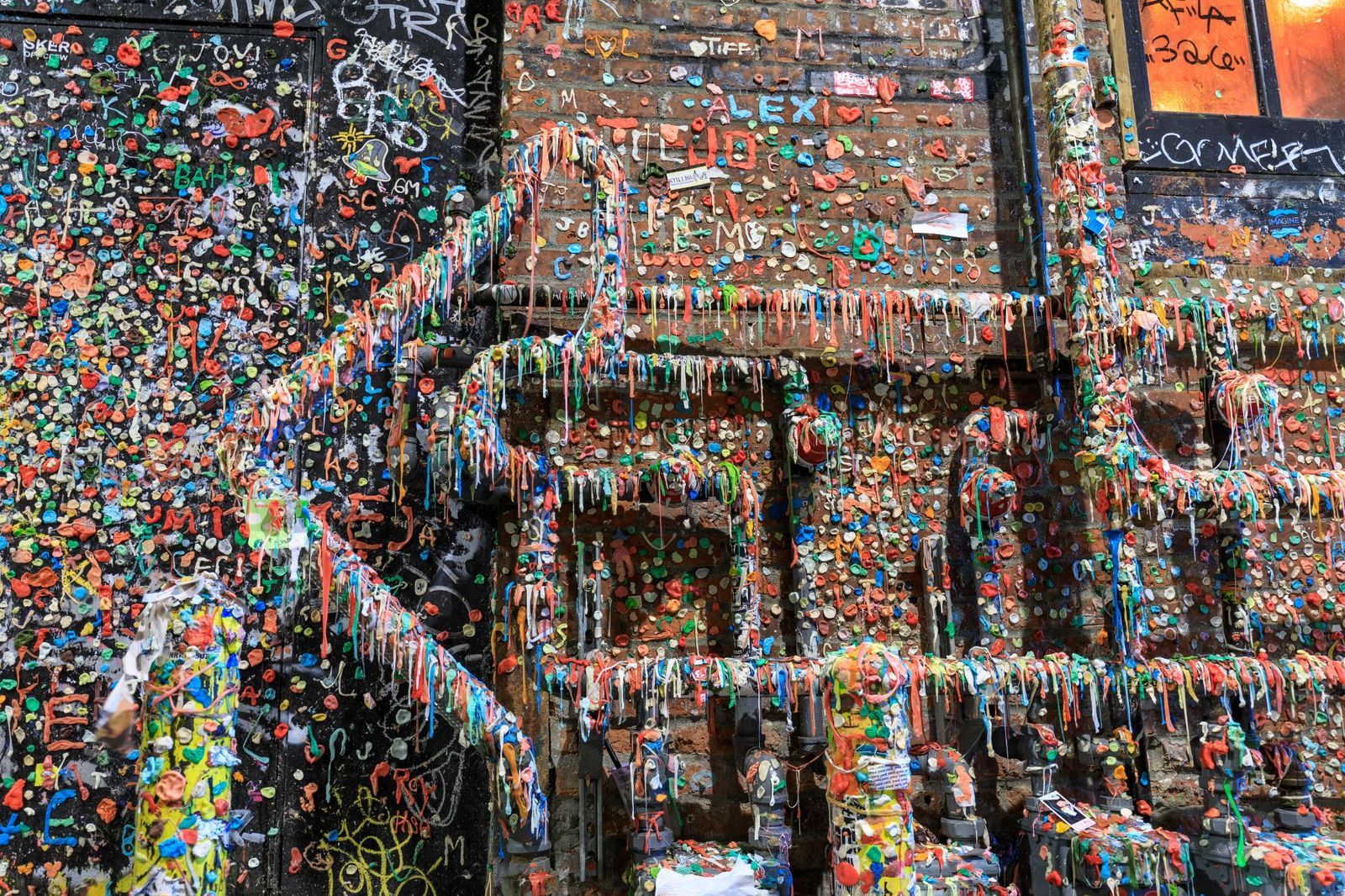
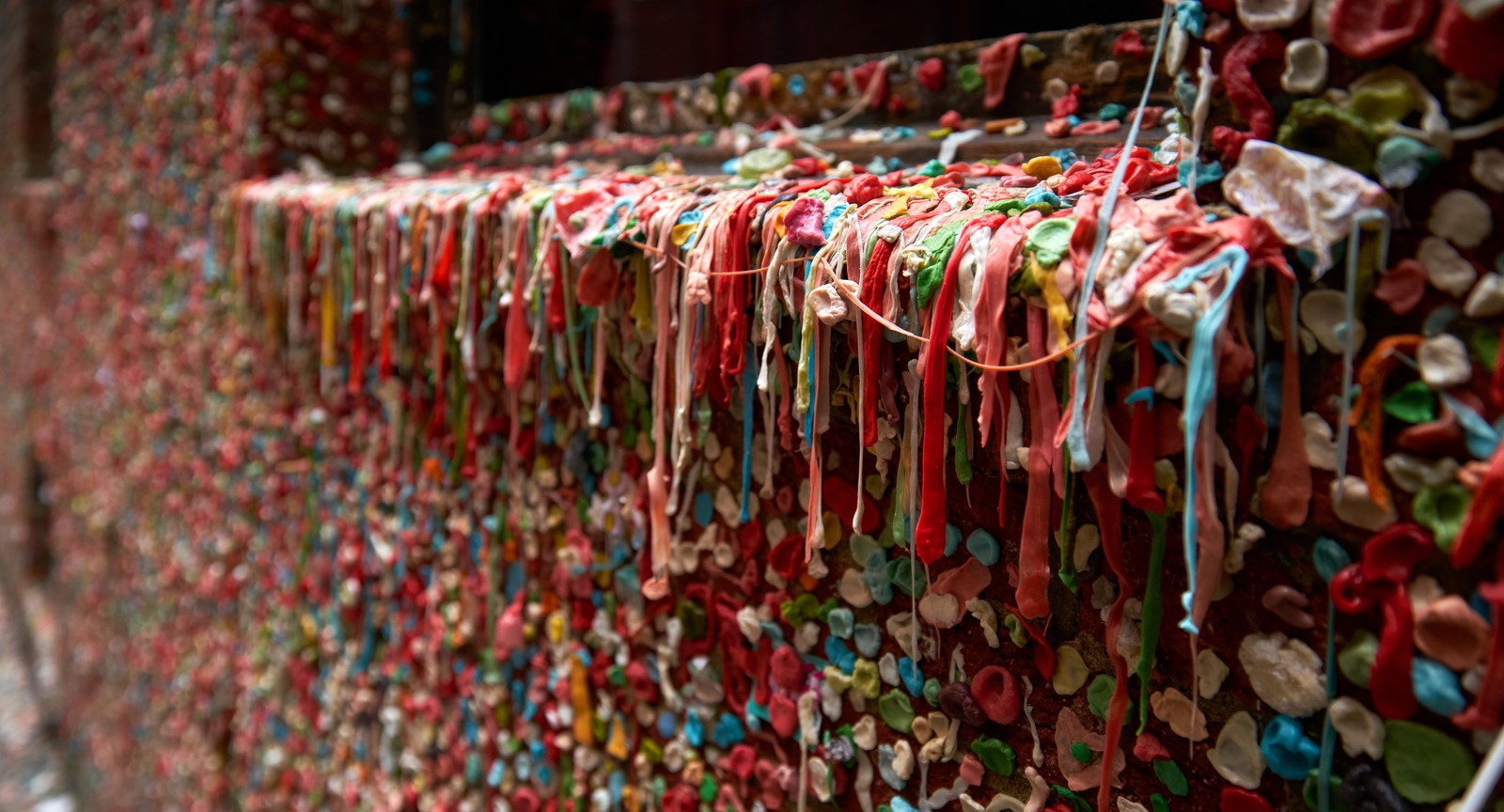
In 1993, people waiting in line for an improv comedy show at the Market Theater in Seattle's Post Alley started pressing their chewed gum to the brick wall outside. Management had the wall scraped clean. But the gum came back in the following show nights.
Locals carried out this back-and-forth until 1999, when the area authority gave up entirely and officially declared the wall a tourist attraction. Today, the Gum Wall stretches over 50 feet long and more than six feet high, covered in a thick, technicolor crust of chewed bubble gum from visitors around the world.
It’s consistently ranked among the germiest tourist attractions on earth. The wall is periodically cleaned to protect the historic brickwork underneath, but it doesn’t stay clean for long. In 2015, a full cleaning took 130 hours and removed over 2,350 pounds of gum, but it was rebuilt by passing tourists in about five months.
Kissing the lips of the Victor Noir statue in France
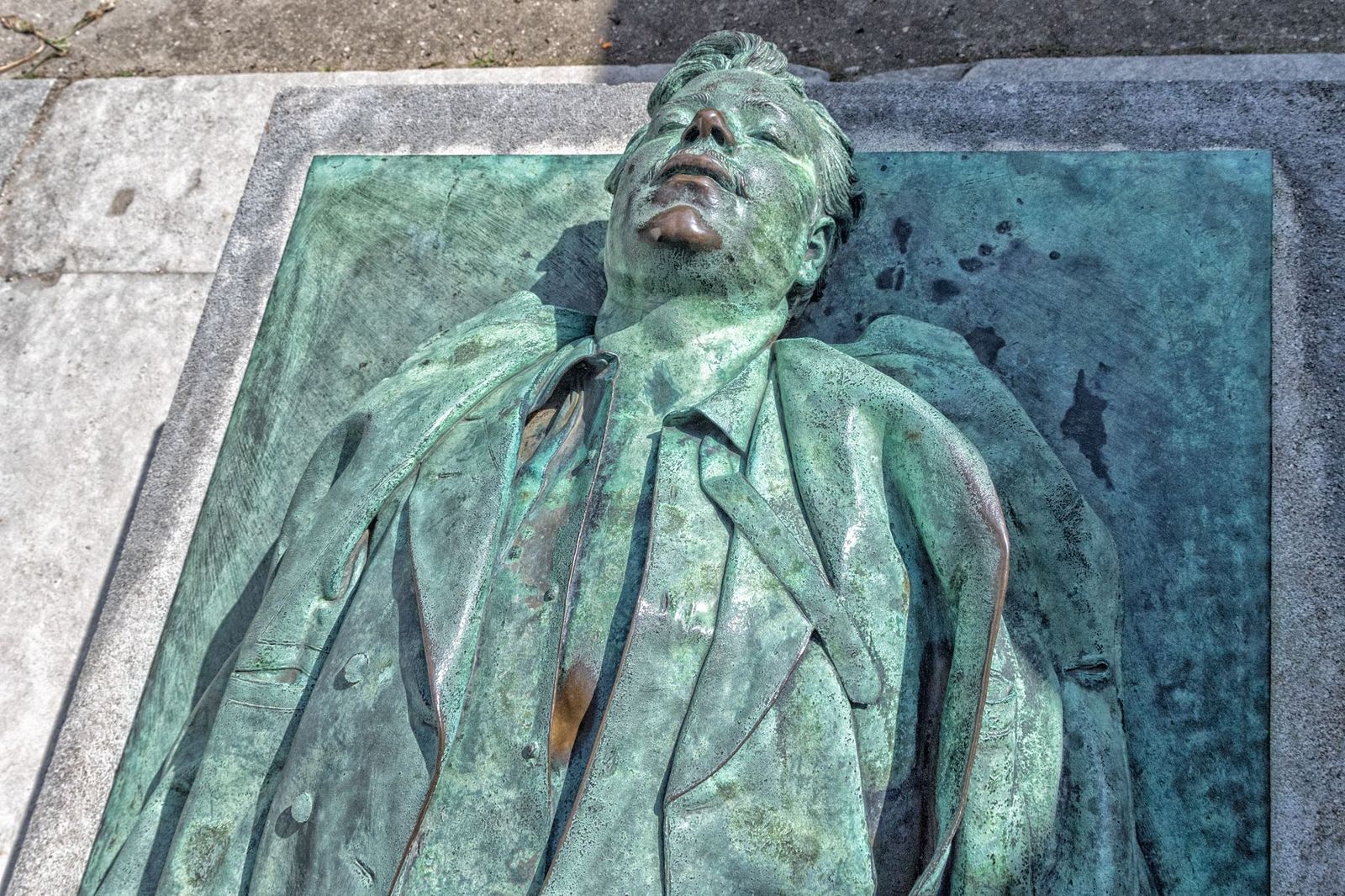
Victor Noir was 21 years old and working as a journalist for a radical Paris newspaper when, in 1870, he was shot dead by Prince Pierre Bonaparte, a cousin of Napoleon III. This happened in a dispute over a dueling arrangement Bonaparte had with Noir’s boss. His murder was so politically explosive that nearly 100,000 people attended his funeral procession, outraged that the prince was later acquitted.
Two decades later, when the Third Republic had the journalist's body moved to Père Lachaise cemetery, sculptor Jules Dalou created a life-size bronze of Noir lying exactly as he fell on the street, hat beside him. For reasons no one has fully explained, the statue became a symbol of good fortune in love, and the tradition of kissing his bronze lips took hold.
His lips are now worn to a bright gold shine against the rest of the oxidized green statue. In 2004, city authorities erected a fence around the tomb to stop the practice, but the public protested until it came down.
Writing love letters to Juliet in Verona, Italy
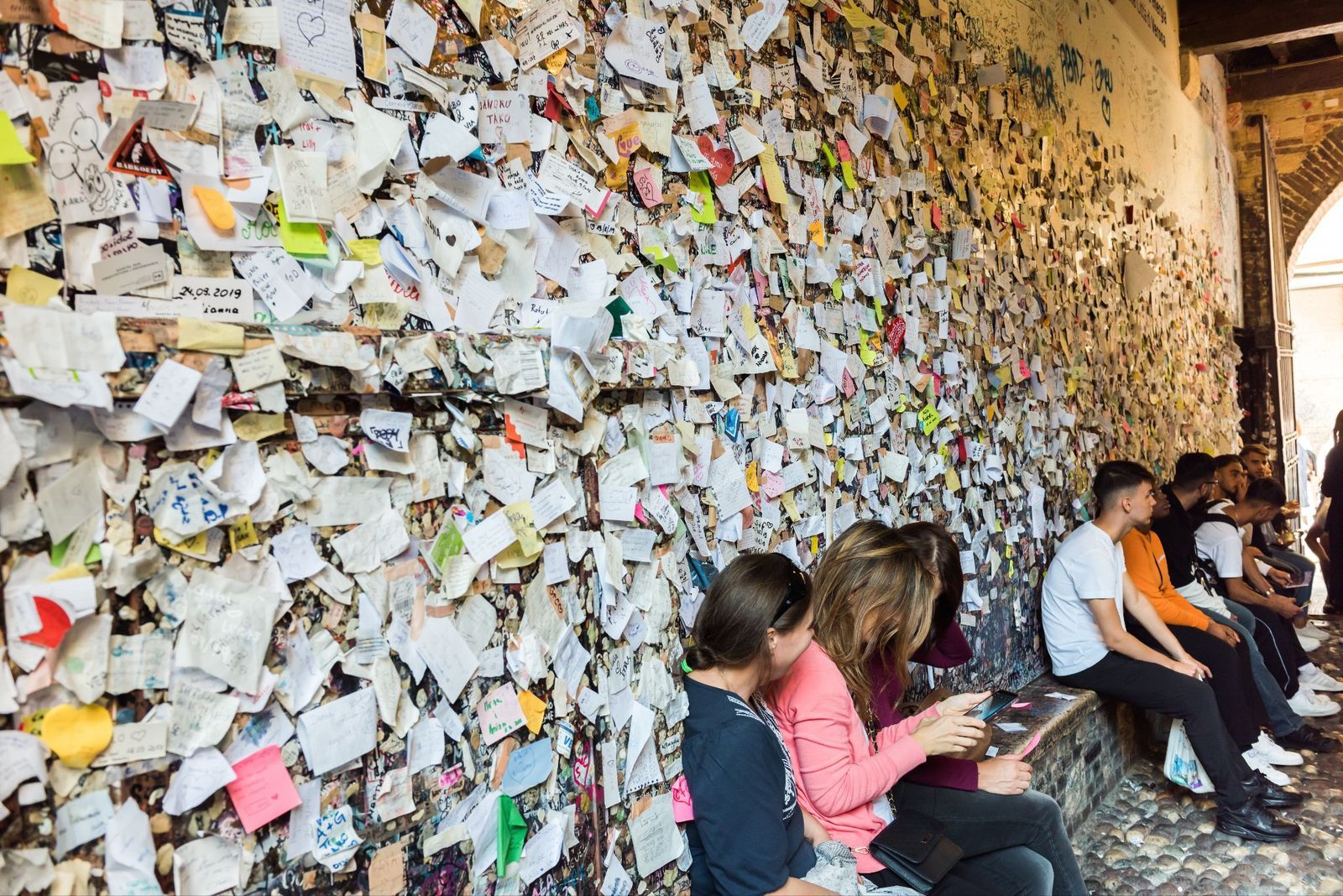
Juliet Capulet never existed, and Shakespeare almost certainly never visited Verona before or after writing Romeo and Juliet. And yet thousands of people each year write heartfelt letters addressed to "Juliet, Verona, Italy."
Each of them is answered. The tradition began in the 1930s: visitors were leaving love letters at Juliet’s Tomb, a nameless and empty crypt in Verona that had popularly become a pilgrimage site honoring the tragic fictional character. Ettore Solimani, the caretaker of the site, began collecting the letters visitors left behind and writing back. He signed them "Juliet's Secretary." This led to the Club di Giulietta, formally founded in 1972, which now has around 50 volunteer secretaries who reply to roughly 10,000 letters a year in over a dozen languages.
The 2010 film Letters to Juliet, starring Amanda Seyfried, introduced the tradition to a global audience and significantly increased the mail volume.
Weekly Siesta Key Drum Circle, Florida, USA
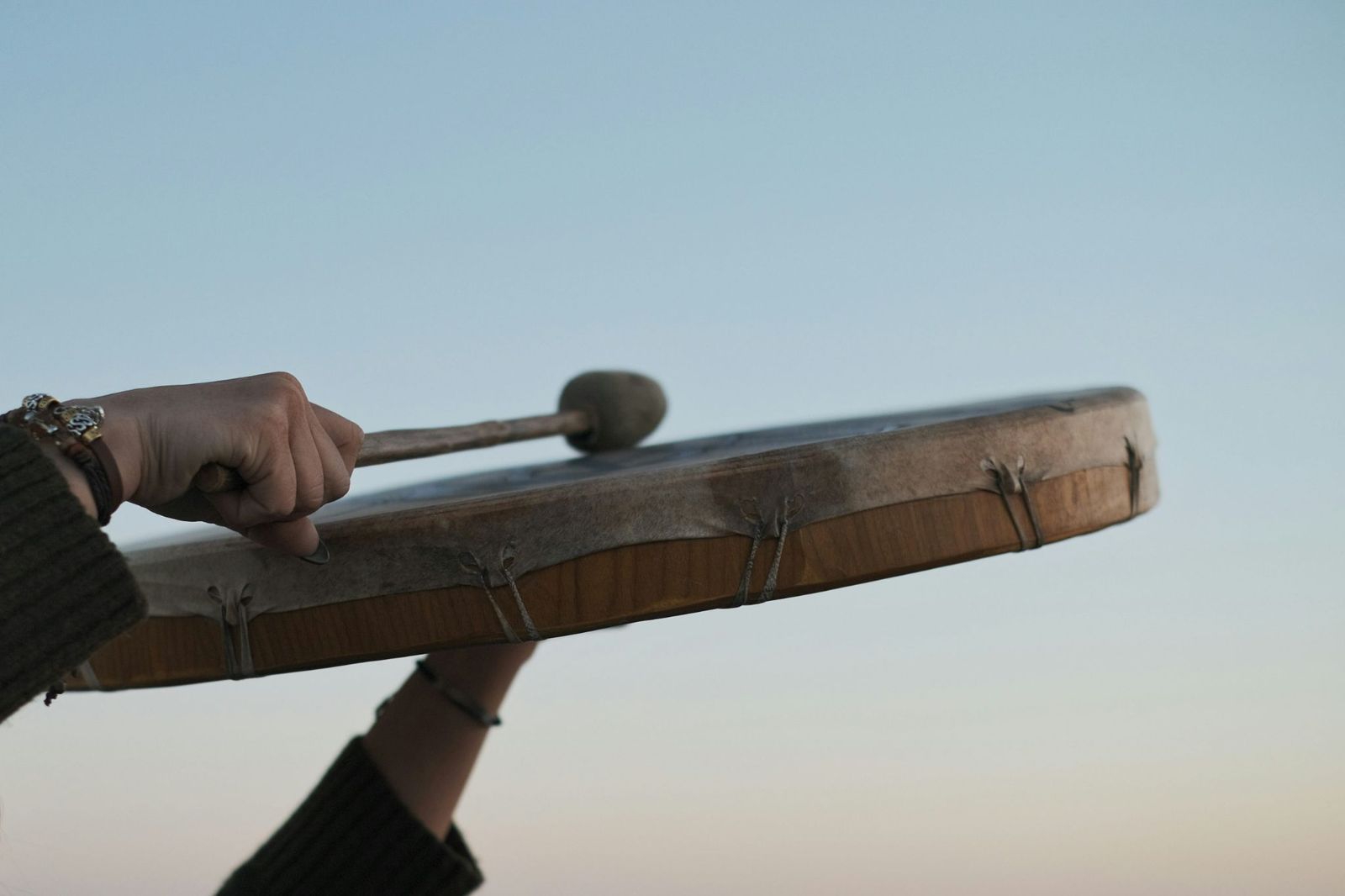
In March 1996, a man named David Gittens gathered about a dozen friends on Siesta Beach on Florida's Gulf Coast to drum together and mark the spring equinox. Thirty years later, that gathering has transformed into a weekly tradition. Every Sunday evening, an hour before sunset, people converge on Siesta Beach; musicians with djembes, congas, and tambourines, dancers with hula hoops, families with children, and tourists who stumbled into a show they only half understand.
By peak season, the crowd can reach a thousand people. There are no tickets, no stage, no vendors, no amplification, and no organizers.
Kissing the Blarney Stone in County Cork, Ireland
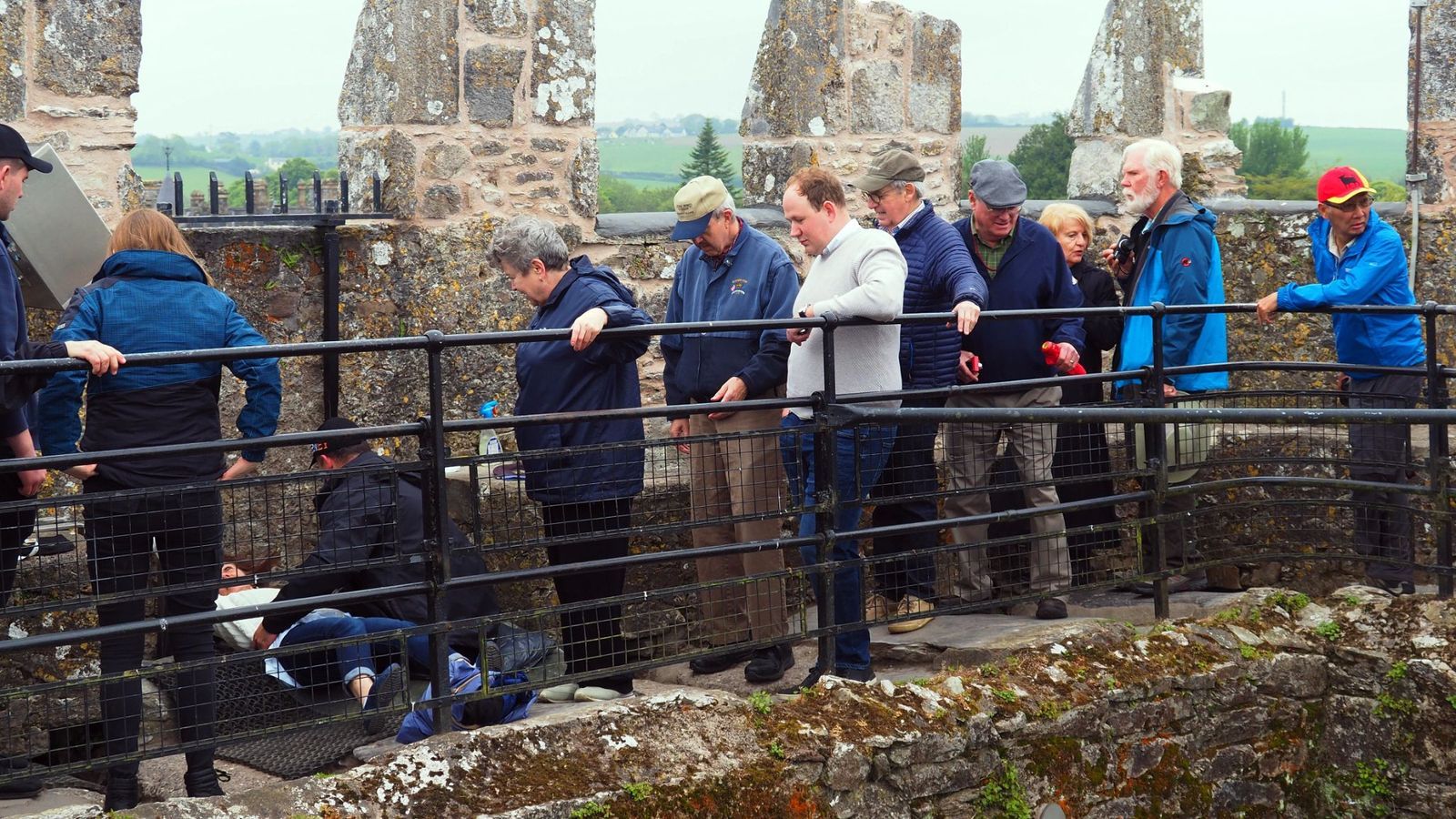
The Blarney Stone promises the gift of eloquence. It is said that if you manage to kiss it, you’ll gain the ability to speak well, charm effortlessly, and talk your way out of any situation. The price is modest: you simply have to climb to the top of a 15th-century castle, lie on your back, lean backwards over the edge of the battlements 90 feet above the ground, and press your lips to a stone set into the parapet below.
About 400,000 people a year do it, assisted by a staff member called "Butter Fingers," whose job is to hold your legs. The legend traces back to Cormac Laidir MacCarthy, builder of the castle, who was facing a hopeless legal dispute around the year 1446. He prayed to the goddess Clíodhna, who told him to kiss the first stone he found in the morning, then go to court and speak. As legend has it, he did, and he won.
Whispering at the Epidaurus Stage in Peloponnese, Greece
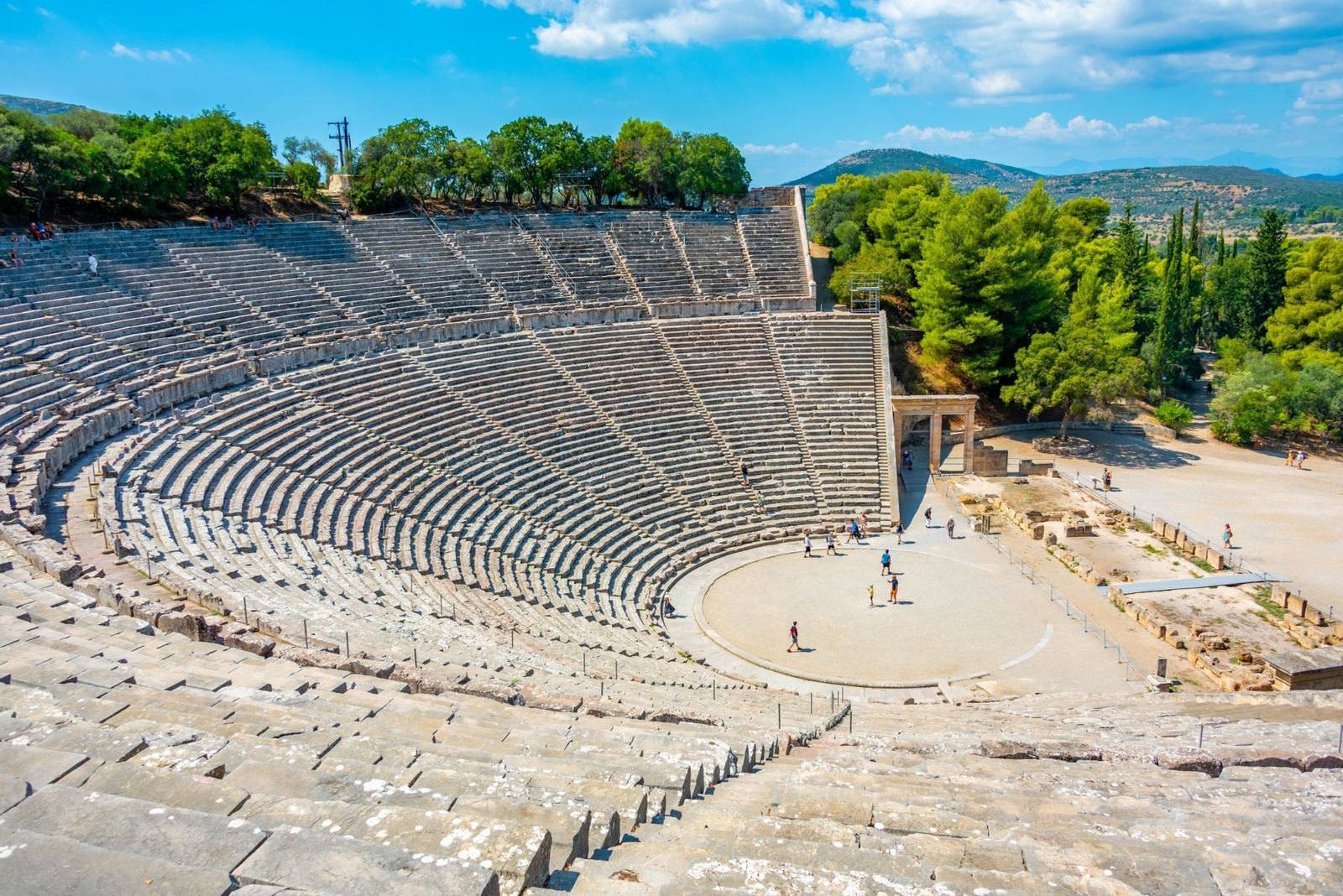
The Theatre of Epidaurus was built in the 4th century BC as part of a healing sanctuary dedicated to Asclepius, the Greek god of medicine. Today, it seats around 14,000 people on limestone tiers that rise in a perfect semicircle from the stage.
Every day, without any official encouragement, tourists perform a ritual: one person walks to the center of the ancient stage while their companions climb as high as they can go, and then the person on stage tears a piece of paper, strikes a match, or whispers. The people in the highest row hear it perfectly.
The acoustics are so precise that researchers from Georgia Tech spent years trying to explain them, eventually determining that the limestone seats themselves act as acoustic filters, absorbing low-frequency background noise while reflecting high-frequency sound from the stage with uncanny clarity.
Locking love to bridges in Paris, France
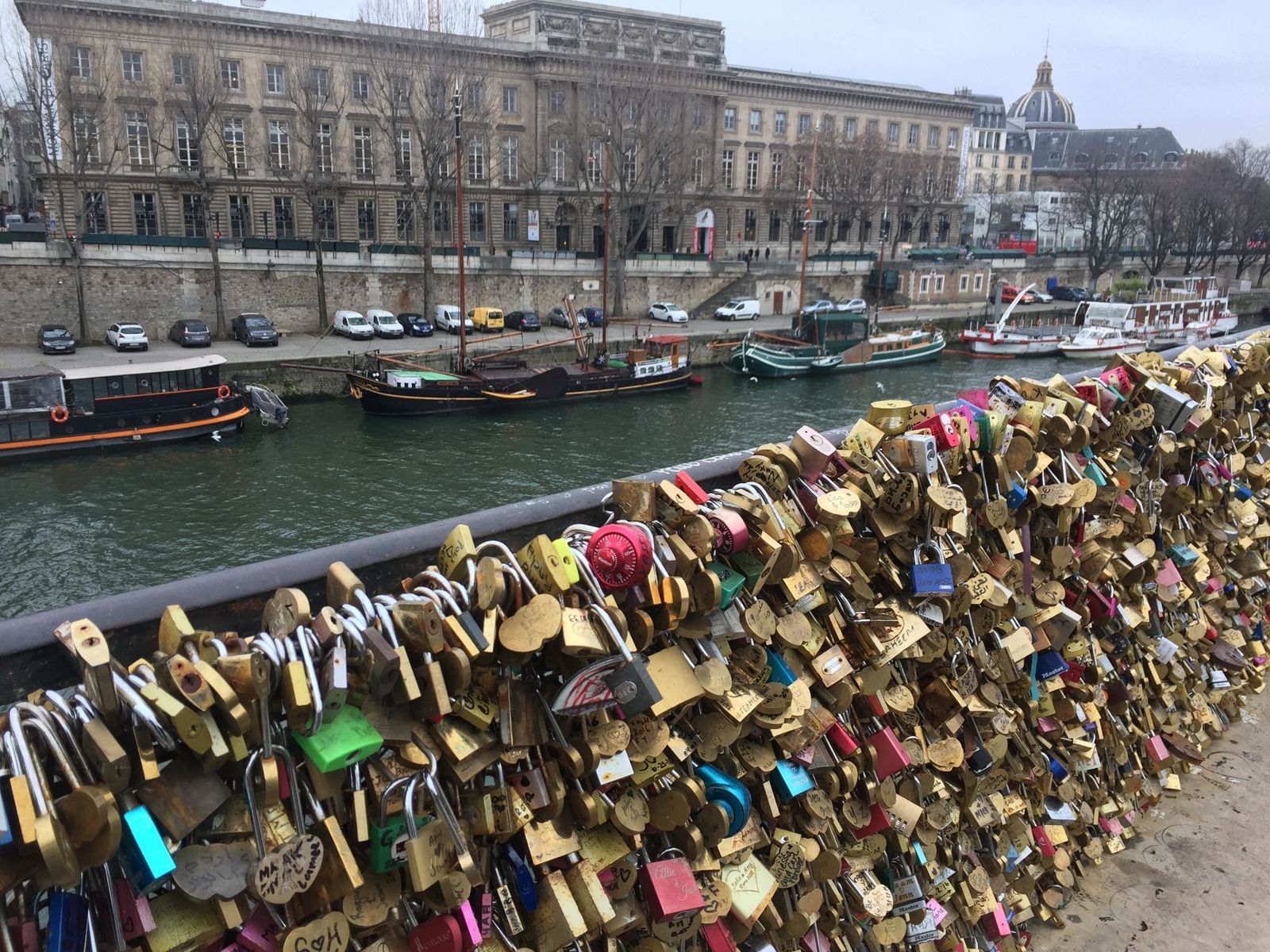
A couple attaches a padlock to the iron railings of a Parisian bridge, tosses the key into the Seine below, and thus symbolically seals their love. Nobody is quite sure when or why the ritual started. Some say it began in the early 2000s, with the practice spreading rapidly through social media.
By 2014, the Pont des Arts had become one of the most visited spots in Paris, and its railings were covered with heavy padlocks. The accumulated locks weighed 45 tonnes, the equivalent to 20 elephants. Eventually, a part of the bridge’s railing collapsed. In 2015, the city resolved to remove all of the padlocks and install glass panels to prevent the practice from returning.
This only resulted in couples finding other railings across the city to lock their love in; the tradition continues on the Pont de l'Archevêché behind Notre-Dame to this day.
What hotels don’t tell you: 10 psychological factors behind hotel design
 General
Is that water bottle really free?
What hotels don’t tell you: 10 psychological factors behind hotel design
Hotels are carefully engineered to shape how guests feel, move, and spend money. From lighting and scent to furniture placement and elevator locations, many design choices are based on psychology, behavioral science, and marketing research. The goal is simple: make spaces feel relaxing, luxurious, and memorable while subtly encouraging spending.
Hotel lobbies are designed to slow you down
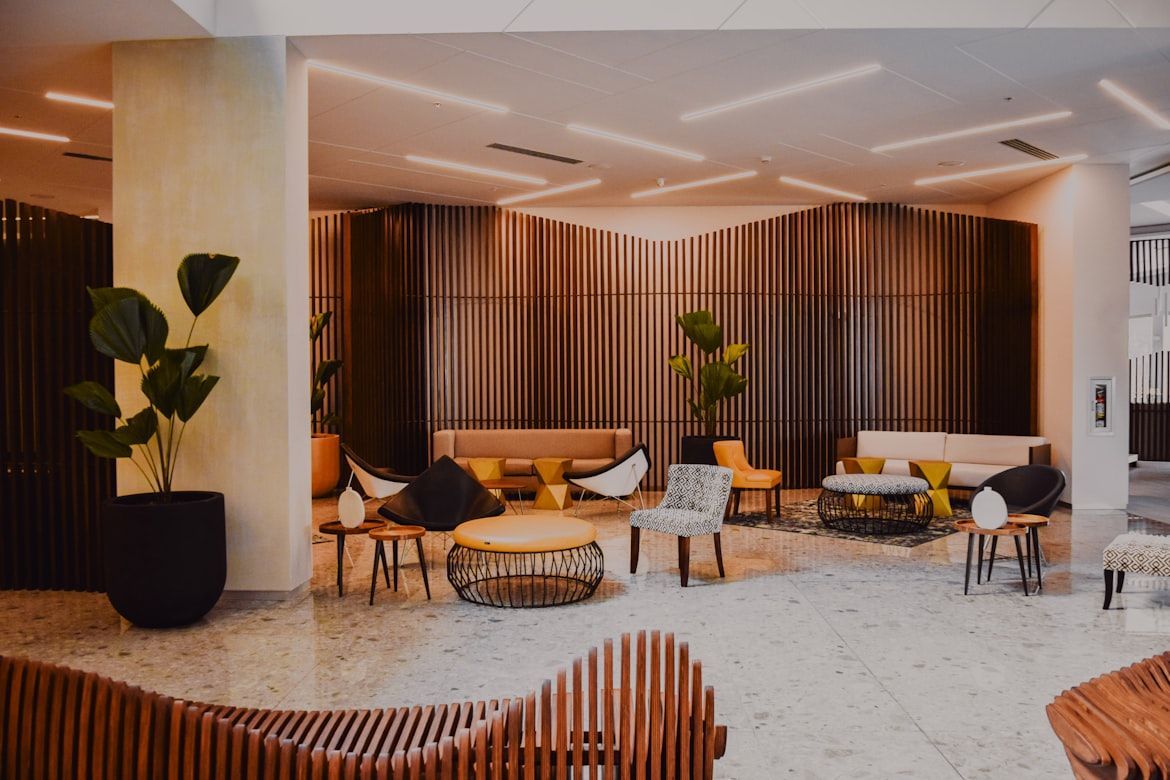
Modern hotel lobbies are often built with soft seating, curved layouts, artwork, and warm lighting that encourage guests to pause instead of rushing through. Designers call these "transition spaces," helping travelers mentally shift from stressful travel into relaxation mode. Luxury hotels especially use layouts that reward slow exploration and lingering.
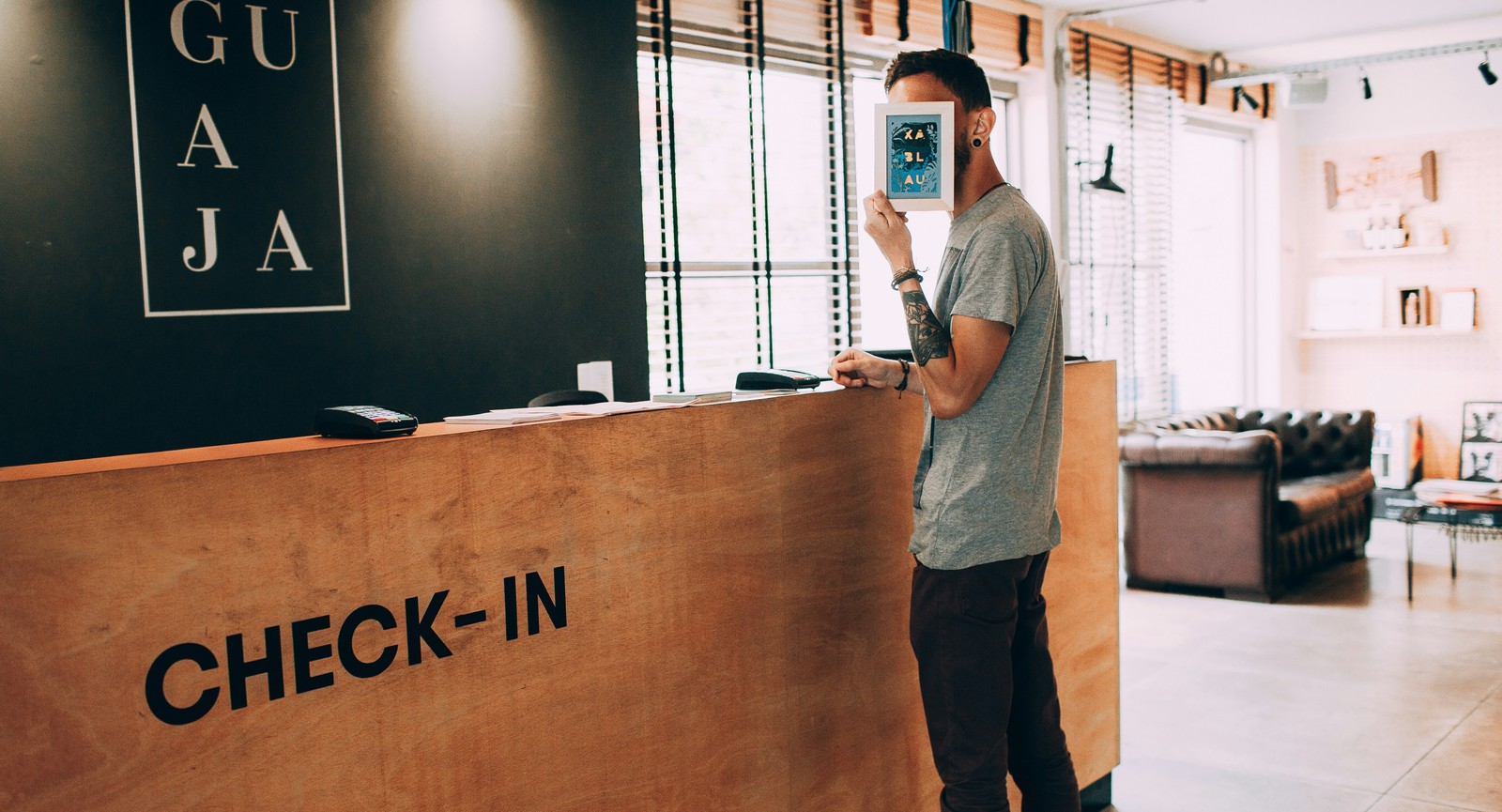
Many newer hotels even treat the lobby like a social lounge or coworking space rather than a simple check-in desk. Comfortable seating clusters, cafés, and layered lighting subtly encourage guests to spend more time, which in turn gives the staff more time to prepare the rooms.
Warm lighting makes rooms feel safer
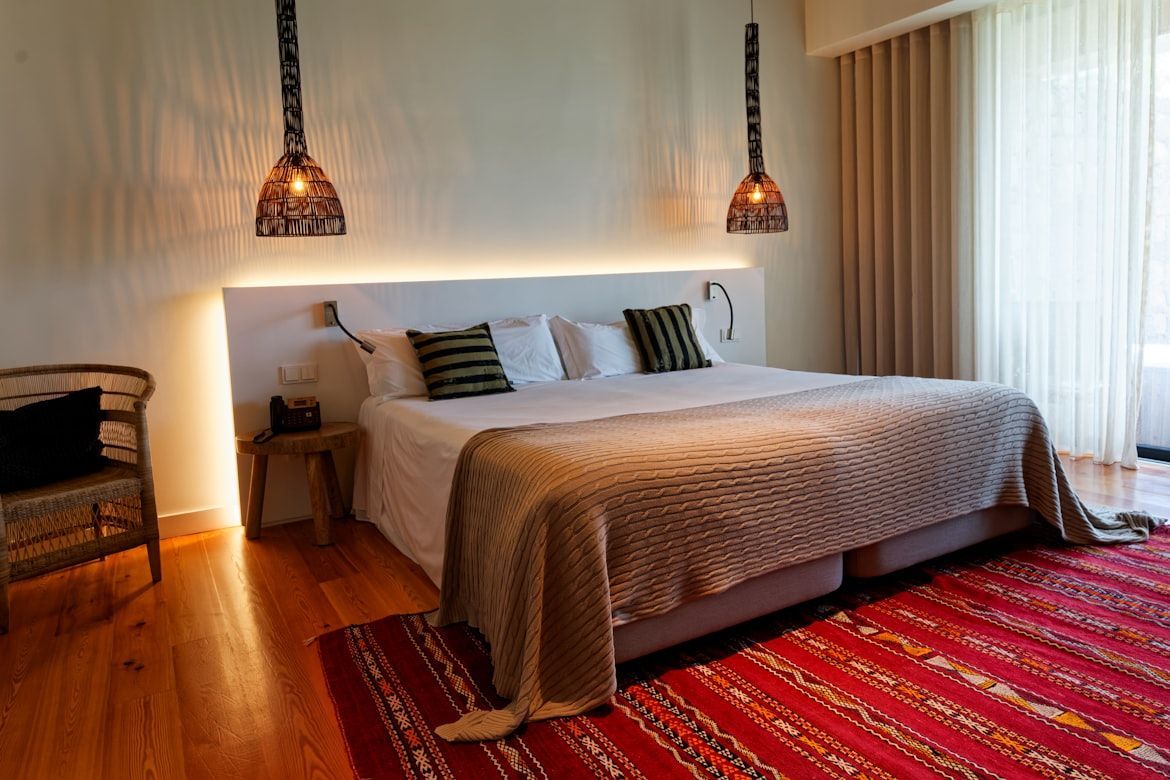
Hotels rarely use harsh white lighting in guest rooms because warm tones create feelings of comfort, calmness, and safety. Studies in hospitality design show that lighting strongly affects mood, stress levels, and even sleep quality. Softer amber lighting also mimics the feel of home environments.
Designers carefully place lights to guide behavior. Reception desks are brightly lit to attract tired travelers immediately, while softer lights near beds and seating areas encourage relaxation. Many hotels also use hidden night lighting so unfamiliar rooms feel safer at night without needing bright overhead lights.
Casinos often hide clocks for a reason
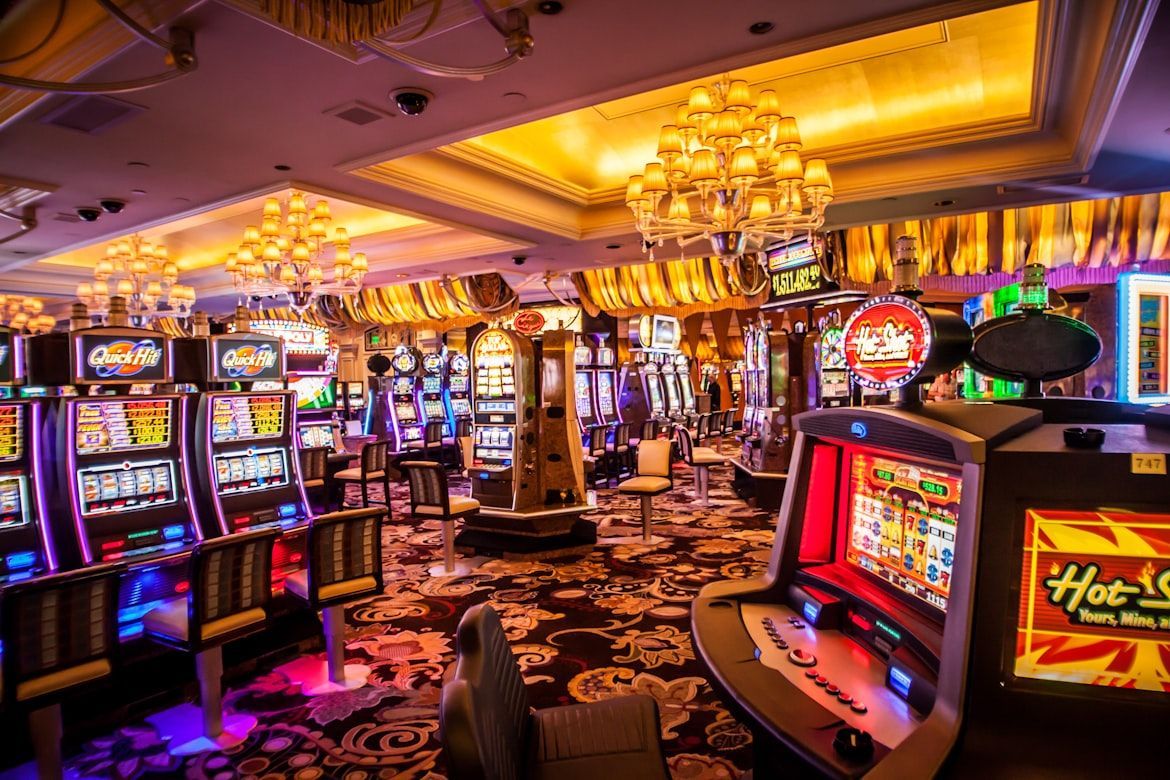
Many casino-hotels intentionally avoid visible clocks and windows on gaming floors. This reduces guests’ awareness of time passing, encouraging them to stay longer and continue spending money. Las Vegas casinos became pioneers in using environmental psychology to shape guest behavior decades ago.
The strategy works alongside carefully controlled lighting, sounds, and scents that maintain stimulation without reminding visitors of the outside world. Some casinos even use energizing fragrances in gambling areas while keeping hotel lobbies calmer and more relaxing.
Signature hotel scents are carefully engineered
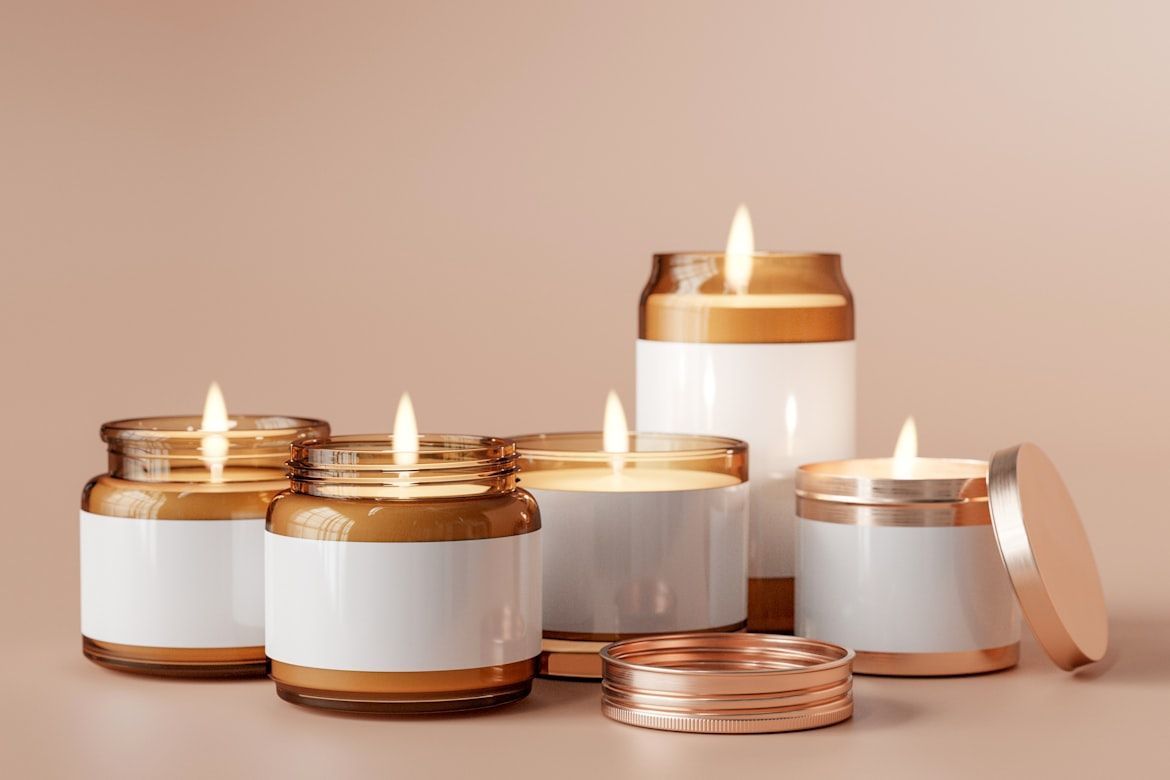
Many major hotels use custom-designed fragrances known as "signature scents." These scents are developed to create emotional associations between smell, comfort, and the hotel brand. Scientists know smell is closely tied to memory and emotion through the brain’s limbic system.
Hotels spend large amounts creating scents that feel luxurious, calming, or refreshing. The Westin hotel chain, for example, became famous for its white tea fragrance. Research shows pleasant scents can improve mood, increase satisfaction, and even encourage guests to stay longer and return later.
Mirrors are placed to make rooms feel bigger
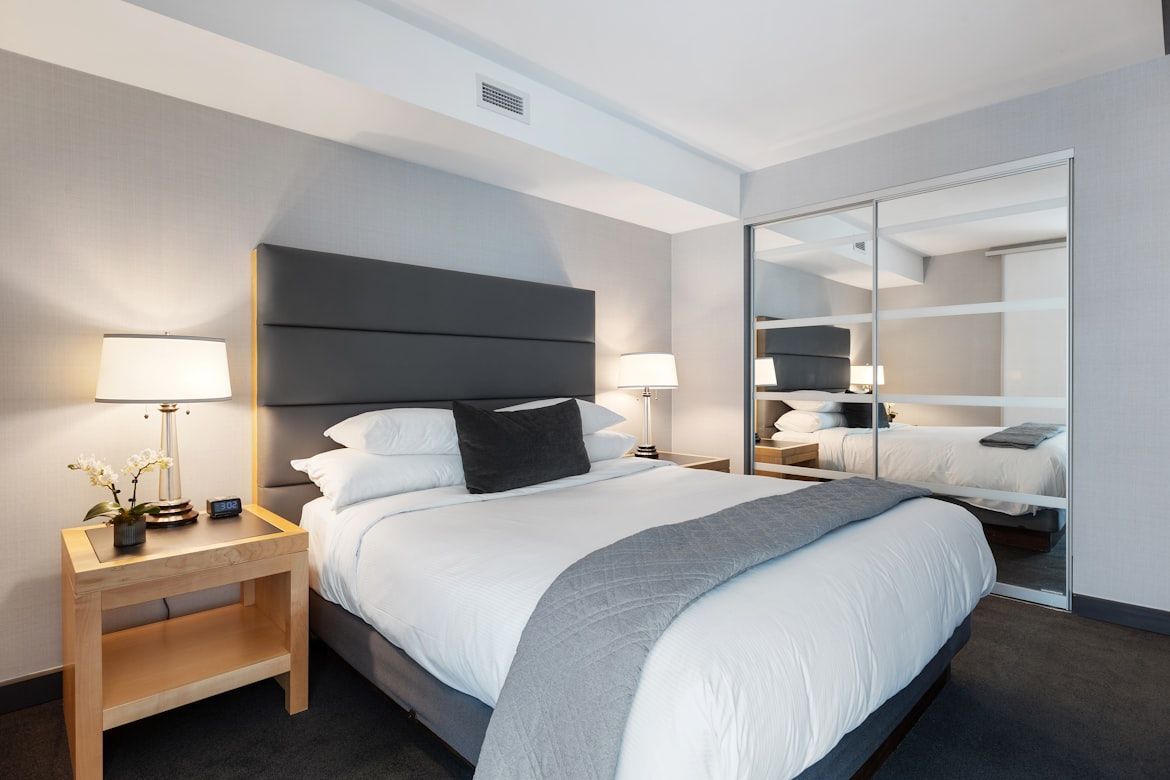
Mirrors in hotel rooms are often positioned to reflect windows, lighting, or open areas. This creates the illusion of more space, especially in smaller urban hotels where square footage is limited. Designers combine mirrors with strategic lighting to make compact rooms feel brighter and less cramped.
Large mirrors also psychologically increase feelings of openness and comfort. By reflecting light deeper into the room, they help create a cleaner, airier atmosphere without physically enlarging the space. Budget and business hotels rely heavily on this visual trick.
Beds are often the first thing you see
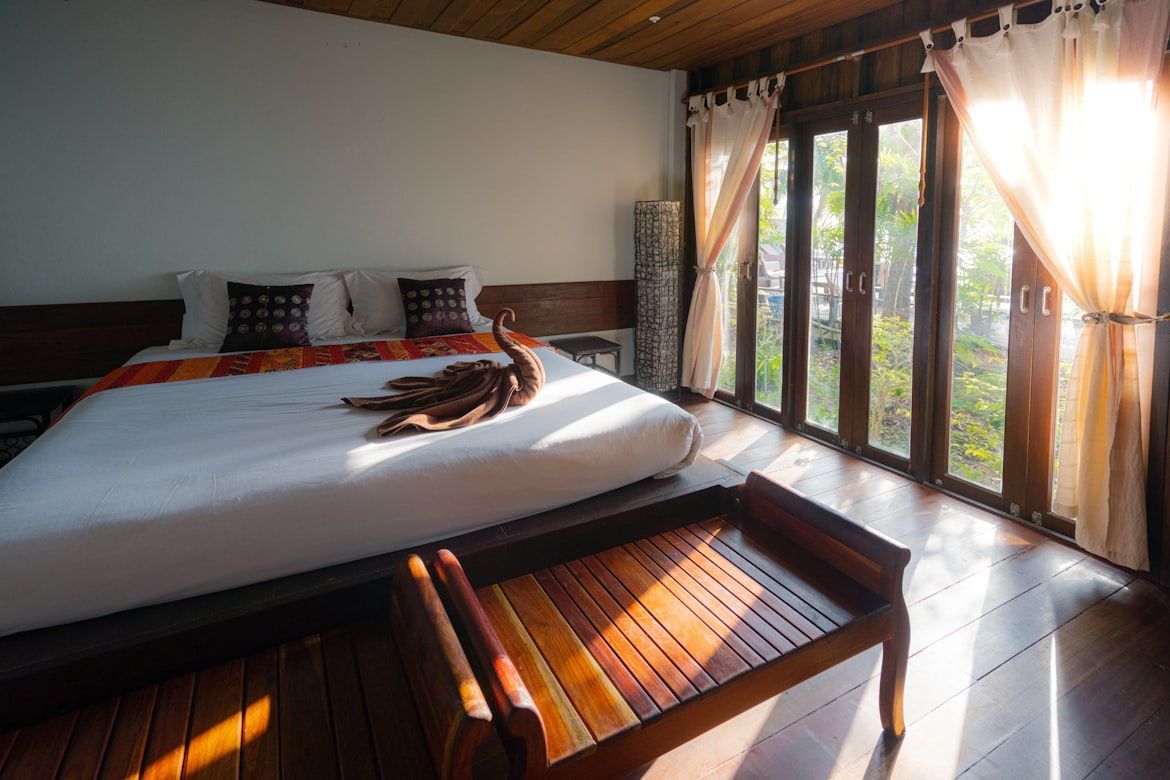
In many hotel rooms, the bed is intentionally positioned directly in view when guests enter. Designers want the bed, which is the symbol of rest and comfort, to become the room’s emotional focal point immediately after travel stress.
Hotels also invest heavily in bedding because sleep quality strongly influences reviews and repeat visits. Crisp sheets, layered pillows, and carefully staged beds visually signal cleanliness and luxury within seconds of entering the room.
Carpets are designed to lower stress and hide dirt
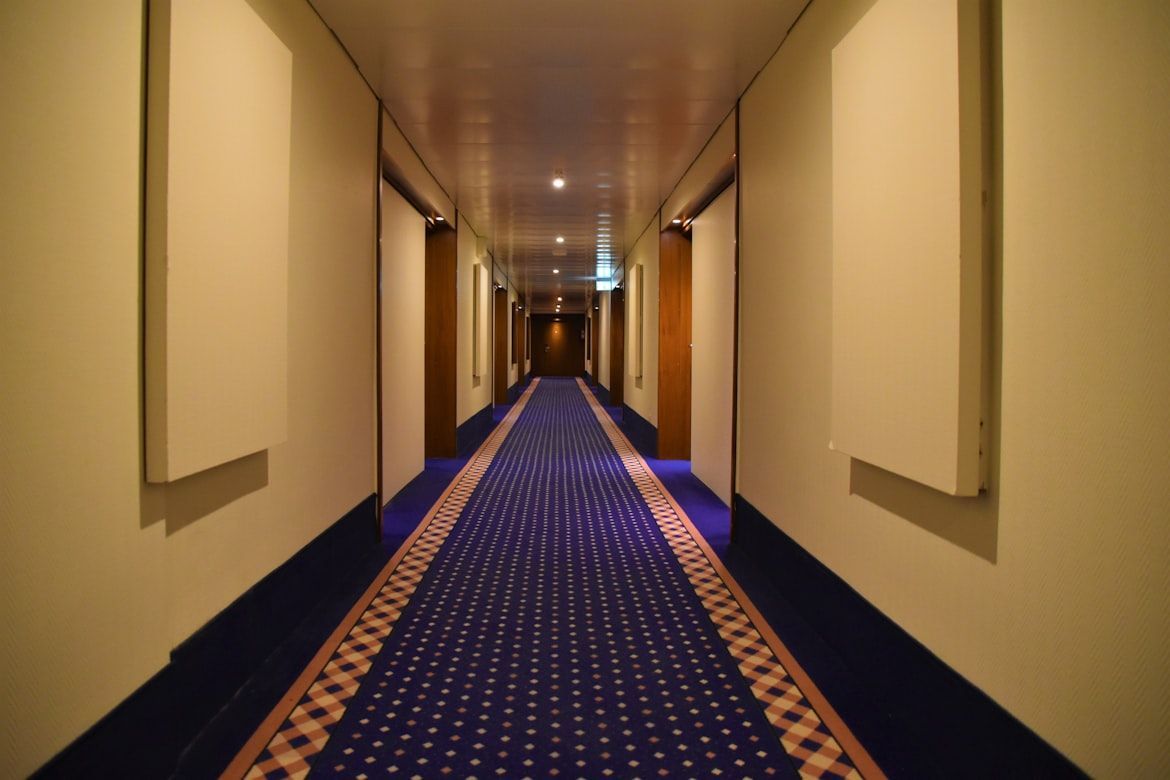
Hotel carpets often feature busy patterns, darker tones, and textured designs for practical psychological reasons. Complex patterns hide stains, dirt, and heavy foot traffic better than plain carpeting. This helps spaces appear cleaner during busy periods.
Patterns can also influence mood. Softer, flowing carpet designs create calmer environments, while casinos and entertainment spaces may use brighter or more energetic patterns to stimulate activity and movement.
Elevators are intentionally placed deep inside buildings
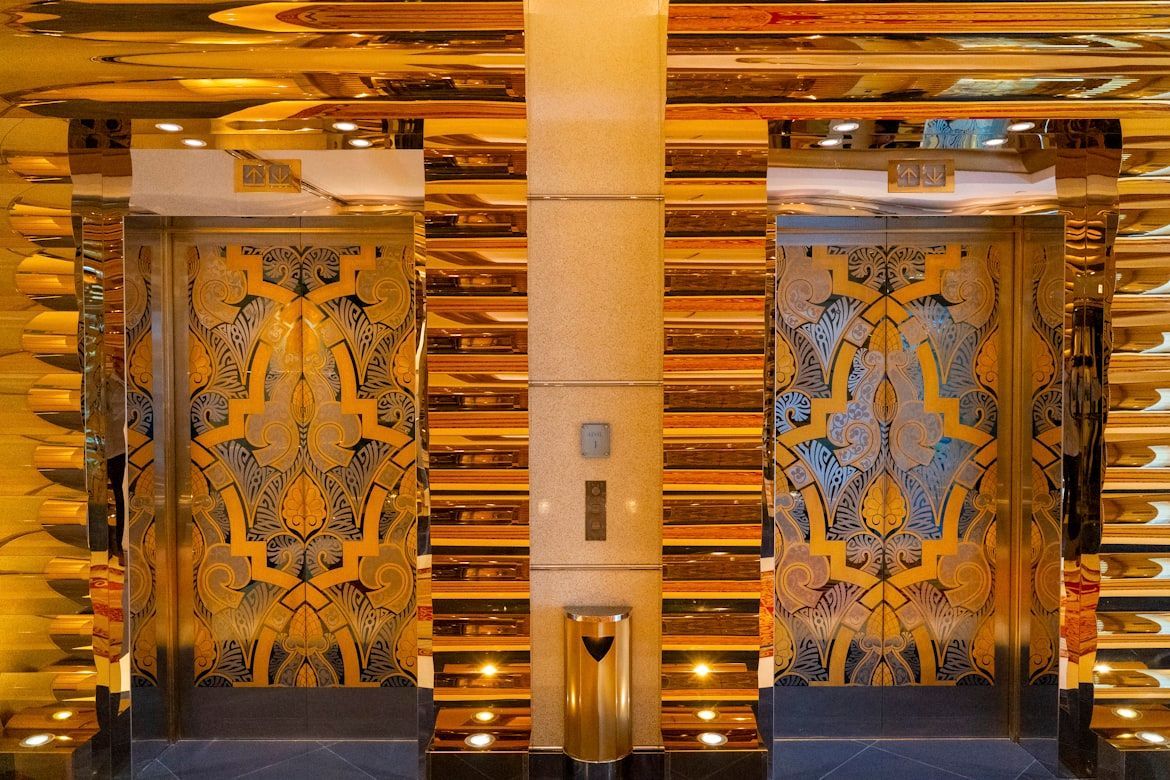
Many hotels place elevators farther from entrances or lobbies on purpose. This forces guests to walk past restaurants, bars, shops, lounges, or decorative areas before reaching their rooms. This strategy increases exposure to amenities that generate additional spending.
The deeper placement also creates a sense of transition between public and private spaces. Architects use these movement patterns to shape how guests experience the property emotionally and visually.
Minibars are placed for impulse purchases
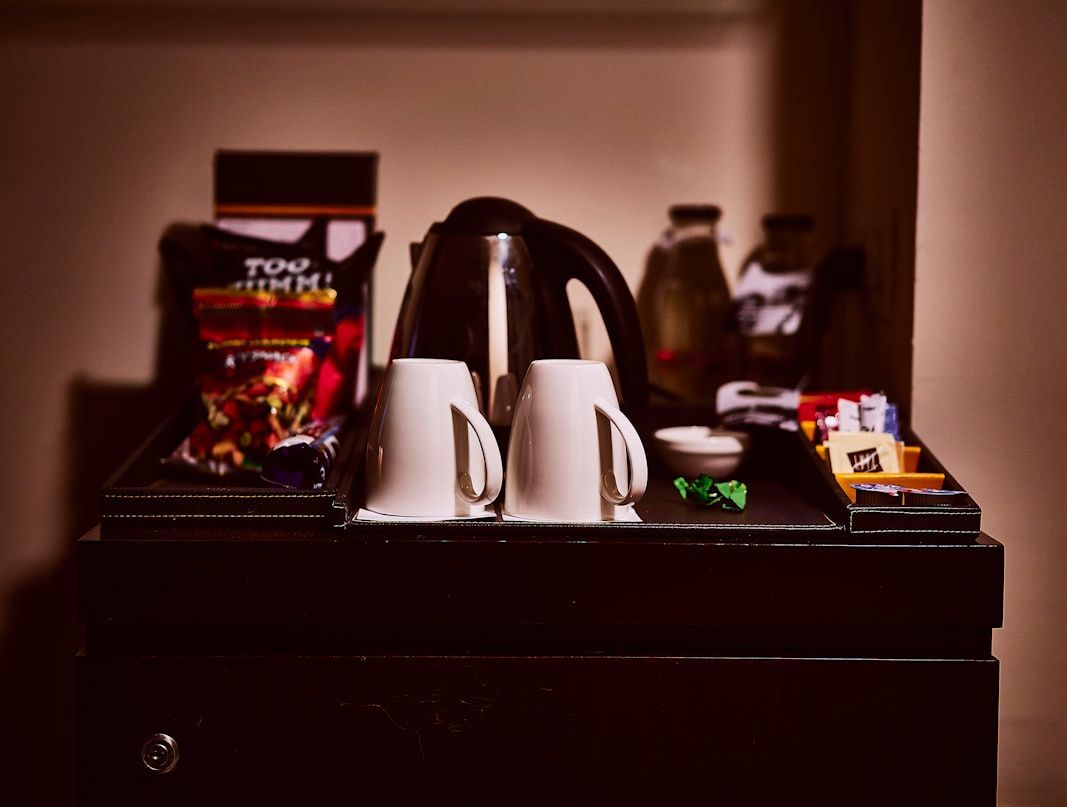
Minibars are designed around convenience psychology. Guests are more likely to make spontaneous purchases late at night or when tired because the products are immediately accessible. Hotels intentionally place minibars within easy sightlines and reach.
Research in consumer behavior shows that convenience and reduced decision effort increase impulse spending. Even though minibar prices are notoriously high, many travelers still buy items because leaving the room feels less appealing than paying extra.
Upgrades are offered after booking to increase sales
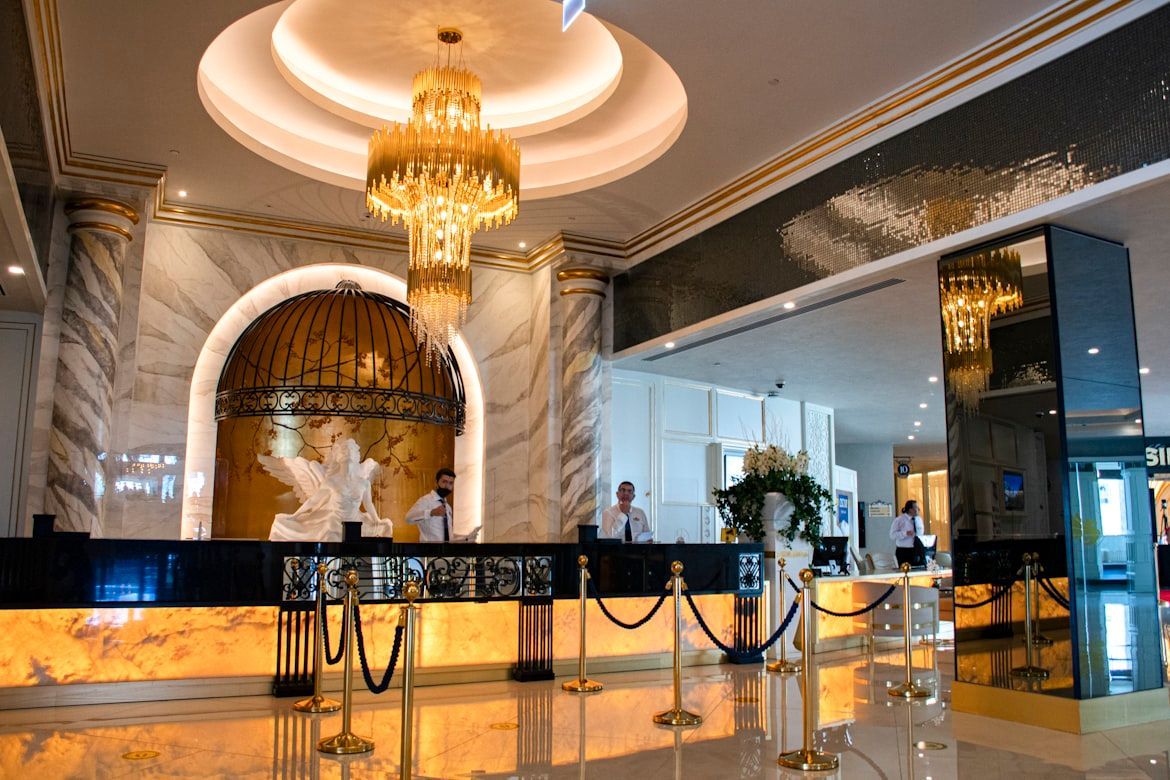
Hotels frequently wait until after guests book before offering room upgrades, spa packages, breakfast bundles, or late checkouts. Behavioral economists call this the "commitment effect": once travelers have mentally committed to a trip, they are more likely to spend extra money.
Upgrade offers also rely on contrast psychology. A slightly higher-priced premium room can suddenly seem reasonable compared to the total vacation cost already paid. Airlines, cruise lines, and casinos use similar techniques to increase revenue after the initial purchase decision.
Keep wandering
There’s always
more to explore
You've watched these movies 100 times... Go stand where they were filmed
3 min.
Read Now
 Culture
The bizarre reason there are no restrooms within Disney's Liberty Square
6 min.
Read Now
 Geography
This trench could swallow Everest, with room to spare
6 min.
Read Now
How many time zones does the United States have?
5 min.
Read Now