These 14 cities were shaped by their proximity to water
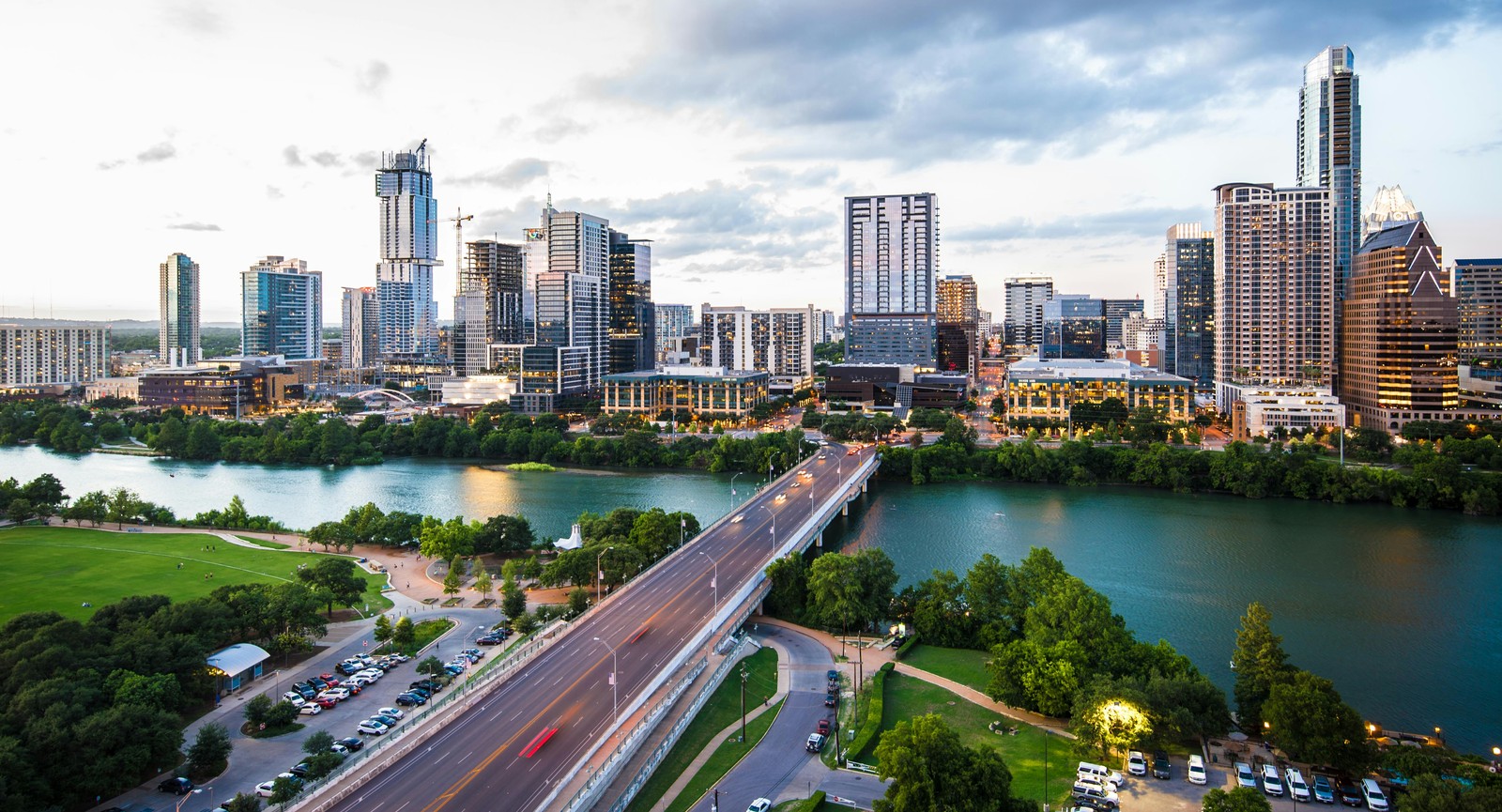
Waterworld
These 14 cities were shaped by their proximity to water
From ancient trade routes to modern waterfront revivals, cities close to water tend to feel more alive. Rivers move people and goods, canals organize daily life, and seas open doors to culture and commerce. These places didn’t just happen to be near water; they were built around it, and the relationship still defines how they look, move, and breathe. Here are some of the world’s most memorable cities where water isn’t just scenery, but it’s the backbone of urban life.
Venice, Italy
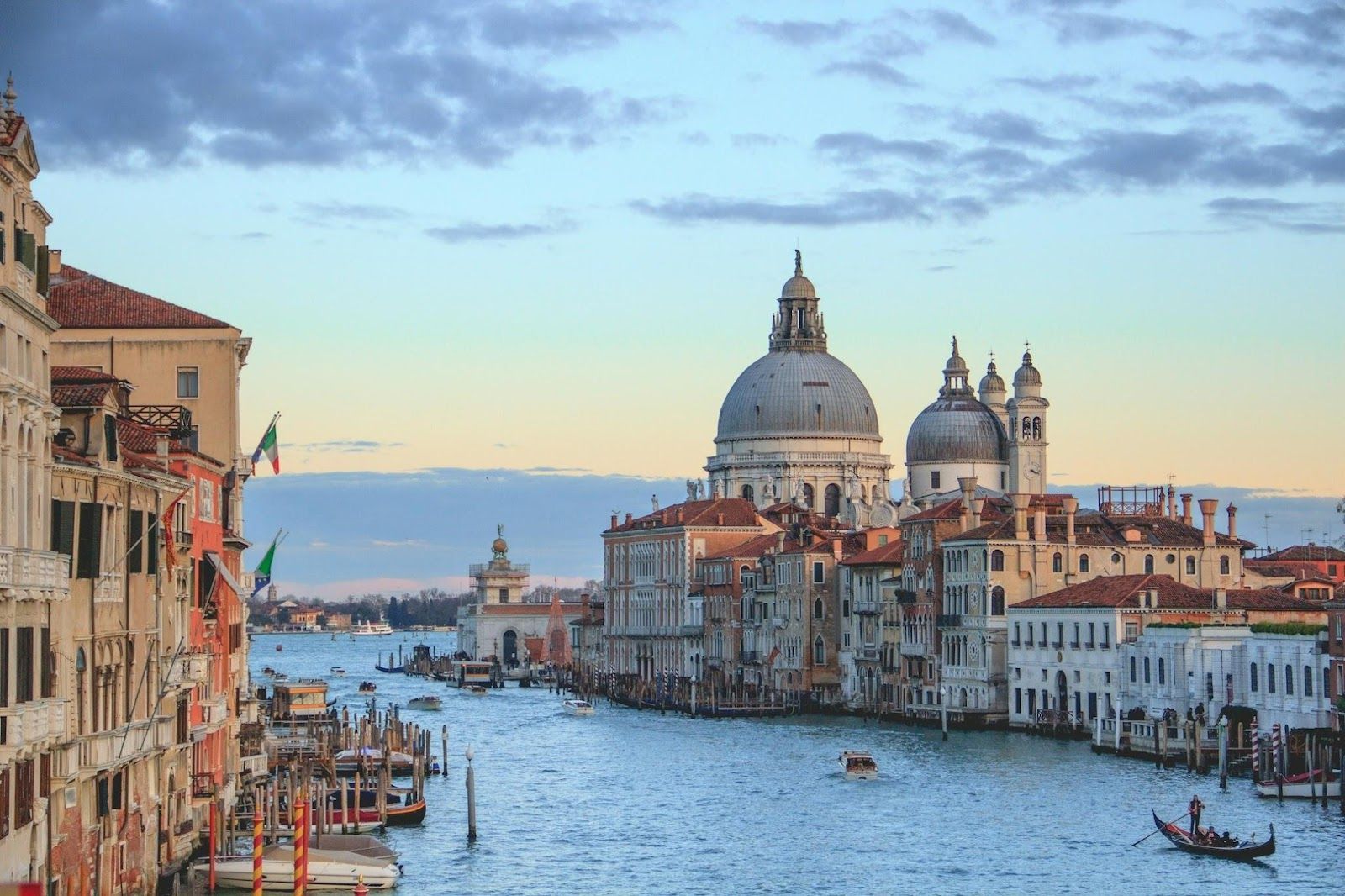
Venice is the ultimate proof that a city can grow out of water rather than next to it. Built on more than 100 small islands in a shallow lagoon, the city’s canals replaced streets, and boats replaced carriages. Even today, gondolas and water buses glide past palaces that seem to float on the tide.
The Grand Canal acts like Venice’s main artery, curving through the city and linking neighborhoods that once felt worlds apart. Beyond the postcard views, Venice’s long history as a maritime republic shows how trade and sea power shaped its art, wealth, and distinctive architecture.
Istanbul, Turkey
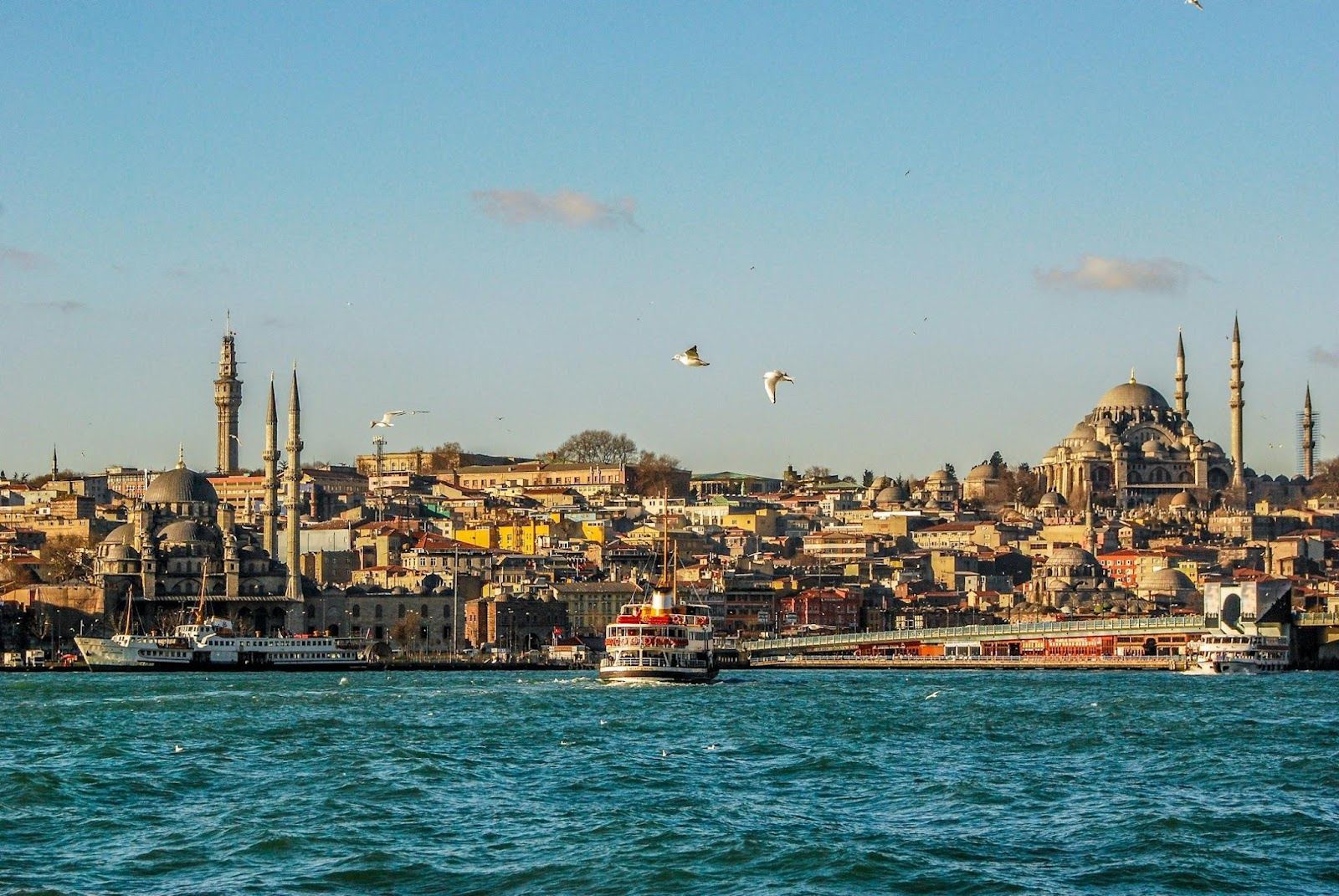
Istanbul is shaped by water on nearly every side. The Bosphorus Strait splits the city between Europe and Asia, while the Golden Horn curves into its historic core. This geography made Istanbul a strategic prize for empires and a crossroads of cultures.
Ferries still function like city buses, shuttling commuters across continents in minutes. The water defines daily routines as much as it defines the skyline, reminding visitors that Istanbul isn’t just near water; it lives with it, constantly in motion between shores.
Amsterdam, Netherlands
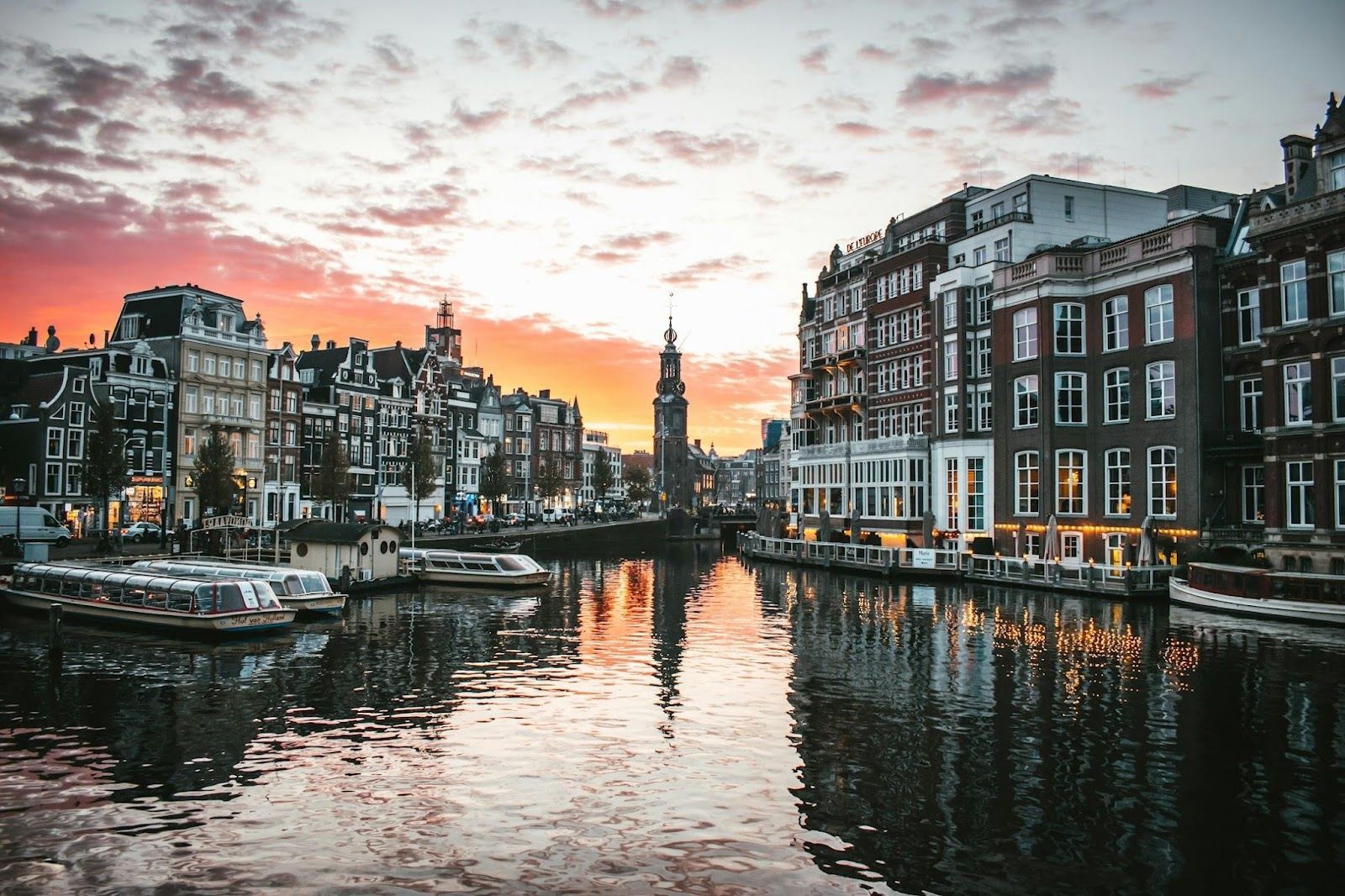
Amsterdam’s famous ring of canals was urban planning genius. Built in the 17th century, the canal system helped manage water levels, defend the city, and create new neighborhoods all at once. The result is a city where homes lean toward the water, and bridges stitch everything together.
Today, the canals set the pace of daily life. People bike along them, picnic beside them, and hop on small boats after work. The water softens the city’s density, giving Amsterdam a relaxed rhythm that feels both historic and effortlessly modern.
Paris, France
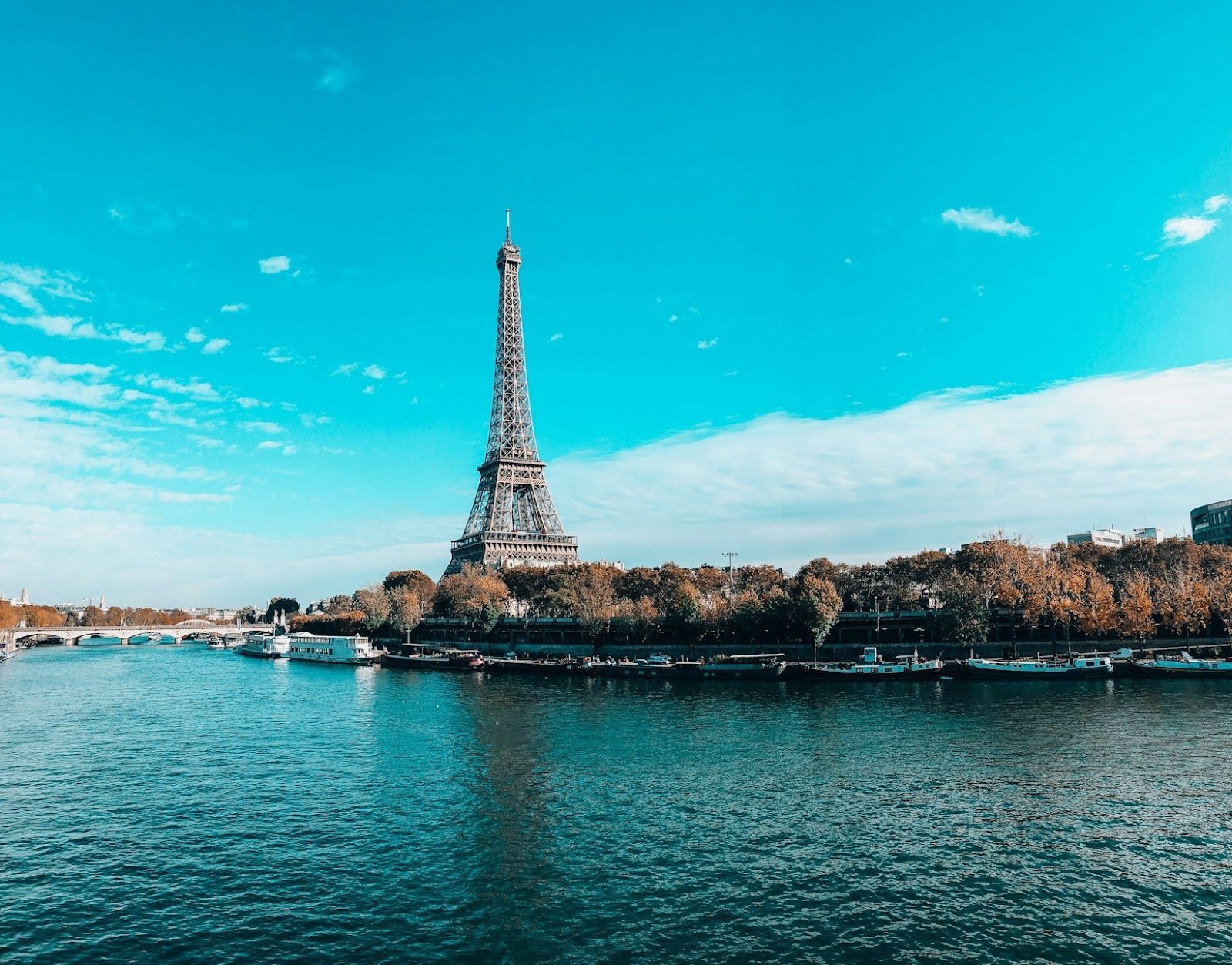
The Seine doesn’t just cut through Paris; it organizes it. Many of the city’s most famous neighborhoods grew along its banks, and some of its most iconic landmarks line the river like a greatest-hits album cover. The water has long been a route for trade, travel, and inspiration.
In recent years, parts of the riverfront have been reclaimed for people rather than cars. Pop-up beaches, riverside cafes, and pedestrian promenades turn the Seine into a social space, not just a backdrop. Paris feels more open and human when you follow the water.
London, England
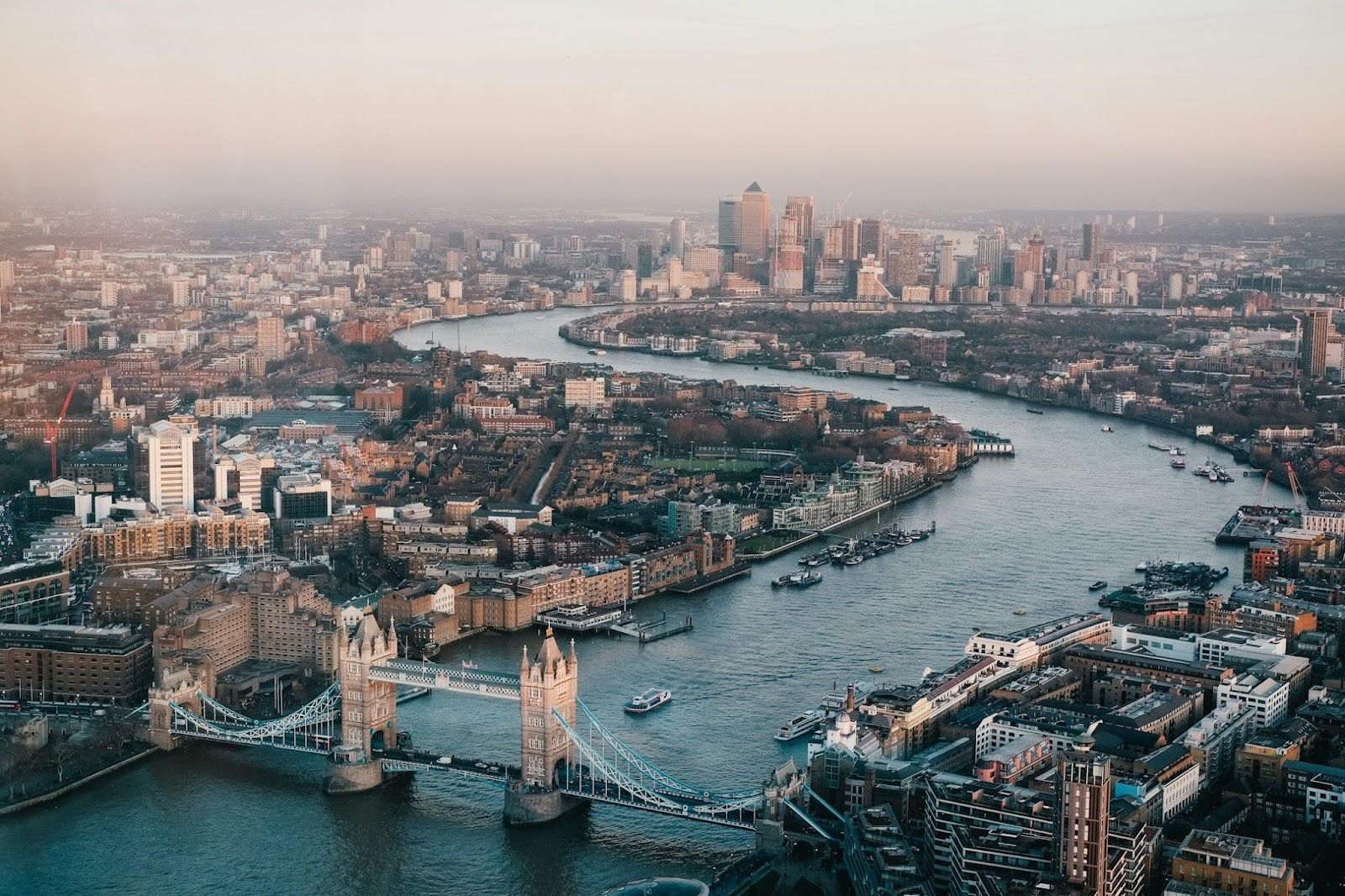
London exists because of the Thames. The river made the city a natural hub for trade with the wider world, helping it grow from a Roman outpost into a global capital. Docks, warehouses, and shipyards once crowded the waterfront, powering the city’s economy for centuries.
While much of that industrial life has moved on, the Thames still anchors London’s identity. Revitalized riverbanks, modern bridges, and riverside neighborhoods show how the city continues to reinvent its relationship with water, now less about cargo and more about culture and public space.
Bangkok, Thailand
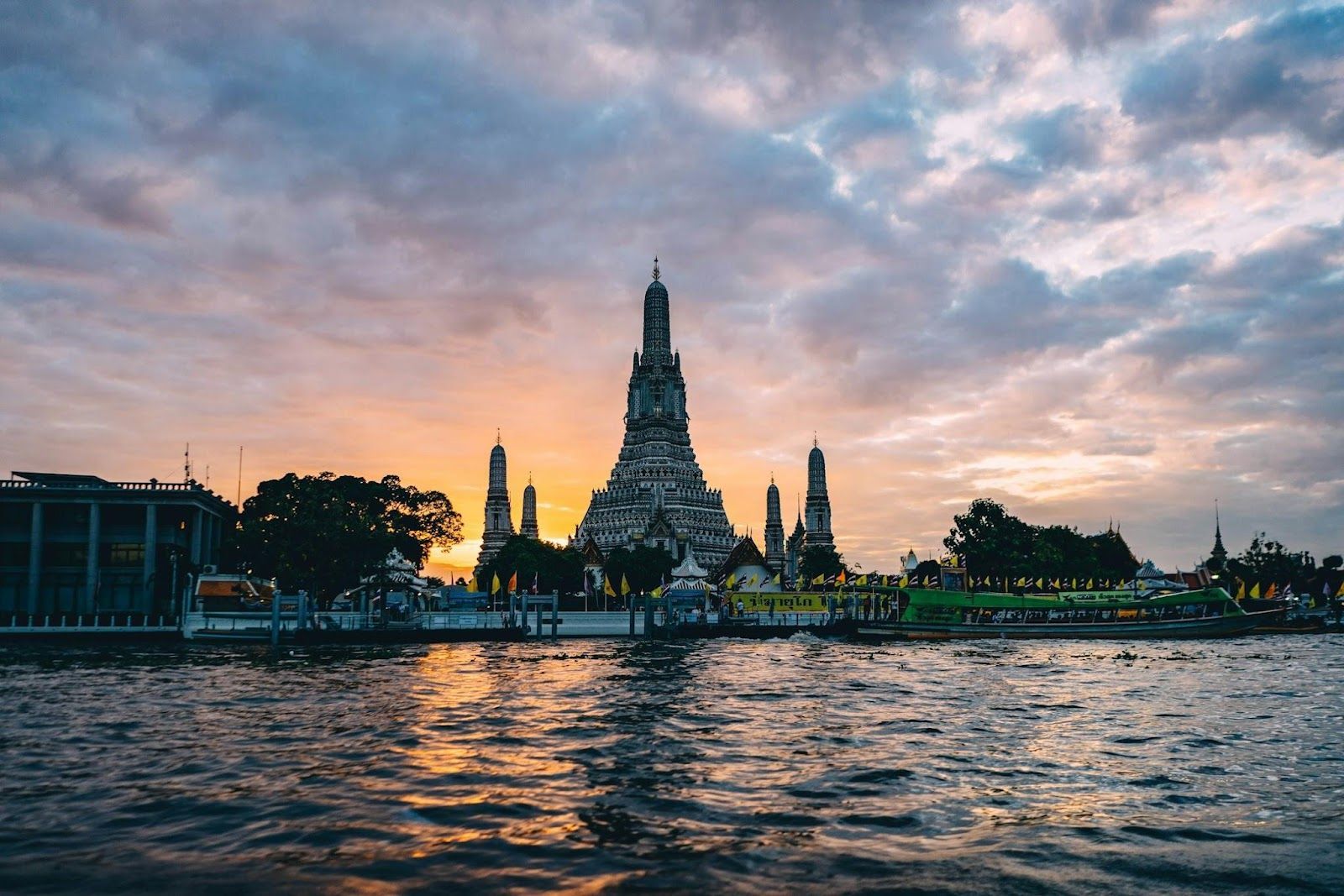
Bangkok was once known as the Venice of the East, thanks to a dense network of canals, or khlongs, that served as roads, markets, and neighborhoods. People lived on stilted houses along the water, and daily life unfolded from boats as much as from land.
Although many canals have been filled in, water still shapes the city’s rhythm. River ferries zip along the Chao Phraya, offering a fast, scenic way to move through the chaos. Floating markets and riverside temples keep Bangkok’s watery roots alive amid rapid urban growth.
Bruges, Belgium
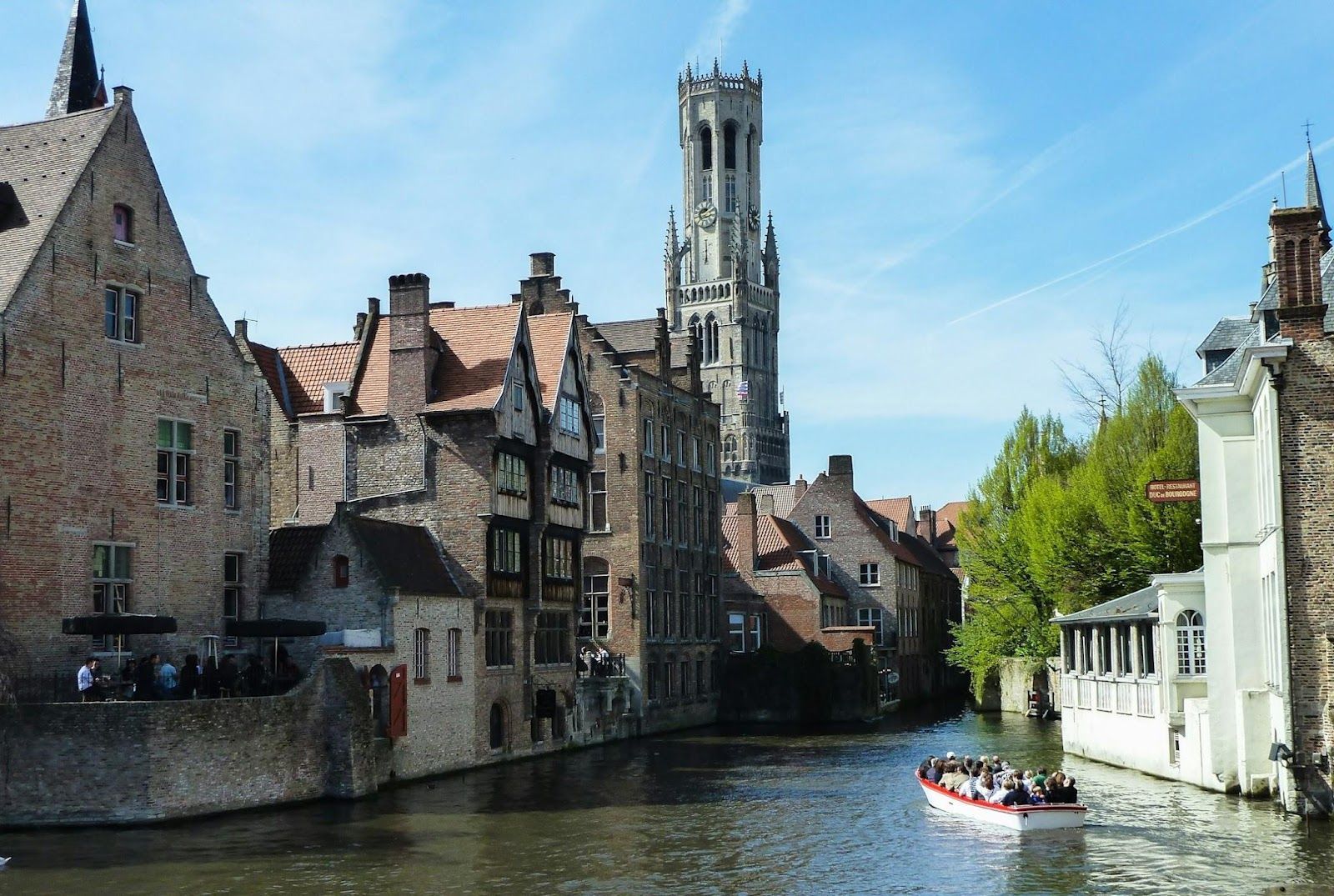
Bruges feels like a medieval storybook, and its canals are a big reason why. In the Middle Ages, these waterways connected the city to the North Sea, turning it into a powerful trading center. Wealth flowed in, and the city filled with ornate guild halls and stone bridges.
When trade routes shifted, Bruges quieted down, but the canals preserved its beauty. Today, they wind through quiet streets and leafy corners, giving the city an intimate, almost frozen-in-time feel. Water here isn’t about speed; it’s about atmosphere.
Stockholm, Sweden
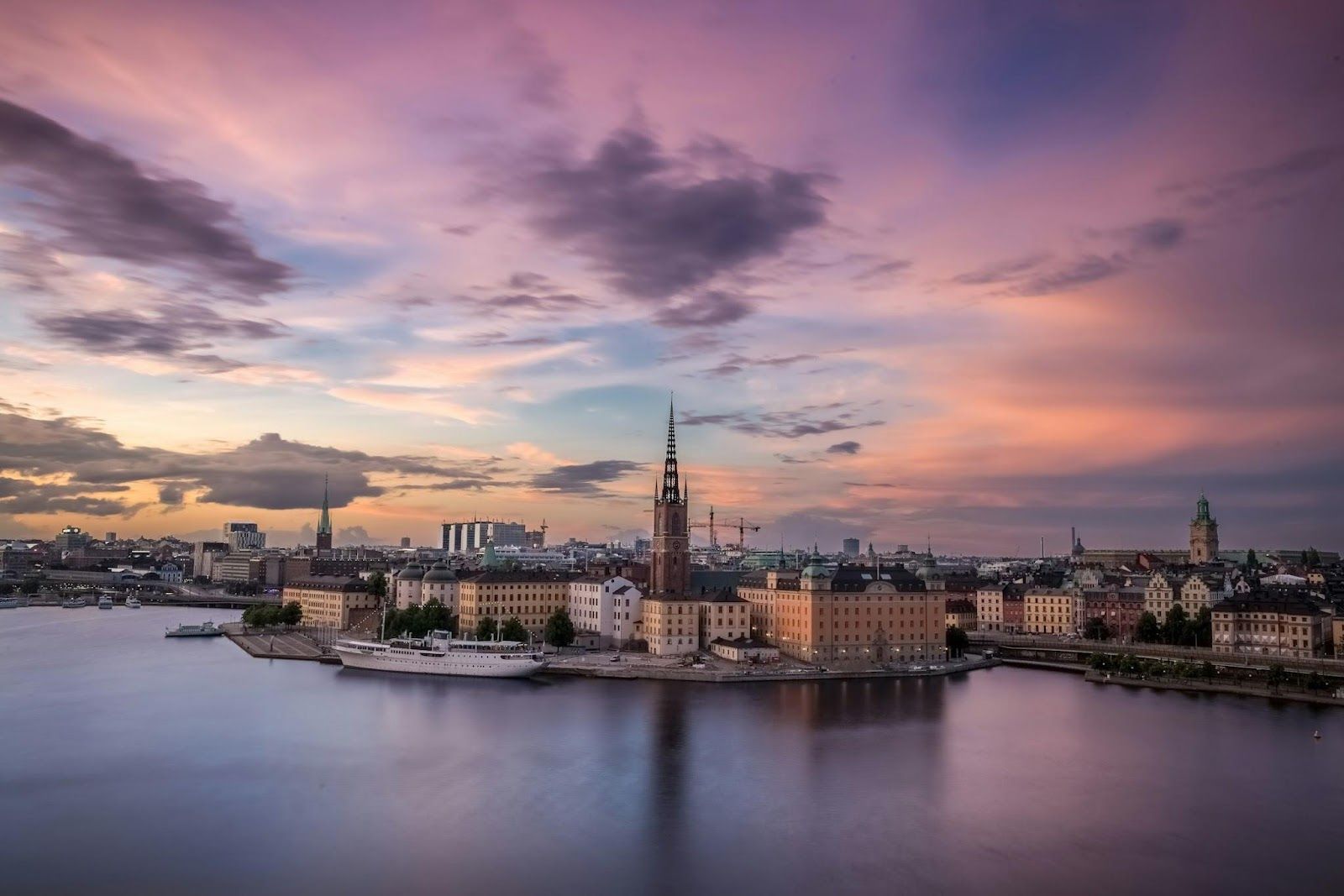
Stockholm is built on an archipelago of islands where Lake Mälaren meets the Baltic Sea. Bridges and ferries link neighborhoods that are separated by channels and bays, making water a constant presence in everyday movement.
This geography shapes the city’s personality. Green spaces meet waterfront promenades, and urban life blends easily with nature. In summer, residents swim, kayak, and picnic by the water; in winter, the frozen edges of the city feel just as dramatic. Stockholm’s beauty is inseparable from its setting.
New York City, USA
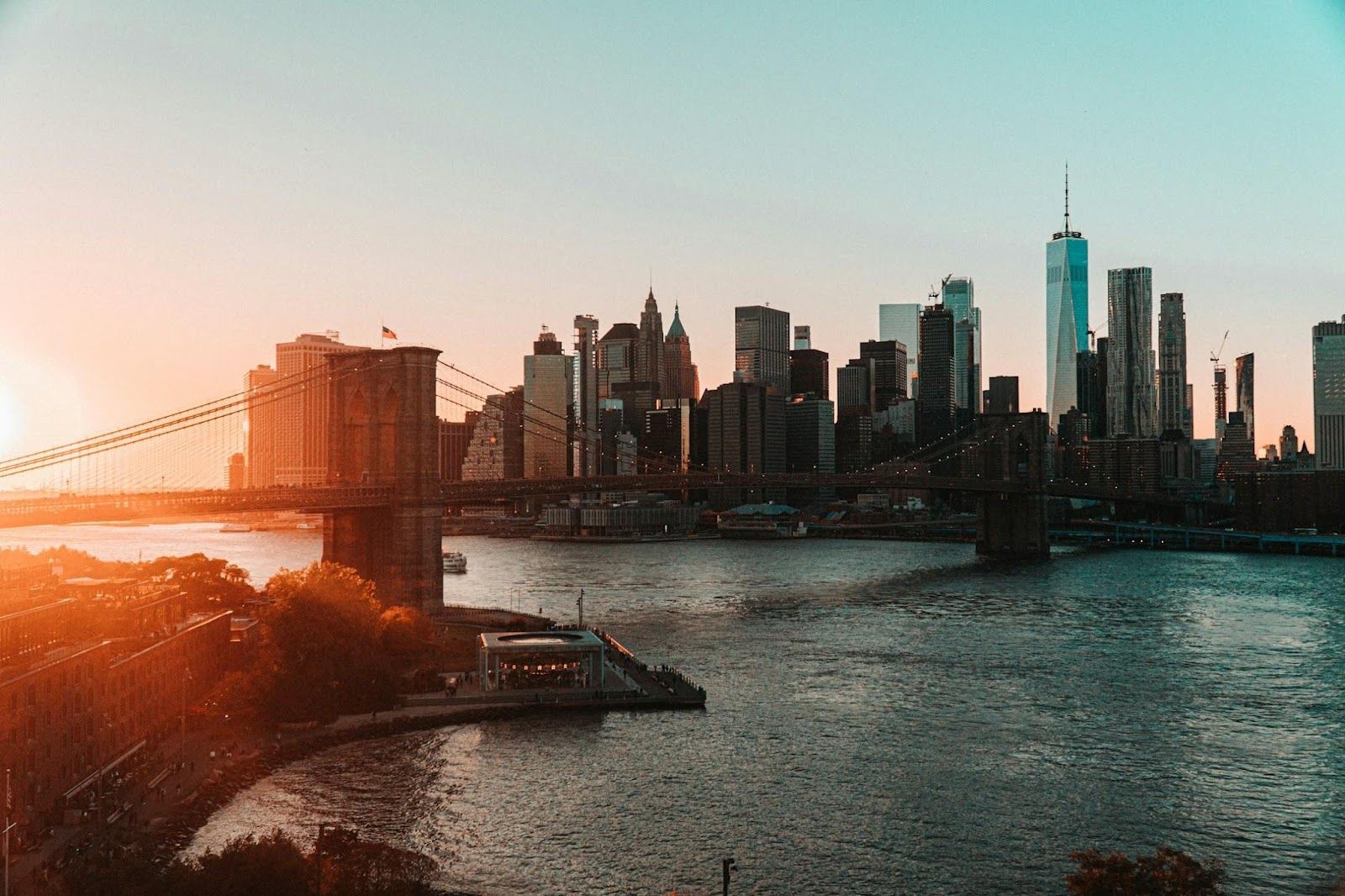
New York’s rise is inseparable from its harbor and rivers. The Hudson and East Rivers turned the city into a gateway for immigrants and goods, while the deep natural harbor helped it become one of the world’s busiest ports. Entire neighborhoods grew around docks and waterfront industries.
As shipping moved elsewhere, the city reclaimed much of its shoreline for people. Parks, ferries, and waterfront paths now frame the skyline from the water’s edge. The result is a city rediscovering its maritime roots, with some of its best views found along the river.
Cairo, Egypt
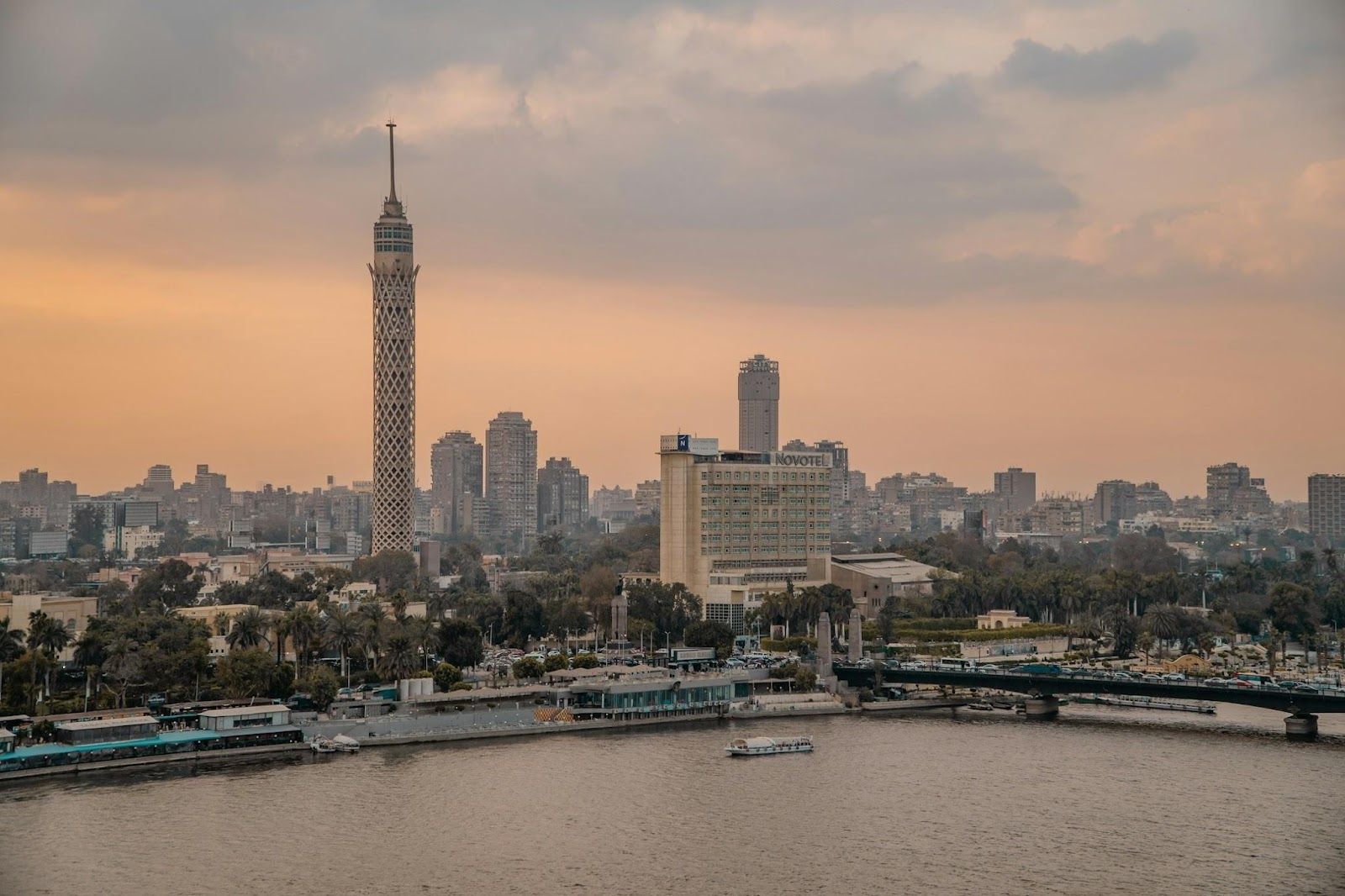
The Nile is Cairo’s lifeline. For thousands of years, the river’s annual floods made agriculture possible in the surrounding desert, supporting one of the world’s oldest urban civilizations. Cairo grew along this dependable source of water, food, and trade.
Even in a megacity of millions, the Nile still offers breathing room. Feluccas drift past modern towers, and riverside cafes draw crowds at sunset. The contrast between ancient rhythms and modern sprawl is part of what makes Cairo’s relationship with water so powerful.
Hamburg, Germany
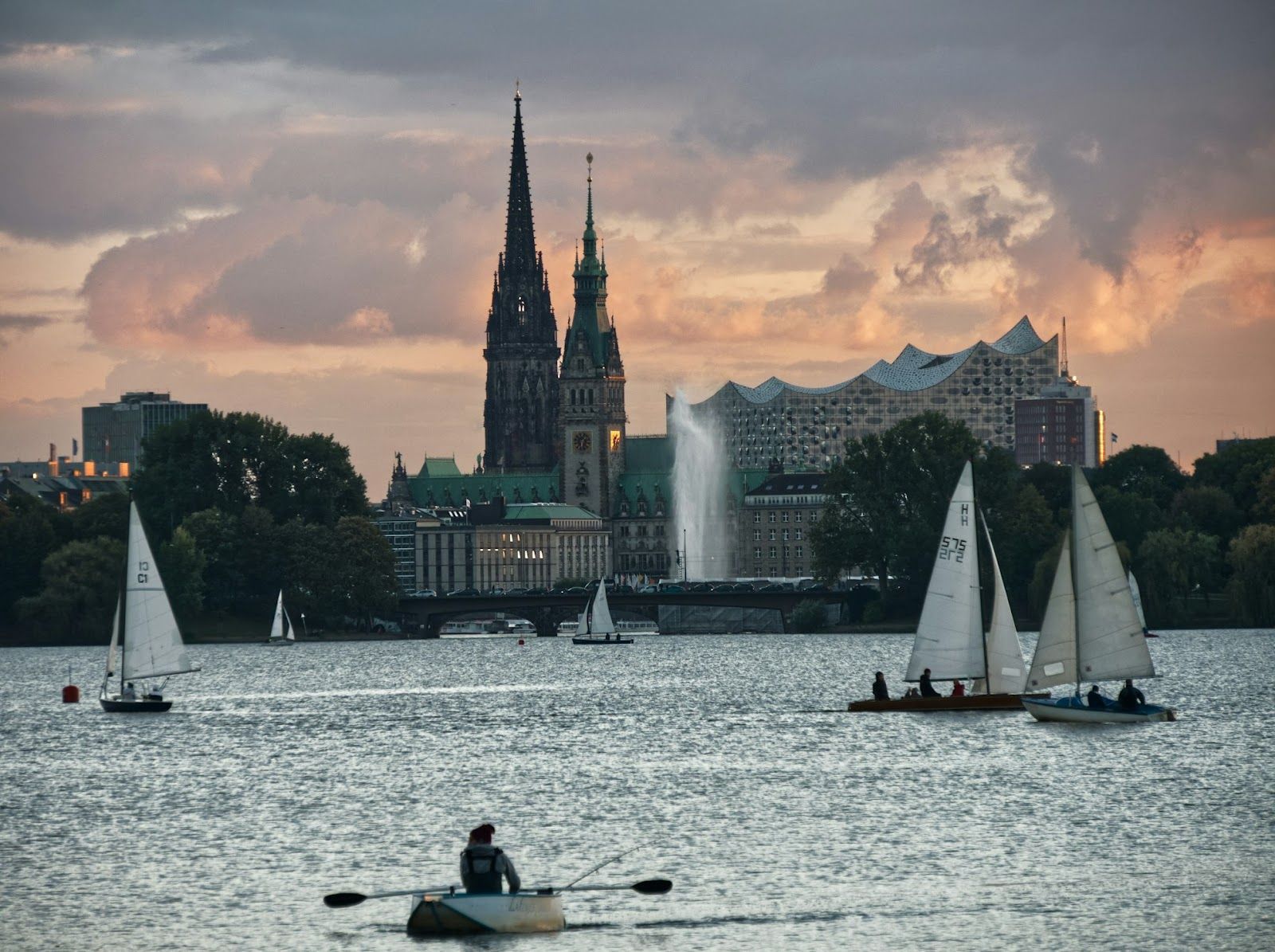
Hamburg calls itself Germany’s "gateway to the world," and its port has long been the reason. The Elbe River connects the city to the North Sea, allowing ships to bring global trade deep inland. Warehouses and canals once defined entire districts of the city.
Today, former port areas like Hafen City have been transformed into modern neighborhoods with apartments, offices, and public plazas. Water remains central to Hamburg’s identity, but the focus has shifted from heavy industry to livable waterfronts and cultural spaces.
Singapore
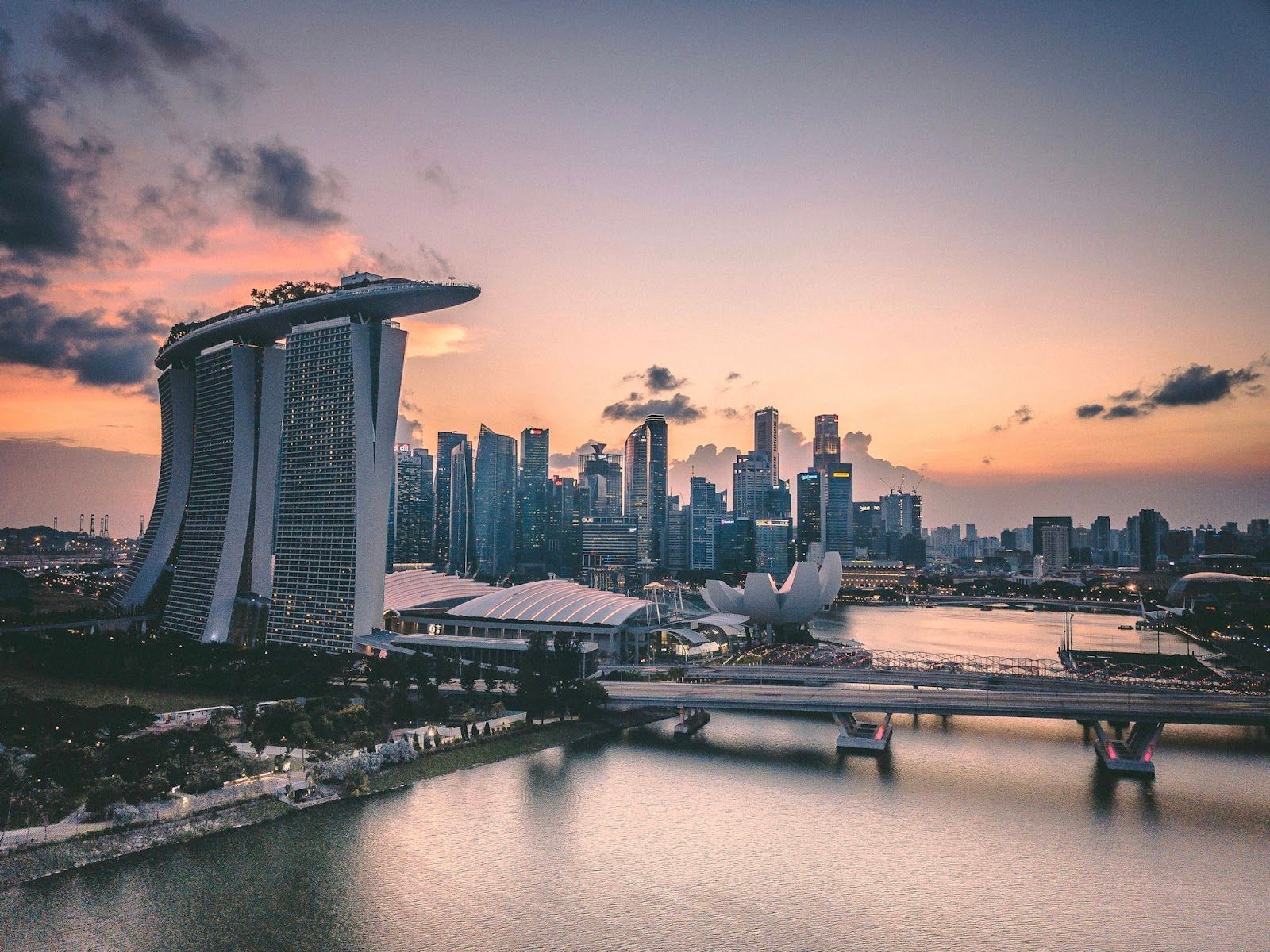
Singapore is a city-state: a megacity that covers the entire island-nation. Its position at the edge of the sea made it a natural trading hub, and the Singapore River once funneled goods into the heart of the city. The area was crowded with warehouses and boat traffic during the colonial era.
Massive clean-up and redevelopment projects turned those working waterways into vibrant public spaces. Now, riverfront promenades, cafes, and sleek architecture line the water. Singapore shows how a city can modernize its relationship with water without erasing its maritime past.
Barcelona, Spain
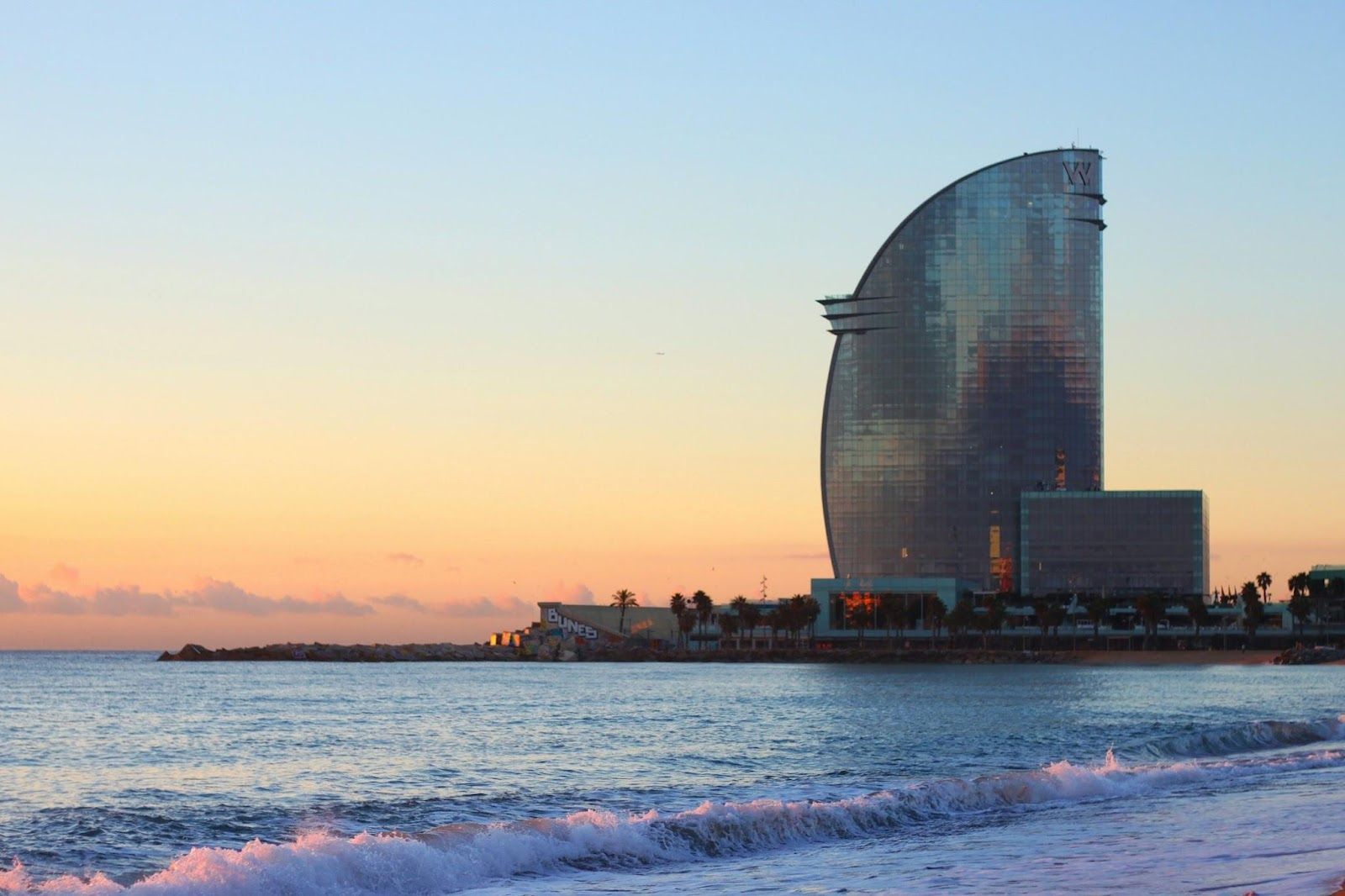
Barcelona’s identity is deeply tied to the Mediterranean, with the sea shaping both its history and its modern lifestyle.
What was once a working port and industrial coastline has been transformed into lively beaches and waterfront promenades, especially after the city’s major redevelopment for the 1992 Olympics.
Today, the coastline is where locals jog, swim, and gather at sunset, blending urban energy with seaside ease. The port still anchors Barcelona as a gateway for trade and travel, but the city’s relationship with the sea now feels more about quality of life than pure commerce.
Rio de Janeiro, Brazil
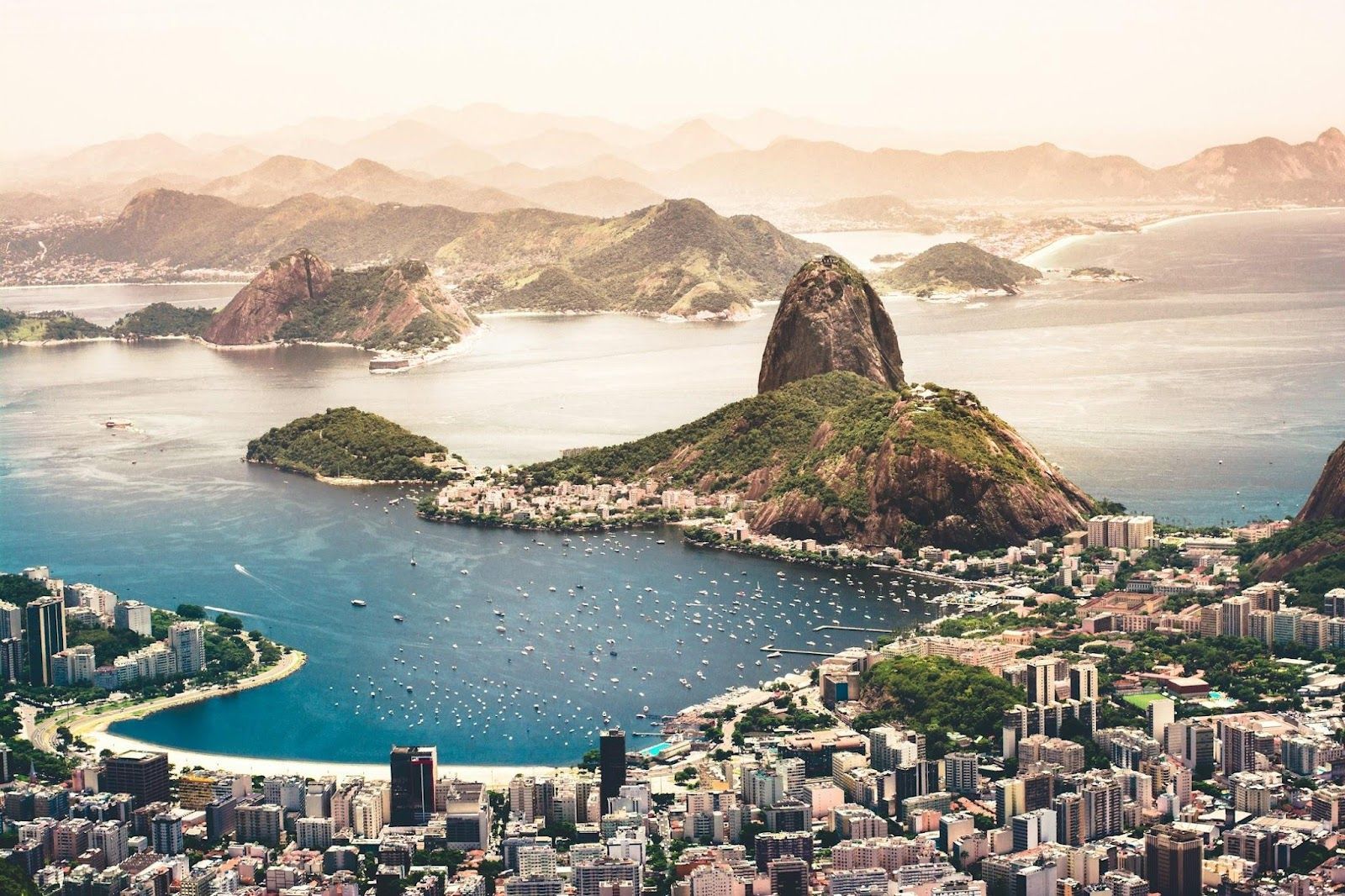
Rio de Janeiro is built around water in one of the most dramatic settings on Earth, where mountains plunge into the Atlantic, and sweeping bays shape the city’s layout.
Guanabara Bay and the long curve of oceanfront beaches like Copacabana and Ipanema define how the city moves and relaxes, turning the shoreline into a social stage. Water in Rio is where daily life happens, from sunrise swims and beach sports to boat traffic in the bay. The result is a city whose rhythm follows the tide as much as the clock.
If you’re planning future travel content, this theme is gold for visuals and storytelling. Each city’s waterfront tells a different story about how people adapt to, depend on, and reshape water over time.
More to explore

3 min read
Which 12 things should always be kept in your travel First Aid Kit?
Read Now

3 min read
I wish I had known these 12 tips before every long bus ride I ever took
Read Now

4 min read
Most people don’t know that these places are free to visit. Do you?
Read Now

4 min read
Read this article before traveling: 12 things you should always pack
Read Now