I wish I had known these 12 tips before every long bus ride I ever took
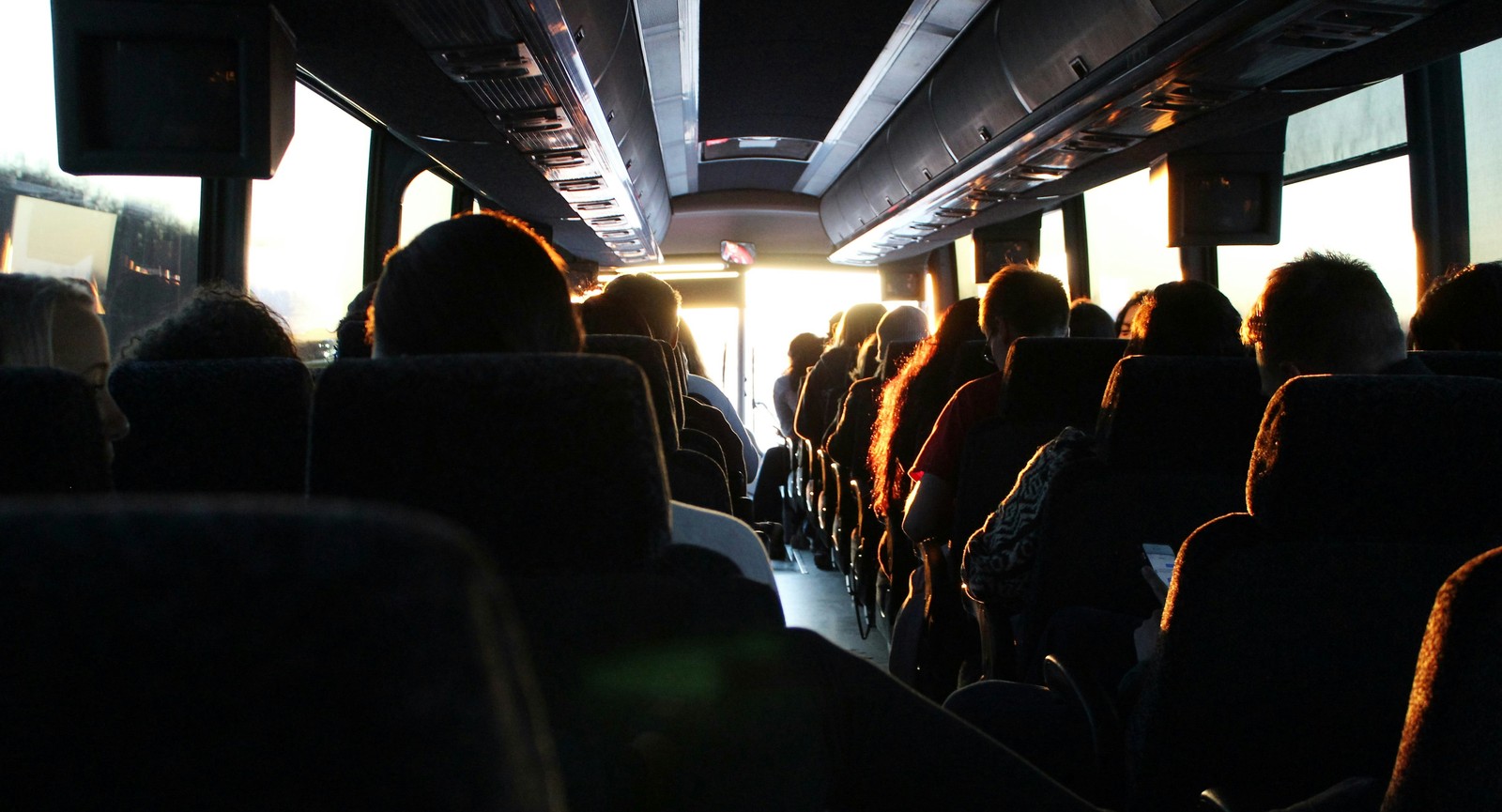
Traveling somewhere soon?
I wish I had known these 12 tips before every long bus ride I ever took
Long-distance bus travel remains one of the most affordable ways to cross the United States. While it may lack the glamour of flying or rail travel, a little preparation can turn hours on the road into a surprisingly pleasant experience. These 12 tips focus on comfort, savings, and small pleasures. Are any of them already in your bag of tricks?
Choose your seat carefully
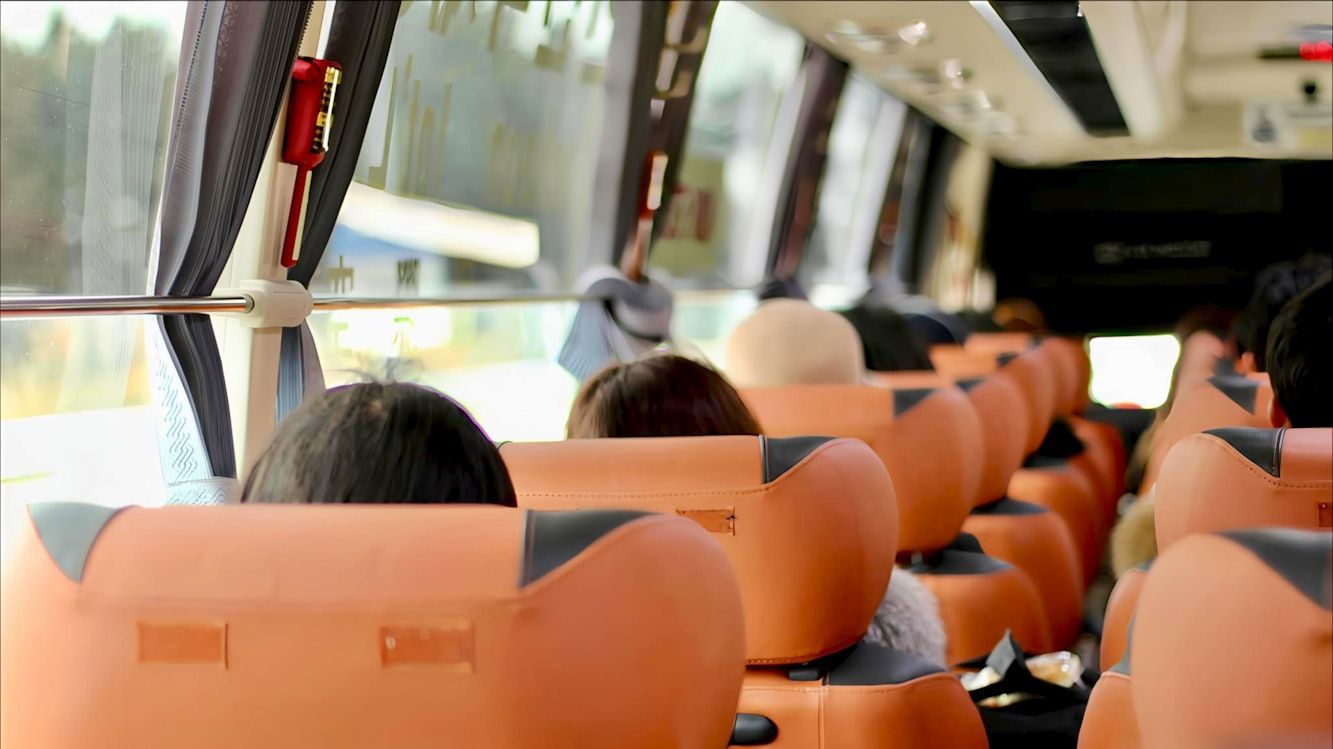
Where you sit on a long bus ride can greatly affect your comfort. Seats toward the front or middle usually experience less vibration and motion, making them easier on the body. Window seats provide something to lean against and offer changing scenery, while aisle seats allow for easier movement.
Booking early lets you choose your seat in advance. A well-placed seat can reduce fatigue, limit stiffness, and make several hours on the road feel far more manageable.
Bring a pillow and a light blanket

Bus temperatures are unpredictable, especially on long or overnight routes. A compact pillow supports your neck during naps, while a lightweight blanket keeps you comfortable when the air conditioning runs cold for hours at a time.
These small items take up little space but make resting much easier. Better sleep can mean arriving less sore, more alert, and ready to enjoy the destination.
Pack your own snacks

Food options at bus stops are often limited, overpriced, and unhealthy. Bringing familiar snacks, like fruit, crackers, nuts, or sandwiches, keeps hunger under control and avoids long waits during short breaks.
For people with dietary restrictions, packing food adds peace of mind. It also saves money and prevents you from relying on rushed stops, where good options may not be available.
Download entertainment ahead of time

Bus Wi-Fi can be slow or unavailable, especially in rural areas. Downloading movies, shows, music, or podcasts before departure ensures your entertainment works even without a connection.
Offline content avoids frustration and helps pass the time more easily. For long rides, having dependable entertainment can make the hours feel shorter and keep the journey relaxing rather than tedious.
Choose audiobooks over reading

Reading on a moving bus can strain your eyes or cause motion sickness. Audiobooks allow you to rest your eyes while still enjoying stories, history, or your favorite authors.
Many public libraries offer free audiobook apps, making this a budget-friendly option. Audiobooks provide a comfortable way to stay mentally engaged without physical discomfort.
Stretch at every stop

Even short breaks matter. Getting off the bus to walk, stretch, and loosen your joints improves circulation and reduces stiffness from sitting too long.
Regular movement is especially important on long-distance routes. Taking advantage of each stop helps prevent soreness and keeps you feeling better throughout the ride.
Use earplugs or noise-cancelling headphones
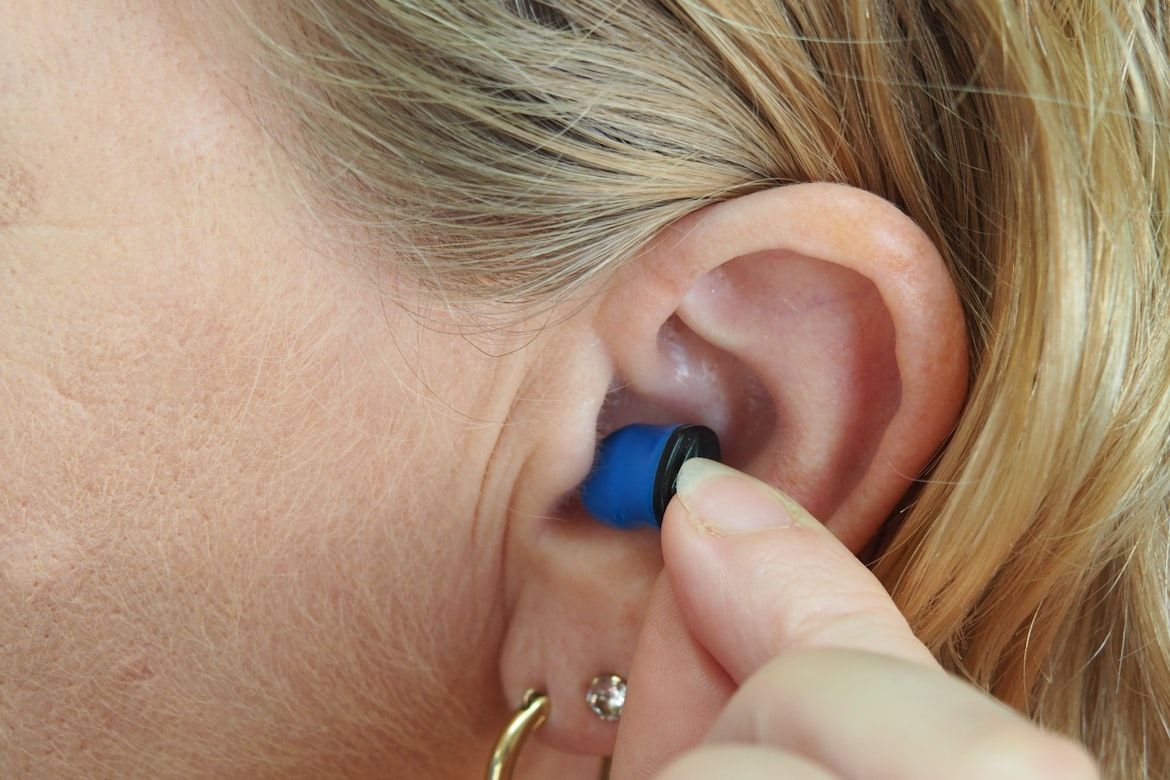
Bus engines, conversations, and phone calls can make resting difficult. Earplugs or noise-cancelling headphones create a calmer personal space.
They can improve sleep quality and help you focus on music or audiobooks. Reducing noise exposure can make a long trip feel less tiring and far more comfortable.
Stay hydrated, but pace yourself

Drinking water throughout the trip prevents fatigue and headaches. A refillable bottle makes it easy to sip regularly without relying on scheduled stops.
Balancing hydration is key, especially on long stretches between restrooms. Steady, moderate intake keeps you comfortable without causing unnecessary stress during the ride.
Use soft, layered clothing

Bus temperatures can change quickly. Layers allow for easy adjustment without discomfort, whether the cabin is too warm or overly cold.
Comfortable clothing also makes sitting, stretching, and resting easier. Soft layers reduce pressure points and help make long hours on the road feel less demanding.
Keep hygiene essentials nearby

Hand sanitizer, tissues, wipes, and lip balm can make a big difference on long trips. They help you stay comfortable when restrooms are crowded or supplies run low.
Having essentials within reach adds convenience and promotes cleanliness. These small items contribute greatly to overall comfort and peace of mind.
Enjoy the scenery

Bus travel offers a slower view of America: small towns, farmland, highways, and changing landscapes. Watching the scenery can be surprisingly calming.
This simple pleasure costs nothing beyond the bus fare and requires no effort. It is a gentle way to stay engaged and appreciate the journey itself.
Consider overnight routes
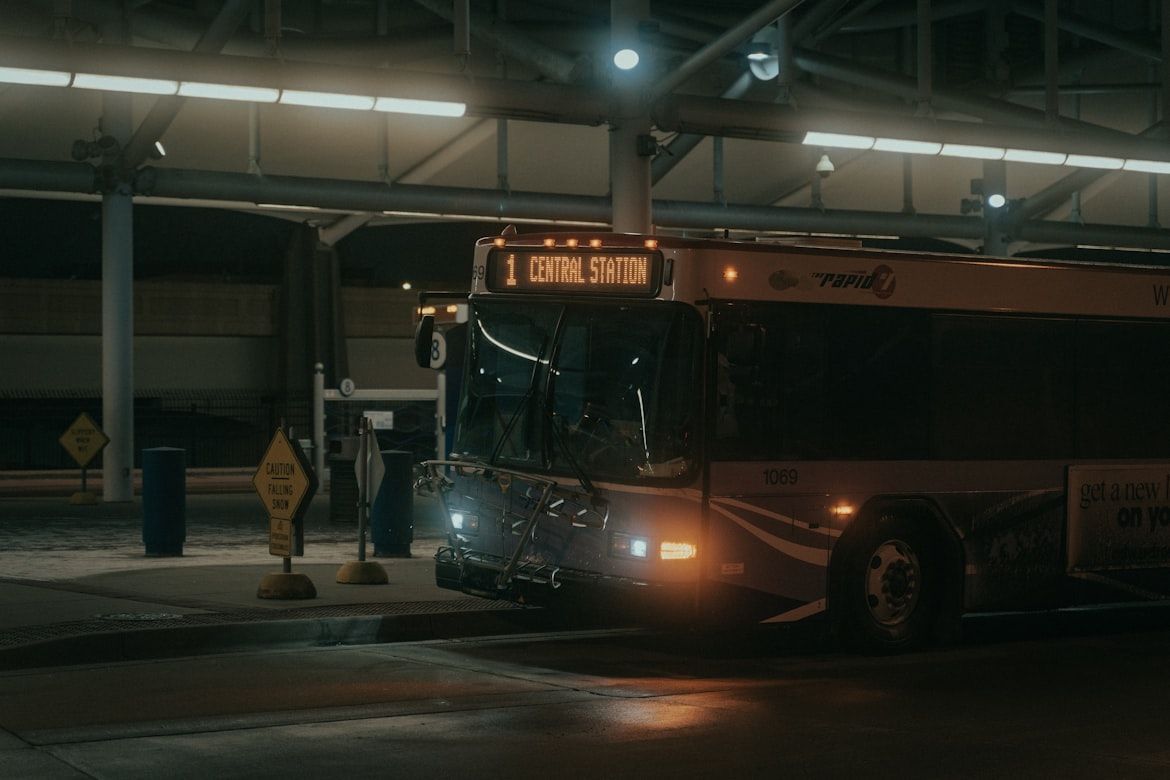
Overnight buses allow you to travel while sleeping, potentially saving the cost of a hotel night. With a pillow and a blanket, rest can be surprisingly comfortable.
For the budget-minded travelers, this option combines transportation and lodging, making long-distance travel more affordable and time-efficient.
More to explore

3 min read
Every pet owner should read these 12 tips before hitting the road
Read Now

4 min read
12 things everyone should know before riding on an Amtrak train
Read Now

4 min read
This lighthouse greets the dawn before anywhere else in the U.S.
Read Now

4 min read
10 essential items that you should bring from home on your next travel
Read Now