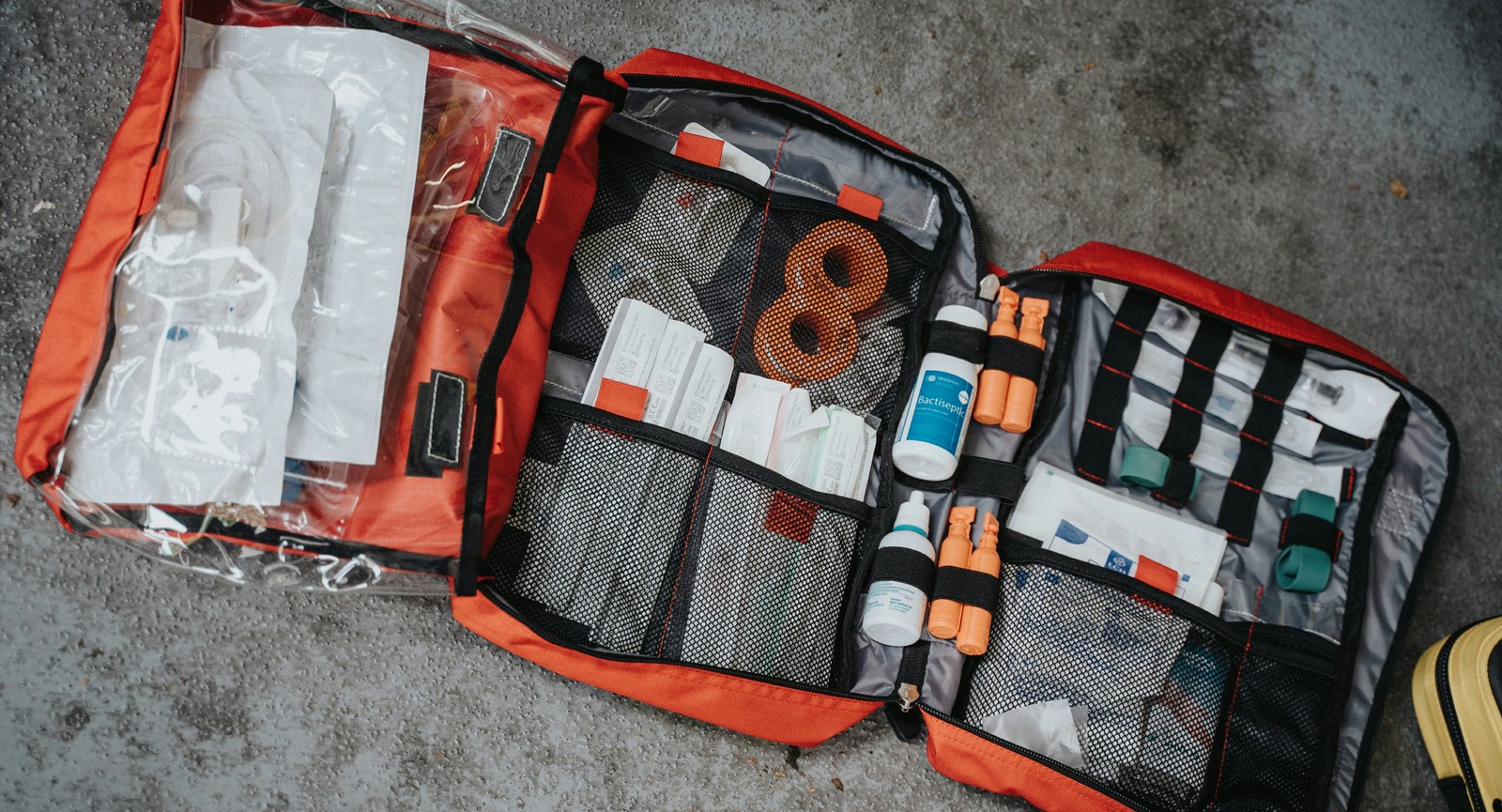
Which 12 things should always be kept in your travel First Aid Kit?
 General
Prevention is everything
Which 12 things should always be kept in your travel First Aid Kit?
As the saying goes, bad things never happen to those who are prepared. While that might not be entirely true, it is true that those who are ready can face tricky situations with much greater ease than those who are not. A well-packed first aid kit can turn a stressful travel moment into a minor inconvenience. The following items are the essentials for every traveler to pack, no matter the destination.
Adhesive bandages
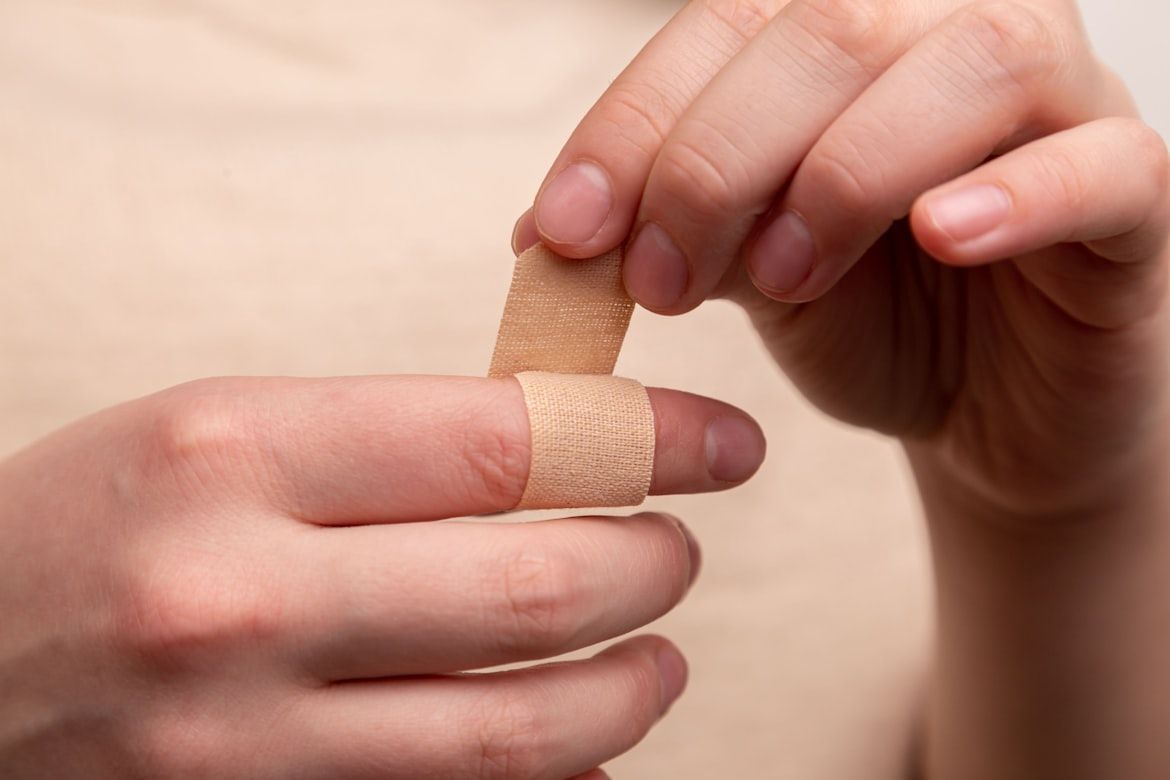
Minor cuts, scrapes, and blisters are among the most common travel annoyances. Adhesive bandages provide quick protection, keeping wounds clean and covered while you go about your day.
Pack several sizes, including small strips and wider patches. Comfortable, flexible bandages are especially useful for feet, where long walks and unfamiliar shoes can cause blisters.
Antiseptic wipes or solution

Cleaning a wound properly is just as important as covering it. Antiseptic wipes help remove dirt and bacteria before a bandage is applied, reducing the risk of infection.
Single-use wipes are ideal for travel since they’re lightweight and mess-free. They’re also handy for quick hand or surface cleaning when soap and water are not available.
Sterile gauze and medical tape
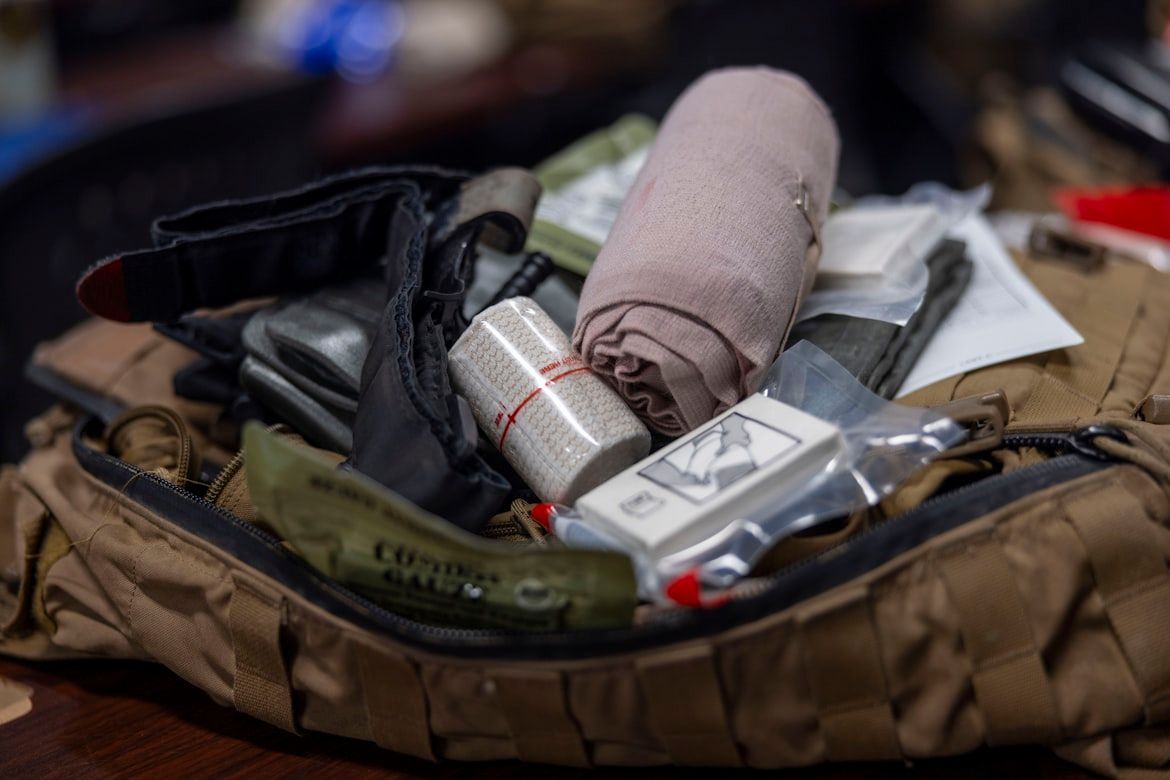
For larger cuts or abrasions, gauze provides better coverage than a standard adhesive bandage. It absorbs blood and helps protect sensitive skin during healing.
Medical tape keeps the gauze securely in place and can be adjusted for different areas of the body. Together, they offer flexibility for injuries that don’t fit neatly under a typical bandage.
Pain relievers

Headaches, sore muscles, and joint pain can sneak up during long travel days. A familiar pain reliever can help you stay comfortable and enjoy your plans.
Bring only what you need, keep it clearly labeled, and store it in its original container. Having it on hand avoids searching for a pharmacy in an unfamiliar place.
Antihistamines
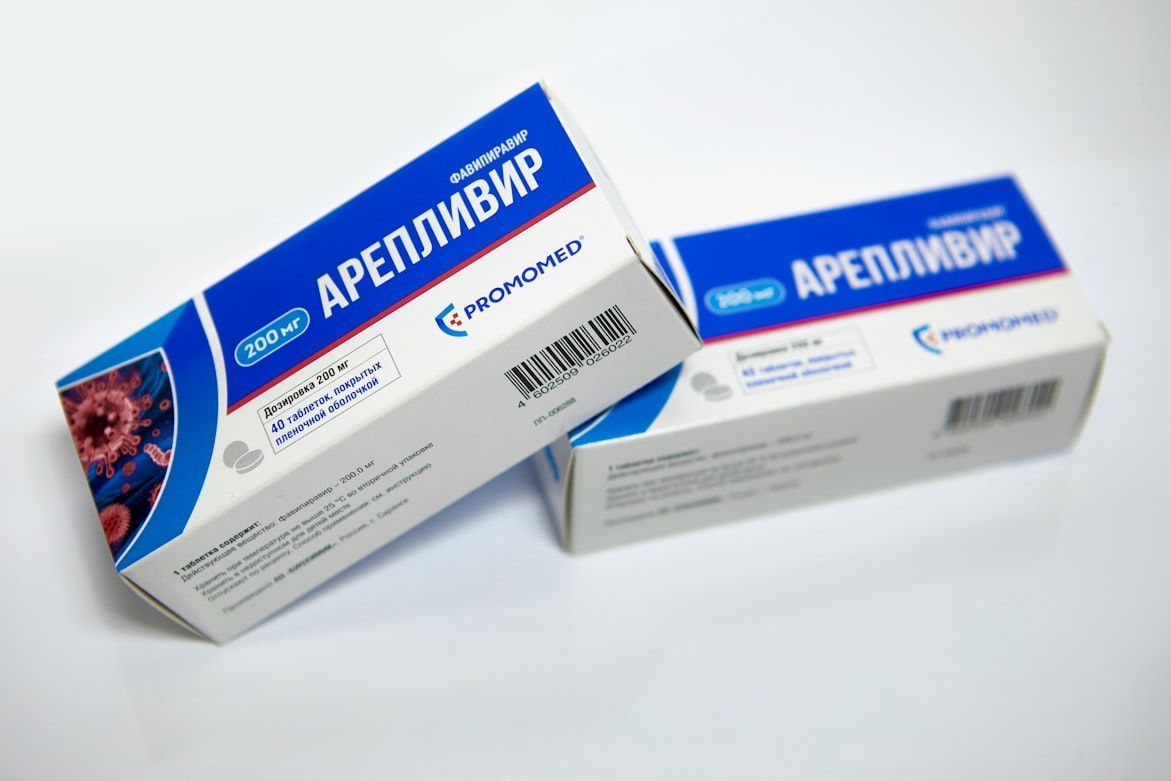
Allergies don’t take vacations. Antihistamines can relieve reactions to food, pollen, dust, or insect bites that may appear unexpectedly.
They’re especially useful when traveling to new climates or regions with unfamiliar plants. Some versions may cause drowsiness, so choose the option that best fits your travel schedule.
Anti-Diarrheal medication
Digestive trouble is one of the most common travel-related health issues. Anti-diarrheal medication helps control symptoms and can reduce the risk of dehydration during transit or sightseeing.
Having it ready means you won’t need to rush to find medical supplies when you’re already feeling unwell. It’s a small item that offers significant peace of mind.
Hand sanitizer or antibacterial wipes

Good hygiene is your first line of defense against illness. Hand sanitizer is invaluable when sinks and soap are not readily available.
Use it before meals, after using public transportation, or when handling shared surfaces. Compact bottles or wipe packets slip easily into a day bag or pocket.
Tweezers or small scissors

Tweezers are essential for removing splinters, thorns, or ticks. A small pair of scissors can be used to cut gauze, tape, or clothing in an emergency.
Choose compact, travel-friendly versions, and check airline rules if packing carry-on luggage. These tools often prove useful beyond first-aid situations.
Self-adhesive bandage
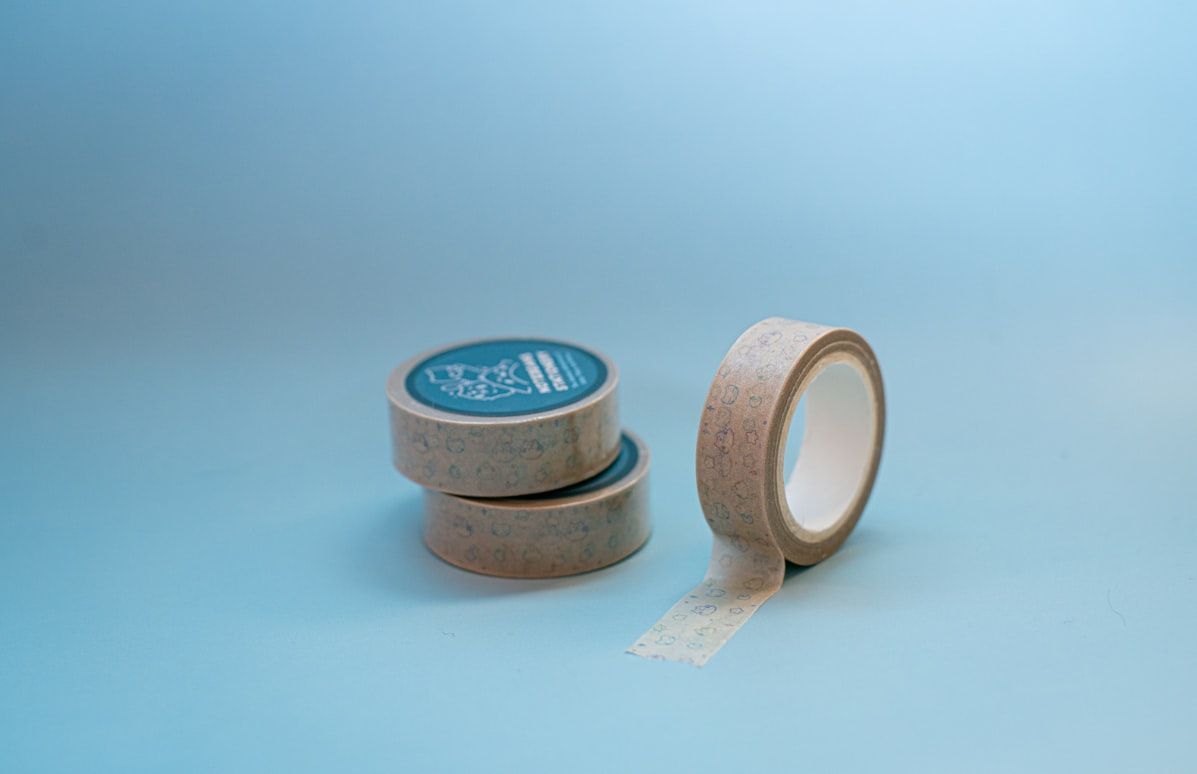
An elastic wrap provides support for sprains, strained muscles, or swollen joints. It can also hold ice packs or dressings securely in place.
Self-adhesive versions stick to themselves without the need for clips, making them easy to apply. They’re especially helpful for travelers who plan to walk a lot.
Instant cold pack
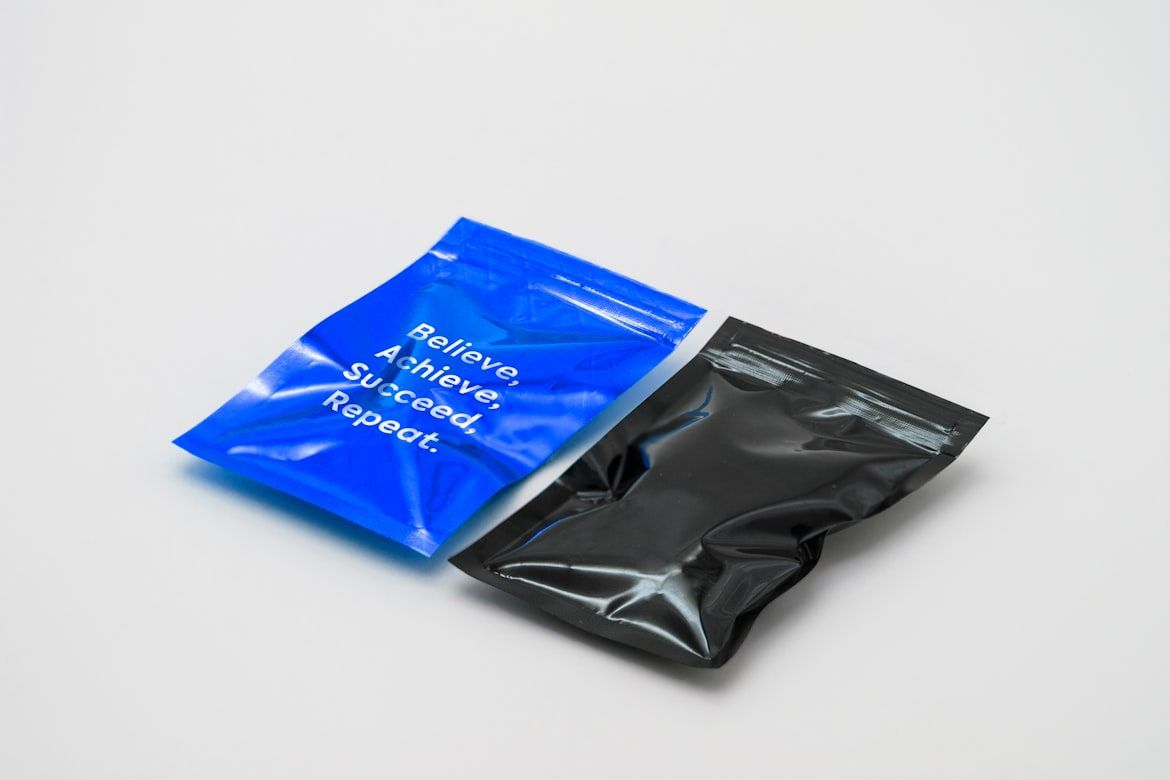
Cold packs reduce swelling and help ease pain after bumps or minor injuries. Instant versions activate with a simple squeeze, no freezer required.
They’re ideal for travel because they’re lightweight and disposable. Whether it’s a twisted ankle or a sore knee, quick cooling can make a big difference.
Thermometer
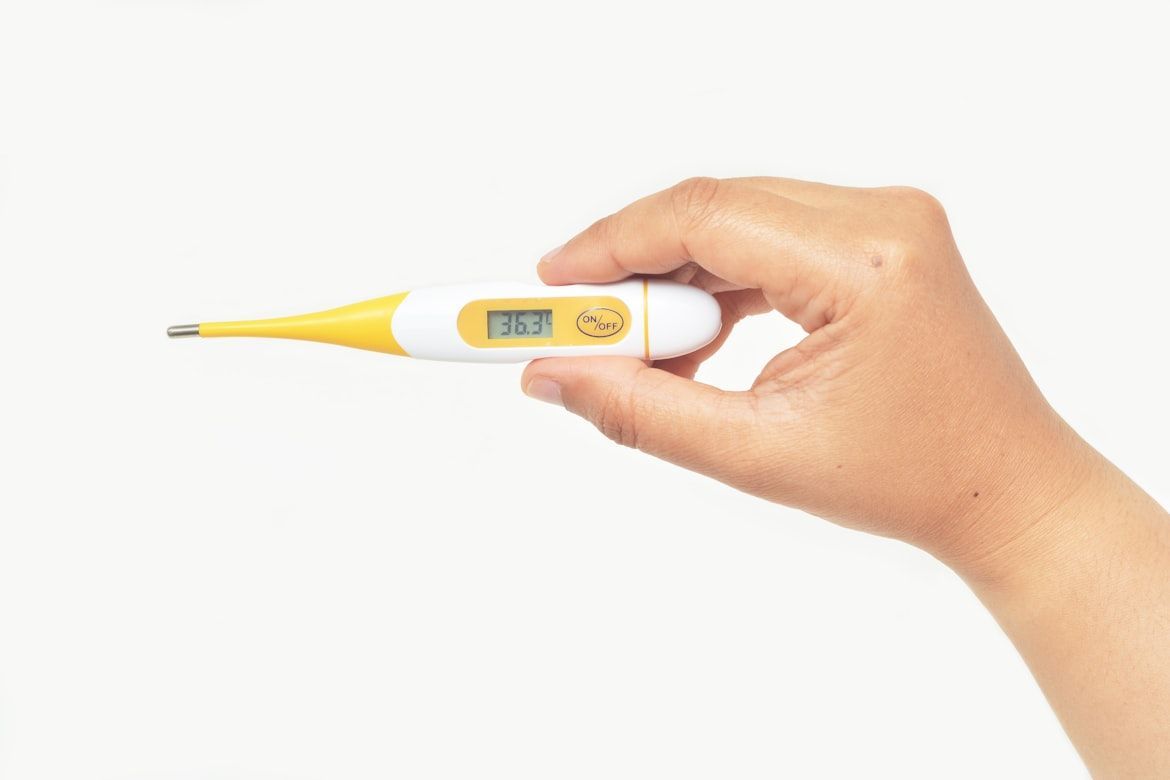
A thermometer helps you monitor fever and determine whether rest or medical attention is needed. It’s especially useful when traveling far from home.
Digital thermometers are compact and easy to read. Knowing your temperature removes guesswork and helps you respond calmly to sudden illness.
Disposable gloves

Disposable gloves protect both the caregiver and the injured person during wound care. They reduce the risk of contamination when treating cuts, scrapes, or blisters.
They take up almost no space and can be discarded after use. Even if you never need them, they’re reassuring to have in your kit.
Ten fall foliage drives outside of New England
 Geography
Fall foliage road trips across America
Ten fall foliage drives outside of New England
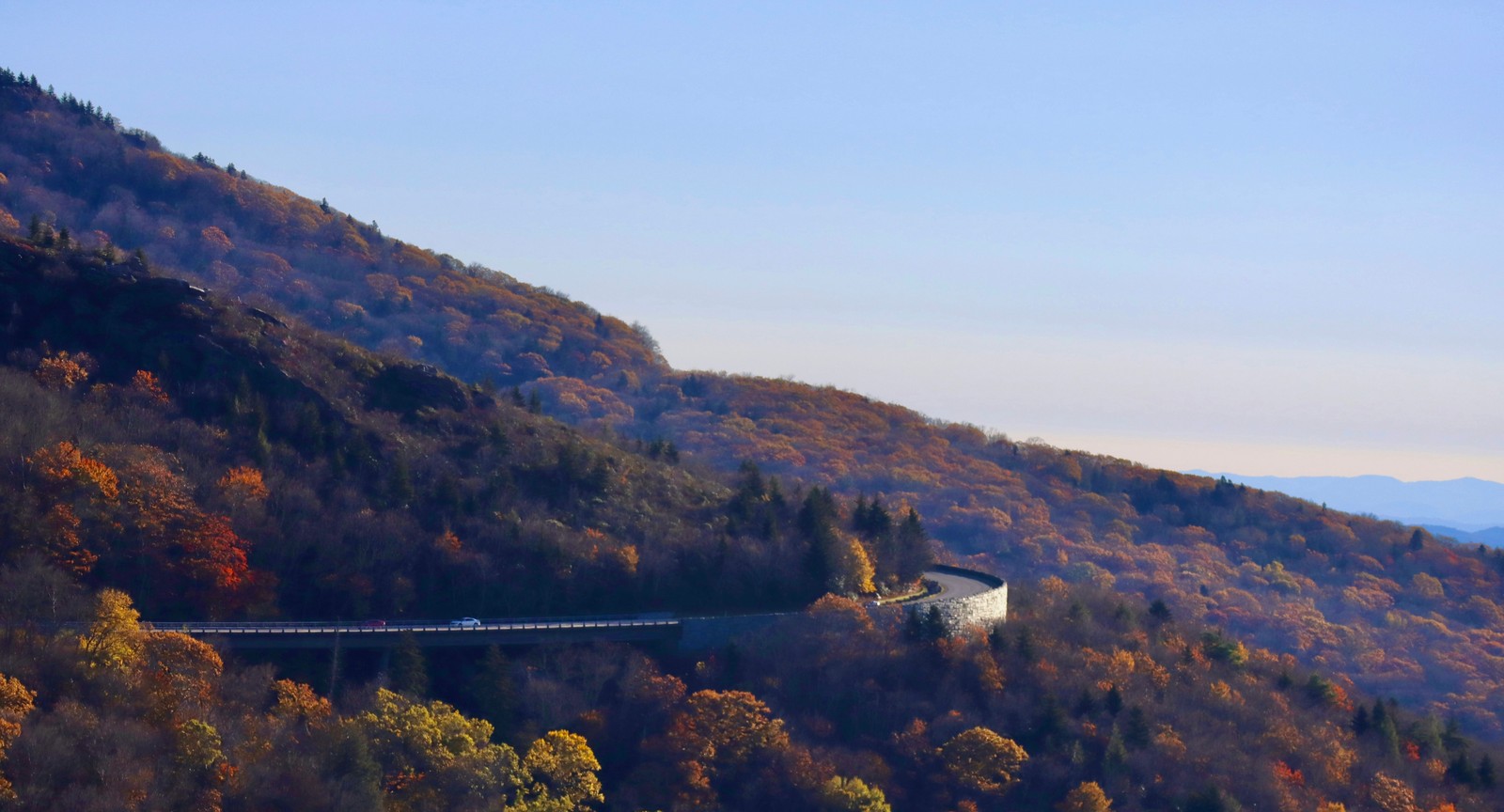
Sure, Vermont's got game when it comes to autumn leaves. But guess what? The rest of America didn't get the memo that fall colors are a New England exclusive. Here are ten spectacular fall drives that prove Mother Nature has plenty of paint to go around.
Blue Ridge Parkway, Virginia and North Carolina
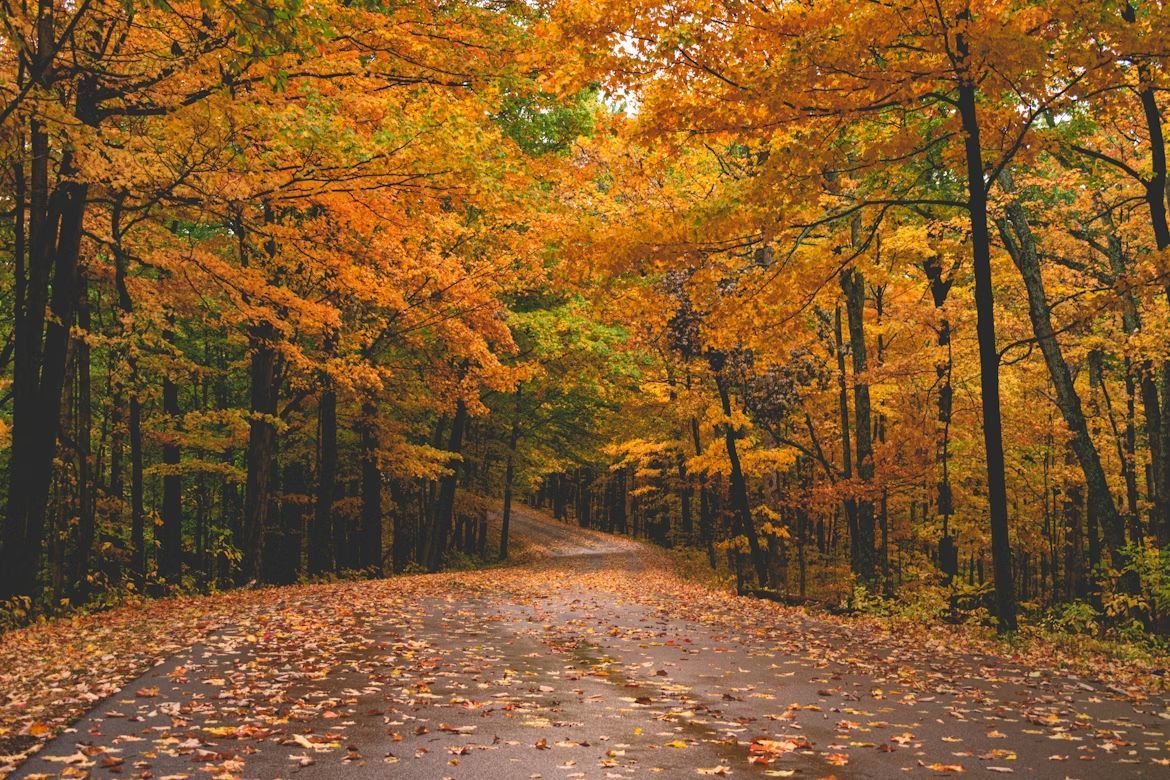 Image: Karthik Sreenivas
This 469-mile ribbon of asphalt snaking through the Appalachians is basically autumn's greatest hits album. You'll wind past crimson oaks, golden hickories, and enough scenic overlooks to make your camera cry uncle. Peak season runs from late September through October, depending on elevation. Pack a picnic, crank up some classic rock, and pretend you're in a car commercial.
Million Dollar Highway, Colorado
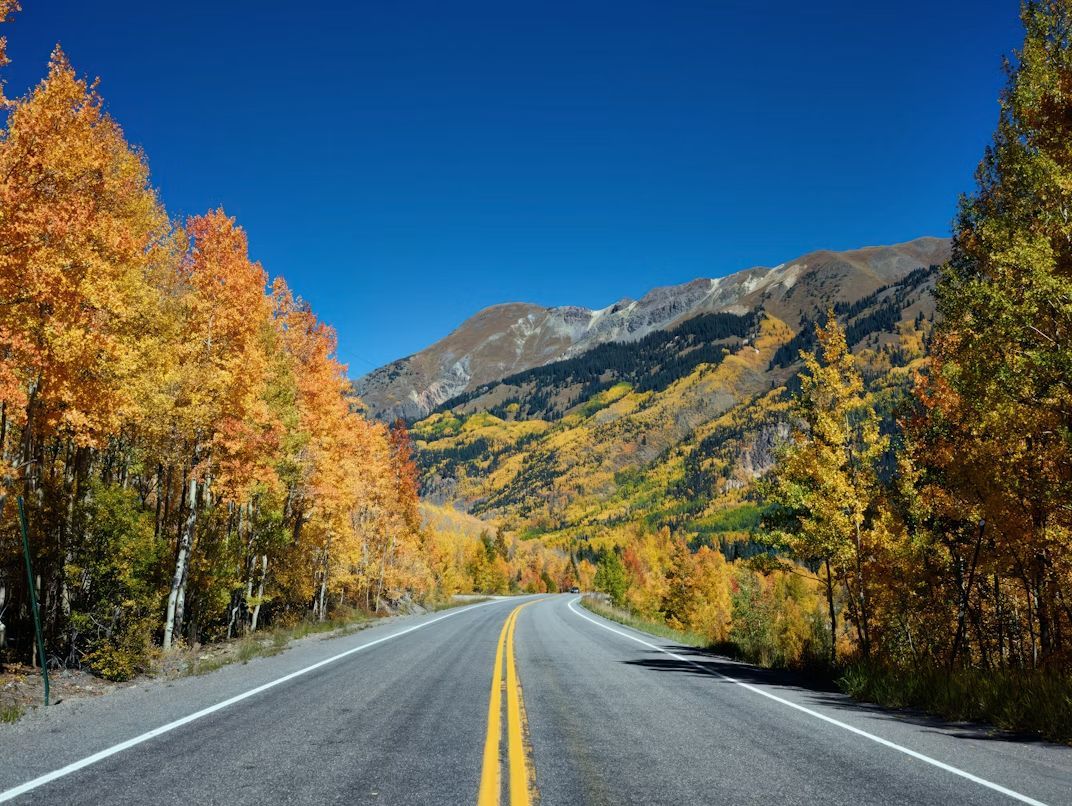 Image: Carol Highsmith's America
This stretch of US Route 550 has aspen groves turning liquid gold against red rock cliffs and snow-dusted peaks. The road climbs over three mountain passes without guardrails in some spots, which adds a little spice to your leaf-peeping adventure. Visit in late September, when the aspens are showing off, and you'll understand why Coloradans get so smug about their fall colors.
Great Smoky Mountains, Tennessee and North Carolina
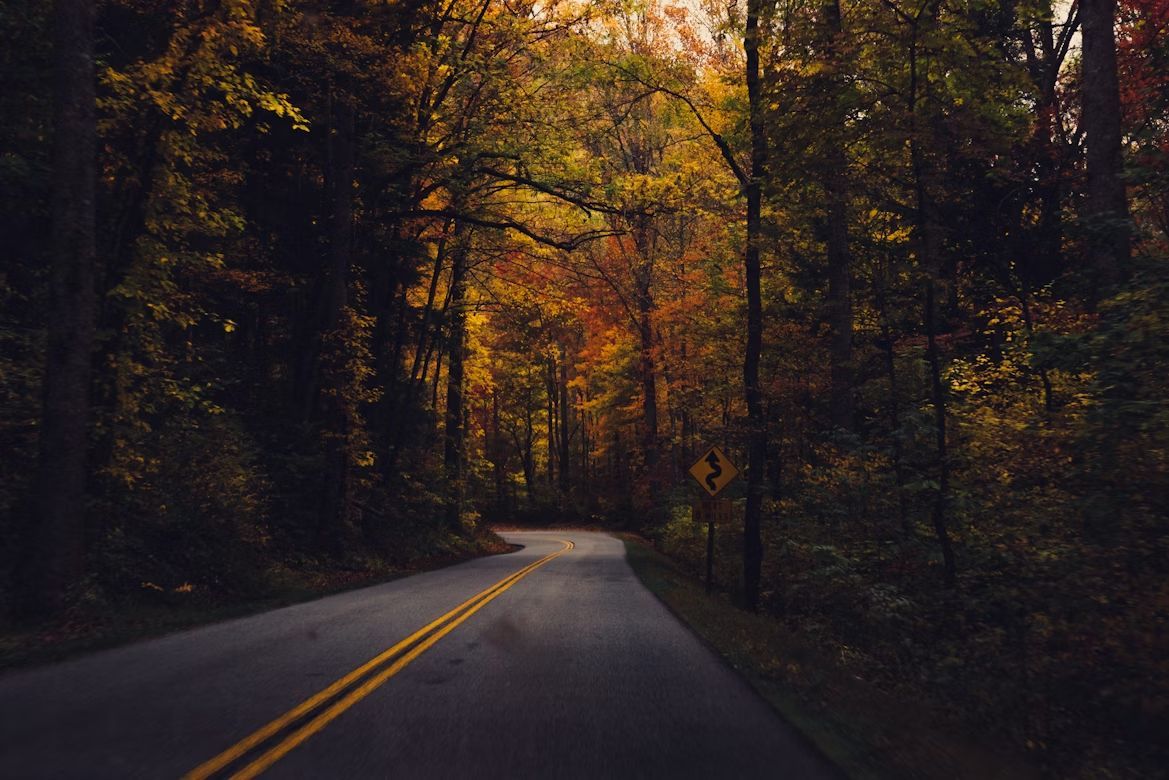 Image: Jordan Whitt
The Smokies put on a color show that lasts from mid-September well into November, thanks to all those different elevations. Cades Cove Loop Road offers an easy 11-mile circuit where you might spot black bears fattening up for winter between the maples and dogwoods. The main drag—Newfound Gap Road—takes you from low-elevation hickories to high-altitude spruces, which means you're basically driving through three seasons in a single afternoon.
Kaibab Plateau, Arizona
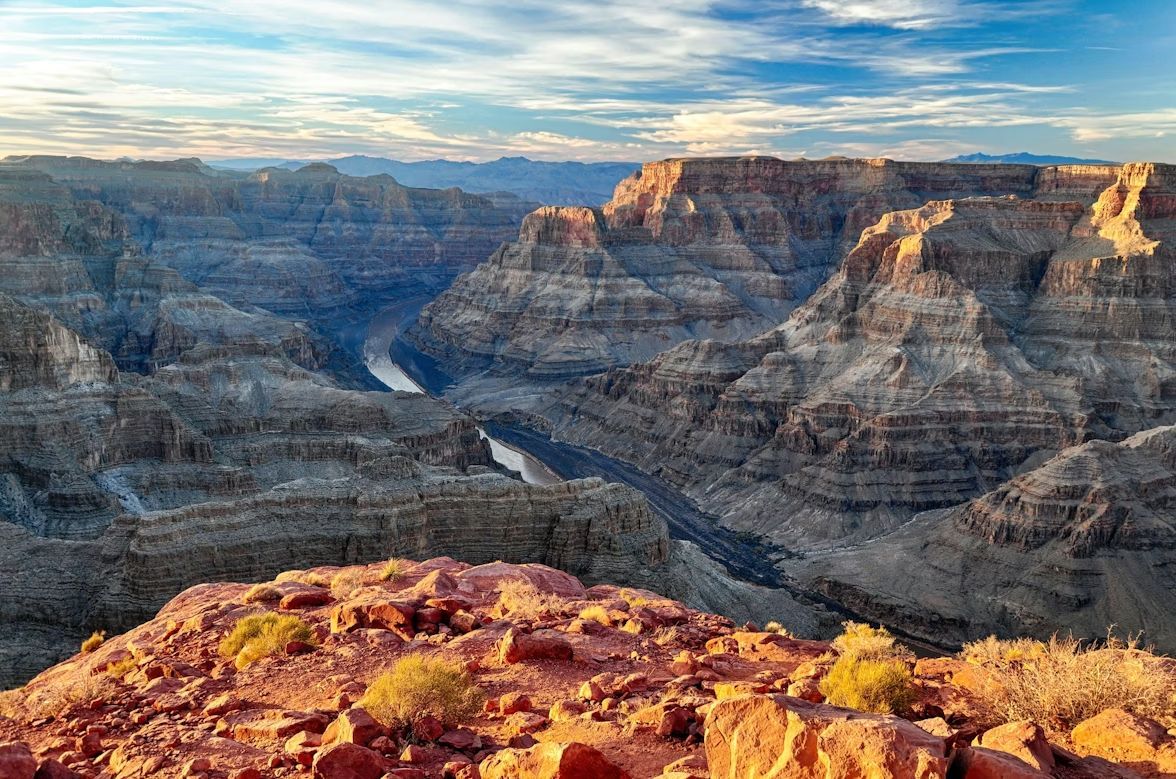 Image: Omer Nezih Gerek
Who says fall colors need a freeze? The North Rim of the Grand Canyon serves up golden aspens and orange Gambel oaks, paired with jaw-dropping canyon views. State Route 67 runs through Kaibab National Forest, and by late September, the aspen groves look like they've been dipped in butter. The elevation keeps things cool while the rest of Arizona bakes, and you'll have the place mostly to yourself, since the North Rim closes for winter in mid-October.
Cascade Loop, Washington
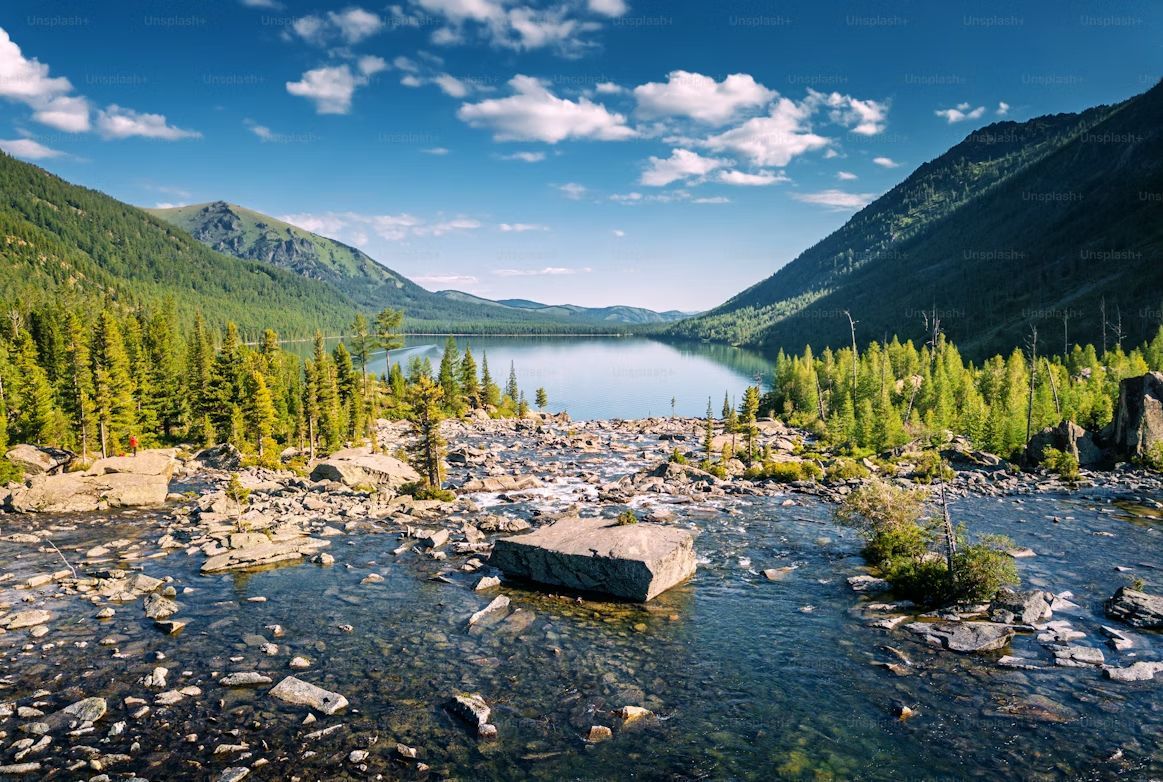 Image: Getty Images
This 440-mile circuit through the Cascade Mountains combines fall foliage with apple orchards, Bavarian-themed towns, and enough mountain vistas to overload your Instagram feed. The North Cascades Highway portion delivers serious alpine drama, with larches turning gold and vine maples blazing orange. Bonus: you can buy fresh cider that tastes like actual apples, not corn syrup.
Upper Peninsula, Michigan
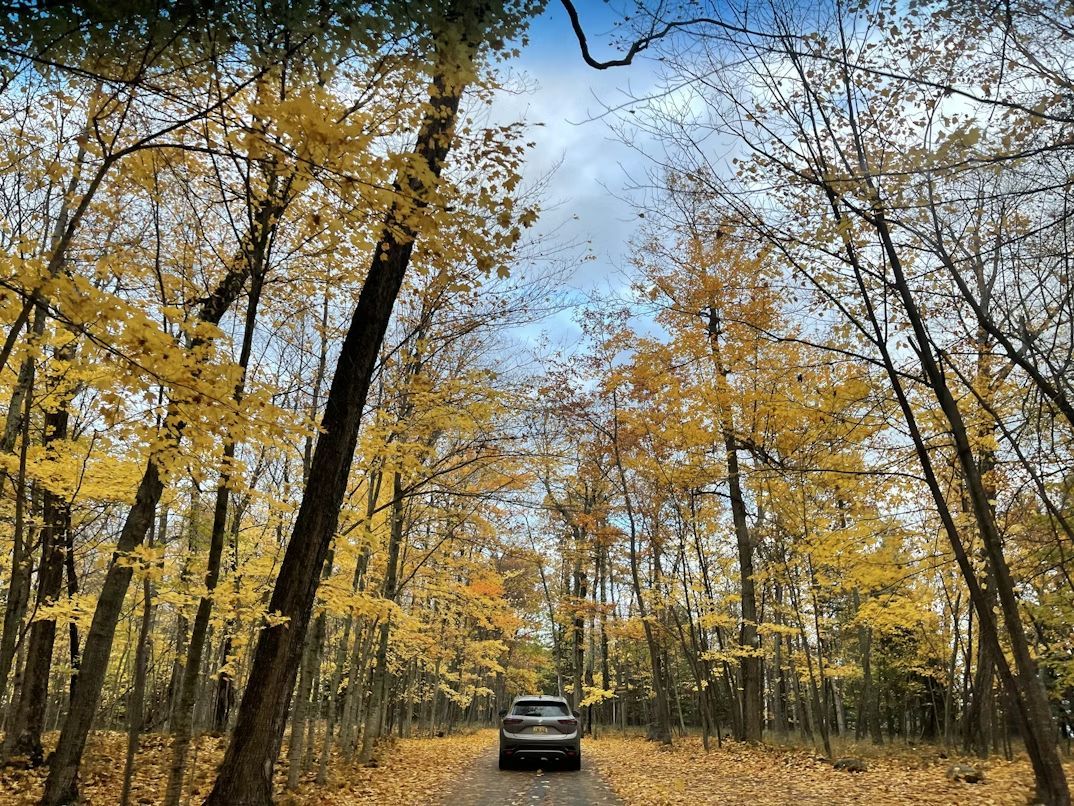 Image: Michaela Zuzula
US 2 along Lake Michigan's northern shore gives you sugar maples on one side and big blue water on the other. For maximum color impact, take M-28 through the Ottawa National Forest, where the hardwoods go absolutely nuts with reds, oranges, and yellows.
Ozark Highlands, Arkansas
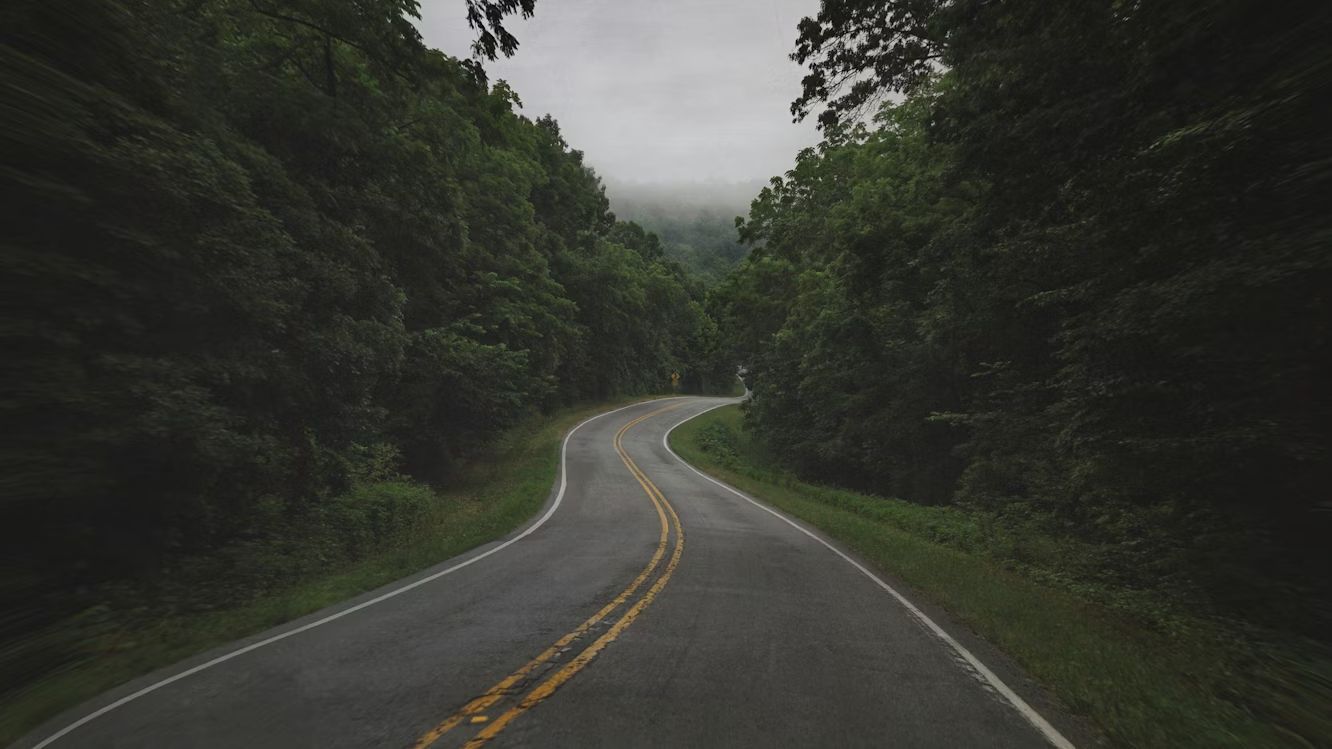 Image: Spencer Imbrock
State Highway 7 from Harrison to Hot Springs cuts through the Ozark National Forest, where oak, hickory, and maple trees compete for attention. The road twists past limestone bluffs and through tiny towns where time seems to move at a different speed. Mid-October is prime time, and the lack of crowds means you can actually stop and take that perfect photo without someone's Winnebago in the frame.
Lake Tahoe Loop, California and Nevada
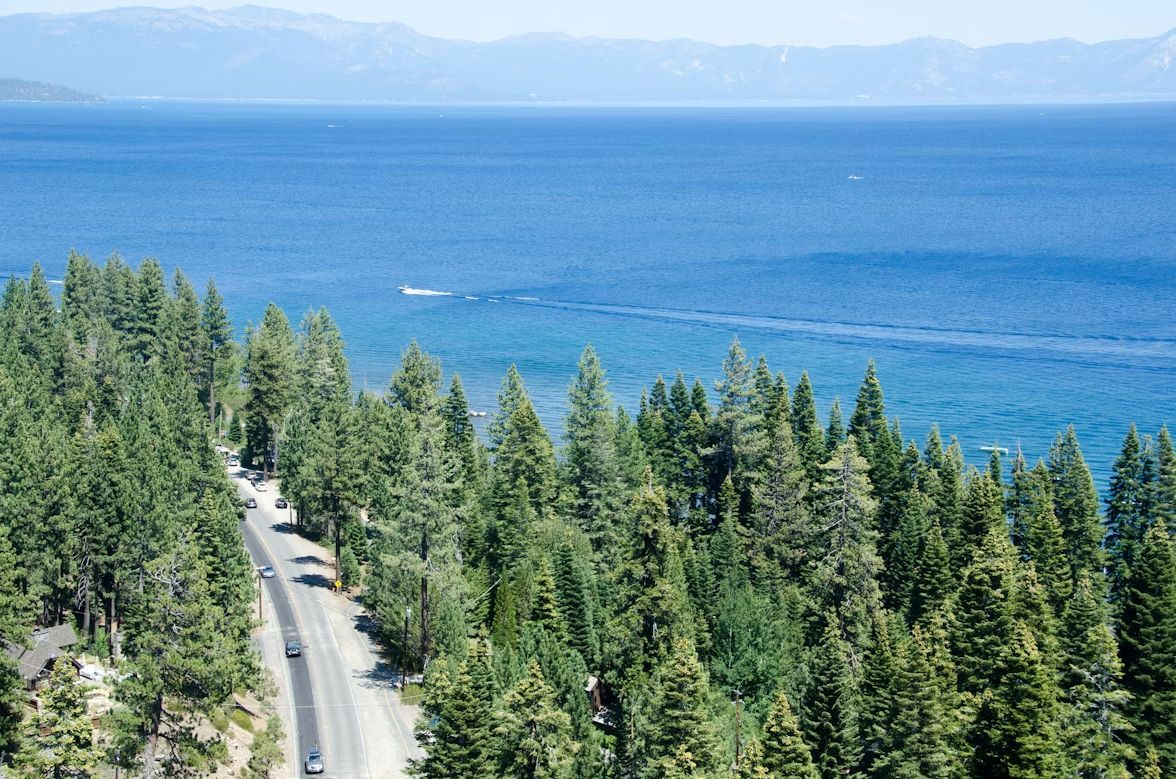 Image: Ken S
This 72-mile loop around America's most photographed lake combines cobalt water with autumn aspens in a way that'll make you question why you live anywhere else. The California side delivers more dramatic mountain scenery, while the Nevada side offers casinos if you need a break from nature. Late September through early October is the sweet spot before the first snow. Take the drive counterclockwise so you're on the lake side during the best light.
Scenic Byway 12, Utah
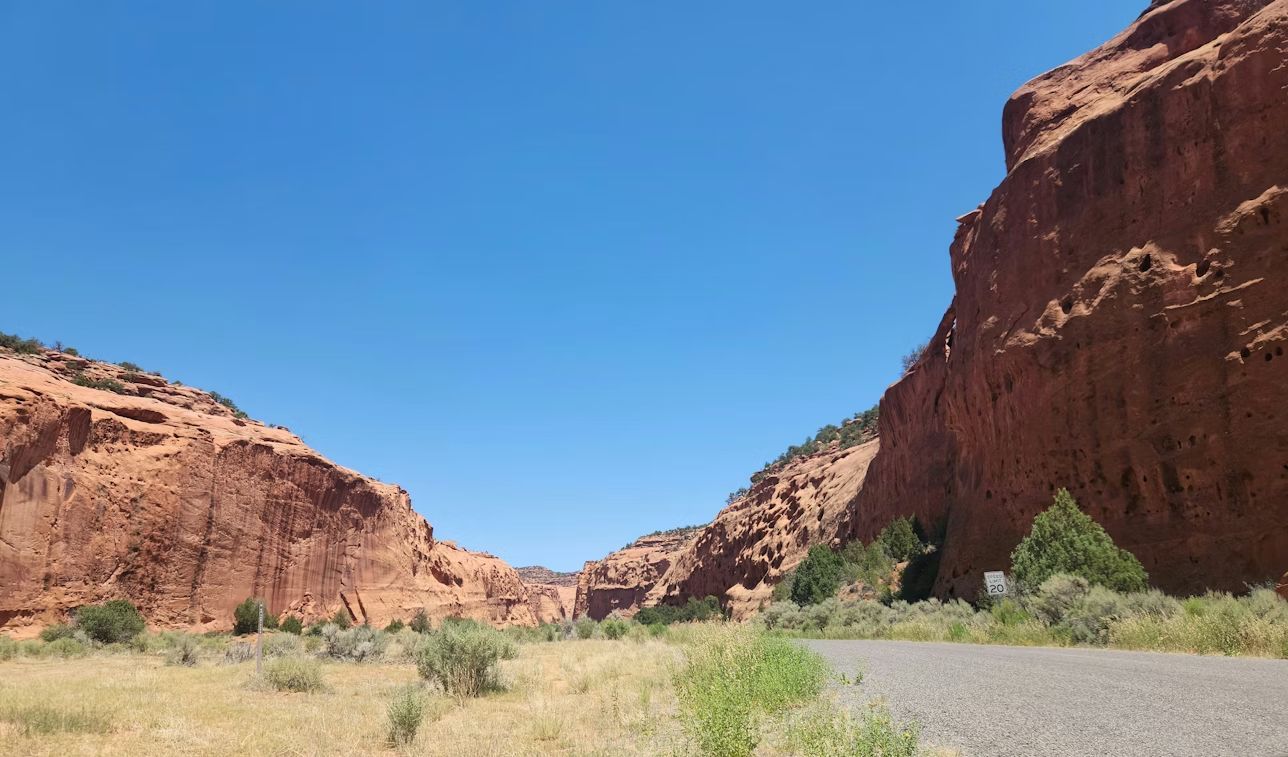 Image: Joshua Colah
This All-American Road lives up to its name, winding through red rock country where golden aspens pop against crimson cliffs like nature's own color wheel gone wild. The stretch between Torrey and Boulder crosses two mountain passes where the aspens cluster thickly in the high country. Late September brings peak color, and the absence of crowds makes it feel like a personal discovery.
Columbia River Gorge, Oregon and Washington
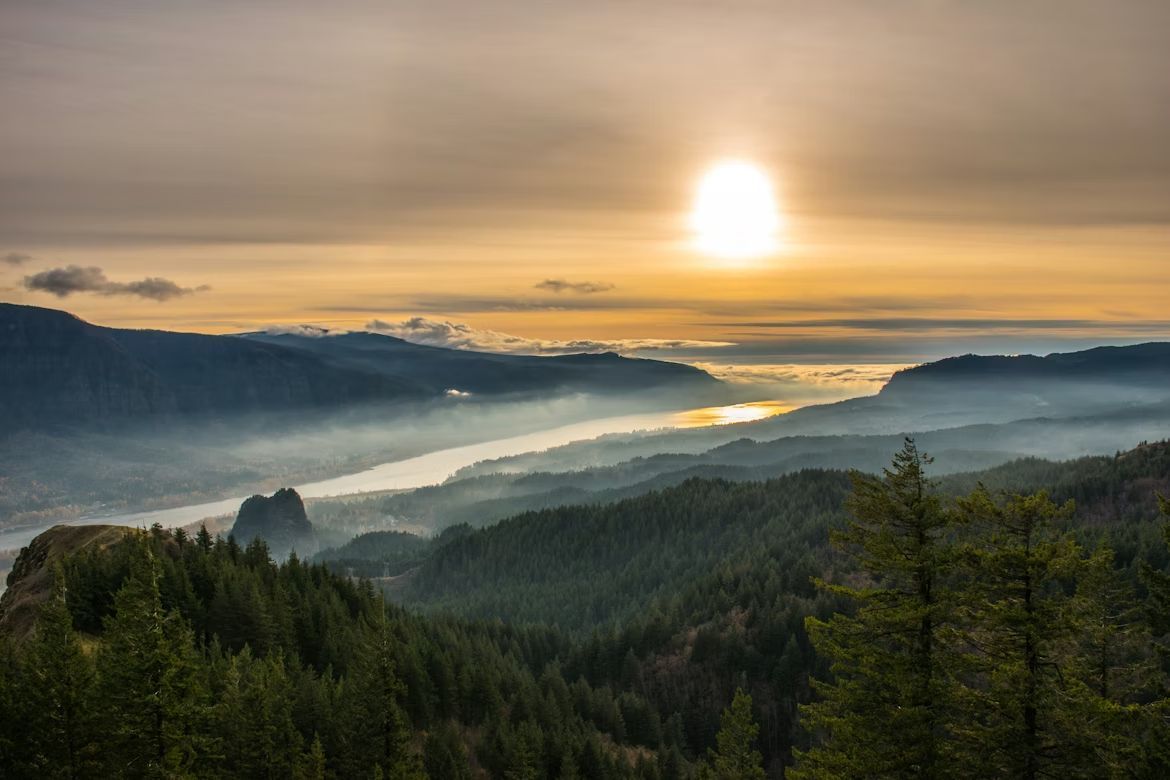 Image: Elena Kuchko
Historic Highway 30 on the Oregon side takes you past moss-covered forests exploding with vine maple reds and bigleaf maple yellows. Stop at Multnomah Falls before continuing east, where the landscape turns golden brown and wine country beckons. The scenic highway portion is only about 70 miles, but you'll need all day because every curve demands a photo stop.
Keep wandering
There’s always
more to explore

Why are hard landings sometimes the perfect landings?
6 min.
Read Now
 History

Was Moby-Dick a real whale? These marine stories have real backgrounds
6 min.
Read Now

What passengers never see after midnight on a cruise ship
4 min.
Read Now

These 10 mysteries were solved. So why do we still believe them?
6 min.
Read Now