Most people forget at least one of these key items when packing a bag
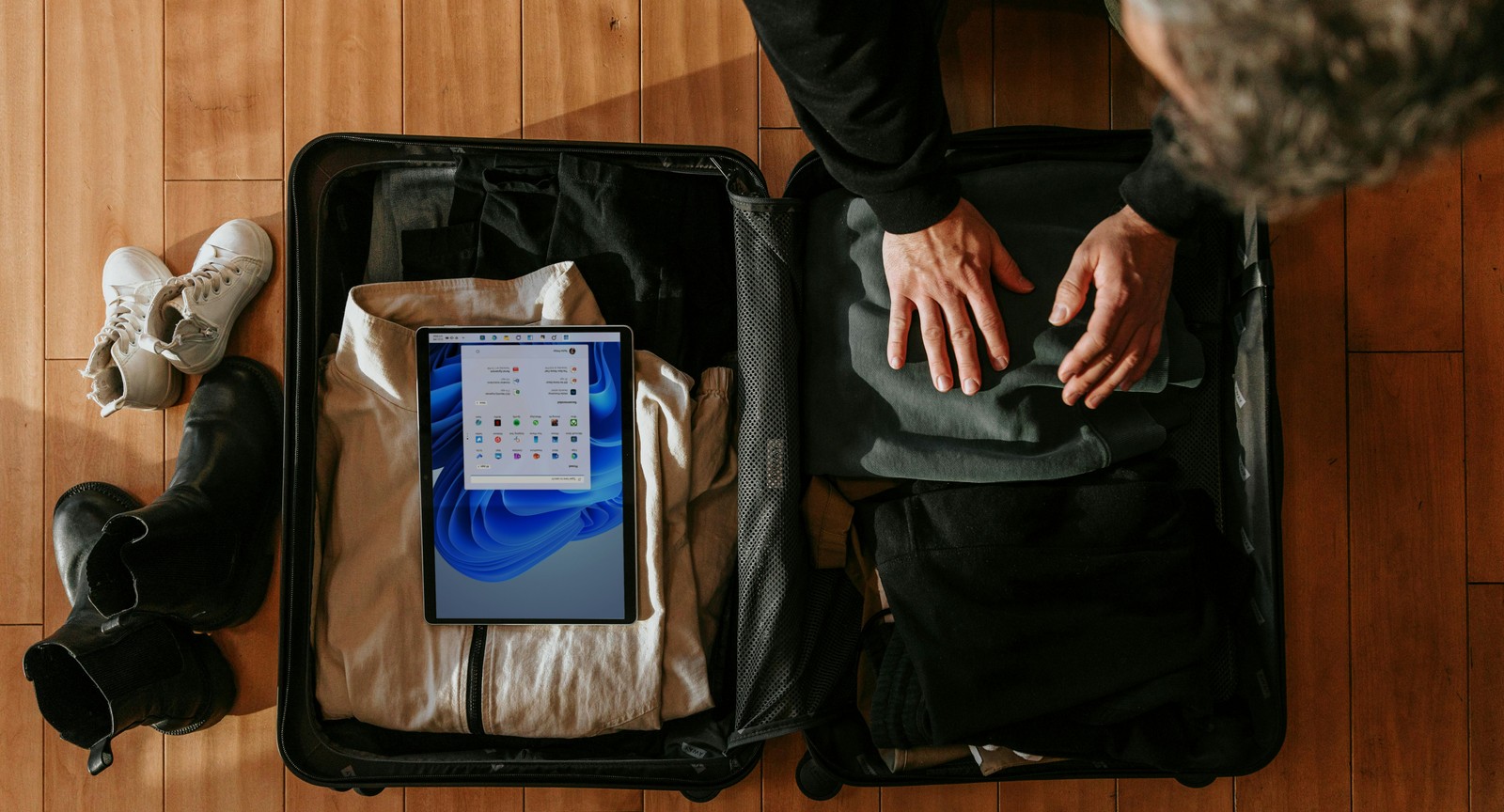
Make a list. Always.
Most people forget at least one of these key items when packing a bag
Packing your bag for a short trip sounds simple enough, right? That is, until you arrive and realize that something essential has been left behind. Seasoned travelers know it’s rarely the big items that cause trouble, but rather the small, everyday things that quietly make a trip comfortable or stressful. Take a look at the following 12 items and make a note to never forget them!
Chargers and power adapters
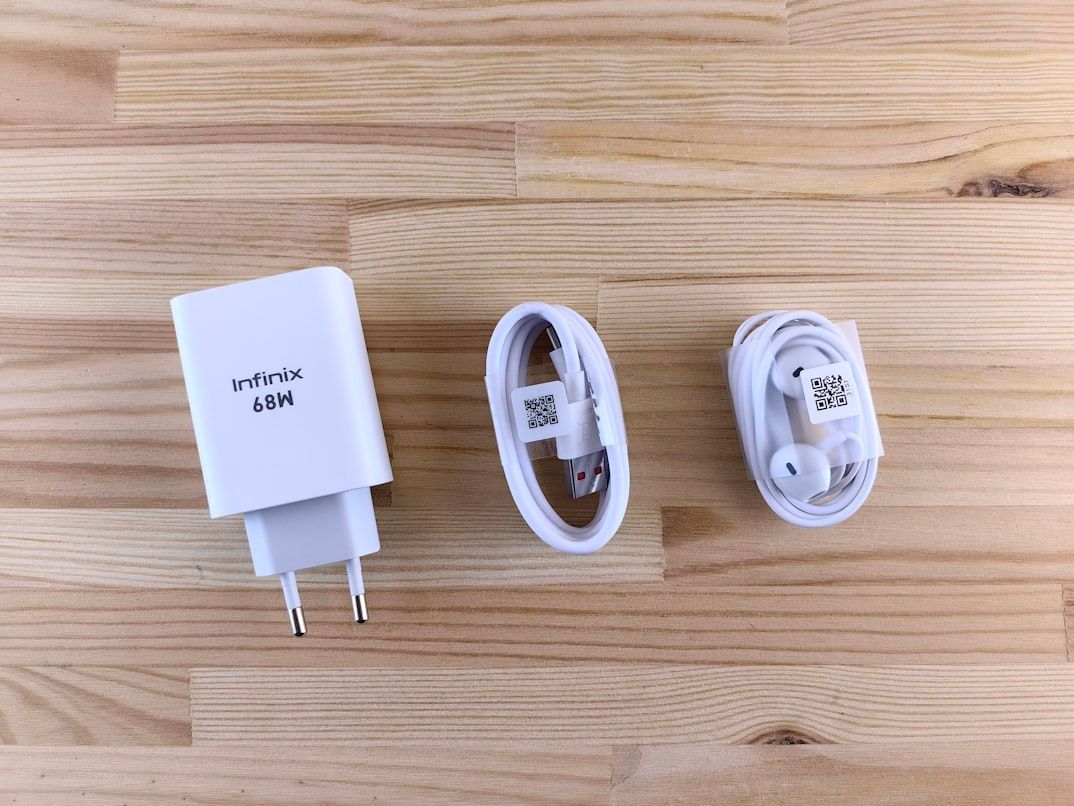
Few modern inconveniences compare to a dead phone in an unfamiliar place. Chargers for phones, tablets, hearing aids, or other devices are easy to overlook when packing in a hurry. A universal power adapter is especially helpful for international trips, where outlets may differ from those at home.
Keeping chargers together in a small pouch helps prevent last-minute scrambling. Without power, digital tickets, maps, and contact lists become useless, making this one of the most common and frustrating mistakes.
Prescription medications

Daily medications should always go in your carry-on, not in checked luggage. Delays or lost bags can leave travelers without critical prescriptions for days. It’s also wise to pack a few extra doses in case plans change unexpectedly.
Including a simple list of medications and dosages can be helpful in emergencies. For many travelers, especially seniors, remembering prescriptions is not just about comfort, but about health and peace of mind on the road.
Important travel documents
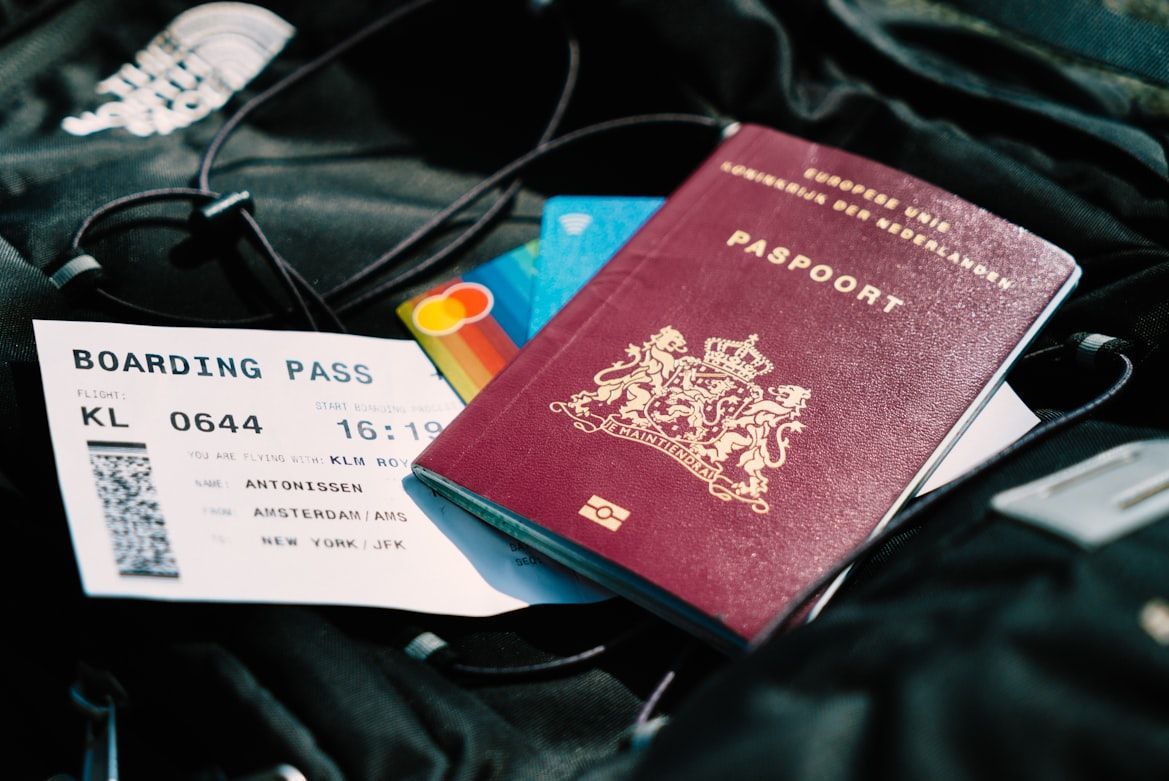
Passports, IDs, insurance cards, and reservations are the backbone of any trip. Even domestic travel can become complicated if identification is misplaced. Making paper copies and saving digital versions adds an extra layer of security.
Storing documents in a dedicated folder or zip pouch reduces the risk of misplacement. Losing essential paperwork can derail an entire journey, making this one of the most important items to double-check.
Comfortable walking shoes

Travel often involves more walking than expected, whether through airports, museums, or city streets. Packing only dress shoes or new footwear can lead to sore feet and blisters, cutting days short.
A well-broken-in pair of walking shoes offers comfort and stability. For many travelers, good footwear can make the difference between enjoying sightseeing and needing to rest indoors.
Weather-ready layer

Even sunny destinations can surprise visitors with cool evenings or overly air-conditioned buildings. A light jacket, sweater, or shawl takes up little space but adds a great deal of comfort.
Layers allow for flexibility without overpacking heavy coats. Many travelers wish they had brought something warm once they’re already miles from home, especially on planes and buses.
Daily toiletries

Hotels may provide basic items, but personal routines vary. Items like deodorant, face wash, denture supplies, or specialty creams are easy to forget and hard to replace on short notice.
Travel-size containers help save space while ensuring familiarity. Having your usual toiletries can make a hotel feel more like home, easing the transition into travel mode.
Eyeglasses or hearing aids

Vision and hearing aids are essential, yet they’re sometimes left behind during last-minute packing. A spare pair of glasses or extra hearing aid batteries can be a lifesaver.
Replacing these items while traveling can be costly and time-consuming. Keeping them in a consistent, designated spot reduces the chance of forgetting something so vital.
Wallet essentials
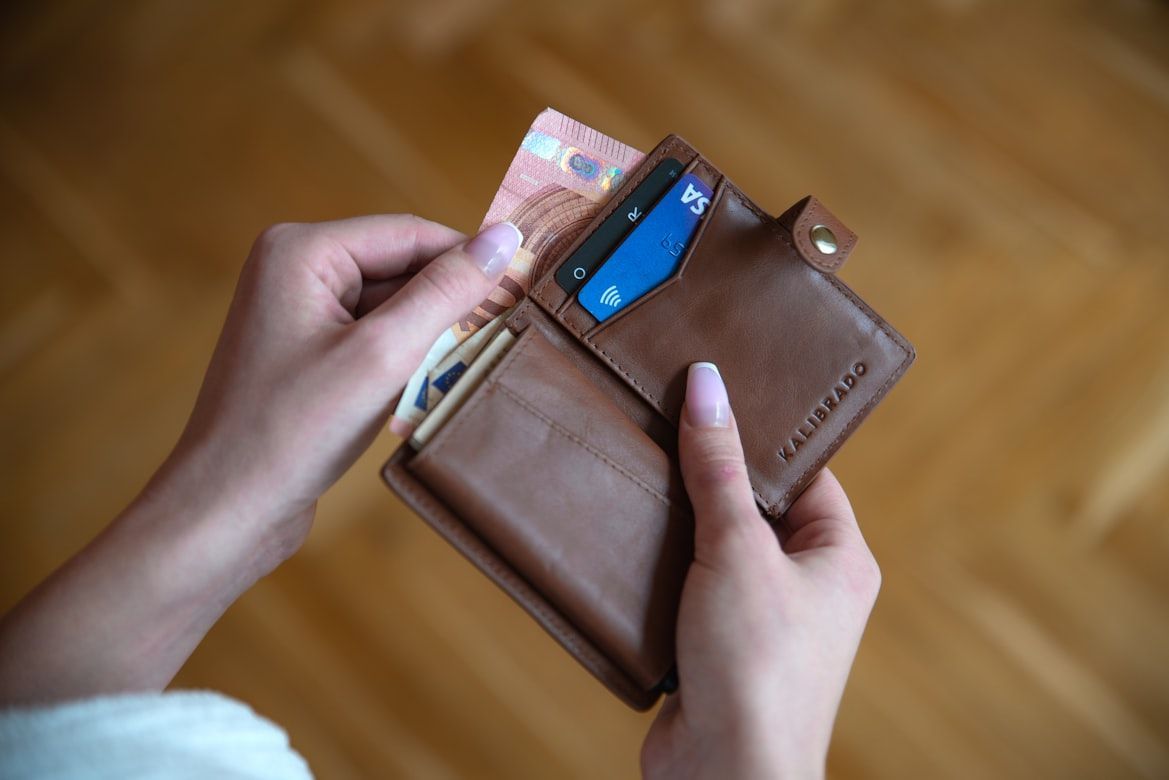
It’s surprisingly easy to pack clothes and forget what’s inside your wallet. Credit cards, ID, and a bit of cash are still important, even in a digital age.
Double-checking that everything is in place before leaving home prevents stressful calls to banks later. For many travelers, peace of mind begins with knowing their finances are accessible.
Phone numbers and contacts

Relying entirely on a smartphone can backfire if the battery dies or service is spotty. Writing down key phone numbers offers a simple backup plan.
Emergency contacts, hotel information, and a trusted family member’s number are worth having on paper. Old-fashioned preparation can still save the day.
Medications and First-Aid items
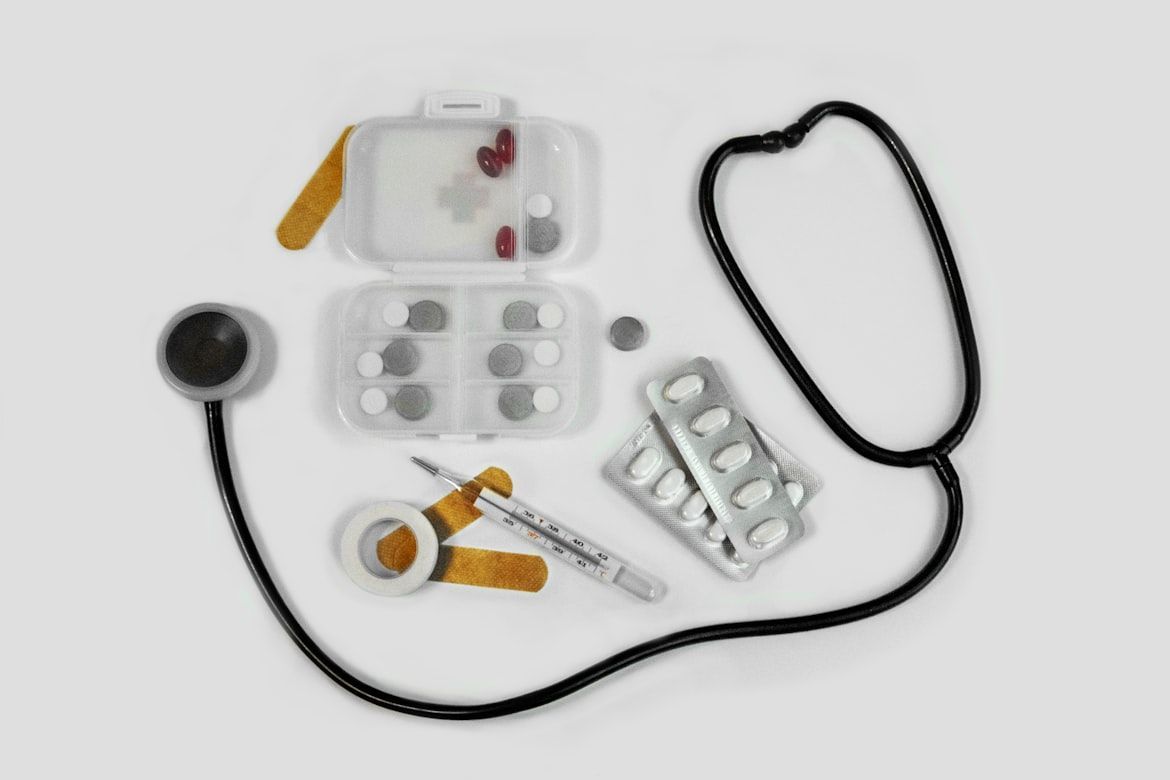
Minor aches, allergies, or blisters often arise while traveling. Packing basics like pain relievers, bandages, or motion-sickness tablets can prevent unnecessary pharmacy runs.
Familiar remedies are often more comforting than unfamiliar brands. A small first-aid kit adds reassurance without adding much weight.
Travel insurance information

Many travelers buy insurance and then forget the details. Having policy numbers and contact information on hand is essential if plans are disrupted or medical care is needed.
Keeping this information accessible helps avoid confusion during stressful moments. It’s one of those items you hope not to use but are grateful to have.
A packing checklist

The most overlooked tool is often the simplest one: a written checklist. It reduces stress and prevents real mistakes, trip after trip.
Checking items off before leaving creates a sense of confidence and calm. For frequent travelers, a reusable list becomes a trusted companion, quietly ensuring nothing important is left behind.
More to explore
3 min read
Which 12 things should always be kept in your travel First Aid Kit?
Read Now
3 min read
I wish I had known these 12 tips before every long bus ride I ever took
Read Now
4 min read
Most people don’t know that these places are free to visit. Do you?
Read Now

6 min read
One of These Cities Is Split Between Two Continents
Read Now