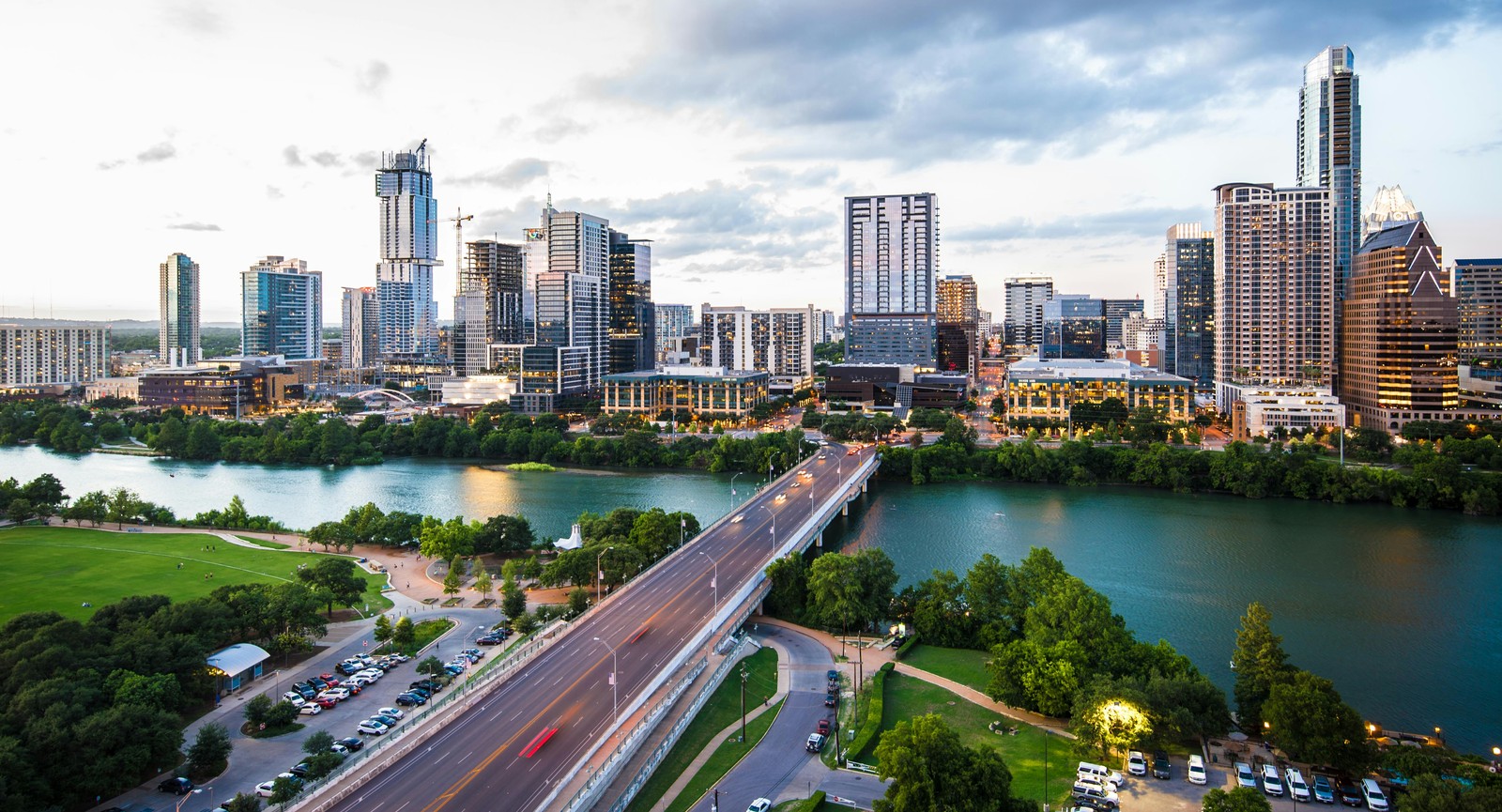
One of These Cities Is Split Between Two Continents
 Landmarks
Waterworld
One of These Cities Is Split Between Two Continents
From ancient trade routes to modern waterfront revivals, cities close to water tend to feel more alive. Rivers move people and goods, canals organize daily life, and seas open doors to culture and commerce. These places didn’t just happen to be near water; they were built around it, and the relationship still defines how they look, move, and breathe. Here are some of the world’s most memorable cities where water isn’t just scenery, but it’s the backbone of urban life.
Venice, Italy
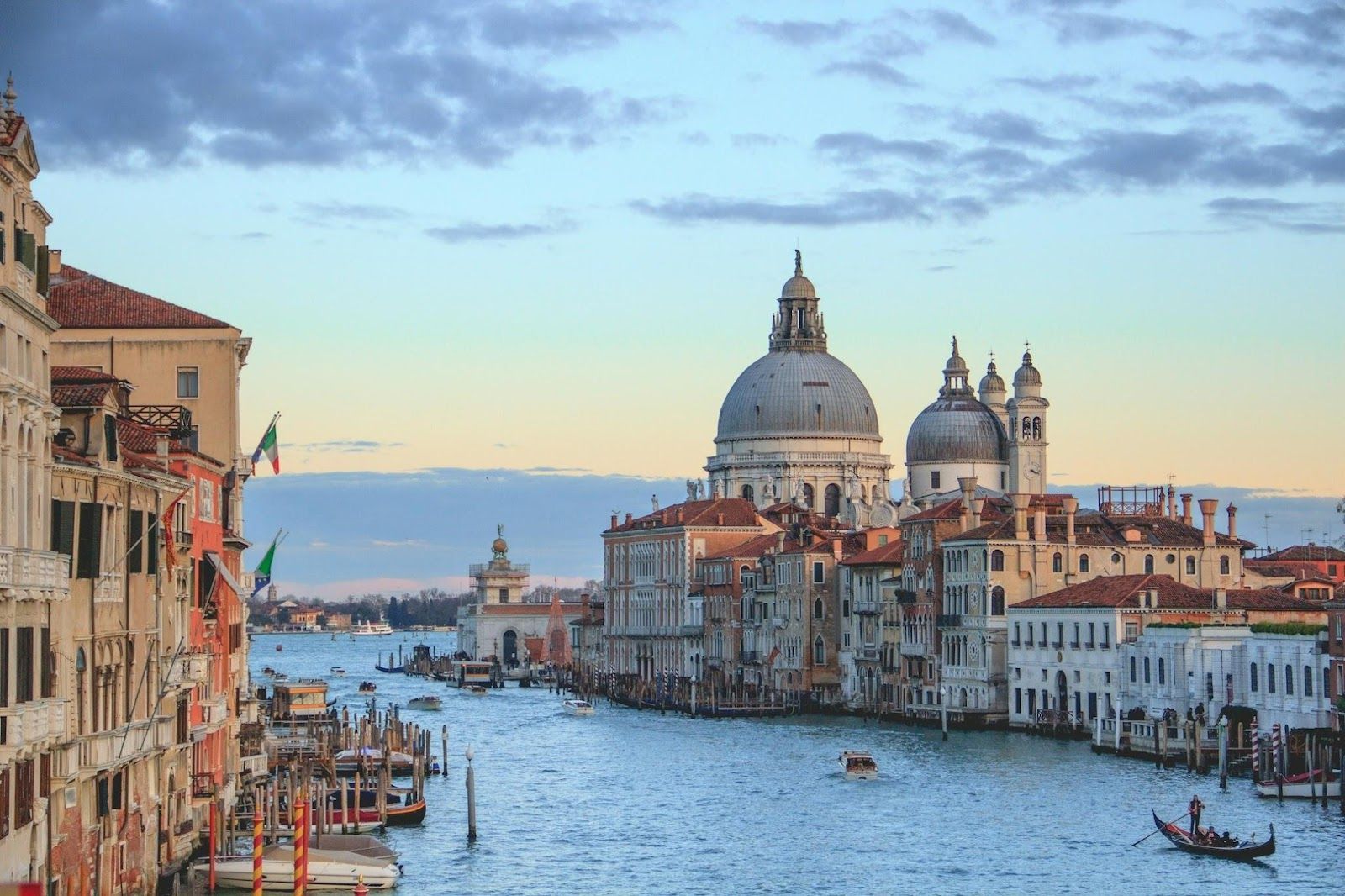
Venice is the ultimate proof that a city can grow out of water rather than next to it. Built on more than 100 small islands in a shallow lagoon, the city’s canals replaced streets, and boats replaced carriages. Even today, gondolas and water buses glide past palaces that seem to float on the tide.
The Grand Canal acts like Venice’s main artery, curving through the city and linking neighborhoods that once felt worlds apart. Beyond the postcard views, Venice’s long history as a maritime republic shows how trade and sea power shaped its art, wealth, and distinctive architecture.
Istanbul, Turkey
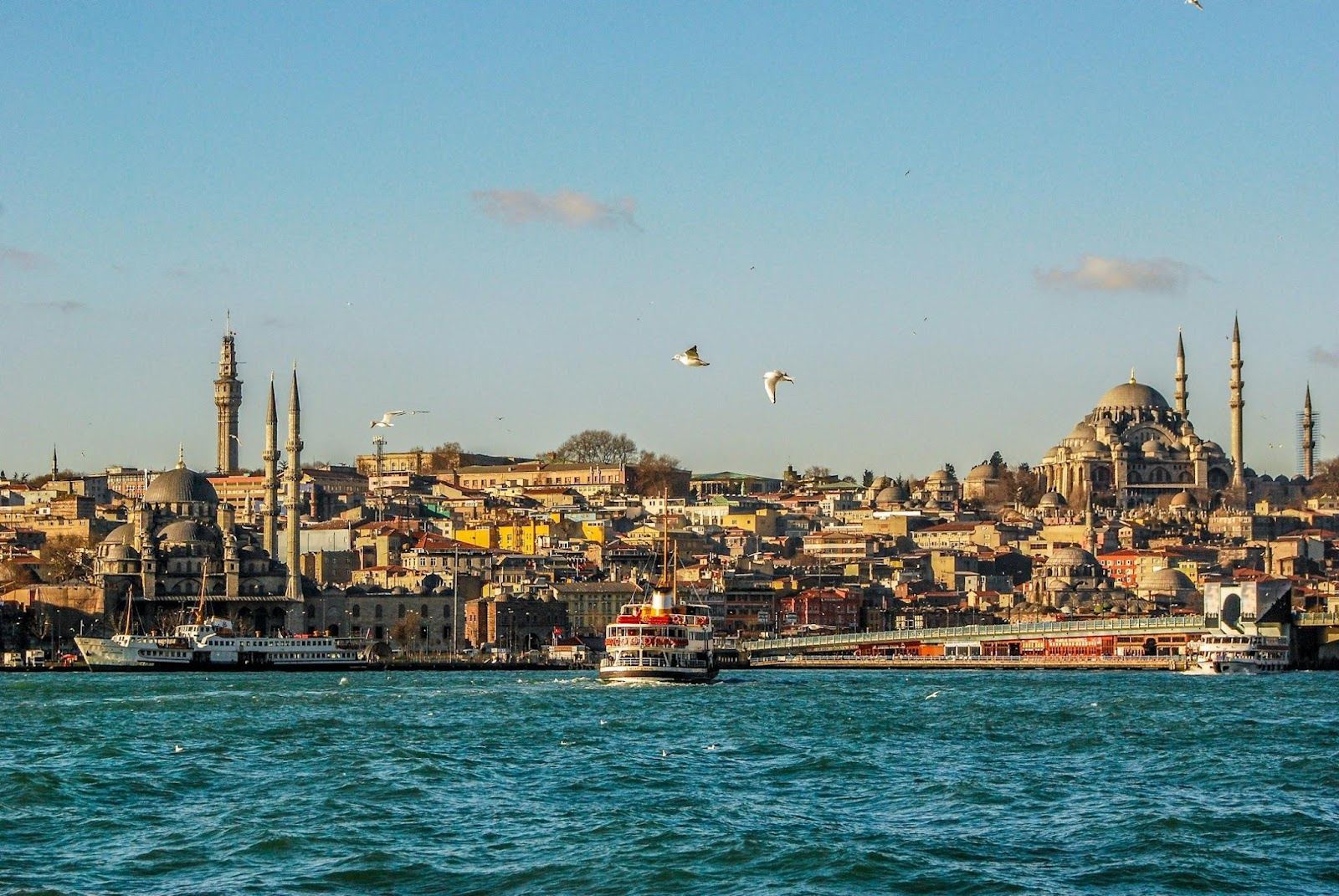
Istanbul is shaped by water on nearly every side. The Bosphorus Strait splits the city between Europe and Asia, while the Golden Horn curves into its historic core. This geography made Istanbul a strategic prize for empires and a crossroads of cultures.
Ferries still function like city buses, shuttling commuters across continents in minutes. The water defines daily routines as much as it defines the skyline, reminding visitors that Istanbul isn’t just near water; it lives with it, constantly in motion between shores.
Amsterdam, Netherlands
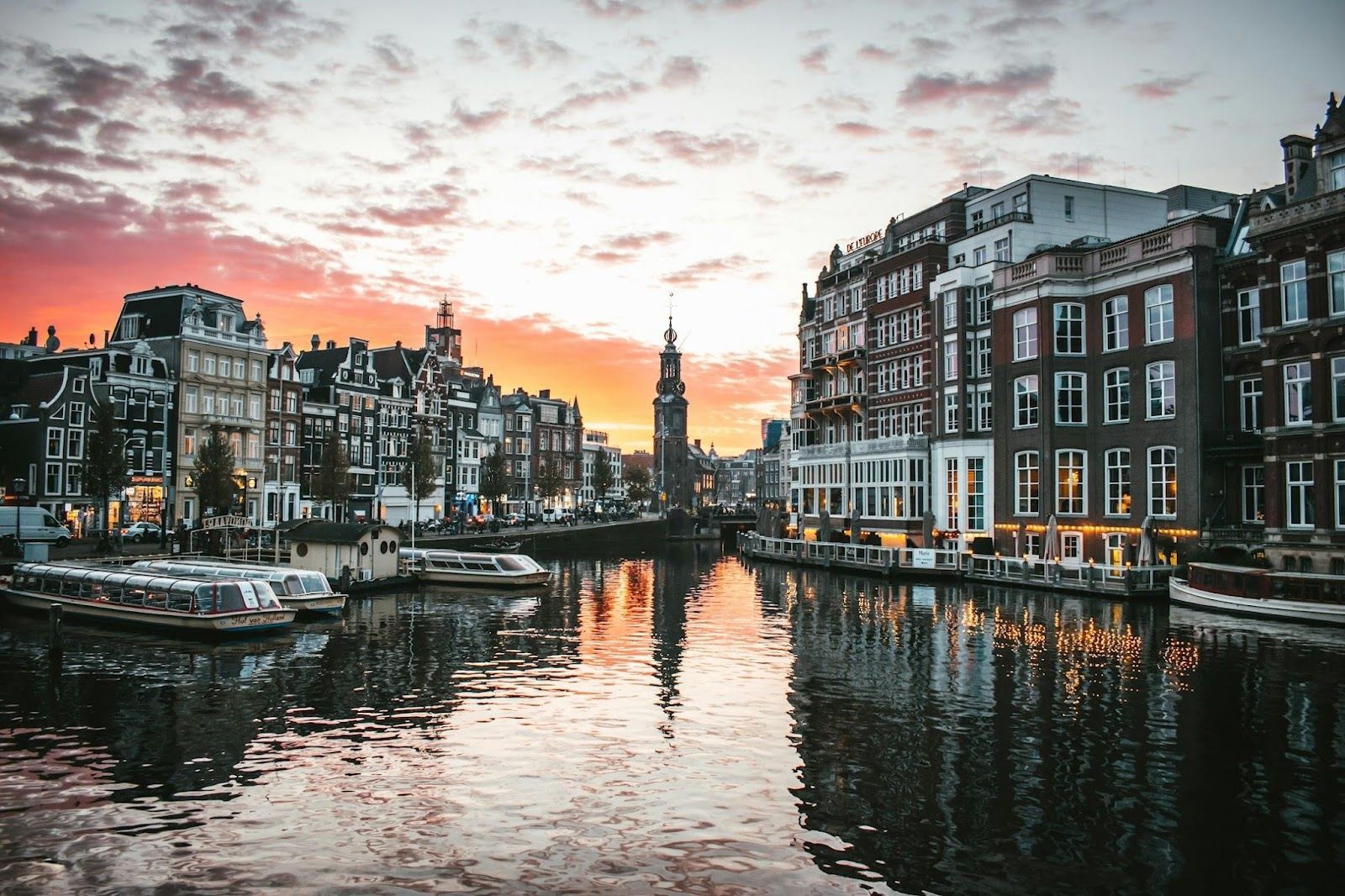
Amsterdam’s famous ring of canals was urban planning genius. Built in the 17th century, the canal system helped manage water levels, defend the city, and create new neighborhoods all at once. The result is a city where homes lean toward the water, and bridges stitch everything together.
Today, the canals set the pace of daily life. People bike along them, picnic beside them, and hop on small boats after work. The water softens the city’s density, giving Amsterdam a relaxed rhythm that feels both historic and effortlessly modern.
Paris, France
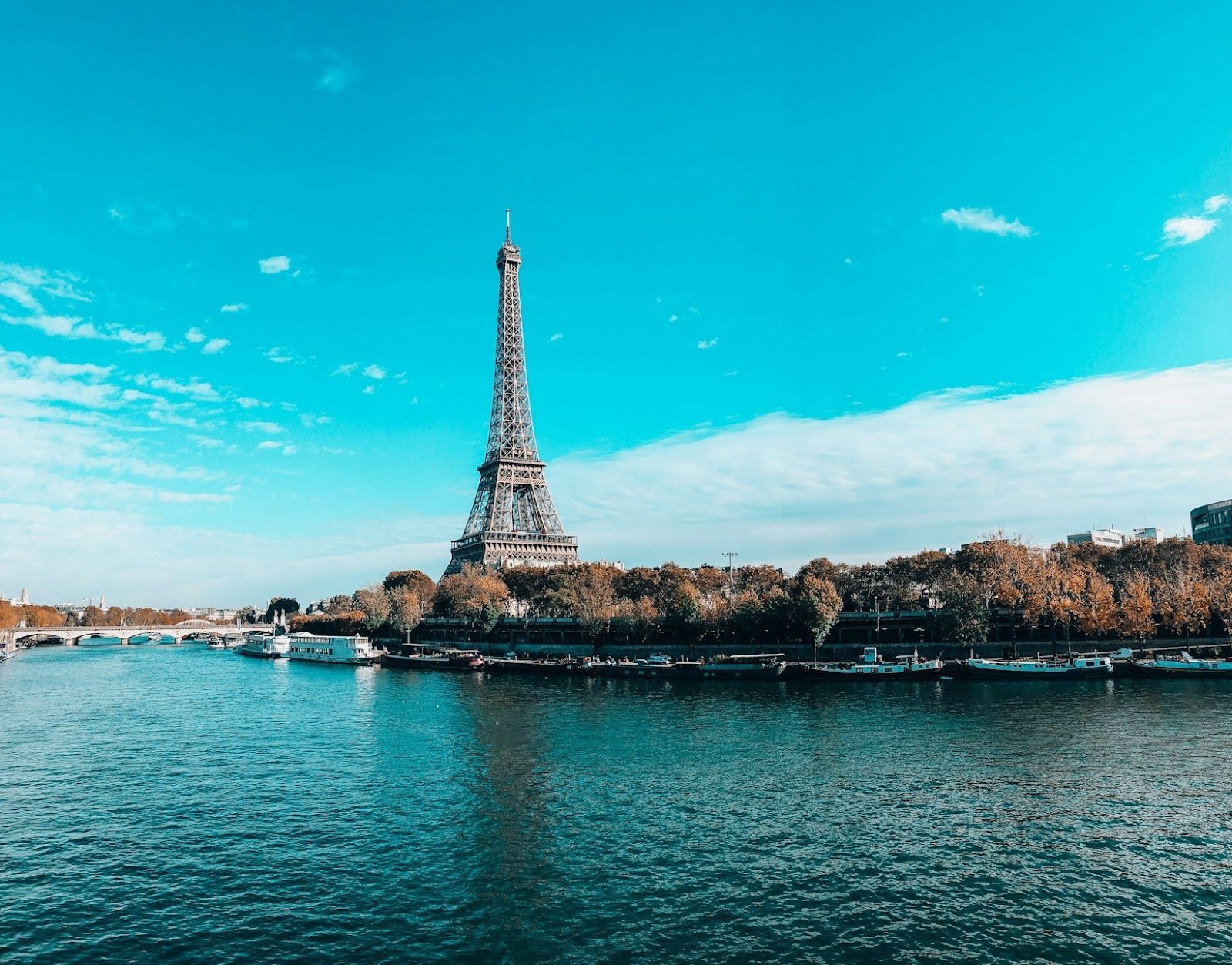
The Seine doesn’t just cut through Paris; it organizes it. Many of the city’s most famous neighborhoods grew along its banks, and some of its most iconic landmarks line the river like a greatest-hits album cover. The water has long been a route for trade, travel, and inspiration.
In recent years, parts of the riverfront have been reclaimed for people rather than cars. Pop-up beaches, riverside cafes, and pedestrian promenades turn the Seine into a social space, not just a backdrop. Paris feels more open and human when you follow the water.
London, England
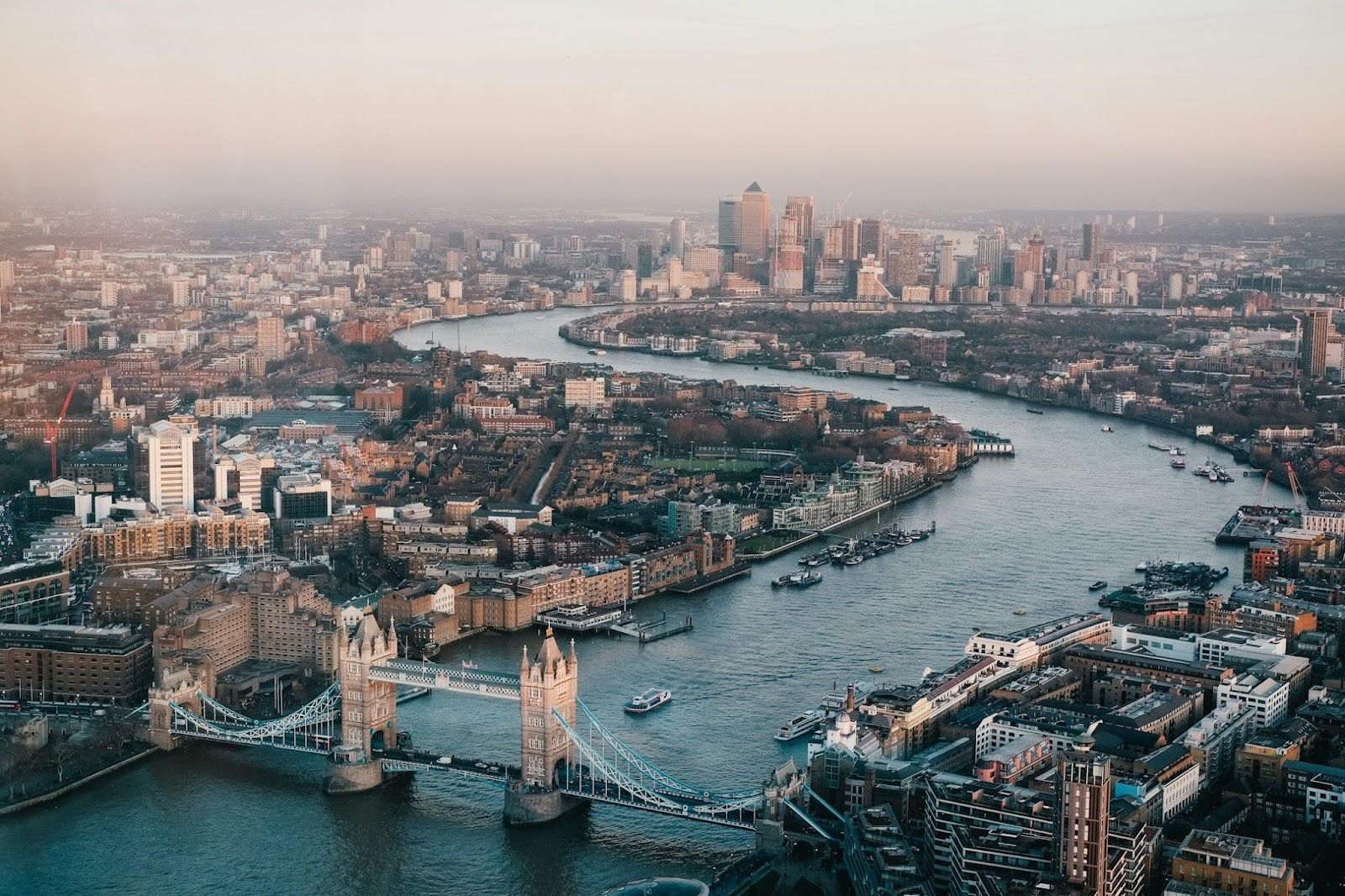
London exists because of the Thames. The river made the city a natural hub for trade with the wider world, helping it grow from a Roman outpost into a global capital. Docks, warehouses, and shipyards once crowded the waterfront, powering the city’s economy for centuries.
While much of that industrial life has moved on, the Thames still anchors London’s identity. Revitalized riverbanks, modern bridges, and riverside neighborhoods show how the city continues to reinvent its relationship with water, now less about cargo and more about culture and public space.
Bangkok, Thailand
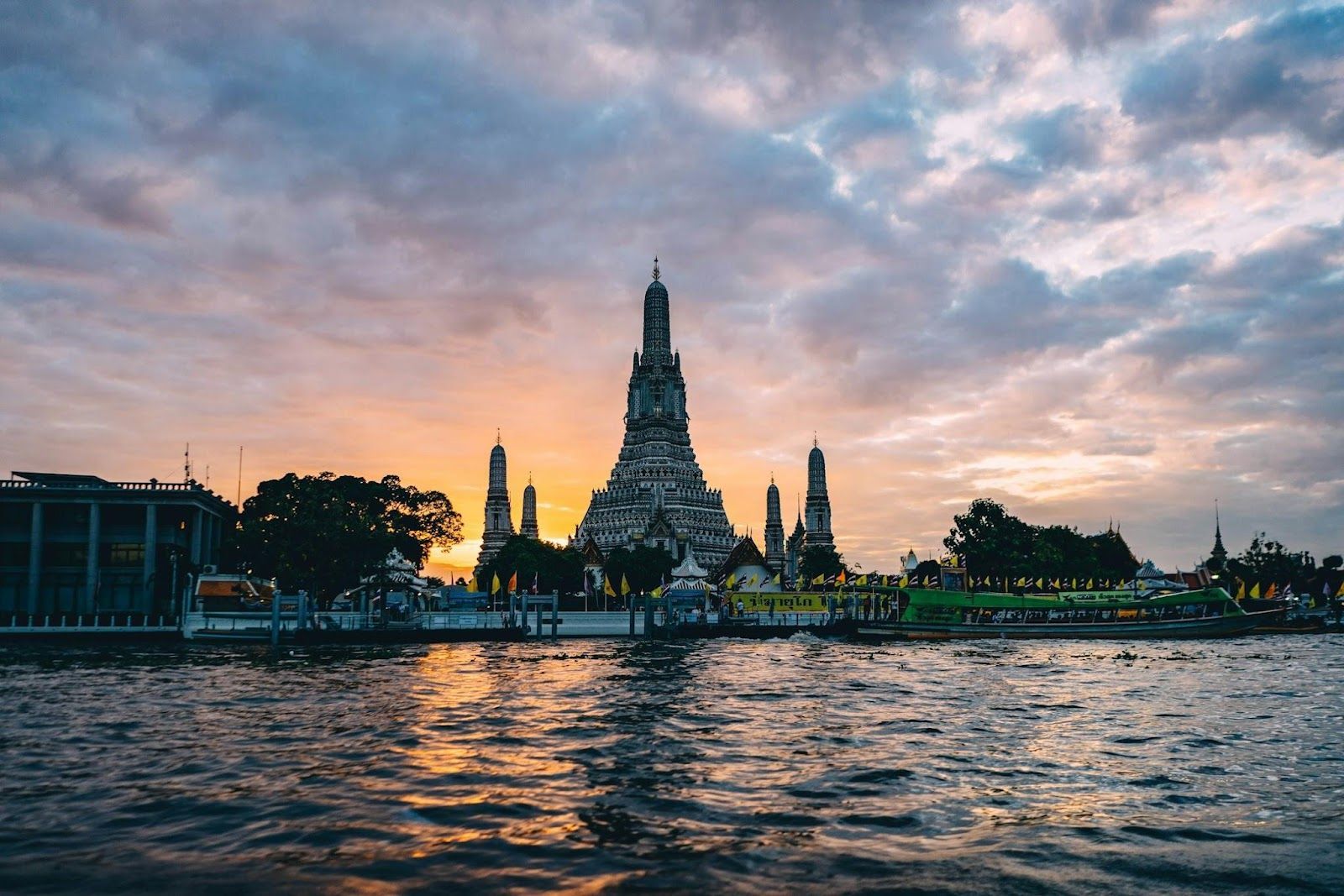
Bangkok was once known as the Venice of the East, thanks to a dense network of canals, or khlongs, that served as roads, markets, and neighborhoods. People lived on stilted houses along the water, and daily life unfolded from boats as much as from land.
Although many canals have been filled in, water still shapes the city’s rhythm. River ferries zip along the Chao Phraya, offering a fast, scenic way to move through the chaos. Floating markets and riverside temples keep Bangkok’s watery roots alive amid rapid urban growth.
Bruges, Belgium
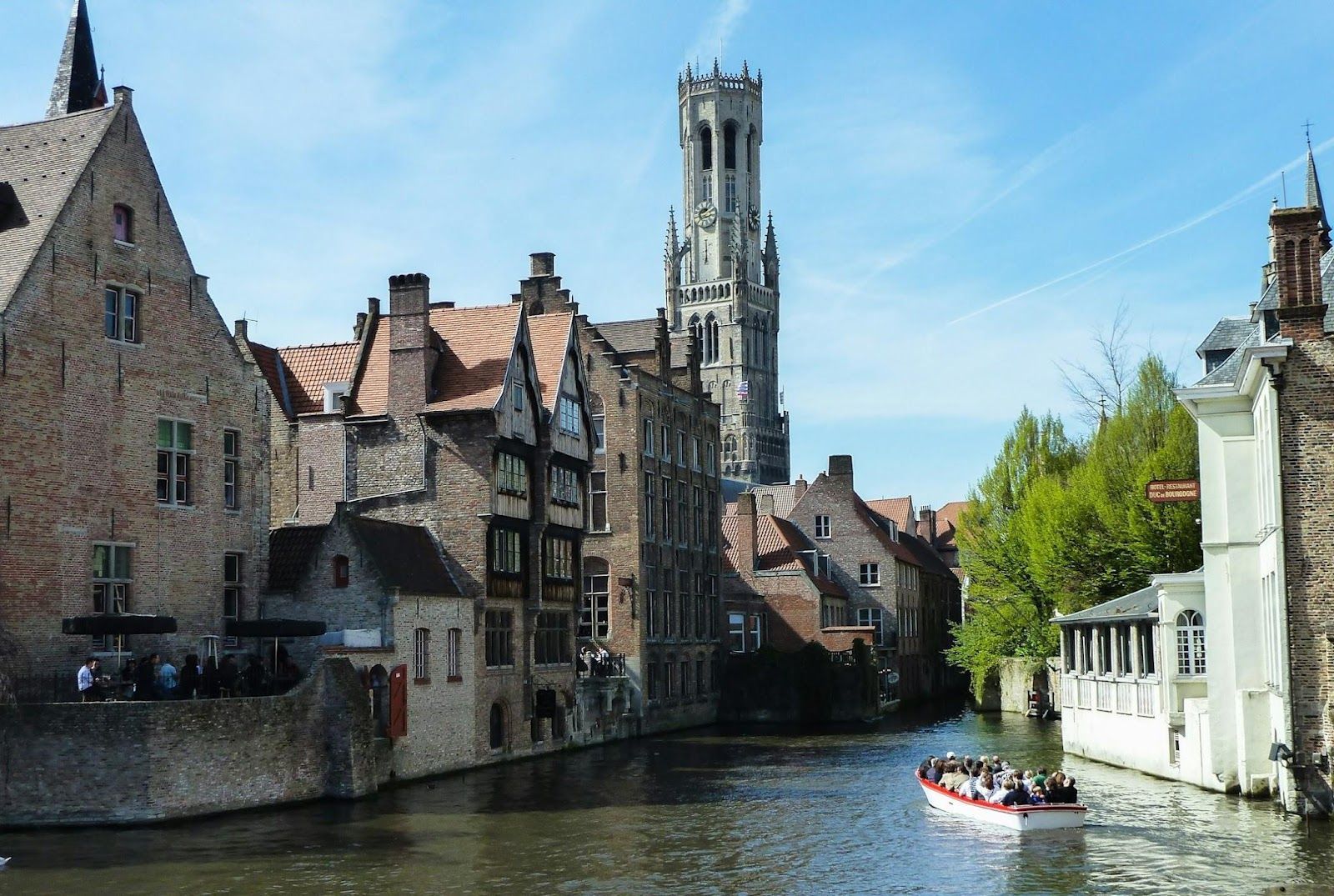
Bruges feels like a medieval storybook, and its canals are a big reason why. In the Middle Ages, these waterways connected the city to the North Sea, turning it into a powerful trading center. Wealth flowed in, and the city filled with ornate guild halls and stone bridges.
When trade routes shifted, Bruges quieted down, but the canals preserved its beauty. Today, they wind through quiet streets and leafy corners, giving the city an intimate, almost frozen-in-time feel. Water here isn’t about speed; it’s about atmosphere.
Stockholm, Sweden
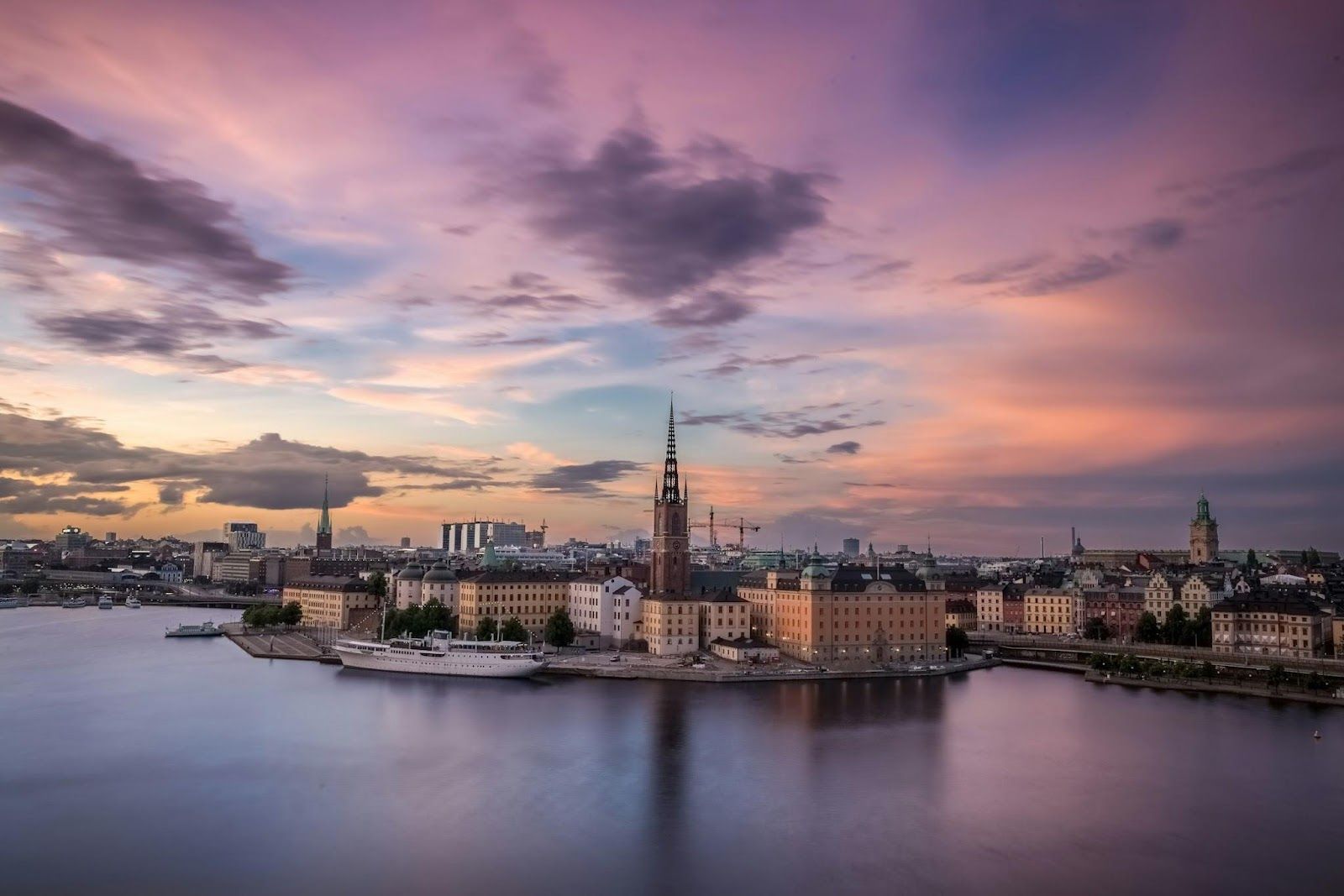
Stockholm is built on an archipelago of islands where Lake Mälaren meets the Baltic Sea. Bridges and ferries link neighborhoods that are separated by channels and bays, making water a constant presence in everyday movement.
This geography shapes the city’s personality. Green spaces meet waterfront promenades, and urban life blends easily with nature. In summer, residents swim, kayak, and picnic by the water; in winter, the frozen edges of the city feel just as dramatic. Stockholm’s beauty is inseparable from its setting.
New York City, USA
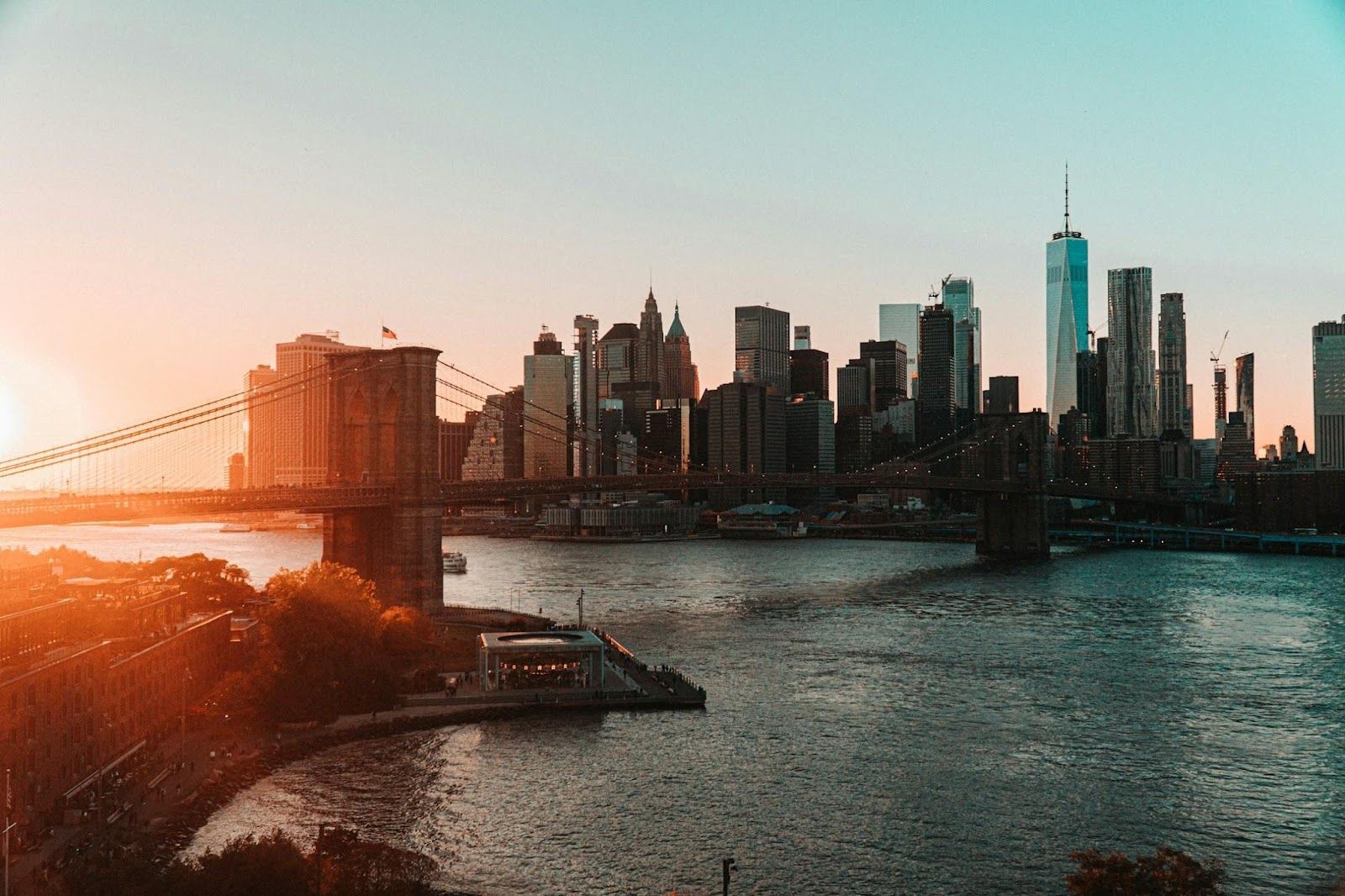
New York’s rise is inseparable from its harbor and rivers. The Hudson and East Rivers turned the city into a gateway for immigrants and goods, while the deep natural harbor helped it become one of the world’s busiest ports. Entire neighborhoods grew around docks and waterfront industries.
As shipping moved elsewhere, the city reclaimed much of its shoreline for people. Parks, ferries, and waterfront paths now frame the skyline from the water’s edge. The result is a city rediscovering its maritime roots, with some of its best views found along the river.
Cairo, Egypt
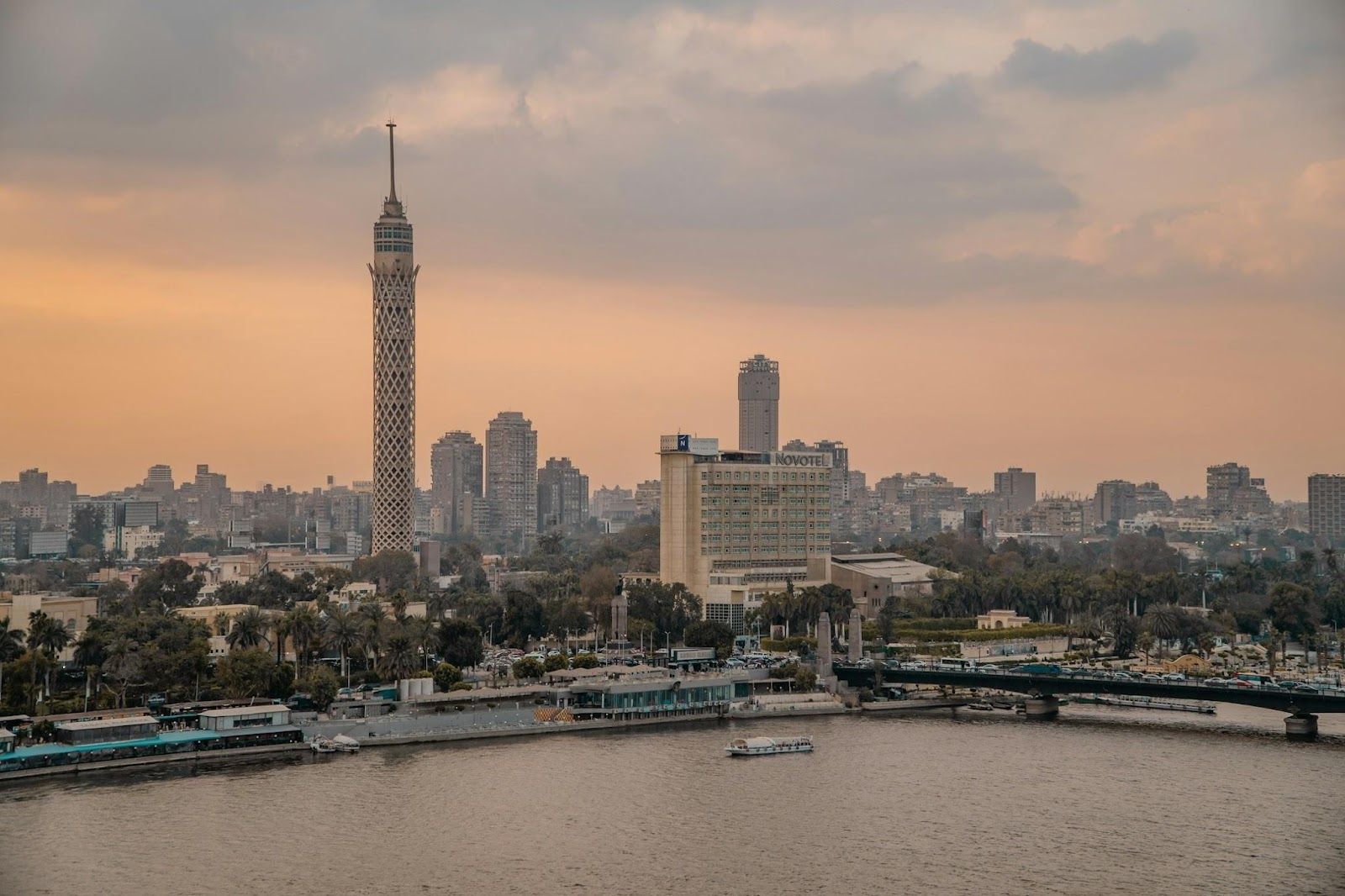
The Nile is Cairo’s lifeline. For thousands of years, the river’s annual floods made agriculture possible in the surrounding desert, supporting one of the world’s oldest urban civilizations. Cairo grew along this dependable source of water, food, and trade.
Even in a megacity of millions, the Nile still offers breathing room. Feluccas drift past modern towers, and riverside cafes draw crowds at sunset. The contrast between ancient rhythms and modern sprawl is part of what makes Cairo’s relationship with water so powerful.
Hamburg, Germany
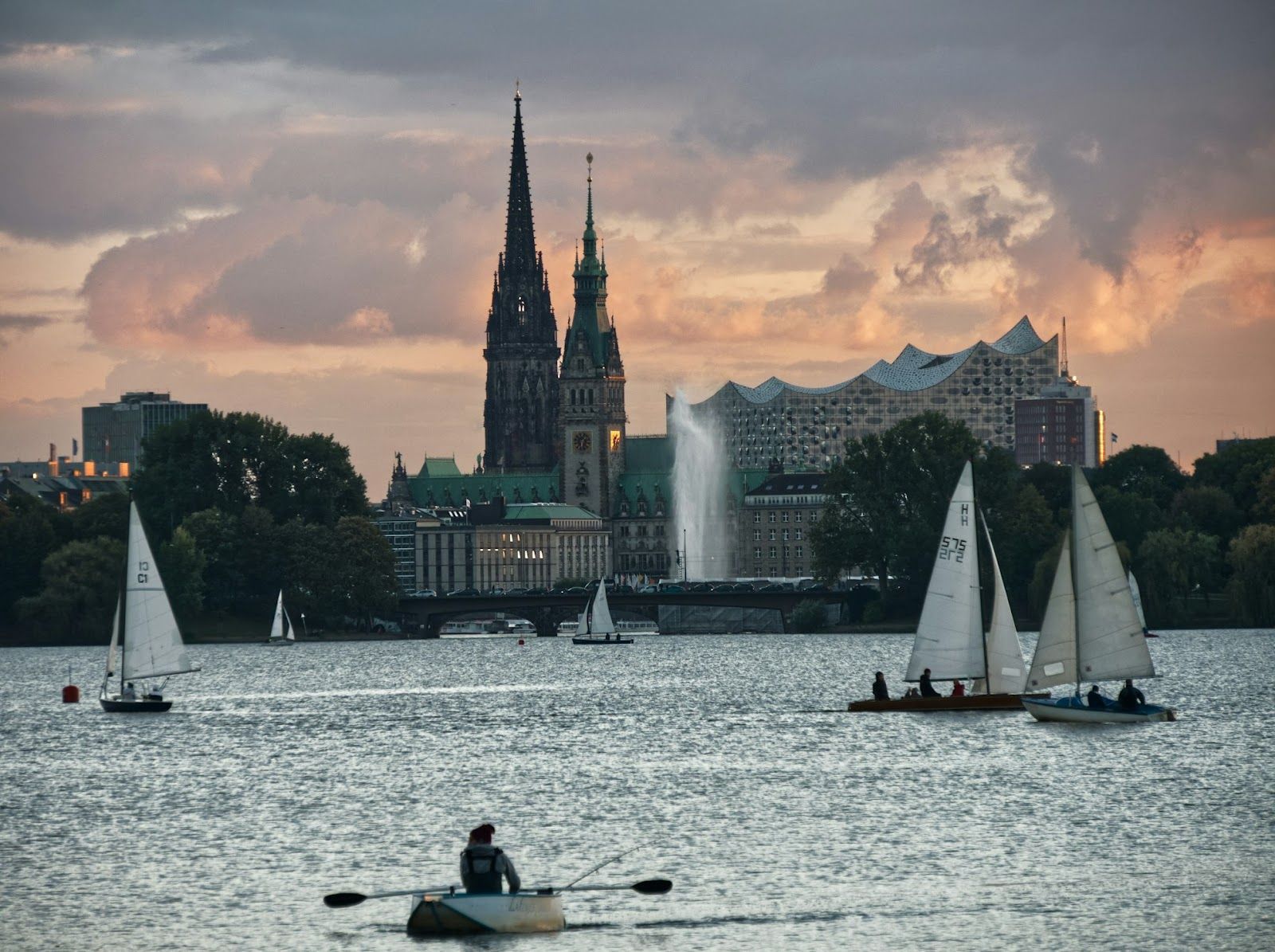
Hamburg calls itself Germany’s "gateway to the world," and its port has long been the reason. The Elbe River connects the city to the North Sea, allowing ships to bring global trade deep inland. Warehouses and canals once defined entire districts of the city.
Today, former port areas like Hafen City have been transformed into modern neighborhoods with apartments, offices, and public plazas. Water remains central to Hamburg’s identity, but the focus has shifted from heavy industry to livable waterfronts and cultural spaces.
Singapore
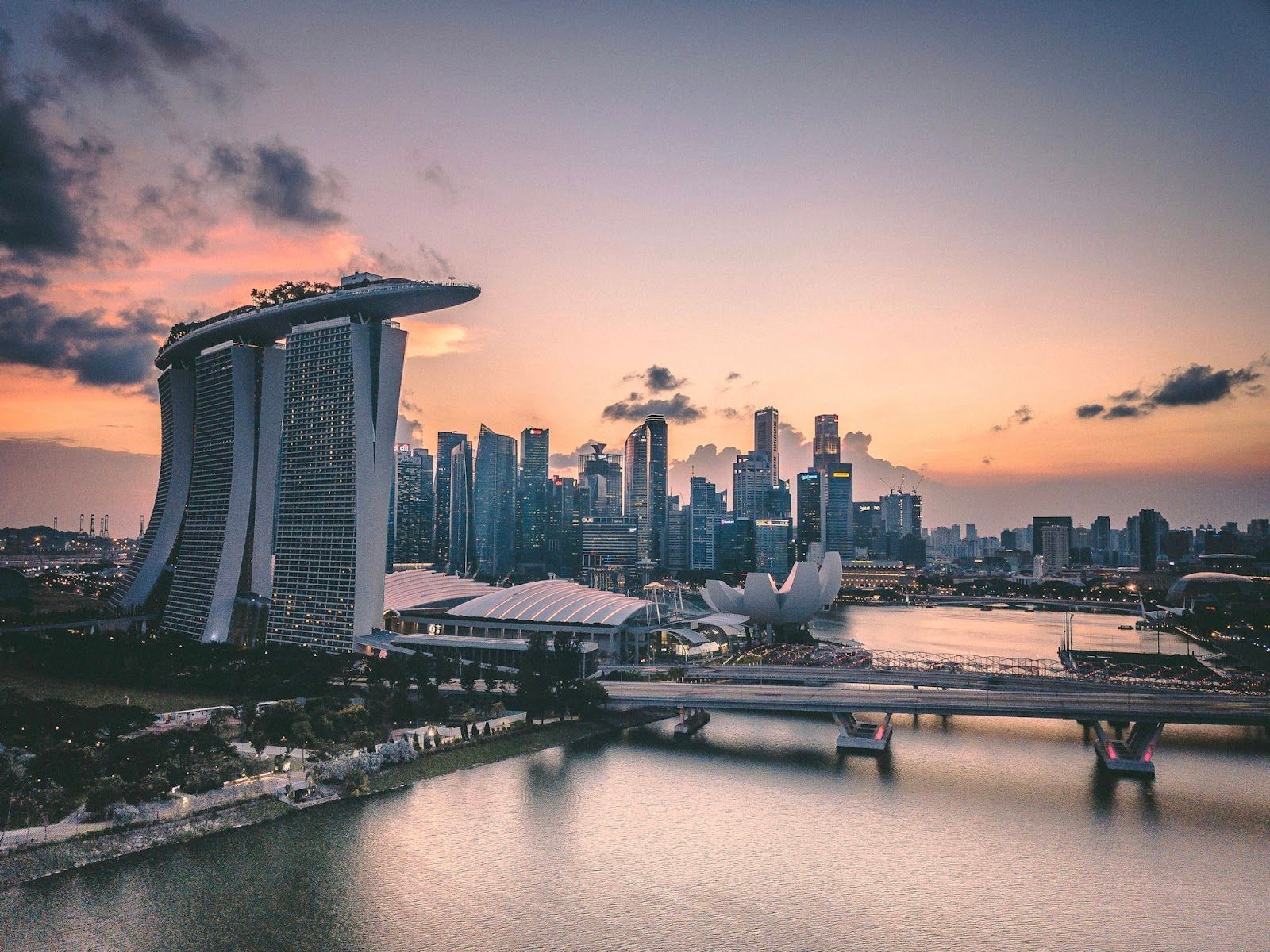
Singapore is a city-state: a megacity that covers the entire island-nation. Its position at the edge of the sea made it a natural trading hub, and the Singapore River once funneled goods into the heart of the city. The area was crowded with warehouses and boat traffic during the colonial era.
Massive clean-up and redevelopment projects turned those working waterways into vibrant public spaces. Now, riverfront promenades, cafes, and sleek architecture line the water. Singapore shows how a city can modernize its relationship with water without erasing its maritime past.
Barcelona, Spain
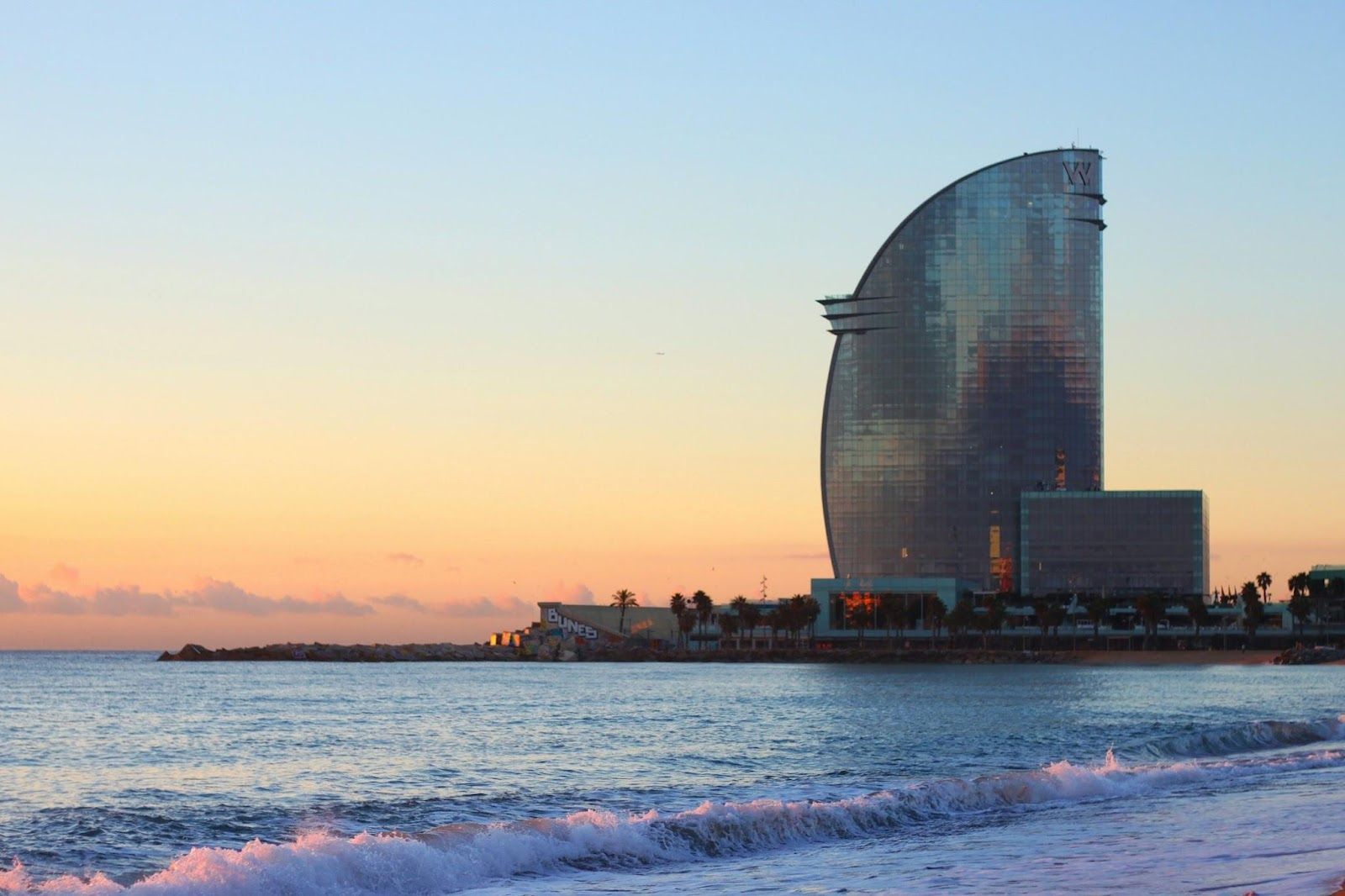
Barcelona’s identity is deeply tied to the Mediterranean, with the sea shaping both its history and its modern lifestyle.
What was once a working port and industrial coastline has been transformed into lively beaches and waterfront promenades, especially after the city’s major redevelopment for the 1992 Olympics.
Today, the coastline is where locals jog, swim, and gather at sunset, blending urban energy with seaside ease. The port still anchors Barcelona as a gateway for trade and travel, but the city’s relationship with the sea now feels more about quality of life than pure commerce.
Rio de Janeiro, Brazil
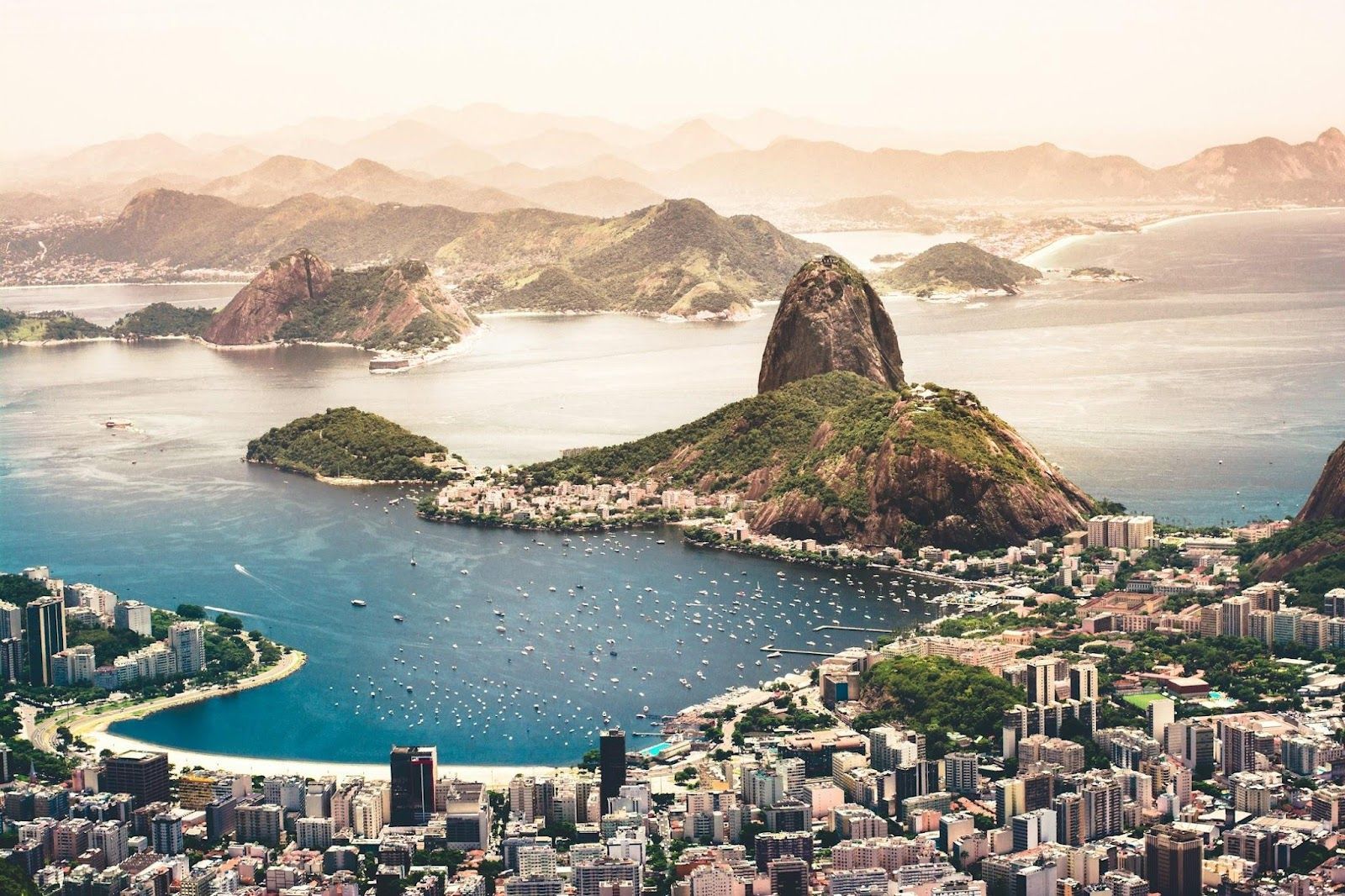
Rio de Janeiro is built around water in one of the most dramatic settings on Earth, where mountains plunge into the Atlantic, and sweeping bays shape the city’s layout.
Guanabara Bay and the long curve of oceanfront beaches like Copacabana and Ipanema define how the city moves and relaxes, turning the shoreline into a social stage. Water in Rio is where daily life happens, from sunrise swims and beach sports to boat traffic in the bay. The result is a city whose rhythm follows the tide as much as the clock.
If you’re planning future travel content, this theme is gold for visuals and storytelling. Each city’s waterfront tells a different story about how people adapt to, depend on, and reshape water over time.

Travelers still dream about these 15 local dishes
 Culture
Delicacies to try
15 yummy delights from around the world
Every country has dishes locals grow up with, but travelers often discover them in a different way. These are the meals people rave about after coming home, the flavors that turn into souvenirs, and the plates that somehow define an entire trip and have you dreaming about trying them again. From street food classics to slow-cooked comfort dishes, these are the foods tourists say you absolutely shouldn’t miss!
Japan: Sushi
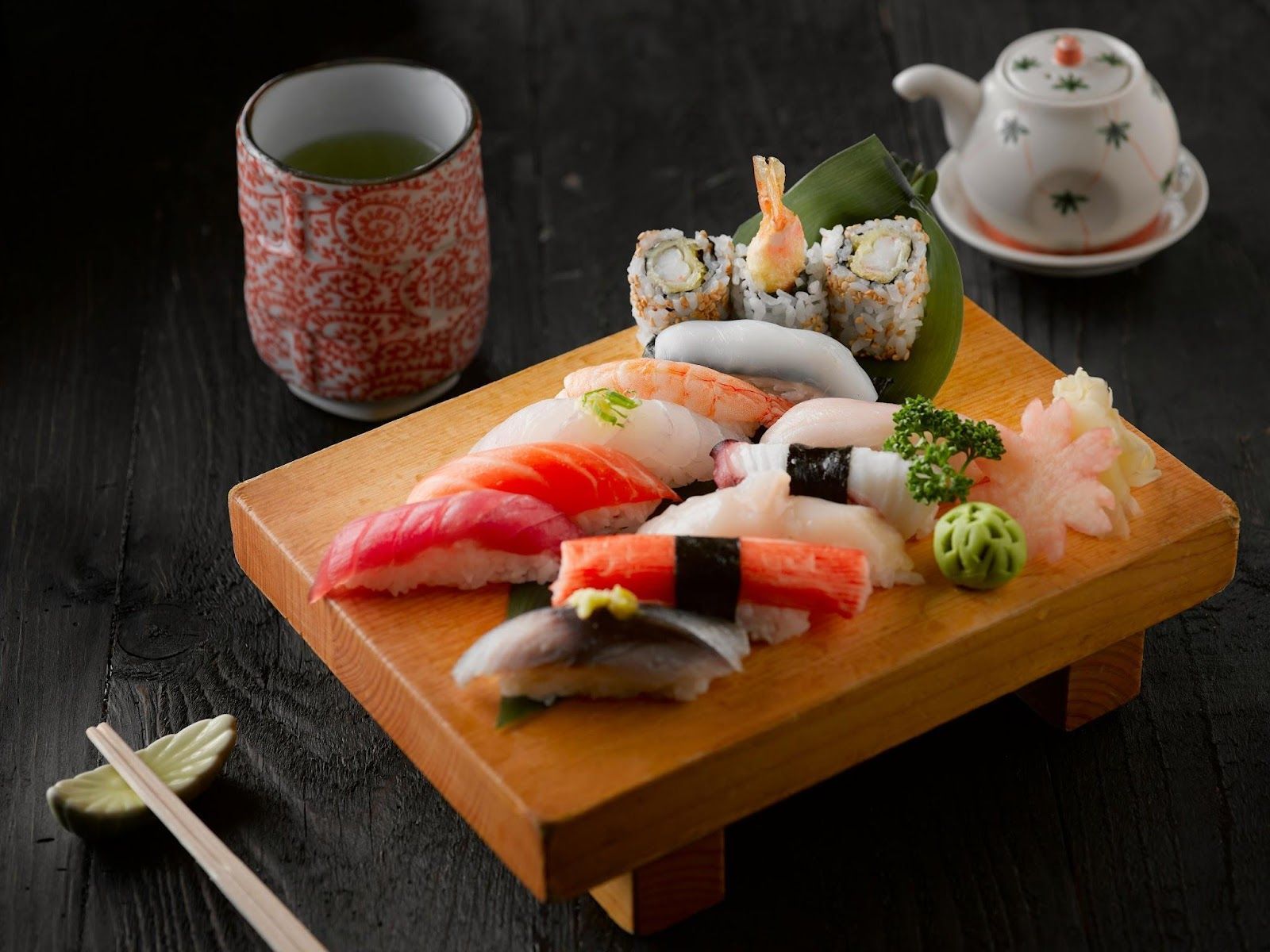 Image: Rajesh TP
Sushi may be an acquired taste, but it definitely has its fans! And it may look minimalist, but it’s the result of centuries of refinement.
It began as a way to preserve fish using fermented rice, eventually evolving into the fresh, precise art form we know today. Tokyo, especially around former fish markets, is still considered its spiritual home.
Mexico: Tacos al pastor
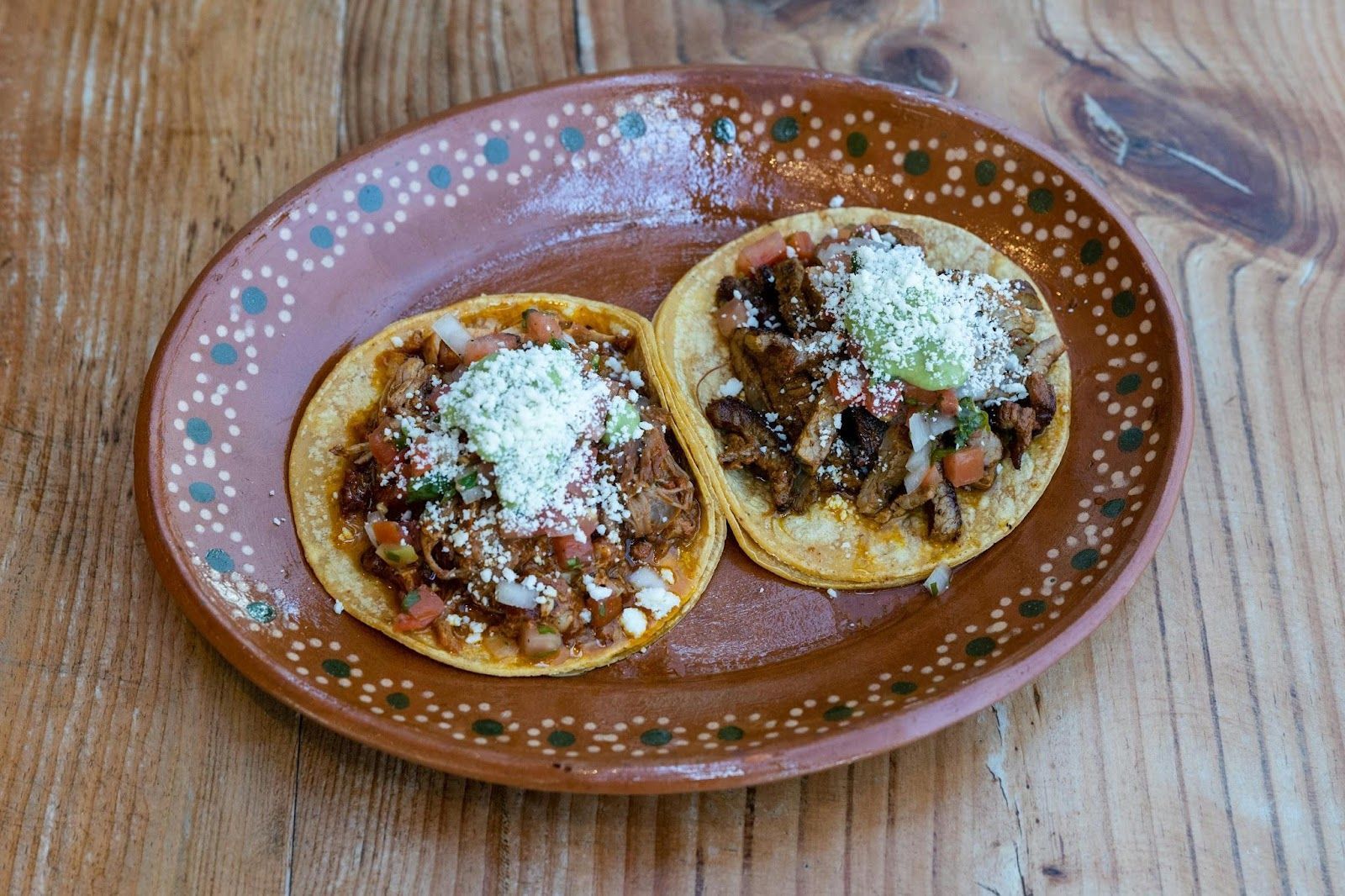 Image: Snappr
Tacos al pastor were born from Lebanese immigrants who brought shawarma-style cooking to Mexico.
A street-food legend that has won the hyperbolic title of "best food in the world" by some gastronomy websites. Mexico City is widely considered the best place to try them, shaved fresh from a vertical spit.
Italy: Pizza Napoletana
 Image: Giona Mason
This is pizza in its purest form! Created in Naples as affordable food for the working class, it relies on just a few ingredients: dough, tomatoes, mozzarella, and heat. The method is so specific that Neapolitan pizza-making is officially protected as cultural heritage.
Spain: Paella
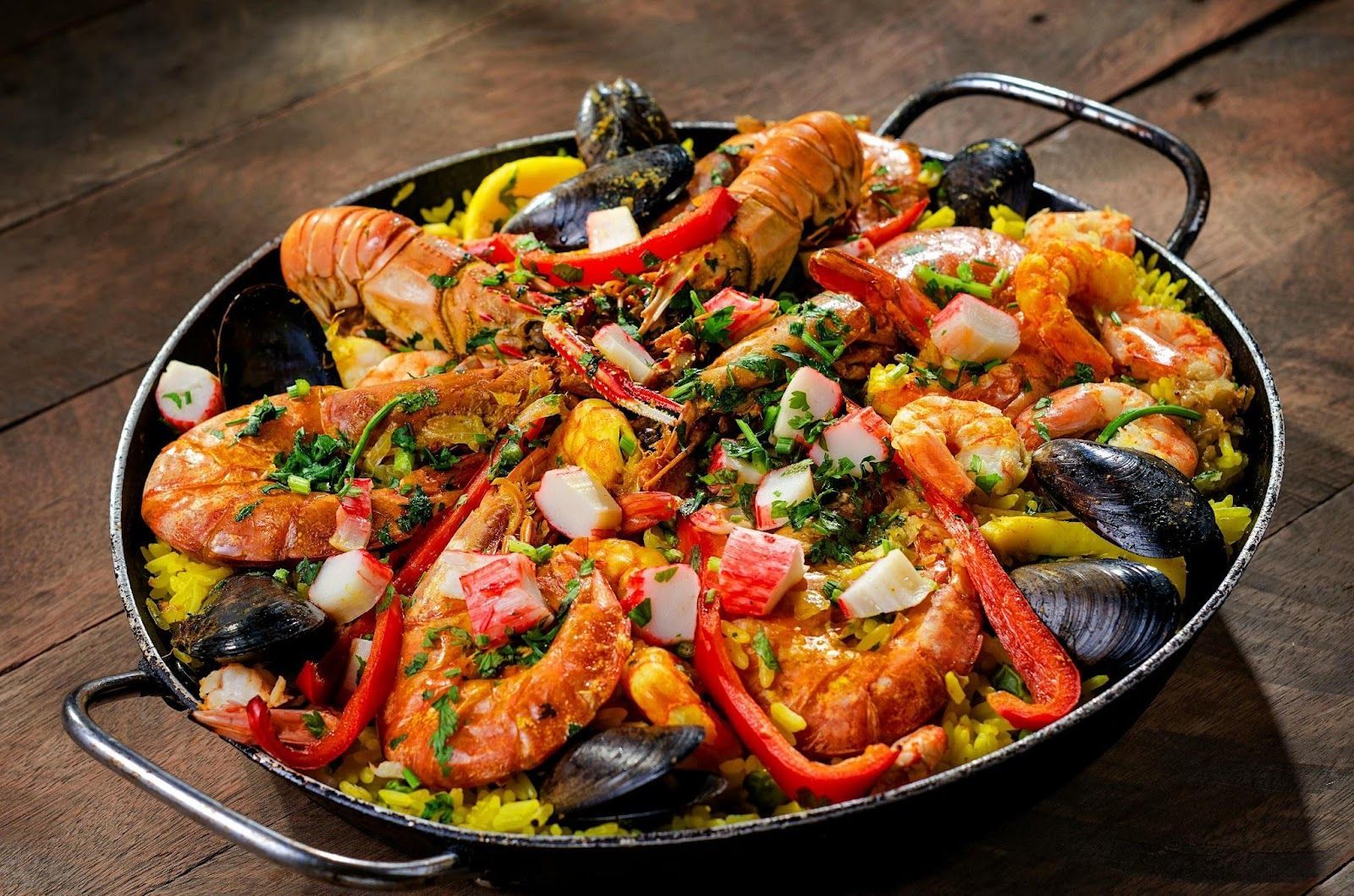 Image: Marcelo Verfe
Paella originated in Valencia as a rural dish cooked over open fires by farm workers.
Rice was mixed with whatever was available, from rabbit to vegetables, before seafood versions became popular along the coast. Today, locals still debate what "real" paella should include.
India: Butter chicken
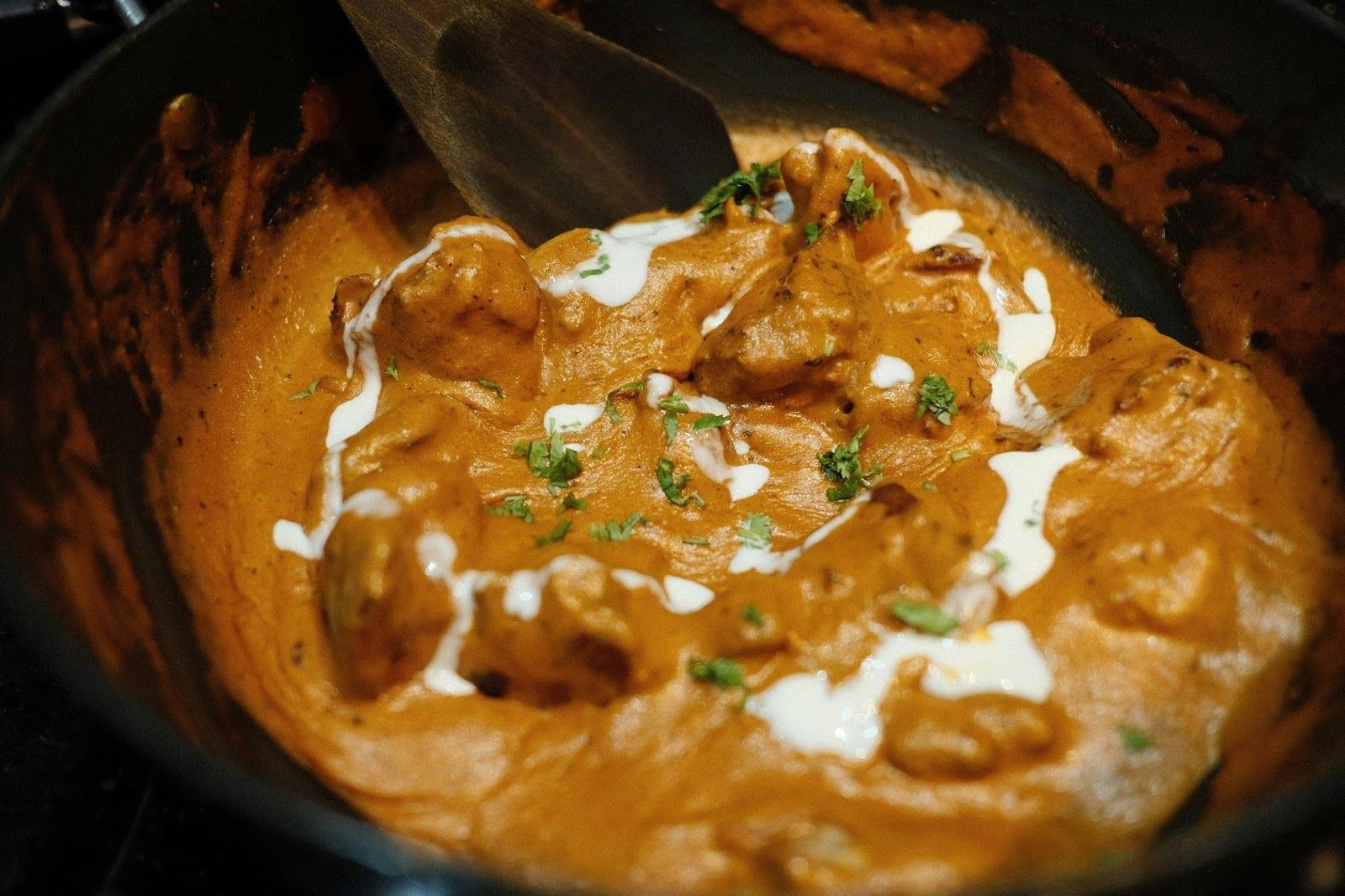 Image: Raman
Butter chicken was created in Delhi as a clever way to reuse leftover tandoori chicken. Simmered in a rich tomato and butter sauce, it quickly became one of India’s most famous comfort dishes. Its mild, creamy flavor helped it travel the world.
Thailand: Pad Thai
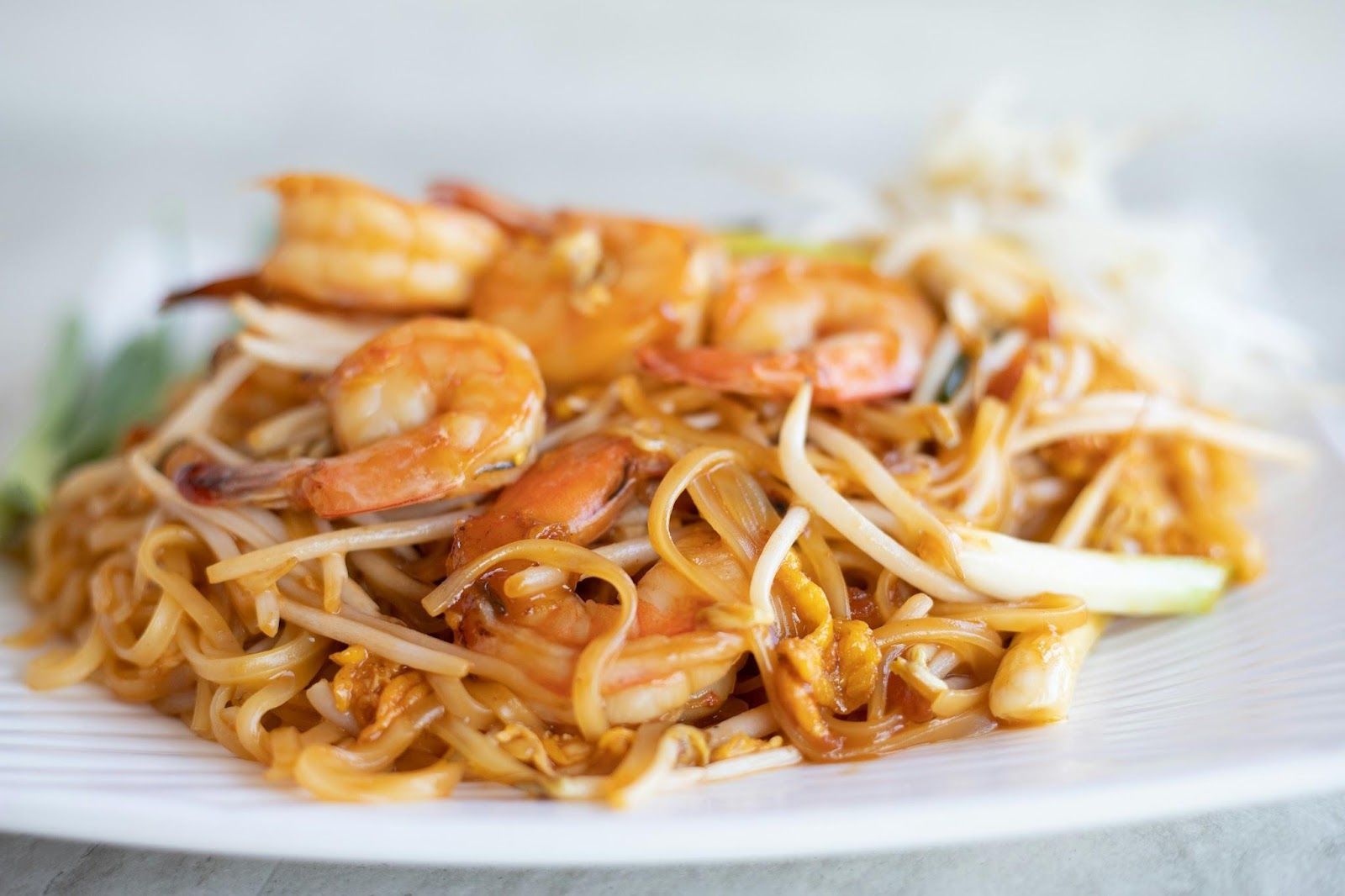 Image: Alyssa Kowalski
Pad Thai rose to fame during the 20th century as part of a national campaign to promote Thai identity. Rice noodles, eggs, tamarind, peanuts, and shrimp came together in a perfectly balanced street dish. Bangkok remains the best place to experience its bold, sweet-sour punch.
Vietnam: Pho
 Image: Sharon Chen
Pho is a deeply aromatic noodle soup that became popular in northern Vietnam in the early 20th century.
Long-simmered broth, rice noodles, herbs, and meat make it both delicate and filling. Regional styles vary, with Hanoi favoring simplicity and Ho Chi Minh City leaning bolder.
Philippines: Sinigang
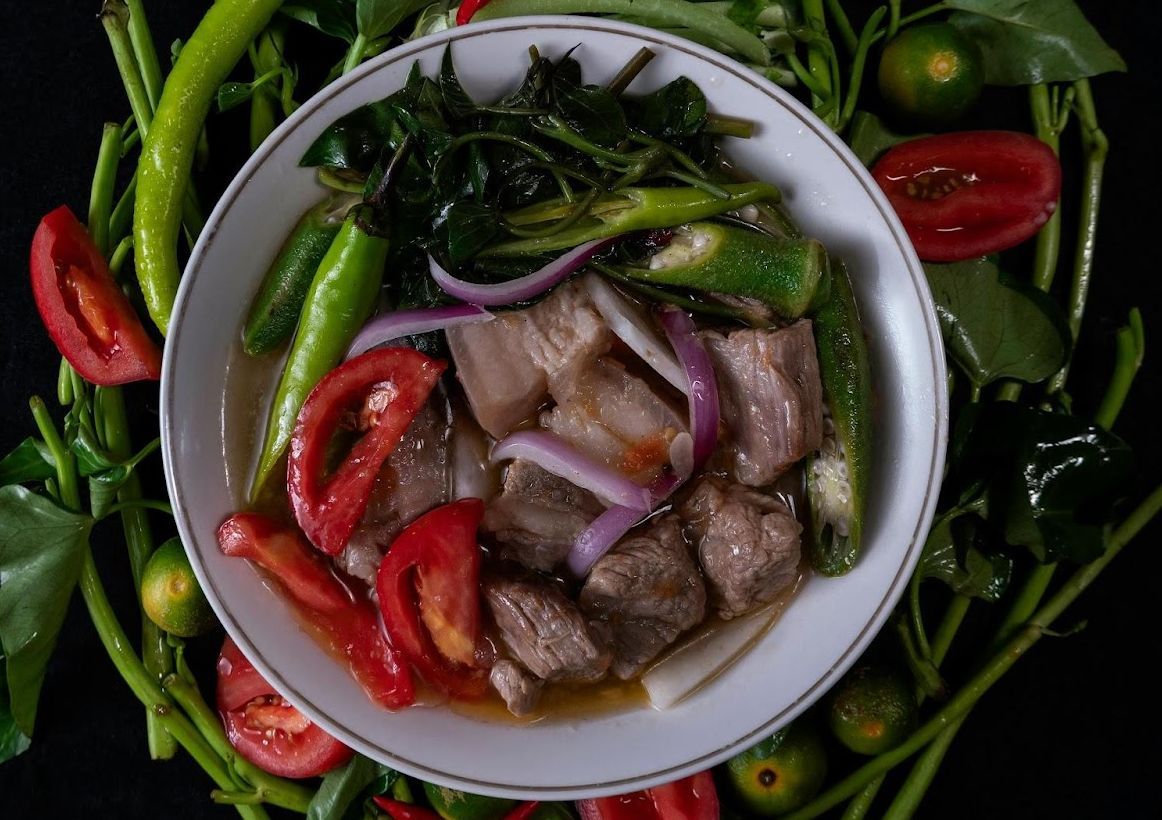 Image: Gans Art
Sinigang is defined by its sourness, traditionally from tamarind. It developed as a way to suit the tropical climate, offering something refreshing yet hearty. Every household has its own version, using pork, shrimp, or fish, and adjusting the tang to taste.
Turkey: Baklava
 Image: Amnah Mohammad
Baklava’s layered pastry and nut filling trace back to Ottoman palace kitchens. Thin sheets of filo dough are stacked with pistachios or walnuts, then soaked in syrup.
Regional variations exist, but Gaziantep is especially famous for its pistachio-rich version.
Canada: Poutine
 Image: 2SIF
Poutine began in rural Quebec in the 1950s as a casual snack. Fries, cheese curds, and gravy don’t sound elegant, but together they became a national comfort food.
Today, chefs reinvent it endlessly, but the classic version still reigns.
Argentina: Asado
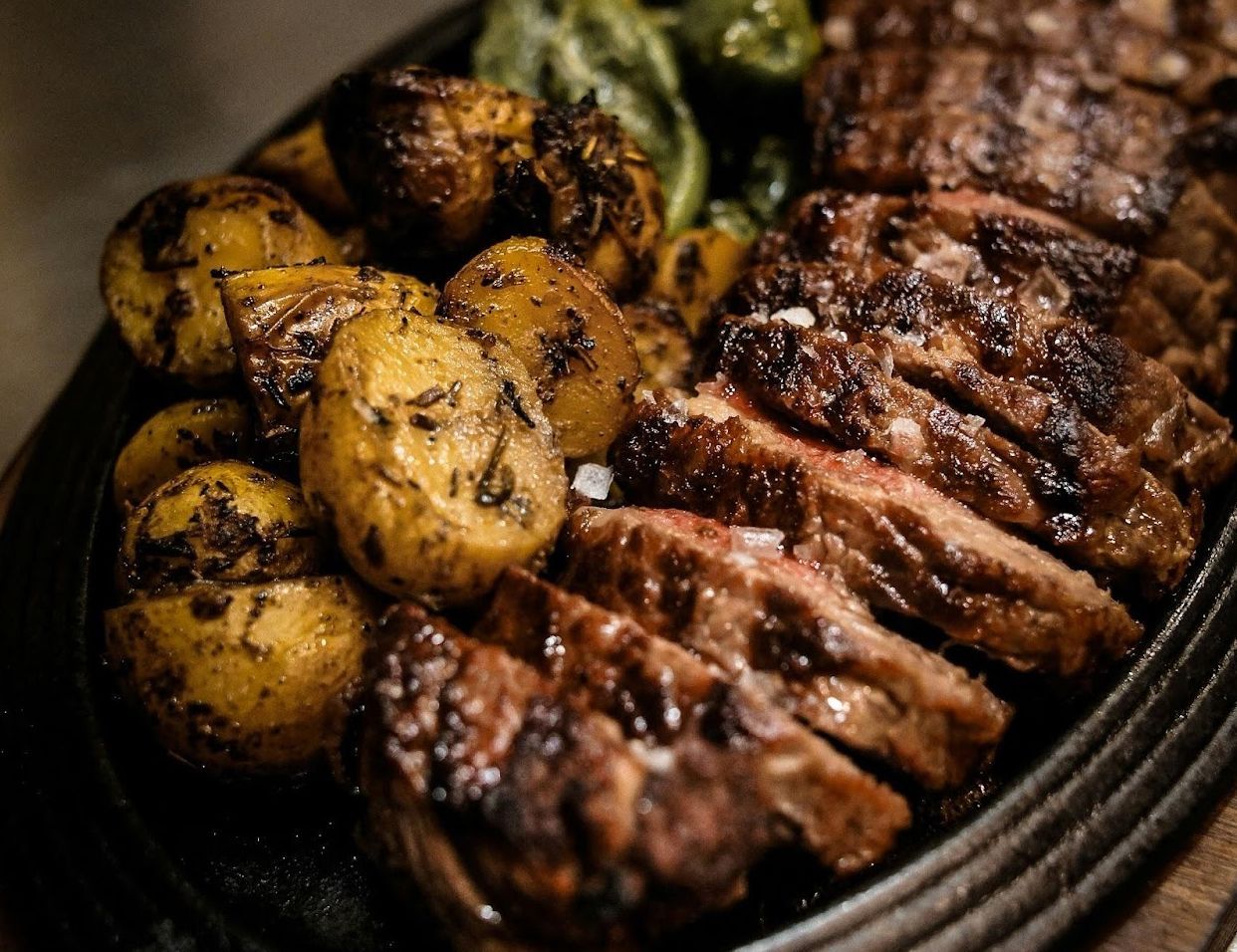 Image: iman zaker
Asado is more than a meal; it’s a social ritual. Rooted in gaucho traditions, it celebrates Argentina’s beef culture through slow grilling over wood or charcoal.
Different cuts and techniques vary by region, but the focus is always on simplicity and quality meat.
Greece: Moussaka
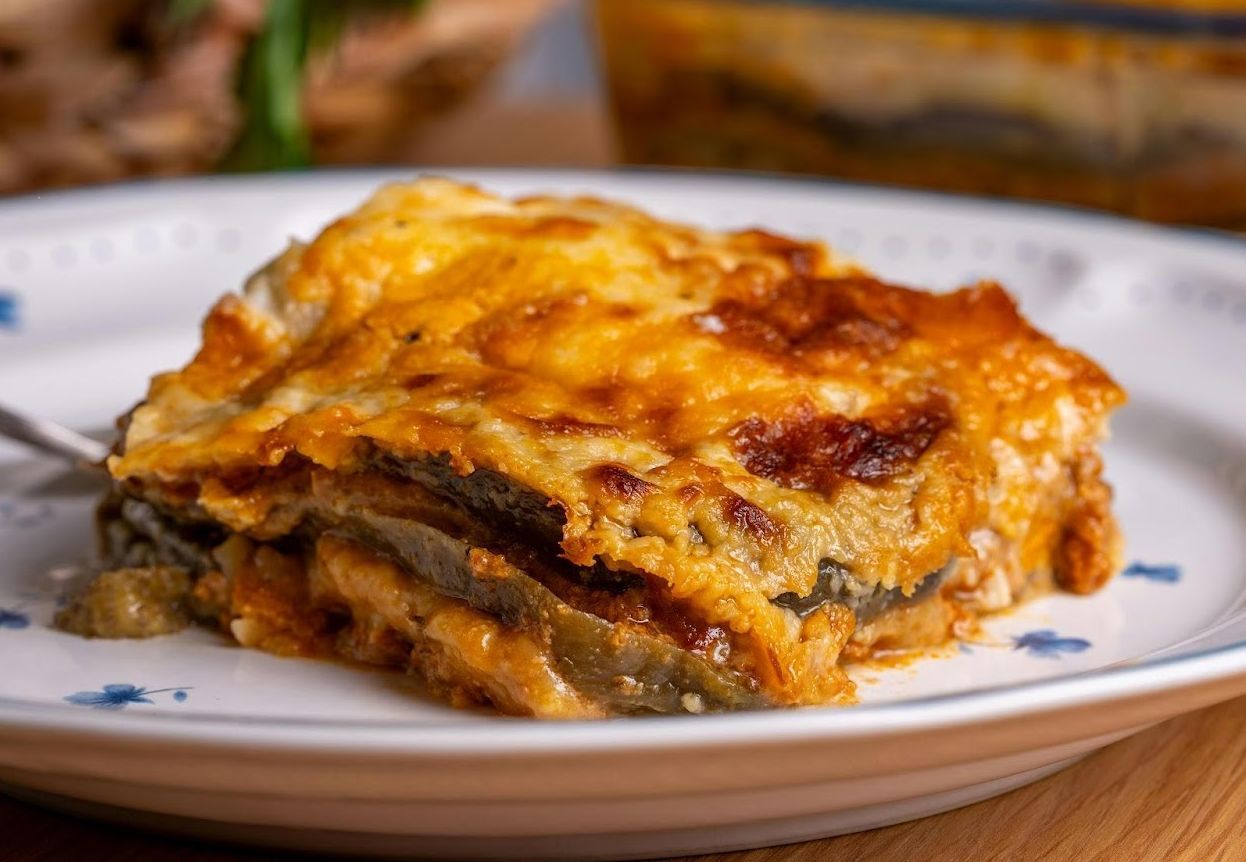 Image: Nano Erdozain
Moussaka layers eggplant, spiced meat, and creamy béchamel into a rich baked dish. While versions existed earlier, its modern form was popularized in the early 20th century. It’s now a staple of Greek home cooking and special occasions.
France: Cassoulet
 Image: Andrey Câmara
Cassoulet comes from southern France and was shaped by necessity and patience. Beans were slowly cooked with meats like duck or sausage to create a filling, long-lasting dish. Each town, from Toulouse to Carcassonne, fiercely defends its own version.
Brazil: Feijoada
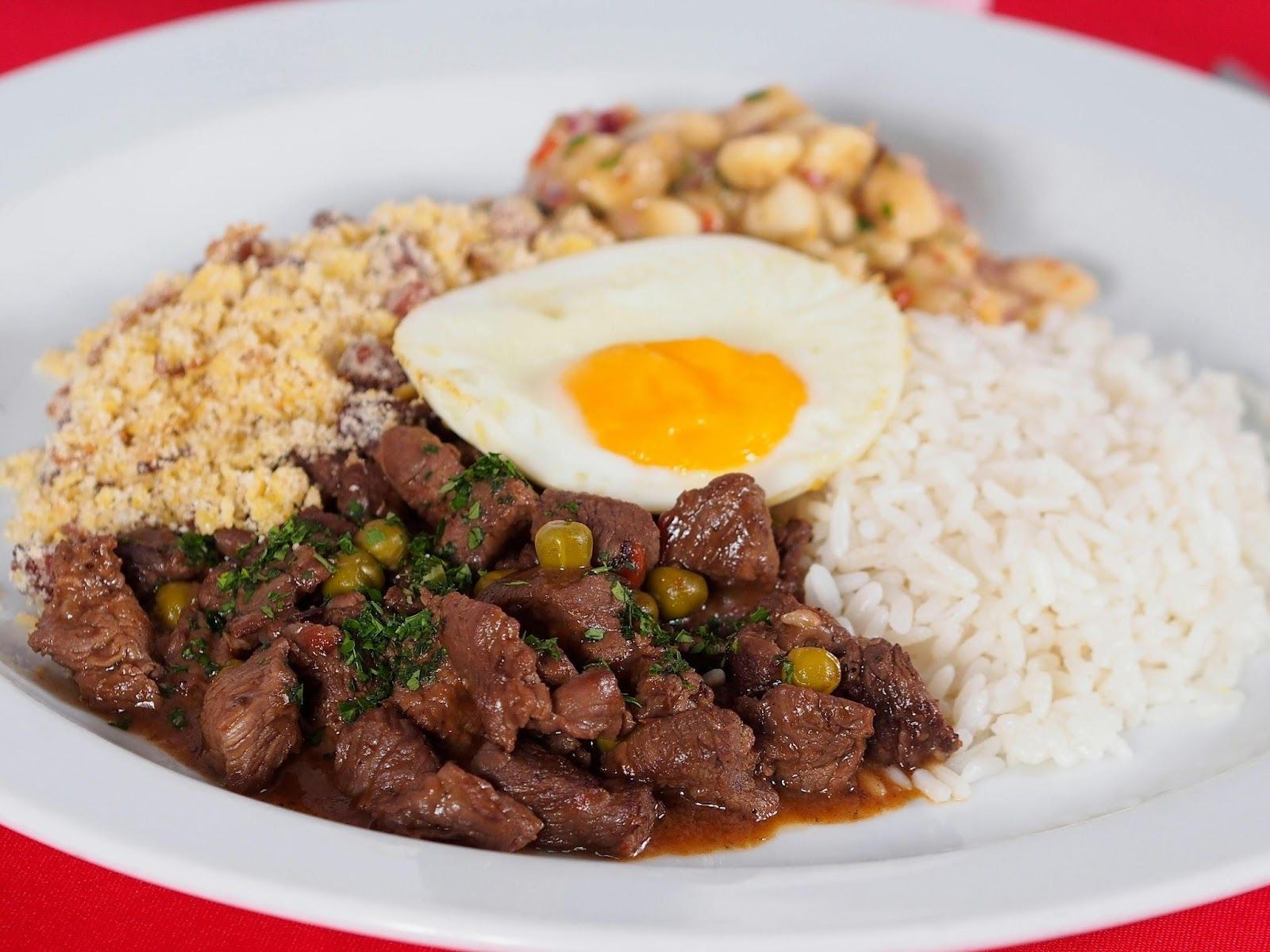 Image: Daigoro Folz
Feijoada is a hearty black bean stew traditionally served with rice, greens, and orange slices. Its roots are debated, but it became popular as an affordable, filling meal.
Today, it’s closely associated with weekend lunches and social gatherings across Brazil.
Keep wandering
There’s always
more to explore
 General

10 top family vacation spots for every generation
4 min.
Read Now
Could you handle 162 steps inside the Statue of Liberty?
6 min.
Read Now

The Blues Road: Every blues fan should visit these 12 spots at least once
5 min.
Read Now

The secret behind 10 real places people are too afraid to visit
4 min.
Read Now