10 mythical places you can visit
 Landmarks
Mythical origins
10 mythical places you can visit
Many places around the world are legendary for their beauty and magnificence, but others are legendary because they were the setting of actual legends —at least, according to locals. From battling giants to powerful deities, these destinations attract visitors from around the world who want to stand where heroes and gods once stood. Here are 10 places with a legendary story.
Grand Canyon (USA)
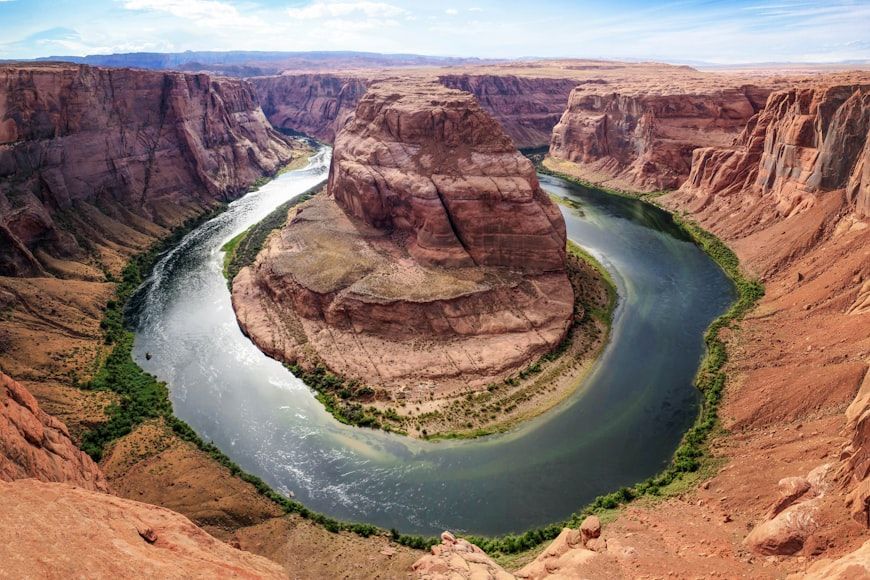
One of America’s most well-known landmarks, this canyon was carved in the Arizona desert by the Colorado River. Inhabited for thousands of years, the canyon was considered a sacred place by the tribes who still live around it.
According to a Navajo legend, the Colorado River came to be after a monster hoarded all the water in the region. Confronted and defeated by a hero, the monster was spared as long as he benefited humanity. The monster carved paths for the water to flow, creating the Grand Canyon and the Colorado River.
Giant's Causeway (Ireland)
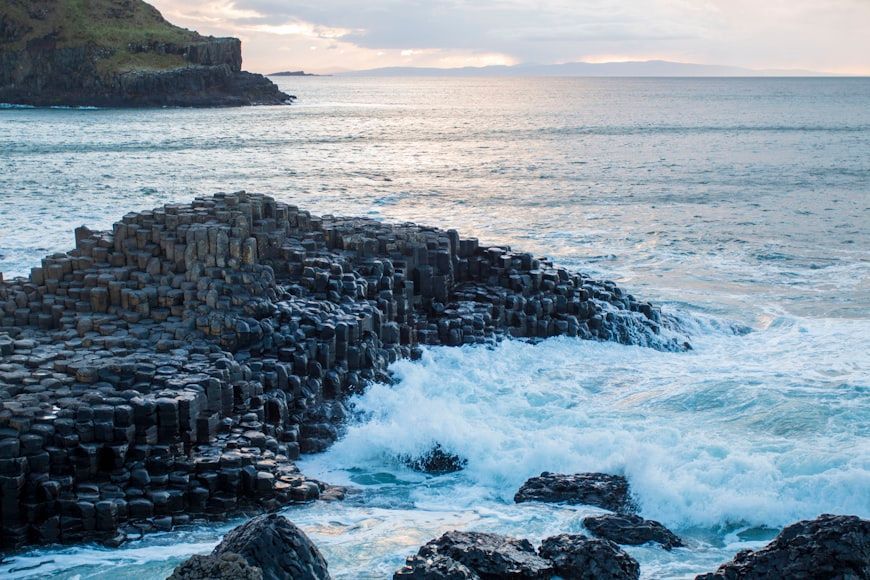
Formed by nearly 40,000 interlocked rock columns, the Giant’s Causeway is located on the north coast of Northern Ireland. It is mostly made of hexagonal columns that create stepping stones from the sea to the cliff.
While its scientific explanation is straightforward —a volcanic eruption— local folklore links its origin to the giant hero Fionn mac Cumhaill. Challenged to a fight by Scottish giant Benandonner, Fionn created the causeway across the North Channel. Defeated, Benandonner fled, destroying the bridge, whose other side can be found at the Scottish isle of Staffa.
Takachiho Gorge (Japan)
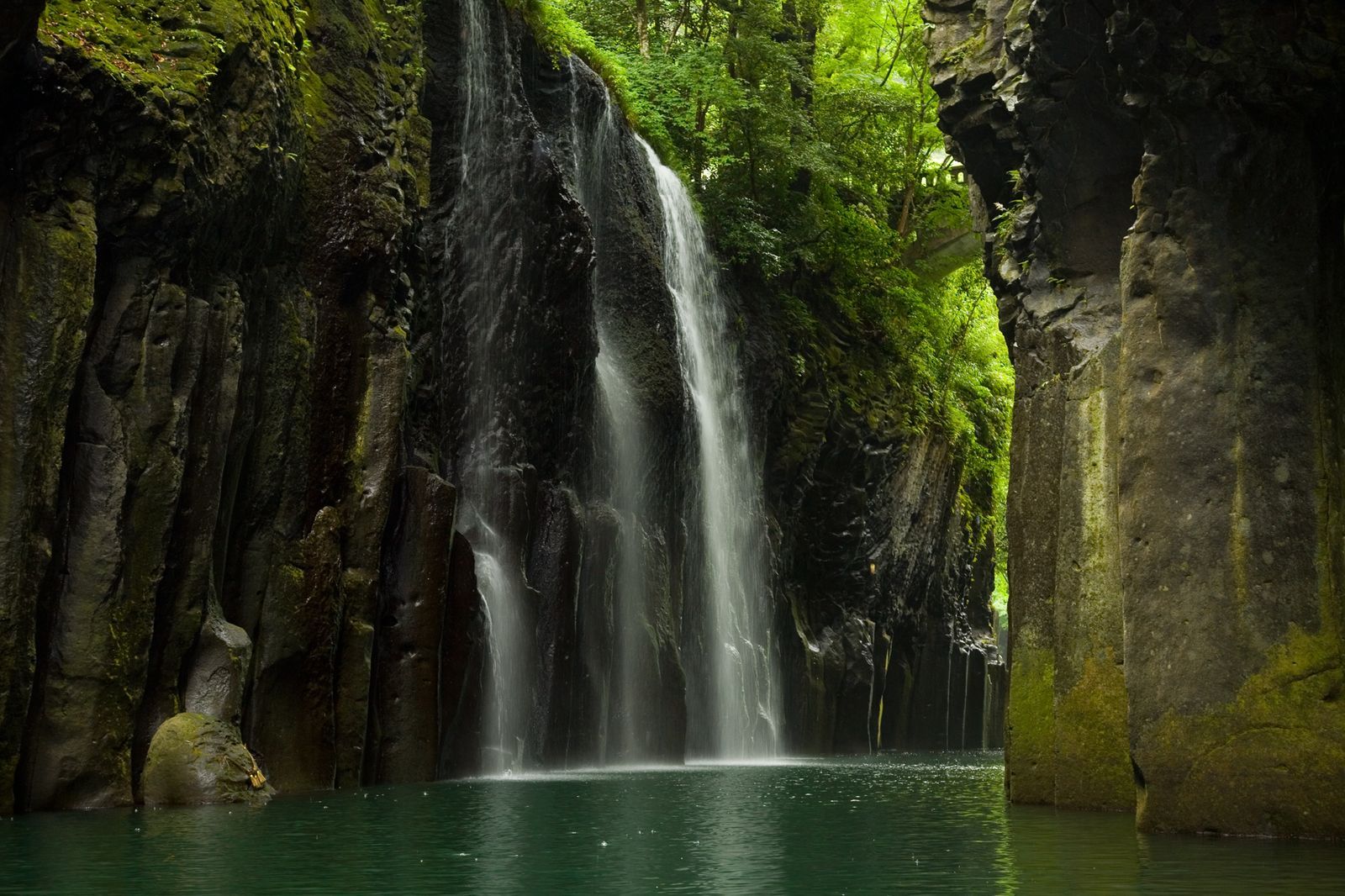
Nestled among the Kyushu Mountains, this gorge is a popular tourist attraction not only because of its stunning scenery, but also because it is believed to be the location of one of the most important Japanese myths.
According to the legend, Amaterasu, the Shinto goddess of the sun, hid in a cave at the Takachiho Gorge to escape her brother’s pranks, taking with her all the light from the world. To lure her out, the other deities danced and laughed nearby until Amaterasu became curious and went out. Some time later, Amaterasu’s grandson would descend from the heavens to that same place and would become Japan’s first emperor.
Devil’s Tower (USA)
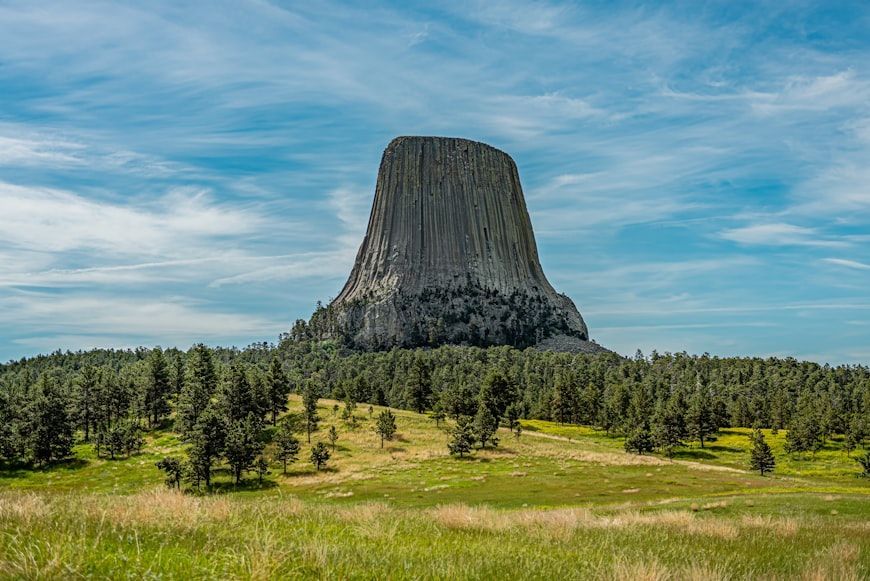
Located in the Black Hills Mountain Range in Wyoming, this rock formation was established by President Theodore Roosevelt as the first national monument in 1906. According to scientists, the column was created by molten magma that, unlike the softer rocks around it, was not eroded by the elements.
Locals tell a different story, or several, but all start with children fleeing from a bear. In some tales, the children ask the Great Spirit to save them, and the rock rises beneath them. In others, the bear claws at the rock, giving it its characteristic shape. This is why, for Native Americans, the place is called Matȟó Thípila or Bear Lodge.
Stonehenge (UK)
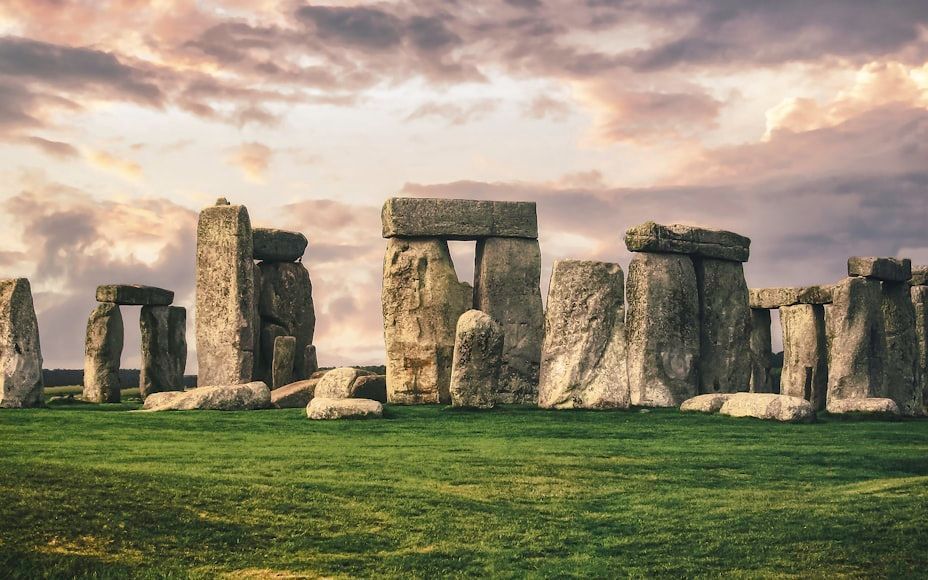
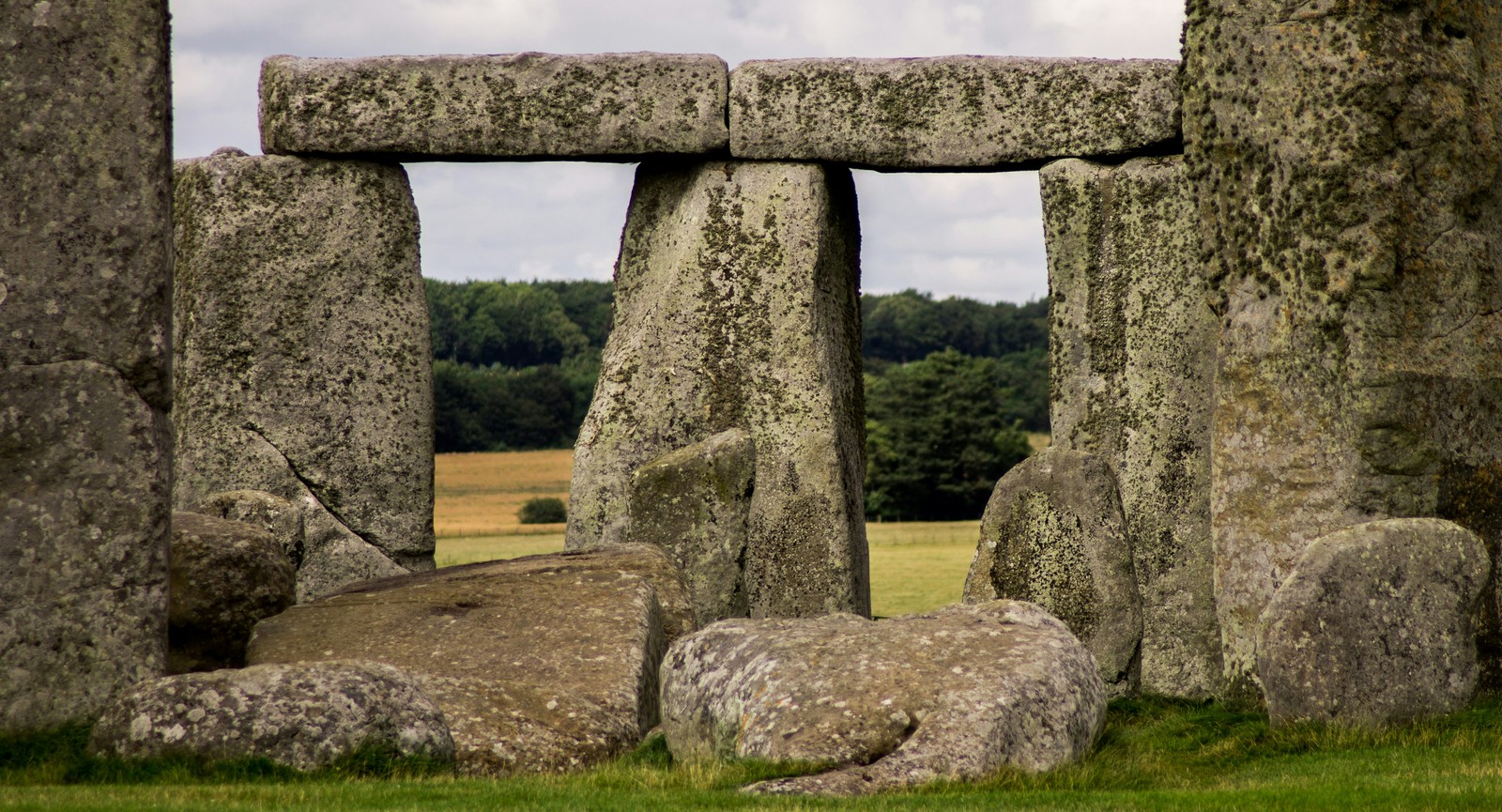
Probably one of the most famous prehistoric monuments in the world, Stonehenge remains a mystery for experts. Not because of its purpose —it is believed to have served as a burial ground or as a temple— but due to the size of the monoliths that are part of it.
These huge rocks not only weigh around 25 tons each, but they are also not local to the area. Instead, they were transported from over 100 miles away, a feat deemed impossible for the locals at the time. What are the local theories? According to a popular legend, the rocks were placed there by the famous enchanter Merlin.
Cyclopean Isles (Italy)
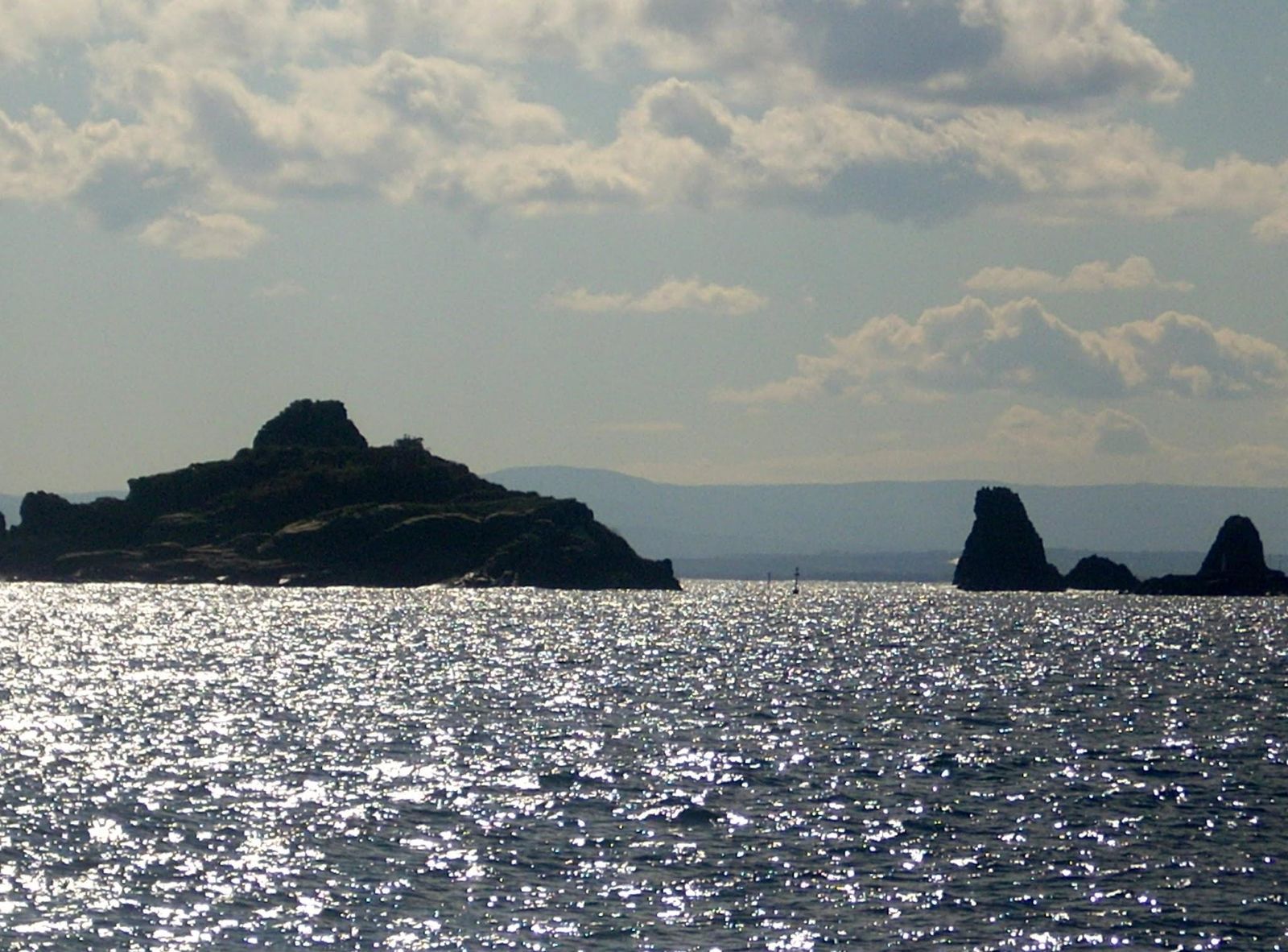
Believed to have a volcanic origin, these islands lie in the Mediterranean Sea near the Sicilian coast. Formed by basalt rock, they are famous for their characteristic column shape that emerges from the sea.
Why are they called Cyclopean? Local tradition explains that the islands were originally part of the Sicilian mainland, inhabited by Cyclops. As told in Homer’s Odyssey, after the cyclops Polyphemus was blinded and tricked by Odysseus, he threw giant rocks at their ship. Falling into the sea, these rocks became the Cyclopean islands.
Mount Everest (Nepal)
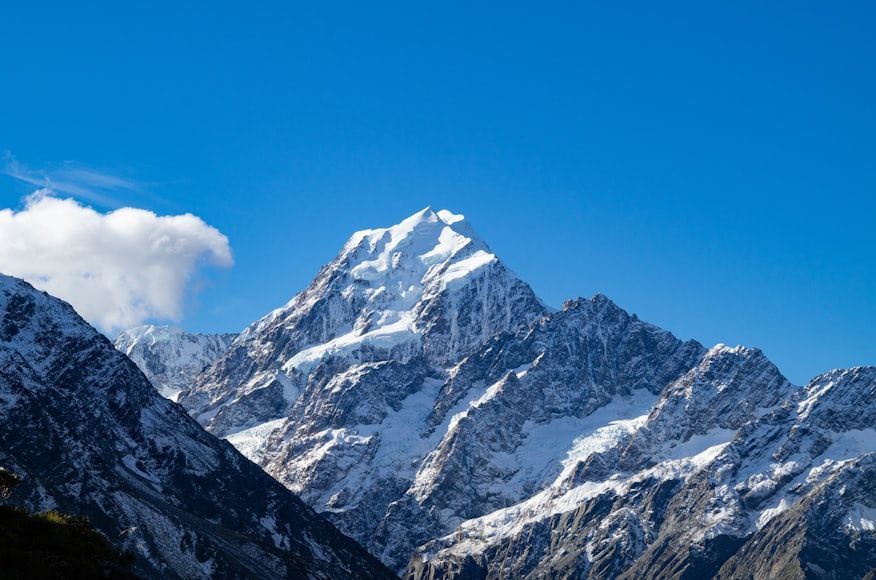
The highest mountain on Earth above sea level, Mount Everest is a popular destination for adventurers and mountaineers despite the dangers associated to it. For the locals, however, the mountain is a sacred place.
According to Tibetan Buddhism, the Everest summit is the home of the Goddess Miyolangsangma, originally a malevolent deity who was converted to Buddhism and who protects the mountain and those who wish to climb it. Many guides believe that only those who appease the goddess with rituals and offerings will be able to reach the summit.
Caves of Hercules (Morocco)
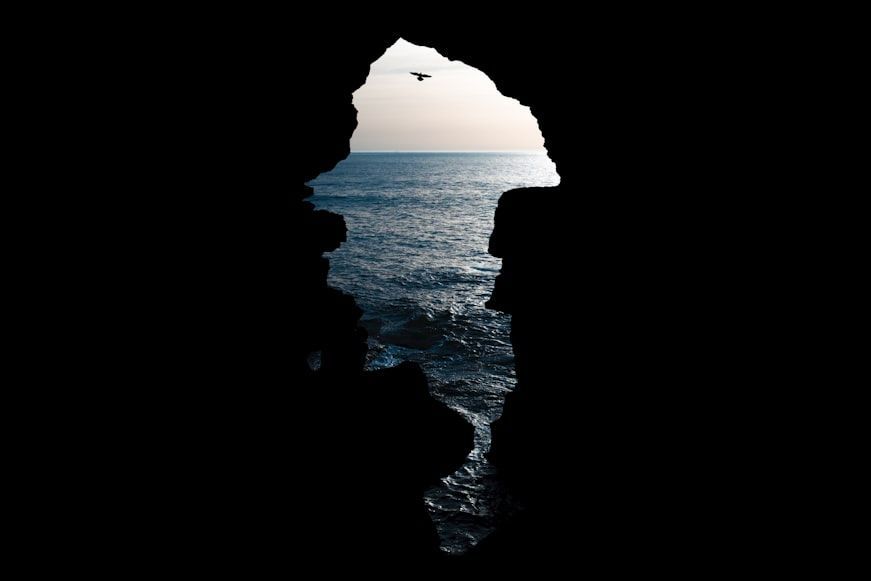
This cave complex can be found a few kilometers from the city of Tangier. Partly formed by natural causes and partly man-made, one of its most famous features is the "Africa opening", the cave’s gateway to the sea, whose shape resembles the African continent.
The place is named after an ancient legend. According to mythological tradition, Hercules came across a mountain during his labors. Instead of climbing it, he smashed through it, creating the Strait of Gibraltar. Tired after the feat, he found the caves and decided to spend the night there.
Halema’uma’u Crater (USA)
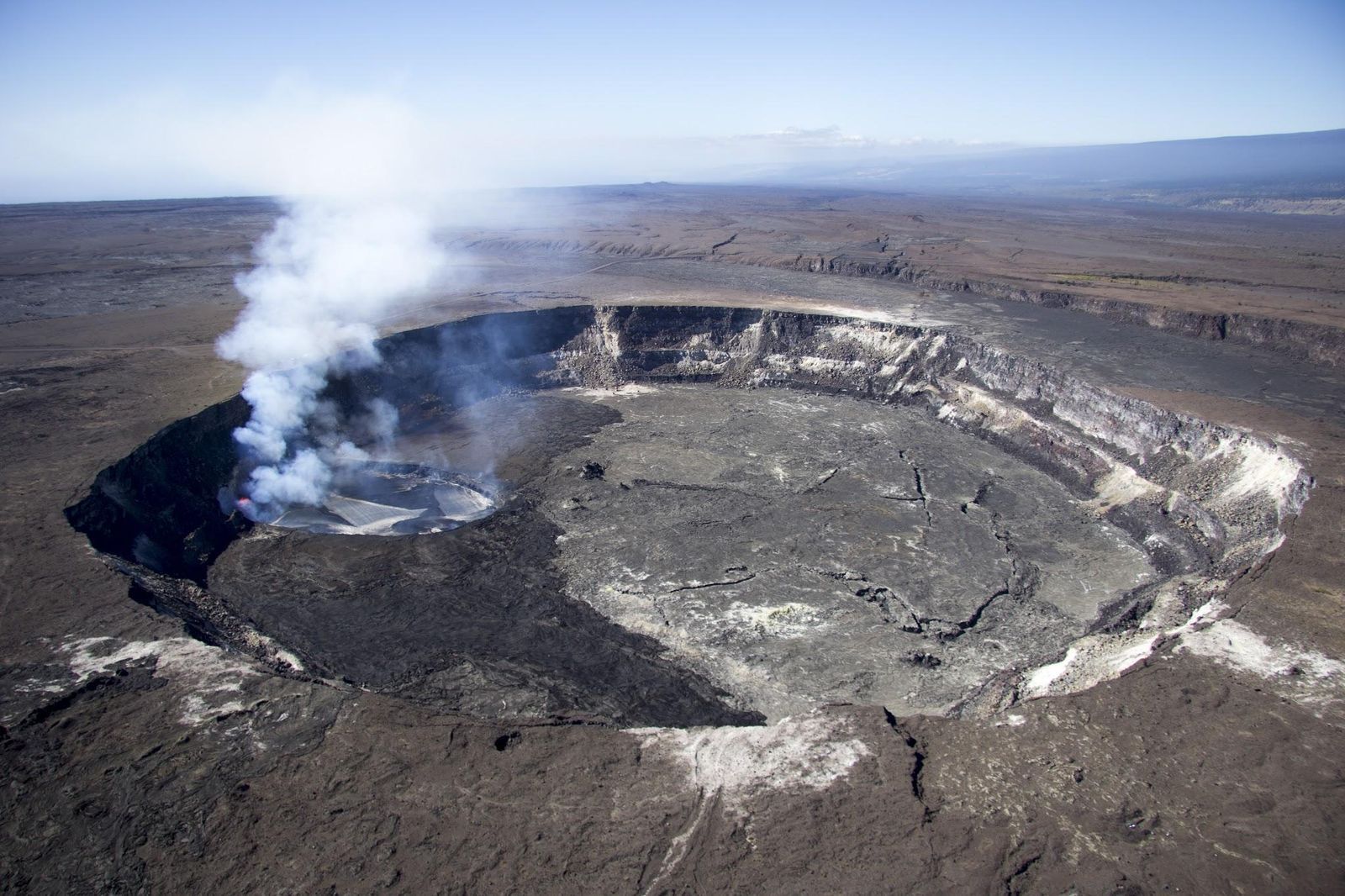
Part of the caldera at the top of the Kīlauea volcano, Halema’uma’u, is a popular tourist destination at Hawaii Volcanoes National Park despite being active. For Native Hawaiians, though, Halema’uma’u is the home of Pele, the goddess of volcanoes and fire, and the eruptions are caused by her movements.
Several tours allow travellers to hike along the caldera and pay their respects to Pele, but they all come with a warning: never take rocks or volcanic sand with you as a souvenir. If you do, you will suffer Pele’s Curse and will have severe bad luck until you return what you took to Hawaii.
Tokangawhā (New Zealand)
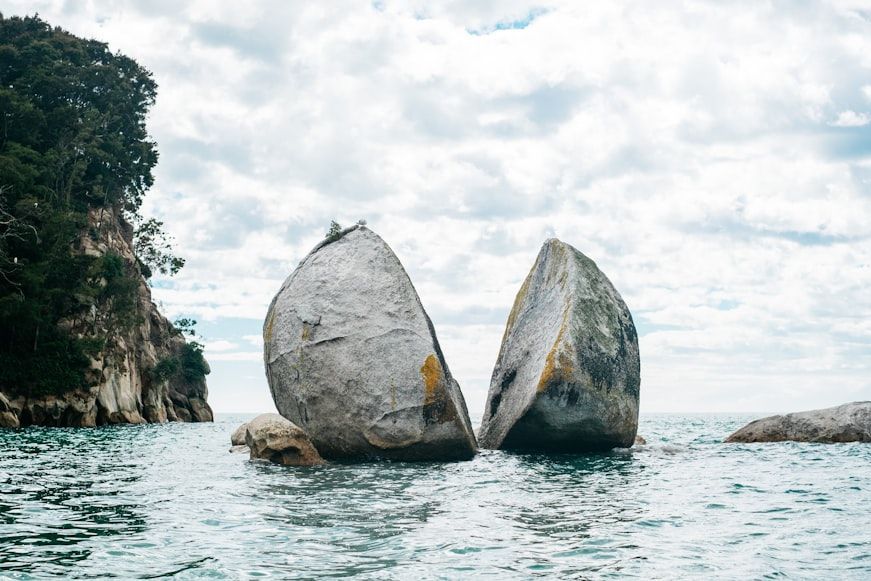
Found near the shores of the Tasman Bay, this stone has the appearance of a giant apple neatly cut in half, and it is locally known as the ‘split apple rock’. Though scientists explain the perfect division as a result of water seeping and expanding into the rock during an ice age, local legends disagree.
According to Māori folklore, a dispute arose between two deities who wanted to possess the boulder. Unwilling to yield, they decided to split the rock and get a half each, which gave way to its native name, meaning ‘burst open rock’.
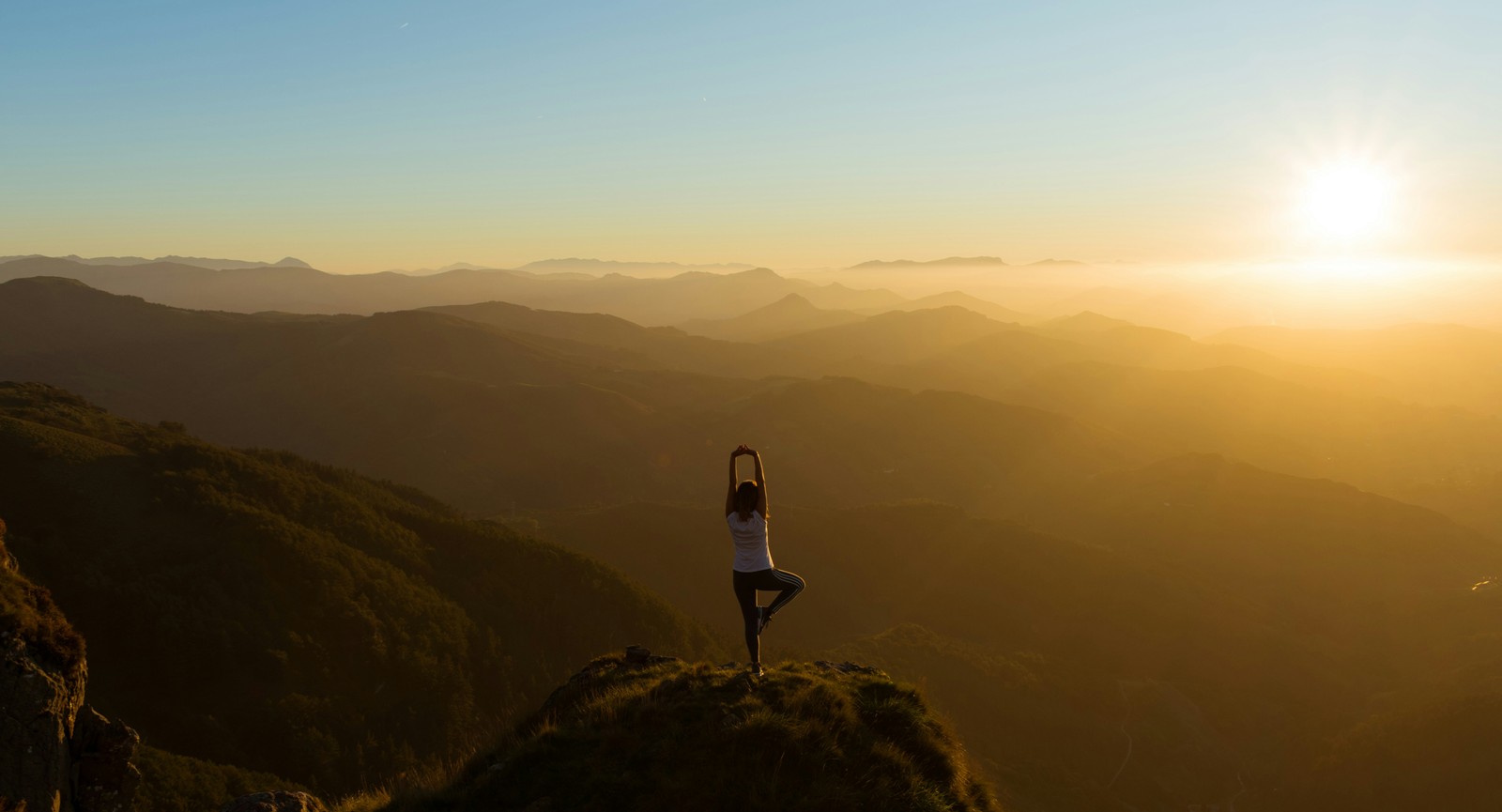
Did you know travelling helps strengthen your relationships?
 General
Discover 10 ways a vacation can alter your brain chemistry
We are living in a high-speed world where being always available and alert is the default setting. However, your brain isn't a machine; it's a biological organ that requires specific conditions to thrive. Science is increasingly showing that a vacation is not a luxury but a physiological necessity. So, if you are struggling to concentrate, your brain is literally starving for a change of pace. Let’s take a closer look at the benefits some time out can have for the brain.
Unlocks latent creativity
When you are stuck in a routine, your brain operates on autopilot to save energy. This is the enemy of creativity. Traveling to a new destination forces the brain to process novel sights, smells, and sounds. This cognitive flexibility encourages the growth of new neural pathways. By breaking the routine, you allow your brain to make new connections it couldn't possibly form while staring at a spreadsheet.
Teaches biological adaptability
Whether it's navigating a foreign subway system or figuring out how to order coffee in a different language, vacations put you in "problem-solving" mode—but without the high stakes of the office. This strengthens the hippocampus, the area of the brain responsible for spatial memory and adaptation. You are essentially cross-training your brain to handle change with less stress. Sounds like a bargain, right?
Slows down time

Have you ever noticed that the first few days of a vacation feel like a week, but a week at the office feels like a blink? This is known as the "Oddball Effect." When we are processing new information, our brain records it in much richer detail. Because there is so much newness to log, the brain perceives time as moving more slowly. Vacationing is the closest thing we have to actual time travel.
Strengthens relationships

Shared experiences in new environments trigger the release of oxytocin, often called the "bonding hormone." When you navigate a new city or share a sunset with a partner or friend, the brain solidifies these social bonds. This neurochemical "glue" helps buffer against future stress and improves long-term relationship satisfaction.
Improves language learning and plasticity

Even if you aren't fluent, attempting to use a few phrases in a local tongue stimulates neuroplasticity. The effort to decode a new linguistic environment forces the brain to fire in areas that usually stay dormant in your native language. This mental stretch keeps the brain youthful and more resilient against age-related decline.
Sharpens your focus
Modern life is a constant assault on our directed attention. We are always filtering out notifications and noise. A vacation, especially one involving nature, allows for soft relaxation. This gives your prefrontal cortex a chance to rest and recharge. When you return, you'll find that your ability to focus on complex tasks is significantly higher because your attention filters have been cleaned.
Hones your planning skills
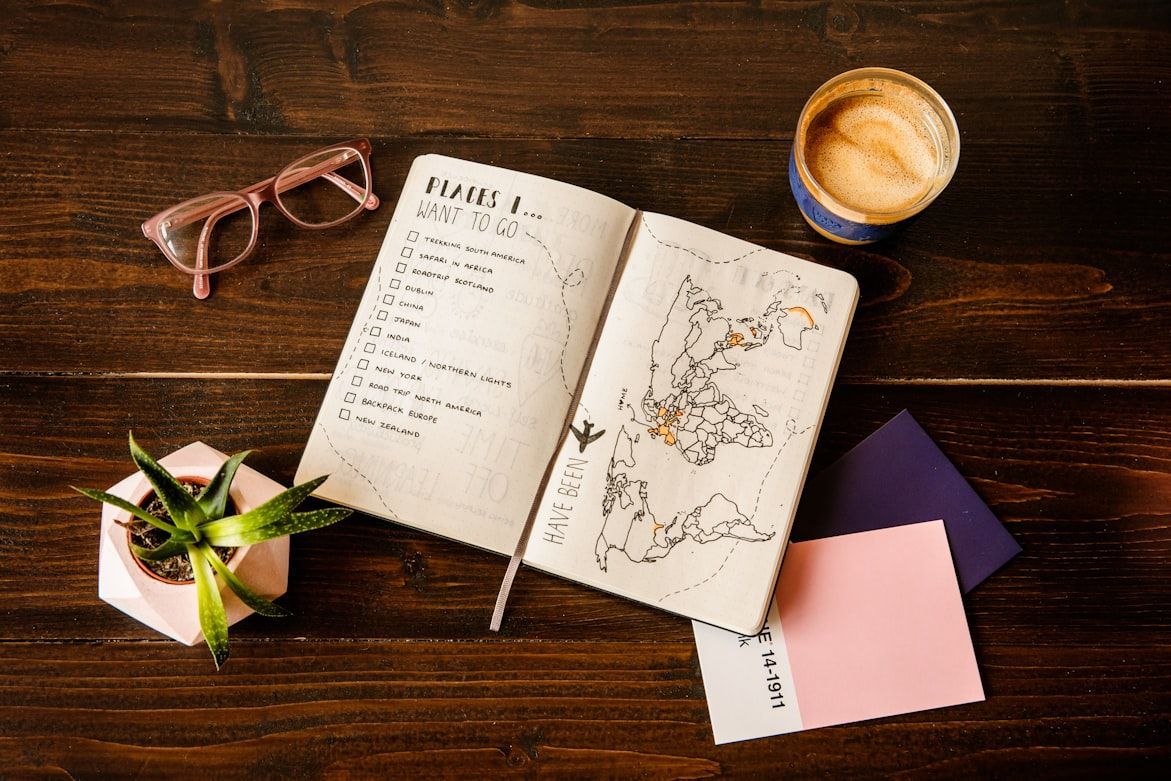
While the trip itself is relaxing, the act of planning a vacation is a high-level executive function workout. Managing budgets, itineraries, and logistics stimulates the dorsolateral prefrontal cortex. Research shows that the anticipation of a trip can be just as beneficial for your brain chemistry as the trip itself, providing a steady drip of dopamine in the weeks leading up to departure.
Improves your mood
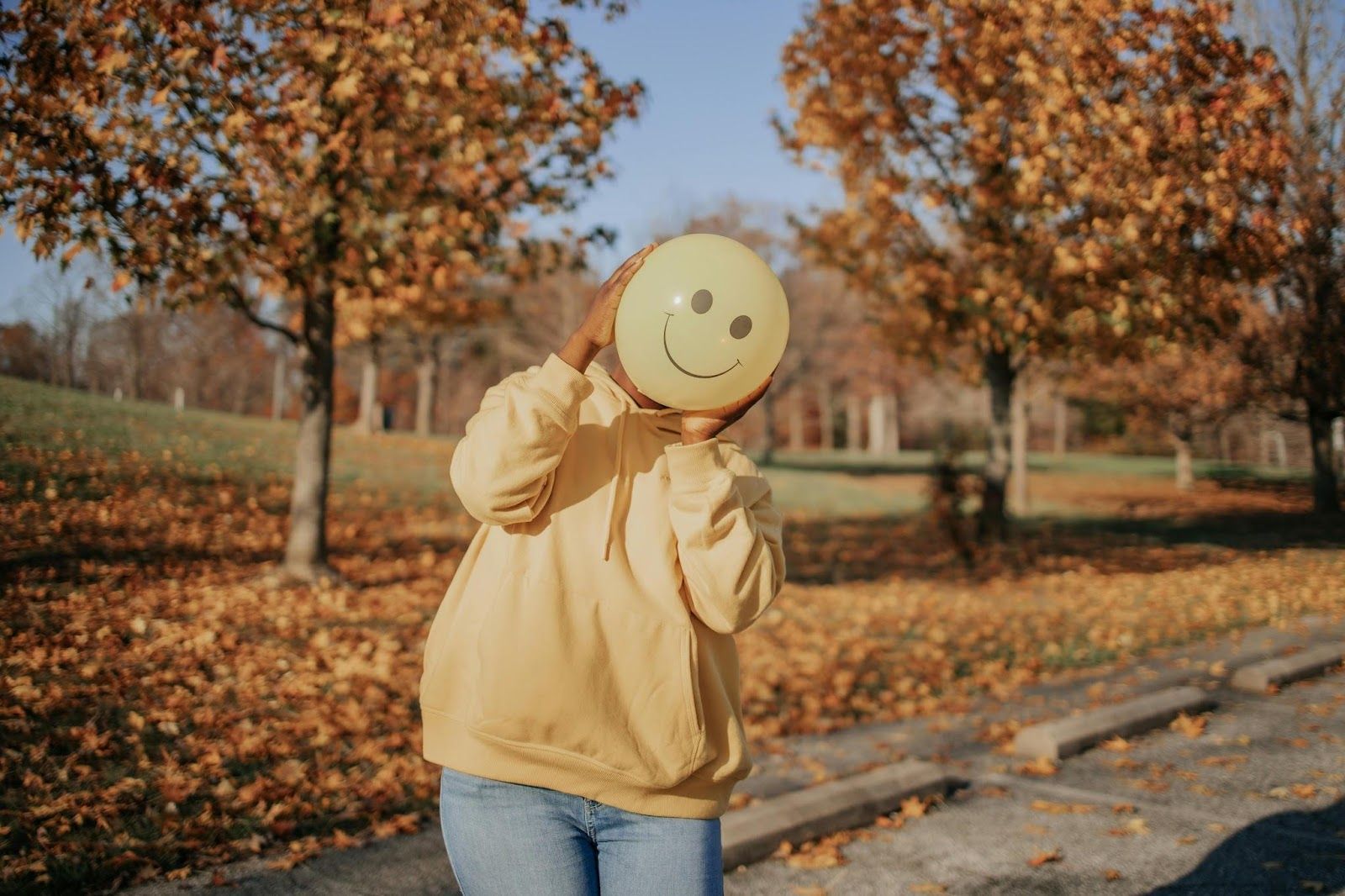
This is the most immediate effect. Travel triggers a surge in serotonin and dopamine. By removing the constant threat of work deadlines, your body lowers its production of cortisol (the stress hormone). This shift allows your nervous system to move from "Sympathetic" (fight or flight) to "Parasympathetic" (rest and digest), leading to a sustained sense of well-being that can last for weeks after you return.
Lowers the brain’s inflammation
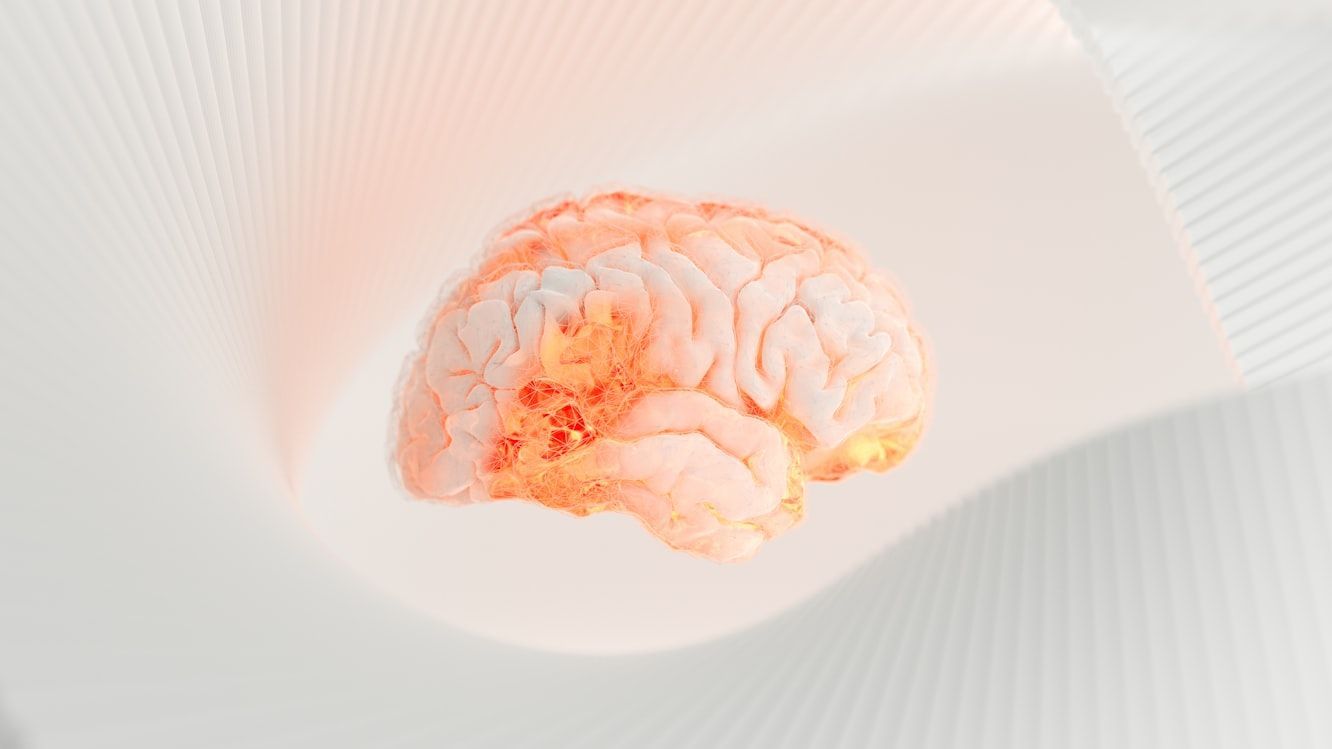
Chronic stress is linked to low-grade inflammation in the brain, which is a precursor to depression and anxiety. Studies have shown that even a short four-day vacation can lead to a significant drop in biological markers of stress. By giving the brain a cool-down period, you are physically reducing the internal heat that leads to burnout.
Resets your circadian rhythm

Most of us live in a state of social jet lag, staying up late under artificial blue light. A vacation—particularly one with outdoor activities—resynchronizes your internal clock with the natural light-dark cycle. This improves melatonin production, leading to deeper, more restorative sleep that repairs brain tissue and flushes out metabolic waste.
Keep wandering
There’s always
more to explore

10 Travel mistakes that can ruin an otherwise perfect trip
5 min.
Read Now
10 weird ways cities quietly "manipulate" tourists
6 min.
Read Now

12 things to avoid doing in tourist areas (don’t fall into these traps)
3 min.
Read Now
Every flyer should know this: 10 secrets the airline never explains
4 min.
Read Now