10 Travel mistakes that can ruin an otherwise perfect trip
 General
Dos and don'ts
10 Travel mistakes that can ruin an otherwise perfect trip
Some seemingly small oversights can make even the best-planned trips go sideways in a heartbeat. Missed documents, packing issues, or simple timing mistakes can turn what should be a relaxing getaway into a stressful experience. The good news is that, with some precaution, most common travel problems are predictable and preventable. Here are some easy-to-make mistakes that can unexpectedly ruin your trips, and some practical ways to avoid them.
Getting late to the airport

Especially when flying familiar routes that went smoothly before, it's easy to relax and assume that arriving at the airport an hour in advance is enough. However, a single traffic delay, a longer-than-usual line, or a slow check-in process can quickly turn your itinerary into a race against the clock.
To avoid this, plan to arrive at least two hours early for domestic flights and three hours for international flights. During the holiday season, consider adding even more time for good measure. It's always better to be early and sit comfortably at the gate than to rush to the terminal in fear of missing your flight.
Not double-checking documents
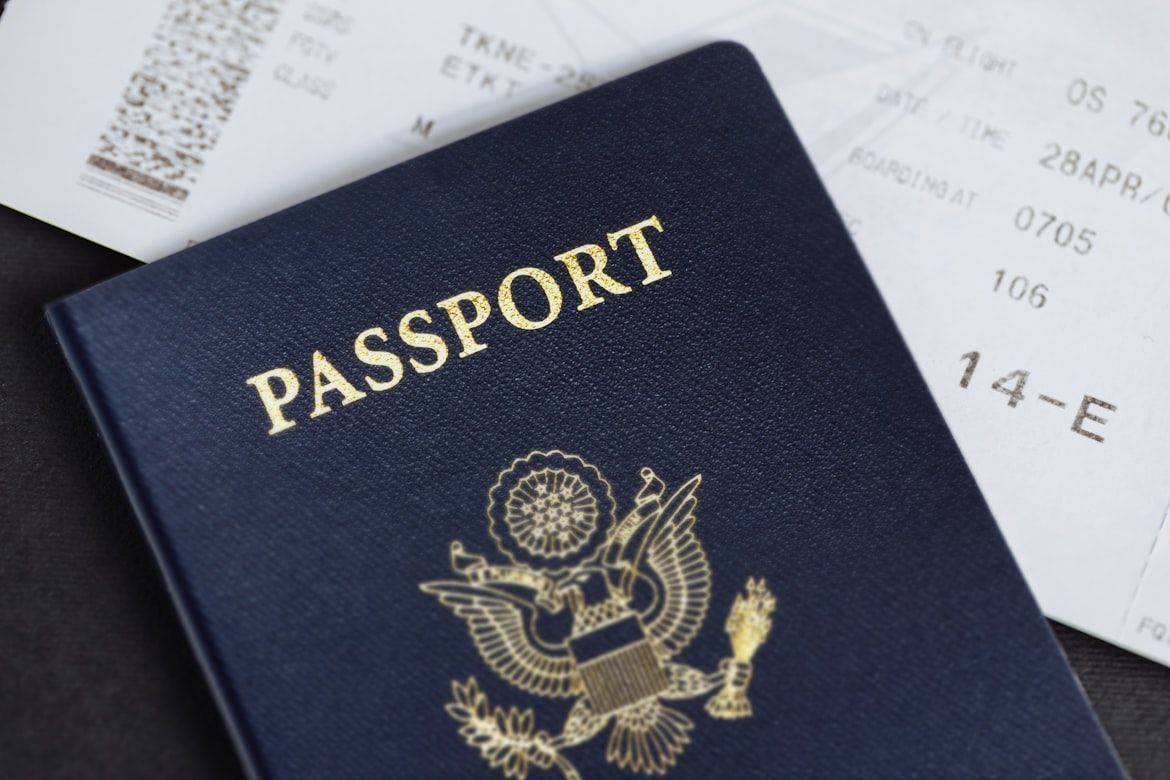
Few things are more frustrating than arriving at the security checkpoint only to realize that there is something wrong with your documents. An expired passport or a name mismatch between your boarding pass and your ID can put a halt to your trip before it even begins.
Before leaving home, always double-check your documents. Make sure that your ID is valid and that the information in your boarding pass matches it. For international travel, confirm whether a visa is required or not. Once you're sure that everything is in order, keeping all your documents in a single travel folder or pouch makes them easier to access and harder to forget.
Overpacking
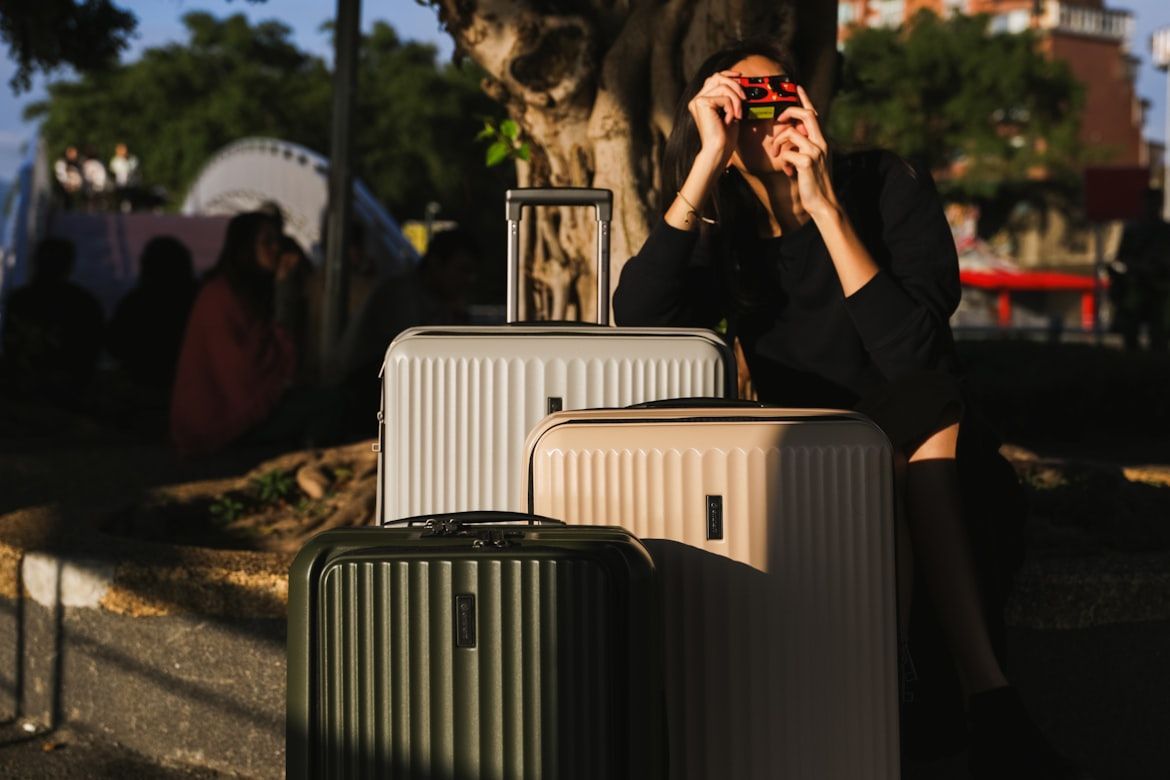
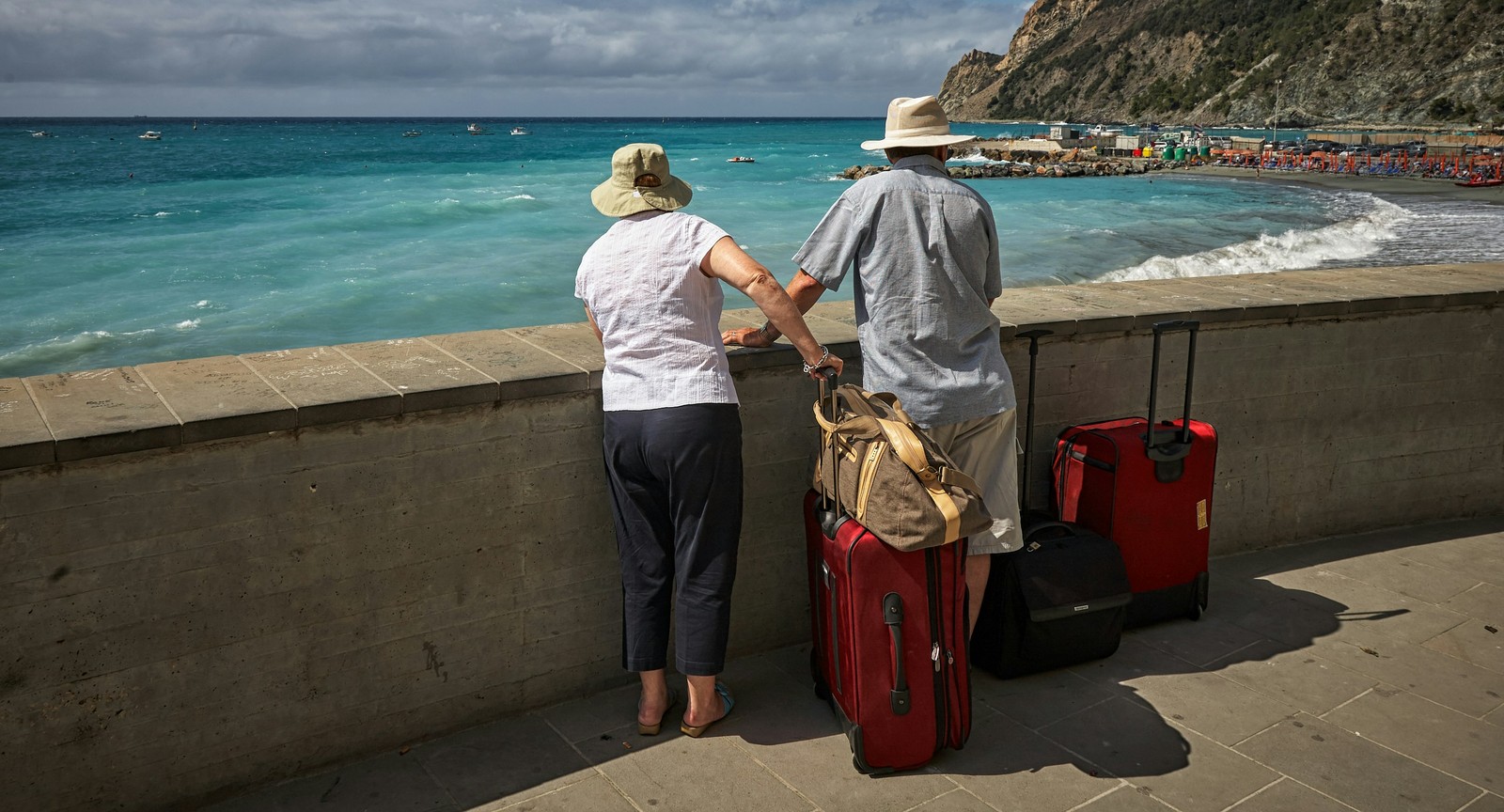
Packing too much, just in case, might seem like the safe choice, but experienced travellers swear by flying light. Heavy suitcases are harder to lift, more expensive to check, and overall inconvenient to move around.
A better approach is to pick versatile clothing that can be mixed and matched depending on the occasion. Pack for the weather you are expecting, choose one good pair of comfortable walking shoes, and limit the just in case items to the bare minimum. These tips will make your trip much more manageable.
Being unaware of TSA regulations
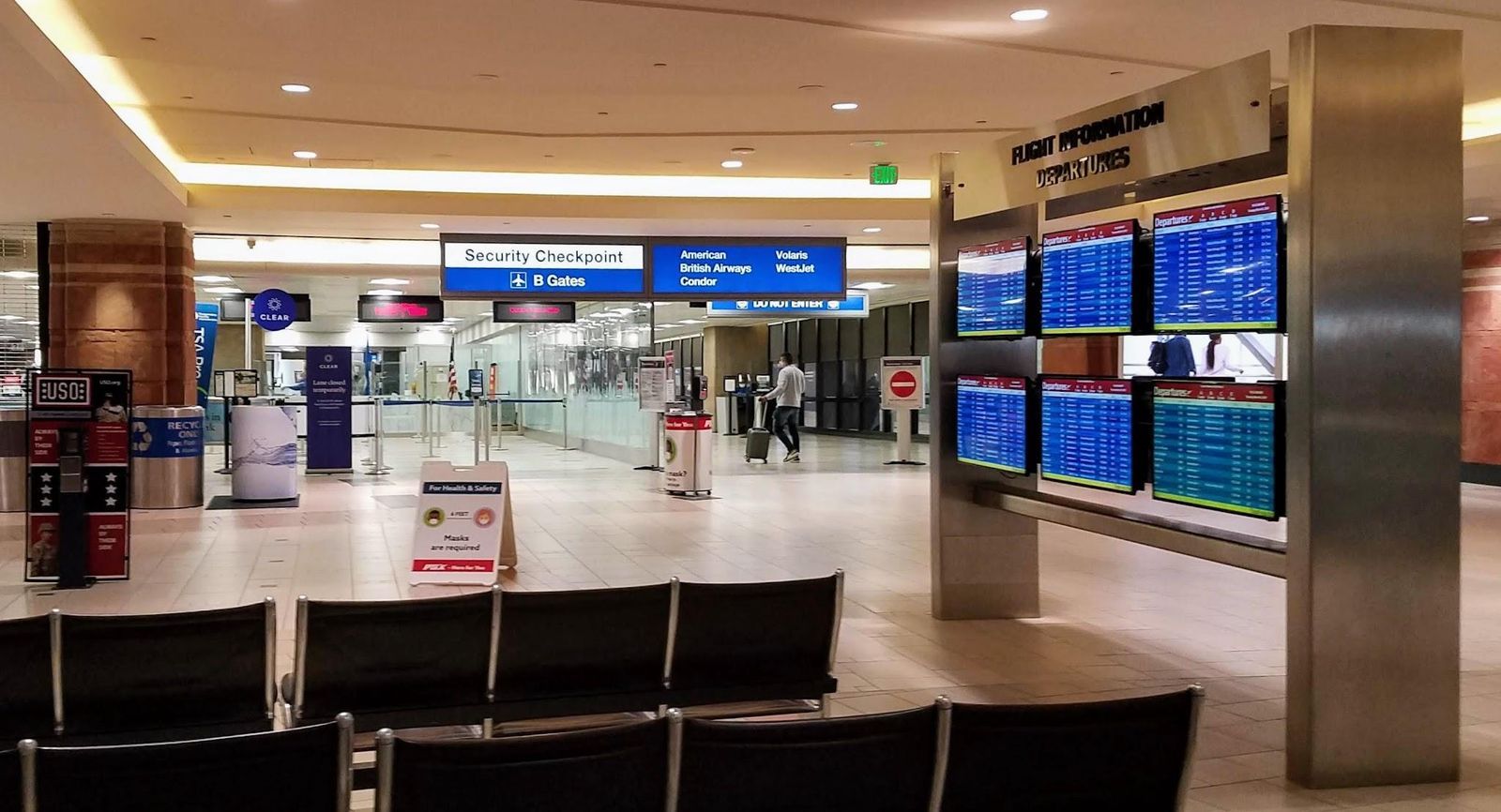
Many travelers only start thinking about TSA rules and regulations once they are already in the security line. That's when they realize they have full-sized liquids, an assortment of forgotten items in their pockets, and their electronic devices buried deep in their bags.
To avoid unnecessary delays, take a few minutes to review TSA rules before packing. Place liquids in a clear plastic bag in accordance with the 3-1-1 rule, keep your electronics accessible, and be mindful of the contents of your pockets. In this regard, a little preparation can save a lot of time and frustration.
Checking essentials

Checked luggage does not always arrive when you do. Delays happen, and if all your essentials are in your checked suitcase, you may find yourself without medication, without a change of clothes, and with a depleting phone battery.
Always pack your essential items in a small carry-on bag that you can bring with you wherever you go. Include medications, documents, your phone charger, and a basic change of clothes. This way, even if your luggage is delayed, you will still have what you need to stay comfortable.
Overbooking your calendar
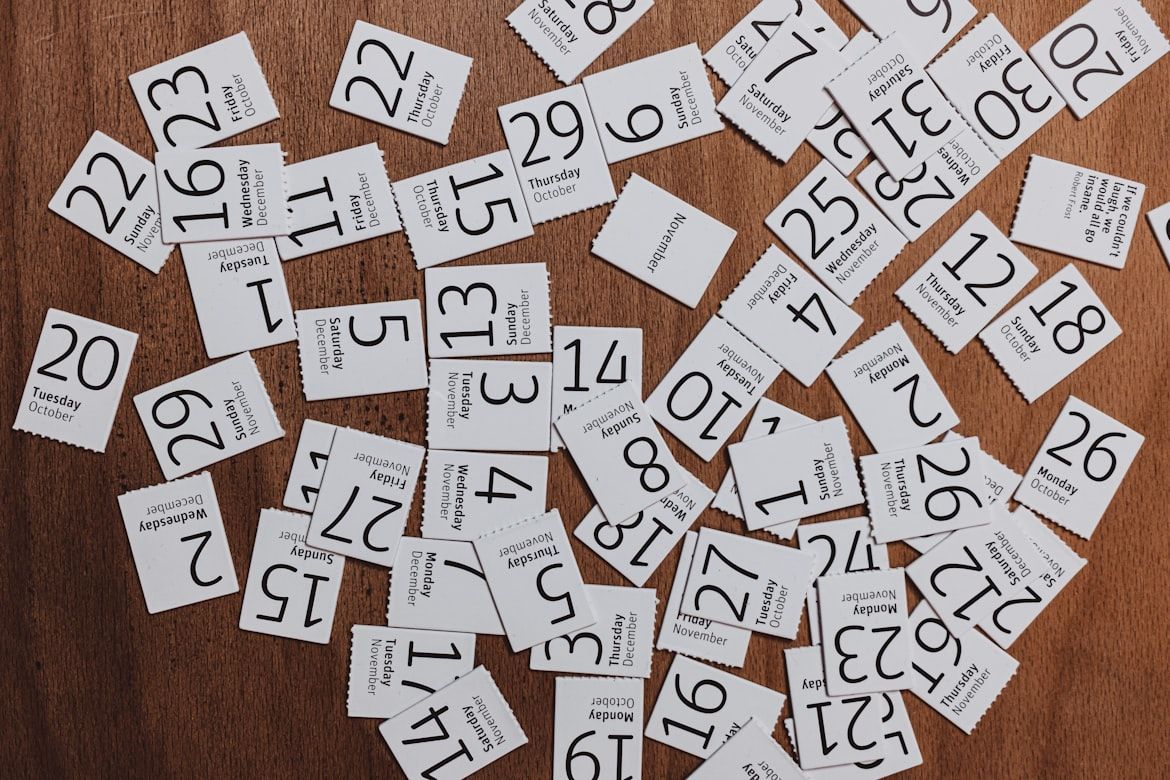
Trying to do too much in a limited amount of time can turn what should be a relaxing trip into yet another stressful schedule. Rushing from one attraction to the next leaves little time to bask in the moment and actually enjoy your destination.
When planning your trip, prioritize a few key activities and leave room for flexibility. Allow time to rest, explore casually, or simply enjoy a meal without rushing. Do not fear missing out: even the busiest of destinations will show a different face to those who take time to explore them leisurely.
Relying too heavily on your phone
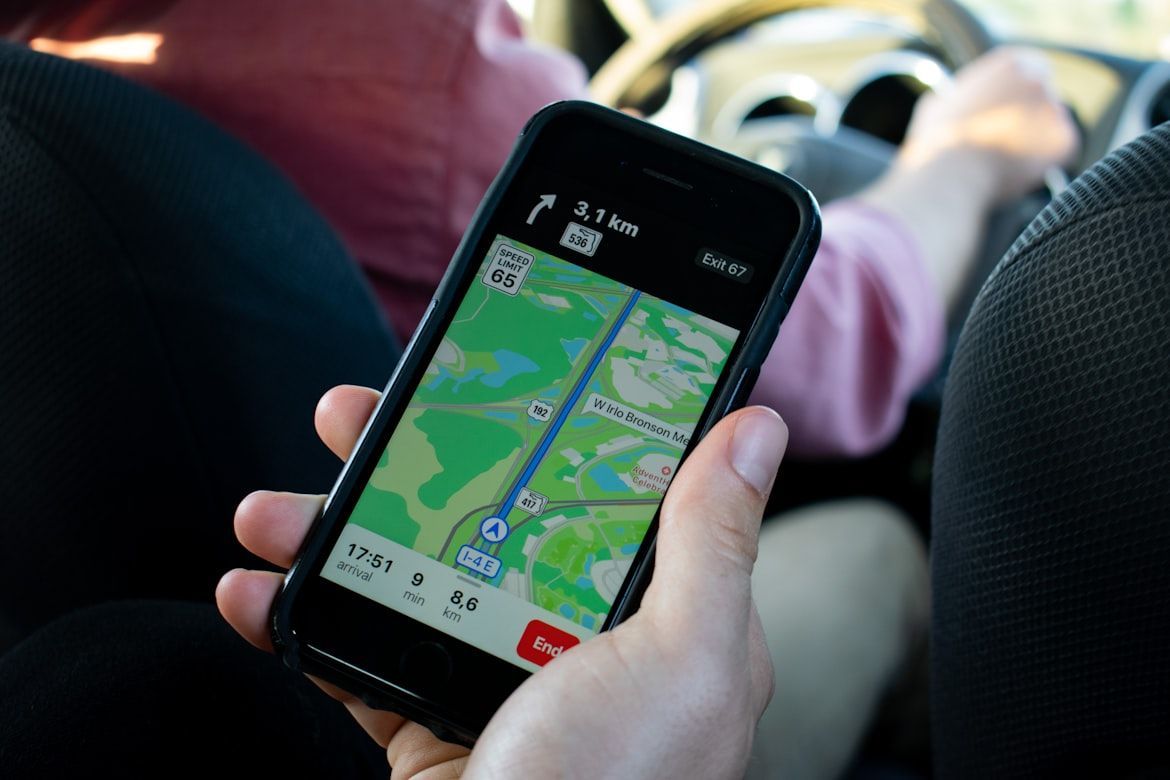
Smartphones are incredibly useful for navigation and storing digital documents, such as tickets and reservations. However, they are not always as reliable as we would like them to be. A dead battery, poor phone signal, and no Wi-Fi access can leave you without directions or important information when you least expect it.
Make a habit of carrying a portable charger, printing important documents, and keeping key details written down. Having offline access to your hotel address, confirmation numbers, and important contacts can save you time and reduce stress if your phone is unavailable.
Not labeling your luggage
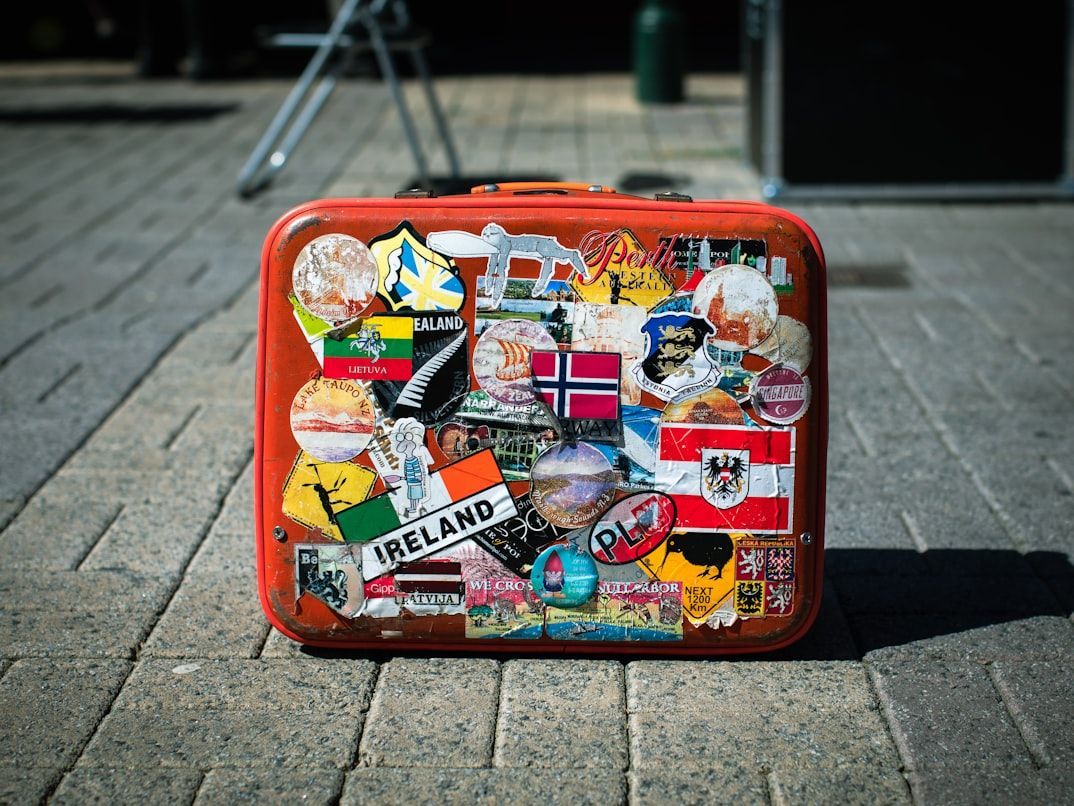
Unlabeled or poorly labeled luggage can be easily misplaced or confused with similar-looking bags. This can lead to delays at baggage claims or, worst-case scenario, to a lost bag if someone else takes it by mistake.
It's good practice to attach a sturdy tag to your bag with your name and contact information. Adding a bright ribbon, strap, or recognizable patch also makes your bag easier to identify and harder to mix up in the crowded baggage claim area.
Not bringing pen and paper

This may seem like a minor thing, but on many international flights, travelers are asked to fill out customs or immigration forms before landing. Keeping a simple case with writing essentials in your carry-on will allow you to complete forms during the flight, saving you time and the hassle of having to borrow a pen.
As a bonus, having pen and paper close at hand during long trips or waiting lines can provide you with an opportunity to engage in creative distractions, such as doodling or freewriting.
Not allowing time to adjust

After a long flight or drive, jumping straight into your itinerary can leave you feeling exhausted. Fatigue will work against you, making it harder to enjoy your surroundings and setting a weary tone for the entirety of your trip.
Planning some downtime upon arrival allows your mind and body to recover. Whether it's taking a short nap, having a nice meal, or even taking your first day off, a slower start can give the rest of your trip breathing room to be much more enjoyable.
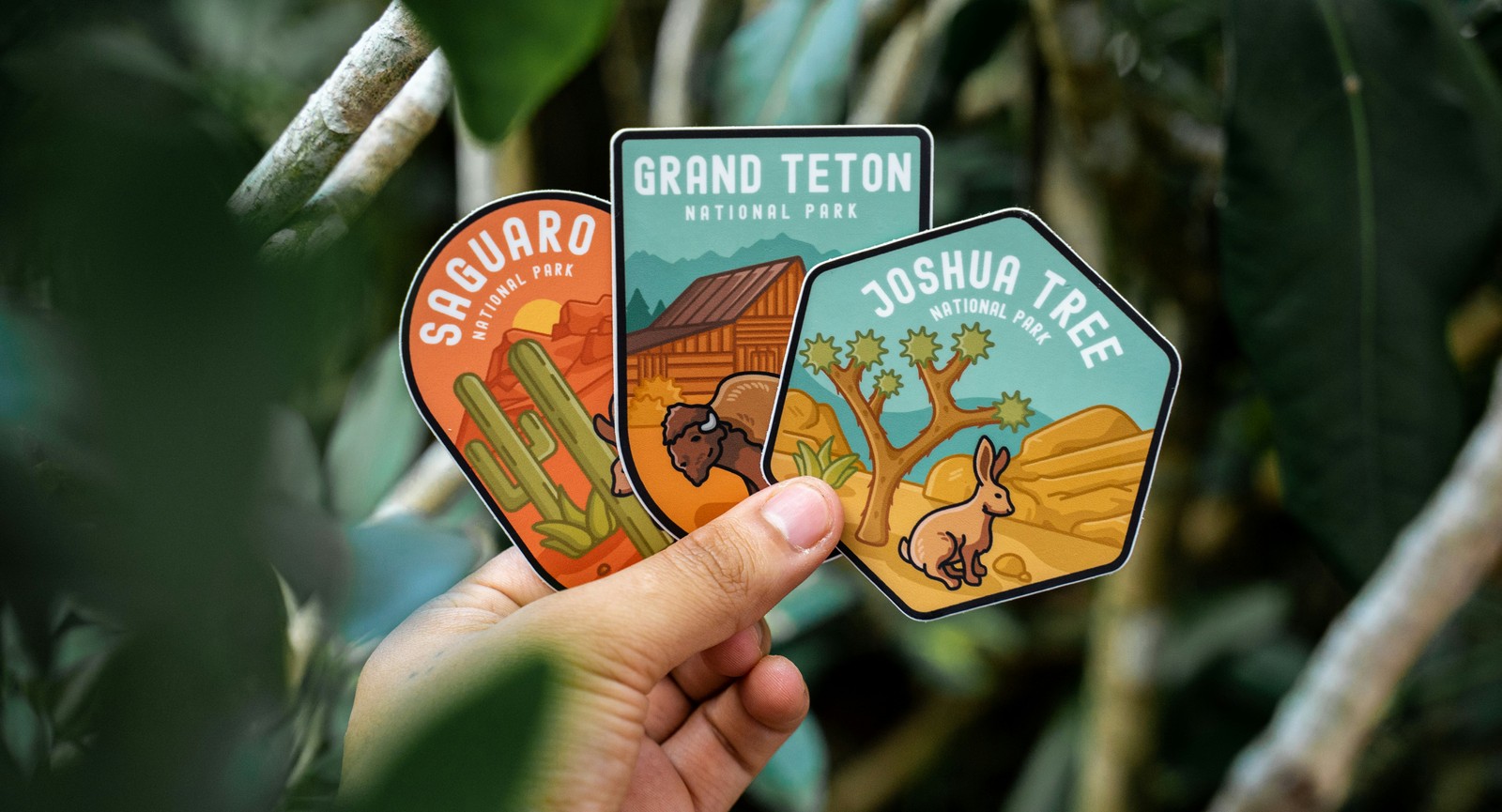
Avoid surprises: You could go to jail if you do this in a national park
 Landmarks
Surprising dos and don’ts
10 Shocking rules that the National Park Service has to enforce
Millions of people visit US national parks each year, but many are surprised by what they find when they arrive. Even if it feels like we know everything about national parks, there are plenty of surprising, bizarre rules most people have never heard of, and even a few things you never thought would be allowed, but they are. From getting married there to even facing up to six months in prison for getting too close to wildlife, here are 10 curious, little-known facts about our incredible national parks.
No giving birth - Death Valley National Park
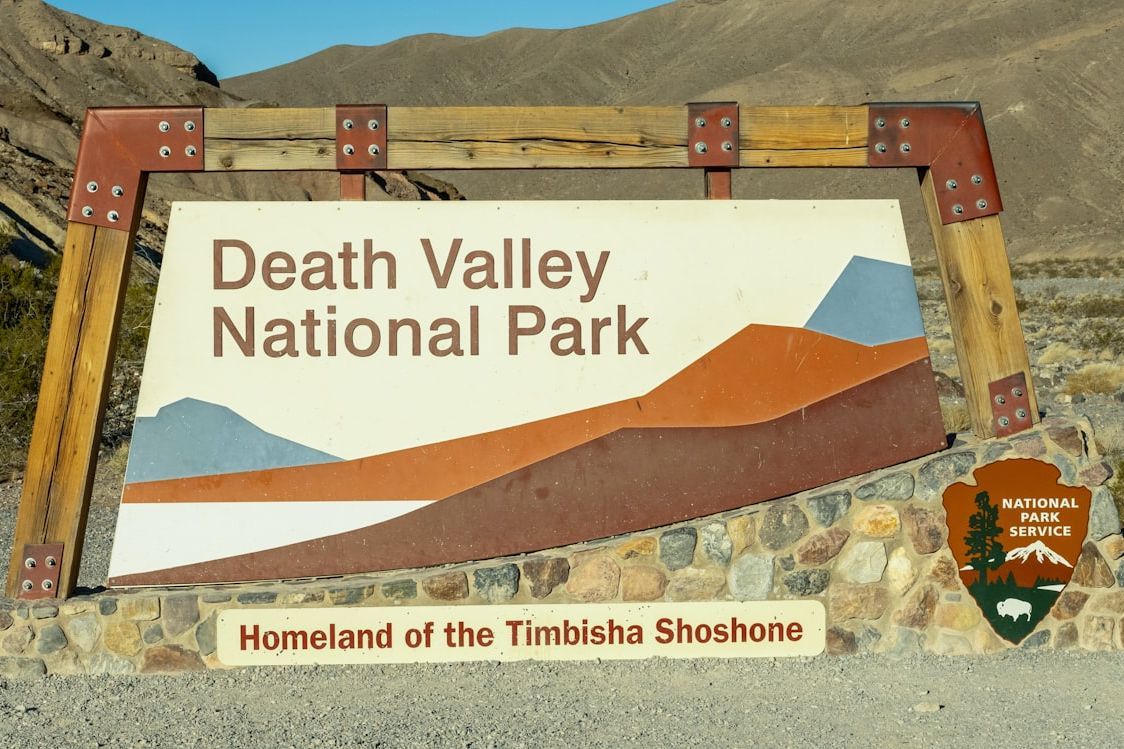
In southeastern California, in the Mojave Desert (with a small part in Nevada), sits Death Valley National Park. One of its standout attractions is its saline hot springs, which attract thousands of visitors each year.
But one rule always surprises people: giving birth there is prohibited. Why? While some areas allow bathing, a few visitors apparently thought it might be a good idea to have a baby there. Beyond being unsafe for both mother and child, it could also harm the fragile environment, hence the strange and surprisingly specific rule.
You can say "I do" in a national park
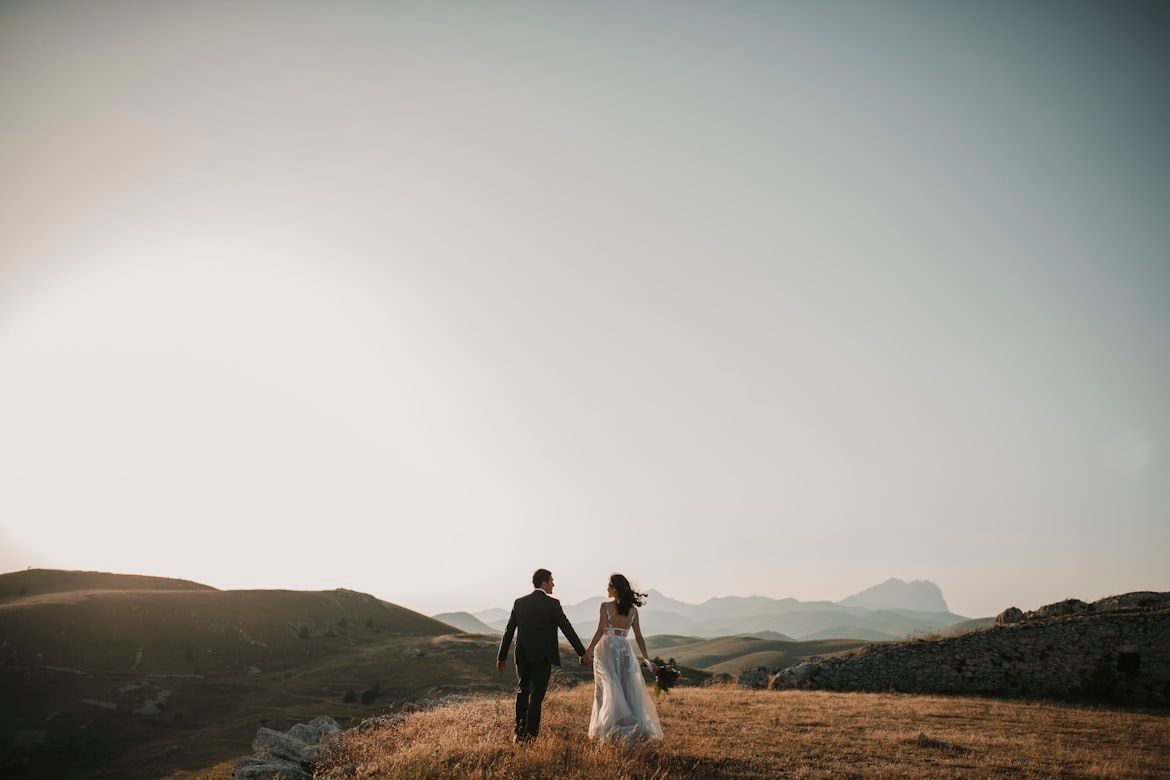
Imagine saying "I do" amid the breathtaking glaciers of Glacier National Park in Montana, or taking wedding photos against the iconic backdrop of Yosemite National Park in California. It seems that many people don’t know that getting married in some US national parks is perfectly legal. It does require permits and some paperwork, though, and you may need to keep the guest list small.
Keep your distance
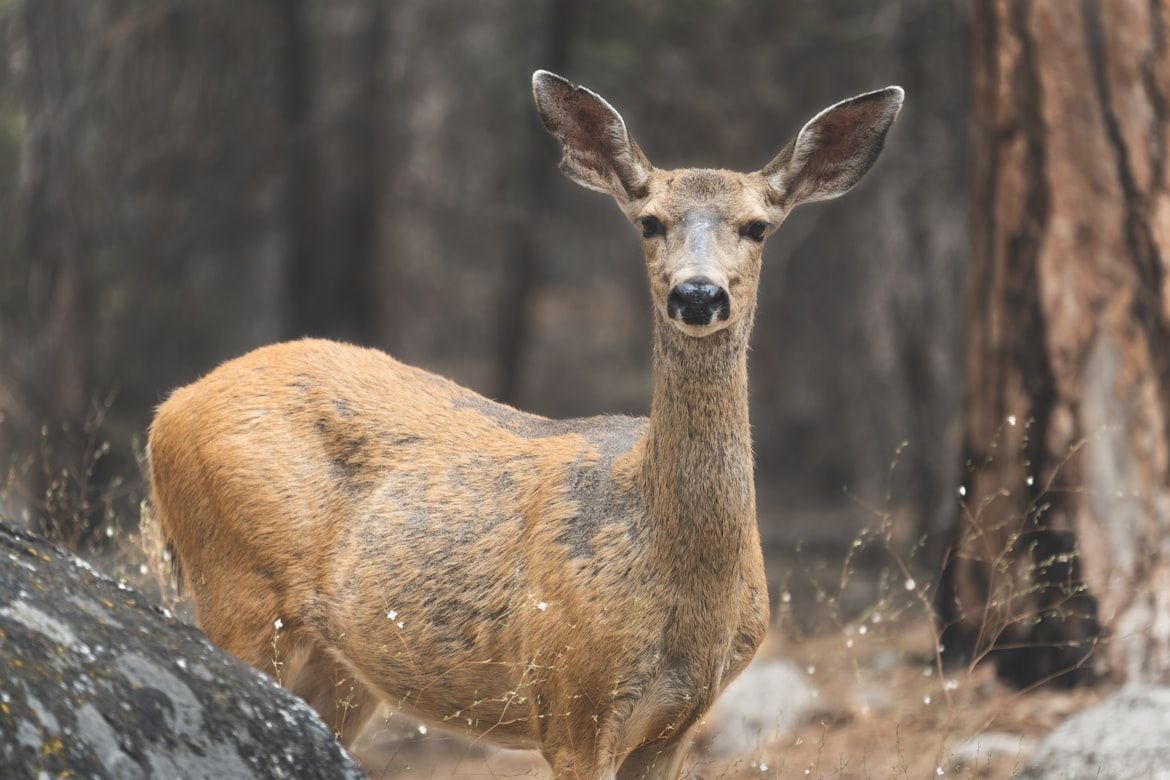
We know, wildlife in US national parks is fascinating, but getting too close can be dangerous—not just for your safety, but for your wallet, too. Approaching or interacting with an animal in a way that makes it feel threatened or agitated can be considered a federal offense and can lead to fines of up to $5,000 and even up to six months in jail.
The rocks where they were
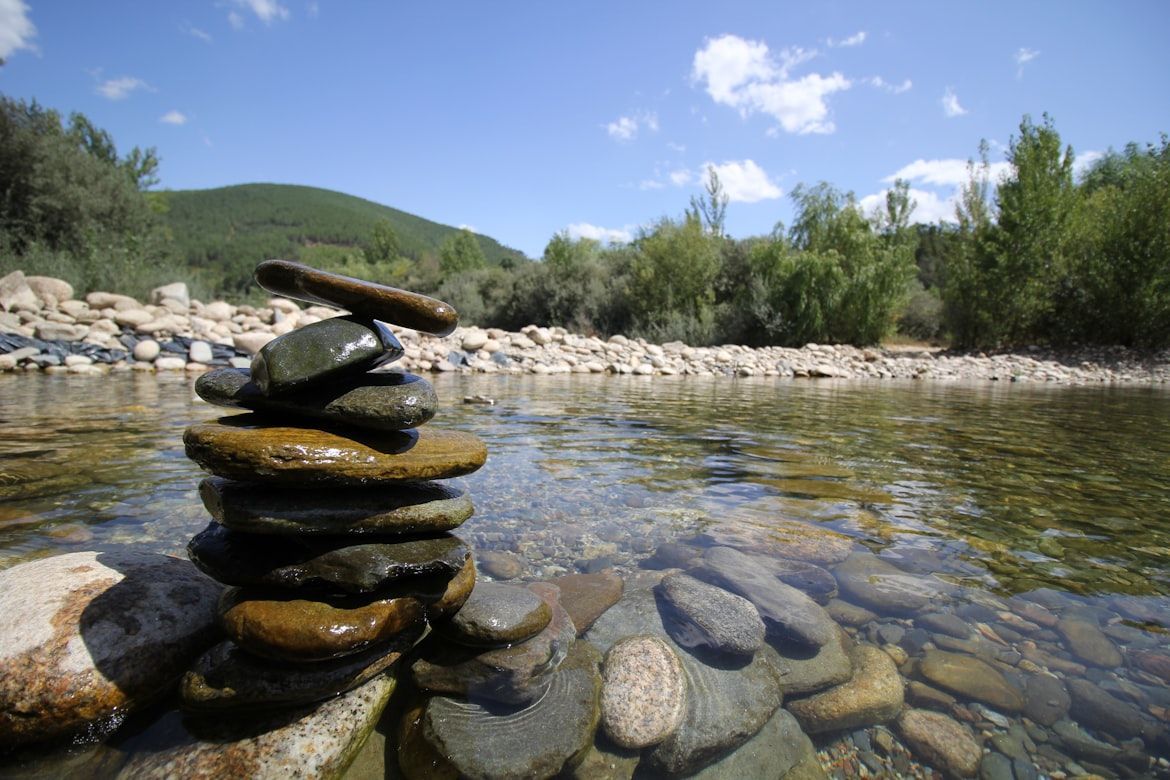
Many of us feel tempted to pick up a small stone as a souvenir in a place as beautiful as Yellowstone National Park. But there’s a clear rule against it. Not only can you not take rocks with you, but you’re not supposed to move them at all. You can pick one up, feel its texture, and put it back, but rolling stones, throwing them, or stacking them into little piles is prohibited across national parks. The reason is simple: keep the natural landscape exactly as it is.
The poop rule - Shenandoah National Park
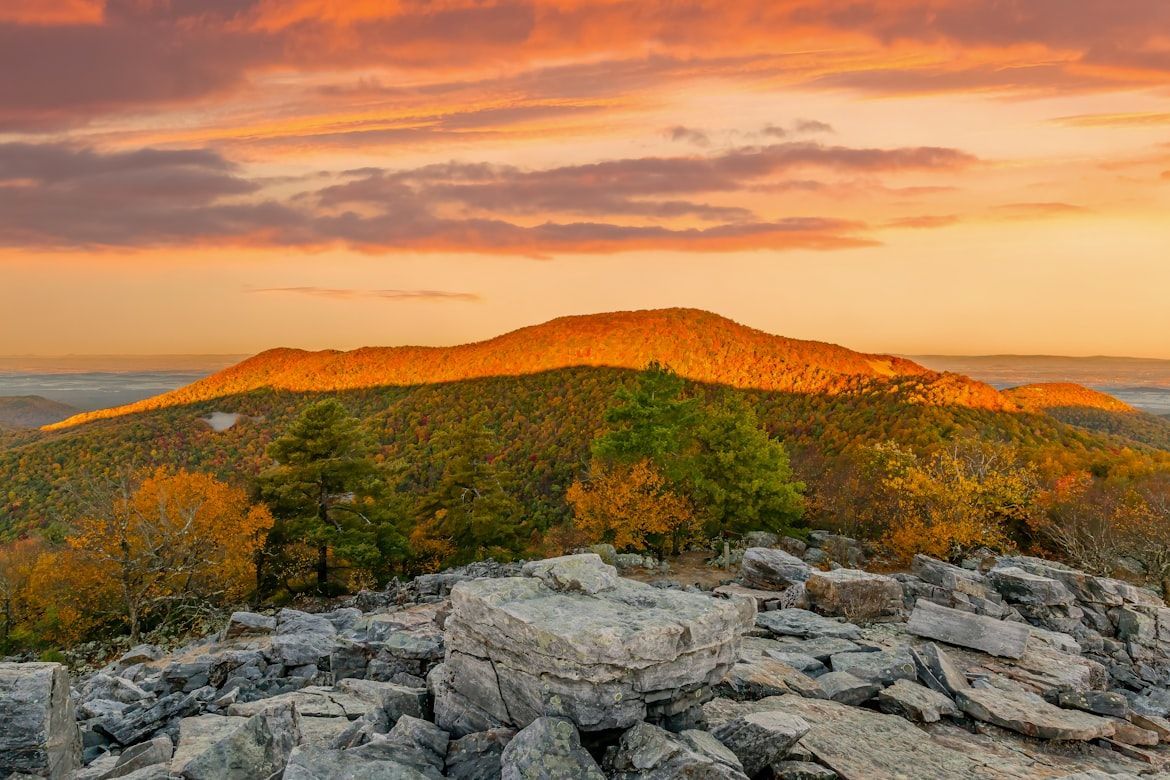
Set in the Blue Ridge Mountains of Virginia, about 75 miles west of Washington, DC, Shenandoah National Park is known for its scenic views, waterfalls, and miles of trails, including the Appalachian Trail. Since camping is so popular here, there are strict rules about handling human waste to protect the environment. Visitors are advised to go well away from water sources and bury waste properly: at least 3 inches deep, though 6 to 8 inches is recommended. It may sound a bit unusual, but it helps keep the park clean and safe for everyone.
You can collect food

Although visitors to most US national parks are encouraged to protect and not disturb the landscape and wildlife, there are a few things you’re actually allowed to take, namely, wild foods. In some parks, like Glacier National Park and Shenandoah National Park, you can gather small amounts of berries, nuts, or mushrooms for personal use.
No swearing

When you’re hiking steep or rocky trails, a few scrapes and bruises are part of the experience. But even if that can hurt, here’s something unexpected: it’s best to watch your language. Technically, profanity falls under regulations against disorderly or inappropriate behavior in US national parks. It’s not about offending the wildlife; it’s about maintaining a respectful environment for everyone.
Allowed noise
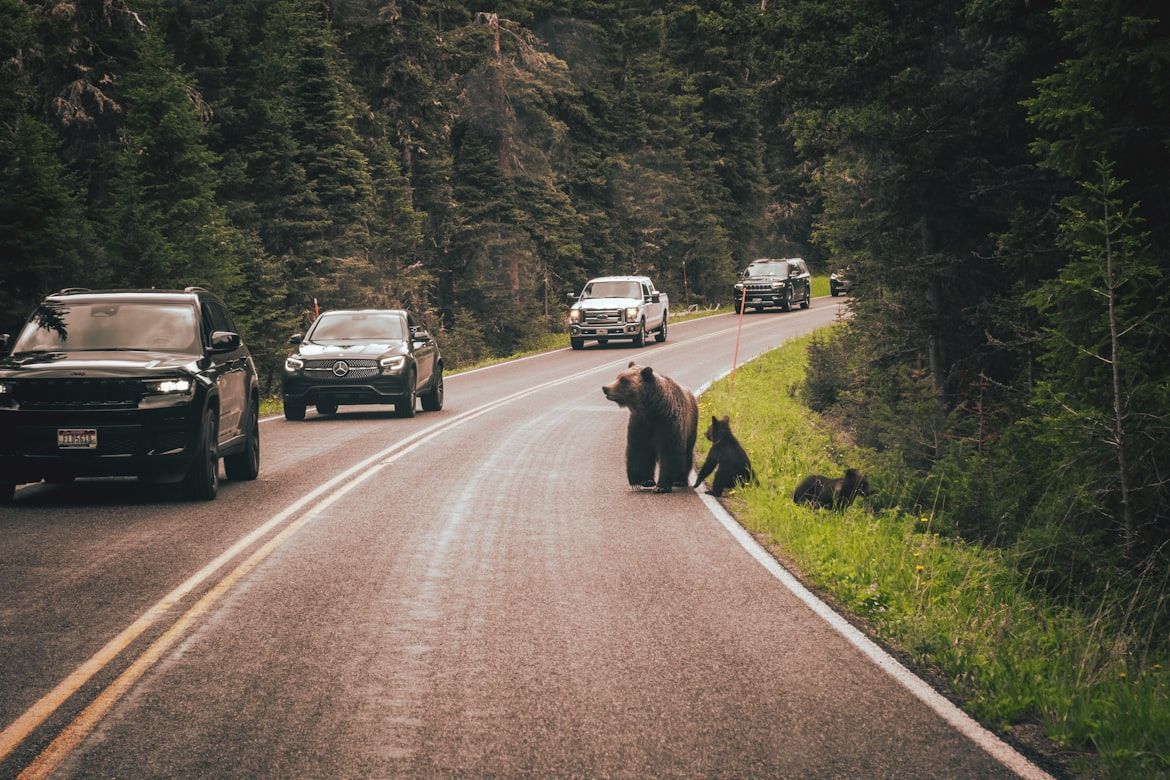
Swearing and unnecessary shouting are generally discouraged in most national parks, but there’s one important exception.
If you or someone else is in immediate danger from certain large wildlife, such as bears or mountain lions, making noise is not only allowed; it’s recommended. In those situations, you should shout, yell, or clap to scare the animal away and protect yourself.
No balloons - Joshua Tree National Park
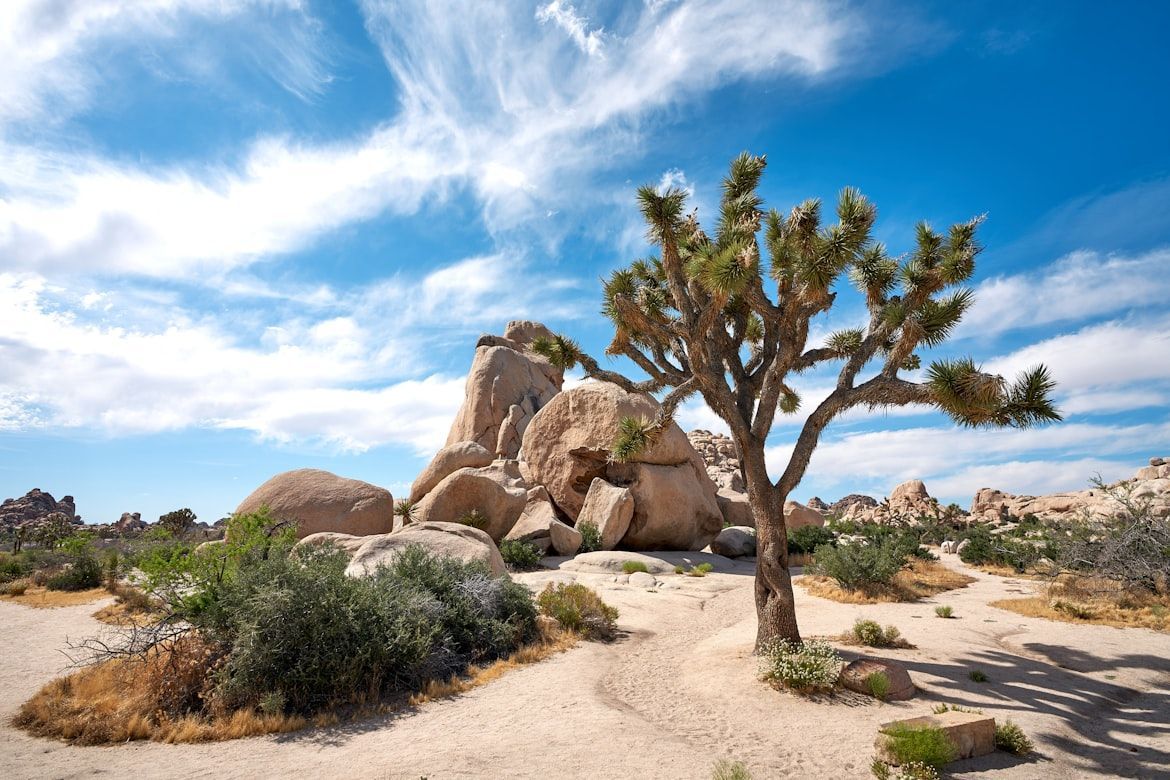
While you can get married in some national parks, you can’t celebrate a birthday in Joshua Tree National Park, at least not with balloons.
All types of balloons are banned in this stunning desert park about 140 miles east of Los Angeles. But why? Balloons can travel miles if they slip away, eventually landing in remote areas where they pollute the landscape and take a long time to break down. Even worse, wildlife may mistake the latex for food, which can be dangerous or even fatal.
Only firewood from the park

As camping is so common in many national parks, there’s a regulation that encourages using only firewood sourced within the park. And it’s not arbitrary; there’s a solid scientific reason behind it. Firewood can carry tiny bugs and organisms you may not even see, and bringing wood from outside can introduce invasive pests or insects that don’t belong in the ecosystem. So, now you know, if you’re building a fire, use local wood provided or gathered where permitted; no need to bring your own.
Keep wandering
There’s always
more to explore
 History

The Spanish Quarter? 10 hidden secrets of New Orleans history
6 min.
Read Now

Where on Earth do people still speak the language of Jesus? 10 odd towns
6 min.
Read Now
Entry Denied: Travel documents most Americans forget until it's too late
4 min.
Read Now
10 weird ways cities quietly "manipulate" tourists
6 min.
Read Now