
Ten Rooftop Bars in Mexico City with Incredible Views
 General
Bars with stunning views
Ten Rooftop Bars in Mexico City with Incredible Views
Mexico City sprawls across a volcanic valley ringed by mountains, and there's no better way to appreciate this breathtaking setting than from a rooftop bar. Whether you're chasing sunsets, people-watching, or simply savoring a mezcal margarita above the urban buzz, these sky-high spots deliver views and vibes in equal measure.
Cityzen Rooftop
 Image: Maryam Sicard
Perched on the 38th floor of the Sofitel, Cityzen offers stunning panoramic views of the Angel of Independence along the elegant Reforma Avenue.
The golden angel practically glows at sunset, and the tree-lined boulevard stretches out below like something from a postcard. Inside and out, the vibe is sophisticated without being stuffy; French-Mexican fusion cuisine meets expertly crafted cocktails.
Supra Roma
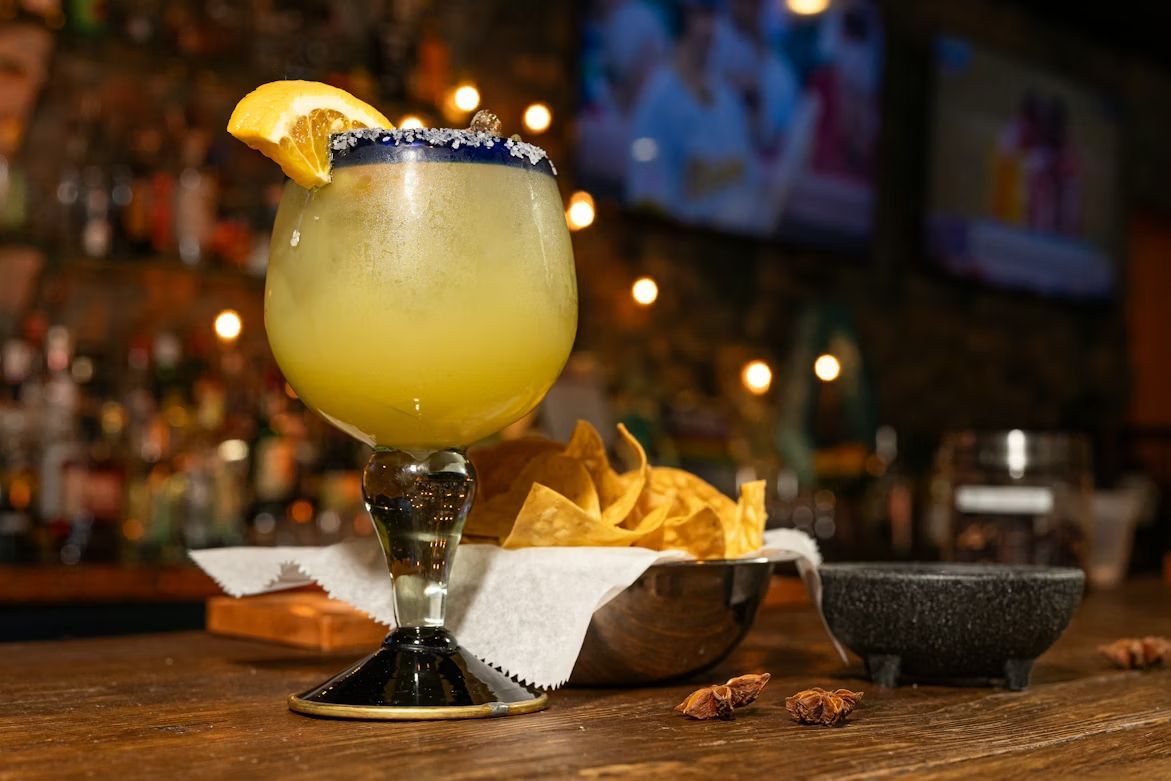 Image: Hybrid Storytellers
Fourteen floors up in the bohemian Roma Norte neighborhood, Supra Roma features sweeping 360-degree views that make it one of the most scenic spots to grab a drink.
Giant cacti dot the terrace, and cozy lounge areas invite you to sink in and stay awhile. The menu blends Mexican and Middle Eastern flavors, and there's even a hookah bar for good measure.
Terraza Cha Cha Chá
 Image: Ricardo Elizalde
Overlooking Plaza de la República, Terraza Cha Cha Chá offers a direct line of sight to the Monumento a la Revolución with mountains and cityscape stretching beyond. String lights, tropical plants, and a laid-back crowd make this spot feel like a neighborhood hangout, albeit one with killer views.
The menu leans into Mexican seafood, often with bone marrow esquites, aguachile, and seafood tostadas that taste even better when you're gazing out at the sunset.
Miralto
 Image: Ivan Cortez
On the 41st floor of the Latin American Tower, Miralto offers panoramic and unobstructed views over the four cardinal points of the city, including the Zócalo, Reforma, and even distant neighborhoods. It's one of the highest perches in town, and the sense of being above it all is delightful.
The restaurant serves modern Mexican cuisine from breakfast to late night, while the bar pours creative cocktails and offers a solid wine list. Live jazz often fills the air, adding just the right soundtrack to your sky-high experience.
La Terraza at Gran Hotel
 Image: Eric Prouzet
Found on the fourth floor of the spectacular Art Deco Gran Hotel Ciudad de Mexico, this terrace has a view of the Zócalo as good as any bar in the city. You'll see the Palacio Nacional and the Metropolitan Cathedral spread out before you.
The mezcalitas and margaritas are pricey but tasty, and if you opt for the breakfast buffet or brunch, you can linger longer while soaking in the historic scenery. Bonus: the hotel's famous Tiffany stained-glass ceiling is right downstairs.
Terraza Catedral
 Image: Nahima Aparicio
Located right behind Mexico City's stunning Metropolitan Cathedral and a block away from the Zócalo, Terraza Catedral is surprisingly affordable despite its prime location. The rooftop sits atop the Mundo Joven Hostel, which keeps the crowd young and energetic, especially on weekends when live bands and DJs perform.
Weekdays are quieter, ideal for scoring a seat with a view. Order a virgin mojito and guacamole, sit back, and enjoy one of the city's best people-watching perches without breaking the bank.
Toledo Rooftop
 Image: Roger Ce
Toledo Rooftop is a trendy and relaxed venue in the vibrant Colonia Juarez, offering stunning views of Castillo de Chapultepec and the Paseo de la Reforma skyline.
By day, it's a chill restaurant serving Mexican cuisine with a modern twist; by night, it transforms into a lively lounge with nightclub vibes and a DJ spinning tracks. The bohemian-chic terrace blends greenery with mood lighting, and the crowd is friendly and fun.
Downtown Hotel Terrace Bar
 Image: Hybrid Storytellers
On top of the luxury boutique Downtown Hotel in Centro Histórico, this rooftop terrace works both as a pool area for hotel guests and a trendy bar where anyone can relax with cocktails and fine views over the surrounding heritage buildings.
Yellow sun loungers, comfy lounge sofas, and lush awnings create a modern, laid-back vibe. A live DJ usually pumps beats, and the crowd skews vibrant. The cocktail list is extensive, and the Mexican bites pair nicely with sundowners.
La Azotea Cantina
 Image: Sexto Abismo | Ginebra Surrealista
Perched above the hip Barrio Alameda, La Azotea offers an incredible view of the main park, Alameda Central, the oldest municipal park in the city. This lively cantina specializes in modern Mexican street food with a cocktail menu featuring plenty of tequila and mezcal-based drinks. The terrace is lush and inviting, with a gazebo and open-air seating that make it feel like a garden in the sky.
Palmares Azotea
 Image: Hybrid Storytellers
Palmares Azotea has become a favorite among Mexico City rooftops, with its charming design full of plants, delicious gastronomy, well-crafted cocktails, and stunning views, making it popular with locals and tourists alike.
The central cocktail bar is as attractive as it is skilled, serving varied and creative drinks alongside an excellent selection of Mexican and international wines. The food menu offers starters, prime cuts, seafood, and cold cuts, plus desserts that are both delicious and decorative.
Here's why this particular airport worker can't be over 56 years old
Sky-high mysteries
The small action that prevents hundreds of aviation disasters
There’s an entirely different world going on at 35,000 feet. The sky is full of highways, a single universal clock, and a language every pilot understands, no matter where they took off from. Your pilot isn't flying solo either. Air traffic controllers, the quiet masters of that hidden world, are working behind the scenes on every leg of your trip, long before you even board. If you’re curious to know what’s happening up there while you’re watching a movie and sipping some coffee, here are 10 things about air traffic control you’ve probably never heard.
A few minutes’ delay might prevent a disaster

Almost everyone has experienced circling above an airport and wondering why the plane is not landing. While it may feel frustrating for you, those extra minutes are often part of a carefully planned safety procedure: The holding pattern.
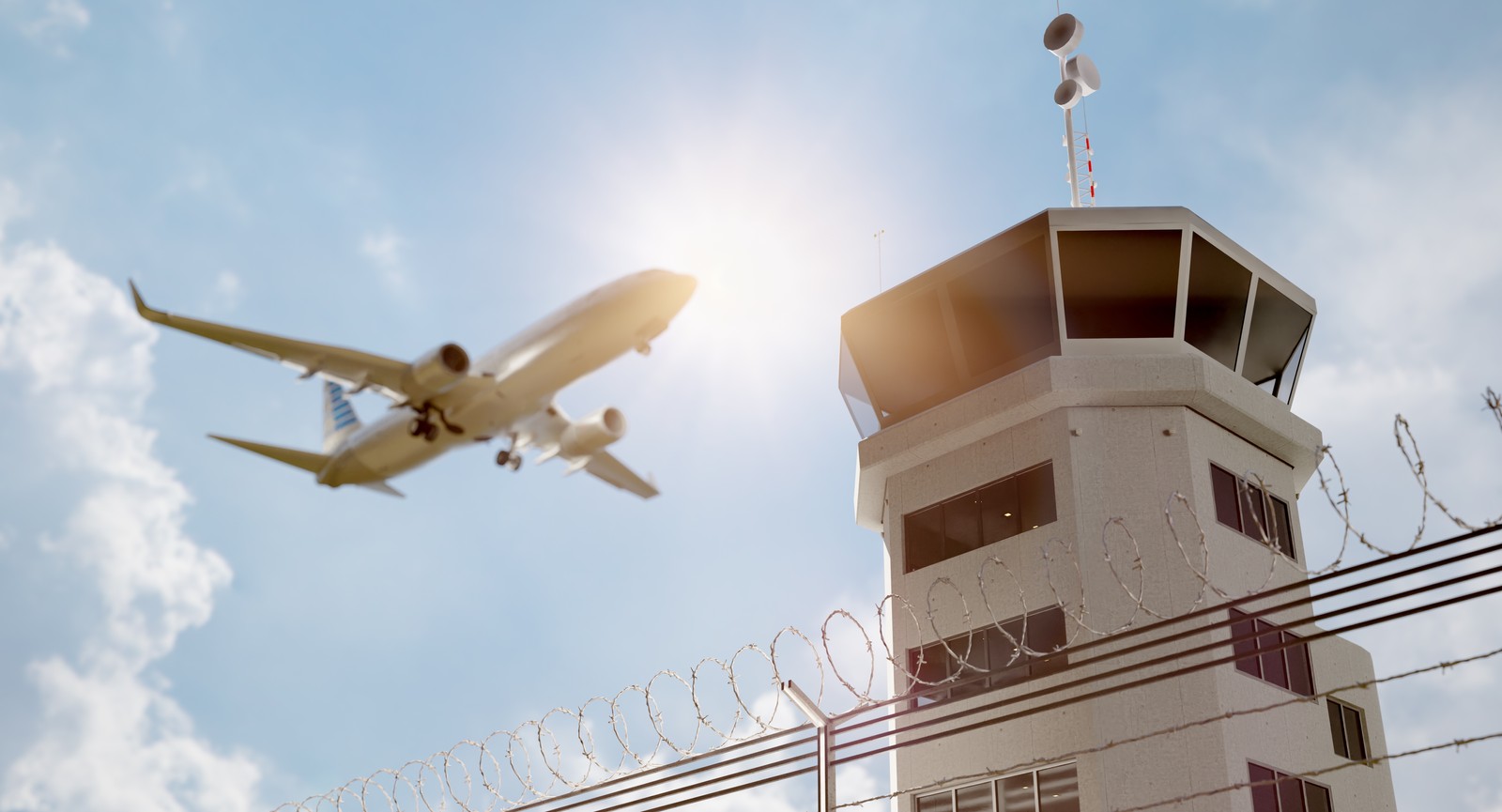
A holding pattern is a racetrack-shaped flight path assigned by air traffic control when an airport becomes temporarily unavailable. Heavy traffic, thunderstorms, poor visibility, or an aircraft still occupying the runway can all trigger one. Controllers carefully space airplanes at different altitudes while they wait for conditions to improve. Instead of rushing several aircraft toward the same runway, the system creates an orderly queue in the sky until landing can resume safely.
The absolute age limit for controllers is mathematically locked
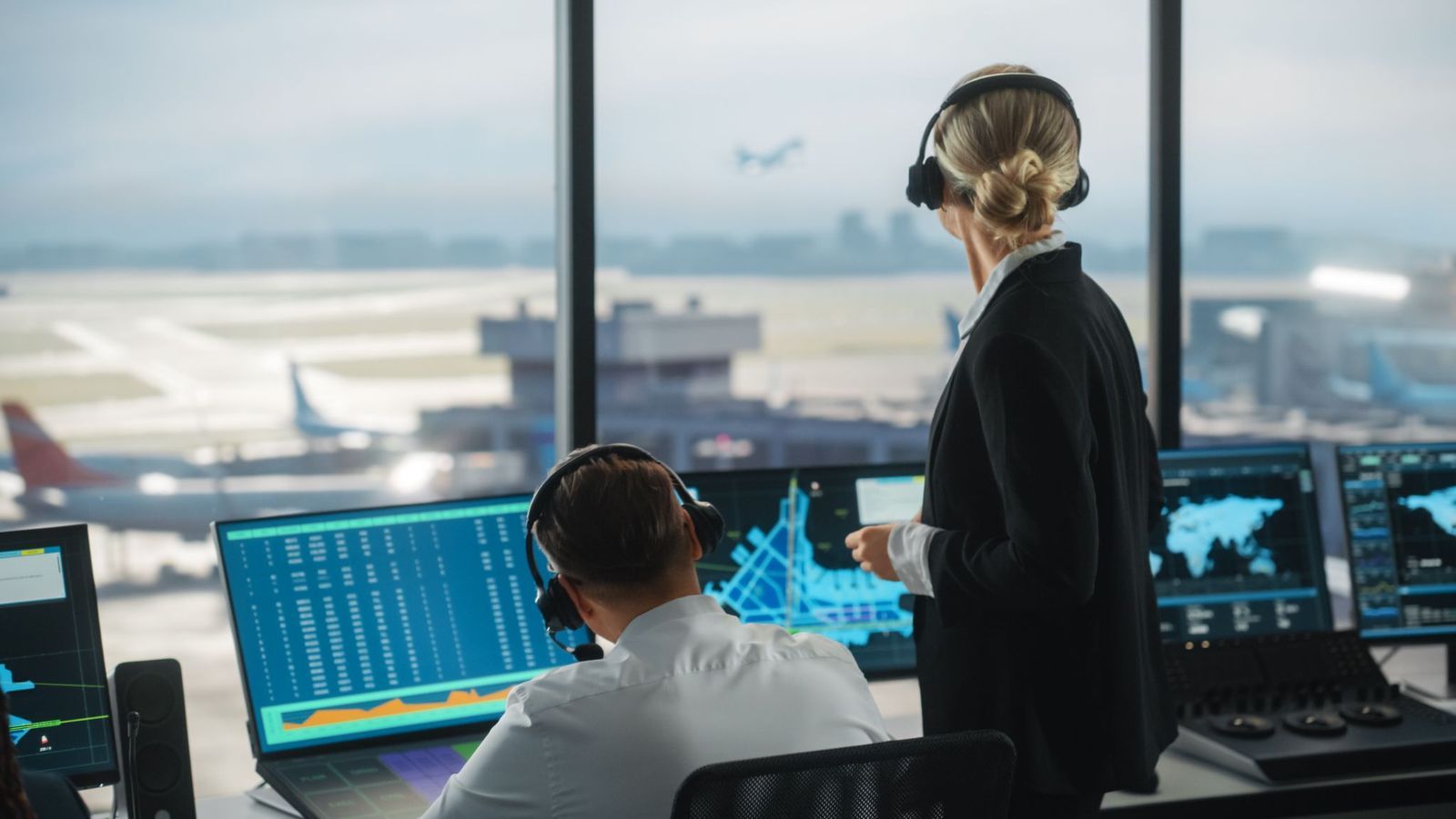
Many professions allow people to work well into their sixties or beyond, but air traffic control follows a different philosophy. The job demands constant concentration, quick calculations, and split-second decision-making abilities, so the Federal Aviation Administration established unusually strict age requirements.
Applicants generally must be hired before turning 31, with a few exceptions for certain experienced candidates, and most controllers working for the FAA must retire at age 56. The rule exists because research has shown that maintaining peak cognitive performance is especially important in this kind of high-pressure environment. Controllers also undergo regular medical examinations and ongoing training throughout their careers to ensure they remain fit for their job.
Sky intersections are named after pop culture and cartoon characters
Aviation is all about numbers and calculations, and there’s no place for mistakes. But there is humor in the least expected places. Inside flight management computers, there are thousands of five-letter waypoint names, and many have become favorites among pilots and controllers.
Around Orlando, where countless flights arrive every day, several waypoints pay tribute to Disney characters. Aircraft may pass through fixes named PIGLT, HKUNA, MTATA, and other playful references before lining up for landing. These names comply with the international requirement that GPS waypoints contain five letters, but the pop culture references also make them easier to remember.
There’s a special controller for each phase of flight

While being the safest mode of transportation, planes are an engineering wonder, and it takes a lot of steps to be performed safely. Nobody expects one person to do it all. Your flight was handed from one specialist to another, each one focused on a specific part of the journey.
A ground controller guides the plane from the gate to the runway. A tower controller takes over for takeoff and the climb out of the airport’s immediate airspace. From there, an approach or departure controller manages the plane as it climbs higher, before handing it off to an en route, or center, controller who tracks it across long stretches of the sky. As the plane nears its destination, the sequence runs in reverse. Each controller is trained for that specific task, which means your flight is never watched by just one person from gate to gate.
Everybody speaks the same language
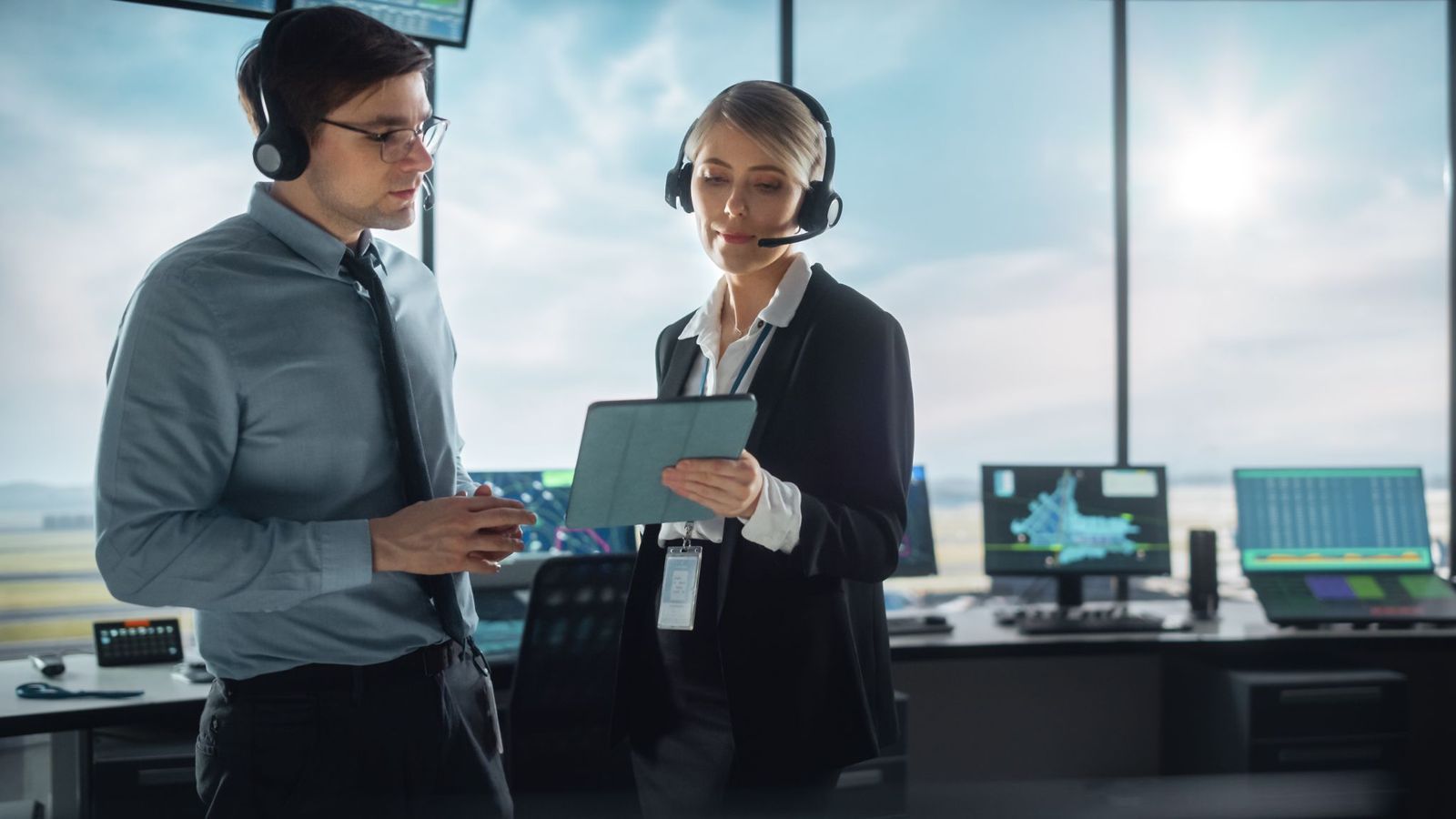
Picture a German pilot landing in Tokyo, or a Brazilian pilot flying into Paris. Different countries, different native languages, and yet somehow, they all manage to understand each other instantly on the radio frequency. That’s not sheer luck.
The International Civil Aviation Organization requires English as the standard language for international aviation communication, paired with a strict set of standardized phrases known as radiotelephony phraseology. Numbers are spoken digit by digit, letters use the familiar alphabet of Alpha, Bravo, Charlie, and instructions follow set patterns so nothing gets lost in translation or garbled over a noisy radio. This phraseology was developed specifically in 1951 to avoid the kind of ambiguity that plain conversational English can create, especially in life-or-death situations.
There are invisible highways in the sky
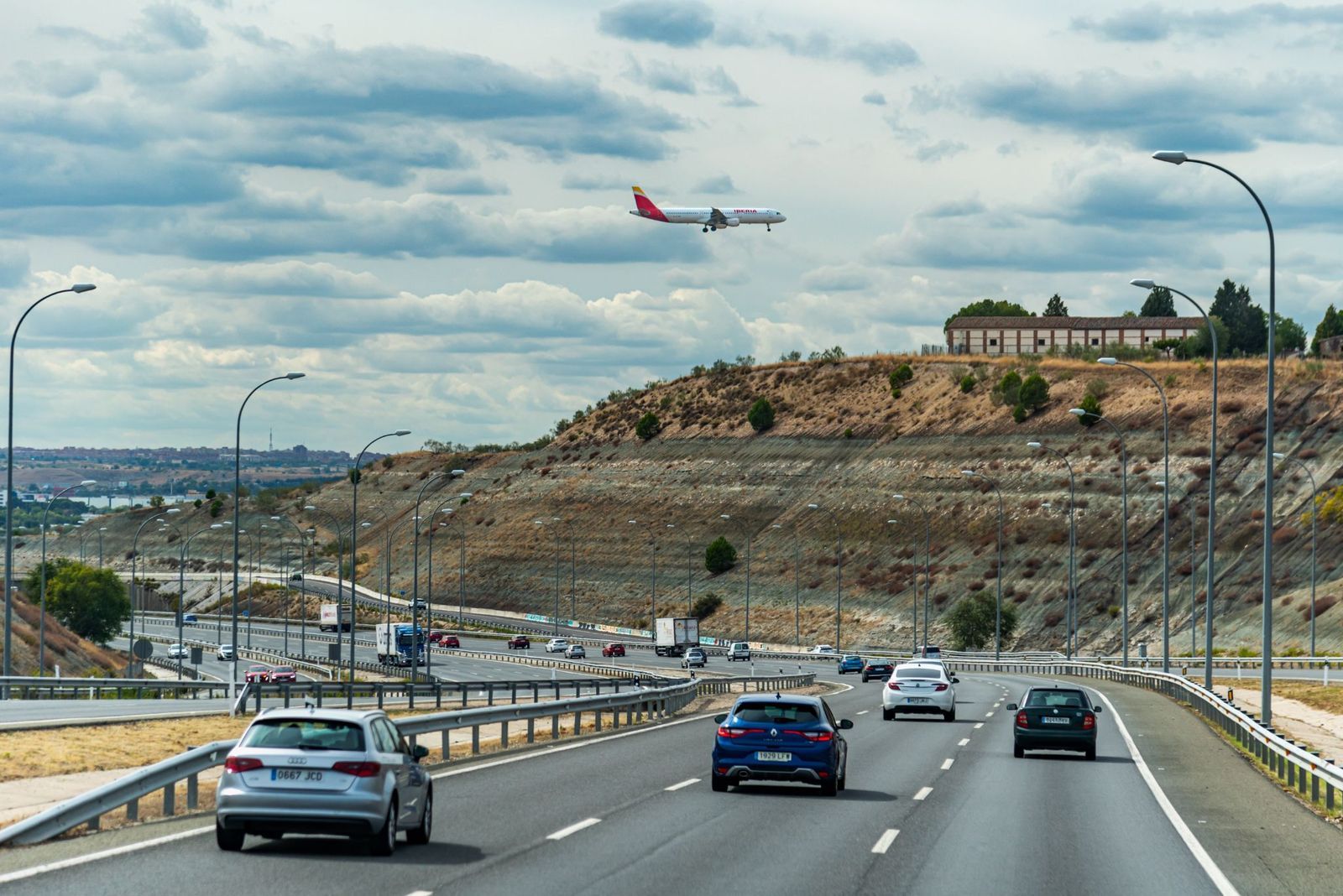
You probably think that, when a plane leaves the airport, the pilots simply point the nose toward the destination and fly in a straight line. But reality is far from that. Commercial aircraft travel along an enormous network of invisible airways across the globe, like the highways you drive across the country.
These routes are built from carefully mapped navigation points and geographic coordinates. In the U.S., they are managed by the Federal Aviation Administration, while similar systems exist worldwide. Modern aircraft rely on GPS and advanced navigation computers, but they still follow the designated highways to keep thousands of flights safely separated. Instead of wandering freely through the sky, every aircraft follows a carefully planned path that controllers monitor from takeoff to landing.
There's one critical document that pilots must send to ATCs before each flight

Before a family road trip, someone usually checks the map, the weather, and where to stop for gas. Airlines go through a much more detailed version of that process before every departure.
Long before passengers settle into their seats, pilots and airline dispatchers submit an official flight plan to air traffic control. This document outlines the intended route, cruising altitude, estimated flight time, fuel calculation, alternate airports, and important information about the aircraft and emergency equipment. Controllers use it to coordinate traffic and anticipate potential conflicts well before the airplane ever reaches the runway.
Cardinal direction matters for more than just pointing the aircraft the right way
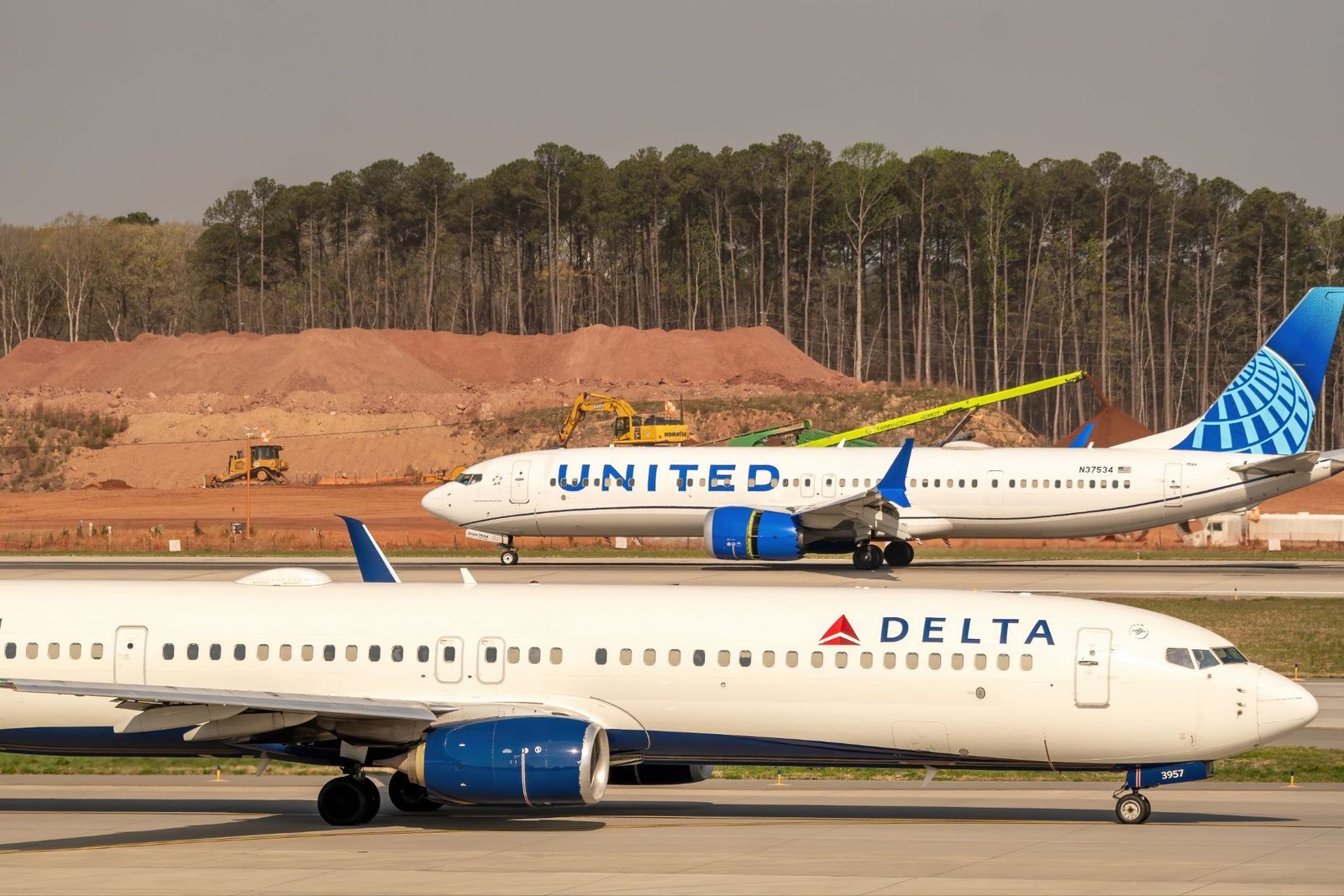
If you’ve ever wondered how two airplanes flying toward each other at 35,000 feet manage not to collide head-on, you’re not alone, and it has nothing to do with pilots having extraordinary sight. It comes down to a very simple rule.
Aircraft flying in an easterly direction cruise at odd-numbered flight levels, such as 35,000 or 37,000 ft. Westbound flights, instead, use even-numbered levels like 36,000 or 38,000 feet. The system follows the semicircular rule, adopted internationally to reduce the chance of opposing aircraft meeting at the same altitude. Controllers still monitor every flight, but this built-in separation provides another layer of protection.
All of global aviation runs on a single, universal time zone
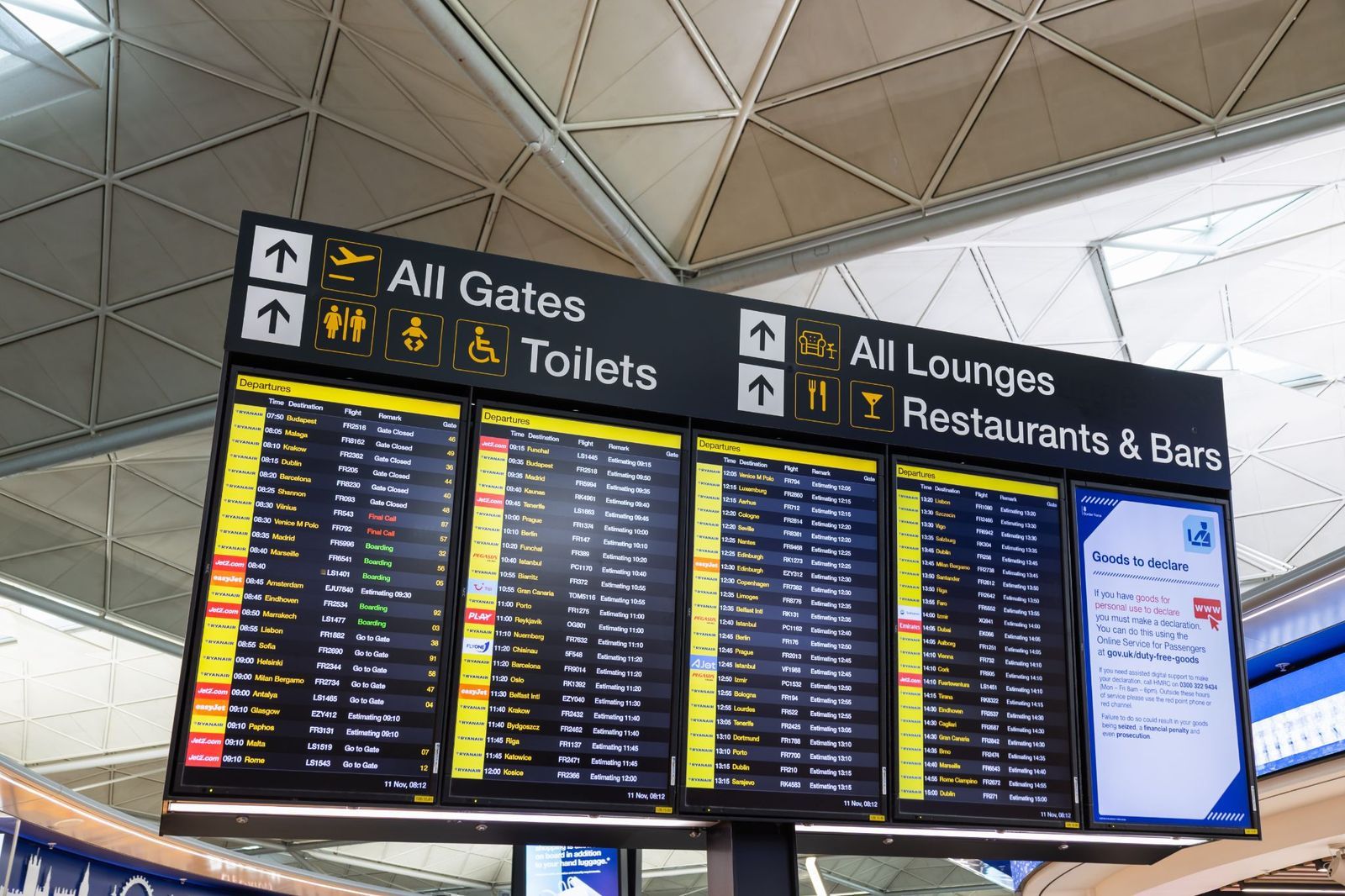
Trying to coordinate a family phone call across three time zones can be confusing enough. Now imagine thousands of aircraft crossing oceans, continents, and the International Date Line every day. Aviation solved that challenge by putting the entire industry on the same clock.
Pilots and controllers use Coordinated Universal Time, better known in aviation as Zulu Time. Whether an aircraft is departing Tokyo, crossing the Atlantic, or landing in Chicago, every flight plan, weather report, and controller instruction refers to the same time standard. Using one universal clock eliminates confusion caused by daylight saving time and local time zones, allowing precise coordination as flights move from one country's airspace to another.
A simple, low-tech light gun is the ultimate backup during a total blackout
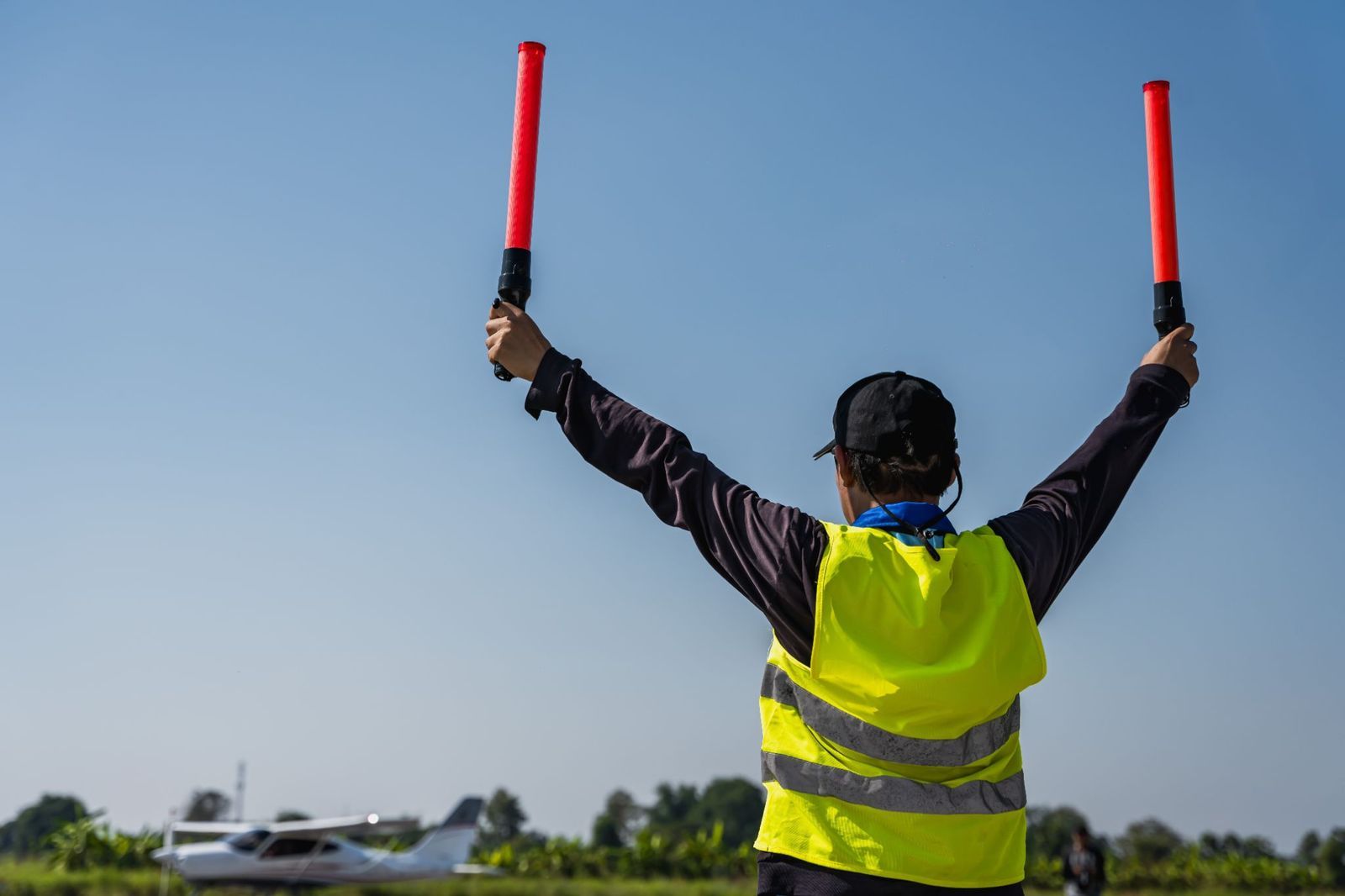
With today’s sophisticated radar and digital communications, it’s easy to assume airports rely entirely on electronics. Surprisingly, one of aviation’s oldest tools is still ready for emergencies when radios stop working.
Air traffic control towers keep a specialized signal light gun that projects bright beams of colored light directly toward an aircraft. If a pilot loses radio communication, controllers can issue instructions using green, red, or flashing white signals. A steady green, for example, clears an aircraft to land or take off depending on the situation. A red, instead, means continue circling or the more traditional stop.

Ten "hidden" tricks that make luxury travel actually affordable
Affordable luxury, revealed
Ten "hidden" tricks that make luxury travel actually affordable
After decades of work, kids, mortgages, and all the rest, a little indulgence isn't a splurge; it's overdue. But you don't need a trust fund to travel like royalty. With a few simple tricks, luxury travel is more accessible than you think. Fly business class using points instead of cash, and book 5-star hotels through discount platforms that offer last-minute luxury rates. A little planning goes a long way, and soon you'll be enjoying the kind of refinement you always dreamed about.
Fly business class using points, not cash
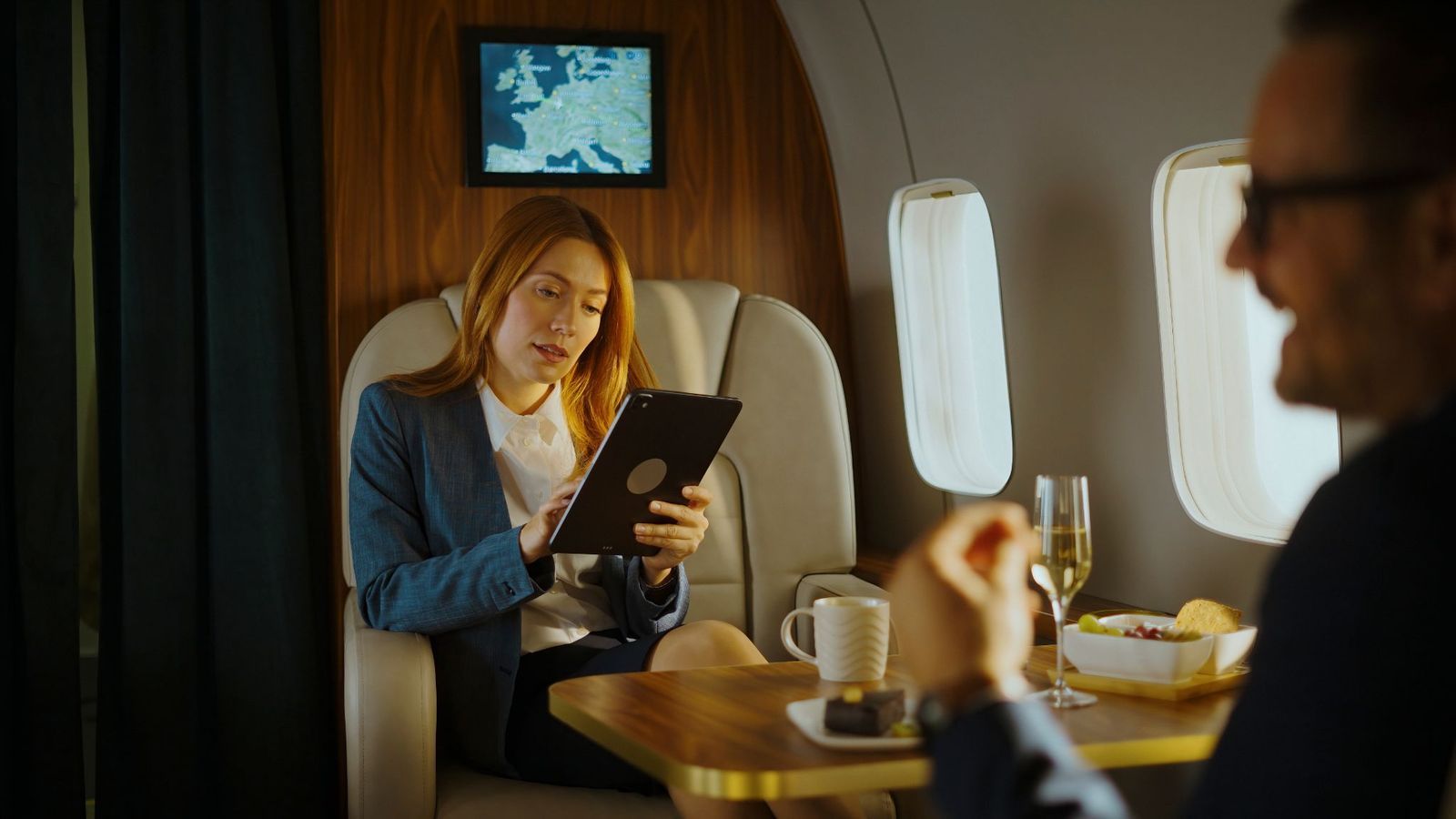
Business class seats can cost thousands, but paying with points changes everything. Sign up for a travel rewards credit card with a solid welcome bonus, and you could rack up enough points for a one-way business seat in just a few months.
Suddenly you're sipping champagne at 35,000 feet instead of squeezing your knees into a middle seat. That's the kind of upgrade that makes the whole trip feel special before you even land.
Book 5-star hotels through discount platforms
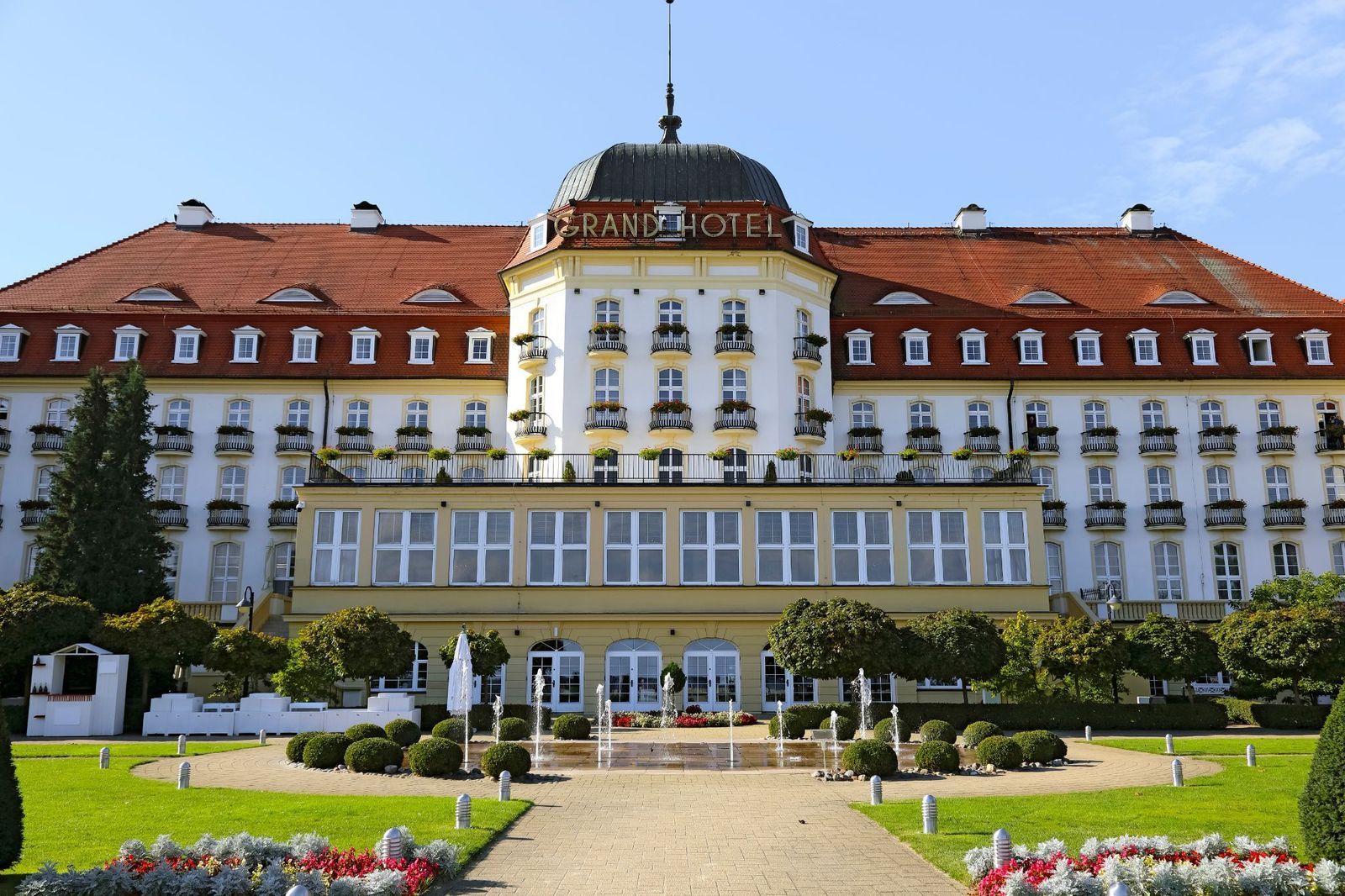
Five-star doesn't have to mean five-figure. Apps like Hotel Tonight or Secret Escapes specialize in last-minute deals at luxury properties trying to fill empty rooms. Book a fully refundable room first as a backup, then check these apps a day or two before you travel for the best discounts.
You'll walk into a marble lobby, get handed a chilled towel, and settle into a plush robe — all while knowing you paid a fraction of the rack rate.
Travel during shoulder season
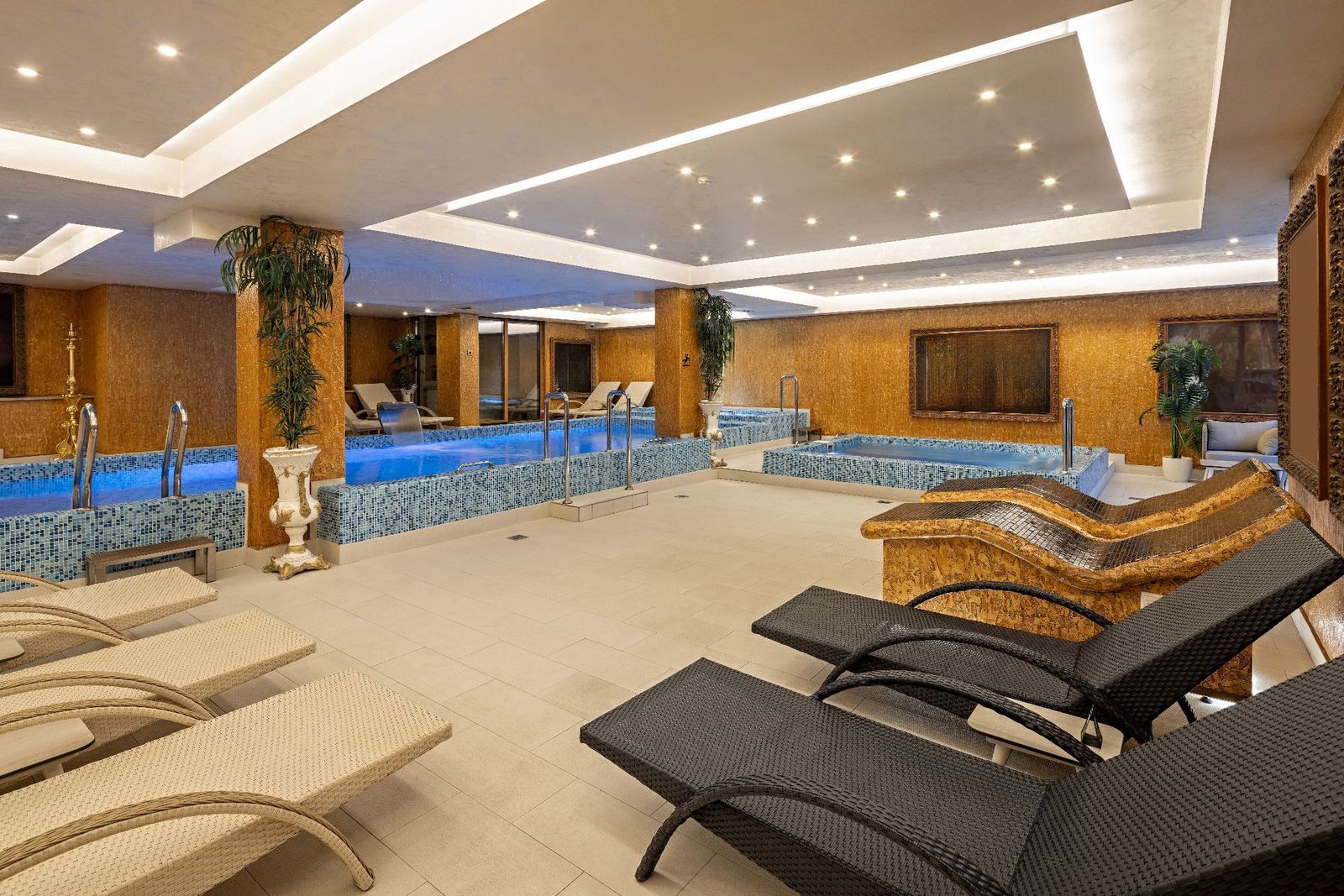
Shoulder season is that sweet spot between peak crowds and off-season quiet; think early fall or late spring. The same luxury resorts you've been eyeing often drop prices 30 to 50 percent during these windows.
Besides, fewer tourists means shorter lines, quieter beaches, and more personal attention from staff. You get the same infinity pool and the same sunset views, just without elbowing through crowds.
Use a hotel loyalty status match
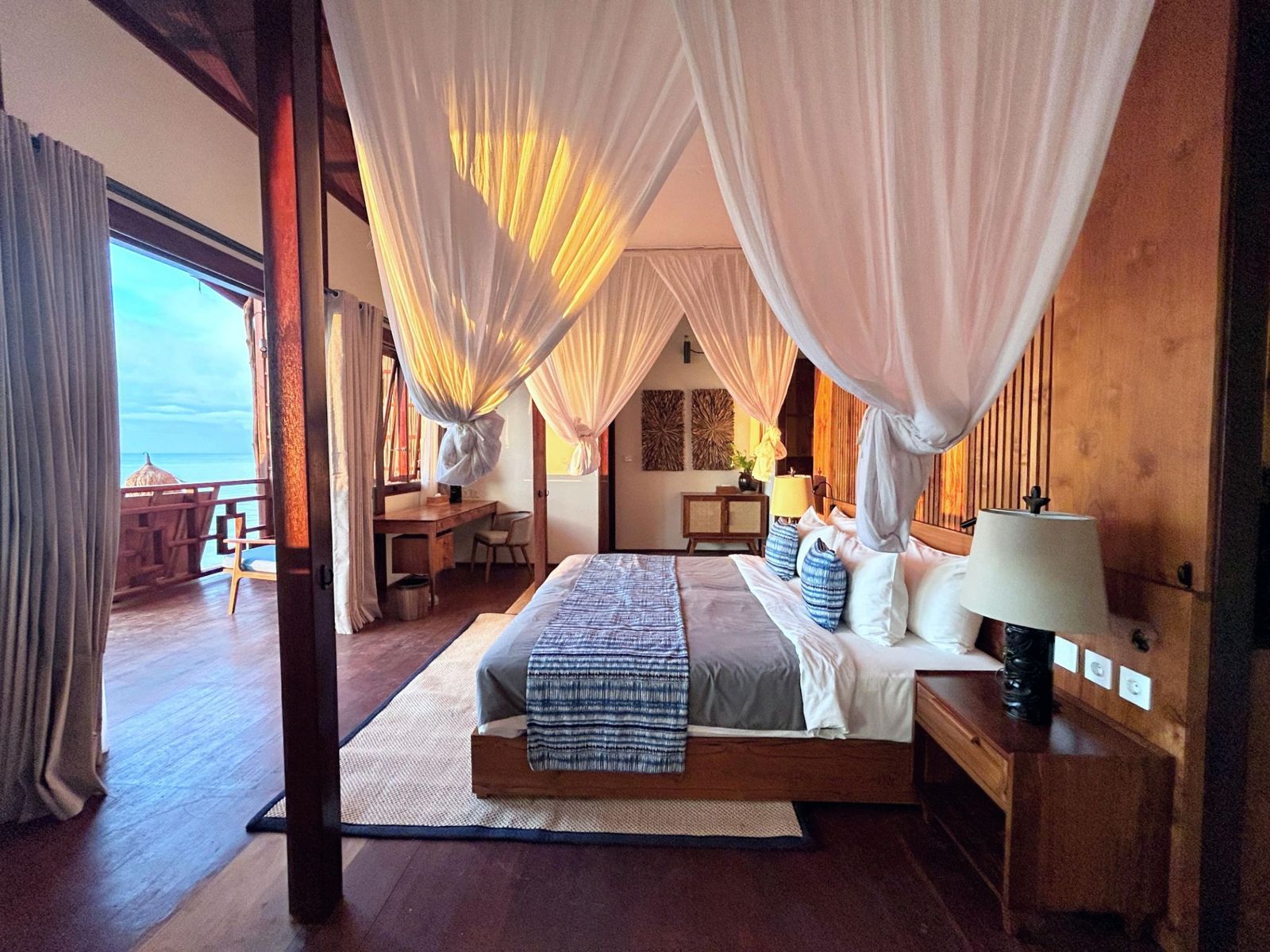
Many hotel chains will happily match your elite status from another program, no questions asked. A quick email or online form showing your existing loyalty status can unlock perks like free room upgrades, late checkout, or lounge access.
Suddenly you're being greeted by name and handed a room with a view instead of one overlooking the parking lot. It's a small move that makes you feel like a VIP from the moment you check in.
Stay one level below "ultra luxury"
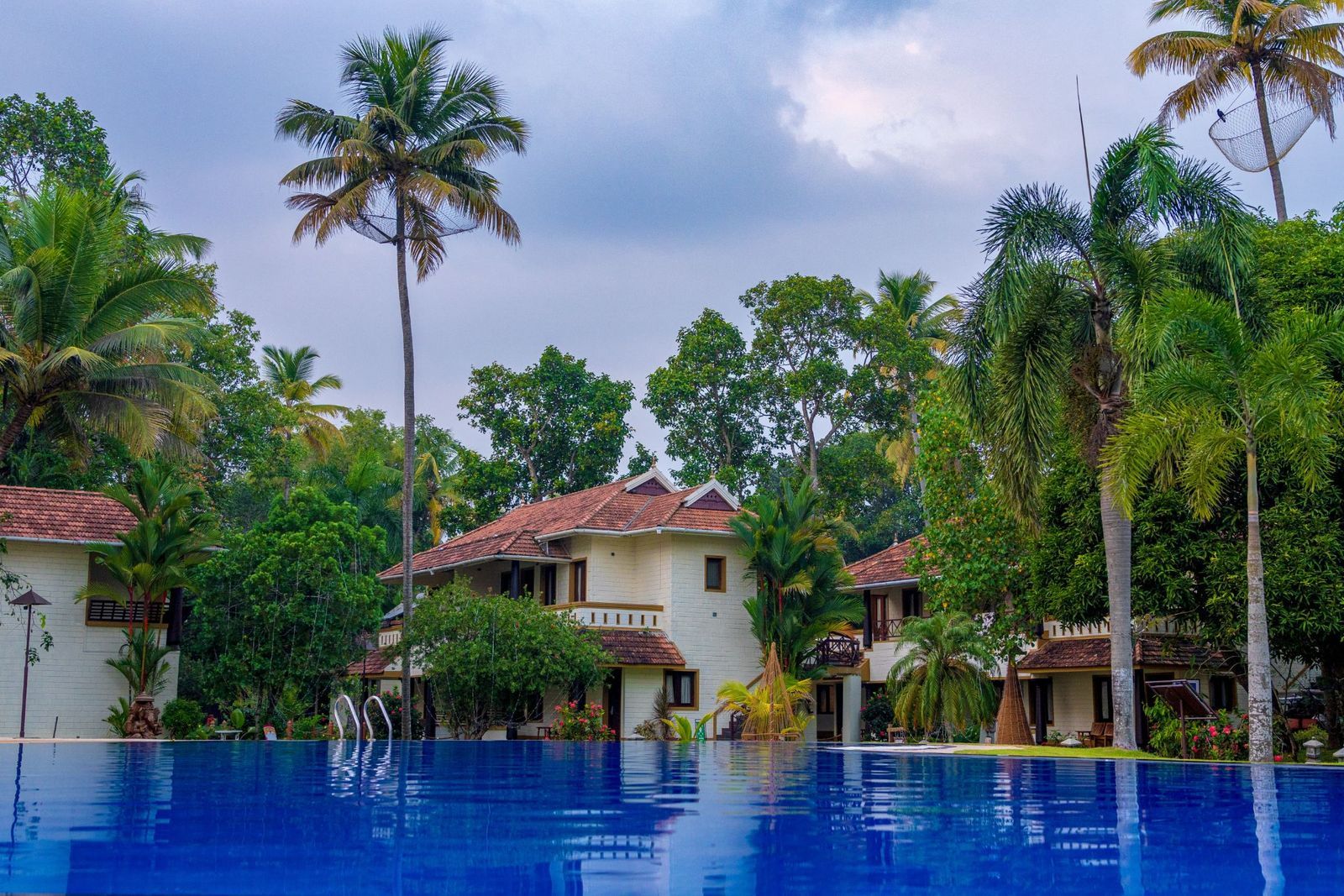
Skip the top-tier five-star resort and look one notch down at boutique four-star hotels. Many of these places offer amenities like spas, rooftop pools, and attentive staff that rival their pricier neighbors, just without the inflated name recognition. Search review sites for "hidden gem" boutique hotels in your destination.
You'll still get plush linens and thoughtful touches, minus the markup for bragging rights. You might enjoy the more personal, less flashy charm even more.
Book a suite at an all-inclusive resort

All-inclusive resorts often make upgrading to a suite surprisingly affordable, since your food and drinks are already bundled into the price. Compare the suite upgrade cost against booking a similar luxury hotel à la carte, and you'll likely come out ahead.
Just double-check what's actually included before you go, so you're not caught off guard when you order a drink and someone tries to charge you extra for it.
Fly into secondary luxury destinations

Everyone flocks to Positano and Tuscany, driving prices sky-high. Nearby alternatives like Lake Como or Puglia offer charming villages, incredible food, and stunning scenery at a noticeably lower cost.
Fewer crowds mean easier reservations and friendlier locals, too. You still get the romantic Italian dream vacation, just without competing with a thousand other tourists for the same table or photo spot.
Take advantage of airline stopover programs
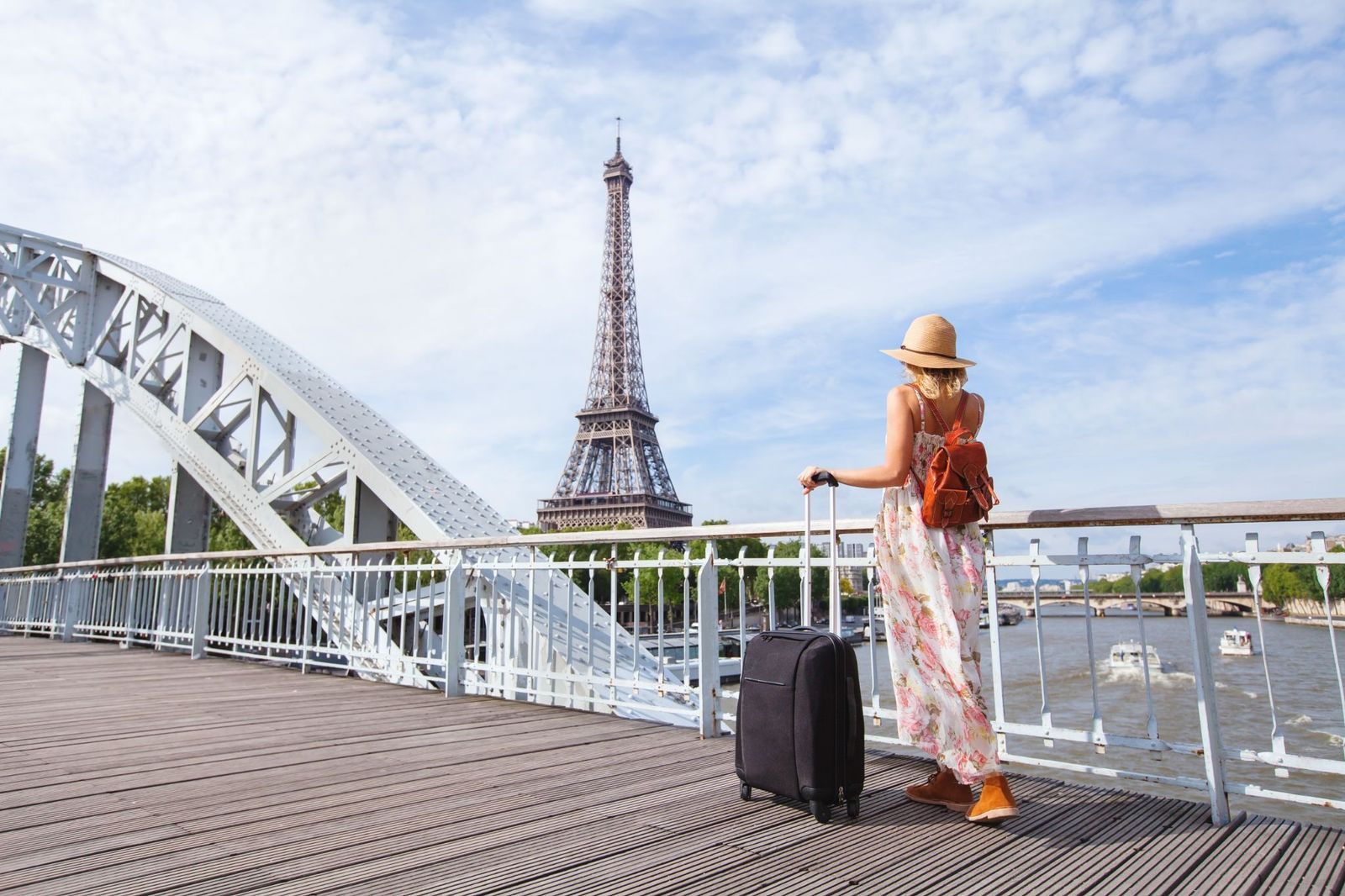
Some airlines let you turn a layover into a mini-vacation, offering free multi-day stopovers complete with hotel perks. Icelandair and Turkish Airlines are popular examples. Instead of a cramped connection, you get bonus days exploring a new city on the airline's dime.
It's essentially two trips for the price of one. You'll arrive home with more stories and photos, feeling like you outsmarted the whole travel system.
Rent a private villa and split the cost
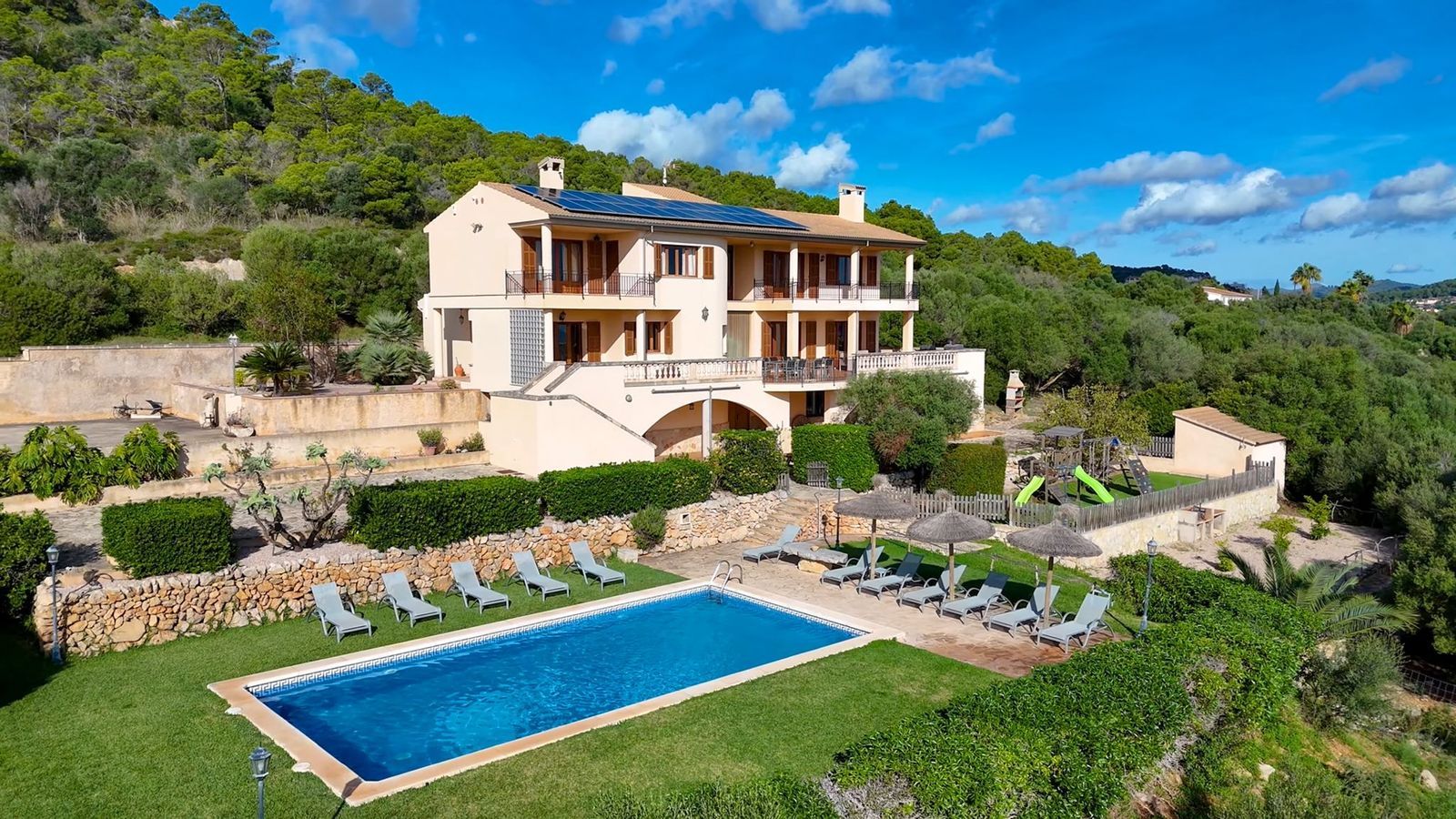
Gather a few friends or family members and rent a villa with a private pool and staff. Split several ways, the per-person cost often beats a standard hotel room while delivering far more luxury: private chefs, housekeeping, and total privacy.
You get to relax on your own patio instead of navigating hotel hallways. It feels less like a vacation and more like living, briefly, as the kind of person who has a villa.
Book spa and fine dining experiences mid-week

Weekends get booked up fast and often carry premium pricing. Book your spa day or fancy dinner reservation for a Tuesday or Wednesday instead, and you'll often find better availability and lower rates.
Restaurants and spas love filling slow midweek slots, so you may even get extra attention from staff. You'll leave feeling pampered and relaxed, with a lighter bill.
Keep wandering
There’s always
more to explore

What happens if you leave the airport during your layover?
6 min.
Read Now
Why do pros take amazing photos even with a smartphone? 12 tips explained
4 min.
Read Now
Do you still need a paper boarding pass? 10 must-know flying rules
5 min.
Read Now

Board the plane, do this right away, and land comfortably
6 min.
Read Now