She survived three shipwrecks—including the Titanic
 History
Extraordinary experiences
She survived three shipwrecks—including the Titanic
Shipwrecks, plane crashes, and avalanches: life-threatening situations most people would never expect to survive. But these 10 men and women did. Against all odds, these travelers lived through the unthinkable and survived to tell their stories.
Beck Weathers: Surviving Everest
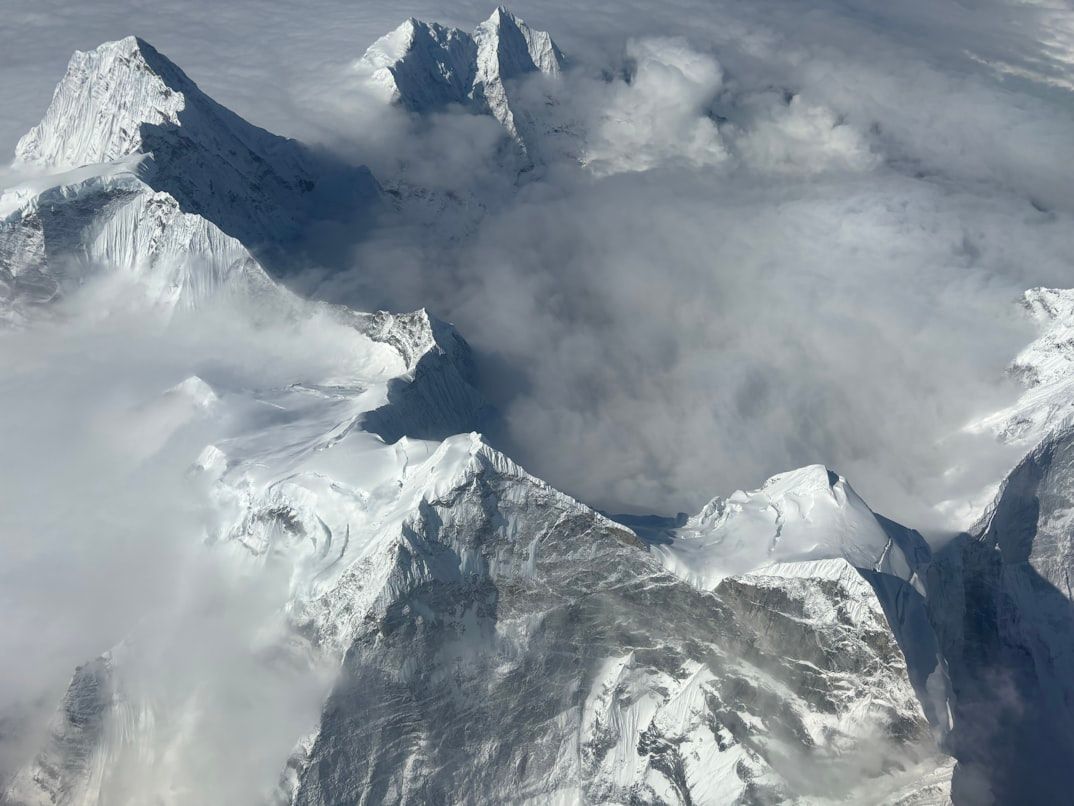
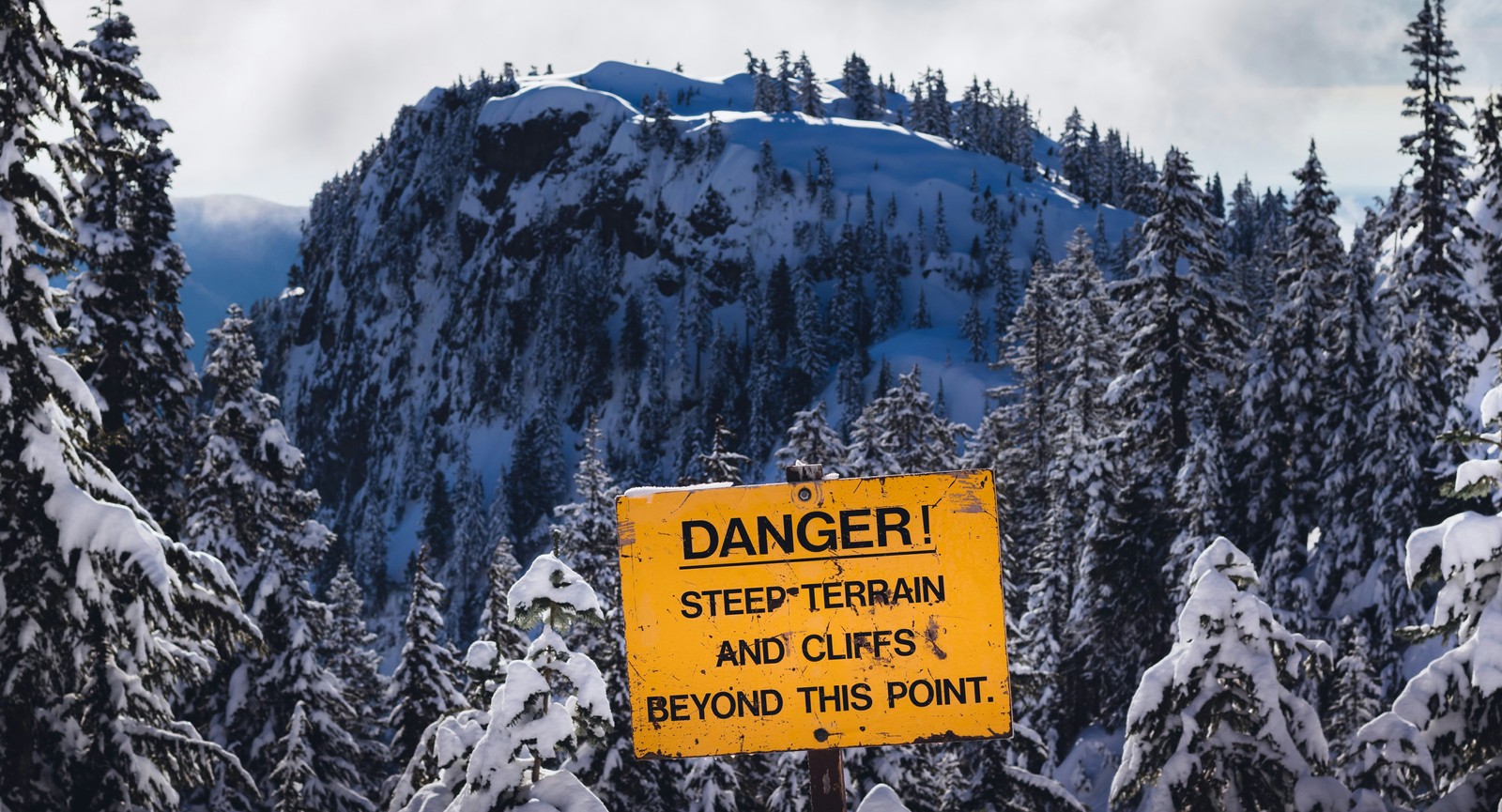
A powerful snowstorm struck Mount Everest in 1996, when an expedition that included American climber Beck Weathers (then 49) attempted to reach the summit. Enduring hurricane-force winds, freezing temperatures, and near-zero visibility, he got separated from his group and was left alone on the mountain. Eventually, he lost consciousness.
Everyone assumed he had died, but against all odds, he regained consciousness hours later. Barely able to see and suffering from severe frostbite on his hands and face, he somehow made his way back, staggering toward camp through the storm. No one could believe their eyes.
Vesna Vulović: The highest fall survivor
In 1972, 22-year-old flight attendant Vesna Vulović was working on JAT Flight 367, which was flying from Stockholm, Sweden, to Belgrade, Yugoslavia (now Serbia). Midway through the journey, the plane exploded in midair. An explosive device, believed to have been placed in the baggage compartment, destroyed the aircraft and caused it to plummet to the ground. No one else on board survived, except Vesna Vulović.
By a strange twist of fate, she was trapped inside a section of the fuselage that fell from about 33,000 feet before crashing onto a snowy mountainside. Vesna suffered severe injuries, including multiple broken bones, and spent months recovering. Today, she is officially recognized as the person who survived the highest fall without a parachute in history.
Ada Blackjack: The forgotten castaway
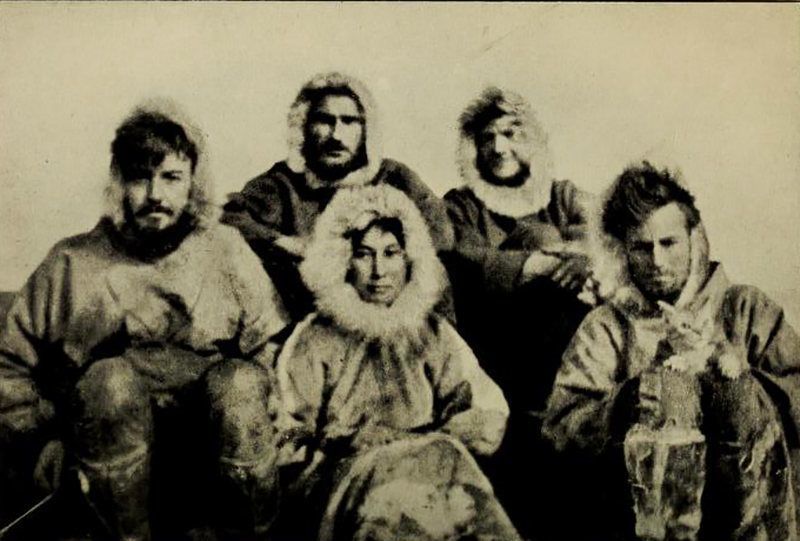
In 1921, Ada Blackjack, a 23-year-old Inuit woman from Alaska, joined an expedition to a remote Arctic island. She needed the money to support her young son, but the journey was nothing like she had imagined.
The harsh Arctic conditions made hunting almost impossible, and food soon ran out. Three members of the group decided to cross the frozen sea to seek help, but they never returned. Not long after, the remaining member also passed, leaving Ada alone on the island. With little experience, she taught herself to hunt and managed to survive on the island for two long years. In 1923, a rescue ship finally arrived.
Mauro Prosperi: Lost in the Sahara
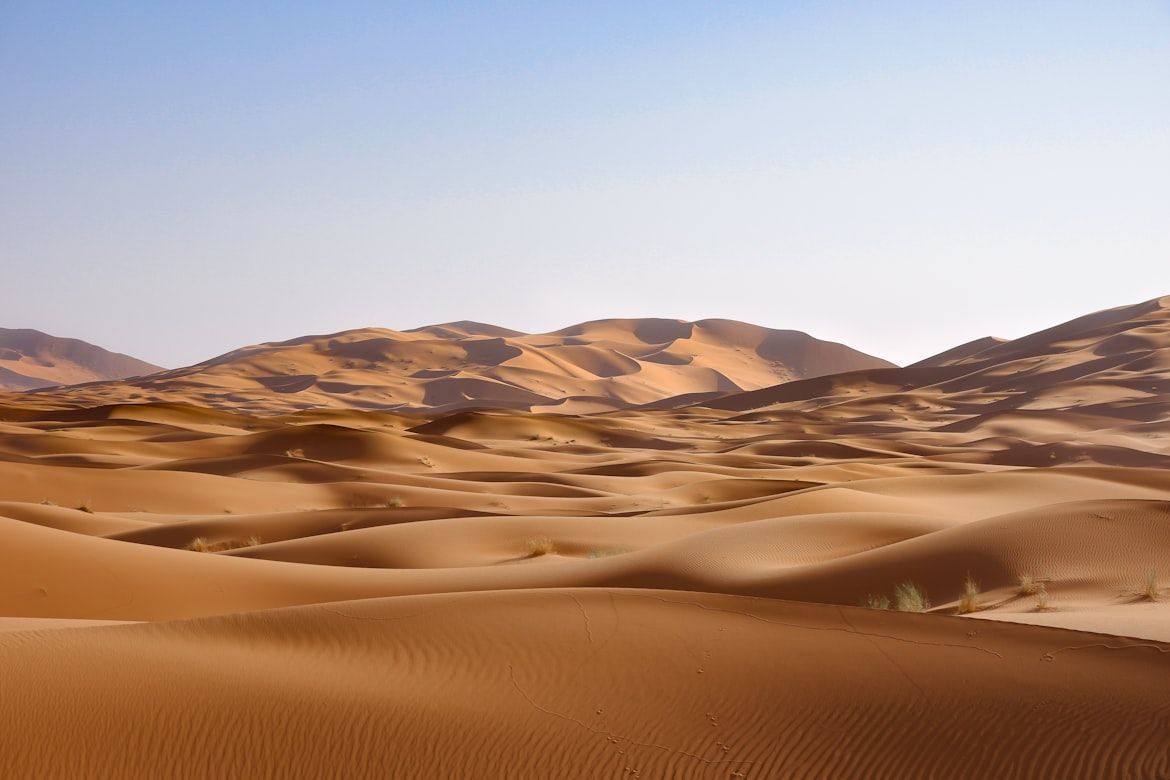
In 1994, the sports world was shocked by what happened to marathon runner Mauro Prosperi in the Sahara Desert in Morocco. Prosperi was 39 when he competed in the brutal Marathon des Sables, a race across the vast desert. During one stage, a powerful sandstorm erased the route, and he became separated from the other runners.
Lost in the desert, he wandered for more than a week, enduring extreme heat during the day and freezing temperatures at night while eating bats and snakes to survive. Finally, after walking an impressive 185 miles, he encountered people who helped him. He had lost more than 30 pounds, but his incredible story continues to inspire people around the world.
Juliane Koepcke: Sole survivor of LANSA Flight 508
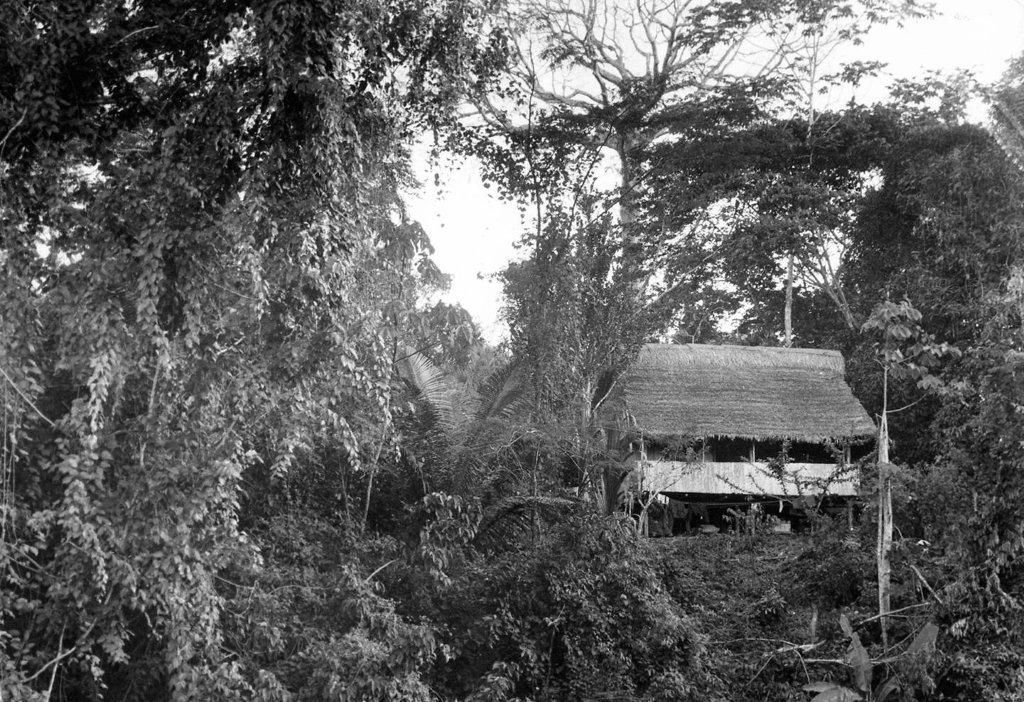
It was 1971, and Juliane Koepcke was 17 years old when she boarded LANSA Flight 508 with her mother. As the plane flew over the extensive rainforest of Peru, a violent storm and a lightning strike caused the aircraft to break apart.
Juliane fell thousands of feet while still strapped to her seat, landing in the rainforest’s dense canopy, which helped soften the impact. She broke bones and suffered multiple cuts, but she survived. The teenager followed a small stream through the jungle in search of help, and after 11 days alone, she finally reached a logging camp, where she was rescued. Of the 92 people on board, she was the only survivor.
Aron Ralston: Trapped in Blue John Canyon (Utah, US)
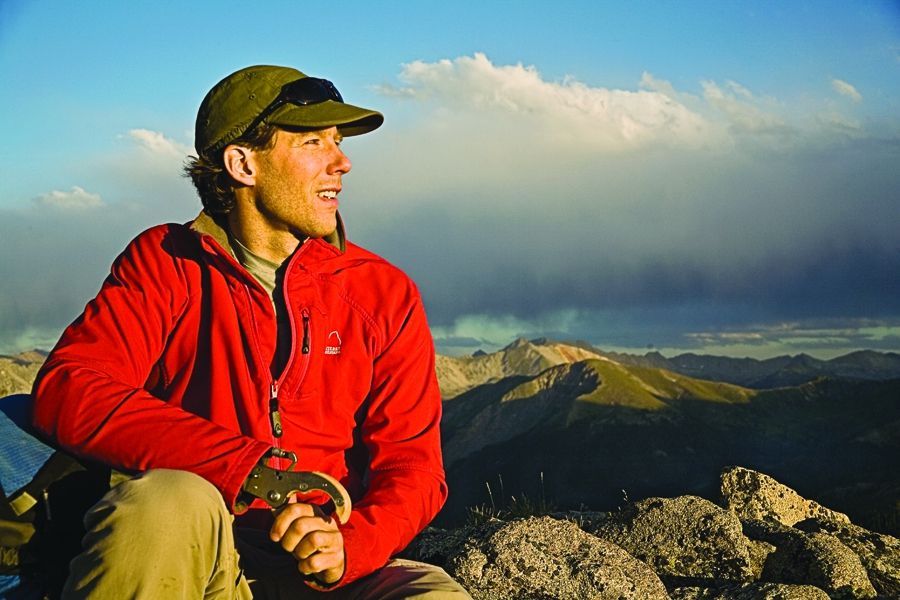
In south-central Utah lies the fierce Bluejohn Canyon, a narrow slot that looks like a labyrinth from another planet. In 2003, Aron Ralston (then 27) was hiking there alone when, suddenly, a large boulder fell and pinned his right arm against the canyon walls.
Trapped for five days with no water and no one knowing his location, he finally made a desperate decision: using a multi-tool, he amputated his own arm to escape. Even then, the ordeal wasn’t over. He still had to climb out of the canyon and hike several miles before finally encountering other hikers. His incredible survival story was later adapted into the 2010 film 127 Hours.
Ernest Shackleton: Antarctic pressure
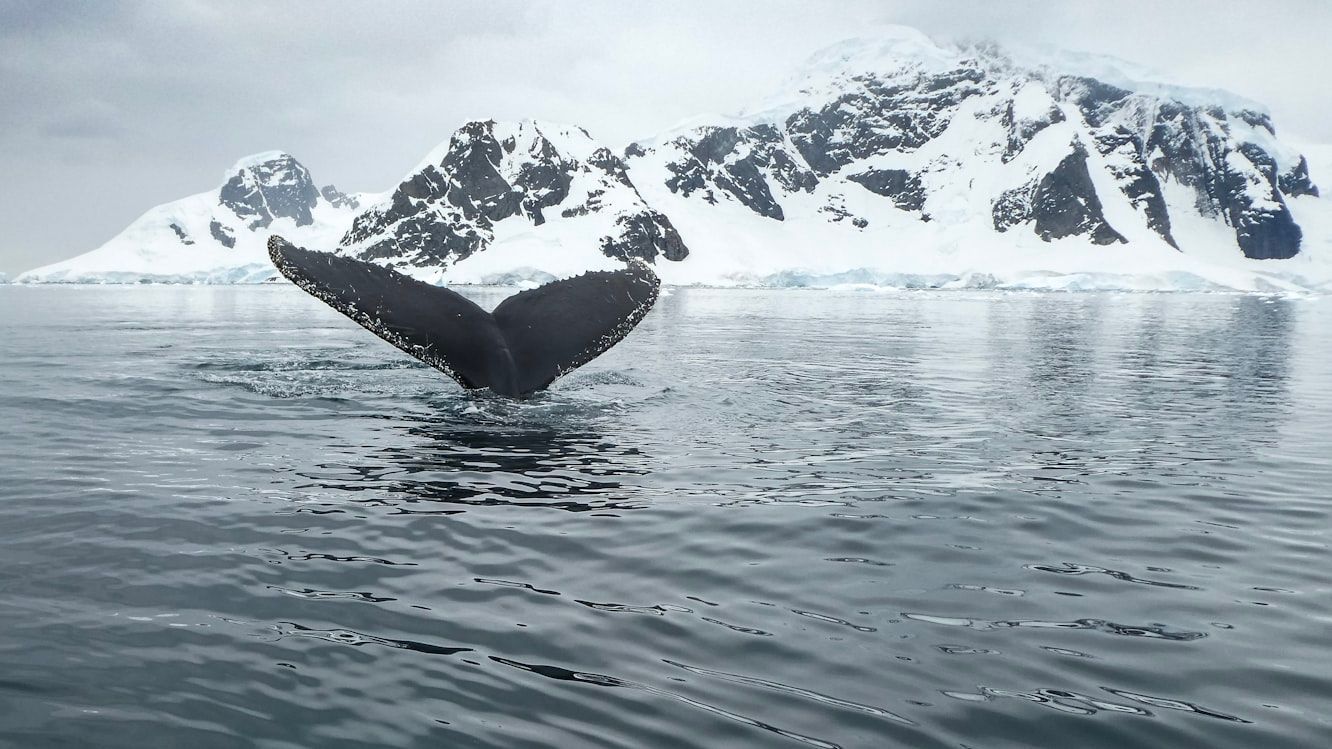
In 1914, the explorer Ernest Shackleton set out on the Imperial Trans-Antarctic Expedition aboard his ship, the Endurance, aiming to cross Antarctica. But nothing went as planned: the ship became trapped in thick ice in the Weddell Sea and was eventually crushed by the pressure.
Shackleton didn't give up. He managed to keep his 27 men alive for months despite freezing temperatures and limited food supplies. When the ice finally broke apart, the crew escaped in lifeboats and reached a remote island. Knowing that rescue was unlikely, Shackleton set out on an 800-mile journey across the ocean in a small boat until he reached South Georgia Island. There, he found help and organized several rescue attempts, eventually bringing back every one of his men alive.
Violet Jessop: Survived 3 shipwrecks

Violet Jessop was often called both the luckiest and unluckiest woman in the world. But why? Because she experienced three major maritime disasters and survived all three.
The first occurred in 1911, when the RMS Olympic collided with the British warship HMS Hawke. She was on board but escaped unharmed. Just a year later, Violet boarded one of the most famous ships in history: the RMS Titanic. When it struck the iceberg and sank in the North Atlantic, she not only survived in a lifeboat but also assisted other passengers. Her remarkable luck appeared once again in 1916, while serving as a WWI nurse aboard the HMHS Britannic. The vessel struck a mine in the Aegean Sea and sank, but Violet jumped into the water and survived once more.
Helen Klaben: 49 days in the mountains
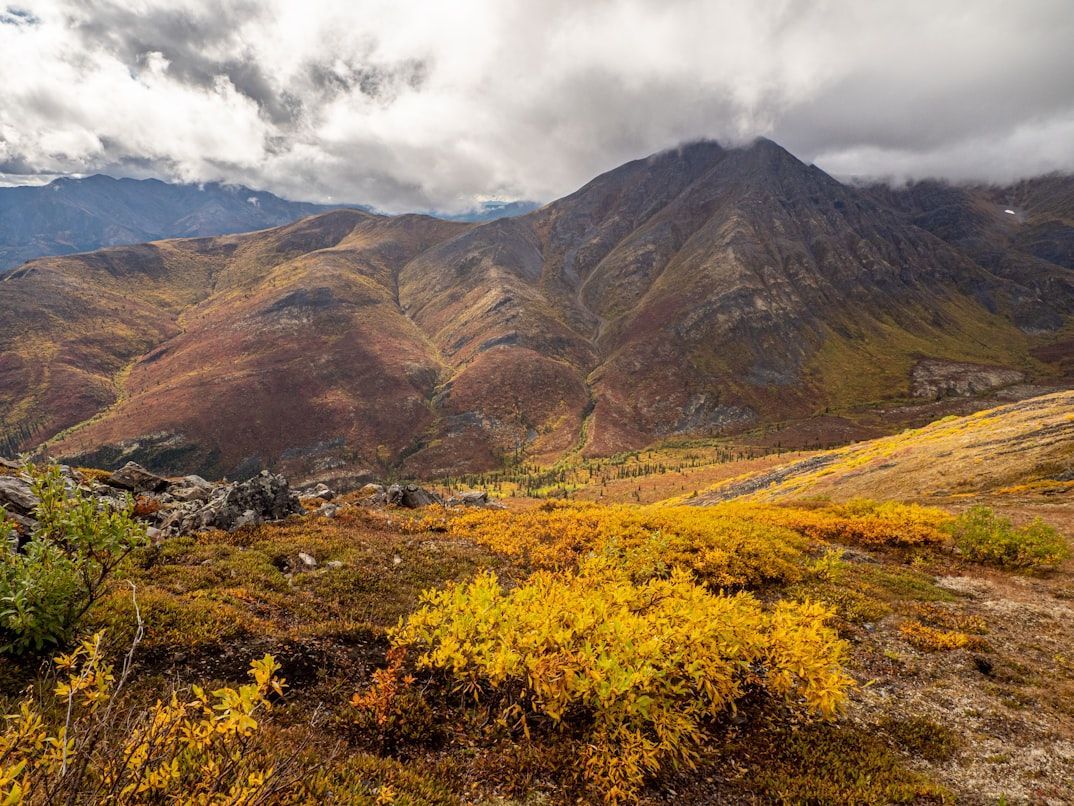
In 1963, Helen Klaben, just 21 years old, set out on a flight from Alaska to Seattle in a small plane piloted by Ralph Flores. While crossing the Yukon Territory in Canada, the aircraft suffered mechanical trouble and was forced to crash-land in the snowy mountains.
Stranded in the wilderness, the two survivors ate whatever they could find and melted snow for water. Weeks passed, and rescue teams eventually called off the search. But Klaben and Flores refused to give up. After 49 days, a passing supply plane heading to a nearby cabin finally spotted them and carried out the rescue, giving this incredible story of survival a happy ending.
Harrison Okene: Three days underwater
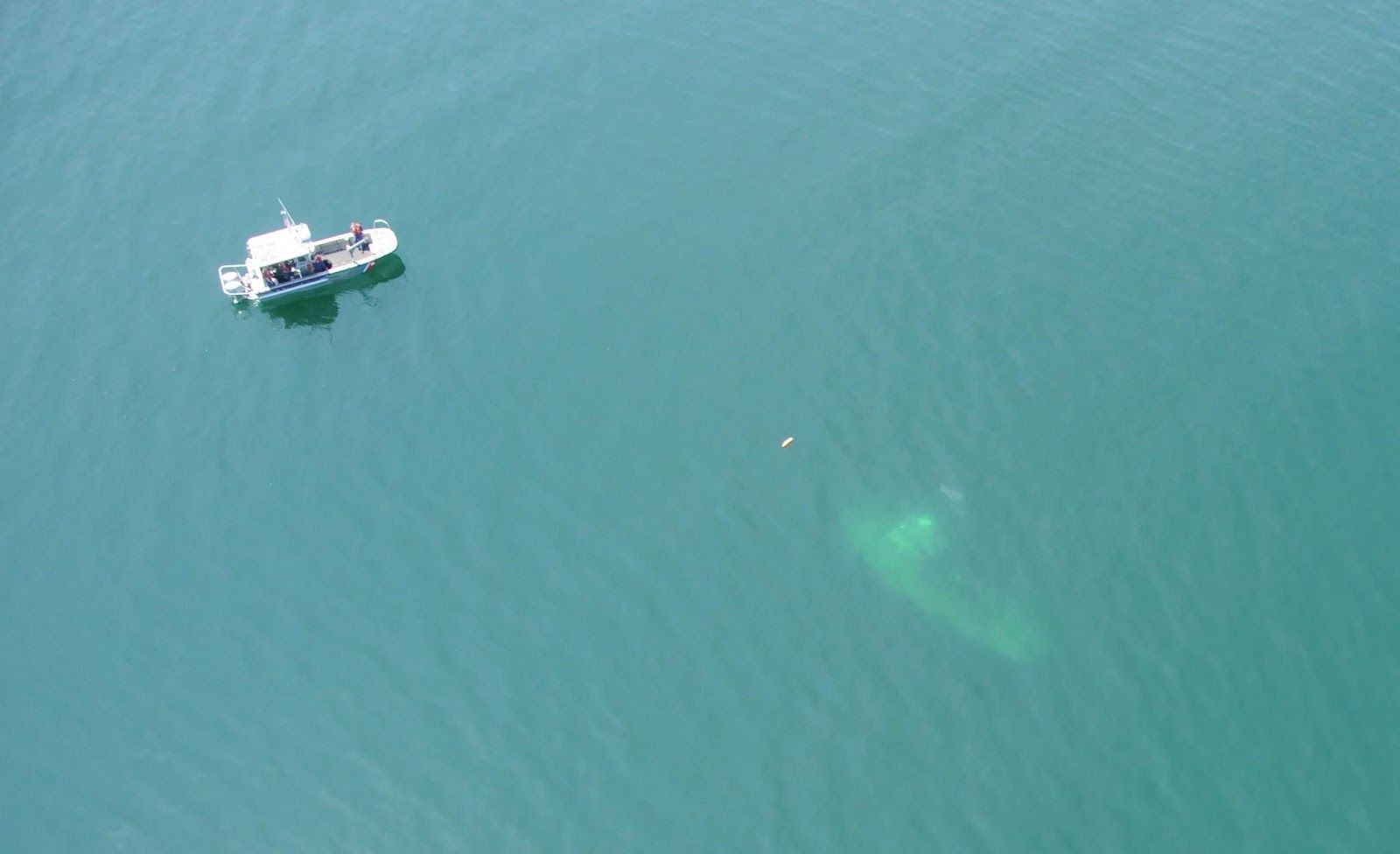
In 2013, Harrison Okene, a Nigerian cook, was working aboard a tugboat off the coast of Nigeria in the Atlantic Ocean when a violent storm struck. A massive wave capsized the vessel, sending it more than 100 feet to the ocean floor.
Most of the crew were trapped and died, but Okene survived. He found a tiny air pocket inside the overturned ship. In total darkness and freezing water, he spent three long days there, breathing carefully and drinking a soda he found floating nearby. When rescue divers finally entered the wreck, they were stunned to discover that one crew member was still alive.
Stay away from these: A peek into some of the world's deadliest corners
 Geography
Who would dare?
Stay away from these: A peek into some of the world's deadliest corners
Some places on Earth are dangerous because they are extreme. Others are dangerous because they look harmless. Let’s take a look at locations where nature, geography, or isolation have earned a reputation for being… unforgiving. Burning craters, frozen villages, poisonous volcanoes: beautiful, maybe, but arguably not worth the visit.
A cliff-hugging mountain route with no guardrails
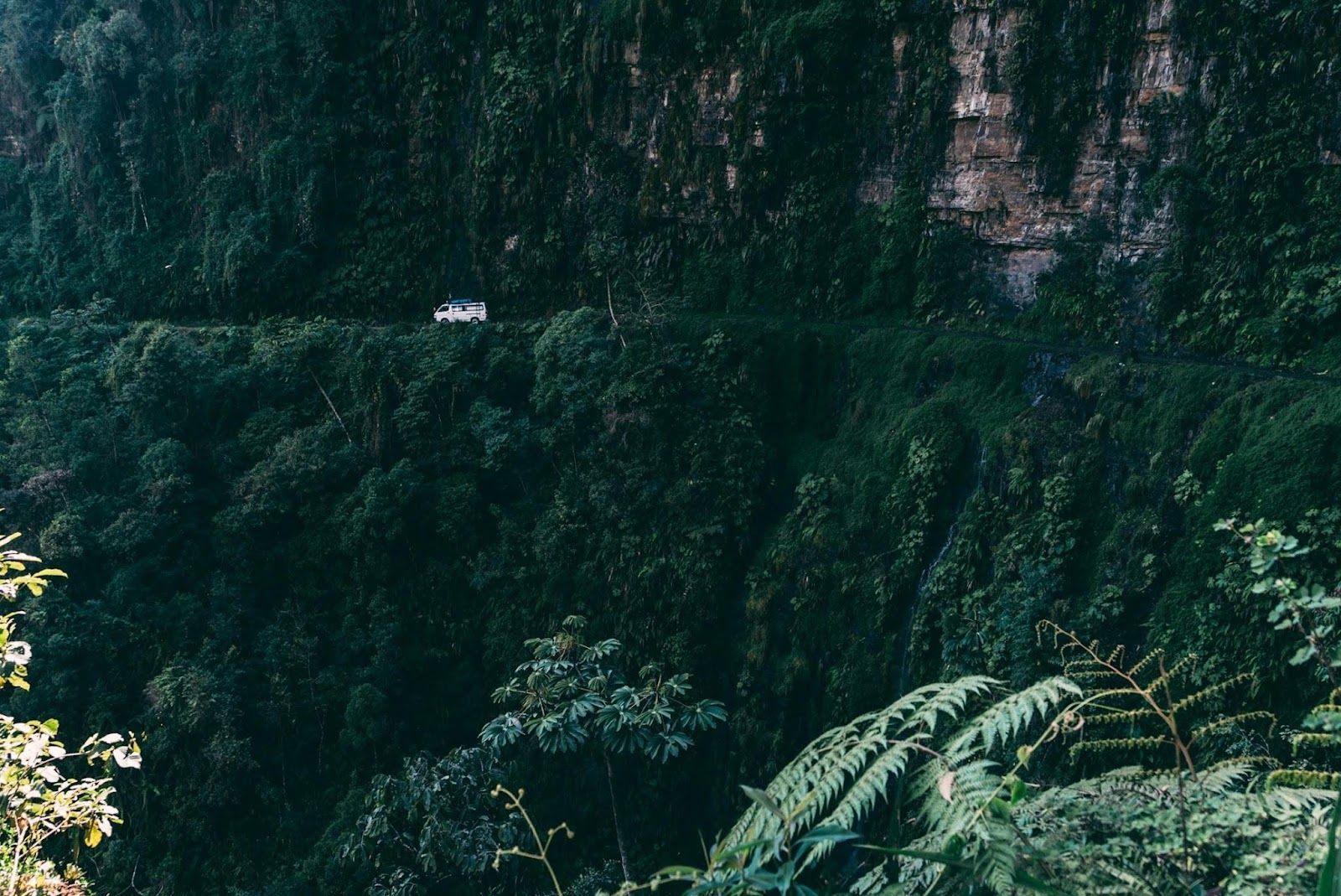 Image: Kyle Loftus
That’s exactly as narrow as it looks. Hidden deep in Bolivia’s Andes, this road was once considered the most dangerous drive on Earth. In some sections, it shrinks to a single lane, with sheer drops plunging thousands of feet into the jungle below.
That’s why it earned the nickname "Death Road." Only for the experienced–and brave–drivers!
A burning crater that has been on fire for decades
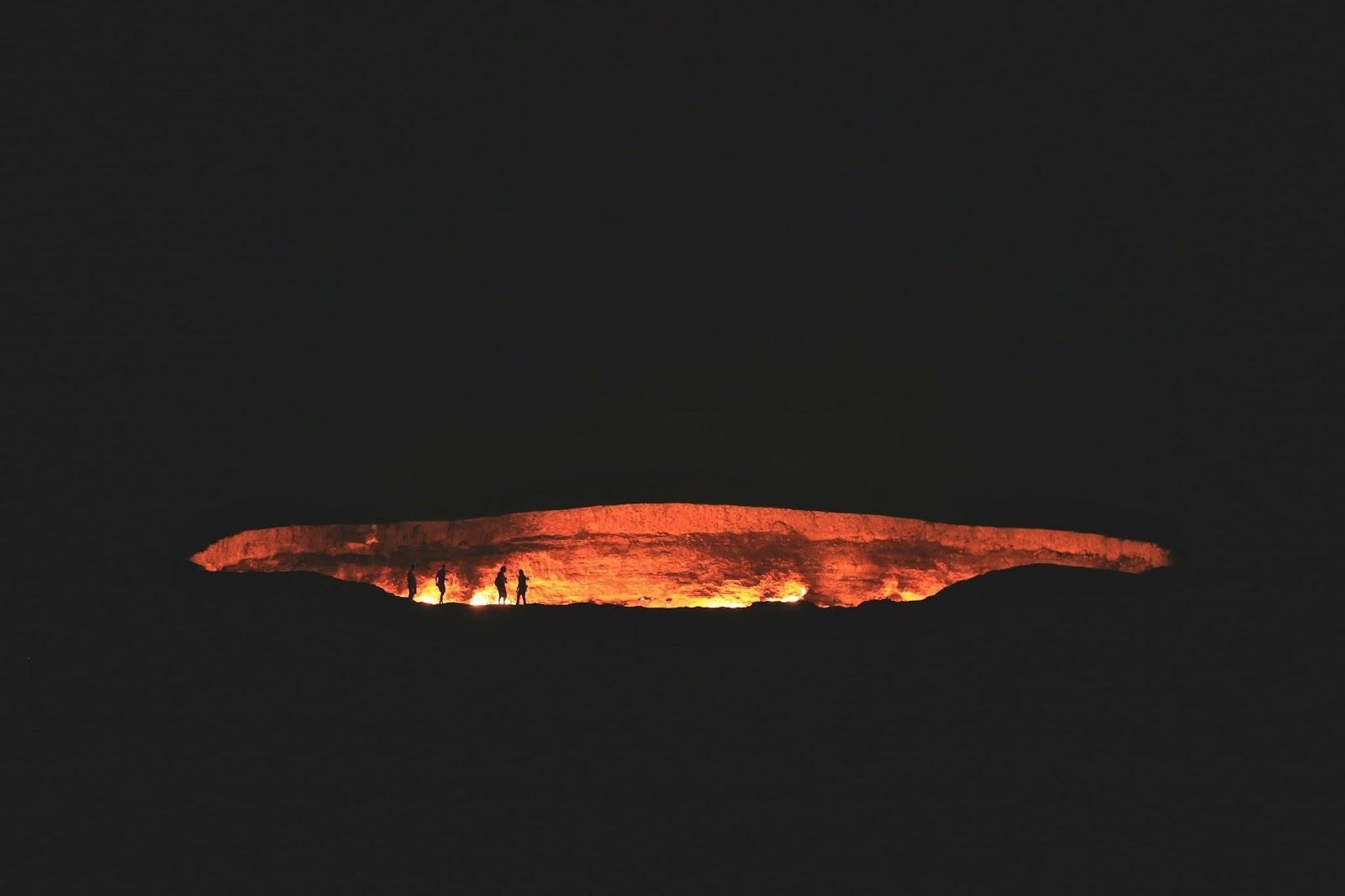 Image: Ybrayym Esenov
Did you know there’s a massive crater in a desert that has been burning continuously since the 1970s? No wonder people call it the "Door to Hell."
It’s in the middle of Turkmenistan’s Karakum Desert, and it was accidentally ignited during a Soviet drilling operation that struck a natural gas pocket. Engineers set it on fire, expecting it to burn out in days… but it never did.
An island where venomous snakes outnumber humans
 Image: Harshit Suryawanshi
In Brazil, civilians are forbidden from visiting Snake Island. Located off the country’s coast, it is home to thousands of golden lancehead vipers, one of the most venomous snakes in the world.
Only scientists are permitted to go there, and for good reason: a single bite can be fatal without immediate medical care.
A volcano where toxic gas surrounds sulfur miners
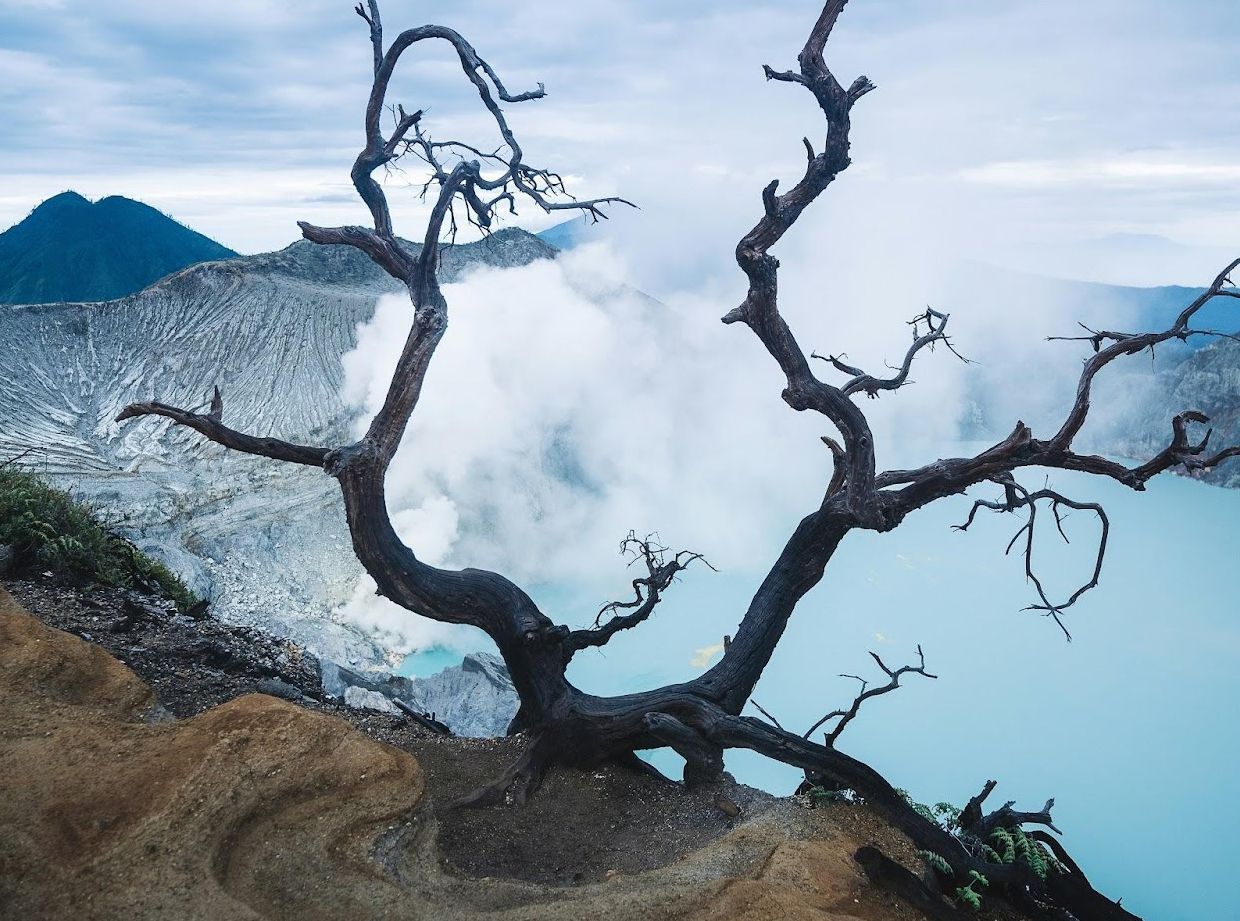 Image: Spenser Sembrat
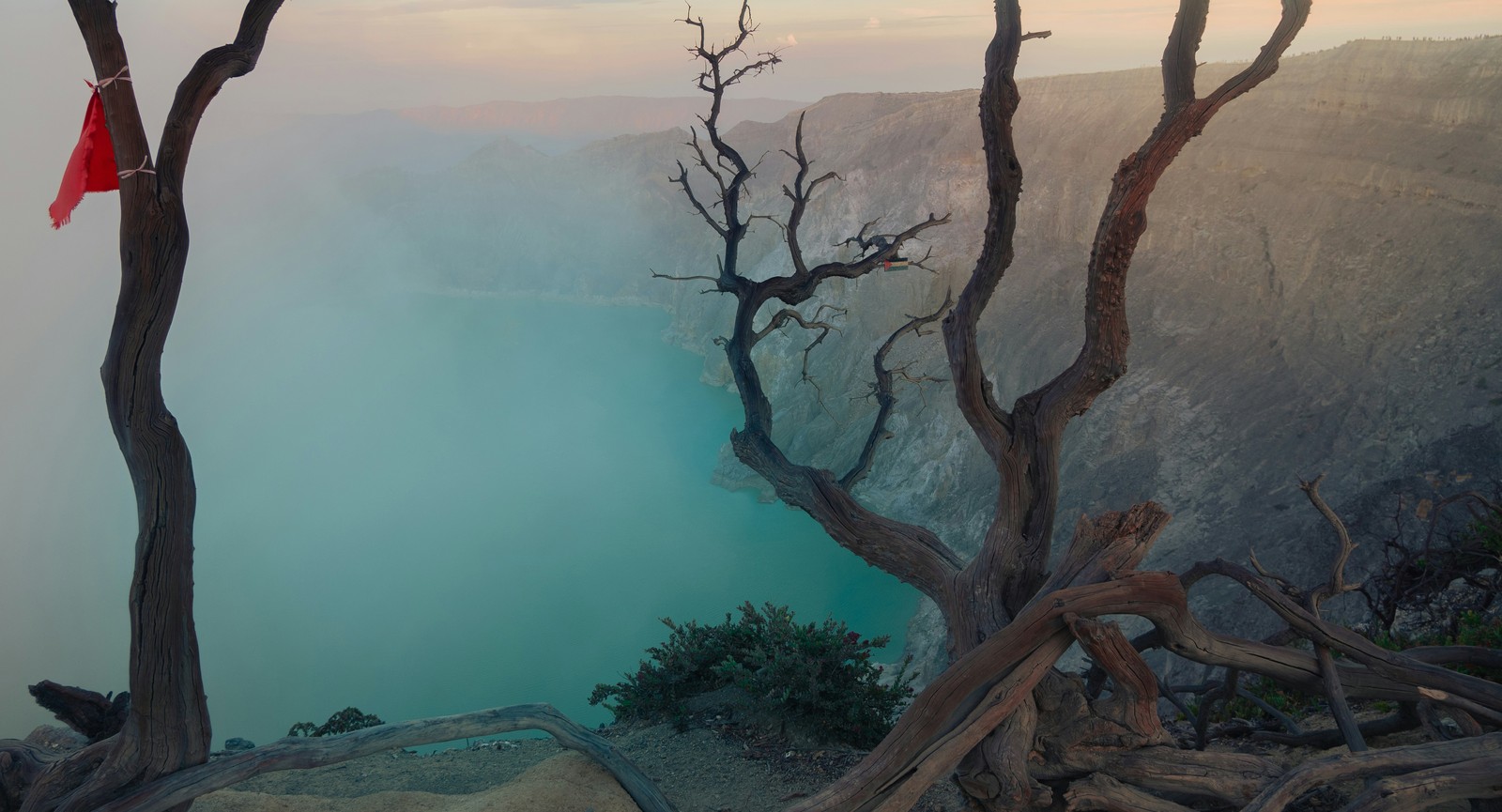
Stay away from the interior of Indonesia’s Kawah Ijen volcano, too. The crater emits thick clouds of sulfur gas that can burn lungs and eyes within minutes. The volcano is also famous for its "blue fire," an electric-looking glow caused by ignited sulfur gases at night.
A peaceful-looking lake that released a deadly cloud
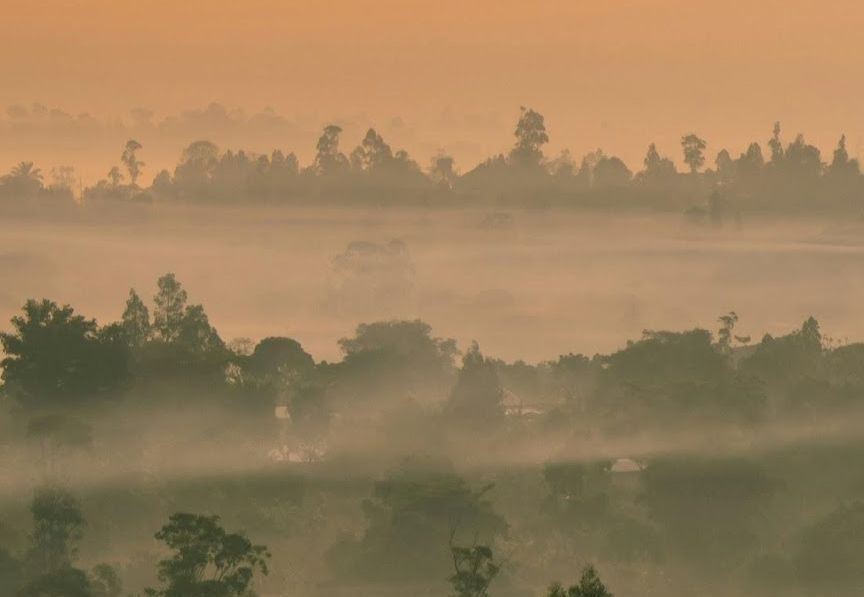 Image: Edouard TAMBA
Lake Nyos in Cameroon appears calm and ordinary, but in 1986, it became the site of one of the strangest natural disasters ever recorded. Without warning, the lake released a massive cloud of carbon dioxide that rolled silently through nearby villages.
The gas displaced oxygen in the air, suffocating more than 1,700 people and countless animals as they slept.
Temperatures to freeze engines
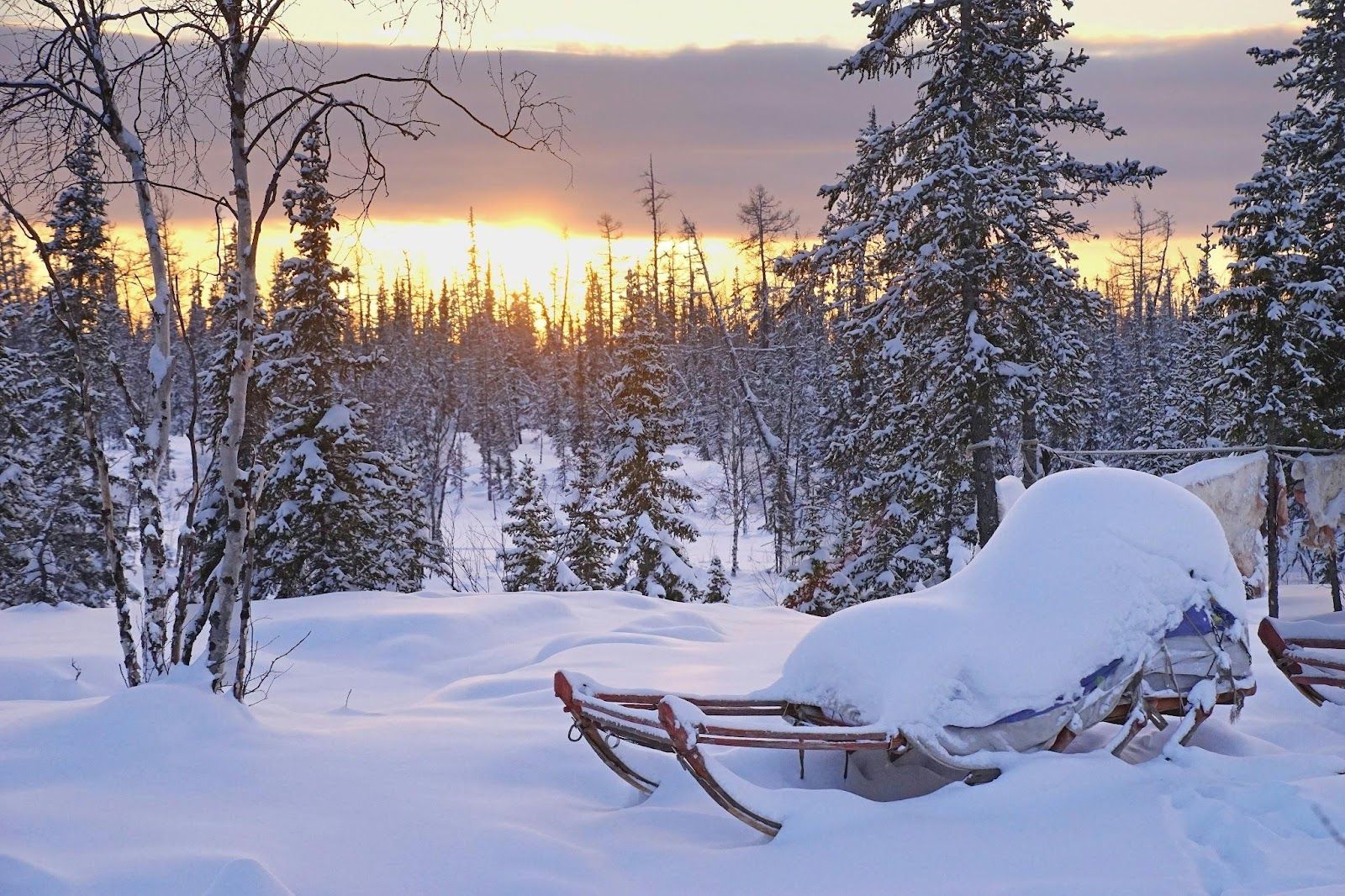 Image: Hans-Jurgen Mager
Oymyakon, in eastern Siberia, is one of the coldest permanently inhabited places on the planet. Winter temperatures routinely drop below –50°F, cold enough to freeze exposed skin in minutes and cause cars to stall if left running outside for too long.
Everyday tasks, from going outside to cooking meals, require constant adaptation to the cold. Schools only close when temperatures become truly extreme, which says a lot about daily life in the village.
One of the hottest and most toxic places on the planet
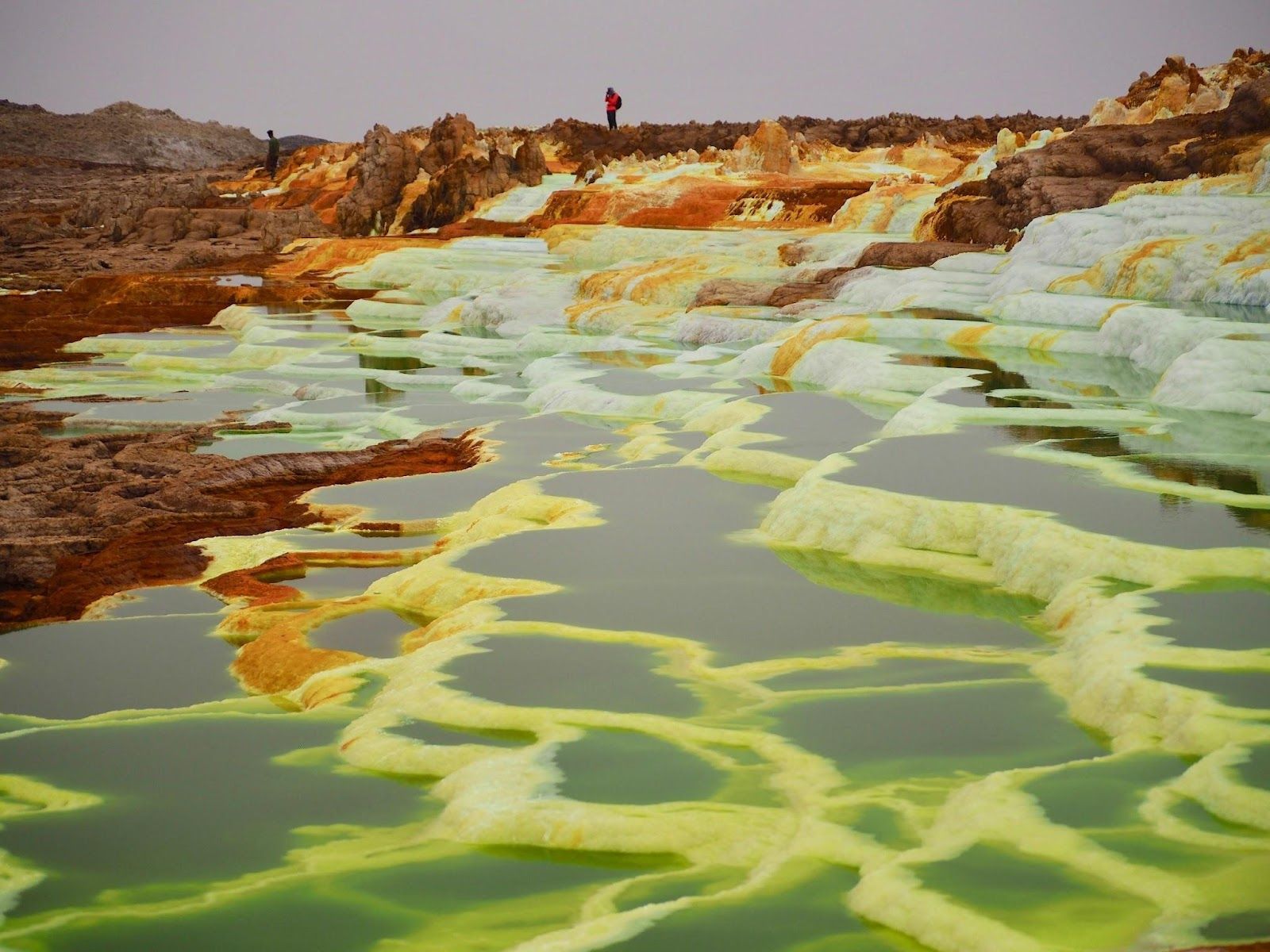 Image: Jorge Tung
Here’s the scenario: temperatures regularly soar above 120°F, while acidic pools, sulfur clouds, and active volcanoes dot the landscape. Even the air can be dangerous; one shouldn’t breathe in those gases for long.
That’s what it’s like in the Danakil Depression in Ethiopia. A place so extreme it looks more like another planet than part of Earth.
The aftermath of a disaster
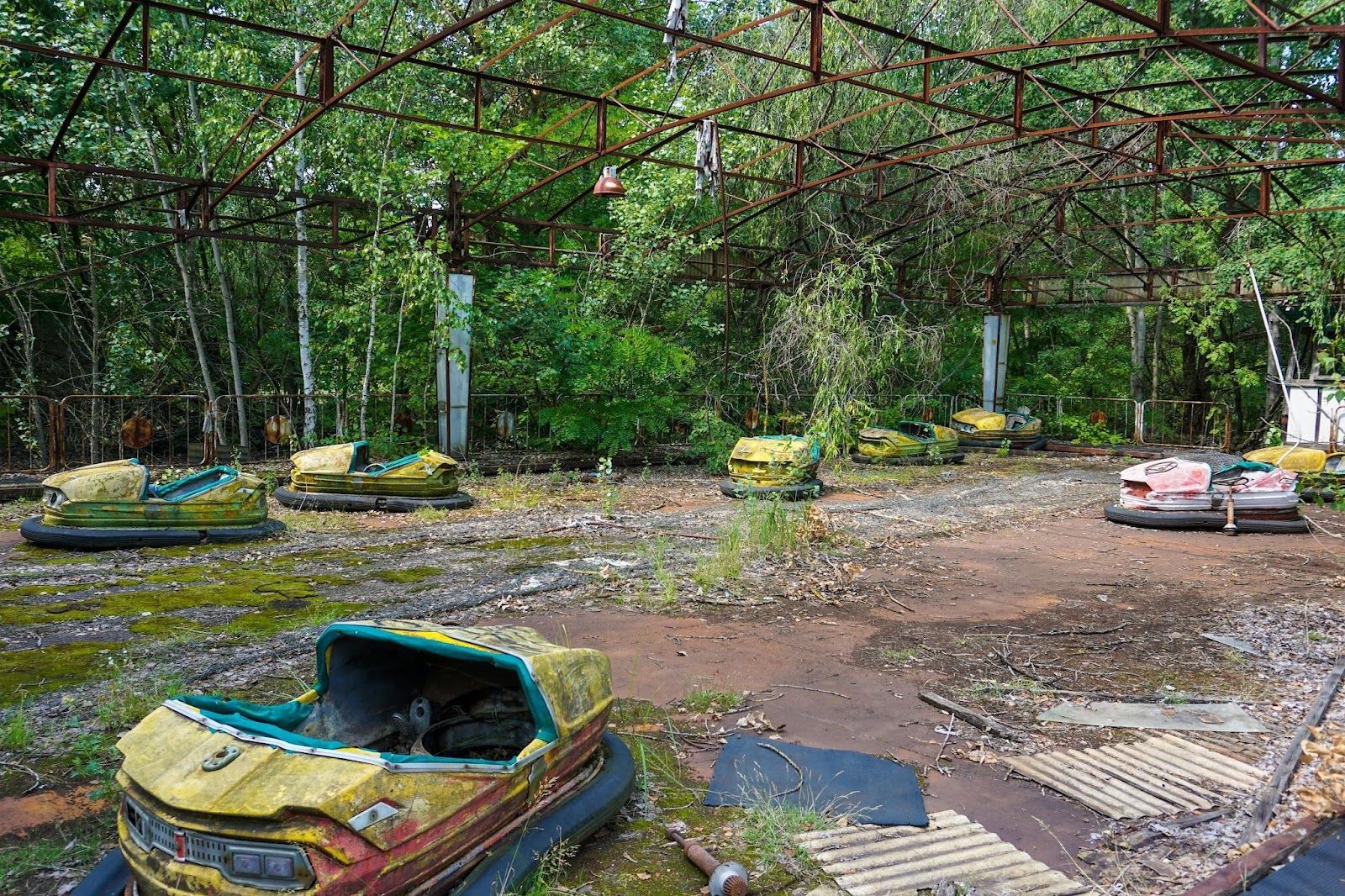 Image: Ilja Nedilko
Let’s not forget the Chernobyl exclusion zone. In 1986, a reactor at the Chernobyl Nuclear Power Plant exploded, releasing massive amounts of radioactive material into the atmosphere.
Nearby Pripyat was evacuated within 36 hours. While radiation levels have dropped significantly since then and limited tourism is now permitted, parts of the exclusion zone remain dangerously contaminated, such as the infamous Red Forest. Staying in Pripyat long-term is still considered unsafe.
A coastline littered with shipwrecks and bones
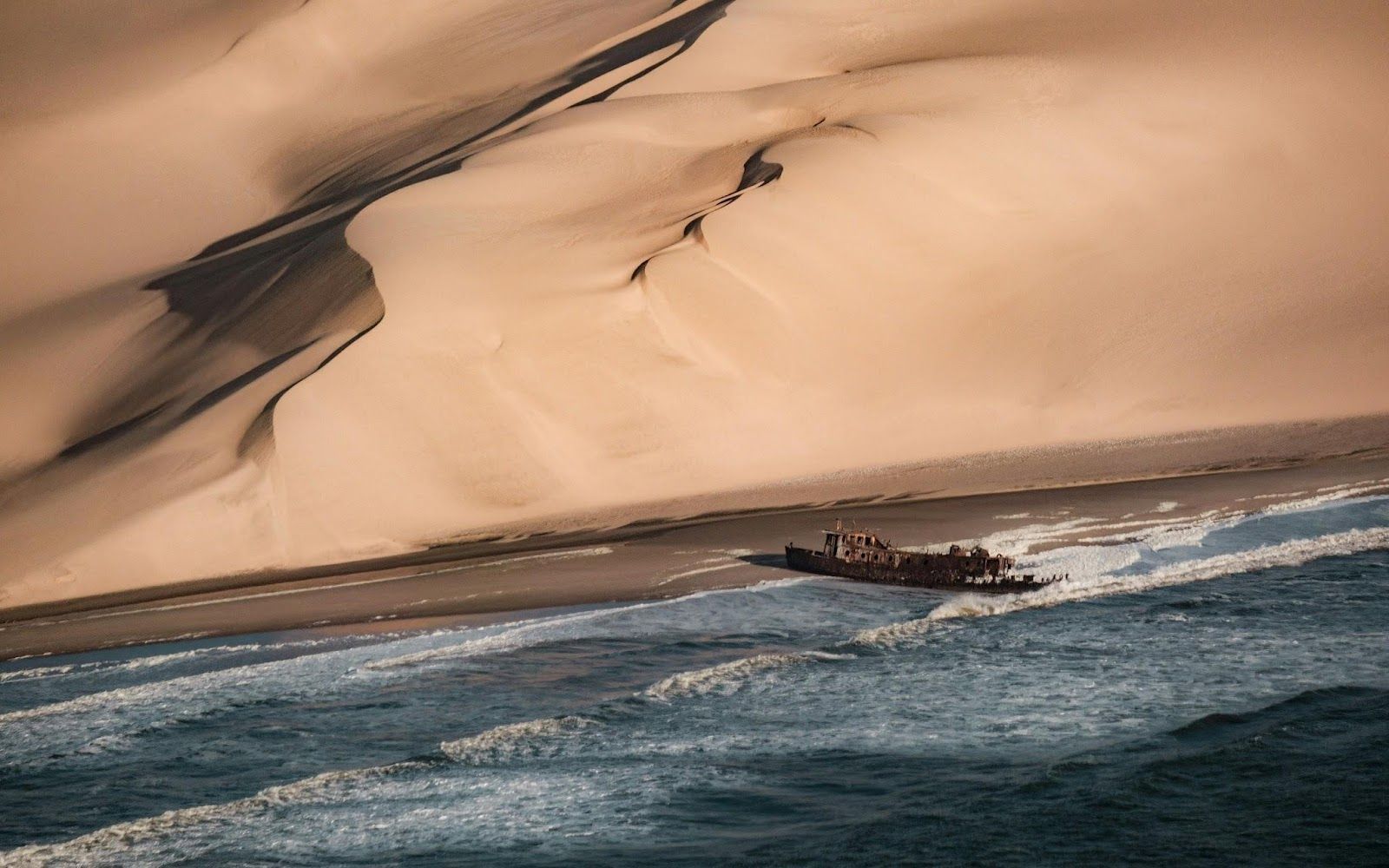 Image: Joshua Kettle
Namibia’s Skeleton Coast earned its name honestly. Dense fog, powerful currents, and shifting sands have caused countless ships to run aground over the centuries.
Survivors who made it to shore often faced an even harsher fate, trapped between the Atlantic Ocean and one of the world’s driest deserts, with little chance of rescue.
An unpredictable volcano looming over nearby towns
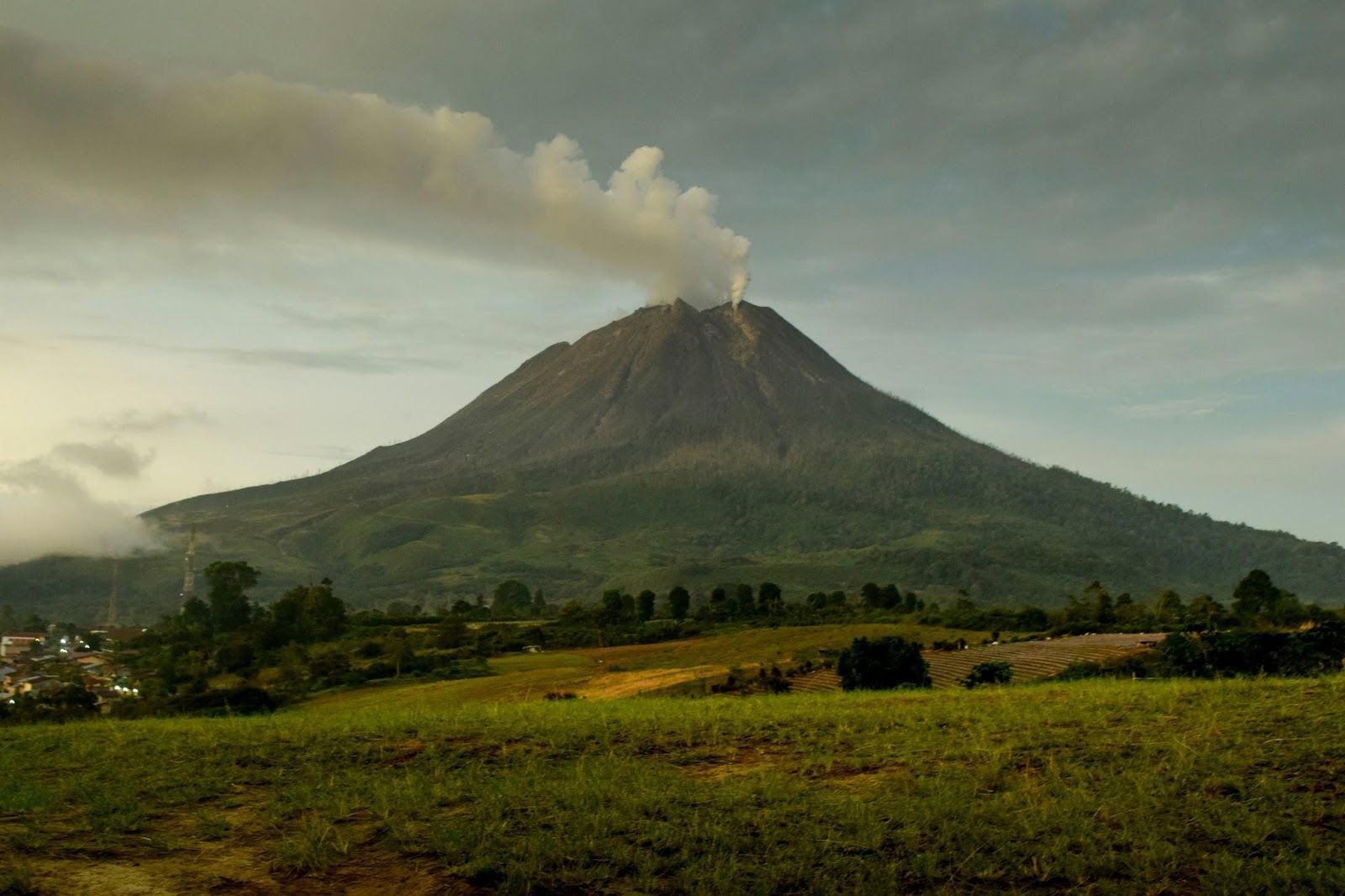 Image: amir hamzah
Mount Sinabung, in Indonesia, was quiet for centuries before reawakening in 2010. Since then, it has erupted repeatedly, sending fast-moving clouds of ash, rock, and superheated gas down its slopes.
These pyroclastic flows are among the deadliest volcanic hazards: if one erupts nearby, there’s little chance of escape. Entire villages have been evacuated and abandoned as the volcano continues to reshape the surrounding landscape.
A rainforest where getting lost can be fatal
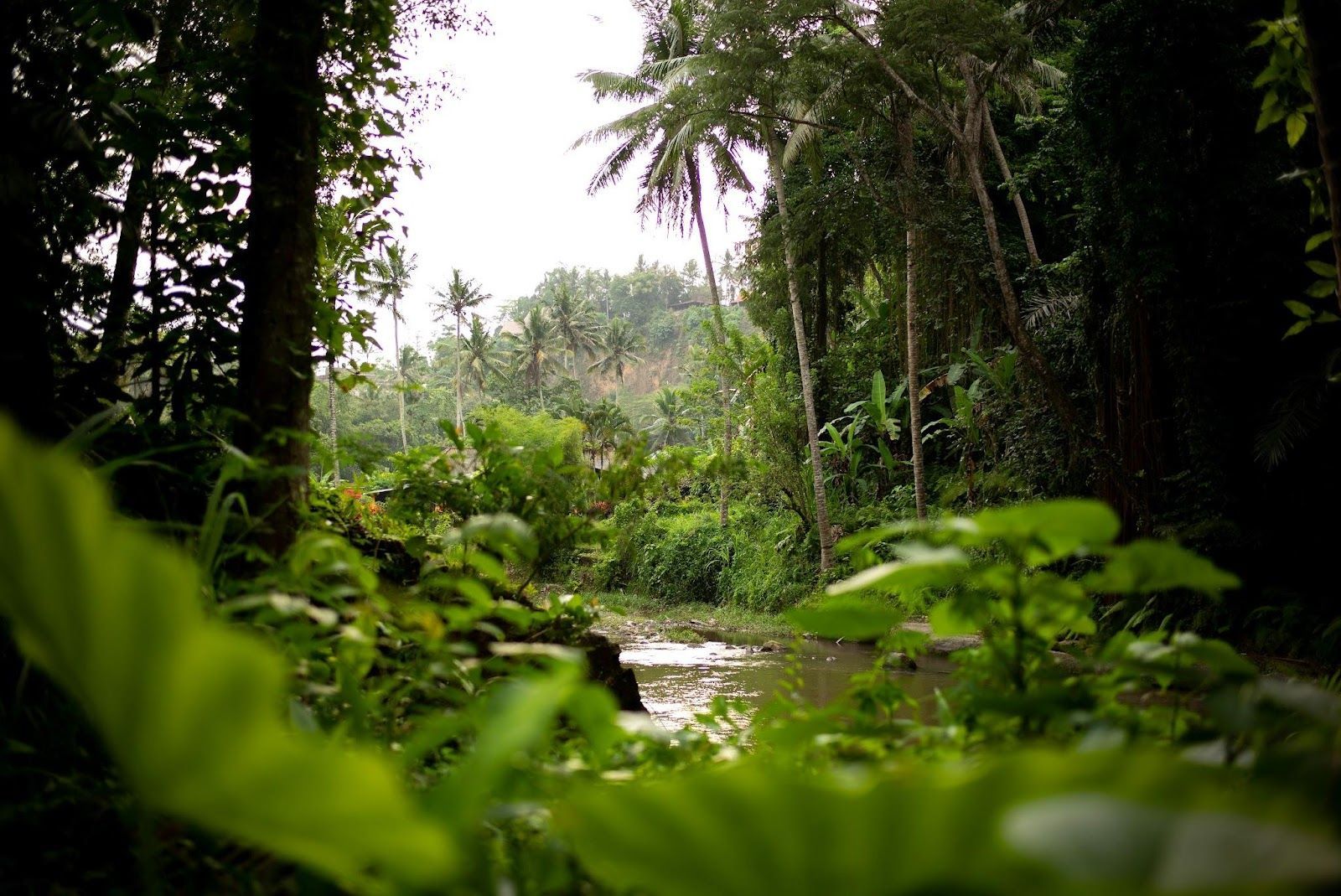 Image: Mark
Finally, let’s not leave out the Amazon rainforest! Some regions are indeed very difficult to survive in. Dense vegetation that erases paths, rivers that shift with the seasons, and humidity that drains energy faster than you would expect.
Add venomous animals, disease-carrying insects, and extreme isolation, and even experienced explorers can find themselves in serious trouble if they become stranded.
Keep wandering
There’s always
more to explore
 General
Why are hard landings sometimes the perfect landings?
6 min.
Read Now
Was Moby-Dick a real whale? These marine stories have real backgrounds
6 min.
Read Now
What passengers never see after midnight on a cruise ship
4 min.
Read Now
These 10 mysteries were solved. So why do we still believe them?
6 min.
Read Now