
No thanks, too spooky: Some of the most haunted spots around the world
 Culture
Visit at your own peril
No thanks, too spooky: Some of the most haunted spots around the world
Do you believe in ghosts? You might be skeptical now, but so were hundreds of thousands of tourists who visited these 11 ominous spots and left with a change of heart. It seems that all over the world, there are sites that echo stories of betrayed families, forced confinement, and untimely deaths. So, would you visit a forest packed with dead-eyed dolls? Or spend nights in the dark halls that inspired The Shining? It’s up to you.
Isla de las Muñecas, Mexico

Hidden within the canals of Xochimilco near Mexico City lies an island that looks like a surreal nightmare. Hundreds of weathered dolls hang quietly from trees, with faded eyes and tangled hair.
According to local lore, caretaker Don Julián Santana began collecting and displaying the dolls to appease the spirit of a young girl who drowned nearby. Would you take a lovely stroll among them?
Bran Castle, Transylvania

Bram Stoker, author of Dracula, never visited Romania, as far as we know. But upon reading the description of the fictional count’s castle, many locals decided that this one, Bran Castle, perched dramatically on a rocky cliff in the Carpathian Mountains, must be the famous vampire’s lair.
Literary myths aside, the castle’s medieval atmosphere makes it easy to believe in restless spirits. Visitors often speak of a heavy silence inside, and unexplained footsteps or fleeting dark figures glimpsed from the corners of rooms.
Tower of London, England

Few places carry as many ghost stories as the Tower of London. Though the fortress was shaped by centuries of royal intrigue and executions, Anne Boleyn, the ill-fated wife of Henry VIII, remains its most famous apparition. Legend has it that at night she wanders the grounds carrying her severed head under her arm.
The Banff Springs Hotel, Canada

Beautifully set against the peaks of the Canadian Rockies, the Banff Springs Hotel looks like something from a fairy tale. But do you see all those dark windows? It would be impossible for this building not to carry half a dozen ghost stories.
One of the most famous legends involves a bride who reportedly died after falling down a staircase on her wedding day; guests claim she can still be seen dancing alone in the ballroom. Another recurring tale centers on a helpful bellman who appears unexpectedly, assists guests, and then vanishes without explanation.
Aokigahara Forest, Japan

Surely you’ve heard of Mount Fuji, but have you heard of the forest that lies at its base? The thick foliage of Aokigahara absorbs sound, which translates into an unnerving silence that has fueled decades of ghost stories.
Japanese folklore speaks of yūrei, restless spirits tied to grief or unfinished business, and many visitors claim to feel disoriented or strangely watched while walking among the twisted roots and lava rock formations.
The Stanley Hotel, Colorado, USA

Stephen King reportedly conceived The Shining after a stay here. Standing high above Estes Park in the Rocky Mountains, the Stanley Hotel features empty hallways and an eerie atmosphere, particularly during the off-season.
Guests frequently mention hearing phantom piano music, often attributed to former owner Flora Stanley, while Room 217 is said to be haunted by a housekeeper injured in an early explosion. All of this, plus reports of random children running through corridors, keeps the hotel’s paranormal tours fully booked.
Bhangarh Fort, India

Often referred to as India’s most haunted site, the abandoned ruins of Bhangarh Fort sit eerily silent at the edge of the Rajasthan desert. According to legend, a sorcerer fell in love with a local princess and, after being rejected, cursed the city so that it would fall into ruin overnight.
Whether myth or metaphor, the town was indeed mysteriously abandoned, and its temples and homes were slowly reclaimed by nature.
Château de Brissac, France

Château de Brissac is known as the tallest castle in France. But it is also said to have a ghostly resident. The so-called "Green Lady," believed to be Charlotte de Brézé, was allegedly murdered by her husband in the 15th century after he discovered her affair.
The people who visited its interior have reported glimpsing a woman in green wandering the castle’s towers, sometimes accompanied by soft moaning or sudden chills.
Eastern State Penitentiary, Philadelphia, USA

Once a revolutionary experiment in prison reform, Eastern State Penitentiary quickly became infamous for its harsh system of solitary confinement. Prisoners lived in near-total isolation, which many historians believe caused severe psychological distress.
Today, it's hard to look upon these crumbling cellblocks without hearing echoes, catching shadowy figures, and doors that seem to move on their own. Stories often center around Cellblock 12 and the hospital wing, where unexplained sounds are frequently mentioned.
Poveglia Island, Italy

Just a short boat ride from Venice lies Poveglia Island, a place so steeped in legend that locals refuse to visit. During past plague outbreaks, it reportedly served as a quarantine zone where the sick were isolated, and later it housed a psychiatric hospital that closed under unsettling circumstances. No luck for the island!
The Queen Mary, California, USA

The Queen Mary began as a glamorous transatlantic ocean liner before becoming one of America’s most famous haunted hotels.
Moored permanently in Long Beach, California, this ship is said to house the spirits of crew members who died there. Also, stateroom B340 is often cited for paranormal activity.
Where in the world is it famously illegal to die?
 Landmarks
Eccentric urban design
10 of the most bizarre and quirky cities and towns around the world
Most cities are pretty standard: ordinary streets, office buildings, houses, and typical parks. But around the world, there are a few unusual towns that defy convention. From underground mining communities and forgotten ghost towns to utopian eco-villages and entire cities painted white, human eccentricity and ingenuity have produced some truly strange places to live. Here are 10 of the most bizarre and quirky cities from every corner of the planet.
Ashgabat, Turkmenistan
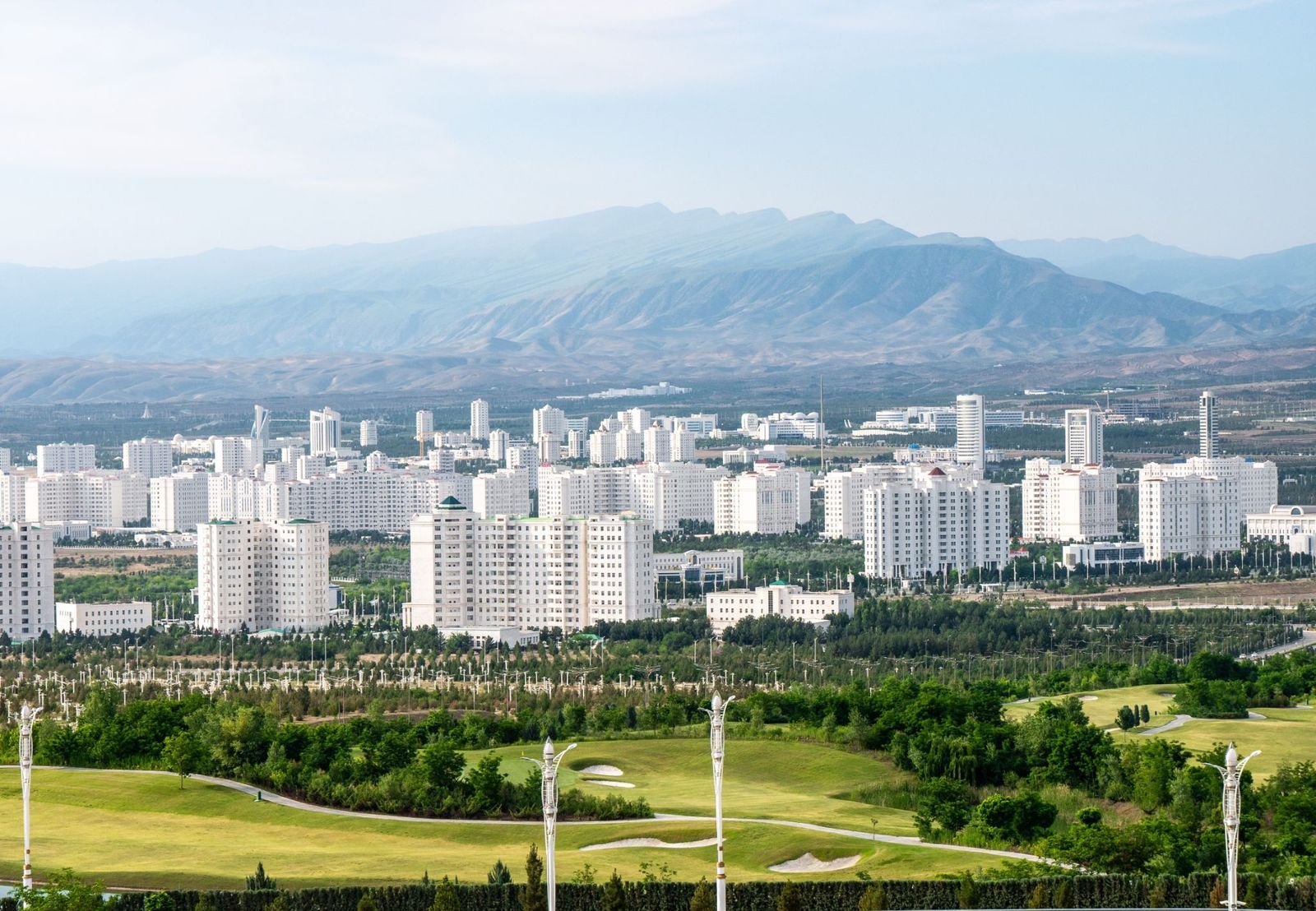
Ashgabat holds a Guinness World Record for having the highest concentration of white marble buildings in the world. Turkmenistan’s capital looks like an ethereal futuristic metropolis, but the color obsession doesn’t end with architecture. Under strict national laws, residents can't own black or colored cars. If you want to drive through the pristine streets of Ashgabat, your car better be white or silver.
Slab City, California, United States
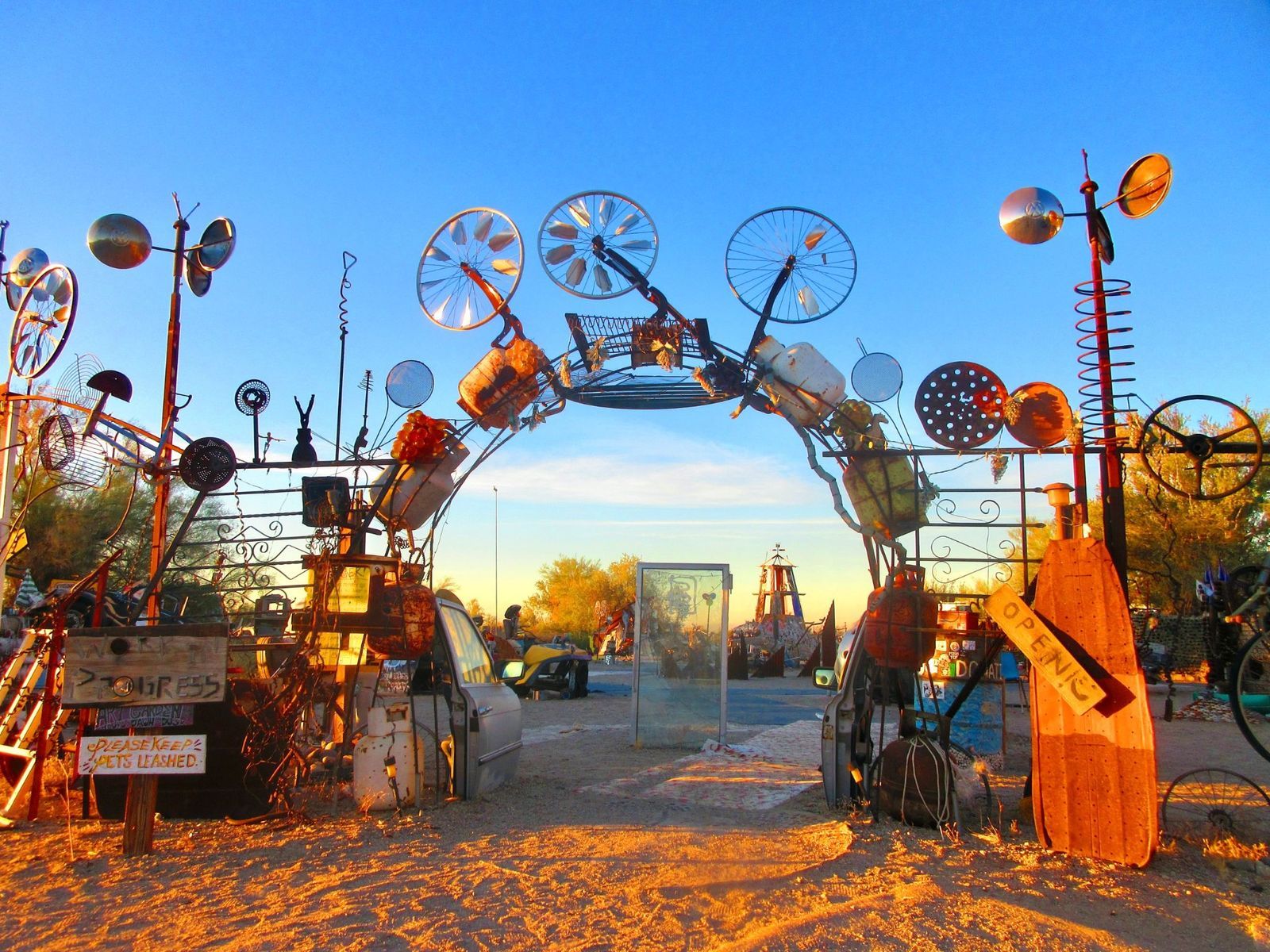
Slab City, also known as "the last free place in America," sits on an abandoned World War II Marine base in the Sonoran Desert.
Occupied by nomads, artists, retirees, and off-grid enthusiasts since the 1980s, the settlement operates without any municipal government, property taxes, running water, electricity grids, or formal law enforcement. Residents build creative homes out of salvaged materials, relying on solar panels and communal cooperation to manage daily life.
Longyearbyen, Norway
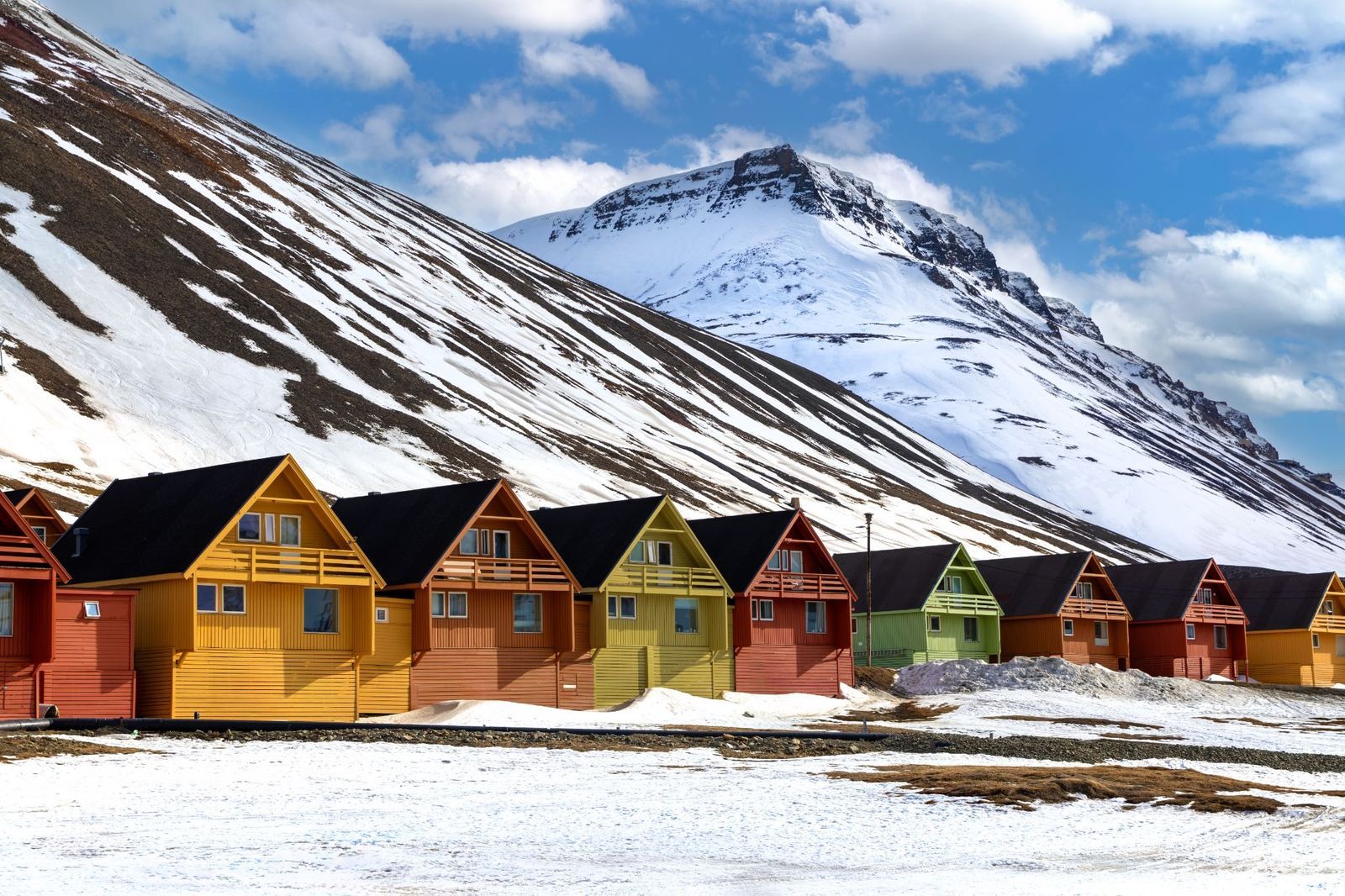
Located in the Arctic Svalbard archipelago, Longyearbyen is the northernmost permanent settlement in the world. It also boasts one of the most unusual local rules: it’s famously illegal to die here.
Because the region sits on perpetual permafrost, buried bodies never decompose, making burials impossible and posing health risks. Terminally ill residents or frail seniors are flown to mainland Norway for care and burial, keeping the local mortality rate at zero.
Gibsonton, Florida, United States
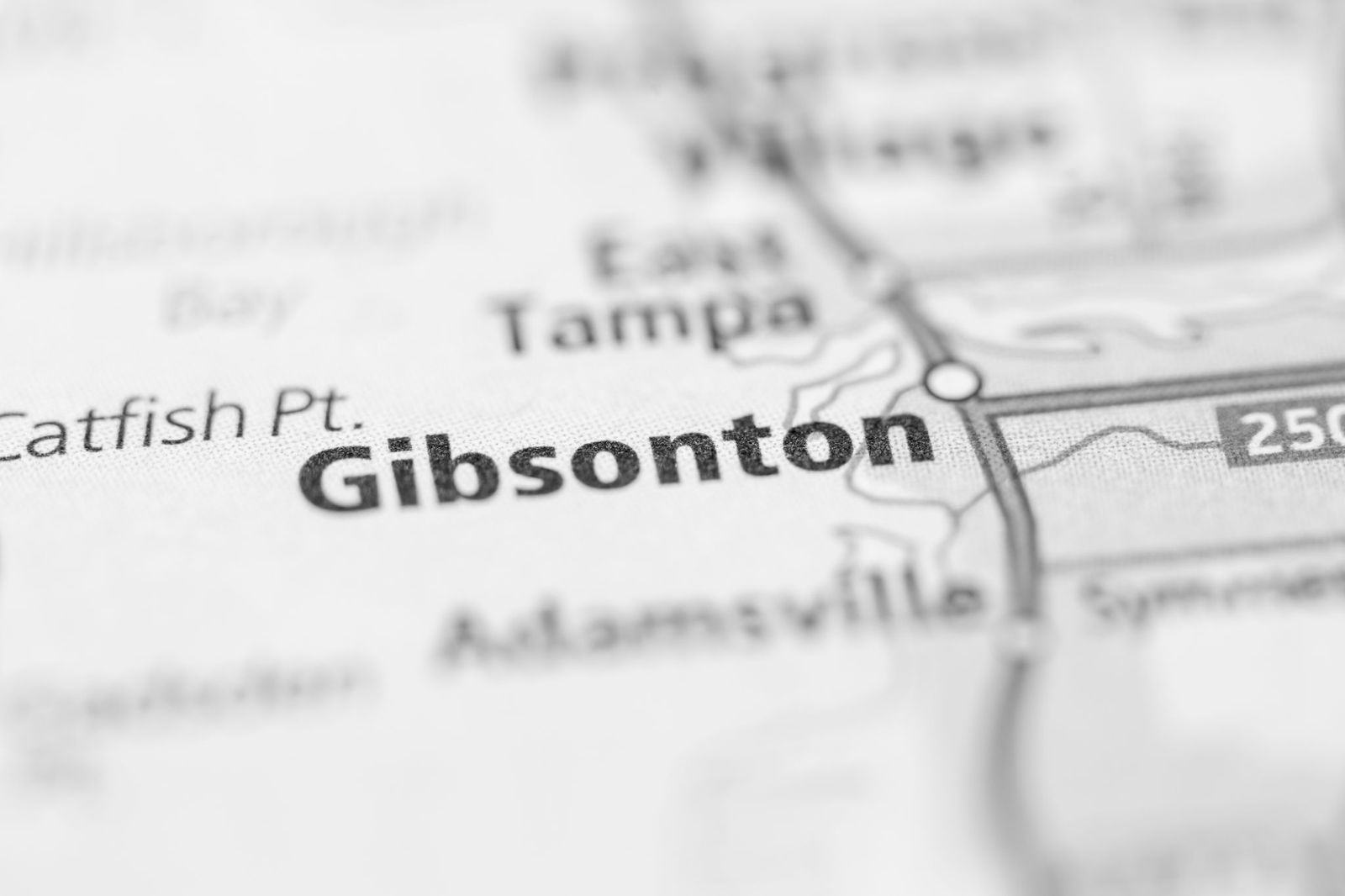
Also known as "Freaktown" or "Gibtown," Gibsonton served as the main winter retreat for traveling carnival workers and circus performers since the 1930s. In fact, this town, located 12 miles south of Tampa, was home to Percilla the Monkey Girl, the Anatomical Wonder, and the Lobster Boy.
To accommodate its unique seasonal residents, the local administration adopted special zoning laws that permitted people to house circus trailers, carnival rides, and exotic animals (like elephants and tigers) in residential front yards. The local post office even famously adjusted its service counter heights for little person performers.
Coober Pedy, Australia
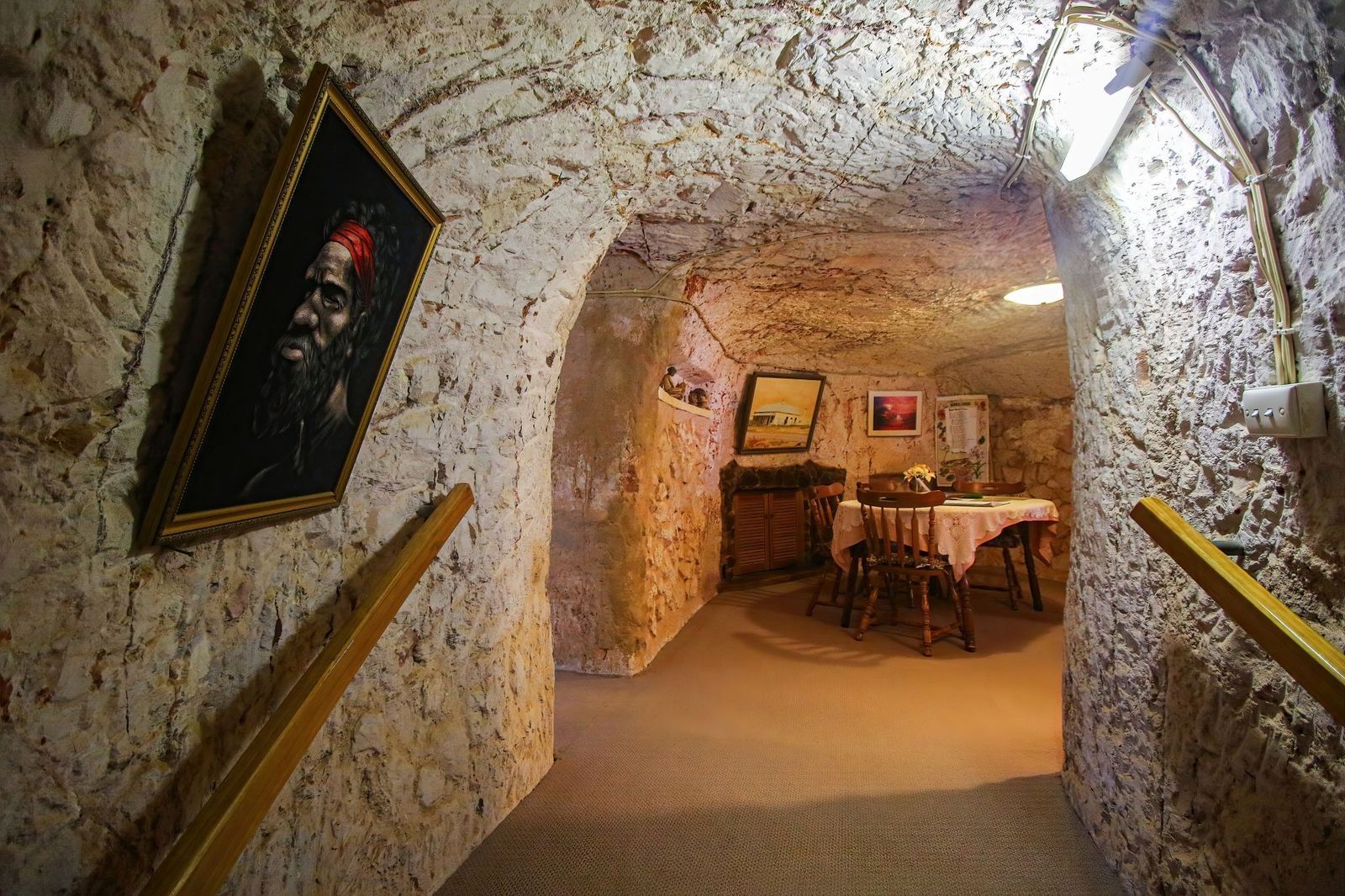
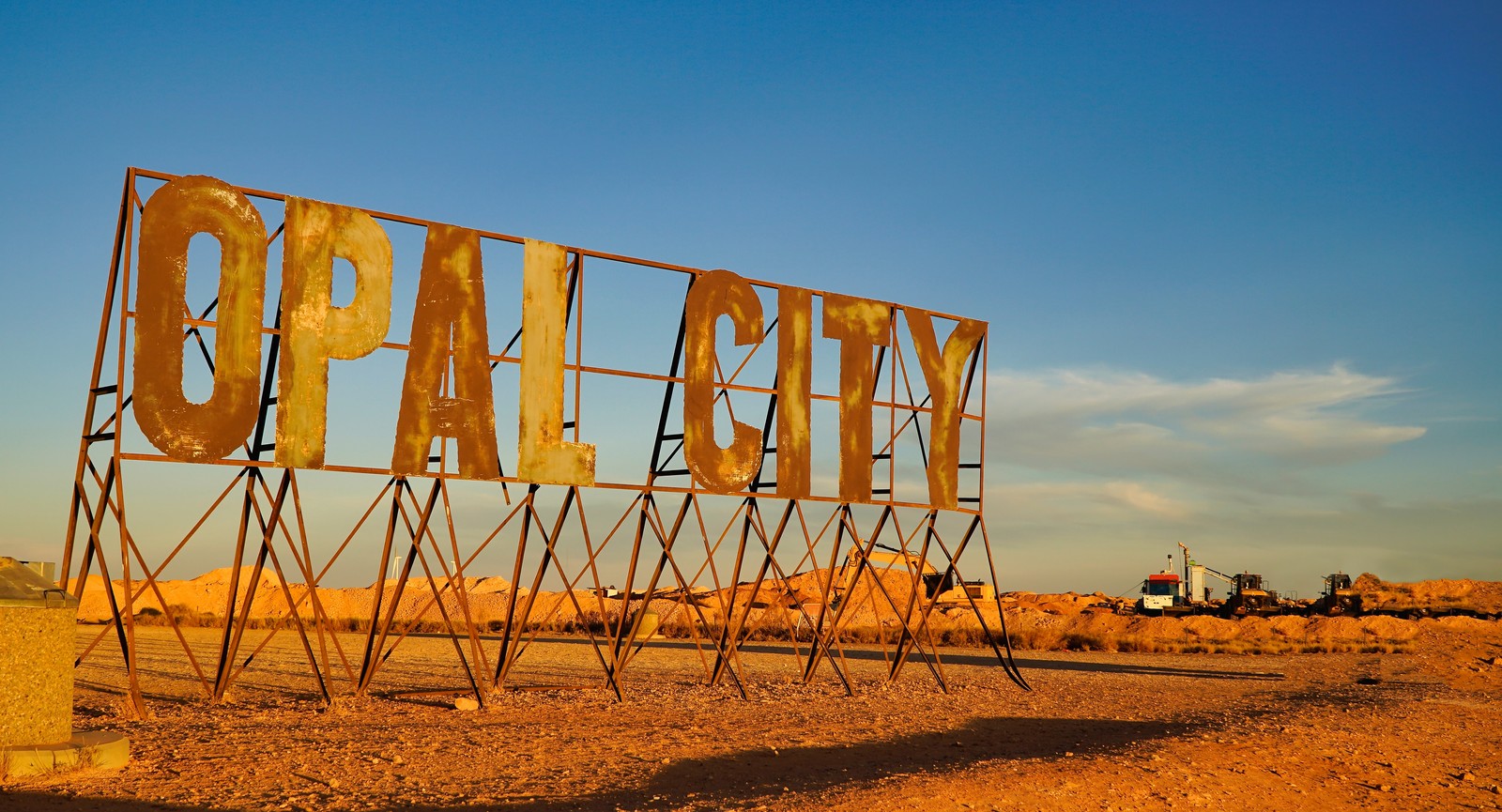
In the desert of South Australia, surface temperatures rise past 110ºF. To escape the oppressive heat, the residents of Coober Pedy (a famous opal mining zone north of Adelaide) moved their daily life underground.
More than half the population lives in homes excavated directly into the hillsides. The subterranean community also keeps underground hotels, restaurants, bars, museums, and even three fully functional churches.
Thames Town, China
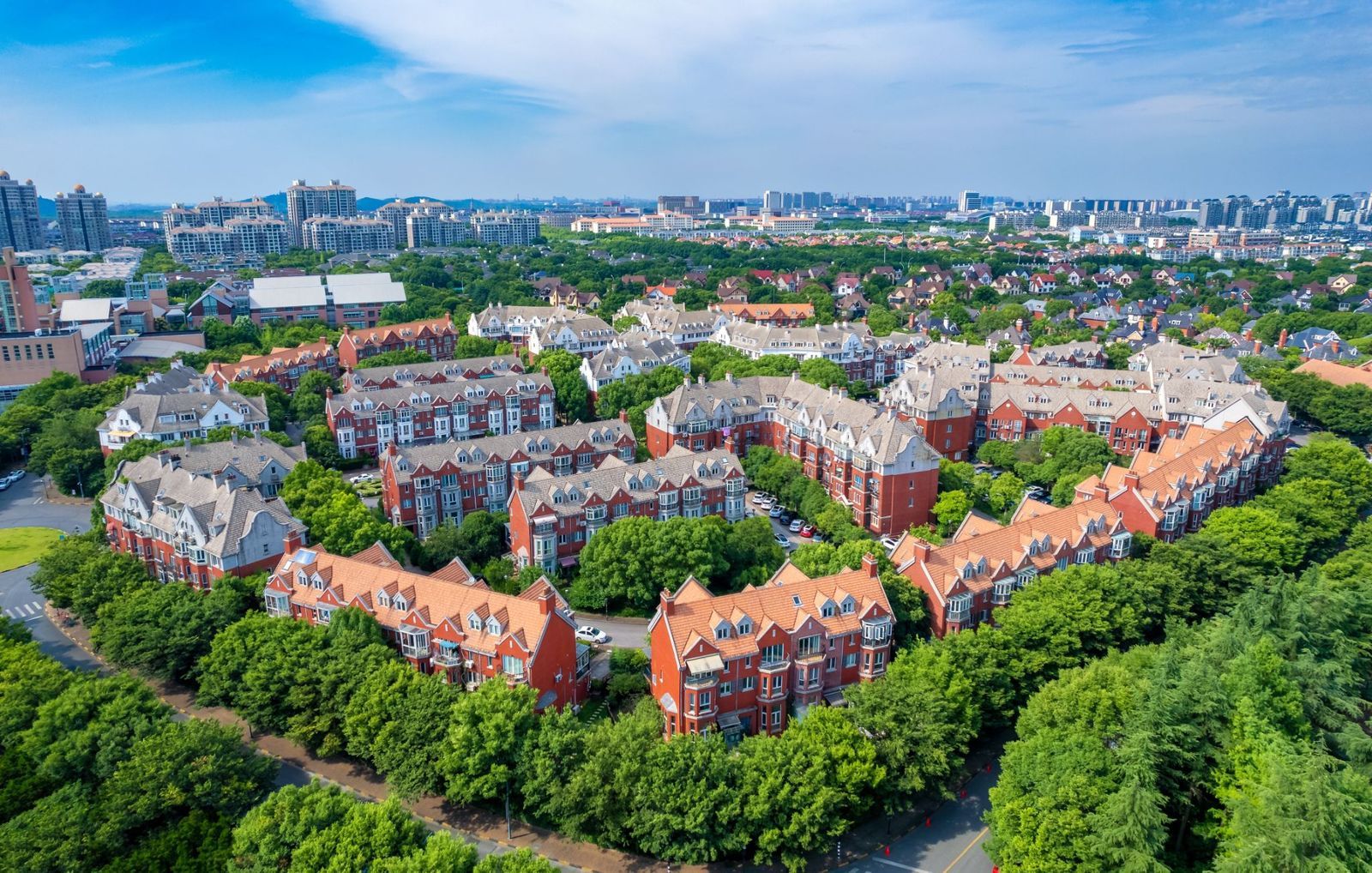
Located 20 miles outside central Shanghai, Thames Town is a replica of a traditional English country village.
Walk down its cobblestone streets, and you’ll find classic red telephone booths, Victorian-style storefronts, fish-and-chip shops, and even a statue of Winston Churchill. Built during the 2000s as part of an urban planning initiative, today it works mainly as a tourist attraction and backdrop for wedding photography.
Centralia, Pennsylvania, United States
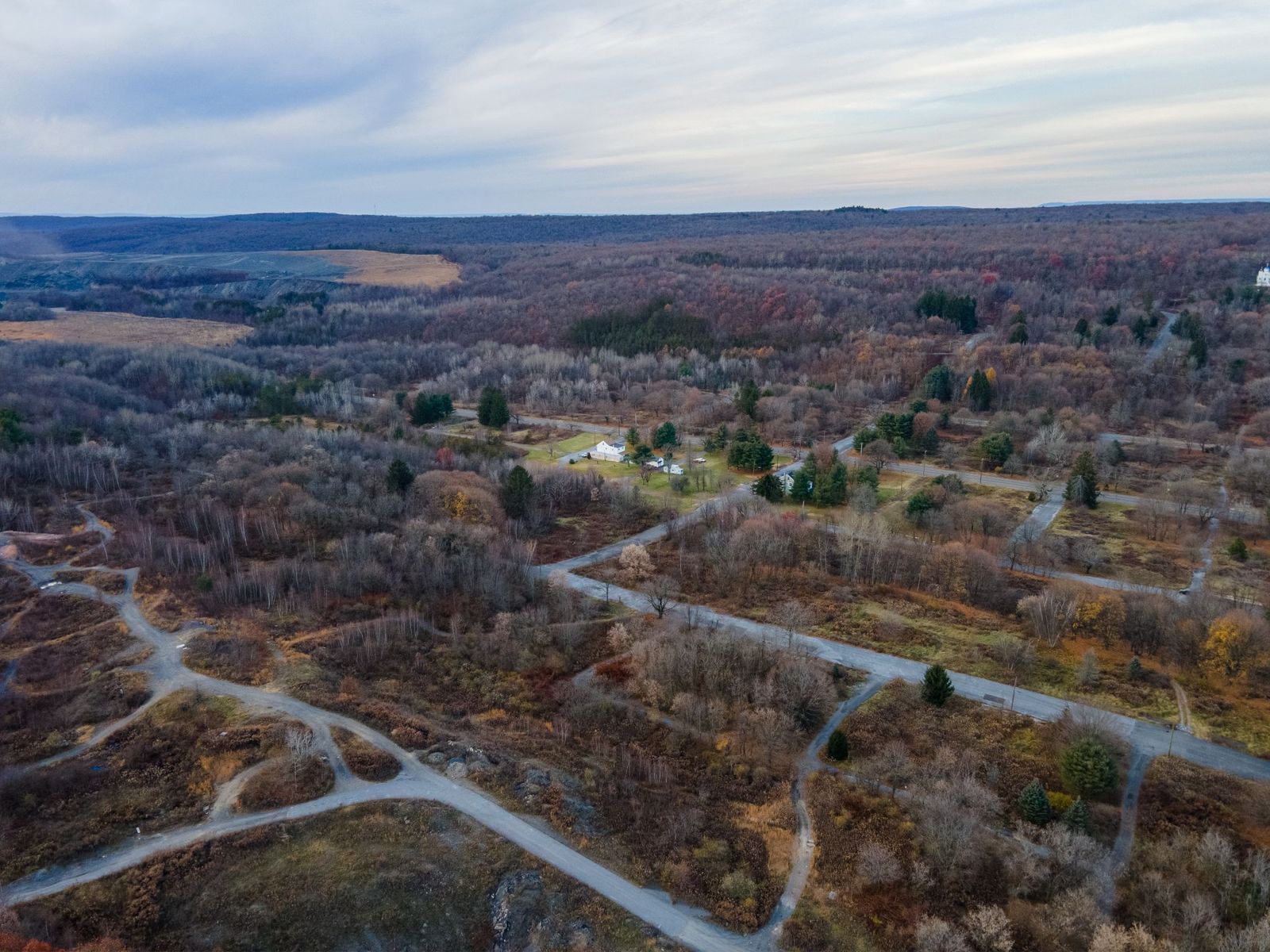
In 1962, a controlled trash burn ignited an exposed seam of coal beneath the mining town of Centralia, Pennsylvania. The fire quickly spread underground, creating dangerous sinkholes and venting toxic gas into homes.
After the government forced most residents to evacuate in the early 1990s, Centralia became a ghost town. Decades later, the subterranean furnace continues to burn under the cracked pavement. Scientists estimate it could keep burning for another 250 years.
Auroville, India
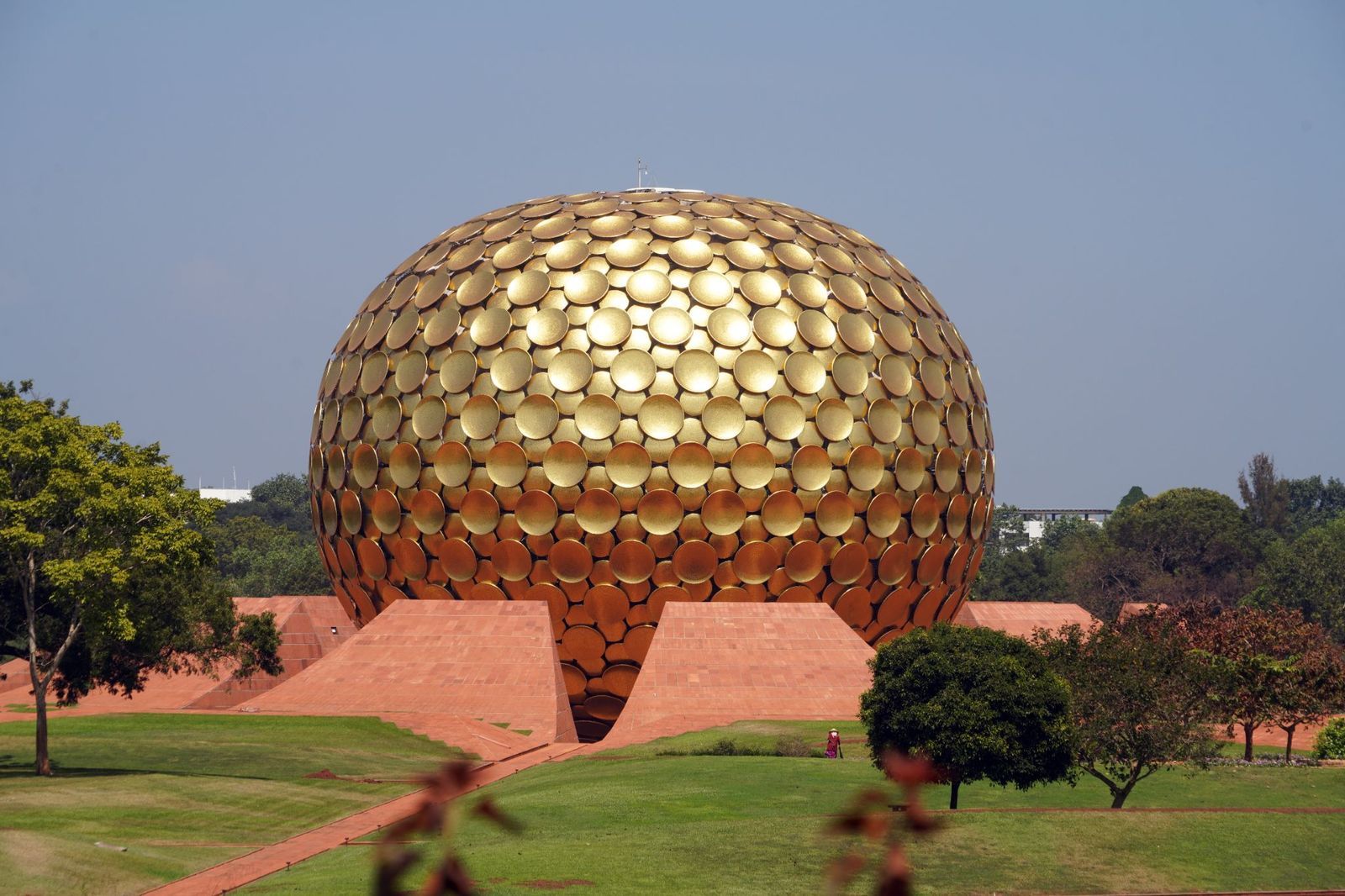
Founded in 1968 in southern India, Auroville is an experimental, utopian township created to promote human unity and sustainable living.
Designed around a golden-domed meditation temple called the Matrimandir, the town hosts residents from around the world. Auroville works without traditional political governance, private land ownership, or paper cash, relying instead on a collective economic system focused on community service.
Chess City, Elista, Kalmykia
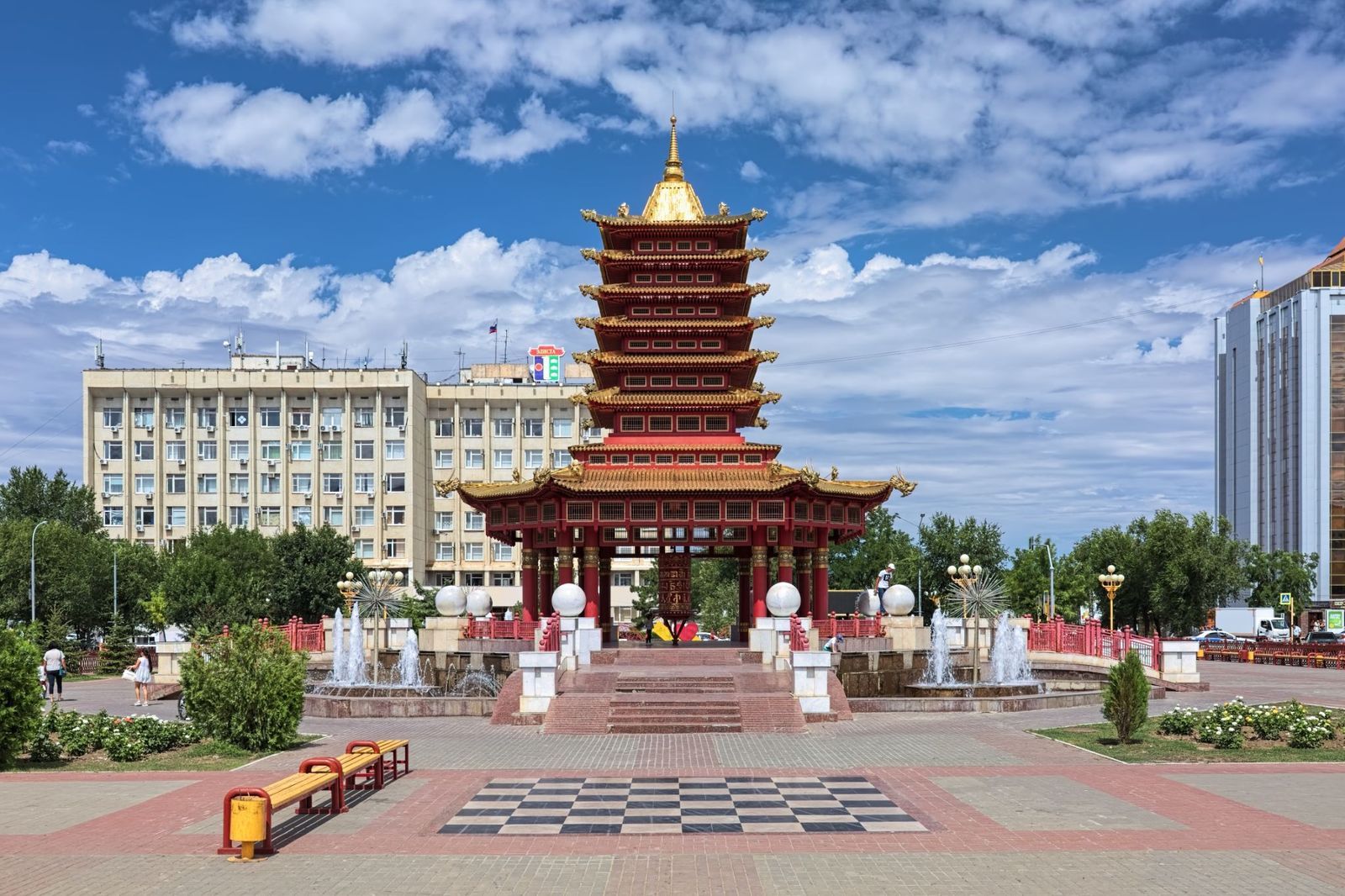
Elista, the capital of the Russian Republic of Kalmykia, features a whole district that revolves around a single board game.
Dreamed up by former president and avid chess fanatic Kirsan Ilyumzhinov, "Chess City" was built to host the 33rd Chess Olympiad in 1998. The complex includes a giant glass dome, suburban streets with chess-themed artwork, and a massive outdoor chessboard where visitors can play with giant pieces.
Ordos, China
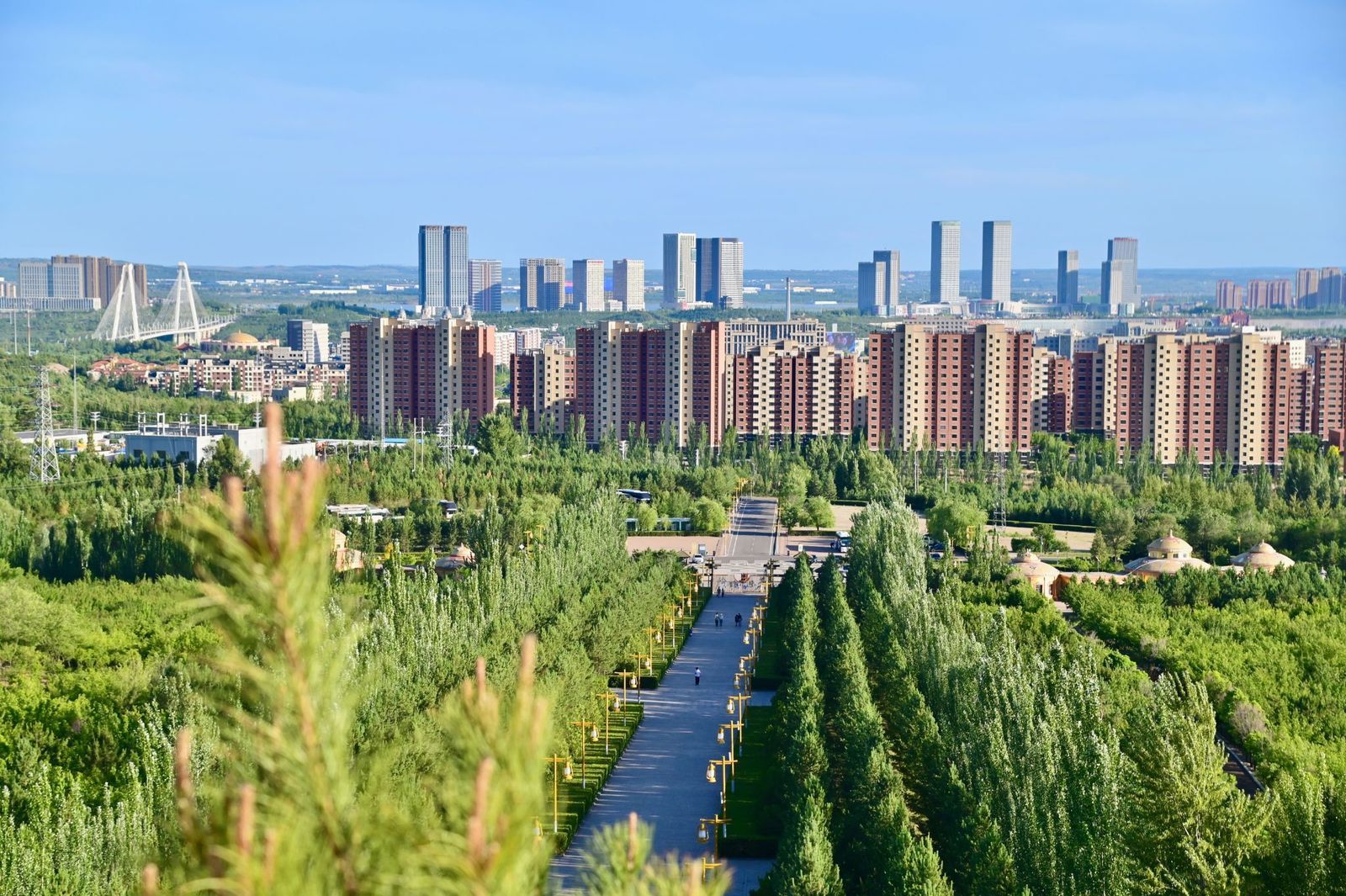
Located in Inner Mongolia, Ordos was established in 2001 during a real estate boom to house over a million residents.
With futuristic high-rises, large plazas, museums, and civic centers, the city became famous as China’s largest "ghost city" when home sales stalled, and most of the infrastructure stood empty for years. Though population levels have gradually risen, walking through its streets still feels like stepping into a post-apocalyptic sci-fi film.
Keep wandering
There’s always
more to explore
 General

How one package of macadamia nuts made the pilot turn the plane around
5 min.
Read Now
Nearly everyone in this town lives in one 14-story building
6 min.
Read Now

Can too many visitors change a town forever? The truth about tourism
6 min.
Read Now
Chernobyl: the residents were told they’d be back in three days
6 min.
Read Now