Maps lie: 10 famous cities that love to trick tourists
 Culture
City secrets
Maps lie: 10 famous cities that love to trick tourists
We rely on maps to keep us oriented, but sometimes they aren’t enough to understand the city's complete layout. Each city grew to meet its changing needs and has its own method of dealing with chaos: streets that change their name for no discernible reason, passages that end at water, and diagonal avenues that cross numbered and lettered streets at the same time. To truly make sense of it all, we need to learn a little more about their past. Here are 10 legendary cities where unravelling their history is the secret to finding your way.
Venice’s Canals and Alleys
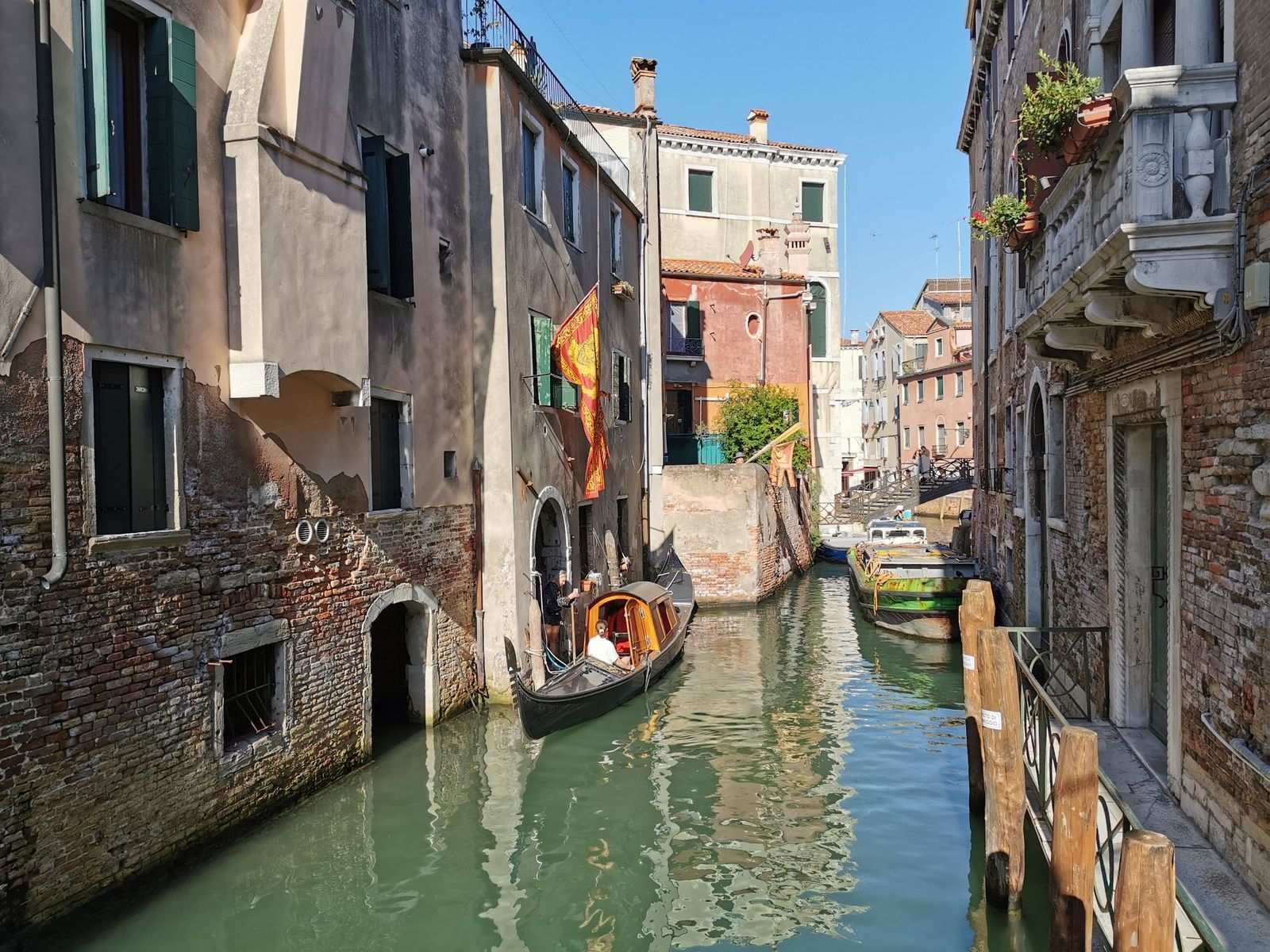
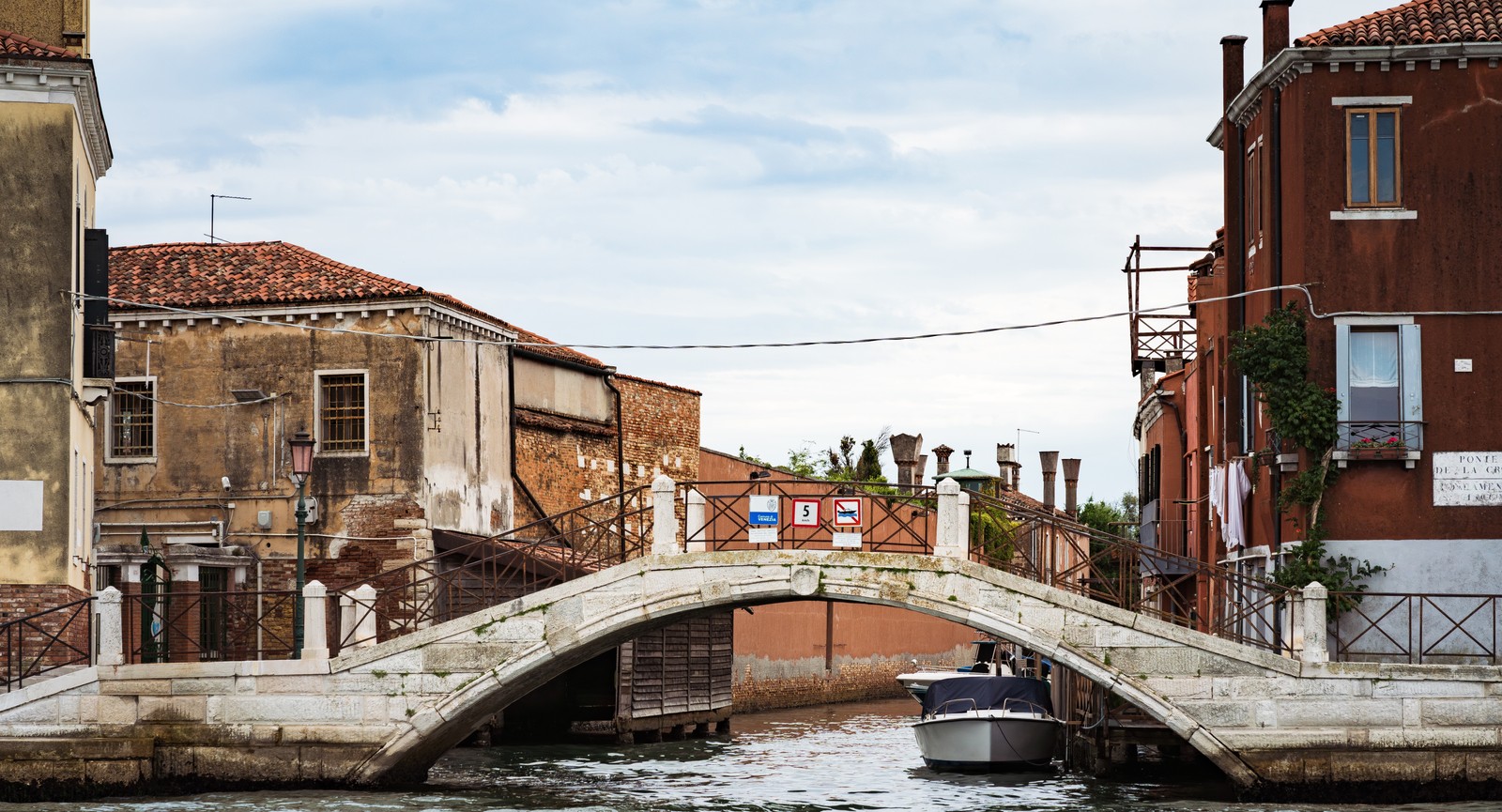
Venice is the city of canals and alleys that everyone wants to visit at least once. The city began developing across lagoon islands in the fifth century, and its urban system grew around waterways from the start. Separate settlements gradually joined, and canals became the transportation routes, with narrow lanes and bridges connecting the land.
Visitors should know that some of Venice’s passages end at water, while others pass beneath buildings. Bridges are the only crossing points between many sections, so a destination that appears nearby can require a long detour around a canal. In addition, signs may point toward the same landmark along several different routes, and two tourists can follow different arrows and still reach the same destination.
Washington D.C.’s Diagonal Avenues
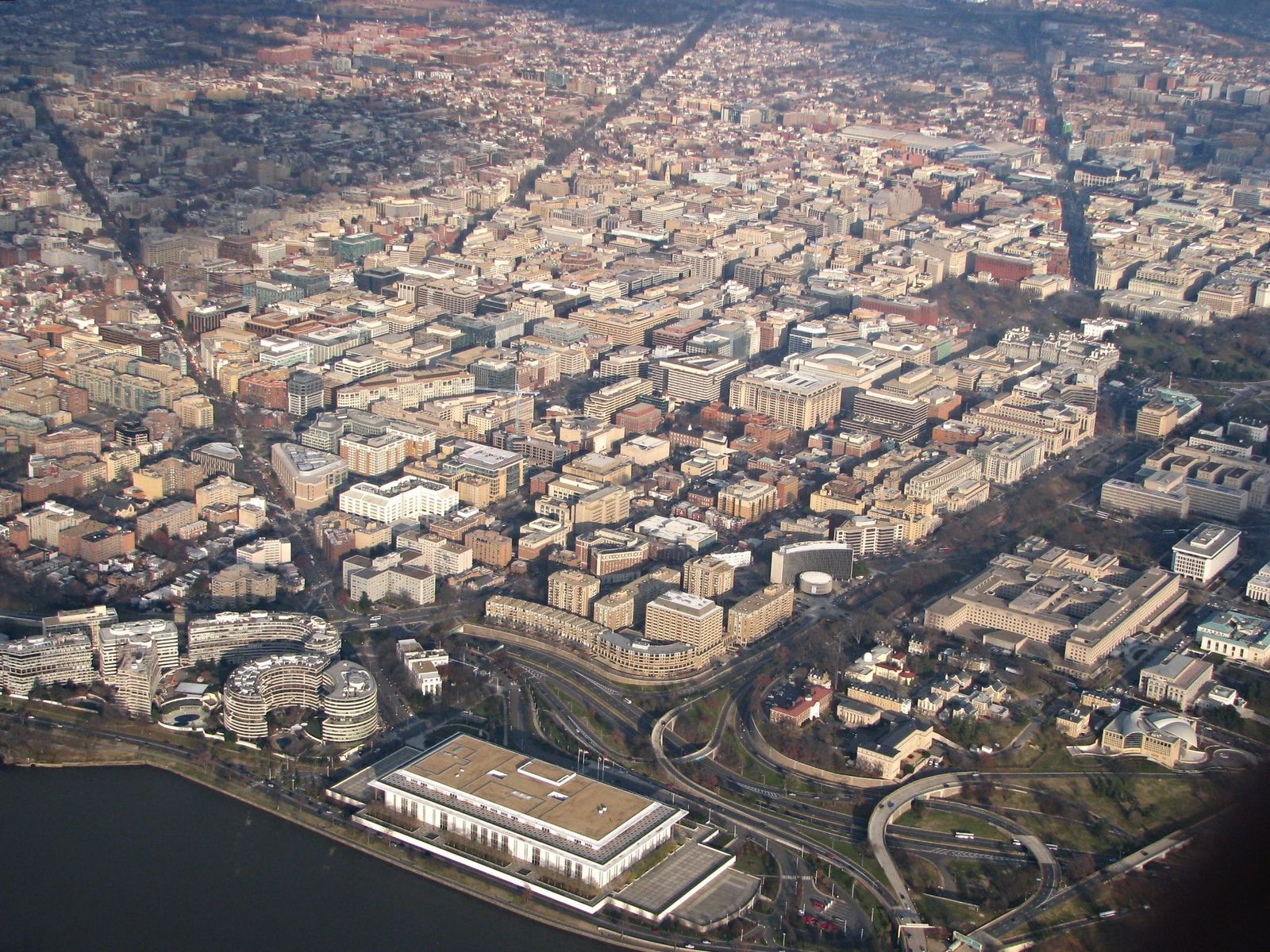
Washington uses numbered streets in one direction and lettered streets in the other, so navigating the city may seem simple at first. But state-named avenues cut diagonally across that grid, creating triangular blocks and intersections with several possible exits.
The layout dates to 1791, one year after Washington became the nation’s capital. Pierre Charles L’Enfant designed wide diagonal avenues to connect major government buildings. Pennsylvania Avenue, for example, connects the Capitol with the White House. It becomes confusing where avenues such as Massachusetts Avenue cross numbered streets, lettered streets, and diagonal roads at the same point, because visitors have to follow several naming systems while also figuring out which exit will keep them in the right direction. And most of the time, it’s all too easy to take the wrong turn.
Boston’s Winding Streets
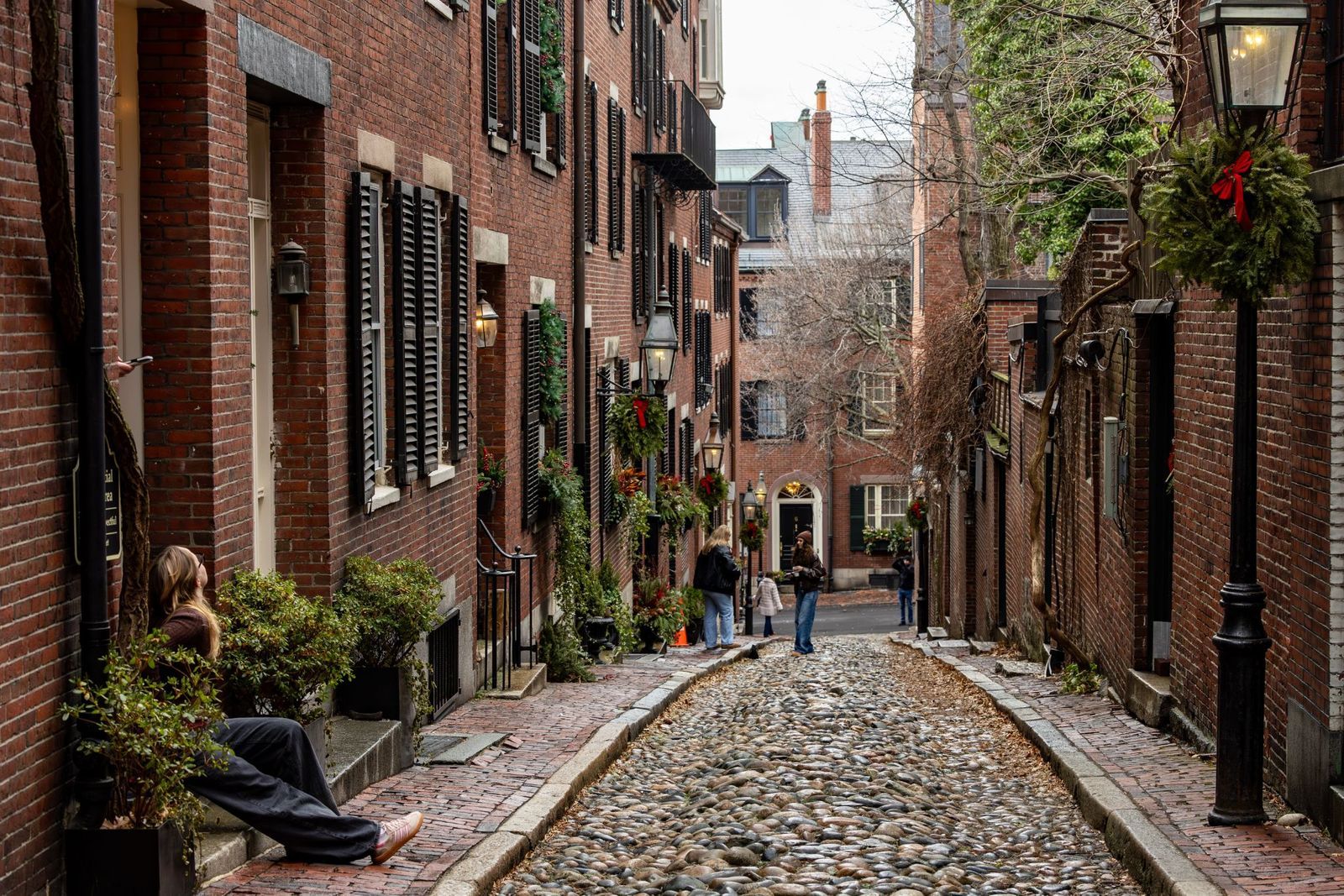
Boston was founded in 1630, long before uniform grids became the standard for American cities. Its earliest roads followed the natural shoreline, connected important gathering places, and worked around hills and private properties. Later land-reclamation projects pushed the shoreline outward, creating some streets that follow curves that are no longer connected to the water.
Boston’s Freedom Trail takes visitors from Boston Common through downtown and the North End. There, the red-brick line is the only clue to hang on to, because streets are curved, narrow, and can change direction suddenly. If you lose sight of it, the surrounding street network becomes confusing and unpredictable.
London’s Ancient Road Network
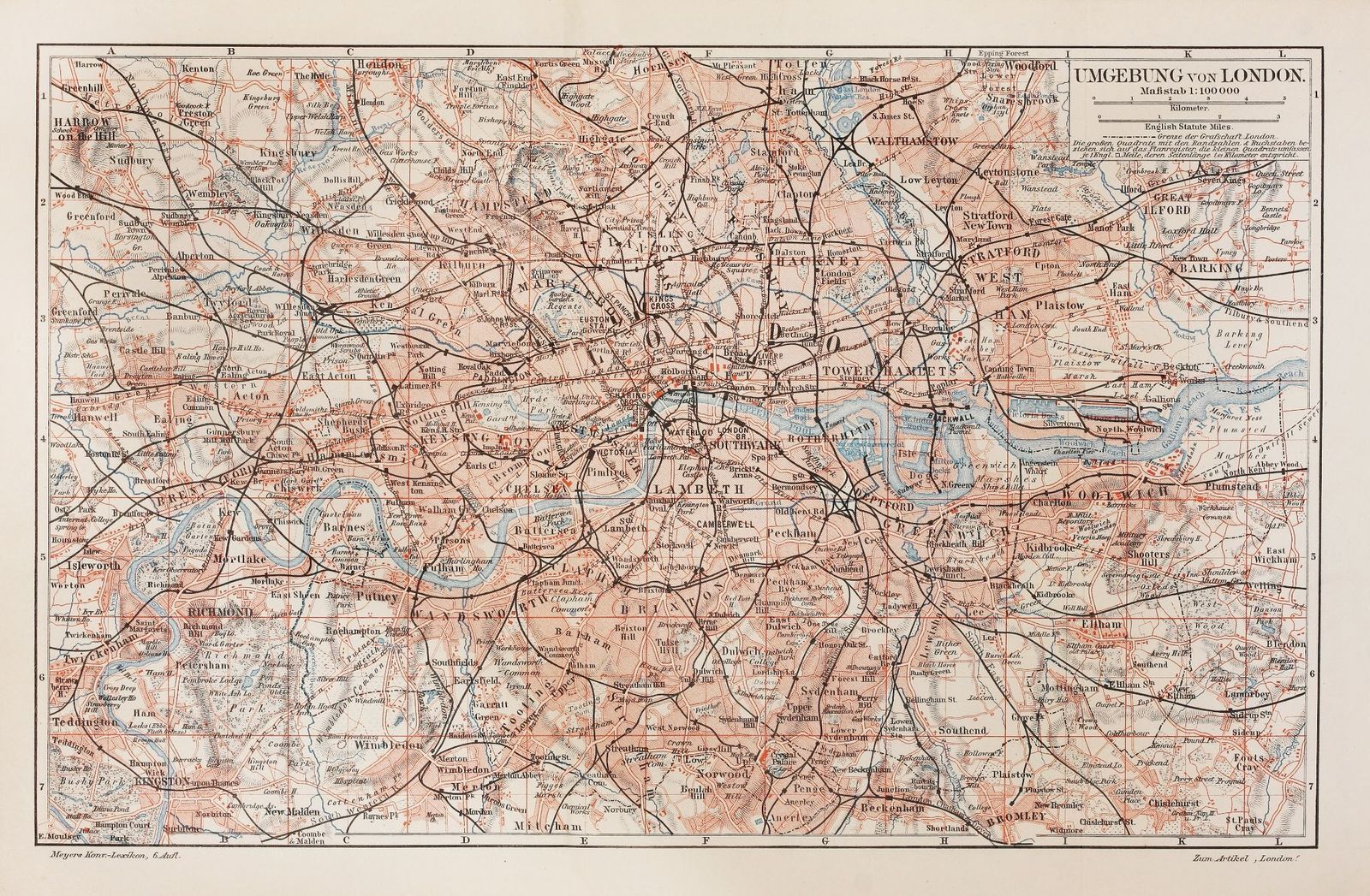
London’s story began nearly 2,000 years ago, when the Romans founded Londinium beside the Thames, the river they used to transport people and goods. From there, they built straight streets that formed simple square and rectangular blocks. But after the Romans left, the city continued growing, and medieval lanes, market streets, old city gates, and roads connecting settlements were added to the network. The problem: it didn’t follow a defined plan.
Today, some of London’s most popular landmarks include Trafalgar Square, St. Paul’s Cathedral, and the Tower of London. But getting from one to another can be confusing, as streets may bend or continue under a different name. You may also come across similar street names in different areas, as London expanded by absorbing smaller towns and neighborhoods, each with its own roads.
Paris’s Monumental Boulevards
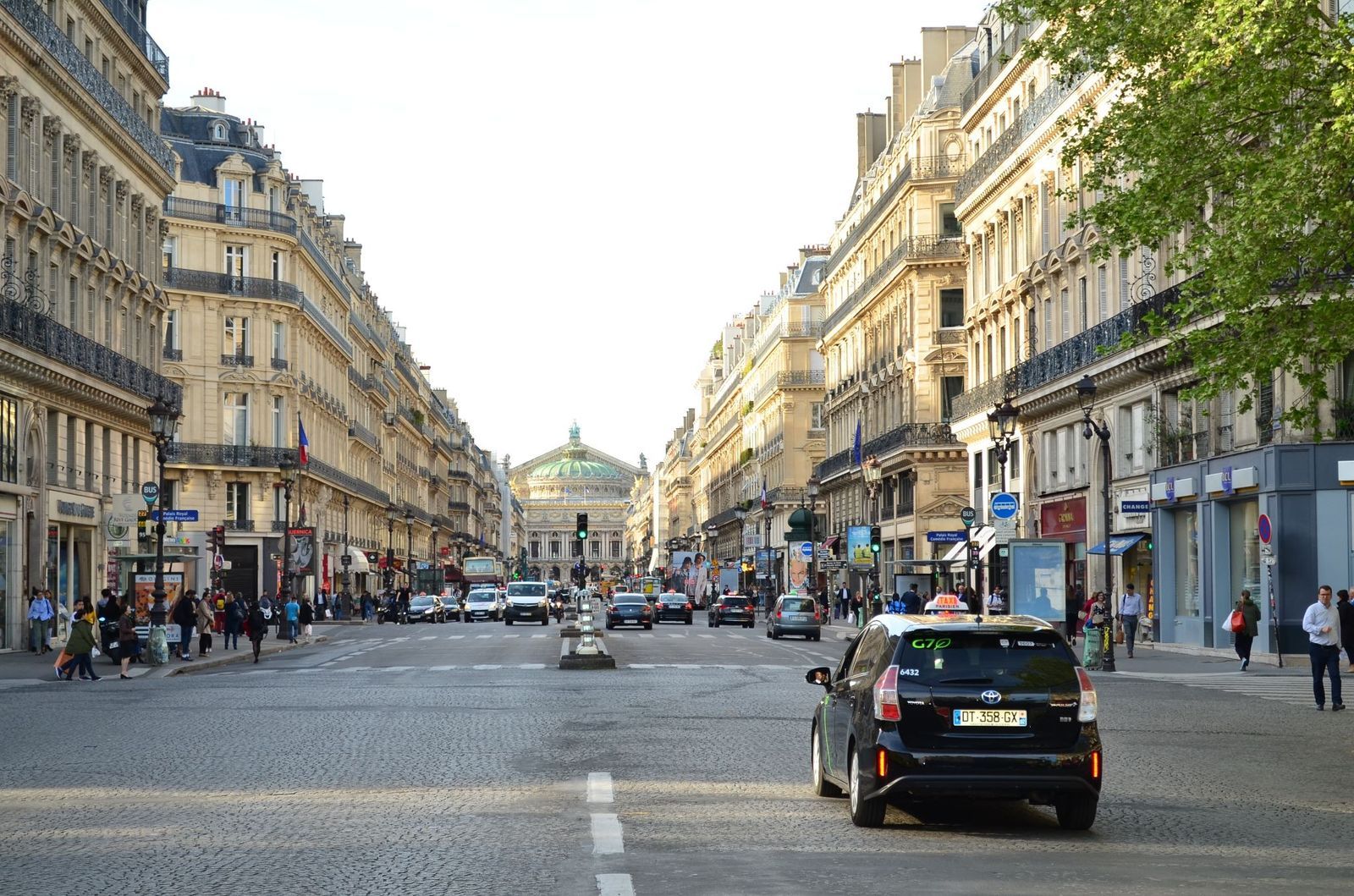
Paris began as a small settlement along the Seine more than 2,000 years ago, with narrow medieval streets around the historic center. In 1853, Napoleon III appointed government official Georges-Eugène Haussmann to lead a major renovation of Paris. Haussmann decided to cut wide boulevards through crowded neighborhoods to improve traffic, sanitation, natural light, and access to the city’s new railway stations.
Routes can sometimes become confusing when boulevards meet older streets at an unexpected angle or several avenues spread out from the same square. The Arc de Triomphe is a perfect example, where 12 similar-looking avenues radiate from Place Charles de Gaulle. Paris also has 20 numbered districts, or arrondissements, that spiral outward like a snail shell, so it helps to check the map before visiting.
San Francisco’s Hillside Grid
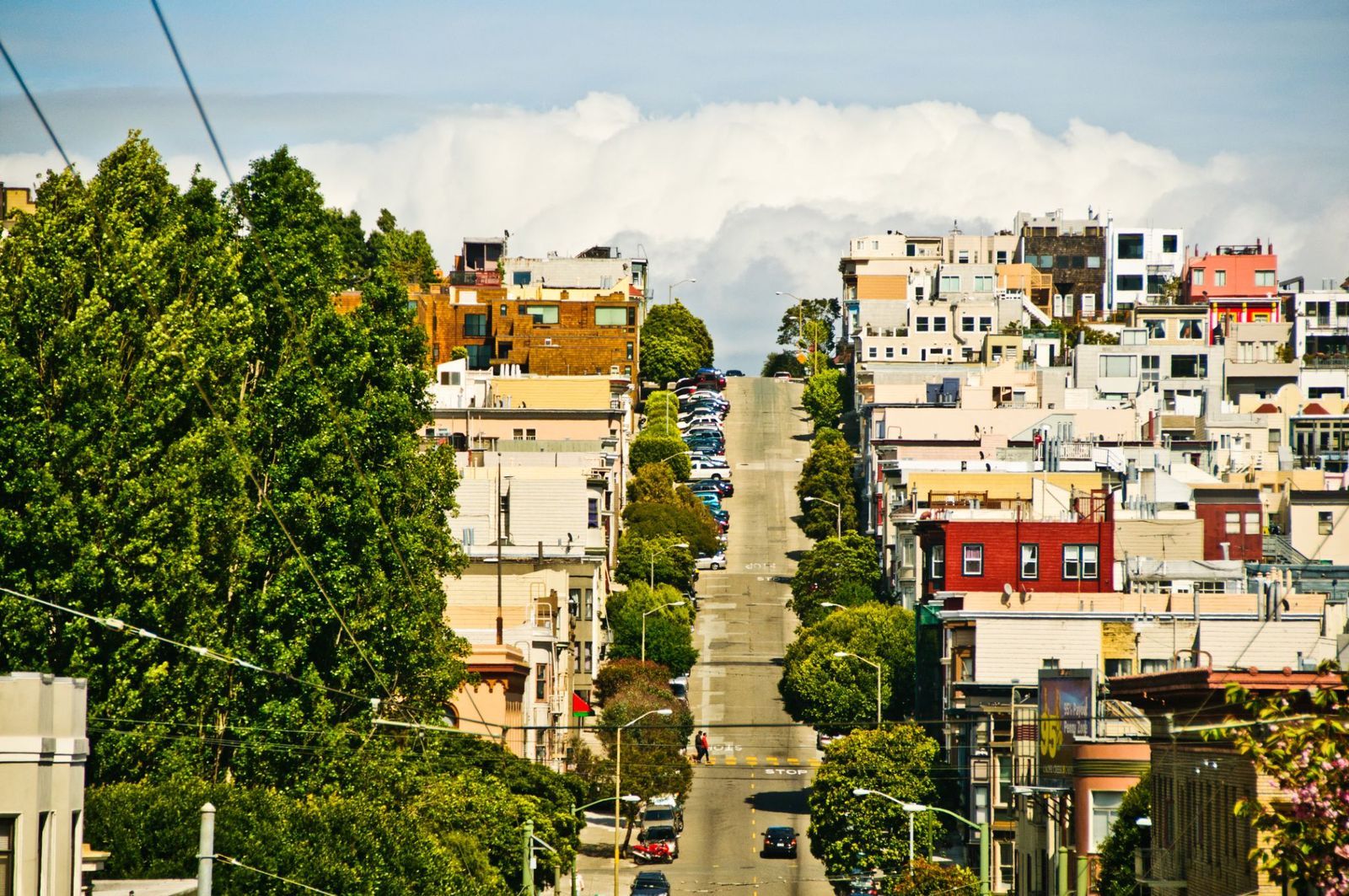
San Francisco began as a small Spanish mission and military outpost in 1776, but everything changed with the Gold Rush in 1848. As thousands of prospectors arrived, the settlement needed to expand, and instead of adapting every road to the terrain, streets were built across hills and dunes. Many streets now climb directly up one hill and descend the next.
The most visited spots, such as Union Square or Fisherman’s Wharf, may look like an easy walk on the map. But maps show distance more clearly than elevation, and they don’t warn visitors about the steep climbs over Nob Hill or Russian Hill. However, two cable car lines run from Powell and Market toward Fisherman’s Wharf, helping visitors avoid some of the city’s steepest streets.
Amsterdam’s Canal Rings
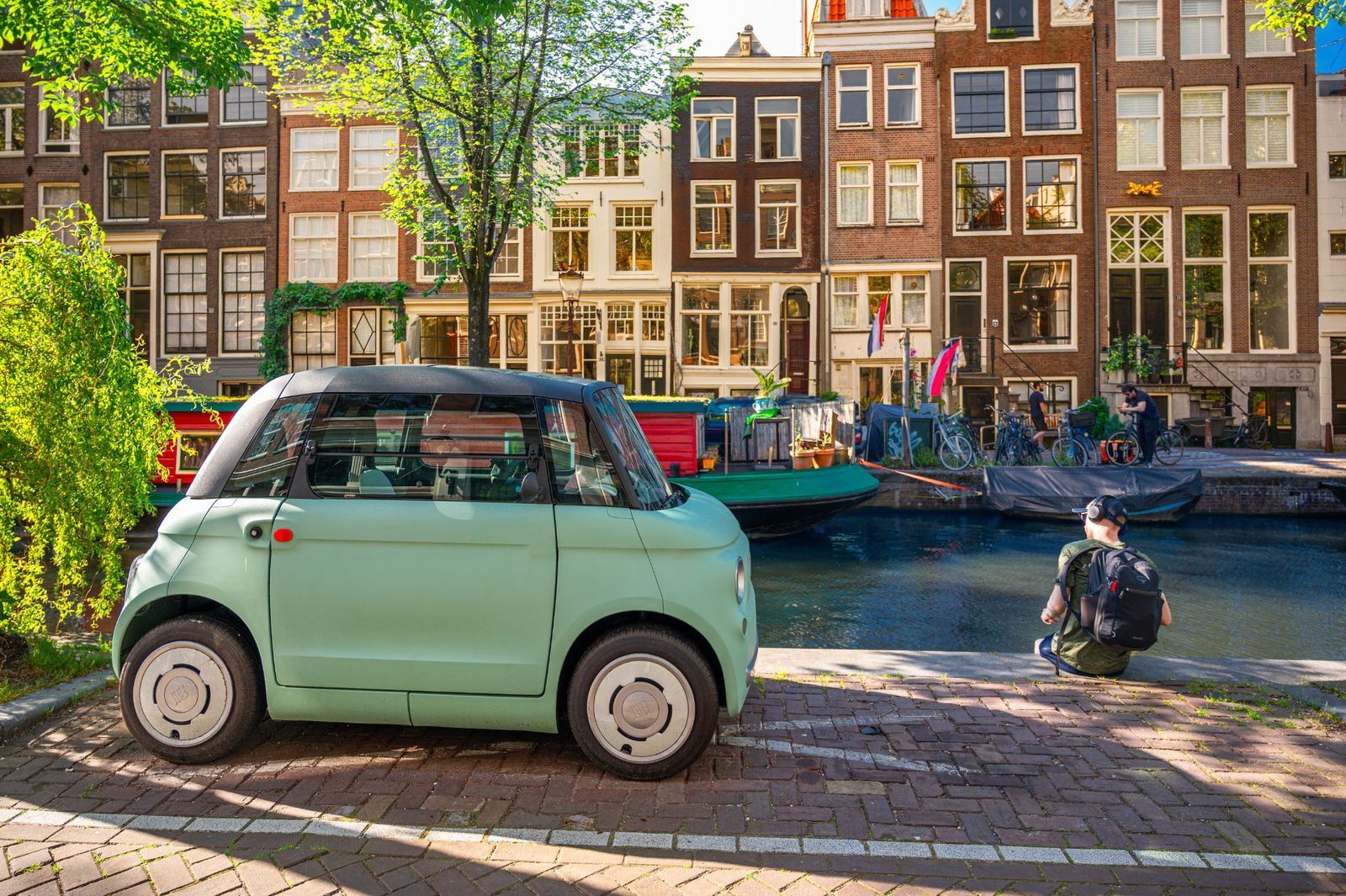
Water has shaped Amsterdam’s street system since its earliest days in the late 12th century, when the city began as a small settlement near the Amstel River. During the Dutch Golden Age of the 17th century, the Netherlands became a major center of trade, shipping, science, and art, and Amsterdam grew wealthy as ships brought goods from around the world. As the population increased and the city needed more space to expand, planners built the famous canal rings.
The Herengracht, Keizersgracht, and Prinsengracht are the three main canals in Amsterdam’s historic ring, and curve around the city center in semicircles. But walking straight ahead along these canals doesn’t necessarily take you straight across the city. And since the bridges and narrow canal houses look so similar, visitors may cross the right canal while still heading the wrong way.
Barcelona’s Cut-Corner Blocks
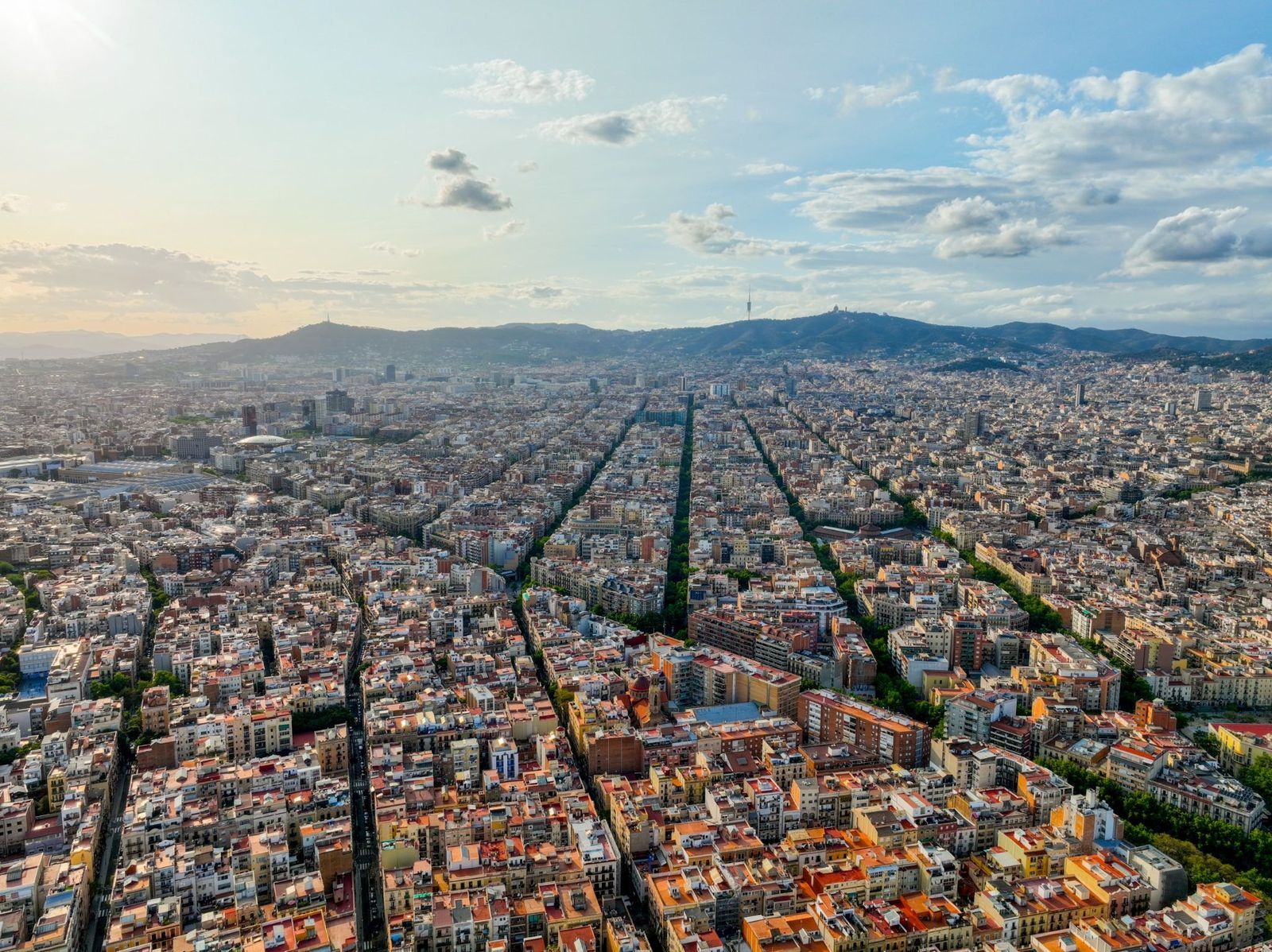
Barcelona was founded around 15 BC when the Roman Empire built a walled settlement where the city stands today. For centuries, the city expanded inside those walls, with narrow streets around the Gothic Quarter. By the 19th century, there was no longer enough space for all the inhabitants, so engineer Ildefons Cerdà designed the Eixample expansion in 1859.
Cerdà designed a large grid with blocks cut at an angle in their corners, making intersections wider and easier to see across. But the octagonal blocks can seem almost identical from the street, and their cut corners can make the road ahead look slightly out of line, so visitors can walk several blocks before realizing they’re following a parallel street instead of the one they need.
Edinburgh’s Stacked Streets
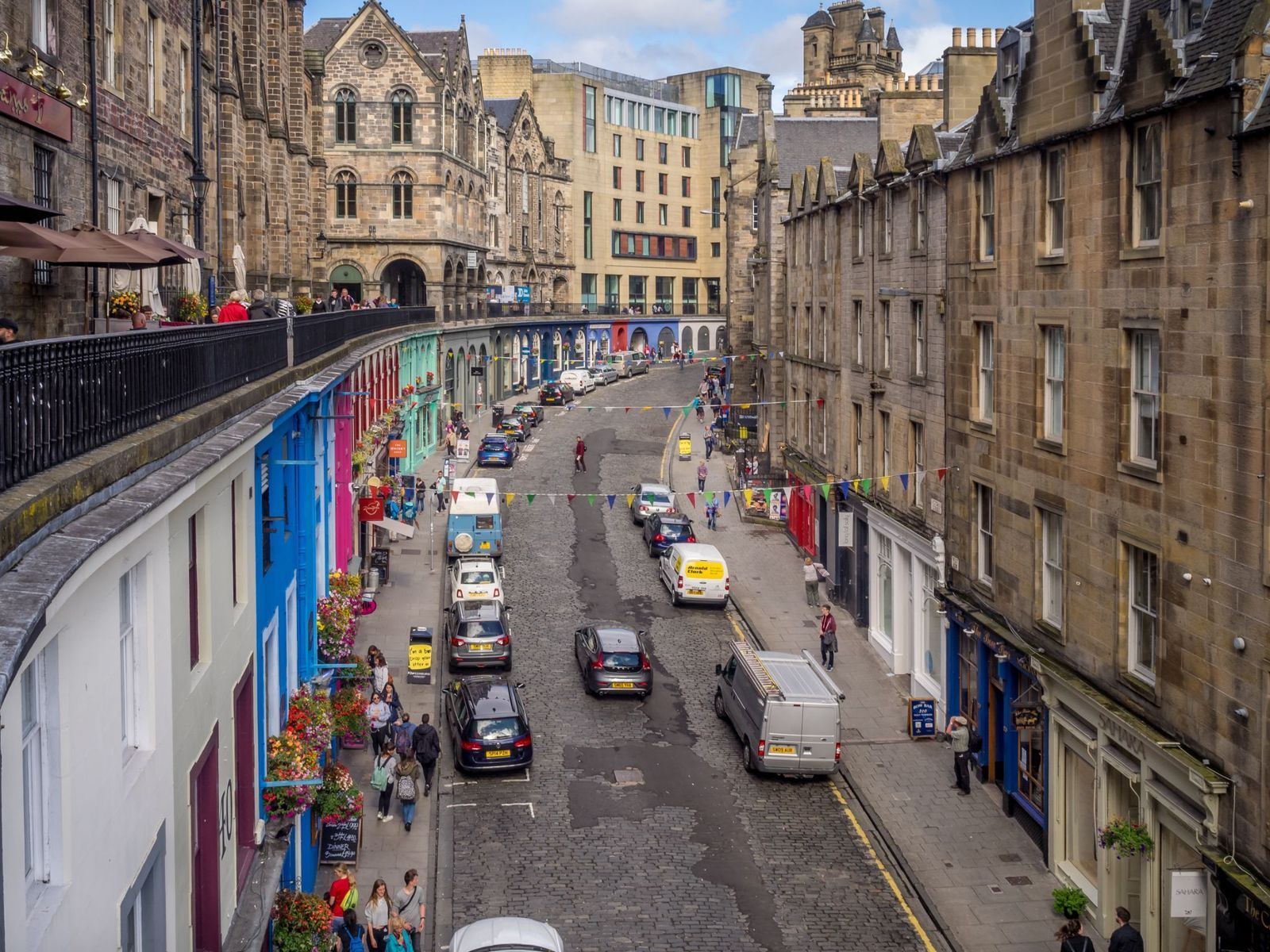
In Edinburgh, the Royal Mile directly connects Edinburgh Castle and the Palace of Holyroodhouse. However, the streets around these spots aren’t so easy to follow, because the city was built at different levels. The map may show two streets crossing, while one actually passes high above the other. To reach the lower road, you may have to find a staircase or one of the narrow alleyways locals call closes.
In the 12th century, Edinburgh grew as a royal town along the narrow ridge below the castle. Steep closes were added down the sides of the ridge to reach the lower ground, as more buildings crowded around the Royal Mile. Then, in the late 18th century, North Bridge and South Bridge were built across the surrounding valleys. And, instead of joining the older streets below, the new roads passed over them, creating the stacked street system that still confuses visitors today.
Savannah’s Public Squares
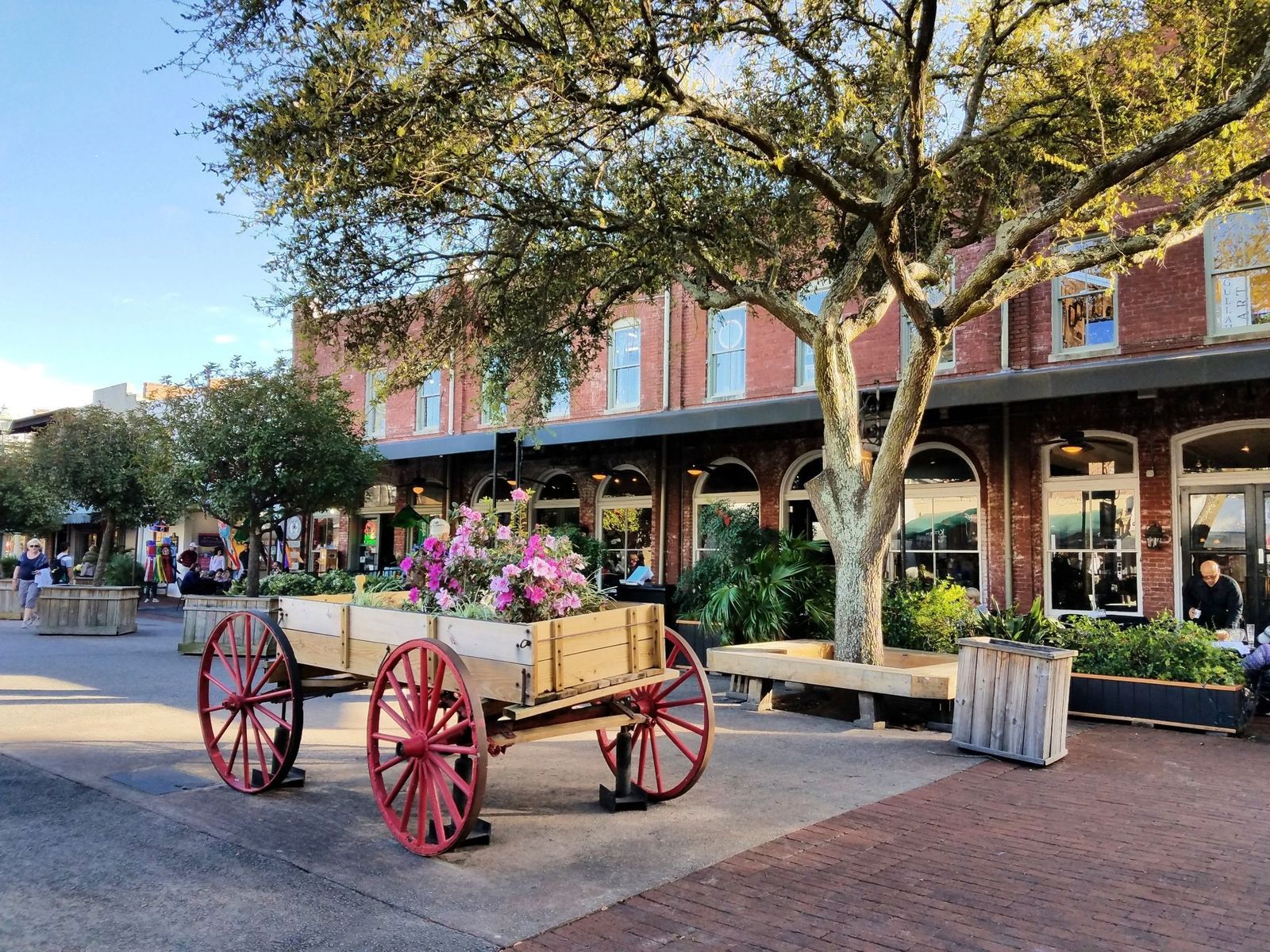
When James Oglethorpe founded the city of Savannah, Georgia, in 1733, he organized it around public squares rather than a single central plaza. So each new neighborhood had its own square, with separate spaces nearby for homes.
Visitors nowadays walk from River Street toward Forsyth Park, passing through several of the city’s 22 surviving squares. Many have similar trees and monuments, so it’s easy to mistake one for another. Instead of continuing straight, streets may also split or curve around a square, meaning tourists should check the square’s name before assuming they’re still following the same route.

15 breathtaking views around South America
 Geography
Dreamlike landscapes
15 breathtaking views around South America
South America is a continent that doesn’t do subtle. Its landscapes are big, loud, dramatic, and unforgettable. From roaring waterfalls to silent salt deserts reflecting the sky, these views tend to stop travelers mid-sentence. Take a look at some of the places people remember long after the trip is over!
Iguazú Falls, Argentina and Brazil
 Image: Cadu Mello
An incredible wall of water: hundreds of cascades thunder through dense rainforest, with mist rising constantly into the air. That’s what you’ll get at Iguazú, specifically standing near the Devil’s Throat, where the river drops with staggering force.
Lençóis Maranhenses, Brazil
 Image: Renato Nascimento
At first glance, it looks like endless sand dunes. Then you notice the lagoons. Rainwater collects between the dunes, forming bright blue pools that shimmer under the sun, creating one of the most surprising landscapes on the continent.
Machu Picchu, Peru
 Image: Sparks Darby
Perched high above the Urubamba Valley, Machu Picchu often reveals itself slowly through drifting clouds. The precision of the stonework against the dramatic Andean backdrop makes the view feel almost unreal.
Salar de Uyuni, Bolivia
 Image: Matheus Oliveira
Salar de Uyuni stretches farther than the eye can see. In the dry season, it becomes a blinding white expanse. When the rains arrive, it transforms into a perfect mirror, reflecting the sky so completely that the horizon disappears and you feel like you are walking within a dream.
Torres del Paine National Park, Chile
 Image: Marek Piwnicki
Few places deliver drama like Torres del Paine. Sharp granite peaks rise above turquoise lakes and wide Patagonian plains, with light shifting constantly due to fast-moving weather. At sunrise and sunset, the towers are painted in soft pinks and fiery oranges.
Serranía de Hornocal, Argentina
 Image: Lucas Suárez
Also known as the "Hill of 14 colors," this astonishing band of earthy hues stretches across mountain slopes high in the Andes. This spectacle results from millions of years of mineral-rich sedimentation exposed by erosion, creating a layered palette that looks almost painted by nature itself.
Ciudad Perdida trek views, Colombia
 Image: Alexander Schimmeck
The journey to Ciudad Perdida ("Lost City") winds through thick jungle and steep mountain paths. Along the way, mist-covered valleys and stone terraces emerge from the forest. Just like scenes from an adventure movie in which an ancient city is slowly reclaimed by nature.
Perito Moreno Glacier, Argentina
 Image: Hans-Jürgen Weinhardt
This massive glacier towers above the water in electric shades of blue. Unlike most glaciers, it’s still advancing, cracking and shedding ice with thunderous sounds. A network of boardwalks allows visitors to witness its scale from remarkably close vantage points.
Valle de la Luna, Atacama Desert, Chile
 Image: Willian Justen de Vasconcellos
Wind and time have sculpted this desert into ridges, dunes, and salt-crusted valleys. The landscape feels lunar, hence its name. As the sun drops and shadows stretch across the sand, colors shift from pale gold to deep red within minutes.
Mount Fitz Roy, Argentina
 Image: Sergey Guk
Mount Fitz Roy rises sharply from the Patagonian landscape near El Chaltén, Argentina. Glacial lakes reflect its jagged peaks, especially at sunrise, when the rock glows pink and orange. It’s a favorite among hikers and photographers.
Lake Titicaca, Peru and Bolivia
 Image: WILLIAN REIS
Resting high in the Andes, Lake Titicaca feels calm and immense at once. Its deep blue waters contrast sharply with the surrounding mountains and vast skies. Floating islands and distant shorelines add a sense of quiet isolation.
Galápagos Islands volcanic landscapes, Ecuador
 Image: Nathalie Marquis
Black lava fields meet turquoise waters in stark, striking contrast. Volcanic cones rise sharply from the ocean, creating a raw, elemental scenery. The absence of lush vegetation in some areas makes the landscape feel ancient and untouched.
Amazon River viewpoint, Brazil or Peru
 Image: Nando Freitas
Seeing the Amazon from above reveals its true scale. The river snakes endlessly through dense rainforest, branching into smaller waterways that vanish into the green. It’s a view that makes human presence feel very small.
Colca Canyon, Peru
 Image: Nad Hemnani
Colca Canyon drops deeper than the Grand Canyon, with steep walls carved by time and water. From the rim, the landscape unfolds in layers of agricultural terraces, sheer cliffs, and distant peaks. Andean condors often glide through the canyon, adding movement to the vast stillness.
Sugarloaf Mountain, Rio de Janeiro, Brazil
 Image: Bruno Almeida
From the top of Sugarloaf Mountain, Rio reveals all its contrasts at once. Forested hills, sweeping beaches, dense city blocks, and open ocean come together in a single panoramic view. And the best hour is sunset, which turns the bay into a mosaic of light and shadow.
10 air passenger rights airlines hope you never find out about
 General
10 air passenger rights airlines hope you never find out about
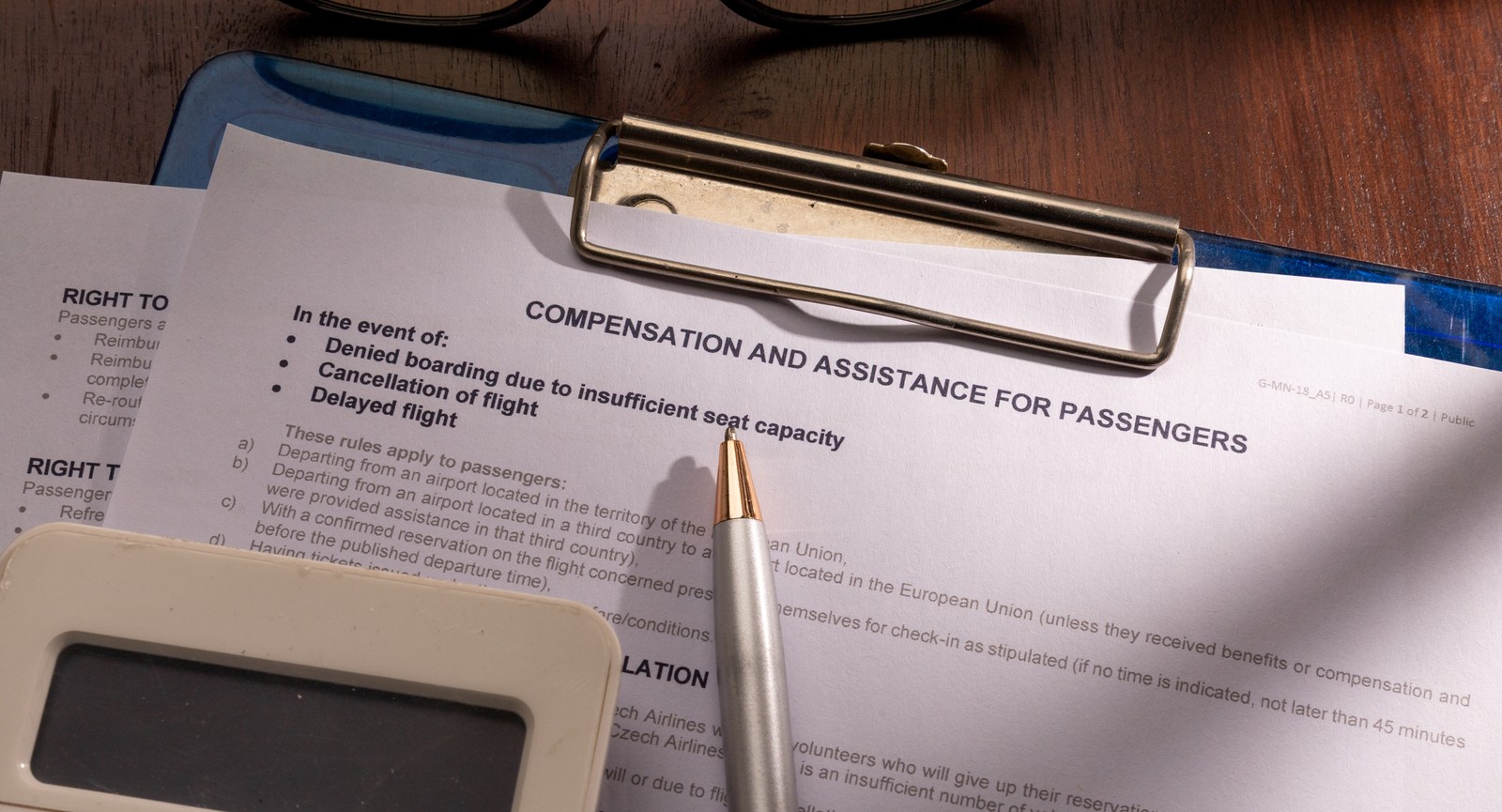
Navigating the complexities of air travel often leaves passengers feeling at the mercy of airline policies, flight delays, and unexpected disruptions. However, international aviation regulations grant air travelers extensive protections. Despite these safeguards, millions of travelers fail to claim the assistance or monetary compensation they are owed simply because they are unaware of the rules. Keep reading to learn ten critical rights that every traveler should know before arriving at the airport terminal.
Right to information if the delay is at least 2 hours

When a flight suffers a delay of two hours or more, the operating airline is legally obligated to provide passengers with clear, written documentation detailing their customer rights. This notice must include the criteria for receiving assistance, meals, and potential financial compensation.
Airlines can’t leave travelers waiting at the boarding gate without updating them on the situation. If a delay reaches the two-hour mark, passengers have the right to request news from airport staff regarding the expected time of departure and the underlying cause of the disruption.
Right to reimbursement for delays of more than 5 hours

When a delay goes beyond five hours, the flight disruption is legally considered a severe impact on the traveler’s itinerary. At this point, passengers are no longer required to wait for the aircraft to depart.
If you choose not to travel after a five-hour delay, you have the right to claim a full refund for the unused ticket within seven days. Furthermore, if the delay occurs during a connecting flight and the purpose of your journey suffers, the airline must provide a free return flight to your original point of departure.
Right of care

If a flight delay extends beyond a specific time threshold—typically two hours for short flights and four hours for long flights—passengers can automatically claim their right of care.
Under this protection, the airline must provide: food and drinks (vouchers or complimentary meals and refreshments proportional to the waiting time); communication access (telephone calls or Wi-Fi); overnight hotel stay (if the departure time is pushed to the following day, the carrier must arrange and pay for accommodation, as well as complimentary transportation between the airport and the hotel).
Right to financial compensation

Beyond basic care and refunds, passengers are often entitled to direct monetary compensation if their flight arrives at the final destination three hours or more later than scheduled, or if the flight is canceled on short notice.
Unless the disruption was caused by "extraordinary circumstances" outside the carrier’s control (such as severe weather, air traffic control restrictions, or security risks), fixed compensation ranges from $270 to $650, depending on the total flight distance. Operational technical issues and airline staff shortages do not count as extraordinary circumstances, meaning the company remains liable for payment.
Protection against schedule changes notified under two weeks

Airlines frequently adjust their flight schedules months in advance. However, if an airline changes your flight time or cancels your original booking with less than 14 days’ notice prior to the departure date, specific protections apply.
If the new schedule alters your arrival or departure time significantly, you don’t have to accept the change. You have the right to choose between: rebooking onto an alternative flight under comparable conditions; receiving a full monetary refund for the ticket; or claiming financial compensation if the alternative flight time differs significantly from your original booking.
Guaranteed check-in and ticket issuance up to 45 minutes prior

Although airlines recommend arriving two to three hours before departure, formal regulations dictate that check-in desks and ticket counters must accept passengers who arrive up to 45 minutes prior to the scheduled departure time.
If a passenger presents themselves at the airport counter or online portal at least 45 minutes before departure with valid travel documents, the airline is obligated to process the check-in and issue a boarding pass. Refusing check-in to a passenger who meets this deadline without a valid reason constitutes improper denied boarding.
Protection against involuntary denied boarding (overbooking)
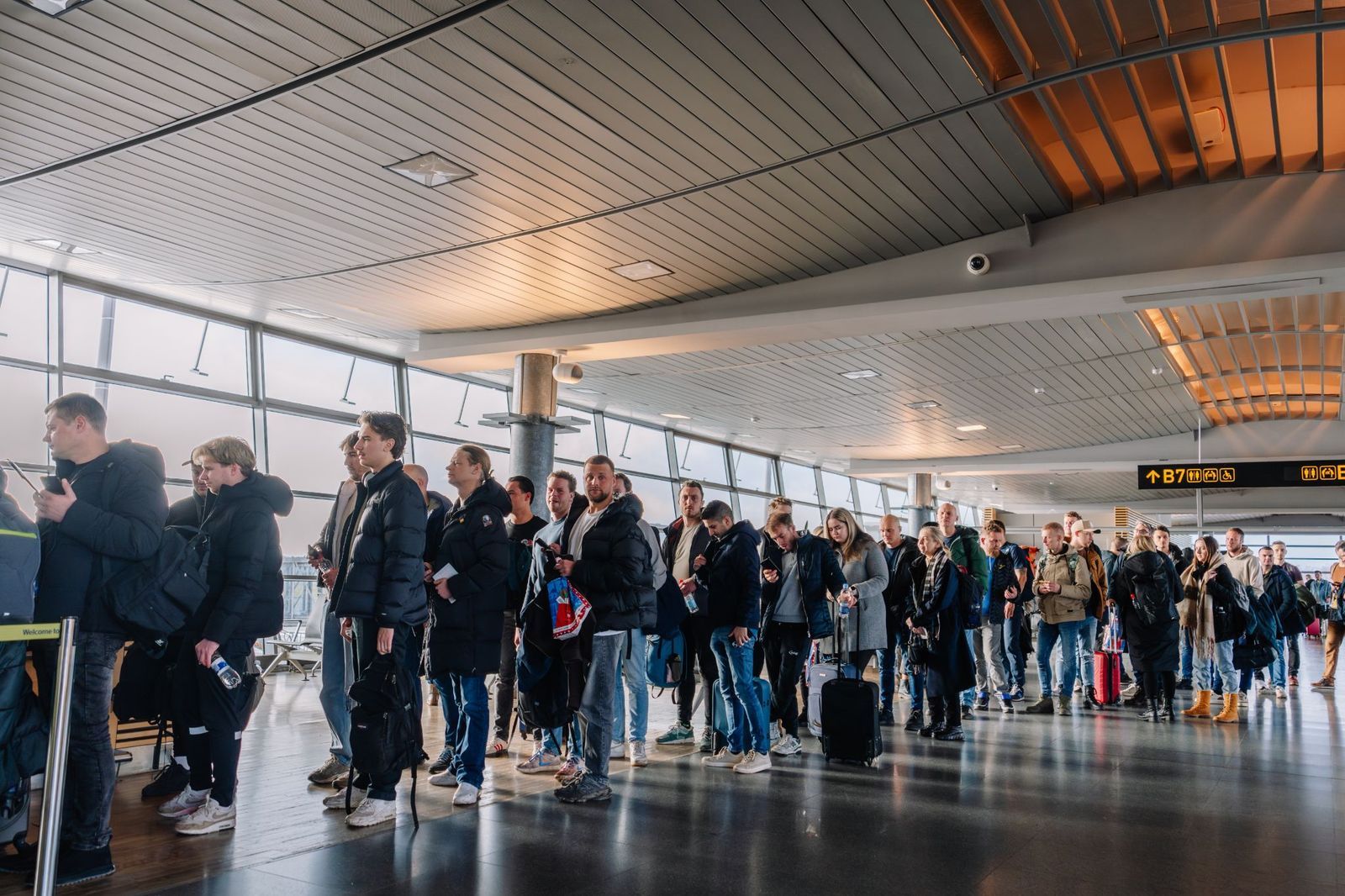
Airlines often overbook flights to compensate for no-show passengers. However, if every passenger with a ticket arrives and the airline denies boarding involuntarily, affected travelers are protected by strict rules.
First, the airline must ask if any volunteers are willing to surrender their seats in exchange for benefits. If you are denied boarding against your will despite arriving at the gate on time, you are entitled to: cash compensation; choose between a full refund or immediate rebooking on the next available flight; full right of care (meals, hotel, transit) while waiting for the alternative flight.
Compensation for delayed baggage
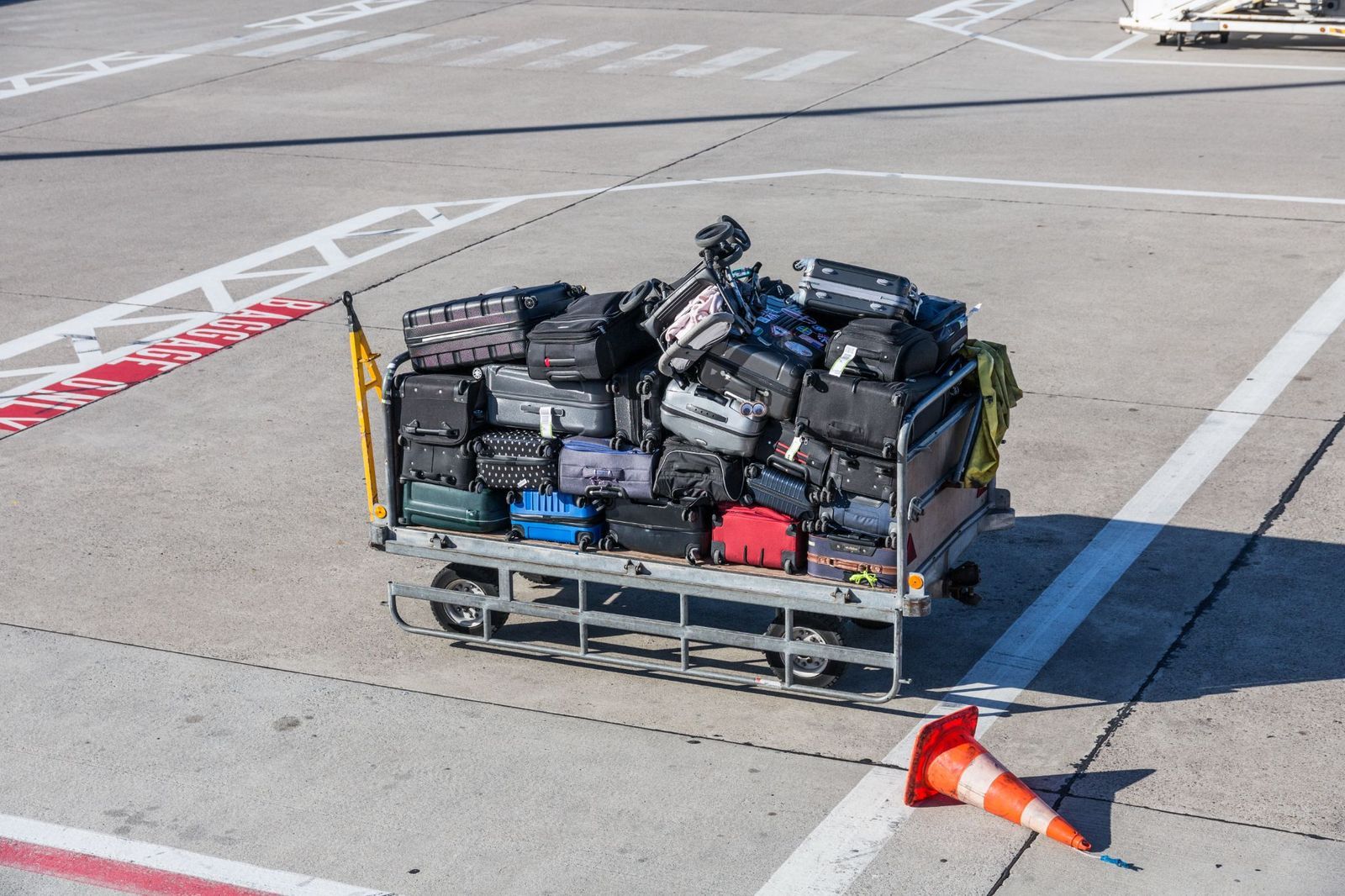
If your checked luggage fails to arrive at your destination, the airline is responsible for covering the costs of any necessary purchases.
Passengers are entitled to buy basic essentials—such as toiletries, underwear, a change of clothes, and phone chargers—until their bag is delivered. To claim these expenses, you have to file a Property Irregularity Report (PIR) at the airport baggage service desk immediately before leaving the airport. Remember to keep all receipts and submit a written claim to the airline within 21 days of receiving the delayed bag.
Compensation for lost baggage
Under the International Montreal Convention, checked baggage that remains missing for more than 21 days is officially declared lost.
Once a bag is presumed lost, the airline must compensate the passenger for the total value of the lost suitcase and its contents, roughly $1,700 to $1,800 USD per passenger. To maximize your payout, maintain a detailed packing list and retain receipts or proof of value for expensive items.
Travel rights for pregnant women up to 32 weeks

A widespread myth suggests that pregnant travelers must present a doctor’s letter during any stage of pregnancy. In reality, standard international aviation guidelines allow pregnant women to fly up to 32 weeks of gestation without a medical certificate.
Though individual airline policies vary between 28 and 36 weeks, expectant mothers under 32 weeks can’t be denied boarding solely due to pregnancy unless clear safety or health complications are evident at check-in.
Keep wandering
There’s always
more to explore

Why you should never travel on an empty stomach
3 min.
Read Now
Do you still need a paper boarding pass? 10 must-know flying rules
5 min.
Read Now

Some of these state fairs have seriously weird attractions
5 min.
Read Now

10 things to pack that could save your vacation
5 min.
Read Now