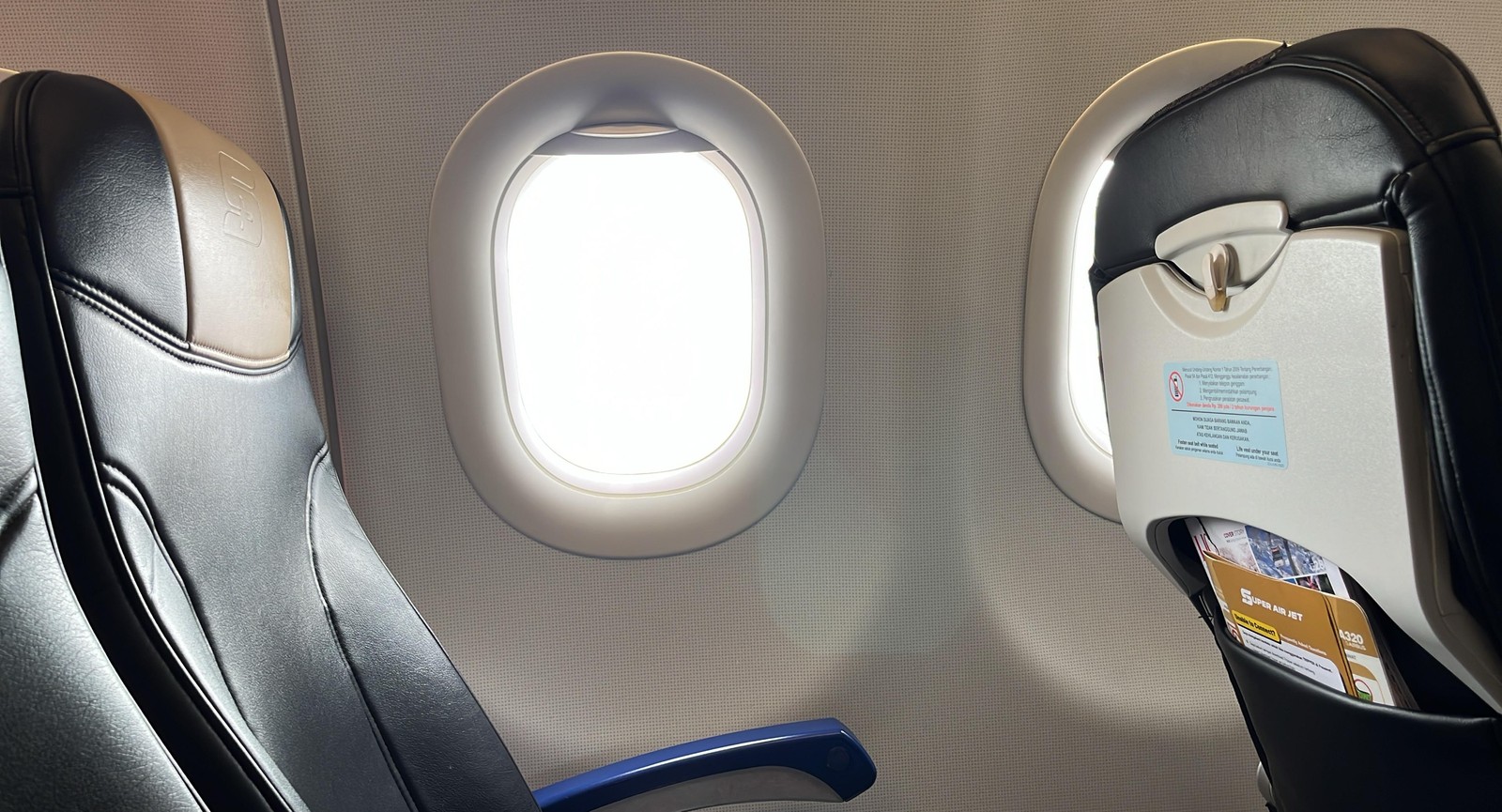
Look closely: these 12 airplane details could save your life
 General
Details matter
Look closely: these 12 airplane details could save your life
Airplanes feature big and small details that seem strange until you discover their function. A pinhole in your window helps manage cabin pressure. Tiny rods on the wings deal with static electricity. Even the colored lights have a purpose. From flexible wings to a hidden turbine in the tail, here are 12 aircraft details that make much more sense once you know why they exist.
The tiny hole at the bottom of airplane windows
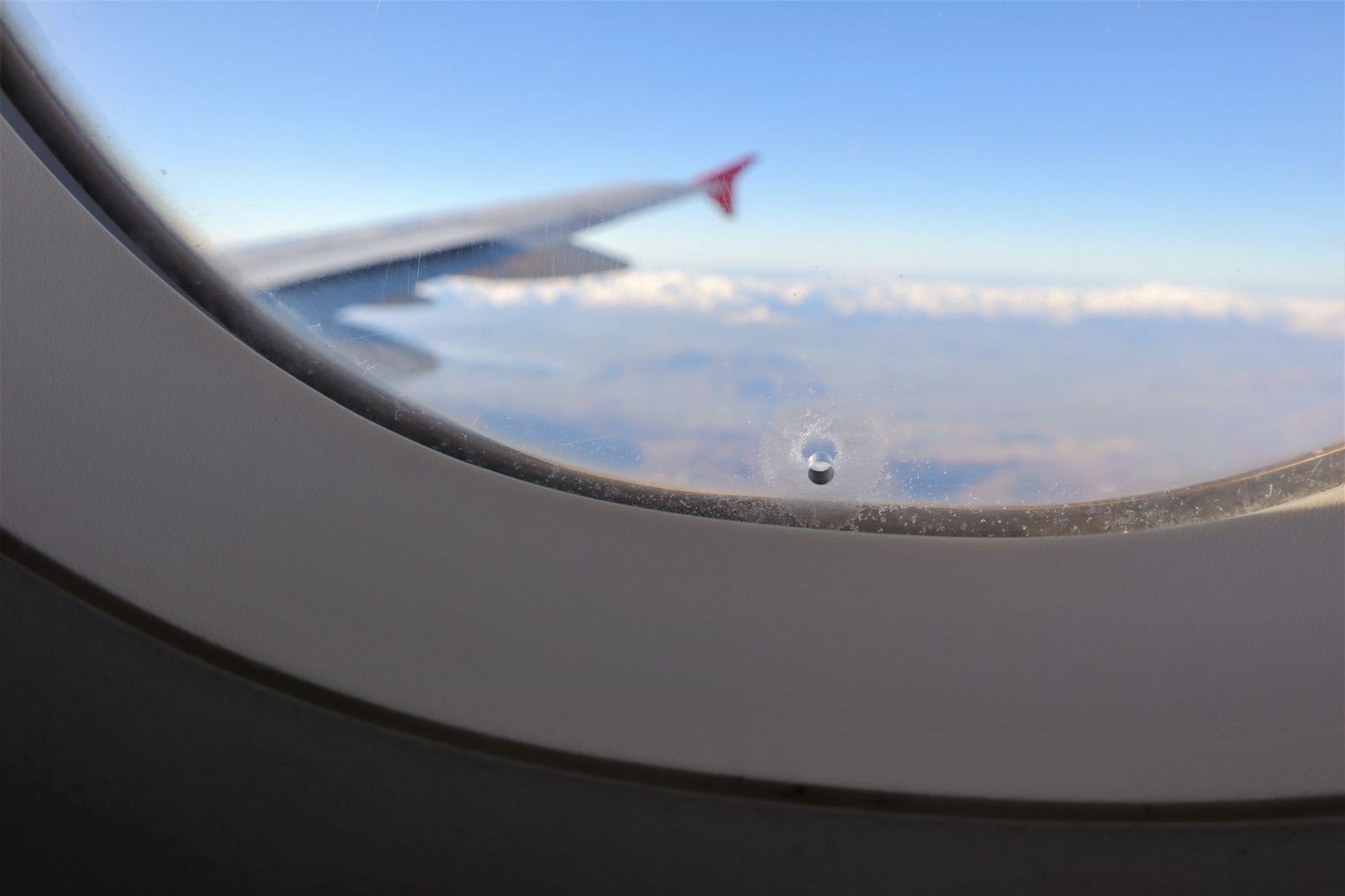
Look closely at an airliner window, and you may notice a tiny hole near the bottom. Known as a bleed hole, it sits in the middle of the multiple panes that make up the window and plays an important role when the aircraft climbs into the thin air at cruising altitude.
The hole helps equalize pressure between the cabin and the space between the panes, allowing the outer pane to bear most of the pressure difference. It also helps control moisture and fogging between the layers. In other words, that seemingly insignificant hole is part of the system keeping a pressurized window working properly miles above the ground.
Why are windows rounded?
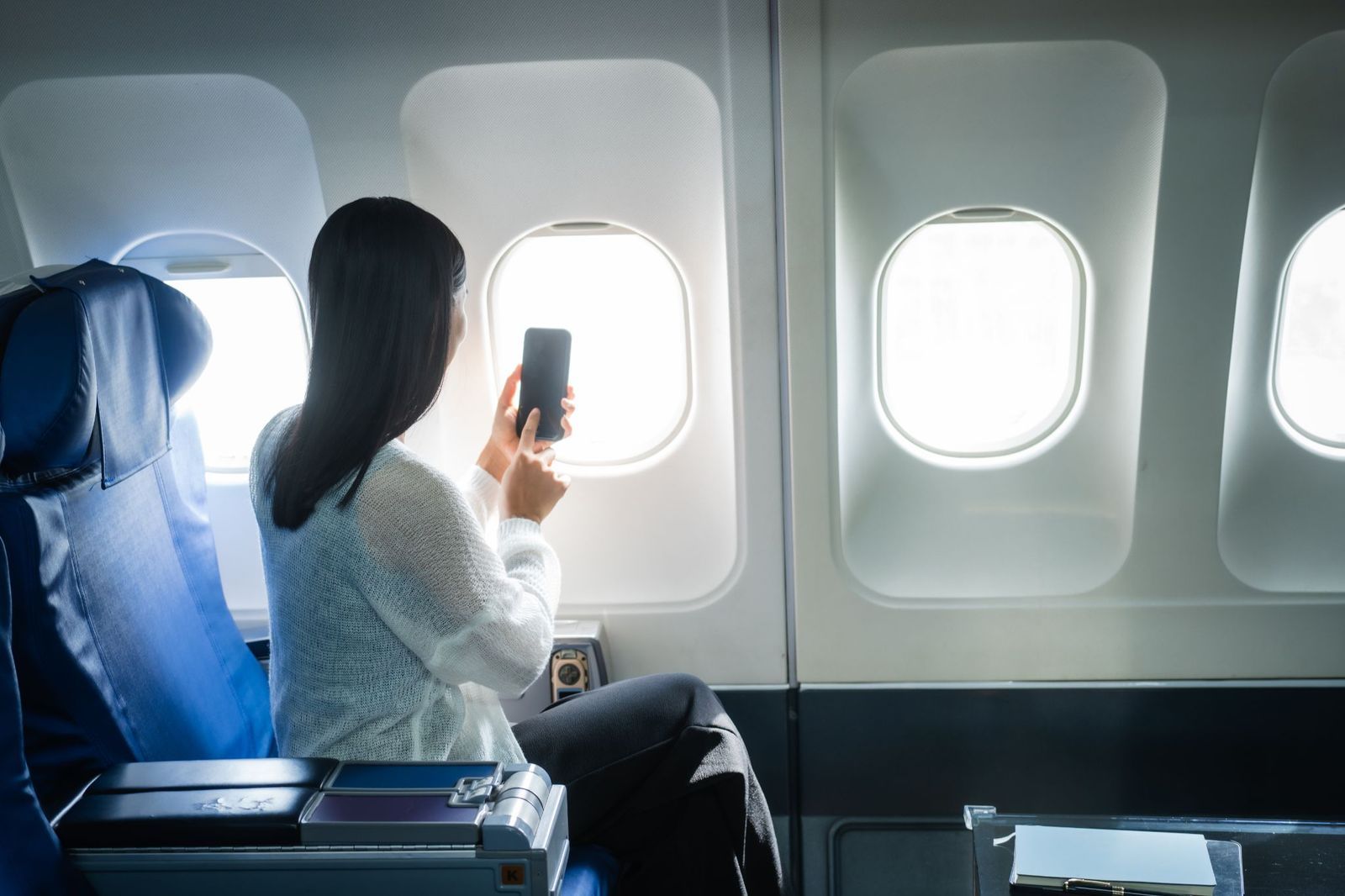
Rounded windows aren't an aesthetic choice. Sharp corners concentrate stress, a serious concern when an airplane's fuselage repeatedly expands and contracts slightly as the cabin is pressurized and depressurized. Curved corners distribute those stresses more smoothly around the opening.
A tragic lesson came with the world's first commercial jet airliner, Britain's pioneering de Havilland Comet in the 1950s. Investigations of catastrophic accidents revealed fatigue cracking associated with highly stressed fuselage openings.
Why do airplane wings bend so much?
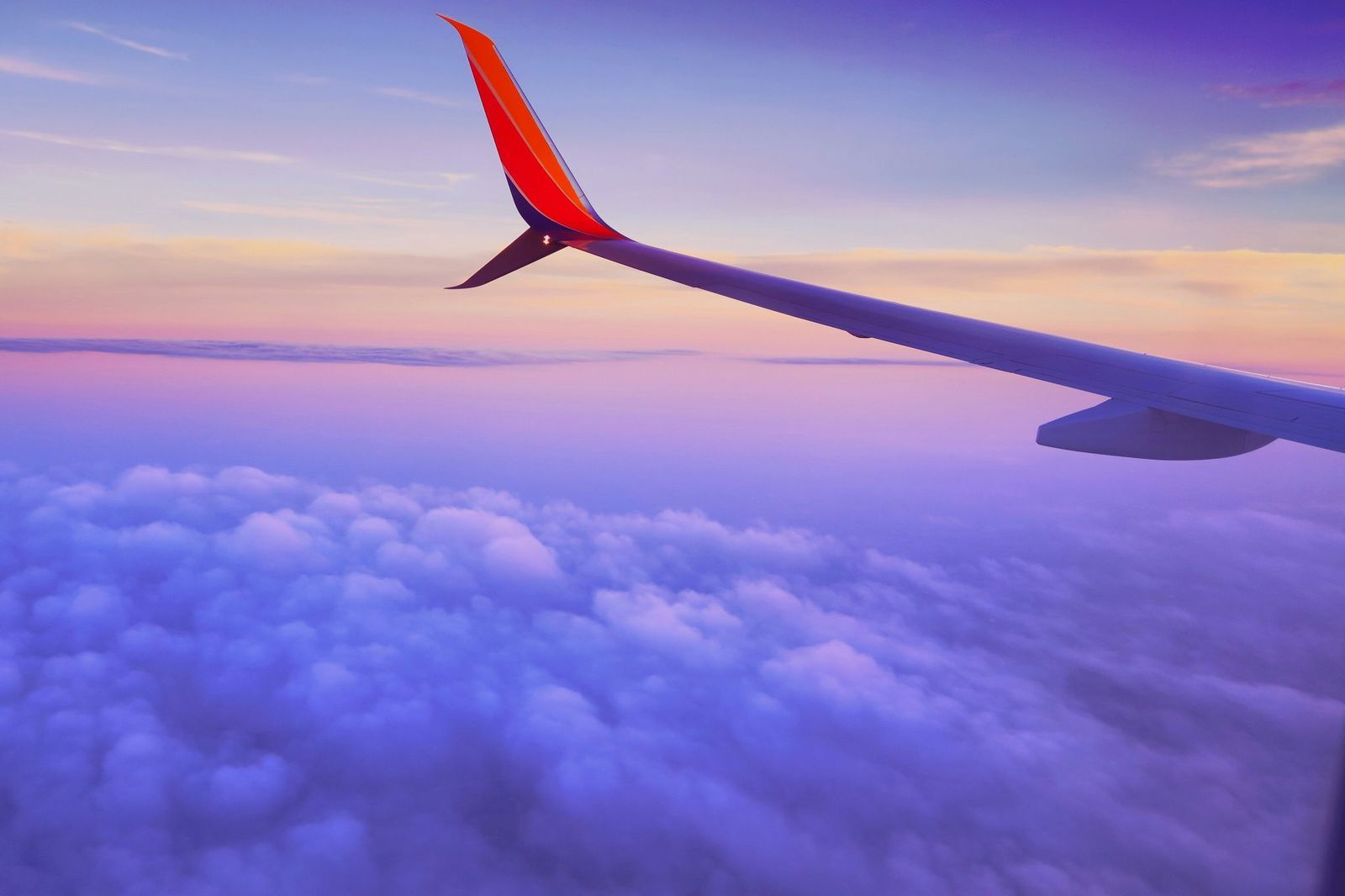
Watching a wing bounce and flex in turbulence can be unsettling, but flexibility isn't evidence that it's about to break. Aircraft wings are deliberately engineered to flex while carrying enormous aerodynamic loads. Making them perfectly rigid wouldn't necessarily make them safer.
Boeing demonstrated just how far that flexibility can go during a 2010 test of the 787 Dreamliner. Engineers loaded the wings to 150% of the most extreme forces expected in service. Their tips bent upward approximately 25 feet while maintaining the required structural integrity. What can look alarming through your window is actually part of the wing doing what it was designed to do.
Why do modern wingtips curve upward?
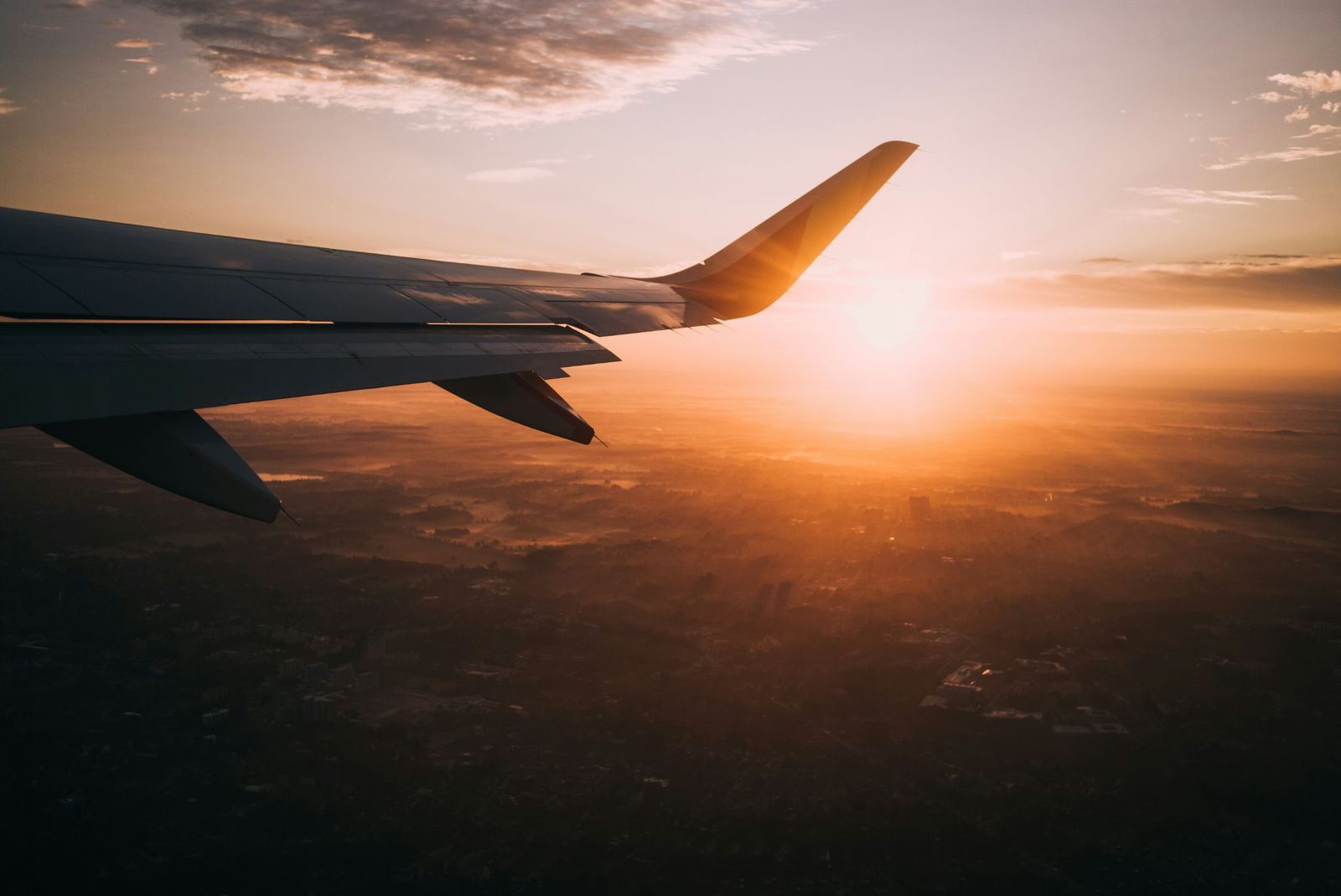
Those upward extensions are generally called winglets, although today's aircraft use several different wingtip designs. Air flowing around a conventional wingtip creates vortices and wastes some of the energy the aircraft uses to stay aloft.
NASA engineer Richard Whitcomb helped pioneer the modern winglet during the 1970s. These devices improved fuel efficiency by roughly 6% to 7%, which might not seem like much, but it adds up to huge savings over thousands of flights.
Why are spirals painted in the center spinner of jet engines?
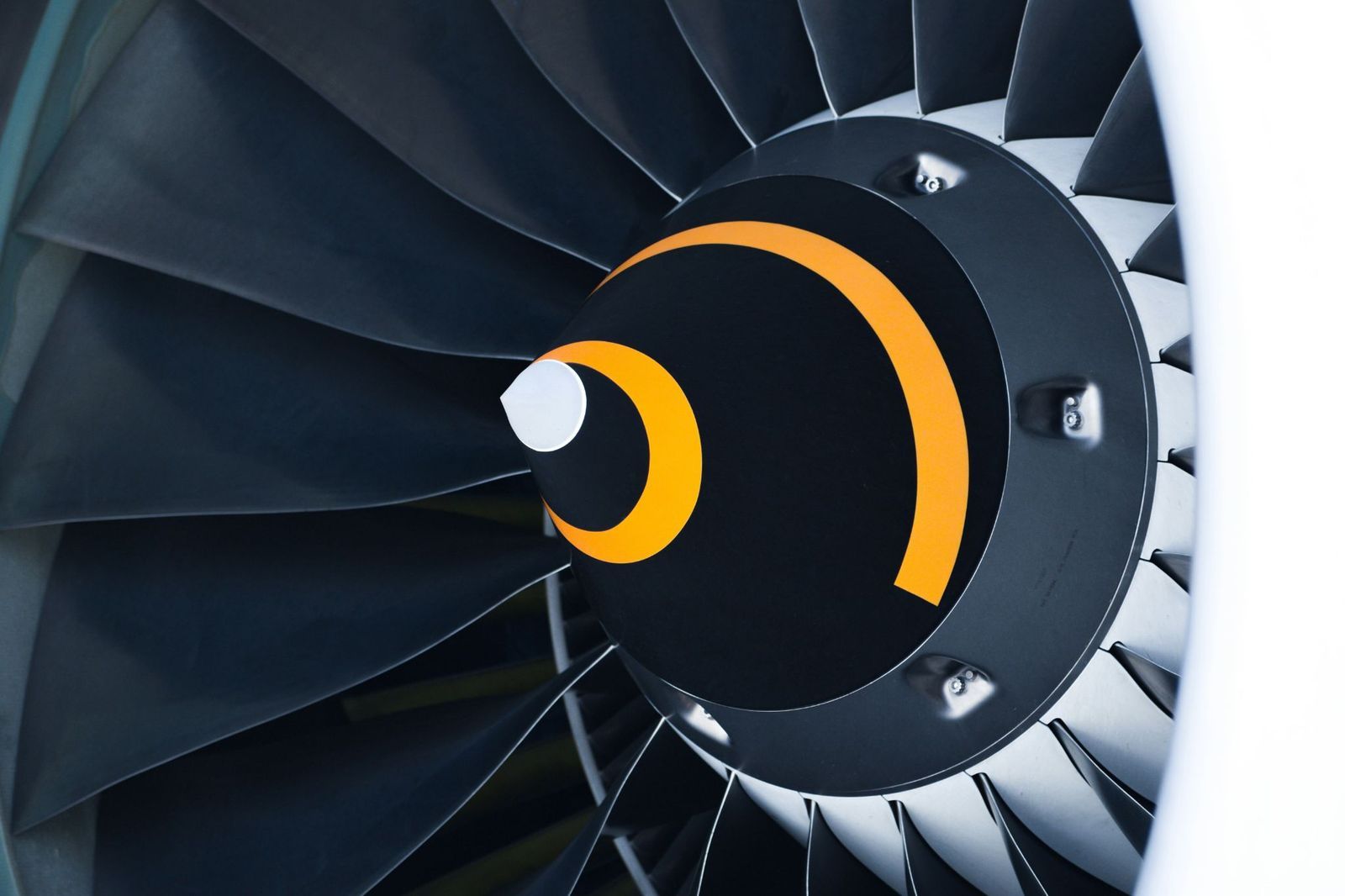
The hypnotic white spiral on the cone at the center of many jet engines isn't simply decoration. When the engine rotates, the changing pattern provides an easily visible indication that the enormous fan is turning, which is useful information for ground personnel working around a potentially dangerous running engine.
You may also have heard that the spirals are painted to frighten birds. Spinner markings have been studied in connection with bird visibility, but bird deterrence isn't a sufficiently universal explanation for the familiar spirals. Their much more straightforward safety benefit is making rotation easier for people on the ground to recognize.
What is that extra engine in the aircraft tail?
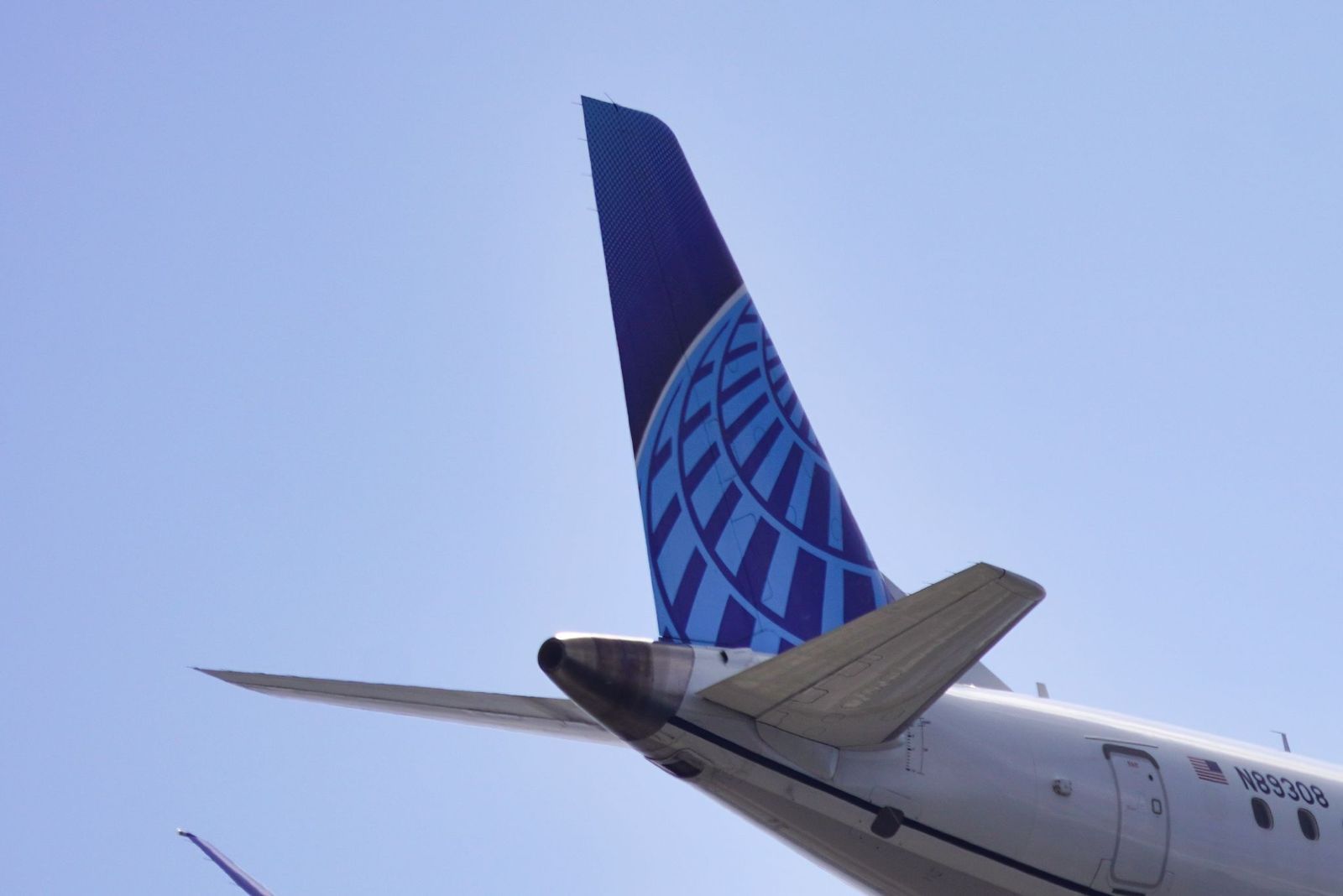
That little exhaust opening at the rear of many airliners belongs to the auxiliary power unit, or APU. Hidden inside the tail is a small gas-turbine engine that can provide electrical power and compressed air without relying on the aircraft's main engines.
The APU helps power aircraft systems on the ground and can supply the air needed to start the much larger engines under the wings. That's why you may hear a turbine-like whine while sitting at the gate even though the main engines haven't started. The airplane really does have another little turbine running behind you.
Why are airplane tires so small?
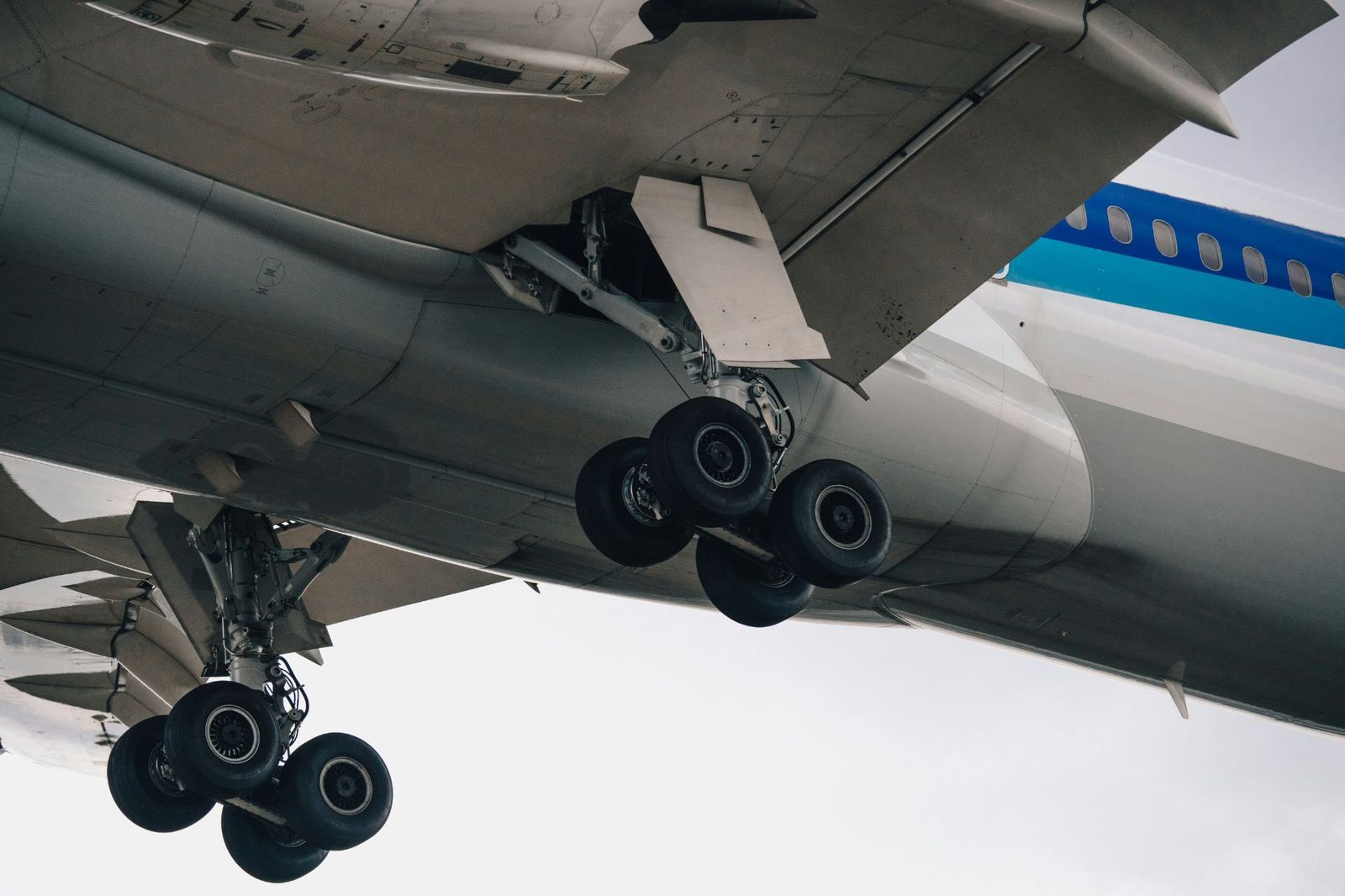
Considering the enormous weight of an airliner, its tires can look surprisingly petite. They manage the job partly because the aircraft's weight is spread across multiple wheels and because aviation tires operate at pressures far higher than those found on a typical family car.
Keeping the tires relatively compact also matters because the landing gear must retract into limited space aboard the aircraft. They may look undersized beneath a giant jet, but they are highly specialized pieces of engineering built for extraordinary loads.
How do airplane tires survive hitting the runway at high speeds?
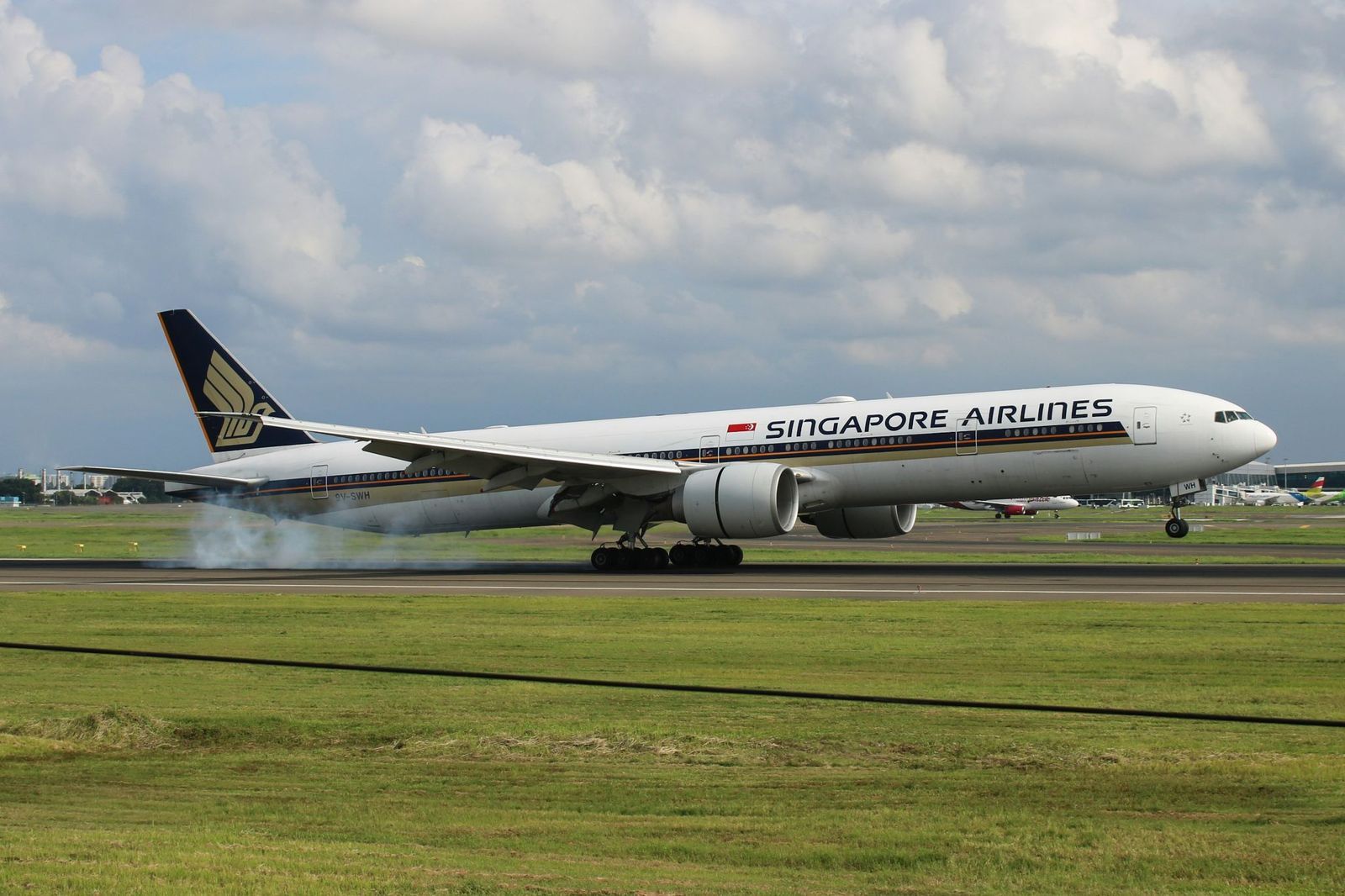
Aircraft tires aren't indestructible, and they can fail. But they're specifically engineered to withstand tremendous loads, rapid acceleration as the wheels meet the runway, and the heat associated with landing and braking. Careful pressure monitoring and maintenance are essential to keeping them within those limits.
There is another clever safeguard hidden in many transport-aircraft wheels: thermal fuse plugs. If the brakes become dangerously hot, these plugs can melt and allow excessive air pressure to escape before heat causes a more dangerous wheel or tire failure.
What are the little stick rods at the end of wings and tail?
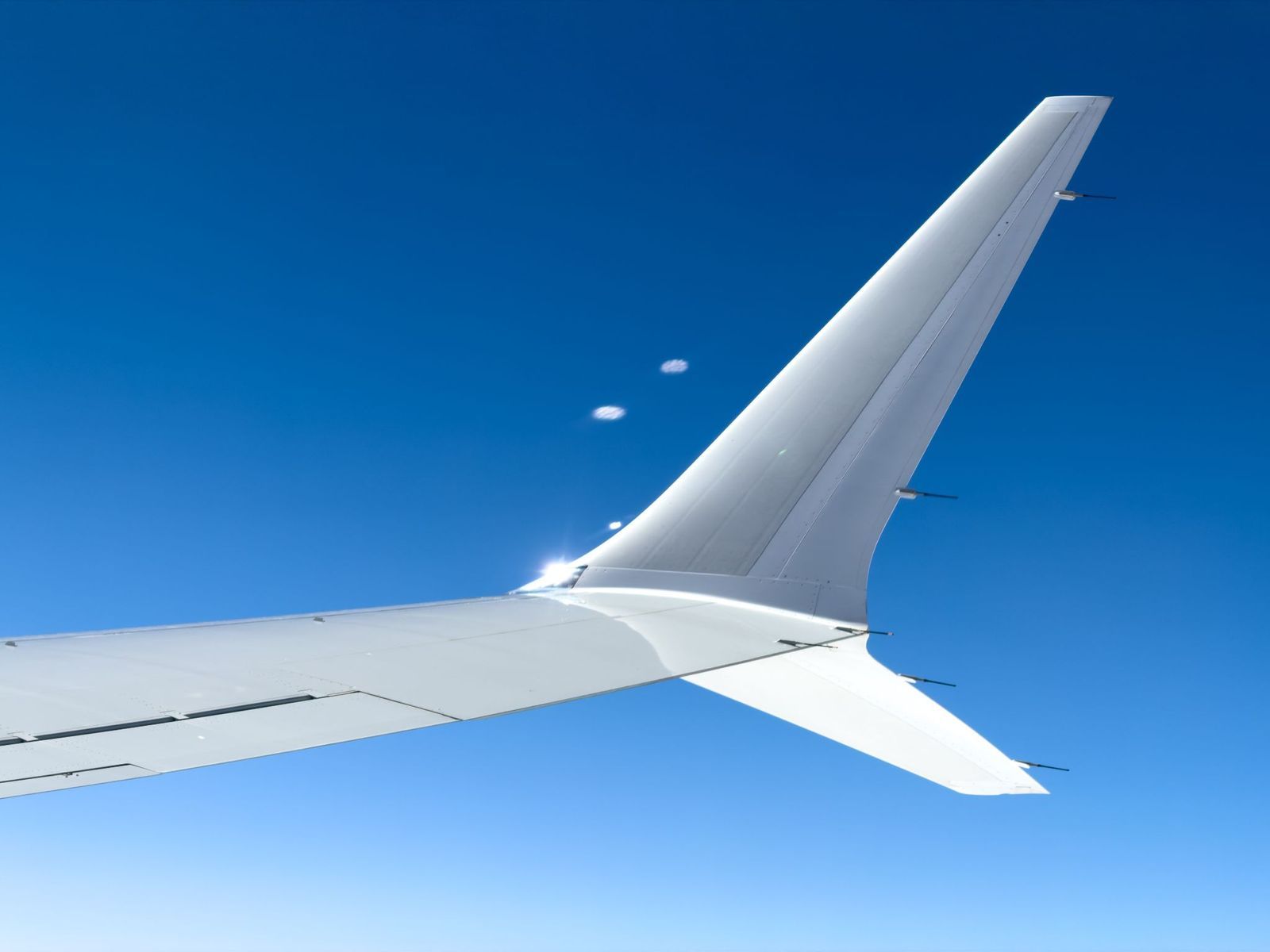
Those thin rods projecting from trailing edges are called static dischargers, or static wicks. As an airplane flies through rain, snow, ice crystals, and other particles, electrical charge can accumulate on its surface. Left uncontrolled, the resulting static can interfere with radio communications and navigation equipment.
Static wicks provide locations where that accumulated charge can dissipate into the surrounding atmosphere. They aren't conventional lightning rods, as they're sometimes described; their primary job is controlling static electricity and the interference it can create.
Why do some airplanes have red or yellow markings?
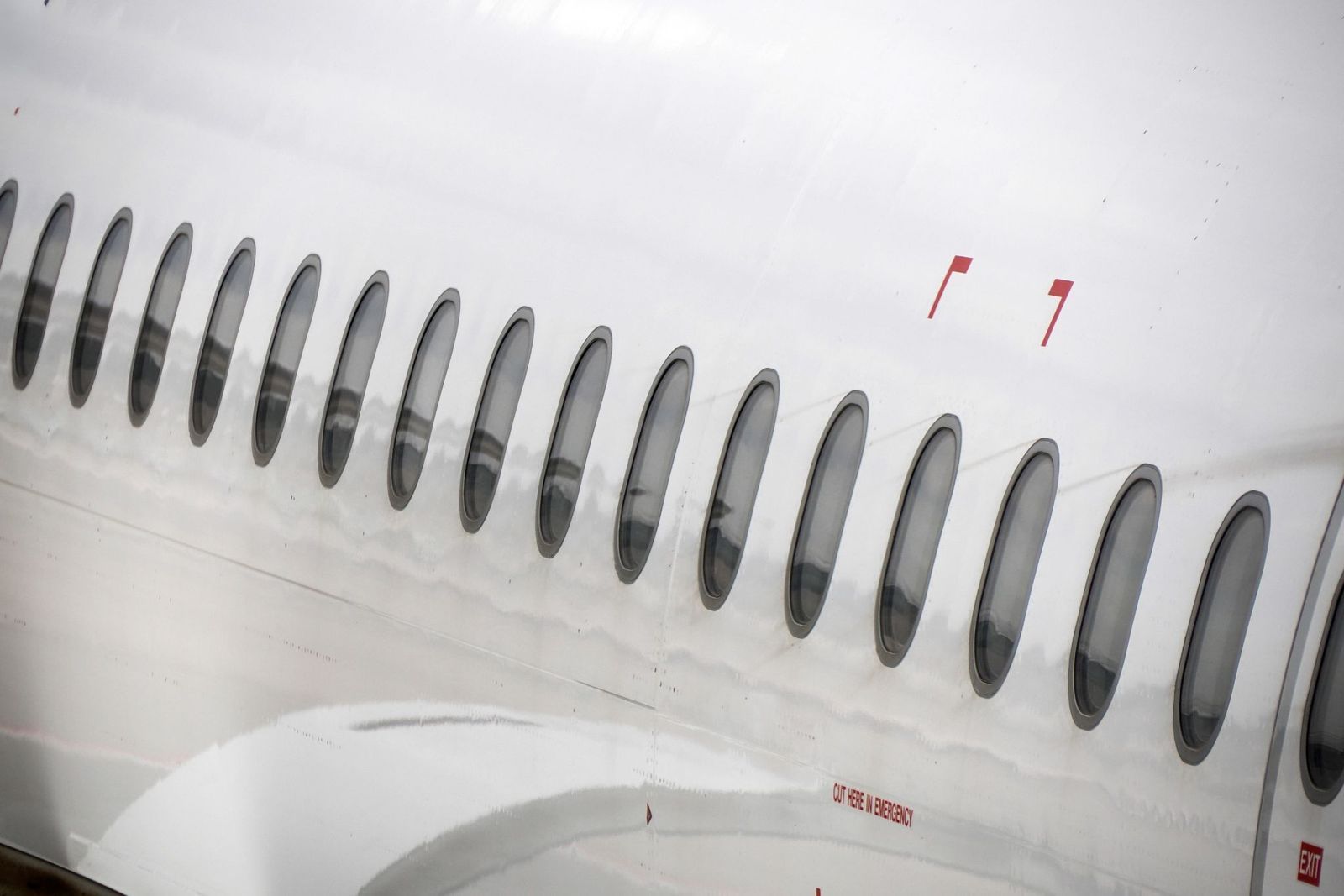
Some aircraft carry small markings outlining areas where emergency crews can break through the fuselage after an accident. Known as break-in point markings, they give rescuers guidance about suitable locations for gaining access when ordinary doors or exits can't be used.
Interestingly, you won't necessarily see them on every airplane. European aviation rules address these rescue markings, which may be red or yellow depending on the aircraft and required contrast. The U.S. does not impose the same break-in-point marking requirement. They're an excellent example of an aircraft detail designed not for everyday passengers, but for the people who may someday need to rescue them.
What’s with the red and green lights on opposite sides?
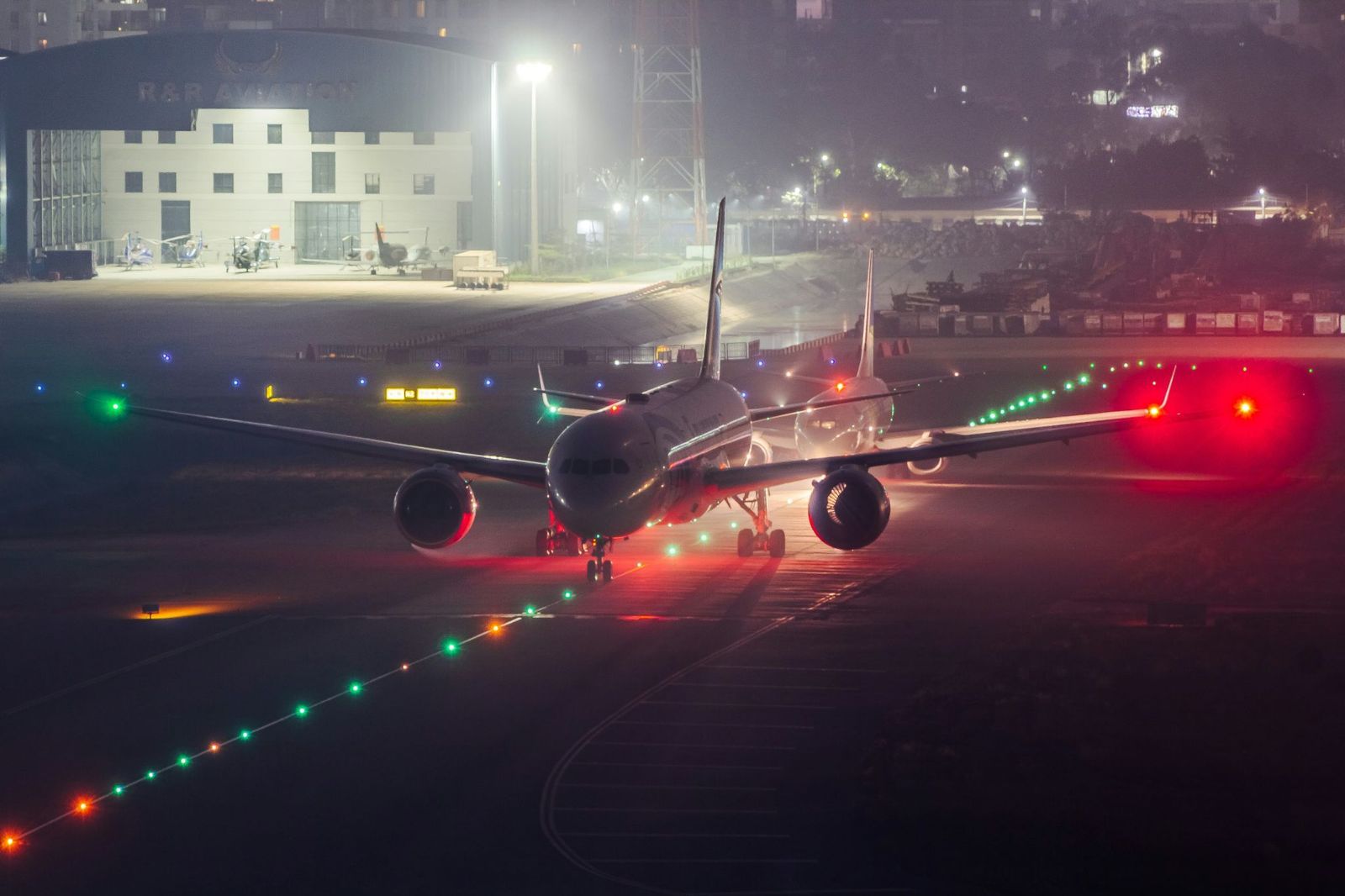
Aircraft position lights use a remarkably old navigational language. Red marks the left, or port, side; green marks the right, or starboard, side; and a white light is visible toward the rear. The system closely follows conventions long used aboard ships.
The colors allow pilots to determine another aircraft's orientation in darkness. If you see an aircraft's red light on your right and green on your left, for instance, you can assume that the vessel is coming your way, instead of moving away.
What is the white mist appearing over a wing?
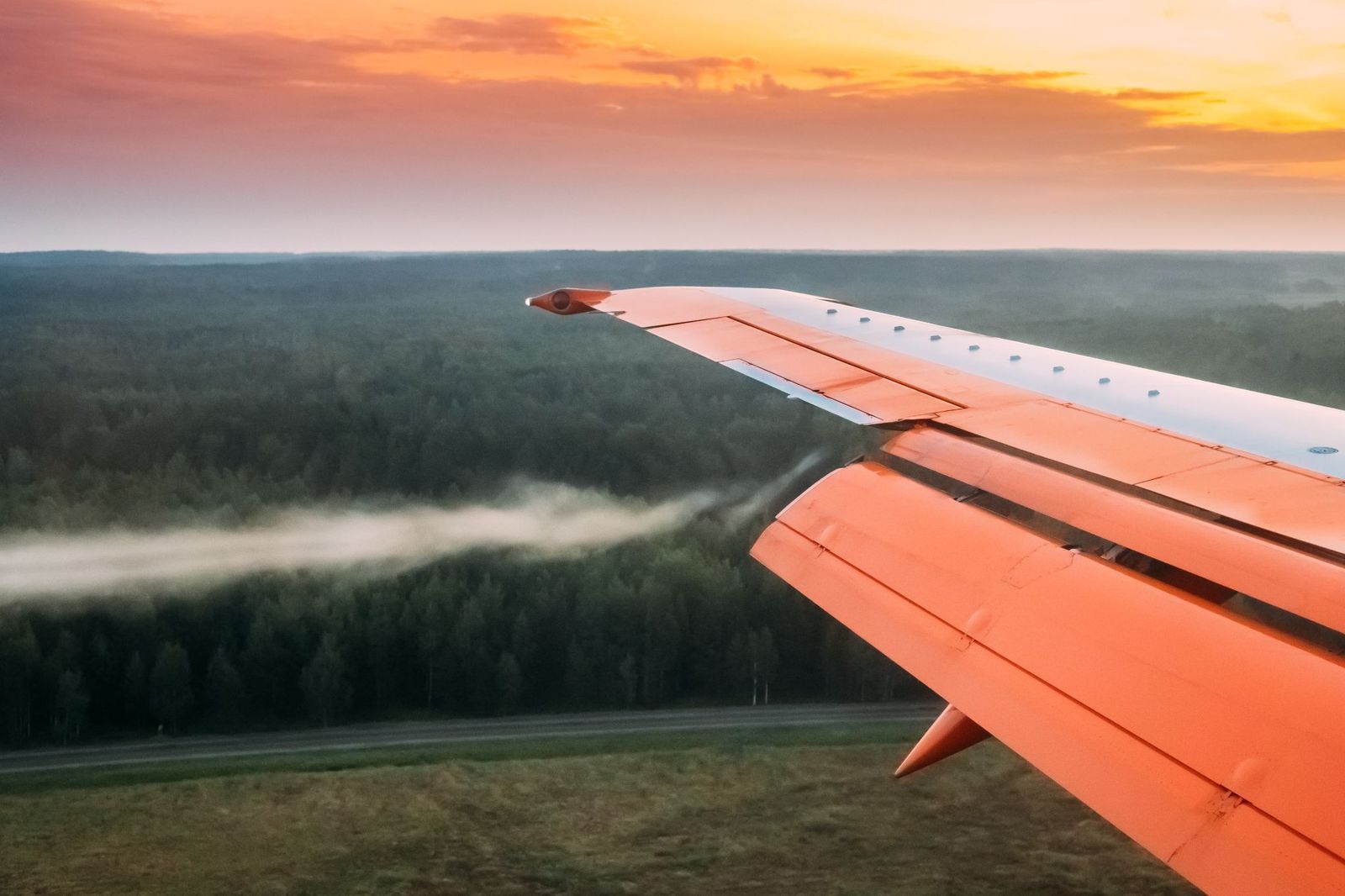
A sudden white cloud spilling across an airplane wing during takeoff or landing can look dramatic and make a passenger wonder whether something has gone wrong.
Air moving through low-pressure regions around the wing can cool enough for atmospheric water vapor to condense into tiny droplets. Similar condensation can make wingtip vortices visible as twisting trails. Unlike persistent high-altitude contrails formed behind engines, these aerodynamic clouds usually vanish quickly.

Warning: These airport codes may cause chuckling at the gate!
Short codes, big laughs
Have you ever flown into LOL or OMG? You might have and not noticed!
You know that little three-letter code on the luggage tag that usually means nothing to you? Turns out some of them are comedy gold. A few airport codes look like something your grandkid texts, or how you feel after standing in a security line too long. Once you spot them, you can’t unsee them. Next time you fly, you might find yourself smiling before you even reach the gate.
LOL: Laughing before you land
 Image: Juliana Malta
If you’re flying into Derby Field in the state of Nevada, check your ticket and feel free to laugh out loud, literally! LOL is the code! That alone feels like a good omen, right? It’s a small regional airport, not a stand-up club, but the code gives it instant personality.
OMG: Surprise included
 Image: Ultimate Safaris Namibia
Omega Airport in Namibia proudly carries the code OMG. That seems fitting, especially if it’s your first trip to southern Africa. Whether you’re amazed by the scenery or just stunned by how far from home you are, that reaction is already displayed on your boarding pass.
WOW: Expectations set high
 Image: Patrick Federi
Keeping up with surprises, WOW belongs to Willow Airport in the United States. With a code like that, you expect fireworks on arrival. It might be misleading, though; Willow is a small Alaskan airport, but WOW gives it a sense of drama.
YUM: No snacks included
 Image: Andrew Sterling
If your boarding pass says YUM, you’re headed to Yuma International Airport in Arizona. Sadly, it has nothing to do with dessert. Yuma is known for sunshine and desert landscapes, not buffet lines. Still, it’s hard not to grin when your luggage tag sounds like a compliment to the in-flight meal.
PIE: Wishful thinking
 Image: Lance Asper
Does PIE mean free pie? Not quite. This code belongs to St. Pete-Clearwater International Airport in Florida. While you won’t be handed a slice at baggage claim, the area does serve beaches, warm weather, and plenty of places to eat. Close enough, right?
MAD: The mood matches
 Image: Jorge Fernández Salas
If you’ve ever been stuck in a long security line, MAD feels painfully accurate. This code represents Aeropuerto Adolfo Suarez Madrid-Barajas in Spain. It’s one of Europe’s busiest airports, so frustration can happen. Talk about accuracy!
DOG: Expectations managed
 Image: Steve King
Why did they bother coming up with these codes if puppies are not included? This code belongs to Dongola Airport in Sudan. No dogs waiting for you on arrival, but if you visit the country, you’ll be delighted with the pyramids, and you’ll sure come across a dog or two!
EEK: Exactly what it says
 Image: Alex
Did you know Alaska has an Airport that is Eek? And this one isn’t shorthand at all. Eek is the actual name of a tiny airport, and it only has one runway. Remote, quiet, and very small, the code feels like a natural reaction to realizing just how far off the beaten path you’ve gone.
BOO: Perfect for October
 Image: Samuel Han
BOO is the airport code for Bodo Airport in Norway. It sounds spooky, but the town itself is charming and scenic. Flying out of BOO on Halloween would feel especially on theme. We’ve seen all kinds of codes. Why not one that adds seasonal fun to an otherwise ordinary travel day?
DIE: Not as scary as it looks
 Image: Sandy Ravaloniaina
Now, here’s a crazy one to finish with! Seeing DIE on your ticket can stop you cold, but there’s no need to panic. This is the code for Arrachart Airport in Madagascar. It’s simply a coincidence, not a warning. Once you get past the letters, you’re headed somewhere truly unique and very much alive! Would you dare visit it?
Keep wandering
There’s always
more to explore
 Culture

Some of these state fairs have seriously weird attractions
5 min.
Read Now
A town called Chicken? Why are these 10 U.S. places named after food?
4 min.
Read Now

These 10 real places feel like stepping into famous paintings
5 min.
Read Now

Behind the front desk: Hotel secrets that will change how you check in
5 min.
Read Now